 Ngo Thanh Mai1
 Dinh Duc Truong
- 1Faculty of Environmental, Climate Change and Urban Studies, The National Economics University (NEU), Hanoi, Vietnam
- 2Finance and Banking Institute, The National Economics University (NEU), Hanoi, Vietnam
- 3French Vietnamese Centre for Education Management (CFVG), The National Economics University (NEU), Hanoi, Vietnam
With the rapid economic development in the past decades, Vietnamese people are more and more aware of the role of safe food for their health and that of their families. Currently, the trend of organic food consumption is happening faster, especially in urban areas. The study aims to determine the influence of transparent information and knowledge about organic products on consumers' attitudes, trust, and subjective norms affecting their purchase intention of organic products. Data were collected from 420 consumers in Da Nang city, Central Vietnam. Exploratory Factor Analysis (EFA) method and Structural Equation Modeling (SEM) were used to evaluate the scale's reliability and identify the impact factors. The results show that attitudes and trust have a positive relationship with the intention to buy organic food. In addition, research shows that trust is a predecessor of attitudes and mediates the relationship between information, knowledge about organic food, and intention to buy organic food. The study's findings are consistent with previous literature and provide implications for food managers, organic food businesses, and the community.
1. Introduction
Food is one of the most important requirements for human survival. The nutrients we get from eating food provide us with nutrients and energy to maintain our daily activities. Food also plays an important role in the culture of the society, giving the communities a distinct identity. Generally, all participants in the food supply chain have a specific role to play in maintaining food safety, including food suppliers, food business owners, manufacturers, and customers. This aspect aims to protect customers from foodborne illnesses that can affect people's lives and business owners' performance (Oluwakemi and Omodele, 2014; Khan, 2018; Pandit and Gogate, 2021).
Globally, foodborne illnesses are widespread in both developed and developing countries. According to the World Health Organization (2021), around 2.8 million people will die in 2020 from diarrhea, one of the foodborne illnesses. As a result, foodborne illnesses and their safety have attracted worldwide public attention in recent years. The Centers for Disease Control and Prevention has identified five risk factors for foodborne illnesses, including abuse of temperature during storage, improper cooking, cross-contamination between foods and food. raw and fresh ready-to-eat, poor hygiene and sanitation in food handling (Thøgersen et al., 2016; CDCP, 2020).
In Vietnam, the food industry is a growing industry, serving 90 million people and nearly 15 million international visitors annually (Le and Nguyen, 2019; General Statistics Office of Vietnam, 2020). Currently, the food industry faces stiff competition and challenges as consumers demand higher quality food while companies focus on increasing profits, which can create conflict of interest (Le and Truong, 2019). Food safety is an important socio-political issue of the country. In agriculture, the improper use of chemicals has increased at an alarming rate over the past decade. This has led to many foods safety issues, which are widely covered in the media (Spring, 2020; Thanh, 2021). Therefore, Vietnamese people are very concerned about food safety, especially agricultural chemical residues. Consumers are increasingly interested in choosing food for daily consumption (Le and Truong, 2019; Viet et al., 2019). Consumption of organic food is a growing trend in Vietnam. Even in recent years, organic products have created a strong incentive for some consumers. Organic vegetables, fish, meat and fruits are the foods chosen by housewives for family meals (Le and Nguyen, 2019).
So far, studies on the purchase intention of organic food have also been carried out in different contexts worldwide and found some factors affecting purchase intention such as attitude, subjective norms, trust, health concerns, environmental concerns, product quality perception, behavioral control ability, etc. (Ragavan and Mageh, 2013; Pomsanam et al., 2014; Ullah et al., 2018; Saleki et al., 2019). However, the number of this topic is limited in Vietnam and has not reached general conclusions about the factors affecting consumers' purchase intent of organic food nationally and locally. Recently, the demand for safe food in urban Vietnam in general and in Da Nang city (the third largest city of Vietnam) has increased and this shows that consumers are increasingly concerned about consuming organic foods, driven by their food consumption decisions.
This study aims to identify essential factors affecting consumers' purchase intention of organic foods in Da Nang city to provide meaning and a basis for businesses in the food production sector to have effective strategies for developing the organic food market in Danang city, Vietnam.
2. Literature review and hypothesis development
2.1. Literature review
Researchers have extensively used the theory of reasoned behavior and the theory of planned behavior (Ajzen, 1991; Beharrell and MacFie, 1991) to explain the purchase intent of organic food (Anders and Moeser, 2008; Yin et al., 2010; Pomsanam et al., 2014; Ngo and Vu, 2016; Le, 2018; Son, 2020; Nguyen and Trang, 2021).
Ajzen developed the theory of reasoned behavior. According to the theory of reasoned behavior, one of the most critical factors in determining human behavior is the intention to perform the behavior. The relationship between behavioral intention and human behavior is used simultaneously to study consumer buying behavior. The theory of reasoned behavior indicates that a person's behavioral intentions are influenced by two main components: Personal attitude and Subjective norm.
Similarly, Pomsanam has built up the theory of planned behavior, an extension of the theory of reasoned behavior. According to the theory of planned behavior, three primary factors used to predict the purchase intent of consumers are (1) Subjective norm (the importance of opinions from people around that consumers care about); (2) Consumer's attitude; (3) Perceived behavioral control (i.e., consumers perceive that they can control their behavior) (Saleki) (Table 1).
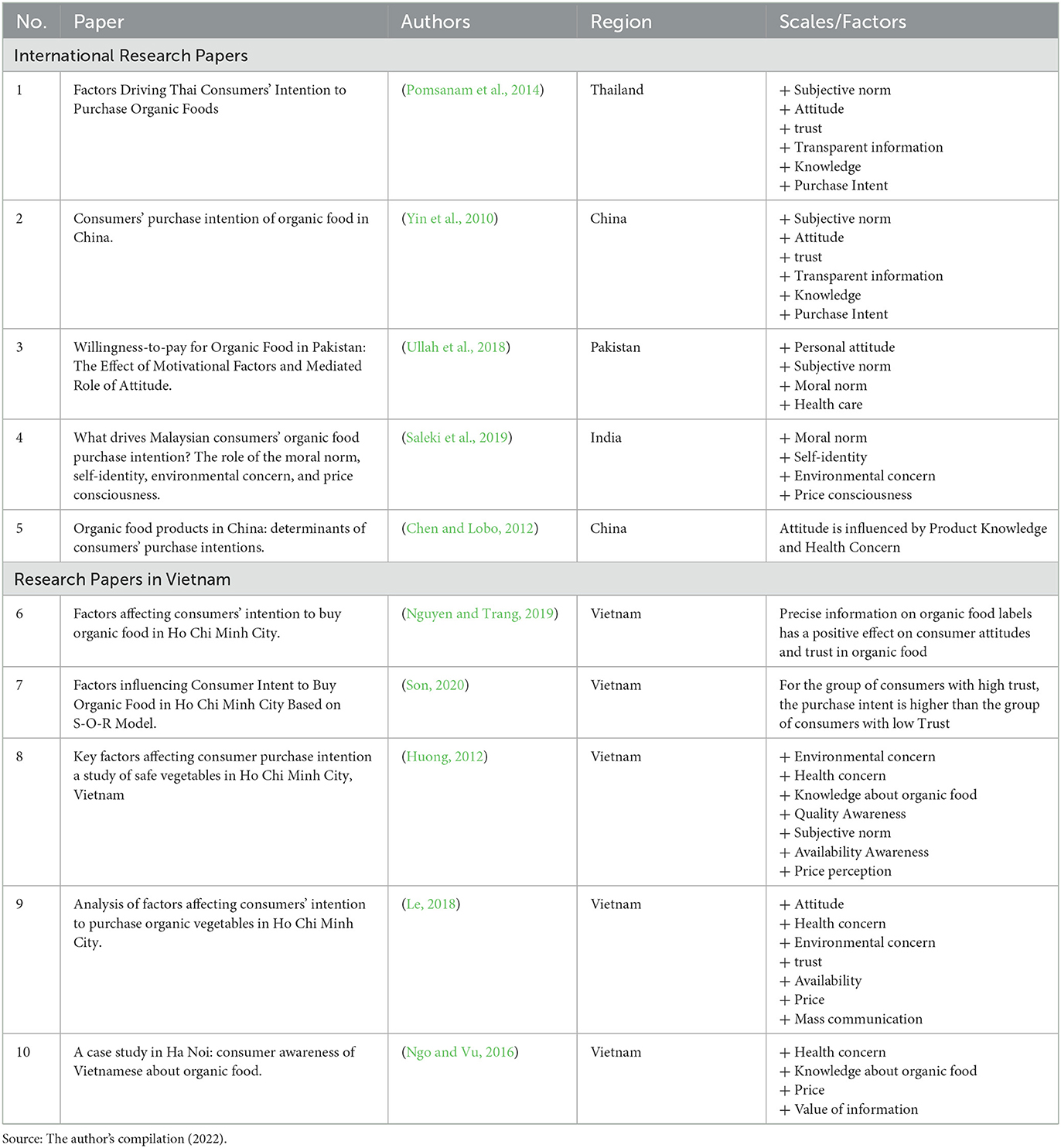
Table 1. Related international and domestic studies on purchase intention.
2.2. Hypothesis development
2.2.1. Attitude
Le (2018) considers that a positive attitude toward organic food is an essential premise that drives the purchase intent of organic food. According to the theory of planned behavior, the consumer's attitude is considered an essential determinant of behavioral intention, and the more positive the attitude toward an individual's behavior, the greater the individual's intention to perform the behavior (Huong, 2012). Based on the above, the study proposes the following hypothesis:
Hypothesis H1. Attitude has a positive relationship with the purchase intent of organic food.
2.2.2. Subjective norm
According to Pomsanam et al. (2014), subjective norms are social pressures that affect an individual's perception of performing or not performing a behavior. According to Yin et al. (2010), trust defines the subjective norm about which influencers think an individual should perform the behavior (influencers are people who can be family, friends, and others) around the subject consumer. Chen and Lobo (2012) assert that subjective norm is an essential factor in determining the influence of society on behavioral intentions. Based on the above, the study proposes the following hypothesis:
Hypothesis H2. Subjective norm has a positive relationship with the purchase intent of organic food.
2.2.3. Trust
Trust is viewed as a perceived vulnerability or risk resulting from individual uncertainty regarding influencers' motives, intentions, and potential actions toward consumers consumers (Nguyen and Trang, 2019). In many cases, trust is based on prior experience. Trust is seen as a general mechanism to reduce the perceived risk in taking actions by increasing expectations of a positive outcome and certainty in the perception of behavioral intention (Son, 2020).
Saleki et al. (2019) indicates that trust is one of the most effective ways to reduce consumer uncertainty. Therefore, the importance of trust in organic food consumption and trust in food suppliers and certifications dramatically influences consumers' attitudes and behavioral intentions (Ngo and Vu, 2016).
Hypothesis H3. Trust has a positive relationship with attitude toward organic food.
Hypothesis H4. Trust has a positive relationship with the purchase intent of organic food.
2.2.4. Information transparency
According to Nguyen and Trang (2019), consumers' access to transparent and reliable information is crucial for purchasing decisions. The benefits and relevant information about organic food products should be available fully to consumers to help them make sound decisions based on their budget and/or preferences (Huong, 2012). Research by Ngo and Vu (2016), Le (2018), and Saleki (2019) suggests that providing complete information on organic food products is very important to increase the demand for organic food because this information can increase consumers' trust and attitude toward organic products.
Hypothesis H5. Transparent information on organic food labels has a positive relationship with trust in organic foods.
Hypothesis H6. Transparent information on organic food labels has a positive relationship with attitudes toward organic foods.
2.2.5. Knowledge about organic food
According to Chen and Lobo (2012), organic food knowledge refers to the consumer's level of understanding of the structure and nature of organic food. Huong (2012) has found that this knowledge can increase consumers' attitudes and the likelihood of buying organic food and enhance existing consumer spending.
Besides, awareness about organic food is recognized as an essential premise of consumers' trust in organic food (Le, 2018). Ngo and Vu (2016), insufficient knowledge and awareness of organic food are considered essential barriers to buying organic food.
Hypothesis H7. Knowledge about organic food has a positive relationship with consumers' attitudes toward organic food.
Hypothesis H8. Knowledge about organic food has a positive relationship with trust in organic food.
3. Research models and data
This study inherits the organic food purchase intent model implemented by Bernués et al. (2003) and Canavari et al. (2003), including the elements (1) Subjective norm, (2) Attitude, (3) Trust, (4) Information Transparency, (5) Knowledge about organic food, and (6) purchase intent. The study also incorporates theories related to purchasing intent and previous studies on organic food purchase intent as the theoretical basis for conducting the Research (Figure 1).

Figure 1. Research model. Source: Proposed from literature (2022).
The research was carried out through 2 phases:
(1) Qualitative Research: one-on-one discussion technique with 16 knowledgeable consumers about organic food in Da Nang city.
(2) Quantitative Research: the main analytical methods used in this research include descriptive statistics, testing the scale's reliability by Cronbach's Alpha coefficient, exploratory factor analysis (EFA), and multiple regression analysis. The scale of concepts in the research model is built on a theoretical basis and inherited from previous empirical studies of Laroche et al. (2001), Sriwaranun et al. (2013), and Biswas (2016). Particularly, the scale of perception is supplemented through qualitative research (group discussion). These scales have been adjusted to be easy to understand, easy to answer, and suitable to the research context and consumers' thoughts to provide accurate information for the research (Table 2). The scale in this study inherits from previous studies and has been adjusted and supplemented to suit the research reality. The scales use the Likert form of 5 levels corresponding to the level from “strongly disagree” = 1 to “strongly agree” = 5.
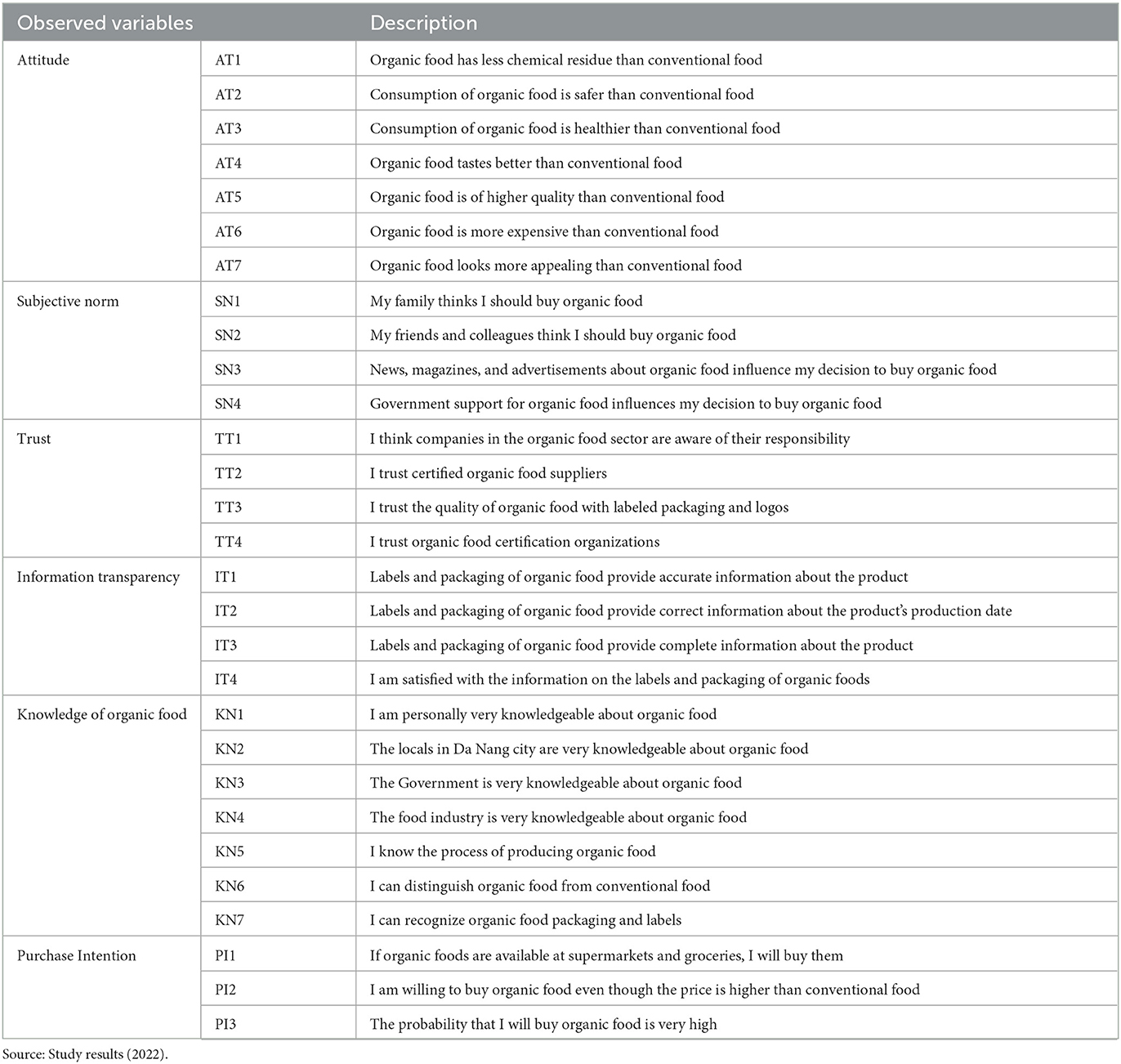
Table 2. Observed variables in the research model.
The study used the following formula (Le and Truong, 2019) to estimate the sample size:
n: sample size.
Z: distribution table Z with confidence 95%.
p: percentage of successful n sample size estimation.
e: error.
The calculated sample to ensure reliability is 398. In fact, 420 people were surveyed in Da Nang from September to November, 2022. The study used a convenience sampling method to approach the survey subjects and face-to-face interviews with structured questionnaires. The questionnaire is designed to filter information to ensure that proper research object is selected. Survey locations include supermarkets, traditional markets, offices and consumers' homes.
4. Research results
4.1. Exploratory factor analysis to evaluate the reliability of the model's scale
The Cronbach's Alpha test results for the scales show that all scales meet the requirements for reliability (≥0.6). The Corrected Item–Total Correlation is all higher than the accepted level (≥0.3) (Cerjak et al., 2010) (Table 3).
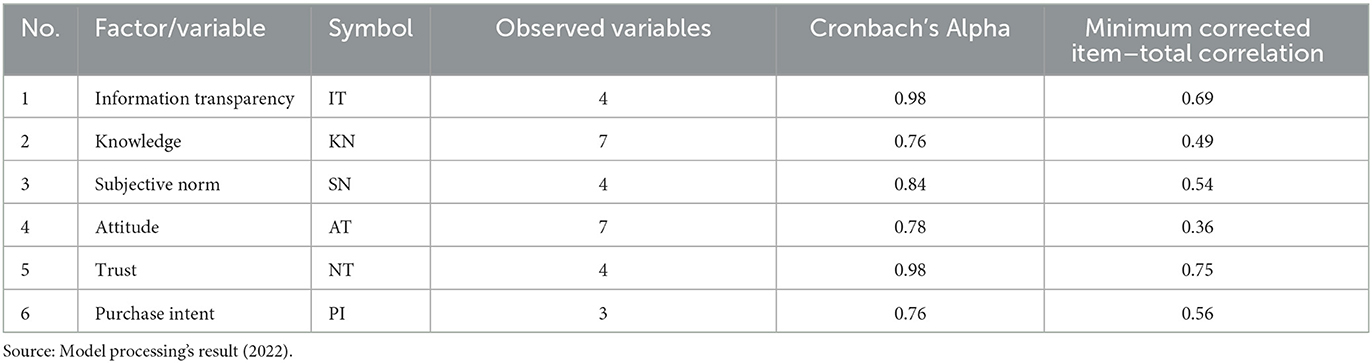
Table 3. The results of Cronbach's Alpha of the scales.
Factor analysis was performed with Principal Axis Factoring and Promax rotation for 29 observed variables. The results of the EFA analysis showed that variables AT4, SN1, SN2, SN3, SN4, AT7, KN4, and KN3 were excluded from the model because of unsatisfactory weighting. Factor analysis showed that the coefficient KMO = 0.891 met the requirements (>0.05); the significance level of Bartlett test = 0.000 (>0.05); total variance extracted is 58.946%; Factor loading coefficients are >0.5, so it is satisfied. The official scale after EFA processing includes 21 observed variables, as shown in Table 4 (Ariffin et al., 2016).

Table 4. EFA analysis results.
4.2. CFA and impact factor results
The Cronbach's alpha reliability coefficient first evaluates the research scales and further tests (composite reliability, unidimensionality, convergent validity, and discriminant validity) through Confirmatory Factor Analysis (CFA) method. The SEM (Structural Equation Modeling) method was used to test the theoretical model based on the hypotheses (Table 5).
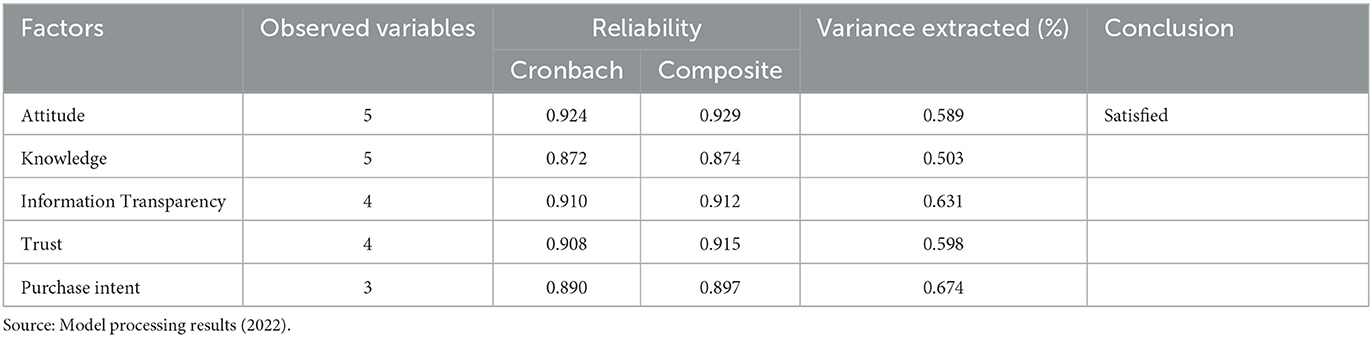
Table 5. Results of testing the model's scale.
The CFA results show that the model data: χ2[181] = 339.283; Chi-square/df = 1.934 < 3, with p = 0.000; GFI = 0.892; CFI = 0.945; RMSEA = 0.077. The scales' information transparency, knowledge, attitude, trust, and purchase intent are unidimensionality. Furthermore, the results show that the standardized weights (λi) all meet the acceptable standards (≥0.50) and are statistically significant for all p-values equal to 0.000. Therefore, the observed variables used to measure the scales have convergent validity. The correlation coefficients differ from 1 at the 95% reliability level. Therefore, attitude, knowledge, transparent information, trust, and purchase intent gain discriminant validity (Ahmad and Juhdi, 2010).
SEM results show that this model is compatible with market data: χ2[183] = 386.593; Chi-square/df = 2.216 <3 with p = 0.000; GFI = 0.865 > 0.8; CFI = 0.949 > 0.9; and RMSEA = 0.059 < 0.08. Thus, this model suits the collected data (Ahmad et al., 2015).
Linear structural analysis (SEM) was used to test the research hypotheses. The test results show five relationships between the concepts proposed in the research model that is accepted at the level of statistical significance p = 0.000 < 0.05 (see Table 6). This result is consistent with the study of Chen and Lobo (2012), Le (2018), Saleki et al. (2019), Son (2020), and Nguyen and Trang (2021). At the same time, the test results show that transparent information and knowledge about organic foods do not significantly affect the consumer's attitude. The results of this study are similar to those of Son (2020). This suggests that a higher level of awareness about organic foods and the information provided on organic food labels cannot directly lead to a more positive attitude toward organic foods. For consumers in Da Nang city, the concept of organic food is relatively new, and their knowledge about organic foods can create a positive attitude only if consumers trust organic food. In addition, the information provided on organic food labels does not directly lead to a more positive attitude of consumers toward organic food if they do not trust the information stated on the organic food label; on the contrary, they will tend to be suspicious of the source of information provided.
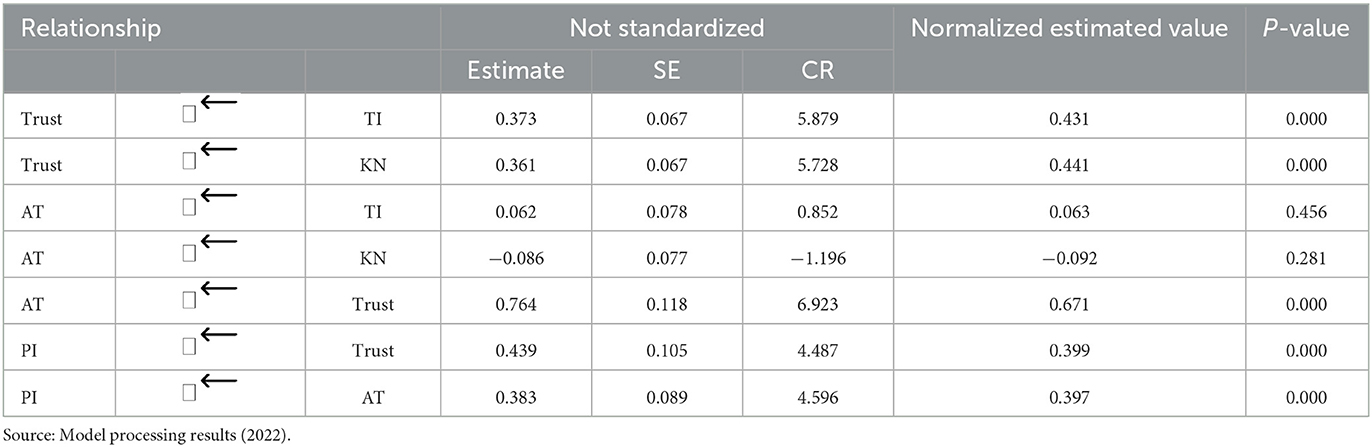
Table 6. First test of the cause-and-effect relationship between variables.
The second SEM results show that this model is compatible with the collected data (Ngo and Vu, 2016): χ2[186] = 390.291; Chi-square/df = 2.121 < 3 with p = 0.000; GFI = 0.811 > 0.8; CFI = 0.907 > 0.9; and RMSEA = 0.071 < 0.08.
4.3. Implications and recommendations
The main aim of this study is to investigate the mechanisms behind consumers' buying behavior of organic food in Vietnam. Firstly, the study examines the factors that influence consumers' attitudes toward organic food. Secondly, the study provides insight into the influencing factors and attitudes affecting consumers' purchasing intention toward organic food in Da Nang city. Previous studies have shown that consumer purchase intent does not always translate into actual organic food purchase behavior. Thus, the influence of socio-demographic factors on actual buying behavior is also considered (Table 7).

Table 7. Second test of the cause-and-effect relationship between variables.
The results show that attitudes and trust have a positive relationship with the intention to buy organic food. In addition, research shows that trust is a predecessor of attitudes and mediates the relationship between information, knowledge about organic food, and intention to buy organic food. The study's findings are consistent with previous literature and provide implications for food managers, organic food businesses and the community.
Based on the research results, the author proposes some solutions to promote the purchase intent of organic food by consumers in Da Nang city as follows:
Firstly, complete and reliable label information dramatically influences consumers' trust in organic food. In Vietnam, organic food is a relatively new concept compared to conventional food, so the above information on organic food labels is more transparent, complete, and reliable (for example, the way the agricultural products are grown and processed, the percentage of organic ingredients in the product, origin, and expiry date). These are very important to increase consumer trust in organic food. In addition, the research results show that clear organic labeling is an effective measure to help consumers get valuable and reliable information in the organic food market, especially for consumers who do not know much about organic food, thereby promoting the purchase intent of organic food. Therefore, businesses in the organic food industry need measures to clearly and accurately label organic food with accurate information and show products as high quality to increase consumer trust.
Second, when consumers find that they have a good understanding of organic food and organic production processes and can distinguish and identify organic food from conventional foods based on packaging, and they know the benefits of organic food, their trust in organic food will increase positively, thereby promoting purchase intent of organic food. However, research results show that consumers do not know much about organic food, the process of organic food production, or how to distinguish and identify packaging or organic food logos. Therefore, businesses in the organic food industry should have programs to promote and provide accurate and reliable information about organic food through social networking sites, televisions, magazines, and websites. Furthermore, it is necessary to provide knowledge on packaging or logo identification of organic food products and certifications for organic products. Thereby helping consumers understand and have more trust in organic food, promoting the purchase intent of organic food.
Third, research results show that consumer attitude positively correlates with organic food purchase intent. Attitude represents what consumers like and dislike, and product purchase decisions are often based on the consumer's attitude (Abdul, 2007). In this study, attitude depends on the health benefits, safety, chemical residue amount, and Price of the organic food product. Therefore, businesses in the organic food market must provide quality products and organic ingredients precisely as on the organic label and have reasonable pricing strategies to attract consumers.
Fourth, trust positively and strongly impacts consumers' attitudes. Knowledge can only create a positive attitude toward organic food if solid trust is built (Yin et al., 2010). Research results show that consumer trust highly depends on quality certifications and packaging/logos of organic food products. Therefore, the Government should have regulations on licensing organic products and packaging design or organic food logos so that consumers can identify and trust the products. Certified organic products are quality. Besides, businesses in the organic food market can promote the image and process of organic food production to create a good impression on consumers.
Fifth, availability of organic food products at supermarkets and grocery stores is the most appreciated by consumers in measuring organic food purchase intent. Therefore, businesses should develop an effective distribution system to help consumers conveniently access organic food products, promoting organic food's purchase intent.
The results of this study contribute to understanding organic food and organic food purchase intent. Although achieving the above specific results, the research topic cannot avoid certain limitations: The study only tested some factors affecting the purchase intent of organic food. Other factors affect but have not been mentioned in the study. Due to limited time and resources, the survey sample size may not be large enough and geographically limited. Therefore, in the future, further studies can apply this research model to other areas and consider other factors affecting the purchase intent of organic food. Besides, it is possible to study further the relationship between the purchase intent of organic food and consumers' actual buying behavior.
Data availability statement
The original contributions presented in the study are included in the article/supplementary material, further inquiries can be directed to the corresponding author.
Author contributions
All authors listed have made a substantial, direct, and intellectual contribution to the work and approved it for publication.
Funding
This research was funded by the National Economics University, Hanoi, Vietnam.
Conflict of interest
The authors declare that the research was conducted in the absence of any commercial or financial relationships that could be construed as a potential conflict of interest.
Publisher's note
All claims expressed in this article are solely those of the authors and do not necessarily represent those of their affiliated organizations, or those of the publisher, the editors and the reviewers. Any product that may be evaluated in this article, or claim that may be made by its manufacturer, is not guaranteed or endorsed by the publisher.
References
Abdul, M. (2007). Agro-biotechnology and organic food purchase in the United Kingdom. Br. Food J. 107, 84–97.
Ahmad, S. N. B., and Juhdi, N. (2010). Organic food: A study on demographic characteristics and factors influencing purchase intentions among consumers in Klang Valley, Malaysia. Int. J. Bus. Manage. 5, 105–118. doi: 10.5539/ijbm.v5n2p105
Ahmad, S. N. B. B., Omar, A. B., and Rose, R. B. (2015). Influence of personal values on generation Z's purchase intention for natural beauty products. Adv. Global Bus. Res. 12, 436–445.
Ajzen, I. (1991). The theory of planned behavior. Organiz. Behav. Human Decis. Process. 50, 179–211. doi: 10.1016/0749-5978(91)90020-T
Anders, S., and Moeser, A. (2008). Assessing the demand for value-based organic meats in Canada: A combined retail and household scanner-data approach. Int. J. Cons. Stud. 32, 457–469. doi: 10.1111/j.1470-6431.2008.00707.x
Ariffin, S., Yusof, J. M., Putit, L., and Shah, M. I. A. (2016). Factors influencing perceived quality and repurchase intention towards green products. Proc. Econ. Finan. 37, 391–396. doi: 10.1016/S2212-5671(16)30142-3
Beharrell, J., and MacFie, A. (1991). Taste versus action orientation and the theory of reasoned action: an application to coupon usage. J. Consum. Res. 18, 505–518.
Bernués, A., Olaizola, A., and Corcoran, K. (2003). Labeling information demanded by European consumers and relationships with purchasing motives, quality, and meat safety. Meat Sci. 65, 1095–1106. doi: 10.1016/S0309-1740(02)00327-3
Biswas, H. (2016). A comparison of the nutritional value, sensory qualities and food safety of organically and conventionally produced foods. Crit. Rev. Food Sci. Nutr. 42, 1–34.
Canavari, M., Nocella, G., and Scarpa, R. (2003). “Stated willingness to pay for environment-friendly production of apples and peaches: web-based versus in-person surveys,” in 83rd EAAE Seminar (Chania, Greece).
CDCP. (2020). “Who is the organic consumer?,” in A Paper Presented at Growing Organic Conference (Red Deer, AL), 11–12.
Cerjak, M., Mesić, Ž., Kopić, M., Kovačić, D., and Markovina, J. (2010). What motivates consumers to buy organic food: comparison of Croatia, Bosnia Herzegovina, and Slovenia. J. Food Prod. Market. 16, 278–292. doi: 10.1080/10454446.2010.484745
Chen, J., and Lobo, A. (2012). Organic food products in China: determinants of consumers' purchase intentions. Int. Rev. Retail Distr. Consu. Res. 22. 293–314. doi: 10.1080/09593969.2012.682596
General Statistics Office of Vietnam. (2020). Vietnam Statistic Report 2019. Hanoi: General Statistics Office of Vietnam.
Huong, N. (2012). Key factors affecting consumer purchase intention a study of safe vegetable in Ho Chi Minh City, Vietnam (Master's thesis). International School of Business, HCMC University, Ho Chi Minh, Vietnam.
Khan, A., and Jan, N. (2018). A study on consumer purchase intentions towards organic products. Paripex-Indian J. Res. 2, 111–114.
Laroche, M., Bergeron, J., and Barbaro, G. (2001). Targeting consumers who are willing to pay more for environmentally friendly products. J. Consum. Mark. 18, 503–520.
Le, C. T. Q. (2018). Analysis of factors affecting consumers' intention to purchase organic vegetables in Ho Chi Minh City. J. Agric. Develop. 17, 10–19. doi: 10.52997/jad.10.05.2018
Le, K. N., and Truong, D. K. (2019), Trade credit use by shrimp farmers in Ca Mau province. J. Econ. Develop. 21, 270–284. doi: 10.1108/JED-09-2019-0030
Le, T. N. P., and Nguyen, K. H. (2019), Impact of removing industrial tariffs under the European–Vietnam free trade agreement: A computable general equilibrium approach. J. Econ. Develop. 21, 2–17.
Ngo, H. M., and Vu, H. Q. (2016). A case study in Ha Noi: consumer awareness of Vietnamese about organic food. Vietnam J. Agric. Sci. 14, 1466–1474.
Nguyen, N. T., and Trang, L. T. (2021). Factors affecting consumers' intention to buy organic food in Ho Chi Minh city. J. Sci. 18, 73–81.
Nguyen, T. M., and Trang, K. T. (2019). Sustainable consumption: green consumer behaviour when purchasing products. Sustain. Dev. 18, 20–31.
Oluwakemi, A., and Omodele, I. (2014). The current status of cereal (maize, rice and sorghum) crops cultivation in Africa: Need for integration of advances in transgenic for sustainable crop production. Int.. J. Agri. Pol. Res. 3, 233–245. doi: 10.15739/IJAPR
Pandit, C., and Gogate, G. (2021). Consumer behaviour and purchase intention for organic food. J. Consum. Mark. 29, 412–422.
Pomsanam, P., Napompech, K., and Suwanmaneepong, S. (2014). Factors driving thai consumers' intention to purchase organic foods. Asian J. Sci. Res. 7, 434–446. doi: 10.3923/ajsr.2014.434.446
Ragavan, N., and Mageh, R. (2013). A study on consumer purchase intentions towards organic products. Paripex-Indian J. Res. 2, 111e114. doi: 10.15373/22501991/JAN2013/41
Saleki, R., Quoquab, F., and Mohammad, J. (2019). What drives Malaysian consumers' organic food purchase intention? The role of the moral norm, self-identity, environmental concern, and price consciousness. J. Agribus. Develop. Emer. Econ. 9, 584–603. doi: 10.1108/JADEE-02-2019-0018
Son, L. (2020). Factors influencing consumer intent to buy organic food in Ho Chi Minh City based on S-O-R Model. J. Sci. Technol. 32, 351.
Spring, P. (2020). Market trends and accreditation systems for organic food in China. Trends. Food Sci. Technol. 20, 396–401.
Sriwaranun, Y., Gan, C., Lee, M., and Cohen, D. A. (2013). Consumers' willingness to pay for organic products in Thailand. Faculty of Commerce, Lincoln University, PA, United States.
Thanh, C. (2021). Sustainable consumption: green consumer behaviour when purchasing products. Sustain. Dev. 18, 20–31.
Thøgersen, J., Zhou, Y., and Huang, G. (2016). How stable is the value basis for organic food consumption in China? J. Clean. Prod. 134, 214e224. doi: 10.1016/j.jclepro.2015.06.036
Ullah, S., Latif, W., Ahmed, W., Jafar, R., Pervez, M., Ahmed, N., et al. (2018). Willingness-to-pay for organic food in pakistan: the effect of motivational factors and mediated role of attitude. DEStech Transactions on Economics, Business, and Management.
Viet, H. N., Nguyen, N., Nguyen, B., Lobo, A., and Vu, P. (2019). Organic food purchases in an emerging market: the influence of consumers' personal factors and green marketing practices of food stores. Int. J. Environ. Res. Public Health. 16, 1037. doi: 10.3390/ijerph16061037
World Health Organization. (2021). World Health Statistics 2021: Monitoring Health for the SDG. Geneva: World Health Organization.
Keywords: consumption, organic food, purchasing intention, exploratory factor analysis, Da Nang, Vietnam
Citation: Mai NT, Phuong TTL, Dat TT and Truong DD (2023) Determinants of organic food purchasing intention: an empirical study of local consumers in Da Nang city, Central Vietnam. Front. Sustain. Food Syst. 7:1180612. doi: 10.3389/fsufs.2023.1180612
Received: 06 March 2023; Accepted: 28 April 2023;
Published: 30 May 2023.
Edited by:
R. Pandiselvam, Central Plantation Crops Research Institute (ICAR), IndiaReviewed by:
Zlati Monica Laura, Dunarea de Jos University, RomaniaSofia Agriopoulou, University of Peloponnese, Greece
Copyright © 2023 Mai, Phuong, Dat and Truong. This is an open-access article distributed under the terms of the Creative Commons Attribution License (CC BY). The use, distribution or reproduction in other forums is permitted, provided the original author(s) and the copyright owner(s) are credited and that the original publication in this journal is cited, in accordance with accepted academic practice. No use, distribution or reproduction is permitted which does not comply with these terms.
*Correspondence: Tran Thi Lan Phuong, cGh1b25ndHRsQG5ldS5lZHUudm4=