 Fernando García-Ramón1*Alejandrina Sotelo-Méndez2Hermelinda Alvarez-Chancasanampa1Edgar Norabuena3Liliana Sumarriva4Karina Yachi5Teresa Gonzales Huamán6Marlitt Naupay Vega7
 Heber P. Cornelio-Santiago8
- 1Facultad de Industrias Alimentarias, Universidad Nacional Agraria La Molina, Lima, Peru
- 2Facultad de Zootecnia, Universidad Nacional Agraria La Molina, Lima, Peru
- 3Facultad de Ingeniería Química y Textil, Universidad Nacional de Ingeniería, Lima, Peru
- 4Facultad de Ciencias, Universidad Nacional de Educación “Enrique Guzmán y Valle”, Lima, Peru
- 5Facultad de Economía y Planificación, Universidad Nacional Agraria La Molina, Lima, Peru
- 6Facultad de Ciencias de Ingeniería, Universidad Nacional de Huancavelica, Huancavelica, Peru
- 7Facultad de Ingeniería Geográfica Ambiental y Ecoturismo, Universidad Federico Villareal, Lima, Peru
- 8Facultad de Ciencia de los Alimentos, Universidad Le Cordon Bleu, Lima, Peru
The enrichment of sliced bread with Peruvian Andean grains can affect water absorption, formation time and stability of the dough, as well as the texture, color, specific volume and acceptability of the final product. However, the nutritional and functional properties of the product can be improved. In this study, traditional (TB, 100% wheat flour) and Andean (AB, 30% wheat bran, quinoa, kiwicha, oats, barley flours, and sesame and linseed seed) bread were manufactured by the direct method. The thermomechanical properties of the doughs were evaluated using the Mixolab, as well as the proximal composition, total phenolic content, texture, color, specific volume and sensory analysis of the sliced bread. The results revealed that the AB showed higher values in the parameters of water absorption (C1), protein weakening (C2), and starch stability (C4), likewise, lower values of setback related to starch retrogradation tendency (C5-C4) were found, which are related to a longer shelf life, which could be evidenced in the sensory properties (scores ≥5 on an unstructured 10-cm long scale, with respect to the crumb color, crust, alveolar uniformity, odor, texture, taste and general acceptability). In the AB there is also evidence of an increase in protein, ash, total dietary fiber and total phenolic content in relation to TB. These results could be useful to develop healthier and better-quality bread to meet the needs of consumers.
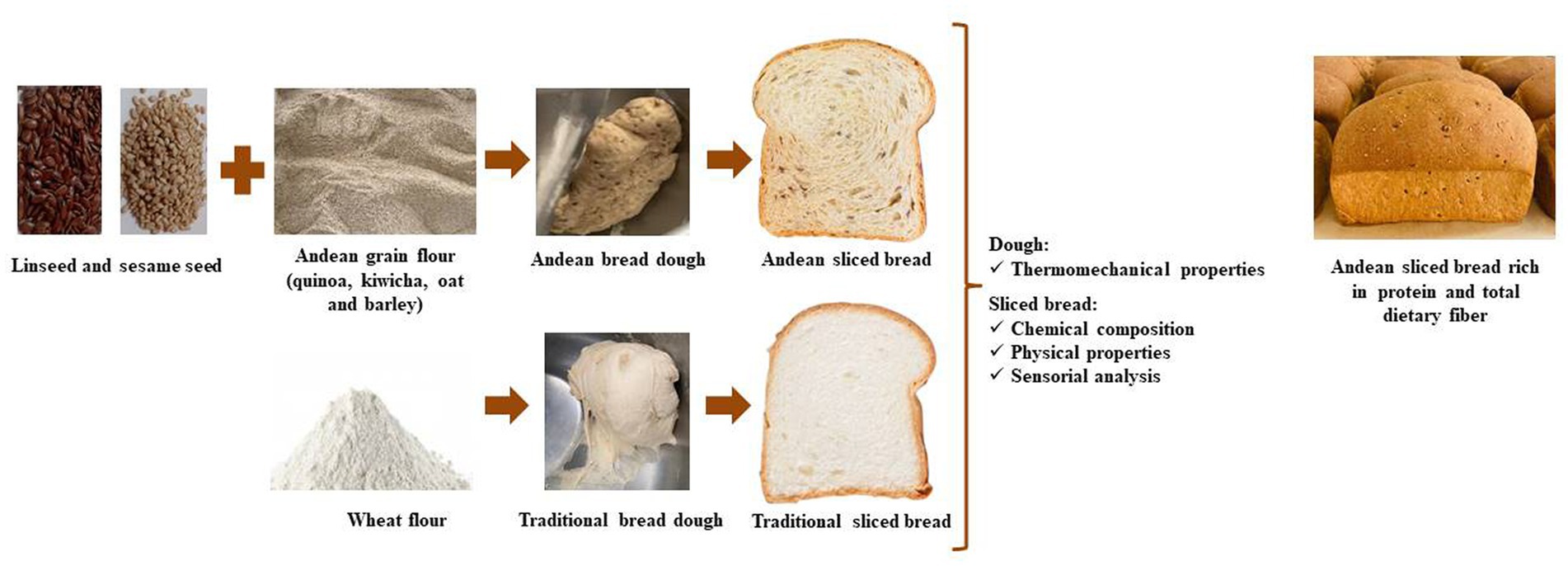
Graphical Abstract. Schematic diagram of how the Andean and Traditional breads and their respective doughs were obtained, as well as the different analyses performed. Andean sliced bread rich in protein an total dietary fiber.
1. Introduction
Bread has been a staple in the human diet for millennia. Currently, it is one of the most consumed food in many countries and its main raw material is wheat flour. The world average bread consumption ranges between 59 and 70 kg per capita per year (De Boni et al., 2019; Gębski et al., 2019). Therefore, there is a growing interest in developing baked goods enriched with whole grain products such as cereals, pseudocereals, etc. with the purpose of supplying nutritional and functional deficiencies, as well as allowing the reduction of the risk of cardiovascular diseases, cancer, gastrointestinal disorders and type 2 diabetes (Packkia-Doss et al., 2019; Torbica et al., 2019; Nirmala Prasadi and Joye, 2020; Cui and Zhu, 2022). Additionally, the incorporation of phenolic compounds in baked food can increase antioxidant activity, eliminate foodborne toxins and decrease postprandial serum glucose level (Ou et al., 2019).
Peruvian Andean grains have received a lot of attention in recent years because they contain a high protein content with a balanced composition of amino acids, and are also an important source of phytochemicals, dietary fibers, vitamins, and minerals. Likewise, they have important health benefits such as the reduction of oxidative stress and prevention of cancer, diabetes, hypertension and cardiovascular diseases (Mir et al., 2018; Morales et al., 2021; Thakur et al., 2021). Quinoa (Chenopodium quinoa Willd) and kiwicha (Amaranthus caudatus) are some of the Peruvian Andean grains that have been used in the preparation of bakery products (Turkut et al., 2016; Youssif et al., 2018; Miranda-Villa et al., 2019; Repo-Carrasco-Valencia et al., 2020; Aguiar et al., 2021; Bahmanyar et al., 2021; Gutierrez-Castillo et al., 2023), Oat (Avena L.) has been considered a rich source of fiber and significant amounts of high-quality protein (balanced in various amino acids; Gu et al., 2022). In addition, wheat bran was used in bread making to improve its functional properties (Aldughpassi et al., 2020). Consequently, Andean grains, as well as oats and wheat bran, are considered functional ingredients to enrich bakery products (Alvarez-Jubete et al., 2010).
Sliced breads are obtained by three technological methods: direct method (dough); indirect (sponge and dough) and direct with dry sourdough added directly to the flour during the mixing phase (Stamatie et al., 2022). The direct method is the most used by researchers and the bread industry. This method consists of mixing all the powdered ingredients, yeast and salt are dissolved in water and then added to the floury mixture to form a homogeneous dough by kneading; then it is fermented, conditioned in molds and baked (Santos et al., 2020; Aguiar et al., 2021).
Currently, due to consumer demand for clean labels, the importance of technologies that allow obtaining high-quality breads without the need for additives has increased (Yeşil and Levent, 2022). Then, it is desirable to develop new approaches and technologies to produce enriched bread with suitable texture, good flavor and attractive eating quality. However, the inclusion of different ingredients in the formulation can affect: nutritional composition; water absorption; formation time and stability of the dough; rheological characteristics (texture); physical properties (color, volume specific) and general acceptability (Mildner-Szkudlarz et al., 2011; Shiau et al., 2015; Ibrahim et al., 2018; Codină et al., 2019; Xu et al., 2019). In this context, the objective of this study was to evaluate the effect of substituting wheat flour for wheat bran, quinoa, kiwicha, oats and barley flours, milk powder, gluten and sesame and linseed seed on the properties thermomechanics of the doughs, as well as in the chemical composition and physical and sensory properties of sliced bread.
2. Materials and methods
2.1. Ingredients
Quinoa flours (Chenopodium quinoa Willd), kiwicha (Amaranthus caudatus), oat (Avena L.) and barley (Hordeum vulgare) and linseed (Linum usitatissimum) and sesame seeds (Sesamum indicum), were donated by the Cereals and Native Grains Program of the Universidad Nacional Agraria La Molina (UNALM); wheat flour (Polo, Zaragoza, Spain), wheat bran (Union®, Lurigancho, Perú), milk powder (Indulac, Peru), water (San Mateo SA, Backus, Huarochiri, Peru), butter (Master Martini, SAC, Lima, Peru), salt (Lobos®, K + S, Santiago, Chile), sunflower oil (Primor®, Alicorp, Lima, Peru), white sugar (Cartavio®, Grupo Gloria, La Libertad, Peru), gluten, calcium propionate, improver and fresh yeast (Saccharomyces cervisiae; Fleischmann®, CALSA SAC, Callao, Peru) were acquired in a local market in the city of Lima - Peru. A proximal composition (moisture, protein, lipids and ashes) of the main ingredients was determined according to the method of AOAC (2010) and the values obtained are presented in Table 1.
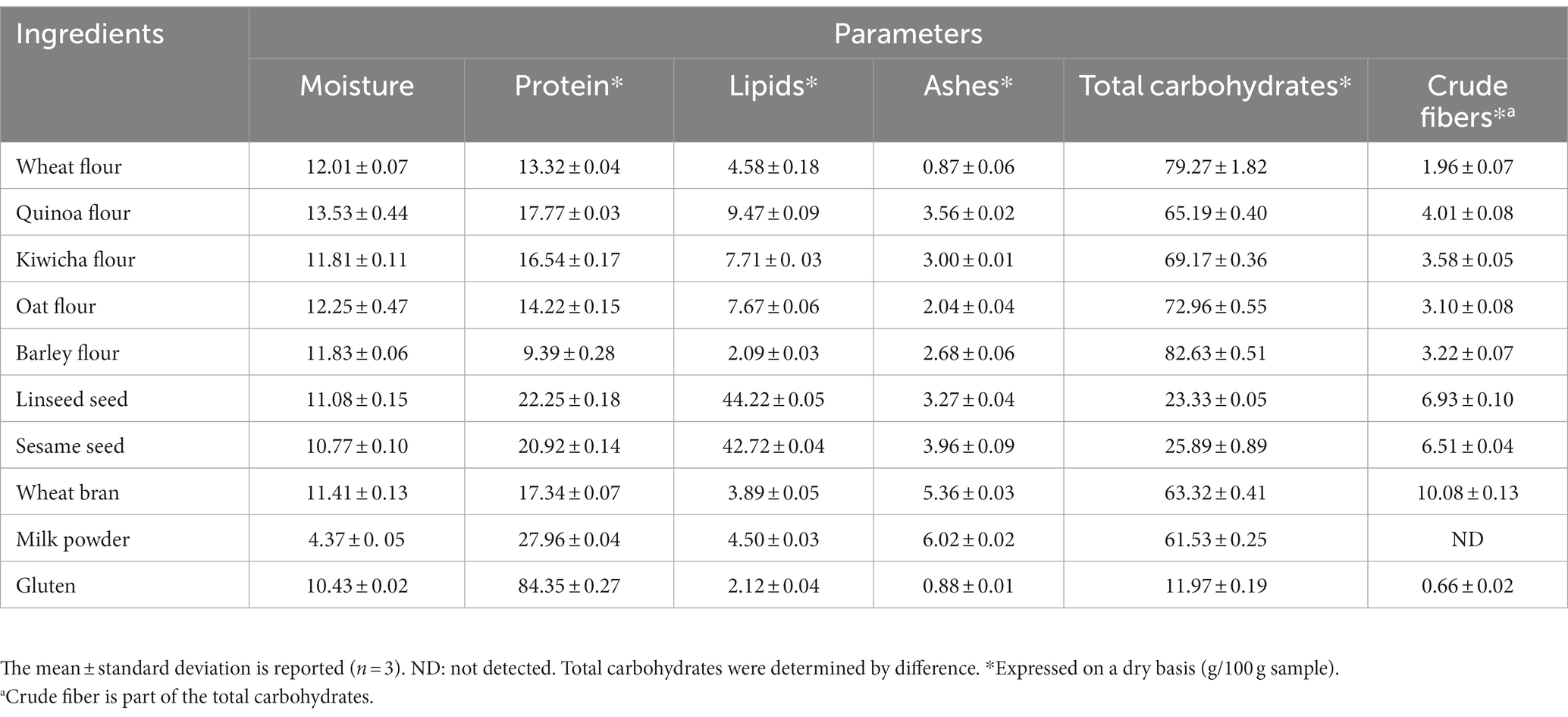
Table 1. Proximal composition of the main ingredients.
2.2. Baking process
The sliced breads called Andean bread (AB) and traditional bread based on 100% wheat flour (TB) were made using the direct method, as described by García-Ramón et al. (2022), with slight modifications, as described below: The ingredients were weighed according to Table 2, followed by mixing and kneading process (Nova K25, Peru). Dry ingredients (blends of flour, wheat bran, gluten, milk powder, linseed and sesame seeds, improver, calcium propionate, sugar, salt and fresh yeast) were placed in the mixer and mixed for 7 min (110 rpm). Then, the ingredients such as water, butter and sunflower oil were added to the dough and mixed again for 8 min (110 rpm). Subsequently, the dough was weighed (SJX1502, Shanghai, CH) in proportions of 280 and 250 g for AB and TB, respectively, these weights were established by preliminary tests, and were placed in a mold (length 15.85 ± 1.2; width 6.65 ± 0.3 and height 6.11 ± 0). Them, were fermentation then carried out (Climacell EVO, Germany) for 45 min at 28°C and 80% relative humidity, and baked (MAX 1082, Peru), at 140°C for 45 min to AB and 200°C for 15 min to TB. Then they were allowed to cool at room temperature for 6 h and finally packed in low-density polyethylene bags and stored at room temperature (Figure 1) until further analysis.
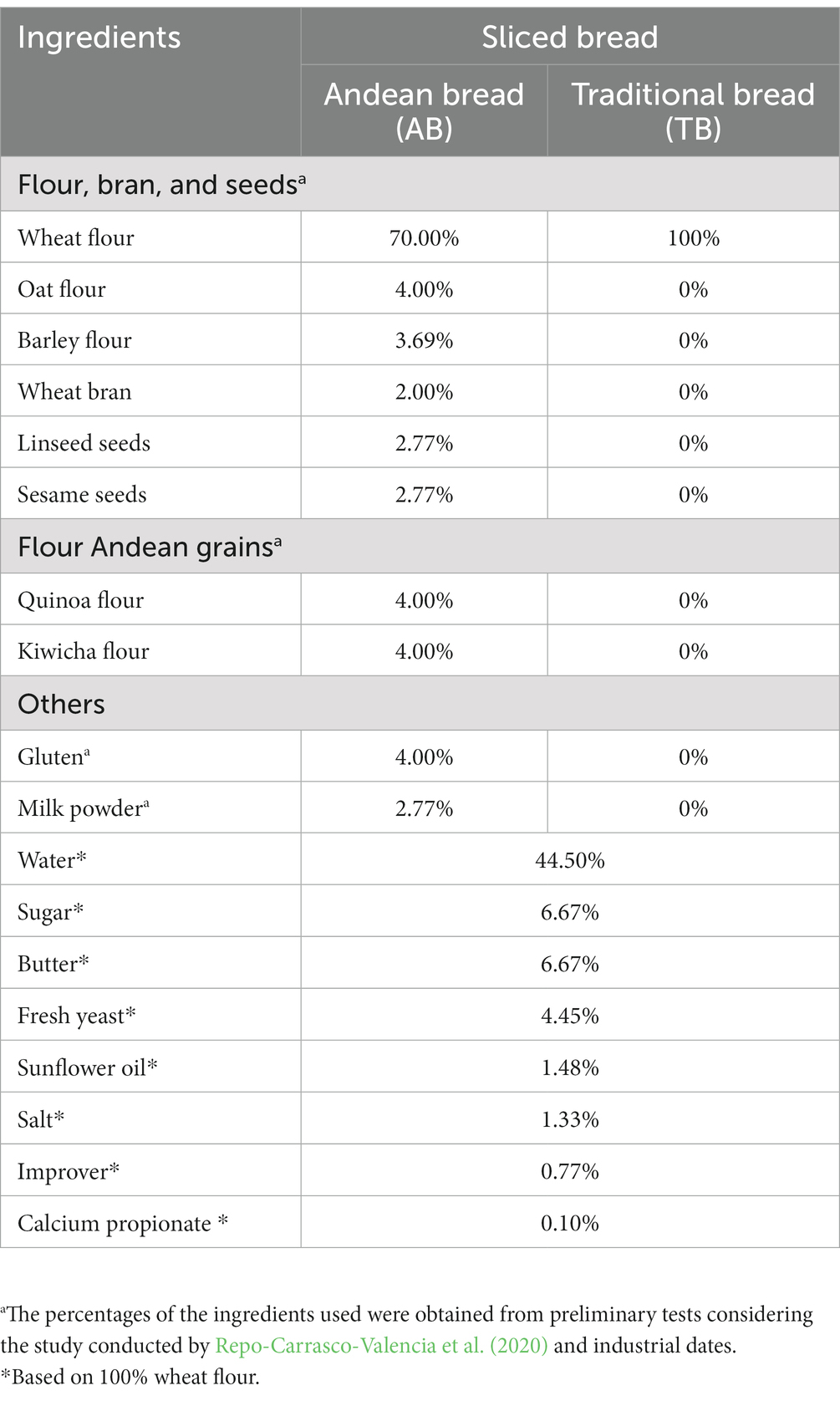
Table 2. Ingredients used in the preparation of sliced bread called Andean bread (AB) and traditional bread (TB).
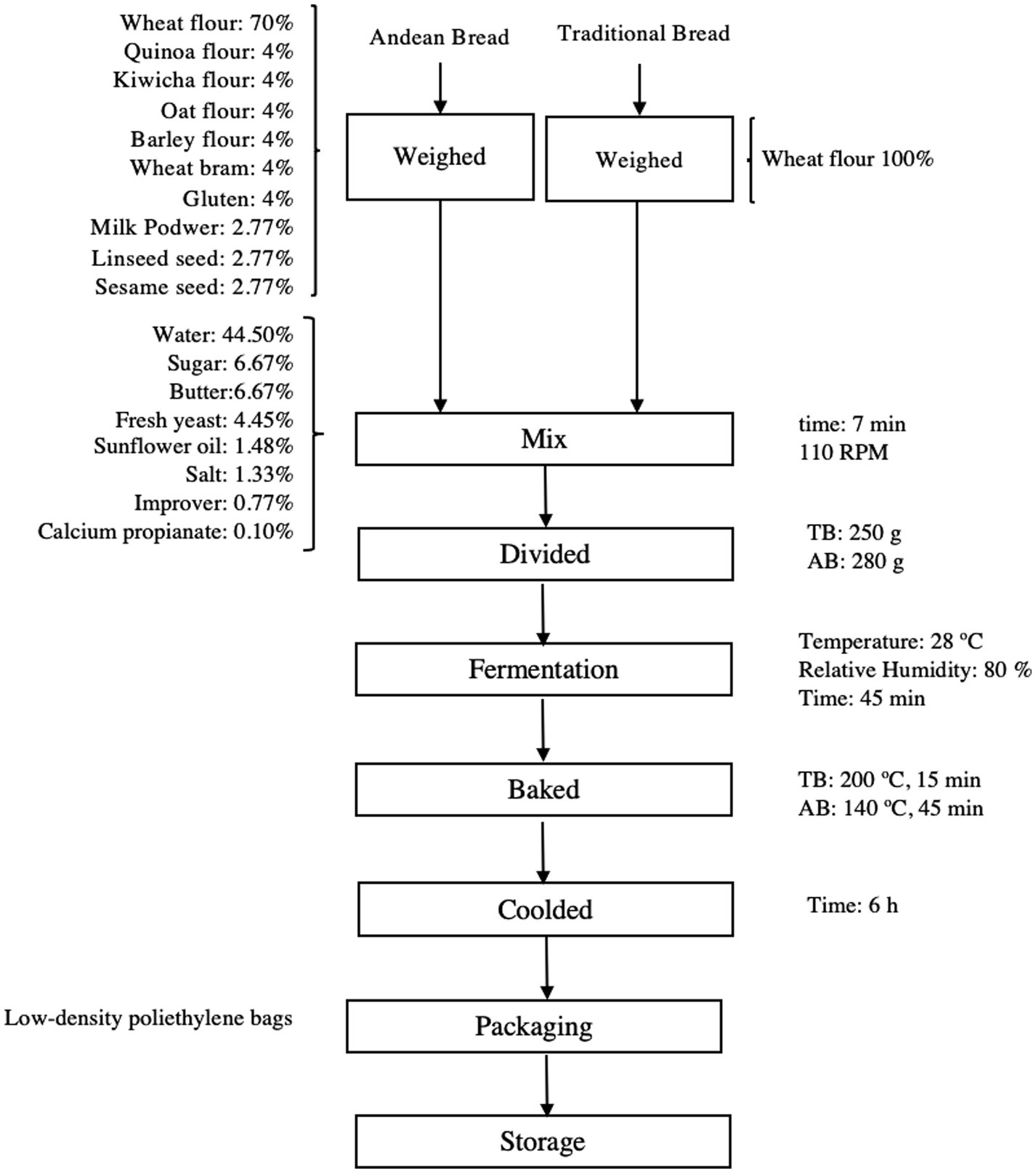
Figure 1. Processing flow diagram of Andean bread (AB) and Traditional bread (TB).
2.3. Thermomechanical properties of the dough
The AB and TB dough were analyzed according to the procedure described by Aguiar et al. (2021) using the Chopin+ 90 protocol at Mixolab (Chopin Technologies, France) and adaptations of ICC (2008) methods 173 and 54–60.01 from AACC (2010). This procedure is based on the use of all the ingredients (except yeast) at the same levels used for the preparation (Table 2). Secondary parameters were obtained by differences between primary parameters such as C3-C2 starch gelatinization rates, hydrolysis caused by C3-C4 amylase activity and starch retrogradation in the C5-C4 cooling phase (Matos and Rosell, 2013; Santos and Capriles, 2021).
2.4. Chemical composition of sliced bread
The chemical composition of the bread called AB and TB was determined in terms of moisture, protein, lipids, ashes, total dietary fiber (TDF; AOAC, 2010), while the total carbohydrates were calculated by difference. The total phenolic content was determined according to the methodology proposed by Cornelio-Santiago et al. (2019).
2.5. Physical properties of sliced bread
The sliced bread was evaluated for specific volume, cellular structure of the crumb, crumb color and texture. Specific volume (cm3/g) was determined with a volumetric laser (BVM 6610, Perten Instruments, Sweden). For the analysis of the crumb cell structure, digital images of 25 mm thick bread slices obtained using an iPhone 11pro (A2160, USA) with a resolution of 458 ppp. The images were converted to 8-bits and binarized according to Santos et al. (2020), using the Image J 1.51j8 software (National Institutes of Health, USA), which allowed determining the cell number per cm2 and the average cell size (mm2). Color measurements (CIE, L, a*, b*) of the crumb cell structure were obtained using a Minolta colorimeter (CR 400, Japan) equipped with a standard D65 illuminant, the color was determined at three preselected points. While the methodology proposed by Vidaurre-Ruiz et al. (2019) and Santos et al. (2020) for the analysis of the texture (firmness, cohesiveness, elasticity, and chewiness) was used.
2.6. Sensorial analysis of sliced bread
The sensorial analysis was carried out with 250 consumers (aged between 18 and 65 years) of traditional bread in five sessions, totaling 10 sensory sessions, two samples being analyzed in each one. All the participants declared that they had no allergy or intolerance to any of the ingredients present in the products and were informed that they were evaluating an AB and TB. Consumers evaluated crust color, crumb color, alveolar uniformity, aroma, texture, flavor and overall acceptability using a 10-cm unstructured scale, with “I dislike very much” at the left end and “I like it a lot” at the right end (Aguiar et al., 2021; García-Ramón et al., 2022). In each session, slices of bread (approximately 25 g) were offered. They were instructed to drink water between samples to minimize residual effects.
2.7. Statistical analysis
Results were expressed as mean values ± standard deviation. A t-Student test was applied on the thermomechanical properties of the dough and the proximal composition, the total phenolic content and the physical properties of the sliced bread. The effect of the evaluation time (1, 2, 3, 4, and 5 days) on the sensorial properties (crust color, crumb color, alveolar uniformity, aroma, texture, flavor and overall acceptability) was carried out using the analysis of variance followed by Tukey test to identify the difference between the means. All evaluations were performed with a significance level of p < 0.05 using version 3.4.4 of the software R (RStudio Team, 2021).
3. Results and discussion
3.1. Effects of ingredients on dough properties
Table 3 shows the values of thermomechanical properties of AB and TB during heating. According to the Chopin+ protocol, the water absorption capacity is the hydration required to reach a maximum consistency on the approximate mass of 1.1 N.m; this capacity of the dough depends on the amount, type of proteins, starch, moisture and fiber contained in them (Rosell et al., 2013). In the C1 parameter, AB showed the highest values, due to the higher fiber levels as previously observed by Santos and Capriles (2021). Regarding the consistency expressed in C2, AB showed a clearly higher value than TB. High values of C2 are related to increased protein denaturation during heating at 90°C. Regarding the consistency C3, which is the predominant factor in starch granules, the swollen due to water absorption and amylose chains leach into the aqueous phase. The TB significantly presented higher in values of C3; these high values are related to a better starch yield of the samples (greater amount of starch).
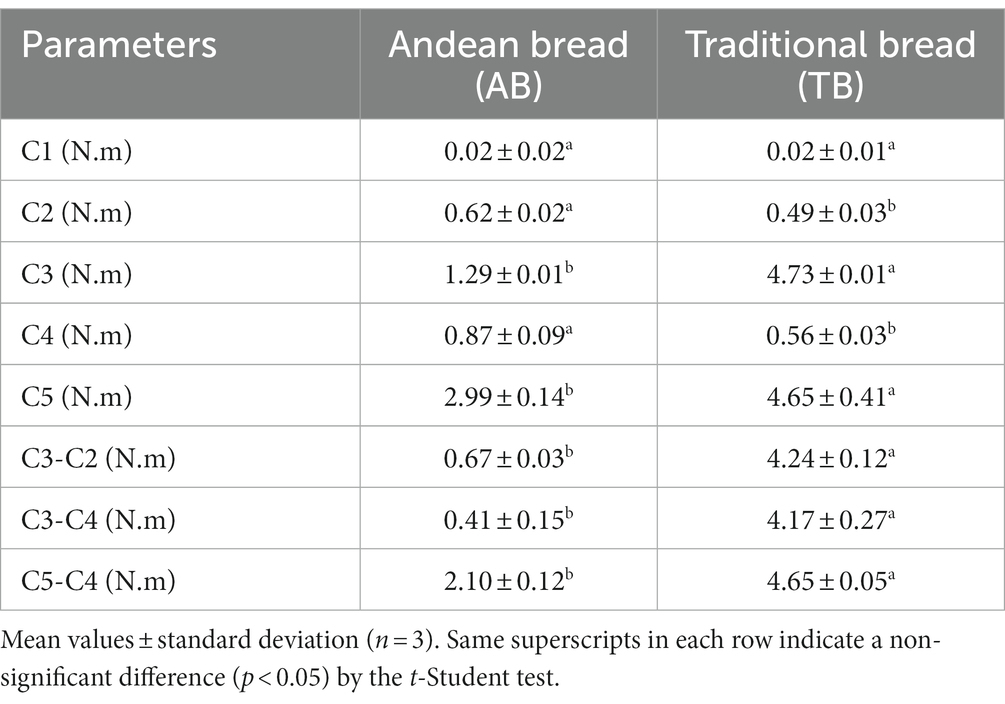
Table 3. Thermomechanical properties of sliced bread doughs.
The low C3 values in AB can be described by their higher sums of protein and fiber (Table 4), causing the starch to be weakened within the system. Santos and Capriles (2021), also obtained similar results and mentioned that starch gelatinization and steadiness are impacted by their characteristics and combinations with high levels of proteins, lipids and fibers presented within the system. Parameter C5 (Figure 2) refers to the retrogradation of starch during cooling, showed a higher value for TB, which is related to the increase in the indexes of hardening and firmness of bread. On the other hand, lower values for this parameter were found in AB, reflecting a better sensorial quality (Table 5) of the product.
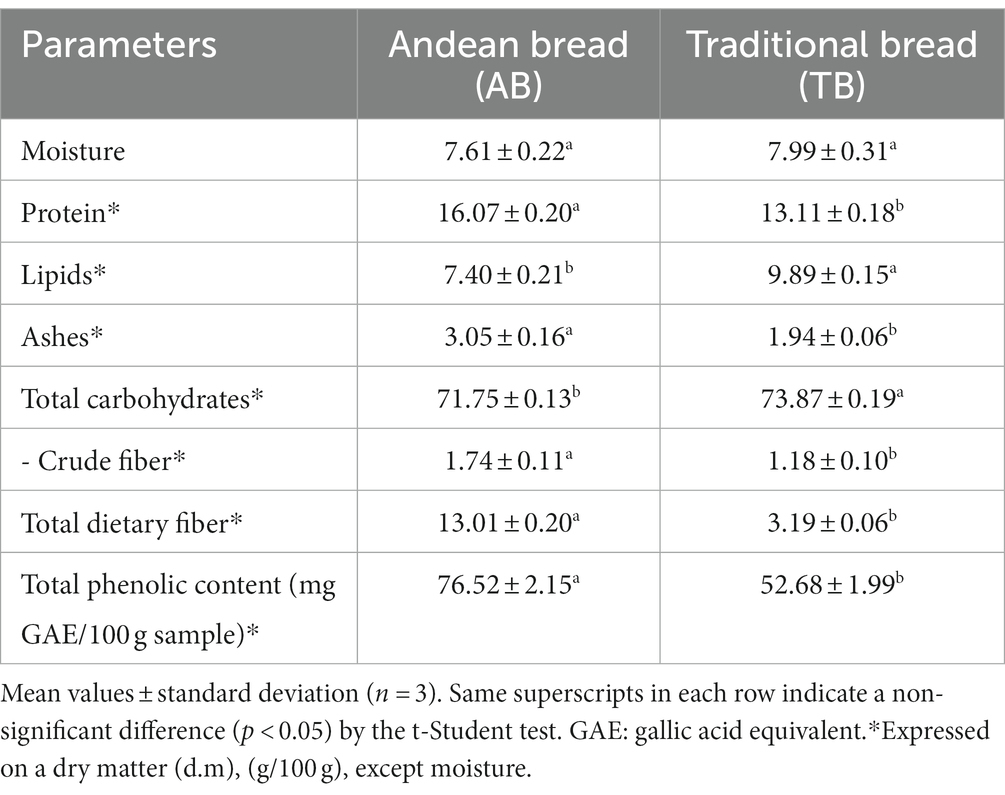
Table 4. Chemical composition of sliced bread.
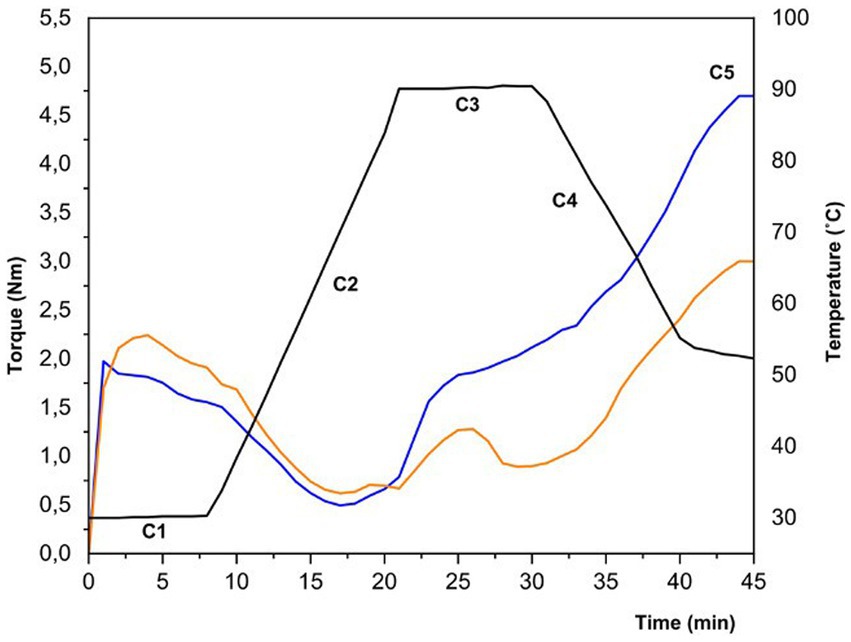
Figure 2. Mass curves and parameters obtained by Mixolab® from the two formulations of sliced bread. Traditional bread doughs were prepared (


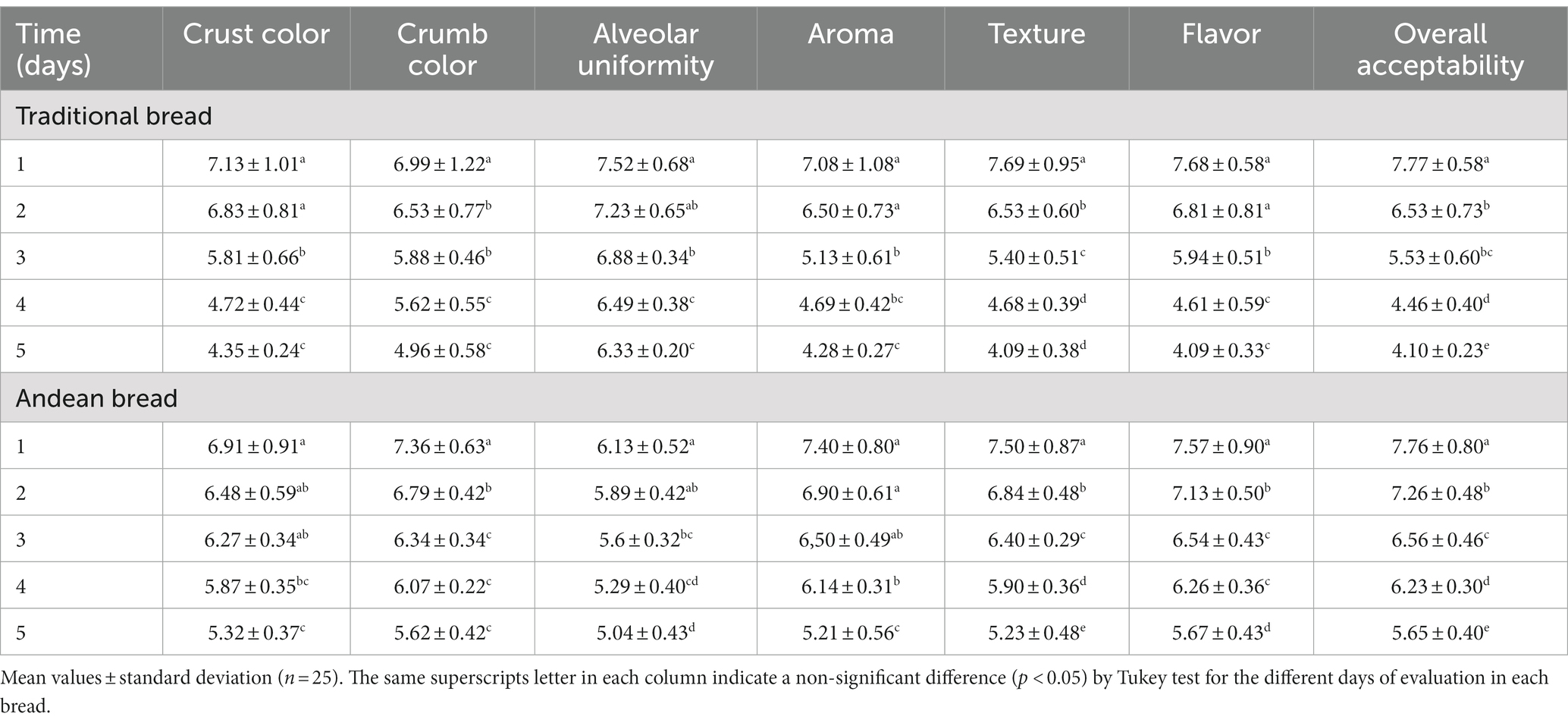
Table 5. Sensorial properties of sliced bread.
On the other hand, the results showed that the C5-C4 value of the dough had a lower value when they were substituted by 30% with Peruvian Andean products such as wheat bran, quinoa, kiwicha, oats, barley flours, and sesame and linseed seed. After starch gelatinization, with decreasing temperature, the starch granules at this stage are disordered, some of them could be forming a double helix through hydrogen bonds, and then by molecular cross-linking form a three-dimensional network structure. On the other hand, the fiber from the ingredients used in the formulation (Table 2) could affect to some extent the rearrangement and association of this structure, which would slow down the rate of water migration, in turn losing its capacity for rearrangement and association during the cooling process.
Significant differences (p < 0.05) were found in the secondary parameters in favor of TB (100% wheat flour) in relation to AB which had 30% replacement (Table 2). As they contain different types of starches in the matrix, they could interact at the molecular level with other compounds in the system, influencing the hydration, gelation and retrogradation properties of the starch. This research identified the relationship between dough parameters and instrumental texture of Andean sliced bread. Figure 2 shows the relationship between the parameters of the mass analyzed by the Chopin+ protocol.
3.2. Effects of ingredients on the chemical composition of sliced bread
Table 4 shows the results of the proximal composition and the total phenolics content (TPC) of AB and TB. There were significant differences in the proximal composition and TPC. As expected, the protein content of AB was higher (p < 0.05) than that of TB, due to the use of Andean grains which are rich in protein compared to wheat flour (Miranda-Villa et al., 2019; Bączek et al., 2020). The ash content of AB was also significantly higher, and the total carbohydrates was significantly lower than that of TB. The highest amount of fat corresponded to TB. The results of the proximal compositions of the loaves in this study were in agreement with the amounts previously reported by Repo-Carrasco-Valencia et al. (2020) and Gutierrez-Castillo et al. (2023). In addition, the results showed a higher TPC in AB compared to TB, the same indicating a significant difference (p < 0.05). The TPC values were 76.52 mg gallic acid equivalent (GAE)/100 g sample and 52.68 mg GAE/100 g for AB and TB, respectively. These values are higher than those reported by Mikulec et al. (2020), for breads made with 100% HT (48.12 mg GAE/100 g), and comparable to that of Wang et al. (2021), who report values of 60.2 and 78.5 mg GAE/100 g for gluten breads and breads made with 40% substitution of quinoa whole wheat flour, respectively. The highest amount of total dietary fiber (TDF) was found in AB. The American Diabetes Association suggests a daily fiber intake of 25 to 30 g/day. The AB covers 52% of the daily reference value, being considered high in TDF goodness that differs from the TB. The consumption of bread rich in dietary fiber has a positive impact by increasing the innate immunity that is required to prevent coronary diseases such as: cardiovascular, type II diabetes and some types of cancer, it also accelerates the passage of digesta and especially improves the intestinal barrier (Abreu Abreu et al., 2021).
3.3. Effects of ingredients on the physical properties of sliced bread
The analysis of the specific volume (SV) is important in bread quality, as it indicates the retention of CO2 in the structure of the gluten network. A lower value was obtained in AB (3.13 ml/g) compared to TB (3.61 ml/g) made with 100% wheat flour, with significant differences (p < 0.05; Table 6). The SV reduction may be associated with the weakening of the dough structure and the reduction of the gas holding capacity as a result of the dilution of the gluten content and the interaction between gluten and insoluble dietary fibers provided by the ingredients, which was also observed by Wandersleben et al. (2018), Xu et al. (2021), and Brites et al. (2022). Likewise, the inverse variation between the specific volume and the amount of fiber added have been reported by Gómez et al. (2003), Dalgetty and Baik (2006), Rocha Parra et al. (2015), and Šporin et al., (2018). In addition to fiber, the VS of bread also depends on the amount and type of protein present in the formulation. Horstmann et al. (2017) concluded that the presence of a higher protein and insoluble fiber content decreases the fermentation speed of the dough, which leads to a denser bread structure (Figure 3). Martínez et al. (2014) reported that while soluble fibers promote mass gain and gas retention, insoluble fibers have the opposite effect. The mechanism could be due to the fiber-starch interaction. Soluble fibers are capable of creating a meshed network that stabilizes and retains the gas produced, while insoluble fibers favor outburst points, causing gas to escape and structural collapse due to decreased gas retention capacity (Sabanis et al., 2009; Horstmann et al., 2016). The inclusion of raw materials with a higher fiber content and the decrease in the protein content of the flour in the bread could have caused a decrease in the specific volume in the AB.
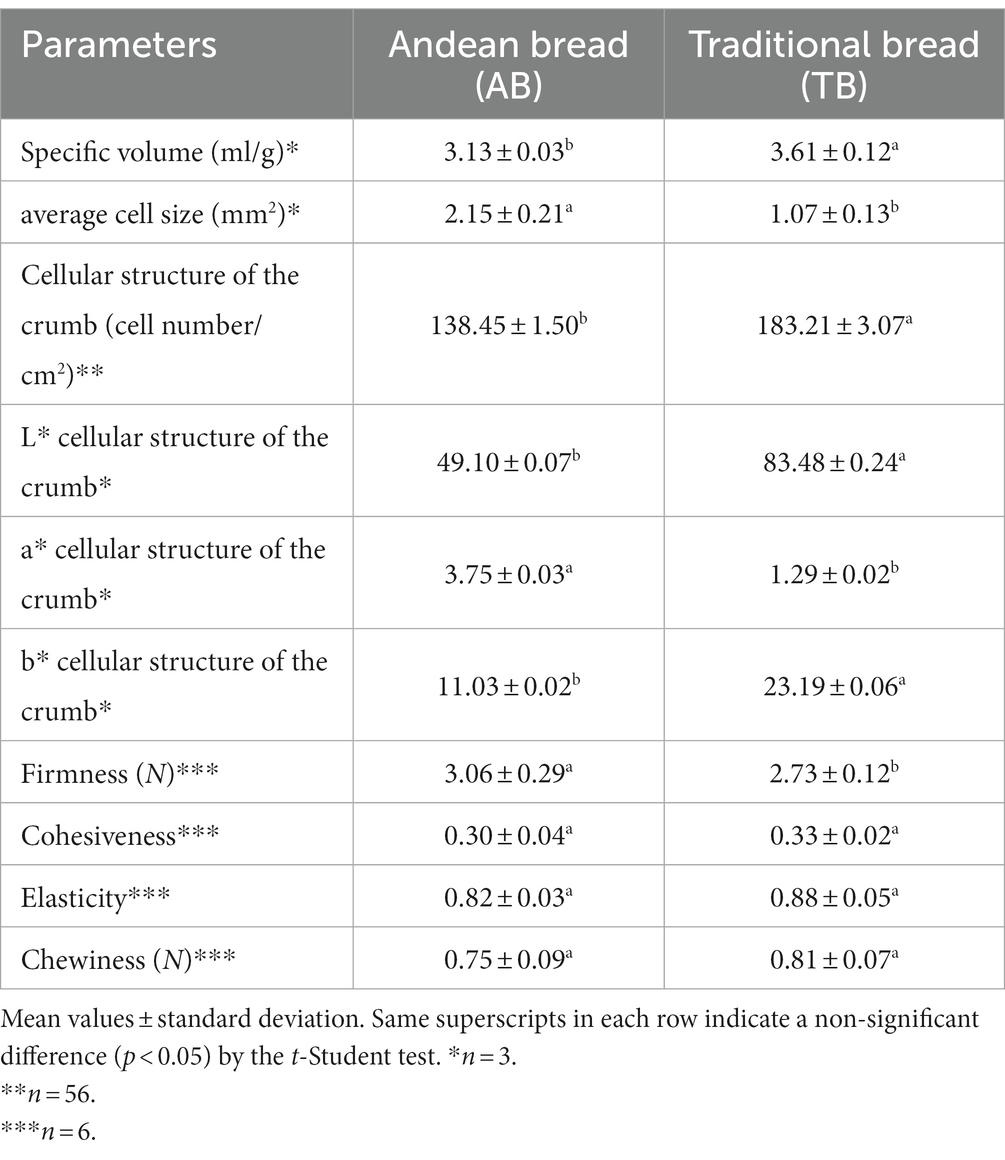
Table 6. Physical properties of sliced bread.
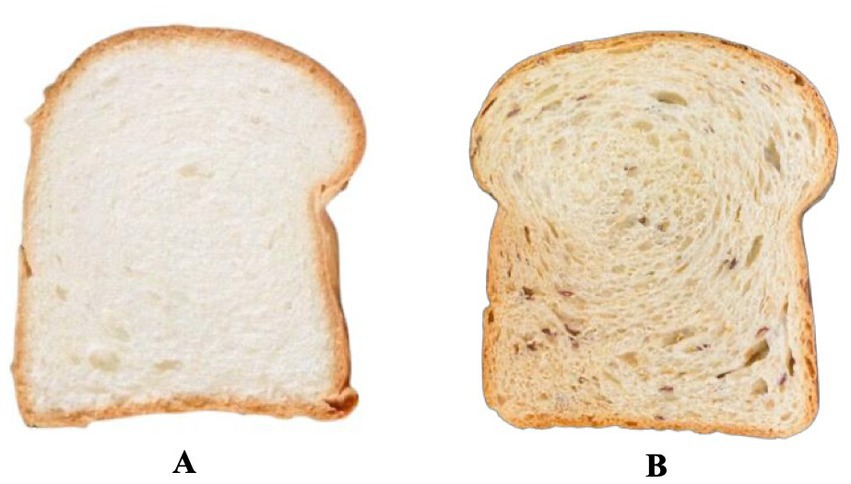
Figure 3. 25 mm thick slices of bread: (A) traditional bread; (B) Andean bread.
When analyzing the cellular structure of the crumb (Figure 3), significant differences (p < 0.05) were found for the average cell size in favor of AB whose value is 2.15 and 1.07 mm2 for TB. The higher value is partly due to its heterogeneity influenced by the ingredients. The cellular structure of the crumb values are similar to those reported by Aguiar et al. (2021). In addition, these characteristics are important for manufacturers of bakery products and have an influence on the acceptability of the product.
Regarding color, there were significant differences (p ≤ 0.05) between AB and TB for the coordinates L* and a*. The TB (100% wheat flour) presented the highest value of luminosity (L*; Figure 3A), while in the AB it decreased with the substitution of the flours (Table 6; Figure 3B). A darker color is usually the result of maillard reactions and caramelization. Likewise, the different composition of amino acids and the original color of the raw materials determine the final color of the bread (Lund and Ray, 2017; Šporin et al., 2018; Protonotariou et al., 2020), observed that the whiteness of the bread decreased as the addition of grape pomace flour increased (“Merlot” and “Zelen”; 6, 10 and 15%, w/w flour based). There was also an increase in the value a* (red color), it can be attributed to the presence of kiwicha, quinoa, barley, oatmeal flours (fibers and phenolic compounds) and linseed seeds that contributed to having a reddish and darker color (Costantini et al., 2014; Brites et al., 2022) also observed a similar effect.
Regarding the firmness parameter, there were significant differences (p < 0.05) between AB and TB (Table 6), a higher firmness value is related to higher fiber content and lower specific volume. This agreed with the results a negative correlation of hardness and specific volume and were also observed by Miñarro et al. (2012) and Yaver and Bilgiçli (2021). The elasticity indicated the ability of the sample to recover after a deformation due to compression (Lin and Zhou, 2018), and it was lower in the AB (0.82). In addition, similar trends were also exhibited in cohesion (0.30) and chewiness (0.75). However, there was no significant difference (p > 0.05) in the value of elasticity, cohesiveness and chewiness between the sliced bread (AB and TB), which would indicate that they have a similar mouthfeel.
3.4. Effects of ingredients on sensorial properties
Table 5 shows the results of the sensorial analysis carried out in TB and AB. The sensorial analysis indicated that the sensorial attributes (crust color, crumb color, alveolar uniformity, aroma, texture, flavor, and overall acceptability) decrease as the storage time passes and it was more pronounced in the TB. On the other hand, the substitution of AB by 30% wheat bran, quinoa, kiwicha, oats, barley flours, and sesame and linseed seeds (Table 2) showed no negative effects on sensorial evaluation and resulted in increased fiber, including the ability to make a source of fiber claim (Table 4). Similar results were obtained by Chockchaisawasdee et al. (2023) with a substitution of broad bean flour at 15%. In addition to improving the quality of the AB in terms of chemical composition (Table 4) and sensorial (Table 5), the substitution has also improved the shelf life of the AB, possibly due to the presence of antioxidants, which was also observed by Peighambardoust (2014), the presence of antioxidants in grape seed flour (5, 10, 15 and 20%, w/w flour basis) extended the shelf life of bread.
Texture is an important determinant of bread quality that determines consumer acceptance (Cauvain, 2016; Santos, 2020). In this investigation this was the sensorial characteristic that varied the most and was least pronounced in the AB. The inclusion of Andean grains did not seem to affect porosity, but the fiber increased, and sensorial panelists stated that they preferred to eat bread with additional nutritional content. This may have a commercial potential that could be explored further.
4. Conclusion
AB and TB showed a similar effect on the rheological properties of the dough, while AB showed higher values for C1, C2, and C4 probably due to the higher levels of fiber, TB presented higher values with respect to C3 and C5, presenting a higher value of consistency and retrogradation, which favors the structure, volume and texture of the bread. However, the TB presented a low acceptability (general acceptability of 4.1 on a 10-cm unstructured scale) possibly due to their high values of the C5-C4 secondary parameters, which are related to a shorter shelf life.
The effects of enrichment with Peruvian Andean grains in a 30% replacement improved protein content (16.07%), total dietary fiber (13.01%), ashes (3.05%), and total phenolics (76.52 mg GAE/100 g sample) from Andean sliced bread. These results could be useful to develop healthier, better-quality breads to meet consumer needs using Peruvian Andean flours and seeds.
Data availability statement
The raw data supporting the conclusions of this article will be made available by the authors, without undue reservation.
Author contributions
FG-R: conceptualization, investigation, and preparation of the original draft. AS-M: conceptualization, funding acquisition, supervision, and revision. HA-C: investigation, writing, and formal analysis. EN: investigation, writing, and formal analysis. LS: investigation, writing, and formal analysis. KY: investigation and visualization. TG: data curation, review, and visualization. MN: data curation, review, and visualization. HC-S: methodology, data curation, and review. All authors contributed to the article and approved the submitted version.
Conflict of interest
The authors declare that the research was conducted in the absence of any commercial or financial relationships that could be construed as a potential conflict of interest.
Publisher’s note
All claims expressed in this article are solely those of the authors and do not necessarily represent those of their affiliated organizations, or those of the publisher, the editors and the reviewers. Any product that may be evaluated in this article, or claim that may be made by its manufacturer, is not guaranteed or endorsed by the publisher.
References
Abreu Abreu, A. T. Y., Milke-García, M. P., Argüello-Arévalo, G. A., Calderón-de la Barca, A. M., Carmona-Sánchez, R. I., Consuelo-Sánchez, A., et al. (2021). Fibra dietaria y microbiota, revisión narrativa de un grupo de expertos de la Asociación Mexicana de Gastroenterología. Rev. Gastroenterol. Mex. 86, 287–304. doi: 10.1016/J.RGMX.2021.02.004
Aguiar, E. V., Santos, F. G., Centeno, A. C. L. S., and Capriles, V. D. (2021). Influence of pseudocereals on gluten-free bread quality: a study integrating dough rheology, bread physical properties and acceptability. Food Res. Int. 150:110762. doi: 10.1016/j.foodres.2021.110762
Aldughpassi, A., Zafar, T., Sidhu, J. S., Al-Hassawi, F., Abdullah, M. M., and Al-Othman, A. (2020). Effect of psyllium husk, bran, and raw wheat germ addition on the rheological characteristics of Arabic (Pita) bread dough. Int. J. Food Sci. 2020, 1–10. doi: 10.1155/2020/8867402
Alvarez-Jubete, L., Wijngaard, H., Arendt, E. K., and Gallagher, E. (2010). Polyphenol composition and in vitro antioxidant activity of amaranth, quinoa buckwheat and wheat as affected by sprouting and baking. Food Chem. 119, 770–778. doi: 10.1016/j.foodchem.2009.07.032
AOAC (2010). Official methods of analysis. Association of Association Official Analytical Chemists, Washington DC.
Bączek, N., Jarmułowicz, A., Wronkowska, M., and Haros, C. M. (2020). Assessment of the glycaemic index, content of bioactive compounds, and their in vitro bioaccessibility in oat-buckwheat breads. Food Chem. 330:127199. doi: 10.1016/j.foodchem.2020.127199
Bahmanyar, F., Hosseini, S. M., Mirmoghtadaie, L., and Shojaee-Aliabadi, S. (2021). Effects of replacing soy protein and bread crumb with quinoa and buckwheat flour in functional beef burger formulation. Meat Sci. 172:108305. doi: 10.1016/j.meatsci.2020.108305
Brites, L. T. G. F., Rebellato, A. P., Meinhart, A. D., Godoy, H. T., Pallone, J. A. L., and Steel, C. J. (2022). Technological, sensory, nutritional and bioactive potential of pan breads produced with refined and whole grain buckwheat flours. Food Chem. X 13:100243. doi: 10.1016/j.fochx.2022.100243
Cauvain, S. P. (2016). “Bread and other bakery products,’’ in The stability and shelf life of food 2nd Edn. (Woodhead Publishing), 431–459.
Chockchaisawasdee, S., Mendoza, M. C., Beecroft, C. A., Kerr, A. C., Stathopoulos, C. E., and Fiore, A. (2023). Development of a gluten free bread enriched with faba bean husk as a fibre supplement. LWT 173:114362. doi: 10.1016/j.lwt.2022.114362
Codină, G. G., Istrate, A. M., Gontariu, I., and Mironeasa, S. (2019). Rheological properties of wheat-flaxseed composite flours assessed by Mixolab and their relation to quality features. Foods 8:333. doi: 10.3390/foods8080333
Cornelio-Santiago, H. P., Mazalli, M. R., Rodrigues, C. E. C., and de Oliveira, A. L. (2019). Extraction of Brazil nut kernel oil using green solvents: effects of the process variables in the oil yield and composition. J. Food Process Eng. 42. doi: 10.1111/jfpe.13271
Costantini, L., Lukšič, L., Molinari, R., Kreft, I., Bonafaccia, G., Manzi, L., et al. (2014). Development of gluten-free bread using tartary buckwheat and chia flour rich in flavonoids and omega-3 fatty acids as ingredients. Food Chem. 165, 232–240. doi: 10.1016/j.foodchem.2014.05.095
Cui, R., and Zhu, F. (2022). Changes in structure and phenolic profiles during processing of steamed bread enriched with purple sweetpotato flour. Food Chem. 369:130578. doi: 10.1016/j.foodchem.2021.130578
Dalgetty, D. D., and Baik, B. K. (2006). Fortification of bread with hulls and cotyledon fibers isolated from peas, lentils, and chickpeas. Cereal Chem. 83, 269–274. doi: 10.1094/CC-83-0269
De Boni, A., Pasqualone, A., Roma, R., and Acciani, C. (2019). Traditions, health and environment as bread purchase drivers: a choice experiment on high-quality artisanal Italian bread. J. Clean. Prod. 221, 249–260. doi: 10.1016/j.jclepro.2019.02.261
García-Ramón, F., Alvarez, H., Sotelo-Méndez, A., Gonzáles Huaman, T., Norabuena, E., Zarate Sarapura, E., et al. (2022). Nutrición clínica y dietética hospitalaria. Nut. Clín. Diet. Hospital. 42, 106–114. doi: 10.12873/421GARCIA
Gębski, J., Jezewska-Zychowicz, M., Szlachciuk, J., and Kosicka-Gębska, M. (2019). Impact of nutritional claims on consumer preferences for bread with varied fiber and salt content. Food Qual. Prefer. 76, 91–99. doi: 10.1016/j.foodqual.2019.03.012
Gómez, M., Ronda, F., Blanco, C. A., Caballero, P. A., and Apesteguía, A. (2003). Effect of dietary fibre on dough rheology and bread quality. Eur. Food Res. Technol. 216, 51–56. doi: 10.1007/s00217-002-0632-9
Gu, Y., Qian, X., Sun, B., Ma, S., Tian, X., and Wang, X. (2022). Nutritional composition and physicochemical properties of oat flour sieving fractions with different particle size. LWT 154:112757. doi: 10.1016/j.lwt.2021.112757
Gutierrez-Castillo, C., Alcázar-Alay, S., Vidaurre-Ruiz, J., Correa, M. J., Cabezas, D. M., Repo-Carrasco-Valencia, R., et al. (2023). Effect of partial substitution of wheat flour by quinoa (Chenopodium quinoa Willd.) and tarwi (Lupinus mutabilis sweet) flours on dough and bread quality. Food Sci. Technol. Int. 29, 619–630. doi: 10.1177/10820132221106332
Horstmann, S. W., Belz, M. C. E., Heitmann, M., Zannini, E., and Arendt, E. K. (2016). Fundamental study on the impact of gluten-free starches on the quality of gluten-free model breads. Foods 5:30. doi: 10.3390/foods5020030
Horstmann, S. W., Foschia, M., and Arendt, E. K. (2017). Correlation analysis of protein quality characteristics with gluten-free bread properties. Food Funct. 8, 2465–2474. doi: 10.1039/C7FO00415J
Ibrahim, F. Y., Aboulnaga, E. A., Youssif, M. R. G., and El-Gaafary, M. A. (2018). Effect of substitution with mango peels and seed kernels as by-products on the quality of Pan bread and cake. J. Food Dairy Sci. 9, 439–445. doi: 10.21608/jfds.2018.36123
Lin, J., and Zhou, W. (2018). Role of quercetin in the physicochemical properties, antioxidant and antiglycation activities of bread. J. Funct. Foods 40, 299–306. doi: 10.1016/j.jff.2017.11.018
Lund, M. N., and Ray, C. A. (2017). Control of Maillard reactions in foods: strategies and chemical mechanisms. J. Agric. Food Chem. 65, 4537–4552. doi: 10.1021/acs.jafc.7b00882
Martínez, M. M., Díaz, Á., and Gómez, M. (2014). Effect of different microstructural features of soluble and insoluble fibres on gluten-free dough rheology and bread-making. J. Food Eng. 142, 49–56. doi: 10.1016/j.jfoodeng.2014.06.020
Matos, M. E., and Rosell, C. M. (2013). Quality indicators of Rice-based gluten-free bread-like products: relationships between dough rheology and quality characteristics. Food Bioprocess Technol. 6, 2331–2341. doi: 10.1007/s11947-012-0903-9
Mikulec, A., Kowalski, S., Makarewicz, M., Skoczylas, Ł., and Tabaszewska, M. (2020). Cistus extract as a valuable component for enriching wheat bread. LWT 118:108713. doi: 10.1016/j.lwt.2019.108713
Mildner-Szkudlarz, S., Zawirska-Wojtasiak, R., Szwengiel, A., and Pacyński, M. (2011). Use of grape by-product as a source of dietary fibre and phenolic compounds in sourdough mixed rye bread. Int. J. Food Sci. Technol. 46, 1485–1493. doi: 10.1111/j.1365-2621.2011.02643.x
Miñarro, B., Albanell, E., Aguilar, N., Guamis, B., and Capellas, M. (2012). Effect of legume flours on baking characteristics of gluten-free bread. J. Cereal Sci. 56, 476–481. doi: 10.1016/j.jcs.2012.04.012
Mir, N. A., Riar, C. S., and Singh, S. (2018). Nutritional constituents of pseudo cereals and their potential use in food systems: a review. Trends Food Sci. Technol. 75, 170–180. doi: 10.1016/j.tifs.2018.03.016
Miranda-Villa, P. P., Mufari, J. R., Bergesse, A. E., and Calandri, E. L. (2019). Effects of whole and malted quinoa flour addition on gluten-free muffins quality. J. Food Sci. 84, 147–153. doi: 10.1111/1750-3841.14413
Morales, D., Miguel, M., and Garcés-Rimón, M. (2021). Pseudocereals: a novel source of biologically active peptides. Crit. Rev. Food Sci. Nutr. 61, 1537–1544. doi: 10.1080/10408398.2020.1761774
Nirmala Prasadi, V. P., and Joye, I. J. (2020). Dietary fibre from whole grains and their benefits on metabolic health. Nutrients 12, 1–20. doi: 10.3390/NU12103045
Ou, J., Wang, M., Zheng, J., and Ou, S. (2019). Positive and negative effects of polyphenol incorporation in baked foods. Food Chem. 284, 90–99. doi: 10.1016/j.foodchem.2019.01.096
Packkia-Doss, P. P., Chevallier, S., Pare, A., and Le-Bail, A. (2019). Effect of supplementation of wheat bran on dough aeration and final bread volume. J. Food Eng. 252, 28–35. doi: 10.1016/j.jfoodeng.2019.01.014
Peighambardoust, S. (2014). Physicochemical, nutritional, shelf life and sensory properties of Iranian Sangak bread fortified with grape seed powder. J. Food Process. Technol. 5. doi: 10.4172/2157-7110.1000381
Protonotariou, S., Stergiou, P., Christaki, M., and Mandala, I. G. (2020). Physical properties and sensory evaluation of bread containing micronized whole wheat flour. Food Chem. 318:126497. doi: 10.1016/j.foodchem.2020.126497
Repo-Carrasco-Valencia, R., Vidaurre-Ruiz, J., and Luna-Mercado, G. I. (2020). Development of gluten-free breads using Andean native grains quinoa, Kañiwa, Kiwicha and Tarwi. PRO 53:15. doi: 10.3390/PROCEEDINGS2020053015
Rocha Parra, A. F., Ribotta, P. D., and Ferrero, C. (2015). Apple pomace in gluten-free formulations: effect on rheology and product quality. Int. J. Food Sci. Technol. 50, 682–690. doi: 10.1111/ijfs.12662
Rosell, C. M., Altamirano-Fortoul, R., Don, C., and Dubat, A. (2013). Thermomechanically induced protein aggregation and starch structural changes in wheat flour dough. Cereal Chem. 90, 89–100. doi: 10.1094/CCHEM-05-12-0056-R
RStudio Team (2021). RStudio: Integrated Development for R. Boston, MA: RStudio, PBC. Available at: http://www.rstudio.com
Sabanis, D., Lebesi, D., and Tzia, C. (2009). Effect of dietary fibre enrichment on selected properties of gluten-free bread. LWT Food Sci. Technol. 42, 1380–1389. doi: 10.1016/j.lwt.2009.03.010
Santos, F. G. Dos (2020). [UNIFESP] Influência dos ingredientes alternativos na qualidade de pães sem glúten: um estudo integrado da vida de prateleira, do perfil sensorial e da resposta glicêmica dos produtos. Available at: https://repositorio.unifesp.br/handle/11600/60899 [Accessed March 10, 2023].
Santos, F. G., Aguiar, E. V., Centeno, A. C. L. S., Rosell, C. M., and Capriles, V. D. (2020). Effect of added psyllium and food enzymes on quality attributes and shelf life of chickpea-based gluten-free bread. LWT 134:110025. doi: 10.1016/j.lwt.2020.110025
Santos, F. G., and Capriles, V. D. (2021). Relationships between dough thermomechanical parameters and physical and sensory properties of gluten-free bread texture during storage. LWT 139:110577. doi: 10.1016/j.lwt.2020.110577
Shiau, S. Y., Wu, M. Y., and Liu, Y. L. (2015). The effect of pineapple core fiber on dough rheology and the quality of mantou. J. Food Drug Anal. 23, 493–500. doi: 10.1016/j.jfda.2014.10.010
Šporin, M., Avbelj, M., Kovač, B., and Možina, S. S. (2018). Quality characteristics of wheat flour dough and bread containing grape pomace flour. Food Sci. Technol. Int. 24, 251–263. doi: 10.1177/1082013217745398
Stamatie, G. D., Susman, I. E., Bobea, S. A., Matei, E., Duta, D. E., and Israel-Roming, F. (2022). The influence of the technological process on improving the acceptability of bread enriched with pea protein, hemp and sea buckthorn press cake. Foods 11:3667. doi: 10.3390/foods11223667
Thakur, P., Kumar, K., and Dhaliwal, H. S. (2021). Nutritional facts, bio-active components and processing aspects of pseudocereals: a comprehensive review. Food Biosci. 42:101170. doi: 10.1016/j.fbio.2021.101170
Torbica, A., Škrobot, D., Janić Hajnal, E., Belović, M., and Zhang, N. (2019). Sensory and physico-chemical properties of wholegrain wheat bread prepared with selected food by-products. LWT 114:108414. doi: 10.1016/j.lwt.2019.108414
Turkut, G. M., Cakmak, H., Kumcuoglu, S., and Tavman, S. (2016). Effect of quinoa flour on gluten-free bread batter rheology and bread quality. J. Cereal Sci. 69, 174–181. doi: 10.1016/j.jcs.2016.03.005
Vidaurre-Ruiz, J., Matheus-Diaz, S., Salas-Valerio, F., Barraza-Jauregui, G., Schoenlechner, R., and Repo-Carrasco-Valencia, R. (2019). Influence of tara gum and xanthan gum on rheological and textural properties of starch-based gluten-free dough and bread. Eur. Food Res. Technol. 245, 1347–1355. doi: 10.1007/s00217-019-03253-9
Wandersleben, T., Morales, E., Burgos-Díaz, C., Barahona, T., Labra, E., Rubilar, M., et al. (2018). Enhancement of functional and nutritional properties of bread using a mix of natural ingredients from novel varieties of flaxseed and lupine. LWT 91, 48–54. doi: 10.1016/j.lwt.2018.01.029
Wang, X., Lao, X., Bao, Y., Guan, X., and Li, C. (2021). Effect of whole quinoa flour substitution on the texture and in vitro starch digestibility of wheat bread. Food Hydrocoll. 119:106840. doi: 10.1016/j.foodhyd.2021.106840
Xu, J., Li, Y., Zhao, Y., Wang, D., and Wang, W. (2021). Influence of antioxidant dietary fiber on dough properties and bread qualities: a review. J. Funct. Foods 80:104434. doi: 10.1016/j.jff.2021.104434
Xu, J., Wang, W., and Li, Y. (2019). Dough properties, bread quality, and associated interactions with added phenolic compounds: a review. J. Funct. Foods 52, 629–639. doi: 10.1016/j.jff.2018.11.052
Yaver, E., and Bilgiçli, N. (2021). Ultrasound-treated lupin (Lupinus albus L.) flour: protein- and fiber-rich ingredient to improve physical and textural quality of bread with a reduced glycemic index. LWT 148:111767. doi: 10.1016/j.lwt.2021.111767
Yeşil, S., and Levent, H. (2022). The influence of fermented buckwheat, quinoa and amaranth flour on gluten-free bread quality. LWT 160:113301. doi: 10.1016/j.lwt.2022.113301
Keywords: quinoa, kiwicha, barley, sesame, linseed, sensory acceptability, Mixolab
Citation: García-Ramón F, Sotelo-Méndez A, Alvarez-Chancasanampa H, Norabuena E, Sumarriva L, Yachi K, Gonzales Huamán T, Naupay Vega M and Cornelio-Santiago HP (2023) Influence of Peruvian Andean grain flours on the nutritional, rheological, physical, and sensory properties of sliced bread. Front. Sustain. Food Syst. 7:1202322. doi: 10.3389/fsufs.2023.1202322
Edited by:
Monika Thakur, Amity University, IndiaReviewed by:
Maria Simona Chiș, University of Agricultural Sciences and Veterinary Medicine of Cluj-Napoca, RomaniaAbiodun Aderoju Adeola, Federal University of Agriculture, Abeokuta, Nigeria
Copyright © 2023 García-Ramón, Sotelo-Méndez, Alvarez-Chancasanampa, Norabuena, Sumarriva, Yachi, Gonzales Huamán, Naupay Vega and Cornelio-Santiago. This is an open-access article distributed under the terms of the Creative Commons Attribution License (CC BY). The use, distribution or reproduction in other forums is permitted, provided the original author(s) and the copyright owner(s) are credited and that the original publication in this journal is cited, in accordance with accepted academic practice. No use, distribution or reproduction is permitted which does not comply with these terms.
*Correspondence: Fernando García-Ramón, ZmVybmFuZG9fZ2FyY2lhQHVzcC5icg==