 Kristen Lowitt
 Joyce Slater2
- 1Queen’s University, Kingston, ON, Canada
- 2University of Manitoba, Manitoba, ON, Canada
Various studies over the past 3 years have synthesized trends and impacts of the COVID-19 pandemic on Canada’s national food system. However, less research has characterized the effects of COVID-19 within regional and provincial food system contexts. This article presents results from a scoping review of peer-reviewed and grey literature published from March 2020 until end of March 2023 examining the impacts of the COVID-19 pandemic on food systems in the province of Manitoba, Canada. Findings are presented according to the categories of food security funding, policy, and programming; individual and household food security; and food systems. In each area we synthesize key findings and discuss their significance in relation to existing food systems scholarship and national trends. Using review results, we propose priority areas for research and practice to support equitable and resilient food systems in Manitoba, including: (1) undertaking evaluation of food system policies, programs, and funding implemented during the pandemic (2) enhancing food security monitoring for vulnerable populations (3) further exploring community experiences and responses to food security, and (4) examining opportunities for local food systems development.
1 Introduction
The outbreak of the COVID-19 pandemic in early 2020 presented significant challenges to Canada’s food systems, from disrupted supply chains to business closures and heightened demand for emergency food aid (Hobbs, 2020; Holland, 2020). The situation of individuals and communities that were already precarious within food systems, such as temporary foreign labourers and those already experiencing food insecurity, worsened (Arrell Food Institute and Canadian Agri-food Policy Institute, 2021; Polysky and Garriguet, 2022). A range of funding and policy measures were rolled out, with the pandemic prompting debate about how Canada’s food system should be rebuilt and renewed to enhance resilience to similar disruptions in the future (James et al., 2021; Regnier-Davies et al., 2022).
While various studies over the past several years have synthesized trends and impacts of the COVID-19 pandemic on Canada’s national food system, less research has been devoted to characterizing the effects of COVID-19 within regional and provincial food system contexts. However, doing so is crucial to a fuller understanding of the place-based impacts of the pandemic and informing future efforts for food system resilience. This scoping review responds to this gap by examining how the pandemic affected food systems in the province of Manitoba, Canada. Specifically, this review synthesizes peer reviewed and grey literature to provide a picture of pandemic impacts and responses in the province’s food systems. Questions guiding this review include: How have food systems in rural, urban, and Northern/remote communities in Manitoba changed due to the pandemic? What were the impacts for food access among households and vulnerable populations? What policy, programming, and funding responses took place?
By food systems, we are referring to all the steps involved in feeding a population, including the stages through which foods pass and are transformed as they move from field, water, to plate, and beyond (Tansey and Worsley, 1995). Food systems are thus necessarily complex, involving interactions among economic, social, political, and environmental components (Tansey and Worsley, 1995). Manitoba’s food systems are characterized by high levels of industrial agriculture development, alongside a large Indigenous population, many Northern and remote communities, and a strong and growing network of local food policy actors and community-based food security initiatives. While these features make Manitoba’s food systems complex, these diverse characteristics also make the findings from this scoping review relevant to other jurisdictions across Canada and North America that share similar structural attributes and policy environments.
Although we are arguably in a post-pandemic period, we believe this scoping review remains timely in a context of pandemic recovery and ongoing pressures, such as food price inflation, supply chain disruption, climate change, extreme weather events, and global geopolitical instabilities, that continue to affect food systems in Manitoba and Canada. We discuss the significance of our findings in Manitoba in the context of existing food systems scholarship and national trends and conclude by proposing priority areas for research and practice to support equitable and resilient food systems in Manitoba.
2 Methods
A scoping review research method was used to synthesize research about the effects of the COVID-19 pandemic on food systems in Manitoba covering the period from March 2020 to the end of March 2023. A scoping review was an appropriate method for our study which sought to “map” the characteristics and volume of available research on this topic (Arksey and O'Malley, 2005, p. 20). It also provided the flexibility to include a breadth of peer-reviewed and non-peer-reviewed sources (Arksey and O'Malley, 2005). We followed the general steps for a scoping review outlined by Arksey and O'Malley (2005) with additional guidance on searching grey literature from Godin et al. (2015). See Figure 1 for an overview of the scoping review process.

Figure 1. Scoping review process.
We started by gathering relevant sources. Peer-reviewed articles were identified by searching Google Scholar and Academic Search Complete (Ebsco) databases. Key terms searched were Manitoba AND COVID-19 or pandemic AND “food security” or “food systems.” Given our emphasis on broader food systems, we did not use “food insecurity” as a key search team. A total of 384 peer-reviewed sources were identified.
Grey literature (e.g., reports, websites, policy documents) was identified through a Google search using the same search terms as above as well as directly searching the websites of the Manitoba government, provincial food-related organizations including Canadian Centre for Policy Alternatives (Manitoba Office), Harvest Manitoba, Food Matters Manitoba, Northern Manitoba Food, Culture and Community Collaborative, and Migrante Manitoba, as well as Statistics Canada and PROOF (Food Insecurity Research Institute) as key web sources for food security data. Media articles were not systematically searched but are drawn upon to contextualize findings from other sources. Recognizing it is impossible to review all grey literature results from the Google search, we relied on the “relevance” ranking of Google to identify a total of 129 sources (Godin et al., 2015).
We then screened all sources for inclusion. Only sources that focused on Manitoba or included Manitoba as a key component of a larger study were included. Sources that did not focus primarily on food security and COVID-19, such as those looking more generally at health and social-economic conditions during the pandemic, were excluded. This resulted in the vast majority of sources initially identified not being retained. For peer-reviewed articles, titles and abstracts were screened first; if it was unclear from the abstract if the study should be retained then the full text was screened.
Altogether, 34 sources were retained for review including ten peer reviewed articles and 24 grey literature sources. Table 1 provides an overview of all sources by citation, category and key themes, and geographical focus. All sources were categorized according to the three key elements of the food security landscape previously elaborated by Lowitt et al. (2022) in their literature scan on food system pandemic impacts in Canada. These are: food security policy, funding, and programming; food security for individuals, households, and vulnerable groups; and food systems. Table 2 provides definitions of these categories. We used these categories as they were sufficiently broad to capture the range of sources and types of information included in our scoping review while also helping to promote thematic comparability of our findings with this previously published national literature scan. Within these categories, specific themes covered by the sources were identified from keywords in titles and abstracts and are also indicated in Table 1.
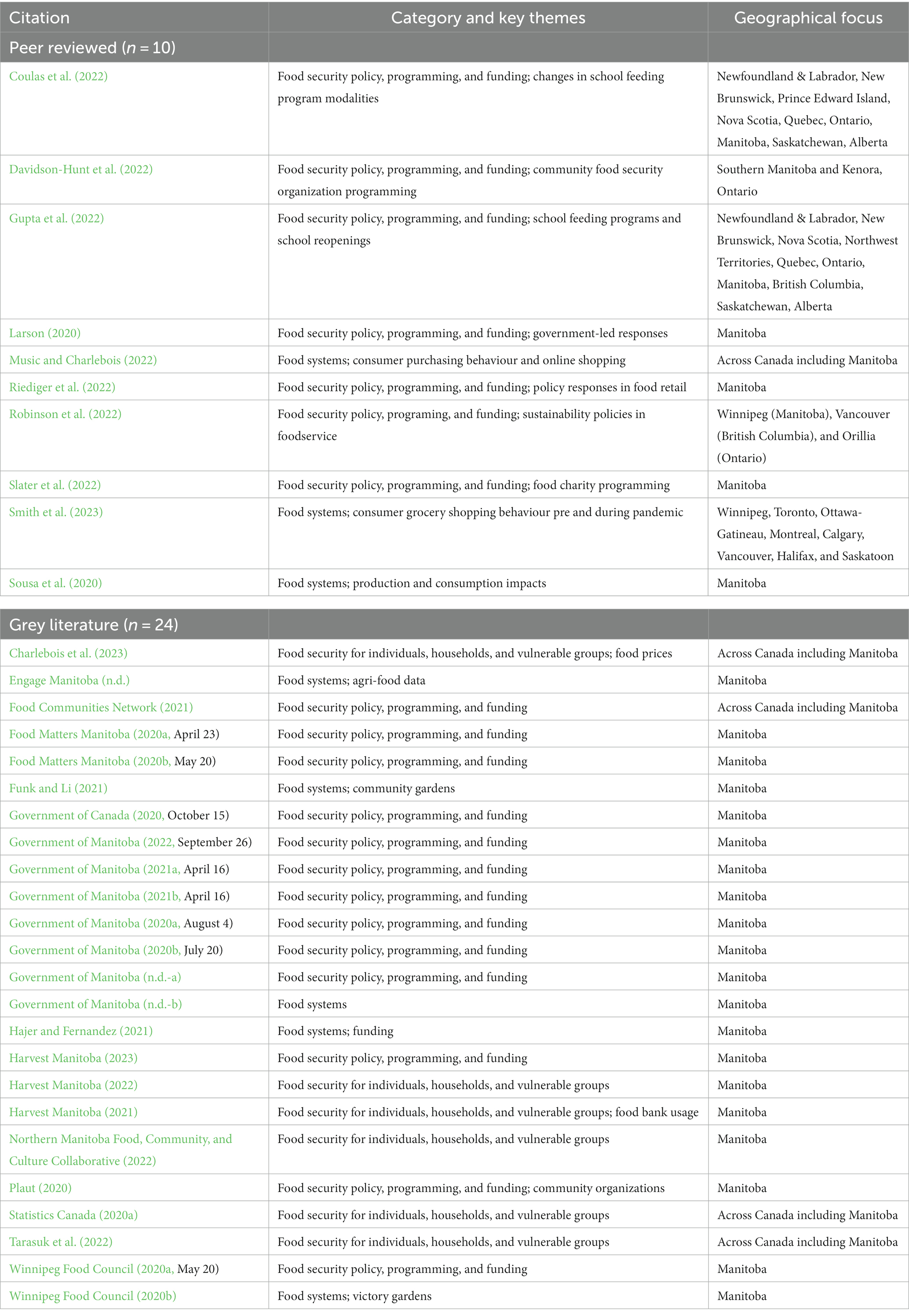
Table 1. Sources included in the scoping review.

Table 2. Categories of analysis adapted from Lowitt et al. (2022).
3 Results
In this section, we present our findings according to the key categories of: (1) food security policy, funding, and programming; (2) food security for individuals, households, and vulnerable groups; and (3) food systems.
3.1 Food security policy, funding, and programming
Twenty sources are included in this category, including seven peer reviewed articles and 13 grey literature sources. Various government initiatives in Manitoba were implemented in response to the pandemic. Table 3 provides an overview of these policy, funding, and programming responses according to provincial and joint provincial/federal policy initiatives.
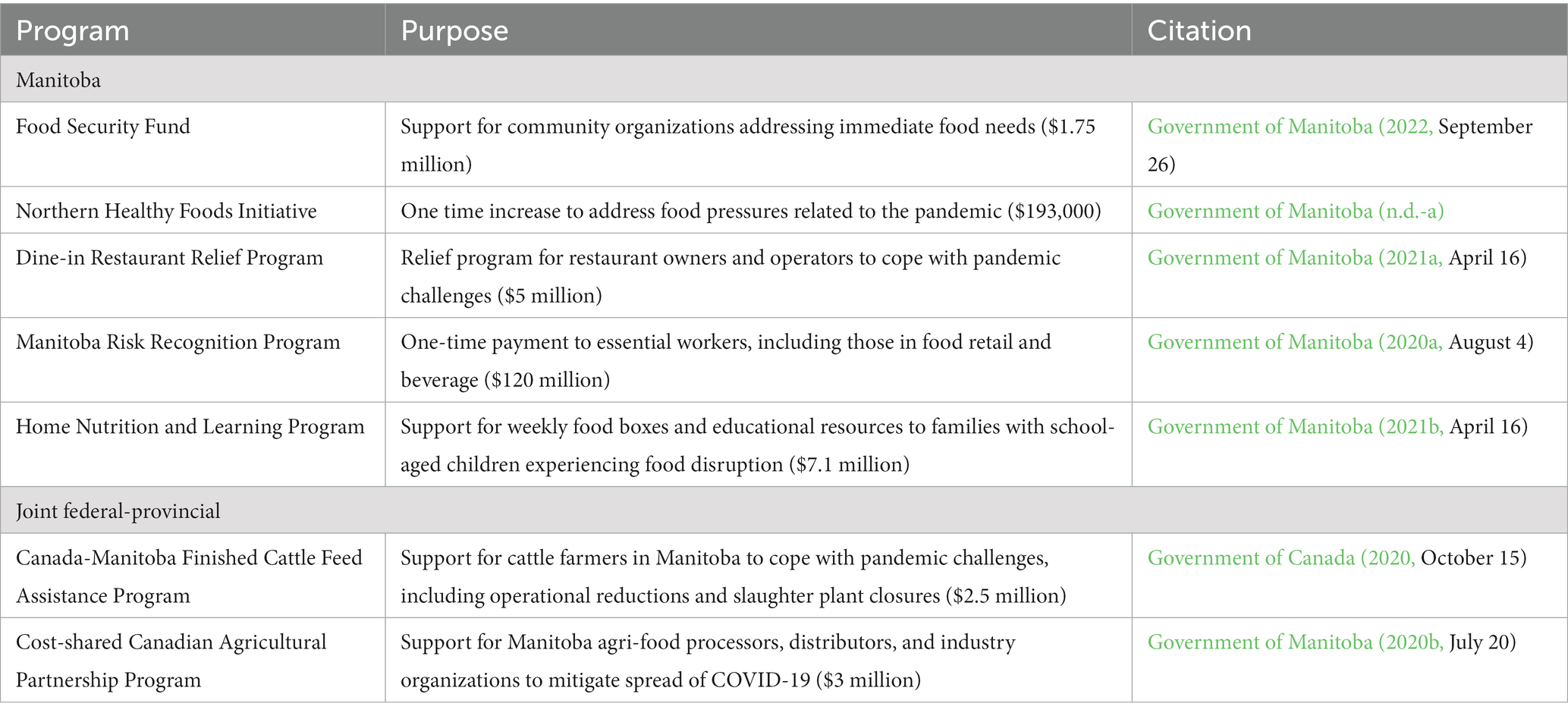
Table 3. Responses from the provincial and federal governments.
The Manitoba government introduced a number of funding programs including a one-time Food Security Fund to address immediate food needs with funding mainly flowing to food banks and emergency meal programs. The provincial government also introduced a temporary relief program for the restaurant sector in collaboration with the Manitoba Chambers of Commerce and the Manitoba Restaurant & Foodservices Association. The Northern Healthy Foods Initiative received a one-time additional payment in spring 2022 to support local food production in Northern and remote communities affected by rising food costs partly tied to pandemic supply chain disruptions.
The Manitoba government also partnered with the federal government to deliver additional supports for food processors, distributors, and agri-food industry organizations. Of significance to local food systems, through the cost-shared Canadian Agricultural Partnership Program, $160,000 was provided to Direct Farm Manitoba (a member-owned farmer direct marketing organization) to support e-commerce strategies for local food producers. As documented across the country, the pandemic contributed to a surge of interest in local food purchasing (Agri-food Analytics Lab, 2020) which this fund helped support in Manitoba. Larson (2020) also overviewed some of these public policies in the agriculture sector in Manitoba, calling for more proactive approaches to future pandemics.
Manitoba also benefited from various federal government policy supports. For example, the Canadian Emergency Response Benefit (CERB) provided income support for individuals whose employment was affected by the pandemic. Food banks and charities in Manitoba received support from the federal Emergency Food Security Fund and Surplus Food Rescue Program; for instance, through the latter program, $1 million was allocated to Harvest Manitoba which they distributed through small grants to members of their community food network across the province (Harvest Manitoba, 2023). The federal Emergency Processing Fund also supported some businesses in the provincial farming sector.
The provincial food retail sector was also involved in policy responses including through the government-led Manitoba Risk Recognition Program which provided one-time top-up payments to eligible essential workers including those employed in retail food and beverage. Two studies examined additional aspects of policy responses by food retail. Riediger et al. (2022) examined how the provincial grocery sector introduced new policies, such as those for employee health, safety, and operations, to minimize pandemic risks. Robinson et al. (2022) looked at how decision-making in response to pandemic risks in the foodservice industry in Winnipeg, Manitoba and other Canadian cities influenced sustainability policies.
Alongside government and private sector responses, the civil society sector in Manitoba was also active in communicating policy proposals, especially in the early months of the pandemic (see Table 4). Like the policy proposals put forward by civil society organizations nationally (see Lowitt et al., 2022), these proposals in Manitoba emphasized supporting those most vulnerable to food insecurity and addressing poverty as a structural cause. Indigenous food sovereignty was also a prominent theme in national policy proposals that was echoed in the statement by the provincial food security organization Food Matters Manitoba, including their calls to respect the autonomy of Indigenous Nations and for Indigenous-led food systems partnership development. Food policy councils in Winnipeg and Brandon – the two largest urban centres in the province – paid special attention to municipal and regional-level food system services and supports. Across the country, food policy councils played a key role early in the pandemic in advocating for local food infrastructure as an essential service (Food Communities Network, 2021).
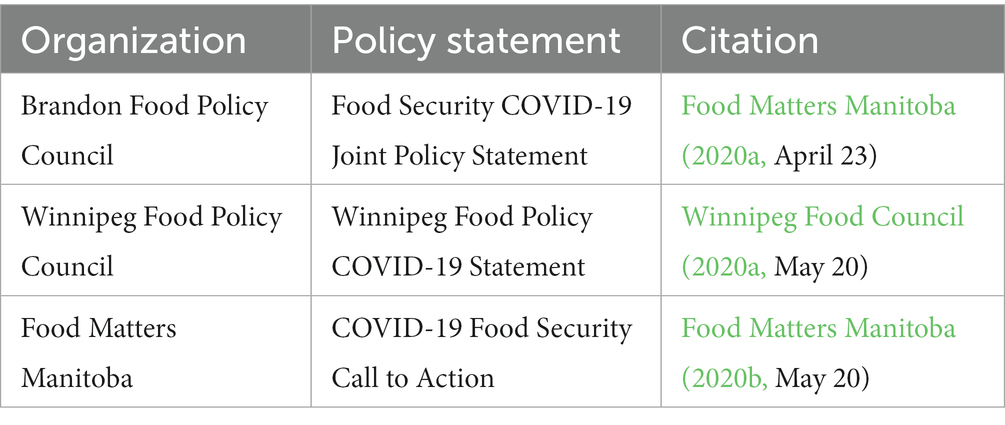
Table 4. Policy proposals from civil society organizations.
Lastly, as experienced across the country, programming changes took place within community food security organizations in the province. Plaut (2020) documented how community-based organizations responded and mobilized their networks to continue serving vulnerable residents in inner city Winnipeg, such as opening new food distribution centres in public spaces. Davidson-Hunt et al. (2022) similarly documented organizational responses among community food organizations in southern Manitoba, emphasizing the importance of pre-existing relationships and connections in place to supporting food needs. Slater et al. (2022) described changes to the provincial charitable food sector during the first wave as it reconfigured delivery and other programming aspects to meet rising needs while government funding was slow to roll out. Coulas et al. (2022) and Gupta et al. (2022) described how school food programs in Manitoba and across Canada adapted programming models to continue serving children and their families. Of note, Coulas et al. (2022) identified Manitoba as one of the few provinces to expand food programs within schools since September 2020 as part of school reopening efforts following pandemic closures. A range of media articles in Manitoba further detailed these changes in community food programs (for example see CBC News, 2020a, April 23; CBC News, 2020c, Dec. 4).
3.2 Food security for individuals, households, and vulnerable groups
Six sources from grey literature are included in this category. Food security data for Manitoba are collected through national surveys, including the Canadian Community Health Survey (CCHS) and Canadian Income Survey (CIS). There is evidence from a national web survey that food insecurity across the country increased in the early months of the pandemic mainly due to disruptions to employment income (Statistics Canada, 2020a). Harvest Manitoba (2021) likewise reported a 30% increase in food bank usage in March 2020, with female and Indigenous clients especially seeking assistance.
However, using data from the CIS, Tarasuk et al. (2022) estimated that, overall, food insecurity in Manitoba and across Canada was fairly stable from 2019–2021. This has been at least partly attributed to pandemic government income supports (Polysky and Garriguet, 2022). For 2021, the most recent year for which food security data are available at time of writing, Tarasuk et al. (2022) estimated the prevalence of food insecurity at 17.8% in Manitoba, slightly higher than the 15.9% average across provinces (Tarasuk et al., 2022). Significantly, this figure is likely an underestimation since on-reserve First Nation households, a group vulnerable to food insecurity, are excluded from these national surveys (Tarasuk et al., 2022). Addressing this data gap in Manitoba is especially important because Indigenous peoples comprise approximately 18% of the population, the highest of any province (Statistics Canada, 2020b), with nearly 60% of this population living on reserve (Government of Canada, 2021a).
It is likely that food insecurity will be higher in 2022–23 due to inflation of food and other goods (Tarasuk et al., 2022). Since early 2022, pandemic-induced supply chain disruptions have interfaced with rising input costs in global agriculture and extreme weather events to increase food prices in Manitoba and across Canada (Charlebois et al., 2023). Indicative of these rising costs, Harvest Manitoba reported a 40% year over year increase in demand for services by the end of March 2022 (Harvest Manitoba, 2022).
We found only one source that specifically examined food insecurity among northern Indigenous communities in Manitoba during the pandemic. The Northern Manitoba Food, Community, and Culture Collaborative (2022) documented food access challenges and strategies across northern Indigenous communities in 2020–21. They described shortages and higher prices of retail foods due to lockdowns and transportation restrictions and delays and noted that one of the main community responses was increased sharing of traditionally harvested foods and medicines. The lack of sources in this area is a notable gap given the long-standing food security vulnerabilities northern Manitoba communities face related to high food prices, poverty, and climate change, all stemming from settler-colonial policies (Rudolph and McLachlan, 2013; Wendium et al., 2018).
3.3 Food systems
Eight sources are included in this category, including three peer reviewed articles and five grey literature sources. Findings are presented according to the key themes of labour and production, local food systems, and consumer behaviour that emerged across these sources.
3.3.1 Labour and production
Sources in this theme indicate that the pandemic worsened labour shortages in Manitoba’s agri-food sector and especially the labour-intensive meat processing and horticulture sectors (Sousa et al., 2020; Government of Manitoba, n.d.-b). As documented by Sousa et al. (2020), this was partly tied to travel restrictions and self-isolation and quarantine measures that affected Temporary Foreign Workers (TFWs), resulting in some short-term disruptions to food production. COVID-19 outbreaks were a particular problem in meat processing plants, as documented by Sousa et al. (2020) and widely reported in the media (see CTV News, 2020, August 10; CBC News, 2020b, June 4). These outbreaks disproportionately affected the TFWs who were a key part of the labour force in these plants (Sousa et al., 2020). A report by the Office of the Auditor General for the Government of Canada (2021b) found that health and safety protections were inadequate for TFWs across the country during the pandemic.
3.3.2 Local food systems
Several sources considered opportunities for local food systems development. Sousa et al. (2020) argued for greater support for localized production due to global supply chain disruptions as well as further engagement with Northern and remote communities to support their unique food system needs. Hajer and Fernandez (2021) also called for more funding support for local agricultural production with linkages to community economic development goals, situating their call in a critique of the austerity of provincial government economic policy leading up to the pandemic. These arguments in support of local food systems development are reinforced by results from a 2021 survey by Manitoba Agriculture and Resource Development which demonstrated strong public support for local food systems during the pandemic, including a preference for purchasing Manitoba grown foods (Engage Manitoba, n.d.). Lastly, two reports were published about the Meadowood Victory Garden in Winnipeg, sharing lessons learned for urban gardening from the pandemic and highlighting opportunities to scale up gardens for future community benefits (Winnipeg Food Council, 2020b; Funk and Li, 2021). This interest in local food systems in Manitoba reflects a turn towards local food systems documented across the country during the pandemic (Lowitt et al., 2022).
3.3.3 Consumer behaviour
Changes to consumer behaviour in Manitoba were documented by two sources. Music and Charlebois (2022) looked at how some Manitobans switched to online shopping during the pandemic driven by convenience and safety, despite the sometimes-higher cost. This behaviour is consistent with national trends that showed greater e-commerce distribution during the pandemic (Charlebois and Music, 2020). Smith et al. (2023) investigated grocery shopping patterns in Winnipeg, Manitoba and other large Canadian cities and found, among other trends, a decline in the number of trips and stores visited compared to pre-pandemic.
4 Knowledge gaps and opportunities for future research and policy
Emerging from this scoping review, we conclude by identifying priority areas for research and practice that may support equitable and resilient food systems in Manitoba. These priority areas include: (1) undertaking evaluation of food system policies, programs, and funding implemented during the pandemic (2) enhancing food security monitoring for vulnerable populations (3) further exploring community experiences and responses to food security; and (4) examining opportunities for local food systems development.
First, research and analysis will be important to evaluating the impacts of pandemic policies, funding, and programming on different sectors and populations of the food system. While our review has documented the funding that came online and programming and policy changes that occurred within food security organizations and sectors, we found very little literature evaluating the impacts of these pandemic measures in Manitoba. This evaluation is crucial to informing what worked well, less well, and to what extent programs and policies effectively met their stated objectives and effectively reached those in need of support. This evaluation is important not only to strengthening resilience to future pandemics but learning from COVID-19 responses for other stresses like climate change and food inflation (Biosffi et al., 2021).
Second, there is a need for enhancing food security monitoring for vulnerable populations. There are known data gaps in national food security surveys that exclude on-reserve Indigenous populations and this is particularly significant in Manitoba because of the high proportion of Indigenous people in the population. Further, while data exists for the province as a whole, food security data for Manitoba stratified by characteristics such as race/ethnicity, gender, and age would paint a fuller picture of food access in the province. This would include how food insecurity overlaps with other potential markers of socio economic disadvantage (Tarasuk et al., 2022). A survey of adolescents in Manitoba conducted pre-pandemic showed a 20% incidence of food insecurity; however, this was almost double (37%) in the northern region of the province (Canadian Institute of Health Research and University of Manitoba, 2023). Recent food price volatility and inflation point to the need for ongoing surveillance and monitoring of food security rather than the current patchwork approach.
Third, there are opportunities to further explore community experiences and responses to food insecurity during the pandemic. There is some evidence from our review of the importance of community partnerships and place-based connections in enhancing local resilience in the face of crisis. Future strength-based research that centres community assets and engages community members in articulating their perspectives and visions will be important to developing holistic understandings of food security and ensuring the fit of policies and programming with community assets and needs (Soma et al., 2022). A specific opportunity for future research building on this scoping review is to systematically examine news and social media that may offer further insights into community strategies for resilience building during the pandemic.
Finally, examining opportunities for local food systems development is a recommendation emerging from this review. There is some evidence from our review of high public support for local food systems in Manitoba during the pandemic with some authors positioning local food systems as a key component of regional economic development and stability in food supply. These findings are reinforced by a recently published “snapshot” of Winnipeg’s food system, outlining immediate and long-term goals for local food systems development (Winnipeg Food Council, 2022). Attention to the poor working conditions of food system labourers, and especially Temporary Foreign Workers in meat processing, also gained greater public attention during the pandemic. Addressing precarious work for the province’s food system labour force will be a critical step in more equitable regional development and food systems stability.
To what extent increased interest and awareness in local food systems during the pandemic, including innovations in online local food purchasing and increased urban gardening, may translate into long term practice will be important to follow. Also of significance to local food systems is the pressing need for culturally appropriate and community-driven solutions for northern Indigenous communities as highlighted by NMFCCC (2022) and Sousa et al. (2020). For these communities, inequities in food access were further exposed by the pandemic underscoring the need for decolonizing food systems as long called for among Indigenous scholars and food security advocates in the province (Wendium et al., 2018) and being increasingly voiced nationally (Levkoe et al., 2021; Mashford-Pringle et al., 2021).
In sum, our scoping review has synthesized the impacts of COVID-19 on food systems in Manitoba and identified some priority areas for research and practice that we hope can inform efforts towards resilient and equitable food systems in a period of COVID-19 recovery and ongoing food system stresses.
Author contributions
KL and JS contributed to conception and design of the study. ER organized the scoping review materials. KL wrote the first draft of the manuscript. All authors contributed to the article and approved the submitted version.
Funding
We acknowledge funding support from the Social Sciences and Humanities Research Council of Canada (grant number 1008-2020-1008).
Conflict of interest
The authors declare that the research was conducted in the absence of any commercial or financial relationships that could be construed as a potential conflict of interest.
Publisher’s note
All claims expressed in this article are solely those of the authors and do not necessarily represent those of their affiliated organizations, or those of the publisher, the editors and the reviewers. Any product that may be evaluated in this article, or claim that may be made by its manufacturer, is not guaranteed or endorsed by the publisher.
References
Agri-food Analytics Lab. (2020). COVID-19 food autonomy. Available at: https://www.dal.ca/sites/agri-food/research/COVID-19-food-autonomy.htm
Arksey, H., and O'Malley, L. (2005). Scoping studies: towards a methodological framework. Int. J. Soc. Res. Methodol. 8, 19–32. doi: 10.1080/1364557032000119616
Arrell Food Institute and Canadian Agri-food Policy Institute. (2021). Growing stronger: Conclusions from Agri-food community consultations on the COVID-19 pandemic. Available at: https://afi-17cf1.kxcdn.com/wp-content/uploads/2021/01/Growing-stronger-final-report.pdf
Biosffi, S., Ahrne, L., Aschemann-Witzel, J., Baldi, A., Cuhls, K., and DeClerck, F. (2021). COVID-19 and sustainable food systems: what should we learn before the next emergency. Front. Sustain. Food Systems 5:650987. doi: 10.3389/fsufs.2021.650987
Canadian Institute of Health Research and University of Manitoba. Food and nutrition security study for Manitoba youth. (2023). Available at: https://www.fanlit.org/fans
CBC News. (2020a). Manitoba government wants contractor to provide meals for 15,000 students, as pandemic halts school programs. Available at: https://www.cbc.ca/news/canada/manitoba/manitoba-students-meal-program-1.5542877
CBC News (2020b). More action needed to keep migrant workers safe, advocate says after cluster of Manitoba COVID-19 cases. Available at: https://www.cbc.ca/news/canada/manitoba/manitoba-temporary-foreign-workers-COVID-1.5598793
CBC News. (2020c). Harvest Manitoba breakfast program to adapt format, continues to feed families in remote learning. Available at: https://www.cbc.ca/news/canada/manitoba/harvest-manitoba-breakfast-to-go-program-COVID-19-pandemic-1.5827131
Charlebois, S., and Music, J. (2020). COVID-19 online food activity. Agri-Food Analytics Lab. Available at: https://www.dal.ca/sites/agri-food/research/COVID-19-online-food-activity.html
Charlebois, S., Rankin, A., Taylor, S., Keselj, V., Abebe, G., Colombo, S., et al. (2023). Canada’s food price report 2022. Prepared by Dalhousie University, University of Guelph, University of Saskatchewan, and University of British Colombia. Available at: https://cdn.dal.ca/content/dam/dalhousie/pdf/sites/agri-food/Canada%27s%20Food%20Price%20Report%202023_Digital.pdf
Coulas, M., Ruetz, A. T., Ismail, M. R., Goodridge, L. H., and Stutz, S. (2022). COVID-19 school re-opening plans: rolling back school food programming in Canada? Front. Commun. 7:767970. doi: 10.3389/fcomm.2022.767970
CTV News. (2020). COVID-19 cases rise in maple leafs food plant in Brandon, man. Available at: https://www.ctvnews.ca/health/coronavirus/COVID-19-cases-rise-in-maple-leafs-foods-plant-in-brandon-man-1.5059044
Davidson-Hunt, I., Duthie-Kannikatt, K., and Bahuaud, S. (2022). Strengthening place-based food systems: learning from organizational responses to the COVID pandemic in northwestern Ontario and southern Manitoba, Food studies: Matter, meaning, movement, (Ed.) D. Szanto, A. Di Battista, and I. Knezevic, Food Studies Press.
Engage Manitoba. (n.d.). What we heard: Engaging Manitobans on our Agri-food industry- survey results. Available at: https://public-trust-survey-what-we-heard.pdf (gov.mb.ca)
Food Communities Network. (2021). COVID-19 responses. Available at: https://fcn-rcn.ca/key-projects-2/COVID-19-responses/
Food Matters Manitoba. (2020a). Food security and COVID-19 joint statement Brandon. Available at: https://foodmattersmanitoba.ca/food-security-COVID-19-joint-statement-brandon/
Food Matters Manitoba (2020b). Food matters Manitoba COVID-19 food security call to action. Available at: https://foodmattersmanitoba.ca/wp-content/uploads/2020/06/2020-FINAL-revised-FMM-Call-to-Action-on-COVID-19-and-Food-Security.pdf
Funk, L., and Li, F. (2021). The right to food and community gardens in Winnipeg: The Meadowood victory garden (study report and recommendations). Available at: https://chrr.info/wp-content/uploads/2021/07/Meadowood-Victory-Garden-Report-PDF.pdf
Godin, K., Stapleton, J., Kirkpatrick, S. I., Hanning, R., and Leatherdale, S. (2015). Applying systematic review search methods to the grey literature: a case study examining guidelines for school-based breakfast programs in Canada. Syst. Rev. 4:138. doi: 10.1186/s13643-015-0125-0
Government of Canada. (2020). Supporting Manitoba’s cattle producers impacted by the pandemic, Available at: https://www.canada.ca/en/agriculture-agri-food/news/2020/10/supporting-manitobas-cattle-producers-impacted-by-the-pandemic.html
Government of Canada (2021a). First nations in Manitoba, Available at: https://www.sac-isc.gc.ca/eng/1100100020400/1616072911150
Government of Canada (2021b). COVID-19 pandemic: 2021 report of the auditor general of Canada to the parliament of Canada. Independent Auditor’s Report, Available at: https://www.oag-bvg.gc.ca/internet/docs/parl_oag_202112_02_e.pdf
Government of Manitoba (2020a). Manitoba risk recognition program, Available at: https://www.gov.mb.ca/asset_library/en/COVID/archives/restartmb/mrrp.pdf
Government of Manitoba (2020b). Governments of Canada and Manitoba announce new program to help Agri-processors mitigate the spread of COVID-19, Available at: https://news.gov.mb.ca/news/index.html?item=48619&posted=2020-07-20
Government of Manitoba (2021a). Province announces additional $2 million for dine-in restaurant relief program, Available at: https://news.gov.mb.ca/news/index.html?item=51127
Government of Manitoba (2021b). Province extends home nutrition and learning program, Available at: https://news.gov.mb.ca/news/index.html?item=51123andposted=2021-04-16
Government of Manitoba (2022). Manitoba government invests $1.75 million for food security fund, Available at: https://news.gov.mb.ca/news/index.html?item=56458&posted=2022-09-26
Government of Manitoba (n.d.-a). Northern healthy foods initiative, Available at: https://www.gov.mb.ca/inr/major-initiatives/nhfi/
Government of Manitoba (n.d.-b). Manitoba analytics: Impact of COVID-19 on Agri-food sector employment, Available at: https://www.gov.mb.ca/agriculture/markets-and-statistics/economic-analysis/pubs/impact-of-COVID-on-agri-food-labour.pdf
Gupta, S. D., Engler-Stringer, R., Ruetz, A., and McKenna, M. L. (2022). School food programming across Canada during the COVID-19 pandemic: program reach and modalities. J. Hunger Environ. Nutr. 18:343. doi: 10.1080/19320248.2022.2105185
Hajer, J., and Fernandez, L. (2021). COVID-19, austerity and an alternative social and economic policy path for Manitoba. Canadian Centre for Policy Alternatives Manitoba Office (CCPA), Available at: https://policyalternatives.ca/publications/reports/COVID-19-austerity-and-alternative-social-and-economic-policy-path-manitoba
Harvest Manitoba. (2021). Harvest Voices, Available at: https://www.harvestmanitoba.ca/wp-content/uploads/2021/11/HV.2021.FINAL_pdf
Harvest Manitoba. (2022). Harvest Manitoba Gratitude Report 2021–2022, Available at: https://www.harvestmanitoba.ca/wp-content/uploads/2022/10/Gratitude-Report.pdf
Harvest Manitoba. (2023). A windfall of good news, Available at: https://www.harvestmanitoba.ca/2022-e-news-web-edition-february/a-windfall-of-good-news-targets-local-needs/
Hobbs, J. E. (2020). Food supply chains during the COVID-19 pandemic. Can. J. Agric. Econ. 68, 171–176. doi: 10.1111/cjag.12237
Holland, K. L. (2020). Canada’s food security during the COVID-19 pandemic. The School of Public Policy Research Paper 13:13, Available at: https://policyschool.ca/wp-content/uploads/2020/06/Food-Security-Holland.pdf
James, D., Bowness, E., Robin, T., McIntyre, A., and Dring, C. (2021). Dismantling and rebuilding the food system after COVID-19: ten principles for redistribution and regeneration. J. Agric. Food Syst. Commun. Dev. 10, 1–23. doi: 10.5304/jafscd.2021.102.019
Larson, P. D (2020). Food distribution during a pandemic: A tale of two supply chains, COVID-19 in Manitoba: Public policy responses in the first wave, (Ed.) A. Rounce and K Levasseur. University of Manitoba Press, 219–224.
Levkoe, C., McLaughlin, J., and Strutt, C. (2021). Mobilizing networks and relationships through indigenous food sovereignty: the indigenous food Circle’s response to the COVID-19 pandemic in northwestern Ontario. Front. Commun. 6:672458. doi: 10.3389/fcomm.2021.672458
Lowitt, K., Slater, J., and Davidson, Z. (2022). The COVID pandemic food security landscape and food movements: findings from a literature scan in Canada. J. Agric. Food Syst. Commun. Dev. 11:3. doi: 10.5304/jafscd.2022.113.012
Mashford-Pringle, A., Skura, C., Stutz, S., and Yohathasan, T. (2021). What we heard: indigenous peoples and COVID-19. Supplementary report for the Chief Public Health Officer of Canada’s Report on the State of Public Health in Canada. Available at: https://www.canada.ca/en/public-health/corporate/publications/chief-public-health-officer-reports-state-public-health-canada/from-risk-resilience-equity-approach-COVID-19/indigenous-peoples-COVID-19-report.html
Music, J., and Charlebois, S. (2022). Consumer perceptions about food retail and services during the first wave of COVID-19 in Canada: an exploratory study. Cogent Soc. Sci. 8:1. doi: 10.1080/23311886.2022.2072556
Northern Manitoba Food, Community, and Culture Collaborative (2022). 2021/21 learning report: Sharing back themes from project lead interviews. Available at: https://www.academia.edu/99130927/NMFCCC_2020_21_Learning_Report_Sharing_Back_themes_from_Project_Lead_interviews
Plaut, S. (2020). Bridging the gap: CBOs, governmental systems and meeting basic needs, COVID-19: The changing state of the Inner City, (Ed.) S. Cooper, B. Dobchuk, L. Grift, K. Maier, S. Plaut, and N. Sinclair, Canadian Centre for Policy Alternatives, 18–41.
Polysky, J., and Garriguet, D. (2022). Household food insecurity in Canada early in the COVID-19 pandemic. Statistics Canada, Ottawa.
Regnier-Davies, J., Edge, S., Yu, M. H. M., Nasr, J., and Austin, N. (2022). Towards equitable & resilient post-pandemic urban food systems: the role of community-based organizations. Urban Governance 2, 336–346. doi: 10.1016/j.ugj.2022.10.003
Riediger, N. D., Slater, J. J., Mann, K., Pilli, B., and Derkesen, H. (2022). Policy responses to the COVID-19 pandemic in the Manitoba grocery sector: a qualitative analysis of media, organizational communications, and key informant interviews. BMC Public Health 22:1237. doi: 10.1186/s12889-022-13654-3
Robinson, E., McAdams, B., Somogyi, S., and Thomas-Francois, K. (2022). Managerial decision-making during the COVID-19 pandemic and its impact on the sustainability initiatives of Canadian foodservice businesses. J. Foodserv. Bus. Res. 26:352. doi: 10.1080/15378020.2022.2121587
Rudolph, K., and McLachlan, S. (2013). Seeking indigenous food sovereignty: origins of and responses to the food crisis in northern Manitoba, Canada. Int. J. Justice Sustain. 18, 1079–1098. doi: 10.1080/13549839.2012.754741
Slater, J., Riediger, N., Pilli, B., Mann, K., and Derksen, H. (2022). COVID-19: first wave impacts on the charitable food sector in Manitoba, Canada. Canadian Food Studies/La Revue Canadienne Des études Sur l’alimentation 9, 17–35. doi: 10.15353/cfs-rcea.v9i3.551
Smith, L. G., Ma, M. Y., Widener, M. J., and Farber, S. (2023). Geographies of grocery shopping in major Canadian cities: evidence from large-scale mobile app data. Environ. Plan. B 50:723. doi: 10.1177/23998083221129272
Soma, T., Li, B., and Shulman, T. (2022). A citizen science and photovoice approach to food asset mapping and food system planning. J. Plan. Educ. Res. 77:0739456X2210889. doi: 10.1177/0739456X221088985
Sousa, E., Epp, S., Caldwell, W., Ashton, W., and Kevany, K. (2020). Challenges and opportunities for agriculture in Manitoba: recovering from COVID-19, COVID-19 in Manitoba: Public policy responses in the first wave, (Ed.) A. Rounce and K Levasseur. University of Manitoba Press, 85–90.
Statistics Canada. (2020a). Food insecurity during the COVID-19 pandemic, May 2020. Available at: https://www150.statcan.gc.ca/n1/en/pub/45-28-0001/2020001/article/00039-eng.pdf?st=o2chFhiV
Statistics Canada. (2020b). Aboriginal peoples highlight table, 2016 census. Available at: https://www12.statcan.gc.ca/census-recensement/2016/dp-pd/hlt-fst/abo-aut/Table.cfm?Lang=Eng&T=101&S=99&O=A
Tarasuk, V, Li, T, and Fafard St-Germain, A.A.. (2022), Household food insecurity in Canada, 2021. Toronto: Research to identify policy options to reduce food insecurity (PROOF). Available at: https://proof.utoronto.ca/
Wendium, M., Desmarais, A., and Martens, T. (2018). Access and affordability of “healthy” foods in northern Manitoba? The need for indigenous food sovereignty. Can. Food Stud. 5, 44–72. doi: 10.15353/cfs-rcea.v5i2.302
Winnipeg Food Council. (2020a). Winnipeg food council COVID-19 statement. Available at: https://legacy.winnipeg.ca/clerks/boards/WpgFoodCouncil/pdfs/WinnipegFoodCouncilCOVID-19Statement.pdf
Winnipeg Food Council. (2020b). Meadowood victory garden report. Available at: https://legacy.winnipeg.ca/clerks/boards/WpgFoodCouncil/pdfs/MeadowoodVictoryGardenReport.pdf
Winnipeg Food Council. (2022). Winnipeg food system snapshot. Available at: https://clkapps.winnipeg.ca/dmis/ViewPdf.asp?SectionId=672357&isMobile=yes
Keywords: pandemic (COVID19), Manitoba, food systems, resilience, food policy
Citation: Lowitt K, Slater J and Rutta E (2024) Impacts of the COVID-19 pandemic on food systems in Manitoba, Canada and ways forward for resilience: a scoping review. Front. Sustain. Food Syst. 7:1214361. doi: 10.3389/fsufs.2023.1214361
Edited by:
Tarek Ben Hassen, Qatar University, QatarReviewed by:
Ginny Lane, University of Idaho, United StatesHamid El Bilali, International Centre for Advanced Mediterranean Agronomic Studies, Italy
Copyright © 2024 Lowitt, Slater and Rutta. This is an open-access article distributed under the terms of the Creative Commons Attribution License (CC BY). The use, distribution or reproduction in other forums is permitted, provided the original author(s) and the copyright owner(s) are credited and that the original publication in this journal is cited, in accordance with accepted academic practice. No use, distribution or reproduction is permitted which does not comply with these terms.
*Correspondence: Kristen Lowitt, a3Jpc3Rlbi5sb3dpdHRAcXVlZW5zdS5jYQ==