 Emily Zambiazzi
 Elizabeth Carr
 Sylvain Mahazotahy
 Charles Mahafake3
- 1Department of Global and Environmental Health, New York University, New York, NY, United States
- 2Specialist in Biodiversity and Environment, Central Androy Regional University, Ambovombe-Androy, Androy, Madagascar
- 3Program of Human Geography, Central Androy Regional University, Ambovombe-Androy, Androy, Madagascar
Objective: Increasingly unpredictable shifts in climate are triggering public health crises globally. Southern Madagascar is particularly vulnerable to climate impacts, despite contributing to only 0.2% of global emissions. Though endemic in Madagascar, climate impacts such as below average rainfall have increased the severity of droughts, putting over half of the population in southern regions at risk of being food insecure in 2022. The following review examines: How can interventions surrounding the current food emergency in southern Madagascar center community-based knowledge in their strategies? Through a social-ecological approach, this review aims to holistically discuss the complexity of the climate and food crises in this region, which is a topic that has not been widely covered in published review articles thus far.
Methods: We took a comprehensive and social-ecological approach by analyzing research pertaining to the impacts of colonial history, politics, economy, and culture on the current climate, ecology, and food systems of southern Madagascar.
Main findings: Many current strategies to mitigate climate impacts and food security fail to incorporate community-based knowledge, leading to inequitable and ineffective interventions. Researchers who prioritize historical and cultural context illustrate how local knowledge may serve as a protective factor against climate impacts.
Conclusions: As climate shifts exacerbate public health crises, aid organizations must center community perspectives in their interventions to foster equitable and sustainable outcomes.
Introduction
A social-ecological approach to climate adaptation and food security
Madagascar's vulnerable position as an island nation situated in the southwestern Indian Ocean, east of the African mainland, puts the country at high risk for drought, sandstorms, and cyclones. Drought is particularly worse in the southernmost regions of the island, where traditional communities including Mahafale, Karembola, Tandroy, Vezo, Mikea, and Masikoro reside. These communities largely depend on fishing, livestock, and agriculture, which are heavily impacted by climate variations. With a population of 3,717,000 in the three southernmost regions of Atsimo-Andrefana, Androy, and Anosy, ~40% of the population is facing crisis-level food insecurity (ACAPS, 2022) (see Figure 1). This review aims to use a social-ecological approach to explore the complex web of factors that help or hinder Malagasy resilience to food insecurity and adaptation to climate change.
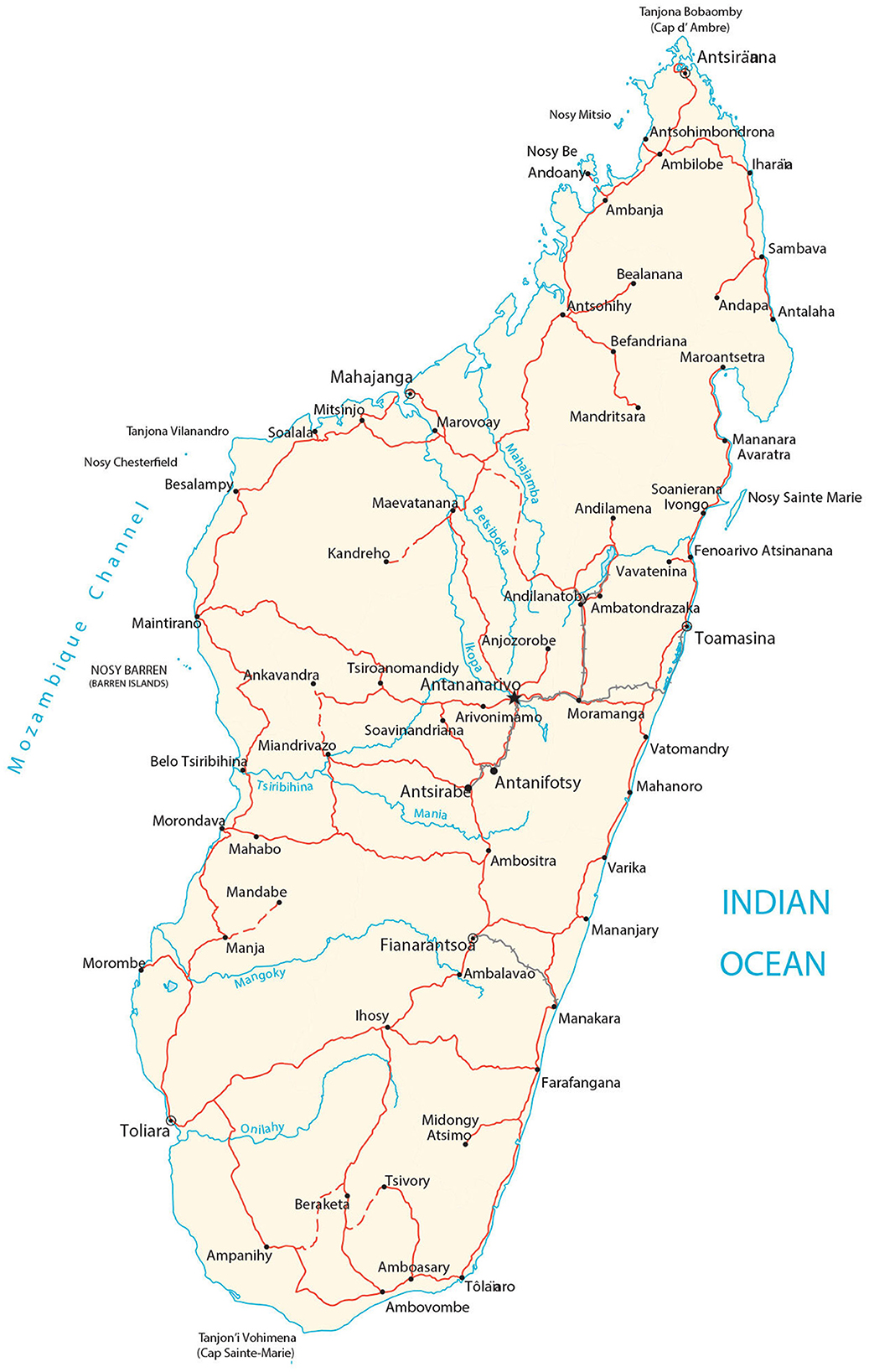
Figure 1. Map of Madagascar (GISGeography, 2023).
The use of a social-ecological approach has shifted global health research to integrate social, economic, ecological, cultural, political, and technological elements. Social-ecological systems are dynamic and dependent on historical elements, which precipitate present complexities (Petrosillo et al., 2015) (Figure 2). Petteway et al. (2019), note that ecosocial theory centers health determinants within a historical and generational context, which is inherent in applying a holistic lens to research through the consideration of systemic factors that contribute to health outcomes. Hänke et al. (2017), emphasize that social-ecological factors are often oversimplified, contributing to ineffective interventions.
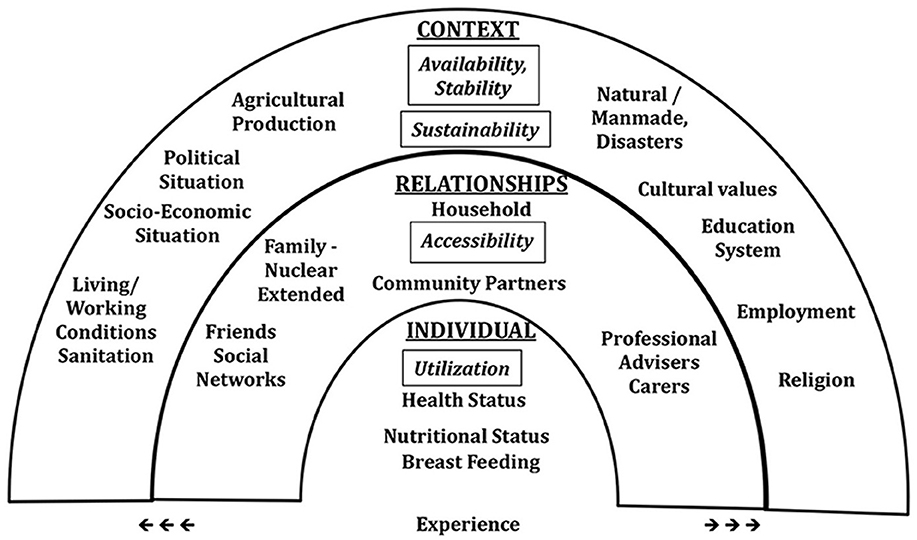
Figure 2. Sociotype ecological framework showing stresses and coping strategies for food security. Italics show the dimensions of food security and sustainability (Peng et al., 2018).
The authors of this review aimed to utilize their access to academic resources to provide evidence for the importance of community-led interventions and research in the context of southern Madagascar. It is essential for researchers to consider how they leverage their social location when conducting research and their incentives for doing so. Petteway et al. (2019), note that while social epidemiology scholars highlight social position, discrimination, racism, power, and privilege, they often fail to emphasize how the field is complicit in the maintenance of related social inequity. Petteway et al. (2019) and Douglass and Rasolondrainy (2021), focus on epidemiological approaches that center local, indigenous, and descendant (LID) knowledge to both gather accurate and context-specific data and counter neo-colonialist research strategies that perpetuate harmful power dynamics between researchers and their focus population. Tucker (2007) and Klein (2023) also reference neo-colonialism in regard to conservation and development projects that are spearheaded by international non-governmental organizations (NGOs). While some organizations may appear to be community-led, decision-making power is often in the hands of external stakeholders, especially in the context of Madagascar's decentralized government. The following review seeks to take a social-ecological approach when illustrating the climate and food emergency by examining the significance of Madagascar's colonial history, discussing the impact of current interventions, and highlighting LID knowledge.
Methods
The authors reviewed articles pertaining to the research question from June 2022 to September 2023. Inclusion and exclusion criteria were broadly defined by relevance to the context of the current climate and food security challenges in the southern regions. Upon new findings, research concepts were expanded to include specific agricultural and cultural practices. Numerous articles were found through the snowball method or tracking citations in relevant literature. The most common reason for article exclusion was lack of context specificity to southern Madagascar. This review includes a range of recent publications for accurate climate, health, economic, and demographic data, as well as more foundational literature dating back to 1988 to describe contextually relevant historical and ethnographic information.
Geographic limitations
The following review seeks to promote a holistic perspective in a relatively specific context of food security and climate vulnerability in the southernmost regions of Madagascar (Figure 1). However, the challenge in doing so parallels that of all complex circumstances, where such a goal becomes increasingly nuanced the more deeply it is unpacked. Therefore, within the discussed literature in this review, it is important to note that findings are pulled from various communities and geographical regions across the South in specific time frames. In other words, each study reviewed is situated in a unique context, therefore an analysis of the present literature places risk of generalization. An example would be the use of vocabulary including dina and fady (or faly), by which definitions are dynamic depending on the context in which it is being used. The authors recognize this limitation and seek to differentiate findings of each study introduced to their unique context to avoid generalization.
Evaluation of existing literature
Historical and political factors
Pre-colonial period
While the historical elements included in this review are not exhaustive, it is crucial to emphasize the role that colonization played in the country's physical environment, food systems, and economy. As put by Mitchell (1988) in Colonizing Egypt, colonization “refers not simply to the establishing of a European presence but also to the spread of a political order that inscribes in the social world a new conception of space, new forms of personhood, and a new means of manufacturing the experience of the real.” In the southeastern regions of Madagascar, social memory and oral history revealed that the Andrevola and Maroseragna kingdoms of the seventeenth and eighteenth century shaped the livelihoods and identities of the Masikoro, Vezo, and Mikea cultural groups. Today, these groups are primarily located on the southwest coast between Toliara and Morombe in Figure 1. According to Tucker et al. (2011) and Tucker (2020), Masikoro were defined by their loyalty to the southern monarchies, while Vezo and Mikea, “resisted royal domination by escaping to the sea and forest respectively” (p. 293). Consequently, in this time period, political affiliations influenced the diet and livelihoods of each group: Masikoro were primarily farmers and herders who could safely enter open areas, while Mikea became hunter-gatherers shielded by the forest. Vezo identified as fisherpeople who could navigate the southwest Indian seas (Tucker, 2020). The intense natural environment of the South was pivotal in the resistance of both domestic and foreign control.
In the mid-eighteenth century, the Merina royal family had established a powerful monarchy in Imerina, a region situated within central Madagascar (Figure 3). Fanompoana, or unpaid laborers, were used throughout most of the 300 year Merina reign to perform agricultural work and food production (Campbell, 1988). The Merina “coerce[d] peasant labor and subvert[ed] local self-governance” through the manipulation of Dina, or local laws used by indigenous groups, in order to address a wide range of issues such as theft, security, cultural norm adherence, labor agreements, and natural resource management (Klein, 2023, p. 8). The Merina kingdom expanded rapidly, and by the late nineteenth century, the Merina ruled the majority of the Island, with slave trade being the most lucrative economic sector until the prohibition of slave exports in 1820 (Campbell, 1988). The arrival of the Europeans to coastal ports during the slavetrade exacerbated internal conflicts and distrust of outsiders, contributing to the inability to enter open areas for land cultivation, and ultimately prolonged famines (Pearson, 1997; Rasolondrainy, 2019). After the ban on slave exports, the Merina continued to capture and sell slaves in domestic markets until a major revolt in the southeast in 1852. It was estimated that by the mid nineteenth century, 30–50% of the population was enslaved, with some royal family members owning several thousand slaves each (Campbell, 1988).
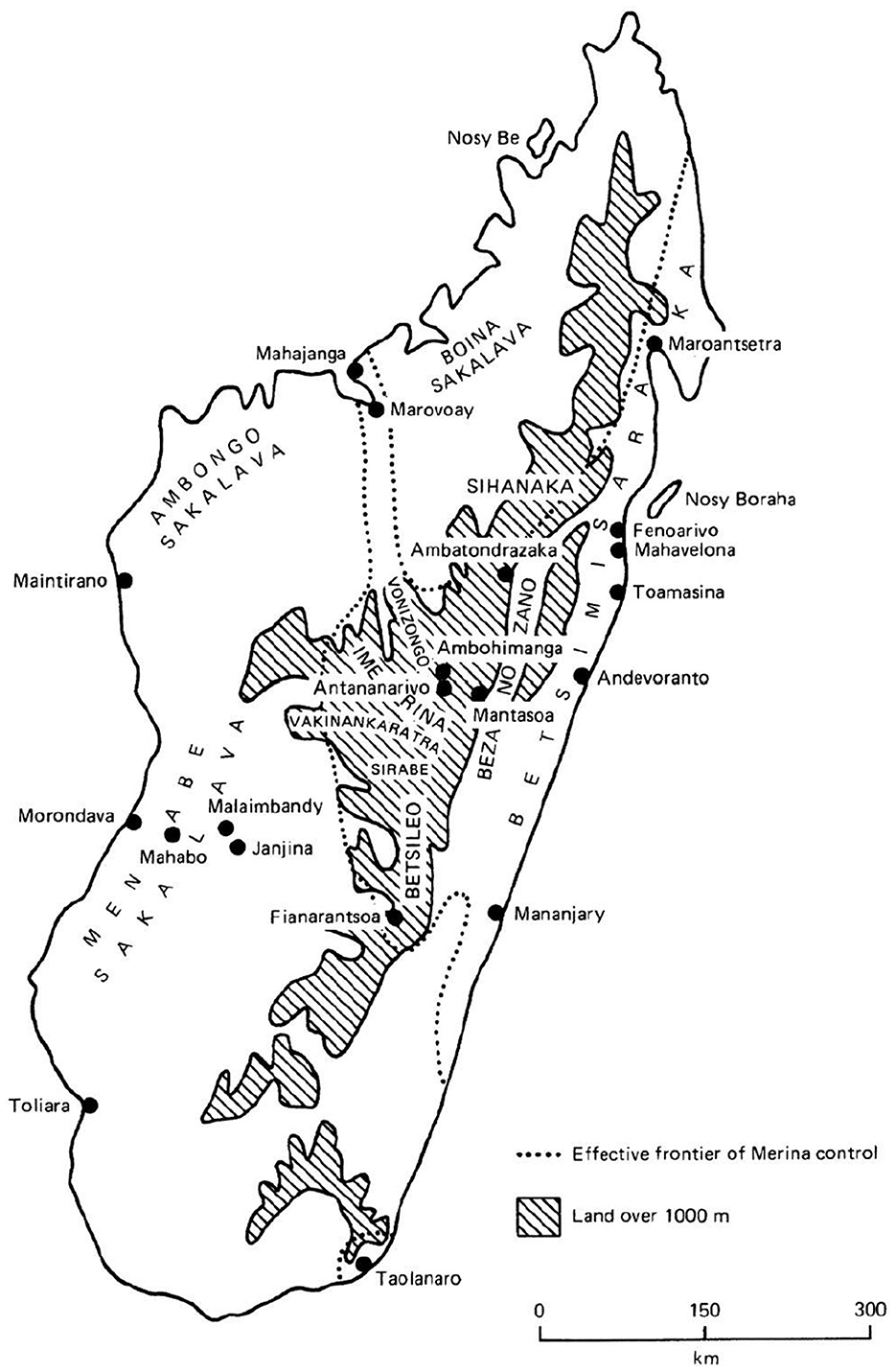
Figure 3. “The merina empire, Madagascar c 1830” (Campbell, 2020).
The Merina built a robust military, not only to expand and defend their kingdom domestically, but also to defend their territory against European colonists. During an unsuccessful French invasion in 1832, the Merina drafted children above 10 years of age to join the imperial army, gaining 15,790 recruits in 1 year. Eventually, the French defeated the Merina and gained control of Madagascar in 1895. The impact of the Merina rule was a widening wealth gap, a peasant class with no formal education after being pulled from schools to join the military, and an economic dependence on slavery and fanompoana (Campbell, 1988).
French colonization
In the early twentieth century, the new French colony simultaneously planned conservation and development initiatives, which sent contradictory messages to Malagasy farmers. While using forest resources to build roads, railways, bridges, and buildings, ten nature reserves were designated to prevent deforestation. As stated by Sodikoff (2005, p. 408), the development of “roads and railroads would make forest products and land more accessible to Europeans and Malagasy people and would facilitate the development of capital.” These contradictory initiatives showed that the French colonists were willing to exploit forest resources for their own economic gain, but slash-and-burn agriculture, known as hatsake, for subsistence farming would be prohibited (Sodikoff, 2005; Tucker, 2007). Needing a workforce to carry out their agenda, a French General created Service de la Main-d'Oeuvre des Travaux d'Interêt Général (SMOTIG), which consisted of Malagasy men who were “unfit” for regular military draft. SMOTIG was a forced labor regime “intended to develop infrastructure and to bring civilization to primitive forest frontiers” (Sodikoff, 2005, p. 408). The SMOTIG suffered grueling work conditions and abuse by commanding officers, which sparked occasional retaliation and conflict. Amid international pressure to abolish forced labor, SMOTIG was rebranded as a “voluntary” service in the 1930s (Sodikoff, 2005).
Meanwhile, the Forest Service's conservation initiatives were underway in protected areas. The Forest Service consisted of Europeans and low-wage Malagasy employees who were responsible for surveilling land for hatsake farmers (Sodikoff, 2005). Like the Merina, French colonists also utilized dina and traditional beliefs to control rural populations and laborers (Klein, 2023). However, the low-wage Malagasy employees had little incentive to criminalize their kin and neighbors for hatsake. Instead, the inequities they faced in the Forest Service workforce contributed to their opinions toward outsiders as using conservation “as a means to appropriate forests” (Sodikoff, 2005, p. 410). These sentiments are echoed in current conservation initiatives and contribute to the unsustainable interventions used to address the growing pressures of climate change.
Raketa
The prickly pear cactus (Opuntia monacantha), or raketa in Malagasy, was first introduced in 1769 by Frenchman Count Dolisie de Maudave to defend Fort Dauphin on the southeast coast from pirates with the plant's thorny thickets and hedges. Over time, southern Malagasy communities began to use raketa to their advantage. The plant became both an important source of water and nutrition and served as a physical barrier against intruders (Kaufmann, 2001). After the French officially colonized Madagasgar in 1895, the southern regions were the last to be invaded, in part due to the impenetrability of raketa forests. By the early twentieth century, the French began to view cactus pastoralism as a “primitive” practice (Kaufmann, 2001, p. 92). After the failure of several strategies to eradicate raketa, the French imported cochineal, a cacti parasite (Dactylopius tomentosus), in the 1920s, destroying most of the raketa within the decade. This drastic change in the environment resulted in catastrophic starvation events known as the Kere (Kaufmann, 2001). Due to their arid climates, the southernmost regions of Androy and Atsimo-Andrefana in Figure 1 experience Kere approximately every 4 years, precipitating 2 years of severe drought and economic hardship. The lack of food production and extreme weather conditions increase the population's vulnerability to hunger, leading to high malnutrition-related mortality (Ralaingita et al., 2022).
Present context
In Cole's (1998) ethnography on social memory in Madagascar, the impact of colonization is woven into the post-colonial present through political instability of the late twentieth century. The Ambodiharina uprising in 1947 marked the start of social unrest that eventually led to Madagascar's independence from France in 1960. The uprising, which occurred on the eastern coast of the Island in the Mahanoro region (see Figure 1), eventually caused 100,000 local deaths, many of them elders who were responsible for mediating tension among villagers. The trauma of this political transition has persisted in the memory of older Malagasy people and has continued to influence political attitudes. Cole's interviews in the late 1990s with Betsimisaraka people, who had lived through the uprising, revealed hesitancy in participating in local politics due to its association with instability and death. One man in his seventies said, “All of us old people have seen politics kill” (Cole, 1998, p. 618). Simultaneously, politicians like Didier Ratsiraka, who was President of Madagascar from 1975 to 1993 and again in 1997 to 2002, used anti-colonial rhetoric to bolster support. Cole's interviews found that Betsimisaraka villagers were persuaded that they would be re-enslaved if Ratsiraka lost the election. Meanwhile, other regions viewed Ratsiraka as “morally and financially corrupt and largely withdrawn from village life” (Cole, 1998, p. 614).
By the early twenty-first century, international aid funded up to 40% of Malagasy spending (Bohannon, 2009). Socioeconomic crises throughout the 1970s and 1980s fueled deforestation efforts in an attempt to expand the agricultural economy. The primary export was maize (Zea mays), cultivated through hatsake from the Mikea primary forest, situated along the southwest coast of Madagascar and extending northward from the Onilahy River to the Mangoky River as seen in Figure 1. Between 2003 and 2008, the Malagasy government enforced conflicting public policies such as protection of the Mikea National Forest while simultaneously allowing mining and oil exploration within the same geographic region (Blanc-Pamard, 2009). The environmental impacts of these political decisions are further discussed in the “Climate Vulnerability” section. In 2009, the former Mayor of Antananarivo carried out a government coup due to the deposed President's authoritarian policies and plan to lease land to a Korean company for corn and palm oil production. Political turmoil lost the support of international donors, leaving large parts of the economy and the public sector in disarray due to partial reliance on international funding (Ratsimbaharison, 2017). Increases in poverty due to government instability further amplified food security concerns. In southern Madagascar, decreased food supply and financial capital led to spikes in organized crime, predominantly cattle raiding groups known as Dahalo (Hänke et al., 2017). With the government failing to protect villages from Dahalo, residents of southwestern regions were victim to livestock theft, abductions, arson, and murder during the 2021 drought (ACAPS, 2022).
Although Andry Rajoelina was democratically elected as President in 2018, southern regions remain isolated from the political system and government programs (Hänke et al., 2017; USAID, 2019). This political separation is primarily due to the large population of indigenous communities that self-govern through dina. Although community-led governments have advantages of being hyper-local and sensitive to community needs and customs, the decentralization of power also allows NGOs and outside influencers to have more control over resources than the Malagasy government, making indigenous communities vulnerable to a form of neo-colonialism (Klein, 2023). The combination of historical and neo-colonial control of resources, political decentralization, tug-of-war between resource exploitation and conservation, and climate instability have left lasting vulnerabilities in the South. Despite these challenges, Malagasy resilience has remained steadfast for centuries. For example, after planting a new species of raketa, (raketa gasy) many indigenous groups in the South, such as the Mahafale, Karembola, Tandroy, Vezo, and Masikoro continue to practice cactus pastoralism in order to access water and nutrients amid drought conditions (Kaufmann, 2001).
Influence of socio-cultural practices
In the “Western” world, “the ethnic theory of identity draws on the notion that people are what they were born to be, and that birth into a group fixes a person's identity in time and space” (Astuti, 1995, p. 467). Comparatively, according to Astuti's (1995) study, the Malagasy concept of a person's identity is cumulative; “something achieved gradually and progressively throughout life, and even after death, rather than ascribed and fixed definitively at birth” (p. 467). While sharing historical origins that date back to the 17th century, cultural groups such as Vezo, Masikoro, and Mikea are not considered ethnic groups as their identities are not fixed (Astuti, 1995). Fishers, herders, foragers, and farmers are connected to one another and to additional communities through a complex history of kinship, clan affiliation and other forms of social identity and exchange (Douglass and Rasolondrainy, 2021). In some regions, this concept stems from the refusal to be defined by one's history of oppression and colonization that leaves one rooted in a particular identity (Astuti, 1995). For example, according to Tucker et al. (2011) study, people living along the rural southwest of the region can be Vezo, when living by the sea, and then move inland and become Masikoro or Mikea (Astuti, 1995; Tucker et al., 2011).
With little written history from Madagascar's indigenous people, tapasiry, or storytelling, is critical to the transmission of social memory, ecological knowledge, and the maintenance of cultural ties across generations (Douglass and Rasolondrainy, 2021). Social memory includes social learning, indigenous knowledge, and traditional local knowledge and systems. For instance, knowledge of rainfall patterns and climate variation that help communities survive in harsh environments (Rasolondrainy, 2019). The importance of social ties is described as “bringing collective benefits related to accessing marine and terrestrial resources, as well as social resources, such as mutual support, protection, knowledge, and cooperation” (Douglass and Rasolondrainy, 2021, p. 10). In Douglass and Rasolondrainy's (2021) study, interviews conducted across 32 villages in the Morombe District, on the West coast in Figure 1, demonstrated that mentions of social identities and ties, such as family, neighbors, bartering partners, and marriage, were associated with higher levels of social capital. Social ties were similarly found to be an important factor in land and sea-based resource accessibility, as well as social support, knowledge, and protection (Douglass and Rasolondrainy, 2021).
Additionally, taboos are an important component of Malagasy culture and often influence the use of natural resources through the protection of species and habitats (Andriamarovololona and Jones, 2012). Preservation through taboos originates from a belief in the protection of sacred ancestors, who can be represented in the natural world. Fady (or faly) refers to a system of prohibitions that influence daily behavior, ranging from bad manners to strict taboos that are thought to bring supernatural punishment. Taboos have been instrumental in protecting species from extinction, preventing clearance of natural forests, and averting overfishing. For example, in various regions, such as Alaotra-Mangoro, northeast of Antananarivo in Figure 1, crocodiles, which were once over-exploited during the colonial period, are now considered sacred and hold the same funeral rights as humans in some regions (Andriamarovololona and Jones, 2012).
However, reasons for breaking or disrespecting taboo include economic need, formal education elsewhere without taboo culture, decreases in social memory and tapasiry, and migration resulting in a break in the knowledge chain. Outsiders, such as missionary groups, have intentionally broken taboos and destroyed sacred forests to prove that there would be no consequences for the community (Andriamarovololona and Jones, 2012). This lack of consideration, or appropriation, in the case of French colonists and NGOs, of dina, fady, and taboo further increases local distrust of outsiders–with outsiders being both foreigners or those from other regions within Madagascar.
Economy
Ethnographic identity is important to understand both socio-cultural practices and economic identity. Over 90% of southern Madagascar lives below the poverty line by Western standards (ACAPS, 2022). However, the definition of poverty has been subject to debate by social scientists for decades, and anthropologists often hesitate to use the term “poverty” due to its inevitable oversimplification (Tucker et al., 2011). In a survey conducted in 2007–2008 by Tucker et al. (2011) including 448 Masikoro, Vezo, and Mikea adults across seven villages on the outskirts of or within the western region of the Mikea forest, people earned <1.50 USD per day and averaged between 0.6 and 3.6 years of formal education. In this region, there is often no running water, limited electricity, and food insecurity is common due to climate variability. All three groups have differing levels of participation in international markets depending on goods produced for export. While Vezo are involved in the export of finfish, sea cucumbers, and octopus, the economy of Masikoro and Mikea communities is limited to local markets. In response to low participation in international markets, the Malagasy government is developing Mikea and Masikoro land for mining and oil exploration and purchasing Vezo beaches to create tourist resorts (Tucker et al., 2011).
Through focus group interviews, Tucker et al. (2011) aimed to understand definitions of poverty and wealth within the local context, and found that Masikoro, Vezo, and Mikea groups refer to themselves as “poor” (p. 292). Contrary to Western ideologies, money was rarely mentioned in relation to wealth or poverty. To all three groups, “poverty” was defined as “insufficient food and things–” with “things” referring to possessions such as farming equipment, cattle, cooking supplies, or fishing equipment depending on context. “Wealth” was most commonly defined by the quantity of cattle that one possessed (Tucker et al., 2011, p. 297). However, it was agreed upon in all groups that someone with a large amount of food and a large family is wealthier than one with a large quantity of cattle. Masikoro focus groups elaborated that cattle are utilized to obtain social ties through marriage, connection to ancestors in funerals, and other traditional ceremonies. It was further agreed upon that one can be both wealthy and poor simultaneously if they have a large family but no food (Tucker et al., 2011). These findings infer that social capital and kinship are more important than material wealth, and that wealth and poverty are not binary.
The southern Madagascar context views money as a vehicle to convert one commodity to another and not inherently valuable itself. The Economic Growth Model (EGM), built on the Western definition of poverty, argues that poverty can be solved by increasing industrial and technological advancements, expanding markets, increasing production and exports, and improving education and health care systems in low and middle income countries (LMICs). However, the focus group interviews show that many Masikoro people have the knowledge needed for farming, but lack essential tools and equipment, and Vezo people rely on renting fishing equipment to carry out their livelihoods. Based on their research, Tucker et al. (2011), create a Folk Model whereby, contrary to the EGM, wealth is used for subsistence to maintain kinship and a satisfying livelihood rather than maximize profit. It is argued that Folk Models can help researchers develop culturally appropriate and effective interventions based on local knowledge (Tucker et al., 2011).
These findings build off of previous research by Tucker (2007), which use Human Behavioral Ecology (HBE) and Behavioral Economics (BE) theories to demonstrate that the value of commodities is dependent on factors such as culture, social learning, social conformity, and gender identity. In the context of food security, it is essential to consider what foods are valuable and why before considering them to be inefficient or unsustainable. For example, Tucker (2007) found that because maize can tolerate heavy rain and manioc (Manihot dulcis) can tolerate drought, Mikea farmers preferred to plant both crops in order to ensure at least one successful harvest, despite the increased time and energy expenditure involved in doing so. In 2003, this practice was subsequently halted by the ban on maize production due to the belief that it was environmentally destructive. This ban was led by the World Wildlife Fund (WWF), the United Nations Development Programme (UNDP), NGOs, and the Malagasy government. Alternatively, Mikea farmers were forced to plant only manioc, despite its intolerance for rain and longer delay to harvest time (7–12 vs. 3 months for maize) (Tucker, 2007). Although manioc would do well in drought conditions, the intervention of outsiders (both foreigners and domestic non-Mikea decision-makers) in regulating what Mikea can and cannot plant undermines the autonomy over their livelihoods, and perpetuates a form of neo-colonialism.
Climate vulnerability
Despite emitting 0.2% of carbon emissions globally, Madagascar, and particularly the southern regions, experience extreme climate impacts (Climate Watch, 2020). Their position in the southern Indian Ocean, naturally arid climate and variable rainfall, in conjunction with increasing climate vulnerability due to global emissions, contribute to unpredictable cyclones and droughts (Hänke and Barkmann, 2017; Weiskopf et al., 2021). While a hypervariable climate is not atypical for communities of this region, Douglass and Rasolondrainy (2021, p. 8), note that, most knowledge holders in the southern regions “emphasized the recent intensification of climate changes, specifically with regard to the timing, spatial extent, frequency, and abundance of rainfall, and highlighted causes and consequences of these changes” such as recurring droughts, changes in wind patterns, and decreased crop yields. In the southwestern Mikea forest region (far West within the Atsimo-Andrefana region seen in Figure 4), annual rainfall varies from 100 to 1,500 mm per year (Tucker, 2020).
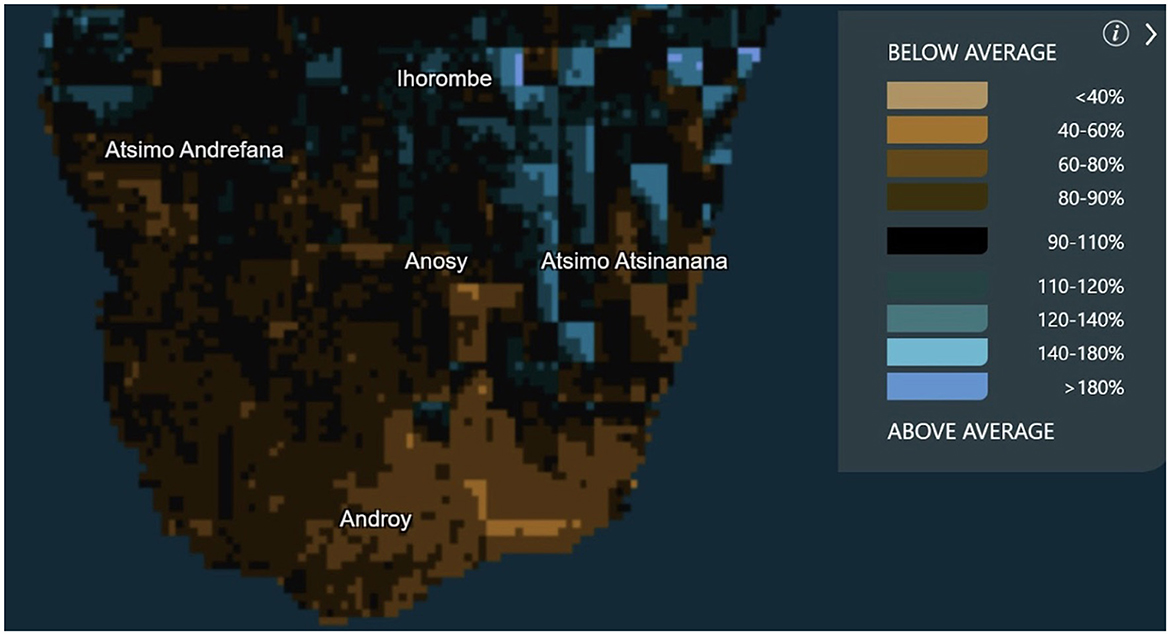
Figure 4. Southern Madagascar rainfall averages (Rainfall Averages, 2023; WFP, 2023).
Furthermore, the southern regions find themselves in numerous climate feedback loops, resulting in exploitation of the land for resources. This exacerbates climate impacts, lack of resources, and consequently further land exploitation such as deforestation and cattle raising. These practices involve silting, which can contribute to increased flooding and drought conditions, decreased biodiversity, and a degradation of soil and water quality, thereby resulting in decreased food availability (Weiskopf et al., 2021). For example, mangrove forests within the Mangoky River delta, just north of Morombe in Figure 1, are heavily depleted due to the increasing population, commercialization, and agricultural practices (slash and burn) of the Masikoro. 90% of the energy used for cooking and heating derives from mangroves. Moreover, the extensive breeding of cattle further exacerbates the deforestation of the mangroves (Rakotomavo and Fromard, 2009).
The Mikea primary forest has been a major site of deforestation due to hatsake agriculture for maize production, logging practices, and extraction of forest resources to support an increasing population (Blanc-Pamard, 2009). Between 1971 and 2001, 55% of the Mikea primary forest was depleted, causing 75% of the original vegetative species to disappear. In 2001, WWF began allocating financial bonuses to farmers who cleared the smallest amounts of land in the Mikea region (Blanc-Pamard, 2009). With increased pressure from donors, between 1997 and 2003, WWF began an initiative alongside UNDP, local NGOs, and the Malagasy government to protect the entire Mikea forest and subsequently ban maize production. By 2012, the forested region was deemed “Mikea National Park” and control was legally granted to the Association Nationale pour la Gestion des Aires Protégées (ANGAP), which was an NGO that had authority to manage national parks in Madagascar, and is now known as Madagascar National Parks (Tucker, 2007, 2020). Mikea are permitted to forage within the park and live within controlled zones, but cannot clear land for agricultural purposes. With these new policies in the early 2000′s, ANGAP faced the challenge of creating a workforce to surveille the park for illicit farming activity. They handed this responsibility to unpaid Mikea park guards, who instead were forced to profit by inventing fake fines and infractions from trespassers or their fellow Mikea (Tucker, 2020).
While these initiatives to protect biodiversity would increase availability of natural resources long-term, they had a paradoxical effect on local populations whose livelihoods depended on access to this land (Tucker, 2007; Blanc-Pamard, 2009). Eco-tourism in the newly protected Mikea National Park was one possible economic alternative for local communities. Ironically, during the same period, the Malagasy government increased mining and oil extraction along the periphery of the Mikea National Park due to lucrative foreign investments from South African, Australian, and Indian companies. These practices further deplete Mikea land and deepen resource inequities for local populations (Blanc-Pamard, 2009), and echo the contradictory French conservation and industrialization efforts that were carried out by low-wage and forced Malagasy laborers (Sodikoff, 2005).
Simultaneously, heavy rainfall, especially in deforested areas, degrades soil quality which decreases nutrient levels in crops. Projected changes in temperature and rainfall impact livestock due to limited food and water access. Smallholder farms are most vulnerable to climate events due to their dependence on the environment and limited financial resources. During the dry season, groundwater supplies become limited, resulting in poor hygiene practices and high pressure on functioning water points, which again contribute to a feedback loop of increased climate vulnerability and adverse health outcomes (Weiskopf et al., 2021).
As climate impacts exacerbate, the country is forced to adapt to ways of living that lose traditional and cultural knowledge, resulting in the loss of social memory. However, areas which hold traditional knowledge and where disrespecting natural lands is considered taboo are more rich in biodiversity (Andriamarovololona and Jones, 2012). For example, villages that have taboos preventing the commercialization of crayfish naturally exploit this species, among others, at lower rates than areas lacking the taboo. Similarly, in Masikoro culture, Tamarind trees (Tamarindus indica) are protected despite high levels of deforestation, as they are used for shade, places of worship, and cultural ceremonies (Rakotomavo and Fromard, 2009). Across the South, controlled harvesting and dina, can play an important role in conservation efforts (Andriamarovololona and Jones, 2012; Westerman et al., 2012). Although leveraging dina laws to prevent over-use of resources may appear to be a community-led effort, the power of international NGOs who often lead these initiatives should not be overlooked. This increasing trend is further discussed in Limitations and Strengths of Current Interventions.
To understand the region's climate vulnerability requires holistically understanding the community's perspectives on environmental and climate-related impacts. Some communities, particularly Vezo, Masikoro, and Mikea, living between Toliara and the port of Morombe (Figure 1), view subsistence risk to have cosmological causes, and to avoid losses caused by disrespected spirits, one should follow taboos (Tucker et al., 2015). However, others view subsistence risk to have ecological causes, and to avoid losses due to drought, floods, and heavy winds, one should diversify activities. Tucker et al. suggest that understanding subsistence from a “coexistence thinking” perspective promotes the simultaneous application of natural and supernatural causal models to explain subsistence success and failure (Tucker et al., 2015, p. 2).
Food emergency
Many Malagasy people survived the internal conflict-driven famines in the sixteenth and seventeenth centuries by hiding in the woods, foraging, and hunting wild animals (Rasolondrainy, 2019). After the first recorded drought-related famine in 1928, drought has become endemic in southern Madagascar. Paralleling globalization and the exploitation of LMICs, five periods of severe drought occurred between 1980 and 2010, increasing poverty and food insecurity with each occurrence. Climate change and below average rainfall has triggered two additional periods of severe drought between 2015 and 2022 (ACAPS, 2022). The Integrated Food Security Phase Classification System (IPC) projects that low harvests, in conjunction with COVID-19 and the Russia-Ukraine war causing inflated food prices, will put ~40% of the southern Madagascar population at risk for crisis (level 3) and emergency (level 4) food insecurity between December 2022 and March 2023 (Integrated Food Security Classification, 2022) (Figure 5).
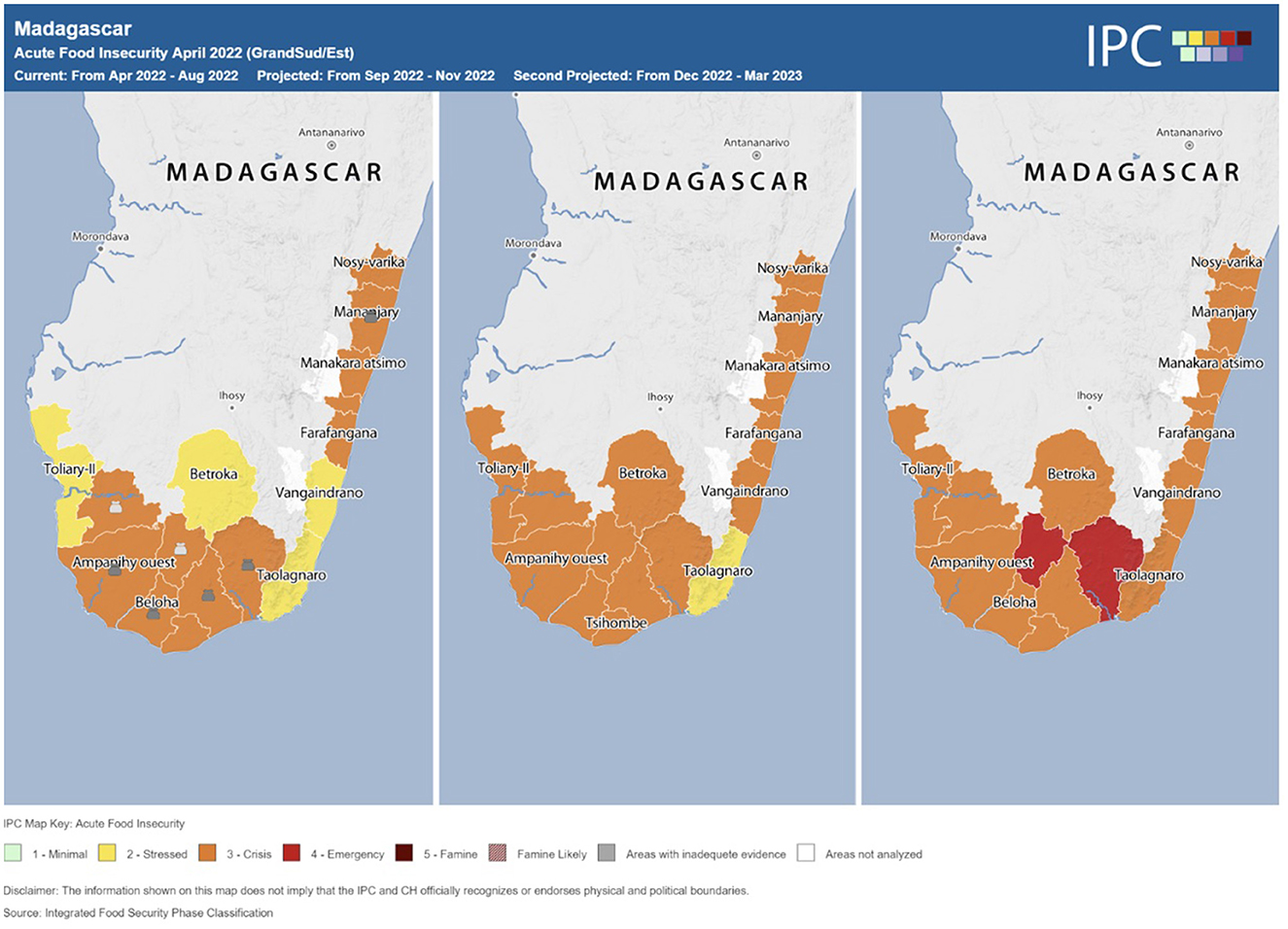
Figure 5. Southern Madagascar acute food insecurity situation for April to August 2022 and projections for September to November 2022 and December to March 2023 (Integrated Food Security Classification, 2022).
Recurrent drought has caused crop failure, food shortages, and increased poverty for smallholder farmers, all which contribute to malnutrition (Hänke et al., 2017). Water shortages have increased the price of water by 300% in 2021 compared to 2018 and 2019, intensifying the prevalence of diarrheal disease and decreased water availability for crop irrigation (ACAPS, 2022). Southern farmers earned only 21,000 Ariary (7€) over 6 months from selling crops, but spent 400,000 Ariary (130€) on food purchases (Hänke and Barkmann, 2017). In the southwest, locally managed marine areas typically rely heavily on small-scale fisheries for sustenance, which are essential in Vezo communities. Political instability has resulted in inadequate monitoring of national fisheries, leading to incomplete data, overestimations of resource availability, and underreporting of total fish caught by up to 40%. Fisheries have been exploited by Asian and European shipping fleets, which has impacted biodiversity and depleted the availability of fish for small-scale fishermen (Le Manach et al., 2012).
The food available to various cultural groups is strongly dependent on the climate and environmental conditions of the particular area in which they live. Similarly, food storage and production systems depend on the type of housing and community structure in which one resides, which is also influenced by the climate and environment (Kelly, 2005). In certain contexts, Mikea communities have sometimes preferred the immediate rewards of foraging and hunting, which may have contributed to their lack of enthusiasm for planting manioc to replace maize, which takes about seven months longer to harvest than maize (Tucker, 2007). Meanwhile, Masikoro have more commonly utilized planning and preparation methods when growing crops and rely on a longer-term food production system (Hänke and Barkmann, 2017).
Cultural practices and taboos are also major factors that influence the type of food consumed. In the Mahafaly Plateau, located between the Onilahy River and Ampanihy in Figure 1, zebu cattle hold high socio-cultural value, with the size of a herd indicating one's wealth and social status, and an average of seventeen zebu per household. For some, zebu represent a sacred religious connection between the living and their ancestors, and the meat is often not consumed even during periods of extreme food insecurity (Astuti, 1995).
In a survey conducted in 2008 among 50 Mikea households before the Mikea National Park restricted their income and food production, “14% said they go ‘often' without eating, and 22% owned at least one goat.” In a survey conducted 9 years later, after the conservation of Mikea National Park began, 27% (of 48 households) “said they ‘often' go a day without eating, and only 6% owned at least one goat” (Tucker, 2020, p. 22). Figure 6 shows 2023 food consumption rates across Madagascar, with the southernmost regions at “high” or “very high” prevalence of insufficient food consumption.
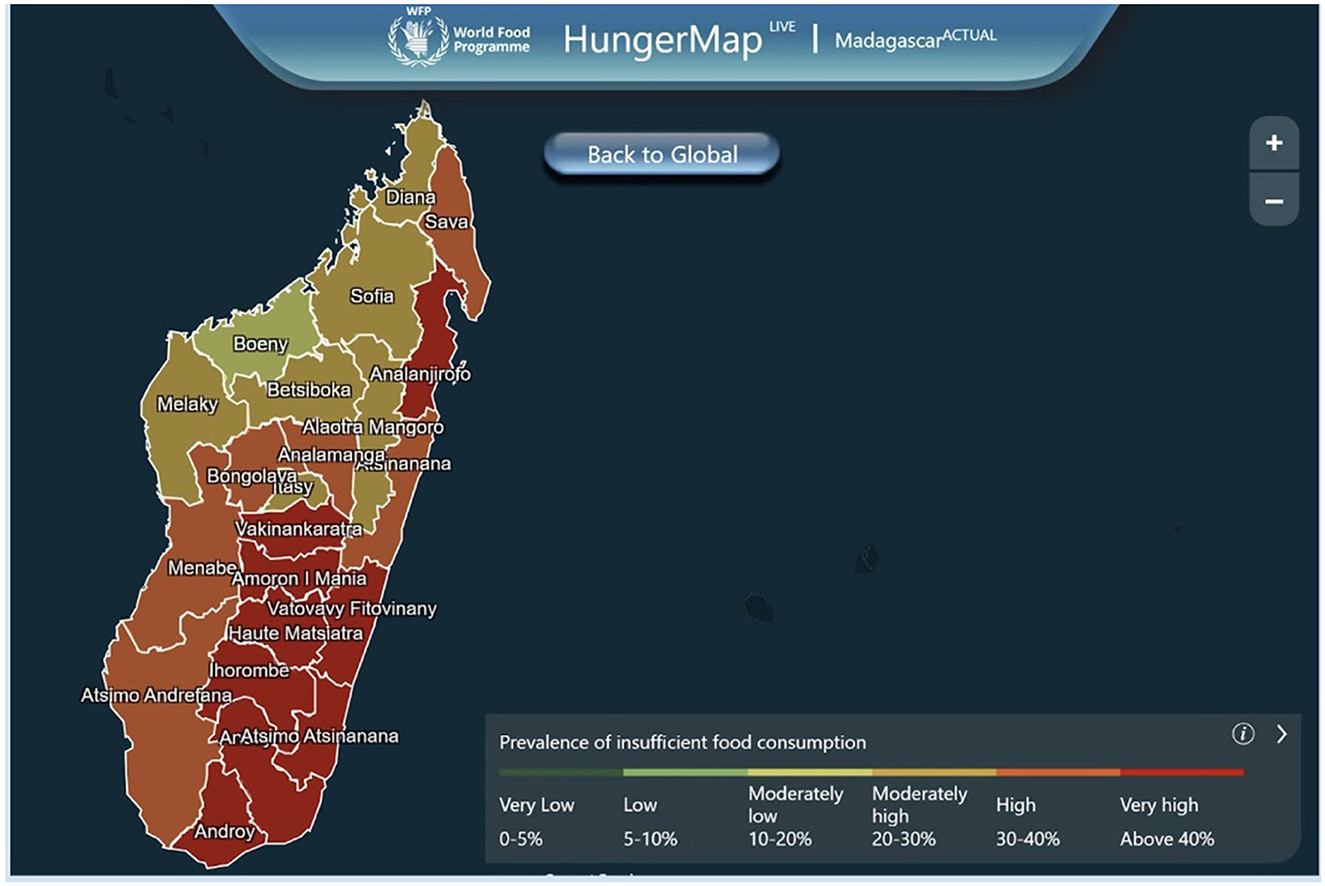
Figure 6. Madagascar Live Hunger Map (HungerMap LIVE, 2023; WFP, 2023).
In the Mahafaly region (southwest Atsimo-Andrefana region in Figure 6), coping strategies of food insecurity found by Hänke and Barkmann (2017), included foraging for yam roots (Dioscorea spp.) and cactus pears (Opuntia spp). Household interviews conducted by Noromiarilanto et al. (2016) in the same region, showed that livestock was more important as a status symbol and asset than as a food stock, and cultivated crops made up to 64% of people's diet annually. Meat consumption was limited to special occasions (particularly funerals) and to meet social obligations, whereby only little milk is consumed. To cope with food insecurity, people were forced to collect forest resources, ate less food per meal, skipped more than one meal per day, obtained or borrowed food from relatives, performed agricultural work on other farms, or sold assets or livestock (mainly poultry, goats and sheep, but also zebu). In the Mahafaly region food aid was only shown to play a small role in compensating for food shortages (Noromiarilanto et al., 2016).
During periods of Kere in the Androy and Atsimo-Andrefana regions (Figure 6), there is significant unemployment due to decreased farming. As a result, many migrate North and send money to support their families. While this can supplement economic pressures, migration can simultaneously contribute to a breakdown in the family structure and Tapasiry, as men aged 18 to 40 most often leave their communities in search of employment (Douglass and Rasolondrainy, 2021; Ralaingita et al., 2022).
Changes in available food resources, such as fish or crop yield, which is often linked to identity, were associated with “contexts of climate-driven resource scarcity, insecurity and loss of wealth, and long-distance migration” (Douglass and Rasolondrainy, 2021, p. 14). Sadiddin et al. (2019) found that due to poverty caused by high levels of food insecurity, preparing to migrate may be difficult. In fact, there is a positive relationship between food insecurity and migration desire, but a negative relationship between food insecurity and migration decision. While migration has numerous benefits, it simultaneously leads to lower adherence to taboos. When fady is broken, local people are less likely to adhere as well, resulting in decreased preservation of natural resources (Andriamarovololona and Jones, 2012).
Discussion
Limitations or strengths of current interventions
There are numerous efforts being made by both aid organizations and communities themselves to address the high level of food insecurity the regions are experiencing. In a 2018 survey conducted by Hänke and Barkmann (2017) in the Mahafaly Plateau, 72% of households received food aid by NGO food for work programs. The absence of effective national government interventions has resulted in emergency food distribution by the World Food Programme and private charities. Though international development agencies have attempted to improve existing farming systems, reduce malnutrition, improve education, and initiate livelihood diversification, the area has been referred to as a “project cemetery” due to the lack of effective outcomes, progress, or abandoned interventions (Hänke et al., 2017, p. 1).
Hänke and Barkmann's (2017) study similarly found that to supplement income, family members migrated for higher paying employment opportunities, which was the second highest source of income for southern households. Fifty percentage of households were found to engage in construction and off-farm labor, including charcoal and rope production. However, these activities are extremely low wage and make up only 2% of income (Hänke and Barkmann, 2017). Sadiddin et al. (2019) suggest that policy should consider migration as a livelihood strategy and effective tool to improve food security, so efforts to make migration more accessible could be a worthwhile intervention. However, no concrete recommendations in making migration more accessible have been suggested.
Lemahieu et al. note that in Ambola, a coastal city south of Toliara (Figure 1), the remote and arid environment offers limited options for communities to diversify their livelihoods. Meanwhile, in Ambotsibotsike, a coastal city north of Toliara, proximity to markets has allowed for livelihood diversification when fishing activities have declined. It has been suggested that market proximity has influenced environmental awareness and understanding, allowing regulation and policies aimed at conservation to be more accepted (Lemahieu et al., 2018). While this approach notes the strengths of environmental knowledge and the efficacy of community-based management models, it falls short on creating collaborative interventions within remote areas that do not encourage development in the form of increased urbanization, which can often contribute to or exacerbate adverse climate and health impacts. Consequently, due to limited efforts in understanding how LID communities have evolved with their environment, valuable ecological knowledge has been lost over time (Douglass and Rasolondrainy, 2021).
While there are some positive economic outcomes from these interventions, behavior modification places the burden of conservation and sustainability planning on individuals rather than industrial-scale organizations, corporations, and the governments of higher-income countries. This simultaneously results in the loss of autonomy regarding land-use and cultural and subsistence practices (Tucker et al., 2015). Furthermore, current literature grossly suggests reducing food consumption as a solution, which places a higher burden on food insecure communities and exacerbates negative health outcomes (Hänke and Barkmann, 2017). Most articles reviewed fail to describe how the national government interacts with the traditional knowledge in southern Madagascar, particularly the specific relationships between fady, dina, and how taboos can protect local biodiversity (Andriamarovololona and Jones, 2012). Furthermore, policy-makers and researchers have largely ignored animal husbandry and pastoralism due to conflicting biodiversity and conservation policies, along with the critical role that social networks play in food security and climate adaptation throughout the south (Hänke and Barkmann, 2017; Douglass and Rasolondrainy, 2021).
Though Tucker et al. (2011), emphasize the importance of local knowledge for economic interventions, development projects based on Western interpretations of phenomena such as poverty have failed due in part to misinterpretation of dina. The acknowledgment of the concept of dina by the government, foreign aid, and corporate organizations has been increasing in popularity as an approach, paralleling strategies across the South that bolster themes of “decentralization” and the empowerment of “traditional” institutions (Klein, 2023). However, this approach has similarly been referred to as “...a key tool and target of territorialization, with varied actors—local leaders, state-corporate interests, intra community factions—alternately seeking to wield, shape, and/or undermine the dina in contests over access and authority” (Klein, 2023, p. 3). Klein's study found evidence that corporations focused on resource extraction, such as mining companies, have utilized dina principles to foster community acceptance. While Klein's focus is in regard to the northern town of Betsiak, the concept of applying indigenous Malagasy terms in such a way to promote the interests of external parties is seen throughout the South as well. For example, WWF's, UNDP's, and ANGAP's involvement in protecting the Mikea forest has taken the land from the hands of indigenous communities in order to advance the interest of international donors with limited knowledge of the local context (Tucker, 2007; Blanc-Pamard, 2009). Although conservation efforts are important in protecting the country's biodiversity, it is of utmost importance to consider autonomy in such decisions, especially in the context of Madagascar's colonial history. Klein (2023) summarizes this nuanced approach effectively, writing, “state-administered formalization programs for customary systems or claims, moreover, might paradoxically provide pathways for government agencies, NGOs, or other actors to augment their own authority and pursue their own agendas in local contexts rather than furthering local capacities and autonomy” (Klein, 2023, p. 6).
Recommendations
Following the social-ecological approach, the management of complex systems must be flexible and adaptive where outcomes are continuously evaluated for improvement (Petrosillo et al., 2015). As emphasized by Hänke et al. (2017), social-ecological factors are often oversimplified, ignored, or devalued, leading to ineffective interventions. In southern Madagascar, there is generally little mainstream acknowledgment of the economic importance of livestock, causing an exclusion of livestock from development activities. For example, increasing the importance of goats, who feed on drought-tolerant plants (compared to zebu who feed on grass), may be one adaptive strategy to prolonged drought (Hänke and Barkmann, 2017). Economic modeling through Folk Models as suggested by Tucker et al. (2011), could help integrate socio-cultural practices that influence local markets. Policy implications include planting food for livestock that avoids environmental degradation and diversifying livestock for income and consumption (Hänke and Barkmann, 2017). When looking at migration, Sadiddin et al. (2019), recommend improving accessibility to migration by removing financial barriers in order to increase food security, while other authors suggest prioritizing socio-cultural strengths and working within existing systems (Lemahieu et al., 2018; Petteway et al., 2019). Understanding how dina, fady and taboos inform decision-making and social ties (Andriamarovololona and Jones, 2012); how spiritual and ecological land conservation coexist (Tucker et al., 2015); how sense of identity and concept of time influence food preservation (Astuti, 1995; Kelly, 2005); and how local economies center subsistence rather than profit (Tucker et al., 2011), can aid in generating effective and equitable interventions. Ultimately, the lack of autonomy the Malagasy rural communities have in decision-making is a common theme throughout much of the reviewed literature, though it is a concept recognized as foundational to work toward climate adaptation and food security.
Furthermore, research through a social-ecological lens captures how factors such as social ties were found to increase accessibility of land and sea-based resources, as well as maintain social support, knowledge, and protection. LID communities in southwestern Madagascar have expressed concern that erosion of social memory is degrading inheritance of cultural and ecological knowledge, which serve as key adaptive mechanisms that facilitate mobility and access to resources, making them essential for survival and resilience in a hypervariable environment (Douglass and Rasolondrainy, 2021). Rasolondrainy (2019, p. 11), argues that social memory is essential in “influencing how people adapt to their biophysical environments, and reshape the landscape to meet their social, economic, political, and ideological needs,” and therefore allow communities to flourish in vulnerable contexts.
A deeper and more granular understanding of local decision-making in this context may aid program designers and policy-makers to foster more effective interventions for natural resource management and food security response. Rasolondrainy (2019), promotes the significance of interdisciplinary collaboration and inclusion of archaeology and ethnohistory in research on climate resilience. In conjunction, Petteway et al. (2019) emphasizes the importance of community-based participatory research in engaging communities in the research process, which ultimately leads to a more nuanced understanding of contextual challenges and empowers communities to be active stakeholders in their wellbeing. A decolonized approach suggests that the privilege and power of academic researchers and aid organizations should be directed toward supporting local capacity, with LID knowledge and autonomous decision-making existing at the center of climate adaptation and food security response.
Author contributions
Conceptualization and validation: EZ, EC, SM, CM, and CD. Formal analysis, investigation, methodology, resources, writing—original draft, and project administration: EZ and EC. Writing—review and editing: EZ, EC, SM, and CM. Supervision: SM, CM, and CD. All authors have contributed to the review, met authorship conditions, and approved the final manuscript. This is an original review that has not been published nor submitted to any other journal.
Funding
This study was funded by the Department of Global and Environmental Health at New York University.
Conflict of interest
The authors declare that the research was conducted in the absence of any commercial or financial relationships that could be construed as a potential conflict of interest.
Publisher's note
All claims expressed in this article are solely those of the authors and do not necessarily represent those of their affiliated organizations, or those of the publisher, the editors and the reviewers. Any product that may be evaluated in this article, or claim that may be made by its manufacturer, is not guaranteed or endorsed by the publisher.
References
ACAPS (2022). Madagascar, Food Insecurity Crisis in the Grand Sud Regions. Available online at: https://www.acaps.org/country/madagascar/special-reports
Andriamarovololona, M. M., and Jones, J. P. G. (2012). The role of taboos and traditional beliefs in aquatic conservation in Madagascar. Sacred Species Sites. 207–18. doi: 10.1017/CBO9781139030717.021
Astuti, R. (1995). “The Vezo are not a kind of people”: identity, difference, and “ethnicity” among a fishing people of western Madagascar. Am. Ethnol. 22, 464–482. doi: 10.1525/ae.1995.22.3.02a00010
Blanc-Pamard, C. (2009). The Mikea Forest under Threat (Southwestern Madagascar): How Public Policy Leads to Conflicting Territories. Field Actions Science Report. Available online at: http://www.factsreports.org/
Bohannon, J. (2009). AFRICA: Madagascar's coup endangers science and scientists. Science 323, 1654–1655. doi: 10.1126/science.323.5922.1654
Campbell, G. (1988). Slavery and fanompoana: the structure of forced labour in Imerina (Madagascar), 1790–1861. J. Afr. Hist. 29, 463–486. doi: 10.1017/S0021853700030589
Campbell, G. (2020). “Malaria in precolonial malagasy history,” in Disease Dispersion and Impact in the Indian Ocean World. Palgrave Series in Indian Ocean World Studies, eds G. Campbell, E. M. Knoll (Cham: Palgrave Macmillan). doi: 10.1007/978-3-030-36264-5
Climate Watch (2020). Greenhouse Gas (GHG) Emissions. climatewatchdata.org. Available online at: http://climatewatchdata.org/ghg-emissions
Cole, J. (1998). The work of memory in Madagascar. Am. Ethnol. 25, 610–633. doi: 10.1525/ae.1998.25.4.610
Douglass, K., and Rasolondrainy, T. (2021). Social memory and niche construction in a hypervariable environment. Am. J. Hum. Biol. 33:e23557. doi: 10.1002/ajhb.23557
GISGeography (2023). Madagascar Map. Available online at: https://gisgeography.com/madagascar-map/ (accessed September 20, 2023).
Hänke, H., and Barkmann, J. (2017). Insurance function of livestock, farmers coping capacity with crop failure in southwestern Madagascar. World Dev. 96, 264–275. doi: 10.1016/j.worlddev.2017.03.011
Hänke, H., Barkmann, J., Coral, C., Enfors Kaustky, E., and Marggraf, R. (2017). Social-ecological traps hinder rural development in southwestern Madagascar. Ecol. Soc. 22, 1–24. doi: 10.5751/ES-09130-220142
HungerMap LIVE (2023). Base map © OpenStreetMap. Available online at: https://hungermap.wfp.org/
Integrated Food Security Classification (2022). Madagascar: [Grand South and Grand Southeast] IPC Acute Food Security Snapshot. IPC Global Platform. Available online at: https://www.ipcinfo.org/ipc-country-analysis/details-map/en/c/1155618/?iso3=MDG
Kaufmann, J. C. (2001). La Question des raketa: colonial struggles with prickly pear cactus in Southern Madagascar, 1900-1923. Ethnohistory. 48, 87–121. doi: 10.1215/00141801-48-1-2-87
Kelly, R. L. (2005). An Ethnoarchaeological study of mobility, architectural investment, and food sharing among Madagascar's mikea. Am. Anthropol. 107, 403–416. doi: 10.1525/aa.2005.107.3.403
Klein, B. I. (2023). Dina, domination, and resistance: indigenous institutions, local politics, and resource governance in Madagascar. J. Peasant Stud. 1–13. doi: 10.1080/03066150.2023.2174854
Le Manach, F., Gough, C., Harris, A., Humber, F., Harper, S., and Zeller, D. (2012). Unreported fishing, hungry people and political turmoil: the recipe for a food security crisis in Madagascar? Marine Policy. 36, 218–225. doi: 10.1016/j.marpol.2011.05.007
Lemahieu, A., Scott, L., Malherbe, W. S., Mahatante, P. T., Randrianarimanana, J. V., and Aswani, S. (2018). Local perceptions of environmental changes in fishing communities of southwest Madagascar. Ocean Coast. Manag. 163, 209–221. doi: 10.1016/j.ocecoaman.2018.06.012
Noromiarilanto, F., Brinkmann, K., Faramalala, M. H., and Buerkert, A. (2016). Assessment of food self-sufficiency in smallholder farming systems of south-western Madagascar using survey and remote sensing data. Agric. Syst. 149, 139–149. doi: 10.1016/j.agsy.2016.09.005
Pearson, M. P. (1997). Close encounters of the worst kind: Malagasy resistance and colonial disasters in southern Madagascar. World Archaeol. 28, 393–417. doi: 10.1080/00438243.1997.9980355
Peng, W., Dernini, S., and Berry, E. M. (2018). Coping with food insecurity using the sociotype ecological framework. Front. Nutr. 5:107. doi: 10.3389/fnut.2018.00107
Petrosillo, I., Aretano, R., and Zurlini, G. (2015). “Socioecological systems,” Encyclopedia of Ecology, 2nd ed. (Amsterdam: Elsevier), 419–25. doi: 10.1016/B978-0-12-409548-9.09518-X
Petteway, R., Mujahid, M., Allen, A., and Morello-Frosch, R. (2019). Towards a people's social epidemiology: envisioning a more inclusive and equitable future for social epi research and practice in the 21st century. Int. J. Environ. Res. Public Health. 16:3983. doi: 10.3390/ijerph16203983
Rainfall Averages (2023). Base map © OpenStreetMap. Available online at: https://www.openstreetmap.org/copyright
Rakotomavo, A., and Fromard, F. (2009). Stratégies d'utilisation des ressources végétales chez les Vezo et les Masikoro du delta de Mangoky (Madagascar). Bois Forets Des Tropiques 300, 45–55. doi: 10.19182/bft2009.300.a20414
Ralaingita, M. I., Ennis, G., Russell-Smith, J., Sangha, K., and Razanakoto, T. (2022). The Kere of Madagascar: a qualitative exploration of community experiences and perspectives. Ecol. Soc. 27, 1–17. doi: 10.5751/ES-12975-270142
Rasolondrainy, T. (2019). Decision-Making in the Face of Unpredictable Climate and Intergroup Conflicts in Southwest Madagascar [Dissertation]. [Haven, CT: Yale University]. doi: 10.13140/RG.2.2.35718.40008
Ratsimbaharison, A. (2017). The Politics of Labeling in International Relations: The Case of the So-Called “Coup d'Etat of March 2009” in Madagascar. Glob. J. Hum. Soc. Sci. 17, 10. [Epub ahead of print].
Sadiddin, A., Cattaneo, A., Cirillo, M., and Miller, M. (2019). Food insecurity as a determinant of international migration: evidence from Sub-Saharan Africa. Food Secur. 11, 515–530. doi: 10.1007/s12571-019-00927-w
Sodikoff, G. (2005). Forced and forest labor regimes in colonial Madagascar, 1926-1936. Ethnohistory 52, 407–435. doi: 10.1215/00141801-52-2-407
Tucker, B. (2007). Applying behavioral ecology and behavioral economics to conservation and development planning: example from the Mikea Forest, Madagascar. Hum. Nat. 18, 190–208. doi: 10.1007/s12110-007-9017-x
Tucker, B. (2020). Où vivre sans boire revisited: water and political-economic change among Mikea hunter-gatherers of southwestern Madagascar. Econ. Anthropol. 7, 22–37. doi: 10.1002/sea2.12160
Tucker, B., Huff, A., Tsiazonera Tombo, J., Hajasoa, P., and Nagnisaha, C. (2011). When the wealthy are poor: poverty explanations and local perspectives in Southwestern Madagascar. Am. Anthropol. 113, 291–305. doi: 10.1111/j.1548-1433.2011.01331.x
Tucker, B., Tsiazonera Tombo, J., Hajasoa, P., and Nagnisaha, C. (2015). Ecological and cosmological coexistence thinking in a hypervariable environment: causal models of economic success and failure among farmers, foragers, and fishermen of southwestern Madagascar. Front. Psychol. 6:1533. doi: 10.3389/fpsyg.2015.01533
USAID (2019). Back on the path of democracy: Madagascar. Usaid.gov. Available online at: https://www.usaid.gov/madagascar/back-on-the-path-to-democracy
Weiskopf, S. R., Cushing, J. A., Morelli, T. L., and Myers, B. J. E. (2021). Climate change risks and adaptation options for Madagascar. Ecol. Soc. 26, 1–35. doi: 10.5751/ES-12816-260436
Westerman, K., Oleson, K., and Harris, A. (2012). Building socio-ecological resilience to climate change through community-based coastal conservation and development: experiences in Southern Madagascar. West. Indian Ocean J. Mar. Sci. 11, 87–97.
WFP (2023). Base map© OpenStreetMap. Available online at: https://www.openstreetmap.org/copyright
Keywords: food security, climate change, southern Madagascar, social-ecological approach, community based interventions, drought, climate resilience
Citation: Zambiazzi E, Carr E, Mahazotahy S, Mahafake C and Dickey C (2023) Centering community-based knowledge in food security response and climate resilience in southern Madagascar. Front. Sustain. Food Syst. 7:1234588. doi: 10.3389/fsufs.2023.1234588
Received: 05 June 2023; Accepted: 30 October 2023;
Published: 17 November 2023.
Edited by:
Shri Mohan Jain, University of Helsinki, FinlandReviewed by:
Sunny Kumar, Central University of South Bihar, IndiaBram Tucker, University of Georgia, United States
Copyright © 2023 Zambiazzi, Carr, Mahazotahy, Mahafake and Dickey. This is an open-access article distributed under the terms of the Creative Commons Attribution License (CC BY). The use, distribution or reproduction in other forums is permitted, provided the original author(s) and the copyright owner(s) are credited and that the original publication in this journal is cited, in accordance with accepted academic practice. No use, distribution or reproduction is permitted which does not comply with these terms.
*Correspondence: Emily Zambiazzi, ZXoyMTM3QG55dS5lZHU=; Elizabeth Carr, ZWM0MzQ4QG55dS5lZHU=
†These authors have contributed equally to this work and share first authorship