 Gilbert Dagunga1,2
 Michael Ayamga3Wolfram Laube4
 Isaac Gershon Kodwo Ansah5
 Lukas Kornher6*
 Bekele Hundie Kotu7
- 1Department of Agricultural and Food Economics, University for Development Studies, Tamale, Ghana
- 2Department of Science Education, St. John Bosco College of Education, Navrongo, Ghana
- 3Department of Applied Economics, University for Development Studies, Tamale, Ghana
- 4Department of Political and Cultural Change, Center for Development Research, University of Bonn, Bonn, Germany
- 5Department of Economics, University for Development Studies, Tamale, Ghana
- 6Department of Economic and Technological Change, Center for Development Research, University of Bonn, Bonn, Germany
- 7International Institute of Tropical Agriculture, Accra Office, Accra, Ghana
Multiple covariate shocks such as the COVID-19 pandemic, the Russia–Ukraine conflict, and pre-existing climate shocks pose serious threats to smallholder livelihoods. The cascading effects of these multiple shocks, including rising prices of fertilizers and food imports, have rekindled interest in the call for a policy shift toward agroecology. Agroecology in this study is defined as a set of practices based on ecological principles of diversity, synergy, and nutrient cycling of agroecosystems, which are capable of enhancing the resilience of smallholder food security while providing ecosystem services. Proponents of the agroecology paradigm argue that it is more sustainable and resilience-enhancing. Yet, the nexus among agroecology, resilience, and food security is less understood in the literature. Therefore, this study aimed to review the existing literature to examine how agroecology could enhance the resilience and food security of smallholders. A systematic literature search was performed on Web of Science, Scopus, and PubMed based on three keywords, viz. agroecology, resilience, and food security. Following the 2020 preferred reporting items on systematic review and meta-analysis (PRISMA) guidelines for systematic literature review, 47 articles were retained for the final review. The results provide empirical evidence that supports the potential of agroecological practices in enhancing the resilience and food security of smallholders. This study proposes a framework that links agroecology, resilience, and food security, showing the interplay among all three dimensions of agroecology—the science, policy, and practices—relevant for successful agroecological transitioning or transformation while identifying gaps for further research.
1. Introduction
The world is faced with the twin challenge of feeding a projected population of 10 billion by 2050 while engaging in food system approaches that are environmentally and socially sustainable (Ndoli et al., 2021). These are prioritized in the Sustainable Development Goals (SDGs) 2 and 15 aimed at ending hunger and ensuring sustainable use of terrestrial ecosystems (United Nations, 2015). The third target of the second SDG also highlights the need to sustainably increase the productivity and incomes of smallholders, including secure access to productive resources and inputs as well as knowledge and markets, in order to end hunger, achieve food security and improved nutrition, and promote sustainable agriculture (United Nations, 2015).
Over the last six decades, a productivist paradigm focusing on increasing production to achieve food security emerged (Brandão et al., 2020). This approach is built on the so-called green revolution, an industrial agricultural model that prioritizes intensive use of synthetic inputs such as mineral fertilizers, pesticides, and herbicides on highly mechanized monoculture systems aimed at increasing productivity. For many countries, the industrial approach dominates the agricultural development trajectory. It also includes but does not necessarily involve the use of genetically modified organisms in the quest to increase food production for a growing population. This model has been criticized in the literature largely because the model is environmentally destructive, a trade-off that exists between the quest for increased food production and environmental sustainability (Fernandez et al., 2018). The industrial model increases smallholder vulnerability to external markets and shocks (Blazy et al., 2021) and has over the years failed to contribute to the food security of vulnerable smallholders despite major increases in volumes of global food production (Willett et al., 2019).
Bezner Kerr (2020) argued that the industrial model contributes to the emission of greenhouse gases, pollutes water bodies with fertilizers and harmful chemicals, and kills useful insects resulting in biodiversity loss. The sixth assessment report of the Intergovernmental Panel on Climate Change (IPCC, 2019) revealed the percentage change in the use of chemical fertilizers increased from 700% to 800% between 1961 and 2017, while the percentage increase in nitrous oxide (N2O) and methane (CH4) between 1961 and 2016 increased from 0.8% to 2% and 2.5% to 4% respectively, between 1961 and 2016. Usually, the societal costs due to pollution and emissions from these chemicals are not accounted for, making the industrial model socially unjust. In relation to the inability of the model to enhance smallholder food security and economic equity, there are several concerns in the literature. Marchetti et al. (2020) argue that there is more than enough food to feed the global population, yet the majority remain food insecure. In 2019, for instance, the Food and Agricultural Organization of the United Nations estimated that approximately 821 million people experienced chronic food insecurity, while Willett et al. (2019) also identified 2.1 million adults to suffer from overweight or obesity related to overconsumption around the same time.
In terms of vulnerability to shocks, the World Food Programme (WFP) reported that as a consequence of the COVID-19 pandemic and the Russia–Ukraine conflict, more than 345 million people globally are facing acute food insecurity in 2023—a rise of 200 million people from pre-COVID-19 pandemic levels (WFP, 2023). The urgency of addressing food insecurity is thus of greater priority now than it was in 2015 when the UN SDGs were announced. Several studies have shown that the chance of achieving zero hunger by 2030 is very slim (Pereira et al., 2022; Leal Filho et al., 2023). There is a general surge in food, energy, and agrochemical input prices that is attributable to the Russia–Ukraine conflict. The collective share of global staple food and agrochemical supplies of these countries is immense adding up to about 12% of all calories traded globally (UNCTAD, 2022). In terms of energy supplies, which affect food production through the consumption of fuel and gas, Russia accounts for 11% and 10% of global oil and gas exports (Feng et al., 2023). Trade restrictions imposed by Russia and Russia's blockade of food exports from Ukraine made import-dependent economies unable to stabilize prices, especially agrochemicals and foodstuffs. Data from the World Bank confirmed an initial rise in fertilizer prices in 2020 and a sharp increase in 2022 which is ascribed to the COVID-19 pandemic and the conflict between Russia and Ukraine, respectively (see Supplementary Figure S1 at Appendix). Kornher and von Braun (2022) point to a sharp rise in global food prices from the onset of the conflict, especially in vegetable oils, wheat, and grains. The impact of these price hikes is high for Sub-Saharan Africa (SSA) where smallholders dominate and are vulnerable to food insecurity (Feng et al., 2023). In Ghana, for instance, data from Africa Fertilizers (2022) show that the national average price of urea increased from USD 397.3/MT to USD 978.3/MT between 2021 and 2022, respectively. Kornher and von Braun (2023) also show a very high percentage price change for urea for Ghana, Nigeria, Burkina Faso, Kenya, and Senegal (see Supplementary Figure S2 of the Appendix). Except for Mali, the percentage change in the price of urea for all these countries exceeded 60% in 2022. The agricultural policy of most of these African countries such as Ghana has over the years relied heavily on subsidized fertilizers following the industrial model. These fertilizer price developments signify the need to reconsider the industrial agriculture model with its heavy reliance on external inputs.
The ability to absorb the impact of these shocks and maintain food security is of utmost importance as far as SDG 2 is concerned. Agroecology has been argued to be a food system approach that could enhance the resilience of smallholder food security (HLPE, 2019; Madsen et al., 2021; Kliem, 2022). Resilience is defined as the capacity of economic agents to cope with different types of shocks (Béné et al., 2014; Alfani et al., 2015). The availability, affordability, and sustainable adoption of industrial agricultural inputs among smallholders in the developing world have been the objects of scientific and practitioners' debates for a long time. For instance, Dittoh (1981) long argued that smallholder food security in developing countries could not be sustainably achieved through the green revolution/industrial model which is expensive but through an evolution that is based on progressive improvement on farmer agroecological practices such as mixed farming and mixed cropping based on locally available resources and knowledge. But given the current shocks, these smallholders are now confronted by even higher prices for industrial/synthetic inputs and energy resulting in staggering food insecurity. This has led to the need to revisit the perspectives of agroecology, either as an alternative approach to smallholder agriculture per se or as a complementary strategy for the resilience of smallholder food security.
There is no universally agreed definition for agroecology. The concept evolved as a science in the 1920s that applies principles of agronomy (i.e., farm management approaches) and ecology (i.e., interactions among agroecosystems like land, crops, and trees) to food production (Bensin, 1828; Wezel et al., 2009). It further advanced as a movement in the 1980s in Latin America and lately as a set of practices based on ecological principles (Wezel et al., 2009).
The guiding research question for this study is as follows: What is the potential of agroecology in fostering the resilience of smallholder food security? The question of agroecology's potential in fostering the resilience of smallholder food security is important because there are contrasting perspectives in the literature. For instance, a systematic literature by Kerr et al. (2021) found that 78% of reviewed articles from 1998 to 2019 reported a positive association between agroecological practices and food and nutrition outcomes of smallholders in low- and middle-income countries. In contrast, Mugwanya (2019) argues that agroecology could worsen the food insecurity situation of smallholders who are already agroecological but food insecure. The cascading effects of “climate-COVID-conflict” multiple shocks have exposed cracks in the industrial model evident in high food and agricultural input prices, further threatening smallholder food security. Hence, alternative low external input-dependent options such as agroecology could be incorporated in post-COVID-19 era agricultural policies of agrarian economies where smallholders dominate.
Despite an increase in studies on agroecology (Altieri et al., 2015; Anderson et al., 2021) and the numerous studies on food security and resilience (Alinovi et al., 2010; Ansah, 2021), studies that link these three concepts, especially with regard to smallholders, are scanty. This study focused on smallholders as many of them already use agroecological practices (Mugwanya, 2019) since their access to agro-industrial products is often curtailed, but also because, in a quite paradox situation, they make major contributions to societal food security while at the same time being vulnerable to food insecurity themselves, particularly when confronted with shocks (Bacon et al., 2014). The interest in examining how far the knowledge and use of agroecological practices play an important role in mitigating the consequences of shocks and enhancing the resilience of food security among smallholders drives this literature review. But underlying is also the more general question of how far the contribution of agroecological practices by smallholders has an important role to play in agricultural development (policy) and national and global food security. As Calderon et al. (2018) argue, smallholders, often relying on agroecological practices rooted in local knowledge systems could be seen as counterhegemonic think tanks in relation to the industrial model of food production. This study, therefore, conducts a systematic literature review to determine the link among agroecology, resilience, and food security with specific focus on studies that relate to smallholders. The results are expected to shed some light on the potential of agroecology in fostering resilience of smallholder food security to shocks while identifying gaps for further research.
2. Materials and methods
The study conducted a systematic literature search following the PRISMA (Preferred Reporting Items on Systematic Review and Meta-Analysis) 2020 guideline (Page et al., 2021). The search was performed in three databases, viz. Web of Science, Scopus, and PubMed, to identify existing studies on agroecology, resilience, and food security with a focus on smallholders. The choice of these databases was to ensure that the wide volumes of studies on agroecology across geographical locations were included since these databases include articles that meet some degree of acceptable research standards. Search terms were developed based on three keywords: agroecology, resilience, and food security. Each keyword was further matched with its synonyms to capture the large volumes of literature in each domain. These keywords and their synonyms were then developed into search strings as defined in Table 1. The keywords were connected with the Boolean operators “OR” and “AND”. The “OR” operator linked every keyword with its synonyms, while “AND” was used to connect different keywords. The asterisk truncation symbol (*) was used to select relevant studies based on a common root word. For instance, “agroecolog*” will include all studies on agroecology and those with agroecological, based on the root word “agroecolog”.
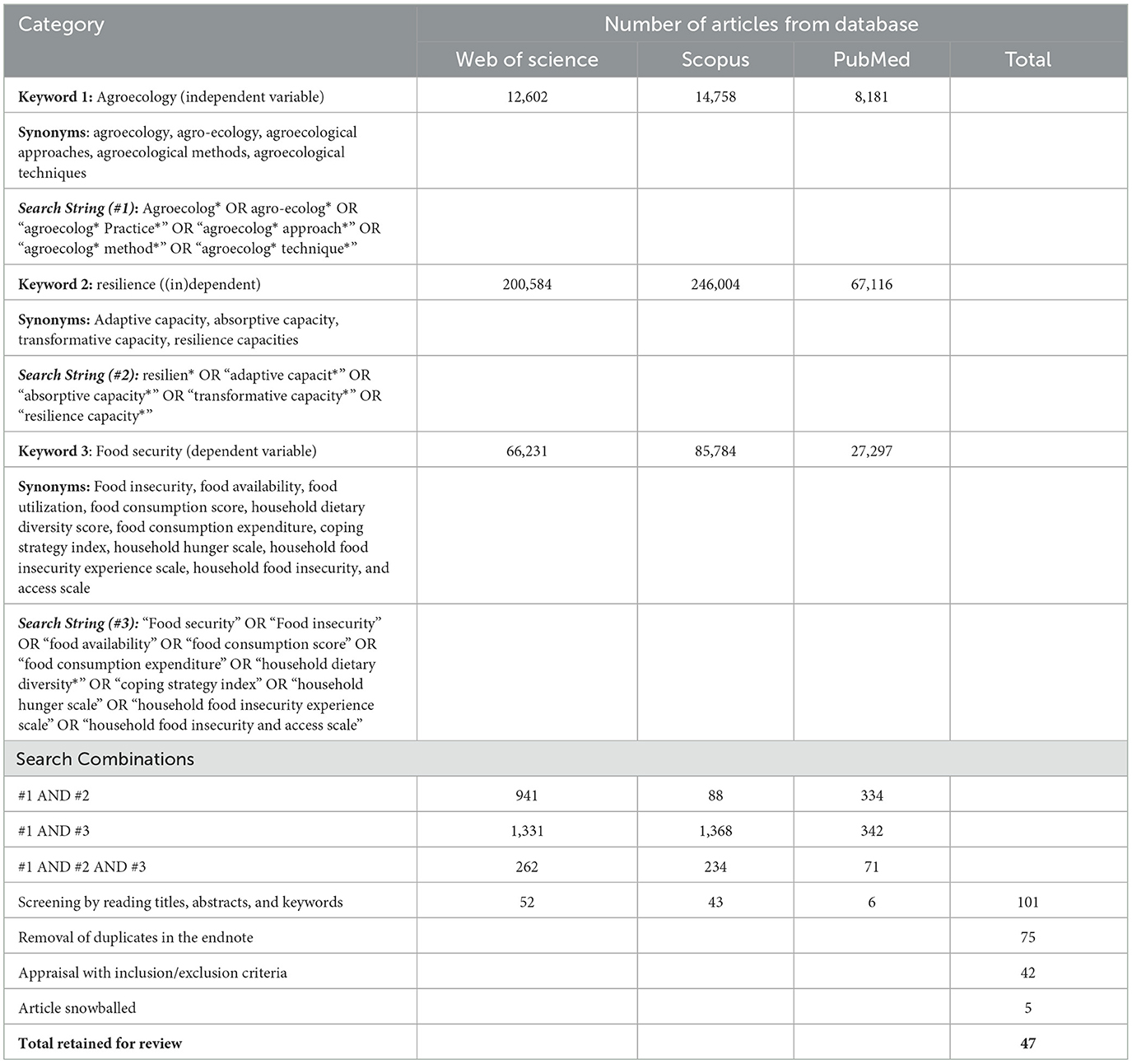
Table 1. Literature search strategy and articles retrieved.
An initial screening was done by reading through the title, abstracts, and keywords of the selected studies from the complete search string that included all three keywords and their synonyms. The included data were exported to endnote X9 to remove duplicates. The selected study was appraised based on the inclusion/exclusion criteria defined in Table 2. Studies that related to smallholders were retained. In addition, as an inclusion criterion, the study needed to address agroecology as it constitutes the major explanatory variable in the study. The retained studies after applying the inclusion/exclusion criteria were 42 articles. Five (5) additional relevant studies on agroecology cited in the selected studies were included through snowballing. These additional studies were obtained through referrals from the selected studies in the systematic search. Therefore, the total number of articles reviewed was 47.
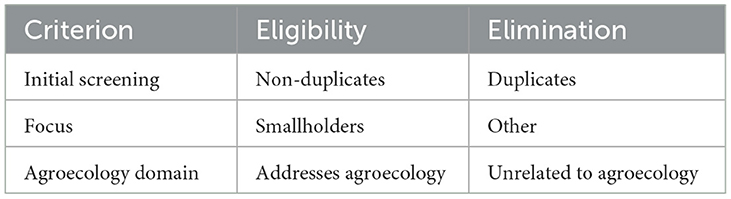
Table 2. Exclusion/inclusion criteria.
To ascertain the trend in the literature on the key explanatory variable, agroecology, the study refined the search string for the agroecology keyword and performed a titled search in all three databases. This was to help retrieve studies that have agroecology as a main subject. The refined search string was specified as Agroecology OR agro-ecology OR “agroecological Practice*” OR “agroecological approach*” OR “agroecological method*” OR “agroecological technique*”. This helped to eliminate studies on agroecological zones which does not necessarily imply agroecology as a subject. The results of this search were then exported to the biblioshiny of the R studio interface and Vosviewer for basic bibliometric analysis (Aria and Cuccurullo, 2017). For instance, the trend with regard to the scientific production of agroecology was analyzed as well as the frequency of authors' keywords linked to agroecology measured over time.
3. Results and discussion
3.1. Basic bibliometric analysis of the literature on agroecology
3.1.1. Evolution of annual scientific literature on agroecology
The refined titled search on agroecology produced a total of 787 articles from Web of Science (WOS), 1,116 from Scopus, and 64 from PubMed. Figure 1 shows the evolution of annual scientific production on agroecology over the years in all three databases. The first study on agroecology from WOS, Scopus, and PubMed databases was recorded in 1979, 1953, and 2000, respectively.
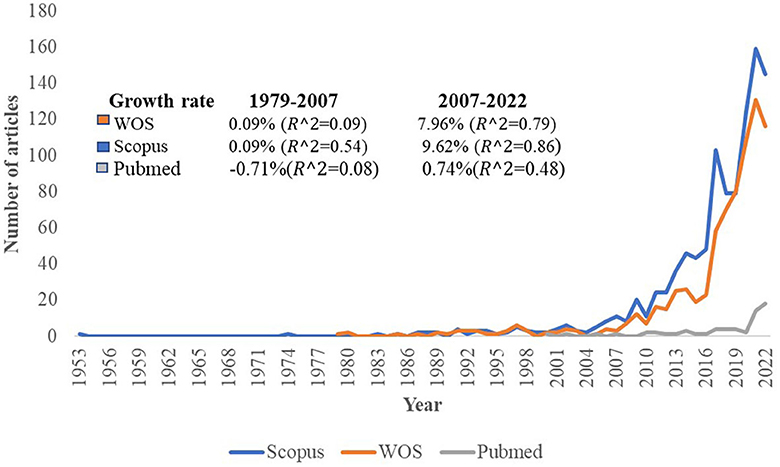
Figure 1. Trend analysis of annual scientific production on agroecology over time.
The trend analysis from WOS and Scopus shows a similar pattern with the number of studies on the subject beginning to rise after 2007. There was a sharp increase in publications in 2015, and the highest annual scientific production on the subject occurred in 2021 in WOS and Scopus. The growth rate before and after 2007 was examined. For articles in both WOS and Scopus, the growth rate before 2007 shows a rather very low growth rate of 0.09% each. But thereafter, it soared to 7.92% articles in WOS and 9.2% for Scopus. This means that until 2007, the number of articles published with agroecology as the main subject was almost insignificant. But from 2007 to 2022, the annual number of articles with agroecology as the main subject published in WOS and Scopus indexed journals increased by 8 and 10 articles, respectively. Three plausible reasons might explain the rise in scientific production on agroecology after 2007. The first is the 2008 global financial crisis that led to increasing food prices around the time, leading to scholars proposing agroecology as an alternative to industrial agriculture (Altieri et al., 2012). Second, the increasing incidence of climate shocks such as droughts and floods as revealed by the sixth assessment report of the Intergovernmental Panel on Climate Change (IPCC, 2019), as well as recent major shocks such as the COVID-19 pandemic and the Russia–Ukraine war, might have spurred the interest. The third reason relates to sustainability concerns on food production systems and the environmental effects associated with the industrial model such as loss of biodiversity, land degradation, and pollution of water bodies and aquifers (Bezner Kerr, 2020).
3.1.2. Agroecology and related concepts
This study constructed a network of authors' keywords that co-occurred with agroecology in most of the studies on the subject as presented in Figure 2. First, keywords that are used in not <30 articles out of the total articles generated were included, and the results are presented in Figure 2. Next, the number of co-occurrences was reduced by 50% (i.e., 15 articles), and the results are also presented in Figure 3. It was observed that when the level of keyword co-occurrence was pegged at 30, resilience was not included but at 15, resilience was included. This suggests that the issue of resilience is emerging in the literature of agroecology. Generally, studies on agroecology are linked with concepts of food security, food sovereignty, sustainable agriculture, biodiversity, and ecosystem services. The link was stronger for food sovereignty and sustainable agriculture. Altieri et al. (2012) define food sovereignty as the right of everyone to have access to safe, nutritious, and culturally appropriate food in sufficient quantity to sustain a healthy life (i.e., food security) with full human dignity. Fernandez et al. (2018) added that the food must be produced through ecologically sound and sustainable methods, and includes their right to define their own food and agricultural systems. Issues of biodiversity and ecosystem services also form important aspects of agroecology. Several definitions of agroecology highlight that it leads to biodiversity conservation and provides ecosystem services such as pollination, improvement in air quality, and erosion control (Debray et al., 2019).
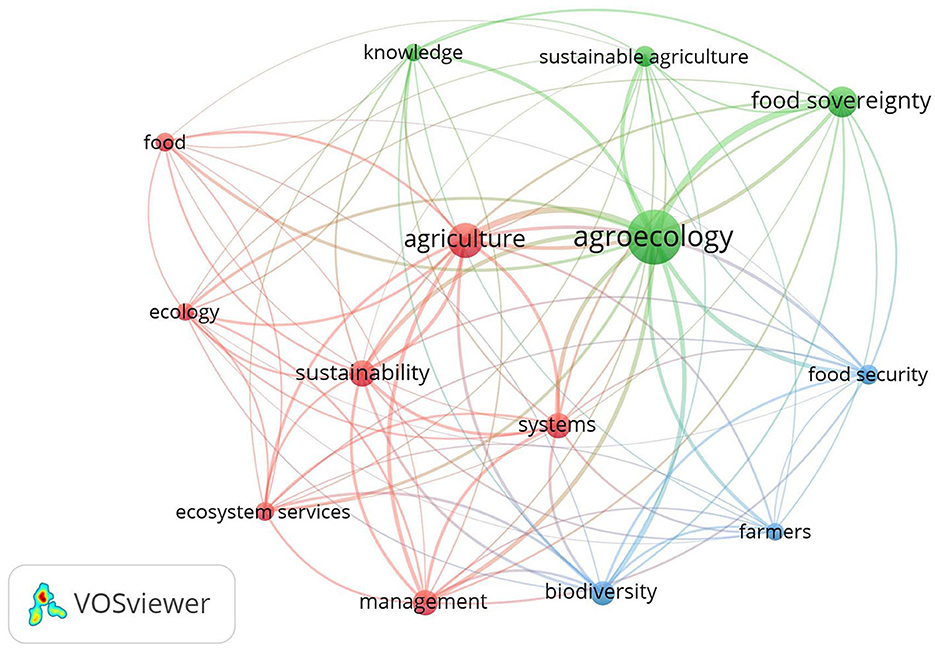
Figure 2. Network co-occurrence of keywords linked with agroecology with min. of 30 occurrences.
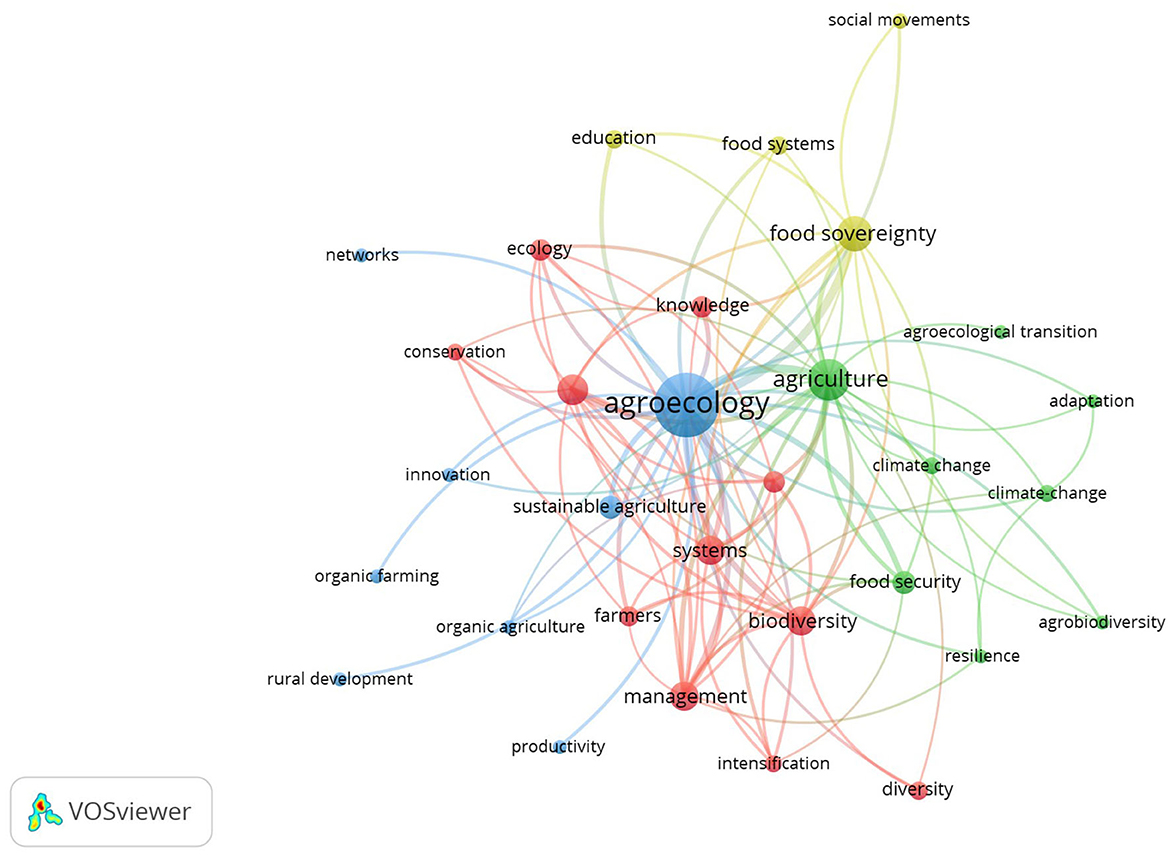
Figure 3. Network co-occurrence of keywords linked with agroecology with min. of 15 occurrences.
3.2. Characteristics of reviewed studies
Figure 4 summarizes the number and types of publications included in the final review. It includes 45 journal articles, a book chapter, and a conference paper, giving rise to a total of 47 reviewed articles. The type of studies was grouped into two: conceptual and empirical. Conceptual studies refer to those that define or discuss agroecology or its linkages with food security or resilience without taking data for verification. Empirical studies on the other hand involve those studies that use data, whether qualitative or quantitative, to test the relationship between variables.
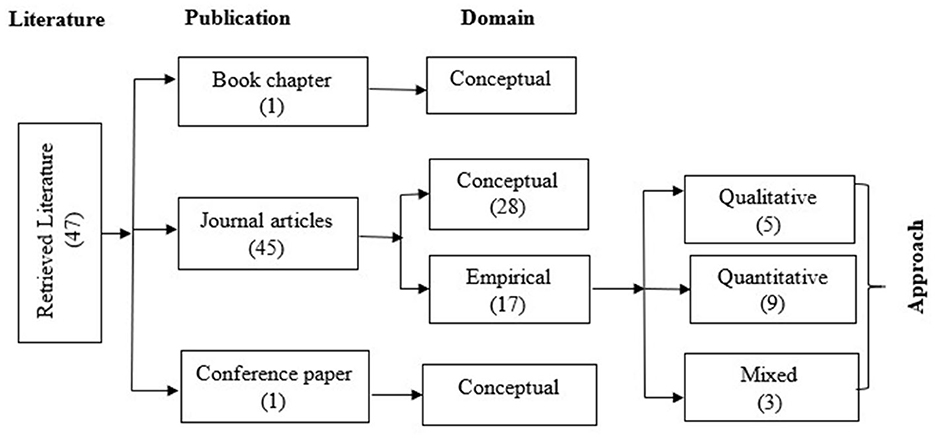
Figure 4. Summary of studies reviewed. Number of reviewed studies in brackets.
Of the 45 journal articles, 62% were conceptual studies while 38% were empirical studies; 29% of the empirical studies were qualitative and 53% were quantitative, while 18% adopted a mixed approach. This distribution suggests the need for increased empirical evidence that links agroecology with the resilience and food security of smallholders.
3.3. Conceptualization and measurement of agroecology
There is no universally agreed definition for agroecology, which poses a challenge for comparing and synthesizing the results of diverse studies. The concept is said to have been first used by Bensin in 1928 in the field of botany and defined as the application of ecology to agriculture (Bensin, 1828). Later, Tischler, a German Ecologist, made significant advancements on the concept and was the first to write a book titled “agroecology” in 1965. Tischler (1965) used the term agroecology to encompass ecology (i.e., the interactions among different components of agroecosystems—animals, plants, soils, and water at the field level) and agronomy (i.e., human management). The concept has since evolved and gained recognition by several studies, especially in the last decade. The literature agrees on three main dimensions of agroecology: a transdisciplinary science, a set of practices, and a social movement (Wezel et al., 2009; Leippert et al., 2020). Emerging definitions of agroecology in the food security context is defined in terms of agricultural practices while recognizing the vital role of the social, cultural, and political dimensions of agroecology.
3.3.1. Defining agroecology
Former scientist such as Altieri (1995) defines agroecology as the application of ecological concepts and principles to the design and management of sustainable agroecosystems. As the concept evolved, researchers defined agroecology as a set of practices based on ecological principles. For instance, Wezel et al. (2009) define agroecology as a new, modified, or adapted practice or technique that contributes to a more environmentally friendly, ecological, organic, or alternative agriculture. Altieri and Nicholls (2020) modified Altieri's earlier definition and emphasized the promotion of agricultural practices and resilience. They define agroecology as a system that points toward an ecological rationale in agriculture by promoting principles and practices that lead to a more biodiverse agricultural system, resilient to shocks (pest outbreaks, pandemics, and climate disruptions).
Wezel et al. (2020) also followed up with a more detailed definition of agroecology where food security is presented as an ultimate goal of the defined practices while recognizing environmental and ecosystem services that come with those practices. They define agroecology as “a set of agricultural practices aiming to produce significant amounts of food while valuing ecological processes and ecosystem services”.
Building on these definitions, agroecology in this study is defined as a set of practices, based on ecological principles of diversity, synergy, and nutrient cycling of agroecosystems, which are capable of enhancing the resilience of smallholder food security while providing ecosystem services. The ecological principle of diversity encourages practices that seek to enhance the diversity of species, genetic resources, and overall biodiversity, e.g., polycultures or crop diversification, agroforestry, intercropping, and crop-livestock integration. Synergy as an ecological principle seeks to ensure positive ecological interactions among components of agroecosystems such as livestock, crops, and land (e.g., organic manure application and crop rotations). Nutrient cycling as an ecological principle encourages the use of potential renewable resources and the recycling of nutrients and biomass (e.g., practices such as composting, agroforestry, and cover crops). The definition advanced by this study highlights these ecological principles because they apply to the farm as opposed to other principles such as knowledge co-creation, responsible governance, human and social values, and culture and food traditions which constitute enabling social, political, and cultural dimensions (FAO, 2018; Wezel et al., 2020). Hence, at the household level, agroecology is measured by the kind of practice (i.e., agroecological practice) the household is engaged in.
Bezner Kerr (2020) differentiates between production agroecology, consisting of the agroecological practices already discussed above, from political agroecology which includes the social, cultural, and political dimensions of agroecology. Anderson et al. (2019) referred same as peasant agroecology and political agroecology. The inclusion of a political dimension to the definition of agroecology is important in differentiating it from other production practices. For instance, Anderson et al. (2019) argue that many aspects of agroecology have been in existence until a recent growing body of literature puts them under the umbrella of agroecological practices. The social dimension of agroecology includes knowledge co-creation, participatory processes, and social relationships among stakeholders that help in the production process and the adoption of best practices (Ajayi et al., 2011; Anderson et al., 2019).
Agroecology is distinct from other agricultural practices or food system approaches such as climate-smart agriculture (CSA) and conservation agriculture (CA). While some principles of CSA and CA may fall within the principles of agroecology, agroecology is much broader than CSA and CA. CSA is built on three principles, adaptation, mitigation, and potential, for increased productivity. It includes the use of synthetic inputs, hybrid seeds, and genetically modified organisms (GMOs) which are not promoted under agroecology. Clay and Zimmerer (2020) argued that the pillar of CSA that seeks to intensify resource use efficiency could be contradictory to the principle of climate mitigation as it could contribute to more emission of greenhouse gases for short-term productivity, and mimic another form of a green revolution based on the productivist paradigm. CA is also based on principles of cover cropping, crop rotations, and minimum soil disturbance (Thierfelder et al., 2017). Agroecology considers these CA principles as agroecological practices. One unique feature of agroecology is that the social, cultural, and political dimensions ensure collective action and ownership of interventions (Hellin et al., 2018), making it a more distinct food system approach that both meets climate objectives as well as conserves the environment.
In terms of measurement of agroecology, there are two dimensions from the literature. The first dimension is based on the extent to which a household combines a range of agroecological practices. In order words, it is based on the household intensity of adoption of these practices. For instance, in a study by Calderon et al. (2018), where household food security situation between agroecology-based farmers was compared to semi-conventional farmers from Western Guatemala, agroecology-based farmers were defined as those engaged in the production and application of organic manure, use biopesticides to treat pest, crop diversification, and mulching while semi-conventional farmers use more of synthetic fertilizers and pesticides. Also in Mexico, Galeana-Pizana et al. (2021) differentiated agroecology-based smallholders from commercial ones based on multiple agroecological practices such as the traditional milpa mixed-cropping system (maize, bean, and squash), forest cover retainment, and crop diversification. By the same criteria, Conde et al. (2022) grouped households into more agroecological and less agroecological households in Peru based on the number of agroecological practices the household adopts. The second method is based on the specific agroecological practice under consideration (Nyong et al., 2020).
3.3.2. Agroecological practices identified within the smallholder food security context
In the reviewed studies, two studies attempted to categorize agroecological practices. Wezel et al. (2014) grouped agroecological practices into three levels, namely, field/farm scale, cropping system scale, and landscape scale practices. Field-scale practices include those practices that take place at the field or farm level. Examples include minimum tillage, mulching, non-burning of crop residues, organic fertilization with manure or compost, and irrigation. Cropping system scale practices relate to crop rotation, intercropping, relay cropping, crop cultivar choices, and biological pest control or Integrated Pest Management (IPM). The landscape scale involves the integration of natural or semi-natural landscape elements such as hedges and vegetation strips either in or around the field/farm. Debray et al. (2019) also categorized agroecological practices based on their contributions to climate change adaptation into categories such as land degradation prevention and soil quality enhancement. Since practices leading to land degradation prevention could also enhance soil quality, this basis of categorization may be subject to the farmer and difficult to build on by reviewing the literature.
Building on the method of categorization by Wezel et al. (2014), the study expanded these practices to the specific components of the agroecosystem in which the practice is applied. Hence, agroecological practices from the reviewed studies are grouped into land-specific practices, crop-specific practices, cropping system practices, tree-specific practices, and livestock-specific practices. Table 3 presents the list of all agroecological practices in the reviewed literature based on the above categories as well as the number of reviewed studies in which the practice is considered.
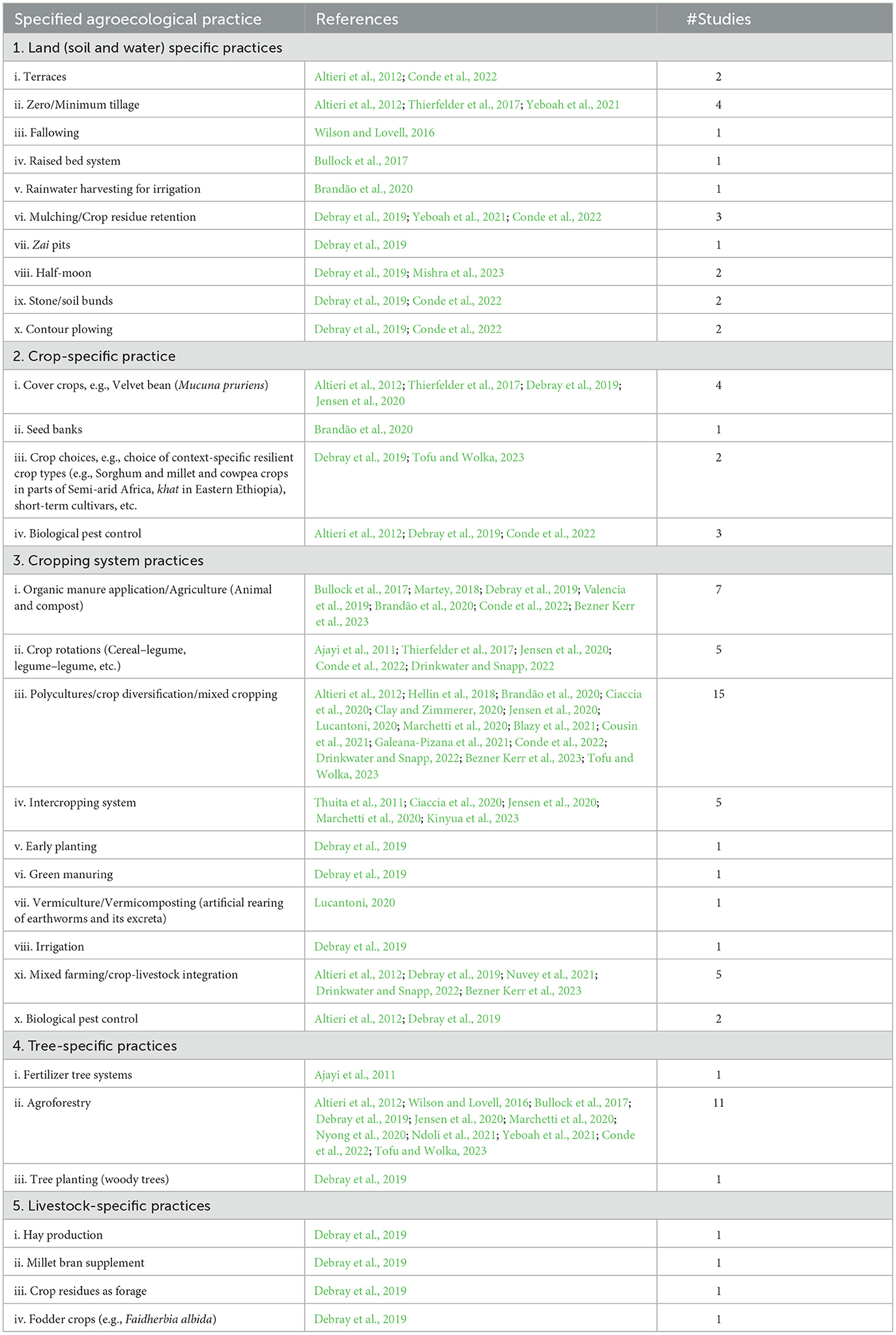
Table 3. List of agroecological practices from reviewed studies.
Crop-specific practices include certain crops as well as the choice of crop types. An example is the planting of cover crops such as the velvet bean (Mucuna pruriens) which is capable of fixing up to 150 kg nitrogen per hectare (ha) as well as producing up to 35 tons (t) of organic matter per year (Altieri et al., 2012). It is a cover crop noted to be highly practiced by smallholders in parts of Latin America such as Hondarus and Guatemala (Altieri et al., 2012). It is also practiced in Sub-Saharan African countries such as Kenya and other countries (Chakoma, 2015). Crop-specific practices also include the choices of context-specific resilient crop types. For instance, Debray et al. (2019) reported specific crops such as sorghum, millet, and cowpea to be considered resilient in Semi-arid Africa.
Cropping system practices involve the methods used in the configuration of different crop species on the farm that foster positive ecological interactions among different components of the ecosystem. These practices involve the knowledge and skill of the farmer/farm manager to undertake and include crop rotations, organic fertilization, green manuring, and early planting, among others as reported in Table 3. Crop diversification or polyculture systems also constituted a major cropping system practice and were reported in most of the reviewed studies. Crop diversification refers to the cultivation of different crop species by the household. Crop system practices also include bio-pesticide control methods which involve the use of biological materials to control pests on specific crops. An example is the use of compost enriched with trichoderma spp and neem oil-based insecticides aimed at preventing insect attacks such as the fall armyworm on maize in parts of semi-arid and sub-humid Africa (Debray et al., 2019).
Tree-specific practices include the fertilizer tree system practiced in Southern Africa (Malawi, Tanzania, Mozambique, Zambia, and Zimbabwe) where certain tree species such as Sesbania sesban are capable of converting atmospheric nitrogen into a usable form in the soil through biological nitrogen fixation (Ajayi et al., 2011). These trees are also cut down, and the biomass serves as fertilizers for the crops after a certain stage of growth. Agroforestry was also included in this category which involves the planting of trees among cultivated crops.
Finally, livestock-specific practices such as hay production, millet bran supplement, and use of crop residues as forage were reported by Debray et al. (2019) based on an inventory of agroecological practices following a literature review and interviews from 24 experts working with non-governmental organizations (NGOs) in semi-arid and sub-humid Africa.
Looking at the frequency with which different agroecological practices were mentioned in the studies reviewed, polyculture systems or crop diversification constitute the highest agroecological practice specified in 15 (i.e., representing 32%) of the total reviewed studies. It primarily involves the cultivation of multiple crop species either on the same parcel of land or different parcels by a household (Drinkwater and Snapp, 2022). The configuration of crop species may vary from farm to farm and could include horticultural crops such as fruit and vegetables (Lucantoni, 2020). Mixed cropping thus falls under this category. The dominance of this practice in the literature emphasizes the relevance of the principle of diversity in defining agroecology in smallholder contexts but also reflects the prevalence of mixed cropping in many smallholder agricultural systems.
The second dominant practice mentioned in the reviewed studies is agroforestry, which is discussed in 11 studies (i.e., representing 23%) of the total reviewed literature. Wilson and Lovell (2016) defined agroforestry as the integration of trees and perennials into the agricultural landscape. The system provides a wide range of benefits to the soil through the ecological principle of nutrient cycling from the leaves of the trees. It also helps in carbon sequestration, prevention of soil erosion, provision of fruits to the farm family while serving as a habitat for birds, and helping to conserve biodiversity (Wilson and Lovell, 2016). According to Nyong et al. (2020), smallholders in Africa and the Tropics engage in agroforestry practices ranging from home gardens, scattered trees on farms, and to deliberate planting of economic trees such as cocoa, banana, and other perennials.
Other dominant agroecological practices mentioned included organic fertilization (15%), intercropping (11%) crop rotations (11%), crop-livestock integration/mixed farming (11%), and cover cropping (9%). These practices highlight ecological principles of synergy and nutrient cycling. Organic manure could be obtained from recycled waste or animal excreta. In addition, crop rotations and intercropping help to utilize different nutrients in the soil as well as optimize ecological benefits from other crops such as cereal–legume intercropping or rotations. These agroecological practices also provide ecosystem services such as pollination, biodiversity, or preservation of biological flora and fauna as well as enhanced fertility of the soil (Bezner Kerr et al., 2023). The dominant mapped-out practices from the literature highlight the relevance of the on-farm ecological principles of diversity, synergy, and nutrient cycling.
3.4. Potential of agroecology for resilience and food security of smallholders
The potential of agroecology in fostering resilience and food security of smallholders is discussed following the two dimensions in which agroecology is measured in the literature. Section 3.4.1 presents empirical evidence of studies that assess the potential of agroecology-based households, combining a range of practices or the intensity of adoption and its potential on their resilience and food security. Section 3.4.2 presents an empirical review of the resilience-enhancing potential of specific dominant agroecological practices identified.
3.4.1. Agroecology potential based on smallholder adoption of multiple practices
In Western Guatemala, Calderon et al. (2018) compared the household food security situation between agroecology-based farmers and semi-conventional farmers. Agroecology-based farmers were defined as those engaged in multiple agroecological practices including the application of organic manure, use of biopesticides to treat pests, diversification of crops, and mulching while semi-conventional farmers use more synthetic fertilizers and pesticides. They found that agroecology-based farmers produced 27% more plant varieties during the dry season and 62% more so during the rainy season than the semi-conventional farmers, thus contributing more to agrobiodiversity than the latter. Moreover, agroecology-based farmers were found to earn more income than semi-conventional farmers, 46% and 78% more in the dry and rainy seasons, respectively. In addition, agroecology-based households consumed 0.14 lb/person/day of beans for both seasons on average, as compared to 0.12 lb/person/day for semi-conventional ones. In terms of harvest yield of maize, for instance, agroecology-based households realized an average of 2 t/ha as compared to 1.82 t/ha even though the difference was not statistically significant. The production of higher plant species for agroecology-based farmers indicates higher agrobiodiversity, which measures the resilience of their system. More plant varieties ensure that the household can cope when crop-specific disaster emerges. The high income earned by agroecology-based farmers will also help to improve food security through access. Agroecology-based farmers also realized relatively higher yields for maize than their semi-conventional counterparts despite not using synthetic fertilizers. Their study, however, purposively sampled 10 agroecology-based farmers and 10 semi-conventional farmers which constituted a relatively smaller sample size.
Also in Peru, Conde et al. (2022) assessed the potential of agroecology in increasing productivity among 49 sampled smallholder households in the Llañucancha community of the Peruvian Andes. Households were categorized into less agroecological and more agroecological based on the number of agroecological practices adopted by the household. They considered 16 agroecological practices common among smallholders in the study area. These are terraces, trees in contour and crops, spaces for wild species, cultivation against slopes, mulch, manure, compost, humus, crop rotation, biopesticides, manual insect collection, repellent plants, pest traps, and polycultures. Their method of categorization was particularly important as every household practiced at least one of the listed practices. From their study results, all households with more agroecological farms reported that the majority of their food consumption came from their farm, while in families with less agroecological farms, only 19% of their food came from the farm. The authors argued that own food consumption is a measure of food self-sufficiency, a proxy for resilience which was exhibited by the more agroecological household category. A Kruskal–Wallis statistical test showed that the more agroecological households earned significantly higher incomes than the less agroecological households. Higher income could help purchase food and contribute to food security.
In Mexico, Galeana-Pizana et al. (2021) used national and regional data to examine whether smallholders' agroecological attributes or commercial farmers contribute more to food security. Smallholder agriculture was characterized by small farm sizes (<5 ha), ejidal land tenure (a form of land tenure between communal and private), and agroecological practices such as the traditional milpa mixed-cropping system (maize, bean, and squash), forest cover retainment, crop, as well as economic diversification. Commercial farmers were characterized by larger farm sizes (larger than 5 ha), economic specialization, and low crop diversity. The researchers employed structural equation modeling to compare the effect of smallholders and commercial farmers with regard to regional and national food security. Their results showed that economic diversification attributes of smallholders had a positive and statistically significant relationship with food access nationally and in three ecoregions. Crop diversification and the ejidal land tenure attributes of smallholders also showed a significant positive relationship with household food security. While other commercial attributes such as irrigation and market commercialization had a positive correlation, overall, they found more attributes related to agroecologically efficient smallholders (milpa mixed-cropping system (maize, bean, and squash), forest cover retainment, and economic diversification) having a positive correlation with food security.
Lucantoni (2020) argued that a transition to agroecology enhanced the food security and living conditions of smallholders in Cuba. Using a single-family farm called “El Palmer farms” of 5 ha in Piner del Rio in Western Cuba, as a case study, they adopted a participatory action research approach to characterize the farm before and after the agroecological transition by the farm family. Cuba, following the collapse of the Soviet Union coupled with a US embargo toward the end of the 1980s, witnessed challenges in the importation of agrochemical inputs and was forced to undergo an agroecological transition in the 1990s. Through efforts from the Cuban National Association of Small Farmers (Asociación Nacional de Agricultores Pequeños, ANAP) using famer-to-farmer transfer of knowledge, over 200,000 farm families moved from convention agriculture to agroecological farming. The EL Palmer farms were part of this transformation. Formerly using their farm for only tobacco, during the transition the smallholder at El Palmer farm divided their 5 ha farmland into many fragments for the cultivation of diverse crops including banana, guava trees, cereals, tubers, vegetables (such as okra and tomatoes), and reared livestock. Medicinal plants and pest-repelling plants were also cultivated including tobacco. Maize intercropped with beans also took half an acre from the total acreage. Agroecological practices carried out on El Palmer farm included crop rotations, organic composting (that involved mixing banana leaves with organic waste), as well as vermicomposting. Examining the situation of the smallholder household with regard to food availability and access showed that the farm family transitioning to agroecology witnessed a total amount of 8 tons of food available to them per year while consuming an average of 3 tons per year. In terms of food access, the farm family earned a total of CUP 30,000 (i.e., ~$1,165) per year. While their study offers a relevant perspective on the potential for agroecology in enhancing household food security, further research will be required to broaden the scope of households engaged in these practices.
In Sub-Saharan Africa (SSA), Debray et al. (2019) examined how agroecological practices within the agropastoral system of semi-arid and crop-livestock integration system of sub-humid SSA have the potential to make households adapt to climate change and foster the resilience of their food systems. Combining expert interviews from NGOs working in Senegal, Niger, Burikina Faso, and Ivory Coast with a review of the literature, they made an inventory of the practices that were considered agroecological, referenced in Table 3. They argued that farmers use various combinations of agroecological practices to address their challenges such as land degradation, deforestation, soil erosion, and declining water availability due to synergistic effects. Farmers using these combinations are more resilient than those only engaging in single practices. For example, in the sub-humid northern Ivory Coast, the traditional system of the Senufo combines crop rotation with intercropping (vegetables and fruits), planting of short-season cultivars, and agroforestry to ensure the resilience of their farming system against land degradation (Figure 5B). Figure 5A also show how farmers affected by drought and deforestation in Senegal combine drip irrigation systems (for efficient water use), crop diversification, which includes vegetables, fruits, and cereals, as well as the planting of hedgerows to limit soil erosion. In their study, resilience was defined in terms of the farmers' overall production system and how it enables them to overcome the environmental challenges they are facing. However, their analysis was based on expert opinion rather than the measurement of farmers' perceptions of the resilience of their production system. Their study also did not offer concrete empirical evidence in terms of quantities of how combinations of these practices enhance resilience and result in the improvement of their food security.
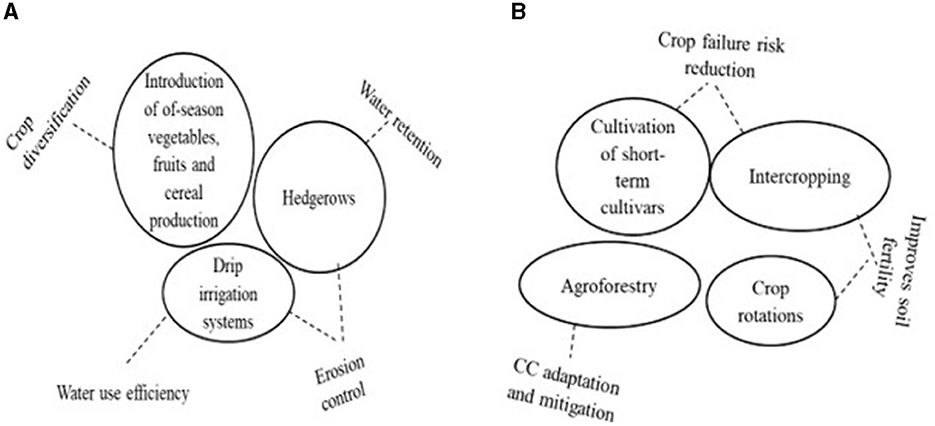
Figure 5. How smallholders combine agroecological practices in Senegal (A) and Senoufos in Northern Ivory Coast (B) to combat land degradation and climate change. Source: Debray et al. (2019).
3.4.2. Potential of specific agroecological practices
3.4.2.1. Crop/farming diversification
Blazy et al. (2021) examined how the COVID-19 pandemic affected agri-food systems in Guadeloupe, an Island country in the Caribbean, to study if crop diversification could help build resilience and enhance the food security of smallholders during the COVID-19 pandemic. Their study involved 32 producers, 38 consumers, and 28 food system experts' self-reported opinions about how COVID-19 affected their livelihood and the perceived resilience of their production system. Smallholders engaged in a mix of diversified crops (crop diversification), such as sugarcane, banana, vegetables, and tubers. Their study results found 44% of smallholders indicating that their diversified system of production was resilient to the impact of the COVID-19 pandemic. Also, 50% of the experts perceived that the diversified production system of the farmers was resilient to the impact of COVID-19, rated as medium in terms of resilience. For the consumers, the reduction in the diversity of products consumed was more pronounced during the pandemic, impacting one-third of the households. Hence, 29% of consumers shifted to the development of allotment gardens and produced some of their own food. These allotments of gardens are also argued as a shift to crop diversification and are thus steps toward resilience and food security. The authors recommended further research that assesses the resilience capacities of farming systems in terms of multiple resilience attributes such as robustness, adaptability, and transformability over the farm, household, and supply chain scales. While the study seems to indicate a positive impact of crop diversification on smallholder's resilience during the pandemic, it was based on perceptions rather than an objective empirical test of a hypothesis.
In the Plateau region of Santa Catorina in Southern Brazil, Valencia et al. (2019) assessed the potential of crop diversification in enhancing resilience and food security of smallholders under an agroecological enabling policy environment called the Brazillian National School Feeding Programme (Programa Nacional de Alimentacão Escolar, PNAE). Under this policy, 30% of the government budget intended for school feeding is allocated to purchase from local agroecological smallholders. It also included a 30% price premium. Valencia et al. (2019) hypothesized that PNAE through the 30% budgetary allocation to purchases from smallholders practicing agroecology and the additional 30% price premium for certified organic and agroecological production would enhance crop diversification which also would in turn foster household autonomy, a measure of household resilience. Household autonomy was measured by the household dietary quality (dietary diversity) and their external input use intensity. The proportion of food consumed by the households' own production was referred to as self-provisioning, another indicator of autonomy/resilience. The authors argued that autonomy is an important measure of resilience as it shields the household against market shocks through self-reliance on productive resources. They interviewed 75 farmers with 20 being participants of the PNAE while 55 were not. Field assessments were also carried out to take inventory of crop varieties and livestock in the most recent year, their abundance, and the agroecological practices carried out. A final key informant interview was undertaken with agricultural extension agents, NGOs, and unions. Their results showed that beneficiaries of the PNAE allocated significantly larger areas of their land for horticultural production and to perennial crops when compared with non-beneficiaries. They also found that 55% of the PNAE beneficiaries, before joining the scheme, mainly engaged in corn/maize monoculture production, since enrollment in the program has diversified their production, being incentivized by price premiums, and the readily available demand. There was also a significant positive difference in dietary diversity scores between PNAE participants (diversified households) and non-participants. Furthermore, the diversified PNAE beneficiaries exhibited low external input use when compared to non-participants. Even though the empirical evidence above shows a positive potential of crop diversification to increase resilience and household food security, there was a policy (i.e., PNAE) that stimulated crop diversification.
3.4.2.2. Intercropping
While intercropping involves the cultivation of two or more crops simultaneously on the field, different spatial configuration of crops is reported in the literature. In Western Kenya, for example, Thuita et al. (2011) examined three spatial intercropping systems in Western Kenya to determine their effectiveness in increasing the yield and incomes of households. The intercropping systems were the hill system that involved the planting of staples (maize) and legumes on the same hill, the conventional system that involved the intercropping of legumes between rows of maize, and the Mbili system (managing beneficial interactions in legume intercrops) that involved the planting of 2 rows of maize and 2 rows of legumes of the same species. Specifically, their study examined maize, beans, groundnuts, and soybeans configurations under these three intercropping systems in four study sites (Kitale, Kuinet, Bungamo, and Sega) in a randomized complete block design with three replications for 2005 and 2006. Under each of these intercropping systems, the yield of maize and legumes was examined using analysis of variance (ANOVA) with and without fertilizers across the study sites. For fertilizer treatment, 150 Kg/ha diammonium phosphate was used.
Their study results showed that the Mbili intercropping system significantly outperformed the hill and conventional intercropping systems in all study sites except one. In addition, soybean yields were significantly higher in the Mbili system compared to the other two systems, independent of fertilizer application (P < 0.001). The authors argued that the high yield associated with the Mbili system is due to less competition for nutrients and solar light relative to the other two systems, but for some areas such as Bugamo, in 2005, the conventional intercropping without fertilizers outperformed the Mbili system and that of the hill intercropping with 2.13 t/ha mean yield of maize as compared to 1.70 t/ha and 1.79 t/ha for hill and Mbili intercropping systems, respectively. Kinyua et al. (2023) conducted a similar study in northern Tanzania where the conventional intercropping system, the Mbili system, and the Mbili-Mbili system were compared in terms of yield potential. While the Mbili system involves two rows of maize and two rows of a legume of the same species, the Mbili-Mbili system involves two rows of maize and two rows of different legumes, a row for each species. They found that the Mbili-Mbili system also performed better than the Mbili and conventional intercropping practices. The Mbili-Mbili system was an improvement in crop spatial configuration by AFRICA RISING in the study area. A survey of farmers' experience with the Mbili-Mbili intercropping system revealed that approximately 79% of farmers reported an increase in maize grain yield in Mbili-Mbili than their usual systems. Farmers' observation on increased maize grain yield in Mbili-Mbili was thus consistent with results from researcher trials where yields increased by between 50% and 60% over the farmer practices. The potential of different intercropping options to increase yield is an indicator of household food security.
3.4.2.3. Livestock integration
In Ghana, Nuvey et al. (2021) also assessed how livestock integration or mixed farming influences household resilience among 287 sampled smallholders in the Bunkpurugu-Yunyoo and Kwahu Afram Plains South districts. Their sample involved 142 and 145 households that integrated the rearing of cattle in the farming system in the Bunkpurugu-Yunyoo and Kwahu Afram Plains South districts, respectively. The resilience scale measure was employed following a self-reported 7-point Likert scale question (1, strongly disagree to 7, strongly agree) that includes 14 resilience attributes of self-reliance, purpose, equanimity, perseverance, and authenticity. The median split method was also used to categorize households into high and low resilience based on resilience scores above and below the median score, respectively. A logit regression model was then fitted to estimate the influencing factors of household resilience. The results from their study showed that the herd size of the household significantly influences the probability of being in the high resilience category. In addition, the odd ratios show that the probability of being in the high resilience category significantly increases by 1.02 times for cattle born or added into the farm households' herd. Even though their study did not specifically focus on household food security, it could be argued that overall household resilience could help improve food security. Moreover, livestock connotes an important asset that could be converted to cash to cope with food security shocks.
3.4.2.4. Organic manure/compost application
Martey (2018) examined how organic manure use affects household crop income and other welfare indicators such as total household expenditure, food expenditure, as well as poverty in Ghana. Their study used a sub-sample of 2,188 agricultural households out of 16,772 households from the sixth round of the Ghana Living Standards Survey (GLSS6), a nationally representative data taken periodically by the Ghana Statistical Service. Employing the double selection and propensity score matching models, their results showed that organic fertilizer use significantly increased productivity and crop income by 1.43 and US$132, respectively, while reducing total household expenditure, food expenditure, and poverty by US$174, US$58, and 8%, respectively. In their study, total household expenditure measures the cost of both the food, consumer, and durable goods and the housing and health-related expenses. Food expenditure per adult equivalence was used as a proxy measurement of household food security while poverty was measured as a dummy variable based on the poverty line (US$1.25/capita/day).
3.4.2.5. Agroforestry
Ndoli et al. (2021) also empirically examined how agroforestry influences household food security and the incomes of 399 smallholder households from six districts of rural Rwanda. Food security was a subjective measure of the number of months within a year when the household reports having access to enough quantity and quality of food to satisfy every member of the household. Smallholder households were grouped into three categories according to the total number of trees on their farms into low, medium, and high agroforestry-practicing households. The results of the study reveal that households highly practicing agroforestry were more food secure than those in the low and medium categories. The authors attributed enhanced food security to the additional income from the trees, which helps households to purchase additional food. High tree density and farm size were associated with higher food security. For instance, farmers with an average of 1 ha and with more than 175 trees/ha were the most food secure while those with farms ~0.25 ha and with lower tree density were the least food secure. Generally, about 35% of farm households earned income from trees aside from cultivated crops. They concluded that on-farm trees serve as safety nets and help foster the resilience of farm households.
In another study of the impact of agroforestry on the resilience/food security of smallholder households among smallholders in Cameroon, Nyong et al. (2020) performed a logit regression on 350 samples to examine how practicing agroforestry practices influence their subjective resilience, measured code 1, if the household perceives themselves as resilient to the impacts of climate variability and change, and 0, if otherwise. Resilience and agroforestry practices were measured as binary variables. They found that farmers practicing agroforestry had a significantly higher probability of perceived subjective resilience. Specifically, they found that the presence of trees on croplands, trees on grazing lands, coffee-based agroforestry, and ownership of home gardens had a significant positive influence on the probability of household subjective resilience.
3.4.2.6. Crop choices
In Rwanda, Clay and Zimmerer (2020) assessed the resilience of smallholders' crop choices under a Crop Intensification Programme (CIP) that sought to increase yield through input use efficiency with those of farmers who continued to practice traditional agroecological farming practices. Under CIP, farmers were granted hybrid maize seeds and subsidized fertilizers. The authors described the focus of the program as a form of “new green revolution” under the umbrella of climate-smart agriculture due to its focus on purchased external inputs. The researchers used data from household-level surveys and focus group discussions gathered from 2014 to 2016 following two seasons of torrential rains and drought in Southern Rwanda. During March–May of 2013, rains were far below average, and in the 2014 season, the rains ended 2 months earlier than expected creating a situation of drought. In the subsequent season, 10 weeks of heavy rains around September–December of 2014 affected crops in their early development due to excessive wet spells/floods. In the study by Clay and Zimmerer (2020), the yield of principal crops under the CIP and traditional crops were assessed before and after the climate shocks (drought and torrential rains). In terms of percentage net crop values, their results showed that cassava and banana were the most resilient with positive net crop values of 11% and 76%, respectively, under drought conditions. Under the rainfall scenario, only cassava and wheat witnessed positive net crop values of 7% and 3%, respectively. They corroborated this finding with the respondent's perception about which crop was resilient. For drought, 31.3% of the respondents indicated that sweet potato was more resilient and 24.7% indicated cassava was more resilient, while 19.2% perceived banana to be more resilient to drought. The authors argue that resilient crops such as cassava, banana, and sweet potato are usually grown in mixed-cropping systems, while maize, as was promoted under the CIP program, was grown as a monoculture. Since the farms engaging in the agroecological practice of mixed cropping of cassava and banana showed positive net crop values after the drought and torrential rains, they seem to be more advantageous in terms of the resilience of the food security of smallholder households.
In addition, an empirical study by Tofu and Wolka (2023) shows that farmers in rural Ethiopia are switching from the production of cereals to that of khat (Chata edulis) in their diversified agroforestry system of production, because of climate impacts and the removal of government subsidies for synthetic fertilizers. Focus group discussions with farmers and key informant interviews with agricultural extension agents revealed that the cost of producing khat is very low compared to the cost of producing cereals. Growing Khat is less labor intensive and it yields significantly, even without fertilizer application. Farmers also reported that they can harvest khat a minimum of three times a year. Because of reduced costs, multiple harvests, and relatively stable khat prices, they earn more income than when producing other crops, thus enhancing farmers' food security and resilience.
3.4.2.7. Half-moon technology
Mishra et al. (2023) show how the half-moons in Niger led to a significant increase in vegetative greenness, an indicator of enhanced soil fertility and potential yield increases. Half-moons are semi-circular dugouts that store water and distribute it over a specific area as water conservation mechanisms. Debray et al. (2019) enlisted this technique as an agroecological practice. Mishra et al. (2023) used remotely sensed satellite data from 18 experimental sites between 2010 and 2019 to compute normalized difference vegetative index (NDVI) and tested the difference in vegetative greenness before and after the adoption of the half-moons agroecological practice. Their results found a significant increase in vegetative greenness. For instance, NDVI increased by about 49.7% after the intervention on average. Four out of the 18 sites increased more than 60% in terms of their NDVI with a maximum of 81.15 occurring at one site (Kafat).
3.4.3. Enabling factors for successful adoption of agroecology among smallholders
The political, social, and cultural dimensions of agroecology (political agroecology) constitute important dimensions that enhance collective actions and ensure the successful adoption of agroecological practices (peasant agroecology/production agroecology). Anderson et al. (2019) refer to these dimensions as “enabling” and “disabling” conditions for successful adoption of agroecological practices. Within these dimensions, there are underlying structures, processes, and dynamics that can constrain agroecology for vulnerable smallholders. These are referred to as the disabling conditions/factors, while the favorable ones are the enabling factors. For instance, when there is a political will to promote agroecology and social movements/organizations to educate and promote collective actions based on locally available resources and knowledge, these factors according to Anderson et al. (2019) constitute enabling environment/conditions for agroecology to strive. On the contrary, when policy focus prioritizes more of the industrial model through subsidized fertilizers and agrochemicals, it disables the practice of agroecology for the majority.
Most of the empirical evidence from Latin America and the Caribbean that show how agroecology could contribute to resilience and food security was largely influenced by these enabling conditions. For instance, in Brazil, the PNAE (i.e., the national school feeding program) that created structured demand for diversified food products from smallholders served as an incentive for the adoption of agroecological practices such as crop diversification which also translated into household resilience and improved dietary diversity (Brandão et al., 2020). Also in Cuba, their agroecological evolution and the evidence of its potential for smallholder food security as shown by the “El Palmer” farm case study by Lucantoni (2020) were championed by the Cuban Association of Smallholder farmers (ANAP) and social movements including the Campesino-a-campesino (i.e., famer-to-farmer) agroecology movement (CACAC) that helped in training and decentralized farmer-to-farmer knowledge exchange. These movements were supported by the Cuban Ministry of Higher Education which also served as a forum for plant breeding. These social movements extended to other countries such as Honduras and Guatemala among others in the region.
In Southern Africa, the fertilizer tree system that contributed to increased yield and improved soil fertilizer was influenced by the World Agroforestry Center which researched, experimented, and tested these fertilizer tree species with the farmers in a participatory approach (Ajayi et al., 2011). In Niger, the practice of half-moons was facilitated by United States Agency for International Development (USAID) and other NGOs such as the International Crops Research Center for Semiarid Tropics (ICRISAT) (Mishra et al., 2023). In other areas, farmers themselves innovate by undertaking certain practices based on their contextual challenges (Debray et al., 2019; Tofu and Wolka, 2023). The sustenance and upscaling of these practices may require policy backing or other social organizations including farmer-based groups that foster knowledge co-creation and exchanges.
4. Proposed conceptual framework linking agroecology, resilience, and food security of smallholders
After synthesizing the reviewed studies, Figure 6 presents a conceptual framework linking agroecology with the resilience and food security of smallholder households. The framework highlights the interplay between the three dimensions of agroecology—the science, practices, and movements (or policy).
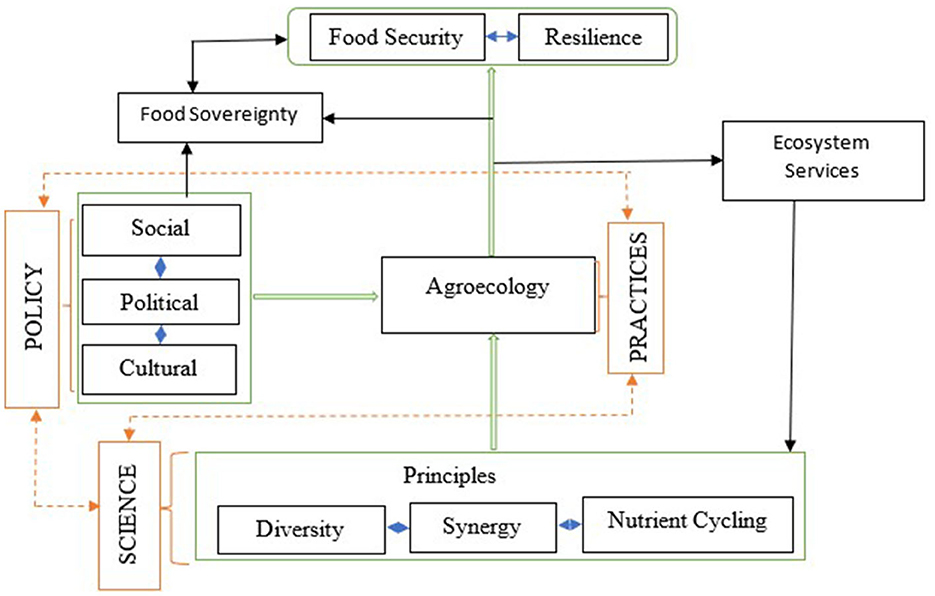
Figure 6. Conceptual framework linking agroecology with resilience and food security.
Agroecology, defined in this study as a set of practices, is based on three core principles of diversity, synergy, and nutrient cycling on the farm. These principles are underpinned by the science of ecology (interrelationships and interactions among components of the ecosystem-land, water, forest, and livestock) and agronomy (human management or activities on the farm).
These practices are influenced by the policy dimension which includes the political, social, and cultural elements. Political elements include enabling policy environment by governments, the social elements considered participatory actions, social movements and organizations, and ownership of interventions through knowledge co-creation. The cultural elements consider issues of food culture (i.e., what is considered appropriate food by a given culture) and the values of indigenous knowledge.
Positive interaction between the practices (agroecology) and the policy dimension enhances the resilience and food security of smallholders. By considering the cultural elements, it will also contribute to the achievement of food sovereignty, while the ecological principles will at the same time offer ecosystem services such as pollination, erosion control, and conservation of biodiversity.
This hypothesized conceptual framework is aimed at guiding further research seeking to empirically test the relationship between the key concepts.
5. Conclusion
The review provides empirical evidence that agroecology is a viable alternative to smallholder food security and resilience. From the 47 reviewed articles, only one article by Baiardi and Pedroso (2020) disagrees that agroecology could serve as a viable approach for enhancing the resilience and food security of smallholders. All 17 empirical studies suggest that agroecology could enhance resilience and food security among smallholders. Meanwhile, enabling a policy environment that considers that social, political, and cultural dimensions of agroecology constituted an essential backing for the successful adoption of agroecological practices for most of the studies. Based on the results of the review, we recommend that post-COVID-19 recovery efforts of agrarian developing nations should consider integrating agroecology as it helps build the resilience of smallholder food security.
The study identified relevant gaps necessitating further research. For instance, none of the reviewed studies so far examined the potential of agroecology in fostering the resilience of smallholder food security based on both the intensity of adopting multiple agroecological practices and the specific practices. An analysis of this nature could be more robust and help ascertain which specific practices are more potent in a specific location. Such analysis will also help to prioritize policy implementation in efforts toward agroecological upscaling, yet currently lacking in the literature. In addition, studies that made comparisons between agroecological farmers against conventional/semi-conventional ones failed to consider the acreage of farmland under each of these approaches. While these proportions could be relevant for the rightful attribution of agroecology to food security and resilience outcomes, it is lacking in all the analyzed studies. Finally, a comprehensive measure of resilience based on multiple resilience attributes is required in future studies that seek to assess the nexus between agroecology, resilience, and food security of smallholders.
While the study offers an overview of how agroecology could foster the resilience of smallholder food security and definitions, it is unable to empirically test case-specific welfare effects of the adoption of agroecological practices, in particular, the moderation effects of agroecological practices during the current international market turbulences. Therefore, this review should be considered a starting point for a more in-depth analysis of the role agroecology could play in enhancing smallholders' resilience to global shocks.
Data availability statement
The original contributions presented in the study are included in the article/Supplementary material, further inquiries can be directed to the corresponding author.
Author contributions
GD: Conceptualization, Data curation, Formal analysis, Investigation, Methodology, Writing—original draft. MA: Conceptualization, Supervision, Writing—review and editing, Project administration. WL: Conceptualization, Supervision, Writing—review and editing, Funding acquisition. IA: Conceptualization, Supervision, Writing—review and editing, Methodology. LK: Conceptualization, Funding acquisition, Supervision, Writing—review and editing. BK: Supervision, Writing—review and editing.
Funding
The author(s) declare financial support was received for the research, authorship, and/or publication of this article.
Acknowledgments
The authors are grateful to the West African Center for Sustainable Rural Transformation (WAC-SRT), University for Development Studies, for supporting the doctoral study of GD with the German Academic Exchange Services (DAAD) whose research led to this manuscript. GD is also thankful to the Santander International Exchange Grant for providing a 3-month research stay grant at the Center for Development Research (ZEF), University of Bonn, Germany. The resources at ZEF aided the review process and we are grateful to the institute for the support.
Conflict of interest
The authors declare that the research was conducted in the absence of any commercial or financial relationships that could be construed as a potential conflict of interest.
Publisher's note
All claims expressed in this article are solely those of the authors and do not necessarily represent those of their affiliated organizations, or those of the publisher, the editors and the reviewers. Any product that may be evaluated in this article, or claim that may be made by its manufacturer, is not guaranteed or endorsed by the publisher.
Supplementary material
The Supplementary Material for this article can be found online at: https://www.frontiersin.org/articles/10.3389/fsufs.2023.1267630/full#supplementary-material
Supplementary Figure S1. Price trend for Diammonium Phosphate (DAP), Triple Superphosphate (TSP), urea and potassium chloride over time. Source: Own illustration based on World Bank (2023).
Supplementary Figure S2. Percentage change in prices of urea for selected African countries in 2021 and 2022. Source: Own illustration based on Africa Fertilizers (2022).
References
Africa Fertilizers (2022). Price Statistics. Available online at: https://africafertilizer.org/#/en/en/price-statistics/ (accessed May 18, 2023).
Ajayi, O. C., Place, F., Akinnifesi, F. K., and Sileshi, G. W. (2011). Agricultural success from Africa: the case of fertilizer tree systems in Southern Africa (Malawi, Tanzania, Mozambique, Zambia and Zimbabwe). Int. J. Agric. Sustain. 9, 129–136. doi: 10.3763/ijas.2010.0554
Alfani, F., Dabalen, A., Fisker, P., and Molini, F. (2015). “Can we measure resilience? A proposed method and evidence from countries in the Sahel,” in World Bank Policy Research Working Paper No. 7170.
Alinovi, L., D'errico, M., Mane, E., and Romano, D. (2010). Livelihoods strategies and household resilience to food insecurity: an empirical analysis to Kenya. Eur. Rep. Dev. 1, 1–52.
Altieri, M. A. (1995). Agroecology: the Science of Sustainable Agriculture. Boulder, USA: Westview Press.
Altieri, M. A., Funes-Monzote, F. R., and Petersen, P. (2012). Agroecologically efficient agricultural systems for smallholder farmers: contributions to food sovereignty. Agron. Sustain. Dev. 32, 1–13. doi: 10.1007/s13593-011-0065-6
Altieri, M. A., and Nicholls, C. I. (2020). Agroecology: challenges and opportunities for farming in the anthropocene. Int. J. Agric. Nat. Resour. 47, 204–215. doi: 10.7764/ijanr.v47i3.2281
Altieri, M. A., Nicholls, C. I., Henao, A., and Lana, M. A. (2015). Agroecology and the design of climate change-resilient farming systems. Agron. Sustain. Dev. 35, 869–890. doi: 10.1007/s13593-015-0285-2
Anderson, C. R., Bruil, J., Chappell, M. J., Kiss, C., and Pimbert, M. P. (2019). From transition to domains of transformation: getting to sustainable and just food systems through agroecology. Sustainability 11, 5272. doi: 10.3390/su11195272
Anderson, C. R., Bruil, J., Chappell, M. J., Kiss, C., and Pimbert, M. P. (2021). Agroecology Now! Transformations Towards More Just and Sustainable Food Systems. Cham: Springer Nature.
Ansah, I. G. K. (2021). Household Resilience to Food Security Shocks. Wageningen: Wageningen University.
Aria, M., and Cuccurullo, C. (2017). Bibliometrix: an R-tool for comprehensive science mapping analysis. J. Informetr. 11, 959–975. doi: 10.1016/j.joi.2017.08.007
Bacon, C. M., Sundstrom, W. A., Gómez, M. E. F., Méndez, V. E., Santos, R., Goldoftas, B., et al. (2014). Explaining the ‘hungry farmer paradox': Smallholders and fair trade cooperatives navigate seasonality and change in Nicaragua's corn and coffee markets. Global Environm. Change 25, 133–149. doi: 10.1016/j.gloenvcha.2014.02.005
Baiardi, A., and Pedroso, M. T. M. (2020). Demystifying agroecology in Brazil. Ciencia Rural 50, e20191019. doi: 10.1590/0103-8478cr20191019
Béné, C., Newsham, A., Davies, M., Ulrichs, M., and Godfrey-Wood, R. (2014). Resilience, poverty and development. J. Int. Dev. 26, 598–623. doi: 10.1002/jid.2992
Bensin, B. M. (1828). Agroecological Characteristics, Description and Classification of the Local Corn Varieties Chorotypes.
Bezner Kerr, R. (2020). Agroecology as a means to transform the food system. Landbauforschung 70, 77–82.
Bezner Kerr, R., Postigo, J. C., Smith, P., Cowie, A., Singh, P. K., Rivera-Ferre, M., et al. (2023). Agroecology as a transformative approach to tackle climatic, food, and ecosystemic crises. Curr. Opin. Environ. Sustain. 62, 101275. doi: 10.1016/j.cosust.2023.101275
Blazy, J. M., Causeret, F., and Guyader, S. (2021). Immediate impacts of COVID-19 crisis on agricultural and food systems in the Caribbean. Agricult. Syst. 190, 103106. doi: 10.1016/j.agsy.2021.103106
Brandão, E. A. F., Santos, T. D. R., and Rist, S. (2020). Family farmers' perceptions of the impact of public policies on the food system: findings from brazil's semi-arid region. Front. Sustain. Food Syst. 4, 556732. doi: 10.3389/fsufs.2020.556732
Bullock, J. M., Dhanjal-Adams, K. L., Milne, A., Oliver, T. H., Todman, L. C., Whitmore, A. P., et al. (2017). Resilience and food security: rethinking an ecological concept. J. Ecol. 105, 880–884. doi: 10.1111/1365-2745.12791
Calderon, C. I., Jeronimo, C., Praun, A., Reyna, J., Castillo, I. D. S., Leon, R., et al. (2018). Agroecology-based farming provides grounds for more resilient livelihoods among smallholders in Western Guatemala. Agroecol. Sustain. Food Syst. 42, 1128–1169. doi: 10.1080/21683565.2018.1489933
Chakoma, I. (2015). Velvetbean (Mucuna pruriens) Production in Southern Africa. Kenya: International Livestock Research Institute (ILRI). Available online at: https://repo.mel.cgiar.org/handle/20.500.11766/4942
Ciaccia, C., Ceccarelli, D., Antichi, D., and Canali, S. (2020). “Long-term experiments on agroecology and organic farming: the Italian long-term experiment network,” in Long-Term Farming Systems Research: Ensuring Food Security in Changing Scenarios (Academic Press), 183–196.
Clay, N., and Zimmerer, K. S. (2020). Who is resilient in Africa's Green Revolution? Sustainable intensification and Climate Smart Agriculture in Rwanda. Land Use Policy 97, 104558. doi: 10.1016/j.landusepol.2020.104558
Conde, Y. Q., Locatelli, B., Vallet, A., and Sevillano, R. B. (2022). Agroecology for food security and against climate change in Peru. Economia Agraria y Recursos Naturales 22, 5–29. doi: 10.7201/earn.2022.01.01
Cousin, P., Husson, O., Thiare, O., and Ndiaye, G. (2021). “Technology-enabled sustainable agriculture: the agroecology case,” in 2021 IST-Africa Conference (IST Africa), 1–8.
Debray, V., Wezel, A., Lambert-Derkimba, A., Roesch, K., Lieblein, G., and Francis, C. A. (2019). Agroecological practices for climate change adaptation in semiarid and subhumid Africa. Agroecol. Sustain. Food Syst. 43, 429–456. doi: 10.1080/21683565.2018.1509166
Dittoh, S. (1981). “Green revolution or revolution? The case of independent African countries,” in Africa Development/Afrique et Développement, 48-62.
Drinkwater, L. E., and Snapp, S. S. (2022). Advancing the science and practice of ecological nutrient management for smallholder farmers. Front. Sustain. Food Syst. 6, 921216. doi: 10.3389/fsufs.2022.921216
FAO (2018). The 10 Elements of Agroecology: Guiding the Transition to Sustainable Food and Agricultural Systems. Rome: FAO.
Feng, F., Jia, N., and Lin, F. (2023). Quantifying the impact of Russia–Ukraine crisis on food security and trade pattern: evidence from a structural general equilibrium trade model. China Agricult. Econ. Rev. 15, 2. doi: 10.1108/CAER-07-2022-0156
Fernandez, M., Nelson, E., Locke, K. A., Figueroa, G., and Funes-Aguilar, F. (2018). Cuba's agrifood system in transition, an introduction to the Elementa Special Feature. Elementa 6, 75. doi: 10.1525/elementa.335
Galeana-Pizana, J. M., Couturier, S., Figueroa, D., and Jimenez, A. D. (2021). Is rural food security primarily associated with smallholder agriculture or with commercial agriculture? An approach to the case of Mexico using structural equation modeling. Agricult. Syst. 190, 103091. doi: 10.1016/j.agsy.2021.103091
Hellin, J., Ratner, B. D., Meinzen-Dick, R., and Lopez-Ridaura, S. (2018). Increasing social-ecological resilience within small-scale agriculture in conflict-affected Guatemala. Ecol. Soc. 23, 5. doi: 10.5751/ES-10250-230305
HLPE (2019). “Agroecological and other innovative approaches for sustainable agriculture and food systems that enhance food security and nutrition,” in A Report by the High Level Panel of Experts on Food Security and Nutrition of the Committee on World Food Security. Rome.
IPCC (2019). Climate Change and Land: An IPCC Special Report on Climate Change, Desertification, Land Degradation, Sustainable Land Management, Food Security and Greenhouse Gas Fluxes in.
Jensen, E. S., Chongtham, I. R., Dhamala, N. R., Rodriguez, C., Carton, N., and Carlsson, G. (2020). Diversifying European agricultural systems by intercropping grain legumes and cereals. Int. J. Agric. Nat. Resour. 47, 174–186. doi: 10.7764/ijanr.v47i3.2241
Kerr, R. B., Madsen, S., Stüber, M., Liebert, J., Enloe, S., Borghino, N., et al. (2021). Can agroecology improve food security and nutrition? A review. Global Food Secur. 29, 100540. doi: 10.1016/j.gfs.2021.100540
Kinyua, M. W., Kihara, J., Bekunda, M., Bolo, P., Mairura, F. S., Fischer, G., et al. (2023). Agronomic and economic performance of legume-legume and cereal-legume intercropping systems in Northern Tanzania. Agricult. Syst. 205, 103589. doi: 10.1016/j.agsy.2022.103589
Kliem, L. (2022). Strengthening agroecological resilience through commons-based seed governance in the Philippines. Environ. Dev. Sustain. 2022, 1–33. doi: 10.1007/s10668-022-02844-z
Kornher, L., and von Braun, J. (2022). “Higher and more volatile food prices–complex implications of the Ukraine war and the covid-19-pandemic,” in ZEF Policy Brief (Germany), 38.
Kornher, L., and von Braun, J. (2023). “The global food crisis will not be over when international prices are back to normal,” in Zef Policy Brief. No 42 (Germany).
Leal Filho, W., Trevisan, L. V., Rampasso, I. S., Anholon, R., Dinis, M. A. P., Brandli, L. L., et al. (2023). When the alarm bells ring: why the UN sustainable development goals may not be achieved by 2030. J. Cleaner Prod. 407, 137108. doi: 10.1016/j.jclepro.2023.137108
Leippert, F., Darmaun, M., Bernoux, M., and Mpheshea, M. (2020). The Potential of Agroecology to Build Climate-Resilient Livelihoods and Food Systems. Rome: Food and Agriculture Organization of the United Nations FAO and Biovision.
Lucantoni, D. (2020). Transition to agroecology for improved food security and better living conditions: case study from a family farm in Pinar del Rio, Cuba. Agroecol. Sustain. Food Syst. 44, 1124–1161. doi: 10.1080/21683565.2020.1766635
Madsen, S., Bezner Kerr, R., Shumba, L., and Dakishoni, L. (2021). Agroecological practices of legume residue management and crop diversification for improved smallholder food security, dietary diversity and sustainable land use in Malawi. Agroecol. Sustain. Food Syst. 45, 197–224. doi: 10.1080/21683565.2020.1811828
Marchetti, L., Cattivelli, V., Cocozza, C., Salbitano, F., and Marchetti, M. (2020). Beyond sustainability in food systems: perspectives from agroecology and social innovation. Sustainability (Switzerland) 12, 7524. doi: 10.3390/su12187524
Martey, E. J. H. (2018). Welfare effect of organic fertilizer use in Ghana. Heliyon. 4, e00844. doi: 10.1016/j.heliyon.2018.e00844
Mishra, V., Limaye, A. S., Doehnert, F., Policastro, R., Hassan, D., Ndiaye, M. T. Y., et al. (2023). Assessing impact of agroecological interventions in Niger through remotely sensed changes in vegetation. Scientific Rep. 13, 360. doi: 10.1038/s41598-022-27242-3
Mugwanya, N. (2019). Why agroecology is a dead end for Africa. Sage 48, 113–116. doi: 10.1177/0030727019854761
Ndoli, A., Mukuralinda, A., Schut, A. G. T., Iiyama, M., Ndayambaje, J. D., Mowo, J. G., et al. (2021). On-farm trees are a safety net for the poorest households rather than a major contributor to food security in Rwanda. Food Secur. 13, 685–699. doi: 10.1007/s12571-020-01138-4
Nuvey, F. S., Addo-Lartey, A., Nortey, P. A., Addo, K. K., and Bonfoh, B. (2021). Coping with adversity: resilience dynamics of livestock farmers in two agroecological zones of Ghana. Int. J. Environ. Res. Public Health 18, 8. doi: 10.3390/ijerph18179008
Nyong, A. P., Ngankam, T. M., and Felicite, T. L. (2020). Enhancement of resilience to climate variability and change through agroforestry practices in smallholder farming systems in Cameroon. Agrofor. Syst. 94, 687–705. doi: 10.1007/s10457-019-00435-y
Page, M. J., McKenzie, J. E., Bossuyt, P. M., Boutron, I., Hoffmann, T. C., Mulrow, C. D., et al. (2021). The PRISMA 2020 statement: an updated guideline for reporting systematic reviews. BMJ 88, 105906. doi: 10.1136/bmj.n71
Pereira, P., Zhao, W., Symochko, L., Inacio, M., Bogunovic, I., Barcelo, D. J. G., et al. (2022). The Russian-Ukrainian Armed Conflict Impact Will Push Back the Sustainable Development Goals. Cambridge: Elsevier.
Thierfelder, C., Chivenge, P., Mupangwa, W., Rosenstock, T. S., Lamanna, C., and Eyre, J. X. (2017). How climate-smart is conservation agriculture (CA)? - its potential to deliver on adaptation, mitigation and productivity on smallholder farms in southern Africa. Food Secur. 9, 537–560. doi: 10.1007/s12571-017-0665-3
Thuita, M. N., Okalebo, J., Othieno, C., Kipsat, M., and Nekesa, A. (2011). “Economic returns of the “MBILI” intercropping compared to conventional systems in Western Kenya” in Innovations as Key to the Green Revolution in Africa, eds A. Bationo, B. Waswa, J. Okeyo, F. Maina, and J. Kihara (Dordrecht: Springer).
Tofu, D. A., and Wolka, K. (2023). Climate change induced a progressive shift of livelihood from cereal towards Khat (Chata edulis) production in eastern Ethiopia. Heliyon 9, e12790. doi: 10.1016/j.heliyon.2022.e12790
UNCTAD (2022). “The Impact on Trade and Development of the War in Ukraine,” in United Nations Conference on Trade and Development. UNCTAD Rapid Assessment. Available online at: https://unctad.org/system/files/official-document/osginf2022d1_en.pdf (accessed May 18, 2023).
United Nations (2015). Transforming Our World: the 2030 Agenda for Sustainable Development. New York, NY: United Nations.
Valencia, V., Wittman, H., and Blesh, J. (2019). Structuring markets for resilient farming systems. Agron. Sustain. Dev. 39, 25. doi: 10.1007/s13593-019-0572-4
Wezel, A., Bellon, S., Doré, T., Francis, C., Vallod, D., and David, C. (2009). Agroecology as a science, a movement and a practice. A review. Agron. Sustain. Dev. 29, 503–515. doi: 10.1051/agro/2009004
Wezel, A., Casagrande, M., Celette, F., Vian, J.-F., Ferrer, A., and Peigné, J. (2014). Agroecological practices for sustainable agriculture. A review. Agron. Sustain. Dev. 34, 1–20. doi: 10.1007/s13593-013-0180-7
Wezel, A., Herren, B. G., Kerr, R. B., Barrios, E., Gonçalves, A. L. R., and Sinclair, F. (2020). Agroecological principles and elements and their implications for transitioning to sustainable food systems. A review. Agron. Sustain. Dev. 40, 1–13. doi: 10.1007/s13593-020-00646-z
WFP (2023). A Global Food Crisis. Available online at: https://www.wfp.org/global-hunger-crisis (accessed May 10, 2023).
Willett, W., Rockström, J., Loken, B., Springmann, M., Lang, T., Vermeulen, S., et al. (2019). Food in the Anthropocene: the EAT–Lancet Commission on healthy diets from sustainable food systems. Lancet 393, 447–492. doi: 10.1016/S0140-6736(18)31788-4
Wilson, M. H., and Lovell, S. T. (2016). Agroforestry-the next step in sustainable and resilient agriculture. Sustainability (Switzerland) 8, 574. doi: 10.3390/su8060574
World Bank (2023). Commodity markets. Available online at: https://thedocs.worldbank.org/en/doc/5d903e848db1d1b83e0ec8f744e55570-0350012021/related/CMO-Historical-Data-Monthly.xlsx
Keywords: agroecology, resilience, food security, smallholder-farming sector, food crisis
Citation: Dagunga G, Ayamga M, Laube W, Ansah IGK, Kornher L and Kotu BH (2023) Agroecology and resilience of smallholder food security: a systematic review. Front. Sustain. Food Syst. 7:1267630. doi: 10.3389/fsufs.2023.1267630
Received: 26 July 2023; Accepted: 18 September 2023;
Published: 18 October 2023.
Edited by:
Liming Ye, Ghent University, BelgiumReviewed by:
Nilhari Neupane, International Water Management Institute, NepalSimphiwe Innocentia Hlatshwayo, University of KwaZulu-Natal, South Africa
Xiangjin Shen, Chinese Academy of Sciences (CAS), China
Copyright © 2023 Dagunga, Ayamga, Laube, Ansah, Kornher and Kotu. This is an open-access article distributed under the terms of the Creative Commons Attribution License (CC BY). The use, distribution or reproduction in other forums is permitted, provided the original author(s) and the copyright owner(s) are credited and that the original publication in this journal is cited, in accordance with accepted academic practice. No use, distribution or reproduction is permitted which does not comply with these terms.
*Correspondence: Lukas Kornher, bGtvcm5oZXJAdW5pLWJvbm4uZGU=