 Edwin Hlangwani
 Penny Hiwilepo-van Hal
 Kgabo L. M. Moganedi3
 Bhekisisa C. Dlamini
- 1Department of Biotechnology and Food Technology, Faculty of Science, University of Johannesburg, Doornfontein, South Africa
- 2Department of Food Science and Systems, Faculty of Agriculture, Engineering, and Natural Sciences, University of Namibia, Windhoek, Namibia
- 3Department of Biochemistry, Microbiology and Biotechnology, Faculty of Science and Agriculture, University of Limpopo, Sovenga, South Africa
The marula fruit has played a central role in the dietary intake, socioeconomic standing, and cultural practices of communities in southern Africa for over 10,000 years. The marula fruit is rich in nutritional compounds such as vitamins, minerals, organic acids, and amino acids which contribute to the health properties of the final products. These products can be sold informally by locals or developed into commercially viable, export products. The recent domestic and international demand for marula fruit-based products has raised sustainability concerns such as over-harvesting, habitat destruction, and unsustainable production practices. Given these challenges, a responsible and inclusive approach to marula production and consumption is required to meet the nutritional needs and sustainably contribute to the socioeconomic development of these communities. As a result, a scoping review approach was used to map out the literature on the production and consumption of the marula fruit. All reviewed literature explicitly focused on the marula fruit, the responsible use of the marula fruit, and sustainability practices in the production and consumption of marula fruit-based products. Furthermore, this review examined the potential benefits and challenges of expanding the production and consumption of marula products and identified strategies for promoting sustainable practices and equitable distribution of benefits. Despite the challenges in pre-and-postharvest processing, the marula fruit has remained a valuable resource. Thus, the sustainable production and consumption of the marula fruit require a holistic approach that addresses these challenges and promotes sustainable practices and equitable distribution of benefits. Central to this approach is the application of various technologies to establish robust value chains so the marula fruit industry can thrive.
1 Introduction
Africa is home to diverse wild trees and fruits, including baobab (Adansonia digitata), horned melon (Cucumis metulifer), monkey orange (Strychnos cocculoides, S. spinosa, and S. pungens), desert date (Balanites aegyptiaca), tamarind (Tamarindus indica), butterfruit (Dacryodes edulis), carissa (Carissa macrocarpa), and Kei apple (Dovyalis caffra; National Research Council, 2008; Nemapare et al., 2023). These fruits play a vital role in maintaining biodiversity, supporting agroecosystems, and improving the socioeconomic well-being of local communities (Bharucha and Pretty, 2010; Maroyi, 2022). However, the severe consequences of climate change have led to a decline in the role that wild fruits play in these communities (Salami et al., 2022). From this view, the domestication and protection of indigenous fruit trees and the sustainable use of wild fruits have become urgent necessities (Awodoyin et al., 2015; Leakey et al., 2022). These actions will enhance climate mitigation, adaptation, sustainable production, and responsible consumption of wild fruit and their derivatives (Shai et al., 2020). This is especially critical for the survival of marula fruit species, marula fruit agroecosystems and marula fruit value chain.
The marula fruit tree (Sclerocarya birrea subsp. caffra) is a member of Anacardiaceae – a family of flowering plants consisting of 600–850 species (Simpson, 2019). Common in the North-Eastern savanna regions of South Africa, the marula tree is found across various game parks, and in the rural areas of Limpopo, Mpumalanga, Gauteng, KwaZulu-Natal, and Eastern Cape provinces (Department of Agriculture, Forestry and Fisheries, 2010a; Khumalo, 2018). Twelve-year-old trees produce an average of 500 kg of fruit per year, with higher yields observed in mature trees over 100 years old (Mariod and Abdelwahab, 2012; Tapiwa, 2019). The fruiting period may occur during December – February, January – March, or April – June depending on the location or climatic conditions (Nerd and Mizrahi, 2000; Hall, 2002). To the tribes residing in these areas, the marula tree and its fruit are sacred and hold significant spiritual, sociocultural, nutritional and economic value (Department of Agriculture, Forestry and Fisheries, 2013; Murye, 2017). Furthermore, since all parts of the tree are usable, the marula tree has been one of southern Africa’s most ecologically valuable resources for centuries (Nwonwu, 2006; Mokgolodi et al., 2011). Thus, the marula fruit tree is a versatile, multiple-purpose species that produces fruits that are eaten whole or processed (Tapiwa, 2019).
The marula fruit is a relatively small (3–3.5 cm in diameter, 15–25 g in weight) subglobular drupe with a buttery yellow, leathery skin when ripe (Figure 1; Hall, 2002; Suárez et al., 2012; Bio Innovation Zimbabwe, 2023). The ripe fruit bears an aromatic, sweet, turpentine-mango flavour (Wickens, 1995; Department of Agriculture, Forestry and Fisheries, 2010b). Beyond its appeal, marula fruit is rich in nutrients such as vitamins, amino acids, organic acids, minerals, and sugar compounds (Dlamini and Dube, 2008; Hiwilepo-van Hal et al., 2014). For instance, the marula fruit and its processed forms (i.e., beverages, jam) have over six times the Vitamin C content of oranges (Table 1; Hiwilepo-van Hal, 2013). As a result, the marula fruit has been a staple food source for rural communities, especially during times of drought and food scarcity (Department of Agriculture, Forestry and Fisheries, 2013). In addition, a majority of these communities, especially for women and other vulnerable members of society depend on the trade of the fruit and subsequent products to generate income and sustain livelihoods (Shackleton, 2004; Petje, 2008). Commercially, companies such as Distell have relied on trade with local communities for the continued supply of fresh fruit for processing (Department of Water Affairs and Forestry, 2005; Philip, 2018). However, harvesting the fruit for trade purposes has had its own challenges.
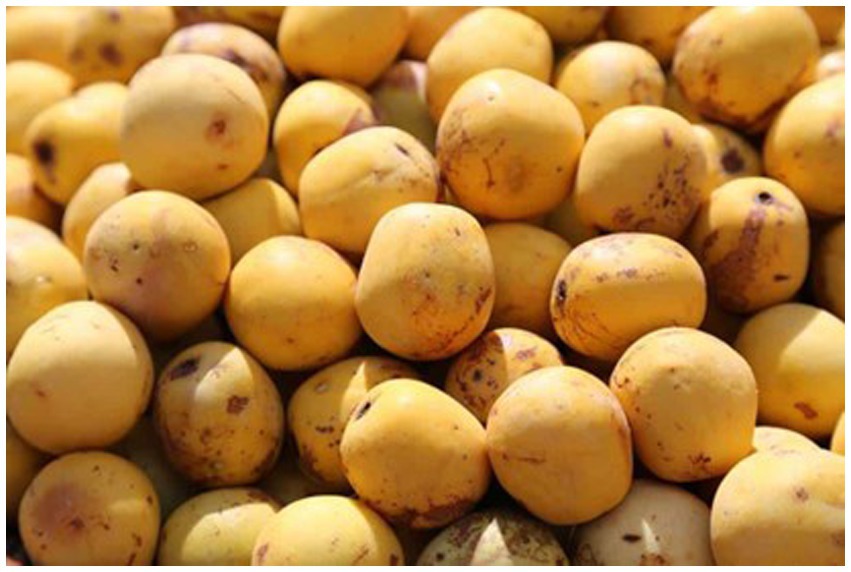
Figure 1. Ripe marula (Sclerocarya birrea) fruits (Bio Innovation Zimbabwe, 2023).
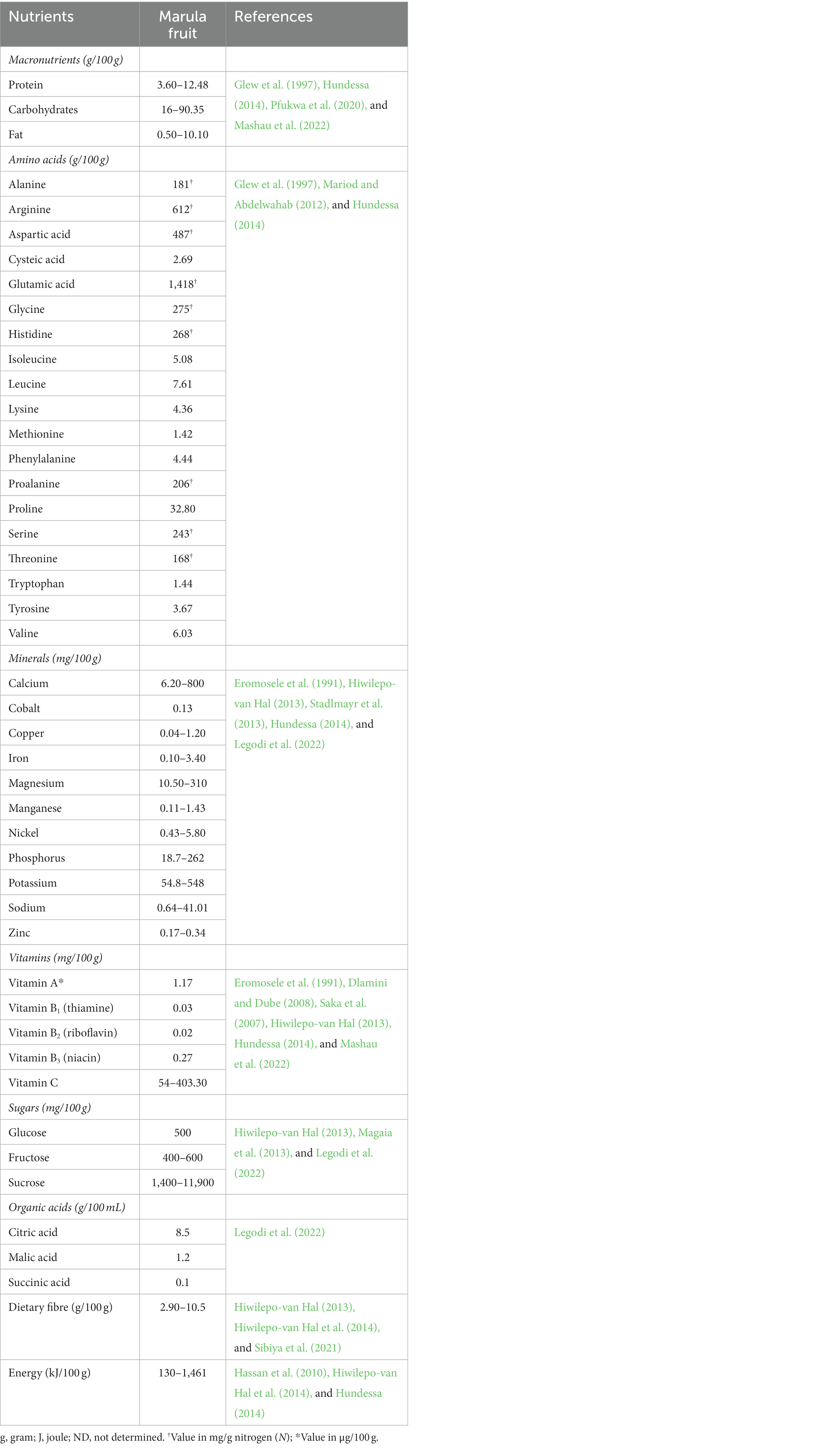
Table 1. The nutritional composition of the marula fruit.
The increasing demand for the marula fruit and kernels by commercial enterprises convinced tribal chiefs that their communities were trading away God’s free resource, tradition, livelihood, and crucial social capital (Wynberg et al., 2003; Shackleton, 2004). Other concerns included the risk of increased privatisation of what is currently a communal resource which would ultimately squeeze out rural fruit traders out of the supply chain (Philip, 2018). Nevertheless, the benefits outweigh the risks and would strengthen conservation, community management systems, and rural development (Philip, 2018). To date, commercialisation efforts have been minimal given the lack of a reliable supply of high-quality marula fruit (Mokgolodi et al., 2011; Suárez et al., 2012). Even so, recent reports have identified potential for growing the local and export market (ABS Compliant Biotrade in South(ern) Africa, 2023). Thus, the incorporation of wild fruit such as marula into intra-and-intercontinental agricultural systems is a practical approach to promoting and protecting agrobiodiversity (Akinola et al., 2020; Zanetti et al., 2020). Such systems require the development of sustainable value chains to facilitate value maximisation for stakeholders and consumers (Ghanbari et al., 2022).
The development of sustainable value chains requires the implantation of good manufacturing practices (GMPs) and standard operating procedures (SOPs) at each point of the value chain – sourcing and harvesting, sorting and quality control, processing, packaging and branding, distribution, sales and marketing, and monitoring. The use of an industrialised process has been previously attempted by the Mhala Development Centre (MDC) in partnership with the Foodtek division of the South African Council for Scientific and Industrial Research (CSIR; Philip, 2008; Mahlati, 2011). However, management, logistical, and financial constraints led to the abandonment of the operation (Mahlati, 2011). With the advent of Industry 4.0, many of the challenges can be circumvented with the use of appropriate technologies (Zambon et al., 2019; Javaid et al., 2022). Technologies such as machine learning (ML), blockchain, smart manufacturing, big data, radio frequency identification (RFID), and biotechnology have been applied to improve the quantity, quality, production, and distribution of fruits and fruit-based products (Ben Ayed et al., 2022). From this perspective, this review examines the potential challenges and benefits of expanding the production and consumption of marula products and identifies strategies for promoting sustainable practices and equitable distribution of benefits.
2 Theoretical framework
Online search engines (i.e., the University of Johannesburg All-Academic Search, Clarivate Web of Science, Google Scholar, Scopus, and CiteSeerx), together with direct website search were used to carry out the literature review search relevant to the production and consumption of the marula fruit. All the reviewed official documents explicitly focused on the marula fruit, the responsible use of the marula fruit, and sustainability practices in the production and consumption of marula fruit-based products. The following web searches were conducted in English using various keyword combinations:
• Object: “marula”; “marula fruit”; “marula production”; “marula consumption”; “marula fruit production”; “marula fruit consumption”; “marula fruit production AND consumption.”
• Adjective: “future”; “African”; “wild”; “responsible”; “sustainable.”
• Place: “Africa”; “South Africa”; “Botswana”; “Swaziland/Eswatini”; “Zimbabwe.”
The total number of sources matching the keywords was 837. Sources were excluded based on their ease of access, credibility, quality, and relevance. After exclusion, a total of 380 sources were consulted and used. Only 147 sources were referenced.
3 The significance of marula fruit in African communities
3.1 Socio-cultural importance of marula fruit
The marula fruit tree and other parts of the tree, such as the fruits, leaves and roots are a sacred and essential part of South African culture, spirituality, and societal function (Smith, 2017). Thus, locals often gather under the tree to perform a variety of rituals such as umsebenzi (Zulu ritual of slaughtering a goat or black bull), “lekgotlas” (meetings), and traditional tribal gatherings (Marula Natural Products, 2022; South African Tourism, 2022). For example, BaPedi (Northern Sotho people) believe that the tree must be dealt with in the way of the ancestors because it was given to the people by the spirits (Marula Natural Products, 2022). To the Zulus, the marula is known as “The Marriage Tree” often used in a cleansing ritual before marriage, with those who marry beneath its branches believed to enjoy vigour and fertility all their days (Myburgh, 2022; South African Tourism, 2022). Amongst the Venda, an infusion from the bark of the male tree is given to a woman desiring a baby boy or from the female tree if she desires a girl (Deane-Dinnis, 2021). In the Ndebele community, traditionally washing a family member with an infusion of marula leaves and roots is believed to protect them from the possession of malevolent spirits (Marula Natural Products, 2022). Tsonga traditional healers use the marula fruit stone in “bone” casting to divine the future or settle their clients’ maladies (Myburgh, 2022). In Zimbabwe, the integration of marula fruit use within society over a 10,000-year period is reflected by the piles of marula nuts found in caves in Matobo Hills (Shackleton, 2005; Arora, 2020). Over that period, an estimated 24 million marula fruits were consumed in Pomongwe Cave, Zimbabwe (Krugerpark, 2022).
Indeed, during the early part of the last century, marula fruit beer played an important role in many South African beliefs, rituals, ceremonies, and cultural traditions (Shackleton, 2004; Murye, 2017). One of the major ceremonial functions of marula fruit beer is its offering to ancestors during mphahlo (ancestral worship; Shackleton, 2002; Khosa, 2009). A pot of beer called “byala vutshila” together with other items is placed under the marula tree in which the ritual is performed (Khosa, 2009). These days, as a result of the influence of Christianity, this practice is only carried out by the elderly (Shackleton, 2002). The first marula fruit beer of the season was drunk during the First Fruit Ceremonies to thank the ancestors, celebrate and mark the beginning of the season of abundance (Shackleton and Shackleton, 2005). As part of the ceremonial rituals, a bull or goat is slaughtered under a specific marula tree considered an ancestral tree (Maluleke, 2019). The Zulu’s national First Fruits Ceremony involves “ingoma,” a special unifying song (Shackleton, 2002). According to Tsonga tradition, the First Fruits Ceremony entails women of the ‘capital’ collecting the marula fruit and brewing the beer, and men and warriors dressed in full battle array drinking the prepared beer (Shackleton, 2002). The first brew is presented to the village headman who then calls a celebration in which villagers come together to drink, chant, and dance (Luvhengo, 2015). Similarly, the Venda people make three marula fruit beer offerings to the traditional leadership at different stages of the fruiting season, one of which is produced from the first fruit fall (Mabogo, 1990).
In the Kingdom of Eswatini, the start of the marula season is celebrated with the annual “Buganu” festival. During the ceremony at Ebuhleni where the royal family joins the nation in song and dance, the King (Ngwenyama) and Queen Mother (Ndlovukati) are presented with marula fruit beer to share in the brew so that the season can be declared open (Murye and Pelser, 2018; The Kingdom of Eswatini, 2022). In South Africa, the First Fruits Ceremony is nationally celebrated through annual marula festivals across different provinces (Williams, 2020; Dlamini M, 2022). These festivals extravagantly showcase marula fruit beer brewers and allow them to share their traditionally brewed marula beverages with community members and event attendees (Sadike, 2022). To mark the end of the marula season, women gather at the chief’s kraal to present him with a calabash of marula fruit beer brew and sing special songs and praises known as “chembe” (Marula Natural Products, 2022). During this celebration, the drink is shared with everyone to instil a sense of belonging, oneness, and togetherness (Murye, 2017). Drinking marula beer is also a cultural and social practice that has long been a crucial component of the local culture (Shackleton, 2002). These ceremonial gatherings strengthen the mutual connections and responsibilities among community members and play a crucial role in establishing and upholding social support networks (Shackleton, 2004). Beyond its role in ritual and ceremonial systems, the marula fruit holds profound cultural significance within African traditional medicine (Philip, 2018). For instance, marula fruit skins are used in ointment preparations to heal burns (Department of Agriculture, Forestry and Fisheries, 2010b; Marula Natural Products, 2022).
3.2 Nutritional value and potential health benefits of the marula fruit
Wild fruits are an open-source supply of food that plays a crucial role in providing nourishment for one-sixth of the global population (Ghanbari et al., 2022). This has been the case for the marula fruit, she has remained a staple food source for rural communities, especially during times of drought and food scarcity (Department of Agriculture, Forestry and Fisheries, 2013). Similar to other indigenous wild fruits, the marula fruit is high in Vitamin C, amino acids, minerals, bioactive compounds, organic acids, antioxidants such as polyphenols, fibre, and sugar compounds (Dlamini and Dube, 2008; Hiwilepo-van Hal et al., 2014). Given the typical deficiencies in protein, amino acids, vitamins, minerals, and other essential nutrients that are found in many rural diets, consuming the marula fruit is a practical way to obtain these vital nutrients (Ngemakwe et al., 2017). For instance, fermented and unclarified marula fruit juice has been shown to contain moderate amounts of amino acids and protein which aid in supplementing the consumer’s protein intake (Dlamini and Dube, 2008; WhyAfrica, 2021). Amino acids are the building blocks of proteins, protein complexes, and other several important metabolites such as neurotransmitters (Rose, 2019).
Vitamins A, B1, B2, B3, and C present in the marula fruit protect against the formation of reactive oxygen species by promoting cell renewal (Vitamin A), healthy immune function (Vitamin C), energy production (Vitamin B), and mineral absorption (Vitamin C; Brancaccio et al., 2022). The marula fruit and its processed forms (i.e., beverages, jam) have over six times the Vitamin C content of oranges (Table 1; Hiwilepo-van Hal, 2013). As a result, the marula fruit satisfies the Vitamin C recommended dietary allowance (RDA) of 90 mg/day for adult men and 75 mg/day for adult women (Krinsky et al., 2000; National Institutes of Health, 2022). Minerals such as calcium, magnesium and potassium that occur in relatively higher concentrations in the marula fruit (Table 1) improve blood pressure levels and reduce coronary heart disease and stroke (Houston and Harper, 2008). The large amounts of phenolic compounds present in the marula fruit and its juices show high antioxidant activity (Mdluli and Owusu-Apenten, 2003; Mariod and Abdelwahab, 2012).
These compounds exhibit dual biological functions, acting as antioxidants at low concentrations and pro-oxidants at high concentrations (Mashau et al., 2022). Hillman et al. (2008) showed that marula fruit juice had a higher antioxidant capacity (141–440 mg/100 mL ascorbic acid equivalent) than orange (44–76 mg/100 mL ascorbic acid equivalent) and pomegranate (44–132 mg/100 mL ascorbic acid equivalent) juices. Healthy individuals who supplemented their diet with marula fruit juice were shown to experience lower levels of oxidative stress (Borochov-Neori et al., 2008). In the same study, an increase in serum high-density lipoprotein (HDL), and reductions in serum low-density lipoproteins (LDL) and 2,2′-Azobis(2-amidinopropane) dihydrochloride-induced oxidation was observed in the individuals who had consumed marula fruit juice for 3 weeks (Borochov-Neori et al., 2008). Interestingly, marula fruits are a good source of non-fermentative and fermentative yeasts (Gadaga et al., 1999). The fermentative yeasts are beneficial to the consumer since they increase the content and bioavailability of B-group vitamins (Dlamini and Dube, 2008).
3.3 The economic contribution of the marula fruit trade
Over the last few decades, the marula fruit trade has been an important economic vehicle in both informal and commercial markets (Philip, 2018). Across Southern Africa, the marula fruit trade has been one of the few options available to generate an income, especially for women and other vulnerable members of society (Shackleton, 2004). Commercial enterprises rely on local communities for the continued supply of fresh fruit for processing (Department of Water Affairs and Forestry, 2005). Final processed forms include curdling agents for milk, syrup, sweetener, flavouring agents, beverages (juice, wine, liqueur or beer), chutney, ointment, jam, vinegar, jelly, fertiliser, or sweets (Petje, 2008; Maluleke, 2019). In 2002, an estimated 2,200 tonnes of fruit were purchased from 364 traders by Mirma – a company which sourced the fruit from local villages and supplied it to Distell for further processing (Department of Water Affairs and Forestry, 2005). At a price of 0.25 ZAR/kg, the sale of the raw fruit generated over 500,000 ZAR for the local economy (Department of Water Affairs and Forestry, 2005). In the same year, Marula Natural Products (Pty) Ltd. (MNP), another commercial player apart from Distell, involved 2,400 participants from 42 villages in marula fruit trading activities.
Depending on the supplied volume, the average seasonal cash income generated ranged between 9 ZAR and 1,016 ZAR per household (Shackleton and Shackleton, 2005). In 2004, the Eswatini Ndlovukati (Queen Mother) established Swaziland Marula and Swazi Secrets, commercial processing plants to economically empower rural women involved in marula harvesting and processing (Murye and Pelser, 2018). Swazi Secrets has produced a range of natural skin care products such as marula oil-based soaps, and body lotions (Redvers, 2012). However, the consumer market in southern Africa is underdeveloped and will require substantial investment and development to scale up the sustainable processing of the fruit (El Mohamadi, 2019). Fortunately, a variety of marula fruit-based products are available commercially. Popular products are mostly alcoholic beverages such as Amarula Cream Liqueur, and Black Crown Premix Gin and Dry Lemon with Marula. Sold in over 150 countries, Amarula is the second best-selling cream liqueur in the world (Masango, 2007; South African Tourism, 2022). In 2019, 1 million units of 9 L cases of Amarula were sold worldwide (Conway, 2021). The success of these products highlights the economic potential of the marula fruit trade in stimulating rural development, creating employment opportunities, and accessing new export markets, including the benefit of technological advancement, industry innovation, small business development, social, environmental and financial sustainability (ABS Compliant Biotrade in South(ern) Africa, 2023).
4 Current marula fruit processing techniques and products in the market
4.1 Fermentation
The marula fruit is generally processed to produce the traditional marula fruit juice, beer, or intentionally renowned marula fruit liqueur (Figure 2; Simatende et al., 2015; Mabasa, 2018). Juice extraction and fermentation are the two basic phases in the artisanal production process (Shackleton, 2002). The commercial production of marula fruit alcoholic beverages, especially liqueur – Amarula applies a modified version of the artisanal production process. The basic commercial processing value chain involves fruit procurement, sorting and washing, destoning and pulping, juice extraction and clarification, pasteurisation, controlled fermentation, additives, botting and storage (Jøker and Erdey, 2003; Petje, 2008; Tsiko, 2018; Chauke, 2020). However, only the artisanal production process of the marula fruit, especially for beer production is well-documented and consistently similar throughout different demographics (Hiwilepo-van Hal, 2013; Badetswana et al., 2016; Phiri et al., 2022). Traditionally, a sharp object is used to cut open the skin, and each fruit is squeezed between the palms to extract the juice (Masarirambi et al., 2009; Leo, 2018). The juice is mixed with water, and the stirred mixture is allowed to spontaneously ferment at room temperature, usually 30–35°C for 24–72 h (Simatende et al., 2015). The spontaneous fermentation of marula fruit juice involves a symbiotic relationship between bacteria and yeasts (Phiri, 2018). The bacteria provide a favourable acidic environment for yeast proliferation and the yeast produces nutritional factors such as amino acids and vitamins that contribute to the growth of bacteria (Faria-Oliveira et al., 2015). Probiotics such as lactic acid bacteria (LAB) and acetic acid bacteria (AAB) dominate the spontaneous fermentation of marula fruit beer (Molelekoa et al., 2018).
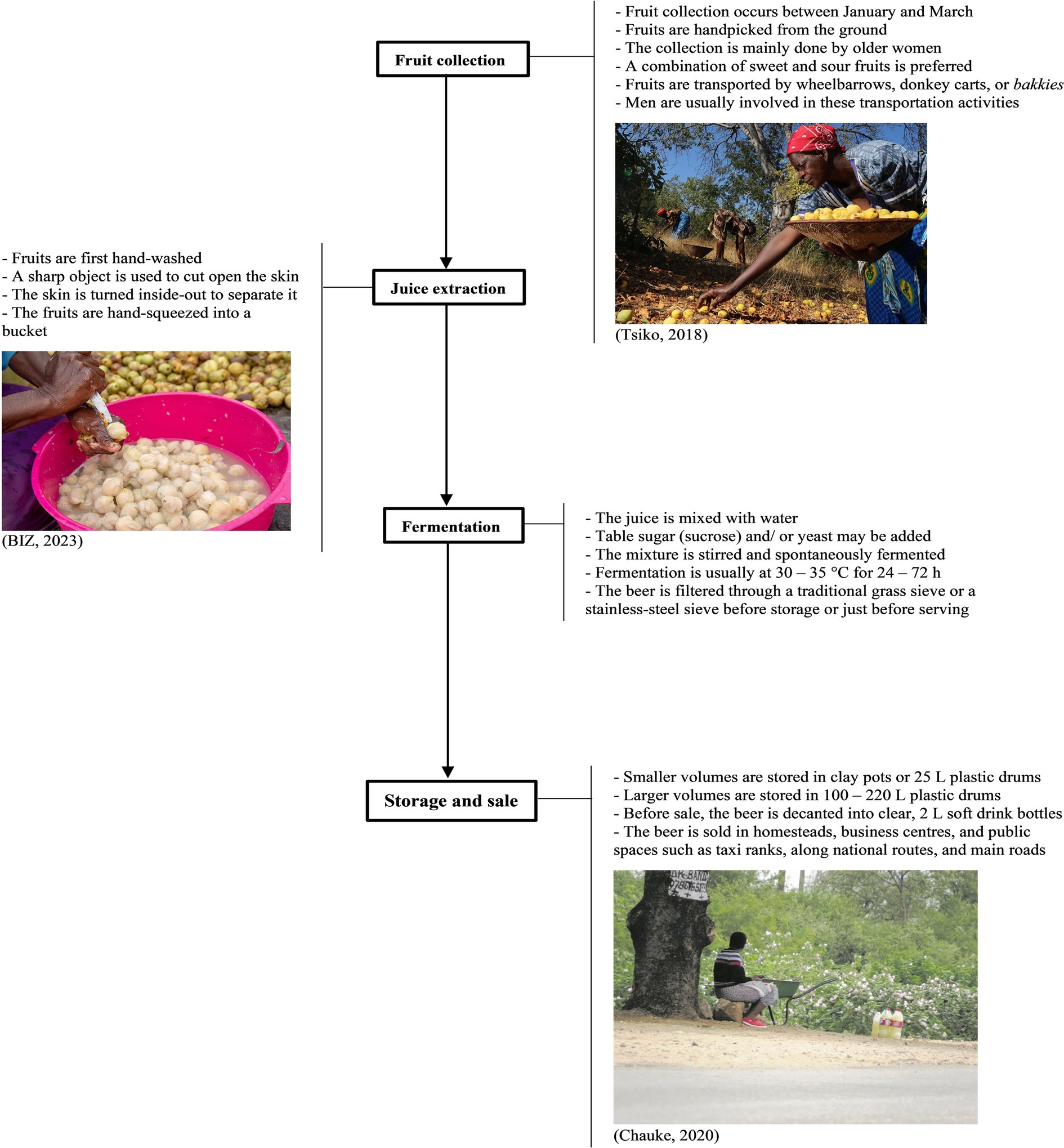
Figure 2. The general artisanal production process of spontaneously fermented marula fruit beer.
4.2 Cold-pressing
The edible marula fruit kernels which remain after the production of beverage products are a rich source of high-protein oil (Molelekoa et al., 2018). The oil is suitable as a base for cosmetic formulations, aromatherapy, meat preservation, cooking, frying, and baking (Kamanula et al., 2022). In rural areas, women hand-crack the nut in a process known as “decortication,” and the kernels are manually pressed through a pressing machine to produce the oil (Department of Agriculture, Forestry and Fisheries, 2010b). Industrially, cold-pressing – a mechanical extraction process that involves applying pressure without the use of heat or chemicals, is used to extract marula fruit oil (Taseski, 2015). This technique ensures that the marula oil is highly pure and retains its natural properties and bioactive compounds, especially sterols, tocopherols/tocotrienols, and fatty acids making it highly desirable for cosmetic and culinary purposes (Marula Natural Products, 2022). Once the fruit ‘stone’ has been separated from the fruit skin and the mesocarp, the kernels are carefully extracted from the shells, cleaned and dried to remove any residual moisture (Hall et al., 2002). Thereafter, the dried kernels are placed in a mechanical press, which exerts pressure to extract the oil (Marula Natural Products, 2022). At a low temperature, the pressure (350–450 bar) is applied to rupture the cell walls of the kernels and release the oil trapped inside (Taseski, 2015). The extracted oil is then collected and filtered to remove any impurities or solid particles to ensure that the oil is clear, pure, and ready for use (Hundessa, 2014). In the early 2000s, the MDC relied on simple pressing and filtration techniques that did not involve the use of solvents for oil extraction and light refining to ensure the oil was suitable for cosmetic applications (The Mail and Guardian, 2001).
4.3 Marula fruit products in the informal and commercial markets
For many decades, every part of the marula fruit has been processed into a variety of products (Wickens, 1995; Bille et al., 2013). The fruit skins have been processed into alternative products such as vinegar, “achar,” fertiliser, ointment, and glue (Table 2; Department of Agriculture, Forestry and Fisheries, 2010b; Marula Natural Products, 2022). However, these products have never been developed into commercial products and still remain artisanal (Wynberg et al., 2002; Ndlovu, 2016). Conversely, the fruit flesh and kernel have been used in the development of products which have been sold in informal and commercial markets (Table 2; Murye, 2017). To date, the artisanal marula fruit beer is sold throughout the season in homesteads, business centres, and public spaces such as taxi ranks, along national routes and main roads (Shackleton, 2005; Department of Agriculture, Forestry and Fisheries, 2010b). The commercial version, a colourfully branded and bottled ‘Vukanyi’ beer was once produced and targeted towards Lowveld tourist lodges (Mahlati, 2011; Philip, 2018). Similarly, ‘Marulam’ was a popular marula fruit wine produced and marketed in Zambia (Leakey, 1999). Another commercial marula beer named “Afreeka” was introduced to the United Kingdom in 1997 (Leakey, 1999).
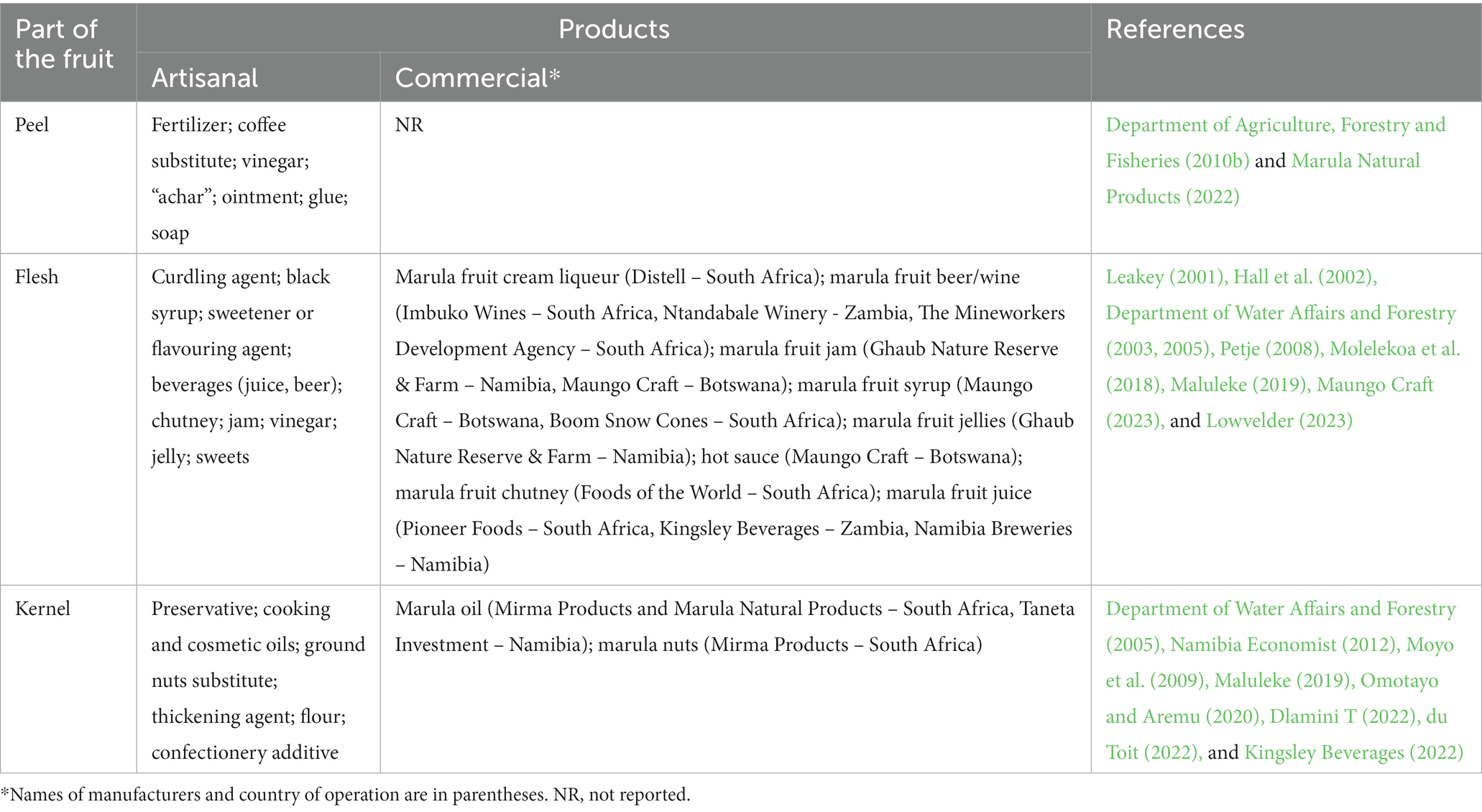
Table 2. Artisanal and commercial marula fruit products derived from different parts of the fruit.
Pomüla is a blend of white wine and fruit extracts produced by a Western Cape province-based winery, Imbuko Wines (Table 2). The wine is produced through fermentation of blended pomegranate and marula juice (Lowvelder, 2023). In Zambia, Kingsley Beverages produces and distributes, “Best Malt Marula” a non-alcoholic marula-flavoured malt drink (Kingsley Beverages, 2022). Similarly, Namibia Breweries has introduced “Vigo,” a non-alcoholic sparking soft drink made from malted barley and marula fruit to the consumer market (Namibia Economist, 2012). Relatedly, 5,000 tonnes of marula fruit were processed into marula fruit juice (Table 2; National Research Council, 2008). A vitamin-enhanced marula-flavoured juice was released in the United States market in 2000 (Hundessa, 2014). In 1987, approximately 2,000 tonnes of marula fruit were processed into liqueur (Petje, 2008). Since its launch in 1983, the cream liqueur, Amarula, Distell’s largest and longest-standing commercial marula enterprise, has had significant success (Manson, 2012; Hundessa, 2014). Sold in over 150 countries, Amarula is the second best-selling cream liqueur in the world (Table 2; Masango, 2007; South African Tourism, 2022).
Maungo Craft – a Botswana-based company has a range of innovative products including ‘Roasted Chillie Garlic & Marula Hot Sauce’, ‘Smoked Marula, Chillie & Ginger Jam’, ‘Marula Lemon and Vanilla Jam’, and ‘Marula and Rose Syrup (Table 2). These products were exported to the USA on multiple occasions throughout 2022, resulting in sales of approximately 100,000 BWP (136,872,10 ZAR; Trade Forward Southern Africa, 2023). In 2003, Foods of the World (African Farm) was processing and exporting cases of 250 g bottles of marula fruit chutney to the UK Market (Table 2; Department of Water Affairs and Forestry, 2003). Marula Natural Products (MNP) produced 4 tonnes of marula fruit oil in 2001 and generated an income of 451,885 ZAR from national and international markets (Department of Water Affairs and Forestry, 2005). Eudafano Women’s Co-operative (EWC) based in Namibia exports marula fruit oil to companies in Africa, Europe, and the USA such as The Body Shop International for cosmetics formulations and skin care products (Kangandjo, 2016). Between 2009 and 2014 the export volume for marula oil increased from 3,419 kg to 9,880 kg (Southern African Customs Union, 2022). By 2016, the production of marula fruit oil had an annual increase of 8 tonnes to over 12 tonnes (Kangandjo, 2016). The EWC also manufactures its own marula fruit oil products, including ‘Plain Eudafano Marula Oil’ and ‘Nutty Eudafano Marula Oil’ (Kangandjo, 2016).
5 Challenges for sustainable production and commercialisation of marula fruit
5.1 Restrictions on marula fruit harvest
Harvesting marula fruits for sale purposes in many parts of South Africa is a cultural taboo (Shackleton et al., 2002; Tapiwa, 2019). As a result, communities fear the possibility of trading away tradition, livelihood, culture, and crucial social capital (Wynberg et al., 2003; Shackleton, 2004). Other risks included reduced use of the resource as part of subsistence, reduced reciprocity associated with the free exchange of marula products, and increased privatisation of what is currently a communal resource (Philip, 2018). One tribal chief was quoted saying, “Then you want to introduce death in our communities, because marula is God’s given fruit and you cannot trade it,” when the buying of fruit was proposed (Philip, 2018). Thus, the harvesting process is subject to following customary laws set by the local chieftaincy (Tapiwa, 2019). One customary law states that “…the tree must harvest itself,” meaning that the fruits must first fall to the ground before harvesting can commence (Hall et al., 2002; Wynberg and Laird, 2007). Fruits that are harvested from the tree are rejected to promote sustainability (Department of Agriculture, Forestry and Fisheries, 2010b). The fruits used by locals are mainly from wild trees, private fields, or communal lands surrounding the villages (Shackleton, 2004). However, harvesting from communal lands is restricted when a tree is damaged or located in a privately owned yard or field (Wynberg and Laird, 2007). Perhaps these harvesting restrictions are crucial in parts of the world where wild fruits are at risk of overexploitation and extinction (Peters, 2016; Wessels et al., 2021).
5.2 Reliable and high-quality marula fruit supply
Obtaining a reliable supply of high-quality marula fruit is a major barrier to the commercialisation of marula fruit products. The fruiting period is relatively short (usually a maximum of 3 months) and may unpredictably occur during December – February, January – March, or April – June depending on the location or climatic conditions (Nerd and Mizrahi, 2000; Hall, 2002). As a result, the quantity and quality of ripe fruits vary greatly in each fruiting season (Mokgolodi et al., 2011). Specifically, producers have difficulty obtaining fruits with the same degree of ripeness, firmness, and circumference (Suárez et al., 2012; Hiwilepo-van Hal, 2013). Combined with the lack of storage temperature control, the high concentration of glucose, fructose, and sucrose supports the growth and proliferation of spoilage microorganisms (Table 1; Hiwilepo-van Hal, 2013; Magaia et al., 2013). Microorganisms such as L. lactis which have been identified on the skins of ripe marula fruits are transferred into the marula fruit juice during the extraction process and use these sugars for growth (Bille et al., 2013; Maluleke, 2019). This comprises the already short shelf-life, quality and overall safety of the fruit (Department of Water Affairs and Forestry, 2005). For example, as the fruit ripens, there’s a significant decrease in chlorophyll, and an upsurge in carbon dioxide and ethylene production (Emongor and Tautsagae, 2016).
At high concentrations, ethylene leads to accelerated ripening, excessive softening of the fruit, browning and discolouration, and the degradation of important nutritional compounds, especially Vitamin C and antioxidants compounds (Jung and Watkins, 2011; Mariah et al., 2022). An upsurge in carbon dioxide can result in off-flavours, the loss of desirable aromas, reduced overall fruit quality, accelerated softening fruit decay, browning, and total antioxidant capacity (Sun et al., 2012; Krupa and Tomala, 2021). Over-ripe marula fruits due to poor handling practices such as proper fruit assortment have also been associated with repulsive odours, and the subsequent attraction of Drosophila (common fruit flies; Fundira et al., 2002; Mansourian et al., 2018). This constraint has remained unresolved since the marula fruit has limited potential for cold storage and fresh marketing as with apples (Department of Water Affairs and Forestry, 2005). As a result, compliant and certified finished marula products cannot be approved and marketed in international markets (ABS Compliant Biotrade in South(ern) Africa, 2023). Namupa Nengola, chief executive officer of Taneta Investment has expressed this challenge for marula fruit oil production: “Certification is a major challenge in our operations and we have to adhere to set standards as demanded by our customers” (Angula, 2021). Maungo Craft has managed to attain a HACCP certification, product testing and digital marketing collateral through business support of The Natural Products Association of Botswana (NPAB), enabling the company to tap into international markets (Trade Forward Southern Africa, 2023).
5.3 Market access and growth
The local market for processed wild fruits such as marula is extremely small, although there is a potential for growing the local and export market (Department of Water Affairs and Forestry, 2005; ABS Compliant Biotrade in South(ern) Africa, 2023). This has been a consequence of several factors, including poor cultivation of the fruit (harvesting is from wild-growing trees), low local demand for marula fruits and products, a limited number of commercial processors especially for wild fruits such as marula, poor marketing of marula fruit-based products, logistical complications, and competition from cheap exotic fruits such as apples and oranges, and reliance on communities to collect and supply fruits to commercial and retail operations (Department of Water Affairs and Forestry, 2005). Furthermore, the private sector faced its unique hurdles; quantifying the scale of the resource, unclear ownership relations between stakeholders, and accessing marula fruits through tribal authority structures and communities (which are highly dispersed and follow specific practices; Philip, 2018). These risks, together with costs associated with long lead time have sabotaged the commercialisation process by significantly limiting the scope for new entrants to capture the gains from financially investing in the market (National Research Council, 2008; Philip, 2018). Without an established supply chain and the assurance that a consistent supply of the resource will be available, the private sector has shown no to little interest in growing the marula fruit trade market (Philip, 2018).
6 Maximising sustainable opportunities for marula fruit production and trade
6.1 Emerging consumer trends for sustainably sourced wild fruits
The fruit industry is a thriving and rapidly expanding sector in the food market (Zanetti et al., 2020). Specifically, global demand for wild fruits has increased over the last two decades (Alexander et al., 2011). This has been attributed to global efforts to support biodiversity and indigenous ecosystems, consumer demand for natural and sustainably sourced foods (e.g., connection to nature, and reduced carbon footprint), the exotic appeal and unique flavour sensations of wild fruits, and their nutritional versatility, making them highly marketable as superfoods (Greene et al., 2000; Ghanbari et al., 2022). In Botswana, the marula fruit, including other wild fruits such as Kalahari melon is processed into healthy snacks, marketed, and distributed to hotels, safari lodges, airlines, and supermarkets to capitalise on the country’s growing tourism industry (Mabaya et al., 2014). For instance, Air Botswana offers “Marula Stix” and “Marula Nuggets” on flights, promoting local cuisine and providing passengers with a taste of authentic African flavours (Nkile, 2014). As with fruits supplied to Distell for liqueur production, these fruits are sustainably sourced by community groups of trained harvesters in local villages (Mabaya et al., 2014). This is in line with growing awareness around ethical harvesting, given consumer concerns about the socioeconomic impact of wild fruit use, especially compensation to local communities, and equitable trade practices (Ghanbari et al., 2022; Pereira et al., 2022). Presently, consumers actively look for certification labels on food products to verify that harvesting is environmentally sustainable (Grunert et al., 2014). Certification schemes such as Fairtrade, Rainforest Alliance, or USDA Organic provide assurance that agricultural produce such as fruits were sourced sustainably (Pinto et al., 2014).
6.2 Developing value chains and distribution networks for marula fruit and products
Creating a structured system to effectively move the fruit from the source to the end consumer will maximise the value of the fruit and create opportunities for harvesters, processors, and consumers alike (Ghanbari et al., 2022). Clear links between sourcing and harvesting, sorting and quality control, processing, packaging and branding, distribution, sales and marketing, and monitoring must be established. Reliable sourcing and supply of the fruit to industrial processors have been possible in several areas around Limpopo province, which provides a reproducible blueprint for other provinces (Philip, 2018). Standard operating procedures and quality control measures should be implemented to maintain consistency on factors such as fruit size, degree of ripeness, and freedom from damage or diseases. This will require establishing processing facilities and employing processing techniques that are carefully designed to preserve the nutritional value and flavour of the fruit (Bille et al., 2013; Ndlovu, 2016). Once the marula fruit is processed, products should be packaged in attractive and convenient formats for distribution. To this end, developing a strong brand identity through product endorsement, trade shows, and social media engagement, and labelling the products with relevant information, such as nutritional content and certification details will establish trust with consumers (Hlangwani et al., 2023). Thereafter, setting up an efficient distribution network will be crucial in ensuring that marula fruit products reach their intended markets promptly. Hence, there is a need to establish partnerships with distributors, retailers and speciality stores, wholesalers, and e-commerce platforms in order to access the targeted consumer market (Hlangwani et al., 2023). Lastly, regular monitoring of the value chain, from sourcing to distribution, will be essential in identifying areas to improve to ensure that quality standards are maintained (ABS Compliant Biotrade in South(ern) Africa, 2023). Feedback from consumers, distributors, and other stakeholders will thus be useful in providing valuable insights for refining the value chain and addressing any issues that arise (Hassoun et al., 2022).
6.3 Technology and innovation for sustainable marula fruit trade and product development
The survival, sustainability and market success of wild fruits depend on technological innovation (Valoppi et al., 2021). This is true for the marula fruit which has largely remained an underutilised communal resource (Omotayo and Aremu, 2020). From this view, this has been a missed opportunity for a resource with a lot of potential for use in value-added products. Thus, appropriate technologies and innovative approaches must be applied to enhance the fruit’s characteristics and subsequent marula fruit products (Mashau et al., 2022). Previously, attempts to characterise different genotypes to facilitate the commercial planting of marula fruit orchards for consumption and industrial processing have been made in South Africa, Namibia, and Israel (Nerd and Mizrahi, 2000; Leakey et al., 2005). Marula fruit clones with superior horticultural parameters and nutritive constituents have been successfully domesticated in the arid Negev region of Israel (Hillman et al., 2008). However, grafting was not successful at the first attempt in South Africa (Moganedi et al., 2007). This demonstrates the practicality and importance of precision when applying biotechnological techniques and genetic engineering to improve the quality of the fruit. Machine learning (ML) techniques such as image processing and ML vision algorithms are proving to be useful in conducting the time-consuming task of manually sorting and examining fruit (Africa et al., 2020). Thus, a similar approach can be used to estimate the size, shape and colour (i.e., the degree of ripeness) of marula fruit before processing.
Central to such an operation is the integration of big data, smart factory analytics, Internet of Things (IoT) components, and RFID (Wang et al., 2016). These technologies have been shown to improve the availability, safety, quality, traceability, and consumer preferences of a variety of food products (Hlangwani and Doorsamy, 2023). With regard to cosmetic products such as marula fruit-based soap and body oil, Marula Zimbabwe and the Zvishavane Water Project have used hydraulic oil-pressing machines to ensure consistent product quality throughout the production process (SEED, 2011). While there has been some concerted effort towards product development, little effort has been put towards successful branding, marketing, sale and distribution of marula fruit-based products (Hlangwani et al., 2023). Digital technologies such as e-commerce platforms and blockchain have been shown to be effective tools for marketing, sales, distribution, and supply chain management and thus form a critical component of a new drive towards innovative sustainable marula fruit trade (Treiblmaier and Sillaber, 2021). For instance, in South Africa, e-commerce platforms such as “Takealot.com” have boosted the large-scale marketing, sales, and distribution of Amarula Cream Liqueur and Black Crown Premix Gin and Dry Lemon with Marula (Browdie, 2021).
7 Conclusion
The marula fruit holds immense cultural, nutritional, and socioeconomic value for the tribes residing in the North-Eastern savanna regions of South Africa. Its versatile nature has made it a valuable resource for centuries. While this review provided snapshots of the potential to produce and commercialise value-added marula-fruit products, a few challenges such as obtaining high-quality fruit remain. Thus, expanding the production and consumption of marula products requires a comprehensive approach that addresses these challenges and promotes sustainable practices and equitable distribution of benefits. By harnessing the potential of technology and establishing robust value chains, the marula industry can thrive while preserving its cultural, socioeconomic and ecological significance. Ultimately, the successful integration of marula fruit into agricultural systems can contribute to the conservation of biodiversity, enhance rural livelihoods, and foster economic development in the region.
Author contributions
EH: Conceptualization, Funding acquisition, Visualization, Writing – original draft. PH: Writing – review & editing. KM: Writing – review & editing. BD: Funding acquisition, Project administration, Supervision, Writing – review & editing.
Funding
The author(s) declare financial support was received for the research, authorship, and/or publication of this article. The authors wish to acknowledge the financial support of the National Research Foundation.
Conflict of interest
The authors declare that the research was conducted in the absence of any commercial or financial relationships that could be construed as a potential conflict of interest.
Publisher’s note
All claims expressed in this article are solely those of the authors and do not necessarily represent those of their affiliated organizations, or those of the publisher, the editors and the reviewers. Any product that may be evaluated in this article, or claim that may be made by its manufacturer, is not guaranteed or endorsed by the publisher.
References
ABS Compliant Biotrade in South(ern) Africa. (2023). Marula (Sclerocarya birrea subsp. caffra). Available at: https://www.abs-biotrade.info/value-chains/marula/ (Accessed April 23, 2023].
Africa, A. D. M., Tabalan, A. R. V., and Tan, M. A. A. (2020). Ripe fruit detection and classification using machine learning. Int. J. Emerg. Trends Eng. Res. 8, 1845–1849. doi: 10.30534/ijeter/2020/60852020
Akinola, R., Pereira, L. M., Mabhaudhi, T., De Bruin, F. M., and Rusch, L. (2020). A review of indigenous food crops in Africa and the implications for more sustainable and healthy food systems. Sustainability 12:3493. doi: 10.3390/su12083493
Alexander, S., Oswalt, S. N., and Emery, M. R. (2011). Nontimber Forest Products in the United States: Montreal Process Indicators as Measures of Current Conditions and Sustainability (pp. 1–36). US Department of Agriculture, Forest Service, Pacific northwest Research Station: Corvallis, USA. Available at: https://www.fs.usda.gov/pnw/pubs/pnw_gtr851.pdf (Accessed May 22, 2023).
Angula, V. (2021). Namibia: Family business Commercialising the Marula Fruit. Available at: https://www.howwemadeitinafrica.com/namibia-family-business-commercialising-the-marula-fruit/125026/ (Accessed November 16, 2023).
Arora, M. (2020). Eudafano women’s cooperative and marula tree: from local use to international recognition and benefit sharing. Int. J. Integr. Law Rev. 1:62.
Awodoyin, R. O., Olubode, O. S., Ogbu, J. U., Balogun, R. B., Nwawuisi, J. U., and Orji, K. O. (2015). Indigenous fruit trees of tropical Africa: status, opportunity for development and biodiversity management. Agric. Sci. 6, 31–41. doi: 10.4236/as.2015.61004
Badetswana, R., Mogorosi, L. D., and Shokane, A. L. (2016). The preparation and economic value of indigenous Mukumbi drink: an afro-sensed reflection. S. Afr. J. Folklore Stud. 26, 59–71.
Ben Ayed, R., Hanana, M., Ercisli, S., Karunakaran, R., Rebai, A., and Moreau, F. (2022). Integration of innovative technologies in the Agri-food sector: the fundamentals and practical case of DNA-based traceability of olives from fruit to oil. Plan. Theory 11:123. doi: 10.3390/plants11091230
Bharucha, Z., and Pretty, J. (2010). The roles and values of wild foods in agricultural systems. Philos. Trans. R. Soc. B 365, 2913–2926. doi: 10.1098/rstb.2010.0123
Bille, P. G., Shikongo-Nambabi, M., and Cheikhyoussef, A. (2013). Value addition and processed products of three indigenous fruits in Namibia. Afr. J. Food Agric. Nutr. Dev. 13, 7192–7212. doi: 10.18697/ajfand.56.11495
Bio Innovation Zimbabwe. (2023). Marula (Sclerocarya birrea). Available at: https://www.bio-innovation.org/marula-sclerocarya-birrea/ (Accessed June 06, 2023).
Borochov-Neori, H., Judeinstein, S., Greenberg, A., Fuhrman, B., Attias, J., Volkova, N., et al. (2008). Phenolic antioxidants and antiatherogenic effects of Marula (Sclerocarrya birrea Subsp. caffra) fruit juice in healthy humans. J. Agric. Food Chem. 56, 9884–9891. doi: 10.1021/jf801467m
Brancaccio, M., Mennitti, C., Cesaro, A., Fimiani, F., Vano, M., Gargiulo, B., et al. (2022). The biological role of vitamins in athletes’ muscle, heart and microbiota. Int. J. Environ. Res. Public Health 19:1249. doi: 10.3390/ijerph19031249
Browdie, B. (2021). Online Shopping is Taking Hold in Mall-Loving South Africa. Available at: https://qz.com/africa/2001584/takealot-is-a-winner-in-south-africas-online-shopping-growth (Accessed November 12, 2023).
Chauke, O. (2020). Vaaki va Vuyeriwa hi Swakudya swa Xintu. Available at: https://www.nthavela.co.za/2020/04/20/vaaki-va-vuyeriwa-hi-swakudya-swa-xintu/ (Accessed March 23, 2022).
Conway, J. (2021). Amarula Liqueur's Global Sales Volume 2009–2019. Available at: https://www.statista.com/statistics/308846/amarula-liqueur-global-sales-volume/#statisticContainer (Accessed October 29, 2022).
Deane-Dinnis, J. (2021). The Marula Tree. Available at: https://celebratesouthernafrica.com/the-marula-tree/ (Accessed June 12, 2022).
Department of Agriculture, Forestry and Fisheries (2010a). Marula. Available at: https://www.nda.agric.za/docs/Brochures/Amarula_1.pdf [Accessed 10 March 2022].
Department of Agriculture, Forestry and Fisheries (2010b). Marula Production Guideline. Department of Agriculture, Forestry and Fisheries: Pretoria, South Africa (pp. 1–9. Available at: https://www.dalrrd.gov.za/Portals/0/Brochures%20and%20Production%20guidelines/Production%20Guidelines%20Marula.pdf (Accessed March 15, 2022).
Department of Agriculture, Forestry and Fisheries. (2013). Production of Marula (Sclerocarya birrea) Seedlings. Available at: https://www.dalrrd.gov.za/Portals/0/Brochures%20and%20Production%20guidelines/Brochure%20Marula%202013.pdf (Accessed June 12, 2022).
Department of Water Affairs and Forestry (2003). Processing and Trade in Indigenous Fruits – A Sector Analysis Department of Water Affairs and Forestry: Pretoria, South Africa, (pp. 1–2). Available at: https://www.dalrrd.gov.za/phocadownloadpap/General_Reports/FED_SummaryReport_FruitsAug2003.pdf (Accessed November 16, 2023).
Department of Water Affairs and Forestry. (2005). Processing and Trade in Indigenous Fruits. Department of Water Affairs and Forestry: Pretoria, South Africa. (pp. 1–2). Available at: https://www.dffe.gov.za/sites/default/files/reports/briefing7processingtrade_indigenousfruits.pdf (Accessed April 23, 2023).
Dlamini, M. (2022). Taneta Pioneers Marula Oil Cosmetics. Available at: https://namibian.com.na/taneta-pioneers-marula-oil-cosmetics/ (Accessed November 16, 2023).
Dlamini, T. (2022). uMthayi Marula Festival Marks the Relaunch of the East Three Route Expedition Project. Available at: https://www.iol.co.za/dailynews/news/kwazulu-natal/umthayi-marula-festival-marks-the-relaunch-of-the-east-three-route-expedition-project-44c1cc96-eee3-4466-a244-9eb3c360dea8 (Accessed March 22, 2022).
Dlamini, N. R., and Dube, S. (2008). Studies on the physico-chemical, nutritional and microbiological changes during the traditional preparation of Marula wine in Gwanda, Zimbabwe. Nutr. Food Sci. 38, 61–69. doi: 10.1108/00346650810848025
du Toit, M. (2022). Rediscovering the Importance of Marula Fruit in Namibia. Available at: https://www.farmersweekly.co.za/crops/fruit-and-nuts/rediscovering-the-importance-of-marula-fruit-in-namibia/ (Accessed November 16, 2023).
El Mohamadi, A. (2019). Report on the First Regional Workshop on a Marula Sector Development Plan (pp. 3–23). United Nations Conference on Trade and Development: Geneva, Switzerland. Available at: https://unctad.org/system/files/official-document/ditc-ted-05052020-BioTradeSSC-Marula-report.pdf (Accessed October 28, 2022).
Emongor, V. E., and Tautsagae, A. (2016). Effect of storage temperature on postharvest quality, ripening and marketability of Marula fruits (Sclerocarya birrea subsp. caffra). Br. J. Appl. Sci. Technol. 14, 1–12. doi: 10.9734/BJAST/2016/23513
Eromosele, I. C., Eromosele, C. O., and Kuzhkuzha, D. M. (1991). Evaluation of mineral elements and ascorbic acid contents in fruits of some wild plants. Plant Foods Hum. Nutr. 41, 151–154. doi: 10.1007/BF02194083
Faria-Oliveira, F., Diniz, R. H., Godoy-Santos, F., Piló, F. B., Mezadri, H., Castro, I. M., et al. (2015). “The role of yeast and lactic acid bacteria in the production of fermented Beverages in South America” in Food Production and Industry. ed. A. H. A. Eissa (IntechOpen: London, United Kingdom), 108–135.
Fundira, M., Blom, M., Pretorius, I. S., and Van Rensburg, P. (2002). Selection of yeast starter culture strains for the production of Marula fruit wines and distillates. J. Agric. Food Chem. 50, 1535–1542. doi: 10.1021/jf0111514
Gadaga, T. H., Mutukumira, A. N., Narvhus, J. A., and Feresu, S. B. (1999). A review of traditional fermented foods and beverages of Zimbabwe. Int. J. Food Microbiol. 53: 1–11.
Ghanbari, S., Weiss, G., Liu, J., Eastin, I., Fathizadeh, O., and Moradi, G. (2022). Potentials and opportunities of wild edible forest fruits for rural household’s economy in Arasbaran. Iran. Forests 13:453. doi: 10.3390/f13030453
Glew, R. H., VanderJagt, D. J., Lockett, C., Grivetti, L. E., Smith, G. C., Pastuszyn, A., et al. (1997). Amino acid, fatty acid, and mineral composition of 24 indigenous plants of Burkina Faso. J. Food Compos. Anal. 10, 205–217. doi: 10.1006/jfca.1997.0539
Greene, S. M., Hammett, A. L., and Kant, S. (2000). Non-timber forest products marketing systems and market players in Southwest Virginia: crafts, medicinal and herbal, and specialty wood products. J. Sustain. For. 11, 19–39. doi: 10.1300/J091v11n03_02
Grunert, K. G., Hieke, S., and Wills, J. (2014). Sustainability labels on food products: consumer motivation, understanding and use. Food Policy 44, 177–189. doi: 10.1016/j.foodpol.2013.12.001
Hall, J. B. (2002). Sclerocarya birrea (a. rich.) Hochst. Available at: http://www.prota4u.org/search.Asp (Accessed June 08, 2022).
Hall, J. B., OBrien, E. M., and Sinclair, F. L. (2002). Sclerocarya birrea: A Monograph pp. 1–122. University of Wales: Cardiff, Wales. Available at: https://assets.publishing.service.gov.uk/media/57a08d44e5274a27b200173f/R7227sclerocarya_monograph.pdf (Accessed July 07, 2022).
Hassan, L. G., Dangoggo, S. M., Hassan, S. W., Muhammad, S., and Umar, K. J. (2010). Nutritional and antinutritional composition of Sclerocarya birrea fruit juice. Niger. J. Basic Appl. Sci. 18, 222–228. doi: 10.4314/njbas.v18i2.64319
Hassoun, A., Cropotova, J., Trif, M., Rusu, A. V., Bobiş, O., Nayik, G. A., et al. (2022). Consumer acceptance of new food trends resulting from the fourth industrial revolution technologies: a narrative review of literature and future perspectives. Front. Nutr. 9:972154. doi: 10.3389/fnut.2022.972154
Hillman, Z., Mizrahi, Y., and Beit-Yannai, E. (2008). Evaluation of valuable nutrients in selected genotypes of Marula (Sclerocarya birrea ssp. caffra). Sci. Hortic. 117, 321–328. doi: 10.1016/j.scienta.2008.05.008
Hiwilepo-van Hal, P. (2013). Processing of Marula (Sclerocarya birrea subsp. caffra) Fruits: A Case Study on Health-Promoting Compounds in Marula Pulp. (Dissertation – Wageningen University: Gelderland, Netherlands). Available at: https://edepot.Wur.Nl/278188 (Accessed April 05, 2022).
Hiwilepo-van Hal, P., Bille, P. G., Verkerk, R., van Boekel, M. A., and Dekker, M. (2014). A review of the proximate composition and nutritional value of Marula (Sclerocarya birrea subsp. caffra). Phytochem. Rev. 13, 881–892. doi: 10.1007/s11101-014-9352-6
Hlangwani, E., Adebiyi, J. A., Doorsamy, W., and Adebo, O. A. (2023). “Marketing practices to promote indigenous fermented alcoholic Beverages in the tropics” in Indigenous Fermented Foods for the Tropics. eds. O. A. Adebo, C. E. Chinma, A. O. Obadina, A. Soares, S. Panda, and R. Gan (Massachusetts, USA: Academic Press), 577–593.
Hlangwani, E., and Doorsamy, W. (2023). “Data-driven innovation and 4th industrial revolution concepts for the development and improvement of fermented foods” in Indigenous Fermented Foods for the Tropics. eds. O. A. Adebo, C. E. Chinma, A. O. Obadina, A. Soares, S. Panda, and R. Gan (Massachusetts, USA: Academic Press), 393–408.
Houston, M. C., and Harper, K. J. (2008). Potassium, magnesium, and calcium: their role in both the cause and treatment of hypertension. J. Clin. Hypertens. 10, 3–11. doi: 10.1111/j.1751-7176.2008.08575.x
Hundessa, G. (2014). Extraction, Optimization and Characterization of Ethiopian Marula (Sclerocarya birrea) and zigba (Podocarpus falcatus) oils thesis – Addis Ababa University: Addis Ababa, Ethiopia. Available at: http://etd.aau.edu.et/bitstream/handle/123456789/8833/Gadissa%20Hundessa.pdf?sequence=1&isAllowed=y (Accessed July 25, 2022).
Javaid, M., Haleem, A., Singh, R. P., and Suman, R. (2022). Enhancing smart farming through the applications of agriculture 4.0 technologies. Int. J. Intell. Netw. 3, 150–164. doi: 10.1016/j.ijin.2022.09.004
Jøker, D., and Erdey, D. (2003). Sclerocarya birrea (a. rich.) Hochst. Available at: https://sl.ku.dk/rapporter/seed-leaflets/filer/sclerocarya-birrea-72-int.pdf (Accessed June 05, 2023).
Jung, S. K., and Watkins, C. B. (2011). Involvement of ethylene in browning development of controlled atmosphere-stored ‘empire’ apple fruit. Postharvest Biol. Technol. 59, 219–226. doi: 10.1016/j.postharvbio.2010.08.019
Kamanula, M., Yangontha Munthali, C., and Finias Kamanula, J. (2022). Yield and physicochemical properties of Marula (Sclerocarya birrea) seed oils among nine international provenances tested in Malawi. Int. J. Agron. 2022, 1–8. doi: 10.1155/2022/7145113
Kangandjo, M. K. (2016). Breaking New Ground for Biodiversity-Based Products. Presentation, United Nations Conference on Trade and Development: Nairobi, Kenya. Available at: https://www.tralac.org/images/News/Documents/UNCTAD14_Nairobi/UNCTAD14%20Breaking%20new%20ground%20for%20biodiversity-based%20products%20Presentation%20by%20Martha%20K%20Kangandjo%2019%20July%202016.pdf (Accessed November 16, 2023).
Khosa, M. A. (2009). Symbolism in Xitsonga Cultural Ritual Ceremonies. Thesis – (University of Limpopo: Limpopo, South Africa). Available at: http://ulspace.Ul.Ac.Za/bitstream/handle/10386/374/RESEARCH.Pdf?Sequence=1 (Accessed June 07, 2022).
Khumalo, G. P. (2018). An Inventory of the Most Popular Medicinal Barks Sold on Johannesburg Muthi Markets and the Antimicrobial Activity of Selected Extracts and Isolated Chemical Compounds. Thesis – (University of Johannesburg: Gauteng, South Africa). Available at: https://ujcontent.uj.ac.za/vital/access/services/Download/uj:31804/SOURCE1 (Accessed July 13, 2022).
Kingsley Beverages. (2022). Our Brands - BestMalt. Available at: https://kingsleybeverages.com/za2/best-malt/ (Accessed August 07, 2023).
Krinsky, N. I., Beecher, G. R., Burk, R. F., Chan, A. C., Erdman, J. J., Jacob, R. A., et al. (2000). Dietary Reference Intakes for Vitamin C, Vitamin E, Selenium, and Carotenoids. 95–101. National Academy Press: Washington, D.C., USA. Available at: https://www.ncbi.nlm.nih.gov/books/NBK225483/pdf/Bookshelf_NBK225483.pdf (Accessed March 17, 2022).
Krugerpark (2022). Marula Tree. Available at: https://www.krugerpark.co.za/africa_marula.html (Accessed March 14, 2022).
Krupa, T., and Tomala, K. (2021). Effect of oxygen and carbon dioxide concentration on the quality of minikiwi fruits after storage. Agronomy 11:2251. doi: 10.3390/agronomy11112251
Leakey, R. R. (1999). Potential for novel food products from agroforestry trees: a review. Food Chem. 6: 1–14.
Leakey, R. R. B. (2001). Win:win landuse strategies for Africa: 2. Capturing economic and environmental benefits with multistrata agroforests. Int. For. Rev. 3, 11–18.
Leakey, R. R. B., Shackleton, S., and Plessis, P. D. (2005). Domestication potential of Marula (Sclerocarya birrea subsp caffra) in South Africa and Namibia: 1. Phenotypic variation in fruit traits. Agrofor. Syst. 64, 25–35. doi: 10.1007/s10457-005-2419-z
Leakey, R. R. B., Tientcheu Avana, M. L., Awazi, N. P., Assogbadjo, A. E., Mabhaudhi, T., Hendre, P. S., et al. (2022). The future of food: domestication and commercialization of indigenous food crops in Africa over the third decade (2012–2021). Sustainability 14:2355. doi: 10.3390/su14042355
Legodi, L. M., Lekganyane, M. A., and Moganedi, K. L. M. (2022). Morula tree: from fruit to wine through spontaneous fermentation and the potential of deriving other value-added products. PRO 10:1706. doi: 10.3390/pr10091706
Leo, S. (2018). Marula Fruit Beer: A Great Tradition in South Africa. Available at: https://random-times.com/2018/09/17/marula-beer-a-great-tradition-in-south-africa/ (Accessed June 05, 2023).
Lowvelder. (2023). Imbuko Wines Introduce Pomüla, A Craft Wine Spritzer. Available at: https://lowvelder.co.za/811553/imbuko-wines-introduce-pomula-a-craft-wine-spritzer/ (Accessed August 07, 2023).
Luvhengo, N. (2015). Chief Tastes the 1st Marula Beer. Available at: https://reviewonline.co.za/363464/chief-tastes-the-1st-marula-beer/ (Accessed October 06, 2022).
Mabasa, M. A. (2018). Impact of Socio-Cultural Practices on Substance Abuse Amongst the Rural Youth: Towards the Development of a School-Based Intervention Programme. Dissertation – (University of Limpopo: Limpopo, South Africa). Available at: http://ulspace.ul.ac.za/bitstream/handle/10386/2391/mabasa_ma_2018.pdf?sequence=1&isAllowed=y (Accessed June 05, 2023).
Mabaya, E., Jackson, J., Ruethling, G., Carter, C. M., and Castle, J. (2014). Wild fruits of Africa: commercializing natural products to improve rural livelihoods in southern Africa. Int. Food Agribus. Manag. Rev. 17, 69–74. doi: 10.22004/ag.econ.179492
Mabogo, D. E. N. (1990). The Ethnobotany of the VhaVenda Thesis – University of Pretoria: Gauteng, South Africa). Available at: https://repository.up.ac.za/bitstream/handle/2263/28881/Complete.pdf?sequence=6&isAllowed=y (Accessed October 05, 2022).
Magaia, T., Uamusse, A., Sjöholm, I., and Skog, K. (2013). Proximate analysis of five wild fruits of Mozambique. Sci. World J. 2013:6. doi: 10.1155/2013/601435
Mahlati, V. F. (2011). Establishing Viable and Sustainable Rural Economic Development Programmes in a Competitive Global Economy: Analysis of Marula Commercialisation in South Africa Dissertation – Stellenbosch University: Western Cape, South Africa). Available at: http://scholar.sun.ac.za/bitstream/handle/10019.1/18068/mahlati_establishing_2011.pdf?sequence=1&isAllowed=y (Accessed November 01, 2022).
Maluleke, E. (2019). Characterisation of the Microorganisms and Determination of the Chemical Constituents of Marula Brews during Fermentation. Thesis. – (University of Limpopo: Limpopo, South Africa). Available at: http://ulspace.ul.ac.za/bitstream/handle/10386/3067/maluleke_e_2019.pdf?sequence=1&isAllowed=y (Accessed June 07, 2022).
Manson, H. (2012). Amarula – The Elephant in the Global Liqueur Cabinet. Available at: https://www.marklives.com/2012/10/amarula-the-elephant-in-the-global-liqueur-cabinet/ (Accessed October 29, 2022).
Mansourian, S., Enjin, A., Jirle, E. V., Ramesh, V., Rehermann, G., Becher, P. G., et al. (2018). Wild African Drosophila melanogaster are seasonal specialists on Marula fruit. Curr. Biol. 28, 3960–3968.e3. doi: 10.1016/j.cub.2018.10.033
Mariah, M. A. A., Vonnie, J. M., Erna, K. H., Nur’Aqilah, N. M., Huda, N., Abdul Wahab, R., et al. (2022). The emergence and impact of ethylene scavengers techniques in delaying the ripening of fruits and vegetables. Membranes 12:117. doi: 10.3390/membranes12020117
Mariod, A. A., and Abdelwahab, S. I. (2012). Sclerocarya birrea (Marula), an African tree of nutritional and medicinal uses: a review. Food Rev. Intl. 28, 375–388. doi: 10.1080/87559129.2012.660716
Maroyi, A. (2022). Traditional uses of wild and tended plants in maintaining ecosystem services in agricultural landscapes of the eastern Cape Province in South Africa. J. Ethnobiol. Ethnomed. 18:17. doi: 10.1186/s13002-022-00512-0
Marula Natural Products. (2022). Marula Legends. Available at: http://www.marula.org.za/legends.htm (Accessed March 22, 2022).
Masango, G. (2007). Amarula Gunning for Top Spot. Available at: https://www.news24.com/fin24/amarula-gunning-for-top-spot-20070404 (Accessed October 29, 2022).
Masarirambi, M. T., Mhazo, N., Dlamini, A. M., and Mutukumira, A. N. (2009). Common indigenous fermented foods and beverages produced in Swaziland: a review. J. Food Sci. Technol. 53, 1–11. doi: 10.1016/S0168-1605(99)00154-3
Mashau, M. E., Kgatla, T. E., Makhado, M. V., Mikasi, M. S., and Ramashia, S. E. (2022). Nutritional composition, polyphenolic compounds and biological activities of Marula fruit (Sclerocarya birrea) with its potential food applications: a review. Int. J. Food Prop. 25, 1549–1575. doi: 10.1080/10942912.2022.2064491
Maungo Craft. (2023). “We Put Culture in a Bottle”. Available at: https://maungocraft.com/our-products/ (Accessed November 16, 2023).
Mdluli, K. M., and Owusu-Apenten, R. (2003). Enzymatic browning in Marula fruit 1: effect of endogenous antioxidants on Marula fruit polyphenol oxidase. J. Food Biochem. 27, 67–82. doi: 10.1111/j.1745-4514.2003.tb00267.x
Moganedi, K. L. M., Colpaert, N., Breyne, P., Sibara, M. M., and Goyvaerts, E. M. A. (2007). Determination of genetic stability of grafted Marula trees using AFLP markers. Sci. Hortic. 111, 293–299. doi: 10.1016/j.scienta.2006.10.026
Mokgolodi, N. C., Ding, Y. F., Setshogo, M. P., Ma, C., and Liu, Y. J. (2011). The importance of an indigenous tree to southern African communities with specific relevance to its domestication and commercialization: a case of the Marula tree. For. Stud. China 13, 36–44. doi: 10.1007/s11632-011-0110-1
Molelekoa, T. B., Regnier, T., da Silva, L. S., and Augustyn, W. A. (2018). Potential of Marula (Sclerocarya birrea subsp. caffra) waste for the production of vinegar through surface and submerged fermentation. S. Afr. J. Sci. 114, 1–6. doi: 10.17159/sajs.2018/4874
Moyo, M., Kulkarni, M. G., Finnie, J. F., and Van Staden, J. (2009). After-ripening, light conditions, and cold stratification influence germination of Marula [Sclerocarya birrea (a. rich.) Hochst. Subsp. caffra (Sond.) Kokwaro] seeds. HortScience 44, 119–124. doi: 10.21273/HORTSCI.44.1.119
Murye, A. F. (2017). Environmental and socio-economic sustainability of Marula harvesting in the Lubombo region, Swaziland. Dissertation. – University of the Free State: Free State, South Africa Available at: https://scholar.ufs.ac.za/bitstream/handle/11660/6910/MuryeAF.pdf?sequence=1&isAllowed=y (Accessed June 07, 2022).
Murye, A. F., and Pelser, A. J. (2018). “Commercial harvesting of Marula (Sclerocarya Birrea) in Swaziland: a quest for sustainability” in Selected Studies in Biodiversity. eds. B. Şen and O. Grillo (IntechOpen: London, United Kingdom), 303–317.
Myburgh, T. (2022). The Most Fascinating Tree in the South African Lowveld. Available at: https://www.bushwise.co.za/blog/fascinating-tree-south-african-lowveld/ (Accessed June 15, 2022).
Namibia Economist. (2012). Breweries Launches New Soft Drink. Available at: https://economist.com.na/1616/general-news/breweries-launches-new-soft-drink/ (Accessed August 08, 2023).
National Institutes of Health. (2022). Vitamin C: Fact Sheet for Health Professionals. Available at: https://ods.od.nih.gov/factsheets/VitaminC-HealthProfessional/ (Accessed March 17, 2022).
National Research Council (2008). Lost Crops of Africa: Volume III: Fruits (pp.117–132). The National Academies Press: Washington, D.C., USA.
Ndlovu, P. F. (2016). The Development of Indigenous Marula (Sclerocarya birrea) Fruit Leather: Effect of Drying Temperature and Sugar Concentration on the Drying Characteristics, Physico-Chemical and Consumer Sensory Properties of Marula Fruit Leathers. Thesis. – University of KwaZulu-Natal: KwaZulu-Natal, South Africa. Available at: https://ukzn-dspace.Ukzn.Ac.Za/bitstream/handle/10413/15190/Ndlovu_Phindile_F_2016.Pdf?Sequence=1&isAllowed=y (Accessed May 24, 2023).
Nemapare, P., Gadaga, T. H., and Mugadza, D. T. (2023). Edible indigenous fruits in Zimbabwe: a review on the post-harvest handling, processing, and commercial value. Cogent Soc. Sci. 9:2229686. doi: 10.1080/23311886.2023.2229686
Nerd, A., and Mizrahi, Y. (2000). Introduction of Marula, an unexploited fruit tree from southern Africa, to the Israeli Negev. Israel J. Plant Sci. 48, 217–222. doi: 10.1560/NLBC-PV9F-QCK8-BHB9
Ngemakwe, P. N., Remize, F., Thaoge, M. L., and Sivakumar, D. (2017). Phytochemical and nutritional properties of underutilised fruits in the southern African region. S. Afr. J. Bot. 113, 137–149. doi: 10.1016/j.sajb.2017.08.006
Nkile, K. (2014). Natural Resources Create Employment. Available at: https://dailynews.gov.bw/news-detail/10784 (Accessed May 22, 2025).
Nwonwu, F. O. (2006). The socio-economic and economic relevance of the Marula tree and its sustainable use in South Africa. Africa Insight 36, 249–265. doi: 10.4314/ai.v36i3.22490
Omotayo, A. O., and Aremu, A. O. (2020). Underutilized African indigenous fruit trees and food–nutrition security: opportunities, challenges, and prospects. Food Energy Secur. 9:e220. doi: 10.1002/fes3.220
Pereira, L. M., Kushitor, S. B., Cramer, C., Drimie, S., Isaacs, M., Malgas, R., et al. (2022). Leveraging the potential of wild food for healthy, sustainable, and equitable local food systems: learning from a transformation lab in the Western cape region. Sustain. Sci. 2, 1–20. doi: 10.1007/s11625-022-01182-3
Petje, K. F. (2008). Determination of Fruit Yield and Fruit Quality in Marula (Sclerocarya birrea subsp. caffra) selections. Thesis. – University of Pretoria: Gauteng, South Africa. Available at: https://www.abs-biotrade.info/fileadmin/Downloads/Value_Chains/Marula/Dissertation-fruit-yield-and-quality-Marula-2008.pdf (Accessed April 08, 2022).
Pfukwa, T. M., Chikwanha, O. C., Katiyatiya, C. L., Fawole, O. A., Manley, M., and Mapiye, C. (2020). Southern African indigenous fruits and their byproducts: prospects as food antioxidants. J. Funct. Foods 75:104220. doi: 10.1016/j.jff.2020.104220
Philip, T. K. (2008). Catalysing Market Development. WIReDSpace, 232-257. Available at: http://wiredspace.Wits.Ac.Za/bitstream/handle/10539/5690/PhilipTK_9.%20Catalysing%20Market%20Development.Pdf?Sequence=3&isAllowed=y (Accessed October 31, 2022).
Philip, K. (2018). “Marula: product innovation and value chains” in Markets on the Margins: Mineworkers, Job Creation and Enterprise Development. ed. K. Philip (Boydell & Brewer: Martlesham, United Kingdom), 164–184.
Phiri, A. (2018). Microbial and chemical dynamics during marula fermentation. Dissertation – University of Limpopo: Limpopo, South Africa. Available at: https://ulspace.ul.ac.za/bitstream/handle/10386/2462/phiri_a_2018.pdf?sequence=1\u0026amp;isAllowed=y (Accessed July 12, 2022).
Phiri, A., La Grange, D., and Moganedi, K. (2022). Microbial and chemical dynamics during Marula wine fermentation. Beverages 8:50. doi: 10.3390/beverages8030050
Pinto, L. F. G., Gardner, T., McDermott, C. L., and Ayub, K. O. L. (2014). Group certification supports an increase in the diversity of sustainable agriculture network–rainforest alliance certified coffee producers in Brazil. Ecol. Econ. 107, 59–64. doi: 10.1016/j.ecolecon.2014.08.006
Redvers, L. (2012). Swazi Company Sows Kernel of Local Self-Sufficiency. Available at: https://mg.co.za/article/2012-07-05-swazi-company-sows-kernel-of-local-self-sufficiency/ (Accessed June 03, 2023).
Rose, A. J. (2019). Amino acid nutrition and metabolism in health and disease. Nutrients 11:2623. doi: 10.3390/nu11112623
Sadike, M. (2022). After Two Year Hiatus Limpopo Marula Festival to Take Place in Phalaborwa. Available: https://www.iol.co.za/pretoria-news/news/after-two-year-hiatus-limpopo-marula-festival-to-take-place-in-phalaborwa-f6271557-7fe0-4f42-8986-ca-8b7b14ae96 (Accessed March 22, 2022).
Saka, J. D. K., Kadzere, I., Ndabikunze, B. K., Akinnifesi, F. K., and Tiisekwa, B. P. M. (2007). “Product development: nutritional value, processing and utilization of indigenous fruits from the miombo ecosystem” in Indigenous Fruit Trees in the Tropics: Domesficafion, Ufilizafion and Commercializafion. eds. F. K. Akinnifesi, R. R. B. Leakey, O. C. Ajaui, G. Sileshi, Z. Tchoundjeu, and P. Matakala, et al. (Wallingford, United Kingdom: CAB International), 288–309.
Salami, S. O., Adegbaju, O. D., Idris, O. A., Jimoh, M. O., Olatunji, T. L., Omonona, S., et al. (2022). South African wild fruits and vegetables under a changing climate: the implications on health and economy. S. Afr. J. Bot. 145, 13–27. doi: 10.1016/j.sajb.2021.08.038
SEED. (2011). Enterprise Brief: Marula Zimbabwe. Available at: https://seed.uno/articles/enterprise-briefs/enterprise-brief-marula-zimbabwe (Accessed November 13, 2023).
Shackleton, S. (2002). The Informal Marula Fruit Beer Traders of Bushbuckridge, Limpopo Province, South Africa (pp. 1–20). Rhodes University: Grahamstown, South Africa. Available at: https://www.academia.edu/23597675/The_informal_marula_beer_traders_of_Bushbuckridge_Limpopo_Province_South_Africa (Accessed March 15, 2022).
Shackleton, S. (2004). Livelihood benefits from the local level commercialization of savanna resources: a case study of the new and expanding trade in Marula (Sclerocarya birrea) beer in Bushbuckridge, South Africa. S. Afr. J. Sci. 100, 651–657.
Shackleton, S. E. (2005). The significance of the local trade in natural resource products for livelihoods and poverty alleviation in South Africa. Dissertation. Rhodes University: Eastern Cape, South Africa. Available at: http://vital.seals.ac.za:8080/vital/access/manager/PdfViewer/vital:4776/SOURCEPDF?viewPdfInternal=1 (Accessed April 07, 2022).
Shackleton, S., and Shackleton, C. (2005). The contribution of Marula (Sclerocarya birrea) fruit and fruit products to rural livelihoods in the Bushbuckridge district, South Africa: balancing domestic needs and commercialisation. Forests Trees Livelihoods 15, 3–24. doi: 10.1080/14728028.2005.9752504
Shackleton, S. E., Shackleton, C. M., Cunningham, T., Lombard, C., Sullivan, C. A., and Netshiluvhi, T. R. (2002). Knowledge on Sclerocarya birrea subsp. caffra with emphasis on its importance as a non-timber forest product in south and southern Africa: a summary (part 1: taxonomy, ecology and role in rural livelihoods). South. Afr. For. J. 194, 27–41. doi: 10.1080/20702620.2002.10434589
Shai, K. N., Ncama, K., Ndhlovu, P. T., Struwig, M., and Aremu, A. O. (2020). An exploratory study on the diverse uses and benefits of locally-sourced fruit species in three villages of Mpumalanga Province, South Africa. Foods 9:1581. doi: 10.3390/foods9111581
Sibiya, N. P., Kayitesi, E., and Moteetee, A. N. (2021). Proximate analyses and amino acid composition of selected wild indigenous fruits of southern Africa. Plan. Theory 10:721. doi: 10.3390/plants10040721
Simatende, P., Gadaga, T. H., Nkambule, S. J., and Siwela, M. (2015). Methods of preparation of Swazi traditional fermented foods. J. Ethnic Foods 2, 119–125. doi: 10.1016/j.jef.2015.08.008
Simpson, M. G. (2019). “Diversity and classification of flowering plants: eudicots” in Plant Systematics. ed. G. S. Michael. 2nd ed (Massachusetts, USA: Academic Press), 285–466.
Smith, A. (2017). The Tree of Life. Available at: https://blog.londolozi.com/2017/02/11/the-tree-of-life/ (Accessed June 15, 2022).
South African Tourism. (2022). Amarula – Marula Tree Magic. Available at: https://www.southafrica.net/gl/en/travel/article/amarula-marula-tree-magic (Accessed June 15, 2022).
Southern African Customs Union. (2022). SACU Cosmetics and Essential Oils Value Chain Potential. Presentation, Southern African Customs Union: Windhoek, Namibia. Available at: https://www.sacu.int/docs/speeches/2022/SACU-Presentation-Cosmetics-and-Essential-oils-Investment-Roundtable.pdf (Accessed November 16, 2023).
Stadlmayr, B., Charrondiere, U. R., Eisenwagen, S., Jamnadass, R., and Kehlenbeck, K. (2013). Nutrient composition of selected indigenous fruits from sub-Saharan Africa. J. Sci. Food Agric. 93, 2627–2636. doi: 10.1002/jsfa.6196
Suárez, C. G., Beckett, K., Den Adel, S., and Buchwald-Werner, S. (2012). Investigation of the Marula fruit ripening process correlation between quality aspects and local knowledge of Marula fruit. Agro Food Ind. Hi Tech 23, 20–22.
Sun, P., Mantri, N., Lou, H., Hu, Y., Sun, D., Zhu, Y., et al. (2012). Effects of elevated CO2 and temperature on yield and fruit quality of strawberry (Fragaria × ananassa Duch.) at two levels of nitrogen application. PLoS One 7:e41000. doi: 10.1371/journal.pone.0041000
Tapiwa, K. A. (2019). Harvesting and utilization of Marula (Sclerocarya birrea) by smallholder farmers: a review. JOJ Wildl. Biodivers. 1:555562. doi: 10.19080/JOJWB.2019.01.555562
Taseski, N. (2015). Supercritical Fluid Extraction of Sclerocarya birrea Kernel Oil. Magister Scientiae – North-West University: Potchefstroom, South Africa). Available at: https://repository.nwu.ac.za/bitstream/handle/10394/15903/Taseski_N_2015.pdf?sequence=1&isAllowed=y (Accessed June 06, 2023).
The Kingdom of Eswatini (2022). Marula Festival. Available at: https://www.thekingdomofeswatini.com/eswatini-experiences/events/marula-festival/ (Accessed October 06, 2022).
The Mail and Guardian. (2001). Money for Marula. Available at: https://mg.co.za/article/2001-10-26-money-for-marula/ (Accessed November 16, 2023).
Trade Forward Southern Africa. (2023). Waste to Global Success: Maungo Craft’s Inspirational Journey of Transforming Indigenous Fruit Into Artisanal Delights. Available at: https://tfsouthernafrica.org/waste-to-global-success-maungo-crafts-inspirational-journey-of-transforming-indigenous-fruit-into-artisanal-delights/ (Accessed November 16, 2023).
Treiblmaier, H., and Sillaber, C. (2021). The impact of blockchain on e-commerce: a framework for salient research topics. Electron. Commer. Res. Appl. 48:101054. doi: 10.1016/j.elerap.2021.101054
Tsiko, S. (2018). Marula Trees Fight Poverty in Bulilima District. Available at: https://www.chronicle.co.zw/marula-trees-fight-poverty-in-bulilima-district/# (Accessed November 13, 2023).
Valoppi, F., Agustin, M., Abik, F., Morais de Carvalho, D., Sithole, J., Bhattarai, M., et al. (2021). Insight on current advances in food science and Technology for Feeding the world population. Front. Sustain. Food Syst. 5:626227. doi: 10.3389/fsufs.2021.626227
Wang, S., Wan, J., Li, D., and Zhang, C. (2016). Implementing smart factory of Industrie 4.0: an outlook. Int. J. Distr. Sensor Netw. 12:3159805. doi: 10.1155/2016/3159805
Wessels, C., Merow, C., and Trisos, C. H. (2021). Climate change risk to southern African wild food plants. Reg. Environ. Chang. 21, 1–14. doi: 10.1007/s10113-021-01755-5
WhyAfrica. (2021). Why Wild African Fruits Can Supplement Low Protein Staple Foods. Available at: https://www.whyafrica.co.za/why-wild-african-fruits-can-supplement-low-protein-staple-foods/ (Accessed March 18, 2022).
Wickens, G. E. (1995). Edible Nuts pp. 56–57. Food and Agriculture Organization of The United Nations: Rome, Italy. Available at: https://www.fao.org/3/v8929e/v8929e.pdf (Accessed March 14, 2022).
Williams, K. B. (2020). South Africa: Phalarborwa Set for Marula Festival. Available: https://voyagesafriq.com/2020/02/11/south-africa-phalarborwa-set-for-marula-festival/#:~:text=The%20Festival%20of%20The%20First.leaders%20have%20blessed%20the%20season (Accessed March 22, 2022).
Wynberg, R., Cribbins, J., Leakey, R., Lombard, C., Mander, M., Shackleton, S., et al. (2002). Knowledge on Sclerocarya birrea subsp. caffra with emphasis on its importance as a non-timber forest product in south and southern Africa: a summary (part 2: commercial use, tenure and policy, domestication, intellectual property rights and benefit-sharing). South. Afr. For. J. 196, 67–77. doi: 10.1080/20702620.2002.10434620
Wynberg, R. P., and Laird, S. A. (2007). Less is often more: governance of a non-timber forest product, Marula (Sclerocarya birrea subsp. caffra) in southern Africa. Int. For. Rev. 9, 475–490. doi: 10.1505/ifor.9.1.475
Wynberg, R. P., Laird, S. A., Shackleton, S., Mander, M., Shackleton, C., Du Plessis, P., et al. (2003). Marula commercialisation for sustainable and equitable livelihoods. Forests Trees Livelih. 13, 203–215. doi: 10.1080/14728028.2003.9752458
Zambon, I., Cecchini, M., Egidi, G., Saporito, M. G., and Colantoni, A. (2019). Revolution 4.0: industry vs. agriculture in a future development for SMEs. PRO 7:36. doi: 10.3390/pr7010036
Keywords: marula products, commercialization, sustainable production practices, fruit trade, health benefits
Citation: Hlangwani E, Hal PH-v, Moganedi KLM and Dlamini BC (2023) The future of African wild fruits – a drive towards responsible production and consumption of the marula fruit. Front. Sustain. Food Syst. 7:1294437. doi: 10.3389/fsufs.2023.1294437
Edited by:
Abdalbasit Adam Mariod, Jeddah University, Saudi ArabiaReviewed by:
Gustav Mahunu, University for Development Studies, GhanaCatherine Nkirote Kunyanga, University of Nairobi, Kenya
Copyright © 2023 Hlangwani, Hal, Moganedi and Dlamini. This is an open-access article distributed under the terms of the Creative Commons Attribution License (CC BY). The use, distribution or reproduction in other forums is permitted, provided the original author(s) and the copyright owner(s) are credited and that the original publication in this journal is cited, in accordance with accepted academic practice. No use, distribution or reproduction is permitted which does not comply with these terms.
*Correspondence: Bhekisisa C. Dlamini, YmNkbGFtaW5pQHVqLmFjLnph