 Yunus Temitayo Imam1,2*
 Emmanuel Anyachukwu Irondi1*
 Wasiu Awoyale3
 Emmanuel Oladipo Ajani1
 Emmanuel Oladeji Alamu4,5
- 1Department of Biochemistry, Kwara State University, Ilorin, Nigeria
- 2Department of Biochemistry, University of Abuja, Abuja, Nigeria
- 3Department of Food Science and Technology, Kwara State University, Ilorin, Nigeria
- 4Food and Nutrition Sciences Laboratory, International Institute of Tropical Agriculture, Oyo, Nigeria
- 5Food and Nutrition Sciences Laboratory, International Institute of Tropical Agriculture, Southern Africa, Research and Administration Hub (SARAH), Lusaka, Zambia
This study presents a review of the application of legumes in the formulation of gluten-free foods (GFFs), with emphasis on their functional, nutritional, and nutraceutical importance. Consumption of GFF and abstinence from gluten-containing foods are the only options for managing celiac disease and gluten intolerance. Its formulation has also increased due to the increasing desire for healthy food by consumers. Recently, legume crops, such as Phaseolus vulgaris (bean), Brachystegia eurycoma (bean pod), Detarium microcarpum (sweet detar), Cetatonia siliqua (carob fruit), Cicer arietinum (chickpea), Pisum sativum (pea), Lens culinaris (lentil), and Vigna subterranean (Bambara nut) have been used in the production of GFFs. They belong to the family Leguminosae (Fabaceae), grown for their high protein content, and are the most important crop after cereals. Using legume flours as ingredients in GFFs formulation provides functional, nutritional, and nutraceutical benefits. They enhance the functional properties of GFFs, including volume, crumb, texture, and sensory qualities. They also improve the GFFs’ nutritional properties, especially protein and dietary fiber, as well as their nutraceutical properties, such as laxative, anti-hyperglycemic, and antioxidant properties. Hence, adding legumes to GFF formulations might be a good way to enhance their functional, nutritional, and nutraceutical properties.
Introduction
The remedy for celiac disease (CD) is exclusive dependence on gluten-free foods (GFFs), while abstaining from the ingestion of gluten-containing foods, and this can also improve symptoms related to non-celiac wheat sensitivity (NCWS) (Abdi et al., 2023; Kreutz et al., 2023; Irondi et al., 2023a). CD is a health problem triggered by gluten ingestion in susceptible subjects. When ingested, gluten becomes an immunogenic-antigen that attacks the small bowel, causing a serological response (Calado and Machado, 2021). This subsequently results in this autoimmune disease or an immune-mediated systemic disorder called CD. Out of eight billion people globally, about eighty million, representing approximately 1% of the population, are CD patients (Enaud et al., 2022; Machado, 2023). Intestinal and extra-intestinal symptoms are usually used for the diagnosis of CD. These include abdominal pain, headache, skin rash, chronic fatigue, anemia, constipation or diarrhea, and joint pain (Lebwohl and Rubio-Tapia, 2021). Also, CD diagnosis can depend on specific serological tests, such as anti-deamidated gliadin peptide (IgG-DGP), anti-tissue transglutaminase (IgA-TG2), or anti-endomysial antibodies (IgA-EmA) (Lebwohl and Rubio-Tapia, 2021). However, CD can be confirmed histologically using enteropathy indices, consisting of intraepithelial lymphocytes increase, crypt hyperplasia, or villous atrophy observed in duodenal biopsies (Husby et al., 2020; Catassi et al., 2022). NCWS is another clinical disorder related to gluten. It can be induced by gluten-containing foods, such as wheat, resulting in extra-intestinal and gastrointestinal symptoms. However, unlike CD, the pathophysiology of NCWS is still unclear, and there is still a lack of specific diagnostic tests (Abdi et al., 2023).
For an effective treatment of CD, abstinence from gluten-containing foods remains the only available option (Enaud et al., 2022; Irondi et al., 2022; Machado, 2023). Apart from CD management, there are also reports on the increasing formulation of GFFs due to consumers’ desire for healthy foods, and the increasing incidence of other non-communicable diseases associated with nutrition (Parenti et al., 2020; Irondi et al., 2022; Ronie et al., 2023), as well as an increasing demand of GFFs by both celiac and non-celiac consumers (Messia et al., 2023). These have motivated scientists and food technologists to investigate a wide range of gluten-free ingredients to create GFFs with a network structure resembling that of gluten.
Nowadays, the attention of researchers has been directed to applying legumes as a novel ingredient or flour for GFFs formulation. The use of legumes may be due to their attributes, such as functional (water binding capacity and solubility) and nutritional properties, which are essential properties for the processing and formulation of GFFs (Foschia et al., 2017). Thus, this review focuses on the applications of legumes in GFFs formulation, emphasizing their functional, nutritional, and nutraceutical importance.
Gluten in the genetically susceptible subject: symptoms and resolution
Gluten is a protein complex found in cereals, including wheat, rye, spelt, and barley, as well as their hybridized strains (Fiori et al., 2022). In addition to these well-documented gluten-containing cereals, the Codex Alimentarius described oats as a gluten-containing cereal (Rai et al., 2018; Irondi et al., 2023a), but some reports classified them as a gluten-free cereal (El Khoury et al., 2018; Spector Cohen et al., 2019; Fajardo et al., 2020). The two types of gluten are gliadins, a monomeric alcohol-soluble protein, and glutenin, a multimeric acid-soluble protein (Stamnaes and Sollid, 2015; Burkhardt et al., 2018; Shevkani et al., 2024). In the baking process, gluten’s primary role is to render a viscoelastic property to the dough, which is majorly achieved by the action of gliadins (Johanan et al., 2018). However, the combined action of gliadin and glutenin of wheat is responsible for the gluten network formed under mechanical work in the presence of water (Rai et al., 2018). It is also responsible for proofing baked products and improving the quality of baked products (Skendi et al., 2021).
CD is among the most common human diseases induced by food. It is also called celiac sprue or gluten enteropathy (Catassi and Fasano, 2011). It is triggered by the consumption of gluten in genetically-susceptible subjects by an immune reaction, which results in enteropathy, malabsorption, and symptoms (Abdi et al., 2023). When not treated, it can progress to refractory celiac disease (RCD), as seen in about 0.5% of CD patients (Rowinski and Christensen, 2016). Likewise, it can result in RCD type 2 and, when associated with aberrant monoclonal T-cell infiltration, and can further progress to enteropathy-associated T-cell lymphoma (Green et al., 2022).
Apart from CD, other health concerns due to gluten ingestion include NCWS, of which classical villus atrophy and coeliac-specific antibodies are absent (Mansueto et al., 2014). The mechanisms of its symptoms (gastrointestinal and extra-intestinal symptoms, Table 1) are unknown, but there is neither enteropathy nor malabsorption (Abdi et al., 2023). In addition, the symptoms of NCWS can be triggered by different components in wheat, like amylase and trypsin inhibitors (Catassi et al., 2015) and fructans (Di Sabatino et al., 2015; Skodje et al., 2018). Furthermore, some of the symptoms induced by gluten (Table 1) have been reported by previous studies. However, some patients are asymptomatic, not presenting any non-specific and extra-intestinal symptoms (Leonard et al., 2017).

Table 1. Some symptoms of celiac disease and non-celiac wheat sensitivity.
Consuming a GFF and adhering to a rigorous lifelong diet free of gluten-containing foods is the only effective treatment for CD that can relieve the symptoms associated with gluten allergy, and help individuals with CD (Lamacchia et al., 2014; Rosell et al., 2014; Enaud et al., 2022). GFFs, as defined by the European Implementing Regulation (2014), are “food products with very low gluten content [21–100 parts per million (ppm)].” The intake of GFFs brings about complete symptom resolution (Kreutz et al., 2023), such as mucosal healing, which is seen in less than half of adult CD patients (Silvester et al., 2020). It has also been reported to improve clinical symptoms like nutritional value, body weight balance, and increased bone density (Kelly et al., 2015). However, the effectiveness of GFF can only be achieved when the patient complies (Hall et al., 2009). In addition, GFFs can improve metabolic control, disease, or manifestations associated with CD, when the patient adheres to its consumption. These include autoimmune diseases, dermatological manifestations, type 1 diabetes mellitus, Psoriasis, fatigue, headache, neuropsychiatric, gluten-induced cognitive impairment, etc. (Machado, 2023).
The formulation of GFFs is achieved with naturally occurring gluten-free staples, such as cereals, vegetables, fruits, pseudo-cereal, and legumes. Such a formulation should be able to substitute gluten-containing foods. Some GFFs are pasta, bread, cake, and biscuits (Fiori et al., 2022). The formulation of a high-quality GFF is a challenge to the food industry because of the lack of gluten, which gives visco-elastic properties to the dough (Mir et al., 2016). However, researchers have tried to overcome these challenges by formulating GFFs using different ingredients that mimic gluten’s visco-elastic properties (Mir et al., 2016; Filipcev et al., 2021; Irondi et al., 2023a). Some typical example of such ingredients mimicking gluten, including natural and modified food hydrocolloids, were presented in a recent review (Irondi et al., 2023a).
Nutritional properties of legumes
Legume crops are grown globally on a large scale and are primarily cultivated due to their excellent protein content; their mature seeds are a source of nutrients for both humans and animals (Affrifah et al., 2023). Aside from protein, they also provide substantial amounts of minerals, vitamins, dietary fibre, and carbohydrates, such as starch (Maphosa and Jideani, 2017; Barman et al., 2018; Clemente and Jimenez-Lopez, 2020). Legumes have albumins as a minor protein component and globulin as their main storage protein, but do not contain gluten (Popoola et al., 2023). Their protein content and amino acid profile are largely determined by the environment, commercial class/cultivator, and the use of fertilizer (Singh, 2017). They are rich in glutamic acid, aspartic acid, arginine, leucine, and lysine (Miñarro et al., 2012; Kumar et al., 2022), but are relatively low in sulfur-containing amino, such as cysteine, cystine, and methionine (Skendi et al., 2021). However, legumes provide a well-balanced essential amino acid profile, when consumed with cereals and other foods rich in tryptophan and sulphur-containing amino acids (Miñarro et al., 2012; Kumar et al., 2022). This emphasizes the complementarity of legumes and cereals in meeting human’s dietary protein requirement (Irondi et al., 2024). Relative to the protein concentration (on dry basis) in legumes (22–40%), protein concentrations are 4–20% in nuts, 8–18% in cereals, while that of tubers is less than 10%.
The carbohydrate content of legumes is low relative to cereals. However, they have excellent complex carbohydrates that exhibit prebiotic activities. These include resistant and slowly digestible starch, oligosaccharides, such as raffinose, and dietary fibers - soluble and insoluble fibers (Maphosa and Jideani, 2017). The main storage carbohydrate in legume grain is starch, comprising amylose and amylopectin (Punia et al., 2020). There are also important minerals in legumes, including iron, copper, calcium, potassium, zinc, phosphorus, magnesium, and selenium (Table 2). These minerals function as cofactors for various antioxidant enzymes; play fundamental roles in many cellular metabolic activities; and aid in the slowing down of aging naturally (Olatoye et al., 2023). Also, legumes have a low sodium content, which is nutritionally desirable, considering the recent recommendation to reduce dietary sodium intake (Höhn et al., 2017).
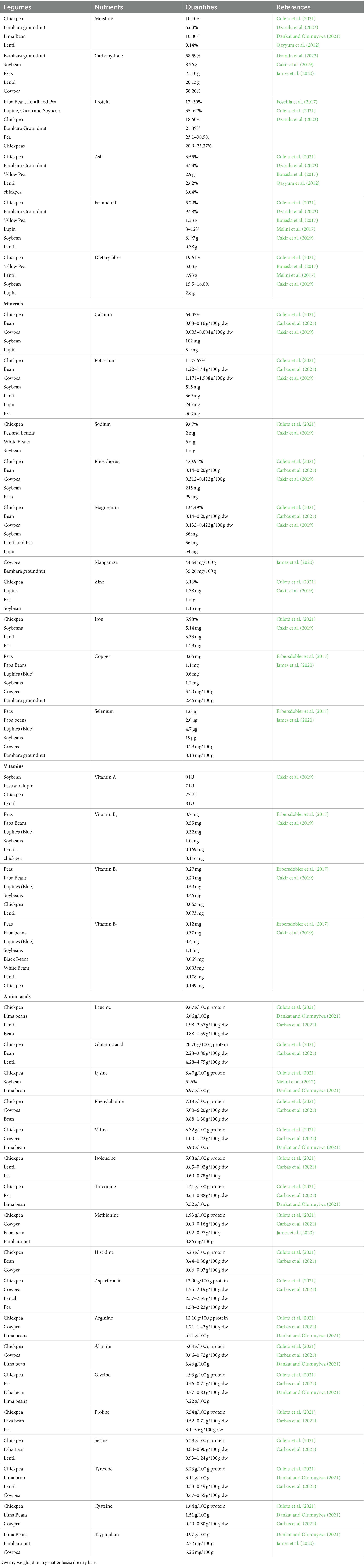
Table 2. Nutrient compositions of legumes.
Legumes also provide considerable amounts of B-complex vitamins, such as thiamin, riboflavin, and folate (Table 2), but are relatively low in vitamin C and fat-soluble vitamins (Maphosa and Jideani, 2017). In addition, legumes are low in fat and do not contain cholesterols (Maphosa and Jideani, 2017; Popoola et al., 2023). The total lipid contents of legumes vary based on location, soil type, variety, field production conditions, and origin (Tiwari and Singh, 2012).
The overall nutritional value of legumes has attracted an increasing interest globally due to the increasing demand for healthy food (Popoola et al., 2023). Thus, they are a suitable option to replace animal protein, addressing environmental and consumers’ health-related concerns (Siddiq et al., 2022; Uebersax et al., 2022). For example, legume proteins would be more appropriate for consumers susceptible to health concerns, such as lactose intolerance (Vanga and Raghavan, 2018; Aydar et al., 2020). Other diet-related chronic diseases, such as cancer, cardiovascular disease, diabetes mellitus and obesity, have also led to an increased preference for legumes (Rebello et al., 2014; Dhillon et al., 2016; Marventano et al., 2017; Didinger and Thompson, 2021). These health benefits of legume seeds have been attributed to bioactive compounds (Clemente and Jimenez-Lopez, 2020).
Anti-nutritional compounds of legume
Despite the nutritional benefits of legumes discussed above, the consumption and utilization of legumes can be limited by the presence of several antinutritional compounds (ANCs), such as lectins, tannins, raffinose, phytic acid, trypsin inhibitors, and saponins (Kumar et al., 2010; Carbonaro et al., 2015; Yacout, 2016; Boukid et al., 2019). ANCs can generally be categorized in different ways, based on their physical characteristic, specific action, chemical structure, and biosynthetic origin. They include organic acids, such as phytic acid, glycosides (saponins), proteins or peptides, such as lectins and proteinase (trypsin and chymotrypsin) inhibitors, as well as polyphenols, such as tannins (Affrifah et al., 2023). Protein and non-protein origins are other categories into which these ANCs can be divided. Phytic acid, tannins, raffinose family oligosaccharides, saponins, vicine, and alkaloids are examples of non-protein origins, while enzyme (α-amylase, trypsin/chymotrypsin) inhibitors, lectins, and acrylamide are examples of typical protein origin (Carbonaro et al., 2015). As a natural constituent of plant-based food, ANCs have adverse effects on conventional nutrient intake (Soetan and Oyewole, 2009), limiting nutrient availability and resulting in the under-utilization of such nutrients (Yacout, 2016). They also interfere with nutrient absorption, like minerals and amino acids, leading to undesirable and toxic effects (Carbonaro et al., 2015). For example, phytic acid retards protein absorption, inhibits important digestive enzymes like trypsin, amylase, and pepsin, and obstructs the absorption of elements like calcium, iron, zinc, and magnesium (Carbas et al., 2021). Legumes contain high phytic acid level (Kumar et al., 2010), with grass peas having 8.65–17.00 mg/g, whereas lentils have 4.50–9.30 mg/g. They are also rich in α-galactosides, an oligosaccharide of the raffinose family (Grela et al., 2017).
Process of reducing anti-nutritional compounds of legumes
The reduction of ANCs in legumes improves their nutritional value and overall digestibility. This reduction can be achieved through various processing methods, such as fermentation, cooking, extrusion, microwave cooking, pressure cooking, sprouting, germination, autoclaving soaking, and dehulling (Popova and Mihaylova, 2019; Samtiya et al., 2020; Wiesinger et al., 2022). A combination of these processes tends to be productive in eliminating or lowering of the ANCs. In addition to reducing ANCs, these processing methods can also inactivate them. Most of the ANCs are heat labile; therefore, they are usually removed or their possible negative effects are significantly reduced by thermal treatment. However, the heat-stable phytic acid, saponin, and tannin can be reduced by soaking, fermentation, dehulling, and sprouting (Muzquiz et al., 2012). Soaking was reported by Samtiya et al. (2020) to be the preferred method of removing ANCs from food as a result of their water solubility and subsequent loss through leaching. In addition, it facilitates seed germination, which triggers the release of phytase that aids in the breakdown of phytate. The loss of ANCs increases with an increase in soaking temperature. Legumes can be soaked in a solution of distilled water, brine, or 1% NaHCO3 (Popova and Mihaylova, 2019). Apart from soaking, fermentation also decreases the ANCs (oxalates, phytic acid, and hydrogen cyanides) of breadfruit and cowpea. The use of thermal treatments in reducing ANCs depends on the type and duration. Among the thermal treatments, autoclaving has been reported to be the most effective method for reducing phytic acid. However, microwaving and extended boiling also have significant effects in reducing the ANC content of different foods (Samtiya et al., 2020).
A novel approach in the processing of gluten-free foods
Traditional processes have been used in the production of gluten-free products. These include subjecting the flour to different physical treatments, ranging from simple sieving to complex hydrothermal treatments, capable of enhancing the flour’s functionality and suitability to the different gluten-free formulations (O’Shea et al., 2014; Tsatsaragkou et al., 2017). Recently, different novel approaches have emerged in the processing of gluten-free products. These approaches focused on the improvement of the product qualities, enhancement of its functionality, and shortening of processing and residence times. The selection of a processing technology depends upon specific applications and parameters, such as flour type, processing costs, required particle size, physicochemical properties of the final product, etc. (Rosell et al., 2020). To achieve the intended gluten-free product quality, the process can be used individually or in combination (Wang et al., 2017). The novel approaches include high hydrostatic pressure, sourdough technology or fermentation, extrusion, hydrothermal, cold plasma (Rosell et al., 2020), and non-conventional heating methods, e.g., ohmic heating, jet-impingement, radio frequency heating, infrared heating, dry heating, microwave (Chhanwal et al., 2019; Rosell et al., 2020). Among the non-conventional methods, hybrid heating using infrared (IR)-microwave baking has been the only method employed in gluten-free product baking (Chhanwal et al., 2019). Some other approaches that have been applied in gluten-free foods processing include gluten proteolysis, use of genetically modified wheat, frozen storage, and partial baking (Wang et al., 2017). The formulation of legume-based gluten-free food has also utilized some of these methods. Among these methods are the use of the extrusion-cooking technique (single-screw modified extrusion-cooker) in the production of rice-yellow pea-based precooked pasta (Bouasla et al., 2016) and dry fractionation in the production of legume-based pasta (yellow lentils: whole rice) (De Angelis et al., 2022).
Application of legumes in the formulation of gluten-free foods
The formulation of GFFs involves the use of numerous gluten-free ingredients and flours. These ingredients can potentially improve the technological, sensory, and nutritional properties, as well as the shelf-life of the gluten-free product (Mir et al., 2016). However, a recent report indicated that some gluten-free products currently available in the market contain higher levels of sugar, salt, and lipids and lower levels of proteins, minerals, and vitamins (Khairuddin and Lasekan, 2021). Additionally, they adversely affect the risk factors associated with cardiometabolic disease, including atherosclerosis, insulin resistance, metabolic syndrome, obesity, and serum cholesterol levels (Anania et al., 2017). Against the backdrop of a low nutritional quality of gluten-free products, research focus has been shifted to legume-based gluten-free products in recent studies. Legume flours have functional ingredients suitable for developing numerous food products, such as meat substitutes and extenders, composite mixes and doughs, snack foods, dairy products, baked products, and gluten-free products (Hill, 2022). To further enhance their uses and benefits, legumes are subjected to fermentation process to produce gluten-free products, with an improved functional, nutritional, and sensory properties, such as gluten-free faba bread (Sozer et al., 2019). Some of the legumes that have been applied in the formulation of GFFs include chickpea, cowpea, faba bean, soybean, pea, lupine, lentil, bean, and carob (Foschia et al., 2017), Brachystegia eurycoma (Irondi et al., 2021a) and Detarium microcarpum (Irondi et al., 2022) (Table 3). They have been used to produce GFFs, like extruded snacks, pasta, bread, batter, dough, cake, noodles, and many other baked products (Hill, 2022). Their use has been reported to enhance the nutrient, functional properties, and health benefits of GFFs (Didinger and Thompson, 2021; Irondi et al., 2021a,b, 2022).
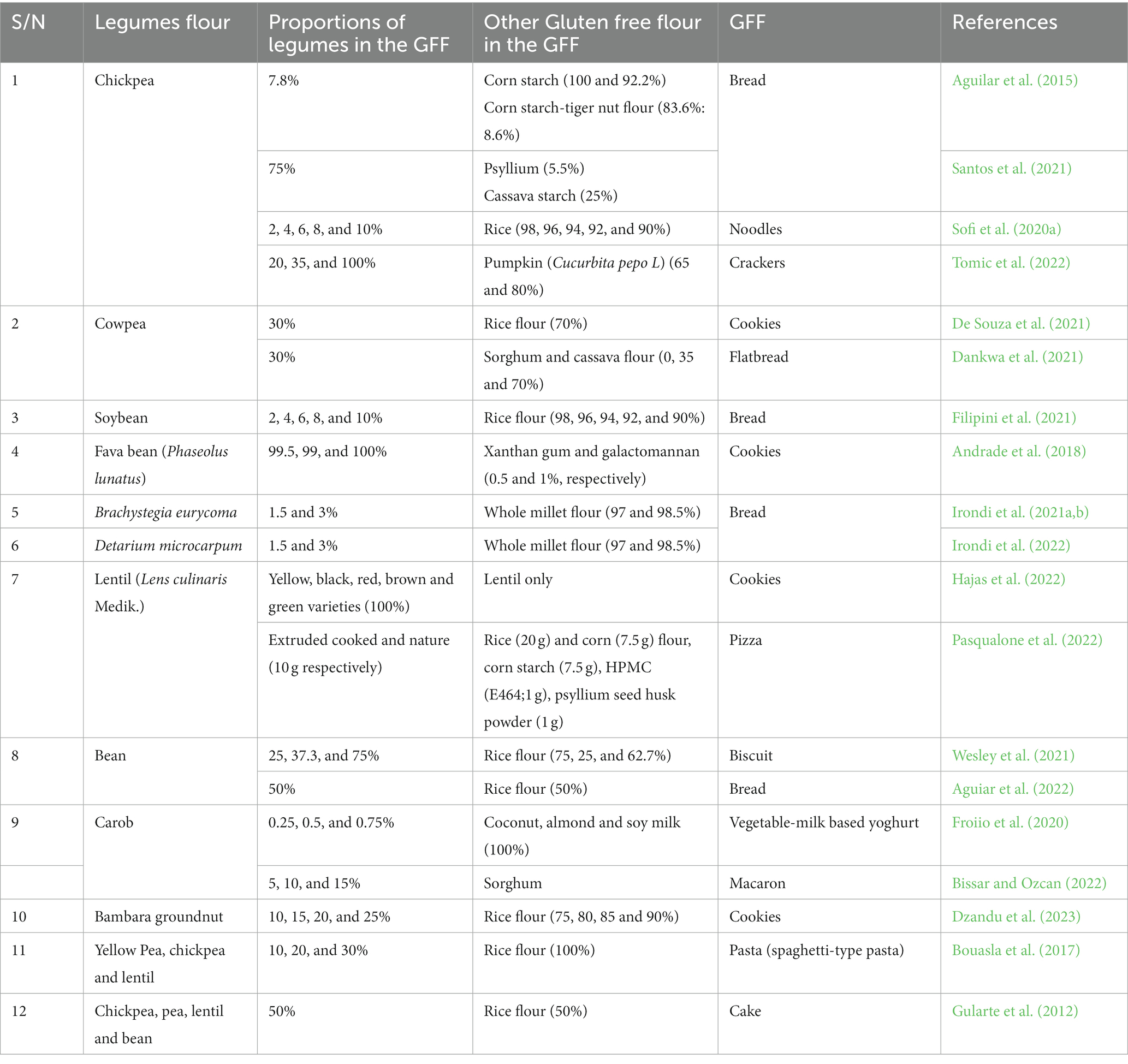
Table 3. Some legumes used in Gluten free foods (GFFs) formulation.
Functional importance of legumes in GFFs
The functional properties of flours impart the quality of bakery products (Hasmadi et al., 2020). In this context, legume flours have been of paramount importance for the formulation of GFFs mainly due to their functional properties, especially their water-binding capacity and solubility index (Foschia et al., 2017). Different leguminous crops have been used to produce GFFs. Inclusion of chickpea (7.8 g/100 g) has been reported to serve as an alternative shortening and emulsifier in gluten-free bread, resulting in an increase in the gluten-free bread’s volume (Aguilar et al., 2015). Also, when chickpeas flour (75%) was substituted for rice in cassava-based gluten-free bread, it enhanced the crumb texture (by 31%), overall acceptability (by 17.35%), and loaf volume (by 23.46%) of the bread (Santos et al., 2021). Chickpea, pea, lentil, and bean flours (50% incorporation each) were reported by Gularte et al. (2012) to enhance the functional characteristics of rice-based cake, increasing the specific volume from 2.7 cm/g in the control cake to 2.9 cm/g in pea and bean, and 3.2 cm/g in lentil-based cake. Batter density decreased from 1.0 in the control cake to 0.9 g/cm3 in lentils and beans, respectively. Flour of chickpea, yellow pea, and lentil (10, 20, and 30 g/100 g respectively) blended with rice for the formulation of gluten-free spaghetti-type based pasta also enhanced the pasta’s firmness (199.50–326.50 N), adhesiveness (2.48–19.28 mJ); decreased its hardness (68.81%), expansion ratio (8.39%), and lightness (18.52%) (Bouasla et al., 2017). Filipini et al. (2021) also reported that adding soybeans (2, 4, 6, 8, and 10%) in rice flour bread decreaed the bread’s specific volume by 37.96% and increased its firmness by 89.55%. Blending bean flour with rice significantly improved the dough thermo-mechanical properties and texture of gluten-free bread (Aguiar et al., 2022).
Also, legumes can impact a dough’s viscous moduli and elasticity across a variety of frequencies as reported by Sofi et al. (2020a), when chickpea (2, 4, 6, 8, and 10%) was added to rice-based noodles. The qualities of macaron produced from carob (5, 10, and 15%) and sorghum flour were also improved due to the carob flour addition (Bissar and Ozcan, 2022). Lentil (10/100 g) used in baking pizza showed pliability (4.47 N/mm2) even in the absence of hydroxypropylmethyl cellulose (HPMC) and a tendency towards retrogradation (Pasqualone et al., 2022). Carob seed flour (0.25, 0.5, 0.75, and 1%) used in the production of vegetable milk-based yogurt also demonstrated the functional importance of legumes as it served as a thickening agent, contributing to the yogurt’s stability, rheological, and viscosity characteristic, and extending its shelf-life (Froiio et al., 2020). Also, fava beans (100%) cake was reported to have an enhanced specific volume (2.74 ± 0.26 mL/g) (Andrade et al., 2018).
There are also reports on the improvement of gluten-free cereal flour’s functional properties through the incorporation of legume flours. For examples, adding Brachystegia eurycoma (1.5 and 3%) and Detarium microcarpum (1.5 and 3%) seed flour (underutilized legumes) into whole pearl millet (98.5 and 97%) flour was reported by Irondi et al. (2021a,b, 2022) to improve the physicochemical and pasting properties of the resultant gluten-free flour. Similarly, Culetu et al. (2021) reported that adding chickpeas improved the water absorption capacity of the primarily cereals flours. In a related report, Wesley et al. (2021) demonstrated that blending bean (25 and 35%) with rice flour for the production of gluten-free biscuits increased the blends peak (213.75–340.50 RVU) and final viscosity (434.25–599.25 RVU).
Nutritional importance of legumes in GFFs
The typical commercially-available GFFs are deficient in some nutrients. They are characterized by high fat, carbohydrates, and low protein content (Belorio and Gomez, 2020). However, legumes, due to their nutrient profiles/properties, can improve the nutrient profile of GFFs made therefrom (Foschia et al., 2017), enhancing their nutritional quality (Carbas et al., 2021). The nutritional importance of legumes in GFFs is discussed in the following section.
Legumes as sources of protein in GFFs
Protein deficiency has been observed to be one of the bottlenecks of gluten-free products (Belorio and Gomez, 2020). However, studies have shown that using legumes to produce GFFs can enhance the protein contents of GFFs. The report of Santos et al. (2021) demonstrated that chickpeas (75%) improved the protein content (7.49 g/100 g) of gluten-free bread made with high-quality cassava flour twice as much as those containing rice flour (4.18 g/100 g). This is similar to the report of Messia et al. (2023), when legumes (peas, red lentils, lentils, chickpeas - 30 and 100%) were used in the production of gluten-free pasta (protein contents −10.92 - 23.97 g/100 g dw). The report of Tomic et al. (2022) indicated that gluten-free crackers produced from chickpeas (65, 80, and 100%) also had an enhanced protein level (16.5%), while gluten-free cake based on fava beans (100%) had an improved protein content of 9.04 g/100 g (Andrade et al., 2018).
There are several other reports demonstrating an improvement in the protein content of GFFs made from legumes. For example, gluten-free biscuits made from rice-beans flour blend had a protein content of 7.99–10.06 g/100 g (Wesley et al., 2021). Gluten-free cake made from rice-bean composite flour had a protein content in the range of 2.69–3.45 g/100 g (Bassinello et al., 2020). Aguiar et al. (2022) also reported that incorporating bean flour in rice-based gluten free bread led to an increase in the bread’s protein contents (Aguiar et al., 2022). Furthermore, compared to spaghetti made from rice, adding beans (20 and 40%, w/w) increased the protein content of the rice-based spaghetti (10.2–14.3%) (Giuberti et al., 2015). The protein content of gluten-free pasta made from rice (8.25 g/100 g db) was also enhanced with the incorporation of different proportions (10, 20, and 30 g/100 g, respectively) of yellow peas (10.23–12.78 g/100 g db), chickpeas (9.68–9.99 g/100 g db), and lentil (10.25–13.95 g/100 g db) (Bouasla et al., 2017). Gluten-free noodles, comprising chickpea, soya, quinoa and buckwheat flours had a higher protein level (194.2 g/kg) compared to other gluten-free noodles, as well as the wheat flour control noodle (Bilgiçli, 2013). The protein contents of rice-based gluten-free couscous were also significantly improved due to field beans, chickpeas, and lentil addition at a proportion of 90/10 or 70/30%, w/w (Boudouira et al., 2023).
Substitution of soybean flour (2, 4, 6, 8, and 10%) for rice flour in rice-based gluten-free bread showed a comparable trend, with the 10% substitution increasing the protein content by 85.2% in comparison to the control bread made entirely of rice (Filipini et al., 2021). Likewise, supplementing 50% of each of the following legume flours: beans, lentils, chickpeas, and peas, raised the available protein (6.8–7.3 g/100 g) and total protein (8.7–9.4 g/100 g) of rice-based cake (Gularte et al., 2012). Additionally, Hajas et al. (2022) reported that the lentil cookies (100%) had a higher crude protein content (12.1–14.8 g/100 g) relative to the rice cookie (3.8 g/100 g). The protein content (4.4 g/100 g) of rice-based pizza also increased (7.3–7.4 g/100 g), when supplemented with lentils (10/100 g) (Pasqualone et al., 2022). In the same vein, the protein content of muffins prepared with 80:20, 65:35, and 50:50 legume-waxy rice combinations increased (6.4–9.0%) as the proportion of legume flour (50, 65, and 80%, respectively) increased (Jeong et al., 2020). Most studies showed that adding legumes to the GFFs increased their protein content more than other nutrients, such as carbohydrates, minerals, and lipids. This supports the idea that the primary component of legume crops is protein (Foschia et al., 2017; Carbas et al., 2021; Skendi et al., 2021; Messia et al., 2023). Leucine, tryptophan, valine, and methionine are a few of the essential amino acids that can be obtained from legumes used in GFFs, as observed in sorghum-based biscuits supplemented with white bean (10, 20, 30, 40, and 50%) (Ibrahim, 2017).
Legumes as sources of minerals In GFFs
Studies have shown that legumes’ inclusion in the formulation of GFFs increases the GFFs’ mineral content. The report of Boudouira et al. (2023) showed that field bean, chickpea, and lentil (at 10 and 30% addition levels) enhanced the ash contents of rice-based gluten-free couscous. This suggests an increase in the mineral concentration because higher ash contents correspond to higher mineral concentrations (De Angelis et al., 2022). Muffins prepared with legume-waxy rice combinations (80:20, 65:35, and 50:50) exhibited a high level of crude ash (1.9–2.2%) as the proportion of legume flours (50, 65, and 80%) increased (Jeong et al., 2020). Chickpeas, peas, and lentils added at 50% level in rice cake increased the cake’s mineral content (15–22.72%) (Gularte et al., 2012). Beans have also been reported to enhance the ash contents of rice and bean bread (Aguiar et al., 2022), as well as biscuits (3.81–5.09 g/100 g) made with rice and bean (75:25 and 75:35) (Wesley et al., 2021). It also enhanced the ash contents of rice-based spaghetti (0.8–1.4%) relative to 100% rice (0.4%) (Giuberti et al., 2015).
The addition of soya and chickpea flours at 25% level in gluten-free noodles formulated with pseudo-cereal and cereal composite flour (buckwheat and quinoa) was reported to increase the magnesium (Mg) (945.02–1661.78 mg/kg), iron (Fe) (40.90–56.29 mg/kg), calcium (Ca) (1495.23–1562.85 mg/kg), potassium (K) (8526.15–10295.21 mg/kg), and phosphorus (P) (3755.15–5042.88 mg/kg) contents of the noodles (Bilgiçli, 2013). The addition of 45 and 70% of beans to a rice-based cake also increased the Ca content of the cake (108.63–123.39 mg/100 g) compared to the 6.55 mg/100 g Ca observed in 100% rice cake (Bassinello et al., 2020). Similarly, chickpea (100%) gluten-free crackers displayed a significant amount of ash (2.47%) and minerals, such as Mg (103 mg/100 g), K (926 mg/100 g), Na (810 mg/100 g), Ca (32.4 mg/100 g), Zinc (3.00 mg/100 g) and Fe (4.02 mg/100 g) (Tomic et al., 2022). Chickpea flour (75%) blended with 25% potato and cassava flour, respectively, to produce a gluten-free bread also improved the bread’s total mineral concentration (Santos et al., 2018). In another report, chickpeas (4.5, 9.5, and 14.5%) addition also increased the mineral content (22.22–33.72%) of a maize-based GFF spaghetti (Padalino et al., 2014).
Legumes as sources of other nutrients in GFFs
Legumes have been reported to enhance other important nutritional indices in GFFs. It was observed that adding beans to gluten-free spaghetti increased (27.5–30.2%) its resistant starch content relative to 100% rice (11.2%) (Giuberti et al., 2015). It also enhanced the energy value (386.67–397.56 Kcal) and riboflavin (0.13–0.14 mg/100 g, relative to 0.05 mg/100 g in wheat cake) in bean and rice composite cake (45/55, 60/40 and 75/25%, respectively) (Bassinello et al., 2020). Furthermore, soybean contributed significantly to the lipid contents (1.03–5.31%) of a gluten-free bread, accounting for the high caloric value (396.51–417.11 kcal/100 g), relative to the control bread (395.01 kcal/100 g) (Filipini et al., 2021). The lipid content of rice-based gluten-free couscous was also enhanced by the incorporation of 10 and 30% field bean, chickpea, and lentil (Boudouira et al., 2023), as well as gluten-free noodles supplemented with 25% each of chickpeas and soya flour (21.0–81.2 g/kg) (Bilgiçli, 2013). Likewise, 100% chickpea crackers displayed a high amount of unsaturated fatty acid, particularly α-linolenic acid (0.77%) than crackers containing pumpkin (Tomic et al., 2022).
Nutraceutical importance of legumes in GFFs
The formulation of GFFs has gone beyond mimicking gluten or serving as an alternative to wheat food. The increase in their demand has also been attributed to consumers’ quest for healthy food, management of CD symptoms, as well as some cases of nutrition-related non-communicable diseases (Parenti et al., 2020; Culetu et al., 2021; Irondi et al., 2022). Apart from being an excellent source of nutrients, legumes have also been reported to be rich in phytochemicals, which contribute to their health benefits (Didinger and Thompson, 2021). Legumes in GFFs have been shown to have nutraceutical/health-promoting properties, according to various studies (Gularte et al., 2012; Padalino et al., 2014; Santos et al., 2018; Sofi et al., 2020a; Santos et al., 2021; Irondi et al., 2022), some of which are presented in the following section.
Legumes as sources of dietary fibre in GFFs
Legumes have been reported to be a good source of dietary fibre in GFFs. Notably, the total dietary fiber content of the gluten-free spaghetti made from maize was increased by 38.44–42.98%, when chickpeas (4.5, 9.5, and 14.5%) were added (Padalino et al., 2014). The substitution of chickpea flour with rice in cassava flour-based gluten-free bread increased the total dietary fibre from 2.89 g/100 g to 7.21 g/100 g (Santos et al., 2021). Furthermore, the insoluble fiber (2.52 g/100 g db) and soluble fiber (0.69 g/100 g db) of a gluten-free pasta made from rice improved with the addition (10, 20 and 30 g/100 g) of yellow peas (insoluble fiber: 3.20–4.30 and soluble fiber: 1.11–1.44 g/100 g db), chickpeas (insoluble fiber: 3.65–5.15 and soluble fiber: 1.43–4.25 g/100 g db), and lentils (insoluble fiber: 2.66–3.69 and soluble fiber: 1.09–1.70 g/100 g db) (Bouasla et al., 2017). Bean flour (45, 60, and 70%) increased the total (4.47–6.49 g/100 g), soluble (1.09–1.72 g/100 g) and insoluble (3.38–4.77 g/100 g) dietary fibre contents of rice-based cake (Bassinello et al., 2020). It also enhanced the total dietary fibre of rice-based gluten-free bread (Aguiar et al., 2022). Similarly, there was also an increase in the total dietary fibre (4.35–21.43%), when chickpeas, peas, and beans flours were blended (50% each) with rice for the production of a gluten-free cake (Gularte et al., 2012). Dietary fibres are essential in promoting bowel function, rendering a laxative effect, and reducing osteoporosis risk (Barcenas and Rosell, 2006). They are also well-known for preventing colon cancer, type 2 diabetes, coronary heart diseases, and constipation (Hu et al., 2011). Hence, adding legumes, as a rich source of dietary fibre, in GFFs may contribute to reducing these diseases.
Legumes as a crucial source of antioxidants for GFFs
Legumes have been reported to exhibit antioxidant activity in GFFs, thereby giving them the potential to protect the body from chronic diseases associated with oxidative stress, as well as protecting the cellular molecules, such as protein, nucleic acid, and lipids, from free radicals-induced oxidative damage (Irondi et al., 2018, 2022). The antioxidant activity imparted by legumes in GFFs is ascribed to their bioactive constituents, among which phenolic compounds have been suggested to offer a superior antioxidant action (Sethiya et al., 2014; Irondi et al., 2022, 2023a). Phenolic compounds exhibit their characteristic antioxidant activity via diverse mechanisms, such as singlet oxygen suppression, chain auto-oxidation reactions disruption, transition metal ions chelation, lipid radicals formation inhibition, hydrogen peroxides reduction to produce stable compounds, endogenous pro-oxidative enzymes inhibition, and endogenous antioxidant enzymes activation (Sęczyk et al., 2019; Irondi et al., 2023b).
The study of Sofi et al. (2020a) showed that the addition of chickpeas (2, 4, 6, 8, and 10%) increased the antioxidant activity of rice-based noodles (22.6 to 31.3%). Chickpea crackers (100%) also displayed antioxidant activity (8.0 trolox mM/g) and phenolic content (0.72 mg/g) (Tomic et al., 2022). Germinated chickpea flours (5, 10, 20, and 30 g/100 g) were shown to enhance the antioxidant activity (22.8–34.5 g/100 g) and total phenolic content (TPC) (117.7–203.04 mg GAE/100 g) in pregelatinized rice flour gluten-free noodles (Sofi et al., 2020b). Similarly, lentils (10/100 g) used in rice pizza provided anthocyanins (4.36–16.29 mg/kg), in addition to enhancing the total carotenoid (25.56–29.51%), antioxidant activity (20.74–24.65%) and phenolic (0.74–0.90 mg/g) (Pasqualone et al., 2022). Furthermore, gluten-free tarhanas produced from whole flour of red, yellow, and green lentils had better antioxidant activities (19.07–39.87 μmol TE/100 g) than wheat flour tarhana (10.93 μmol TE/100 g) (Goencue and Celik, 2020). Also, lentil flour (raw and germinated) cookie displayed more antioxidant activities than a wheat flour cookie due to their high TPC (167.6–190.2 mg GA/100 g), including 1-diphenyl-2-picrylhydrazyl free-radical (DPPH•) (4.9–5.7 mmol Trolox/kg) and 2, 2-azinobis (3-ethylbenzothiazoline-6-sulfonic acid) (ABTS+) (8.5–10.5 mmol Trolox/kg) radical-scavenging activity than wheat flour cookies (117.5 mg GA/100 g, 2.6 and 4.8 mmol Trolox/kg, respectively) (Oskaybas-Emiek et al., 2021). The use of different varieties of lentils (brown, red, yellow, green, and black) in baking gluten-free cookies also displayed superior antioxidant activities (0.60–1.81 mmol TE/100 g) and TPC (136.5–342.3 mg gallic acid equivalent/100 g) relative to rice cookies (0.35 mmol TE/100 g and 61.5 mg gallic acid equivalent/100 g, respectively) (Hajas et al., 2022).
Anti-hyperglycaemic/antidiabetic activity of legumes in GFFs
The use of legumes in the formulation of GFFs has also been recommended to have the potential to manage diabetes mellitus due to their anti-hyperglycemic activity. The substitution of sweet detar flour (Detarium microcarpum) at 1.5% level in whole pearl millet flour to produce a gluten-free bread resulted in a more potent inhibition of starch-digesting enzymes (α-amylase and α-glucosidase) activity and high TPC (7.70 GAE mg/g) in the blend than the native pearl millets flour (1.90 GAE mg/g) as reported by Irondi et al. (2022). Also, chickpea-cassava (75:25) gluten-free bread had a reduction in the glycemic index (GI) (by 21%) and glycemic load (by 49%) compared to the rice-cassava (75:25) gluten-free bread (Santos et al., 2021). There was also a decrease in the in vitro starch digestibility and GI (70.8 to 61.0) of gluten-free rice noodles as the level of chickpea incorporation increased (2, 4, 6, 8, and 10%) (Sofi et al., 2020a). Gularte et al. (2012) also reported a reduction in the estimated GI (79–69) of rice-based gluten-free cake due to a 50% incorporation of chickpeas, peas, lentils, and beans.
Chickpea (4.5, 9.5, and 14.5%) has also been shown to decrease available carbohydrates (84.80–79.11 versus 87.11 g/100 g) in gluten-free spaghetti produced from chickpeas and maize (Padalino et al., 2014). The level of carbohydrates in sorghum and broken rice-based gluten-free biscuits also decreased with an increased level of white bean flour (10, 20, 30, 40, and 50%) addition (Ibrahim, 2017). This is similar to the report of Filipini et al. (2021) for a gluten-free bread (0.63–16.29% decrease in carbohydrate) produced from the composite of rice and soybean (2, 4, 6, 8, and 10%).
The anti-hyperglycaemic acitivity imparted by legumes in GFFs could be attributed to their bioactive constituents, such as polyphenolic compounds and dietary fibres, which are known to exhibit anti-hyperglycaemic effect through different mechanisms. For instance, phenolic compound, such as flavonoids and phenolic acids in legumes and other food substances are prominent for their ability to inhibit starch-digesting enzymes (alpha-amylase and alpha-glucosidase) activity (Liu and Xu, 2015; Villiger et al., 2015; Irondi et al., 2019, 2021a, 2023a). Furthermore, as an important source of dietary fibres in GFFs formulation (Gularte et al., 2012; Padalino et al., 2014; Bouasla et al., 2017; Bassinello et al., 2020; Aguiar et al., 2022), they contribute to the reduction of GI (Melini et al., 2017). Fibre, at a high level in foods, functions as a filler, thereby diluting starch concentration, reducing its viscosity (Korus et al., 2017) and consequently decreasing GI. Taken together, the high protein and low carbohydrate contents, low GI, and starch-digesting enzymes inhibitory properties of legumes promote their postprandial blood glucose-reducing potential, enhancing their anti-hyperglycaemic effect (Manzoor et al., 2020; Fratelli et al., 2021; Irondi et al., 2022, 2023a).
Other health benefits of legumes in GFFs
Using legumes in GFFs formulation can also render other health benefits, such as anti-obesity and anti-hypertensive activities. For example, an increase in the potassium level of legume-containing GFFs, such as noodle (Bilgiçli, 2013), spaghetti (Padalino et al., 2014), and tarhana (Atasoy and Hendek Ertop, 2021), suggests their anti-hypertensive activity. High potassium content has been associated with helping in lowering blood pressure in the normotensive and hypertensive population, and reducing stroke and other cardiovascular diseases (Lanham-New et al., 2012). In another study, Sung et al. (2020) reported a higher angiotensin I-converting enzyme (ACE) inhibitory activity in a gluten-free rice layer cake supplemented with 10% chia seed flour relative to the control rice flour layer cake. ACE catalyzes the conversion of angiotensin I to angiotensin II in the rennin-angiotensin system, by hydrolytically cleaving a dipeptide (histidyl–leucine) from angiotensin I. The angiotensin II so-formed is a well-known active vasoconstrictor, capable of stimulating blood pressure elevation by activating aldosterone secretion and inactivating bradykinin, a vasodilator and hypotensive peptide (Eriksson et al., 2002; Irondi et al., 2018). Thus, the ACE inhibitory capacity of the gluten-free rice layer cake supplemented with 10% chia seed flour suggests its propensity to reduce high blood pressure.
GFFs have also been reported to possess anti-obesity effect. In this context, biscuits formulated from yellow maize and cowpea composite flours at different proportions were reported to inhibit pancreatic lipase activity, suggesting the biscuits’ anti-obesity potential (Irondi et al., 2021b). Jeong et al. (2020) also recommended gluten-free muffins formulated from mung bean and cowpea (50, 65, and 80%) to render health benefits due to their lower fat content (1.0–2.6%). Likewise, vegetable milk-based yogurt produced with gluten-free carob seed flour (0.25, 0.5, 0.75, and 1%) was reported to be free from bad cholesterol and lactose (Froiio et al., 2020).
Conclusion and future trends
The formulation of GFFs has been increasing due to increasing cases of celiac disease and gluten intolerance, as well as consumers’ demand for healthy food. In an attempt to produce good-quality and healthy GFFs, many studies have focused on using legume crops. Their use has been reported to be of functional importance, as they have improved the quality of GFFs, such as the texture and volume, and sensory acceptability. Adding legumes in GFFs can improve the GFFs’ low nutrient quality such as protein, dietary fibre, and minerals. Legumes also impart the nutraceutical properties of GFFs, such as antioxidant and anti-hyperglycemic properties. However, there is still a need to work on the textural attributes and consumer acceptability of GFFs formulated with legumes. Also, legumes should be well processed to reduce their possible anti-nutritional compounds before being used in GFFs. Similar to gluten in wheat, some legumes have been reported to have allergenic proteins that can affect the health of consumers, who are susceptible to such allergens. Therefore, it is crucial to embrace processing methods that can reduce the allergen and also specify composition on labels, so that people with allergies can make informed dietary decisions. Further, farming methods that promote legumes cultivation, ensuring their availability and accessibility should be encouraged.
Author contributions
EI and YI: conceptualization. YI: writing, designing, and modifying. EI, WA, EAj, and EAl: supervision, reviewing, and editing. All authors contributed to the article and approved the submitted version.
Conflict of interest
The authors declare that the research was conducted in the absence of any commercial or financial relationships that could be construed as a potential conflict of interest.
Publisher’s note
All claims expressed in this article are solely those of the authors and do not necessarily represent those of their affiliated organizations, or those of the publisher, the editors and the reviewers. Any product that may be evaluated in this article, or claim that may be made by its manufacturer, is not guaranteed or endorsed by the publisher.
References
Abdi, F., Zuberi, S., Blom, J.-J., Armstrong, D., and Pinto-Sanchez, M. I. (2023). Nutritional considerations in celiac disease and non-celiac gluten/wheat sensitivity. Nutrients 15:1475. doi: 10.3390/nu15061475
Affrifah, N. S., Uebersax, M. A., and Amin, S. (2023). Nutritional significance, value-added applications, and consumer perceptions of food legumes: a review. Legum. Sci. 5:e192. doi: 10.1002/leg3.192
Aguiar, E. V., Santos, G. F., Faggian, L., da Silveira Araujo, M. B., Araújo, V. A., Conti, A. C., et al. (2022). An integrated instrumental and sensory techniques for assessing liking, softness, and emotional related of gluten-free bread based on blended rice and beans flour. Food Res. Int. 154:110999. doi: 10.1016/j.foodres.2022.110999
Aguilar, N., Albanell, E., Miñarro, B., and Capellas, M. (2015). Chickpea and tiger nut flours as alternatives to emulsifier and shortening in gluten-free bread. LWT Food Sci. Technol. 62, 225–232. doi: 10.1016/j.lwt.2014.12.045
Anania, C., Pacifico, L., Olivero, F., Perla, F. M., and Chiesa, C. (2017). Cardiometabolic risk factors in children with celiac disease on a gluten-free diet. World J. Clin. Pediatr. 6, 143–148. doi: 10.5409/wjcp.v6.i3.143
Andrade, F. J. E. T., Albuquerque, P. B. S., Moraes, G. M. D., Farias, M. D. P., Teixera, D. M. A., Vicente, A. A., et al. (2018). Influence of hydrocolloid (galactomannan and xanthan gum) on the physicochemical and sensory characteristic of gluten-free cakes based on fava beans (Phaseolus lunatus). Food Funct. 9, 6369–6379. doi: 10.1039/c8fo01448e
Atasoy, R., and Hendek Ertop, M. (2021). Assessment of nutritional and bioactive properties for gluten-free tarhana containing various legumes and cereals. J. Food Process. Preserv. 45:e15606. doi: 10.1111/jfpp.15606
Aydar, E. F., Tutuncu, S., and Ozcelik, B. (2020). Plant-based milk substitutes: bioactive compounds, conventional and novel processes, bioavailability studies, and health effects. J. Funct. Foods 70:103975. doi: 10.1016/j.jff.2020.103975
Barcenas, M. E., and Rosell, C. M. (2006). Different approaches for improving the quality and extending the shelf life of the partially baked bread: low temperatures and HPMC addition. J. Food Eng. 72, 92–99. doi: 10.1016/j.jfoodeng.2004.11.027
Barman, A., Marak, C. M., Barman, R. M., and Sangma, C. S. (2018). “Nutraceutical properties of legume seeds and their impact on human health” in Legume seed nutraceutical research. eds. C. Jimenez-Lopez and A. Clemente. (United Kingdom (UK): IntechOpen). doi: 10.5772/intechopen.75158
Bassinello, Z. P., Bento, C. J. A., Gomes, L., Caliari, M., and Oomah, B. D. (2020). Nutritional value of gluten-free rice and bean-based cake mix. Rev. Cent. Ciênc. Rurais 50:653. doi: 10.1590/0103-8478cr20190653
Belorio, M., and Gomez, M. (2020). Gluten-free muffins versus gluten-containing muffins: ingredients and nutritional differences. Trends Food Sci. Technol. 102, 249–253. doi: 10.1016/j.tifs.2020.03.015
Biesiekierski, J. R., Peters, S. L., Newnham, E. D., Rosella, O., Muir, J. G., and Gibson, P. R. (2013). No effects of gluten in patients with self-reported non-celiac gluten sensitivity after dietary reduction of fermentable, poorly absorbed, short-chain carbohydrates. Gastroenterology 145, 320–328.e3. doi: 10.1053/j.gastro.2013.04.051
Bilgiçli, N. (2013). Some chemical and sensory properties of gluten-free noodle prepared with different legume, pseudo-cereal and cereal flour blends. J. Food Nutr. Res. 52, 251–255.
Bissar, S., and Ozcan, M. M. (2022). Determination of quality parameters and gluten-free macaron production from carob fruit and sorghum. Int. J. Gastron. Food Sci. 27:100460. doi: 10.1016/j.ijgfs.2021.100460
Bouasla, A., Wojtowicz, A., and Zidouine, M. N. (2017). Gluten-free precooked rice pasta enriched with legumes flours: physical properties, texture, sensory attributes and microstructure. LWT 75, 569–577. doi: 10.1016/j.lwt.2016.10.005
Bouasla, A., Wojtowicz, A., Zidoune, M. N., Olech, M., Nowak, R., Mitrus, M., et al. (2016). Gluten-free precooked Rice-yellow pea pasta: effect of extrusion-cooking conditions on phenolic acids composition, selected properties and microstructure. J. Food Sci. 81, C1070–C1079. doi: 10.1111/1750-3841.13287
Boudouira, N., Yüksel, A. N., Bayram, M., Benatallah, L., and Zidoune, M. N. (2023). Characterisation of gluten-free couscous produced with different legume flours by traditional method. Int. J. Food Sci. Technol. 58, 1186–1194. doi: 10.1111/ijfs.16266
Boukid, F., Zannini, E., Carini, E., and Vittadini, E. (2019). Pulses for bread fortification: a necessity or a choice? Trends Food Sci. Technol. 88, 416–428. doi: 10.1016/j.tifs.2019.04.007
Burkhardt, J. G., Chapa-Rodriguez, A., and Bahna, S. L. (2018). Gluten sensitivities and the allergist: threshing the grain from the husks. Allergy 73, 1359–1368. doi: 10.1111/all.13354
Cakir, Ö., Ucarli, C., Tarhan, Ç., Pekmez, M., and Turgut-Kara, N. (2019). Nutritional and health benefits of legumes and their distinctive genomic properties. Food Sci. Technol. 39, 1–12. doi: 10.1590/fst.42117
Calado, J., and Machado, M. V. (2021). Celiac disease revisited. GE Port. J. Gastroenterol. 29, 111–124. doi: 10.1159/000514716
Carbas, B., Machado, N., Pathania, S., Brites, C., Rosa, E. A. S., and Barros, A. I. (2021). Potential of legumes: nutritional value, bioactive properties, innovative food products, and application of eco-friendly tools for their assessment. Food Rev. Intl. 39, 160–188. doi: 10.1080/87559129.2021.1901292
Carbonaro, M., Maselli, P., and Nucara, A. (2015). Structural aspects of legume proteins and nutraceutical properties. Food Res. Int. 76, 19–30. doi: 10.1016/j.foodres.2014.11.007
Catassi, C., Elli, L., Bonaz, B., Bouma, G., Carroccio, A., Castillejo, G., et al. (2015). Diagnosis of non-celiac gluten sensitivity (NCGS): the Salerno Experts' criteria. Nutrients 7, 4966–4977. doi: 10.3390/nu7064966
Catassi, C., and Fasano, A. (2011). “Celiac disease” in Gluten-free cereal products and beverages. eds. E. Arendt and F. Dal Bello (San Diego, USA: Academic Press), 1–28.
Catassi, C., Verdu, E. F., Bai, J. C., and Lionetti, E. (2022). Coeliac disease. Lancet 399, 2413–2426. doi: 10.1016/S0140-6736(22)00794-2
Chhanwal, N., Bhushette, P. R., and Anandharamakrishnan, C. (2019). Current perspectives on non-conventional heating ovens for baking process—a review. Food Bioprocess Technol. 12, 1–15. doi: 10.1007/s11947-018-2198-y
Clemente, A., and Jimenez-Lopez, J. C. (2020). Introduction to the special issue: legumes as food ingredient: characterization, processing, and applications. Food Secur. 9:1525. doi: 10.3390/foods9111525
Collin, P., Salmi, T. T., Hervonen, K., Kaukinen, K., and Reunala, T. (2017). Dermatitis herpetiformis: a cutaneous manifestation of coeliac disease. Ann. Med. 49, 23–31. doi: 10.1080/07853890.2016.1222450
Culetu, A., Susman, I. E., Duta, D. E., and Belc, N. (2021). Nutritional and functional properties of gluten-free flours. Appl. Sci. 11:6283. doi: 10.3390/app11146283
Dankat, C. B., and Olumuyiwa, O. A. (2021). Protein and amino acids profile of Lima bean (Phaseolus lunatus) foods in Kaduna state. FUDMA J. Sci. (FJS) 5, 70–75. doi: 10.33003/fjs-2021-0504-782
Dankwa, R., Aisala, H., Kayitesi, E., and de Kock, H. L. (2021). The sensory profiles of flatbread made from sorghum, cassava and cowpea flours used as wheat flour alternative. Food 10:3095. doi: 10.3390/foods10123095
De Angelis, D., Pasqualone, A., Manfredi, L., Allegretta, I., Terzano, R., and Summo, C. (2022). Dry fractionation is a promising technology to reuse the physically defected legume-based gluten-free pasta. Int. J. Food Sci. Technol. 57, 4816–4824. doi: 10.1111/ijfs.15679
De Souza, E. J., Pereira, A. M., Fontana, M., Vanier, N. L., and Gularte, A. (2021). Quality of gluten-free cookies made with rice flour of different levels of amylose and cowpea beans. Br. Food J. 123, 1810–1820. doi: 10.1108/BFJ-09-2020-0860
Dhillon, P. K., Bowen, L., Kinra, S., Bharathi, A. V., Agrawal, S., Prabhakaran, D., et al. (2016). Legume consumption and its association with fasting glucose, insulin resistance and type 2 diabetes in the Indian migration study. Public Health Nutr. 19, 3017–3026. doi: 10.1017/S1368980016001233
Di Sabatino, A., Volta, U., Salvatore, C., Biancheri, P., Caio, G., De Giorgio, R., et al. (2015). Small amounts of gluten in subjects with suspected nonceliac gluten sensitivity: a randomized, double-blind, placebo-controlled, cross-over trial. Clin. Gastroenterol. Hepatol. 13, 1604–1612.e3. doi: 10.1016/j.cgh.2015.01.029
Didinger, C., and Thompson, H. J. (2021). Defining nutritional and functional niches of legumes: a call for clarity to distinguish a future role for pulses in the dietary guidelines for Americans. Nutrients 13:1100. doi: 10.3390/nu13041100
Dzandu, B., Kumi, S., and Asirifi-Addo, T. (2023). Quality assessment of gluten-free cookies from rice and Bambara groundnut flour. CyTA J. Food 21, 258–268. doi: 10.1080/19476337.2023.2190792
El Khoury, D., Balfour-Ducharme, S., and Joye, I. J. (2018). A review on the gluten-free diet: technological and nutritional challenges. Nutrition 10:1410. doi: 10.3390/nu10101410
Enaud, R., Tetard, C., Dupuis, R., Laharie, D., Lamireau, T., Zerbib, F., et al. (2022). Compliance with gluten free diet is associated with better quality of life in celiac disease. Nutrients 14:1210. doi: 10.3390/nu14061210
Erbersdobler, H. F., Barth, C. A., and Jahreis, G. (2017). Legumes in human nutrition. Nutrient content and protein quality of pulses. Ernahr. Umsch. 64, 134–139. doi: 10.4455/eu.2017.034
Eriksson, U., Danilczyk, U., and Penninger, J. M. (2002). Just the beginning: novel functions for angiotensin converting enzymes. Curr. Biol. 12, R745–R752. doi: 10.1016/S0960-9822(02)01255-1
European Implementing Regulation. Council of the European Union Commission implementing regulation (eu) n. 828/2014 on the requirements for the provision of information to consumers on the absence or reduced presence of gluten in food. Off. J. Eur. Union (2014). Available at: https://eur-lex.europa.eu/eli/reg_impl/2014/828/oj (Accessed August 5, 2022).
Fajardo, V., González, M. P., Martínez, M., Samaniego-Vaesken, M. D. L., Achón, M., Úbeda, N., et al. (2020). Updated food composition database for cereal-based gluten free products in Spain: is reformulation moving on? Nutrients 12:2369. doi: 10.3390/nu12082369
Filipcev, B., Pojic, M., Simurina, O., Misan, A., and Mandic, A. (2021). Psyllium as an improver in gluten-free breads: effect on volume, crumb texture, moisture binding and staling kinetics. LWT 151:112156. doi: 10.1016/j.lwt.2021.112156
Filipini, G., Passos, A. P., Fernandes, S. S., and Salas-Mellado, M. D. L. M. (2021). Nutritional value, technology and sensory evaluation of gluten-free bread enriched with soybean flour and coconut oil. Food Meas. 15, 3853–3861. doi: 10.1007/s11694-021-00971-1
Fiori, F., Parpinel, M., Morreale, F., and Pellegrini, N. (2022). The update of the Italian food composition database of gluten-free products and its application in food-based dietary guidelines menus. Nutrients 14:4171. doi: 10.3390/nu14194171
Foschia, M., Horstmann, S. W., Arendt, E. K., and Zannini, E. (2017). Legumes as functional ingredients in gluten-free bakery and pasta products. Annu. Rev. Food Sci. Technol. 8, 75–96. doi: 10.1146/annurev-food-030216-030045
Fratelli, C., Santos, F. G., Muniz, D. G., Habu, S., Braga, A. R. C., and Capriles, V. D. (2021). Psyllium improves the quality and shelf life of gluten-free bread. Food Secur. 10:954. doi: 10.3390/foods10050954
Froiio, F., Cristiano, M. C., Mancuao, A., Lannone, M., and Paolino, D. (2020). Vegetable milk-based yogurt-like structure: rheological properties influenced by gluten-free carob seed flour. Appl. Sci. 10:6963. doi: 10.3390/app10196963
Giuberti, G., Gallo, A., Cerioli, C., Fortunati, P., and Masoero, F. (2015). Cooking quality and starch digestibility of gluten free pasta using New bean flour. Food Chem. 175, 43–49. doi: 10.1016/j.foodchem.2014.11.127
Goencue, A., and Celik, I. (2020). Investigation of some properties of gluten-free tarhanas produced by red, green and yellow lentil whole flour. Food sci. Technol. 40, 574–581. doi: 10.1590/fst.34919
Green, P. H. R., and Cellier, C. (2007). Medical progress: celiac disease. N. Engl. J. Med. 357, 1731–1743. doi: 10.1056/NEJMra071600
Green, P. H., Paski, S., Ko, C. W., and Rubio-Tapia, A. A. G. A. (2022). Clinical practice update on Management of Refractory Celiac Disease: expert review. Gastroenterology 163, 1461–1469. doi: 10.1053/j.gastro.2022.07.086
Grela, E. R., Kiczorowska, B., Samolińska, W., Matras, J., Kiczorowski, P., Rybiński, W., et al. (2017). Chemical composition of leguminous seeds: part I—content of basic nutrients, amino acids, phytochemical compounds, and antioxidant activity. Eur. Food Res. Technol. 243, 1385–1395. doi: 10.1007/s00217-017-2849-7
Guandalini, S., and Assiri, A. (2014). Celiac disease: a review. JAMA Pediatr. 168, 272–278. doi: 10.1001/jamapediatrics.2013.3858
Gularte, A. M., Gomez, M., and Rosell, C. M. (2012). Impact of legumes flours on quality and in vitro digestibility of starch and protein from gluten-free cakes. Food Bioprocess Technol. 5, 3142–3150. doi: 10.1007/s11947-011-0642-3
Hajas, L., Sipos, L., Csobod, C. E., Bálint, M. V., Juhász, R., and Benedek, C. (2022). Lentil (Lens culinaris Medik.) flour varieties as promising new ingredients for gluten-free cookies. Foods 11:2028. doi: 10.3390/foods11142028
Hall, N., Rubin, G., and Charnock, A. (2009). Systematic review: adherence to a gluten-free diet in adult patients with coeliac disease. Aliment. Pharmacol. Ther. 30, 315–330. doi: 10.1111/j.1365-2036.2009.04053.x
Hasmadi, M., Noorfarahzilah, M., Noraidah, H., Zainol, M. K., and Jahurul, M. H. A. (2020). Functional properties of composite flour: a review. Food Res. 4, 1820–1831. doi: 10.26656/fr.2017.4(6).419
Hill, H. (2022). “Utilization of dry beans and other pulses as ingredients in diverse food products” in Dry beans and pulses: production, processing, and nutrition. eds. M. Siddiq and M. A. Uebersax. 2nd ed (John Wiley & Sons), Hoboken, NJ: Wiley-Blackwell 307–329. doi: 10.1002/9781119776802.ch2
Höhn, A., Weber, D., Jung, T., Ott, C., Hugo, M., Kochlik, B., et al. (2017). Happily (n)ever after: aging in the context of oxidative stress, proteostasis loss and cellular senescence. Redox Biol. 11, 482–501. doi: 10.1016/j.redox.2016.12.001
Hu, X. Z., Xing, X. H., Zhang, Z. M., Wu, R. Q., Guo, Q., Cui, S. W., et al. (2011). Antioxidant effects of Artemis Sphaerocephala Krasch. Gum, on Streptozotocin induced type 2 diabetic rats. Food Hydrocoll. 25, 207–213. doi: 10.1016/j.foodhyd.2009.12.006
Husby, S., Koletzko, S., Korponay-Szabó, I., Kurppa, K., Mearin, M. L., Ribes-Koninckx, C., et al. (2020). European society Paediatric gastroenterology, hepatology and nutrition guidelines for diagnosing coeliac disease. J. Parenter. Enter. Nutr. 70, 141–156. doi: 10.1097/MPG.0000000000002497
Ibrahim, S. O. (2017). Utilization of sorghum, broken rice and white beans flours for producing high nutritional value and high-quality gluten-free biscuits. Curr. Sci. Int. 6, 670–683.
Irondi, E. A., Agboola, S. O., and Boligon, A. A. (2018). Inhibitory effects of tropical almond leaf extract on xanthine oxidase, pancreatic lipase, and angiotensin I-converting enzyme, in vitro. J. Food Biochem. 42:e12481. doi: 10.1111/jfbc.12481
Irondi, E. A., Ajani, E. O., Aliyu, O. M., Olatoye, K. K., Abdulameed, H. T., and Ogbebor, O. F. (2021b). Bioactive components, enzymes inhibitory and antioxidant activities of biofortified yellow maize (Zea mays L.) and cowpea (Vigna unguiculata L. Walp) composite biscuits. Ann. Univ. Dunarea Galati Fascicle VI - Food Technol. 45, 86–101. doi: 10.35219/foodtechnology.2021.1.06
Irondi, E. A., Aroyehun, T. M., Anyiam, A. F., and Lal, M. K. (2023b). Phenolics profile, anti-nephrolithiasis, and antioxidant activities of Monodora myristica seed: impact of endogenous proteins and lipids. Food Prod. Process. Nutr. 5:52. doi: 10.1186/s43014-023-00167-8
Irondi, E. A., Imam, Y. T., and Ajani, E. O. (2021a). Effect of Brachystegia Eurycoma flour addition on the physicochemical properties of whole millet flour and the sensory attributes of its gluten-free bread. Acta Univ. Cibiniensis Series E: Food Technol. 25, 43–52. doi: 10.2478/aucft-2021-0004
Irondi, E. A., Imam, Y. T., and Ajani, E. O. (2022). Physicochemical, antioxidant and starch-digesting enzymes inhibitory properties of pearl millet and sweet detar gluten-free flour blends, and sensory qualities of their breads. Front. Food. Sci. Technol. 2:974588. doi: 10.3389/frfst.2022.974588
Irondi, E. A., Imam, Y. T., Ajani, E. O., and Alamu, E. O. (2023a). Natural and modified food hydrocolloids as gluten replacement in baked foods: functional benefits. Grain Oil Sci. Technol. 6, 163–171. doi: 10.1016/j.gaost.2023.10.001
Irondi, E. A., Ogunsanmi, A. O., Ahmad, R. S., Ajani, E. O., Adegoke, B. M., and Boligon, A. A. (2019). Effect of roasting on phenolics composition, enzymes inhibitory and antioxidant properties of cowpea pulses. J. Food Meas. Charact. 13, 1489–1496. doi: 10.1007/s11694-019-00064-0
Irondi, E. A., Olatoye, K. K., Abdulameed, H. T., Aliyu, O., Ajani, E. O., and Ogbebor, O. F. (2024). Physicochemical, in vitro starch digestibility and sensory characteristics of biofortified yellow maize-cowpea composite flours and biscuits. Food Prod. Process. Nutr. 6:15. doi: 10.1186/s43014-023-00201-9
James, S., Nwabueze, U. T., Onwuka, I. G., Ndife, J., and Usman, A. M. (2020). Chemical and nutritional composition of some selected lesser-known legumes indigenous to Nigeria. Heliyon 6:e05497. doi: 10.1016/j.heliyon.2020.e05497
Jeong, D., Hong, J. S., Liu, Q., Choi, H., and Chung, H. (2020). The effects of different levels of heat-treated legume flour on nutritional, physical, textural, and sensory properties of gluten-free muffins. Cereal Chem. 98, 392–404. doi: 10.1002/cche.10379
Jericho, H., Sansotta, N., and Guandalini, S. (2017). Extraintestinal manifestations of celiac disease: effectiveness of the gluten-free diet. J. Pediatr. Gastroenterol. Nutr. 65, 75–79. doi: 10.1097/MPG.0000000000001420
Johanan, E., Raquel, G., Sergio, O. S., and Cristina, M. R. (2018). Mimicking gluten functionality with Β-Conglycinin concentrate: evaluation in gluten free yeast-leavened breads. Food Res. Int. 106, 64–70. doi: 10.1016/j.foodres.2017.12.055
Kelly, C., Bai, J., Liu, E., and Leffler, D. (2015). Celiac disease: clinical spectrum and management. Gastroenterology 148, 1175–1186. doi: 10.1053/j.gastro.2015.01.044
Khairuddin, M. A. N., and Lasekan, O. (2021). Gluten-free cereal products and beverages: a review of their health benefits in the last five years. Food Secur. 10:2523. doi: 10.3390/foods10112523
Korus, A., Gumul, D., Krystyjan, M., Juszczak, L., and Korus, J. (2017). Evaluation of the quality, nutritional value and antioxidant activity of gluten-free biscuits made from corn-acorn flour or corn-hemp flour composites. Eur. Food Res. Technol. 243, 1429–1438. doi: 10.1007/s00217-017-2853-y
Kreutz, J. M., Heynen, L., Arayess, L., and Vreugdenhil, A. C. E. (2023). Celiac disease and the gluten free diet during the COVID-19 pandemic: experiences of children and parents. Medicina 59:425. doi: 10.3390/medicina59030425
Kumar, Y., Basu, S., Goswami, D., Devi, M., Shivhare, U. S., and Vishwakarma, R. K. (2022). Anti-nutritional compounds in pulses: implications and alleviation methods. Legum. Sci. 4:e111. doi: 10.1002/leg3.111
Kumar, V., Sinha, A. K., Makkar, H. P. S., and Becker, K. (2010). Dietary roles of Phytate and Phytase in human nutrition: a review. Food Chem. 120, 945–959. doi: 10.1016/j.foodchem.2009.11.052
Lamacchia, C., Camarca, A., Picascia, S., Di Luccia, A., and Gianfrani, C. (2014). Cereal-based gluten-free food: how to reconcile nutritional and technological properties of wheat proteins with safety for celiac disease patients. Nutrients 6, 575–590. doi: 10.3390/nu6020575
Lanham-New, S. A., Lambert, H., and Frassetto, L. (2012). Potassium. Adv. Nutr. 3, 820–821. doi: 10.3945/an.112.003012
Lebwohl, B., and Rubio-Tapia, A. (2021). Epidemiology, presentation, and diagnosis of celiac disease. Gastroenterology 160, 63–75. doi: 10.1053/j.gastro.2020.06.098
Leonard, M. M., Sapone, A., Catassi, C., and Fasano, A. (2017). Celiac disease and nonceliac gluten sensitivity: a review. JAMA 318, 647–656. doi: 10.1001/jama.2017.9730
Liu, R., and Xu, B. (2015). Inhibitory effects of Phenolics and Saponins from commonly consumed food legumes in China against digestive enzymes pancreatic lipase and α-glycosidase. Int. J Food Prop. 18, 2246–2255. doi: 10.1080/10942912.2014.971178
Machado, M. V. (2023). New developments in celiac disease treatment. Int. J. Mol. Sci. 24:945. doi: 10.3390/ijms24020945
Mansueto, P., Seidita, A., D’Alcamo, A., and Carroccio, A. (2014). Non-celiac gluten sensitivity: literature review. J. Am. College Nutr. 33, 39–54. doi: 10.1080/07315724.2014.869996
Manzoor, M., Ahmad, M., Bandral, J. D., Gani, A., Singh, J., and Shams, R. (2020). Food hydrocolloids: functional, nutraceutical and novel applications for delivery of bioactive compounds. Int. J. Biol. Macromol. 165, 554–567. doi: 10.1016/j.ijbiomac.2020.09.182
Maphosa, Y., and Jideani, V. A. (2017). “The role of legumes in human nutrition” in Functional food–improve health through adequate food. ed. M. Chávarri Hueda (London, United Kingdom (UK): IntechOpen), 103–121. doi: 10.5772/intechopen.69127
Marventano, S., Izquierdo Pulido, M., Sánchez-González, C., Godos, J., Speciani, A., Galvano, F., et al. (2017). Legume consumption and CVD risk: a systematic review and meta-analysis. Public Health Nutr. 20, 245–254. doi: 10.1017/S1368980016002299
Melini, F., Melini, V., Luziatelli, F., and Ruzzi, M. (2017). Current and forward-looking approaches to technological and nutritional improvements of gluten-free bread with legume flours: a critical review. Compr. Rev. Food Sci. Food Saf. 16, 1101–1122. doi: 10.1111/1541-4337.12279
Messia, M. C., Cuomo, F., Quiquero, M., Verardo, V., and Marconi, E. (2023). Assessment of nutritional value and Maillard reaction in different gluten-free pasta. Food Secur. 12:1221. doi: 10.3390/foods12061221
Miñarro, B., Albanell, E., Aguilar, N., Guamis, B., and Capellas, M. (2012). Effect of legume flours on baking characteristics of gluten-free bread. J. Cereal Sci. 56, 476–481. doi: 10.1016/j.jcs.2012.04.012
Mir, S. A., Shah, M. A., Naik, H. R., and Zargar, I. A. (2016). Influence of hydrocolloids on dough handling and technological properties of gluten-free breads. Trends Sci. Technol. 51, 49–57. doi: 10.1016/j.tifs.2016.03.005
Muzquiz, M., Varela, A., Burbano, C., Cuadrado, C., Guillamon, E., and Pedrosa, M. M. (2012). Bioactive compounds in legumes: pro-nutritive and antinutritive actions. Implications for nutrition and health. Phytochem. Rev. 11, 227–244. doi: 10.1007/s11101-012-9233-9
O’Shea, N., Arendt, E., and Gallagher, E. (2014). State of the art in gluten-free research. J. Food Sci. 79, R1067–R1076. doi: 10.1111/1750-3841.12479
Olatoye, K. K., Irondi, E. A., Awoyale, W., and Adeyemo, O. I. (2023). Nutrient composition, antioxidant properties, and sensory characteristics of instant Kunu from pearl millet supplemented with African locust bean pulp. J. Ethn. Food 10:21. doi: 10.1186/s42779-023-00188-1
Oskaybas-Emiek, B., Ozbey, A., and Kahraman, K. (2021). Effects of germination on the physicochemical and nutritional characteristics of lentil and its utilization potential in cookie-making. J. Food Meas. Charact. 15, 4245–4255. doi: 10.1007/s11694-021-00958-y
Padalino, L., Mastromatteo, M., Lecce, L., Spinelli, S., Conte, A., and Alessandro Del Nobile, M. (2014). Optimization and characterization of gluten-free spaghetti enriched with chickpea flour. Int. J. Food Sci. Nutr. 66, 148–158. doi: 10.3109/09637486.2014.959897
Parenti, O., Guerrini, L., and Zanoni, B. (2020). Techniques and technologies for the breadmaking process with unrefined wheat flours. Trends Food Sci. Technol. 99, 152–166. doi: 10.1016/j.tifs.2020.02.034
Pasqualone, A., Costantine, M., Faccia, M., Difonzo, G., Caponio, F., and Summo, C. (2022). The effectiveness of extruded cooked lentil flour in preparing a gluten-free pizza with improved nutritional features and a good sensory quality. Food 11:482. doi: 10.3390/foods11030482
Popoola, J. O., Ojuederie, O. B., Aworunse, O. S., Adelekan, A., Oyelakin, A. S., Oyesola, O. L., et al. (2023). Nutritional, functional, and bioactive properties of African underutilized legumes. Front. Plant Sci. 14:1105364. doi: 10.3389/fpls.2023.1105364
Popova, A., and Mihaylova, D. (2019). Antinutrients in plant-based foods: a review. Open Biotechnol. J. 13, 68–76. doi: 10.2174/1874070701913010068
Punia, S., Dhull, S. B., Sandhu, K. S., Kaur, M., and Purewal, S. S. (2020). Kidney bean (Phaseolus vulgaris) starch: a review. Legum. Sci. 2:e52. doi: 10.1002/leg3.52
Qayyum, M. M. N., Butt, M. S., Anjum, F. M., and Nawaz, H. (2012). Composition analysis of some selected legumes for protein isolates recovery. J. Anim. Plant Sci. 22, 1156–1162.
Rai, S., Kaur, A., and Chopra, C. S. (2018). Gluten-free products for celiac susceptible people. Front. Nutr. 5:116. doi: 10.3389/fnut.2018.00116
Rebello, C. J., Greenway, F. L., and Finley, J. W. (2014). A review of the nutritional value of legumes and their effects on obesity and its related co-morbidities. Obes. Rev. 15, 392–407. doi: 10.1111/obr.12144
Ronie, M. E., Mamat, H., Abdul Aziz, A. H., and Zainol, M. K. (2023). Proximate compositions, texture, and sensory profiles of gluten-free Bario Rice bread supplemented with potato starch. Food Secur. 12:1172. doi: 10.3390/foods12061172
Rosell, M. C., Aalami, M., and Mahdavi, A. S. (2020). “Innovative gluten-free products” in Innovative processing technologies for healthy grains, eds. M. Pojic and U. Tiwari. Hoboken, NJ, USA: Wiley-Blackwell (John Wiley and Sons Ltd), 178–198. doi: 10.1002/9781119470182.ch8
Rosell, C. M., Barro, F., Sousa, C., and Mena, M. C. (2014). Cereals for developing gluten-free products and analytical tools for gluten detection. J. Cereal Sci. 59, 354–364. doi: 10.1016/j.jcs.2013.10.001
Rowinski, S. A., and Christensen, E. (2016). Epidemiologic and therapeutic aspects of refractory coeliac disease—a systematic review. Dan. Med. J. 63:A5307.
Samtiya, M., Aluko, R. E., and Dhewa, T. (2020). Plant food anti-nutritional factors and their reduction strategies: an overview. Food Prod. Process. Nutr. 2, 1–14. doi: 10.1186/s43014-020-0020-5
Santos, F. G., Aguiar, E. V., Rosell, M. C., and Capriles, V. D. (2021). Potential of chickpea and psyllium in gluten-free breadmaking: assessing bread's quality, sensory acceptability, and glycemic and satiety indexes. Food Hydrocoll. 113:106487. doi: 10.1016/j.foodhyd.2020.106487
Santos, F. G., Fratelli, C., Muniz, D. G., and Capriles, V. D. (2018). Mixture design applied to the development of chickpea-based gluten-free bread with attractive technological, sensory, and nutritional quality. J. Food Sci. 83, 188–197. doi: 10.1111/1750-3841.14009
Sęczyk, Ł., Świeca, M., Kapusta, I., and Gawlik-Dziki, U. (2019). Protein-phenolic interactions as a factor affecting the physicochemical properties of white bean proteins. Molecules 24:408. doi: 10.3390/molecules24030408
Sethiya, N. K., Trivedi, A., and Mishra, S. (2014). The total antioxidant content and radical scavenging investigation on 17 phytochemicals from dietary plant sources used globally as functional food. Biomed. Prev. Nutr. 4, 439–444. doi: 10.1016/j.bionut.2014.03.007
Shevkani, K., Katyal, M., and Singh, N. (2024). A comparative review of protein and starch characteristics and end-use quality of soft and hard wheat. Food Chem. Adv. 4:100613. doi: 10.1016/j.focha.2024.100613
Siddiq, M., Uebersax, M. A., and Siddiq, F. (2022). “Global production, trade, processing and nutritional profile of dry beans and other pulses” in Dry beans and pulses: Production, processing, and nutrition. eds. M. Siddiq and M. A. Uebersax. 2nd ed (John Wiley), Hoboken, NJ: Wiley-Blackwell 453–480. doi: 10.1002/9781119776802.ch1
Silvester, J. A., Comino, I., Kelly, C. P., Sousa, C., Duerksen, R. D., Bernstein, N. C., et al. (2020). Most patients with celiac disease on gluten-free diets consume measurable amounts of gluten. Gastroenterology 158, 1497–1499.e1. doi: 10.1053/j.gastro.2019.12.016
Singh, N. (2017). Pulses: An overview. J. Food Sci. Technol. 54, 853–857. doi: 10.1007/s13197-017-2537-4
Skendi, A., Papageorgiou, M., and Varzakas, T. (2021). High protein substitutes for gluten in gluten-free bread. Food Secur. 10:1997. doi: 10.3390/foods10091997
Skodje, G. I., Sarna, V. K., Minelle, I. H., Rolfsen, K. L., Muir, J. G., Gibson, P. R., et al. (2018). Fructan, rather than gluten, induces symptoms in patients with self-reported non-celiac gluten sensitivity. Gastroenterology 154, 529–539.e2. doi: 10.1053/j.gastro.2017.10.040
Soetan, K. O., and Oyewole, O. E. (2009). The need for adequate processing to reduce the antinutritional factors in plants used as human foods and animal feeds: a review. Afr. J. Food Sci. 3, 223–232.
Sofi, A. S., Singh, J., Cchikara, N., Panghal, A., and Gat, Y. (2020a). Quality characterization of gluten-free noodles enriched with chickpea protein isolate. Food Sci. 36:100626. doi: 10.1016/j.fbio.2020.100626
Sofi, A. S., Singh, J., Mir, S. A., and Dar, B. N. (2020b). Invitro starch digestibility, cooking quality, rheology and sensory properties of gluten- free pregelatinized rice noodle enriched with germinated chickpea flour. LWT 133:110090. doi: 10.1016/j.lwt.2020.110090
Sozer, N., Melama, L., Silbir, S., Rizzello, C. G., Fander, L., and Poutanen, K. (2019). Lactic acid fermentation as a pre-treatment process for Faba bean flour and its effect on textural, structural and nutritional properties of protein-enriched gluten-free Faba bean breads. Food Secur. 8:431. doi: 10.3390/foods8100431
Spector Cohen, I., Day, A. S., and Shaoul, R. (2019). To be oats or not to be? An update on the ongoing debate on oats for patients with celiac disease. Front. Pediatr. 7:384. doi: 10.3389/fped.2019.00384
Stamnaes, J., and Sollid, L. M. (2015). Celiac disease: autoimmunity in response to food antigen. Semin. Immunol. 27, 343–352. doi: 10.1016/j.smim.2015.11.001
Sung, W. C., Chiu, E. T., Sun, A., and Hsiao, H. I. (2020). Incorporation of chia seed flour into gluten-free rice layer cake: effects on nutritional quality and physicochemical properties. J. Food Sci. 85, 545–555. doi: 10.1111/1750-3841.14841
Tiwari, B. K., and Singh, N. (2012). Pulse chemistry and technology London: Royal Society of Chemistry. doi: 10.1039/9781839169038
Tomic, J., Skrobot, D., Dapcevic-Hadnader, T., Cakarevic, J., Maravic, N., and Hadvadev, M. (2022). Gluten-free crackers based on chickpea and pumpkin seed press cake flour: nutritional, function and sensory properties. Food Technol. Biotechnol. 60, 488–498. doi: 10.17113/ftb.60.04.22.7655
Tsatsaragkou, K., Kara, T., Ritzoulis, C., Mandala, I., and Rosell, C. M. (2017). Improving carob flour performance for making gluten-free breads by particle size fractionation and jet milling. Food Bioprocess Technol. 10, 831–841. doi: 10.1007/s11947-017-1863-x
Uebersax, M. A., Cichy, K. A., Gomez, F. E., Porch, T. G., Heitholt, J., Osorno, J. M., et al. (2022). Dry beans (Phaseolus vulgaris L.) as a vital component of sustainable agriculture and food security a review. Legume science 5:e155. doi: 10.1002/leg3.155
Vanga, S., and Raghavan, V. (2018). How well do plant-based alternatives fare nutritionally compared to cow’s milk? J. Food Sci. Technol. 55, 10–20. doi: 10.1007/s13197-017-2915-y
Villiger, A., Sala, F., Suter, A., and Butterweck, V. (2015). In vitro inhibitory potential of Cynara scolymus, Silybum marianum, Taraxacum officinale, and Peumus boldus on key enzymes relevant to metabolic syndrome. Phytomedicine 22, 138–144. doi: 10.1016/j.phymed.2014.11.015
Wang, K., Lu, F., Li, Z., Zhao, L., and Han, C. (2017). Recent developments in gluten-free bread baking approaches: a review. Food Sci. Technol. 37, 1–9. doi: 10.1590/1678-457X.01417
Wesley, D. S., Andre, B. H. M., and Clerici, S. P. T. M. (2021). Gluten-free rice and bean biscuit: characterization of a new food product. Heliyon 7:eo5956. doi: 10.1016/j.heliyon
Wiesinger, J. A., Marsolais, F., and Glahn, R. P. (2022). “Health implications and nutrient bioavailability of bioactive compounds in dry beans and other pulses” in Dry beans and pulses: production, processing, and nutrition. eds. M. Siddiq and M. A. Uebersax. 2nd ed (John Wiley), Hoboken, NJ: Wiley-Blackwell. 505–529.
Keywords: legumes, gluten-free food, functional importance, nutraceutical benefits, nutritional importance, gluten symptoms
Citation: Imam YT, Irondi EA, Awoyale W, Ajani EO and Alamu EO (2024) Application of legumes in the formulation of gluten-free foods: functional, nutritional and nutraceutical importance. Front. Sustain. Food Syst. 8:1251760. doi: 10.3389/fsufs.2024.1251760
Edited by:
Samuel Ayofemi Olalekan Adeyeye, Hindustan Institute of Technology and Science, IndiaReviewed by:
Emmanuel Oke, Federal University of Agriculture, Abeokuta, NigeriaHulya Cakmak, Hittite University, Türkiye
Copyright © 2024 Imam, Irondi, Awoyale, Ajani and Alamu. This is an open-access article distributed under the terms of the Creative Commons Attribution License (CC BY). The use, distribution or reproduction in other forums is permitted, provided the original author(s) and the copyright owner(s) are credited and that the original publication in this journal is cited, in accordance with accepted academic practice. No use, distribution or reproduction is permitted which does not comply with these terms.
*Correspondence: Yunus Temitayo Imam, eXVzaW1hdDEyMTJAZ21haWwuY29t; Emmanuel Anyachukwu Irondi, ZW1tYW51ZWwuaXJvbmRpQGt3YXN1LmVkdS5uZw==