 Soumya Srinivasan1*
 Abby Galvez1
 Rebecca Krieger1
 Amy Sebo1
 Maya Mckever1
 Daniella Nestico1
 Liesel Carlsson2
 Jessica Wegener1Tracy Everitt3
- 1School of Nutrition, Faculty of Health Sciences, Toronto Metropolitan University, Toronto, ON, Canada
- 2School of Nutrition and Dietetics, Acadia University, Wolfville, NS, Canada
- 3Department of Human Nutrition, St. Francis Xavier University, Antigonish, NS, Canada
Objectives: This scoping review aims to describe factors that facilitate consumer-level transitions to more environmentally sustainable diets.
Methods: Using scoping review methods, four databases were searched for articles published in English examining facilitators to consuming an environmentally sustainable diet and focused on consumers, using data collected in Western countries, and were published between 2012 and 2022. Researchers extracted study characteristics and factors influencing adoption or uptake of sustainable foods or dietary patterns. Using this data, researchers conducted a thematic analysis to determine five main themes describing leverage points (modifiable) for dietary transitions.
Results: Results are reported per PRISMA guidelines: 21 studies were included with data from the U.K., U.S., Australia, and Europe. The results of this review indicate that values, knowledge, marketing, consumer-product relationships, and support networks, along with their respective subthemes, may be central drivers of consumer adoption of sustainable dietary patterns. Consumers are more likely to purchase and consume products which are familiar and appealing and align with their values. Cost, lack of knowledge, and lack of social support act as barriers to dietary change to more sustainable food choices. Income, education, ethnicity, sex, and employment were common individual-level characteristics identified as influential over likelihood of adopting environmentally sustainable dietary patterns. Individual-level characteristics create nuances in both likelihood to adopt, and the experience of barriers to adopting, sustainable dietary patterns.
Conclusion: Knowledge of leverage points and individual-level nuances is useful in informing strategies to facilitate transitions to more sustainable diets.
Introduction
The effects of human activity on climate change are well established and, as time progresses, the effects of climate change grow imminent (United Nations [Internet], n.d.-a) and increasingly unjust. If we fail to address this, temperatures could rise an additional three degrees by 2,100, pushing us into a climate system which is irreversible, unknown and unlikely to support food systems as we know them (United Nations [Internet], n.d.-a). Already, effects such as environmental degradation and increased frequency of natural disasters and extreme weather events (United Nations [Internet], n.d.-a) are impacting food systems (United Nations [Internet], n.d.-a) and the most acute and negative consequences are being borne by low and middle income nations who have contributed least to the problem. Food systems, and in particular highly industrialized, globalized food systems that dominate high-income Western nations, are a major component of humans’ environmental impact (United Nations [Internet], n.d.-b). Approximately one-third of all human-caused greenhouse gas emissions are related to food, including agriculture and land use, refrigeration and food transport, and food waste (United Nations [Internet], n.d.-b). Therefore, it is important to consider dietary patterns in how we mitigate and adapt to climate change; in particular, the dietary patterns in Western nations.
Sustainable diets (SDs) consider both the health of the planet and the consumer. SDs are defined as “diets with low environmental impacts which contribute to food and nutrition security and to healthy life for present and future generations. Sustainable diets are protective and respectful of biodiversity and ecosystems, culturally acceptable, accessible, economically fair and affordable; nutritionally adequate, safe and healthy; while optimizing natural and human resources.” (Burlingame and Dernini, 2012, p. 7) Much of the available research on transitions to SDs focuses on the diet-environment relationship within this definition, and as a result figures prominently in this review. This includes research on dietary uptake of plant-based protein sources or other alternative proteins, such as fish and insects, as these options require less land and produce significantly fewer greenhouse gas emissions (Clark and Tilman, 2017). For similar environmental reasons, some research also examines in vitro or cellular meats, reducing food waste, choosing organic produce, and consuming seasonal fruit and vegetables.
Multiple factors contribute to the uptake of SDs (Paloviita, 2021). Therefore, researchers and practitioners have been working to understand and develop multifactorial strategies. For example, the Shift Wheel is a well-researched strategy document that proposes four complementary approaches for food businesses to use at a corporate level to encourage customers to choose more sustainable food products (Clark et al., 2020). Other strategies, such as nudging, choice architecture, and policy change have shown promising results at the population or individual level, to influence more sustainable choices (Ronto et al., 2022).
Health professionals, such as nutritionists, dietitians, physicians, etc., play a key role in facilitating dietary transitions through, for example, their work with individual dietary advice and population health promotion. Although helpful, the existing research about the roles of health professionals is largely conceptual in nature (Paloviita, 2021), or does not provide empirical evidence for specific strategies to promote SD uptake (Ronto et al., 2022). The purpose of this research is to review the evidence behind what factors and strategies facilitate the uptake of sustainable dietary patterns in Western nations. As a result of the available research, this review focuses on more environmentally sustainable dietary patterns. For brevity, SD will continue to be used to denote environmentally sustainable dietary patterns.
Methods
Design
A scoping review format for this research was used to do a broad search in an area where there are likely to be few publications (Arksey and O’Malley, 2005). Researchers used the search terms: (Food OR diet* OR nutr*) AND (sustainab* AND source) AND (transition OR facilitat* OR motivat* OR enable* OR obstacles OR barriers OR challenges OR support) AND (Australia* OR Canad* OR (United Kingdom or UK or England or Britain or Europe) OR (United States or America or USA or U.S). Databases included were: Medline, CINAHL, Nutrition and Food Sciences and PsycInfo. To guide systematic reporting of the results, researchers used the PRISMA scoping review checklist (Page et al., 2021). See Table 1 for the detailed search strategy. A forwards/backwards search strategy and expert consultation was also used to ensure literature important to answering this research question was not missed due to the constraints of the search terms.
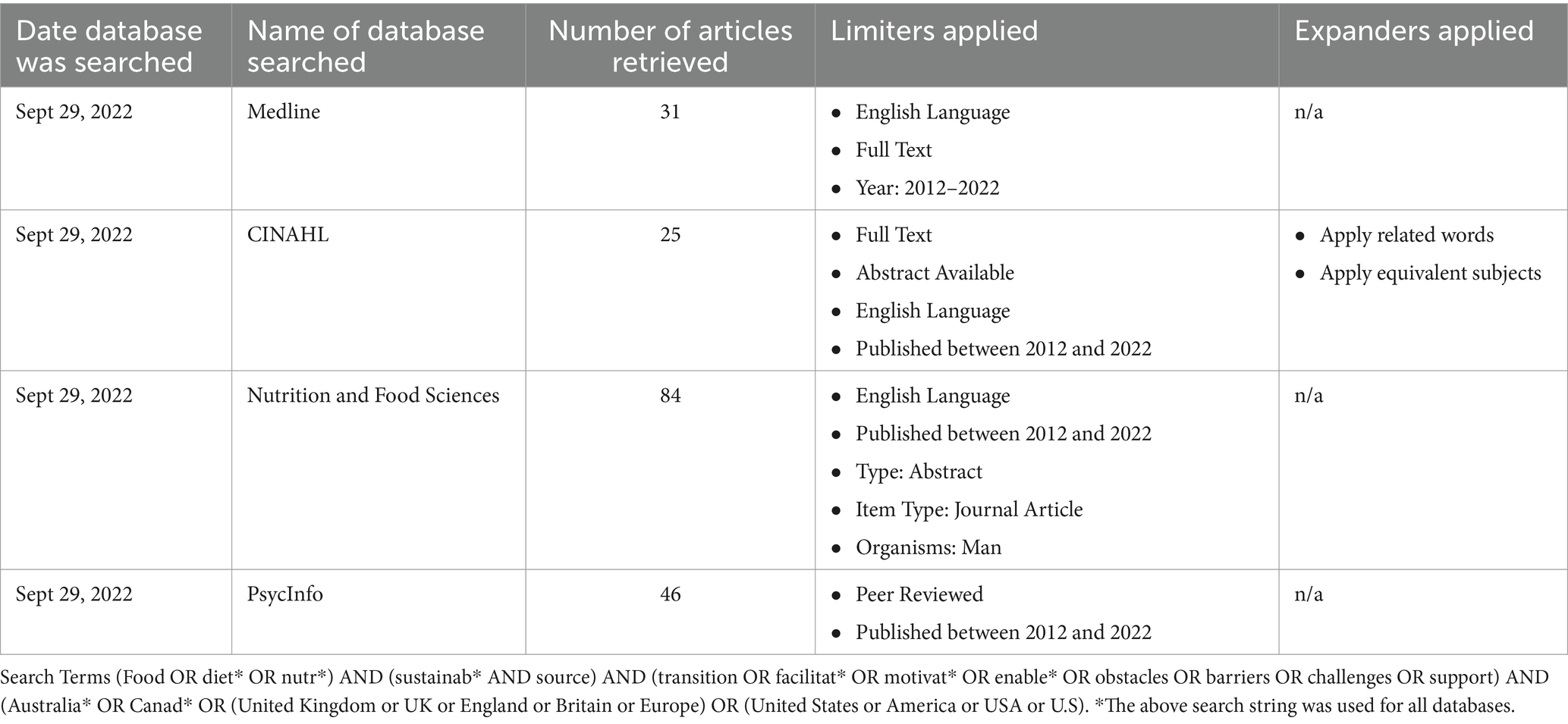
Table 1. Database search strategy for article retrieval.
Article screening
Primary research articles were included if (1) results related to the facilitation of SD uptake and (2) they studied Western countries (e.g., Canada, Western European countries, United States, Australia). Articles that did not address or consider the process of SD uptake and articles that took place in other countries were excluded. Reviews were also excluded. DistillerSR software was used by two independent researchers to screen and extract data. Three screening levels were created to screen the title, abstract, and full-text of articles and two screeners from the research team were assigned to each level. Four questions were used for each level to assess whether: (1) sustainability is a major concept, (2) the article focuses on food or diets, (3) the location of the study was considered a Western country, and (4) the study assessed factors that facilitate SD uptake. The research team did not specify what a sustainable food/dietary pattern was, but included those justified by the authors as more sustainable. Relevant review articles were retained as contextual literature but not included in the study.
Data collection and analysis
Data extracted on each of the articles was collected and collated collectively using an Excel spreadsheet. All researchers, with the exception of LC, JW and TE, extracted data on 3–4 articles. For each article, one researcher extracted data and cross checked with one additional team member if questions arose. From each article, researchers extracted data on the study design, country/countries where data collection took place, participant characteristics (see Table 2), as well as key findings on factors that influence the uptake of sustainable diets (Table 3).
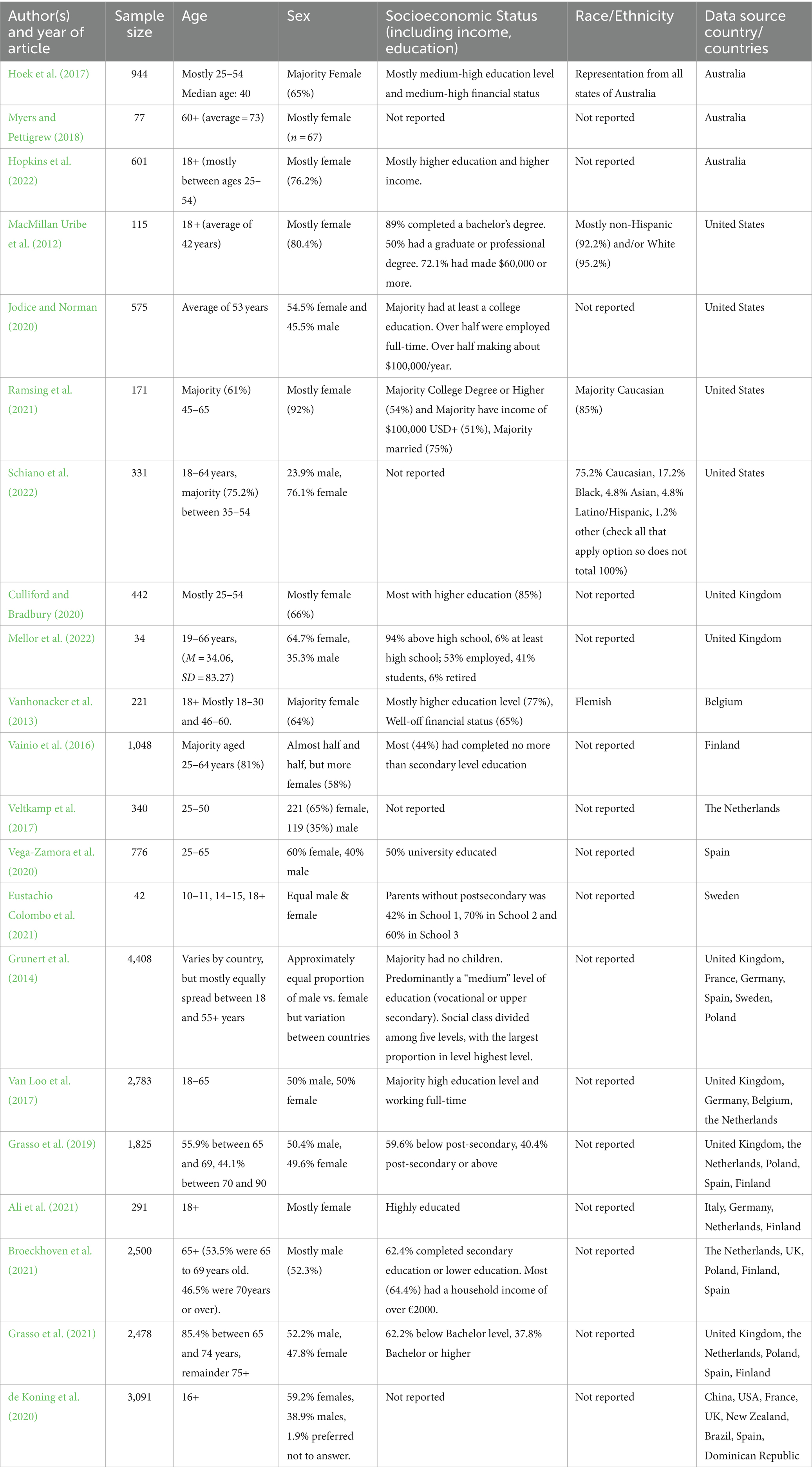
Table 2. Summary of participant characteristics across 21 studies.
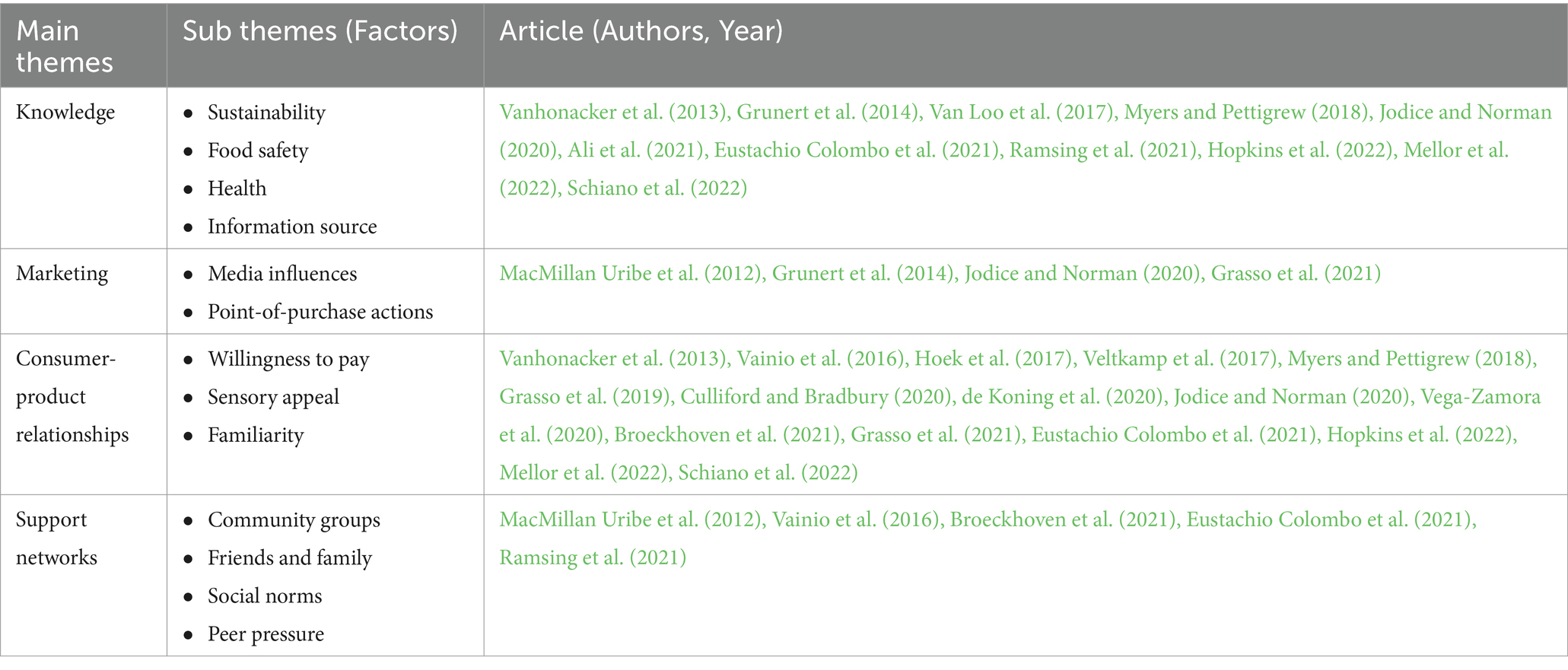
Table 3. Key themes influencing uptake of sustainable diets.
The research team then conducted a thematic analysis of factors influencing uptake of sustainable dietary patterns to make sense of potential leverage points, and used participant characteristic data where relevant to add nuance to the context in which those leverage points are most relevant. This thematic analysis is presented in the discussion of the results. No risk of bias assessment or quality assessment processes were used per scoping review methods (Arksey and O’Malley, 2005).
Trustworthiness
If any disagreement related to identification of the relevant literature, data collection and analysis was identified, the two researchers involved at each screening level would reach consensus through deliberation and consult the broader team if needed.
Results
Study characteristics
A total of 176 articles were identified for screening after duplicate records were removed. Twenty one studies were analyzed after the four-level screening; this included studies added from forward/backward searching and an expert in the field. Figure 1 details the article retrieval results (Page et al., 2021). Nineteen studies used a cross-sectional design (MacMillan Uribe et al., 2012; Vanhonacker et al., 2013; Grunert et al., 2014; Vainio et al., 2016; Hoek et al., 2017; Van Loo et al., 2017; Myers and Pettigrew, 2018; Grasso et al., 2019; Culliford and Bradbury, 2020; de Koning et al., 2020; Jodice and Norman, 2020; Vega-Zamora et al., 2020; Ali et al., 2021; Broeckhoven et al., 2021; Eustachio Colombo et al., 2021; Grasso et al., 2021; Hopkins et al., 2022; Mellor et al., 2022; Schiano et al., 2022), one was a randomized control trial (RCT) (Veltkamp et al., 2017), and one was a case study (Ramsing et al., 2021). The cross-sectional studies predominantly used qualitative surveys and interviews, although several used quantitative surveys (Grasso et al., 2019; de Koning et al., 2020; Jodice and Norman, 2020; Ali et al., 2021; Broeckhoven et al., 2021) or a combination of quantitative and qualitative surveys (MacMillan Uribe et al., 2012; Vainio et al., 2016). Four studies were conducted in the U.S (MacMillan Uribe et al., 2012; Grasso et al., 2019; Ramsing et al., 2021; Schiano et al., 2022),. three in Australia (Hoek et al., 2017; Myers and Pettigrew, 2018; Hopkins et al., 2022), and two in the UK (Culliford and Bradbury, 2020; Mellor et al., 2022). In addition, five studies were conducted in Northern and Western European countries, including Belgium (Vanhonacker et al., 2013), Finland (Vainio et al., 2016), The Netherlands (Veltkamp et al., 2017), Spain (Vega-Zamora et al., 2020), and Sweden (Eustachio Colombo et al., 2021). Six studies were carried out across multiple European countries (Grunert et al., 2014; Van Loo et al., 2017; Grasso et al., 2019; Ali et al., 2021; Broeckhoven et al., 2021; Grasso et al., 2021) and one was conducted globally (de Koning et al., 2020). Sample sizes ranged from 34 participants (Mellor et al., 2022) to 4,408 participants (Grunert et al., 2014). Methods of participant recruitment varied among studies; however, online recruitment via social media and emails was evident in the majority of study designs (Grunert et al., 2014; Hoek et al., 2017; Veltkamp et al., 2017; Grasso et al., 2019; de Koning et al., 2020; Jodice and Norman, 2020; Hopkins et al., 2022; Mellor et al., 2022). Other methods included specific market research agencies (MacMillan Uribe et al., 2012; Vanhonacker et al., 2013; Van Loo et al., 2017; Grasso et al., 2019, 2021; Schiano et al., 2022), street recruitment (Vega-Zamora et al., 2020) and paper advertisements (Myers and Pettigrew, 2018).
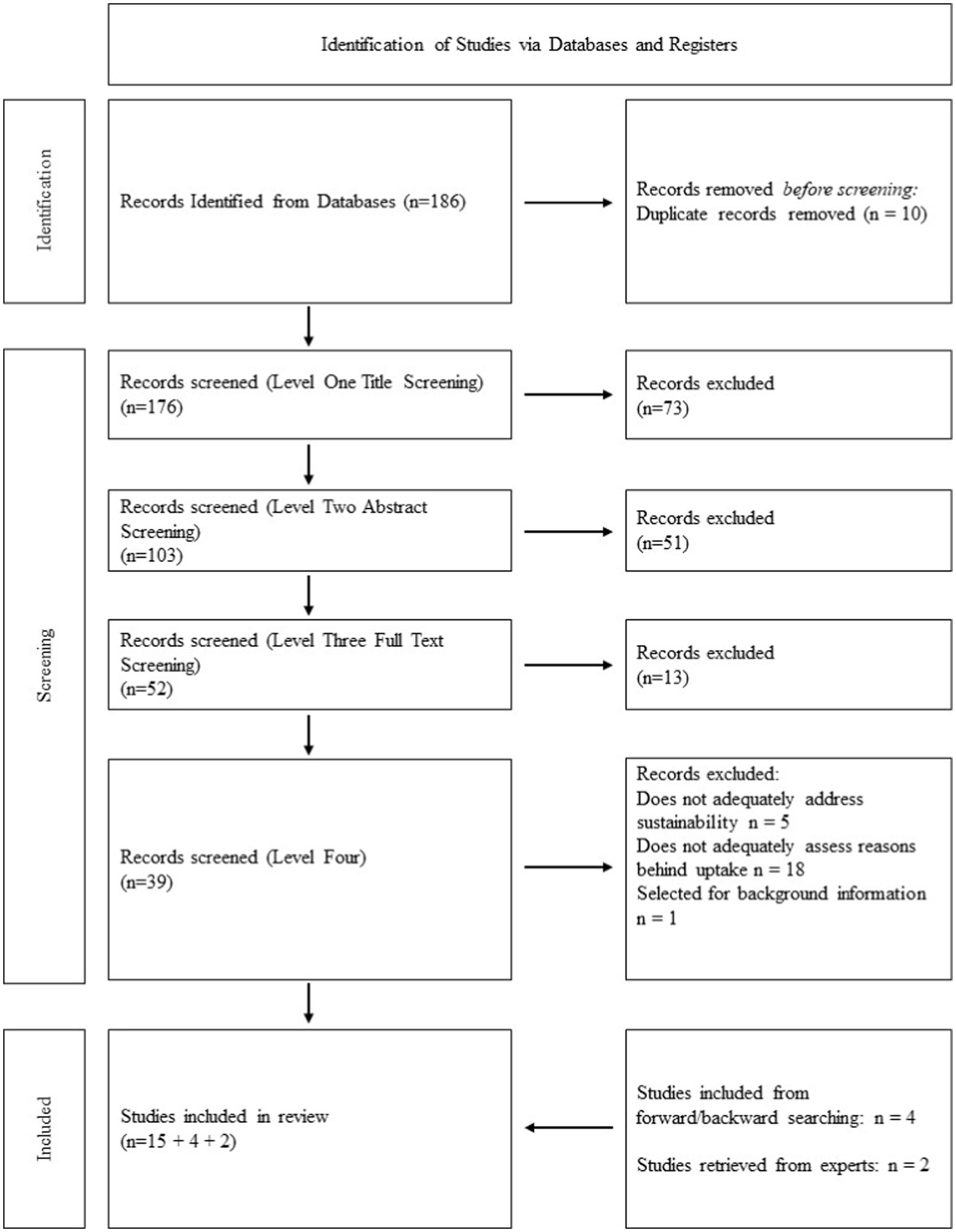
Figure 1. PRISMA flowchart depicting article retrieval process.
Types of sustainable foods/dietary patterns included in the literature
The types of sustainable foods or dietary patterns in the studies varied, including general SD choices or subtypes of SD choices. For instance, the majority focused on a combination of a broad range of food and dietary pattern choices justified by the authors as being more sustainable, such as organic food, alternative protein sources, and eating less meat (MacMillan Uribe et al., 2012; Vanhonacker et al., 2013; Hoek et al., 2017; Veltkamp et al., 2017; Grasso et al., 2019; Culliford and Bradbury, 2020; Broeckhoven et al., 2021; Eustachio Colombo et al., 2021; Grasso et al., 2021) Three studies focused on the general uptake of plant-based protein (Vainio et al., 2016; Van Loo et al., 2017; de Koning et al., 2020), while some specifically focused on plant-based milk (Schiano et al., 2022), sustainable plant production methods (Ali et al., 2021), or the reduction of meat intake (Ramsing et al., 2021). In addition, one study focused on sustainable seafood consumption (Jodice and Norman, 2020), some studies explored entomophagy (Myers and Pettigrew, 2018; Hopkins et al., 2022), including the perspective of seniors (individuals over the age of 65) (Myers and Pettigrew, 2018), and a study explored algae consumption (Mellor et al., 2022). Organic food consumption (Vega-Zamora et al., 2020) and sustainable food labels (Grunert et al., 2014) were also explored by two other studies.
Participant characteristics as factors influencing uptake of sustainable dietary patterns
Participants were predominantly female, with only six studies (Grunert et al., 2014; Grasso et al., 2019; Broeckhoven et al., 2021; Eustachio Colombo et al., 2021; Grasso et al., 2021) using approximately equal proportions of male and female participants. The majority of studies examined participants between the ages of 18–64 years old with medium-to-high education and income levels. Notably, the majority of studies did not disclose race or ethnic representation. See Table 2 for participant characteristics.
Income, education, country of residence and sex were common individual-level factors identified as influential over likelihood of adopting SD. People with higher incomes were more likely to be educated on topics of sustainability such as entomophagy (Hopkins et al., 2022), and more willing to pay food premiums for “healthy,” sustainable or organic food products (Veltkamp et al., 2017; Ali et al., 2021; Schiano et al., 2022). Contrastingly, they were also more likely to eat out (Jodice and Norman, 2020), and consume more meat than other consumers (Vanhonacker et al., 2013; Ramsing et al., 2021). Participants with higher education levels consume an increased variety of food; and are more willing to try alternative protein sources such as insects (Grasso et al., 2019; Hopkins et al., 2022). However, education level has been negatively related to interest in local foods (MacMillan Uribe et al., 2012). In addition, people with higher education levels may be more aware of environmental sustainability and health benefits of plant-based diets; and are willing to pay more for “healthy” and sustainable food products (Van Loo et al., 2017; Grasso et al., 2019; Culliford and Bradbury, 2020), though two studies challenge this. One study found no significant difference between education level and adoption of plant-based diets (Culliford and Bradbury, 2020), while another found that having lower education increased plant protein consumption (Vainio et al., 2016). Employment status was collected for three articles (Van Loo et al., 2017; Jodice and Norman, 2020; Mellor et al., 2022) but was not thoroughly assessed.
Ethnicity/race demographics were collected in three articles (MacMillan Uribe et al., 2012; Ramsing et al., 2021; Schiano et al., 2022) but were not directly mentioned in the discussion section of these articles. However, country of residence was a predictor of SD uptake in two studies. People living in Poland were more likely to eat plant-based protein sources and less likely to eat in vitro meat compared to those living in the UK (Grasso et al., 2019). In addition, people living in Poland were classified as ‘medium’ meat consumers compared to the Netherlands who were considered ‘heavy’ meat eaters (Grasso et al., 2021). Another article also determined that the Netherlands, Finland, and Spain were more likely to consume insect protein sources when compared to data collected from the UK (Grasso et al., 2019).
Sex was another common social demographic factor among all the articles. Female participants commonly expressed more disgust when asked if they would consume insect protein, cellular meats and in vitro meat-based protein sources (Myers and Pettigrew, 2018; Grasso et al., 2019; Hopkins et al., 2022). Males were more willing to eat insect species and products such as insect-based flour, chocolate-coated ants, crickets, ants, etc. (Hopkins et al., 2022). Females were found to be more accepting of meat alternatives when compared to males (Grasso et al., 2019), possibly due to increased awareness of food-related environmental and health consequences (MacMillan Uribe et al., 2012; Culliford and Bradbury, 2020). Females also perceived a larger environmental benefit with reducing food waste, choosing sustainable fish, choosing organic produce, and consuming seasonal fruit and vegetables (Culliford and Bradbury, 2020). Females are willing to pay more for ‘healthy’ and sustainable food options as they are more concerned about sustainability and reading food labels (Grunert et al., 2014; Ali et al., 2021). Finally, females are more likely to reduce meat consumption (Grasso et al., 2021) and adopt a plant-based diet because they tend to be more health conscious and are more likely to acknowledge environmental and public health benefits (Vainio et al., 2016; Van Loo et al., 2017; Grasso et al., 2019; Culliford and Bradbury, 2020).
Factors driving uptake of sustainable dietary patterns
Thematic analysis suggests a range of interrelated factors influencing uptake of sustainable dietary patterns. Five broader themes were identified, as seen in Figure 2: marketing, consumer-product relationships, knowledge, support networks and values. This latter theme served as a central theme as values also influence how the former themes may influence dietary patterns. At a more granular level, each theme included sub themes, or factors, driving uptake of SD.
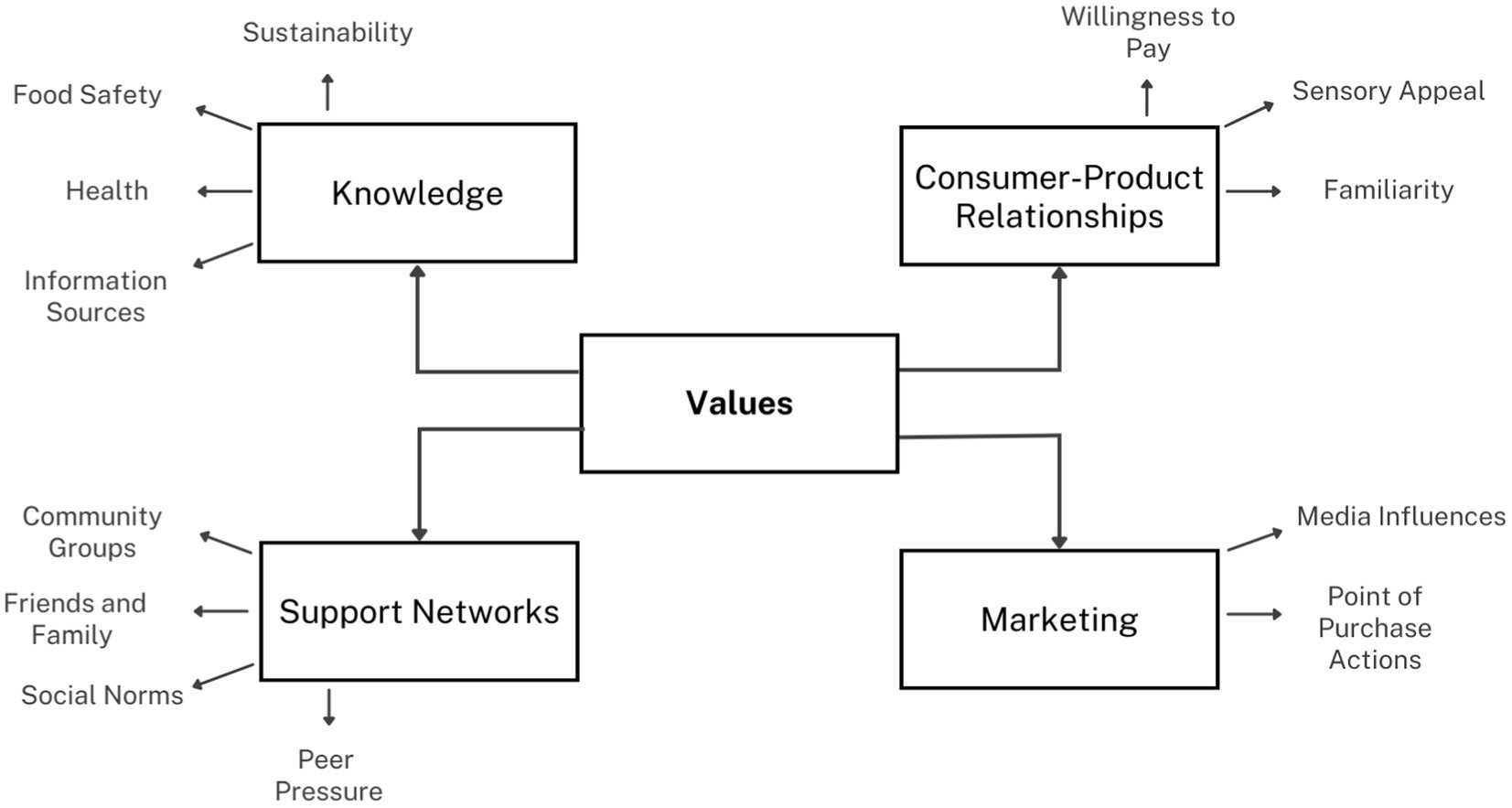
Figure 2. Mind map of key themes influencing uptake of sustainable diets.
Consumer knowledge of the food product included factors such as product sustainability, food safety considerations, and health considerations, as well as the perceived quality of the source of the information. Marketing, as a theme, captured actions which influence consumer attitudes and behaviors based on how products are advertised. This included the subthemes media influences and point-of-purchase techniques. Product-consumer relationships as a theme included factors such as willingness to pay a specific price, sensory appeal and familiarity. Finally, support networks, as a theme, included social factors such as community groups, friends and family, social norms and peer influence, all of which may impact how consumers interact with a product.
The values theme was conceptualized as central to the other four themes as values are the filter through which most other themes and factors are interpreted. For example, just as knowledge of a food or food product’s healthfulness and sustainability may influence dietary patterns, whether this knowledge is acted on is influenced by whether those are important values held by the consumer. Similarly, values influence each of the other factors and themes identified.
These themes are discussed below in the context of the results related to participant characteristics to provide nuance to these relationships.
Discussion
Knowledge
This research suggests that knowledge remains one important component of uptake. Several articles identified the need for increased consumer knowledge about sustainable food choices (Vanhonacker et al., 2013; Jodice and Norman, 2020), to increase acceptance (Myers and Pettigrew, 2018). Even when consumers want to eat, or think they are eating sustainable food, they may lack the appropriate knowledge to properly identify sustainable foods (Jodice and Norman, 2020). By providing increased opportunity for learning, and practical tools like recipe ideas (Mellor et al., 2022) more consumers have become willing to eat sustainable food (Hopkins et al., 2022). This is particularly true if the sustainable alternative is similar to a product they are already familiar with (e.g., insect flour, see also Consumer-product relationships below) (Hopkins et al., 2022). One study suggests that campaigns promoting SDs should focus on raising awareness of the environmental benefit of prioritizing plant-based proteins and choosing organic produce; these findings suggest a knowledge gap in consumer understanding despite an awareness of packaging and food waste (Culliford and Bradbury, 2020) Knowledge that a product is food safe (Myers and Pettigrew, 2018) (e.g., safe even if novel food production methods) (Ali et al., 2021) also helped consumers to have greater acceptance of more sustainable foods/diets.
Highly educated consumers may have more opportunities to learn about sustainability and transition to SDs (Grunert et al., 2014) compared to consumers who have lower education levels (Vainio et al., 2016). Some research singles out employees that work with food (i.e., kitchen staff) as less able to engage in sustainable dietary choices (Eustachio Colombo et al., 2021). In this study, kitchen staff were connected to the food system and wanted to make sustainable food choices, but their actual dietary choices did not reflect what they wanted to eat, possibly due to fewer opportunities or resources (Eustachio Colombo et al., 2021). These findings connecting knowledge, education level, as well as access to opportunities and resources, highlight the well-understood fact that agency is a mediating factor to translating knowledge to action for healthy and sustainable diets. Efforts to transition to sustainable dietary patterns at a population level will need to be informed by equity-based approaches (IPES-Food, 2017).
Consumers’ preconceived ideas, or prior knowledge of sustainable food can impact their food choices. For example, when comparing the perception of sustainable foods to healthy foods, many consumers expected products perceived as sustainable to taste worse (Van Loo et al., 2017; Veltkamp et al., 2017). It may therefore be beneficial to use healthy and sustainable as interchangeable terms (Van Loo et al., 2017) promotion, with the rationale that foods and dietary patterns are not sustainable if they are not healthy (Broman and Robèrt, 2017). Lastly, as knowledge provision alone is insufficient (Grasso et al., 2021) there needs to be a combination of interventions in place to successfully implement dietary change. Additional factors to consider in such interventions are discussed below.
Marketing
Point-of-purchase actions describe what consumers are buying and what factors lead them to make these purchases at the time of purchase. Product packaging plays a large role in what consumers are buying. Yet the current sustainability labels are not playing a large role in point- of- purchase choices (Grunert et al., 2014). Placing instructions, cues or prompts for more sustainable product choice on packaging could encourage purchasing behaviors (Mellor et al., 2022). Health claims that include the term “sustainable” on product packages could also help persuade consumers to purchase sustainable foods (Vainio et al., 2016); however, food labeling is highly regulated in Western countries and would depend on government standards and approvals, which would take time to implement. Alternatively, third-party sustainability labels (“ecolabels”) have been explored (Grunert et al., 2014). These are not federally regulated, but rather, are certifications obtained by organizations who set independent standards (e.g., Fair Trade International).
Mass media, including social media and television, can be helpful (social) marketing methods to provide reliable and valid information to consumers, since this is a primary source of consumer health information (Myers and Pettigrew, 2018; Schiano et al., 2022). It is important to acknowledge that consumers receive information from various sources. Thus, it would be impactful to disseminate information about SDs through multiple media sources. This approach is also vulnerable to dilution by the volume of information coming from available through the same media channels. This product marketing landscape is confusing for consumers with conflicting messages coming from, for example, food manufacturers and trade associations and in some countries without adequate regulatory oversight (Kraak, 2021).
Product-consumer relationships
Product-consumer relationships refer to how certain characteristics of a product, including willingness to pay, familiarity, and sensory appeal influence consumer actions. Pricing of products directly influences consumers’ willingness to pay and this is related to consumer values. Nine of the 21 studies (Vanhonacker et al., 2013; Vainio et al., 2016; Hoek et al., 2017; Culliford and Bradbury, 2020; de Koning et al., 2020; Vega-Zamora et al., 2020; Broeckhoven et al., 2021; Eustachio Colombo et al., 2021; Mellor et al., 2022) examine how willingness to pay higher prices for meat alternatives is moderated by factors such as consumer values, and how price can, in turn, moderate the strength of these values. Two studies found that consumers were more willing to consume alternative proteins than to pay for them (Vanhonacker et al., 2013; de Koning et al., 2020), while other studies illustrate some nuance: that consumers are usually less willing to pay a price premium for plant-based meat alternatives, but are more likely to try more sustainable meat options if priced at a lower cost. For example, the demand for kangaroo meat (as a replacement for beef) rose from 26 to 35% once the price was lower than that of beef (Hoek et al., 2017). However, despite this increase in demand, few participants were willing to try the kangaroo meat, highlighting that price is just one determinant among many. Willingness to pay for more sustainable food products is also moderated by household budgets, and therefore socioeconomic factors such as employment and income; however, these are not explored in the included literature. Theoretical work suggests that government-led price intervention can reduce environmental impacts of meat and dairy food sectors (Säll and Gren, 2015), and empirical evidence shows likely impact on consumer adoption of more sustainable dietary patterns. According to Cawley and Frisvold, taxes on sugar sweetened beverages, a category of foods with well-established negative health and environmental impacts, generally decrease purchasing or sales of these products (Cawley and Frisvold, 2023). Fiscal incentives to adopt more sustainable dietary patterns show promise, could support those who would choose more sustainable choice patterns but for whom price is a strong moderating factor.
Both sensory appeal and familiarity are related to consumers’ willingness to consume and purchase alternative proteins. Familiarity with products was found to increase purchasing behavior (Jodice and Norman, 2020; Schiano et al., 2022) and dishes that closely mimicked familiar meat increased the likelihood of consumption (Broeckhoven et al., 2021; Eustachio Colombo et al., 2021). In agreement with this finding, consumers were also less willing to consume products that looked unfamiliar or contained unfamiliar ingredients (Grasso et al., 2019, 2021; Mellor et al., 2022). This was partly because consumers did not have knowledge on how to prepare unfamiliar ingredients, such as algae (Mellor et al., 2022). One study highlighted that some consumers are less willing than others to try new foods unfamiliar to them, which is a well-accepted phenomenon (Grasso et al., 2019). This factor is likely a contributor to why plant-based proteins (which are already common foods, such as legumes) were commonly accepted alternative proteins, as compared to more novel products.
Not only was familiarity of the product important to consumers, but it was also important that alternative proteins have an enjoyable taste, texture, and smell (i.e., sensory appeal) (Vanhonacker et al., 2013; Veltkamp et al., 2017; Myers and Pettigrew, 2018; Grasso et al., 2019; Broeckhoven et al., 2021; Eustachio Colombo et al., 2021; Grasso et al., 2021; Mellor et al., 2022). Often, ensuring sensory appeal for consumers involved alternative proteins that looked and tasted like meat and had the same texture as meat (Vanhonacker et al., 2013; Eustachio Colombo et al., 2021; Mellor et al., 2022). Many consumers were less willing to try insect- or single-cell-based alternative proteins (Vanhonacker et al., 2013; Myers and Pettigrew, 2018; Grasso et al., 2019; de Koning et al., 2020); however, sensory changes to these products, such as disguising insects through insect-based flour, or in other familiar foods as suggested by older adults (Myers and Pettigrew, 2018) could help overcome disgust (Myers and Pettigrew, 2018; Hopkins et al., 2022; Mellor et al., 2022).
Support networks
Social networks were identified as a key factor in dietary transition in multiple studies (MacMillan Uribe et al., 2012; Vainio et al., 2016;Eustachio Colombo et al., 2021; Ramsing et al., 2021). Social networks consider the social context in which meals are eaten as well as the pressure to conform to social norms. Strong and supportive social networks, including friends and family who eat similar foods and refrain from judgement, have been shown to be positive facilitators for sustainable food choices (Vainio et al., 2016). In addition, programs which provide built-in social support, such as membership in community-supported agriculture (CSAs), have been found to support sustained behavior change (MacMillan Uribe et al., 2012). Conversely, food preferences of friends and family within a consumer’s social network can also be a barrier to behavior change (Eustachio Colombo et al., 2021; Ramsing et al., 2021), such as when friends and family are heavy meat consumers. One study of the Meatless Monday challenge highlights the value of community-based efforts in initiating and maintaining sustainable dietary patterns (Grasso et al., 2021). Adolescents are especially susceptible to peer pressure (Eustachio Colombo et al., 2021). If a teen’s friend group declares their disdain for plant-based meals, the teen may feel less inclined to eat these foods (Eustachio Colombo et al., 2021). The importance of social networks provides the theoretical foundation of some action research to facilitate uptake of sustainable dietary patterns and food citizenship (Warner et al., 2013). This research suggests networks where consumers are able to support each other in their dietary choices may strongly influence uptake, and that current social norms can be influenced so that sustainable dietary choices become the norm.
Values
This major theme underpins the other five themes since individuals’ values shape their knowledge acquisition, product-consumer relationships, and support networks as well as influence their response to marketing strategies. A few examples illustrate this relationship. While knowledge of what is more sustainable and healthy (e.g., legumes) influences behavior, consumers who also value sustainability and health were more likely to eat alternative proteins such as legumes (Vainio et al., 2016; Veltkamp et al., 2017; Mellor et al., 2022), as long as the decision was not overridden by other important factors, such as being accessible and easy to prepare. Furthermore, consumers who valued health and environmental sustainability were more likely to show initiative to seek out sustainable foods (Grunert et al., 2014; Culliford and Bradbury, 2020; Eustachio Colombo et al., 2021). Interventions aiming to transition consumers to sustainable dietary patterns must consider the values of consumers.
Another example of how values influence factors previously presented is that consumers will pay more for what they value. The price of a product was a large determinant of whether consumers would opt for the sustainable option. Along with convenience, these factors are often reported as barriers to choosing sustainable products (Vainio et al., 2016; Hoek et al., 2017; Broeckhoven et al., 2021; Eustachio Colombo et al., 2021).
Strengths and limitations
This review uncovered strong thematic consistency in the literature, suggesting results that provide reliable insight into determinants of SD uptake. This scoping review relied on a wide range of reputable databases to minimize selection bias and multiple researchers involved in screening, extracting and analyzing the data to maximize reliability of the data. The studies included in this review relied on large sample sizes, increasing the validity of the results and themes emerging in this review. However, many of the studies in this review had sample populations with higher education, middle income, and mostly female participants, influencing the population-level generalizability of these study results.
Some of the available research relies on psychosocial theory and the assumption that intention to choose certain foods or dietary patterns increases likelihood of action. We recognize that there are intervening factors that disrupt this theoretical assumption, and these have been included in the Discussion section.
Conclusions and implications
The results of this review indicate a number of themes, knowledge, marketing, consumer-product relationships, and support networks, along with their respective subthemes, are central drivers of consumer adoption of sustainable dietary patterns, and that values are strongly influential on each of these themes, respectively. The themes identified in this research can be helpful to inform a multi-sector, multidisciplinary approach necessary to influencing uptake of sustainable dietary patterns (Springmann et al., 2018). The implications of this research are relevant to several sectors. In the private sector, and for the food industry specifically, modifications to product packaging claims such as sustainability or eco-labels and point-of-purchase incentives, including price reductions for sustainable products, will likely encourage consumer purchasing. For governments, food policy can amplify industry efforts; subsidies and taxes that incentivize purchasing on sustainability and dissuade less sustainable purchasing shows significant promise, though this area of food policy is nuanced. Adjusting policy and product packaging guidelines to standardize and ensure health/sustainability claims is also recommended. These efforts may influence consumers’ openness and willingness to pay for, or try foods, as well as increase opportunities for greater consumer awareness and understanding of SD. For health professionals, such as dietitians, nutrition education focused on healthy and sustainable dietary patterns is helpful to increase access to evidence-based information that balances health and sustainability, and knowledge is still an important driver of behavior change. While knowledge is important, evidence points to creating supportive social environments as a strong lever for uptake and maintenance of more sustainable dietary patterns. At the community and institutional level, campaigns such as Meatless Mondays, which emphasize activities that are done together and normalize novel behaviors, can help spark social networks.
Dietary patterns that are inclusive of health, environmental, and economic sustainability will vary by geographic, temporal and cultural context (Willett et al., 2019); therefore the “one shoe fits all” approach is not applicable. Some combination of efforts will likely be needed in line with the understanding that values will mediate individual response to various intervention approaches.
Data availability statement
The original contributions presented in the study are included in the article/Supplementary material, further inquiries can be directed to the corresponding author.
Author contributions
SS: Conceptualization, Data curation, Investigation, Methodology, Writing – original draft, Writing – review & editing. AG: Conceptualization, Data curation, Investigation, Methodology, Writing – original draft, Writing – review & editing. RK: Writing – original draft, Conceptualization, Data curation, Investigation, Methodology, Writing – review & editing. AS: Writing – original draft, Conceptualization, Data curation, Investigation, Methodology. MM: Writing – original draft, Conceptualization, Data curation, Investigation, Methodology. DN: Writing – original draft, Conceptualization, Data curation, Investigation, Methodology. LC: Funding acquisition, Resources, Supervision, Writing – review & editing, Conceptualization. JW: Funding acquisition, Resources, Supervision, Writing – review & editing, Conceptualization. TE: Funding acquisition, Resources, Writing – review & editing, Conceptualization.
Funding
The author(s) declare that no financial support was received for the research, authorship, and/or publication of this article.
Conflict of interest
The authors declare that the research was conducted in the absence of any commercial or financial relationships that could be construed as a potential conflict of interest.
Publisher’s note
All claims expressed in this article are solely those of the authors and do not necessarily represent those of their affiliated organizations, or those of the publisher, the editors and the reviewers. Any product that may be evaluated in this article, or claim that may be made by its manufacturer, is not guaranteed or endorsed by the publisher.
Supplementary material
The Supplementary material for this article can be found online at: https://www.frontiersin.org/articles/10.3389/fsufs.2024.1333742/full#supplementary-material
References
Ali, B. M., Ang, F., and van der Fels-Klerx, H. J. (2021). Consumer willingness to pay for plant-based foods produced using microbial applications to replace synthetic chemical inputs. PLoS One 16:e0260488. doi: 10.1371/journal.pone.0260488
Arksey, H., and O’Malley, L. (2005). Scoping studies: towards a methodological framework. Int. J. Soc. Res. Methodol. 8, 19–32. doi: 10.1080/1364557032000119616
Broeckhoven, I., Verbeke, W., Tur-Cardona, J., Speelman, S., and Hung, Y. (2021). Consumer valuation of carbon labelled protein-enriched burgers in European older adults. Food Qual. Prefer. 89:104114. doi: 10.1016/j.foodqual.2020.104114
Broman, G. I., and Robèrt, K.-H. (2017). A framework for strategic sustainable development. J. Clean. Prod. 140, 17–31. doi: 10.1016/j.jclepro.2015.10.121
Burlingame, B., and Dernini, S. Sustainable diets and biodiversity: Directions and solutions for policy, research and action [internet]. Rome: FAO (2012).
Cawley, J., and Frisvold, D. (2023). Review: taxes on sugar-sweetened beverages: political economy, and effects on prices, purchases, and consumption. Food Policy 117:102441. doi: 10.1016/j.foodpol.2023.102441
Clark, M., Macdiarmid, J., Jones, A. D., Ranganathan, J., Herrero, M., and Fanzo, J. (2020). The role of healthy diets in environmentally sustainable food systems. Food Nutr. Bull. 41, 31S–58S. doi: 10.1177/0379572120953734
Clark, M., and Tilman, D. (2017). Comparative analysis of environmental impacts of agricultural production systems, agricultural input efficiency and food choice. Environ. Res. Lett. 12:064016. doi: 10.1088/1748-9326/aa6cd5
Culliford, A., and Bradbury, J. (2020). A cross-sectional survey of the readiness of consumers to adopt an environmentally sustainable diet. Nutr. J. 19:138. doi: 10.1186/s12937-020-00644-7
de Koning, W., Dean, D., Vriesekoop, F., Aguiar, L. K., Anderson, M., Mongondry, P., et al. (2020). Drivers and inhibitors in the acceptance of meat alternatives: the case of plant and insect-based proteins. Food Secur. 9:1292. doi: 10.3390/foods9091292
Eustachio Colombo, P., Elinder, L. S., Patterson, E., Parlesak, A., Lindroos, A. K., and Andermo, S. (2021). Barriers and facilitators to successful implementation of sustainable school meals: a qualitative study of the OPTIMAT™-intervention. Int. J. Behav. Nutr. Phys. Act. 18:89. doi: 10.1186/s12966-021-01158-z
Grasso, A. C., Hung, Y., Olthof, M. R., Brouwer, I. A., and Verbeke, W. (2021). Understanding meat consumption in later life: a segmentation of older consumers in the EU. Food Qual. Prefer. 93:104242. doi: 10.1016/j.foodqual.2021.104242
Grasso, A. C., Hung, Y., Olthof, M. R., Verbeke, W., and Brouwer, I. A. (2019). Older consumers’ readiness to accept alternative, more sustainable protein sources in the European Union. Nutrients 11:1904. doi: 10.3390/nu11081904
Grunert, K. G., Hieke, S., and Wills, J. (2014). Sustainability labels on food products: consumer motivation, understanding and use. Food Policy 44, 177–189. doi: 10.1016/j.foodpol.2013.12.001
Hoek, A. C., Pearson, D., James, S. W., Lawrence, M. A., and Friel, S. (2017). Healthy and environmentally sustainable food choices: consumer responses to point-of-purchase actions. Food Qual. Prefer. 58, 94–106. doi: 10.1016/j.foodqual.2016.12.008
Hopkins, I., Farahnaky, A., Gill, H., Newman, L. P., and Danaher, J. (2022). Australians’ experience, barriers and willingness towards consuming edible insects as an emerging protein source. Appetite 169:105832. doi: 10.1016/j.appet.2021.105832
IPES-Food. Unravelling the Food-Health Nexus: Addressing practices, political economy, and power relations to build healthier food systems. [Internet]. The Global Alliance for the Future of Food and IPES-Food (2017). Available at: http://www.ipes-food.org/health
Jodice, L. W., and Norman, W. C. (2020). Comparing importance and confidence for production and source attributes of seafood among residents and tourists in South Carolina and Florida coastal communities. Appetite 146:104510. doi: 10.1016/j.appet.2019.104510
Kraak, V. I. (2021). Perspective: unpacking the wicked challenges for alternative proteins in the United States: can highly processed plant-based and cell-cultured food and beverage products support healthy and sustainable diets and food systems? Adv. Nutr. 13, 38–47. doi: 10.1093/advances/nmab113
MacMillan Uribe, A. L., Winham, D. M., and Wharton, C. M. (2012). Community supported agriculture membership in Arizona. An exploratory study of food and sustainability Behaviours. Appetite 59, 431–436. doi: 10.1016/j.appet.2012.06.002
Mellor, C., Embling, R., Neilson, L., Randall, T., Wakeham, C., Lee, M. D., et al. (2022). Consumer knowledge and acceptance of “algae” as a protein alternative: a UK-based qualitative study. Food Secur. 11:1703. doi: 10.3390/foods11121703
Myers, G., and Pettigrew, S. (2018). A qualitative exploration of the factors underlying seniors’ receptiveness to entomophagy. Food Res. Int. 103, 163–169. doi: 10.1016/j.foodres.2017.10.032
Page, M. J., McKenzie, J., Bossuyt, P. M., Boutron, I., Hoffmann, T. C., Mulrow, C. D., et al. (2021). The PRISMA 2020 statement: an updated guideline for reporting systemic reviews. BMJ 372:n72. doi: 10.1136/bmj.n71
Paloviita, A. (2021). Developing a matrix framework for protein transition towards more sustainable diets. Br. Food J. 123, 73–87. doi: 10.1108/BFJ-09-2020-0816
Ramsing, R., Chang, K. B., Hendrickson, Z. M., Xu, Z., Friel, M., and Calves, E. (2021). The role of community-based efforts in promoting sustainable diets: lessons from a grassroots meat reduction campaign. J. Agric. Food Syst. Commun. Dev., 1–25. doi: 10.5304/jafscd.2021.102.026
Ronto, R., Saberi, G., Leila Robbers, G. M., Godrich, S., Lawrence, M., Somerset, S., et al. (2022). Identifying effective interventions to promote consumption of protein-rich foods from lower ecological footprint sources: a systematic literature review. PLOS Glob. Public Health 2:e0000209. doi: 10.1371/journal.pgph.0000209
Säll, S., and Gren, I. M. (2015). Effects of an environmental tax on meat and dairy consumption in Sweden. Food Policy 55, 41–53. doi: 10.1016/j.foodpol.2015.05.008
Schiano, A. N., Nishku, S., Racette, C. M., and Drake, M. A. (2022). Parents’ implicit perceptions of dairy milk and plant-based milk alternatives. J. Dairy Sci. 105, 4946–4960. doi: 10.3168/jds.2021-21626
Springmann, M., Clark, M., Mason-D’Croz, D., Wiebe, K., Bodirsky, B. L., Lassaletta, L., et al. (2018). Options for keeping the food system within environmental limits. Nature 562, 519–525. doi: 10.1038/s41586-018-0594-0
United Nations [Internet]. (n.d.-a). The Climate Crisis - A Race We Can Win; Date unknown. Available at: https://www.un.org/en/un75/climate-crisis-race-we-can-win
United Nations [Internet]. (n.d.-b). Food and Climate Change: Healthy diets for a healthier planet; Date unknown. Available at: https://www.un.org/en/climatechange/science/climate-issues/food#:~:text=Eachofthesestepscreatesemissionsislinkedtofood
Vainio, A., Niva, M., Jallinoja, P., and Latvala, T. (2016). From beef to beans: eating motives and the replacement of animal proteins with plant proteins among Finnish consumers. Appetite 106, 92–100. doi: 10.1016/j.appet.2016.03.002
Van Loo, E. J., Hoefkens, C., and Verbeke, W. (2017). Healthy, sustainable and plant-based eating: perceived (mis)match and involvement-based consumer segments as targets for future policy. Food Policy 69, 46–57. doi: 10.1016/j.foodpol.2017.03.001
Vanhonacker, F., Van Loo, E. J., Gellynck, X., and Verbeke, W. (2013). Flemish consumer attitudes towards more sustainable food choices. Appetite 62, 7–16. doi: 10.1016/j.appet.2012.11.003
Vega-Zamora, M., Parras-Rosa, M., and Torres-Ruiz, F. J. (2020). You are what you eat: the relationship between values and organic food consumption. Sustain. For. 12:3900. doi: 10.3390/su12093900
Veltkamp, M., Anschutz, D. J., Kremers, S. P. J., and Holland, R. W. (2017). Comparison of food recommendations varying in sustainability: impact on dietary intake and motivation to follow recommendations. J. Health Psychol. 25, 373–386. doi: 10.1177/1359105317718056
Warner, A., Callaghan, E., and de Vreede, C. (2013). Promoting sustainable food and food citizenship through an adult education leisure experience. Leis./Loisir 37, 337–360. doi: 10.1080/14927713.2014.906176
Keywords: sustainable diet, dietary patterns, consumer, uptake, environmental sustainability, Western countries, scoping review
Citation: Srinivasan S, Galvez A, Krieger R, Sebo A, Mckever M, Nestico D, Carlsson L, Wegener J and Everitt T (2024) Factors that facilitate consumer uptake of sustainable dietary patterns in Western countries: a scoping review. Front. Sustain. Food Syst. 8:1333742. doi: 10.3389/fsufs.2024.1333742
Edited by:
Maria Isabel Miguel, University of Coimbra, PortugalReviewed by:
Aida Turrini, Independent researcher, Scansano, ItalyFatemeh Mohammadi-Nasrabadi, National Nutrition and Food Technology Research Institute, Iran
Copyright © 2024 Srinivasan, Galvez, Krieger, Sebo, Mckever, Nestico, Carlsson, Wegener and Everitt. This is an open-access article distributed under the terms of the Creative Commons Attribution License (CC BY). The use, distribution or reproduction in other forums is permitted, provided the original author(s) and the copyright owner(s) are credited and that the original publication in this journal is cited, in accordance with accepted academic practice. No use, distribution or reproduction is permitted which does not comply with these terms.
*Correspondence: Soumya Srinivasan, c291bXlhLnNyaW5pdmFzYW5AdG9yb250b211LmNh