 Xiaoyu Zhu
 Dongfei Tan2†
 Changliang Shao
 Ruirui Yan
 Xiaoping Xin
- 1Agro-Environmental Protection Institute, Ministry of Agriculture and Rural Affairs, Tianjin, China
- 2Institute of Agro-product Safety and Nutrition, Tianjin Academy of Agricultural Sciences, Tianjin, China
- 3State Key Laboratory of Efficient Utilization of Arid and Semi-arid Arable Land in Northern China, National Hulunber Grassland Ecosystem Observation and Research Station, Institute of Agricultural Resources and Regional Planning, Chinese Academy of Agricultural Sciences, Beijing, China
- 4School of Ecology, Environment and Resources, Guangdong University of Technology, Guangzhou, China
Introduction: Grass-livestock interaction is of great value in maintaining ecological balance, regional economic development, and the sustainability of grassland husbandry, which has gained attention in recent years in both academia and practice, however, study on grass-livestock interaction possesses cognitive bias and gaps.
Methods: This study clarified the latest research progress and development trend in the grass-livestock interaction field by illuminating publication trend, cooperative network, keyword co-occurrence relationship, keyword clustering during 2000 to 2022 based on the Web of Science core database.
Results: The results indicated that the annual number of publications in the grass-livestock interaction field showed a globally increasing with interdisciplinary and international collaboration, and the United States of America ranked firstly, followed by Brazil, England, Australia, China. Agricultural Research Service, the U.S. Department of Agricultures was the organization with the highest number of publications, and Rangeland Ecology & Management, Agriculture, Ecosystems & Environment, Grass and Forage Science were the top three journals. Furthermore, in terms of the temporal evolution, the research targeting the grass-livestock interaction mainly went through three stages: initial exploration period (2000–2011), to the period of rapid development (2012–2016) to transitional development period (2017–2022), and the notable existing keywords was Management, Livestock, Cattle, Vegetation, Growth, Soil. In terms of the structural composition, four broad divisions including mechanism of human activities, grassland resource monitoring and management, grassland livestock competition/adaptability, grassland land/soil research were identified. The results provide positive and objective insights into that grassland sustainability and grazing control through strengthening cross-disciplinary and cross-regional cooperation, and applying of standard methods based on evaluation system in the grass-livestock interaction field.
Discussion: The overall contribution of the work is provision of novel insight into the intellectual structure and temporal progression of grass-livestock interaction research at a macroscopic scale and the directions in which the field is headed currently.
1 Introduction
Grass-livestock interaction is generally defined as the interaction between the production layers of plants and the production layers of animals (livestock) in grassland agroecosystems (Campbell et al., 2021). Grass-livestock interaction not only affects the production and stability of grassland ecosystem, but also provides the driving force for the service function of grassland ecosystem (Chang et al., 2015; Guo et al., 2022). Maintaining the balance between livestock and grass reflects in the grazing intensity of livestock and plant productivity (Chu et al., 2022; Dang et al., 2023), and indicates the diversity of species and the energy flow and material circulation of ecosystems (van Hal et al., 2019; Zhang et al., 2019; Cheruiyot et al., 2020; Xue et al., 2021). Therefore, how to improve degraded grassland, maintain sustainable development of grassland ecosystem and protect grassland resources through grassland management measures including grass-livestock interaction while developing economy is an urgent issue. However, there are still some challenges in the practical application of grass-livestock interaction. For example, grass-livestock interaction involves multi-stakeholder collaboration, including farmers, governments, scientific research institutions, enterprises, and so on, which requires the establishment of effective cooperation mechanisms and management systems (Krizsan et al., 2021), as well as farmers’ knowledge and skills related to fine livestock management and healthy breeding (Genevieve and Libby, 2023; “The grass is greener on the other side: The impact of innovation on environmental sustainability,” 2023). Furthermore, the application of grass-livestock interaction also needs to fully consider the local natural, economic, social, and cultural characteristics, and adapts to local conditions to ensure sustainability and adaptability (Singh et al., 2011; Elgersma et al., 2021).
Grass-livestock interaction is synthetic effected by natural factors including grassland resources, terrain, climate, and social issues involving land policy, agricultural technology, capital (Watson et al., 2021). The monitoring of grass-livestock interaction is mostly derived from mesoscale and macro data, which lacks a systematic analysis framework of grass and livestock balance (Spagnuolo et al., 2020; Zhao et al., 2023). The measurement systems constructed by different scholars vary greatly lead to wide differences in corresponding measurement results and different explanations for grassland overload. In terms of sustainability evaluation, the economic, social, and environmental benefits were comprehensively evaluated through life cycle evaluation, comprehensive evaluation, and other methods, so as to explore its performance and optimization strategies in long-term and comprehensive grassland sustainability (Lanzoni et al., 2023). According to research findings, the grass-livestock interaction can increase the income of farmers, reduce the production cost, and improve the efficiency of resource utilization (Knudsen et al., 2019; Jackson, 2020; Jan et al., 2020). In terms of social benefits, grass-livestock interaction can promote rural employment, improve rural residents’ living standards, and promote rural tourism and cultural inheritance (Vold et al., 2019; Wells et al., 2021; Tscharntke et al., 2022). In aspects of environmental benefits, it can improve soil quality, reduce the use of fertilizers and pesticides, and protect biodiversity (Tscharntke et al., 2021; Shen et al., 2022; Thomas et al., 2023). These assessment results provide a scientific basis for the sustainability and long-term development of grass-livestock interaction (Grass et al., 2020). In general, there have been a large number of studies on grass-livestock interaction at home and abroad from the aspects of vegetation-bio-environment (Yan et al., 2021), structure and function (Bedoić et al., 2019) due to standardized methods and empirical emphasis (Pausas et al., 2020; Lu et al., 2023), and a series of positive results have been achieved in the research status (Van Buren et al., 2015; Castrosanto et al., 2021; Jaramillo et al., 2021). However, it is difficult to effectively summarize and quantitatively analyze the development status and trend in the field of grass-livestock interaction based on systematic perspective and bibliometrics. Moreover, it is also unclear which divisions remained alive, which ones disappeared or shrank, and which areas of grass-livestock interaction research and practice are emerging.
This study investigates the patterns of grass-livestock interaction research across various geographical regions as well as the variation of this geographical distribution through the 5,505 literatures collected in the core database of Web of Science from 2000 to 2022. The main research objectives are to: (1) Raise awareness in the field of grass-livestock interactions by analyzing the basic characteristics and changes, critical research topics and major divisions in the grass-livestock interaction field. (2) Propose further insights and recommendations for future research in grass-livestock interactions, discussing ways to strengthen the application of remote sensing technology in this area and foster comprehensive interdisciplinary development.
2 Materials and methods
2.1 Data and materials
Full bibliometric data of this set of documents were exported in the form of text files for analysis, which included their title, date of publication, author names and affiliations, citation count, list of keywords, abstract text and list of references. The source of literature data is Web of Science database core collection (accessed on 9th to 22nd September 2023),1 which the retrieval period was from 2000 to 2022. To analyze the grass-livestock interaction research in its broadest scope, collective publications in grass-livestock interaction were considered and their full bibliometric information was exported and analyzed. The specific research steps: (1) Web of Science core database searching subject is grass and livestock with a total of 18,342 valid data; (2) control time range is from 2000 to 2022, with a total of 11,636 data; (3) the type of control literature is articles and reviews, with a total of 8,258 data; (4) 5505 valid literature records are obtained after refining, cleaning, and summarizing the initial search results to ensure the quality and applicability of literature data.
2.2 Visualization and statistical methods
The research methods of this paper include bibliometric method, content analysis method and clustering analysis method. In this study, the methodology of Visualization of Similarities (VOS) and the Document Co-Citation Analysis (DCA) are proposed to process the retrieved literature data, and data mining, mapping, and clustering are carried out graphically to extract key information from countries, academic institutions, journals, and keywords. They can be constructed based on citations, bibliographic coupling, co-citations, or co-author relationships. Compared with other document metrology software, VOSviewer has the advantages of strong graphical display ability, which is suitable for large-scale data, and strong versatility, which is suitable for various formats of source data. The clustering algorithm employed in VOSviewer is the stepwise clustering approach, which involves R-type clustering analysis of a large samples (keywords) and their categorical variables (such as citation frequency, publication year, etc.) after filtering, and primarily relies on the algorithm of association strength, selecting high-frequency keywords from the study for cluster analysis (van Eck and Waltman, 2017). The analysis results include cluster divisions, keyword linkage coefficients (co-occurrence strength), total node linkage strength (reflecting the strength of relationships between multivariate nodes), and the strength assignment of various variables related to keywords.
3 Results
3.1 General situation of grass-livestock interaction research
3.1.1 Trend and number of publications
The annual number of publications and the interannual change are important indicators to measure the trend of research on the topic of grass-livestock interaction. The number of published papers in the grass and livestock interaction field showed an overall upward trend from 2000 to 2022, increasing from 84 papers in 2000 to 453 papers in 2022, with a growth rate of 81.46% (Figure 1). Among them, the peak number of published papers was 510 papers in 2021. In 2007, 2009 and 2014, the number of published papers increased rapidly, which were 24.58, 33.76 and 28.75%, respectively, indicating that the research scale in the grassland and livestock interaction field emerged phased expansion.
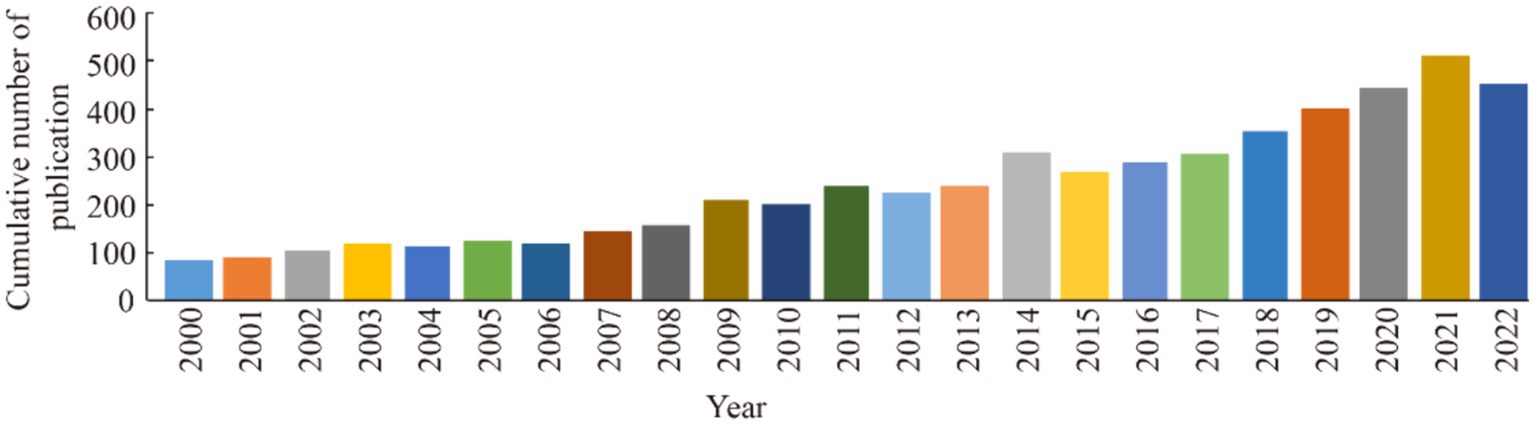
Figure 1. Annual trends and cumulative number of publications in the grassland ecosystem field from the Web of Science core database (2000–2022).
3.1.2 Distribution and cooperation of key countries and institutions
Figures 2A,B as showed the distribution of countries and their cooperation in the grassland and livestock interaction field. In the past 23 years, a total of 127 countries and regions have published articles in the grass and livestock interaction field. Among them, the top 10 countries are United States of America, Brazil, England, Australia, China, France, Germany, Argentina, South Africa, and Spain. The total number of published papers in these countries was 4,596, accounting for 58.21% of the total amount. The number of articles published in the United States, with 1,498 articles, ranked first, accounting for 18.97% of the total number of articles. Brazil, with 587 papers is close behind in second place, but the total number is only 39.19% of the United States. China (399 articles) ranked fifth, with a certain gap with England (497 articles) and Australia (465 articles; Figure 2C).
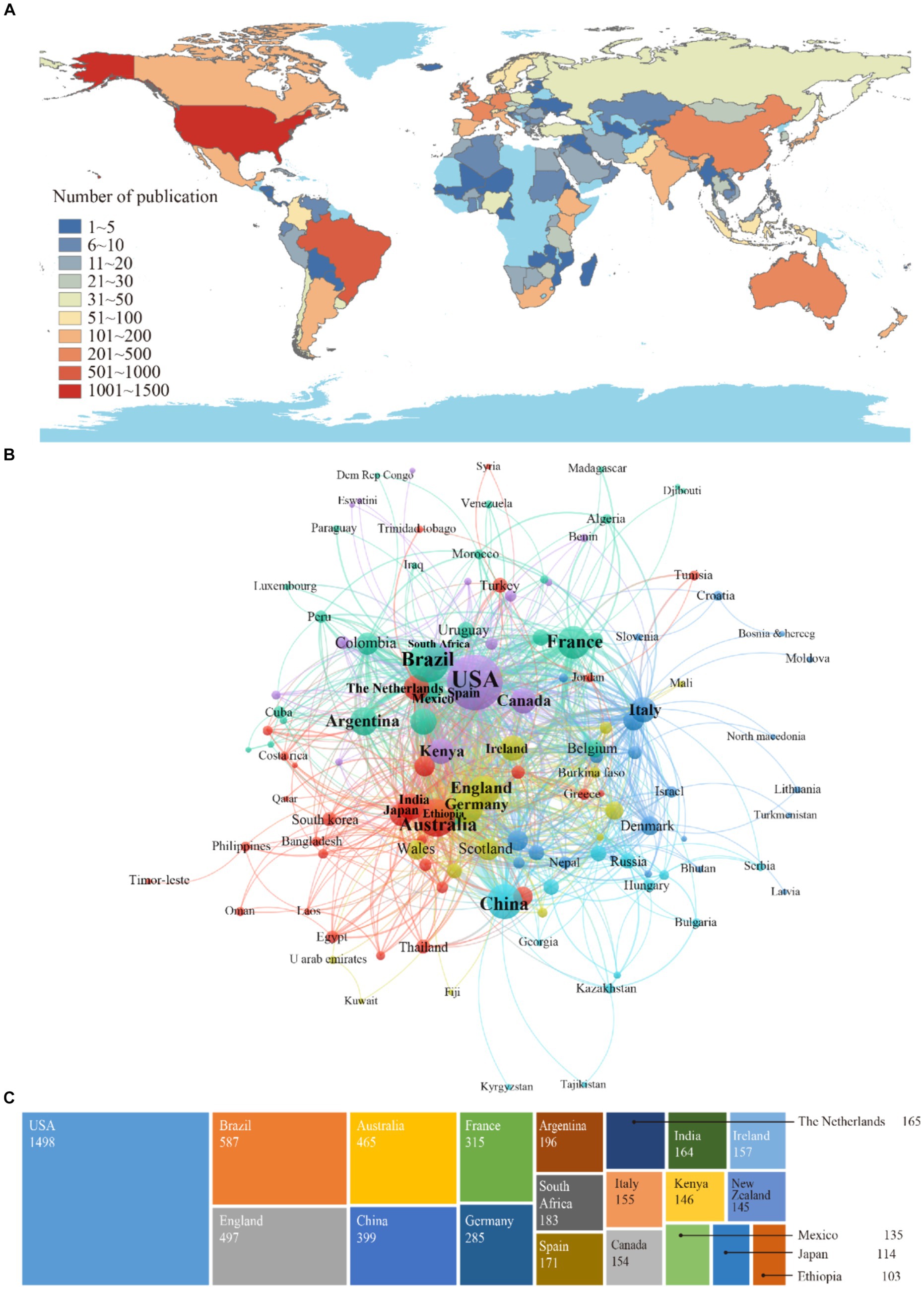
Figure 2. Mapping knowledge domain of countries in grass-livestock interaction research from 2000 to 2022. (A) Distribution and cooperation of countries based on number of publications; (B) Cooperation network of countries researching on grass-livestock interaction from 2000 to 2022; (C) Key countries that published papers in grass-livestock interaction research from 2000 to 2022. Light blue is the base color of the map, no data included.
In the recent 23 years, there have been 3,375 global research institutions on grass-livestock interaction, widely distributed around the world. The top 20 institutions (Table 1) in the number of publications showed that the Agricultural Research Service, the U.S. Department of Agriculture, had published 372 papers, ranked first, which the number of papers was much higher than other institutions. The Institut National de la Recherche Agronomique of France, with 131 publications, was in second place. Chinese Academy of Sciences ranked third with 128 articles. From the perspective of institution type (Table 1), there were 15 universities, which were the main issuing institutions, two scientific research institutes including Institution National de la Recherche Agronomique of France, and Chinese Academy of Sciences, three government agencies, mainly involving Agricultural Research Service, the U.S. Department of Agriculture, Agriculture and Food Development Authority of Ireland, and Agriculture and Agri-Food Canada.
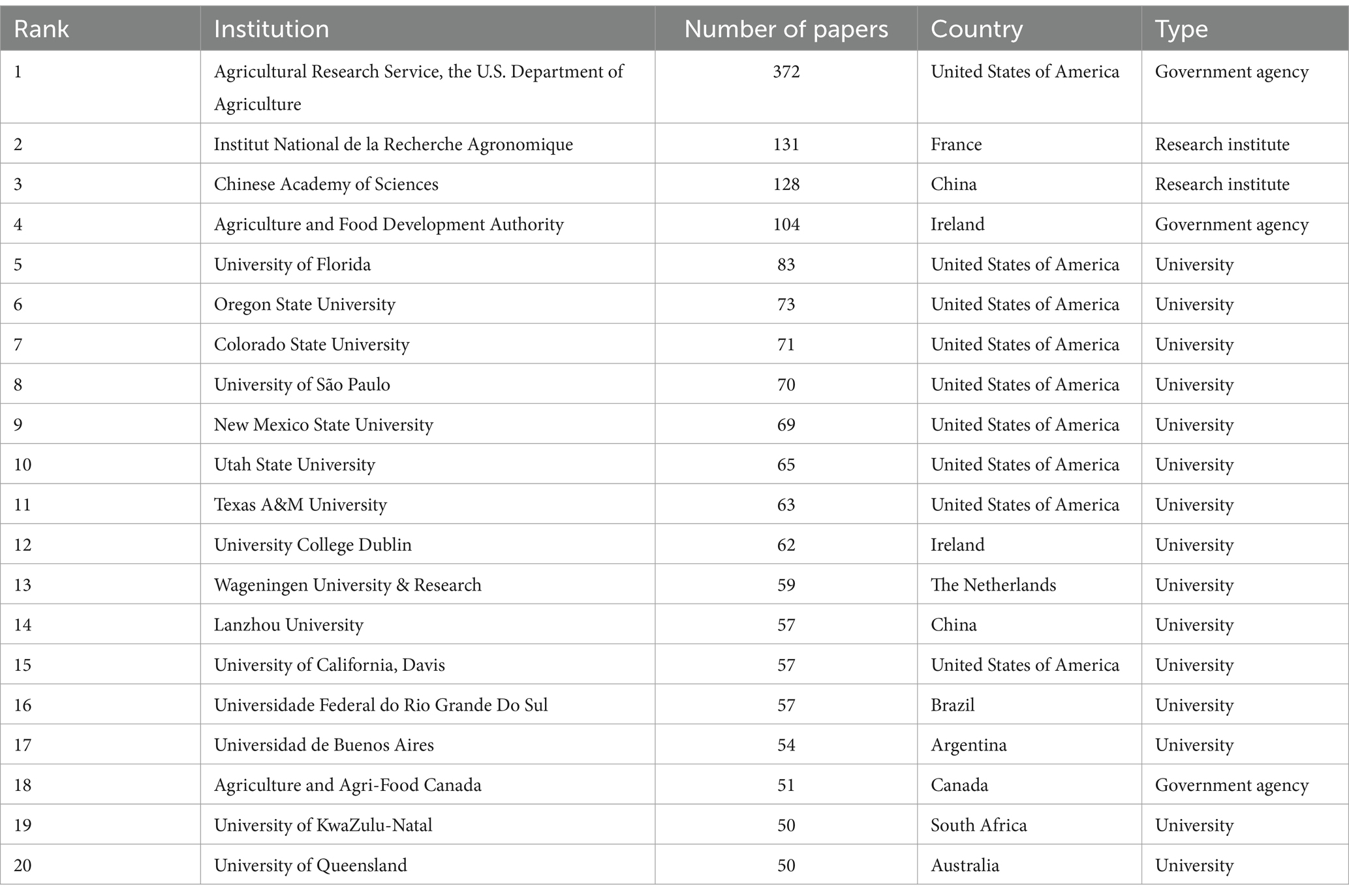
Table 1. Top 20 institutions determined by the number of published papers in grass-livestock interaction research from 2000 to 2022.
3.1.3 Main published journals of grass-livestock interaction
In the retrieved articles, a total of 1,060 journals have published articles targeting grass-livestock interaction, and the top three journals have published more than 100 articles, most of which mainly included related contents on ecology, agronomy and crop science, animal science (Table 2). According to the statistics of the top 20 journals, Agriculture, Ecosystems & Environment, Agricultural Systems, Animal Feed Science and Technology, Animals, Animal, Journal of Animal Science, Agronomy-Basel, showed higher citation scores and impact factors, and were in the first partition. And these seven journals published a total of 462 papers, accounting for 31.9%.
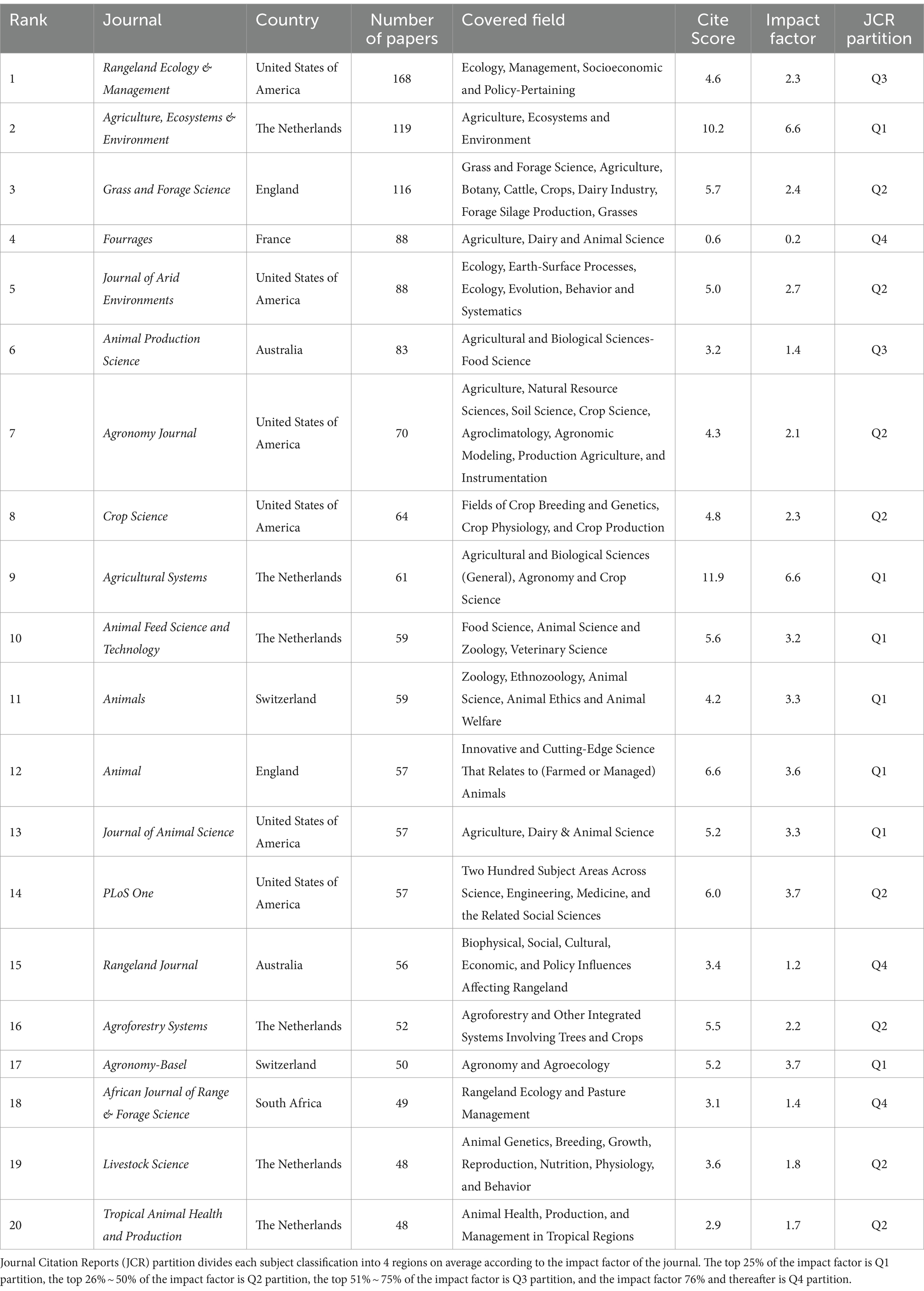
Table 2. Ranking of top 20 journal sources by the number of publications on grass-livestock interaction from 2000 to 2022.
3.2 Temporal evolution of grass-livestock interaction
3.2.1 Initial research period (2000–2011) of grass-livestock interaction
Shown as Figure 3, the number of core subject words appeared was 2,128 from 2000 to 2011, the standardized average citation rate score was 1.25 (high), the average association strength was 50.22 (high), and the keywords with the top 10 frequency were Management, Cattle, Vegetation, Livestock, Grazing, Sheep, Nitrogen, Grass, Grassland, Growth. The research content of this period focuses on understanding and improving the related content of grass-livestock interaction including forage, pasture, livestock, and management, and emphasizes on the influence of grassland forage feed on the development of animal husbandry and the impact of grassland on the carrying capacity of livestock.
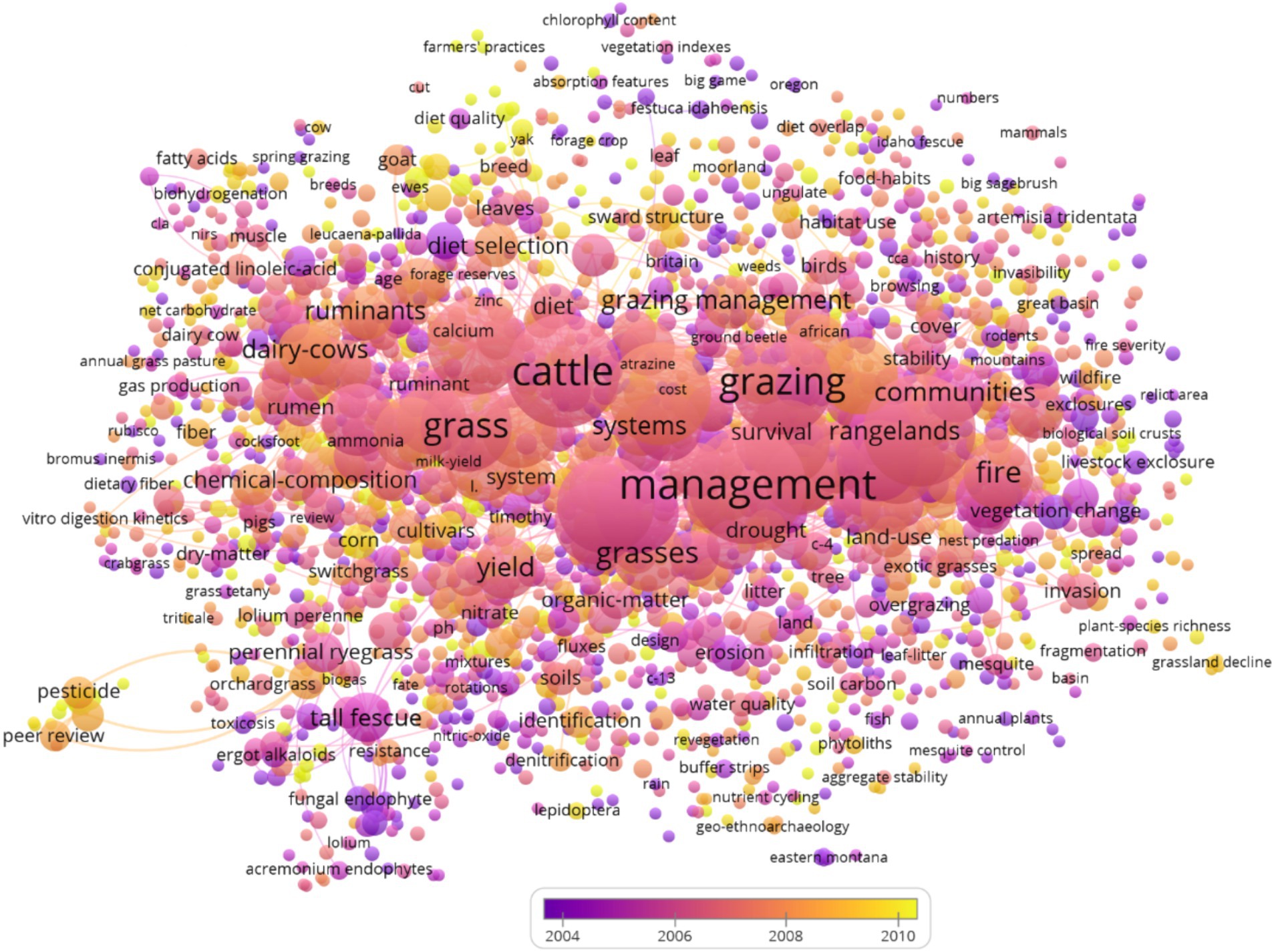
Figure 3. Keyword occurrences of grass-livestock interaction research from 2000 to 2011. The node size represents the frequency of keyword occurrence, the font size marked with node keywords represents the intensity of node centrality, and the thickness of the line represents the correlation strength between the keyword and other keywords. The thicker the line, the higher the correlation strength. The same below.
3.2.2 Rapid development period (2012–2016) of grass-livestock interaction
Shown as Figure 4, the number of core subject words was 1919 from 2012 to 2016, the standardized average citation rate score was 1.18 (high), the average association intensity was 50.90 (high), and the keywords with the top 10 frequency were Management, Livestock, Vegetation, Cattle, Grassland, Growth, Diversity, Nitrogen, Grass, Soil. During this period, the main contents of the research on grass-livestock interaction were forage, pasture, livestock, soil and management, and the focus of the research was shifted from the single grass-livestock relationship to pasture management, biodiversity, and soil research.
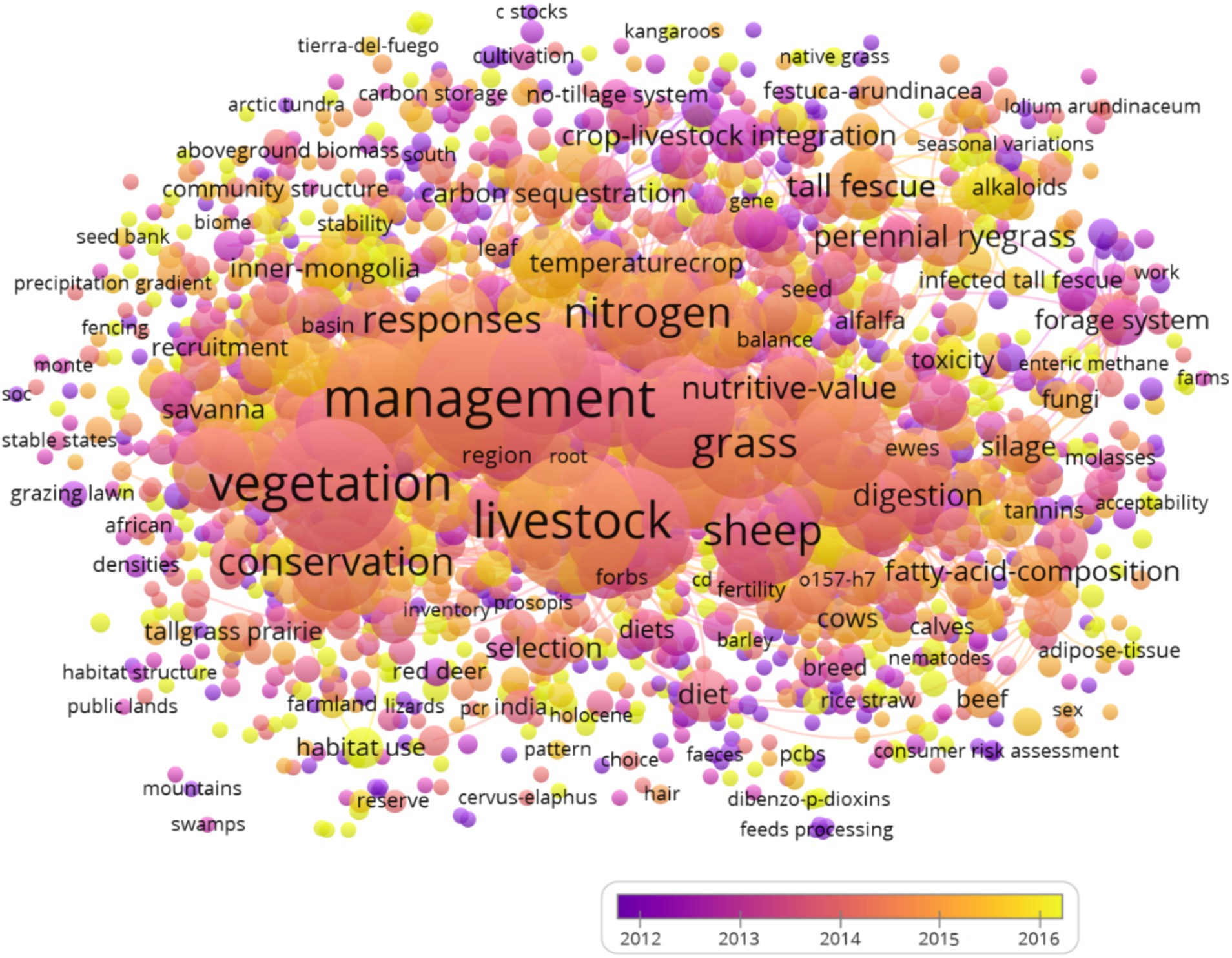
Figure 4. Keyword occurrences of grass-livestock interaction research from 2012 to 2016.
3.2.3 Transitional development period (2017–2022) of grass-livestock interaction
Shown as Figure 5, the number of core topics reached 3,140 during 2017 to 2022, the standardized average citation rate score was 1.11 (high), the average association strength was 67.92 (high), and the top 10 keywords with the frequency of occurrence were “Management, Livestock, Cattle, Vegetation, Growth, Nitrogen, Diversity, Performance, Grass, Grassland,” in which research focused more on refining and optimizing management method to improve productivity, yield and economic efficiency of livestock, as well as on the health and diversity of soil and grassland ecosystems.
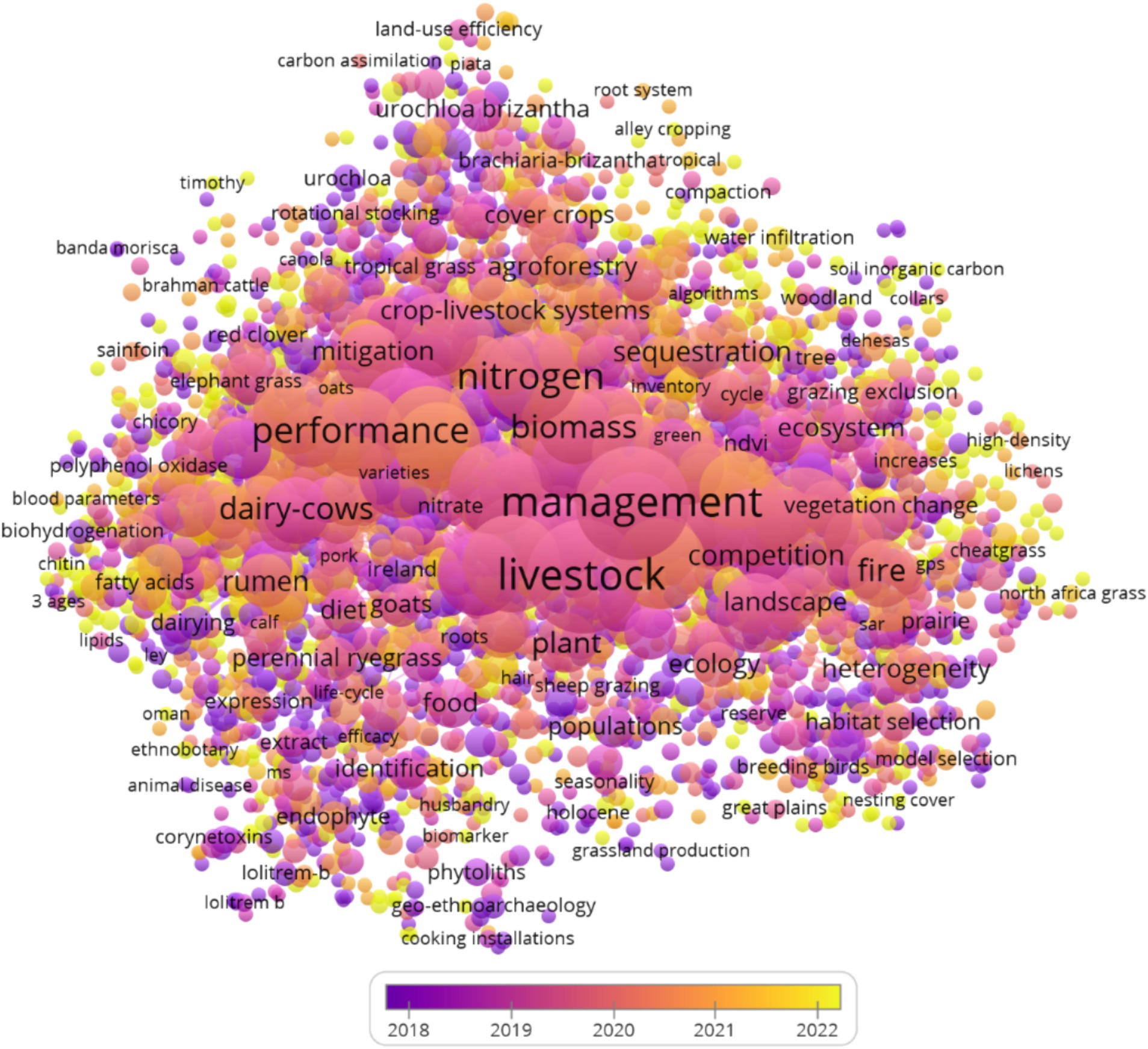
Figure 5. Keyword occurrences of grass-livestock interaction research from 2017 to 2022.
3.2.4 Comparative changes of grass-livestock interaction in different periods
By comparing the top 30 groups of keywords related to grass-livestock interaction in the three periods (Figure 6), it can be found that “Management, Livestock, Cattle, Vegetation, Growth, Soil” have always existed, indicating that it is the core key issue of grass-livestock interaction, which may have greater research value or difficulty.
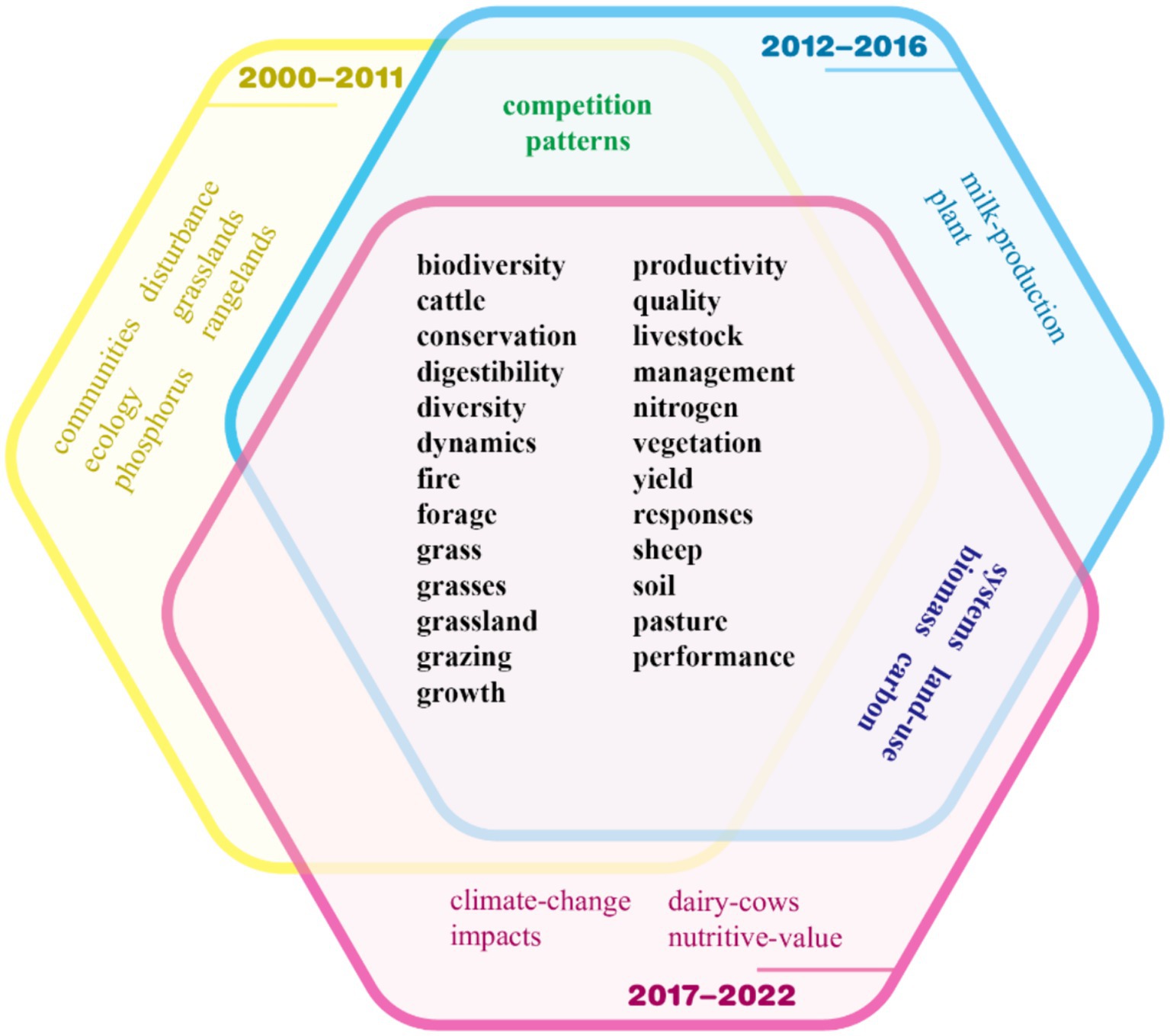
Figure 6. Keyword occurrences change of grass-livestock interaction research in different period (2000–2011, 2012–2016, 2017–2022).
The most frequent keywords are “Management, Cattle, Vegetation, Livestock, Grazing, Sheep, Nitrogen” from 2000 to 2011 (Figure 6), which mainly related to the grazing behavior of cattle and sheep. Keyword Nitrogen may discuss topics related to forage growth and yield, such as nitrogen fertilizer, indicating that grassland and livestock yield are the main direction of discussion in this period. Compared with the top 35 keywords in the three stages, the occurrence frequency of “Disturbance, Communities, Grasslands, Phosphorus, Ecology and Rangelands” has decreased significantly in the latter two stages. In addition, the top 30 keywords group added keywords “Systems, Land use, Biomass” during 2012 to 2016 (Figure 6), which indicated that ecosystems, biodiversity, and land use become the key research direction, and the “Disturbance, Communities, Grasslands” keywords related to grasslands have declined. Furthermore, the standardized average citation rate score of keywords decreased slightly and the correlation intensity increased significantly during 2017 to 2022 compared with the terms from 2000 to 2016. Keywords such as “Management,” “Cattle,” “Vegetation,” “Livestock,” “Growth,” “Diversity” and “Grassland” are recurring and dominate the list (Figure 6), reflecting the continuous attention paid to the main components including management, livestock husbandry and vegetation, that affect the interaction of grass and livestock. Furthermore, the increase of the repetition rate of “Performance” shows the increasing importance to the efficiency and performance of livestock husbandry.
Compared with the top 30 sets of keywords, it is found that two new keywords “Climate-change, Impacts” have been added in 2019, including which indicated involving in climate impacts and environmental factors break through the previous evaluation system that determined livestock by grass and coordinated livestock. and not only taking economic and social development or environmental protection as the main goal, but also starting to analyze the interaction between grass and livestock in a diversified way. We have diversified our research into grass-livestock interaction, rather than focusing on economic and social development or environmental protection.
3.3 Keyword co-occurrence network and theme mining of grass-livestock interaction research
The keyword clustering (Table 3) and visual knowledge map formed by the selected relevant literature data are shown in Figure 7. Keywords related to the grass-livestock interaction can be divided into four clusters. The cluster one is the cluster related to “Livestock and grassland forage” composed of the red area, which mainly involves the contents related to animal husbandry such as cattle, sheep, grass, grazing, grassland, pasture, feed quality, feed yield, feed nutritional value and so on. It contains 2,389 keywords. Among them, Cattle, Nitrogen, Growth, Grass, Sheep, Grazing, Grassland, Performance, Pasture, Quality, Soil, Forage, Digestibility, are high-frequency keywords that are widely cross-linked with keywords in other clusters. The cluster two is target “Vegetation and grassland management” for the green area, which includes management strategies, biomass change, species richness, and sustainability. It is composed of the keywords “Management, Vegetation, Dynamics, Systems, Biomass” and so on. The cluster contains 1,336 keywords. The keyword “management” has the highest frequency (633 times) and the highest total link strength (6,434 times). Meanwhile, the top five terms (Cultural Landscape, Semi-Natural Grasslands, Sustainable Grazing, Pika Ochotona-Curzoniae, Temperature Sensitivity) with the highest standardized average citation rate are all from this cluster. The cluster three is related to “Environmental impact and resource conservation” for the blue region containing 1,176 keywords, which mainly deals with the role of animal husbandry in the restoration and protection of grassland ecosystem, and the relationship between animal behavior and ecology. It is composed of the key words “Livestock, Diversity, Biodiversity, Productivity, Conservation” with high repetition frequency. The average number of citations is the highest, which indirectly indicates that the keywords related to “Livestock” have received early attention and continue to affect livestock balance. The cluster four is composed of “Forage characteristics and soil texture” clusters in the yellow regions containing 1,065 keywords, which deals with different kinds of grass herbs and their relationship to soil phosphorus, nutrients, bacteria. Top keywords are Grass, Plant, Phosphorus, Tall fescue, Forage quality, Ryegrass, White clover, Cultivars, Environment. As the basis of forage feed, the keywords related to soil ecological environment play important roles in the study of grass-livestock interaction.
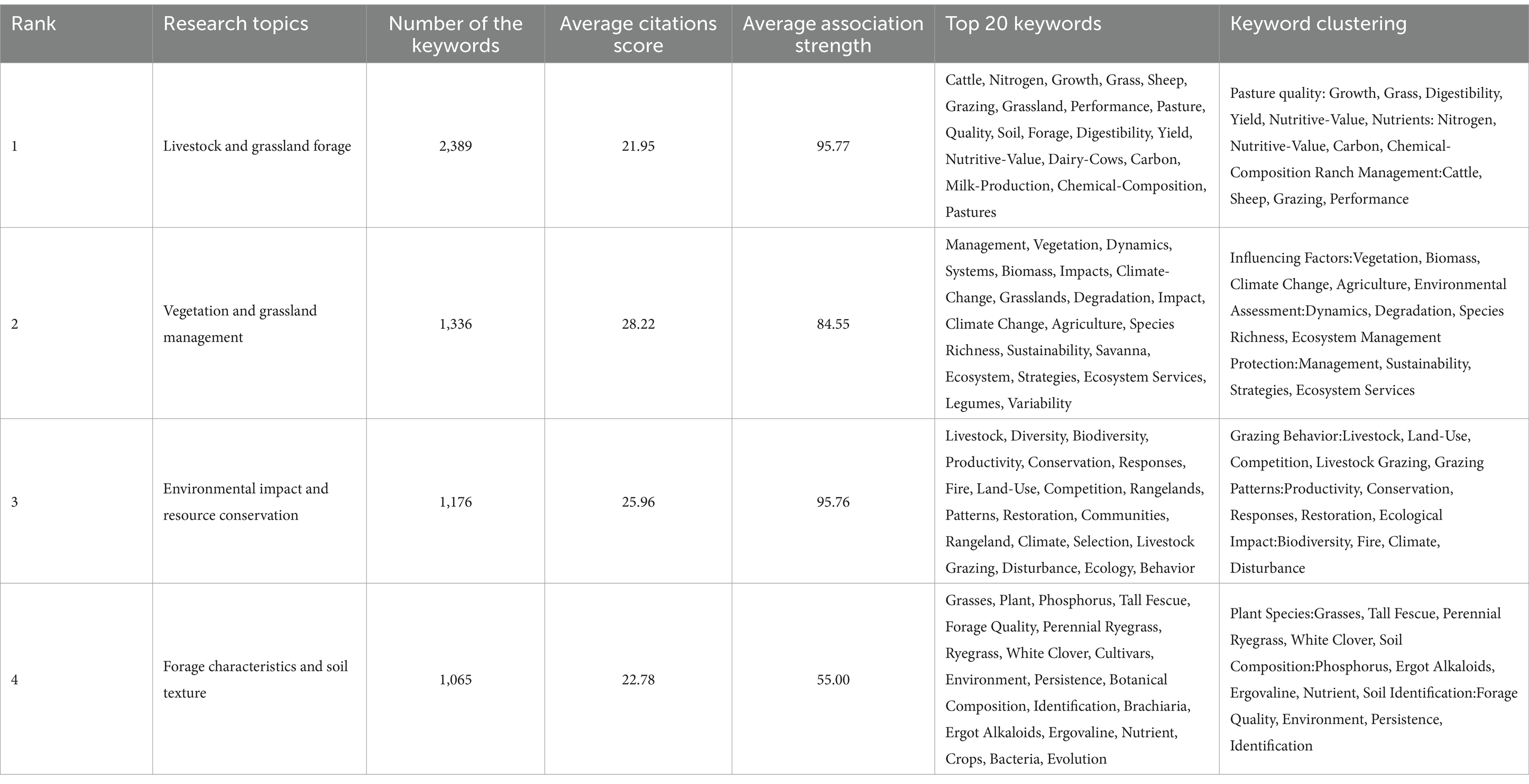
Table 3. Clustering results of grass-livestock interaction research topics.
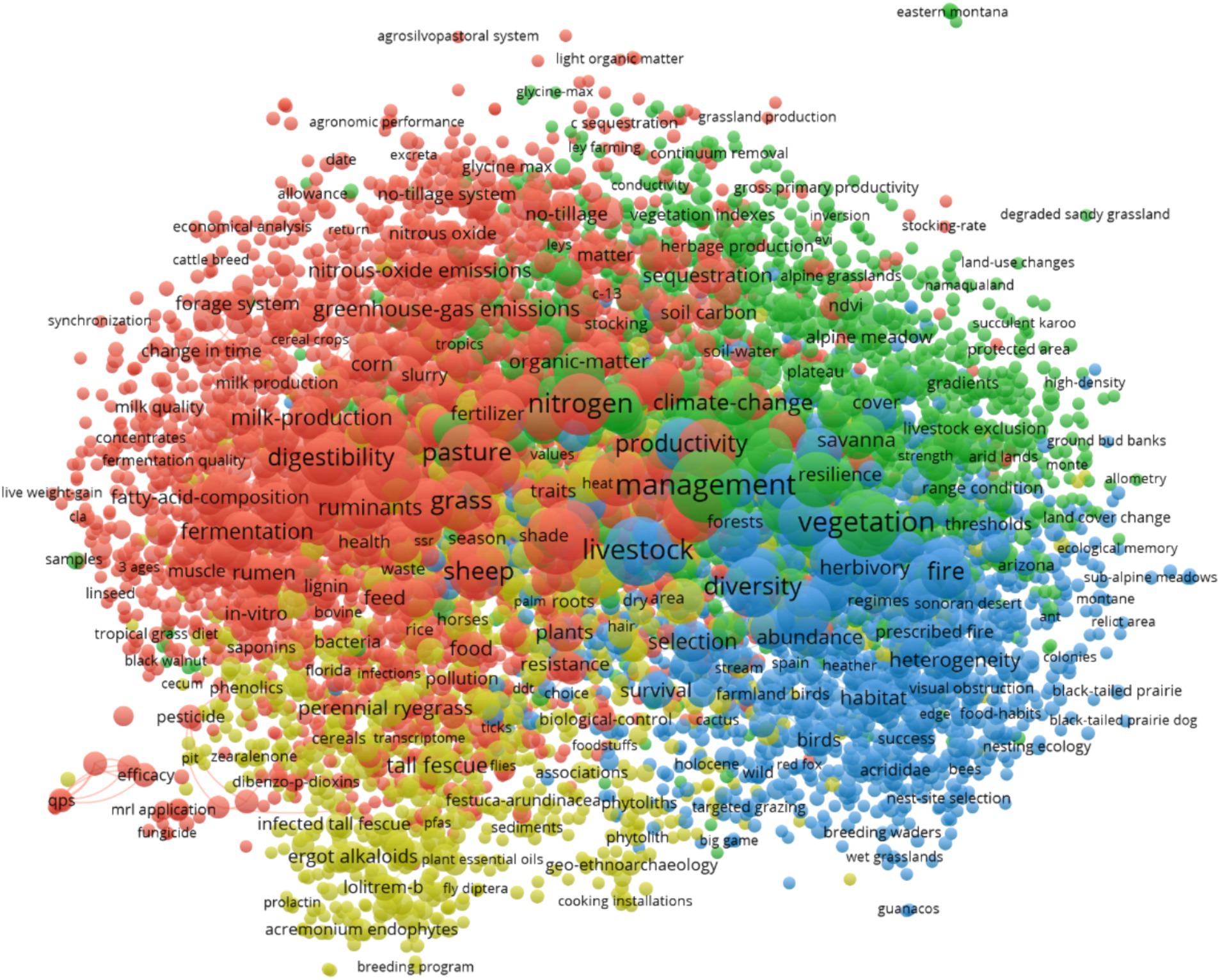
Figure 7. Thematic clustering of grass-livestock interaction research from 2000 to 2022.
4 Discussion
4.1 Research progress evolution of grass-livestock interaction
The initial exploration period (2000–2011) is the initial stage of the Millennium Development Goals (MDGs) put forward by the United Nations. Animal husbandry is the pillar industry in many developing countries, and researches in the field of grass-livestock interaction have attracted wide attention. However, researches on grass-livestock interaction in countries around the world tend to adopt a single-factor and crude analysis model at this period. In addition, the direct factors that threaten animal husbandry and anti-risk strategies have been explored worldwide to cope with climate change and food crisis (Li, 2009). The research on grass-livestock interaction in China is in the initial stage of development, and the research content is mainly to establish a regional water-grass-animal mathematical model according to the planned area (Jun Li et al., 2007; Zhou et al., 2017), propose the theoretical threshold of grassland ecosystem management (Li et al., 2005).
During the period of rapid development (2012–2016), developing countries, which have long been plagued by problems such as pasture shortage, poverty (Briske et al., 2015), and food security, intend to achieve increased production and income through research related to grass-livestock interaction in order to accelerate the realization of the United Nations Millennium Development Goals (Yang et al., 2019). At this stage, the research goal of grass-livestock interaction was inclined to promote economic growth and social equity (Wang et al., 2017; Zhang and Wang, 2023). By referring to the keywords, it is found that the research of Chinese scholars is consistent with the policy direction. During this period, China introduced a series of protection policies, including grassland protection and construction, economic development of pastoral areas, and grassland supervision system (Li et al., 2018, 2021). At the same time, developed countries pay attention to the balance of ecological protection and biomass, focusing on the role of human activities in the grass-livestock interaction (He et al., 2015; Li et al., 2017; Wang et al., 2017; Wang S, et al., 2023), or the study of global grassland degradation or grassland ecosystems under extreme conditions (Yao et al., 2016; Dong et al., 2020; Bardgett et al., 2021).
In the transitional development period (2017–2022), policies and research in countries around the world begin to adapt to new challenges, and the grass-livestock interaction field integrates climatology, ecology, sociology, etc., to deal with more complex problems (Sun et al., 2020). Furthermore, all-round and full-detailed research on professional fields emerged (Rosolem et al., 2017). The research on grass-livestock interaction shows the trend of comprehensive and sustainable development emphasizing the economic, social, and ecological protection.
4.2 Strengthening cross-disciplinary and cross-regional research cooperation
In the grass-livestock interaction field, the number of publications has shown a significant increasing trend in the recent 23 years. The number of keywords related to “Management, Livestock, Vegetation” has increased (Figures 4–6), covering multiple disciplines such as botany, soil science (Pulido et al., 2018), animal management (Reinermann et al., 2020), climate change (Uwizeye et al., 2020), social economy (Sharma et al., 2021), and policy science (Wei et al., 2021), which influence social stability, economic growth, and environmental protection (Herrero et al., 2013). Therefore, cross-disciplinary and cross-field cooperation is urgently needed to integrate expertise and research methods in different fields in order to solve scientific problems in the grass-livestock interaction field.
Through summarizing the past research (Figure 2C), it was found that in the initial exploration period (2000–2011), China implemented the subsidy and incentive policy for grassland ecological protection, and the grassland policy was changed from “taking grain as the key link and comprehensive development” to “attaching equal importance to ecological production and giving priority to ecology” (Li et al., 2022), so as to further improve the policy system related to grassland ecological restoration such as returning grazing to grassland, banning grazing and ending grazing. Compared with other countries (Figure 2C), French animal husbandry is faced with short-term or long-term drought at this stage, and how to enhance the natural resilience of grassland ecosystem to cope with various problems caused by climate change is their primary issue (Rigolot et al., 2014). In developing countries with more natural grassland resources, such as Kazakhstan and Mongolia, there are relatively few reports on the research and practice of restoration of degraded grasslands, while in South America, Australia, Africa and other savanna areas, have been partially transformed into pasture, farmland and forestland due to local natural and economic conditions, which the degradation of grassland ecological resources has not attracted enough attention (Gao and Ding, 2022).
During the period of rapid development (2012–2016), the research priorities of developed and developing countries differ greatly (Figure 2C; Distel, 2016; Fynn et al., 2017; Rosolem et al., 2017). Fensham et al. (2015) suggests that land clearing exacerbates the spread of buffel grass and the control of this practice is an important contribution to the conservation of savannas. Scasta et al. (2016) proved that overgrazing, fire, and species invasion greatly damaged local ecosystems in different regions in the United States. In developing countries, faced with problems such as poverty and food shortage, the research direction is mostly to solve social practical problems (Rudel et al., 2015). Distel (2016) evaluated the ecosystem and economic situation under different management modes of pastures in the semi-arid region of central Argentina. Forrest et al. (2016) large-scale removal of landscape-bearing woody plants was urgently needed to promote livestock productivity.
In the transitional development period (2017–2022), the research on grassland productivity (Petrie et al., 2018; Su et al., 2022), ecological protection (Hu et al., 2021), forage management (Guuroh et al., 2018; Arimitsu et al., 2021; Domiciano et al., 2021), anti-risk countermeasures (Fernández-Rodríguez et al., 2018; Davies et al., 2022), and economic benefits (Bilancia et al., 2020; Euclides et al., 2022) related to grassland and livestock interaction has a certain basis (Figures 4–6), and the research method based on interdisciplinary optimization has provided new perspective and brought innovative development to the field of grassland and livestock interaction. In the previous study, Sun et al. (2020) considered grass-livestock-human system as a coupled social ecosystem, and used the theories and methods related to population, resources and environmental economics to explore strategies on the development of the grass-based livestock husbandry (GLiH; Wezel et al., 2020). An et al. (2021) pointed out that forages played a key role in catalyzing transformation to livestock production, and close nutrient loops. Pereira et al. (2022) measured and monitored the conversion and loss of nitrogen in grazing pastures, and proposed a more accurate nitrogen fertilizer scheme that could be developed in pasture livestock systems supplied by tropical perennial grasses.
From the improvement of the basic elements of grass-livestock interaction in the first period (2000–2011), to the improvement of production capacity and ecological protection in the second period (2012–2016), to the deepening and refining of management strategies in the third stage (2017–2022), research priorities of grass-livestock interaction are discrepant in different periods and different countries, therefore it is necessary to stand in a global perspective, integrate resources and superior scientific research forces to work together so as to solve the global common problems in grass-livestock interaction. New ideas and methods are generated in multiple disciplines (Stock and Burton, 2011), and the joint thinking and cooperation of experts in different fields is conducive to the solution of complex problems concerning grass-livestock interaction (Zhang et al., 2023).
In addition, the global ecological environment is complex and diverse, and the key research points on grass-livestock interaction in different countries and regions may change due to different geographical conditions and needs. For example, Brazil has the most biodiverse tropical savanna in the world, and clarifying invasive alien species and protecting the original grassland structure are the key directions on grass-livestock interaction research (Hilario et al., 2017; Guerra et al., 2020) As one of the most fire-prone ecosystems in the world, the destructive effects of fire management on grassland ecosystems in the Australian inland has received extensive attention (Beringer et al., 2015; Andersen, 2021; Santos et al., 2022). The grass-livestock interaction research of a single country lacks a global perspective and cannot form a joint force since different countries/regions emphasize different research directions. In the future, the research on the grass-livestock interaction should strengthen the cooperation and exchange between different regions and different subject areas, maximize the integration and utilization of resources, so that the research results can be disseminated in a wider range and get more comprehensive and objective practical feedback.
4.3 Exploring the standardized method based on remote sensing technology and evaluation index system
In the face of higher precision data analysis and multi-type and multi-scale monitoring needs (Bhattacharjee et al., 2018; Daly and Fenelon, 2018; Kupková et al., 2023), more detailed and analytically robust indicators and evaluation systems are needed for the grass-livestock interaction study. Remote sensing plays an irreplaceable role as an efficient and efficient analysis tool (O'Connell et al., 2016; César de Sá et al., 2022). According to previous studies, the existing evaluation system of grass-livestock interaction mainly focuses on grassland production, livestock composition, management mode, soil environment and economic benefits, supplemented by drought prediction model and environmental factor analysis (Rao et al., 2015; Pereira et al., 2022; Subhashree et al., 2023). In recent years, the development of multispectral, hyperspectral, infrared, radar, cubesats and other sensing technologies has promoted the use of remote sensing technology in the field of grass and livestock interaction (Zhang T, et al., 2022), and achieved good results (Weiss et al., 2020; Tzanidakis et al., 2023). Future research should develop machine learning and deep learning algorithms (Jiang et al., 2022; Munyati and Mashego, 2023), accompanying with UAV remote sensing (UAV-RS; Diaz-Gonzalez et al., 2022), realize automatic processing and classification based on large-scale data sets (Elkind et al., 2019; Pfitzner et al., 2021; Sun Y, et al., 2022), and establish a remote sensing monitoring system integrating space, earth and space to improve the efficiency and accuracy of data analysis.
Remote sensing technology can cover a large area and obtain more comprehensive image information (Shafique et al., 2022; Wang et al., 2022), including the monitoring of important indicators affecting grass and livestock interaction such as vegetation cover (Hijmans et al., 2005), water content (Hansen et al., 2013) and soil quality (Hersbach et al., 2020), which can capture changes in a short period of time, conduct temporal monitoring of different times and seasons, and track their change trends (Lu and Weng, 2007). It provides an efficient tool for monitoring and managing grazing (Wolf et al., 2021), studying grassland degradation (Tasumi et al., 2014; Hunter et al., 2020), estimating biomass (Ali et al., 2014), and estimating climate change (Cao et al., 2022). In the research of grass-livestock interaction, Dusseux et al. (2015) introduced PaturMata model to evaluate consequences of current environmental changes on grasslands. Zhang et al. (Zhang et al.) established grass production random forest estimation model using the CACART decision tree to evaluate total yield result and the grassland load pressure. However, the existing remote sensing observation technology is still not perfect, mainly spectral images, overlap and occlusion between leaves, different lighting conditions and different growth stages, easy to cause inaccurate monitoring data, coupled with environmental, atmospheric conditions, phenological period and other factors caused by spectral variability, so that the application scenario is limited (Huang et al., 2023). The selection indexes of remote sensing monitoring for grassland, such as coverage, height, biomass and soil organic matter, are not uniform (Zhu et al., 2021) due to different monitoring indicators, reference basis, and selection of research areas and there is a lack of systematic combing of remote sensing monitoring analysis indicators and analysis methods (Sun X, et al., 2022; Zhu et al., 2022).
4.4 Grassland sustainability and grazing control are the key research directions of grass-livestock interaction
Grassland sustainability is of great significance in addressing climate crisis (Lei et al., 2016; Abhilash, 2021), enhancing food security (Meli et al., 2023), protecting biodiversity (Fick and Evett, 2018; Yang et al., 2021), maintaining water cycle and carbon sequestration (Overbeck et al., 2015; Török et al., 2021). In response to climate change, with the rise of temperature and the change of precipitation pattern, grassland may face the threat of drought and water shortage (Öztürk and Sen, 2022). Studies such as Wang M, et al. (2023) show that nitrogen deposition, warming and precipitation can change regional vegetation composition, improve grassland productivity, and increase grassland carbon sequestration capacity. To evaluate the productivity of livestock production, a comprehensive consideration should be given to market demand, feeding methods, processing technology and other factors. Lopez et al. (2024) believed that the human feeding system was helpful to avoid overgrazing and promote the regeneration of natural plants, and the adoption of grass feeding can help improve the quality of mutton. Human activities have a huge impact on grassland ecology (Chu et al., 2022; Evans et al., 2023). For example, animal husbandry is the most important economic activity in tropical Mexico, however, grassland has been seriously degraded, and at least 24 states have exceeded grassland carrying capacity due to poor management and continuous expansion of factory agriculture (Quiroz et al., 2021). At the policy and management level, the optimization of management strategies has a positive effect on restoring grassland degradation (Hu et al., 2019; Laitinen et al., 2022; Tao et al., 2022; Dang et al., 2023). Hou et al. (2023) discussed the impact of land tenure reform on grassland quality in China’s pastoral areas based on remote sensing survey data of nearly 40 years, and found that grassland quality increased by about 3% after the privatization of land use rights, but it was still necessary to provide policy support related to environmental safety and environmental protection to expand its positive impact. Furthermore, many countries in the world still need to establish reasonable land management policies and land ownership systems (Achieng et al., 2023), and the allocation of grassland use rights is crucial to protect grassland ecology and maintain grassland sustainability (Barcus, 2018), which is a key issue to ensure the long-term health of grassland ecosystem (Liu et al., 2020; Mangialardo and Micelli, 2021).
Grazing is the most important usage of grassland, and it is the crucial issue to future research on ecological grassland husbandry to clarify the interaction process of grass and livestock under grazing interference and the cooperative regulation mechanism of above and below ground (Tittonell, 2021). How to determine the appropriate grazing density, grazing cycle and grazing area is the main problem in formulating a rational grazing strategy (Hempson et al., 2015). Song et al. (2020) address that free-range grazing is more beneficial to the diversity of intestinal microbiota, and this index can be used as an important marker to improve the evaluation of different grazing management methods. Luo et al. (2023) discover that grassland health assessment is a bridge for grassland ecosystem research, and monitoring and assessment are key components of grazing control (Wang et al., 2022). The health status of grassland can be monitored in real time through remote sensing and geographic information system, which helps to timely adjust grazing strategies in response to different meteorological conditions and ecological changes (de Faccio Carvalho et al., 2021; Machado et al., 2021). A comprehensive review of several studies found that long-term exclusion of grazing could not effectively alleviate grassland degradation, but would lead to a decline in grassland productivity and biodiversity (Zhao and Rokpelnis, 2016). Reasonable grazing system, grazing intensity and timing, and sustainable grazing management can promote the health of grassland ecosystem and maintain grassland ecosystem services (Ding et al., 2020; Kim et al., 2023).
Grass-livestock interaction is a crucial component of grassland ecosystem (Li et al., 2013; Shen et al., 2022), grassland sustainability and grazing control will be the key research directions of grass-livestock interaction in the near future (Figure 8). Ecological, economic, and social factors should be comprehensively considered to ensure the long-term health of grassland ecosystem and the coordinated and sustainable development of animal husbandry (Chu et al., 2022). Future research should integrate advanced science and technology, especially remote sensing technology and machine learning, to improve the efficiency and accuracy of data acquisition (Lutta et al., 2020; Casenave et al., 2022; Hu et al., 2022). Global information on grassland and rangeland resources, establish a more comprehensive indicator system (Toscan et al., 2017; Qiu et al., 2020; Gray et al., 2022), should be conformity and cooperate with the optimization of management policies to provide effective ecosystem assessment and meet the socio-economic needs of sustainable development.
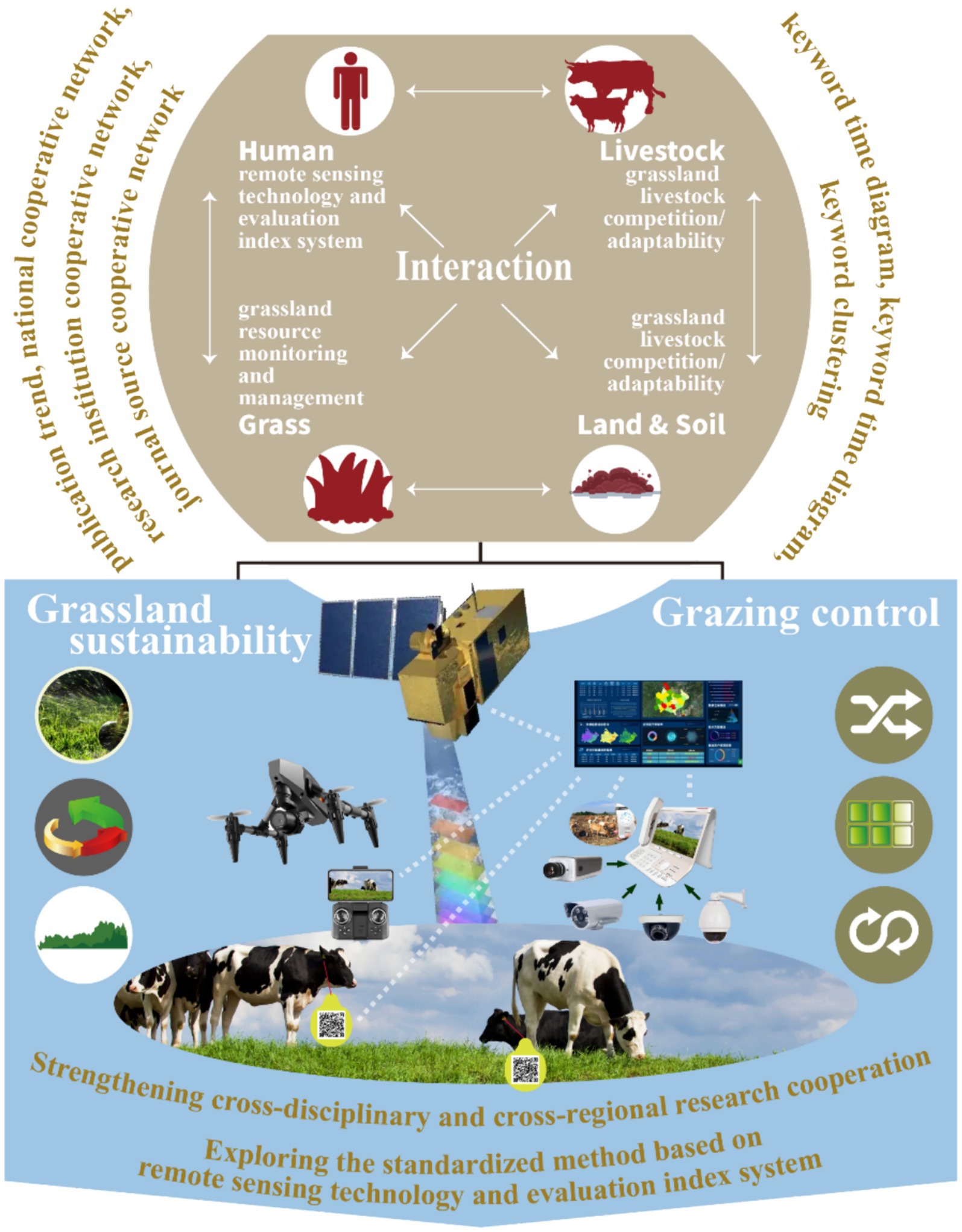
Figure 8. Future research themes and directions of grass-livestock interaction based on four broad divisions including (1) mechanism of human activities, (2) grassland resource monitoring and management, (3) grassland livestock competition/adaptability, (4) grassland land/soil research.
5 Conclusion
This study examined research progress of grass-livestock interaction and identified major actors and contributors to grass-livestock interaction research using bibliometrics based on 5,505 literatures during 2000 to 2022, and the application of remote sensing technology in grass-livestock interaction research was put forward for future studies. The main findings of this article are as follows:
The annual number of publications in the grass-livestock interaction field showed a worldwide increasing and interdisciplinary integration trend with the research scale gradually expanded. The research targeting the grass-livestock interaction mainly went through three stages: initial exploration period (2000–2011) treated Management, Cattle, Vegetation, Livestock, Grazing as the primary keywords, to the period of rapid development (2012–2016) mainly by Management, Livestock, Vegetation, Cattle, Grassland, to transitional development period (2017–2022) treated Management, Livestock, Cattle, Vegetation, Growth as the primary keywords. In terms of the temporal evolution, it can be found that Management, Livestock, Cattle, Vegetation, Growth, Soil have always existed by comparing the top 30 groups of keywords related to grass-livestock interaction in the three periods. In terms of the structural composition, the research mainly identified four broad divisions including the mechanism of human activities, grassland resource monitoring and management, grassland livestock competition/adaptability, grassland land/soil research. Furthermore, grassland sustainability and grazing control have been the focus of attention in the near future, and a more comprehensive standardized evaluation system for grassland and livestock interaction should be established through strengthening cooperative research and promoting the application of remote sensing technology, which provide more scientific, precise and sustainable solutions for global grassland management and livestock production.
Data availability statement
The original contributions presented in the study are included in the article/supplementary material, further inquiries can be directed to the corresponding authors.
Author contributions
XZ: Writing – original draft, Writing – review & editing. DT: Writing – original draft, Writing – review & editing. YL: Writing – review & editing. CS: Writing – review & editing. RY: Writing – review & editing. WZ: Writing – review & editing. XX: Writing – review & editing.
Funding
The author(s) declare that financial support was received for the research, authorship, and/or publication of this article. This research was supported by the National Natural Science Foundation of China (32130070, 32101446, 32302134); the National Key Research and Development Program of China (2021YFD1300500); Special Funding for the Modern Agricultural Technology System from the Chinese Ministry of Agriculture (CARS-34).
Acknowledgments
The data support from National Forestry and Grassland Science Data Center (NFGSDC), National Science & Technology infrastructure of China (http://www.forestdata.cn). The authors thank the reviewers and editors for their valuable comments and suggestions on our manuscript.
Conflict of interest
The authors declare that the research was conducted in the absence of any commercial or financial relationships that could be construed as a potential conflict of interest.
Publisher’s note
All claims expressed in this article are solely those of the authors and do not necessarily represent those of their affiliated organizations, or those of the publisher, the editors and the reviewers. Any product that may be evaluated in this article, or claim that may be made by its manufacturer, is not guaranteed or endorsed by the publisher.
Footnotes
References
Abhilash, P. C. (2021). Restoring the unrestored: strategies for restoring global land during the UN decade on ecosystem restoration (UN-DER). Landscape 10:201. doi: 10.3390/land10020201
Achieng, A. O., Arhonditsis, G. B., Mandrak, N., Febria, C., Opaa, B., Coffey, T. J., et al. (2023). Monitoring biodiversity loss in rapidly changing Afrotropical ecosystems: an emerging imperative for governance and research. Philosop. Trans. Royal Society B-Biolog. Sci. 378:20220271. doi: 10.1098/rstb.2022.0271
Ali, I., Cawkwell, F., Green, S., and Dwyer, N. (2014). Application of statistical and machine learning models for grassland yield estimation based on a hypertemporal satellite remote sensing time series. 2014 IEEE international geoscience and remote sensing symposium (IGARSS).
An, M. O. N., Sabine, D., Daniel, M. V., Jacobo, A., Birthe, K. P., Stefan, B., et al. (2021). Tapping into the environmental co-benefits of improved tropical forages for an agroecological transformation of livestock production systems. Front. Sustain. Food Syst. 5:742842. doi: 10.3389/fsufs.2021.742842
Andersen, A. N. (2021). Faunal responses to fire in Australian tropical savannas: insights from field experiments and their lessons for conservation management. Divers. Distrib. 27, 828–843. doi: 10.1111/ddi.13198
Arimitsu, M. L., Piatt, J. F., Hatch, S., Suryan, R. M., Batten, S., Bishop, M. A., et al. (2021). Heatwave-induced synchrony within forage fish portfolio disrupts energy flow to top pelagic predators. Glob. Chang. Biol. 27, 1859–1878. doi: 10.1111/gcb.15556
Barcus, H. R. (2018). Contested space, contested livelihoods: a review of mongolia's pastureland management and land-tenure reform. Geogr. Rev. 108, 138–157. doi: 10.1111/gere.12246
Bardgett, R. D., Bullock, J. M., Lavorel, S., Manning, P., Schaffner, U., Ostle, N., et al. (2021). Combatting global grassland degradation. Nature Rev. Earth Environ. 2, 720–735. doi: 10.1038/s43017-021-00207-2
Bedoić, R., Čuček, L., Ćosić, B., Krajnc, D., Smoljanić, G., Kravanja, Z., et al. (2019). Green biomass to biogas – a study on anaerobic digestion of residue grass. J. Clean. Prod. 213, 700–709. doi: 10.1016/j.jclepro.2018.12.224
Beringer, J., Hutley, L. B., Abramson, D., Arndt, S. K., Briggs, P., Bristow, M., et al. (2015). Fire in Australian savannas: from leaf to landscape. Glob. Chang. Biol. 21, 62–81. doi: 10.1111/gcb.12686
Bhattacharjee, U., Jarashow, D., Casey, T. A., Petrich, J. W., and Rasmussen, M. A. (2018). Using fluorescence spectroscopy to identify milk from grass-fed dairy cows and to monitor its photodegradation. J. Agric. Food Chem. 66, 2168–2173. doi: 10.1021/acs.jafc.7b05287
Bilancia, M., Pasculli, G., and Di Bona, D. (2020). A non-stationary Markov model for economic evaluation of grass pollen allergoid immunotherapy. PLoS One 15:e0232753. doi: 10.1371/journal.pone.0232753
Briske, D. D., Zhao, M., Han, G., Xiu, C., Kemp, D. R., Willms, W., et al. (2015). Strategies to alleviate poverty and grassland degradation in Inner Mongolia: intensification vs production efficiency of livestock systems. J. Environ. Manag. 152, 177–182. doi: 10.1016/j.jenvman.2014.07.036
Campbell, J. W., Grodsky, S. M., Monroe, A. P., and Martin, J. A. (2021). Bee (Apoidea) community response to perennial grass treatments managed for livestock production and conservation. Agric. Ecosyst. Environ. 313:107391. doi: 10.1016/j.agee.2021.107391
Cao, J. X., Wu, E. T., Wu, S. H., Fan, R., Xu, L., Ning, K., et al. (2022). Spatiotemporal dynamics of ecological condition in Qinghai-Tibet plateau based on remotely sensed ecological index. Remote Sens. 14:4234. doi: 10.3390/rs14174234
Casenave, C., Bisson, A., Boudsocq, S., and Daufresne, T. (2022). Impact of biological nitrogen fixation and livestock management on the manure transfer from grazing land in mixed farming systems. J. Theor. Biol. 545:111136. doi: 10.1016/j.jtbi.2022.111136
Castrosanto, M. A., Alvarez, M. R., Salamanez, K. C., Nacario, R. C., and Completo, G. C. (2021). Barnyard grass [Echinochloa crus-galli (L.) Beauv] leaves extract against tomato pests. J. Sci. Food Agric. 101, 6289–6299. doi: 10.1002/jsfa.11298
César de Sá, N., Baratchi, M., Buitenhuis, V., Cornelissen, P., and van Bodegom, P. M. (2022). AutoML for estimating grass height from ETM+/OLI data from field measurements at a nature reserve. GIScience and remote sensing 59, 2164–2183. doi: 10.1080/15481603.2022.2152304
Chang, J., Viovy, N., Vuichard, N., Ciais, P., Campioli, M., Klumpp, K., et al. (2015). Modeled changes in potential grassland productivity and in grass-fed ruminant livestock density in Europe over 1961-2010. PLoS One 10:e0127554. doi: 10.1371/journal.pone.0127554
Cheruiyot, D., Midega, C. A. O., Pittchar, J. O., Pickett, J. A., and Khan, Z. R. (2020). Farmers’ perception and evaluation of brachiaria grass (brachiaria spp.) genotypes for smallholder cereal-livestock production in East Africa. Agriculture (Basel) 10:268. doi: 10.3390/agriculture10070268
Chu, L., Hou, M., and Jiang, Z. (2022). How does the fragmentation of pasture affect grassland ecology?——evidence from typical pastoral areas in China. Ecol. Indic. 136:108701. doi: 10.1016/j.ecolind.2022.108701
Daly, K., and Fenelon, A. (2018). Application of energy dispersive x-ray fluorescence spectrometry to the determination of copper, manganese, zinc, and sulfur in grass (lolium perenne) in grazed agricultural systems. Appl. Spectrosc. 72, 1661–1673. doi: 10.1177/0003702818787165
Dang, D., Li, X., Li, S., Li, X., Lyu, X., Dou, H., et al. (2023). Socioeconomic outcomes of ecological restoration projects and parallel policies: a case-study of the agro-pastoral ecotone in northern China. Land Degrad. Dev. 34, 763–776. doi: 10.1002/ldr.4493
Davies, K. W., Wollstein, K., Dragt, B., and O'Connor, C. (2022). Grazing management to reduce wildfire risk in invasive annual grass prone sagebrush communities. Rangelands 44, 194–199. doi: 10.1016/j.rala.2022.02.001
de Faccio Carvalho, P. C., Savian, J. V., Chiesa, T. D. E. L. L. A., Souza Filho, W. D. E., Terra, J. A., Pinto, P., et al. (2021). Land-use intensification trends in the rio de la Plata region of south america: toward specialization or recoupling crop and livestock production. Front. Agric. Sci. Eng. 8, 97–110. doi: 10.15302/J-FASE-2020380
Diaz-Gonzalez, F. A., Vuelvas, J., Correa, C. A., Vallejo, V. E., and Patino, D. (2022). Machine learning and remote sensing techniques applied to estimate soil indicators-review. Ecol. Indic. 135:108517. doi: 10.1016/j.ecolind.2021.108517
Ding, L. M., Hu, C. S., Jiang, C. X., and Henkin, Z. (2020). Improving the grassland management strategies of Qinghai-Tibetan plateau based on Israeli Noy-Meir's grazing-system dynamics model. Chinese Sci. Bulletin-Chinese 65, 3867–3872. doi: 10.1360/TB-2020-0238
Distel, R. A. (2016). Grazing ecology and the conservation of the Caldenal rangelands, Argentina. J. Arid Environ. 134, 49–55. doi: 10.1016/j.jaridenv.2016.06.019
Domiciano, L. F., Santos, M. L., Boote, K. J., Santos, P. M., Pereira, D. H., and Pedreira, B. C. (2021). Physiological responses and forage accumulation of Marandu palisadegrass and Mombaça guineagrass to nitrogen fertilizer in the Brazilian forage-based systems. Grassl. Sci. 67, 93–101. doi: 10.1111/grs.12291
Dong, S., Zhang, J., Li, Y., Liu, S., Dong, Q., Zhou, H., et al. (2020). Effect of grassland degradation on aggregate-associated soil organic carbon of alpine grassland ecosystems in the Qinghai-Tibetan plateau. Eur. J. Soil Sci. 71, 69–79. doi: 10.1111/ejss.12835
Dusseux, P., Zhao, Y. L., Cordier, M. O., Corpetti, T., Delaby, L., Gascuel-Odoux, C., et al. (2015). Patur Mata, a model to manage grassland under climate change. Agron. Sustain. Dev. 35, 1087–1093. doi: 10.1007/s13593-015-0295-0
Elgersma, A., Rinne, M., and Smith, K. F. (2021). Editorial: sustainability of grasslands and grass-based ruminant production – topics from the 28 th general meeting of the European grassland federation. Grass Forage Sci. 76, 173–174. doi: 10.1111/gfs.12545
Elkind, K., Sankey, T. T., Munson, S. M., Aslan, C. E., and Horning, N. (2019). Invasive buffelgrass detection using high-resolution satellite and UAV imagery on Google earth engine. Remote Sens. Ecol. Conserv. 5, 318–331. doi: 10.1002/rse2.116
Euclides, V. P. B., Montagner, D. B., de Araújo, A. R., de Aragão Pereira, M., Dos Santos Difante, G., de Araújo, I. M. M., et al. (2022). Biological and economic responses to increasing nitrogen rates in Mombaça guinea grass pastures. Sci. Rep. 12:1937. doi: 10.1038/s41598-022-05796-6
Evans, A. W., Woodward, B. D., Wyckoff, A. C., Toledo, D., Duke, S., Fischer, C., et al. (2023). Livestock grazing is an effective conservation tool for Californian coastal grassland ecology: An eight-year study on vegetation dynamics. Appl. Veg. Sci. 26:e12736. doi: 10.1111/avsc.12736
Fensham, R. J., Wang, J., and Kilgour, C. (2015). The relative impacts of grazing, fire and invasion by buffel grass (Cenchrus ciliaris) on the floristic composition of a rangeland savanna ecosystem. Rangel. J. 37, 227–237. doi: 10.1071/RJ14097
Fernández-Rodríguez, S., Durán-Barroso, P., Silva-Palacios, I., Tormo-Molina, R., Maya-Manzano, J. M., Gonzalo-Garijo, Á., et al. (2018). Environmental assessment of allergenic risk provoked by airborne grass pollen through forecast model in a Mediterranean region. J. Clean. Prod. 176, 1304–1315. doi: 10.1016/j.jclepro.2017.11.226
Fick, S. E., and Evett, R. R. (2018). Distribution modelling of pre-Columbian California grasslands with soil phytoliths: new insights for prehistoric grassland ecology and restoration. PLoS One 13:e0194315. doi: 10.1371/journal.pone.0194315
Forrest, B. W., Coppock, D. L., Bailey, D., and Ward, R. A. (2016). Economic analysis of land and livestock management interventions to improve resilience of a pastoral community in southern Ethiopia. J. Afr. Econ. 25, 233–266. doi: 10.1093/jae/ejv021
Fynn, R. W. S., Kirkman, K. P., and Dames, R. (2017). Optimal grazing management strategies: evaluating key concepts. Afr. J. Range Forage Sci. 34, 87–98. doi: 10.2989/10220119.2017.1347584
Gao, L., and Ding, Y. (2022). Progress in research and practice of restoration of degraded grassland around the world. Acta Pratacul. Sin. 31, 189–205. doi: 10.11686/cyxb2022077
Genevieve, H., and Libby, T. (2023). Enabling grass roots activism and human rights-based education for sustainability: case studies of Australian youth organisations. Human Rights Education Review. doi: 10.7577/hrer.5016
Grass, I., Kubitza, C., Krishna, V. V., Corre, M. D., Mußhoff, O., Pütz, P., et al. (2020). Trade-offs between multifunctionality and profit in tropical smallholder landscapes. Nat. Commun. 11:1186. doi: 10.1038/s41467-020-15013-5
Gray, A. D., Miller, J. A., and Weinstein, J. E. (2022). Are green household consumer products less toxic than conventional products? An assessment involving grass shrimp (palaemon pugio) and daphnia magna. Environ. Toxicol. Chem. 41, 2444–2453. doi: 10.1002/etc.5435
Guerra, A., Reis, L. K., Borges, F. L. G., Ojeda, P. T. A., Pineda, D. A. M., Miranda, C. O., et al. (2020). Ecological restoration in Brazilian biomes: identifying advances and gaps. For. Ecol. Manag. 458:117802. doi: 10.1016/j.foreco.2019.117802
Guo, Y., Li, R., Yang, Y., Ma, J., and Zheng, H. (2022). Integrating future grassland degradation risk to improve the spatial targeting efficiency of payment for ecosystem services. J. Environ. Manag. 317:115490. doi: 10.1016/j.jenvman.2022.115490
Guuroh, R. T., Ruppert, J. C., Ferner, J., Čanak, K., Schmidtlein, S., and Linstädter, A. (2018). Drivers of forage provision and erosion control in west African savannas—a macroecological perspective. Agric. Ecosyst. Environ. 251, 257–267. doi: 10.1016/j.agee.2017.09.017
Hansen, M. C., Potapov, P. V., Moore, R., Hancher, M., Turubanova, S. A., Tyukavina, A., et al. (2013). High-resolution global maps of 21st-century forest cover change. Science 342, 850–853. doi: 10.1126/science.1244693
He, C., Tian, J., Gao, B., and Zhao, Y. (2015). Differentiating climate-and human-induced drivers of grassland degradation in the Liao River basin. China. Environ Monit Assess 187, 4199–4114. doi: 10.1007/s10661-014-4199-2
Hempson, G. P., Archibald, S., Bond, W. J., Ellis, R. P., Grant, C. C., Kruger, F. J., et al. (2015). Ecology of grazing lawns in Africa. Biol. Rev. 90, 979–994. doi: 10.1111/brv.12145
Herrero, M., Havlík, P., Valin, H., Notenbaert, A., Rufino, M. C., Thornton, P. K., et al. (2013). Biomass use, production, feed efficiencies, and greenhouse gas emissions from global livestock systems. Proc. Natl. Acad. Sci. USA 110, 20888–20893. doi: 10.1073/pnas.1308149110
Hersbach, H., Bell, B., Berrisford, P., Hirahara, S., Horányi, A., Muñoz-Sabater, J., et al. (2020). The ERA5 global reanalysis. Q. J. R. Meteorol. Soc. 146, 1999–2049. doi: 10.1002/qj.3803
Hijmans, R. J., Cameron, S. E., Parra, J. L., Jones, P. G., and Jarvis, A. (2005). Very high resolution interpolated climate surfaces for global land areas. Int. J. Climatol. 25, 1965–1978. doi: 10.1002/joc.1276
Hilario, R. R., de Toledo, J. J., Mustin, K., Castro, I. J., Costa-Neto, S. V., Kauano, R. E., et al. (2017). The fate of an amazonian savanna: government land-use planning endangers sustainable development in amapa, the most protected brazilian state. Trop. Conserv. Sci. 10, 194008291773541–194008291773548. doi: 10.1177/1940082917735416
Hou, L. L., Liu, P. F., and Tian, X. H. (2023). Grassland tenure reform and grassland quality in China. Am. J. Agric. Econ. 105, 1388–1404. doi: 10.1111/ajae.12357
Hu, X., Ma, C., Huang, P., and Guo, X. (2021). Ecological vulnerability assessment based on AHP-PSR method and analysis of its single parameter sensitivity and spatial autocorrelation for ecological protection – a case of Weifang City. China. Ecol. Indic. 125:107464. doi: 10.1016/j.ecolind.2021.107464
Hu, Z., Song, X., Qin, L., and Liu, H. (2022). Study on seasonal grazing management optimal model in alpine desert steppe. Sci. Agric. Sin. 55, 3862–3874. doi: 10.3864/j.issn.0578-1752.2022.19.015
Hu, Z., Zhao, Z., Zhang, Y., Jing, H., Gao, S., and Fang, J. (2019). Does ‘forage-livestock balance’ policy impact ecological efficiency of grasslands in China? J. Clean. Prod. 207, 343–349. doi: 10.1016/j.jclepro.2018.09.158
Huang, M., Wang, X., Ma, L., Ye, X., Zhu, X., Kong, W., et al. (2023). Research progress on remote sensing discrimination techniques for grassland botanical species. Acta Pratacul. Sin. 32, 167–185. doi: 10.11686/cyxb2022278
Hunter, F. D. L., Mitchard, E. T. A., Tyrrell, P., and Russell, S. (2020). Inter-seasonal time series imagery enhances classification accuracy of grazing resource and land degradation maps in a savanna ecosystem. Remote Sens. 12:198. doi: 10.3390/rs12010198
Jackson, R. D. (2020). Soil nitrate leaching under grazed cool-season grass pastures of the north central US. J. Sci. Food Agric. 100, 5307–5312. doi: 10.1002/jsfa.10571
Jan, L., Elena, M., Andrea, F., Andreas, K., Moritz, W., and Iris, L. (2020). Perennial rhizomatous grasses: can they really increase species richness and abundance in arable land?—a meta-analysis. Glob. Change Biol. Bioenergy. 12, 968–978. doi: 10.1111/gcbb.12750
Jaramillo, D. M., Dubeux, J. C. B., Sollenberger, L. E., Vendramini, J. M. B., Mackowiak, C., DiLorenzo, N., et al. (2021). Water footprint, herbage, and livestock responses for nitrogen-fertilized grass and grass–legume grazing systems. Crop Sci. 61, 3844–3858. doi: 10.1002/csc2.20568
Jiang, H. W., Peng, M., Zhong, Y. J., Xie, H. F., Hao, Z. M., Lin, J. M., et al. (2022). A survey on deep learning-based change detection from high-resolution remote sensing images. Remote Sens. 14:1552. doi: 10.3390/rs14071552
Jun Li, W., Ali, S. H., and Zhang, Q. (2007). Property rights and grassland degradation: a study of the Xilingol pasture, Inner Mongolia. China. J Environ Manage 85, 461–470. doi: 10.1016/j.jenvman.2006.10.010
Kim, J., Ale, S., Kreuter, U. P., and Teague, W. R. (2023). Grazing management impacts on ecosystem services under contrasting climatic conditions in Texas and North Dakota. J. Environ. Manag. 347:119213. doi: 10.1016/j.jenvman.2023.119213
Knudsen, M. T., Dorca-Preda, T., Djomo, S. N., Peña, N., Padel, S., Smith, L. G., et al. (2019). The importance of including soil carbon changes, ecotoxicity and biodiversity impacts in environmental life cycle assessments of organic and conventional milk in Western Europe. J. Clean. Prod. 215, 433–443. doi: 10.1016/j.jclepro.2018.12.273
Krizsan, S. J., Chagas, J. C., Pang, D., and Cabezas-Garcia, E. H. (2021). Sustainability aspects of milk production in Sweden. Grass Forage Sci. 76, 205–214. doi: 10.1111/gfs.12539
Kupková, L., Červená, L., Potůčková, M., Lysák, J., Roubalová, M., Hrázský, Z., et al. (2023). Towards reliable monitoring of grass species in nature conservation: evaluation of the potential of UAV and PlanetScope multi-temporal data in the central European tundra. Remote Sens. Environ. 294:113645. doi: 10.1016/j.rse.2023.113645
Laitinen, L., Jakonen, O., Lahtinen, E., and Lilja-Viherlampi, L.-M. (2022). From grass-roots activities to national policies - the state of arts and health in Finland. Arts Health 14, 14–31. doi: 10.1080/17533015.2020.1827275
Lanzoni, L., Whatford, L., Atzori, A. S., Chincarini, M., Giammarco, M., Fusaro, I., et al. (2023). Review: the challenge to integrate animal welfare indicators into the life cycle assessment. Animal 17:100794. doi: 10.1016/j.animal.2023.100794
Lei, T. J., Pang, Z. G., Wang, X. Y., Li, L., Fu, J., Kan, G. Y., et al. (2016). Drought and carbon cycling of grassland ecosystems under global change: a review. WaterSA 8:460. doi: 10.3390/w8100460
Li, P. J. (2009). Exponential growth, animal welfare, environmental and food safety impact: the case of China's livestock production. J. Agric. Environ. Ethics 22, 217–240. doi: 10.1007/s10806-008-9140-7
Li, L., Fassnacht, F. E., and Bürgi, M. (2021). Using a landscape ecological perspective to analyze regime shifts in social–ecological systems: a case study on grassland degradation of the Tibetan plateau. Landsc. Ecol. 36, 2277–2293. doi: 10.1007/s10980-021-01191-0
Li, X., Hou, X., Ding, Y., Li, P., Wu, X., Yin, Y., et al. (2013). The discordance characteristics and its coupling mechanism in agro-grassland ecosystem on the household scale. Chinese J. Grassland 35, 139–145.
Li, Y., Liang, S., Zhao, Y., Li, W., and Wang, Y. (2017). Machine learning for the prediction of L. chinensis carbon, nitrogen and phosphorus contents and understanding of mechanisms underlying grassland degradation. J. Environ. Manag. 192, 116–123. doi: 10.1016/j.jenvman.2017.01.047
Li, H., Shi, H., Guo, Y., and Shen, P. (2005). Study on sustainable utilization of water-grass resources and ecological threshold of pastoral area. J. Hydraul. Eng. 36, 694–700. doi: 10.3321/j.issn:0559-9350.2005.06.010
Li, Z. D., Su, B. R., and Liu, M. C. (2022). Research progress on the theory and practice of grassland eco-compensation in China. Agriculture-Basel 12:721. doi: 10.3390/agriculture12050721
Li, A., Wu, J., Zhang, X., Xue, J., Liu, Z., Han, X., et al. (2018). China’s new rural “separating three property rights” land reform results in grassland degradation: evidence from Inner Mongolia. Land Use Policy 71, 170–182. doi: 10.1016/j.landusepol.2017.11.052
Liu, Y.-F., Liu, Y., Shi, Z.-H., López-Vicente, M., and Wu, G.-L. (2020). Effectiveness of re-vegetated forest and grassland on soil erosion control in the semi-arid loess plateau. Catena (Giessen) 195:104787. doi: 10.1016/j.catena.2020.104787
Lopez, A., Mainardi, E., Beretta, E., Ratti, S., Bellagamba, F., Corino, C., et al. (2024). Characterisation of dry-salted Violino and bresaola from Grass-fed Bergamasca sheep. Animals 14:488. doi: 10.3390/ani14030488
Lu, Z. Y., Jiang, W. D., Wu, P., Liu, Y., Ren, H. M., Jin, X. W., et al. (2023). Cellular antioxidant mechanism of mannan-oligosaccharides involving in enhancing flesh quality in grass carp (Ctenopharyngodon idella). J. Sci. Food Agric. 103, 1172–1182. doi: 10.1002/jsfa.12211
Lu, D., and Weng, Q. (2007). A survey of image classification methods and techniques for improving classification performance. Int. J. Remote Sens. 28, 823–870. doi: 10.1080/01431160600746456
Luo, Y. F., Ji, W. X., Wu, W. J., Liao, Y. F., Wei, X. Y., Yang, Y. D., et al. (2023). Grassland health assessment based on indicators monitored by UAVs: a case study at a household scale. Front. Plant Sci. 14:1150859. doi: 10.3389/fpls.2023.1150859
Lutta, A. I., Robinson, L. W., Wasonga, O. V., Ruto, E., Sircely, J., and Nyangito, M. M. (2020). Economic valuation of grazing management practices: discrete choice modeling in pastoral systems of Kenya. J. Environ. Plan. Manag. 63, 335–351. doi: 10.1080/09640568.2019.1584097
Machado, L. P. C., Seo, H. L. S., Daros, R. R., Enriquez-Hidalgo, D., Wendling, A. V., and Machado, L. P. C. (2021). Voisin rational grazing as a sustainable alternative for livestock production. Animals 11:3494. doi: 10.3390/ani11123494
Mangialardo, A., and Micelli, E. (2021). Grass-roots participation to enhance public real estate properties. Just a fad? Land Use Policy 103:105290. doi: 10.1016/j.landusepol.2021.105290
Meli, P., Schweizer, D., Winowiecki, L. A., Chomba, S., Aynekulu, E., and Guariguata, M. R. (2023). Mapping the information landscape of the United Nations decade on ecosystem restoration strategy. Restor. Ecol. 31:e13810. doi: 10.1111/rec.13810
Munyati, C., and Mashego, T. C. (2023). Determining fire frequency and its relationship with rangeland aboveground grass biomass using MODIS and Landsat imagery. Int. J. Remote Sens. 44, 3385–3411. doi: 10.1080/01431161.2023.2221801
O'Connell, S., ÓLaighin, G., Kelly, L., Murphy, E., Beirne, S., Burke, N., et al. (2016). These shoes are made for walking: sensitivity performance evaluation of commercial activity monitors under the expected conditions and circumstances required to achieve the international daily step goal of 10, 000 steps. PLoS One 11:e0154956. doi: 10.1371/journal.pone.0154956
Overbeck, G. E., Vélez-Martin, E., Scarano, F. R., Lewinsohn, T. M., Fonseca, C. R., Meyer, S. T., et al. (2015). Conservation in Brazil needs to include non-forest ecosystems. Divers. Distrib. 21, 1455–1460. doi: 10.1111/ddi.12380
Öztürk, O., and Sen, C. (2022). The effect of different drip irrigation lateral depth on the efficiency and quality parameters of alone and mixture planted alfalfa in Kirklareli conditions. J. Tekirdag Agricul Ture Faculty-Tekirdag Ziraat Fakul Tesi Dergisi 19, 380–389. doi: 10.33462/jotaf.997416
Pausas, J. G., Paula, S., and Paula, S. (2020). Effects of drought and fire on resprouting capacity of 52 temperate Australian perennial native grasses. New Phytol. 226, 957–959. doi: 10.1111/nph.15964
Pereira, L. E. T., Herling, V. R., and Tech, A. R. B. (2022). Current scenario and perspectives for nitrogen fertilization strategies on tropical perennial grass pastures: a review. Agronomy-Basel 12:2079. doi: 10.3390/agronomy12092079
Petrie, M. D., Peters, D. P. C., Yao, J., Blair, J. M., Burruss, N. D., Collins, S. L., et al. (2018). Regional grassland productivity responses to precipitation during multiyear above-and below-average rainfall periods. Glob. Chang. Biol. 24, 1935–1951. doi: 10.1111/gcb.14024
Pfitzner, K., Bartolo, R., Whiteside, T., Loewensteiner, D., and Esparon, A. (2021). Hyperspectral monitoring of non-native tropical grasses over phenological seasons. Remote sensing (Basel, Switzerland) 13:738. doi: 10.3390/rs13040738
Pulido, M., Ramírez-Avilés, L., Sánchez, F. J. S., Fiebrig, I., and Burbi, S. (2018). The impact of veterinary medicine and animal husbandry on the biophysical characteristics of soils in neotropical agroecosystems. Soil Systems 2:24. doi: 10.3390/soilsystems2020024
Qiu, D.-K., Zhao, Z., Ma, R., Guo, Z.-R., Jia, Y.-J., Zhang, C., et al. (2020). Antigen epitope screening of grass carp reovirus and its protectively immunity assessment for grass carp. Aquaculture 515:734550. doi: 10.1016/j.aquaculture.2019.734550
Quiroz, J. F. E., Esquivel, V. A. E., and Méndez, D. M. (2021). Rehabilitation of degraded pastures in the tropics of Mexico. Rev. Mex. Cienc. Pecu. 12, 243–260. doi: 10.22319/rmcp.v12s3.5876
Rao, I., Peters, M., Castro, A., Schultze-Kraft, R., White, D., Fisher, M., et al. (2015). Livestock plus-the sustainable intensification of forage-based agricultural systems to improve livelihoods and ecosystem services in the tropics. Tropical Grasslands-Forrajes Tropicales 3, 59–82. doi: 10.17138/TGFT(3)59-82
Reinermann, S., Asam, S., and Kuenzer, C. (2020). Remote sensing of grassland production and management-a review. Remote Sens. 12:1949. doi: 10.3390/rs12121949
Rigolot, C., Roturier, S., Dedieu, B., and Ingrand, S. (2014). Climate variability drives livestock farmers to modify their use of collective summer mountain pastures. Agron. Sustain. Dev. 34, 899–907. doi: 10.1007/s13593-014-0224-7
Rosolem, C. A., Ritz, K., Cantarella, H., Galdos, M. V., Hawkesford, M. J., Whalley, W. R., et al. (2017). Enhanced plant rooting and crop system management for improved N use efficiency. Adv. Agron. 146, 205–239. doi: 10.1016/bs.agron.2017.07.002
Rudel, T. K., Paul, B., White, D., Rao, I. M., Van Der Hoek, R., Castro, A., et al. (2015). Livestock plus: forages, sustainable intensification, and food security in the tropics. Ambio 44, 685–693. doi: 10.1007/s13280-015-0676-2
Santos, J. L., Hradsky, B. A., Keith, D. A., Rowe, K. C., Senior, K. L., Sitters, H., et al. (2022). Beyond inappropriate fire regimes: a synthesis of fire-driven declines of threatened mammals in Australia. Conserv. Lett. 15:e12905. doi: 10.1111/conl.12905
Scasta, J. D., Thacker, E. T., Hovick, T. J., Engle, D. M., Allred, B. W., Fuhlendorf, S. D., et al. (2016). Patch-burn grazing (PBG) as a livestock management alternative for fire-prone ecosystems of North America. Renewable Agric. Food Syst 31, 550–567. doi: 10.1017/S1742170515000411
Shafique, A., Cao, G., Khan, Z., Asad, M., and Aslam, M. (2022). Deep learning-based change detection in remote sensing images: a review. Remote Sens. 14:871. doi: 10.3390/rs14040871
Sharma, A., Jain, A., Gupta, P., and Chowdary, V. (2021). Machine learning applications for precision agriculture: a comprehensive review. IEEE Access 9, 4843–4873. doi: 10.1109/ACCESS.2020.3048415
Shen, J., Jiang, Q., Zhang, W., Xu, Y., and Xia, W. (2022). Assessment of gelatinolytic proteinases in chilled grass carp (Ctenopharyngodon idellus) fillets: characterization and contribution to texture softening. J. Sci. Food Agric. 102, 1919–1926. doi: 10.1002/jsfa.11529
Singh, A., Nizami, A.-S., Korres, N. E., and Murphy, J. D. (2011). The effect of reactor design on the sustainability of grass biomethane. Renew. Sust. Energ. Rev. 15, 1567–1574. doi: 10.1016/j.rser.2010.11.038
Song, P. F., Qin, W., Huang, Y. G., Wang, L., Cai, Z. Y., and Zhang, T. Z. (2020). Grazing management influences gut microbial diversity of livestock in the same area. Sustain. For. 12:4160. doi: 10.3390/su12104160
Spagnuolo, O. S. B., Jarvey, J. C., Battaglia, M. J., Laubach, Z. M., Miller, M. E., Holekamp, K. E., et al. (2020). Mapping kenyan grassland heights across large spatial scales with combined optical and radar satellite imagery. Remote Sens. 12:1086. doi: 10.3390/rs12071086
Stock, P., and Burton, R. J. F. (2011). Defining terms for integrated (multi-inter-trans-disciplinary) sustainability research. Sustain. For. 3, 1090–1113. doi: 10.3390/su3081090
Su, J., Zhao, Y., Xu, F., and Bai, Y. (2022). Multiple global changes drive grassland productivity and stability: a meta-analysis. J. Ecol. 110, 2850–2869. doi: 10.1111/1365-2745.13983
Subhashree, S. N., Igathinathane, C., Akyuz, A., Borhan, M., Hendrickson, J., Archer, D., et al. (2023). Tools for predicting forage growth in rangelands and economic analyses-a systematic review. Agriculture-Basel 13:455. doi: 10.3390/agriculture13020455
Sun, T., Bao, Y., and Li, W. (2020). Strategy on the development of grass-based livestock husbandry in the arid and semi-arid region based on sustainable utilization of grassland resources: a case study of Altay, Xinjiang, China. Chinese J. Ecol. 39, 3509–3520. doi: 10.13292/j.1000-4890.202010.021
Sun, X., Wang, P. J., Yan, Z. Y., Xu, F., Wang, R. P., Diao, W. H., et al. (2022). FAIR1M: a benchmark dataset for fine-grained object recognition in high-resolution remote sensing imagery. ISPRS J. Photogramm. Remote Sens. 184, 116–130. doi: 10.1016/j.isprsjprs.2021.12.004
Sun, Y., Wen, J., Chen, Z., Qiu, S., Wang, Y., Yin, E., et al. (2022). Non-destructive and rapid method for monitoring fish freshness of grass carp based on printable colorimetric paper sensor in modified atmosphere packaging. Food Anal. Methods 15, 792–802. doi: 10.1007/s12161-021-02158-2
Tao, W., Chen, X., and Gan, S. (2022). How to promote grass roots medical treatment under China's graded diagnosis and treatment policy?- from the perspective of customer value theory. Front. Public Health 10:994644. doi: 10.3389/fpubh.2022.994644
Tasumi, M., Hirakawa, K., Hasegawa, N., Nishiwaki, A., and Kimura, R. (2014). Application of MODIS land products to assessment of land degradation of alpine rangeland in northern India with limited ground-based information. Remote Sens. 6, 9260–9276. doi: 10.3390/rs6109260
Thomas, D. T., Mata, G., Toovey, A. F., Hunt, P. W., Wijffels, G., Pirzl, R., et al. (2023). Climate and biodiversity credentials for australian grass-fed beef: a review of standards, certification and assurance schemes. Sustainability (Basel, Switzerland) 15:13935. doi: 10.3390/su151813935
Tittonell, P. (2021). Beyond CO2: multiple ecosystem services from ecologically intensive grazing landscapes of South America. Front. Sustain. Food Syst. 5:11. doi: 10.3389/fsufs.2021.664103
Török, P., Brudvig, L. A., Kollmann, J., Price, J. N., and Tóthmérész, B. (2021). The present and future of grassland restoration. Restor. Ecol. 29:e13378. doi: 10.1111/rec.13378
Toscan, A., Morais, A. R. C., Paixão, S. M., Alves, L., Andreaus, J., Camassola, M., et al. (2017). High-pressure carbon dioxide/water pre-treatment of sugarcane bagasse and elephant grass: assessment of the effect of biomass composition on process efficiency. Bioresour. Technol. 224, 639–647. doi: 10.1016/j.biortech.2016.11.101
Tscharntke, T., Grass, I., Wanger, T. C., Westphal, C., and Batáry, P. (2021). Beyond organic farming – harnessing biodiversity-friendly landscapes. Trends Ecol. Evol. 36, 919–930. doi: 10.1016/j.tree.2021.06.010
Tscharntke, T., Grass, I., Wanger, T. C., Westphal, C., and Batáry, P. (2022). Restoring biodiversity needs more than reducing pesticides. Trends Ecol. Evol. 37, 115–116. doi: 10.1016/j.tree.2021.11.009
Tzanidakis, C., Tzamaloukas, O., Simitzis, P., and Panagakis, P. (2023). Precision livestock farming applications (PLF) for grazing animals. Agriculture-Basel 13:288. doi: 10.3390/agriculture13020288
Uwizeye, A., de Boer, I. J. M., Opio, C. I., Schulte, R. P. O., Falcucci, A., Tempio, G., et al. (2020). Nitrogen emissions along global livestock supply chains. Nat. Food 1, 437–446. doi: 10.1038/s43016-020-0113-y
Van Buren, R., Bryant, D., Edger, P. P., Tang, H., Burgess, D., Challabathula, D., et al. (2015). Single-molecule sequencing of the desiccation-tolerant grass Oropetium thomaeum. Nature 527, 508–511. doi: 10.1038/nature15714
van Eck, N. J., and Waltman, L. (2017). Citation-based clustering of publications using CitNetExplorer and VOSviewer. Scientometrics 111, 1053–1070. doi: 10.1007/s11192-017-2300-7
van Hal, O., de Boer, I. J. M., Muller, A., de Vries, S., Erb, K. H., Schader, C., et al. (2019). Upcycling food leftovers and grass resources through livestock: impact of livestock system and productivity. J. Clean. Prod. 219, 485–496. doi: 10.1016/j.jclepro.2019.01.329
Vold, S. T., Berkeley, L. I., and McNew, L. B. (2019). Effects of livestock grazing management on grassland birds in a northern mixed-grass prairie ecosystem. Rangel. Ecol. Manag. 72, 933–945. doi: 10.1016/j.rama.2019.08.005
Wang, M., Bai, Z., Jia, A., Bai, Z., Lin, Y., and Mei, L. (2023). Research progress on effects of nitrogen deposition, warming and precipitation pattern changes on grassland carbon sequestration. J. Northeast. Agric. Univ. 54, 89–96. doi: 10.19720/j.cnki.issn.1005-9369.2023.06.010
Wang, S., Dai, E., Jia, L., Wang, Y., Huang, A., Liao, L., et al. (2023). Assessment of multiple factors and interactions affecting grassland degradation on the Tibetan plateau. Ecol. Indic. 154:110509. doi: 10.1016/j.ecolind.2023.110509
Wang, Z., Deng, X., Song, W., Li, Z., and Chen, J. (2017). What is the main cause of grassland degradation? A case study of grassland ecosystem service in the middle-South Inner Mongolia. Catena (Giessen) 150, 100–107. doi: 10.1016/j.catena.2016.11.014
Wang, Z. B., Ma, Y. K., Zhang, Y. N., and Shang, J. L. (2022). Review of remote sensing applications in grassland monitoring. Remote Sens. 14:2903. doi: 10.3390/rs14122903
Watson, B. L., Lukas, S. B., Morris, L. R., DeBano, S. J., Schmalz, H. J., Leffler, A. J., et al. (2021). Forb community response to prescribed fire, livestock grazing, and an invasive annual grass in the Pacific northwest bunchgrass prairie. Appl. Veg. Sci. 24:619. doi: 10.1111/avsc.12619
Wei, S., Zhu, Z. P., Zhao, J., Chadwick, D. R., and Dong, H. M. (2021). Policies and regulations for promoting manure management for sustainable livestock production in China: a review. Front. Agric. Sci. Eng. 8, 45–57. doi: 10.15302/J-FASE-2020369
Weiss, M., Jacob, F., and Duveiller, G. (2020). Remote sensing for agricultural applications: a meta-review. Remote Sens. Environ. 236:111402. doi: 10.1016/j.rse.2019.111402
Wells, H. B. M., Kimuyu, D. M., Odadi, W. O., Dougill, A. J., Stringer, L. C., Young, T. P., et al. (2021). Wild and domestic savanna herbivores increase smaller vertebrate diversity, but less than additively. J. Appl. Ecol. 58, 953–963. doi: 10.1111/1365-2664.13843
Wezel, A., Herren, B. G., Kerr, R. B., Barrios, E., Gonçalves, A. L. R., and Sinclair, F. (2020). Agroecological principles and elements and their implications for transitioning to sustainable food systems. A review. Agron. Sustain. Dev. 40:40. doi: 10.1007/s13593-020-00646-z
Wolf, J., Chen, M., and Asrar, G. R. (2021). Global rangeland primary production and its consumption by livestock in 2000-2010. Remote Sens. 13:3430. doi: 10.3390/rs13173430
Xue, D., Zhou, J., Zhao, X., Liu, C., and Zhao, Y. (2021). Impacts of climate change and human activities on runoff change in a typical arid watershed, NW China. Ecol. Indic. 121:107013. doi: 10.1016/j.ecolind.2020.107013
Yan, Q., Wu, F., Xu, P., Sun, Z., Li, J., Gao, L., et al. (2021). The elephant grass (Cenchrus purpureus) genome provides insights into anthocyanidin accumulation and fast growth. Mol. Ecol. Resour. 21, 526–542. doi: 10.1111/1755-0998.13271
Yang, S., Hao, Q., Liu, H., Zhang, X., Yu, C., Yang, X., et al. (2019). Impact of grassland degradation on the distribution and bioavailability of soil silicon: implications for the Si cycle in grasslands. Sci. Total Environ. 657, 811–818. doi: 10.1016/j.scitotenv.2018.12.101
Yang, Q., Meng, G., Gu, L., Fang, B., Zhang, Z., and Cai, Y. (2021). A review on the methods of assessment for the service of grassland ecosystem. Ecologic. Science 40, 210–217. doi: 10.14108/j.cnki.1008-8873.2021.02.026
Yao, Z., Zhao, C., Yang, K., Liu, W., Li, Y., You, J., et al. (2016). Alpine grassland degradation in the Qilian Mountains, China — a case study in Damaying grassland. Catena (Giessen) 137, 494–500. doi: 10.1016/j.catena.2015.09.021
Zhang, X., Guo, Y., Hou, Y., Sun, R., and Chen, Y. (2021). Multi-source remote sensing grassland and livestock balance evaluation method based on central processing unit and graphics processing unit heterogeneous platform, involves evaluating carcass balance.
Zhang, T., Jin, K., Wang, Z., Li, F., Ji, L., and Wan, D. (2022). The connotation and assessment of grassland soil health. Chinese J. Grassland 44, 102–113. doi: 10.16742/j.zgcdxb.20220099
Zhang, K., Tang, C. S., Jiang, N. J., Pan, X. H., Liu, B., Wang, Y. J., et al. (2023). Microbial-induced carbonate precipitation (MICP) technology: a review on the fundamentals and engineering applications. Environ. Earth Sci. 82:229. doi: 10.1007/s12665-023-10899-y
Zhang, H., and Wang, W. (2023). Grassland degradation alters the effect of nitrogen enrichment on the multidimensional stability of plant community productivity. J. Appl. Ecol. 60, 2437–2448. doi: 10.1111/1365-2664.14507
Zhang, C., Zhang, Y., and Li, J. (2019). Grassland productivity response to climate change in the Hulunbuir steppes of China. Sustainability (Basel, Switzerland) 11:6760. doi: 10.3390/su11236760
Zhao, H., and Rokpelnis, K. (2016). Local perceptions of grassland degradation in China: a socio-anthropological reading of endogenous knowledge and institutional credibility. J. Peasant Stud. 43, 1206–1223. doi: 10.1080/03066150.2016.1192609
Zhao, X., Wu, B., Xue, J. X., Shi, Y., Zhao, M. Y., Geng, X. Q., et al. (2023). Mapping forage biomass and quality of the Inner mongolia grasslands by combining field measurements and sentinel-2 observations. Remote Sens. 15:1973. doi: 10.3390/rs15081973
Zhou, W., Yang, H., Huang, L., Chen, C., Lin, X., Hu, Z., et al. (2017). Grassland degradation remote sensing monitoring and driving factors quantitative assessment in China from 1982 to 2010. Ecol. Indic. 83, 303–313. doi: 10.1016/j.ecolind.2017.08.019
Zhu, Q. Q., Guo, X., Deng, W. H., Shi, S. N., Guan, Q. F., Zhong, Y. F., et al. (2022). Land-use/land-cover change detection based on a Siamese global learning framework for high spatial resolution remote sensing imagery. ISPRS J. Photogramm. Remote Sens. 184, 63–78. doi: 10.1016/j.isprsjprs.2021.12.005
Keywords: grass, livestock, sustainability, grazing, bibliometrics
Citation: Zhu X, Tan D, Li Y, Shao C, Yan R, Zhou W and Xin X (2024) Grass-livestock interaction: a critical review of current research progress. Front. Sustain. Food Syst. 8:1378058. doi: 10.3389/fsufs.2024.1378058
Edited by:
Edward James Raynor, Colorado State University, United StatesReviewed by:
Xiangjin Shen, Chinese Academy of Sciences (CAS), ChinaJaime Garzon, University of Maine, United States
Copyright © 2024 Zhu, Tan, Li, Shao, Yan, Zhou and Xin. This is an open-access article distributed under the terms of the Creative Commons Attribution License (CC BY). The use, distribution or reproduction in other forums is permitted, provided the original author(s) and the copyright owner(s) are credited and that the original publication in this journal is cited, in accordance with accepted academic practice. No use, distribution or reproduction is permitted which does not comply with these terms.
*Correspondence: Wenneng Zhou, emhvdXduQGdkdXQuZWR1LmNu; Xiaoping Xin, eGlueGlhb3BpbmdAY2Fhcy5jbg==
†These authors have contributed equally to this work