 Maryam Shariatzadeh
 Masoud Bijani
 Farzane Bahadori
- 1Department of Agricultural Extension and Education, College of Agriculture, Tarbiat Modares University (TMU), Tehran, Iran
- 2Agricultural Research, Education and Extension Organization (AREEO), Semnan, Iran
Introduction: Iran, with a wide variety of climates, is among the top 20 countries in the world in terms of medicinal plant production, yet it does not have a significant position among the top exporting countries of medicinal plants and related products. Therefore, this exploratory descriptive research was conducted with the aim of analyzing the strategic development for sustainable export of medicinal plants from Iran to the global value chain using the SWOT technique.
Methods: The study population consisted of three groups: experts in medicinal plants, managers and relevant experts in agricultural administrations, natural resources and watershed management, Agriculture and natural resources research and education center, as well as producers, traders, and managers in the field of medicinal plants, with 31 individuals selected purposefully as a sample using snowball sampling method.
Results and discussion: Based on the findings, 10 strengths, 25 weaknesses, 11 opportunities, and 16 threats were identified. The results indicated that the average weaknesses outweighed the strengths, and threats outweighed the opportunities. Therefore, the strategic quadrant of the SWOT matrix was placed on the WT (defensive strategies). Accordingly, some proposed strategies such as “Encouraging regional investment in the field of medicinal plant processing industries” and “Reforming and facilitating administrative bureaucracy to obtain necessary licenses for final product production” were suggested to play a more significant role in the development of medicinal plant production and processing. The findings of this study can be utilized by decision-makers and relevant policymakers in planning and for sustainable development of Iranian medicinal plant exports in the global value chain.
1 Introduction
Medicinal plants in Iran are globally recognized as one of the most important medicinal resources due to their diverse variety and various medicinal properties. Iran is among the top 20 countries in the world in the production of medicinal plants (Mehrnia et al., 2021). However, Iran is not among the leading countries in the export of medicinal plants and related products. Table 1 illustrates the leading countries in the world in the export of medicinal plants. A comparison of Iran's potential in terms of richness and diversity of medicinal plants with some of the mentioned countries indicates challenges in entering Iranian medicinal plants into the global value chain and, consequently, the country's economic development.
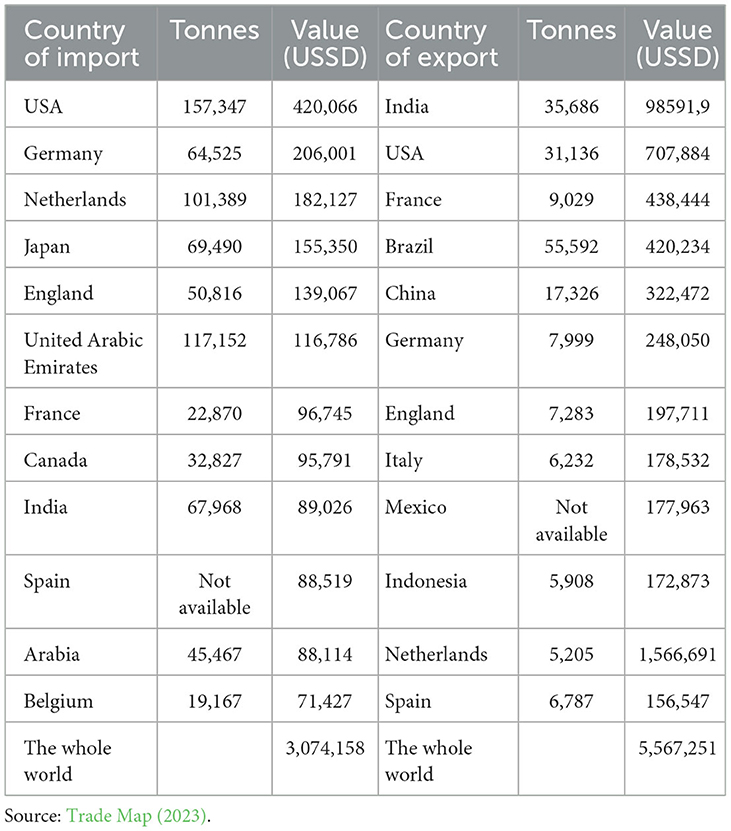
Table 1. The world's leading countries in the import and export of commodity group pharmaceutical plants, 2022.
In Semnan province, Iran (Figure 1), annually three thousand tons of medicinal plants are harvested and utilized from rangelands. Approximately 50% of these plants are exported. Exported products such as Ferula assa-foetida (Asafoetida), Ferula pseudalliacea (Koma), Zataria multiflora (Shirazi Thyme), Astragalus verus Olivier (Tragacanth), Ferula gummosa (Galbanum), Gundelia tournefortii (Tumble Thistle), and Terfezia boudieri Chatin (Desert Truffle).
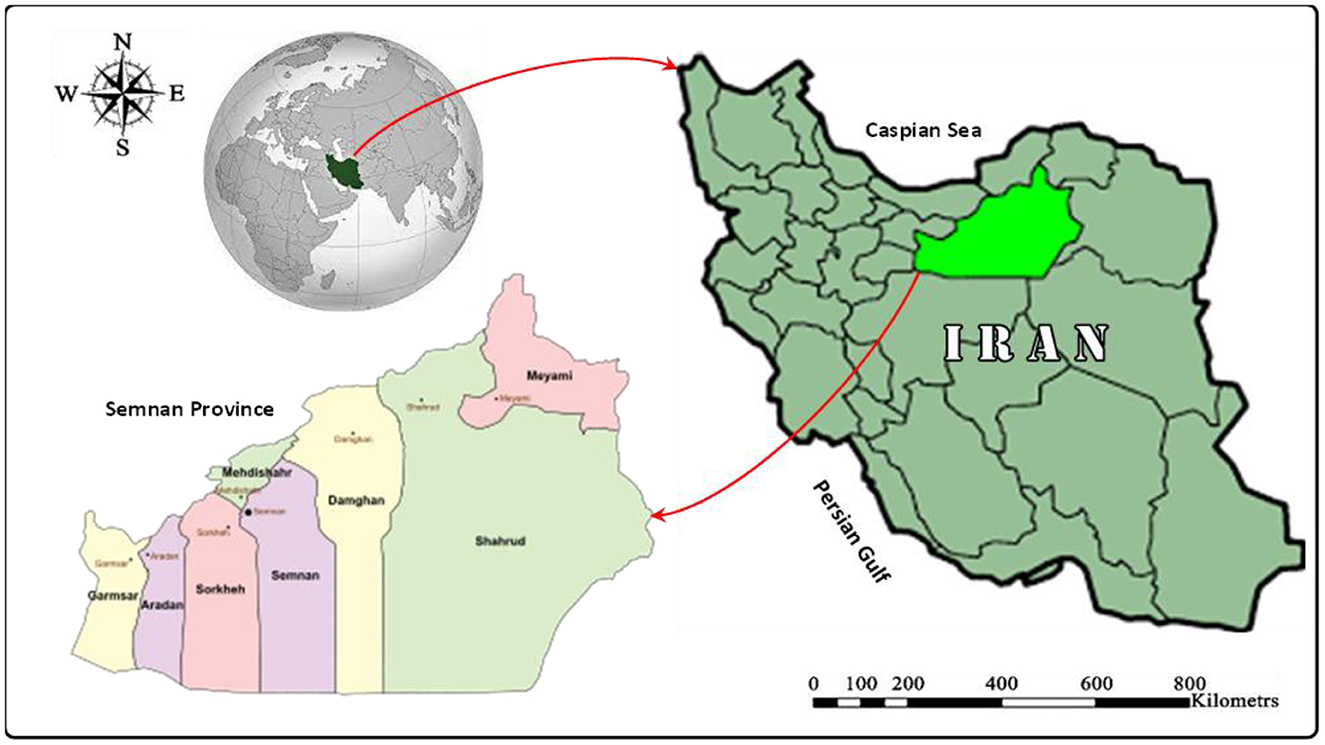
Figure 1. Geographical location of Nowshahr township geographical location of Semnan province in Iran.
Figure 2 illustrates the export of medicinal plants from Semnan province in 2022 by product type. Astragalus verus Olivier had the highest export amount in 2022, while Terfezia boudieri Chatin had the lowest export volume among medicinal plants from the province.
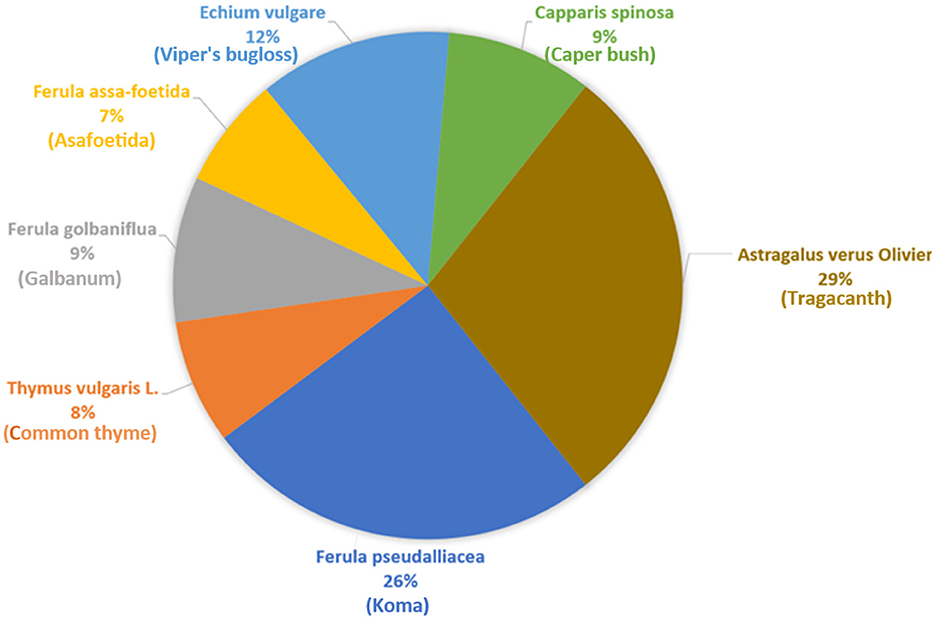
Figure 2. Export of medicinal plants of Semnan province in 2022. Source: GDNRWM (General Department of Natural Resources and Watershed Management) of Semnan Province (2022).
The sustainable production of medicinal plants can contribute to preserving biodiversity, improving the quantitative and qualitative production, increasing employment opportunities and income generation, enhancing health, and improving the quality of life for individuals in rural and remote areas (Astutik et al., 2023). According to published statistics, Iranian medicinal plants are exported to more than 20 countries worldwide. Some of these countries include Iraq, Germany, India, China, Italy, United Arab Emirates, Egypt, Turkey, France, Japan, South Korea, Bahrain, Armenia, Qatar, Lebanon, Republic of Azerbaijan, Russia, Afghanistan, and Yemen (Karim et al., 2020). Figure 3 depicts the level of exports of Iranian medicinal plants to target countries in the year 2021.
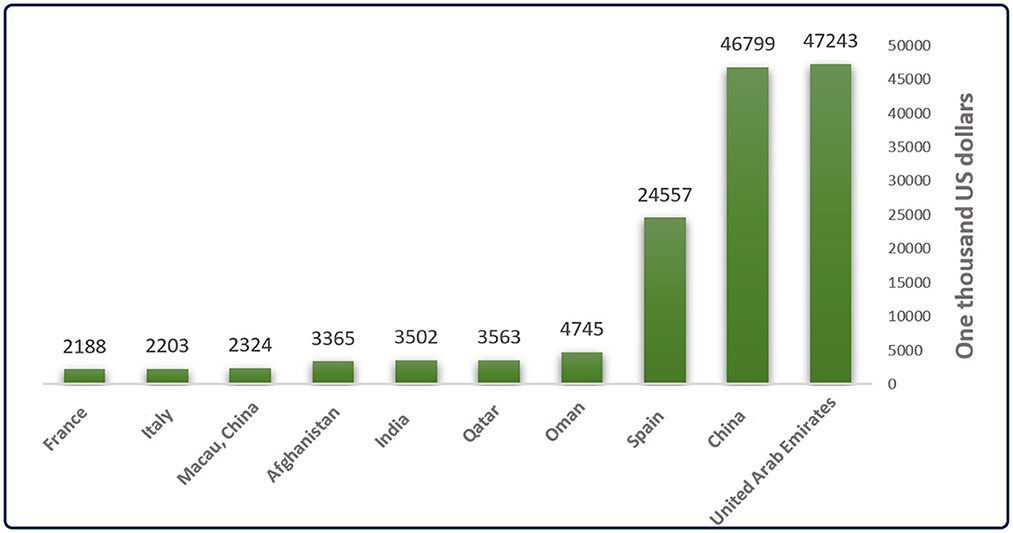
Figure 3. Iran's main importing markets for medicinal plants and related products in 2021 and its dollar value. Source: Trade Map (2023).
In this regard, Iran needs to make more efforts and developments to improve the quality and increase production capacity, develop new markets, appropriate marketing, and optimize the use of natural resources and the environment to compete with other countries in the global market (Amiri et al., 2021). Therefore, this study examines the challenges of production and processing of medicinal plants in Semnan province to analyze a strategic development for sustainable export of medicinal plants of Iran to the global value chain. Challenges such as quality, safety, international standards, competition with other provinces producing medicinal plants are discussed and solutions are provided to address these challenges and develop the industry of medicinal plants. The novelty of this research, in addition to the geographical location (Semnan province), focuses on identifying weaknesses and strengths, opportunities, and threats for providing a strategic analysis and sustainable development for the export of medicinal plants.
2 Theoretical background and literature review
Having comprehensive and reliable information about the distribution of medicinal plants allows for effective management, systematic planning, and economical exploitation of them. Success in commercializing medicinal plant products requires a clear understanding of demand and production systems of medicinal plants along with their value chain. A value chain encompasses a full range of activities necessary for the utilization of a product from its source to the end user in a way that meets their needs, tastes, and preferences (Volenzo and Odiyo, 2020). In this regard, having international standards in the production and export of medicinal plants is of paramount importance, and failing to adhere to these standards may create difficulties for exporters (Vardian et al., 2021). To produce, process, and export medicinal plants and their derivatives to global markets, specific standards must be followed. The standards that need to be adhered to in the production and export of medicinal plants include:
- Good Manufacturing Practices (GMP), which involve compliance with issues such as quality management, production process management, human resource management, etc. (Karamipour Esfahani and Abedi, 2016).
- Good Agricultural Practices (GAP), which involve adherence to issues such as using healthy seeds, appropriate use of organic and chemical fertilizers, proper water uses and water resource management, weed control, pest and disease control, etc. (Karamipour Esfahani and Abedi, 2016).
- ISO 9001 standard for compliance with quality management standards and ISO 14001 standard for adherence to environmental issues in the production and export of medicinal plants to global markets [INSO (Iran National Standard Organization), 2023].
- Hazard Analysis Critical Control Point (HACCP) standard, which is used in the industry for ensuring safety and hygiene in the production and export of herbal products to global markets (Palash et al., 2021).
- Iranian National Standard (Medicinal plants, in general, do not have a mandatory national standard. However, non-carbonated herbal drinks and herbal distillates have national standards numbered 11077 and 10077) [INSO (Iran National Standard Organization), 2023].
In addition to the specific standards for the collection of plants from natural habitats, there are multiple factors that must be considered.
Despite Iran's suitable climate and abundant diversity of medicinal plants, being recognized as one of the important countries in the production of aromatic and medicinal plants, entering the global value chain of these plants and their by-products poses challenges for marketers and producers, including high diversity of medicinal plants, inadequate quality of products, and lack of customer identification (Vardian et al., 2021; Yang, 2024). A study conducted in Bangladesh in 2021 identified the barriers of the medicinal plants industry to enter the global value chain, including the lack of modern production techniques and business knowledge, financial backwardness of medicinal plant producing farmers, minimal educational and promotional support, and ultimately identified demand price and unstable market as challenges and introduced the strengths of the medicinal plants industry as land suitability, abundant inputs, and wide acceptance in society. Furthermore, low governmental and non-governmental support and low quality of inputs have been identified as threatening factors to the medicinal plants industry (Palash et al., 2021).
Given the issues mentioned, marketing in the herbal value chain is considered one of the key factors in the success of exporting these plants. Marketing involves various processes such as market research, product design, production, packaging, distribution, and sales (Alizadeh et al., 2023; Mostafayi Darmian et al., 2023). In developing countries, intermediaries dominate in the field of trade and marketing as local communities are not well organized (Volenzo and Odiyo, 2020). Therefore, marketing is one of the areas that is worthy of investigation and in need of enhancement for the sustainable production of medicinal plants in global value chains. In fact, one of the ways to reach global markets is to be familiar with the principles of marketing and branding (Tom et al., 2018). Through these methods, producers can introduce their products to customers worldwide and improve new markets by identifying customer needs (Karim et al., 2020). Thus, understanding the importance of marketing and using appropriate marketing methods can lead to a considerable improvement in the sales and exports of aromatic and medicinal plants in global markets (Rana et al., 2020).
Marketing and market orientation at the macro level in the pharmaceutical plants industry encompass processes carried out for the purpose of selling and developing the target market of pharmaceutical plant products in the international and domestic markets (Singh et al., 2022). These processes include market analysis, branding, advertising, market development, and marketing strategy determination (Karim et al., 2020). Based on numerous studies and marketing theories, the quality of marketing agricultural products with an emphasis on marketing pharmaceutical plants, including the commitment and inclination of senior managers toward marketing, has been identified as a foundational factor in marketing pharmaceutical plants (Alizadeh et al., 2023). Furthermore, skill development and market understanding are factors that lead to the sustainable development of pharmaceutical plants production and globalization of pharmaceutical plants markets and the expansion of agricultural promotion in the pharmaceutical plants sector (Zhao et al., 2021; Alizadeh et al., 2023). In order to achieve these goals, the need for the provision of complementary strategies in marketing and market orientation at the macro level is felt in the policy-making domain in the pharmaceutical plants sector (Bekkers et al., 2020; Zhao et al., 2022).
Synergistic strategies in marketing and market orientation in the herbal industry encompass actions that companies can take to enhance their performance in the market (Kala et al., 2006). Various studies have examined these strategies under different titles, summarily including:
- Collaborating with relevant companies: Manufacturers can collaborate with related companies in the herbal industry to enhance their market performance. For instance, collaborations of manufacturers with distribution companies lead to a wider range of audiences with easier access for consumers (Heidarzade Rizi et al., 2015).
- Diversifying product development: In the herbal industry, focusing on essences and plant-based active ingredients meets the diverse needs of various audiences and increases market share for manufacturers (Zare Zardeini and Amiri Aghdaie, 2014; Afshar et al., 2022).
- Joint advertising: Joint advertising can be an appropriate operational solution to enhance the effectiveness of product offerings (Kala et al., 2006).
- Joint research and development: through collaboration between manufacturers and traders in research and development, products are aligned with market needs (Mintah et al., 2022).
A literature review on the obstacles to entrepreneurship development in the field of medicinal plants and sustainable agriculture in developing countries, including Iran, reveals the existence of five barriers which are referred to as “educational-promotional,” “economic,” “supportive,” “technical-management,” and “infrastructural” barriers (Asl Roosta et al., 2017; Maleksaeidi and Memarbashi, 2023). The proposed solutions in this research can also assist companies producing products derived from medicinal plants to perform more successfully in domestic and international markets, thereby facilitating the growth and development of the medicinal plants industry in Iran.
3 Materials and methods
The current research is considered a qualitative study in terms of paradigm, a non-experimental study in terms of variable control, applied research in terms of objective, and a descriptive study in terms of data collection, which was carried out using the SWOT technique. The statistical population of this research included three groups: specialists in medicinal plants and related fields (as subject matter experts), managers and relevant experts in the Agricultural Jihad, Natural Resources, Watershed Management departments, and the Agriculture and Natural Resources Research and Education Center (as planners), as well as producers, traders, and managers in the pharmaceutical industry sector (as operational and executive agents), of which 31 individuals were purposefully and snowball-sampled (Table 2). It is worth noting that the sample size in a Delphi panel can range from 3 to 80 individuals. In most studies utilizing the Delphi technique, the number of participants ranges from 5 to 20 individuals (Hsu and Sandford, 2007).
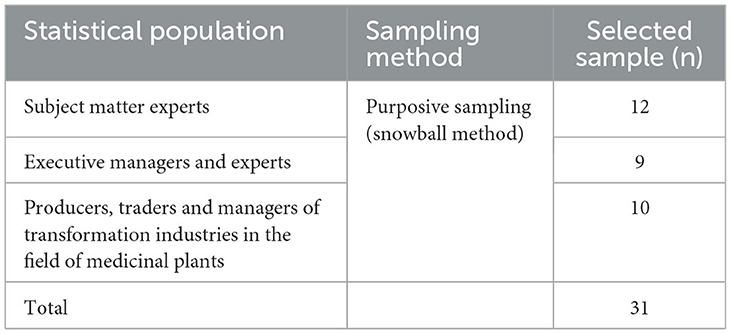
Table 2. The statistical population of the panel of experts and the selected sample size.
The data collection instruments consisted of questionnaires and interviews. To achieve a consensus, the Delphi technique was employed in three rounds. The use of the Delphi technique is appropriate when the research goals involve exploration, prioritization, and obtaining new information in the studied area (Tohidimoghadam et al., 2023). In the first round, an open-ended questionnaire consisting of five questions regarding the problems and their implications in the production, processing, and export of aromatic and medicinal plants was presented. In the first round, 122 factors were extracted from the respondents' opinions. In the second round, the members of the expert panel expressed their agreement or disagreement with the extracted items. After collecting the questionnaires and analyzing the responses using SPSS27 software, the items agreed upon by more than 70% of the respondents were retained, and the rest were removed (Tohidimoghadam et al., 2023; Mohammadi et al., 2024). The remaining items were used as the main items in the design of the third questionnaire. In the third stage, the items were categorized into four sections of strengths, weaknesses, opportunities, and threats and presented as 62 questions tailored to the respondents. These questions were designed in the form of a Likert scale (with options of 1 = very low, 2 = low, 3 = moderate, 4 = high, and 5 = very high), and the recipients were asked to express their level of agreement regarding the main factors affecting the production, processing, and export of medicinal plants. The face validity of the questionnaire at each stage was examined and confirmed by a panel of experts. As for the reliability of the questionnaire, in the Delphi method, when the size of the respondent group exceeds 13 experts, the reliability is estimated at over 80% (Drumm et al., 2022).
Following the collection of the questionnaires in the third phase, the gathered responses were analyzed using SPSS27 software. The statistics utilized in this phase included mean, standard deviation, relative importance, and final coefficient. Ultimately, the identified factors consisted of 10 strengths, 25 weaknesses, 11 opportunities, and 16 threats, which were analyzed in a SWOT matrix. In the third phase, the received responses were ranked, and the items with agreement levels below 70% were eliminated. 62 remaining items were classified on a 5-point Likert scale ranging from 1 (lowest level of agreement) to 5 (highest level of agreement) and were sent to 31 panel members, of which 23 questionnaires were returned (a return rate of 74%, which is acceptable for the third round).
The SWOT matrix serves as a framework to assist planners in identifying strategies to achieve goals. The term SWOT stands for the initials of the four words Strength (S), Weakness (W), Opportunity (O), and Threat (T) (Table 3). The logic behind this approach is that an effective strategy should maximize a system's strengths and opportunities while minimizing its weaknesses and threats. If applied correctly, this logic will yield very good results for selecting and designing an effective strategy (Fallah Haghighi et al., 2021). The SWOT matrix comprises four categories of strategies: offensive strategy (SO), conservative strategy (ST), adaptive strategy (WO), and defensive strategy (WT) (Table 3).
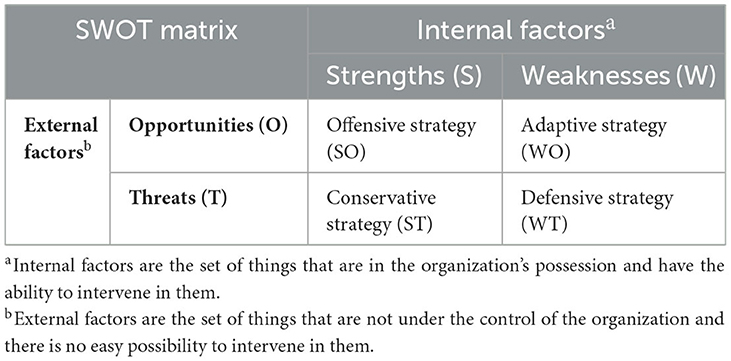
Table 3. SWOT matrix and how to determine strategies.
4 Results and discussion
4.1 Descriptive and demographic statistics of specialists
The respondents consisted of 74% male professionals and the remaining 26% were female. 48% were employed in the manufacturing sector and private companies, 39% were employed in government agencies, and 13% were university professors. Table 4 presents the other characteristics of the respondents.
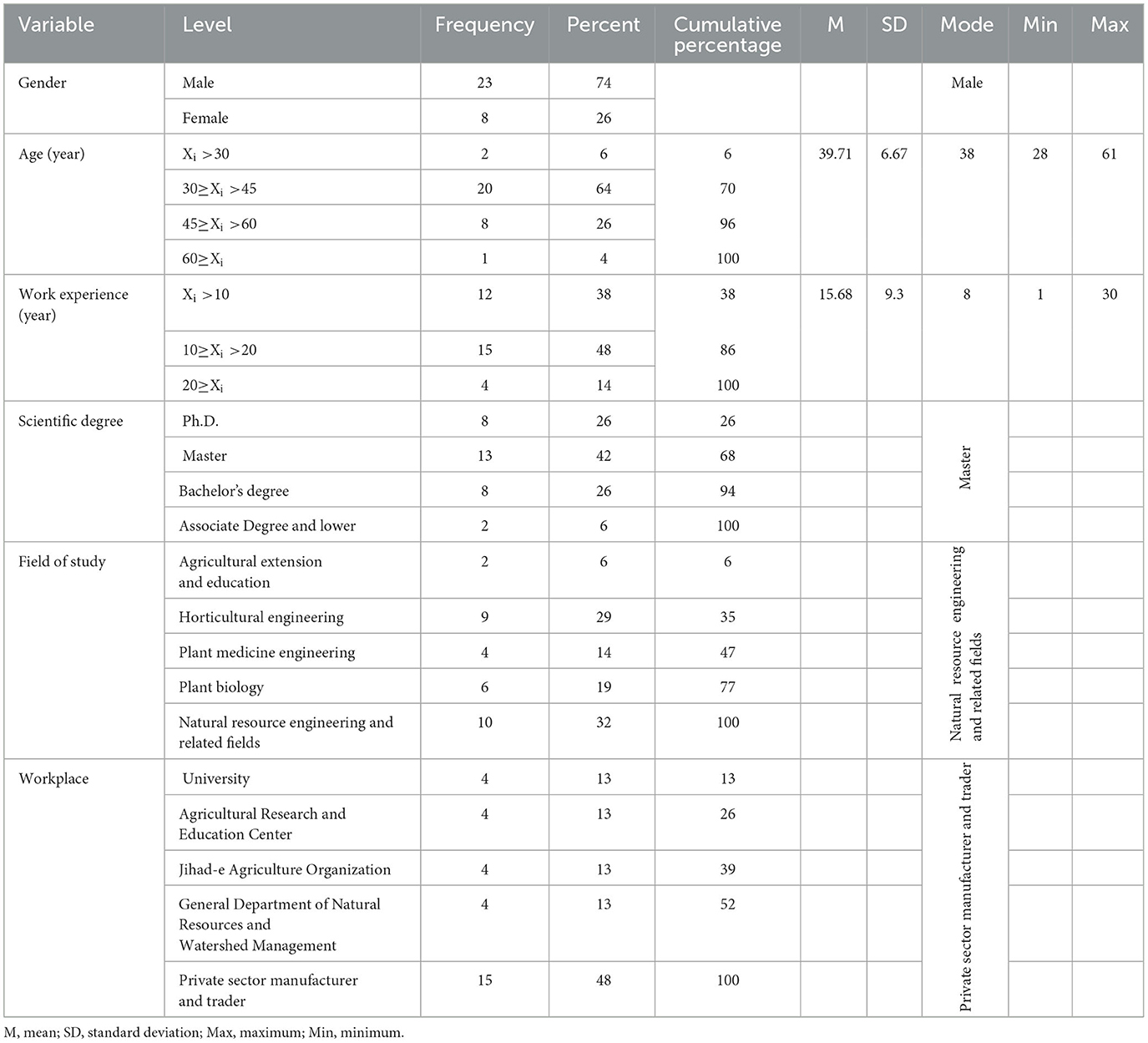
Table 4. Descriptive statistics of the respondents (n = 31).
4.2 Strengths, weaknesses, threats and opportunities in the production, processing and export of medicinal plants
In order to achieve success in the global market, Iranian medicinal plant producing companies need to address challenges and employ appropriate strategies for their management, including technology development, standardization and quality control, proper advertising and marketing, expansion into new markets and access to global markets, as well as formulation of suitable marketing and sales strategies (Tom et al., 2018; Vardian et al., 2021; Padulosi et al., 2002). Based on this, through three Delphi phases, 10 strengths, 25 weaknesses, 11 opportunities, and 16 threats were identified. Descriptive statistics of the extracted items are presented in Tables 5–8.
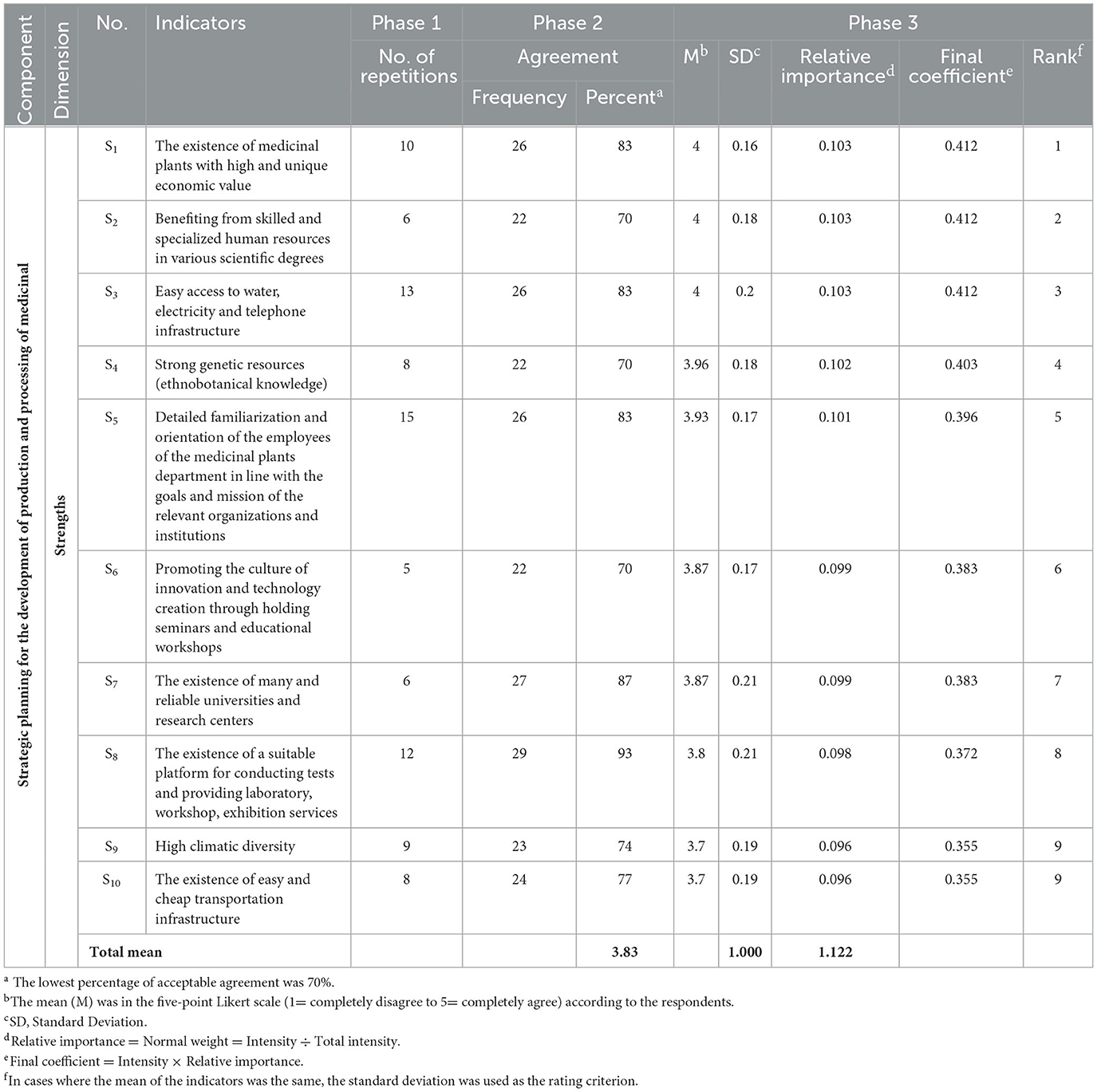
Table 5. Descriptive analysis of the “strengths” extracted in the three phases of Delphi.
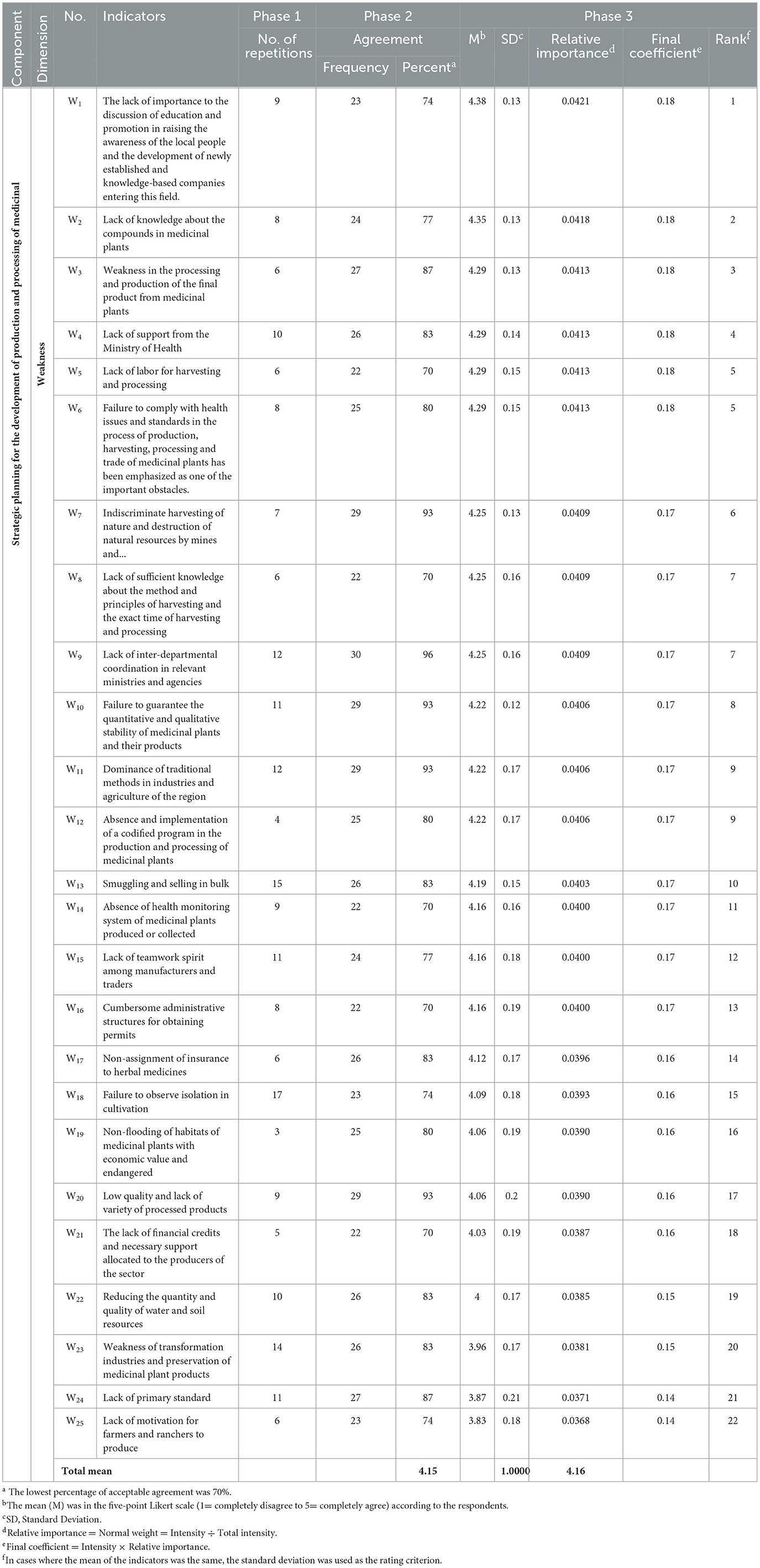
Table 6. Descriptive analysis of the “weakness” extracted in the three phases of Delphi.
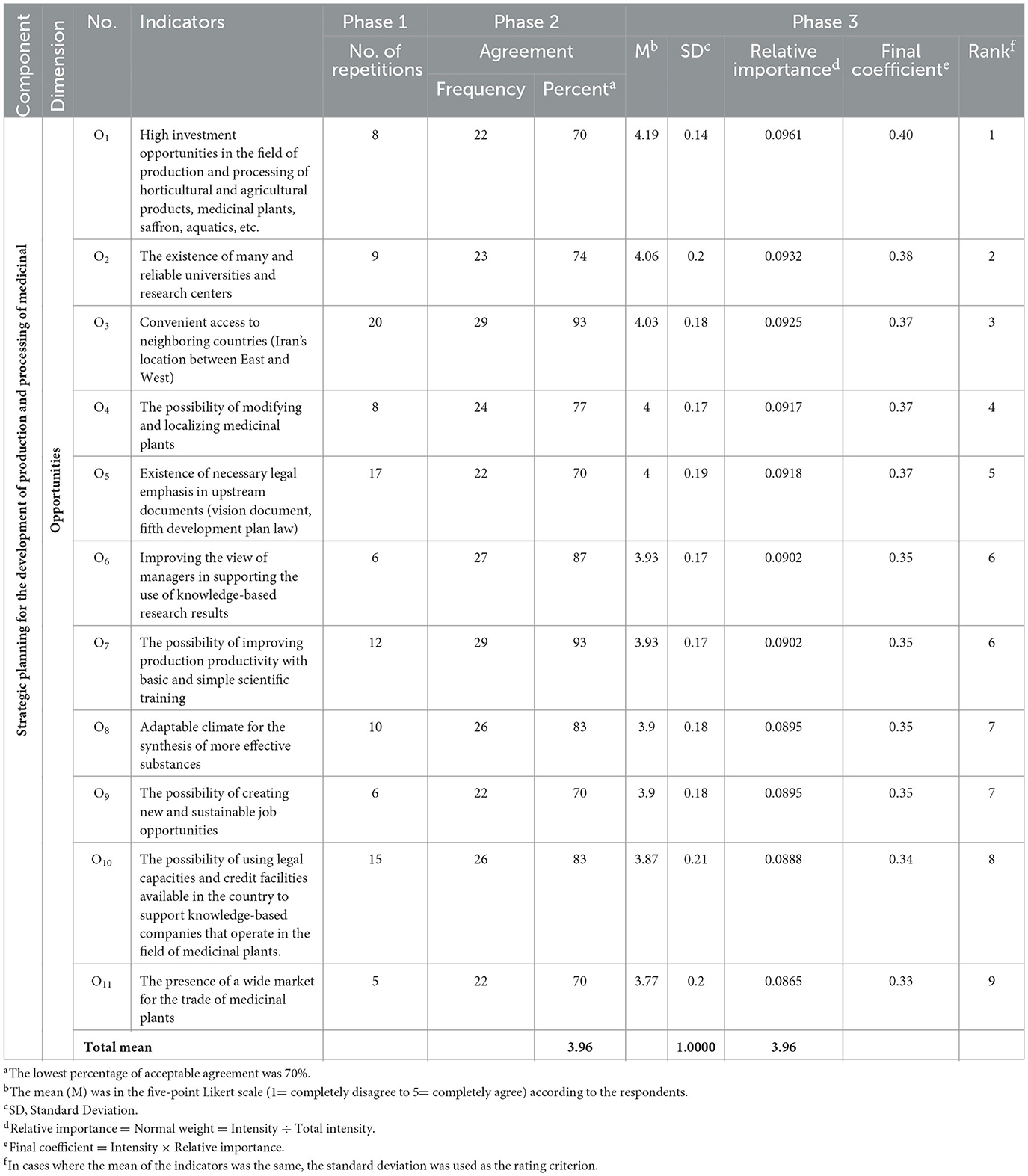
Table 7. Descriptive analysis of the “opportunities” extracted in the three phases of Delphi.

Table 8. Descriptive analysis of the “threats” extracted in the three phases of Delphi.
4.3 Strategic analysis and executive actions
The results presented in Tables 5–8 indicate the strengths, weaknesses, opportunities, and threats obtained from the perspectives of the respondents in this research. The overall average of strengths (3.83), weaknesses (4.15), opportunities (3.96), and threats (4.16) was calculated, revealing the superiority of weaknesses over strengths and threats over opportunities. Based on this, the internal and external differences in the SWOT matrix yield coordinates in the defensive strategic area (WT: weaknesses and threats) as shown in Table 9 and Figure 4.
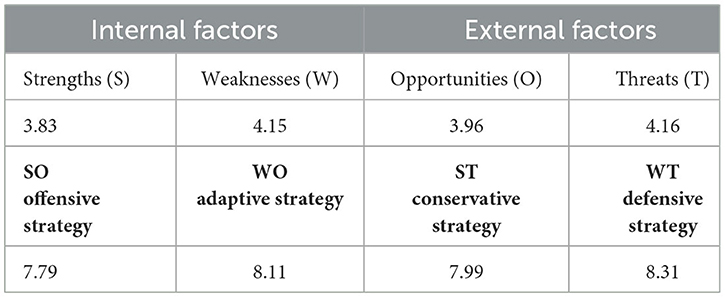
Table 9. Internal-external of the Strategic planning for the development of production and processing of medicinal plants in Semnan.

Figure 4. The scope of the strategic space for the development of production and processing of medicinal plants in Semnan province.
Average strengths (S)–Average weaknesses (W) = 3.83–4.15 = −0.32.
Average opportunities (O)–Average threats (T) = 3.96–4.16 = −0.20.
Based on the strengths, weaknesses, opportunities, and threats identified, strategies were formulated using the SWOT matrix to advance the production, processing, and export of medicinal plants (Table 10).
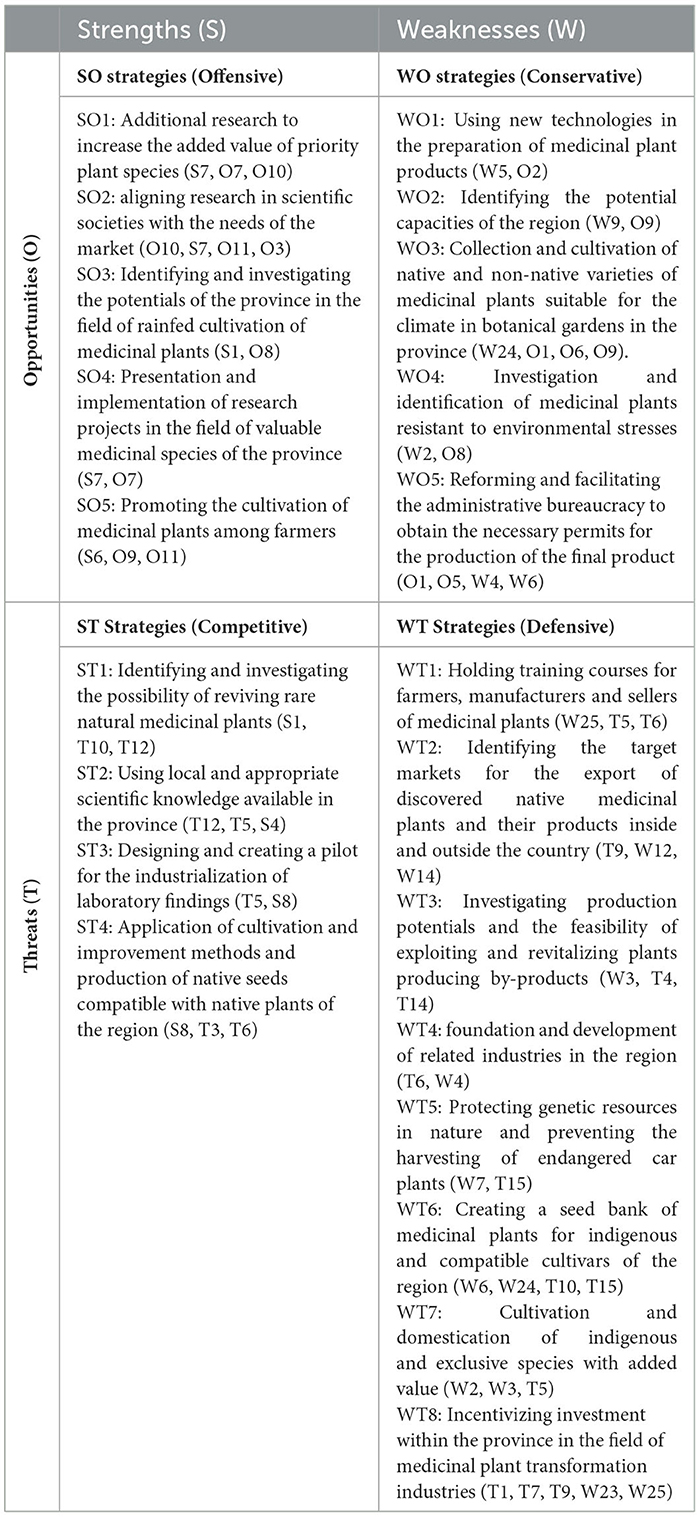
Table 10. SWOT matrix for the development of production and processing of medicinal plants in Semnan.
The offensive strategies (SO) focus on sustainable development of the medicinal plants industry derived from combining internal strengths with external opportunities. These strategies aim to maximize environmental opportunities by leveraging the strengths of the existing system.
The defensive strategies (WO) are derived from combining internal weaknesses with environmental or external opportunities. These strategies aim to utilize potential advantages present in environmental opportunities to compensate for existing system weaknesses.
Competitive strategies (ST) are derived from combining internal strengths with environmental or external threats. These strategies are designed to maximize strengths to address threats effectively.
Defensive strategies (WT) are derived from combining internal weaknesses with environmental threats. They encompass strategies aimed at minimizing the damages resulting from threats and weaknesses (Puyt et al., 2023).
Based on the results of the SWOT matrix, some executive actions for sustainable development of the medicinal plants industry can be presented according to Table 11.
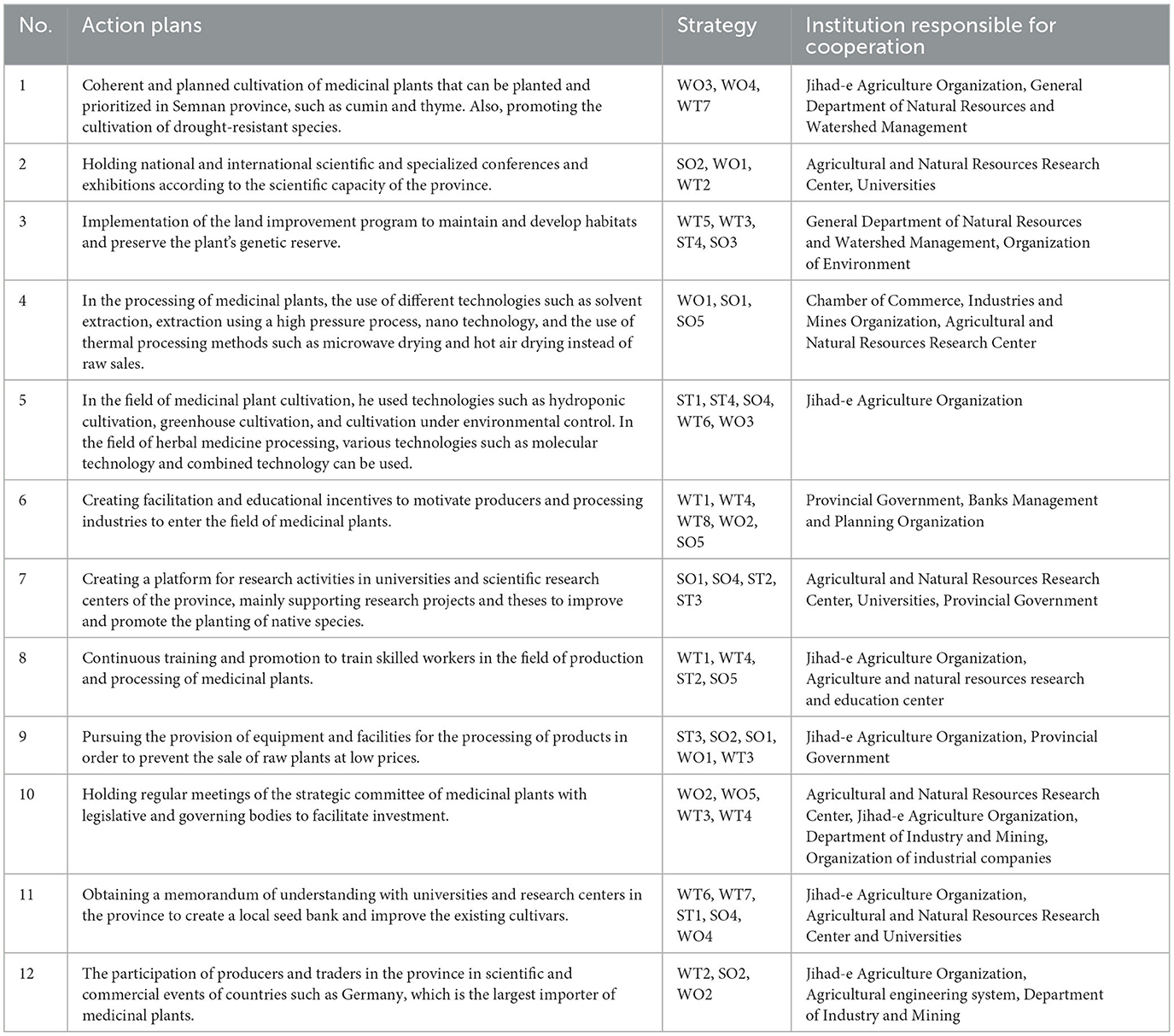
Table 11. Implementation measures based on SWOT matrix strategies.
To enhance the understanding of the strategic development of Iran's medicinal plant exports, it is essential to draw comparisons with marketing chains in other leading countries in the medicinal plant sector. For instance, countries such as China, India, and Germany have established robust frameworks for the cultivation, processing, and export of medicinal plants, which can serve as valuable benchmarks for Iran (Mehrnia et al., 2021).
In China, the integration of traditional medicine with modern agricultural practices has led to a significant expansion of its medicinal plant exports. The Chinese government actively supports this sector through policies that promote research and development, quality control, and international marketing initiatives. As a result, China has successfully positioned itself as a global leader in the medicinal plant market, leveraging its vast biodiversity and traditional knowledge.
Similarly, India has a well-developed system for the cultivation and marketing of medicinal plants, supported by the National Medicinal Plants Board (NMPB). This board facilitates the sustainable harvesting of medicinal plants and promotes their export through various initiatives, including financial incentives for farmers and producers. India's approach emphasizes the importance of community participation and the preservation of indigenous knowledge, which has significantly contributed to its success in the global market (Karim et al., 2020).
In contrast, Germany's medicinal plant sector is characterized by stringent quality standards and a strong emphasis on research and innovation. The country has established a comprehensive regulatory framework that ensures the safety and efficacy of medicinal products derived from plants. This focus on quality has enabled German companies to command higher prices in international markets, highlighting the importance of quality assurance in the marketing chain (Amiri et al., 2021).
By examining these international examples, it becomes evident that Iran can benefit from adopting similar strategies tailored to its unique context. For instance, fostering public-private partnerships, investing in research and development, and enhancing quality control measures could significantly improve the competitiveness of Iranian medicinal plants in the global market. Furthermore, understanding the dynamics of marketing chains in these countries can provide insights into best practices that could be adapted to strengthen Iran's position in the global value chain of medicinal plants.
5 Conclusion
Given the position and value of production and processing of medicinal plants in the domestic economy as well as non-oil exports, and the climatic diversity of Semnan province for the cultivation and production of medicinal plants, the present study aimed to identify the strengths, weaknesses, opportunities, and threats in the sustainable development of production and processing of medicinal plants in Semnan province using the SWOT method, and to provide appropriate strategies for each of the challenges. Based on the research data, 10 strengths, 25 weaknesses, 11 opportunities, and 16 threats were identified. According to the findings, the strengths and opportunities can be considered as advantages, while weaknesses and threats as constraints in the development and export of medicinal plants in Semnan province. Based on the research findings, considering that exports have not been carried out within a coherent and systematic marketing strategy, it is necessary to prioritize the target markets for medicinal plants and their related products, and to determine the strategy for developing the export of desired products in order to provide practical strategies for exporters and commercial planners of the province. Ultimately, a long-term strategy for industrial development in the field of medicinal plant processing and production of secondary products is recommended.
This research, like any other research, has its limitations. The present study was conducted qualitatively using the SWOT technique. Although the strategic results and proposed executive actions are useful, valuable results can be obtained in future research by using quantitative methods and other diverse techniques focusing on different target audiences, especially consumers of medicinal plants.
Ultimately, based on the findings, the following policy recommendations can be made:
- Encouraging regional investment in the field of medicinal plant processing industries and
- Reforming and facilitating administrative bureaucracy for obtaining necessary licenses for final product production.
- Furthermore, the following recommendations can serve as a starting point for future research.
- Analyzing the effects of regional investment incentives on the development of medicinal plant exports.
- Assessing the potential global markets for Iranian medicinal plant exports and
- Analyzing methods to improve quality and international standards in the production and processing of medicinal plants.
In conclusion, emphasizing the sustainability of Iran's medicinal plant industry is crucial for its long-term viability and global competitiveness. Key indicators such as the preservation of biodiversity and the economic value of these plants must be prioritized in strategic planning. By fostering sustainable practices that protect native ecosystems and promote the responsible harvesting of medicinal plants, we can ensure that economic benefits do not come at the expense of environmental integrity. This holistic approach will not only enhance the resilience of the industry but also contribute to the preservation of Iran's rich botanical heritage, ultimately positioning the country as a leader in the global medicinal plant market.
Data availability statement
The original contributions presented in the study are included in the article/supplementary material, further inquiries can be directed to the corresponding author/s.
Ethics statement
Ethical approval was not required for the studies involving humans because this study employed the Delphi technique with subject experts, who provided their consent before participating in interviews. The studies were conducted in accordance with the local legislation and institutional requirements. Written informed consent for participation was not required from the participants or the participants' legal guardians/next of kin in accordance with the national legislation and institutional requirements because this study employed the Delphi technique with subject experts, who provided their consent before participating in interviews.
Author contributions
MS: Data curation, Formal analysis, Investigation, Methodology, Resources, Software, Writing – original draft. MB: Conceptualization, Data curation, Methodology, Project administration, Software, Supervision, Validation, Visualization, Writing – review & editing. FB: Conceptualization, Project administration, Resources, Supervision, Validation, Visualization, Writing – review & editing.
Funding
The author(s) declare that no financial support was received for the research and/or publication of this article.
Acknowledgments
The authors hereby express their special gratitude to all the respondents who completed the study questionnaires with great patience as well as the surveyors and interviewers who did their best in terms of data collection.
Conflict of interest
The authors declare that the research was conducted in the absence of any commercial or financial relationships that could be construed as a potential conflict of interest.
Publisher's note
All claims expressed in this article are solely those of the authors and do not necessarily represent those of their affiliated organizations, or those of the publisher, the editors and the reviewers. Any product that may be evaluated in this article, or claim that may be made by its manufacturer, is not guaranteed or endorsed by the publisher.
References
Afshar, Z., Ghasemi, M., and Bozarjomehri, K. (2022). Strategic planning of marketing of medicinal plants in rural areas (Case study: Chenaran county). Rural Dev. Strategies 9, 35–52. (In Persian). doi: 10.22048/rdsj.2022.299133.1969
Alizadeh, B., Naami, A., Kohandel, M., and Nasrollahniya, M. (2023). Presenting agricultural marketing model with emphasis on medicinal herbs in Iran. Mark. Manage. 18, 59–84. (In Persian). doi: 10.30495/jomm.2023.70088.1983
Amiri, Z., Asgharipour, M. R., Campbell, D. E., Azizi, K., Kakolvand, E., and Moghadam, E. H. (2021). Conservation agriculture, a selective model based on emergy analysis for sustainable production of shallot as a medicinal-industrial plant. J. Cleaner Prod. 292, 12600. doi: 10.1016/j.jclepro.2021.126000
Asl Roosta, R., Moghaddasi, R., and Hosseini, S. S. (2017). Export target markets of medicinal and aromatic plants. J. Appl. Res. Med. Aromat. Plants 7, 84–88. doi: 10.1016/j.jarmap.2017.06.003
Astutik, S., Pretzsch, J., Ndzifon Kimengsi, J., and Kap, G. (2023). Medicinal plants production systems in rural Indonesia: management practices and performance insights. Forest Policy Econ. 153:102972. doi: 10.1016/j.forpol.2023.102972
Bekkers, E., Antimiani, A., Carrico, C., Flaig, D., Fontagne, L., Foure, J., et al. (2020). Modelling trade and other economic interactions between countries in baseline projections. J. Glob. Econ. Anal. 5, 273–345. doi: 10.21642/JGEA.050107AF
Drumm, S., Bradley, C., and Moriarty, F. (2022). More of an art than a science? The development, design and mechanics of the Delphi technique. Res. Soc. Adm. Pharm. 18, 2230–2236. doi: 10.1016/j.sapharm.2021.06.027
Fallah Haghighi, N., Mirtorabi, M. S., Bijani, M., and Valizadeh, N. (2021). Appropriate strategies to establish knowledge-based companies: evidence from Iran. Int. J. Finance Econ. 26, 6375–6389. doi: 10.1002/ijfe.2124
GDNRWM (General Department of Natural Resources and Watershed Management) of Semnan Province (2022). Export of Medicinal Plants of Semnan province. No published report. Semnan: GDNRWM. (In Persian).
Heidarzade Rizi, S., Mohammadi, H., Shahnoushi, N., and Karbasi, A. R. (2015). Evaluation of factors affecting the marketability of medicinal plants (Case study: Mint). Iran. J. Agric. Econ. 9, 125–139. (In Persian).
Hsu, C. C., and Sandford, B. A. (2007). The Delphi technique: making sense of consensus. Pract. Assess. Res. Evaluation 12:10.
INSO (Iran National Standard Organization). (2023). Compilation and Extension (Compilation of National Standards, Comparative Studies and Participation in the Compilation of International Standards. Education and Extension). (In Persian). Semnan: INSO.
Kala, C. P., Dhyani, P. P., and Sajwan, B. S. (2006). Developing the medicinal plants sector in northern India: challenges and opportunities. J. Ethnobiol. Ethnomed. 2, 1–15. doi: 10.1186/1746-4269-2-32
Karamipour Esfahani, M., and Abedi, M. (2016). Standardization of medicinal plants and their herbal products and functional foods. Innovative Food Technol. 3, 65–76. (In Persian).
Karim, M. H., Karbasi, A., and Mohamadzadeh, S. H. (2020). Marketing strategies and export of Iranian medicinal plants. J. Med. Plants By-product 9, 101–111. doi: 10.22092/jmpb.2020.122080
Maleksaeidi, H., and Memarbashi, P. (2023). Barriers of environmentally-friendly entrepreneurship development in Iran's agriculture. Environ. Dev. 46:100831. doi: 10.1016/j.envdev.2023.100831
Mehrnia, M., Akaberi, M., Amiri, M. S., Nadaf, M., and Emami, S. A. (2021). Ethnopharmacological studies of medicinal plants in central Zagros, Lorestan Province, Iran. J. Ethnopharmacol. 280:114080. doi: 10.1016/j.jep.2021.114080
Mintah, S. O., Archer, M. A., Asafo-Agyei, T., Ayertey, F., Jnr, P. A. A., Boamah, D., et al. (2022). Medicinal plant use in Ghana: advancement and challenges. Am. J. Plant Sci. 13(3), 316-358. doi: 10.4236/ajps.2022.133020
Mohammadi, M., Bijani, M., Naeimi, A., Valizadeh, N., and Setti, A. (2024). Extracting indicators of connectedness to nature to improve water conservation behavior in agriculture. Environ. Sustain. Indic. 22:100338. doi: 10.1016/j.indic.2024.100338
Mostafayi Darmian, S., Afrasiabi, A., and Yazdani, M. (2023). Multi-criteria evaluation of agro-processing industries for sustainable local economic development in East of Iran. Expert Syst. Appl. 230:120607. doi: 10.1016/j.eswa.2023.120607
Padulosi, S., Leaman, D., and Quek, P. (2002). Challenges and opportunities in enhancing the conservation and use of medicinal and aromatic plants. J. Herbs Spices Med. Plants. 9(4), 243–267. doi: 10.1300/J044v09n04_01
Palash, M.d S., Amin, M.d R., Ali, M.d Y., and Sabur, S. A. (2021). Medicinal plant business in Bangladesh: Exploring the performance of supply chain actors. J. Agric. Food Res. 6:100230. doi: 10.1016/j.jafr.2021.100230
Puyt, R. W., Lie, F. B., and Wilderom, C. P. (2023). The origins of SWOT analysis. Long Range Plan. 56:102304. doi: 10.1016/j.lrp.2023.102304
Rana, S., Rana, H., Ranjitkar, S., Ghimire, S., Gurmachhan, C.h., O'Neill, A., et al. (2020). Climate-change threats to distribution, habitats, sustainability and conservation of highly traded medicinal and aromatic plants in Nepal. Ecol. Indic. 115:106435. doi: 10.1016/j.ecolind.2020.106435
Singh, P. A., Bajwa, N., Chinnam, S., Chandan, A., and Baldi, A. (2022). An overview of some important deliberations to promote medicinal plants cultivation. J. Appl. Res. Med. Aromatic Plants 31:100400. doi: 10.1016/j.jarmap.2022.100400
Tohidimoghadam, A., PourSaeed, A. R., Bijani, M., and Eshraghi Samani, R. (2023). Rural sustainable livelihood resilience to climate change: a strategic analysis. Environ. Sustain. Indic. 20:100292. doi: 10.1016/j.indic.2023.100292
Tom, V., Odiyo, J., and Kimambo, O. (2018). Integrating endemic medicinal plants into the global value chains: the ecological degradation challenges and opportunities. Concept. Preprints 2018:2018110053. doi: 10.20944/preprints201811.0053.v1
Trade Map (2023). The main markets importing medicinal plants and related products of Iran. Available online at: https://www.trademap.org/Index.aspx (accessed June 13, 2023).
Vardian, S., Jafarian, Z., Rastgar, S., and Kargar, M. (2021). Evaluation of economic value and environmental factors associated with distribution of Ferula gummosa Boiss in Lar Rangeland, Tehran Province. J. Rangeland 15, 387–397. (In Persian).
Volenzo, T., and Odiyo, J. (2020). Integrating endemic medicinal plants into the global value chains: the ecological degradation challenges and opportunities. Heliyon 6:e04970. doi: 10.1016/j.heliyon.2020.e04970
Yang, Q. (2024). Heterogeneous impact of non-tariff measures on import margins through global value chains: firm-level evidence from China. Int. Rev. Econ. Finance 92, 533–562. doi: 10.1016/j.iref.2024.02.047
Zare Zardeini, H., and Amiri Aghdaie, S. F. (2014). Investigating effective factors on improvement and development of medicinal Pants in Iran (case study Isfahan city). New Mark. Res. J. 12, 195–214. (In Persian).
Zhao, X., Calvin, K., Wise, M., and Iyer, G. (2021). The role of global agricultural market integration in multiregional economic modeling: using hindcast experiments to validate an Armington model. Econ. Anal. Policy 72, 1–17. doi: 10.1016/j.eap.2021.07.007
Keywords: medicinal plants, sustainable export, SWOT technique, defensive strategies, sustainability indicators
Citation: Shariatzadeh M, Bijani M and Bahadori F (2025) Sustainable development of Iran's medicinal plant exports to the global value chain: a strategic analysis. Front. Sustain. Food Syst. 9:1500168. doi: 10.3389/fsufs.2025.1500168
Received: 22 September 2024; Accepted: 14 March 2025;
Published: 01 April 2025.
Edited by:
Sanzidur Rahman, University of Reading, United KingdomReviewed by:
Guadalupe Virginia Nevárez-Moorillón, Autonomous University of Chihuahua, MexicoIselen Trujillo, Simón Rodriguez National Experimental University, Venezuela
Copyright © 2025 Shariatzadeh, Bijani and Bahadori. This is an open-access article distributed under the terms of the Creative Commons Attribution License (CC BY). The use, distribution or reproduction in other forums is permitted, provided the original author(s) and the copyright owner(s) are credited and that the original publication in this journal is cited, in accordance with accepted academic practice. No use, distribution or reproduction is permitted which does not comply with these terms.
*Correspondence: Masoud Bijani, bWJpamFuaUBtb2RhcmVzLmFjLmly; Farzane Bahadori, Zi5iYWhhZG9yaUBhcmVlby5hYy5pcg==
†ORCID: Maryam Shariatzadeh orcid.org/0000-0002-7438-0304
Masoud Bijani orcid.org/0000-0003-2659-6386
Farzane Bahadori orcid.org/0000-0002-5440-0128