 Durgesh Singh1†Sushil Kumar Pathak1
 Mainak Ghosh1,2*†‡Sanjay Kumar1Ajay Bhardwaj3
 Sumit Sow1,4*‡Bal Manohar1
 Shivani Ranjan1,5
 Majed Alotaibi6
 Nawab Ali7
 Mahmoud F. Seleiman6
- 1Department of Agronomy, Bihar Agricultural University, Sabour, India
- 2ICAR-Agricultural Technology Application Research Institute Zone-VII, Barapani, Umiam, India
- 3Department of Horticulture (Vegetable and Floriculture), Bihar Agricultural University, Sabour, India
- 4Department of Agronomy, Dr. Rajendra Prasad Central Agricultural University, Pusa, India
- 5Department of Agronomy, Tirhut College of Agriculture, Dr. Rajendra Prasad Central Agricultural University, Pusa, India
- 6Department of Plant Production, College of Food and Agriculture Sciences, King Saud University, Riyadh, Saudi Arabia
- 7Department of Biosystems and Agricultural Engineering (BAE), College of Agriculture and Natural Resources, Michigan State University, East Lansing, MI, United States
Rice-based cropping systems in the Indo-Gangetic Plains are vital for regional food security, but due to their high energy inputs and environmental impacts, adopting optimized energy budgeting and diversifying the system through intensification can enhance sustainability and resource efficiency. A field experiment was conducted at the Agricultural Research Farm, Bihar Agricultural University, Sabour, Bihar, India during 2017–2018 and 2018–2019 to study the productivity and energetics of various rice-based cropping systems under irrigated conditions. The treatment comprised nine rice-based cropping sequences. The rice–cabbage + coriander leaf–sesamum system recorded significantly high system rice equivalent yield, system productivity, system profitability, and relative production efficiency over the rest of the cropping sequences in the study. Moreover, the conventional rice–wheat–mustard system recorded 56.7% lower relative economic efficiency as compared to rice–maize + vegetable pea–sorghum + fodder cowpea, rice–potato + radish–mungbean, and rice–cabbage + coriander leaf–sesamum system. Furthermore, rice–maize + vegetable pea–sorghum + fodder cowpea and rice–cabbage + coriander leaf–sesamum system attained higher energy productivity (371.3–408.6 kg MJ−1) along with the lowest specific energy (2458–2,700 MJ t−1) among the nine rice-based cropping systems. The study concluded that based on their availability of the resources, rice–maize + vegetable pea–sorghum + fodder cowpea or rice–cabbage + coriander leaf–sesamum could be the best suitable energy efficient cropping systems for higher system yield and maximizing profit.

Graphical Abstract.
Introduction
The Indo-Gangetic Plains (IGP) of South Asia play a crucial role in global rice production through the rice–wheat system, supporting the food and nutritional needs of 400 million people across approximately 24 million hectares (Mha) in Asia (Alhammad et al., 2023). In India alone, this system spans 10.5 Mha and supplies nearly half of the country’s total food consumption (Baghel et al., 2018). However, with the decline in available resources such as land, water, and energy, optimizing resource-use efficiency is an essential and a real challenge for assessing the viability of rice-based cropping systems (Ray et al., 2020; Kumawat et al., 2025). Diversifying and intensifying crop cultivation can help reduce risks related to yield fluctuations, market instability, and environmental degradation while promoting national goals such as self-reliance on essential crops, foreign exchange earnings, and job creation (Saleem et al., 2025). Due to heavy demand and being the main staple food in Eastern India, rice is very difficult to replace, particularly in the rainy season due to specific soil and climatic conditions. Therefore, the practical solution is to replace wheat in the winter season and add crops in the summer season to diversify and intensify the rice–wheat cropping system. In the highly productive IGP, the continuous practice of the rice–wheat system for over 40 years has threatened agricultural sustainability (Bhatt et al., 2016; Singh et al., 2019). In the lowland areas of IGP, completely replacing rice with another crop is not feasible (Kumar et al., 2022; Ranjan et al., 2024). However, diversification of the rice–wheat system is possible by incorporating oilseeds, grain legumes, and some short-duration vegetables and fodder crops, especially within an integrated farming system (Banjara et al., 2022; Liu et al., 2025; Saha et al., 2022). Energy is essential for human life and the economy, yet its role in crop production has been historically underemphasized. Greater focus is needed on renewable and non-commercial energy sources actively involved in crop production processes, which use intensive energies directly or indirectly. Crop production can be viewed as an energy conversion industry, where plants convert solar and soil-derived chemical energy into storable forms such as carbohydrates, fats, and proteins through photosynthesis (Singh et al., 2022). Excessive energy use leads to high production costs, reduced income, and decreased market competitiveness (Kachroo et al., 2012). Thus, crop diversification should aim not only for higher productivity and profitability but also for efficient energy conversion.
Environmentally and economically sustainable cropping systems are essential to replace rice–fallow systems in IGP (Reddy et al., 2025; Sahoo et al., 2024). Developing such systems requires a comprehensive understanding of the energy budget, global warming potential (GWP), and the input needs for water and fertilizers across diverse crops (Kumar et al., 2024; Yadav et al., 2017). Since energy consumption is closely linked to greenhouse gas (GHG) emissions (Kaur et al., 2021), improving energy efficiency through technological advancements can help conserve energy and reduce GHG emissions (Ray et al., 2020). Understanding the energy dynamics of different rice-based cropping systems is critical for designing sustainable and climate-resilient agricultural practices.
By analyzing energy budgeting, including input–output energy relationships, and energy-use efficiency, this study aims to identify an energy-efficient rice-based cropping system for the IGP of the sub-tropical region to enhance food and nutritional security, mitigate GHG emissions, and improve environmental sustainability. The study was designed to test the hypotheses that integrating a suitable energy-efficient cropping system with appropriate technological interventions can contribute to sustainable crop production in the IGP of the sub-tropical region. The findings of this research could have significant implications for sustainable rice production in the IGP of the sub-tropical region and beyond.
Methodology
Experimental site
A field study was carried out at the Agricultural Research Farm, Bihar Agricultural University, Sabour, Bihar (25o23’N latitude and 87o07’E longitude with an altitude of 37.19 m above mean sea level) during 2017–2018 and 2018–2019. During the first year of experimentation (2017–2018), the mean maximum temperature ranged from 15.8°C to 34.9°C, while the mean minimum temperature varied between 5.6°C and 26.8°C (Figure 1). The mean maximum relative humidity fluctuated between 64.1 and 96.1%. In the second year of experimentation (2018–2019), the mean maximum temperature ranged from 21.0°C to 37.6°C, whereas the mean minimum temperature varied from 3.9°C to 25.9°C. The total annual rainfall recorded was 1324.1 mm in 2017–2018 and 1025.3 mm in 2018–2019 (Figure 1). A composite representative soil sample was collected at a depth of 0–15 cm before the initiation of the study. The study site’s soil was classified as Typic Haplustepts with a loamy texture, comprising 41.5% sand, 38.0% silt, and 20.54% clay (Bouyoucos, 1962). The soil of the experimental field was slightly alkaline (pH 7.61) (Mclean, 1982), moderately fertile with low organic carbon (4.5 g kg−1) (Walkley and Black, 1934) and available nitrogen (237.0 kg ha−1) (Subbiah and Asija, 1956) as well as medium available phosphorus (24.6 kg ha−1) (Olsen et al., 1954) and potassium (226.0 kg ha−1) (Jackson, 1973).
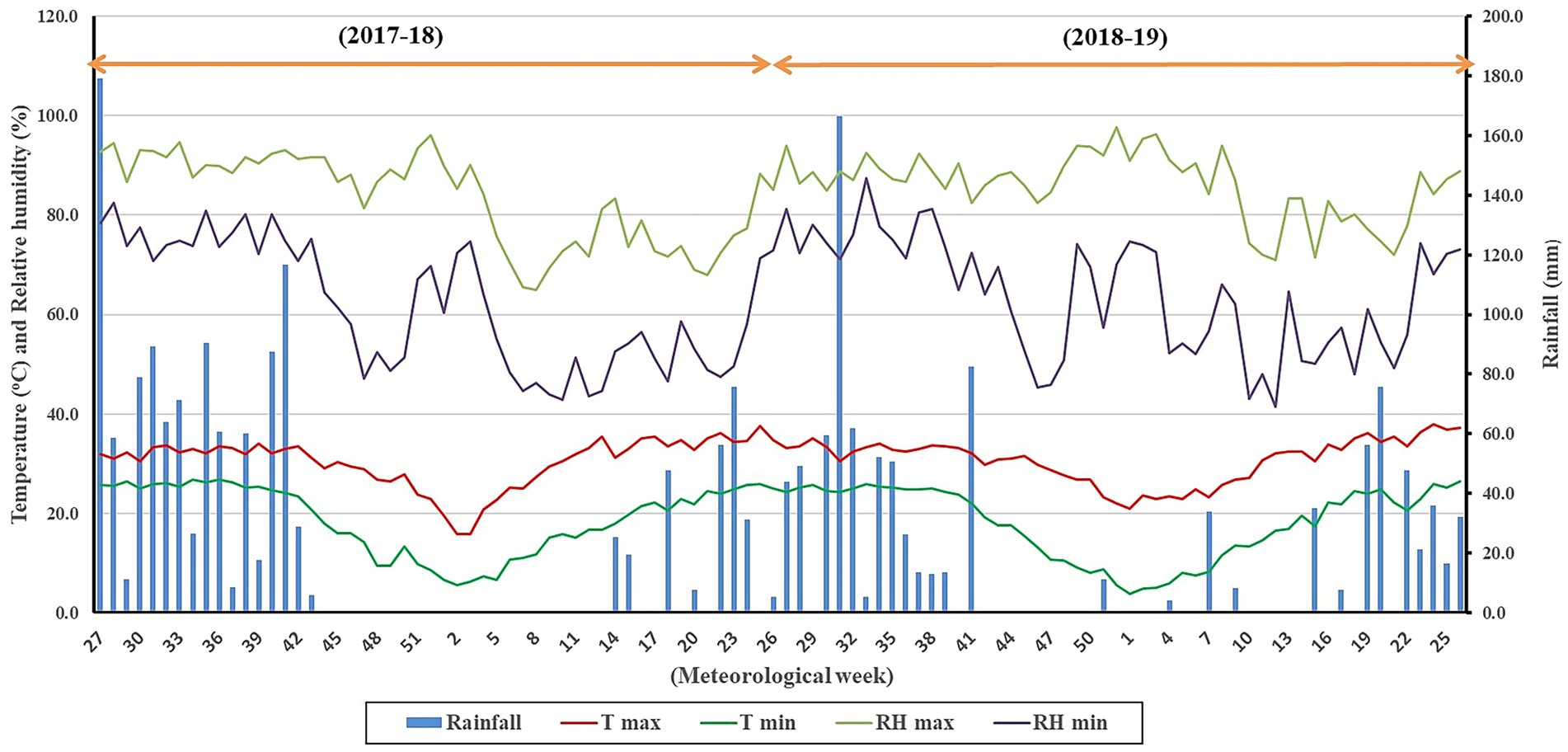
Figure 1. Weekly weather condition prevailing during two years (2017–19) of experimentation.
Experimental design and treatment details
The experiment was conducted in the randomized block design with three replications. The treatments involved nine rice-based cropping systems, viz. T1: Rice–wheat–fallow, T2: rice–wheat–mungbean, T3: rice–maize+vegetable pea–sorghum+cowpea (fodder), T4: rice–potato+radish–mungbean, T5: rice–cabbage +coriander leaf–sesamum, T6: rice–fababean–okra, T7: rice–berseem–maize+cowpea (fodder), T8: rice–mustard–mungbean, and T9: rice–chickpea+linseed–maize (green cob and fodder). Individual plots were thoroughly prepared in isolation to avoid mixing of soil under different treatments. Details of the crop, sowing, and harvesting as per the growing seasons are given in Table 1. All the crops in different seasons were grown with the recommended package of practices under irrigated conditions of Bihar. Full recommended doses of nutrients were applied to each crop. However, half of the nitrogen requirement of the rice in each sequence was applied through farm yard manure (FYM) a week before transplanting, and a basal dose of phosphorus as well as potassium application through fertilizer was adjusted on the equivalent basis as per their application as FYM. However, in subsequent winter and summer crops, the whole quantity of P2O5 and K2O, along with half of the nitrogen, was applied as a basal application through urea, DAP, and MOP. The remaining half quantity of nitrogen was top dressed in the form of urea in one or two equal splits at recommended stages of crops. The irrigation was applied to the crops optimally as and when required, and need-based plant protection measures were adopted.
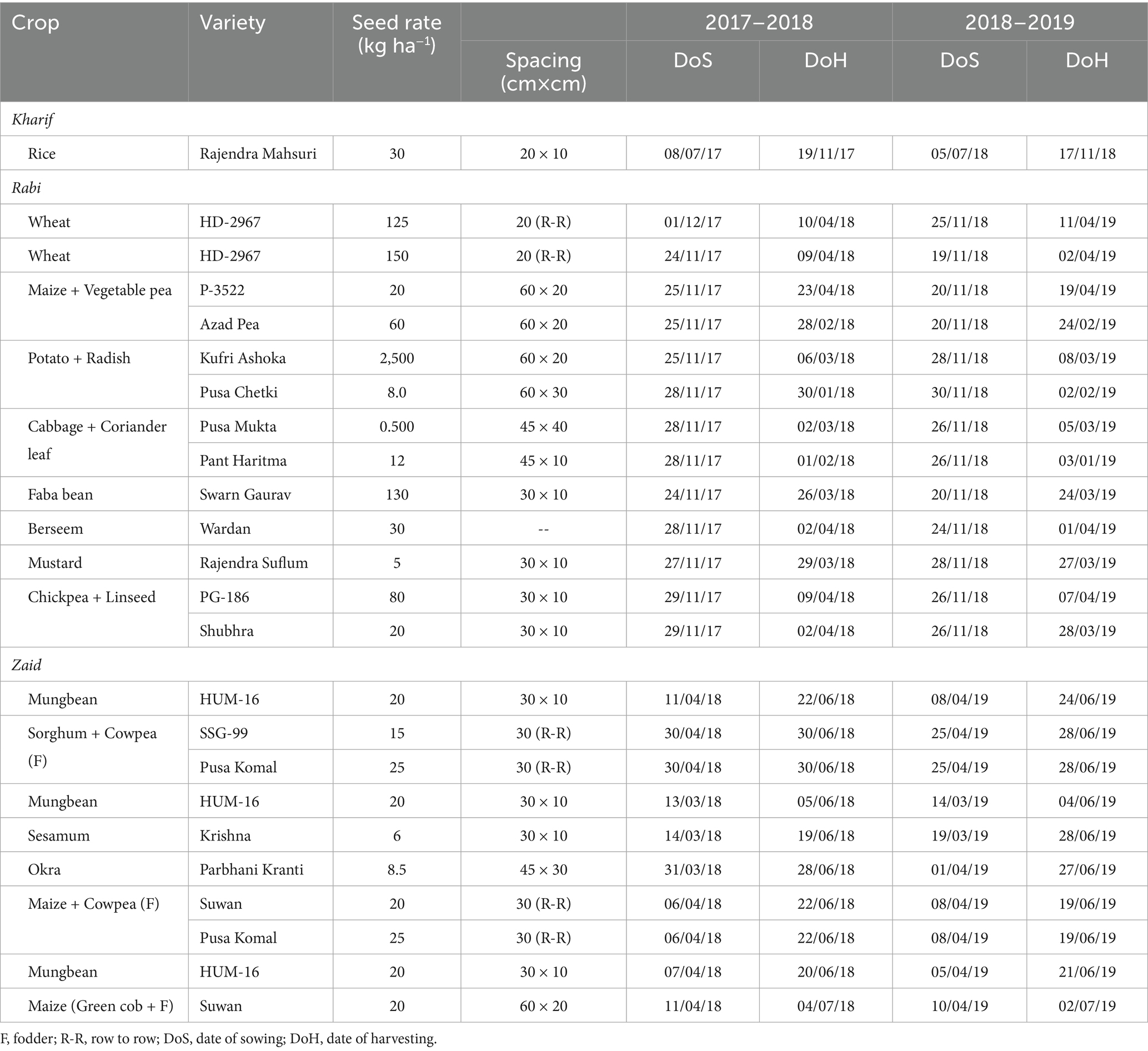
Table 1. Details of variety, seed rate, spacing, sowing, and harvesting of different crops during both years of study.
System productivity and energetics
The yields from winter and summer crops were converted into rice equivalent yield by multiplying the yield by the prevailing market price of each produce, then dividing by the price of rice for different years. The rice equivalent yields from the rainy, winter, and summer seasons were then summed to obtain the system rice equivalent yield. System productivity was calculated by taking total production on a rice equivalent basis in a sequence divided by 365 and expressed as kg ha−1 day−1 (Singh et al., 1993). System profitability was calculated by taking the total net return in sequence divided by 365 and expressed as ₹ ha−1 day−1. Relative production efficiency (RPE) and relative economic efficiency (REE) may be negative or positive in terms of percentage over the existing rice–wheat–fallow system. It is calculated by using the following formula (Banjara et al., 2021):
where TP = total productivity, CS = cropping system, NR = net returns of the system.
The prevailing market price of different produce was used to work out the economics of different systems. Energy values of various inputs and outputs used in the experiment are presented in Table 2 as described by Devasenapathy et al. (2009). The energy input for a particular cropping system was calculated as the sum of the energy requirements for humans, labor, diesel, electricity, water, seed, herbicide, FYM, and chemical fertilizers used in the system. The other energy studies were performed with the help of established equations mentioned below (Yadav et al., 2017).
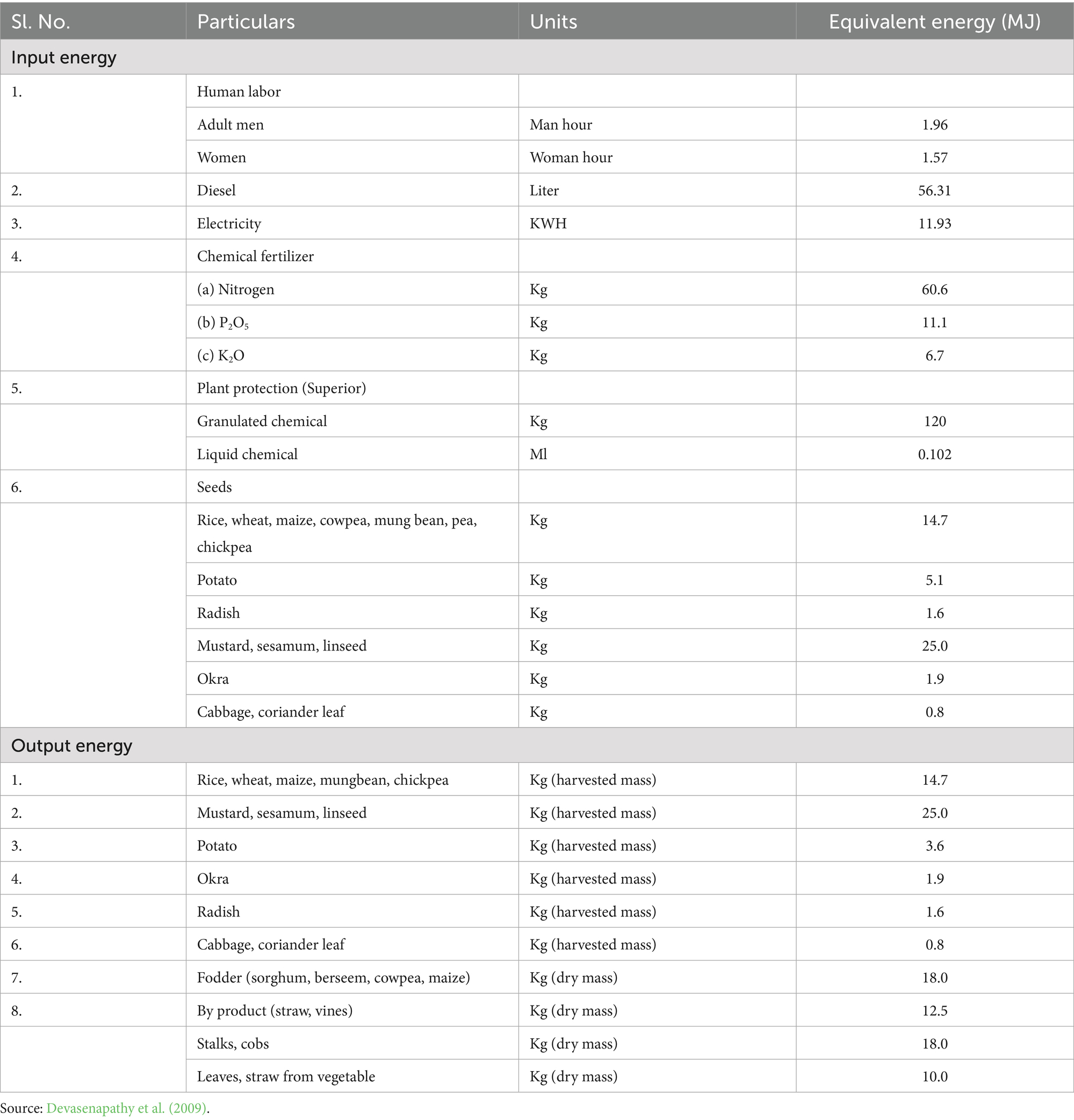
Table 2. Energy equivalent of inputs and outputs used for the study.
Statistical analysis
All the data were statistically analyzed using analysis of variance (ANOVA) in SAS v9.4 software (SAS Institute Inc., Cary, NC, USA). Treatment means were compared using the F-test (Gomez and Gomez, 1984), and the least significant difference (LSD) was calculated at a 5% significance level (p = 0.05) to assess differences among treatments.
Results
Rice equivalent yield
The pooled mean rice equivalent yield (REY) data revealed that during the kharif (rainy) season, the rice–potato + radish–mungbean cropping system achieved a notably higher economic yield of 6.49 t ha−1 (Table 3). In the rabi (winter) season, over 2 years of pooled data, the rice–cabbage + coriander leaf–sesamum cropping sequence recorded a significantly higher REY of 13.23 t ha−1. Similarly, during the zaid (summer) season, the rice–chickpea + linseed–maize cropping sequence showed a significantly higher REY of 7.56 t ha−1 based on 2 years of pooled data. Among the cropping sequences having 300% cropping intensity, rice–potato + radish–mungbean (T4) produced the highest REY of system, which was statistically at par with rice–cabbage + coriander leaf–sesamum system (T5) but found significantly superior over all the other cropping sequences during both the years of experimentation (Table 3). Furthermore, the rice–potato + radish–mungbean system achieved 72.6 and 11.0% higher system REY than the rice–wheat–mungbean and rice–maize +vegetable pea–sorghum + cowpea systems, respectively. Each of the cropping systems recorded significantly higher REY than the rice–wheat system during the 2 years of the study.

Table 3. Effect of different rice-based cropping sequences on rice equivalent yield (REY) during both the years and pooled over 2 years.
System productivity and profitability
Rice–potato+radish–mungbean system (T4) recorded the maximum system productivity of 63.95 kg ha−1 day−1, which was statistically similar to rice–cabbage+coriander leaf–sesamum (T5) but significantly superior over other treatments (Table 4). The pooled analysis showed that the rice–potato+radish–mungbean system recorded the highest system profitability (₹ 774.89 ha−1 day−1) which was statistically at par with rice–maize + vegetable pea–sorghum + cowpea (₹ 771.23 ha−1 day−1) and rice–cabbage+coriander leaf–sesamum (₹ 774.45 ha−1 day−1) but significantly superior over the rest of the cropping systems. Furthermore, the rice–potato+radish–mungbean system attained 41.0% higher system profitability as compared to the rice–wheat–mungbean system. Similarly, the RPE and REE were found to be the highest in rice–potato+radish–mungbean system (T4), which was significantly higher than the other systems except rice–cabbage+coriander leaf–sesamum (T5) (Table 4). The rice–mustard–mungbean system (T8) received the lowest RPE and REE over the 2 years of the study. The rice–maize + vegetable pea–sorghum + cowpea (fodder) (T3) showed 14.8 and 11.9% lower RPE as compared to T4 and T4, respectively.

Table 4. Impact of different cropping systems on system productivity, system profitability, relative production efficiency, and relative economic efficiency during both the years and pooled over 2 years.
Energy input and output
The fertilizer consumed the highest energy in all the cropping sequences, and it varied from 63,472 MJ ha−1 in the rice–potato+radish–mungbean system to 45,712 MJ ha−1 in rice–wheat (zero tilled)–mungbean (zero tilled) system (Table 5). The highest energy in terms of human labor was required in the rice–potato + radish–mungbean system owing to the higher number of laborers required for potato sowing, earthing up, and digging, as well as green gram picking. This sequence also recorded the maximum total energy input across the different rice-based cropping sequences.

Table 5. Energy input and output from produces as influenced by different rice-based cropping sequences on during both the years and pooled over 2 years.
The pooled mean energy output of kharif (rainy) season showed that the highest energy output (216,027 MJ ha−1) was recorded in rice–fababean–okra (T6), but no significant difference was found among the all the cropping systems (Table 5). In rabi (winter) season, the significantly highest energy output of 378,178 MJ ha−1 was recorded in the rice–maize+vegetable pea–sorghum+cowpea system (T3), while the lowest energy output of 61,826 MJ ha−1 was noted in rice–cabbage+coriander leaf–sesamum (T5) which was 5.3 and 6.9% lower as compared to rice–fababean–okra and rice–chickpea+linseed–maize, respectively. In the zaid (summer) season, maize received a significantly highest energy output of 160,839 MJ ha−1, and the lowest was recorded in mungbean (9,980 MJ ha−1). However, rice–maize+vegetable pea–sorghum+cowpea (fodder) (T3) recorded a significantly highest system energy output (660,626 MJ ha−1) among all the cropping systems. The rice–mustard–mungbean system (T8) was found with 57.5 and 34.6% lower energy output as compared to T3 and T9, respectively, over the 2 years of experimentation (Table 5).
Energy output: input and productivity
The rice–maize + vegetable pea–sorghum + cowpea (fodder) sequence consistently maintained its significant superiority in energy output: input as compared to the rest of the cropping sequences in both years of the study (Table 6). Although, the rice–cabbage + coriander leaf–sesamum system (T5) registered lowest energy input: output, but attained highest energy productivity which was statistically similar to rice–maize+vegetable pea–sorghum+cowpea (T3), rice–potato+radish–mungbean (T4) system but significantly superior over rest of the cropping sequences during both the years of investigation. Contrary to energy productivity, rice–mustard–mungbean (T8) recorded the significantly highest specific energy over the rest of the cropping sequences (Table 6). Moreover, the rice–cabbage + coriander leaf–sesamum sequence (T5) recorded lowest specific energy of 2,458 and 2,470 MJ t−1, which was 42.0 and 39.8% lower as compared to the treatment T8 during the years 2017–2018 and 2018–2019, respectively.
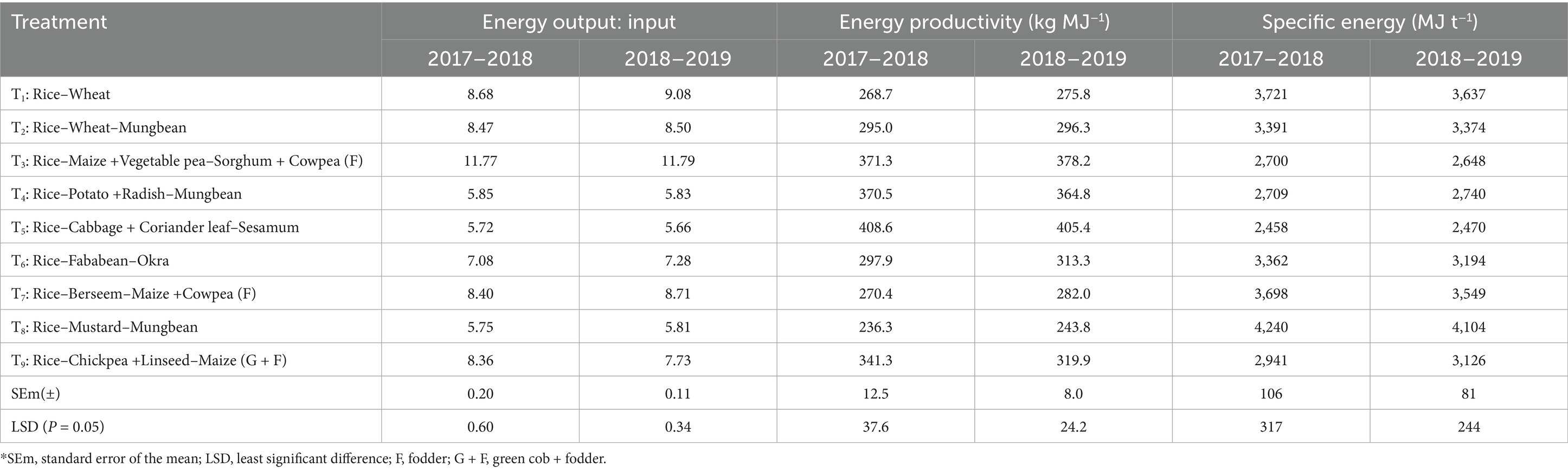
Table 6. Effect of different rice-based cropping sequences on energy output–input ratio, energy productivity, and specific energy.
Discussion
The results highlight the superiority of diversified and intensive cropping systems in enhancing economic yield, with notable performance differences across seasons. The significantly higher REY observed in the rice–cabbage + coriander leaf–sesamum system during winter (rabi) suggests that the crop diversification and the inclusion of short-duration intercrops contribute to improved productivity. The rice–chickpea + linseed–maize sequence further reinforced the advantage of strategic crop rotations during the zaid season. Notably, the rice–potato + radish–mungbean and rice–cabbage + coriander leaf–sesamum system outperformed others in systems with 300% cropping intensity, demonstrating its efficiency in maximizing land use and yield. The 11% higher REY recorded compared to the rice–maize + vegetable pea–sorghum + cowpea system underscores the benefits of integrating high-value crops. Additionally, all diversified cropping systems significantly outperformed the conventional rice–wheat system, emphasizing the potential for intensified and well-planned rotations for sustainable yield enhancement (Menia et al., 2025; Saha et al., 2022). REY of rice–wheat–mungbean was found low due to lower productivity of mungbean after the wheat crop, and after the wheat crop, only one picking is possible in mungbean crop. Higher productivity of systems by replacing the wheat crop in winter season with more productive crops, such as potato or leafy vegetables was also reported by (Baishya et al., 2016; Gatto et al., 2020; Prasad et al., 2013). According to Arvadiya et al. (2025), the inclusion of legumes such as mungbean, fodder cowpea, vegetable fenugreek, and cluster bean in rice-based systems enhanced rice yield, promoted nutrient recycling, reduced soil compaction, increased soil organic matter, disrupted weed and pest life cycles, and mitigated adverse allelopathic effects.
The rice–potato+radish–mungbean system (T4) demonstrated the highest system productivity, reinforcing its potential for maximizing returns and resource utilization. Its statistical similarity to the rice–cabbage+coriander leaf–sesamum system (T5) suggests that both sequences effectively optimize land and inputs. This was primarily due to the higher marketable returns from vegetable coriander leaf or radish and the oilseed crop sesamum compared to linseed, berseem, and fababean. A family nutrition-based farming system that integrated maize, cabbage, and sesamum achieved the highest rice equivalent yield (REY) of 24.95 t ha−1, largely driven by the superior yield and economic value of cabbage and sesamum (Upadhaya et al., 2022). The significantly higher system profitability in three cropping systems, i.e., rice–maize +vegetable pea–sorghum + cowpea (fodder), rice–potato+radish–mungbean, rice–cabbage+coriander leaf–sesamum system led to increased REE in these cropping systems, further highlighting their resource-use advantage over other systems. While the lowest values recorded in the rice–mustard–mungbean system (T8) indicate its relatively lower efficiency. The substantial 41% system profitability increase over the rice–wheat–mungbean system emphasizes the economic benefits of adopting cole crops and vegetables in diversified cropping sequences over conventional practices. This may be due to the higher market value of the component crops of these systems, and the leguminous or oilseed cropping patterns giving higher productivity as compared to the commonly practiced rice–wheat cropping pattern (Radheshyam et al., 2024; Paswan et al., 2023; Ray et al., 2009).
The energy dynamics of different rice-based cropping systems reveal significant variations in input and output efficiency, emphasizing the role of crop selection and management practices in optimizing energy use. Kachroo et al. (2012) working on different rice-based cropping sequences reported that rice–potato–maize+mungbean utilized higher energy input followed by the rice–potato–onion sequence. In the rainy season, energy production across different systems was similar due to the common crop (rice). However, significant differences were observed in the winter and summer seasons. Rice–maize +vegetable pea–sorghum + cowpea (fodder) attained the highest energy output, likely due to variations in plant type, production habits, capacity, and energy content of grains and straws. Cereal-based systems have higher energy production compared to vegetable-based systems (Kumawat et al., 2025; Saha et al., 2022). It has been earlier established that cropping sequences with higher intensity and highly productive short-duration vegetable component crops with the inclusion of legumes as fodder in cereal-based crop rotation reduce the consumption of non-renewable energy (Hisse et al., 2022; Meena et al., 2022; Sharma et al., 2008).
The highest energy output–input ratio was recorded in the rice–maize +vegetable pea–sorghum + cowpea (fodder) system (T3), which may be attributed to greater system productivity and efficient energy utilization across diverse crop components (Kumar et al., 2024; Saha et al., 2022). The inclusion of energy-dense crops such as maize and vegetable pea, along with high-biomass fodder crops such as sorghum and cowpea, contributed significantly to gross and net energy outputs. Furthermore, the complementary nature of crop sequences likely enhanced nutrient cycling and input use efficiency, leading to an improved energy output–input ratio in this diversified system (Behera et al., 2024). Furthermore, the energy productivity was highest in the rice–cabbage + coriander leaf–sesamum system, which may be due to the higher yield of cabbage, along with the contribution of coriander leaf to the total productivity of the sequence. The rice–mustard–mungbean system produced less energy productivity than the traditional rice–wheat system mainly due to lower productivity of mustard crop in the winter season, as well as mungbean in the summer season (Singh et al., 2017). Similarly, Das et al. (2020) reported that conservation agriculture-based direct seed rice followed by mustard followed by mungbean produced 11.0% lower rice yield than the conventionally grown rice–maize system in IGP of India. Furthermore, it was observed that the rice–cabbage + coriander leaf–sesamum (T₅) and rice–maize + vegetable pea–sorghum + cowpea (fodder) (T₃) systems exhibited distinct superiority in terms of the lowest specific energy among all cropping sequences. This may be attributed to the higher system productivity per unit of energy invested, resulting from the inclusion of short-duration, high-yielding, and energy-efficient crops such as cabbage, coriander leaf, vegetable pea, and fodder cowpea. These crops not only ensured better resource use efficiency but also contributed significantly to economic yield with relatively lower energy inputs, thereby reducing the specific energy requirement (Dey et al., 2024; Soni et al., 2018; Yadav et al., 2017).
Conclusion
Crop diversification leverages the interaction between different crops to maximize resource use efficiency and system resilience over the rice–wheat cropping system. Integrating diversified crops (averaged of T3–T9) resulted in 51.6% higher system productivity over the traditional rice–wheat or rice–wheat–mungbean system (averaged of T1 and T2). Rice–potato + radish–mungbean and rice–cabbage + coriander leaf–sesamum system recorded high system rice equivalent yield and but rice–potato + radish–mungbean was not an energy efficient system. Thus, rice–maize + vegetable pea–sorghum + fodder cowpea and rice–cabbage + coriander leaf–sesamum systems were found most suitable in terms of energy dynamics, system productivity, and remunerative option under irrigated condition. Hence, to maximize productivity and resource use efficiency, farmers should adopt these two diversified rice-based cropping systems integrating high-yielding and energy-efficient sequences. Future research should focus on incorporating low-cost forage crops and sustainable management practices to further enhance system resilience and profitability.
Data availability statement
The datasets generated during the current study are available from the corresponding author upon reasonable request. Requests to access the datasets should be directed to bWFpbmFrZ2hvc2g5OTlAZ21haWwuY29t.
Ethics statement
Ethical review and approval was not required for the study on human participants in accordance with the local legislation and institutional requirements. Written informed consent from the [patients/participants OR patients/participants legal guardian/next of kin] was not required to participate in this study in accordance with the national legislation and the institutional requirements.
Author contributions
DS: Methodology, Conceptualization, Writing – review & editing, Supervision, Formal analysis, Writing – original draft, Data curation. SP: Supervision, Formal analysis, Writing – review & editing, Resources, Data curation, Methodology, Conceptualization. MG: Software, Investigation, Writing – original draft, Resources, Validation, Formal analysis, Project administration, Data curation, Supervision. SK: Visualization, Investigation, Supervision, Writing – review & editing, Formal analysis, Resources. AB: Visualization, Data curation, Supervision, Writing – review & editing. SS: Formal analysis, Writing – original draft, Data curation, Software, Writing – review & editing, Validation. BM: Writing – review & editing, Visualization, Software, Data curation. SR: Software, Data curation, Writing – review & editing, Formal analysis. MA: Software, Funding acquisition, Data curation, Writing – review & editing. NA: Data curation, Validation, Software, Writing – review & editing. MS: Funding acquisition, Writing – review & editing, Validation, Software.
Funding
The author(s) declare that financial support was received for the research and/or publication of this article. The authors sincerely acknowledge the support of the Ongoing Research Funding Program, (ORFFT-2025-041-2), King Saud University, Riyadh, Saudi Arabia. They are also thankful to the Bihar Agricultural University, Sabour, Bihar, India.
Acknowledgments
The authors would like to acknowledge the research facilities provided by the Bihar Agricultural University, Sabour, Bihar, India. They extend support through Ongoing Research Funding Program (ORFFT-2025-041-2), King Saud University, Riyadh, Saudi Arabia for supporting the current study.
Conflict of interest
The authors declare that the research was conducted in the absence of any commercial or financial relationships that could be construed as a potential conflict of interest.
Generative AI statement
The authors declare that no Gen AI was used in the creation of this manuscript.
Any alternative text (alt text) provided alongside figures in this article has been generated by Frontiers with the support of artificial intelligence and reasonable efforts have been made to ensure accuracy, including review by the authors wherever possible. If you identify any issues, please contact us.
Publisher’s note
All claims expressed in this article are solely those of the authors and do not necessarily represent those of their affiliated organizations, or those of the publisher, the editors and the reviewers. Any product that may be evaluated in this article, or claim that may be made by its manufacturer, is not guaranteed or endorsed by the publisher.
References
Alhammad, B. A., Roy, D. K., Ranjan, S., Padhan, S. R., Sow, S., Nath, D., et al. (2023). Conservation tillage and weed management influencing weed dynamics, crop performance, soil properties, and profitability in a rice–wheat–greengram system in the eastern Indo-Gangetic Plain. Agronomy 13:1953. doi: 10.3390/agronomy13071953
Arvadiya, L. K., Gudadhe, N. N., Garde, Y. A., Desai, L. J., Patel, P. K., Usadadiya, V. P., et al. (2025). Purpose-wise diversification of component crops in rice-based cropping systems for enhancing productivity, soil health, income, family and livestock nutrition. Eur. J. Agron. 168:127635. doi: 10.1016/j.eja.2025.127635
Baghel, J. K., Das, T. K., Raj, R., Paul, S., Mukherjee, I., and Bisht, M. (2018). Effect of conservation agriculture and weed management on weeds, soil microbial activity and wheat (Triticum aestivum) productivity under a rice-wheat cropping system. Indian J. Agric. Sci. 88, 1709–1716. doi: 10.56093/ijas.v88i11.84911
Baishya, A., Gogoi, B., Hazarika, J., Hazarika, J. P., Bora, A. S., Das, A. K., et al. (2016). Maximizing system productivity and profitability through crop intensification and diversification with rice (Oryza sativa)-based cropping system in acid soil of Assam. Indian J. Agron. 61, 274–280. doi: 10.59797/ija.v61i3.4381
Banjara, T. R., Bohra, J. S., Kumar, S., Ram, A., and Pal, V. (2022). Diversification of rice–wheat cropping system improves growth, productivity, and energetics of rice in the Indo-Gangetic Plains of India. Agric. Res. 11, 48–57. doi: 10.1007/s40003-020-00533-9
Banjara, T. R., Bohra, J. S., Kumar, S., Singh, T., Shori, A., and Prajapat, K. (2021). Sustainable alternative crop rotations to the irrigated rice-wheat cropping system of Indo-Gangetic Plains of India. Arch. Agron. Soil Sci. 68, 1568–1585. doi: 10.1080/03650340.2021.1912324
Behera, S. D., Garnayak, L. M., Behera, B., Behera, B., Sarangi, S. K., Jena, J., et al. (2024). Assessment of management practices for improving productivity, profitability, and energy-carbon-water use efficiency of intensive rice-toria-sweet corn system in eastern India. J. Soil Sci. Plant Nutr. 24, 6598–6616. doi: 10.1007/s42729-024-01993-6
Bhatt, R., Kukal, S. S., Busari, M. A., Arora, S., and Yadav, M. (2016). Sustainability issues on rice–wheat cropping system. Int. Soil Water Conserv. Res. 4, 64–74. doi: 10.1016/j.iswcr.2015.12.001
Bouyoucos, G. J. (1962). Hydrometer method improved for making particle size analyses of soils. Agron. J. 54, 464–465. doi: 10.2134/agronj1962.00021962005400050028x
Das, T. K., Nath, C. P., Das, S., Biswas, S., Bhattacharyya, R., Sudhishri, S., et al. (2020). Conservation agriculture in rice-mustard cropping system for five years: impacts on crop productivity, profitability, water-use efficiency, and soil properties. Field Crop Res. 250:107781. doi: 10.1016/j.fcr.2020.107781
Devasenapathy, P., Kumar, S. G., and Shanmugam, P. M. (2009). Energy management in crop production. Indian J. Agron. 54, 80–90. doi: 10.59797/ija.v54i1.4771
Dey, S., Abbhishek, K., Saraswathibatla, S., Kuttippurath, J., Singh, P. K., and Das, D. (2024). Can cropping systems be energy efficient: performance measure for various rice-based cropping systems in peninsular India. J. Agric. Food Res. 18:101516. doi: 10.1016/j.jafr.2024.101516
Gatto, M., Petsakos, A., and Hareau, G. (2020). Sustainable intensification of rice-based systems with potato in eastern Indo-Gangetic Plains. Am. J. Potato Res. 97, 162–174. doi: 10.1007/s12230-020-09764-6
Gomez, K. A., and Gomez, A. A. (1984). Statistical procedures for agricultural research. 2nd Edn. New York: John Wiley and Sons.
Hisse, I. R., Biganzoli, F., Peper, A. M., and Poggio, S. L. (2022). Annual productivity of cropping sequences: responses to increased intensification levels. Eur. J. Agron. 137:126506. doi: 10.1016/j.eja.2022.126506
Kachroo, D., Thakur, N. P., Kaur, M., Kumar, P., and Sharma, A. (2012). Productivity and energetics of rice (Oryza sativa)-based cropping systems under sub-tropical condition of Jammu. Indian J. Agron. 57, 117–121. doi: 10.59797/ija.v57i2.4622
Kaur, N., Vashist, K. K., and Brar, A. S. (2021). Energy and productivity analysis of maize-based crop sequences compared to the rice-wheat system under different moisture regimes. Energy 216:119286. doi: 10.1016/j.energy.2020.119286
Kumar, N., Chhokar, R. S., Meena, R. P., Kharub, A. S., Gill, S. C., Tripathi, S. C., et al. (2022). Challenges and opportunities in productivity and sustainability of rice cultivation system: a critical review in Indian perspective. Cereal Res. Commun. 50, 573–601. doi: 10.1007/s42976-021-00214-5
Kumar, R., Rao, K. K., Mondal, S., Choudhary, J. S., Kumar, S., Jat, S. L., et al. (2024). A comprehensive analysis of resource conservation strategies: impacts on productivity, energetics, and environmental footprints in rice-based systems of the eastern Indo-Gangetic Plains. Curr. Res. Environ. Sustain. 8:100271. doi: 10.1016/j.crsust.2024.100271
Kumawat, A., Kumar, D., Shivay, Y. S., Sangwan, S., Yadav, D., Pooniya, V., et al. (2025). Exploring optimal combinations of green manures, composts, and microbial inoculums to boost soil biological properties, nutrient release, and basmati rice yield. Int. J. Plant Prod. 19, 99–116. doi: 10.1007/s42106-024-00322-2
Liu, K., Khakbazan, M., Bandara, M., Liang, C., and Machado, P. V. F. (2025). Diversifying wheat-based cropping systems with pulse crops enhances ecosystem services. Agron. Sustain. Dev. 45:17. doi: 10.1007/s13593-025-01009-2
Mclean, E. O. (1982). “Soil pH and lime requirement,” in Methods of soil analysis: Part 2. eds. A. L. Page, R. H. Miller, and D. R. Keeney (Madison, Wisconsin, USA: American Society of Agronomy and Soil Science Society of America), pp. 199–223. doi: 10.2134/agronmonogr9.2.2ed.c12
Meena, O. P., Sammauria, R., Gupta, A. K., Gupta, K. C., Behera, B., Saxena, R., et al. (2022). Energy-carbon footprint Vis-à-Vis system productivity and profitability of diversified crop rotations in semi-arid plains of north West India. J. Soil Sci. Plant Nutr. 22, 2026–2041. doi: 10.1007/s42729-022-00791-2
Menia, M., Sharma, B. C., Singh, A. P., Arya, V. M., Sharma, M. K., Kumar, S., et al. (2025). Performance of diversified legume entailing ultra high intensity rice-based cropping system models for higher productivity, profitability and sustainability. Legume Research–An Int. J. 48, 332–336. doi: 10.18805/LR-4960
Olsen, S. R., Cole, C. V., Watanabe, F. S., and Dean, L. A. (1954). Estimation of available phosphorus in soils by extraction with sodium bicarbonate. Washington, DC: United States Department of Agriculture.
Paswan, A. K., Kumar, N., and Sow, S. (2023). Performance, nutrient uptake and economics of rainfed rice varieties under different crop establishment techniques. Ann. Agric. Res. 44, 141–147.
Prasad, D., Yadava, M. S., and Singh, C. S. (2013). Diversification of rice (Oryza sativa)-based cropping systems for higher productivity, profitability, and resource-use efficiency under the irrigated ecosystem of Jharkhand. Indian J. Agron. 58, 77–83. doi: 10.59797/ija.v58i3.4192
Radheshyam, J., Jat, S. L., Jat, M. L., Parihar, C. M., Jat, H. S., Singh, A. K., et al. (2024). On-farm evidence on breaking yield barriers through optimizing wheat cropping system in Indo-Gangetic plain. Eur. J. Agron. 159:127256. doi: 10.1016/j.eja.2024.127256
Ranjan, S., Roy, D. K., Pramanick, B., Singh, S. K., Kavita,, and Jha, P. K. (2024). Conservation agriculture and nutrient management strategies for enhancing crop performance, productivity, and nutrient uptake under rice-wheat cropping system. Plant Sci. Today 11, 1083–1092. doi: 10.14719/pst.4006
Ray, M., Chatterjee, S., Pramanick, M., Mani, P. K., Roy, K., and Sengupta, K. (2009). Diversification of rice-based cropping system and their impact on energy utilization and system production. J. Crop Weed 5, 167–170.
Ray, K., Sen, P., Goswami, R., Sarkar, S., Brahmachari, K., Ghosh, A., et al. (2020). Profitability, energetics, and GHG emissions estimation from rice-based cropping systems in the coastal saline zone of West Bengal, India. PLoS One 15:e0233303. doi: 10.1371/journal.pone.0233303
Reddy, K. S., Parihar, C. M., Panneerselvam, P., Sarkar, A., Nayak, H. S., Patra, K., et al. (2025). Eco-optimizing the rice-wheat system of eastern Indo-Gangetic Plains of India through resource conservation technologies: insights from field experiments and modeling. Front. Sustain. Food Syst. 9:1499425. doi: 10.3389/fsufs.2025.1499425
Saha, P., Bohra, J. S., Nayak, H., Singh, T., and Barman, A. (2022). Diversification of rice (Oryza sativa)-based cropping system of Varanasi for enhanced productivity and employment generation. Indian J. Agric. Sci. 92, 1026–1028. doi: 10.56093/ijas.v92i8.119692
Sahoo, S., Seleiman, M. F., Roy, D. K., Ranjan, S., Sow, S., Jat, R. K., et al. (2024). Conservation agriculture and weed management effects on weed community and crop productivity of a rice-maize rotation. Heliyon 10:e31554. doi: 10.1016/j.heliyon.2024.e31554
Saleem, A., Anwar, S., Nawaz, T., Fahad, S., Saud, S., Rahaman, T. U., et al. (2025). Securing a sustainable future: the climate change threat to agriculture, food security, and sustainable development goals. J. Umm Al-Qura Univ. Appl. Sci. 11, 595–611. doi: 10.1007/s43994-024-00177-3
Sharma, R. P., Pathak, S. K., Haque, M., and Lal, A. (2008). Productivity, profitability, and nutrient balance as influenced by diversification of rice (Oryza sativa)–wheat (Triticum aestivum) cropping system. Indian J. Agron. 53, 97–101. doi: 10.59797/ija.v53i2.4840
Singh, D. N., Bohra, J. S., and Banjara, T. R. (2019). “Diversification of the rice-wheat cropping system for sustainability and livelihood security in Crop diversification for resilient agriculture and doubling farmers’ income,” in Crop diversification for resilience in agriculture and doubling farmers income. eds. S. S. Rathore, K. Shekhawat, G. A. Rajanna, P. K. Upadhyay, and V. K. Singh (New Delhi, India: ICAR-Indian Agricultural Research Institute), pp 78–91.
Singh, R., Singh, A., Sheoran, P., Fagodiya, R. K., Rai, A. K., Chandra, P., et al. (2022). Energy efficiency and carbon footprints of the rice-wheat system under long-term tillage and residue management practices in western Indo-Gangetic Plains in India. Energy 244:122655. doi: 10.1016/j.energy.2021.122655
Singh, D. K., Singh, R., Singh, G. D., Chaturvedi, A. P., Singh, J. P., Rathi, A., et al. (2017). Diversification of the rice (Oryza sativa)–wheat (Triticum aestivum) system and its influence on productivity, profitability, and energetics under on-farm conditions. Indian J. Agron. 62, 255–259. doi: 10.59797/ija.v62i3.4315
Singh, M. P., Verma, S. C., and Singh, R. P. (1993). Effect of rice-based crop sequences on yield and economic sustainability under irrigated conditions of eastern Uttar Pradesh. Ann. Agric. Res. 14, 237–239.
Soni, P., Sinha, R., and Perret, S. R. (2018). Energy use and efficiency in selected rice-based cropping systems of the middle-Indo Gangetic Plains in India. Energy Rep. 4, 554–564. doi: 10.1016/j.egyr.2018.09.001
Subbiah, B. V., and Asija, G. L. (1956). A rapid procedure for the estimation of available nitrogen in soils. Curr. Sci. 25, 259–260.
Upadhaya, B., Kishor, K., Kumar, V., Kumar, N., Kumar, S., Yadav, V. K., et al. (2022). Diversification of rice-based cropping system for improving system productivity and soil health in eastern Gangetic Plains of India. Agronomy 12:2393. doi: 10.3390/agronomy12102393
Walkley, A., and Black, I. A. (1934). An examination of the Degtjareff method for determining soil organic matter and a proposed modification of the chromic acid titration method. Soil Sci. 37, 29–38. doi: 10.1097/00010694-193401000-00003
Keywords: energy productivity, relative economic efficiency, rice, specific energy, system productivity, vegetable
Citation: Singh D, Pathak SK, Ghosh M, Kumar S, Bhardwaj A, Sow S, Manohar B, Ranjan S, Alotaibi M, Ali N and Seleiman MF (2025) Energy budgeting of different rice-based cropping systems for designing environmentally sustainable production in the Indo-Gangetic Plains of sub-tropical region. Front. Sustain. Food Syst. 9:1630617. doi: 10.3389/fsufs.2025.1630617
Edited by:
Vijay Singh Meena, Indian Agricultural Research Institute (ICAR), IndiaReviewed by:
Debabrata Das, Dr. Reddy's Foundation, IndiaStuti Debapriya Behera, Siksha 'O' Anusandhan University, India
Copyright © 2025 Singh, Pathak, Ghosh, Kumar, Bhardwaj, Sow, Manohar, Ranjan, Alotaibi, Ali and Seleiman. This is an open-access article distributed under the terms of the Creative Commons Attribution License (CC BY). The use, distribution or reproduction in other forums is permitted, provided the original author(s) and the copyright owner(s) are credited and that the original publication in this journal is cited, in accordance with accepted academic practice. No use, distribution or reproduction is permitted which does not comply with these terms.
*Correspondence: Mainak Ghosh, bWFpbmFrZ2hvc2g5OTlAZ21haWwuY29t; Sumit Sow, c3VtaXRzb3cxOUBnbWFpbC5jb20=
†These authors share first authorship
‡ORCID: Mainak Ghosh, orcid.org/0000-0002-3348-975X
Sumit Sow, orcid.org/0000-0003-3074-9699