 Yihan Chen
 Rosly Othman
 Ye Chong2
- 1Graduate School of Business, Universiti Sains Malaysia, Penang, Malaysia
- 2School of Economics and Management, Fuzhou University, Fuzhou, China
In recent decades, global interest in organically produced food has expanded substantially; however, the understanding of the motives and barriers underlying its consumption remains incomplete, prompting increased scholarly attention to this topic. However, in the context of the Chinese market, there is a particular scarcity of research that, within the Theory of Planned Behavior (TPB) model, systematically analyzes newly introduced variables and determines whether they function as motives or barriers to organic food consumption. To address this gap, the present study systematically reviews 14 empirical articles on organic food consumption in China published between 2014 and 2024, and classifies and summarizes the relevant motives and barriers based on the consumption values theory and the innovation resistance theory. The findings indicate that the most frequently examined drivers include the conditional value of trust (n = 5), followed by health consciousness (n = 4) and revealed information (n = 2). Within the domain of social value, environmental concern (n = 3) emerges as a significant influence on Chinese consumers. Regarding barriers, an aspect less frequently analyzed in the reviewed literature, the present study identifies that existing studies primarily focus on value barriers, with price sensitivity and pricing policy. The findings aim to provide a more comprehensive, context-specific reference for advancing theoretical development and guide practical applications in this domain.
1 Introduction
Organic food is a novel category of food that distinguishes itself from and beyond conventional food. It has characteristics that conventional foods cannot match and is regarded as a natural, eco-friendly, and pollution-free food (Gohary et al., 2025). Over the last decade, worldwide organic food retail sales have grown robustly, demonstrating resilience amid the various effects of the coronavirus disease 2019 (COVID-19) pandemic and economic changes. The World of Organic Agriculture 2025 report by the Research Institute of Organic Agriculture and International Federation of Organic Agriculture Movements (FiBL-IFOAM) indicates that worldwide organic food retail sales surged from 60 billion euros in 2014 to 136 billion euros in 2023, reflecting a compound annual growth rate of around 8.5% over the last decade (Willer et al., 2024), as seen in Figure 1. A third-party industry source (Precedence Research, 2025) reports that the global organic food market size accounted for USD 228.35 billion in 2024 and is projected to reach approximately USD 658.38 billion by 2034, implying a compound annual growth rate (CAGR) of 11.17% from 2025 to 2034. Although the statistical caliber is wider than FiBL-IFOAM, it proves the continued upward trend in global organic consumption after the epidemic.

Figure 1. Global organic food retail sales, 2014–2023. Source: Adapted from FiBL and IFOAM (2025).
According to the China Organic Product Certification and Industry Development Report (2025) issued by the State Administration for Market Regulation (SAMR) (2025), China’s organic sector continued to expand robustly: national retail sales of organic products reached renminbi (RMB) 124.7 billion in 2024, an increase of RMB 23.15 billion over 2023 (up 22.79% year-on-year), thereby consolidating China’s position as the world’s third-largest organic market (State Administration for Market Regulation (SAMR), 2025). Nevertheless, organic products represented only 1.8% of China’s total food-retail turnover during the same period, whereas market share in mature economies such as Denmark has surpassed 12%, highlighting a stark contrast between rapid scale expansion and limited penetration (Willer et al., 2024). The continued expansion of China’s organic market is mainly driven by rising awareness of health risks, the Chinese government’s implementation of Dual-Carbon (carbon peaking and carbon neutrality), and the Rural Revitalization Strategy (Chu et al., 2024; Ma and Mu, 2024), but high premiums and a lack of consumer trust have inhibited the expansion into a larger market.
Multiple barriers, including trust gaps, information fragmentation, and supply fragmentation, have contributed to the real issue faced by Chinese organic food consumers (Castro Campos and Qi, 2024). The latest urban survey indicates that over 50% of participants either lack confidence or have only partial trust in the existing organic certification, with their main concerns focusing on label fraud and regulatory oversights (Moruzzo et al., 2020; Yuan et al., 2025). Simultaneously, social media platforms characterized by short videos and live streams have emerged as the main information source for the majority of Generation Z and Generation Y consumers; yet a limited percentage of individuals believe that the information on these channels is reliable (Le and Ngoc, 2024; Łopacińska, 2024). On the supply side, the Ministry of Agriculture and Rural Affairs reports that more than half of organic producers own fewer than 0.67 hectares of arable land. The high level of land fragmentation has greatly increased certification, cold chain, and channel costs, resulting in terminal prices 30–60% higher than for traditional food (Hu et al., 2025).
To reveal the psychological mechanism that drives Chinese consumers to buy organic food, the academic community widely adopts the Theory of Planned Behavior (TPB) framework (Ajzen, 1985). TPB depicts the logical chain of intention formation and behavior implementation through three elements: attitude, subjective norm, and perceived behavioral control. It has been proven to have strong explanatory power in the field of food consumption (Rozenkowska, 2023). However, with the diversification of research contexts and consumer values, it is difficult to exhaust the influencing factors by simply relying on the original TPB; scholars have introduced extended variables such as health awareness, environmental concern, risk perception, price sensitivity, and moral obligations to form an extended-TPB model, and presented inconsistent directional effects (motive or barrier) (Primaroni and Septirosya, 2024). There is still a lack of a comprehensive evaluation of how these new constructs work in the Chinese cultural context and whether there are systematic differences.
Existing reviews mostly focus on global or multi-country samples, or only summarize driving factors without distinguishing their motivation–barrier attributes, thus it is difficult to provide targeted theoretical and practical inspiration for the Chinese local market. This study provides a systematic review of TPB-based research on organic food consumption in the Chinese context from 2014 to 2024. It categorizes motivations and obstacles according to the theories of consumer value and the theory of innovation resistance, and proposes an integrated framework to provide actionable directions for subsequent theoretical advancement and policy/marketing practice. Based on this, this article focuses on the literature published in Web of Science and Scopus journals from 2014 to 2024 that explicitly uses TPB to study Chinese consumers’ organic food purchase intentions, and conducts a systematic review to:
• RO1. Analyze the overall evolution and methodological characteristics of the Theory of Planned Behavior research over the past decade.
• RO2. Identify all novel variables incorporated into the Theory of Planned Behavior and quantify their frequency of occurrence.
• RO3. Assess each variable’s role as either a motivator or barrier in the Chinese market using empirical results.
2 Theory of Planned Behavior
The Theory of Planned Behavior, also known as TPB, is used to understand and identify the underlying variables that influence human behavior. Fishbein and Ajzen (1975) (Fishbein and Ajzen, 1977) introduced a Theory of Planned Behavior that was based on the theory of reasoned action (TRA). Its various factors have been affected by the causal attribution, including consistency across occasions, objects, and actors, the uniqueness of behavioral effects, the perceived desirability and probability of the behavior, and perceived decision freedom (Fishbein and Ajzen, 1977). TPB is an extension of the TRA (Fishbein and Ajzen, 1977; Fishbein et al., 1980); it can be the original model’s limitations in dealing with behaviors over which people have incomplete volitional control. According to the TPB theory, the establishment of a behavioral intention is influenced by three factors: attitude, subjective norm, and perceived behavioral control (Ajzen, 1985). The TPB Model (see Figure 2) indicates that behavior is forecasted by the intention to engage in that behavior, while the behavioral intention is influenced by three components: an individual’s attitude toward the behavior, the subjective norms regarding the behavior, and the perceived control over the behavior (Ajzen, 1991).
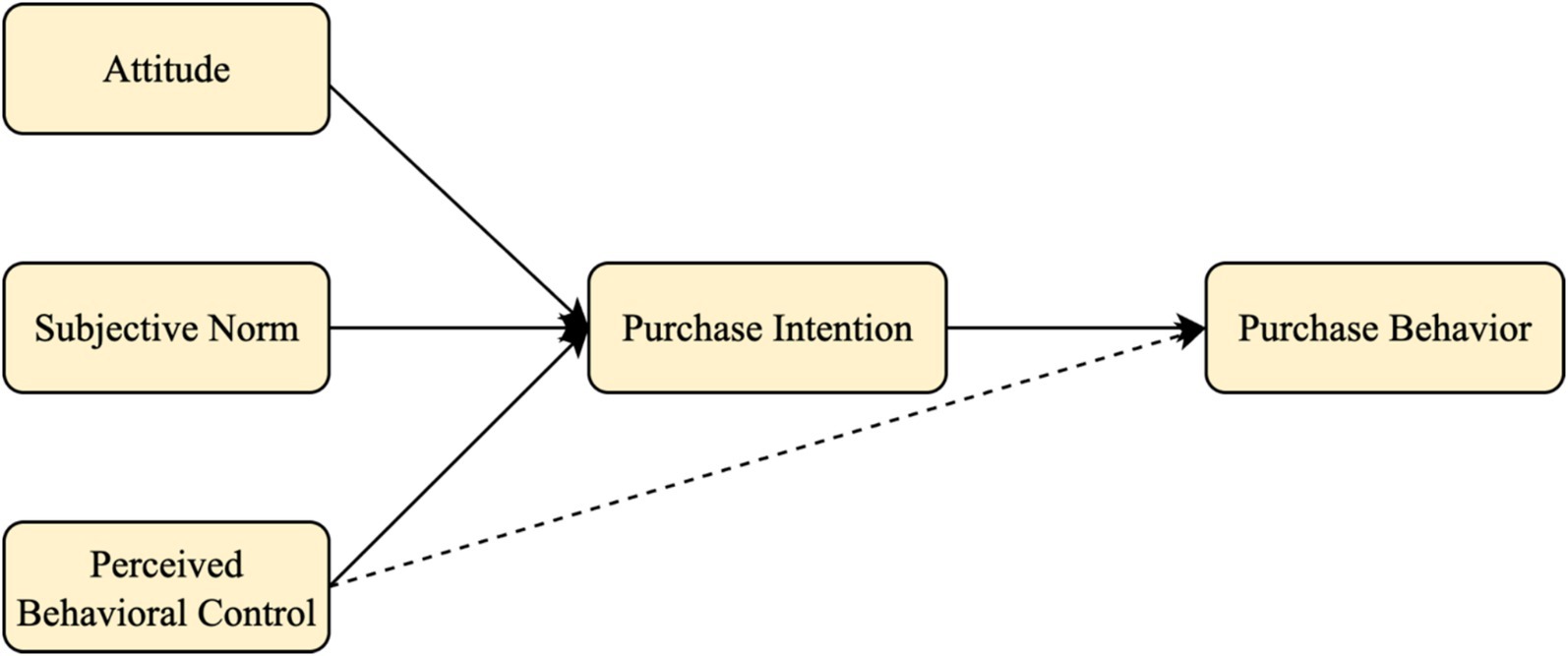
Figure 2. Theory of Planned Behavior. Source: Adapted from Ajzen (1991).
Furthermore, TPB is one of the most commonly used theories for exploring general human behavior and is valued by researchers in the fields of psychology, behavioral sciences, healthcare sciences, public environmental health, occupational health, and social sciences (Kwon and Silva, 2020). The citation statistics highlight its significance: searching the keywords (“Theory of Planned Behavior” OR TPB) in the Web of Science and Scopus databases results in 20,207 and 22,399 citations, respectively, whereas the article titled Theory of Planned Behavior (Ajzen, 1991) collected 155,575 citations (per Google Scholar). The Theory of Planned Behavior has been validated in various marketing studies; nevertheless, this article will focus on its application within the organic food industry in China. In the food sector, the Theory of Planned Behavior (TPB) often evaluates aspects such as customer attitudes toward food, subjective norms, and perceived behavioral control, systematically analyzes and forecasts consumer purchase intentions, and then examines the influence of these intentions on actual behavior (Khan et al., 2023). According to Scalco et al. (2017), organic food consumption behavior was studied through a meta-analytic structural equation model based on the Theory of Planned Behavior (TPB), revealing the relationship between attitude, subjective norm, perceived behavioral control, purchase intention, and behavior. To be more specific, the TPB model is always used to predict customers’ purchase intentions and behaviors for diverse items, including health food, organic food, local specialty food, and fast food (Loera et al., 2022; Sajjad et al., 2023; Sobaih et al., 2023; Baby and Joseph, 2024). Therefore, this study reviews the literature related to TPB and Chinese consumers’ organic food consumption, aiming to gain a deeper understanding of the potential factors that affect consumers’ purchase intention and actual purchase behavior from a food perspective.
Ajzen explicitly noted that additional predictors may be incorporated into TPB when warranted by evidence. Researchers have determined that the foundational framework of the Theory of Planned Behavior (TPB) may be inadequate for comprehensively explaining or forecasting complicated actions in some contexts, leading to the proposal of the Extended Theory of Planned Behavior (ETPB) (Ajzen, 1991). The academic community generally regards ETPB as a research paradigm: based on the basic structure of Ajzen’s Theory of Planned Behavior (TPB) (attitudes, subjective norms, and perceived behavioral control influencing intentions, intentions, and behaviors), it adds variables related to intentions/behaviors and well-distinguished from existing constructs, based on theoretical and empirical evidence, to enhance the explanatory and predictive power of the model. While maintaining the fundamental ideas of TPB (attitude, subjective norm, and perceived behavioral control), researchers add additional variables such as moral norm, perceived risk, environmental concern, or trust, depending on the specific field of study and research objectives, to enhance the explanatory and predictive power of the model for behavior (Nguyen et al., 2019; Saleki et al., 2019; Ding et al., 2022). What’s more, in existing studies, “extended TPB” and “modified TPB” are often used interchangeably to describe models that incorporate reasonable extensions to the TPB. However, this article uses ETPB as the term.
Researchers frequently use ETPB in the food industry to examine consumers’ intentions and actual behavior when purchasing organic, green, and sustainable food by adding the original TPB with variables like food safety concern, social media information, environmental concern, or price attitude (Le-Anh and Nguyen-To, 2020; Li and Jaharuddin, 2021; Samoggia et al., 2025). These studies have found that consumers’ multiple considerations, such as the environment, social responsibility, and health, are often the key factors driving their purchasing behavior, and the introduction of extended variables can better reveal this complex decision-making process (Al Falah et al., 2024; Martey, 2025).
In spite of the fact that TPB remains important in explaining the attitude–intention–behavior chain, authoritative reviews and meta-analyses in recent years continue to highlight its four core limitations and call for more motivation and barrier variables to be included in the model. First, the predictive power of TPB often remains at the intention degree, and it is difficult to narrow the intention–behavior gap; the latest longitudinal and experimental evidence in the fields of comprehensive health and sustainable consumption shows that on average only 40–50% of intentions are ultimately converted into actual behavior, with the remaining gap being explained only by additional mechanisms like situational triggering and plan execution (Jekauc et al., 2024; Sukumaran and Majhi, 2024). Second, the TPB model relies too much on rational cognitive pathways and ignores non-conscious emotions and habitual drives. The integration study of the dual-processing model found that automatic habits and immediate emotions often prevail in time-constrained or repetitive decision-making scenarios, resulting in a significant dilution of traditional attitudes and subjective norms (Jekauc et al., 2024; Fernández-Calderón et al., 2023). Thirdly, the majority of TPB studies continue to employ cross-sectional correlation designs, hindering the verification of causality and dynamic processes over time. Recent longitudinal meta-analyses and methodological reviews indicate that the absence of experimental or intervention evidence constrains the model’s utility for behavior change strategies, and advocate for the incorporation of longitudinal cross-level modeling and causal mediation testing (Hagger and Hamilton, 2025). Ultimately, TPB mainly focuses on psychological beliefs at the individual level and does not take into account external contexts such as price, availability, and social structural constraints (Richter et al., 2024). In studies on environmental tourism and prosocial behavior in the public domain, it has been proven that macro variables such as social cooperation and institutional support are needed to fully explain behavioral differences (Esfandiar and Hadinejad, 2025).
3 Methodology
A systematic literature review method was used to explore the literature related to organic food consumption in China. The main purpose of this study was to analyze the motivations and barriers faced in expanding the Theory of Planned Behavior in the study of organic food consumption in China. The systematic literature review method has many advantages over traditional methods because it can systematically, transparently, and reproducibly synthesize the literature (Kitchenham et al., 2009). Previous research supports the view that systematic literature reviews can help reduce bias and chance effects and improve the rationality of data analysis (Van Dinter et al., 2021). All of these benefits improve the research results, which further lays the foundation for the conclusions.
3.1 Inclusion and exclusion criteria
This systematic literature review utilized different inclusion and exclusion criteria, as described below.
3.1.1 Inclusion criteria
Systematic literature review utilized six different inclusion criteria:
(a) The studies should focus on organic food consumption in China;
(b) The study used the Theory of Planned Behavior;
(c) Motives and barriers were empirically measured;
(d) Studies published during 2014–2024;
(e) Only peer-reviewed journal articles;
(f) Studies published in English language;
(g) Title, abstract, keywords and, sometimes, introduction were examined to evaluate if the focus was on consumer perspective of organic food consumption.
3.1.2 Exclusion criteria
Systematic literature review utilized four exclusion criteria:
(a) Relevance;
(b) Review, conference article, and thesis dissertations were ignored;
(c) Duplicate studies;
(d) Studies before 2014 and after 2024.
3.2 Databases
The systematic literature review utilizes a pool of two different academic databases, including Web of Science and Scopus.
3.3 Review protocol and outcomes
The systematic literature review started with the Web of Science database, and the following search string was executed: (“organic food”) AND (consumer OR consumption OR “purchase behavior” OR “purchase intention”) AND (“Theory of Planned Behavior” OR TPB) AND (China). Subsequently, articles were searched in the Scopus database, and duplicate articles in both databases were excluded. In addition, relevant journals that published empirical research on organic food were reviewed. This process is consistent with the strategy of Castro Campos and Qi (2024) who reviewed the literature review on drivers and barriers to organic food consumption in China, and (Rozenkowska, 2023) who reviewed the literature on the Theory of Planned Behavior in consumer behavior research. Since previous literature has distinguished between organic food, green food, and sustainable food (Sanders, 2006; Aguirre Sánchez et al., 2021; Marcon et al., 2022). Our study only focuses on articles related to organic food.
The article selection process followed the Preferred Reporting Items for Systematic Reviews and Meta-Analyses (PRISMA) guidelines. Figure 3 illustrates the entire flowchart of the PRISMA article selection process. Specifically, this study obtained 112 studies through database searches. Furthermore, 22 duplicate articles were removed before screening. Following title and abstract screening, 13 articles were removed from the pool, leaving 77 articles for full-text review. Of the 71 eligible articles for full-text review, 57 failed to meet all inclusion criteria, leading to 14 articles being included in the review. Although this study ultimately included only 14 empirical articles, this number accurately reflects the actual development of research on organic food consumption based on the Theory of Planned Behavior (TPB) in China. The study systematically searched the two major international databases, Web of Science and Scopus, and employed strict inclusion and exclusion criteria to ensure coverage of all eligible English-language empirical articles published between 2014 and 2024. Therefore, this review presents not a sample selection, but rather the total number of relevant published studies to date.

Figure 3. PRISMA flow diagram of article selection.
This study included 14 cross-sectional questionnaires, primarily employing structural equation modeling or regression analysis. Therefore, the risk of bias for each included study was assessed using the Joanna Briggs Institute (JBI) Critical Assessment Checklist for Analytical Cross-Sectional Research. Two reviewers independently assessed the sampling strategy, response rates, and their reporting; the validity and reliability of the measures, the handling of confounding factors, and the suitability of the statistical methods; disagreements were resolved through discussion. The study reports project-level judgments and synthesizes them into an overall rating (low risk/moderate risk/high risk). The overall judgment for all studies was rated as low risk of bias. No reviews were excluded after the quality assessment, see Appendix A.
3.4 Data abstraction and synthesis
The selected 14 studies were reviewed, and data related to various issues, such as research methods, factors added, sample characteristics, and research results, were extracted (see Table 1). Next, the identified key motives and barriers were classified using two independent theoretical frameworks for motives and barriers. Motives were classified according to the theory of consumption values, while barriers were classified based on the innovation resistance theory. After that, the identified motivations and barriers were further classified based on different variables.

Table 1. Summary of the included studies.
4 Review of the studies
4.1 Publication timeline
The selected 14 articles were published between 2014 and 2024 (see Figure 4). This study restricted the search years to 2014–2024, but almost no articles on China’s organic food consumption were found in Web of Science and Scopus before 2019. The only article that met the requirements was a study on the determinants driving organic food consumption published by Teng and Wang (2015). This suggests that organic food consumption in China may not have been a topic of research interest before 2019. The initial organic product was introduced for export in 1990 (Xie et al., 2013). Subsequently, the Chinese organic food certification system evolved progressively. Furthermore, the Ministry of Agriculture was reluctant to endorse organic agriculture in the first years due to the need to feed a substantial population and the scarcity of arable land in China (Asli et al., 2017).
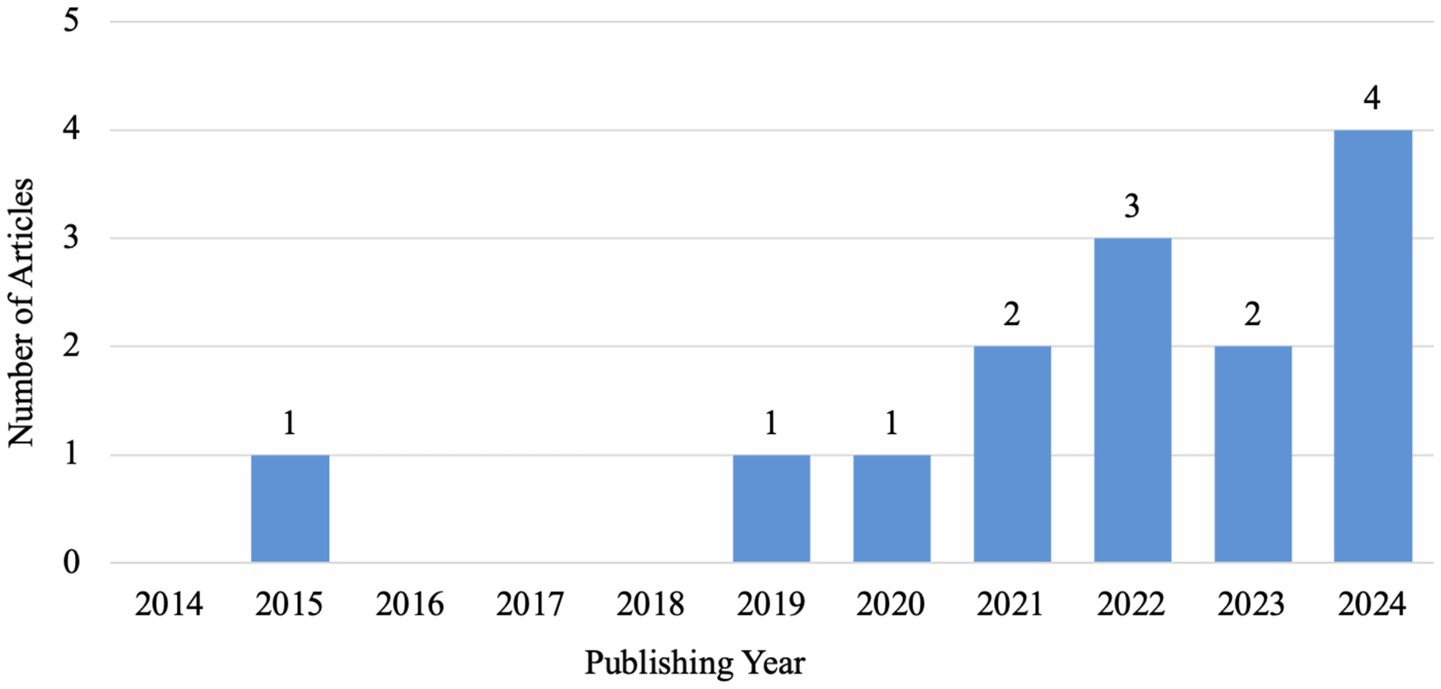
Figure 4. Number of publications by year. Source: Authors based on the literature.
4.2 Theory
More than 50 predictor variables (see Table 2) were identified in the studies from the analyzed literature set, and a total of 27 independent variables, 11 moderating variables, and 6 control variables were added to the original constructs of the TPB model in the analyzed consumer organic food consumption behavior studies. Of the 14 articles, 7 articles (articles 2, 4, 6, 7, 9, 10, and 12) focused on examining the intention–behavior GAP of organic food among Chinese consumers.
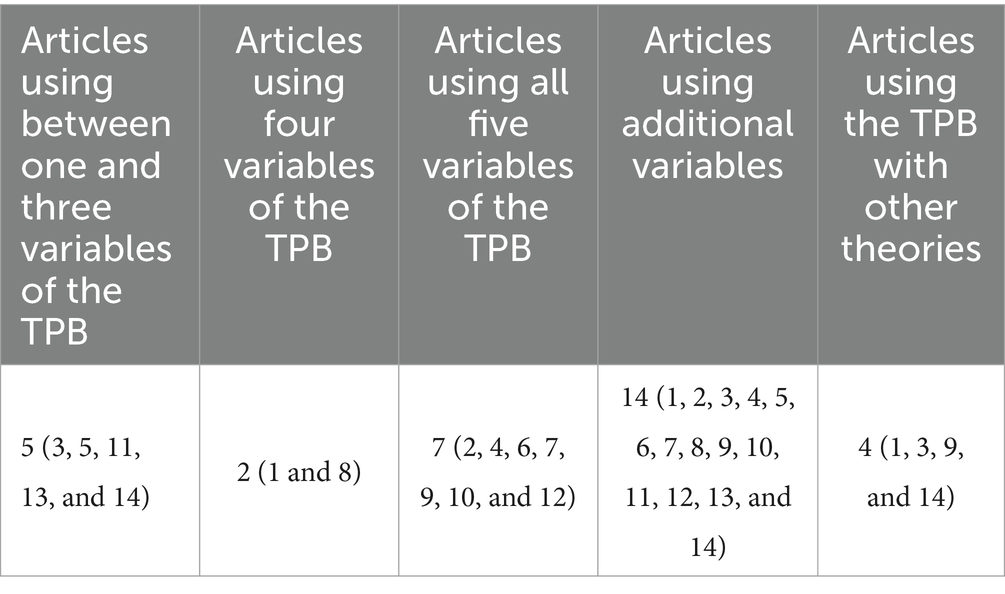
Table 2. TPB mode of usage in the analyzed literature set.
It is noteworthy that researchers in all 14 studies used the extended TPB model, with 4 of them integrating TPB with other theories, namely, 1, 3, 9, and 14. These theories include the Theory of Consumer Values (TCV), the Health Belief Model (HBM), the norm activation model (NAM), and the Consumer Decision Model. In these 14 studies, researchers included secondary structures into the original TPB model or developed theoretical frameworks encompassing 1–4 original TPB variables (see Table 3). Very often, these frameworks were referred to as “extended models,” although they did not include all the original TPB’s five constructs. This issue could be the subject of future discussions about whether we can refer to a model as an “extended Theory of Planned Behavior model” while using only one or two variables from the original TPB alongside external/additional constructs. The same discussion could apply to other multilevel theories. Based on this, Table 3 systematically lists the model structure of each study, clearly identifying which core TPB constructs were retained, which extended variables were introduced, and whether they were integrated with other theories.

Table 3. The model composition of the 14 included studies (TPB cores retained, extensions, and co-theories).
In 4 studies (see Table 4), TPB was used alongside other theories to expand the research scope and provide more in-depth analyses, meaning that TPB can be combined with other theories that introduce non-TPB constructs; these included values, skills, habits, past behavior, norms, motivation, and personal preferences. The use of these additional theories enabled researchers to overcome the limitations criticized in the original TPB model (see Figure 2). In total, 4 external theories (see Table 4) were identified, as follows: theory of consumption values (1 article); alphabet theory (1 article); Consumer Decision Model (1 article). In one of the studies, researchers decided to conjoin the TPB with two additional external theories: the Health Belief Model and the norm activation model (Wang et al., 2024).
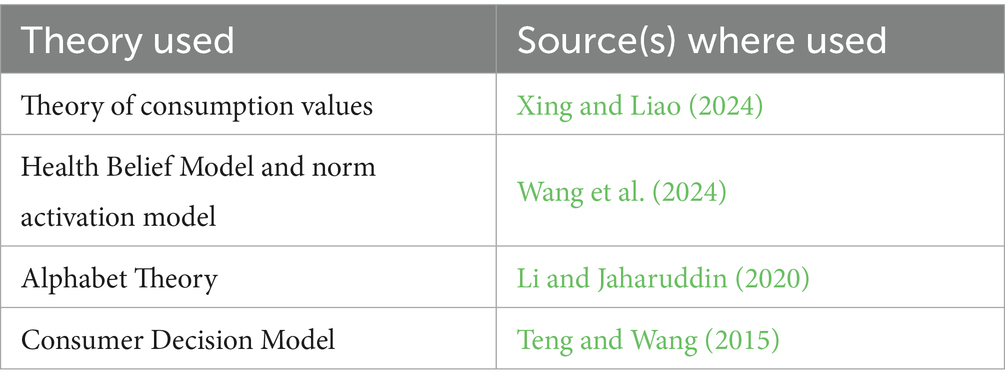
Table 4. Other theories used along with the Theory of Planned Behavior in Chinese organic food consumer behavior research.
4.3 Research methods (qualitative, quantitative, and mixed methods)
Prior literature has adopted various research methods to empirically examine the associations between motivations and barriers and Chinese consumers’ purchasing behavior toward organic food. McLeod et al. (2016) suggest that empirical articles should be classified as qualitative, quantitative, and mixed methods. The current systematic literature review also utilized a similar classification. The research articles were categorized as qualitative when it emphasized the description and generation of understanding of the environment and context of the phenomenon. On the other hand, the quantitative study highlights the relationship among factors through observable and numerical data collection (Hoehle et al., 2012). The quantitative methods consist of survey and experiments. The surveys were the most widely used method, selected by more than half of the studies. In contrast, experiments were the least commonly used method. This method needs control and manipulation over variables for designing treatment (Puska et al., 2018). This review includes 14 chosen publications, all using quantitative methodologies (see Table 5). All of the 14 studies collected questionnaires online or offline in major cities in China, such as Beijing, Shanghai, and Guangzhou, using the acquired data for further structural equation modeling analysis.
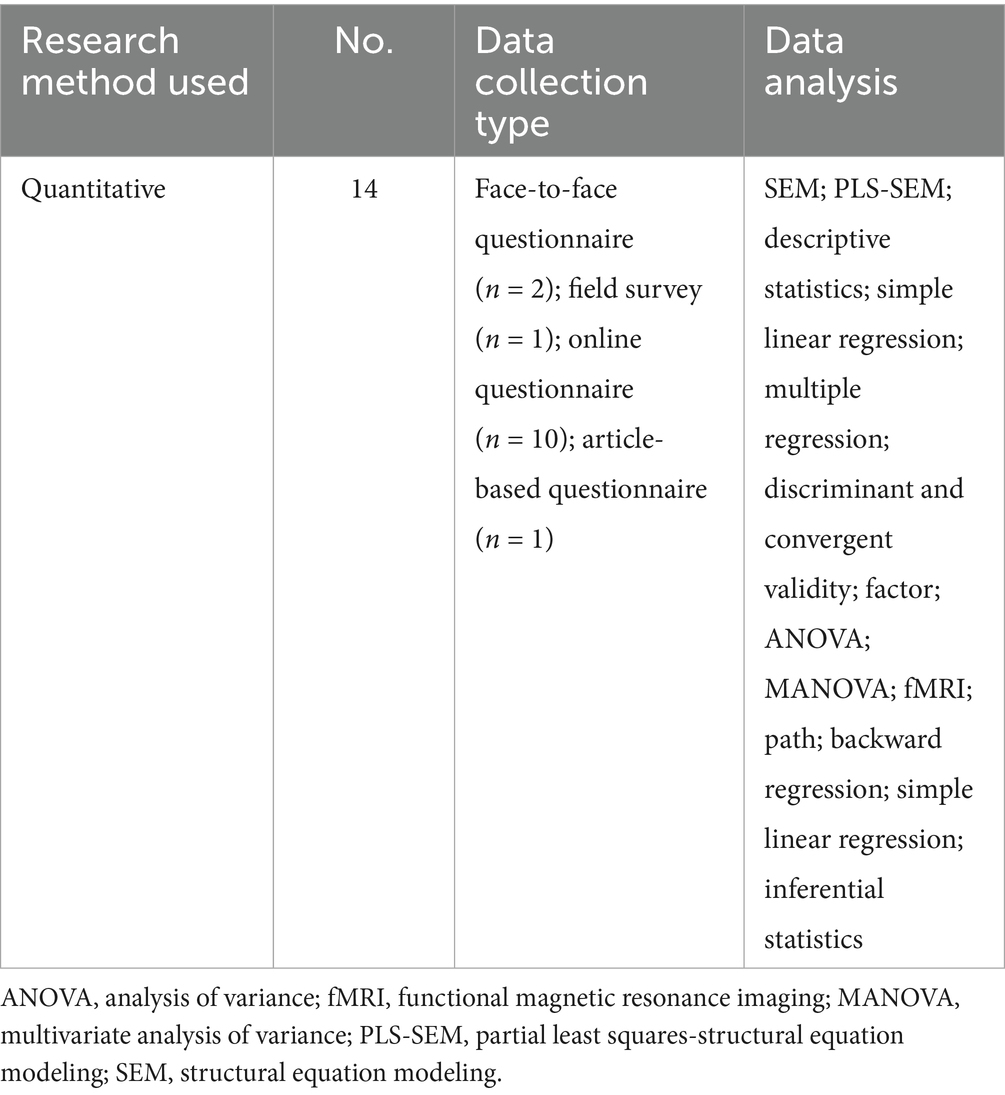
Table 5. Research methods, data collection type, and data analysis methods employed in the reviewed articles.
4.4 Dependent variable
An overwhelming number of empirical studies (n = 14) examined the association between motives, barriers, and consumer purchase decisions. These 14 studies utilized different dependent variables to examine their association with motives or barriers (see Table 6). Purchase behavior (n = 6) and intention (n = 4) were the most utilized dependent variables.
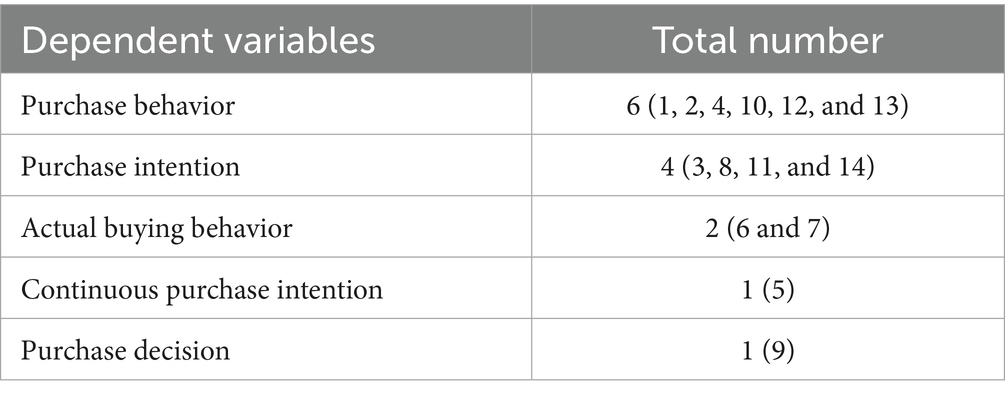
Table 6. Dependent variables of the studies.
4.5 Moderating variables
The review in this article shows that in the association between motivation, barriers, and organic food purchasing behavior, some researchers have introduced moderator variables in the Theory of Planned Behavior model to construct research models. Among the 14 studies reviewed in this article, seven studies introduced moderator variables (see Table 7). Xing and Liao (2024) explained that the functional value quality was a significant moderator that enhanced the indirect effect of motivation on organic food purchasing behavior, while the direct relationships between motivations and organic food purchasing behavior were not moderated by functional value price. Liu et al. (2024) found the influence of consumption intention on purchase frequency and purchase proportion is significantly moderated by price fairness, while purchase convenience has no significant moderating effect on the relationship between consumption intention and purchase frequency. Additionally, Huo et al. (2023) show that consumers’ short food supply chain preference positively moderate the relationship between purchase intention and purchase behavior Further, Chai et al. (2022) explained the moderating effect of sales guarantee regulation on the transformation from consumption willingness to behavior, and government’s food production support regulation was found to strengthen the relationship between food safety concerns and attitude to organic food consumption willingness. Ahmed et al. (2021) found that the relationship between all latent variables (attitude, subjective norms, and perceived behavior control) and purchase intention by young consumers is positively moderated by environmental awareness. In a study on organic food purchasing behavior of Chinese college students, word of mouth had a positive moderating impact on the relationship between health consciousness and purchasing behavior, and was found to strengthen the negative relationship between pricing policy and organic food purchasing behavior (Teng and Wang, 2015). Besides these, Xing et al. (2022) found that price sensitivity acts as a negative moderator on the relationships between perceived behavioral control and consumers’ organic food purchasing behavior (OFP), as well as purchase intention and OFP, while the moderating effect of price sensitivity on the relationship between personal norms and OFP has not been established.
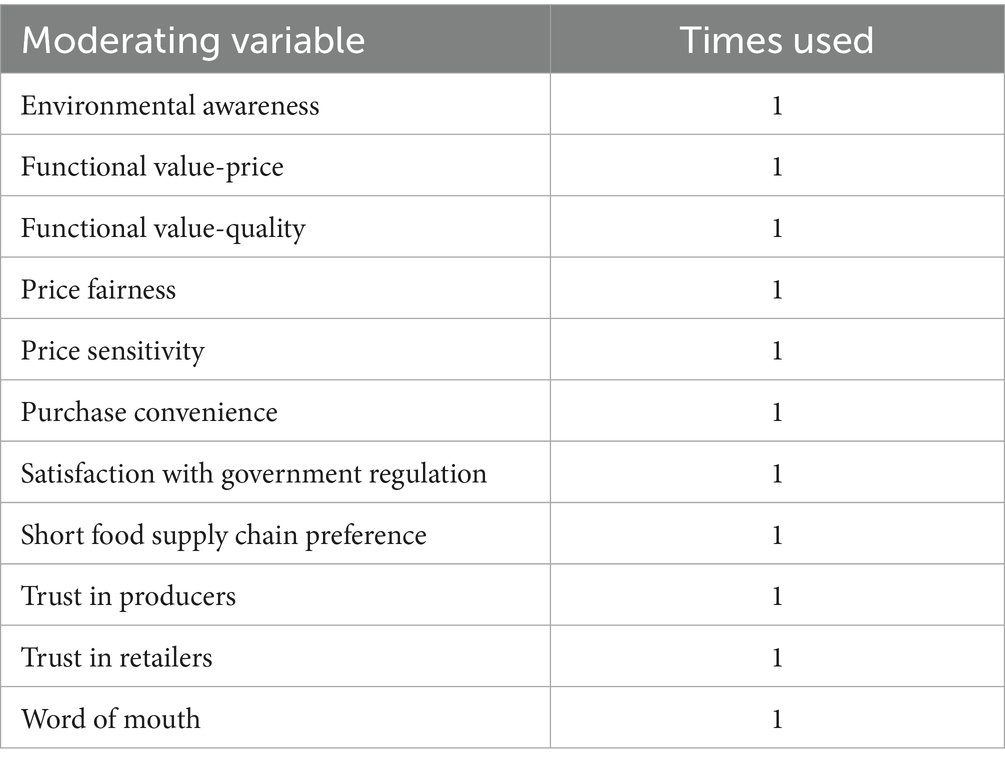
Table 7. Moderating variables of the studies.
4.6 Control variables
Two of the selected studies utilized different control variables in their research framework. These were sociodemographic variables such as age (Chai et al., 2022; Xing and Liao, 2024), education (Chai et al., 2022; Xing and Liao, 2024), gender (Chai et al., 2022; Xing and Liao, 2024), illness (Chai et al., 2022), income (Chai et al., 2022; Xing and Liao, 2024), olds/kids (Chai et al., 2022).
4.7 Geographic scope
Of the 14 studies, 12 articles clearly delineated the geographical scope of their study, mostly concentrating on eastern China, including Beijing, Shanghai, Guangdong, etc. The majority of organic food consumers are rich individuals residing mostly in major cities in eastern China. Two articles (articles 5 and 6) used nationwide samples to represent the situation in mainland China as a whole. Seven of the articles (articles 1, 4, 7, 8, 9, 12, and 13) used samples from Beijing, China, and seven (articles 1, 2, 3, 8, 11, 13, and 14) used samples from China’s southeastern coastal areas, including Shanghai, Guangdong, Jiangsu, and Zhejiang, etc. One publication (article 10) used samples from northern China, while two publications (articles 3 and 6) employed samples from Western China; nonetheless, all samples were sourced from large cities within the respective regions. This indicates that publications mostly concentrate on areas with the most significant economic growth. Few articles discuss the circumstances in medium-sized and small towns, much less in rural areas, despite the assumption that traditional agricultural methods in remote regions of China may be organic, although uncertified, and that the consumption of organic food could be widespread.
5 Motives driving organic food consumption in China
The theory of consumption values was proposed by Sheth et al. (1991). It is mainly used to analyze consumers’ choice behavior and to examine whether they make purchasing decisions based on certain consumption values. Previous studies have shown that consumers’ tendency to buy organic goods is influenced by a diverse collection of factors, including health concerns and environmental charity, as well as sensory enjoyment and lifestyle goals. To impose conceptual clarity and facilitate cumulative theorizing, these drivers are systematically allocated to the theory’s five value dimensions, namely functional, social, emotional, conditional, and epistemic values.
The theory of consumption values enhances the comprehension of consumer choice behavior (Sheth et al., 1991) and assesses whether customers’ purchasing decisions are affected by consumption values (Chakraborty and Dash, 2023). The theory specifies five values of consumption: functional, social, emotional, epistemic, and conditional.
5.1 Functional value
Functional value is defined as the perceived benefit consumers derive from the functionality, utility, or physical properties of a particular alternative (Sheth et al., 1991). In the context of organic food, existing research has often defined functional value based on the biological and physical properties of the product. Therefore, any motivation directly related to the core attributes of the product can be classified as functional value (Rahnama, 2017). Specifically, quality, absence of harmful ingredients, sensory attributes (such as taste, smell, appearance, etc.), food safety, nutritional value, naturalness/natural content, freshness, and health attributes have all been shown to confer significant functional value on organic foods (Kushwah et al., 2019b). These functional features positively influence consumers’ purchasing attitudes, purchase intentions, and actual purchasing behaviors by improving their overall assessment of product utility. Three of the reviewed articles analyze functional values as drivers, based on the categorization (see Table 2, articles 3, 10, 11). The major factor examined is food safety consciousness (n = 1), health beliefs (n = 1), and beliefs (n = 1).
Beliefs mainly refer to consumers’ existing views and stereotypes about organic food. Despite traditional support for organic food, some groups may still hold reservations due to social conditioning or a wariness of over-promotion. The study reveals that cognitive beliefs influence purchase intentions to a certain extent, representing a crucial psychological dimension previously overlooked in research (Bai et al., 2019). Moreover, Wang et al. (2024) integrated the Health Belief Model, the Theory of Planned Behavior, and the norm activation model, pointing out that health beliefs (consisting of perceived susceptibility and perceived severity) are an important driving variable affecting consumers’ purchase of organic food. In addition, Pan and Wu (2024) collected data from 350 Chinese consumers using an online questionnaire and constructed a structural model using PLS-SEM to explore the mechanisms by which food safety consciousness influences Chinese consumers’ intention to purchase organic food. Their results showed that food safety awareness not only directly promotes purchase intention but also promotes it through health awareness and attitudes.
5.2 Social value
Social value is generally defined as the perceived ability of a product to confer a desirable social status upon the buyer, often in alignment with specific reference groups and their associated characteristics or preferences (Sheth et al., 1991). In the context of organic food consumption, social value encompasses consumers’ self-image and utilitarian motives, such as recommendations from others, social approval, reputation concerns, and self-identity (Puska et al., 2018; Mohd Suki et al., 2022). It may also extend to broader societal and environmental considerations, including environmental concern, support for local farmers, regional supply chains, and animal welfare (Saleki et al., 2019; Ditlevsen et al., 2020; Le-Anh and Nguyen-To, 2020). A systematic review of 14 relevant studies revealed that 7 examined social values as drivers of organic food consumption. Within these, environmental concern emerged as the most frequently analyzed factor (n = 3), followed by face consciousness (n = 1), group conformity (n = 1), identity expressiveness (n = 1), personal norms (n = 1), social interaction (n = 1), descriptive norms (n = 1) (see Figure 5). These findings underscore that, while social value can manifest through a variety of attributes, environmental concern remains the most salient motivator in the literature reviewed.
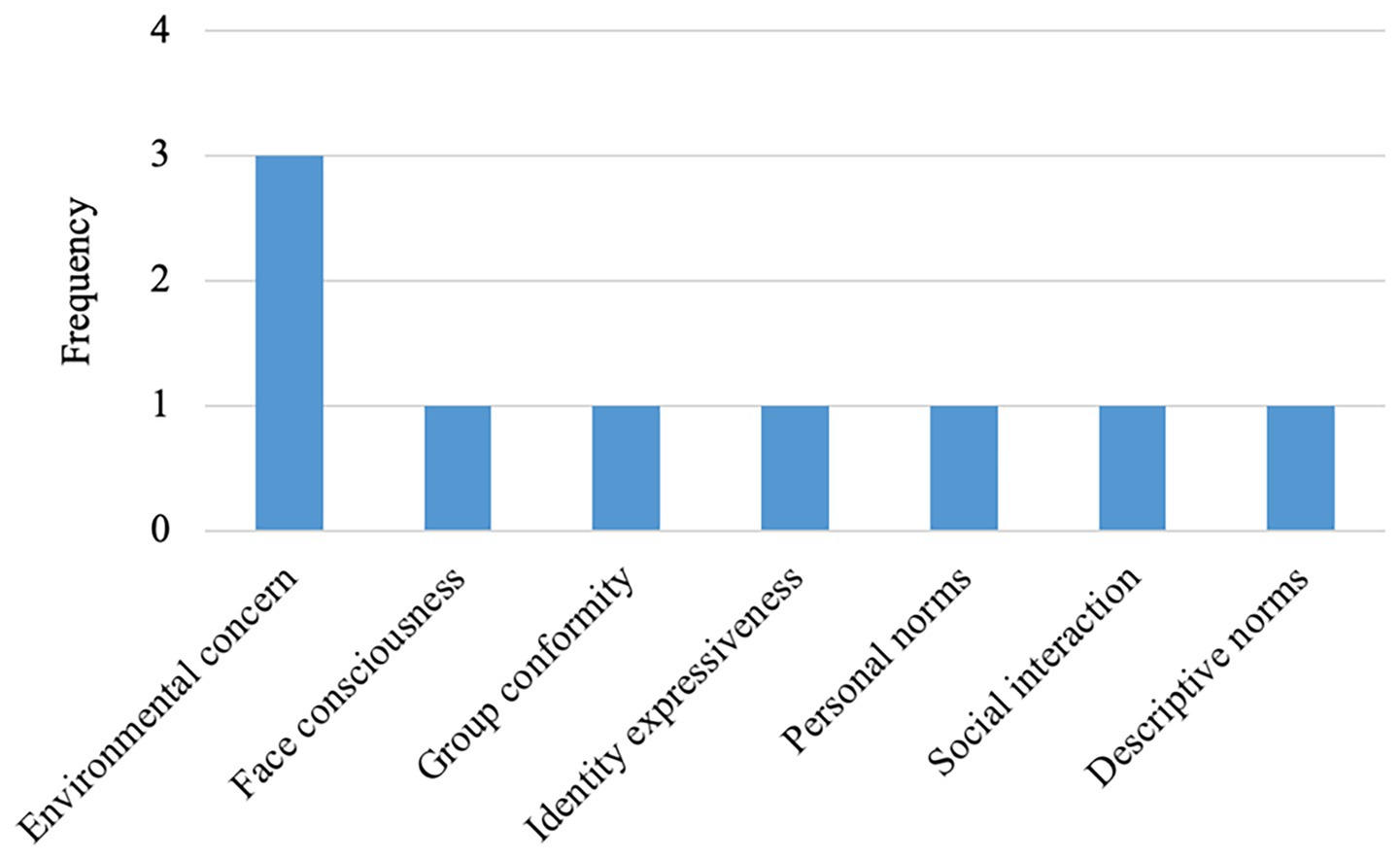
Figure 5. Frequency of occurrence of the effective factors within social values from the reviewed articles. Source: Authors based on the literature (Table 1).
Based on the PLS-SEM empirical model, Xing and Liao (2024) revealed that environmental concern mainly promotes purchasing behavior indirectly by strengthening subjective norms. Ahmed et al. (2021) incorporated environmental concerns into the Theory of Planned Behavior and demonstrated through empirical analysis that consumers’ concern for environmental issues enhanced their positive attitudes toward organic food, thereby enhancing their purchase intentions. This suggests that environmental concerns play a key mediating role in promoting purchase intentions. Jiang and Wu (2022) introduced extended variables such as descriptive norms, moral responsibility, and environmental concern based on the Theory of Planned Behavior to enhance the model’s explanatory power for employees’ organic food purchase intentions and actual behavior. However, their results found that environmental concern had no significant direct impact on purchase behavior itself, nor did it significantly translate from intention to actual behavior.
In the modified Theory of Planned Behavior model, the subjective norm in the traditional TPB is replaced with two key variables that are more in line with the Chinese cultural context: face consciousness and group conformity, to explore its impact on consumers’ continuous purchase intention of organic food (Qi et al., 2023). The results show that face consciousness and group conformity have a positive impact on continued purchase intention, indicating that social and cultural factors do play an important role in China’s organic food consumption in the post-pandemic period.
In a survey of Chinese consumers, researchers, in addition to exploring traditional cognitive beliefs and subjective norms, introduced identity expressiveness for the first time as a variable predicting organic food purchase intention (Bai et al., 2019). The results showed that identity expressiveness, while having a weaker effect, still positively impacted consumers’ purchase intentions, suggesting that consumers may express their identity values or social image through purchasing organic food.
Personal norms refer to the judgments individuals make about their behavior based on an inherent sense of moral obligation, and have been identified as important predictors of consumers’ organic food purchasing intentions and behaviors. Xing et al. (2022) experimentally verified that personal norms significantly promote organic food purchasing behavior. The study further indicated that while price sensitivity generally inhibits organic food purchases, among price-insensitive consumers, personal norms can combine with non-price factors such as trust to consistently drive purchases.
Liu et al. (2024) conducted an empirical analysis and found that, among various driving factors, social interaction has the most significant impact on purchase intention. Furthermore, social interaction plays a key role in narrowing the gap between organic food purchase intention and behavior. The results suggest that fostering more social information dissemination channels (such as community sharing and consumer experience exchange) can strengthen the effectiveness of organic food consumption behavior.
Jiang and Wu (2022) found that descriptive norms had no significant impact on purchase intentions, meaning that employees’ perceived behavior did not significantly alter their willingness to purchase organic food. In contrast, descriptive norms had a significant positive impact on actual purchase behavior, indicating that when employees observed the behavior of others, they were more likely to imitate it and convert it into purchase action. This result highlights the critical role of descriptive norms in behavioral transformation. While they did not drive purchase intentions, they significantly promoted the transformation of intentions into actions.
5.3 Emotional value
Sheth et al. (1991) characterized emotional value as the perceived benefit derived from an alternative’s ability to cause emotions or affective states. Previous research indicates that emotions, along with deliberate rational considerations, jointly influence purchase decisions (Sheth et al., 1991). Generally, the valence of affective value depends on the experience and context, and can be positive, negative, or neutral (Zheng et al., 2022).
When it comes to consumption of organic food, emotional value usually takes the form of distinct positive feelings that are correlated with successful purchases, such as joy, happiness, satisfaction, enjoyment, and pleasure, and that are felt when assessing or consuming organic alternatives (Meike, 2018; Ismael and Ploeger, 2020). However, a literature search using the TPB framework to study organic food purchasing behavior in China has uncovered no studies that incorporate specific variables from the emotional value dimension into the model. This imbalance suggests that emotional value is significantly understudied compared to functional or social value factors. Therefore, future research should conduct more systematic measurement and hypothesis testing of emotional variables within an extended TPB framework to clarify their mechanisms of action and their potential mediating and moderating effects.
5.4 Conditional value
Conditional value refers to the benefit derived from selecting one product over another due to specific situations or circumstances faced by the decision maker (Sheth et al., 1991). Seminal works suggest that conditional value encompasses factors such as place, time, personal situation, and broader contextual conditions, and that changes in any of these variables can significantly influence consumer behavior (Laaksonen, 1993). In the context of organic food consumption, conditional value has been operationalized through attributes such as convenience, health as a personal attribute, media exposure to organic-related messages, the presence of children or elderly family members at home, and local environmental risks such as pollution or carbon footprint (Pham et al., 2019; Li and Jaharuddin, 2021; Prakash et al., 2023; Roy et al., 2023; Munaqib et al., 2025).
A systematic search and review of the literature on organic food purchasing behavior in China using the Theory of Planned Behavior revealed 14 eligible empirical studies. Ten of these studies incorporated conditional value variables into their research frameworks and validated their role as a key driver of organic food consumption in China. The many influential variables are arranged based on the frequency of their appearance in the analyzed literature (Figure 6). Among the effective factors identified, the most frequently examined were trust (n = 5), followed by health consciousness/awareness (n = 4), and revealed information (n = 2).
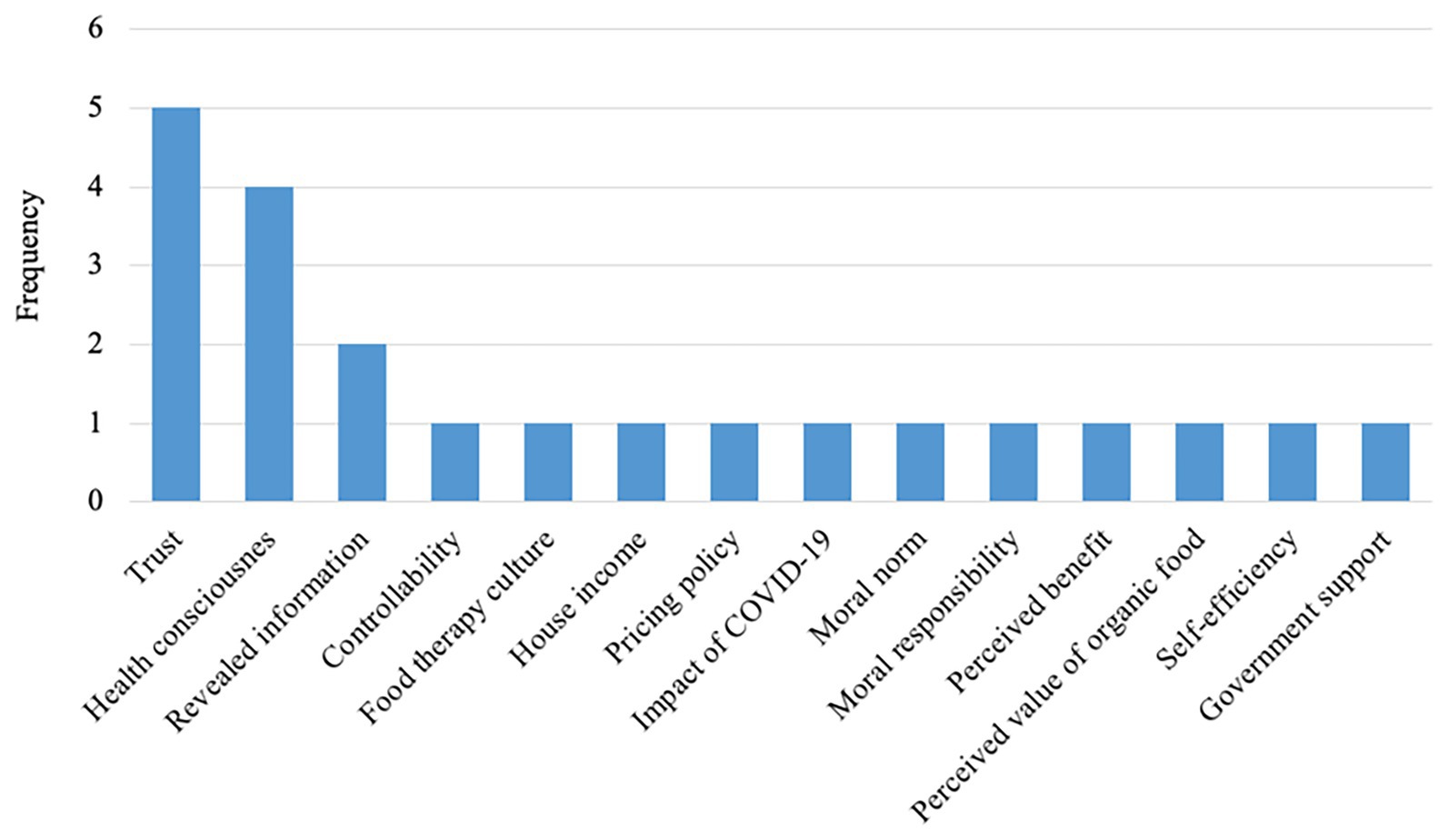
Figure 6. Frequency of occurrence of the effective factors within conditional values from the reviewed articles.
Regarding specific results Huo et al. (2023) incorporated trust as a key construct based on an extended TPB. The results showed that trust significantly increased consumers’ intention to purchase organic food, indicating that trust is a major driver of behavioral intentions. Bai et al. (2019) encompassed trust into the extended Theory of Planned Behavior, and an empirical study showed that perceived trustworthiness is a significant predictor of organic food purchase intention. At the same time, household income is not only an important predictor of intention formation, but also the most critical factor in driving intention into actual purchase behavior (Bai et al., 2019). To investigate their influence on Chinese consumers’ purchase decisions for organic food, Xing et al. (2022) introduced two trust variables: trust in producers and trust in retailers. Empirical results indicate that both types of trust are indeed important positive factors influencing organic food purchasing behavior, with trust in retailers having a stronger impact than trust in producers. Consumer trust is often emphasized in the literature as a key factor influencing purchase intention. However, in the actual behavioral pathways of university students, this does not demonstrate the theoretically expected impact (Ali et al., 2021). Teng and Wang (2015) constructed a model using revealed information and perceived organic knowledge as antecedent variables to explore how trust and attitudes toward organic foods, through mediating variables, further influence purchase intentions. The empirical results show that trust is not only an antecedent variable of attitude; it also significantly mediates the effects of revealed information and perceived knowledge on consumer attitudes and purchase intentions, serving as a key link between information transparency and ultimate purchase intentions (Teng and Wang, 2015). Similarly, Li and Jaharuddin (2020) pointed out that revealed information plays a key role in enhancing consumer trust formation and further driving purchase decisions. The research also included a Chinese-characteristic variable: food therapy culture (Li and Jaharuddin, 2020). According to the research findings, food therapy culture significantly increases purchase intention, and through the mediating effect of purchase intention, this approach further affects the ultimate purchase decision.
Based on questionnaire data from 628 Chinese consumers, Xing and Liao (2024) found that health concerns can not only directly increase purchase intention but also indirectly affect organic food consumption by improving consumer attitudes. Qi et al. (2023) constructed a modified Theory of Planned Behavior model, incorporating health awareness as a key variable to explore its impact on Chinese consumers’ continued purchase intentions for organic food after the pandemic. The findings indicated that health awareness had a significant influence on continued purchase intentions, showing that health concerns significantly drive consumers’ continued motivation to choose organic food. Pan and Wu (2024) found that health awareness plays a bridging role between food safety awareness and consumer purchase intentions, emphasizing that the health value of organic food should be highlighted during marketing, so as to leverage consumers’ health awareness to enhance their positive attitudes and ultimately promote purchasing behavior. Ali et al. (2021) surveyed Chinese college students and found that health consciousness significantly influences the actual purchase of organic food, surpassing the impact of attitude and trust.
To explore the mechanisms driving health concerns in Chinese consumers’ purchase intention for organic beef, Wang et al. (2024) established a modified TPB. They found that health beliefs not only directly increase purchase intention but also significantly enhance consumers’ motivation to buy organic food indirectly through perceived benefits, moral norms, and controllability. Although self-efficacy was considered a key mediating variable in the research framework, its influence path was not significant (Wang et al., 2024).
Chai et al. (2022) incorporated government support into the TPB model as a moderating variable, revealing that government support for agricultural production not only directly enhances urban residents’ willingness to consume organic food, but also, to a certain extent, weakens the positive impact of food safety concerns and attitudes on consumption intention.
Qi et al. (2023) proposed a modified TPB that incorporates the perceived value of organic food and the impact of COVID-19. The results showed that the perceived value of organic food positively promoted continued purchase intention for organic food, while the impact of COVID-19 not only directly increased continued purchase intention but also indirectly promoted it by enhancing health consciousness and perceived value. Jiang and Wu (2022) pointed out that moral responsibility has a significant positive impact on purchase intention and also significantly promotes actual purchasing behavior, indicating that this internal moral drive can be transformed into actual action.
5.5 Epistemic value
Epistemic value is defined as the utility that an individual gains from an alternative that stimulates curiosity, provides novel experiences, or satisfies intellectual curiosity (Sheth et al., 1991). The systematic review analysis showed that among the 14 studies, quantitative research involving epistemic value was relatively rare, and only three studies analyzed epistemic value as a driving factor (see Table 1, articles 2, 9, and 14).
Epistemic value in organic food is often concretized as factors such as knowledge, familiarity, fashion/novelty, and nostalgia of organic food (such as consumers’ understanding of certification, labeling, and production methods and the resulting motivation for exploration and learning) (Castro Campos and Qi, 2024). Seminal research has underscored the role of expertise/knowledge in consumer decision-making (Lin and Huang, 2012). The review of selected research indicates that, within the realm of organic food, only two studies have identified knowledge as the primary motive (Teng and Wang, 2015; Li and Jaharuddin, 2020). Li and Jaharuddin (2020) defined knowledge as product-related information in consumers’ memory. Based on the Alphabet Theory, they examined it as an antecedent of purchasing attitude. The results showed that knowledge has a significant positive impact on purchasing attitude, and further promotes purchasing intention and decision-making (Li and Jaharuddin, 2020). Teng and Wang (2015) argued that customers’ attitudes about purchasing organic food were significantly positively connected with their level of knowledge about organic food. These findings supported the claims made by Sun and Wang (2020) and Bazhan et al. (2024) that knowledge can influence the decision-making process at every stage.
Furthermore, acquiring cognitive information on organic food (such as health benefits and novelty) could improve consumers’ knowledge structure, therefore positively impact their purchase intention and promote purchase behavior. Liu et al. (2024) included cognitive information as an important exogenous factor affecting organic food purchase intention and actual behavior in the expanded TPB framework. The results showed that improving consumers’ cognitive information can not only directly enhance purchase intention and promote behavior, but also effectively narrow the intention-behavior gap among different populations (Liu et al., 2024).
6 Barriers preventing organic food consumption in China
The innovation resistance theory was created by Ram and Sheth (1989) to explain why consumers resist innovations despite their perceived need and desirability. According to their definition, innovation resistance is the resistance that customers have to an innovation since it either contradicts their beliefs or suggests a possible departure from the status quo, which they find satisfying. The innovation resistance theory (Ram and Sheth, 1989) identifies five specific barriers—usage, value, risk, image, and tradition—which are grouped into two broader categories: functional and psychological barriers. Functional barriers (usage, value, and risk barriers) emerge when consumers believe adopting a new product will significantly disrupt their current consumption patterns, whether through altered usage routines, unfavorable value (e.g., higher cost or lower performance), or perceived risk. Psychological barriers (tradition and image barriers) arise when the new product conflicts with existing consumer beliefs, norms, or self-image, and are primarily manifested as tradition and image barriers.
6.1 Usage barrier
The usage barrier, characterized as the discordance between an innovation and customers’ established routines, workflows, or habits (Ram and Sheth, 1989), is frequently recognized as a primary source of consumer resistance (Laukkanen et al., 2008). While initial research on electronic services identified challenges such as inconvenient access and slow systems (Kuisma et al., 2007), similar evidence has surfaced in the organic food sector (Kim and Lee, 2023). Empirical studies report that limited product variety, poor availability and shelf visibility, inadequate information, and overall inconvenience significantly dampen purchase intentions (Kushwah et al., 2019a; Wang H. et al., 2022; Wang J. et al., 2022; Zheng and Cao, 2022; Carrión Bósquez et al., 2023). These findings underscore that when organic options fail to fit seamlessly into consumers’ habitual shopping patterns, the resulting usage barrier becomes a critical deterrent to adoption.
6.2 Value barrier
A value barrier arises when consumers perceive that a new product delivers an inferior performance-to-price ratio compared with existing alternatives, thereby diminishing their motivation to switch (Ram and Sheth, 1989; Laukkanen et al., 2008). Within the organic food context, this barrier is primarily manifested through the monetary premium and additional time costs associated with purchasing organic items (Yazdanpanah et al., 2015; Torres-Ruiz et al., 2018; Kushwah et al., 2019a; Eberle et al., 2023; Khan et al., 2023; Raj et al., 2024). Empirical studies consistently report that higher prices—and, to a lesser extent, the extra effort required to source organic products—significantly deter adoption; indeed, price has been identified as the single most critical impediment to organic food uptake (Eberle et al., 2023; Khan et al., 2023). These findings underscore that, unless the perceived economic and practical advantages of organic foods outweigh their cost and acquisition burden, consumers are unlikely to overcome the value barrier.
6.3 Risk barrier
A risk barrier arises when consumers perceive substantive uncertainty or potential negative consequences of adopting an innovation (Ram and Sheth, 1989). Because such risk is primarily psychological, based on subjective perceptions rather than the product’s actual characteristics, leading customers to delay adoption until the uncertainty is alleviated (Chen and Kuo, 2017). In the organic food context, empirical studies consistently identify three leading manifestations of this barrier: (a) doubts about the credibility of labeling and certification agencies, (b) skepticism regarding production or certification processes, and (c) uncertainty over the authenticity of organic labels themselves (Kushwah et al., 2019a; Castro Campos and Qi, 2024). Despite the product’s alleged health and environmental advantages, these perceived dangers reduce confidence in important supply chain participants, such as farmers, merchants, and brands, which in turn suppresses purchase intentions.
6.4 Tradition barrier
A tradition barrier emerges when an innovation conflicts with entrenched cultural norms, sensory expectations, or habitual purchasing routines (Ram and Sheth, 1989). Within the realm of organic food, three interrelated expressions predominate. First, sensory indicators: consumers often assess food quality based on familiar characteristics such as smell, taste, visual appeal, and texture; when organic items diverge from typical sensory standards, evaluative uncertainty hinders acceptance (Kushwah et al., 2019b). Second, shelf-life restrictions: since organic products tend to deteriorate more quickly than traditional products, consumers who are used to making weekly or biweekly bulk purchases are forced to adjust their storage techniques and frequency of shopping, which many find to be a hardship (Pang et al., 2021; Bazhan et al., 2024). Third, knowledge deficiencies: satisfaction with conventional products, coupled with limited understanding of organic benefits, reinforces inertia and perpetuates resistance (Eberle et al., 2022). These characteristics demonstrate how entrenched traditions—sensory heuristics, buying patterns, and habitual preferences—can hinder consumers’ readiness to shift from conventional to organic foods.
6.5 Image barrier
An image barrier emerges when entrenched stereotypes linked to a product’s origin, brand, or category generate unfavorable associations, thereby discouraging adoption (Ram and Sheth, 1989; Laukkanen et al., 2008). Perceived skepticism and lack of any perceived difference are the two most common types of image-related resistance in the organic food context (Kushwah et al., 2019b). Perceived skepticism relates to the belief that organic and conventional foods are basically interchangeable (Hoyos-Vallejo et al., 2023; Shamsi and Abad, 2024), and a lack of any perceived difference means doubts about the authenticity or credibility of organic claims (Pang et al., 2021). Empirical evidence indicates that consumers may question the authenticity of organic labels or doubt that organic products provide any tangible advantages over conventional ones, leading to confusion and distrust (Le and Nguyen, 2022). Such perceptions degrade the overall image of organic foods and, consequently, inhibit their adoption.
A systematic review of 14 relevant literature identified only two empirical studies (see Table 2, articles 12 and 13) using the Theory of Planned Behavior to explore barriers to organic food consumption in China. Researchers focused on price-related variables (pricing policy and price sensitivity) under value barriers (Ali et al., 2021; Xing et al., 2022) and found that consumers generally believe that organic food prices are too high or that the performance-to-price ratio is insufficient to justify the financial burden of the premium.
Based on the Theory of Planned Behavior Ali et al. (2021) used a structural equation model to analyze the actual purchasing behavior of organic food among Chinese college students, revealing that higher product pricing significantly inhibited purchasing behavior and emerged as an important factor hindering behavior. The price sensitivity was incorporated into the model as an exogenous variable within the TPB framework (Xing et al., 2022). The high price-sensitive consumers place greater emphasis on economic costs, believing that the health, environmental, and quality benefits of organic food are insufficient to offset the price premium, and thus tend to forgo purchases. In contrast, low price-sensitive consumers prioritize product utility, accept a premium, and ignore price barriers. The results show that when consumers subjectively believe that the price of organic food is too high or its performance-price ratio is not enough to compensate for the premium, their attitude toward organic food, purchase intention, and even actual purchasing behavior will be significantly inhibited (Xing et al., 2022). Numerous studies indicate that, in many countries, price is seen as a major barrier to purchasing behavior (Saleki et al., 2019; Soroka et al., 2021; Luthfiana et al., 2024; Munaqib et al., 2025). In short, excessively high prices reduce customers’ perceived value of organic food’s health and environmental benefits, posing a significant barrier to market expansion. This finding not only highlights the core role of value barriers in the Chinese context but also exposes the research gap in China in systematically examining other barriers (such as usage, risk, tradition, and image barriers) based on the TPB perspective, which deserves further in-depth discussion by future scholars.
7 Integrated framework on motives, barriers, and purchase decisions
This study analyses Chinese research on organic food purchase behavior through the lens of the Theory of Planned Behavior, focusing on the external TPB variables introduced by researchers to establish research frameworks and categorizing them as either motivations or obstacles. The results show that the new variables often included in the motivational side mainly include trust, health concern, environmental concern, revealed information, knowledge, etc., which significantly enhance purchase intention in terms of subjective attitude or perceived behavioral control path. Conversely, price sensitivity is primarily viewed as a hindrance, impeding actual purchases by increasing perceived behavioral costs or diminishing behavioral feasibility. According to the results of the present systematic literature analysis, an integrated framework comprising five components was established: motives, barriers, purchase decisions, moderators, and control variables. The framework investigates the connections between the factors of motivation, obstacles, and the decision-making process that pertains to purchases (see Figure 7). The links that were thoroughly explored are shown with bold lines, whilst those that were less examined are represented by dotted lines.
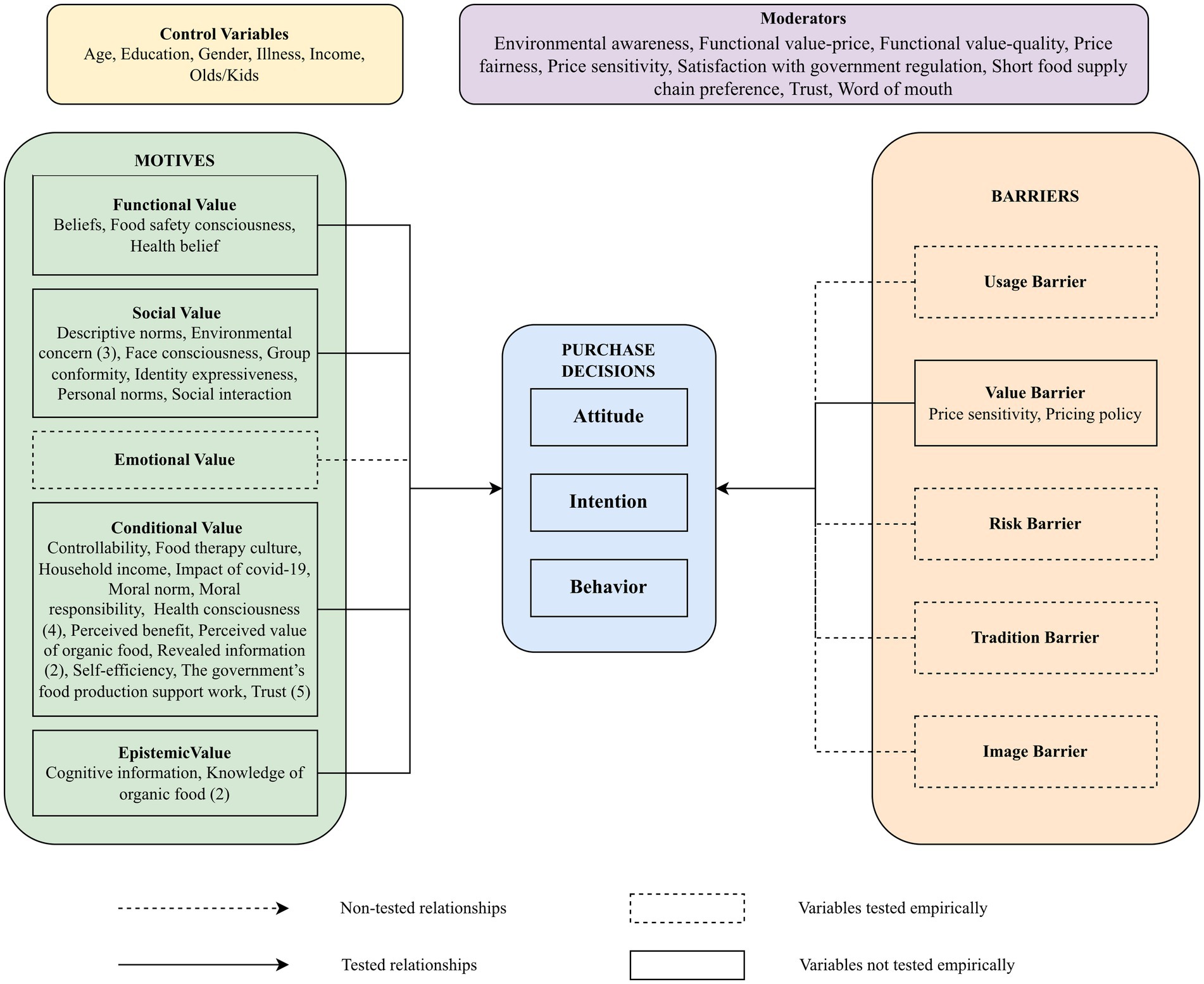
Figure 7. Integrated framework.
Existing literature generally believes that consumers’ motivation to purchase organic food can be assessed across five dimensions: functional value, social value, emotional value, epistemic value, and conditional value. However, this article systematically examines existing research on the organic food purchasing behavior of Chinese consumers through the lens of the extended Theory of Planned Behavior, revealing that current studies mainly emphasize functional, social, and conditional values. There is a significant deficiency of empirical study on emotional value (pleasure, satisfaction, and happiness) and epistemic value (curiosity, novelty, and knowledge). Considering the potential influence of affective and cognitive factors on consumer attitudes and ongoing purchase intentions, future studies should investigate the mechanisms by which emotional and epistemic value impact organic food consumption decisions in China. This will enhance understanding of motivational dimensions and increase the explanatory capacity of the Theory of Planned Behavior in the Chinese context.
Numerous empirical studies indicate that the obstacles to organic food consumption may be categorized into five dimensions: usage barriers, value barriers, risk barriers, traditional barriers, and image barriers. This article further found that when reviewing the literature on organic food consumption in the Chinese context based on the extended Theory of Planned Behavior, existing research almost always focuses on value barriers, while empirical testing of usage, risk, tradition, and image barriers is clearly missing. Considering the unique cultural background, food safety environment, and information acquisition channels of Chinese consumers, future research urgently incorporate additional measurement constructs that align with the local context and systematically explore the differentiated impacts of barriers such as risk and tradition on different stages of purchase decision-making (attitude–intention–behavior), thereby improving the framework of barriers to organic food consumption and providing more targeted basis for policy and marketing strategies.
Therefore, further study may include motives that are more relevant to the Chinese setting within the Theory of Planned Behavior framework, including face motivation, depth of organic knowledge, and perceived government support. A thorough analysis of the varying effects of risk, tradition, and image barriers on distinct decision-making phases (attitude–intention–behavior) might enhance the explanatory capacity of the Theory of Planned Behavior in the Chinese organic market and provide new research perspectives.
8 Managerial implications
The review translates the evidence on motives and barriers into actionable steps for policymakers, industry, and marketers to accelerate organic food consumption in China. First, marketers can use the research findings to identify the most relevant motives and barriers, thereby designing communication strategies for organic food consumer groups. Second, the retailer can use the study findings to achieve their strategic objectives. For example, they can attempt to link product-related environmental and health information to utilize consumers’ positive attitudes toward these topics. However, retailers should be aware of price promotions on organic foods, as these may negatively impact future sales. Third, the results of this research may be used by public policymakers who support sustainable development objectives to better understand their consumer environment and the level of acceptability of sustainable goods like organic food.
9 Limitations and future directions
The current study has some limitations that could be addressed in future research studies. First, the determinants under the classification of the emotional values and epistemic values are seldom researched. To enhance the explanatory power of TPB in the Chinese context and to more fully reflect the influence of emotional and irrational factors on decision-making, future research should systematically incorporate the aforementioned value dimensions into the construct of the TPB extended model. Second, barriers and drivers are equally important in promoting organic food consumption. However, research on barrier factors is limited in the TPB literature on organic food consumption in China. Only two articles examined barrier factors, both limited to value barriers, with price considered a major barrier. Other dimensions of innovation resistance theory (usage, risk, tradition, and image barriers) remain insufficiently explored in China. Overall, research on barriers to organic food consumption in China is inadequate. This highlights the need for future research in this area. Third, of the 14 included articles, 12 focused on metropolitan areas of eastern China, with only two using nationally representative samples. This city-centric sampling approach may lead to underrepresentation of perspectives from small and medium-sized cities, towns, and rural areas, where traditional agricultural practices and access limitations may systematically influence acceptance of organic products. Future research should recognize this limitation and employ broader, stratified, or multi-stage sampling designs to enhance external validity and the generalizability of findings, thereby better explaining driving and barrier factors. Additionally, this review adopted a scope that included only quantitative studies. While this exclusion helps improve the comparability of the TPB/ETPB constructs and facilitates the synthesis of effect directions, it also excludes qualitative and mixed-methods evidence. Future research should combine these findings with qualitative or mixed-methods analyses, and prioritize longitudinal/experimental designs to bridge the gap between intention and behavior. Lastly, this review process was primarily qualitative in nature and therefore may have included some subjective assessments and judgments, which could increase the bias of the findings. Future research may employ quantitative methods (meta-analysis) to provide a better understanding of the identified drivers and barriers from a statistical perspective.
10 Conclusion
This study systematically reviews and analyzes empirical literature examining organic food purchasing behavior in China using the Theory of Planned Behavior model. It then categorizes the relevant variables within the TPB model into two main groups: motives and barriers, to comprehensively explore their mechanisms of influence in consumer decision-making. The systematic literature review examined 14 selected studies across multiple dimensions, including publication timeline, theory, research methods, dependent variables, moderators and control variables, and the geographical scope of the publications. The major objectives of this systematic literature review were (a) to classify various motives and barriers according to two established theories, namely, the theory of consumption values and innovation resistance theory; (b) to create an integrated framework illustrating the potential relationships between motives, barriers, and purchase decisions concerning organic food in China. The study has found that incorporating local context-specific measurement indicators, such as food safety environment and information access channels, into the TPB model allows for a systematic study of under-researched barriers. Integrating these China-specific measurement indicators will enhance the explanatory power of the TPB model and provide a more comprehensive understanding of the drivers and barriers influencing organic food consumption in China.
Data availability statement
The original contributions presented in the study are included in the article/Supplementary material, further inquiries can be directed to the corresponding author.
Author contributions
YiC: Visualization, Data curation, Methodology, Investigation, Conceptualization, Validation, Writing – original draft, Software, Resources, Writing – review & editing, Formal analysis. RO: Methodology, Conceptualization, Writing – review & editing, Validation, Project administration, Supervision. YeC: Writing – review & editing, Investigation, Conceptualization.
Funding
The author(s) declare that no financial support was received for the research and/or publication of this article.
Conflict of interest
The authors declare that the research was conducted in the absence of any commercial or financial relationships that could be construed as a potential conflict of interest.
Generative AI statement
The authors declare that no Gen AI was used in the creation of this manuscript.
Any alternative text (alt text) provided alongside figures in this article has been generated by Frontiers with the support of artificial intelligence and reasonable efforts have been made to ensure accuracy, including review by the authors wherever possible. If you identify any issues, please contact us.
Publisher’s note
All claims expressed in this article are solely those of the authors and do not necessarily represent those of their affiliated organizations, or those of the publisher, the editors and the reviewers. Any product that may be evaluated in this article, or claim that may be made by its manufacturer, is not guaranteed or endorsed by the publisher.
Supplementary material
The Supplementary material for this article can be found online at: https://www.frontiersin.org/articles/10.3389/fsufs.2025.1696775/full#supplementary-material
References
Aguirre Sánchez, L., Roa-Díaz, Z. M., Gamba, M., Grisotto, G., Moreno Londoño, A. M., Mantilla-Uribe, B. P., et al. (2021). What influences the sustainable food consumption behaviours of university students? A systematic review. Int. J. Public Health 66:1604149. doi: 10.3389/ijph.2021.1604149,
Ahmed, N., Li, C., Khan, A., Qalati, S. A., Naz, S., and Rana, F. (2021). Purchase intention toward organic food among young consumers using theory of planned behavior: role of environmental concerns and environmental awareness. J Environ Planning Mgmt. 64, 796–822. doi: 10.1080/09640568.2020.1785404
Ajzen, I. (1985). “From intentions to actions: a theory of planned behavior” in Action control: from cognition to behavior (Berlin, Heidelberg: Springer Berlin Heidelberg), 11–39.
Ajzen, I. (1991). The theory of planned behavior. Organ. Behav. Hum. Decis. Process. 50, 179–211. doi: 10.1016/0749-5978(91)90020-T
Al Falah, K., Al Sughayir, A., and Albarq, A. N. (2024). The importance of environmental concern, trust and convenience in consumers’ purchase intentions of organic foods in a developing country. Cogent Bus. Manag. 11:2361319. doi: 10.1080/23311975.2024.2361319
Ali, H., Li, M., and Hao, Y. (2021). Purchasing behavior of organic food among chinese university students. Sustainability, 13, 5464. doi: 10.3390/su13105464
Asli, G. K., Yonggong, L., and Feng, B. (2017). Factors limiting the potential impacts of organic agriculture on rural development in China. Org. Agric. 7, 339–352. doi: 10.1007/s13165-016-0162-6
Baby, J., and Joseph, A. G. (2024). Applying the theory of planned behavior in local food purchasing. Int. J. Hosp. Tour. Syst. 17.
Bai, L., Wang, M., and Gong, S. (2019). Understanding the antecedents of organic food purchases: the important roles of beliefs, subjective norms, and identity expressiveness. Sustainability 11, 3045. doi: 10.3390/su11113045
Bazhan, M., Shafiei Sabet, F., and Borumandnia, N. (2024). Factors affecting purchase intention of organic food products: evidence from a developing nation context. Food Sci. Nutr. 12, 3469–3482. doi: 10.1002/fsn3.4015,
Carrión Bósquez, N. G., Arias-Bolzmann, L. G., and Martinez Quiroz, A. K. (2023). The influence of price and availability on university millennials’ organic food product purchase intention. Br. Food J. 125, 536–550. doi: 10.1108/BFJ-12-2021-1340
Castro Campos, B., and Qi, X. (2024). A literature review on the drivers and barriers of organic food consumption in China. Agric. Food Econ. 12:18. doi: 10.1186/s40100-024-00312-y
Chai, D., Meng, T., and Zhang, D. (2022). Influence of Food Safety Concerns and Satisfaction with Government Regulation on Organic Food Consumption of Chinese Urban Residents. Foods 11:19. doi: 10.3390/foods11192965
Chakraborty, D., and Dash, G. (2023). Using the consumption values to investigate consumer purchase intentions towards natural food products. British Food Journal 125, 551–569. doi: 10.1108/BFJ-12-2021-1334
Chen, P. T., and Kuo, S. C. (2017). Innovation resistance and strategic implications of enterprise social media websites in Taiwan through knowledge sharing perspective. Technol. Forecast. Soc. Change 118, 55–69. doi: 10.1016/j.techfore.2017.02.002
Chu, X., Fei, Z., Chu, Z., and Huang, W. C. (2024). Decarbonizing the sludge treatment industry: assessing the feasibility of achieving carbon reduction from carbon peaking to carbon neutrality. J. Clean. Prod. 434:140023. doi: 10.1016/j.jclepro.2023.140023
Ding, L., Liu, M., Yang, Y., and Ma, W. (2022). Understanding Chinese consumers’ purchase intention towards traceable seafood using an extended theory of planned behavior model. Mar. Policy 137:104973. doi: 10.1016/j.marpol.2022.104973
Ditlevsen, K., Denver, S., Christensen, T., and Lassen, J. (2020). A taste for locally produced food—values, opinions and sociodemographic differences among ‘organic’ and ‘conventional’ consumers. Appetite 147:104544. doi: 10.1016/j.appet.2019.104544,
Eberle, L., Milan, G. S., Borchardt, M., Pereira, G. M., and Graciola, A. P. (2022). Determinants and moderators of organic food purchase intention. Food Qual. Prefer. 100:104609. doi: 10.1016/j.foodqual.2022.104609
Eberle, L., Milan, G. S., Graciola, A. P., Borchardt, M., and Pereira, G. M. (2023). Purchase intention of organic foods from the perspective of consumers. Manag. Environ. Qual. 34, 1406–1423. doi: 10.1108/MEQ-10-2022-0277
Esfandiar, K., and Hadinejad, A. (2025). A critical review of the theory of planned behaviour in tourism research. Curr. Issues Tour., 1–15. doi: 10.1080/13683500.2025.2522246
Fernández-Calderón, F., Lozano-Rojas, Ó. M., and Sanchez-Garcia, M. (2023). The theory of planned behavior and alcohol protective behavioral strategies: a prospective study examining the role of habit and gender invariance. Psychol. Health 40, 1123–1142. doi: 10.1080/08870446.2023.2300029,
FiBL and IFOAM (2025). The world of organic agriculture 2025: statistics and emerging trends. Research Institute of Organic Agriculture. Available online at: https://www.fibl.org/fileadmin/documents/shop/1797-organic-world-2025.pdf#page=153.00
Fishbein, M., and Ajzen, I. (1977). Belief, attitude, intention, and behavior: An introduction to theory and research. Avilable online at : https://philpapers.org/rec/FISBAI?all_versions=1
Fishbein, M., and Ajzen, I. (1975). Belief, attitude, intention, and behavior: an introduction to theory and research. Philos. Rhetor. 10, 130–132.
Fishbein, M., Jaccard, J., Davidson, A. R., Ajzen, I., and Loken, B. (1980). “Predicting and understanding family planning behaviors” in Understanding attitudes and predicting social behavior (Englewood Cliffs, NJ: Prentice Hall).
Gohary, A., Madani, F., Lie, D. S., and Chan, E. Y. (2025). Does rejecting inequality enhance green consumption? The effect of power distance belief on organic food consumption. Appetite 206:107764. doi: 10.1016/j.appet.2024.107764,
Hagger, M. S., and Hamilton, K. (2025). Progress on theory of planned behavior research: advances in research synthesis and agenda for future research. J. Behav. Med. 48, 43–56. doi: 10.1007/s10865-024-00545-8,
Hoehle, H., Scornavacca, E., and Huff, S. (2012). Three decades of research on consumer adoption and utilization of electronic banking channels: a literature analysis. Decis. Support. Syst. 54, 122–132. doi: 10.1016/j.dss.2012.04.010
Hoyos-Vallejo, C. A., Carrión-Bósquez, N. G., and Ortiz-Regalado, O. (2023). The influence of skepticism on the university millennials’ organic food product purchase intention. Br. Food J. 125, 3800–3816. doi: 10.1108/BFJ-02-2023-0093
Huo, H, Sh. Ahmad, F, and Teoh, B. (2023). Evaluating the purchasing behavior of organic food among Chinese consumers. Young Consum. 24, 669–685. doi: 10.1108/YC-04-2023-1721
Hu, S., Wang, Y., and Liu, Y. (2025). Understanding organic agriculture based on coupled human-earth systems for sustainable land use and rural development in China. Land Use Policy 152:107506. doi: 10.1016/j.landusepol.2025.107506
Ismael, D., and Ploeger, A. (2020). Consumers’ emotion attitudes towards organic and conventional food: A comparison study of emotional profiling and self-reported method. Foods, 9, 1. doi: 10.3390/foods9010079
Jekauc, D., Voelkle, M. C., Giurgiu, M., and Nigg, C. R. (2024). Unveiling the multidimensional nature of the intention–behavior gap: dynamics of intentions and behaviors. Eur. J. Health Psychol. doi: 10.1027/2512-8442/a000162
Jiang, M., and Wu, Q. (2022). Employees buying organic food intention: An extension of the theory of planned behavior. Front. Psychol. 13:1054166. doi: 10.3389/fpsyg.2022.1054166
Khan, Y., Hameed, I., and Akram, U. (2023). What drives attitude, purchase intention and consumer buying behavior toward organic food? A self-determination theory and theory of planned behavior perspective. Br. Food J. 125, 2572–2587. doi: 10.1108/BFJ-07-2022-0564
Kim, N., and Lee, K. (2023). Environmental consciousness, purchase intention, and actual purchase behavior of eco-friendly products: the moderating impact of situational context. Int. J. Environ. Res. Public Health 20:5312. doi: 10.3390/ijerph20075312,
Kitchenham, B., Brereton, O. P., Budgen, D., Turner, M., Bailey, J., and Linkman, S. (2009). Systematic literature reviews in software engineering–a systematic literature review. Inf. Softw. Technol. 51, 7–15. doi: 10.1016/j.infsof.2008.09.009
Kuisma, T., Laukkanen, T., and Hiltunen, M. (2007). Mapping the reasons for resistance to internet banking: a means-end approach. Int. J. Inf. Manag. 27, 75–85. doi: 10.1016/j.ijinfomgt.2006.08.006
Kushwah, S., Dhir, A., and Sagar, M. (2019a). Ethical consumption intentions and choice behavior towards organic food. Moderation role of buying and environmental concerns. J. Clean. Prod. 236:117519. doi: 10.1016/j.jclepro.2019.06.350
Kushwah, S., Dhir, A., Sagar, M., and Gupta, B. (2019b). Determinants of organic food consumption. A systematic literature review on motives and barriers. Appetite 143:104402. doi: 10.1016/j.appet.2019
Kwon, H. R., and Silva, E. A. (2020). Mapping the landscape of behavioral theories: systematic literature review. J. Plann. Lit. 35, 161–179. doi: 10.1177/0885412219881135
Laaksonen, M. (1993). Retail patronage dynamics: learning about daily shop** behavior in contexts of changing retail structures. J. Bus. Res. 28, 3–174.
Laukkanen, P., Sinkkonen, S., and Laukkanen, T. (2008). Consumer resistance to internet banking: postponers, opponents and rejectors. Int. J. Bank Mark. 26, 440–455. doi: 10.1108/02652320810902451
Le-Anh, T., and Nguyen-To, T. (2020). Consumer purchasing behaviour of organic food in an emerging market. Int. J. Consum. Stud. 44, 563–573. doi: 10.1111/ijcs.12588
Le, M. H., and Nguyen, P. M. (2022). Integrating the theory of planned behavior and the norm activation model to investigate organic food purchase intention: evidence from Vietnam. Sustainability 14:816. doi: 10.3390/su14020816
Le, T. M. H., and Ngoc, B. M. (2024). Consumption-related social media peer communication and online shopping intention among Gen Z consumers: a moderated-serial mediation model. Comput. Human Behav. 153:108100. doi: 10.1016/j.chb.2023.108100
Lin, P. C., and Huang, Y. H. (2012). The influence factors on choice behavior regarding green products based on the theory of consumption values. J. Clean. Prod. 22, 11–18. doi: 10.1016/j.jclepro.2011.10.002
Li, S., and Jaharuddin, N. S. (2021). Influences of background factors on consumers’ purchase intention in China’s organic food market: assessing moderating role of word-of-mouth (WOM). Cogent Bus Manag 8:1876296. doi: 10.1080/23311975.2021.1876296
Li, S., and Jaharuddin, N. S. (2020). Identifying the key purchase factors for organic food among Chinese consumers. Front. Bus. Res. China. 14:25. doi: 10.1186/s11782-020-00093-3
Liu, Y., Wang, P., Zhang, M., Chen, X., Li, K., and Qu, J. (2024). Bridging the intention–behavior gap in organic food consumption: Empirical evidence from China. Foods 13:2239. doi: 10.3390/foods13142239
Loera, B., Murphy, B., Fedi, A., Martini, M., Tecco, N., and Dean, M. (2022). Understanding the purchase intentions for organic vegetables across EU: a proposal to extend the TPB model. Br. Food J. 124, 4736–4754. doi: 10.1108/BFJ-08-2021-0875
Łopacińska, K. (2024). The role of social media in shaping Chinese consumers’ attitudes towards organic food. Market. Sci. Res. Organ. 54, 1–24. doi: 10.2478/minib-2024-0019
Luthfiana, D. N., and Andika, A., and Bidayati, U. (2024). Unraveling the complexity of the organic food market: Indonesian consumer perspective on price and product knowledge. Asian Management and Business Review, 73–89. doi: 10.20885/AMBR.vol4.iss1.art5
Marcon, A., Ribeiro, J. L. D., Dangelico, R. M., de Meiros, J. F., and Marcon, E. (2022). Exploring green product attributes and their effect on consumer behaviour: a systematic review. Sustain. Prod. Consum. 32, 76–91. doi: 10.1016/j.spc.2022.04.012
Martey, E. M. (2025). Purchasing behavior of green food: using health belief model norm activation theory. Manag. Environ. Qual. 36, 562–591. doi: 10.1108/MEQ-12-2023-0415
Ma, W., and Mu, L. (2024). China’s rural revitalization strategy: sustainable development, welfare, and poverty alleviation. Soc. Indic. Res. 174, 743–767. doi: 10.1007/s11205-024-03410-y
McLeod, M. S., Payne, G. T., and Evert, R. E. (2016). Organizational ethics research: a systematic review of methods and analytical techniques. J. Bus. Ethics 134, 429–443. doi: 10.1007/s10551-014-2436-9
Meike, J. (2018). Determinants of organic food purchases: evidence from household panel data. Food Qual. Prefer. 68, 19–28. doi: 10.1016/j.foodqual.2018.01.002
Mohd Suki, N., Majeed, A., and Mohd Suki, N. (2022). Impact of consumption values on consumers’ purchase of organic food and green environmental concerns. Soc. Responsib. J. 18, 1128–1141. doi: 10.1108/SRJ-01-2021-0026
Moruzzo, R., Riccioli, F., Boncinelli, F., Zhang, Z., Zhao, J., Tang, Y., et al. (2020). Urban consumer trust and food certifications in China. Foods 9:1153. doi: 10.3390/foods9091153,
Munaqib, P., Islam, S. B., Darzi, M. A., Bhat, M. A., Al Lawati, E. H., and Khan, S. T. (2025). Antecedents of consumer purchase intention and behavior towards organic food: the moderating role of willingness to pay premium. Br. Food J. 127, 779–800. doi: 10.1108/BFJ-03-2024-0275
Nguyen, T. T. M., Phan, T. H., Nguyen, H. L., Dang, T. K. T., and Nguyen, N. D. (2019). Antecedents of purchase intention toward organic food in an Asian emerging market: a study of urban Vietnamese consumers. Sustainability 11:4773. doi: 10.3390/su11174773
Pang, S. M., Tan, B. C., and Lau, T. C. (2021). Antecedents of consumers’ purchase intention towards organic food: integration of theory of planned behavior and protection motivation theory. Sustainability 13:5218. doi: 10.3390/su13095218
Pan, J., and Wu, K.-S. (2024). A sequential mediation model for the effect of food safety consciousness on the intention to purchase organic food. Front. sustain. food syst. 8:1402286. doi: 10.3389/fsufs.2024.1402286
Pham, T. H., Nguyen, T. N., Phan, T. T. H., and Nguyen, N. T. (2019). Evaluating the purchase behaviour of organic food by young consumers in an emerging market economy. J. Strateg. Mark. 27, 540–556. doi: 10.1080/0965254X.2018.1447984
Prakash, G., Singh, P. K., Ahmad, A., and Kumar, G. (2023). Trust, convenience and environmental concern in consumer purchase intention for organic food. Spanish Journal of Marketing - ESIC, 27, 367–388. doi: 10.1108/SJME-09-2022-0201
Precedence Research (2025). Organic food market size to attain USD 660.25 billion by 2034 [Press release]. GlobeNewswire. Available online at: https://www.globenewswire.com/news-release/2025/04/17/3063594/0/en/Organic-Food-Market-Size-to-Attain-USD-660-25-Billion-by-2034.html
Primaroni, O., and Septirosya, T. (2024). Extended factors for theory of planned behavior on organic food consumption: a review. EKONOMIKA SYARIAH J. Econ. Stud. 8, 192–205. doi: 10.30983/es.v8i2.8955
Puska, P., Kurki, S., Lähdesmäki, M., Siltaoja, M., and Luomala, H. (2018). Sweet taste of prosocial status signaling: when eating organic foods makes you happy and hopeful. Appetite 121, 348–359. doi: 10.1016/j.appet.2017.11.102,
Qi, X., Mou, J., Meng, C., and Ploeger, A. (2023). Factors influencing consumers’ organic food continuous purchase intentions during the post-pandemic era: an empirical investigation in China. Foods 12:1636. doi: 10.3390/foods12081636
Rahnama, H. (2017). Effect of consumption values on women’s choice behavior toward organic foods: the case of organic yogurt in Iran. J. Food Prod. Market. 23, 144–166. doi: 10.1080/10454446.2017.1244790
Raj, V. A., Rai, S. S., and Jasrotia, S. S. (2024). Sustainable purchase intentions towards organic food during Covid-19 pandemic: an exploratory study on Indian consumers. Soc. Responsib. J. 20, 243–260. doi: 10.1108/SRJ-01-2022-0022
Ram, S., and Sheth, J. N. (1989). Consumer resistance to innovations: the marketing problem and its solutions. J. Consum. Mark. 6, 5–14. doi: 10.1108/EUM0000000002542
Richter, N., Hunecke, M., and Blumenschein, P. (2024). Beyond private-sphere pro-environmental action: explaining shared mobility using the theory of planned behavior and solidarity-oriented variables. Transport. Res. F: Traffic Psychol. Behav. 107, 620–642. doi: 10.1016/j.trf.2024.09.014
Roy, A., Ghosh, A., and Vashisht, D. (2023). The consumer perception and purchasing attitude towards organic food: A critical review. Nutrition \u0026amp; Food Science, 53, 578–599. doi: 10.1108/NFS-04-2022-0130
Rozenkowska, K. (2023). Theory of planned behavior in consumer behavior research: a systematic literature review. Int. J. Consum. Stud. 47, 2670–2700. doi: 10.1111/ijcs.12970
Sajjad, M., Bhatti, A., Hill, B., and Al-Omari, B. (2023). Using the theory of planned behavior to predict factors influencing fast-food consumption among college students. BMC Public Health 23:987. doi: 10.1186/s12889-023-15923-1,
Saleki, R., Quoquab, F., and Mohammad, J. (2019). What drives Malaysian consumers’ organic food purchase intention? The role of moral norm, self-identity, environmental concern and price consciousness. J. Agribus. Dev. Emerg. Econ. 9, 584–603. doi: 10.1108/JADEE-02-2019-0018
Samoggia, A., Rossi, G., Fantini, A., Mouchtaropoulou, E., and Argiriou, N. (2025). What drives consumers’ intention towards fairness-oriented products purchasing? An emotion-extended model of theory of planned behaviour. Heliyon 11:e41285. doi: 10.1016/j.heliyon.2024.e41285,
Sanders, R. (2006). A market road to sustainable agriculture? Ecological agriculture, green food and organic agriculture in China. Dev. Change 37, 201–226. doi: 10.1111/j.0012-155X.2006.00475.x
Scalco, A., Noventa, S., Sartori, R., and Ceschi, A. (2017). Predicting organic food consumption: a meta-analytic structural equation model based on the theory of planned behavior. Appetite 112, 235–248. doi: 10.1016/j.appet.2017.02.007,
Shamsi, M. S., and Abad, A. (2024). Understanding consumers’ willingness to pay more and choice behavior for organic food products considering the influence of skepticism. Sustainability 16:6053. doi: 10.3390/su16146053
Sheth, J. N., Newman, B. I., and Gross, B. L. (1991). Why we buy what we buy: a theory of consumption values. J. Bus. Res. 22, 159–170. doi: 10.1016/0148-2963(91)90050-8
Sobaih, A. E. E., Algezawy, M., and Elshaer, I. A. (2023). Adopting an extended theory of planned behaviour to examine buying intention and behaviour of nutrition-labelled menu for healthy food choices in quick service restaurants: does the culture of consumers really matter? Int. J. Environ. Res. Public Health 20:4498. doi: 10.3390/ijerph20054498,
Soroka, A., Mazurek-Kusiak, A. K., and Trafialek, J. (2021). Organic food in the diet of residents of the visegrad group (V4) countries—reasons for and barriers to its purchasing. Nutrients 13:4351. doi: 10.3390/nu13124351,
State Administration for Market Regulation (SAMR) (2025). China organic product certification and organic industry development (2024). Available online at: https://www.samr.gov.cn/xw/zj/art/2025/art_ad72545327b24dc5aae8f5a6dfbc9407.html
Sukumaran, L., and Majhi, R. (2024). Not all who proclaim to be green are really green: analysis of intention behavior gap through a systematic review of literature. Manag. Rev. Q. 75, 1535–1574. doi: 10.1007/s11301-024-00415-2
Sun, Y., and Wang, S. (2020). Understanding consumers’ intentions to purchase green products in the social media marketing context. Asia Pac. J. Mark. Logist. 32, 860–878. doi: 10.1108/APJML-03-2019-0178,
Teng, C. C., and Wang, Y. M. (2015). Decisional factors driving organic food consumption: generation of consumer purchase intentions. Br. Food J. 117, 1066–1081. doi: 10.1108/BFJ-12-2013-0361
Torres-Ruiz, F. J., Vega-Zamora, M., and Parras-Rosa, M. (2018). False barriers in the purchase of organic foods. The case of extra virgin olive oil in Spain. Sustainability 10, 1–14. doi: 10.3390/su10020461
Van Dinter, R., Tekinerdogan, B., and Catal, C. (2021). Automation of systematic literature reviews: a systematic literature review. Inf. Softw. Technol. 136:106589. doi: 10.1016/j.infsof.2021.106589,
Wang, C., Guo, J., Huang, W., Tang, Y., Man Li, R. Y., et al. (2024). Health-driven mechanism of organic food consumption: a structural equation modelling approach. Heliyon 10:e27144. doi: 10.1016/j.heliyon.2024.e27144
Wang, H., Ma, B., Cudjoe, D., Bai, R., and Farrukh, M. (2022). How does perceived severity of COVID-19 influence purchase intention of organic food? Br. Food J. 124, 3353–3367. doi: 10.1108/BFJ-06-2021-0701
Wang, J., Zhou, L., Ni, Z., Wu, W., Liu, G., Fu, W., et al. (2022). Consumer preference and willingness to pay for low-residue vegetables: evidence from discrete choice experiments in China. Front. Sustain. Food Syst. 6:1019372. doi: 10.3389/fsufs.2022.1019372
Willer, H., Trávníček, J., and Schlatter, B. (2024). The world of organic agriculture. Frick, Switzerland: Statistics and emerging trends 2024
Xie, B., Qin, J., Yang, H., Wang, X., Wang, Y. H., and Li, T. Y. (2013). Organic aquaculture in China: a review from a global perspective. Aquaculture 414-415, 243–253. doi: 10.1016/j.aquaculture.2013.08.019,
Xing, Y., and Liao, Y. (2024). Health or environment? How do motivations affect consumers’ organic food purchasing behaviour in China? Br Food J. 126, 3779–3802. doi: 10.1108/BFJ-04-2024-0356
Xing, Y., Li, M., and Liao, Y. (2022). Trust, price sensitivity and consumers’ organic food purchasing behaviour in China. Food Sci Technol. 42:e42422. doi: 10.1590/fst.42422
Yazdanpanah, M., Forouzani, M., and Hojjati, M. (2015). Willingness of Iranian young adults to eat organic foods: application of the health belief model. Food Qual. Prefer. 41, 75–83. doi: 10.1016/j.foodqual.2014.11.012
Yuan, R., Jin, S., and Lin, W. (2025). Could trust narrow the intention-behavior gap in eco-friendly food consumption? Evidence from China. Agribusiness 41, 260–288. doi: 10.1002/agr.21886
Zheng, Q., Zeng, H., Xiu, X., and Chen, Q. (2022). Pull the emotional trigger or the rational string? A multi-group analysis of organic food consumption. Foods 11:1375. doi: 10.3390/foods11101375,
Keywords: Theory of Planned Behavior, organic food consumption, systematic literature review, motives, barriers, Chinese
Citation: Chen Y, Othman R and Chong Y (2025) Extended factors for the Theory of Planned Behavior in Chinese organic food consumption research—a systematic literature review on motives and barriers. Front. Sustain. Food Syst. 9:1696775. doi: 10.3389/fsufs.2025.1696775
Edited by:
Satish Chandra Pant, Dr. B. R. Ambedkar National Institute of Technology Jalandhar, IndiaReviewed by:
Christine Dlima, SVKM's NMIMS University, IndiaRakesh Kumar Meet, University of Petroleum and Energy Studies, India
Vara Prasad, SSGS Degree College (Aided & Autonomous), India
Copyright © 2025 Chen, Othman and Chong. This is an open-access article distributed under the terms of the Creative Commons Attribution License (CC BY). The use, distribution or reproduction in other forums is permitted, provided the original author(s) and the copyright owner(s) are credited and that the original publication in this journal is cited, in accordance with accepted academic practice. No use, distribution or reproduction is permitted which does not comply with these terms.
*Correspondence: Rosly Othman, cm9zbHlAdXNtLm15
†ORCID: Rosly Othman, orcid.org/0000-0002-7837-4323