GJ
geoffrey james puzon
CSIRO Land and Water
Canberra, Australia
3,093
Total downloads
16k
Total views and downloads
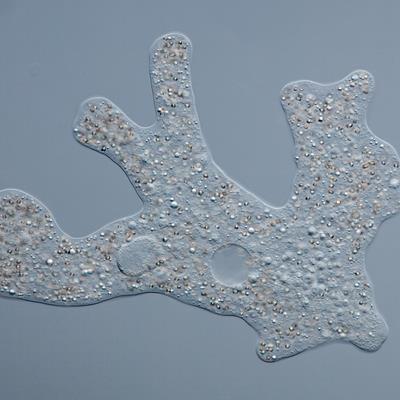
Free-living amoebae (FLA) are present globally in both natural and engineered water systems. Several FLA can play a direct role in human diseases such as Naegleria fowleri, Acanthamoeba, and Balamuthia, which cause the diseases primary amoebic meningoencephalitis (PAM), Acanthamoeba keratitis (AK) and granulomatous amoebic encephalitis (GAE) (both Acanthamoeba and Balamuthia) respectively. While the typical infection pathway is through recreational water use, infections have also resulted from colonised engineered water distribution systems. Climate change is also impacting the geographical expansion of N. fowleri-related infections outside of typically warmer regions. In addition, both pathogenic and non-pathogenic FLAs can carry pathogenic bacteria and have been shown to influence the presence and persistence of bacterial pathogens such as Legionella, Chlamydia, Shigella and non-tuberculous mycobacterium (NTM).
A few studies have looked at the FLA-bacteria and FLA-FLA interactions in engineered water distribution systems, but most studies have focused only on the individual bacterial component or FLA component and not the broader FLA-microbial ecology interactions. Hence, the role of the microbial ecology in aiding FLAs presence, persistence, and capacity for disease in natural and engineered water systems is not well understood. Due to the global presence of FLA and an increased expansion of some FLA associated deaths linked to climate change, an increased understanding of the microbial ecology supporting FLA may help in better surveillance and management of natural and engineered water systems to reduce potential negative human health impacts.
This Research Topic invites work addressing these specific areas of interest:
- Understanding the broader microbial ecology present with FLA
- Potential organisms supporting FLA presence
- Interactions of FLA with the surrounding microbes
- Potential changes in the microbial ecology due to climate change which may contribute to the establishment of new potentially FLA amoeba
- Advanced methodologies for defining the FLA-microbial ecology interactions.
The submitted works should provide novel insights to better elucidate the complex interactions of FLA in the broader water microbiome.
Keywords: Free-living amoeba, Naegleria, Acathamoeba, Balamuthia, Water, amoebic, encephalitis, Climate change, engineered water systems, natural water systems, health, amoeba, amoebae
Important note: All contributions to this Research Topic must be within the scope of the section and journal to which they are submitted, as defined in their mission statements. Frontiers reserves the right to guide an out-of-scope manuscript to a more suitable section or journal at any stage of peer review.
CSIRO Land and Water
Canberra, Australia
United States Geological Survey (USGS), United States Department of the Interior
Reston, United States
The University of Sheffield
Sheffield, United Kingdom
Commonwealth Scientific and Industrial Research Organisation (CSIRO)
Canberra, Australia
