JA
juan a gallego
Division of Psychiatry Research, The Zucker Hillside Hospital, Northwell Health
New York, United States
4,599
Total downloads
18k
Total views and downloads
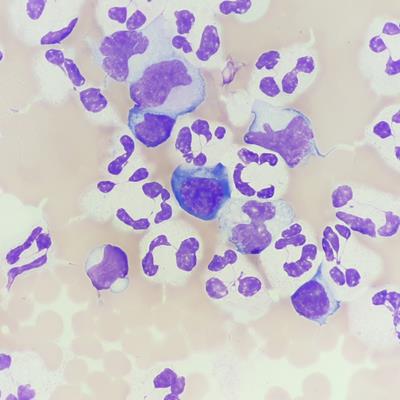
Despite the fact that psychiatric and neurological disorders are mostly brain disorders, most studies investigating biomarkers in biofluids use peripheral blood. On the contrary, the number of studies investigating biomarkers in cerebrospinal fluid (CSF) is small. Given the free exchange of molecules between the brain interstitial fluid and CSF compartment, the use of CSF is likely better suited for the study of biomarkers in psychiatric and neurological disorders and may lead to advances in the understanding of the pathophysiology of these disorders and to the discovery of druggable targets.
Our goal with this research topic is to publish a comprehensive collection of CSF studies that will advance the understanding of psychiatric and neurological disorders and provide a path for treatment development.
The main themes to be addressed in this research topic include:
-Studies reporting on biomarkers measured in CSF of patients with any psychiatric and neurological disorders, including but not limited to schizophrenia, bipolar disorder, major depressive disorder, epilepsy, multiple sclerosis, substance use disorders, traumatic brain injury, Alzheimer's disease and other related disorders.
-Studies comparing biomarker levels between CSF and peripheral blood.
-Longitudinal CSF studies in which follow-up lumbar puncture procedures are conducted.
-Studies that investigate CSF biomarkers in relationship to genes, psychiatric/neurological symptoms, response to treatment, side effects, neurocognitive and neuroimaging measures.
-Studies investigating the specificity of these biomarkers across different psychiatric and neurological disorders
-Studies investigating CSF biomarkers across the life span
Keywords: cerebrospinal fluid, inflammation, synapse, psychosis, depression, cytokines, epilepsy, Alzheimer's Disease
Important note: All contributions to this Research Topic must be within the scope of the section and journal to which they are submitted, as defined in their mission statements. Frontiers reserves the right to guide an out-of-scope manuscript to a more suitable section or journal at any stage of peer review.
