BR
bruno rego
Louisiana State University
Baton Rouge, United States
500
Total downloads
5,523
Total views and downloads
Submit your idea
You will be redirected to our submission process.
Cardiovascular diseases (CVDs) are a predominant health concern globally, responsible for nearly a third of all deaths and affecting over half a billion individuals. These diseases arise from intricate interactions among genetic, environmental, and lifestyle factors that influence cardiovascular tissues across various scales, from subcellular to organ levels. The complexity of these interactions necessitates multiscale approaches, both experimental and computational, to unravel the underlying mechanisms of CVDs. Recent studies have advanced our understanding of these mechanisms, yet significant gaps remain, particularly in comprehending how local structural variations in cardiovascular tissues influence their macro-mechanical behavior and resistance to damage. Current research is increasingly focusing on multiscale characterization and modeling to address these gaps, but there is a pressing need for more comprehensive studies that integrate experimental data with computational models to enhance our understanding of cardiovascular tissue behavior and its adaptation to physiological and pathological stimuli.
This research topic aims to provide a comprehensive overview of the state-of-the-art and future perspectives in multiscale characterization, modeling, and engineering of cardiovascular tissues. We seek to highlight the latest advancements and challenges in using multiscale experimental methods and modeling approaches to explore structure-function relationships within both native and engineered cardiovascular tissues. Our goal is to foster interdisciplinary collaboration and innovation among researchers and clinicians, ultimately addressing knowledge gaps such as the impact of CVD progression on micro-mechanical properties and the role of structural variations in mediating tissue behavior.
To gather further insights in the multiscale characterization, modeling, and engineering of cardiovascular tissues, we welcome articles addressing, but not limited to, the following themes:
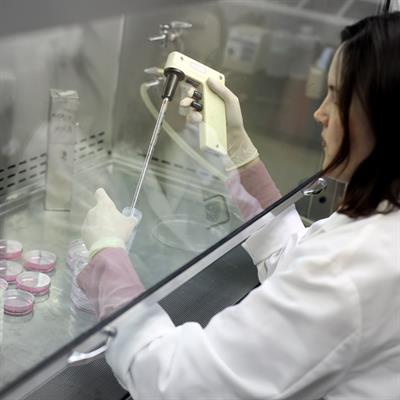
• Multimodal experimental paradigms, including microscopy, spectroscopy, mechanical testing, and assays for characterizing cardiovascular tissues and fibrous scaffolds;
• Next-gen modeling strategies, such as AI/machine learning frameworks, for integrating experimental data across scales;
• Innovative tissue engineering methods for creating fibrous scaffolds with controlled microstructure and function;
• Regenerative medicine evaluations of fibrous scaffolds in tissue regeneration;
• Patient-centric modeling for clinical applications and challenges in patient-specific multiscale models;
• Future directions and emerging trends in multiscale characterization and modeling of cardiovascular tissues.
This Research Topic accepts the following article types, unless otherwise specified in the Research Topic description:
Articles that are accepted for publication by our external editors following rigorous peer review incur a publishing fee charged to Authors, institutions, or funders.
Keywords: cardiovascular, microstructure, multiscale modeling, tissue engineering, fibrous scaffolds
Important note: All contributions to this Research Topic must be within the scope of the section and journal to which they are submitted, as defined in their mission statements. Frontiers reserves the right to guide an out-of-scope manuscript to a more suitable section or journal at any stage of peer review.
Manuscripts can be submitted to this Research Topic via the main journal or any other participating journal.
Submit your idea
You will be redirected to our submission process.
