CN
chao ning
Peking University
Beijing, China
2,613
Total downloads
21k
Total views and downloads
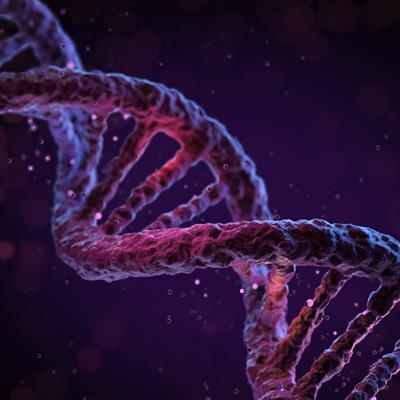
The study of ancient DNA has revolutionized our understanding of human populations by providing insights into the genetic diversity and evolutionary history of our species. By analyzing DNA extracted from ancient remains, such as microorganisms found in mummified tissues, bone, and dental pulp, researchers can uncover the intricate relationships, migrations, and interactions between ancient populations. The integration of archaeological, anthropological, and genetic data has enabled the reconstruction of human history with unprecedented accuracy.
Recent advances in ancient DNA research, including high-throughput sequencing technologies, improved DNA extraction techniques, and enhanced analytical methodologies, have propelled the field to new heights. These advancements have facilitated discoveries by allowing scientists to explore the dynamics of ancient human populations with great precision. However, challenges such as the degradation and contamination of ancient DNA, complex laboratory protocols, and ethical considerations for sample acquisition remain significant hurdles that need to be addressed.
This Research Topic aims to showcase the breadth and significance of ancient DNA research in unraveling the history of human populations. It will provide a platform for researchers to present their findings on a wide range of topics, including paleomicrobiology, ancient migrations, population admixture events, genetic adaptations to changing environments, and the impact of ancient diseases on human populations. By addressing these areas, we hope to answer specific questions about the genetic structure and ancestral history of human populations, test hypotheses related to ancient genetic adaptations, and explore the origins and spread of pathogens.
We particularly welcome contributions of Original Research, Review, Mini Review, Systematic Review, Methods, Opinion, and Perspective articles on the following, but not limited to, subthemes:
• Detection, identification, and characterization of microorganisms in ancient remains, such as oral paleomicrobiology;
• Characterization and analysis of ancient microbiomes;
• Origins and spread of pathogens through history;
• Reconstruction of whole-genome sequences for ancient genome analysis;
• Genetic structure and ancestral history of worldwide human populations;
• Adaptation of ancient populations, and their microbiome, to their local environments.
Keywords: ancient DNA, aDNA, human populations, population genetics, paleogenomics, paleomicrobiology, ancient microbiome
Important note: All contributions to this Research Topic must be within the scope of the section and journal to which they are submitted, as defined in their mission statements. Frontiers reserves the right to guide an out-of-scope manuscript to a more suitable section or journal at any stage of peer review.
