BT
behdad tahayori
University of St. Augustine for Health Sciences
St. Augustine, United States
339
Total downloads
4,735
Total views and downloads
Submit your idea
Select the journal/section where you want your idea to be submitted:
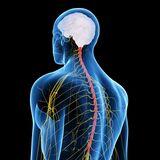
The reticulospinal tract (RST) is a significant descending pathway primarily recognized for its role in controlling posture and locomotion in humans. However, this traditional view overlooks the RST's critical function in modulating spinal motoneurons through its inhibitory and excitatory outputs. The RST comprises two main tracts, the dorsal and medial, which exert inhibitory and excitatory effects on spinal reflexes, respectively. Recent research has highlighted the substantial neuroplastic changes in the RST following central nervous system (CNS) insults such as stroke, multiple sclerosis, and Parkinson's disease. The role of the RST in hyperreflexia and spasticity has garnered considerable attention, prompting a reevaluation of its influence on spinal reflexes. Despite these advancements, the precise mechanisms by which the RST contributes to spasticity and rigidity remain poorly understood, with conflicting findings between animal and human studies. This gap underscores the need for further investigation to reconcile these discrepancies and deepen our understanding of the RST's role in CNS pathologies.
This research topic aims to elucidate the role of the reticulospinal tract in spasticity and rigidity, particularly in the context of upper motor neuron lesions. We seek to address specific questions regarding the RST's influence on spinal neurons and its differential effects in humans and animals. By gathering recent studies, we aim to provide a comprehensive overview of current research directions and findings, fostering a deeper understanding of the RST's mechanisms of action and its implications for CNS pathologies.
To gather further insights into the complexities of the reticulospinal tract, we welcome articles addressing, but not limited to, the following themes:
- The role of the Reticulospinal Tract (RST) in the control of movement in humans.
- The role of the RST in human spasticity and neuroplastic changes subsequent to stroke.
- The role of the RST in human rigidity and neuroplastic changes subsequent to Parkinson's disease.
- The effect and interaction of the RST on spinal interneurons.
- Parallel studies on animal models.
We encourage submissions of basic research, review articles, and opinion pieces to provide a holistic view of the current state of knowledge and emerging trends in this critical area of neuroscience.
This Research Topic accepts the following article types, unless otherwise specified in the Research Topic description:
Articles that are accepted for publication by our external editors following rigorous peer review incur a publishing fee charged to Authors, institutions, or funders.
Keywords: Reticulospinal tract, Upper motoneuron lesions, Spasticity, Rigidity, Stroke, Multiple sclerosis, Parkinson's Disease
Important note: All contributions to this Research Topic must be within the scope of the section and journal to which they are submitted, as defined in their mission statements. Frontiers reserves the right to guide an out-of-scope manuscript to a more suitable section or journal at any stage of peer review.
Manuscripts can be submitted to this Research Topic via the main journal or any other participating journal.
Submit your idea
Select the journal/section where you want your idea to be submitted: