MC
michela chiappalone
University of Genoa
Genoa, Italy
5,221
Total downloads
34k
Total views and downloads
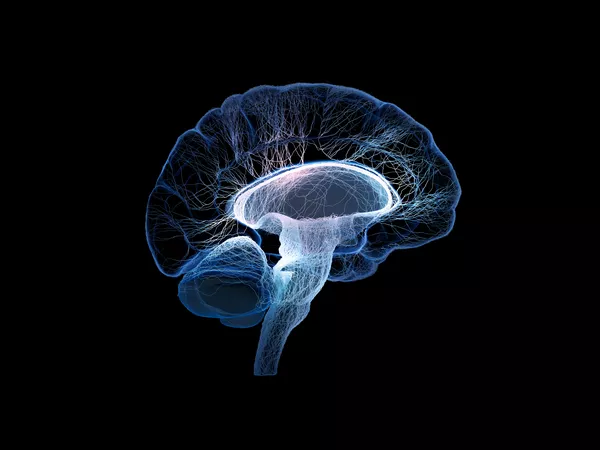
The brain is an inherently multi-scale system, characterized by complex interactions that span from molecular and cellular levels to entire networks and behaviors. This multi-scale nature presents significant challenges in understanding and interpreting brain function in both health and disease.
Neuroengineering emerges as a crucial interdisciplinary field that integrates principles from neuroscience, engineering, and computational modeling to tackle these challenges. By developing innovative techniques and sophisticated models, neuroengineering aims to enhance our understanding of brain function across different scales. This approach facilitates a more comprehensive evaluation of neural dynamics, leading to better diagnostic tools and more precise predictive models for neurological conditions. Moreover, neuroengineering offers advanced therapeutic interventions by creating novel devices and technologies able to interact (even in bi-directional way) with the nervous system. These include brain-machine interfaces, neuroprostheses, and targeted neuromodulation therapies, which hold the potential to significantly improve the quality of life for patients with neurological disorders.
The aim of this Research Topic is to focus on the latest advancements in neuroengineering and its application in health and disease. It highlights how multi-scale approaches can bridge the gap between microscopic processes, such as synaptic transmission, and macroscopic phenomena, such as cognitive and behavioral functions. The collection aims to showcase cutting-edge research and interdisciplinary efforts that push the boundaries of what is possible in the assessment, prediction, and treatment of brain/neural diseases. . The goal is to foster a deeper understanding of brain function and to drive the development of new diagnostic and therapeutic strategies that can improve outcomes for individuals affected by neurological conditions.
Topics covered belong but are not limited to the following:
• Advanced tools for reading and writing the neural code;
• Neural signal analysis, e.g. from spikes to LFP;
• Structural and functional connectivity methods;
• (AI-based) Digital Twins technology for detection, diagnosis, and prognostics;
• Multi-scale computational brain modelling;
• Stimulation protocols for restoring neural functions (e.g. invasive, not invasive, DBS);
• Open challenges and future opportunities.
Type of manuscripts: Original Research, Systematic Review, Review (and mini Review), Perspective, Clinical Trial, Case Report, Brief Research Report.

Keywords: Neuroengineering, Multi-scale brain function, Brain-machine interfaces, Computational brain modeling, Neural signal analysis
Important note: All contributions to this Research Topic must be within the scope of the section and journal to which they are submitted, as defined in their mission statements. Frontiers reserves the right to guide an out-of-scope manuscript to a more suitable section or journal at any stage of peer review.
University of Genoa
Genoa, Italy
University of Genoa
Genoa, Italy
University of Genoa
Genoa, Italy
University of Genoa
Genoa, Italy
University of Genoa
Genoa, Italy
Sant'Anna School of Advanced Studies
Pisa, Italy