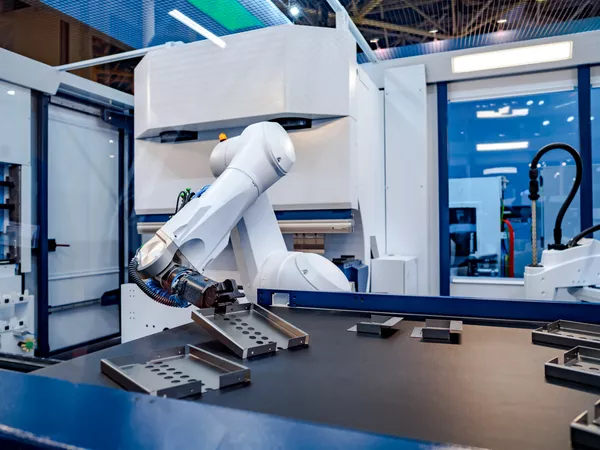
In the rapidly evolving field of robotics and automation, sustainability and energy efficiency are becoming increasingly critical. Pioneering research in computational intelligence plays a crucial role in advancing these goals. The application of innovative methodologies, including advanced algorithms and real-world applications, fuels significant progress toward robust energy optimization in robotics systems. Despite these advances, challenges persist in effectively integrating intelligent systems that ensure both environmentally and economically sustainable practices in automation and robotics.
This Research Topic aims to delve into the development of sophisticated computational intelligence methods that significantly reduce energy consumption and enhance sustainability in robotic systems. The goal is to foster advancements in optimal control strategies, intelligent motion planning, and data-driven decision-making. By leveraging the potential of advanced algorithms, machine learning, and evolutionary approaches, this research seeks to develop eco-friendly robotic solutions tailor-made for a diverse array of industrial applications.
To gather further insights in sustainable applications of computational intelligence in robotics, we welcome articles addressing, but not limited to, the following themes:
- Advanced control algorithms using computational intelligence for energy optimization
- Predictive control methods for real-time robotic system adjustments for energy minimization
- Hybrid control strategies that merge computational intelligence with traditional controls
- Evolutionary algorithms for energy-efficient motion planning
- Machine learning methods for predicting and optimizing energy considerations in robot trajectories
- Reinforcement learning for adaptive, energy-aware motion planning
- Big data analytics in automated manufacturing for energy use insights
- Data-driven optimizations in robotic energy consumption
- Applications of machine learning in predictive maintenance and energy efficiency in robotics
Keywords: Energy Optimization, Computational Intelligence, Predictive Maintenance, Data Driven, Sustainable Automation, Motion Planning
Important note: All contributions to this Research Topic must be within the scope of the section and journal to which they are submitted, as defined in their mission statements. Frontiers reserves the right to guide an out-of-scope manuscript to a more suitable section or journal at any stage of peer review.