NS
nancy saad
Wexner Medical Center, The Ohio State University
Columbus, United States
455
Total downloads
5,371
Total views and downloads
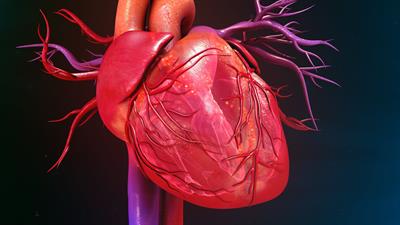
Heart failure resulting from treatments for non-cardiac medical conditions presents a significant challenge in clinical practice. The interactions between various therapeutic interventions and cardiac function can lead to unintended cardiovascular complications, ultimately progressing to heart failure. Oncology therapies, such as anthracyclines and trastuzumab, and diabetes medications, like thiazolidinediones, may adversely impact heart health. Treatments for hypertension, autoimmune diseases, thyroid disorders, infectious diseases, psychiatric disorders, COPD, and hematologic disorders also pose significant risks. These include cardiotoxicity from chemotherapy, radiation, NSAIDs, biologics, thyroid hormone over-replacement, antiretroviral drugs, antipsychotics, antidepressants, and beta-2 agonists, all of which can contribute to the development of heart failure. Understanding these interactions is crucial, as treatment-induced heart failure significantly affects patient outcomes and quality of life. Recent advancements have underscored the need to address these cardiac side effects. Research into cardiotoxicity mechanisms, early diagnostics, and effective management is essential to mitigate adverse effects and ensure comprehensive patient care.
The primary goal of this research topic is to address the critical problem of treatment-induced heart failure by providing a comprehensive overview of its underlying mechanisms. We aim to highlight the latest research findings, clinical insights, and therapeutic approaches to manage and mitigate these adverse effects. This topic will explore the interactions between various treatments and cardiac function, focusing on a wide range of therapies, including oncology treatments, diabetes medications, and other pharmacological and non-pharmacological interventions. By bringing together multidisciplinary perspectives, we seek to enhance our understanding of the pathophysiology, diagnosis, and management strategies for heart failure induced by medical treatments. Ultimately, our goal is to improve patient care and quality of life by fostering a holistic approach to treatment planning and execution.
We invite contributions that explore the diverse nature of heart failure induced by non-cardiac therapies. Authors are encouraged to investigate specific themes such as the mechanisms of cardiotoxicity in oncology treatments, cardiovascular effects of diabetes medications, impact of non-pharmacological interventions on cardiac function, diagnostic strategies for early detection of treatment-induced heart failure, clinical management and mitigation strategies for adverse cardiac effects, as well as case studies highlighting unique instances of treatment-induced heart failure. Additionally, comprehensive reviews summarizing current knowledge and future research directions are welcome. Original research articles, comprehensive reviews, and insightful case studies are all encouraged, aiming to contribute to a deeper understanding of this critical issue. By participating in this research topic, authors will have the opportunity to advance the field of cardiovascular medicine and contribute to the optimization of patient outcomes in clinical practice.
Keywords: Cardiotoxicity, Heart failure, Non-cardiac therapies, Adverse effects, Chemotherapy, Pathophysiology
Important note: All contributions to this Research Topic must be within the scope of the section and journal to which they are submitted, as defined in their mission statements. Frontiers reserves the right to guide an out-of-scope manuscript to a more suitable section or journal at any stage of peer review.
