PC
pallavi chandra
Washington University in St. Louis
St. Louis, United States
1,018
Total downloads
8,429
Total views and downloads
Submit your idea
You will be redirected to our submission process.
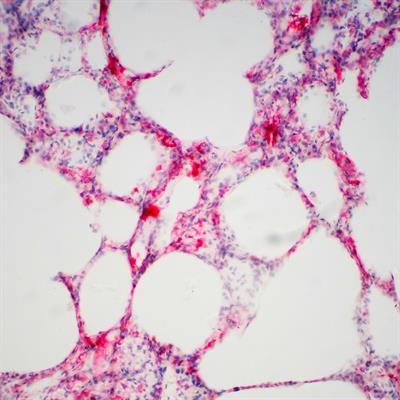
Mycobacterial infections, particularly those caused by Mycobacterium tuberculosis (Mtb), present a significant global health challenge. These pathogens are characterized by their unique cell membrane structures, virulence factors, and complex intracellular lifecycle. While mycobacteria can infect various tissues, the lungs play a critical role. After inhalation, mycobacteria manipulate both innate and adaptive host immune responses. Some immune mechanisms are protective, while others are exploited by the bacteria to enhance their survival. Mtb has developed sophisticated strategies to evade antimicrobial responses, enabling it to persist in the host, manipulate lung architecture, and spread through respiratory aerosols. Additionally, mycobacterial infections often induce metabolic shifts in the host, affecting immune cell functions. The balance between inflammatory responses and tissue repair processes in the lungs is crucial in determining the progression and outcome of the disease.
The goal of this research topic is to enhance our understanding of lung biology, metabolism, and host susceptibility in mycobacterial infections, which is crucial for developing effective diagnostic, preventative, and therapeutic strategies. We aim to leverage an international group of experts to advance the understanding of how mycobacteria alter lung cell metabolism to promote their survival and replication. We are particularly interested in dissecting the complex interactions between mycobacteria and the diverse cell populations within the lung microenvironment. Moreover, our proposal seeks to elucidate the molecular mechanisms underlying drug resistance in mycobacteria, aiming to overcome current therapeutic limitations. We will also explore the genetic and environmental bases of host susceptibility to mycobacterial lung infections. By integrating research on these fronts, we aim to fill significant knowledge gaps and contribute to the development of targeted therapies and preventive measures against mycobacterial diseases, ultimately enhancing patient care and management.
We welcome submissions of Original Research Reports, Reviews, and other article formats permitted by the journal. We particularly invite submissions related to the following themes:
1. Understand how mycobacteria alter cellular metabolism within the lung to promote their survival and replication.
2. Characterize the interactions between mycobacteria and various lung-resident and recruited cells, including macrophages, neutrophils, fibroblasts, and epithelial cells.
3. Identify and characterize novel molecular targets for drug and vaccine development, focusing on pathways unique to mycobacteria.
4. Investigate the basis of host susceptibility to mycobacterial infections, including genetic, nutritional, and environmental factors.
This Research Topic accepts the following article types, unless otherwise specified in the Research Topic description:
Articles that are accepted for publication by our external editors following rigorous peer review incur a publishing fee charged to Authors, institutions, or funders.
Keywords: Mycobacterium tuberculosis, Non-tuberculous mycobacteria, immunometabolism, immunology, innate immunity
Important note: All contributions to this Research Topic must be within the scope of the section and journal to which they are submitted, as defined in their mission statements. Frontiers reserves the right to guide an out-of-scope manuscript to a more suitable section or journal at any stage of peer review.

Manuscripts can be submitted to this Research Topic via the main journal or any other participating journal.
Submit your idea
You will be redirected to our submission process.