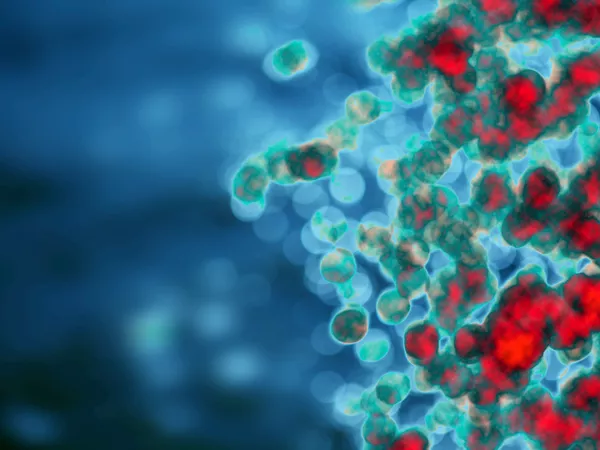
Microglia, the resident immune cells of the central nervous system, are seminal in monitoring and responding to brain environmental changes. Traditionally classified into two types—M1, which are pro-inflammatory, and M2, which are anti-inflammatory—this dichotomous classification is now considered reductive due to advances in single-cell transcriptomics and imaging technologies. These technologies show that microglia exhibit a wide array of subpopulations, each defined by unique gene expression profiles and functionalities, highlighting the complexity and dynamic nature of their biological functions, which the M1/M2 framework does not adequately capture.
This Research Topic aims to integrate the latest discoveries regarding microglial diversity and to deepen the understanding of their molecular and cellular mechanisms that lead to functional differences. By exploring the unique functions and contributions of various microglial subpopulations, the goal is to illuminate their roles in maintaining brain health and their potential impacts in disease contexts. Ultimately, this could pave the way for novel therapeutic approaches that specifically target beneficial microglial functions while counteracting their detrimental effects in various neurological diseases.
The scope of this Research Topic primarily focuses on the diverse functional attributes of microglia and their implications for neurological conditions. To gather further insights in this emerging field, we welcome articles addressing, but not limited to, the following themes: - The role of microglia in brain development and optimal brain function maintenance. - Microglia's multifunctions, including synaptic elimination, neurogenesis, and neural network formation. - The variability in microglial phenotypes and functions across different brain regions and over time. - Microglial phenotypic adaptation post-injury to regulate inflammation and aid in brain repair. - Advanced investigation into the mechanisms of microglial gene expression and cellular signaling post-brain injury. - Microglial involvement in post-injury debris clearance, blood-brain barrier integrity, and neuronal growth promotion. - The effects of aging and sex on microglial responses following brain injury. - The complexities and potential of therapeutically targeting microglia in clinical practices.
Article types and fees
This Research Topic accepts the following article types, unless otherwise specified in the Research Topic description:
Brief Research Report
Case Report
Classification
Clinical Trial
Editorial
FAIR² Data
FAIR² DATA Direct Submission
General Commentary
Hypothesis and Theory
Articles that are accepted for publication by our external editors following rigorous peer review incur a publishing fee charged to Authors, institutions, or funders.
Article types
This Research Topic accepts the following article types, unless otherwise specified in the Research Topic description:
Important note: All contributions to this Research Topic must be within the scope of the section and journal to which they are submitted, as defined in their mission statements. Frontiers reserves the right to guide an out-of-scope manuscript to a more suitable section or journal at any stage of peer review.