AC
andrea corsello
Endocrine Surgery Unit, Ospedale Isola Tiberina - Gemelli Isola
Rome, Italy
1,352
Total downloads
11k
Total views and downloads
As immunotherapy has revolutionized cancer treatment, a wide array of immune-related adverse events (irAEs) has emerged. Among these irAEs, those involving the endocrine system are relatively frequent and can significantly impact patient well-being. In particular, with the increasing use of immune checkpoint inhibitors (ICIs) such as PD-1/PD-L1 and CTLA-4 inhibitors, thyroid dysfunction stands out as one of the most commonly encountered complications. Despite the growing recognition of these effects, there remains a need for a deeper understanding of their mechanisms, clinical presentation, diagnosis, and management.
Thyroid dysfunction associated with cancer immunotherapy commonly manifests as either hypothyroidism or hyperthyroidism, with a distinct pattern of transient thyrotoxicosis often preceding the development of hypothyroidism. These disorders may significantly impact a patient’s quality of life and, in some cases, lead to a temporary interruption or permanent discontinuation of cancer immunotherapy. Moreover, the clinical picture is complicated by variability in presentation, ranging from asymptomatic cases detected only through biochemical evaluation to severe symptomatic disease requiring urgent intervention. In this context, prompt recognition and appropriate management are critical.
Several clinical questions remain unanswered. What are the predictors of thyroid dysfunction in patients receiving ICIs, and are there clinical or biochemical factors that could guide early detection or prevention? How do genetic predisposition and prior thyroid disease impact the risk of developing thyroid disorders? How frequently should thyroid function be monitored? What is the role of thyroid ultrasound, and is there a typical ultrasound pattern? Additionally, optimal management strategies for these patients require further exploration.
We invite the submission of manuscripts that explore these key areas. Topics of interest include, but are not limited to:
1. Mechanisms of thyroid dysfunction in cancer immunotherapy: investigations into the immunological pathways involved in the pathophysiology of thyroid dysfunction and how ICIs contribute to thyroid autoimmunity.
2. Clinical presentation and diagnostic challenges: studies highlighting the variable clinical manifestations of thyroid disorders in patients treated with ICIs.
3. Predictive markers and risk factors: identification of biomarkers or clinical characteristics that could predict thyroid irAEs.
4. Management and outcomes: best practices for managing thyroid dysfunction, including timing of intervention, use of thyroid hormone therapy, symptomatic treatment (e.g., beta-blockers), need to interrupt or adjust cancer treatment, and monitoring protocols.
5. Long-term follow-up: insights into the chronicity of thyroid dysfunction post-immunotherapy and its implications for long-term endocrine care.
This issue aims to enhance the clinical care of patients undergoing immunotherapy.
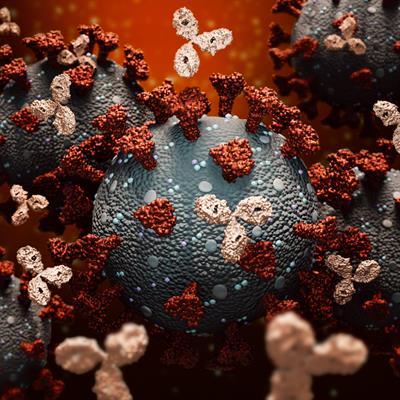
Keywords: Immunotherapy, immune-related adverse events, thyroid dysfunction, immune checkpoint inhibitors, hypothyroidism, hyperthyroidism, biomarkers, cancer treatment, endocrine care, thyroid autoimmunity
Important note: All contributions to this Research Topic must be within the scope of the section and journal to which they are submitted, as defined in their mission statements. Frontiers reserves the right to guide an out-of-scope manuscript to a more suitable section or journal at any stage of peer review.
