PL
premkumar lakshmanane
University of North Carolina at Chapel Hill
Chapel Hill, United States
466
Total downloads
8,081
Total views and downloads
Submit your idea
Select the journal/section where you want your idea to be submitted:
Manuscript Submission Deadline 31 March 2026
This Research Topic is currently accepting articles.
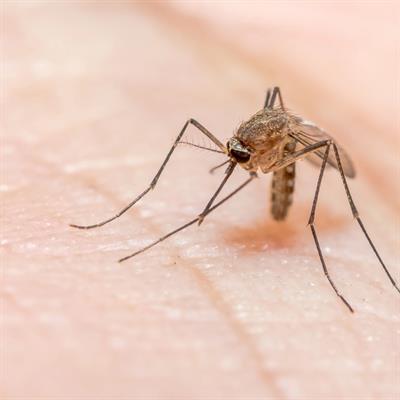
Arthropod-borne viruses (arboviruses), transmitted primarily by mosquitoes and ticks, pose significant global health threats due to climate change, urbanization, and the expanding ranges of these vectors. Recent advances in surveillance leverage genomic tools (nanopore sequencing, wastewater monitoring) and AI-driven modeling to predict outbreaks of mosquito-borne diseases (dengue, Zika) and track tick-borne pathogens (Crimean-Congo hemorrhagic fever, Powassan virus). Metagenomics and citizen science platforms enhance early detection, while satellite imaging maps habitat shifts for Aedes and Ixodes vectors.
The epidemiological impact of arboviruses is intensifying, with mosquito-borne viruses (e.g., chikungunya, Mayaro) emerging in new regions and tick-borne diseases (e.g., tick-borne encephalitis, severe fever with thrombocytopenia syndrome) spreading due to warmer climates. Long-term sequelae, such as chronic arthritis post-chikungunya or neurological deficits from tick-borne encephalitis, underscore the growing health burden. Economic costs exceed billions annually, disproportionately affecting low-resource regions.
In disease management, vaccines (TAK-003 for dengue, VLA1553 for chikungunya) and antivirals (galidesivir, favipiravir) show promise, though tick-borne vaccines remain limited. Innovative vector control strategies, including Wolbachia-infected mosquitoes and CRISPR-based gene drives, complement traditional methods. For ticks, livestock vaccines and acaricide-treated environments are critical. A One Health approach integrates human, animal, and environmental surveillance to mitigate spillover risks.
Key challenges include equitable access to vaccines, antiviral resistance, and climate-resilient vector control. Future priorities include universal arbovirus vaccines, rapid diagnostics, and strengthened global tick surveillance. Addressing these gaps demands interdisciplinary collaboration to curb the escalating threat of arboviruses in a warming world.
This Research Topic, invites original research, reviews, and perspective articles addressing emerging trends in arbovirus biology, epidemiology, and control. We welcome submissions on innovative surveillance tools (e.g., AI, genomics), ecological and clinical impacts of arboviral diseases, and advances in vaccines, therapeutics, and vector management strategies. Interdisciplinary studies integrating One Health approaches, climate-arbovirus interactions, and policy frameworks are particularly encouraged. By fostering collaboration among virologists, epidemiologists, and public health experts, this collection aims to accelerate progress toward mitigating the global burden of arboviral diseases.
This Research Topic accepts the following article types, unless otherwise specified in the Research Topic description:
Articles that are accepted for publication by our external editors following rigorous peer review incur a publishing fee charged to Authors, institutions, or funders.
Keywords: Arbovirus, Viral Biology, Transmission Dynamics, Therapeutic Strategies, Innovations
Important note: All contributions to this Research Topic must be within the scope of the section and journal to which they are submitted, as defined in their mission statements. Frontiers reserves the right to guide an out-of-scope manuscript to a more suitable section or journal at any stage of peer review.

Manuscripts can be submitted to this Research Topic via the main journal or any other participating journal.
Submit your idea
Select the journal/section where you want your idea to be submitted: