SM
sisi meng
University of Notre Dame
Notre Dame, United States
55
Total downloads
2,630
Total views and downloads
Submit your idea
You will be redirected to our submission process.
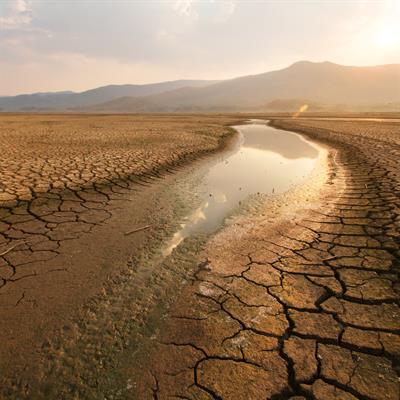
Climate extremes represent unusually severe or rare weather events like intense hurricanes and prolonged droughts, which are increasingly exacerbated by anthropogenic climate change. These phenomena are creating unprecedented challenges for ecosystems, infrastructure, and communities across the globe. Additionally, the dynamics of these events remain only partially understood, making it hard to predict and mitigate their impacts effectively.
This Research Topic aims to foster an interdisciplinary dialogue focused on understanding, predicting, and managing climate extremes while integrating mitigation and adaptation strategies. It endeavors to bridge the gap between theoretical insights about the dynamics of climate extremes and practical, actionable solutions aimed at climate adaptation and mitigation.
To gather further insights in this critical area, we welcome articles addressing, but not limited to, the following themes:
• Modeling and forecasting of extreme weather events and their long-term trends
• Assessments of climate extremes, risks, and socio-economic impacts
• Innovative dual strategies for emission reduction and resilience to climate events
• Development of adaptive infrastructure and technology
• Policy frameworks that incorporate disaster risk reduction and resilience
• Equity and justice in climate action planning initiatives
This Research Topic accepts the following article types, unless otherwise specified in the Research Topic description:
Articles that are accepted for publication by our external editors following rigorous peer review incur a publishing fee charged to Authors, institutions, or funders.
Keywords: Climate extremes, climate adaptation, extreme weather forecasting, resilience strategies, socio-economic impacts, climate policy
Important note: All contributions to this Research Topic must be within the scope of the section and journal to which they are submitted, as defined in their mission statements. Frontiers reserves the right to guide an out-of-scope manuscript to a more suitable section or journal at any stage of peer review.
Manuscripts can be submitted to this Research Topic via the main journal or any other participating journal.
Submit your idea
You will be redirected to our submission process.
