HK
hemalatha k.l
Sri Krishna Institute of Technology
Bangalore, India
4,019
Total downloads
30k
Total views and downloads
The oncology field is experiencing a profound shift due to the rapid integration of artificial intelligence (AI) and machine learning (ML). These technologies are poised to fundamentally change cancer care through improved diagnostic precision, more effective treatment planning, and enhanced patient outcomes. Despite considerable progress, there are ongoing challenges in the early detection and precise prognosis within key oncological domains such as radiology, pathology, genomics, imaging analysis, and immunotherapy. The pressing need to effectively harness the vast data generated in medical contexts underscores the urgency to innovate and expand the boundaries of cancer research to serve patients better.
This Research Topic aims to harness AI and ML, including deep learning, Convolutional Neural Networks (CNNs), and transfer learning, to enhance prediction accuracy and data management. By pioneering new architectures, training approaches, predictive models, and applications, this initiative seeks to significantly advance the use of AI in medical image analysis, outcome prediction, and biomarker identification for various cancers, including carcinoma, sarcoma, melanoma, lymphoma, and leukemia.
The ultimate goal is to support the creation of advanced deep-learning applications that result in more precise cancer care and improved patient outcomes. To gather further insights within this evolving landscape, we welcome contributions that are not limited to but include the following themes:
- Development of robust ML models for cancer prognosis and patient management systems.
- Application of ML in early cancer screening to improve detection accuracy.
- Utilization of deep learning for tumor classification and staging.
- Predictive modeling for treatment response and therapy optimization.
- ML-based radiomics advancements for feature extraction from medical images.
- NLP techniques for analyzing unstructured clinical data and patient records.
- Reinforcement learning for personalized treatment strategies and adaptive cancer therapies.
- ML applications in biomarker identification and drug discovery.
- Federated learning for enhanced data privacy and collaborative research.
- Transfer learning for performance improvement in specific cancer datasets.
- Explainable AI models to boost clinician trust and refine decision-making.
- Real-time cancer patient monitoring through ML-integrated wearable and digital health technologies.
- AI tools for screening in high-risk populations, such as those prone to breast and colorectal cancer.
Please note manuscripts consisting solely of bioinformatics or computational analysis of public genomic or transcriptomic databases that are not accompanied by validation (independent cohort or biological validation in vitro or in vivo) are out of the scope of this Research Topic.
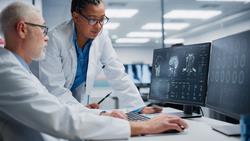
Keywords: Cancer Prognosis, Cancer Screening, Machine Learning, Deep Learning, Biomarkers Early Detection, Personalized Medicine, Risk Assessment
Important note: All contributions to this Research Topic must be within the scope of the section and journal to which they are submitted, as defined in their mission statements. Frontiers reserves the right to guide an out-of-scope manuscript to a more suitable section or journal at any stage of peer review.