RK
ranjan k. mohapatra
Government College of Engineering, Keonjhar
Keonjhar, India
182
Total downloads
3,659
Total views and downloads
The world is witnessing rapid emergence and reemergence of zoonotic and other infectious diseases in recent times owing to numerous prevailing factors including the altered climatic conditions, modified lifestyles and unhealthy living conditions. The WHO had listed twenty infective conditions as neglected tropical diseases (NTDs). It contributed to about 11% of the global disease burden, affecting over a billion, especially in the tropics and subtropics. WHO identified noma as a potential epidemic recently and added it as the 21st to the NTDs list, in November 2023. All NTDs shared two common features. The first was its prevalence in rural and/or displaced communities and urban slums in the tropics (warmer weather condition), as the most susceptible group. The second is that the available preventive and therapeutic interventions to counter the disease are low owing to low funding on research, development and commercialization of the prophylactic and treatment options. In the wake of the COVID-19 pandemic, NTDs have reemerged that has challenged healthcare infrastructure globally, thereby exposing our unpreparedness and under-preparedness to tackle such a situation. In order to improve diagnosis, control and prevention of NTDs, a need to heighten collaborative efforts is felt. Keeping the scientific community consistently aware and updated about the NTDs and sensitizing the stakeholders about ‘Total Health’ and trans-boundary economic consequences is warranted. After the overwhelming participation and resounding achievements of the first volume, this second volume of the Research Topic intends to highlight the recent trends and successes in countering NTDs to infer the best-case scenario for unified global response to contain the diseases.
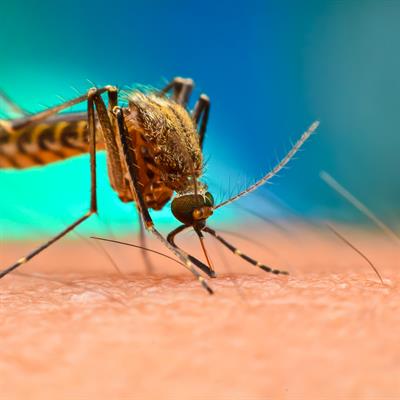
NTDs followed complex human to carrier (dog, snake, livestock, mosquito, fly, snail, etc.) transmission cycle. Environmental dynamics (like fluctuating temperature, rainfall, humidity and extreme weather conditions) also influence the transmission and infection patterns. The earlier-characterized temperate regions are experiencing a rise in the temperature and altered precipitation patterns. This has led to more conducive environs being developed for dengue, chikungunya, leishmaniasis and schistosomiasis transmission that otherwise prevailed only in the tropics (and parts of Central Europe and the US).
Acknowledging the lack of NTD research funding and an urgent need to fill the gap, it was pledged by the international community in September 2000 to reduce abject poverty by 2015 under the Millennium Development Goals. The Goals focused to reduce juvenile death, improve maternal health, and targeted to handle the ‘big three’: malaria, tuberculosis and HIV/AIDS. However, the efforts remained inadequate even after a decade of the target year 2015, attributed to increasing defocusing and inadequately addressing other major factors behind NTD-led mortality and morbidity in impoverished communities. The WHO set up the Department for Control of Neglected Tropical Disease in 2005 to tackle NTDs. The Global Network for Neglected Tropical Diseases Control (www.GNNTDC.org) alliance was set up to leverage awareness and mobilize the NTD control efforts. The 74th World Health Assembly proposed a nine-year plan between 2021 and 2030 to eradicate NTDs.
Reemerging NTDs need attention on communicable and vector-borne fungal, bacterial, viral and parasitic diseases. Although majority of the NTDs remain endemic specific to regions, some exhibited a potentially epidemic tendency and compelled health agencies worldwide to activate necessary precautions. COVID-19 significantly impacted global socioeconomic and healthcare over the past few years. Knowledge on transmission and suitable mitigation to control the spread of NTDs is currently lacking. Coordinated efforts among high-income and low/middle-income countries are needed to address the threats by the NTDs. It could be initiated in line with the very promising (possibly funding-intensive) ‘One Health’ model. It could involve the experts from various line departments to collaborate to find solutions. Advanced computational tools like DL, ML and AI alongside ‘One Health’ approaches could help find solutions to contain the NTDs. Strategies could include seamless logistics for diagnostics, vaccines and drugs in the affected countries. This, along with proper testing and trials, calls for good funding and focused R&D.
This Research Topic intends to address best-case scenarios to tackle NTDs that are emerging and reemerging, as also other similar diseases of unknown origin. There have been instances worldwide, especially in the war-torn regions like the African continent, the Gaza strip and elsewhere, where the factors that contribute to the potential spread of the NTDs are very high for non-clinical reasons. The constant degradation in quality of food and water for human consumption is yet another factor. NTD-focused articles (Original research, Opinion, Commentary, Systematic review, etc.) on the epidemiology, transmission, mitigation strategies, and recent advancements in prophylactics and therapeutics are welcome. The themes include, but are not limited to the studies on:
• Identifying the reservoirs/carriers of NTDs, and vector-control strategies
• Rapid testing modalities to diagnose, screen, and for surveillance
• Community health strategies (safe drinking water, and improved hygiene and sanitation)
• The involvement of communities in eradicating the NTDs
• Recent advances in the discovery and delivery of vaccines and drugs
• Global collaboration, funding and data sharing initiatives as led by the international groups
Collection of topics in this issue could reduce knowledge gap and enhance mitigation of the NTDs. Frequently encountered NTDs, like the infectious tuberculosis and the non-infectious noma, could be addressed better through innovative research and development insights. The Editors have envisioned with a fresh Research Topic to cover more on these.
Dr. Nrusingh Prasad Mohapatra is Co-founder and Chief Scientific Officer, Nikoni Pharmaceuticals LLC, USA. All other Topic Editors declare no conflicts of interest.
Keywords: Neglected tropical diseases, Healthcare strategy, One Health approach, Vaccine, Chemotherapy
Important note: All contributions to this Research Topic must be within the scope of the section and journal to which they are submitted, as defined in their mission statements. Frontiers reserves the right to guide an out-of-scope manuscript to a more suitable section or journal at any stage of peer review.
Government College of Engineering, Keonjhar
Keonjhar, India
School of Biotechnology, KIIT University
Bhubaneswar, India
The Ohio State University
Columbus, United States
Prathima Institute of Medical Sciences
Karimnagar, India
All India Institute of Medical Sciences Bhubaneswar
Bhubaneswar, India
