LL
lili li
Harbin Institute of Technology
Harbin, China
834
Total views and downloads
Submit your idea
You will be redirected to our submission process.
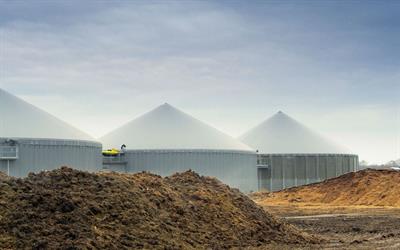
Anaerobic biodegradation, the microbial decomposition of organic matter in the absence of oxygen, plays a role in biogeochemical cycles and sustainable technologies. In natural ecosystems, such as wetlands, sediments, and deep subsurface environments, anaerobic processes drive carbon and nutrient cycling through methanogenesis, sulfate reduction, and fermentation, and microbial consortia and metabolic pathways exhibit substantial variability, complicating the prediction of process efficiency and environmental impacts. Industrially, anaerobic biodegradation is fundamental to biogas generation, organic waste valorization, and pollution control through anaerobic digesters. Scaling anaerobic systems to manage diverse and recalcitrant substrates (e.g., microplastics, toxic hydrocarbons) while ensuring operational stability remains a persistent challenge. Furthermore, the integration of naturally occurring anaerobic mechanisms into engineered systems is constrained by limited insights into microbial interactions, redox dynamics, and long-term system resilience. This Research Topic highlights interdisciplinary progress in microbiology, environmental engineering, and biotechnology to address sustainability issues related to energy recovery, ecosystem restoration, and circular economy paradigms.
This Research Topic aims to bridge existing gaps by promoting interdisciplinary research that integrates microbiology, environmental engineering, and biotechnology. Key objectives include: (1) elucidating the dynamics of microbial communities and their metabolic networks across diverse environments, (2) developing advanced tools for monitoring and optimizing anaerobic digesters, and (3) designing hybrid systems that emulate natural biodegradation processes for sustainable waste valorization. By addressing these challenges, the topic seeks to unlock scalable, low-emission biotechnologies aligned with circular economy principles, thereby transforming waste streams into renewable energy sources while minimizing ecological footprints in both natural and engineered contexts.
This Research Topic welcomes interdisciplinary contributions on anaerobic biodegradation mechanisms, applications, and ecological impacts in natural and engineered systems. Themes include, but are not limited to:
1. Mechanistic insights into microbial consortia: hypothesis-driven studies on community assembly, syntrophic interactions, and resilience across environmental (e.g., wetlands/sediments to engineered systems).
2. Substrate transformation pathways: innovative approaches to elucidate anaerobic degradation mechanisms for recalcitrant compounds (e.g., plastics/lignin), including redox coordination and electron flux quantification.
3. Bioreactor systems engineering: strategies for waste valorization through sensor-integrated designs, metabolic modeling, and techno-economic assessments of hybrid solutions.
4. Environmental diagnostics: deployable platforms for real-time microbial degradation tracking, GHG flux correlations, and contaminant fate prediction using AI-enhanced biosensors.
5. Contaminant mitigation: anaerobic transformation pathways of emerging pollutants (e.g., microplastics/fluorinated compounds) requiring enzymatic characterization and genomic evidence.
We encourage submissions of Original Research and Reviews that connect fundamental science with practical applications. Contributions addressing global sustainability, circular economy, or cross-scale integration (lab-to-field) will strengthen the Topic’s impact.
This Research Topic accepts the following article types, unless otherwise specified in the Research Topic description:
Articles that are accepted for publication by our external editors following rigorous peer review incur a publishing fee charged to Authors, institutions, or funders.
Keywords: Anaerobic microbial consortia, environmental biotechnology, microbial metabolism, biogas production, organic waste treatment
Important note: All contributions to this Research Topic must be within the scope of the section and journal to which they are submitted, as defined in their mission statements. Frontiers reserves the right to guide an out-of-scope manuscript to a more suitable section or journal at any stage of peer review.
Manuscripts can be submitted to this Research Topic via the main journal or any other participating journal.
Submit your idea
You will be redirected to our submission process.
