ME
mariana erasmus
University of the Free State
Bloemfontein, South Africa
587
Total views and downloads
Submit your idea
Select the journal/section where you want your idea to be submitted:
Manuscript Submission Deadline 31 May 2026
This Research Topic is currently accepting articles.
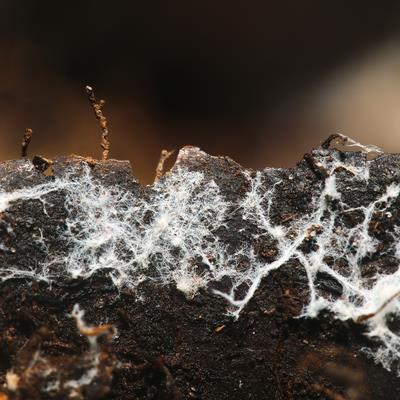
Soil environments are dynamic ecosystems, heavily shaped by both natural processes and anthropogenic activities, such as climate change, pollution, and land-use modifications. Microbial symbioses, encompassing interactions between bacteria, fungi, archaea, and plants, are critical to ecosystem functioning, as they are known to play pivotal roles in nutrient cycling, plant productivity, and maintaining soil health. However, as soils undergo environmental changes, these intricate symbiotic relationships face continuous challenges, requiring adaptive responses from all the biological partners to preserve ecosystem resilience. Despite recent studies continue to uncover the molecular, physiological, and ecological adaptations exploited by these symbiotic systems to cope with changing conditions, yet significant knowledge gaps remain.
This Research Topic aims to investigate the myriad strategies on which microbial symbioses rely at the soil level to withstand and thrive amidst shifting abiotic and biotic stresses. With this scope, we seek to uncover the diversity of adaptive mechanisms that are pivotal for ecosystem resilience; more specifically, we target edge cutting insights into the genetic adaptations, signaling pathways, metabolic plasticity, and community restructuring processes that facilitate these symbiotic interactions. Through this inquiry, we aim to answer key questions and test hypotheses around the efficiency and effectiveness of these adaptations under varied environmental pressures.
The scope of this Research Topic is to encompass a broad range of studies that dissect the adaptation boundaries of microbial symbioses in soils. Articles contributions focus on themes such as:
o Molecular mechanisms underlying adaptation and resilience of microbial symbioses to soil stressors like drought, salinity, temperature fluctuations, and pollutants.
o Evolutionary dynamics that influence symbiotic partnerships under environmental changes.
o The influence of plant-microbe and microbe-microbe interactions on symbiotic efficiency and ecosystem stability.
o The application of advanced methodologies (-omics, bioinformatics, and imaging tools) for in situ analysis of symbiotic adaptation.
o The microbiome engineering for enhanced soil health and crop resilience
o Evolutionary insights that might contribute to a better understanding of the current panorama of symbiotic interactions effectiveness
o Translational approaches utilizing adaptive symbioses for sustainable agriculture and ecosystem restoration.
We encourage submissions of original research articles, reviews, methods papers, and perspectives that advance our understanding of adaptive responses in soil microbial symbioses.
This Research Topic accepts the following article types, unless otherwise specified in the Research Topic description:
Articles that are accepted for publication by our external editors following rigorous peer review incur a publishing fee charged to Authors, institutions, or funders.
Keywords: Microbial symbioses, Soil microbiome, Environmental adaptation, Symbiotic interactions, Adaptation strategies, Climate change, Soil resilience, Environmental stressors, soil health
Important note: All contributions to this Research Topic must be within the scope of the section and journal to which they are submitted, as defined in their mission statements. Frontiers reserves the right to guide an out-of-scope manuscript to a more suitable section or journal at any stage of peer review.

Manuscripts can be submitted to this Research Topic via the main journal or any other participating journal.
Submit your idea
Select the journal/section where you want your idea to be submitted: