YX
ya-ping xiao
Wuhan Third Hospital
Wuhan, China
1,023
Total views and downloads
Submit your idea
Select the journal/section where you want your idea to be submitted:
Manuscript Submission Deadline 30 April 2026
This Research Topic is currently accepting articles.
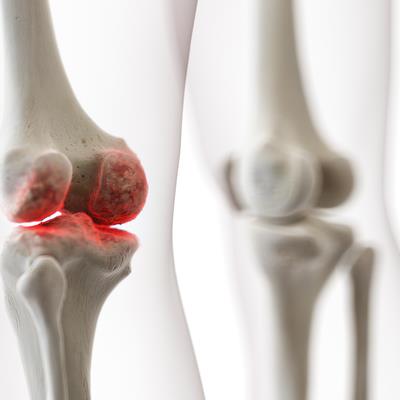
In the field of bone biology, the study of mechanical forces and their impact on bone homeostasis is of paramount importance. These forces are critical for maintaining a dynamic balance in bone health, influencing bone formation and resorption. Current challenges arise when alterations in the mechanical environment—stemming from various factors such as changes in physical activity, aging processes, or pathological conditions like osteoporosis—disrupt this equilibrium, leading to compromised bone strength and density. Recent studies have shed some light on the complexity of these interactions, but significant gaps remain regarding the specific genetic pathways involved and the precise role of various genes in this biomechanical adaptation process.
This Research Topic aims to explore in detail the genetic and molecular mechanisms by which changes in mechanical stimuli influence bone biology. Key objectives include examining genetic expressions and pathways responsive to mechanical load variations and understanding how these pathways regulate osteoblast and osteoclast activity. Prominent genes such as RUNX2, osteopontin, and sclerostin will be at the forefront of this investigation, as they are critical in understanding how mechanical cues translate into cellular responses that maintain or disrupt bone homeostasis. This deeper understanding can lead to the formation of new hypotheses and therapeutic strategies to address bone-related disorders effectively.
To gather further insights within the boundaries of this Research Topic, we welcome articles addressing, but not limited to, the following themes:
-The role of mechanical forces in the regulation of bone genes
-Mechanotransduction pathways and their influence on osteoblast and osteoclast activity
-The impact of mechanical load variations on bone remodeling and density
-Genetic adaptations and epigenetic modifications in response to mechanical disuse or stress
-Novel therapeutic approaches targeting biomechanical pathway alterations in bone diseases
We also welcome a variety of article types including Original Research, Review, Mini Review, Perspective, and Clinical Trial
This Research Topic accepts the following article types, unless otherwise specified in the Research Topic description:
Articles that are accepted for publication by our external editors following rigorous peer review incur a publishing fee charged to Authors, institutions, or funders.
Keywords: Biomechanical, Aging, Bone remodeling, Genetic pathways, Bone homeostasis, Mechanotransduction, Subchondral bone, Degenerative bone disease
Important note: All contributions to this Research Topic must be within the scope of the section and journal to which they are submitted, as defined in their mission statements. Frontiers reserves the right to guide an out-of-scope manuscript to a more suitable section or journal at any stage of peer review.

Manuscripts can be submitted to this Research Topic via the main journal or any other participating journal.
Submit your idea
Select the journal/section where you want your idea to be submitted: