AT
amin talei
Monash University
Melbourne, Australia
1,252
Total views and downloads
Submit your idea
You will be redirected to our submission process.
Manuscript Submission Deadline 29 December 2025
This Research Topic is currently accepting articles.
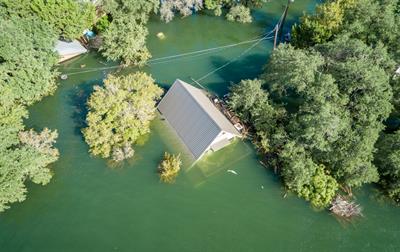
Urban flooding is one of the most pressing challenges facing cities worldwide, exacerbated by rapid urbanization, land-use change, and climate variability. Conventional flood control infrastructure—such as concrete drains, levees, and culverts—has historically focused on containment and diversion. However, these gray infrastructure approaches often prove insufficient under increasingly intense and frequent rainfall events and can contribute to the degradation of urban ecosystems. In contrast, Nature-Based Solutions (NBS) offer a paradigm shift by working with natural processes to manage stormwater, restore hydrological balance, and enhance urban resilience. NBS not only mitigate flood risks but also deliver co-benefits like biodiversity enhancement, air quality improvement, and social well-being. Although the concept of working with nature is not new, its application in modern urban flood management has gained momentum in recent decades. This research topic delves into the evolution of design and implementation strategies that integrate ecosystem resilience into urban planning to mitigate flood risks.
The primary goals of this Research Topic are to:
• Illuminate historical knowledge and traditional practices related to flood management that have been inherently nature-based, offering lessons for contemporary challenges;
• Showcase cutting-edge research and case studies on the planning, design, implementation, and performance of NBS in urban flood contexts;
• Advance interdisciplinary discourse by bringing together insights from engineering, hydrology, urban planning, landscape architecture, ecology, and social sciences;
• Promote resilient urban development by evaluating how nature-based strategies can contribute to climate adaptation, policy reform, and community resilience;
• Encourage critical reflection on barriers, trade-offs, and enablers for mainstreaming NBS within current flood risk governance frameworks.
This Research Topic invites original research articles, reviews, technical notes, and case studies that address—but are not limited to—the following topics:
• Historical and indigenous practices of nature-based flood management in urban settings;
• Comparative performance assessments of NBS vs traditional gray infrastructure;
• Urban hydrological modelling and simulation of NBS under present and future climate scenarios;
• Design and optimization of hybrid green-gray flood management systems;
• Monitoring and evaluation techniques for nature-based flood mitigation;
• Socioeconomic and ecological co-benefits of NBS;
• Policy, governance, and institutional frameworks for implementing NBS in urban flood contexts;
• Community engagement, perception, and equity considerations in NBS planning;
• Integration of digital tools (e.g., remote sensing, GIS, AI) for supporting NBS implementation;
• Nature-based flood solutions in low-income and informal urban settlements
We welcome contributions from diverse geographical regions and contexts.
This Research Topic accepts the following article types, unless otherwise specified in the Research Topic description:
Articles that are accepted for publication by our external editors following rigorous peer review incur a publishing fee charged to Authors, institutions, or funders.
Keywords: flood management, nature-based solutions, urban flood, Sustainability, Hydrological modelling
Important note: All contributions to this Research Topic must be within the scope of the section and journal to which they are submitted, as defined in their mission statements. Frontiers reserves the right to guide an out-of-scope manuscript to a more suitable section or journal at any stage of peer review.
Manuscripts can be submitted to this Research Topic via the main journal or any other participating journal.
Submit your idea
You will be redirected to our submission process.
