IS
ioannis serafimidis
Biomedical Research Foundation of the Academy of Athens (BRFAA)
Athens, Greece
1,600
Total downloads
9,508
Total views and downloads
Submit your idea
You will be redirected to our submission process.
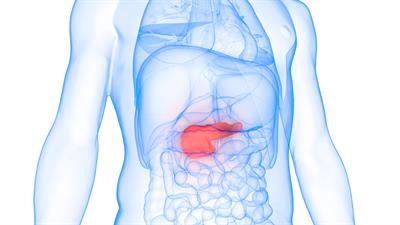
The proper function of the endocrine pancreas relies on a sufficient number of hormone-producing cells, particularly insulin-secreting β-cells, to maintain glucose homeostasis. A deficit in β-cell mass and/or function is a hallmark of both type 1 and type 2 diabetes. Restoring or expanding the functional endocrine cell population remains a central goal in efforts to treat or cure diabetes, and, in this context, understanding the mechanisms governing endocrine cell proliferation throughout embryonic, neonatal and adult life is of paramount importance.
During embryonic development, the pancreas undergoes a highly orchestrated process of progenitor expansion, lineage specification, and differentiation. While this phase establishes the initial endocrine cell population, postnatal life presents unique opportunities for expansion, especially in the neonatal period, when β-cell proliferation is most robust. However, the capacity for endocrine cell proliferation markedly declines with age, and adult β-cells are largely quiescent under physiological conditions. Nevertheless, under certain stress or injury contexts, proliferation or compensatory expansion may be reactivated, offering a potential therapeutic window.
Multiple intrinsic and extrinsic factors, including transcription factors, cell cycle regulators, growth factors, and metabolic cues, have been identified as modulators of endocrine cell proliferation. Recent advances in lineage tracing, single-cell transcriptomics, and epigenomic profiling have deepened our understanding of the molecular circuitry and heterogeneity underlying proliferative capacity in endocrine cells. However, a complete map of the signals that enable or constrain proliferation at different stages of life remains elusive.
This Research Topic aims to compile a collection of Original Research, Reviews, and Perspectives that explore the cellular and molecular mechanisms controlling endocrine cell proliferation in the embryonic, neonatal, and adult pancreas. We welcome studies that focus on β-cells as well as other islet cell types, with the goal of uncovering fundamental principles and therapeutic targets for regenerative strategies. Areas of interest include, but are not limited to:
• Mechanisms of endocrine cell proliferation during embryonic and neonatal development in rodent and human models.
• Age-dependent changes in proliferative capacity and their underlying regulatory networks.
• Responses of endocrine cells to physiological or pathological stimuli that induce proliferation in the adult pancreas.
• Integration of omics technologies to identify proliferation-associated gene regulatory programs.
• Interplay between developmental cues, metabolic environment, and endocrine cell expansion.
This Research Topic seeks to shed light on the diverse and dynamic mechanisms that govern endocrine cell proliferation across the lifespan and to foster new insights into regenerative potential in the context of diabetes and beyond.
This Research Topic accepts the following article types, unless otherwise specified in the Research Topic description:
Articles that are accepted for publication by our external editors following rigorous peer review incur a publishing fee charged to Authors, institutions, or funders.
Keywords: Cell, Pancreas, Proliferation, β-cell, Diabetes, Mechanisms
Important note: All contributions to this Research Topic must be within the scope of the section and journal to which they are submitted, as defined in their mission statements. Frontiers reserves the right to guide an out-of-scope manuscript to a more suitable section or journal at any stage of peer review.
Manuscripts can be submitted to this Research Topic via the main journal or any other participating journal.
Submit your idea
You will be redirected to our submission process.
