FQ
feng qian
Shanghai Jiao Tong University
Shanghai, China
32
Total downloads
1,236
Total views and downloads
Submit your idea
You will be redirected to our submission process.
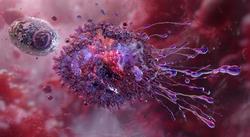
Inflammatory diseases, spanning conditions such as rheumatoid arthritis, inflammatory bowel disease, atherosclerosis, and sepsis, are driven by dysregulated immune responses. Central to these pathologies are phagocytes—macrophages, neutrophils, and dendritic cells—that orchestrate both protective and detrimental inflammatory cascades. Understanding the molecular mechanisms governing phagocyte activation, polarization, and resolution is critical for developing targeted therapies to mitigate chronic inflammation and tissue damage.
The etiology of inflammatory diseases is multifactorial, involving genetic predisposition, environmental triggers, and immune system dysregulation; these factors stimulate the progression of inflammatory diseases by distinct cellular and molecular mechanisms. Understanding the molecular mechanisms of inflammatory disease progression is essential for drug development.
This Research Topic invites original research articles, reviews, and perspectives exploring the mechanisms of phagocyte biology in inflammatory diseases, novel therapeutic targets, and advances in pharmacology to modulate phagocyte function. We aim to highlight interdisciplinary approaches bridging immunology, molecular biology, and translational medicine. Key areas of focus include, but are not limited to:Mechanisms of Inflammatory Diseases:
o Signaling pathways (e.g., NF-κB, NLRP3 inflammasome, TGF-β/Smad) driving phagocyte activation and inflammatory responses.
o Role of phagocyte heterogeneity (e.g., M1/M2 macrophages, neutrophil subsets) in disease progression.
o Interactions between phagocytes and other immune/non-immune cells (e.g., T cells, fibroblasts) in inflammatory niches.
Novel Drug Targets:
o Identification of receptors, cytokines, or metabolic checkpoints (e.g., CD40, IL-1β, mTOR) for therapeutic intervention.
o Emerging strategies to reprogram phagocyte phenotypes (e.g., nanoparticles, gene editing, small molecules).
o Biomarkers for predicting inflammation and treatment responses.
Pharmacology of Inflammatory Diseases:
o Preclinical and clinical studies on anti-inflammatory drugs targeting phagocytes.
o Drug delivery systems (e.g., liposomes, antibody-drug conjugates) to enhance targeting specificity for phagocytes.
o Repurposing existing drugs (e.g., JAK inhibitors, statins) for immunomodulatory purposes.
We welcome contributions that advance our understanding of phagocyte biology and its therapeutic exploitation. Submissions addressing unresolved challenges, such as balancing pro- and anti-inflammatory phagocyte functions or overcoming drug resistance, are particularly encouraged.
This Research Topic accepts the following article types, unless otherwise specified in the Research Topic description:
Articles that are accepted for publication by our external editors following rigorous peer review incur a publishing fee charged to Authors, institutions, or funders.
Keywords: Phagocyte activation, inflammatory diseases, drug targets, immunomodulation, pharmacotherapy
Important note: All contributions to this Research Topic must be within the scope of the section and journal to which they are submitted, as defined in their mission statements. Frontiers reserves the right to guide an out-of-scope manuscript to a more suitable section or journal at any stage of peer review.
Shanghai Jiao Tong University
Shanghai, China
University of Illinois Chicago
Chicago, United States
Hallym University
Chuncheon-si, Republic of Korea
Florida International University
Miami, United States
Shanghai Jiao Tong University
Shanghai, China
Manuscripts can be submitted to this Research Topic via the main journal or any other participating journal.
Submit your idea
You will be redirected to our submission process.
