FB
francesco bellanti
University of Foggia
Foggia, Italy
157
Total downloads
2,491
Total views and downloads
Submit your idea
You will be redirected to our submission process.
Manuscript Submission Deadline 28 February 2026
This Research Topic is currently accepting articles.
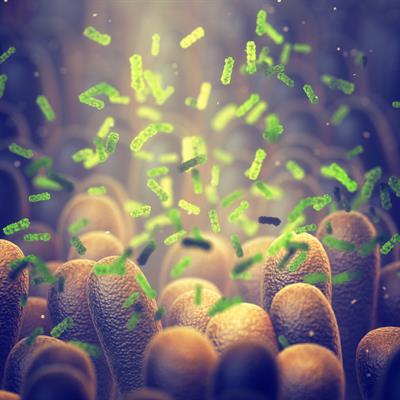
Non-communicable diseases (NCDs), including cardiovascular diseases, diabetes, chronic respiratory diseases, and cancer, represent some of the most significant health challenges of our time. Unlike infectious diseases, NCDs are primarily driven by a combination of genetic, lifestyle, and environmental factors, making their management complex and multifaceted. Meanwhile, the human microbiome, a vast and complex ecosystem of microorganisms residing in and on our bodies, has emerged as a pivotal player in health and disease.
Recent advances in microbiome research have unveiled its significant influences in addressing the multifaceted nature of non-communicable diseases, illuminating the potential of microbiome-derived interventions as innovative strategies and treatments to manage NCDs and aging-related conditions. Prebiotics, probiotics, postbiotics, metabolites, bacterial extracellular vesicles, and natural or synthetic bacterial consortiums are some of the representatives of microbiome-derived therapeutics that potentially revolutionize future healthcare paradigms.
This research topic aims to advance our understanding of microbiome-derived therapeutics and their applications in managing NCDs and healthy aging. By fostering interdisciplinary collaboration, we seek to uncover the underlying mechanisms, and translational applications, and explore future directions and challenges in this rapidly evolving field. Our goal is to leverage the potential of microbiome science to enhance health and lifespan, ultimately improving global health outcomes.
We invite researchers to submit their groundbreaking original research articles, reviews, and case studies to advance the knowledge and contribute to the development of effective microbiome-based therapies. Topics of interest include microbiome-host interactions, therapeutic mechanisms, clinical applications, safety and regulatory considerations, and advancements in technology and synthetic biology. Together, we can pioneer novel approaches to enhance healthspan and lifespan, transforming the landscape of NCD and aging management through the power of the microbiome.
This Research Topic accepts the following article types, unless otherwise specified in the Research Topic description:
Articles that are accepted for publication by our external editors following rigorous peer review incur a publishing fee charged to Authors, institutions, or funders.
Keywords: Microbiome Research, Non-Communicable Diseases, Healthy Aging, Microbiome-Derived Therapeutics, Microbiome-Host Interactions
Important note: All contributions to this Research Topic must be within the scope of the section and journal to which they are submitted, as defined in their mission statements. Frontiers reserves the right to guide an out-of-scope manuscript to a more suitable section or journal at any stage of peer review.
Manuscripts can be submitted to this Research Topic via the main journal or any other participating journal.
Submit your idea
You will be redirected to our submission process.
