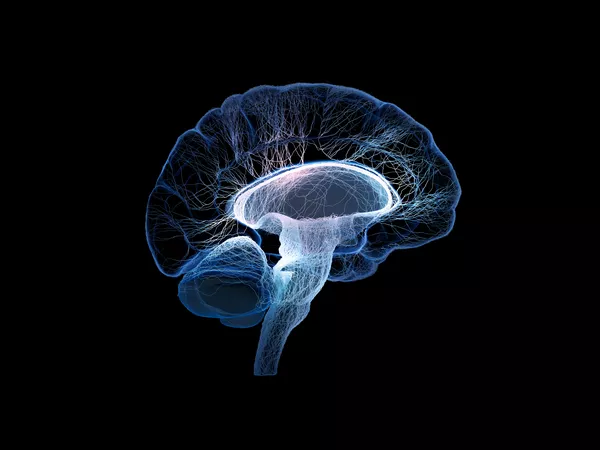
In recent decades biological imaging techniques have significantly improved, driven by the development of advanced optical, computational, and sample preparation techniques. Among these techniques, light sheet fluorescence microscopy (LSFM) has emerged as a powerful tool for high-resolution, low-phototoxicity, and volumetric imaging of whole organs and tissues. LSFM exemplifies how novel imaging platforms can overcome the limitations of traditional 2D histology, enabling unprecedented visualization of complex biological systems in three dimensions. However, LSFM is only one part of a broader wave of innovation in imaging technologies. Advances in confocal and multiphoton microscopy, expansion microscopy, super-resolution techniques, tissue clearing protocols, adaptive optics, and integrative multimodal imaging are dramatically enhancing our ability to analyze biological structures at multiple scales. In neuroscience, these technologies are being used to analyze the brain architecture, neural circuits, development, plasticity, and pathology with increasing clarity and depth.
The large datasets generated by these techniques have created high demands for sophisticated computational tools, including artificial intelligence (AI)-based methods for image segmentation, quantification, and interpretation. These tools are essential for extracting meaningful biological insights and enabling high-throughput, reproducible analysis.
This research topic aims to bring together contributions that reflect the state-of-the-art in imaging technologies, particularly as applied to neuroscience. We welcome submissions that address both technological innovations and computational advancements, as well as emerging applications and ongoing challenges.
We invite Original Research, Reviews, Mini Reviews, and Perspectives on themes including, but not limited to:
o Quantitative image analysis and AI-based data processing workflows
o Applications of advanced imaging in neuroscience
o Integration of imaging with molecular, genetic, or electrophysiological data
o Challenges in data management, scalability, resolution, and interpretability
This research topic aims to highlight how innovations in imaging technologies are transforming our understanding of the brain and advancing discovery in neuroscience.
Article types and fees
This Research Topic accepts the following article types, unless otherwise specified in the Research Topic description:
Brief Research Report
Case Report
Clinical Trial
Community Case Study
Curriculum, Instruction, and Pedagogy
Data Report
Editorial
FAIR² Data
FAIR² DATA Direct Submission
Articles that are accepted for publication by our external editors following rigorous peer review incur a publishing fee charged to Authors, institutions, or funders.
Article types
This Research Topic accepts the following article types, unless otherwise specified in the Research Topic description:
Important note: All contributions to this Research Topic must be within the scope of the section and journal to which they are submitted, as defined in their mission statements. Frontiers reserves the right to guide an out-of-scope manuscript to a more suitable section or journal at any stage of peer review.