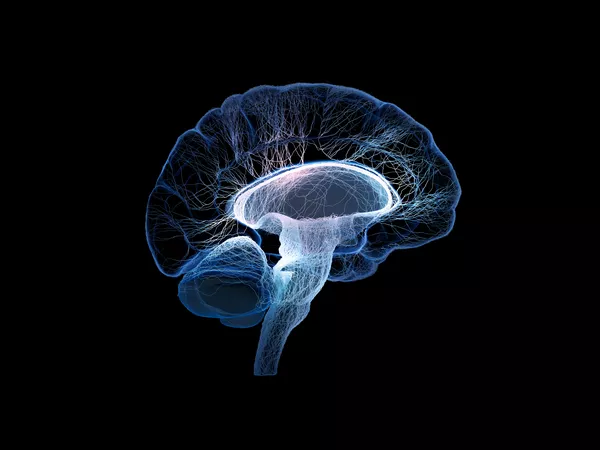
Brain energy metabolism is fundamental to neural health, and its disruption represents a common hallmark across neurological diseases. Glucose hypometabolism, consistently detected by 18F-FDG PET, characterizes Alzheimer’s disease, Parkinson’s disease, Huntington’s disease, ALS, and depression, often preceding clinical symptoms. However, the mechanisms underlying this deficit remain incompletely understood, encompassing impaired glucose transport, mitochondrial dysfunction, oxidative stress, neuroinflammation, and neuronal hyperexcitability. Dynamic interactions among neurons, astrocytes, oligodendrocytes, microglia, and endothelial cells further shape metabolic vulnerability and influence disease progression.
This Research Topic seeks to advance understanding of how neurometabolic pathways fail in neurological disorders and to explore therapeutic strategies aimed at restoring brain energy balance. We welcome mechanistic and translational studies that address molecular drivers, biomarkers, and novel interventions, with particular interest in metabolic modulators such as GLP-1 receptor agonists, insulin, metformin, ketogenic approaches, mitochondrial protectants, and agents targeting glycolysis or lactate shuttling.
We invite contributions on, but not limited to, the following themes: • Molecular and cellular drivers of hypometabolism and mitochondrial impairment • Glial and vascular regulation of neurometabolic health • Neuroinflammation, oxidative stress, and excitotoxicity in energy imbalance • Advances in metabolic imaging (e.g., 18F-FDG PET, MR spectroscopy) and biomarker development • Preclinical and clinical evaluation of metabolic interventions
By integrating molecular mechanisms with translational perspectives, this collection aims to define novel metabolic targets and accelerate the development of therapies for neurological disorders.
Article types and fees
This Research Topic accepts the following article types, unless otherwise specified in the Research Topic description:
Brief Research Report
Case Report
Clinical Trial
Community Case Study
Data Report
Editorial
FAIR² Data
FAIR² DATA Direct Submission
General Commentary
Articles that are accepted for publication by our external editors following rigorous peer review incur a publishing fee charged to Authors, institutions, or funders.
Article types
This Research Topic accepts the following article types, unless otherwise specified in the Research Topic description:
Important note: All contributions to this Research Topic must be within the scope of the section and journal to which they are submitted, as defined in their mission statements. Frontiers reserves the right to guide an out-of-scope manuscript to a more suitable section or journal at any stage of peer review.