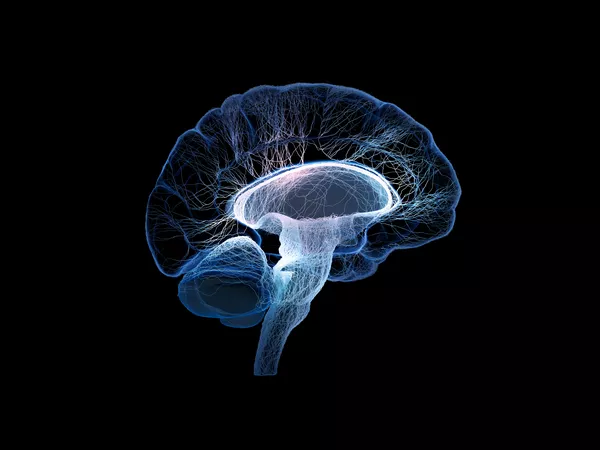
Delirium is an acute confusional state characterised by sudden and fluctuating disturbances in attention, cognition, and awareness. It can arise from diverse precipitating factors, including infection, metabolic imbalance, polypharmacy, and acute illness, and is associated with increased morbidity, prolonged hospitalisation, accelerated cognitive decline, and higher mortality. Despite its prevalence and clinical impact, delirium remains under-recognised and under-prioritised across healthcare settings. Early identification is critical: timely recognition and management can improve recovery, whereas delayed detection increases the risk of poor outcomes. Clinically, delirium presents in hyperactive, hypoactive, or mixed subtypes, with hypoactive delirium particularly prone to under-detection. Diagnostic complexity is further compounded by overlap with dementia, especially in delirium superimposed on dementia.
This Research Topic aims to advance translational neuroscience approaches to delirium by integrating neurobiological understanding with clinical and implementation perspectives that shape real-world recognition and management. Progress in delirium care depends not only on elucidating underlying mechanisms, but also on translating this knowledge into effective diagnostic, preventive, and therapeutic strategies across diverse care environments. By bringing together experimental, translational, and applied research, this Topic seeks to strengthen pathways from mechanistic insight to improved clinical outcomes.
We welcome contributions spanning basic, translational, and clinical neuroscience. Topics of interest include, but are not limited to:
• Neurobiological mechanisms underlying delirium, such as neuroinflammation, oxidative stress, and cholinergic dysfunction • Risk prediction strategies and biomarker development relevant to delirium onset, severity, or outcomes • Novel diagnostic and monitoring tools, including EEG, neuroimaging, and digital health approaches • Pharmacological and non-pharmacological interventions for delirium prevention and management, particularly those grounded in mechanistic or translational frameworks • Long-term cognitive and functional outcomes following delirium, with relevance to brain health and recovery
In addition, we welcome qualitative, mixed-methods, and implementation-focused studies where these approaches inform the translation of neuroscience knowledge into clinical practice. This includes research on delirium recognition, communication, care practices, training, and organisational implementation. Studies addressing delirium in specific contexts - such as intensive care, perioperative care, geriatrics, palliative care, or residential care - as well as work involving vulnerable populations, including individuals with dementia or COVID-19-related neuropsychiatric complications, are encouraged when clearly linked to translational or mechanistic insight.
By integrating neurobiological understanding with translational and implementation pathways, this collection aims to support earlier recognition, more targeted interventions, and evidence-informed practice, ultimately improving outcomes for people affected by delirium.
Article types and fees
This Research Topic accepts the following article types, unless otherwise specified in the Research Topic description:
Brief Research Report
Case Report
Conceptual Analysis
Data Report
Editorial
FAIR² Data
FAIR² DATA Direct Submission
General Commentary
Hypothesis and Theory
Articles that are accepted for publication by our external editors following rigorous peer review incur a publishing fee charged to Authors, institutions, or funders.
Article types
This Research Topic accepts the following article types, unless otherwise specified in the Research Topic description:
Important note: All contributions to this Research Topic must be within the scope of the section and journal to which they are submitted, as defined in their mission statements. Frontiers reserves the right to guide an out-of-scope manuscript to a more suitable section or journal at any stage of peer review.