TP
tünde pusztahelyi
University of Debrecen
Debrecen, Hungary
1,334
Total downloads
12k
Total views and downloads
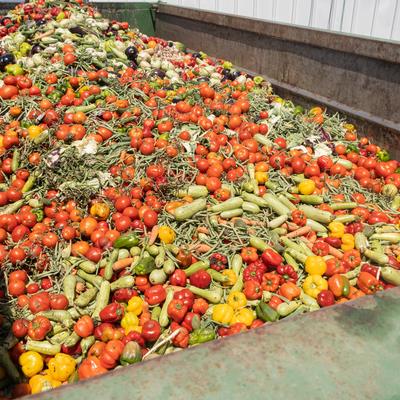
In the field of sustainable agriculture and waste management, the microbial degradation of agricultural waste presents a sustainable and eco-friendly solution to managing farm residues while enhancing soil fertility and reducing environmental pollution. Current disposal practices often fall short, causing environmental harm and preventing the efficient reuse of organic waste. Various microorganisms, including bacteria such as actinomycetes, and fungi, play a crucial role in breaking down complex organic compounds into simpler, beneficial substances. These microbes facilitate the decomposition of lignocellulosic materials, releasing essential nutrients that improve soil health and support plant growth.
Biotechnological advancements, such as microbial consortia and genetically modified strains, have further enhanced the efficiency of waste degradation. Techniques like composting, anaerobic digestion, and enzymatic treatments harness microbial activity to convert agricultural residues into biofertilizers, biofuels, and other valuable by-products. These methods minimise waste accumulation and contribute to a circular bioeconomy by promoting resource recovery and sustainable farming practices.
Microbial degradation of agricultural waste offers a promising approach to sustainable waste management. Agriculture can reduce its ecological footprint by leveraging microbial processes while promoting soil enrichment and renewable energy production. Continued advancements in microbial biotechnology and waste management strategies will be key to achieving long-term environmental and economic benefits in the agricultural sector. This Research Topic aims to identify the most effective microbial processes and conditions that facilitate turning waste into useful and environmentally friendly products.
Despite the advantages, these processes face challenges, including variations in environmental conditions, slow degradation rates of certain residues, and the need for optimized microbial strains. We welcome Original Research, Reviews, Methods, and Perspectives on the following themes:
• Identification and characterization of critical microbial strains that aid in efficient waste breakdown;
• Development of biotechnological advancements to improve microbial efficiency;
• Methods to escalate microbial degradation processes to meet industrial demands;
• Integrating microbial degradation methods with modern agricultural practices;
• Microbial degradation of agricultural wastes to produce biofuel.
Please note that Microbiotechnology does not consider descriptive studies that are solely based on amplicon (e.g., 16S rRNA) profiles or comparisons of nucleic acid extracts (e.g., metagenomics), unless they are accompanied by a clear hypothesis and experimentation and provide insight into the microbiological system or process being studied.
Keywords: Microbial Degradation, Agricultural Waste Management, Sustainable Agriculture, Resource Recovery, Microorganisms in Agriculture, Compost Production, Microbial Waste Transformation, Bioenergy Generation
Important note: All contributions to this Research Topic must be within the scope of the section and journal to which they are submitted, as defined in their mission statements. Frontiers reserves the right to guide an out-of-scope manuscript to a more suitable section or journal at any stage of peer review.
