 Tanima Chakraborty Dey
 Daisy Gohain
 Tiny Tanushree Gohain
- 1Department of Journalism and Mass Communication, Panihati Mahavidyalaya, Kolkata, India
- 2School of Social Sciences and Languages, Vellore Institute of Technology, Chennai, Tamil Nadu, India
- 3Department of Management, Brainware University, Kolkata, India
Purpose: Facebook has rapidly emerged as a leading social media platform, with many women increasingly using it for entrepreneurial activities. This study aims to examine the factors having relationship with satisfaction of women entrepreneurs participating in business groups (consortiums) on Facebook in India with particular focus on socio-demographic variables, competitiveness, and association with other consortiums.
Methods: For this study, the garment sector was randomly selected, and 300 completed data were collected using the snowball sampling method. By employing binary logistic regression this study tries to examine the relationship between socio demographic variables, including time spent in Facebook consortiums, source of income, competitiveness, and association with other consortiums.
Results: The findings disclose that higher levels of income, competitiveness, association with other consortiums have significant positive relationship with women entrepreneurs’ satisfaction within Indian context.
Limitations/Implications: This study contributes to literature positioning women’s digital entrepreneurship specially in an emerging economy, and also presents insights on how online consortiums could shape women entrepreneurial satisfaction. Limitations and scope of future research have been discussed to guide future studies on satisfaction of women entrepreneurs in digital ecosystems. Based on the insights, theoretical, and practical implications were discussed.
Introduction
Facebook has become one of the fastest growing social networking platforms, offering a wide range of features for its users. Alongside personal profiles, the number of Facebook groups has been rapidly increasing. In Kolkata, many women entrepreneurs are increasingly recognizing the value of this platform for business communication (Robertson and Kee, 2017). Through various formats such as photos, videos, voice notes and text, they can effectively communicate their messages to their target audience. Effective communication is crucial for business, as it helps entrepreneurs engage and encourage their customers to explore their products or services. However, many woman entrepreneurs are hesitant to embrace e-business due to concerns about digital threats. Despite this, active participation in social networking sites is essential for the success of e-business ventures (Al-Boinin et al., 2025). Through extensive research on Facebook, it has been discovered that many women entrepreneurs are conducting business through their personal profiles, while others are actively participating in various business groups (consortiums). Facebook is a user-friendly platform allows users to post or share contents such as videos, text and images, which can be evaluated through likes or dislikes. This feature significantly expands the potential to reach a large and diverse audience. In recent years social media has grown significantly and is widely used by people across society. Facebook provides its users with the ability to create their own advertisements directly from their accounts, allowing them to reach their target audience (Saleem et al., 2025). In summary, by creating a personal account on Facebook, users can easily build a community using a “snowball” approach and leverage the platform for their business. It is a convenient, user-friendly platform that allows individuals to socialize, promote their products and services, and connect with their large audience either individually, or through a consortium, thereby reaching a broader customer base. Key themes such as negotiating content, accessing family resources, and achieving status are crucial in understanding how woman entrepreneurs validate their business activities, navigate family and social expectations, and find fulfillment in their work (Sarker et al., 2025).
In business consortiums on Facebook, entrepreneurs face competition with other entrepreneurs of the same kind of business. Though personal timeline users are free from such competition, there the problem is about the network. The business consortium offers a broader network, but entrepreneurs are not free to post anything in their leisure time. Freedom of the entrepreneur is an important element of business communication. Here freedom refers to the freedom of selecting the time of communication and freedom from asking permission from an admin. In business groups/consortiums, the entrepreneur needs to ask permission from the admin to approve their post or interaction timing. The sole purpose of this study is to analyze the relationship between socioeconomic factors, levels of income, competitiveness, association with other consortiums and satisfaction level of women entrepreneurs in Facebook consortiums.
Theoretical framework
This study is based on Social Capital Theory (SCT) founded by Coleman (1988), and Social Exchange Theory (SET) propounded by Blau (1964) to explain the relationship between socio economic factors and the satisfaction of women entrepreneurs using Facebook consortiums for their small and medium sized business activities. Social Capital Theory (SCT) highlights that social networking and creating relationships contains very important resources that could facilitate information access, cooperation, and trust. Women entrepreneurs using Facebook consortiums depend on e-social capital (digital connections, digital group interactions, and supports) and this could enhance their emotional wellbeing. Time utilized in consortium activities, intensive competitions faced, and diverse networking associations can lead to the development of social capital. This can satisfy the entrepreneurs and improve entrepreneurial outcomes.
Again, according to Social Exchange Theory (SET), an individual engages in social interactions, which could be a business interaction, when they feel that the benefits they enjoy from such exchanges outweigh the cost associated with it. In the framework of Facebook consortiums, the women entrepreneurs invest their valuable time, effort, and resources with some expectation of receiving tangible as well as intangible rewards in terms of business growth, knowledge sharing, networking opportunities, as well as emotional support. Various factors such as, age, education, experience, income, and number of consortiums joined determine the extent to which these entrepreneurs value their own participation, and thereby, influence their levels of satisfaction. Hence, by integrating both the theories would enable a detailed understanding highlighting how socio economic factors could influence women entrepreneurs engaged in Facebook consortia.
According to Social cognitive theory (SCT), an individual’s behavior depends on environment, personal factors, and behavioral outcomes (Bandura, 1986). Women entrepreneurs engaged in Facebook consortiums could observe and learn from online social environment. Self efficacy, an important factor of SCT, determines how entrepreneurs take challenges, then exert effort, and remain persistent in business activities. According to Technology adoption model, an individual adopts technology based on its usefulness and ease of use due to simplicity and user-friendliness (Davis, 1989). When women entrepreneurs perceive the facebook consortium platform as useful and user-friendly as it contributes to more learning, networking and marketing, their satisfaction and motivation also increases. Again, Social network theory focuses on how networking influences an individual’s behavior (Barnes, 1954). Strength in networks and diversity in networking plays an important role in enhancing satisfaction of women entrepreneurs. According to feminist entrepreneurship theory and research approach (Akter et al., 2019; Tickner, 2011), female voice is highlighted and supported and gender equality is encouraged, as women manage to run businesses from home while balancing work and familial responsibilities, particularly in India where women play a pivotal role in managing household duties.
Literature review and hypothesis development
Women entrepreneurs in Facebook consortiums
Women entrepreneurship involves women establishing, running and leading businesses, which not only strengthens their financial independence but also improves their social and economic position. It plays a key role in empowering woman and increasing their impact and presence in society (Luthfia et al., 2025). A qualitative study exploring the impact of information sharing and innovation found that sharing knowledge and information significantly enhances the performance of women entrepreneurs. As a result, social capital is crucial in fostering the growth of the creative industries led by women entrepreneurs (Setini et al., 2020). Education, skills, and training are the three main factors that influence the growth and success of women entrepreneurs in the UAE (Al Matroushi et al., 2020).
On social media, women leverage these platforms to advance their entrepreneurial ventures. Social media helps them collaborate with other entrepreneurs, fostering a community that opens doors for connections with other small and medium-sized enterprises (SMEs). Through social media, women entrepreneurs can effectively balance their personal lives and business pursuits, thereby promoting their empowerment (Dewi, 2020). Social media serves as a crucial platform for launching new businesses, allowing women with limited digital knowledge to use smart phones to manage and promote their ventures. This approach is cost-effective, as it does not require a large initial investment. Social media also plays a key role in both the survival and growth of businesses by facilitating networking opportunities. However, this impact extends to both their social and personal lives.
Facebook is a widely used platform by women entrepreneurs in Pakistan, where they play an essential role in the national economy. Many women entrepreneurs operate businesses in sectors such as fashion accessories, clothing, cosmetics, event planning, homemade food, household products, and online marketing. It has been noted that some women engage in entrepreneurial activities during their free time on Facebook, as the platform provides various features beyond just social interaction (Zulqarnain et al., 2020).
The digital platform is ideal for starting a business, especially for urban dwellers. The shared economy can be facilitated through digital marketing, particularly on social media. This accessible platform provides numerous features, enabling entrepreneurs to easily launch their businesses (Sutherland et al., 2025). A study explores how low-income families perceive the development of their economy through buy-and-sell groups on Facebook. Their observation reveals a significant level of deprivation among their group members including social and cultural terms. It has been found that Facebook provides a channel for earning additional revenue and it can be done without investment costs (Singh et al., 2025). In developed nations, the resurgence of subsistence entrepreneurs, fuelled by the structural, cognitive, and relational aspects of social capital embedded in peer-to-peer platforms, presents a valuable insight and challenge for public policymakers overseeing the regulation of the sharing economy. The activities of digital subsistence entrepreneurs primarily focus on sustaining their businesses rather than driving transformative change. These entrepreneurs fulfil not only financial needs but also offer valuable opportunities for family time. Additionally, they provide both practical and symbolic benefits, such as connecting with new people and boosting self-esteem (Azab and Elsherif, 2025).
Social networking sites offer a valuable platform for business team communication, but they differ from traditional, richer communication channels. Most business professionals believe that traditional media is more effective, and they emphasize the importance of face-to-face communication for better team interaction. However, a smaller group of business professionals argue that enterprise social networking platforms actually foster more effective face-to-face communication. The study also found that “Business professionals who use enterprise social networking platforms are more likely to recognize their advantages” (Juneja et al., 2025).
In recent years, blockchain consortia have gained popularity among businesses seeking to harness the power of blockchain technology. These consortia represent a new form of inter-organizational collaboration aimed at addressing business challenges and improving cooperation. Blockchain consortia can be categorized into two types: the first is business-oriented, focused on solving business problems and fostering better collaboration among members; the second is technology-oriented, designed to provide a universal infrastructure that can be utilized by various types of businesses (Zavolokina et al., 2020). A blockchain consortium enhances the quality of management by facilitating more frequent information exchange due to the adoption of digital technology. In terms of quality management, the consortium ensures the authenticity of information and guarantees the security and transparency of content. The trust and collaboration within consortia contribute to the improvement of management quality (Zhong et al., 2020).
A consortium in social media refers to a group of entrepreneurs who exchange information about their products and business practices. Entrepreneurs can share their challenges and seek solutions from other group members. When it comes to the concept of a consortium, Facebook business groups serve a similar role to that of a blockchain consortium. In these business groups, members not only share details about their products and services but also request help with solving specific problems. Additionally, the business groups provide valuable insights into market trends and other relevant information (Mridha et al., 2025).
So, social media consortiums such as Facebook, are significant enablers by providing peer supports, shared learning, and access to markets (Al-Omoush and Shuhaiber, 2024). Women using this platform can network, exchange resources, and enhance self-efficacy which is very important in influencing women entrepreneurs’ satisfaction levels (Van der Westhuizen and Mdlalose, 2025). There are many prior studies that highlight social media’s specifically, Facebook consortiums’ participation in fostering entrepreneurial orientation and confidence levels in managing business challenges (Brahem and Boussema, 2023; Camacho and Barrios, 2022; Fan et al., 2021; Susanto et al., 2023). However, to what extent such online engagements bring about overall entrepreneurial satisfaction especially in the context of Indian emerging economies require more studies. Consequently, to understand how demographic and socio-economic factors influence satisfaction among women entrepreneurs becomes certainly essential. Based on this foundation, the current study presents the following development of hypothesis.
Hypothesis development
Age, education, primary source of income, monthly income, entrepreneurial experience, time spent in Facebook consortiums, number of consortiums associated with the entrepreneurs could be considered as powerful demographic factors that could affect entrepreneurial satisfaction.
Age of women entrepreneurs and women entrepreneurs’ satisfaction
Age impacts risk aversion of the entrepreneurs. Research has also shown that younger entrepreneurs exhibit higher digital adaptability, while the older entrepreneurs are more associated with stable business networks. Studies have also shown that age influences innovation attitude, networking, and the satisfaction levels of the entrepreneurs (Parasuraman and Colby, 2015). Also, prior studies have found that as age increases, individuals give more priority to emotionally meaningful goals in order to achieve personal satisfaction (Kooij et al., 2011). Other studies have also found that older entrepreneurs have achieved their career goals that has resulted in satisfactory income levels (Gielnik et al., 2012). Based on above varied findings pertaining to the relationship between age and entrepreneurs’ satisfaction levels, the following hypothesis has been proposed.
Hypothesis 1: Age has a significant effect on women entrepreneurs’ satisfaction.
Education of women entrepreneurs and women entrepreneurs’ satisfaction
Education is important as it can enhance digital skills, competence, and strategic decision making. Highly qualified women entrepreneurs are more capable of utilizing digital tools effectively. This in turn can enable them to accomplish greater satisfaction from their digital consortiums. Previous research have shown that having attained educational qualification could improve self-efficacy (Wang X. et al., 2023; Zhang, 2022), adaptability (Wang S. et al., 2023), confidence in online business environment. Many prior studies have been conducted to understand how entrepreneurship education in higher educational institutions impacts the satisfaction of entrepreneurs (Ingalagi et al., 2021; Zhou and Zhou, 2022). Also, prior studies have found that women entrepreneurs with lower education have reported lower wellbeing and satisfaction (Love et al., 2024). As education is an important factor that influences satisfaction levels of entrepreneurs, this study would like to understand if there is any relationship between education levels of women entrepreneurs and their satisfaction using Facebook business consortiums. Therefore, the following hypothesis has been proposed.
Hypothesis 2: Education has a significant effect on women entrepreneurs’ satisfaction.
Source of income of women entrepreneurs and women entrepreneurs’ satisfaction
Source of income plays a crucial part in deriving satisfaction amongst entrepreneurs. If the entrepreneurs solely depend on their business as main income source, they may face higher stakes compared to the entrepreneurs whose income from the business is a secondary source of income for their families and this add on some extra income for their families. Previous studies have also shown that strong desire for income has influenced entrepreneurial satisfaction (Boyce et al., 2010; Clark and Oswald, 1996). Pertaining to women’s income through home based entrepreneurship or using social media platforms is growing specially in emerging economies as it enables to enhance the economic situation of the families. Women entrepreneurship as secondary source of income also enhances the status of women and their family wellbeing (Muhammad et al., 2021). Therefore, based on the previous studies and to understand the relationship between the women entrepreneurs’ sources of income (primary or secondary) and their satisfaction levels, the following hypothesis has been proposed.
Hypothesis 3: Source of Income has a significant effect on women entrepreneurs’ satisfaction.
Monthly income of women entrepreneurs and women entrepreneurs’ satisfaction
Monthly income shows the performance of a business and also about the success of entrepreneurial activities. Higher income means higher sense of empowerment, achievement, and satisfaction. Women engage in entrepreneurship to earn an income. This is seen more in developed nations. However, due to income issues, women in underdeveloped nations have also entered entrepreneurship (Minniti and Naudé, 2010). Previous studies have shown that greater income has positive correlation with entrepreneurial wellbeing, success and satisfaction (Dvouletý, 2024; Ravina-Ripoll et al., 2021). Based on the previous studies where this relationship between monthly income and satisfaction of women entrepreneurs have been conducted in many developed nations, this research also tries to understand whether similar relationship exists among Indian women entrepreneurs from small and medium scale industries engaged in Facebook business consortiums. Therefore, the following hypothesis has been proposed.
Hypothesis 4: Monthly Income has a significant effect on women entrepreneurs’ satisfaction.
Experience of women entrepreneurs and women entrepreneurs’ satisfaction
Experience is also an important determinant of entrepreneurs’ satisfaction. With experience skills improve, confidence levels increase, and coping strategies improve (Brush C. et al., 2009; Brush C. G. et al., 2009). Success and failure of entrepreneurs depend on their experience (Agarwal et al., 2022). Successful entrepreneurs are happy and satisfied. Women entrepreneurs gain experience by handling various challenges, and by accomplishing business growth. This increases their satisfaction levels. This study tries to understand the relationship between the experience gained by Indian women entrepreneurs engaged in Facebook consortiums and their satisfaction levels. Therefore, the following hypothesis has been proposed.
Hypothesis 5: Experience has a significant effect on women entrepreneurs’ satisfaction.
Time spent in business and women entrepreneurs’ satisfaction
Usage of time is yet another important contributor towards satisfaction of women entrepreneurs. Intertwining of professional time and personal time and state of flow during work time can impact the growth and satisfaction of women entrepreneurs in developing countries (Ruiz-Martínez et al., 2023). When female entrepreneurs having the competence to fulfil personal and life responsibilities that require time skilfully, are seen as more satisfied (De Clercq et al., 2021). Very few research have been conducted in this area to understand if the amount time spent in business everyday has any relationship with entrepreneurial satisfaction. Hence, this study tries to find if there exists such relationship between time spent by women entrepreneurs on their Facebook consortium business and their satisfaction. Therefore, the following hypothesis has been proposed.
Hypothesis 6: Time spent in business has a significant effect on women entrepreneurs’ satisfaction.
Association with other consortiums and women entrepreneurs’ satisfaction
It is seen in previous research that association with various online networks can lead to satisfaction of women entrepreneurs. Such association can facilitate women entrepreneurs with advice, information, locus of control and also satisfy entrepreneurs’ need for affiliation (Arregle et al., 2015; Asante and Affum-Osei, 2019; Jha and Venkatesh, 2023). There are several research conducted regarding trust and satisfaction (Pang and Zhang, 2024), social networking and satisfaction (Alam et al., 2022; Shafiq et al., 2023), belongingness and satisfaction, however, research related to association with other consortiums and satisfaction levels of women entrepreneurs engaged in Facebook consortiums are very rare. Hence, this study tries to find the relationships between association with other consortiums and satisfaction levels of women entrepreneurs engaged in Facebook consortiums. Based on the above studies, the following hypothesis has been proposed.
Hypothesis 7: Association with other consortiums has a significant effect on women entrepreneurs’ satisfaction.
Competitive performance and women entrepreneurs’ satisfaction
Competitive performance is yet another important factor that can satisfy women entrepreneurs. Previous studies have shown that positive emotions spur competitive performance and this leads to satisfaction among entrepreneurs (De Clercq et al., 2021). Strong networking can keep entrepreneurs competitive and satisfied (Jha and Venkatesh, 2023). One must be competitive enough to develop in business (Kyrgidou et al., 2021). Therefore, this study tries to understand if there is any relationship between competitive performance of women entrepreneurs engaged in Facebook business consortiums and their levels of satisfaction from Indian women entrepreneurs’ context. Hence, based on the previous research, the following hypothesis has been proposed.
Hypothesis 8: Competitiveness has a significant effect on women entrepreneurs’ satisfaction.
Research gap
Although we could see that Facebook has been the most widely researched area under social media platforms, however, Facebook as business ecosystem platform for women entrepreneurs still remains underexplored in contemporary research specific to Indian emerging economy. Facebook studies have previously focussed on marketing communication, social networking, user behavior (John and Walford, 2021; Mazzucchelli et al., 2021; Lau et al., 2022), and more current studies emphasize on Tik Tok and Instagram platforms (Feldkamp, 2021; Wahid et al., 2023). However, the recent research evidences suggest that Facebook still continues to remain an important business platform (Kraus et al., 2022), specially for micro and small enterprises led by women due to high accessibility, peer networking, and community support (Baú, 2025; Kol and Lissitsa, 2024; Dodson, 2024; Macca et al., 2024; Ditta-Apichai et al., 2024). There are also many prior studies that highlight social media’s specifically, Facebook consortiums’ participation in fostering entrepreneurial orientation and confidence levels in managing business challenges (Brahem and Boussema, 2023; Camacho and Barrios, 2022; Fan et al., 2021; Susanto et al., 2023). However, to what extent such online engagements bring about overall entrepreneurial satisfaction especially in the context of Indian emerging economies require more studies. Further, we could see that post pandemic brought digital transformation that intensified social media consortia for market access and business continuity (Jibril et al., 2024; Tomei et al., 2024). Despite of Facebook’s growing importance, there are few studies that examined satisfaction levels of women entrepreneurs who are engaged with Facebook small and medium scale business networks, especially in terms of their socio-economic status. Therefore, to understand how demographic and socio-economic factors influence satisfaction among women entrepreneurs becomes certainly essential. Therefore, this study addresses this gap by exploring how Facebook consortia satisfies women entrepreneurs of different socio-economic status in post pandemic economy from Indian context.
Materials and methods
Measures
A conceptual model has been developed in order to achieve the objective of this research. The hypotheses have been framed showing the relation between age, education, source of income, monthly income, experience, time spent in business, and association with other consortiums with the satisfaction of women entrepreneurs and are represented in Figure 1.

Figure 1. Conceptual framework. Source: Authors’ own source.
The responses were collected via a structured questionnaire. It was a multiple-choice close-ended questionnaire where responses were given and respondents have chosen their answers. The questions were made out of keeping the objectives in mind so that we can conclude the results accordingly.
The questionnaire is divided into two sections. Section A consisted of socio-demographic questions pertaining to women entrepreneurs (age, educational qualification, source of income, monthly income, experience, time spent in business, and association with other consortiums). Section B consisted of a question related to satisfaction of women entrepreneurs using Facebook consortium with Cronbach alpha value of 0.895, which shows that the scale is reliable. The satisfaction item was measured using 5-point Likert scale and then the same was dichotomized for analysis. Responses (4-Agree, 5-Strongly agree) has been coded 1 = Satisfied, while responses (1-Strongly Disagree, 2-Disagree, 3-Neutral) has been coded 0 = Not Satisfied. Chi-Square and logistic regression analysis was conducted using the dichotomized variable. Initially the questionnaire was designed and evaluated by six academic experts on entrepreneurship and four entrepreneurs. Before the questionnaire was distributed, to target participants, a pilot study was conducted involving 100 individuals to ensure the effectiveness and appropriateness of the measurement instrument (refer Appendix I).
Sample
The study is analytical in nature. While reaching the objectives we have collected responses from the women entrepreneurs of the same category. In various studies, it has been found that most women entrepreneurs are doing business in clothing, fashion jewellery, food, and cosmetic items. We selected the garment sector randomly and followed the snowball sampling method to collect data from the population. The respondents are chosen from the urban areas of Kolkata (West Bengal).
Data was collected from 384 women respondents using Business Groups on Facebook through snowball sampling technique from 1st January 2025 to 1st March 2025. As there was no exhaustive database of women entrepreneurs using Facebook consortiums, hence, snowball sampling technique was employed to collect data from this hard to reach population through personal networks within Facebook communities (Biernacki and Waldorf, 1981; Etikan et al., 2016). Three months were taken for complete data collection process. The data was collected anonymously, upon voluntary participation, through online after obtaining informed consent from the respondents. However, subsequent to data cleaning process, only 300 complete responses were taken for analysis. Pertaining to the adequacy of sample size for conducting binary logistic regression, Events Per Variable (EVP) criteria (Peduzzi et al., 1996) was applied. As there were 242 respondents (events) who “agreed” satisfaction, and there are 8 predictor variables, the EVP value calculated was 30.25 which exceeds the recommended threshold value of 10. Hence, the sample size is adequate. We have also conducted non response bias test where we compared the first 100 responses with the last 100 responses and no significant difference between the two groups were found.
Analysis
Common method variance
Initially, frequency distribution was used to explore the socio-economic characteristics and satisfaction of women entrepreneurs related to their businesses through Facebook. Tables and charts have been used to show the descriptive statistics and cross-tabulations have been done using MS Excel. The statistical analysis has been performed in SPSS software package version 22.0 and STATA 12. The chi-square test was used to show the association between variables. The target groups were divided based on their age, education, how much time they spend on Facebook in a week, how many numbers of the group they access (consortium), their monthly income, the primary source of income of their family, Competition in entrepreneurship, etc. have been evaluated to reach the conclusion of objectives mentioned above. Also, regression analysis has provide the multicollinearity report with Variance Inflation Factors (VIF) and the VIF values were found to be below 3, meaning no multicollinearity issues seen in this study. The VIF values are presented in collinearity diagnostics (Table 1). Here, “satisfaction of women entrepreneurs” is considered as dependent variable.

Table 1. Collinearity diagnostics.
For the multivariate analysis, a binary logistic regression model is used because of the dependent variable, the satisfaction level of the entrepreneur (Satisfied = 0 or not Satisfied = 1). While “age”, “education level”, “source of income”, “number of consortiums”, “experience”, “spent time”, “monthly income”, and “competitiveness” are taken as independent variables. A binary logistic regression model for the satisfaction level of entrepreneurs is carried out to determine the various factors such as age, income, experience, etc. to relate to entrepreneurs’ business satisfaction. The variables used are mentioned in the given Table 2.
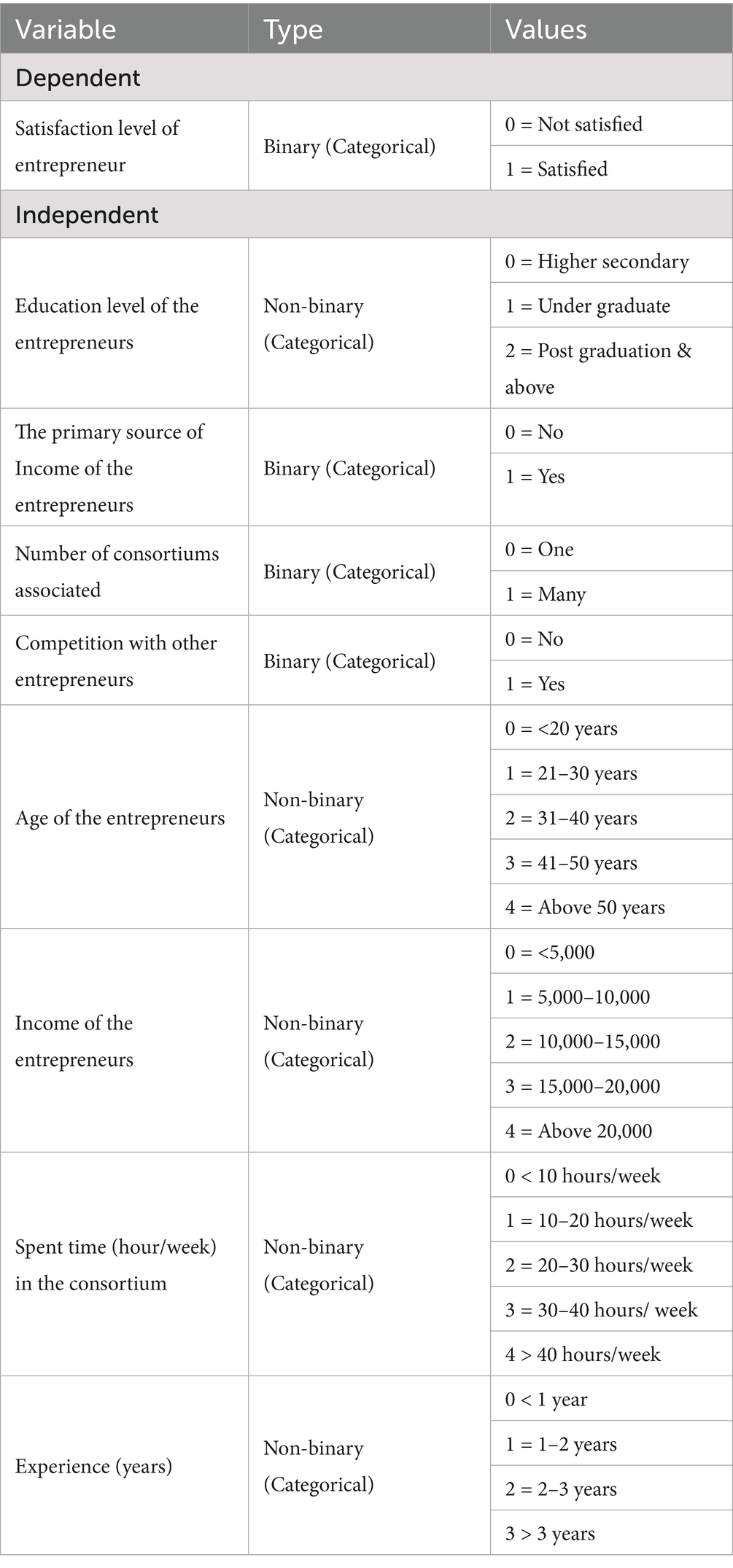
Table 2. Description of dependent and independent variables.
The model is specified as follows:
Here π is the probability of occurring the outcome Y and π/(1−π) is the odds of success; the ratio of the probability of occurring the outcome Y and the probability of not occurring the outcome Y. In the equation above, β0 and β1 are intercept and regression coefficients, respectively. Here, X1 is Age, X2 is Education, X3 is source of income, X4 is monthly income, X5 is experience, X6 is Time spent, X7 is number of Consortiums, and X8 is competitiveness. The procedure for estimating coefficients is maximum likelihood, and the goal is to find the best linear combination of independent variables to maximize the likelihood of obtaining the observed outcome frequencies (Tabachnick and Fidell, 2013). The value of regression coefficients β1…βp indicate the relationship between X’s and logit of Y. The Coefficient value is greater than 0 which indicates an increase in logit of Y with an increase in X. Therefore, the relationship is positive. On the other hand, the coefficient value is smaller than 0 which indicates a decrease in logit of Y with an increase in X which represents a negative relationship. There is no linear relationship among logit of Y and predictors X if the coefficient value is 0. The analysis is done using STATA 12.
To analyse the results, first, we will portray the socio-economic profiles of the women entrepreneurs (respondents) then we will discuss the association between their satisfaction and the factors. The socio-economic factors/ demographic factors will help us to understand the profile of women entrepreneurs.
Demographic characteristics
Demographic and Socio-economic characteristics are the important factors for satisfaction. All the entrepreneurs do not belong to the same background profile. Their individual background affects their satisfaction as well. In Table 3 we have discussed the socio-economic profile and hence we have discussed through descriptive statistics. The age, educational background, type of income they get from their entrepreneurship (Primary/ Secondary), approximate monthly income, experience as an entrepreneur, how much time they spend online for business activities, how many business groups or consortiums they acquire, and presence of competitiveness among the consortium members have been taken as independent variables.

Table 3. Socio economic profile of the women entrepreneurs (n = 384).
Table 3 shows socio-economic profile of the women entrepreneurs in West Bengal. We have found that 36.67% of women of the age group of 21–30 years, 22% of the age group of 31–40 years, and 17.33% of the age group of 40–50 years are doing business from this platform. While women under 20 years (13.33%) and above 50 years (10.67%) are also involving themselves in entrepreneurship in social media which indicates that social media platforms are encouraging budding entrepreneurs. Akpuokwe et al. (2024) has found in their study on social media entrepreneurship, that social media is an opportunity to start a business. Park et al. (2017) mentioned in their study that prior knowledge, usage of social media, and alertness are some important factors that encourage budding entrepreneurs to involve themselves in social media entrepreneurship. Most of the respondents (40%) are graduates and many have completed postgraduate (28%) while 32% of the respondents have completed higher secondary degree. Education is important for entrepreneurs to understand business strategies and adapt new technology. Van der Sluis et al. (2008) mentioned that education is important to develop entrepreneurship. Lee et al. (2024) have found that educational qualification is important to improve entrepreneurial competencies.
Women entrepreneurs in west Bengal are mostly doing business in social media without acquiring training (96%). Vivakaran and Maraimalai (2017) in their study has found that many training programs are now conducted in multiple social media platforms for entrepreneurial development. Online workshops are conducted to encourage women entrepreneurs for their self-development. Hence, without training women may join social media entrepreneurship and they can avail training from the same platform as well. Families’ income from the business are secondary income for most of the families of these women entrepreneurs of West Bengal (92%) and 28% of women entrepreneurs are earning up to10 thousand per month while 13.33% are earning upto15 thousand, 18.67% are earning upto 20 thousand and 16% of women entrepreneurs are earning more than 20 thousand per month. This indicates that this entrepreneurship is increasing the families’ gross income which is a factor for uplifting lifestyles and status. Wang J. et al. (2024) described that increasing the monthly gross income of a family helps in raising social status. 38% of the women entrepreneurs are doing business for more than 3 years. While the rest of the respondents are less experienced that is they have started business through this platform. It can be concluded that social media is encouraging budding entrepreneurs. Pillai and Ahamat (2018) mentioned that social media stimulates other entrepreneurs to join the business.
From Table 3, we have found that 82% of women entrepreneurs think that competition offers satisfaction while 18% of women entrepreneurs are not satisfied with competition. Competition in consortium means that women entrepreneurs are always posting something innovative. They are trying to make their own communication mode more interesting and provocative while other entrepreneurs are in a situation where they have to do something better. This relationship with competition inspires them to adopt communication tools that attract the audience. This factor offers their satisfaction as a business communicator. Moreover, they are learning techniques of marketing from various entrepreneurs in consortiums. They are also learning about market trends and offer related information from this platform. A study by Ajiva et al. (2024) found that after-sales service competition increases customers’ satisfaction. From our survey, it has been found that entrepreneurs are adopting knowledge of garments and variations of fabrics that are trending. It helps them to gain more customers. Thus, this factor is essential for the satisfaction of women entrepreneurs in Kolkata. Some other studies also found that Skill and knowledge, family support, opportunities in the market, government subsidy, and satisfaction are some of the most valuable factors that affect entrepreneurial motivation (Wang X. et al., 2024). In another study, it has been found that the intensity of market competition and budgetary participation on performance has a significant relationship with job satisfaction (Tahir, 2024).
We found that 65.33% of women entrepreneurs are using many consortiums while 34.67% of women entrepreneurs are using one consortium for business. More consortiums will bring a broader network and this is helpful to get a broader market. Thus, more than one consortium or group is preferable to a maximum number of women entrepreneurs. This result distinguishes the fact that competition is one of the main factors for satisfaction. More consortium platform means more competition and scope for learning about business communication. It makes an entrepreneur skilled while they more often interact with larger networks in social media. It helps to build confidence and thus offer satisfaction. 82% of the respondents are feeling that competitiveness is present while 18% of the respondents are not aware of the competition. A study has shown that brand community engagement, information about the product, and word of mouth are three main factors that influence product purchase decisions on Facebook (Khan et al., 2024). With the growing number of customers and people, Facebook consortiums help women entrepreneurs in community management.
Hypothesis testing
We performed chi-square test and binary logistic regression analysis to understand the association and significance of the selected variables with satisfaction of the women entrepreneurs The results of the chi-square test (Table 4) and binary logistic regression analysis (Table 5) highlights the association and significance of the selected variables with satisfaction of the women entrepreneurs.
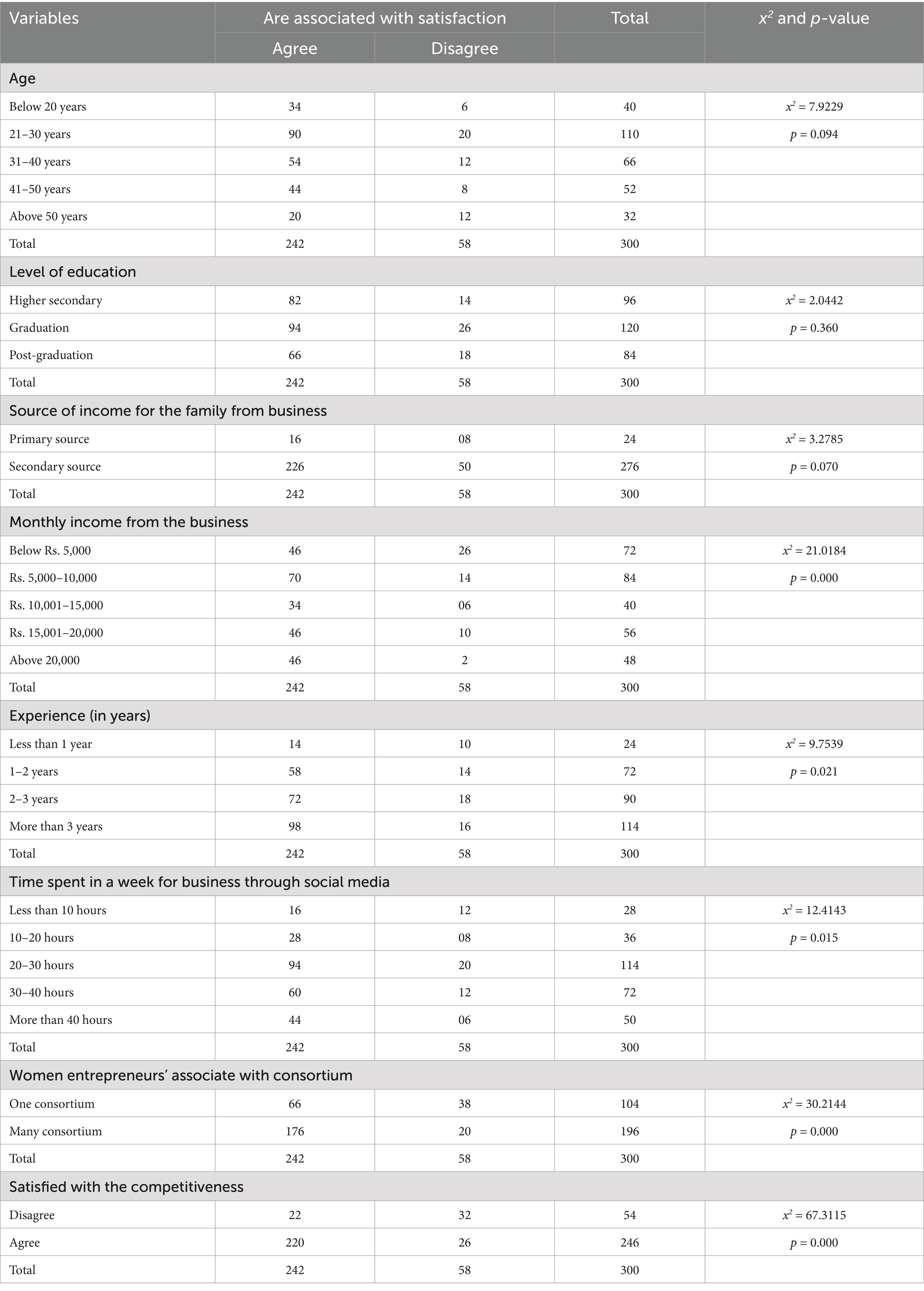
Table 4. Results of association between socio-economic variables with the satisfaction of women entrepreneurs using Facebook consortium/business groups.
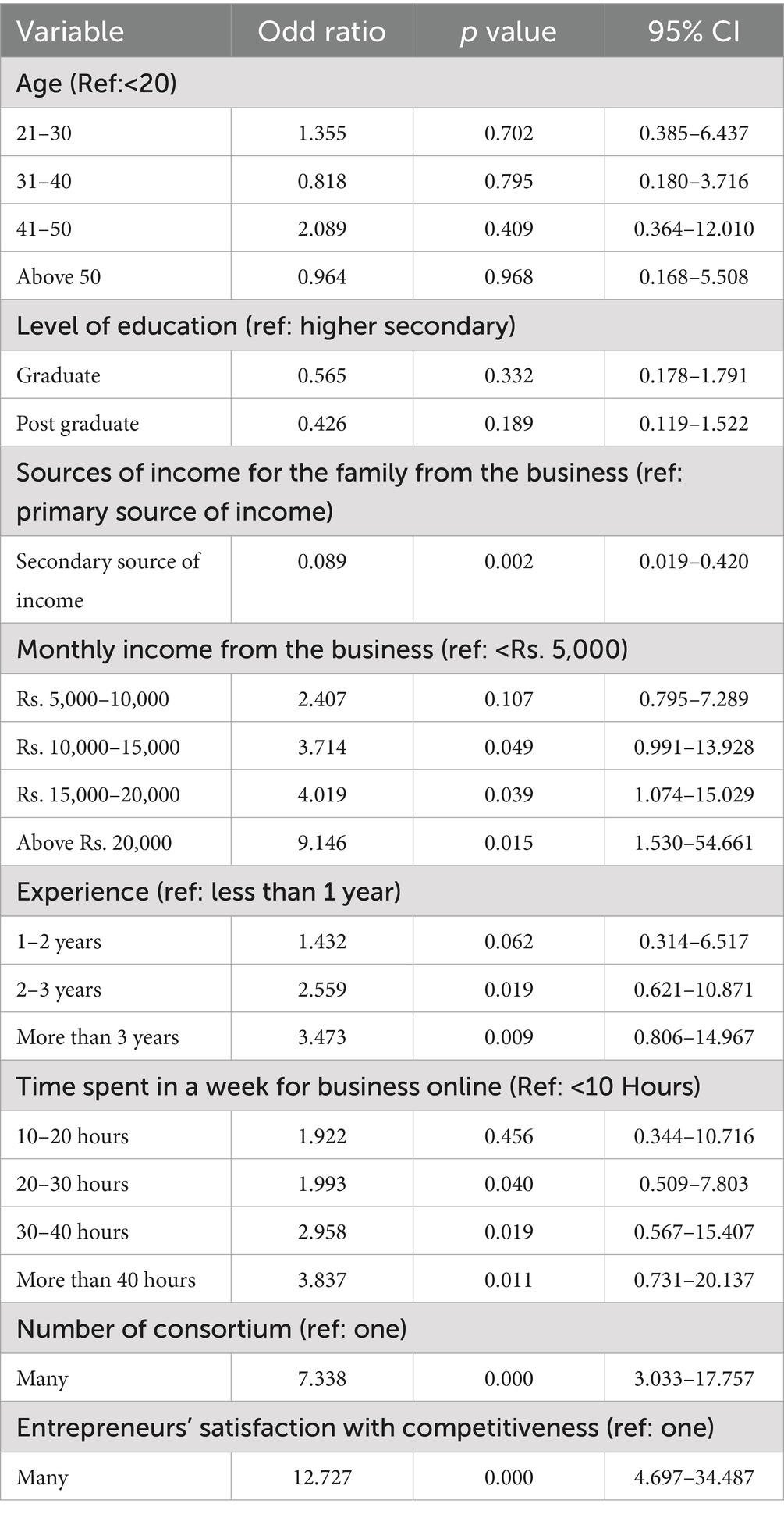
Table 5. Results of binary logistics regression analysis of socio-economic characteristics and satisfaction of women entrepreneurs.
Hypothesis 1 proposes that Age has a significant effect on women entrepreneurs’ satisfaction and the chi square value between these variables is insignificant (x2 = 7.9229, p = 0.094). Also, binary logistic regression analysis values (refer Table 5) show that with increasing Age, the likelihood sometimes increases and sometimes decreases. With under 20 years’ age as a reference category, it is found that the 21–30 years’ age group of women entrepreneurs is 1.355 (odd ratio) times more satisfied (CI 0.385, 6.437), 31–40 years’ age group of women entrepreneurs are 0.818 times less satisfied (CI 0.180, 3.716) than previous age group while again 41–50 years’ age group are 2.089 times more satisfied (CI 0.364, 12.010) and above 50 years’ women entrepreneurs are 0.964 times less satisfied (CI 0.168, 5.508). Hence, age is insignificant with satisfaction in this study, thus, not supporting Hypothesis 1.
Hypothesis 2 proposes that Education has a significant effect on women entrepreneurs’ satisfaction and the chi square value between these variables is insignificant (x2 = 2.0442, p = 0.360). Also, binary logistic regression analysis values (refer Table 5) shows that taking Higher Secondary as a reference category, the women entrepreneurs having a Graduation degree are 0.565 (CI 0.178, 1.791) times less satisfied while women from Post Graduate category are 0.426 times less satisfied (CI 0.119, 1.522). With the increasing educational qualification, the level of satisfaction thus decreases. Hence, education is insignificant with satisfaction in this study, thus, not supporting Hypothesis 2.
Hypothesis 3 proposes that Source of Income has a significant effect on women entrepreneurs’ satisfaction and the chi square value between these variables is positive and significant (x2 = 3.2785, p = 0.070), Also, binary logistic regression analysis values (refer Table 5) shows that taking the primary source of income as a referential category, the satisfaction level increases 0.089 times (CI 0.091, 0.420). which means that women entrepreneurs’ monthly income is more satisfactory when it is their family’s secondary source of income thus, supporting Hypothesis 3.
Hypothesis 4 proposes that Monthly Income has a significant effect on women entrepreneurs’ satisfaction and the chi square value between these variables is positive and significant (x2 = 21.0184, p = 0.000). Also, binary logistic regression analysis values (refer Table 5) shows that with the increase in monthly income, satisfaction increases. As the results show when income is < Rs. 5,000, the satisfaction increases 2.407 times (CI 0.795, 7.289) when income is between Rs. 5,000–10,000, it further increases 3.714 times when income is between Rs. 10,000–15,000 (CI 0.991, 13.928), and again satisfaction increases 4.019 times (CI 1.074, 15.029) when income is between Rs. 15,000–20,000. The satisfaction thus increases 9.146 times (CI 1.530, 54.661) when the income of women entrepreneurs is above Rs. 20,000, which means that with the growth in monthly income, women entrepreneurs’ satisfaction level also increases, thus, supporting Hypothesis 4.
Hypothesis 5 proposes that Experience has a significant effect on women entrepreneurs’ satisfaction and the chi square value between these variables is positive and significant (x2 = 9.7539, p = 0.021). Also, binary logistic regression analysis values (refer Table 5) shows that with < 1-year experience as a reference, the satisfaction increases 1.432 times (CI 0.314, 6.514) with experience between 1–2 years, satisfaction further increases 2.559 times, and with experience between 2–3 years (CI 0.621, 10.871), satisfaction increases 3.473 times with experience more than 3 years (CI 0.806, 14.967), which means that with the increase in experience, women entrepreneurs’ satisfaction level also increases, thus, supporting Hypothesis 5.
Hypothesis 6 proposes that Time spent in business has a significant effect on women entrepreneurs’ satisfaction and the chi square value between these variables is positive and significant (x2 = 12.4143, p = 0.015). Also, binary logistic regression analysis values (refer Table 5) shows that the more time an entrepreneur spent online in the Facebook consortium, the more they achieve satisfaction. Taking <10 h as reference, the women entrepreneurs are 1.922 times (CI 0.344, 10.716) satisfied when they spent 10–20 h, 1.993 times satisfied when they spend 20–30 h (CI 0.509, 7.803), 2.958 times satisfied (CI 0.567, 15.407) when they spend 30–40 h, and women entrepreneurs of Facebook consortium are 3.837 times more satisfied when they spend more than 40 h (CI 0.731, 20.137) for business purpose, thus, supporting Hypothesis 6.
Hypothesis 7 proposes that association with other consortiums has a significant effect on women entrepreneurs’ satisfaction and the chi square value between these variables is positive and significant (x2 = 30.2144, p = 0.000). Also, binary logistic regression analysis values (refer Table 5) shows one consortium taken as a reference, it is found that entrepreneurs are 7.338 times more satisfied when they are involved with many consortiums (CI 3.033, 17.575), thus, supporting Hypothesis 7.
Hypothesis 8 proposes that Competitiveness has a significant effect on women entrepreneurs’ satisfaction and the chi square value between these variables is positive and significant (x2 = 67.3115, p = 0.000). Also, binary logistic regression analysis values (refer Table 5) shows competition against one consortium taken as a reference it is found that women entrepreneurs are 12.727 times more satisfied with competitions against many consortiums (CI 4.697, 34.487).thus, supporting Hypothesis 8.
A separate hypothesis testing and findings has been summarized and tabulated in Table 6.
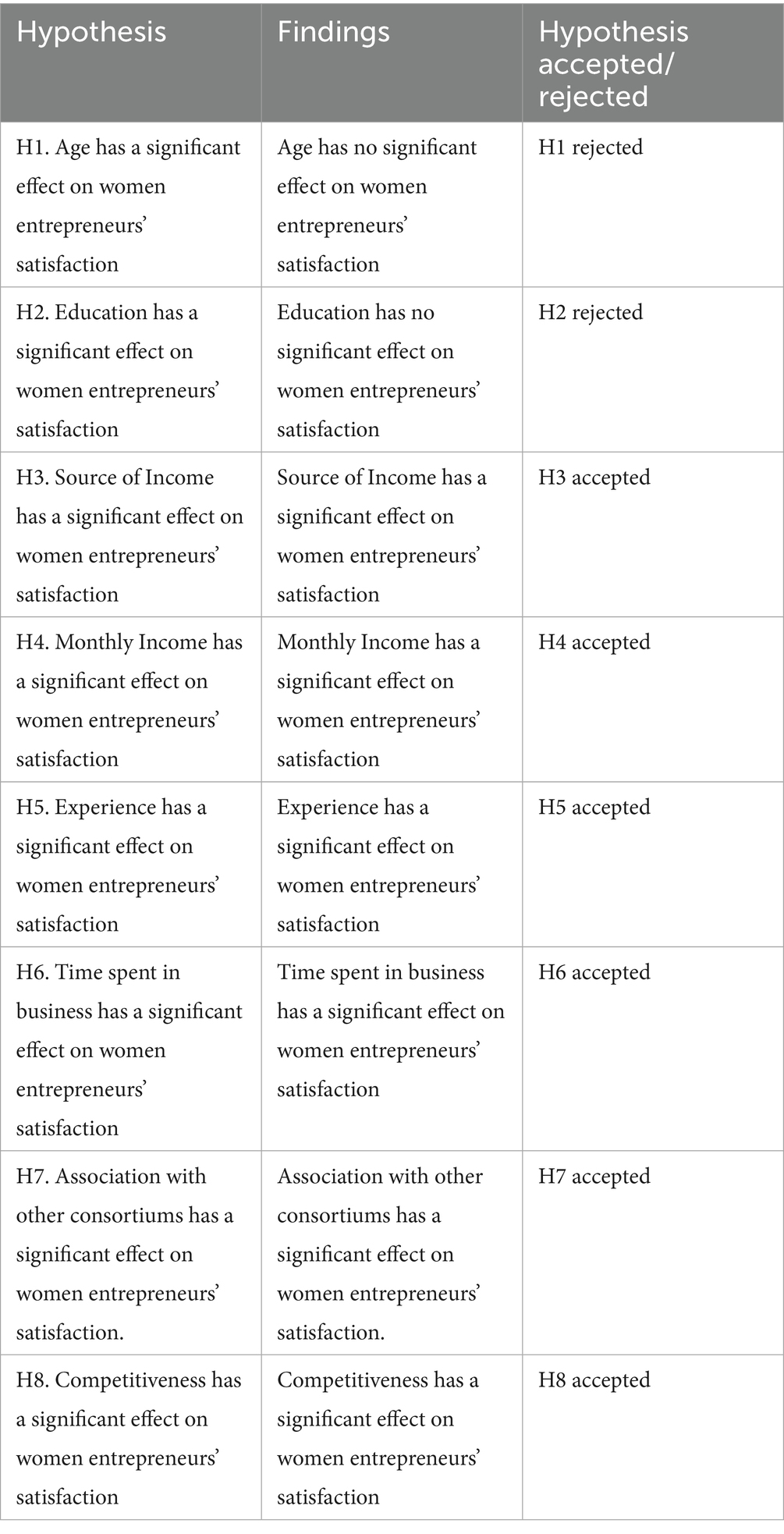
Table 6. Hypothesis and findings.
Discussion
This study aims to understand the relationship between Age and education with satisfaction among women entrepreneurs. We developed a conceptual model (refer Figure 1) and tested the hypothesis. 300 final completed questionnaires obtained from women entrepreneurs engaged in Facebook consortiums were used for data analysis. Findings from this study did not support (Hypothesis 1 and 2), that is, the relationship between Age (p = 0.094), education (p = 0.360) and satisfaction of women entrepreneurs in West Bengal, validating the results from the past literature (Inayat and Jahanzeb Khan, 2021; Vujić and Szabo, 2022). So, digital platforms can reduce traditional barriers of entry by allowing women entrepreneurs from varied age groups and educational backgrounds to effectively participate in digital business. These results line up with growing literature that suggests that digital business environments focus on networking and engagement levels rather formal qualifications or age or educational aspects (De Clercq et al., 2021; Ruiz-Martínez et al., 2023). Second, this study found that Source of Income has a significant effect on women entrepreneurs’ satisfaction (Hypothesis 3). So, the secondary income through Facebook business boosts satisfaction as it complements household incomes without commanding economic dependency, thus, reflecting women empowerment, aligning with prior studies related on women’s digital entrepreneurship (Asante and Affum-Osei, 2019). Third, the results supported the significant relationship between Monthly Income and women entrepreneurs’ satisfaction (Hypothesis 4), which means that with rise in monthly income, greater satisfaction is achieved. This lines up with previous study where financial performances influence wellbeing in entrepreneurship (Rauch et al., 2009). Income not only measures business performance but also validates women entrepreneurs, especially in a developing country such as India where to become economically independent enhances life satisfaction (Shastri et al., 2022). Fourth, another finding of this study supported that Experience in Business (p = 0.021) has a significant relationship with the satisfaction of women entrepreneurs (Hypothesis 5). Through experience, one’s confidence improves, which in turn enhances strategic decision making. This enables entrepreneurs to confront and manage any challenges and competitions effectively (Agarwal et al., 2022). Fifth, the results of this study supported that time invested in Facebook business, has a significant relationship with satisfaction of women entrepreneurs (Hypothesis 6). The more time an entrepreneur spends engaging in consortium activities, the more the entrepreneur would be able to nurture greater connectivity, develop customer understanding, and adapt to market trends. These are the key drivers to business success and entrepreneurs’ satisfaction, and this aligns with Social Network Theory (SNT), as broader and stronger social networking leads to collaboration, exchange of information, and growth opportunities (Arregle et al., 2015; Jha and Venkatesh, 2023). Sixth, another finding of this study supported that Association with other consortiums has a significant effect on women entrepreneurs’ satisfaction (Hypothesis 7). This means that networking enhances entrepreneurial satisfaction. Through collaboration, resources, and knowledge can be shared, and this in turn can improve overall satisfaction. This could be aligned with previous studies related to entrepreneurship (Brush C. et al., 2009; Brush C. G. et al., 2009; Naudé and Havenga, 2005; Singh and Belwal, 2008). Seventh, the results of this study supported that there is a significant relationship between competitiveness and satisfaction of women entrepreneurs. This suggests that competitive women entrepreneurs within the business consortiums experience higher satisfaction. Such competitive mindset could bring innovation, improvement in strategic decision which could lead to personal fulfilment and satisfaction. This aligns to the findings of prior studies on how competitive mindsets could foster the sense of achievement, self-efficacy, and satisfaction (Gupta and Mirchandani, 2018; Lumpkin and Dess, 2001; Azam Roomi and Harrison, 2010).
Theoretical implications
The findings of this study presents several theoretical implications, beginning with Bandura’s Social Cognitive Theory, which emphasizes how women entrepreneurs’ self-efficacy and competitiveness contribute to their psychological resilience (Bandura, 2001; Islam et al., 2025). Secondly, when exploring why women entrepreneurs turn to social media platforms for business, the theoretical framework draws on technology adoption models. Adapting to information technology enhances opportunities for women in a multicultural, diverse society (Ahmed et al., 2025). Third, the study examines the relationship between business satisfaction and usage of Facebook consortiums through the lens of Social Network Theory (SNT), Social Exchange theory (SET) and Social Capital theory (SCT). By utilizing social media platforms for their businesses, women entrepreneurs can expand their networks, connecting with peers and potential customers (Hanifah and Lun, 2024). From consumers’ perspective, social media users often rely on their social networks for recommendations, which influences their social networking behavior and online purchasing decisions (Gafur and Islam, 2024). Finally, the study incorporates feminist entrepreneurship theory and research approach (Akter et al., 2019; Tickner, 2011), highlighting and supporting female voice and also encouraging gender equality, specially how women manage to run businesses from home while balancing work and familial responsibilities, particularly in India where women play a pivotal role in managing household duties. In such circumstances, many women choose social media entrepreneurship to create their own identity (Ning and Khan, 2024).
Practical implications
This work may initially seem focused solely on satisfying women entrepreneurs, but it is recommended that they establish a robust, interconnected blockchain network to enhance their resources and mitigate risks (Brands et al., 2025). Focusing too narrowly on satisfaction could overlook critical factors such as family, institutional, and social dynamics that influence the environments in which women entrepreneurs operate (Sachdeva et al., 2025). Despite facing various challenges, women entrepreneurs are able to improve customer engagement and advance their professional development. Social media provides numerous opportunities for both personal and professional branding (Ahmed, 2024). The findings of this study could be valuable for policymakers and administrators of business groups on social media, helping them to refine policies for greater transparency between customers and entrepreneurs, ultimately fostering better networking and blockchain business development via social media (Abrar et al., 2024).
Limitations and suggestion for future research
This study at one side has provided valuable insights into the socio demographic factors that could influence satisfaction of women entrepreneurs. However, this study is not without limitations. First, this study was conducted completely based on self-reported data, which may be subjected to personal interpretations and socially desirable bias. This may affect the accuracy of responses. Second, the entire study was conducted among women entrepreneurs specific to a particular region that is, the state of West Bengal and demographic group. This could restrict the generalization of findings to other situations or populations. Again, this study is a cross-sectional study that tested the hypothesis at a single frame. So, future studies could be conducted using longitudinal or mixed-method approaches to provide a detailed understanding of these relationships and dynamics eventually. Diverse geographical regions and sectors could be included to enhance the validity of the research. Additionally, qualitative study including focus groups or in-depth interviews could be conducted to explore the underlying variables such as culture, motivation, emotional aspects. Lastly, future research could be conducted to examine the mediating and moderating affects of different variables such as entrepreneurial orientation, financial support, entrepreneurial innovation etc. on entrepreneurs’ satisfaction.
Conclusion
Consortium in the Facebook platform is a rapidly growing medium of business for a budding entrepreneur. The study has revealed that socio-economic factors like income, experience, spending time, competition with other entrepreneurs, and involvement with several consortiums, are some of the significant factors affecting the level of satisfaction of the women entrepreneurs in Facebook. Age is showing a negative relationship with satisfaction which needs to be cultivated in different ways to understand the exact reason. Education is important when a business school student is starting entrepreneurship. His/her prior education then matters. Otherwise, social media platform-oriented entrepreneurship does not require any such educational qualification for starting a business. Social media entrepreneurship allows re-selling businesses where one should not need to buy and sell products. They only play the role of a mediator between seller and buyer. By doing this, women entrepreneurs are earning without investing capital, but time. Spending time is important in entrepreneurship especially when the total business pattern is based on digital media. The study has measured different socio-economic elements to measure satisfaction levels and there are so many variables left behind which can be identified as a future scope of a similar kind of study later. In this century, lack of time and physical limits increased the practice of online purchases. Social media like Facebook, Twitter, and Instagram are opening the digital marketing environment for brands also.
Our study focused on women entrepreneurs’ satisfaction and the use of Facebook as a business platform. We aimed to investigate the impact of selected socio-economic backgrounds of women entrepreneurs of West Bengal on their satisfaction. Our findings highlight that women entrepreneurs having another source of income for their families are more satisfied. This concludes that income from entrepreneurship is yet not satisfactory for most of the cases where the family is depending on the income from the business only. It indicates that the overall social-mediated entrepreneurship is not well developed by many means of business skills and scopes for women in West Bengal. As a whole, Facebook has widened the pathway for budding entrepreneurs and it is a growing industry now. Satisfaction has relative perspectives that change with the socio-economic background of the women entrepreneurs in West Bengal.
Data availability statement
The original contributions presented in the study are included in the article/Supplementary material, further inquiries can be directed to the corresponding author.
Ethics statement
Ethical approval was not required for the study involving humans in accordance with the local legislation and institutional requirements. Written informed consent to participate in this study was not required from the participants or the participants’ legal guardians/next of kin in accordance with the national legislation and the institutional requirements.
Author contributions
TC: Conceptualization, Data curation, Formal analysis, Investigation, Methodology, Writing – original draft, Writing – review & editing, Validation, Visualization. DG: Conceptualization, Data curation, Formal analysis, Investigation, Methodology, Writing – original draft, Writing – review & editing, Supervision. TG: Conceptualization, Data curation, Investigation, Methodology, Supervision, Validation, Visualization, Writing – original draft, Writing – review & editing, Software.
Funding
The author(s) declare that no financial support was received for the research and/or publication of this article.
Conflict of interest
The authors declare that the research was conducted in the absence of any commercial or financial relationships that could be construed as a potential conflict of interest.
Generative AI statement
The authors declare that no Gen AI was used in the creation of this manuscript.
Any alternative text (alt text) provided alongside figures in this article has been generated by Frontiers with the support of artificial intelligence and reasonable efforts have been made to ensure accuracy, including review by the authors wherever possible. If you identify any issues, please contact us.
Publisher’s note
All claims expressed in this article are solely those of the authors and do not necessarily represent those of their affiliated organizations, or those of the publisher, the editors and the reviewers. Any product that may be evaluated in this article, or claim that may be made by its manufacturer, is not guaranteed or endorsed by the publisher.
Supplementary material
The Supplementary material for this article can be found online at: https://www.frontiersin.org/articles/10.3389/fcomm.2025.1685336/full#supplementary-material
References
Abrar, A., Gohar, M., Malik, F., and Golra, O. A. (2024). Unveiling entrepreneurial learning dynamics: insights from the women entrepreneurs of creative industries. J. Innovative Res. Manage. Sci. 5, 52–70. doi: 10.62270/jirms.v5i1.65
Agarwal, S., Ramadani, V., Dana, L. P., Agrawal, V., and Dixit, J. K. (2022). Assessment of the significance of factors affecting the growth of women entrepreneurs: study based on experience categorization. J. Entrep. Emerg. Econ. 14, 111–136. doi: 10.1108/JEEE-08-2020-0313
Ahmed, A. (2024). Empowering women entrepreneurs: the role of social media in enhancing financial and professional achievement. Commer. Res. Rev. 1, 58–67. doi: 10.21844/crr.v1i02.1113
Ahmed, H., Bajwa, S. U., Nasir, S., Khan, W., Mahmood, K., and Ishaque, S. (2025). Digital empowerment: exploring the role of digitalization in enhancing opportunities for women entrepreneurs. J. Knowl. Econ. 1, 1–32. doi: 10.1007/s13132-025-02658-0
Ajiva, O. A., Ejike, O. G., and Abhulimen, A. O. (2024). Empowering female entrepreneurs in the creative sector: overcoming barriers and strategies for long-term success. Int. J. Adv. Econ. 6, 424–436. doi: 10.51594/ijae.v6i8.1485
Akpuokwe, C. U., Chikwe, C. F., and Eneh, N. E. (2024). Innovating business practices: the impact of social media on fostering gender equality and empowering women entrepreneurs. Magna Scientia Adv. Res. Rev. 10, 32–43. doi: 10.30574/msarr.2024.10.2.0042
Akter, M., Rahman, M., and Radicic, D. (2019). Women entrepreneurship in international trade: bridging the gap by bringing feminist theories into entrepreneurship and internationalization theories. Sustainability 11, 2–28. doi: 10.3390/su11226230
Al Matroushi, H., Jabeen, F., Matloub, A., and Tehsin, M. (2020). Push and pull model of women entrepreneurship: empirical evidence from the UAE. J. Islam. Account. Bus. Res. 11, 588–609. doi: 10.1108/JIABR-02-2017-0020
Alam, S. A., Bhuiyan, M. R. I., Tabassum, S., and Islam, M. T. (2022). Factors affecting users’ intention to use social networking sites: a mediating role of social networking satisfaction. Can. J. Bus. Inf. Stud. 4, 112–124. doi: 10.34104/cjbis.022.01120124
Al-Boinin, H., Vatanasakdakul, S., and Zaghouani, W. (2025). Gender, culture, and social media: exploring women’s adoption of social media entrepreneurship in Qatari society. Adm. Sci. 15, 1–22. doi: 10.3390/admsci15030089
Al-Omoush, K. S., and Shuhaiber, A. (2024). Predicting user behavior on s-commerce platforms: a novel model. Kybernetes. doi: 10.1108/K-04-2024-1040
Arregle, J. L., Batjargal, B., Hitt, M. A., Webb, J. W., Miller, T., and Tsui, A. S. (2015). Family ties in entrepreneurs’ social networks and new venture growth. Entrep. Theory Pract. 39, 313–344. doi: 10.1111/etap.12044
Asante, E. A., and Affum-Osei, E. (2019). Entrepreneurship as a career choice: the impact of locus of control on aspiring entrepreneurs’ opportunity recognition. J. Bus. Res. 98, 227–235. doi: 10.1016/j.jbusres.2019.02.006
Azab, N., and Elsherif, M. (2025). Towards a framework for the adoption and use of information and communication technology for empowering women entrepreneurs: case of Egypt. Electron. J. Inf. Syst. Develop. Countr. 91:e70006. doi: 10.1002/isd2.70006
Azam Roomi, M., and Harrison, P. (2010). Behind the veil: women-only entrepreneurship training in Pakistan. Int. J. Gend. Entrep. 2, 150–172. doi: 10.1108/17566261011051017
Bandura, A. (1986). Social foundations of thought and action: A social cognitive theory. Englewood Cliffs, NJ: Prentice-Hall.
Bandura, A. (2001). Social cognitive theory: an agentic perspective. Annu. Rev. Psychol. 52, 1–26. doi: 10.1146/annurev.psych.52.1.1,
Barnes, J. A. (1954). Class and committees in a Norwegian island parish. Hum. Relat. 7, 39–58. doi: 10.1177/0018726754007001
Baú, V. (2025). Posting “what” on social media? The (mis)use of Facebook by young people in refugee camps. J. Inf. Commun. Ethics Soc. 23, 134–147. doi: 10.1108/JICES-05-2024-0065
Biernacki, P., and Waldorf, D. (1981). Snowball sampling: problems and techniques of chain referral sampling. Sociol. Methods Res. 10, 141–163. doi: 10.1177/004912418101000205
Boyce, C. J., Brown, G. D., and Moore, S. C. (2010). Money and happiness: rank of income, not income, affects life satisfaction. Psychol. Sci. 21, 471–475. doi: 10.1177/0956797610362671,
Brahem, M., and Boussema, S. (2023). Social media entrepreneurship as an opportunity for women: the case of Facebook-commerce. Int. J. Entrep. Innov. 24, 191–201. doi: 10.1177/14657503211066010
Brands, R. A., Ozgumus, E., Huang, L., Rattan, A., and Cortland, C. I. (2025). When form leads to function: network closure and social identity threat among women entrepreneurs. Pers. Psychol. 1, 1–21. doi: 10.1111/peps.12676
Brush, C., Carter, N., Gatewood, E., Greene, P., and Hart, M. (2009). Growth-oriented women entrepreneurs and their businesses: A global research perspective. Cheltenham, UK: Edward Elgar Publishing.
Brush, C. G., De Bruin, A., and Welter, F. (2009). A gender-aware framework for women's entrepreneurship. Int. J. Gender Entrep. 1, 8–24. doi: 10.1108/17566260910942318
Camacho, S., and Barrios, A. (2022). Social commerce affordances for female entrepreneurship: the case of Facebook. Electron. Mark. 32, 1145–1167. doi: 10.1007/s12525-021-00487-y
Clark, A. E., and Oswald, A. J. (1996). Satisfaction and comparison income. J. Public Econ. 61, 359–381. doi: 10.1016/0047-2727(95)01564-7
Coleman, J. S. (1988). Social capital in the creation of human capital. Am. J. Sociol. 94, S95–S120. doi: 10.1086/228943
Davis, F. D. (1989). Perceived usefulness, perceived ease of use, and user acceptance of information technology. MIS Q. 13, 319–340. doi: 10.2307/249008
De Clercq, D., Brieger, S. A., and Welzel, C. (2021). Leveraging the macro-level environment to balance work and life: an analysis of female entrepreneurs’ job satisfaction. Small Bus. Econ. 56, 1361–1384. doi: 10.1007/s11187-019-00287-x
Dewi, A. S. (2020). Investigating the impact of Instagram on women entrepreneurs’ empowerment. In Annual International Conference on Social Sciences and Humanities, 1, 58–61. doi: 10.2991/assehr.k.200728.013
Ditta-Apichai, M., Gretzel, U., and Kattiyapornpong, U. (2024). Platform empowerment: Facebook’s role in facilitating female micro-entrepreneurship in tourism. J. Sustain. Tour. 32, 540–559. doi: 10.1080/09669582.2023.2215479
Dodson, S. (2024). “Having just the right answer is almost as worthless as not having an answer”: conceptualizing the information needs of undergraduate engineers. J. Doc. 80, 246–266. doi: 10.1108/JD-01-2024-0003
Dvouletý, O. (2024). From unemployment to self-employment: what does it mean for an individual's satisfaction and economic self-sufficiency? J. Entrep. Public Policy. 13, 58–73. doi: 10.1108/JEPP-07-2023-0070
Etikan, I., Musa, S. A., and Alkassim, R. S. (2016). Comparison of convenience sampling and purposive sampling. Am. J. Theor. Appl. Stat. 5, 1–4. doi: 10.11648/j.ajtas.20160501.11
Fan, M., Qalati, S. A., Khan, M. A. S., Shah, S. M. M., Ramzan, M., and Khan, R. S. (2021). Effects of entrepreneurial orientation on social media adoption and SME performance: the moderating role of innovation capabilities. PLoS One 16:e0247320. doi: 10.1371/journal.pone.0247320,
Feldkamp, J. (2021). “The rise of TikTok: the evolution of a social media platform during COVID-19” in Digital responses to COVID-19: Digital innovation, transformation, and entrepreneurship during pandemic outbreaks. (Eds.) Hovestadt, C., Recker, J., Richter, J., and Werder, K. (Cham: Springer International Publishing), 73–85. doi: 10.1007/978-3-030-66611-8_6
Gafur, I., and Islam, R. (2024). A comprehensive review of social impact of women entrepreneurs in enhancing business performance in the tourism sector for a developing country. Appl. Sci. 2, 225–234. doi: 10.59324/ejtas.2024.2(3).19,
Gielnik, M. M., Zacher, H., and Frese, M. (2012). Focus on opportunities as a mediator of the relationship between business owners’ age and venture growth. J. Bus. Venturing 27, 127–142. doi: 10.1016/j.jbusvent.2010.05.002
Gupta, N., and Mirchandani, A. (2018). Investigating entrepreneurial success factors of women-owned SMEs in UAE. Manag. Decis. 56, 219–232. doi: 10.1108/MD-04-2017-0411
Hanifah, H., and Lun, Z. J. (2024). Exploring factors shaping digital entrepreneurial adoption and women's empowerment via social media. Global Bus. Manage. Res. 16, 171–195.
Inayat, W., and Jahanzeb Khan, M. (2021). A study of job satisfaction and its effect on the performance of employees working in private sector organizations, Peshawar. Educ. Res. Int. 2021:1751495. doi: 10.1155/2021/1751495
Ingalagi, S. S., Nawaz, N., Rahiman, H. U., Hariharasudan, A., and Hundekar, V. (2021). Unveiling the crucial factors of women entrepreneurship in the 21st century. Soc. Sci. 10:153. doi: 10.3390/socsci10050153
Islam, M. S., Azizzadeh, F., Islam, M. S., Adrita, U. W., Mazumder, A. H., and Akhter, R. (2025). Phenomenological insights into socio-psychological and network dynamics of women entrepreneurs. J. Trade Sci. 13, 128–146. doi: 10.1108/JTS-07-2024-0040
Jha, S., and Venkatesh, V. (2023). Entrepreneurial satisfaction for women micro-entrepreneurs: a network perspective. J. Glob. Entrepreneursh. Res. 13:5. doi: 10.1007/s40497-023-00351-7
Jibril, A. B., Amoah, J., Panigrahi, R. R., and Gochhait, S. (2024). Digital transformation in emerging markets: the role of technology adoption and innovative marketing strategies among SMEs in the post-pandemic era. Int. J. Organ. Anal. doi: 10.1108/IJOA-05-2024-4509
John, S. P., and Walford, R. (2021). “Social media in FMCG marketing: understanding how supermarkets use Facebook during the COVID-19 pandemic” in Digital marketing & eCommerce conference. (Eds.) Martínez-López, F. J., and López López, D. (Cham: Springer International Publishing), 184–191. doi: 10.1007/978-3-030-76520-0_19
Juneja, D., Han, J. W., and Tran, Q. (2025). “Empowering women entrepreneurs: is digital recruitment for organizational resilience?” in Information systems research in Vietnam, volume 3: A shared vision and new frontiers. (Eds.) Thuan, N. H., Duy, D. P., Le, H. S., and Phan, T. Q. (Singapore: Springer Nature Singapore), 15–32. doi: 10.1007/978-981-97-9835-3_2
Khan, A., Khan, Z., Nabi, M. K., and Saleem, I. (2024). Unveiling the role of social media and females’ intention to buy online cosmetics. Glob. Knowl. Mem. Commun. doi: 10.1108/GKMC-10-2023-0380
Kol, O., and Lissitsa, S. (2024). Looking for accommodations? What motivates consumer information search behavior on Instagram, Facebook groups and personal profiles on social networking sites. Inf. Technol. People 37, 1696–1716. doi: 10.1108/ITP-05-2022-0389
Kooij, D. T., de Lange, A. H., Jansen, P. G. W., Kanfer, R., and Dikkers, J. S. E. (2011). Age and work-related motives: results of a meta-analysis. J. Organ. Behav. 32, 197–225. doi: 10.1002/job.665
Kraus, S., Kanbach, D. K., Krysta, P. M., Steinhoff, M. M., and Tomini, N. (2022). Facebook and the creation of the metaverse: radical business model innovation or incremental transformation? Int. J. Entrep. Behav. Res. 28, 52–77. doi: 10.1108/IJEBR-12-2021-0984
Kyrgidou, L., Mylonas, N., Petridou, E., and Vacharoglou, E. (2021). Entrepreneurs’ competencies and networking as determinants of women-owned ventures’ success in post-economic crisis era in Greece. J. Res. Mark. Entrep. 23, 211–234. doi: 10.1108/JRME-08-2020-0105
Lau, P. W., Wang, J. J., Ransdell, L. L., and Shi, L. (2022). The effectiveness of Facebook as a social network intervention to increase physical activity in Chinese young adults. Front. Public Health 10:912327. doi: 10.3389/fpubh.2022.912327,
Lee, Y., Liguori, E. W., Sureka, R., and Kumar, S. (2024). Women’s entrepreneurship education: a systematic review and future agenda. J. Manage. Hist. 30, 576–594. doi: 10.1108/JMH-11-2023-0117
Love, I., Nikolaev, B., and Dhakal, C. (2024). The well-being of women entrepreneurs: the role of gender inequality and gender roles. Small Bus. Econ. 62, 325–352. doi: 10.1007/s11187-023-00769-z
Lumpkin, G. T., and Dess, G. G. (2001). Linking two dimensions of entrepreneurial orientation to firm performance: the moderating role of environment and industry life cycle. J. Bus. Venturing 16, 429–451. doi: 10.1016/S0883-9026(00)00048-3
Luthfia, A., Herwati, E., and Bismo, A. (2025). Digital transformation and sustainable growth: empowering women entrepreneurs in MSMEs through enhanced digital literacy. In 2025 19th International Conference on Ubiquitous Information Management and Communication (IMCOM) (pp. 1–7). Bangkok, Thailand: IEEE
Macca, L. S., Ballerini, J., Santoro, G., and Dabić, M. (2024). Consumer engagement through corporate social responsibility communication on social media: evidence from Facebook and Instagram bank accounts. J. Bus. Res. 172:114433. doi: 10.1016/j.jbusres.2023.114433
Mazzucchelli, A., Chierici, R., Di Gregorio, A., and Chiacchierini, C. (2021). Is Facebook an effective tool to access foreign markets? Evidence from international export performance of fashion firms. J. Manage. Gov. 25, 1107–1144. doi: 10.1007/s10997-021-09572-y
Minniti, M., and Naudé, W. (2010). What do we know about the patterns and determinants of female entrepreneurship across countries? Eur. J. Dev. Res. 22, 277–293. doi: 10.1057/ejdr.2010.17
Mridha, M. R., Sara, S. S., Hossain, M. M., Haque, M. M., and Islam, N. (2025). Challenges and prospects of young women entrepreneurs in rural Bangladesh: a study on socio-cultural perspective. Contemp. Res. Anal. J. 2, 21–32. doi: 10.55677/CRAJ/04-2025-Vol02I01
Muhammad, S., Kong, X., Saqib, S. E., and Beutell, N. J. (2021). Entrepreneurial income and wellbeing: women’s informal entrepreneurship in a developing context. Sustainability 13:10262. doi: 10.3390/su131810262
Naudé, W. A., and Havenga, J. J. D. (2005). An overview of African entrepreneurship and small business research. J. Small Bus. Entrepreneursh. 18, 101–120. doi: 10.1080/08276331.2005.10593334
Ning, X., and Khan, M. S. (2024). Exploring the impact of female entrepreneurs’ leadership characteristics, social media use, business model innovation and employees’ job satisfaction on firm performance. Dhammathas Acad. J. 24, 99–114.
Pang, H., and Zhang, K. (2024). Determining influence of service quality on user identification, belongingness, and satisfaction on mobile social media: insight from emotional attachment perspective. J. Retail. Consum. Serv. 77:103688. doi: 10.1016/j.jretconser.2023.103688
Parasuraman, A., and Colby, C. L. (2015). An updated and streamlined technology readiness index: TRI 2.0. J. Serv. Res. 18, 59–74. doi: 10.1177/1094670514539730
Park, J. Y., Sung, C. S., and Im, I. (2017). Does social media use influence entrepreneurial opportunity? A review of its moderating role. Sustainability, 9, 1593. doi: 10.3390/su9091593
Peduzzi, P., Concato, J., Kemper, E., Holford, T. R., and Feinstein, A. R. (1996). A simulation study of the number of events per variable in logistic regression analysis. J. Clin. Epidemiol. 49, 1373–1379. doi: 10.1016/S0895-4356(96)00236-3,
Pillai, T. R., and Ahamat, A. (2018). Social-cultural capital in youth entrepreneurship ecosystem: Southeast Asia. J. Enterprising Communities People Places Glob. Econ. 12, 232–255. doi: 10.1108/JEC-08-2017-0063
Rauch, A., Wiklund, J., Lumpkin, G. T., and Frese, M. (2009). Entrepreneurial orientation and business performance: an assessment of past research and suggestions for the future. Entrep. Theory Pract. 33, 761–787. doi: 10.1111/j.1540-6520.2009.00308
Ravina-Ripoll, R., Foncubierta-Rodríguez, M. J., Ahumada-Tello, E., and Tobar-Pesantez, L. B. (2021). Does entrepreneurship make you happier? A comparative analysis between entrepreneurs and wage earners. Sustainability 13:9997. doi: 10.3390/su13189997
Robertson, B. W., and Kee, K. F. (2017). Social media at work: the roles of job satisfaction, employment status, and Facebook use with co-workers. Comput. Human Behav. 70, 191–196. doi: 10.1016/j.chb.2016.12.080
Ruiz-Martínez, R., Kuschel, K., and Pastor, I. (2023). Craftswomen entrepreneurs in flow: no boundaries between business and leisure. Community Work Fam. 26, 391–410. doi: 10.1080/13668803.2021.1873106
Sachdeva, G., Ganjoo, M., and Borah, T. (2025). Examining the role of Instagram in empowering women entrepreneurs and addressing gender inequality in startup leadership. Int. J. Inf. Technol. 17, 793–810. doi: 10.1007/s41870-024-02232-y
Saleem, I., Arafat, M. Y., and Saleem, A. (2025). Women entrepreneurs and changing social structure of KSA. Vikalpa 50, 51–68. doi: 10.1177/02560909241304635
Sarker, T., Roy, R., Yeasmin, S., Rabbany, M. G., and Asaduzzaman, M. (2025). Technology adoption intention and sustainable entrepreneurship ability of rural women in Bangladesh. Bus. Strat. Dev. 8, 1–12. doi: 10.1002/bsd2.70067
Setini, M., Yasa, N. N. K., Gede Supartha, I. W., Ketut Giantari, I., and Rajiani, I. (2020). The passway of women entrepreneurship: starting from social capital with open innovation, through to knowledge sharing and innovative performance. J. Open Innov. Technol. Mark. Complex. 6:25. doi: 10.3390/joitmc6020025
Shafiq, M. A., Khan, M. M. A., Gul, R., Hussain, M., and Javaid, M. Q. (2023). Influence of social media marketing in development of customer trust and satisfaction through the moderating role of electronic word of mouth. J. Soc. Sci. Rev. 3, 623–638. doi: 10.54183/jssr.v3i1.186
Shastri, S., Shastri, S., Pareek, A., and Sharma, R. S. (2022). Exploring women entrepreneurs’ motivations and challenges from an institutional perspective: evidences from a patriarchal state in India. J. Enterprising Communities People Places Glob. Econ. 16, 653–674. doi: 10.1108/JEC-09-2020-0163
Singh, G., and Belwal, R. (2008). Entrepreneurship and SMEs in Ethiopia: evaluating the role, prospects and problems faced by women in this emergent sector. Gend. Manag. Int. J. 23, 120–136. doi: 10.1108/17542410810858321
Singh, B., Kaunert, C., and Raghav, A. (2025). “Navigating gender dynamics in women’s entrepreneurship: socio-legal insights on technology and digital advancements for future growth” in Examining barriers and building resiliency for rural women entrepreneurs. (Eds.) G. E. Bayram, A. T. Bayram, and M. Sak (IGI Global), 257–276.
Susanto, P., Hoque, M. E., Shah, N. U., Candra, A. H., Hashim, N. M. H. N., and Abdullah, N. L. (2023). Entrepreneurial orientation and performance of SMEs: the roles of marketing capabilities and social media usage. J. Entrep. Emerg. Econ. 15, 379–403. doi: 10.1108/JEEE-03-2021-0090
Sutherland, K., Casey, S., and Crimmins, G. (2025). Social media behaviors and barriers impacting women e-commerce entrepreneurs in rural Australia: a pilot study. Community Dev. 56, 39–58. doi: 10.1080/15575330.2024.2339279
Tabachnick, B. G., and Fidell, L. S. (2013). Using multivariate statistics. 6th Edn. Boston: Pearson Education.
Tahir, R. (2024). Integration of work and life roles: an interpretive study of women entrepreneurs in the United Arab Emirates. Cross Cult. Strateg. Manage. 31, 309–334. doi: 10.1108/CCSM-06-2023-0104
Tickner, J. A. (2011). “Gender in world politics” in The globalization of world politics: An introduction to international relations. eds. J. Baylis, S. Smith, and P. Owens. 5th ed (Oxford, UK: Oxford University Press), 262–277.
Tomei, L. A., Maine, J., Moussa, K., Holler, M. B., Hobbs, B., and Austin, S. (2024). “The top 12 technologies for teaching and learning in the post-pandemic era” in Exploring technology-infused education in the post-pandemic era. (Eds.) Tomei, L. A., and Carbonara, D. D. (Hershey, PA: IGI Global), 1–95. doi: 10.4018/979-8-3693-2885-9.ch001
Van der Sluis, J., Van Praag, M., and Vijverberg, W. (2008). Education and entrepreneurship selection and performance: a review of the empirical literature. J. Econ. Surv. 22, 795–841. doi: 10.1111/j.1467-6419.2008.00550.x
Van der Westhuizen, T., and Mdlalose, D. D. M. (2025). “The influence of social networks and support systems on the success of young women entrepreneurs in South Africa” in Support networks for entrepreneurs: Social capital and strategic collaborations. (Eds.) Martínez-Falcó, E. Sánchez-García, and Marco-Lajara, B. (Hershey, PA: IGI Global Scientific Publishing), 279–310.
Vivakaran, M. V., and Maraimalai, N. (2017). Feminist pedagogy and social media: a study on their integration and effectiveness in training budding women entrepreneurs. Gend. Educ. 29, 869–889. doi: 10.1080/09540253.2016.1225008
Vujić, A., and Szabo, A. (2022). Hedonic use, stress, and life satisfaction as predictors of smartphone addiction. Addict. Behav. Rep. 15:100411. doi: 10.1016/j.abrep.2022.100411,
Wahid, R., Karjaluoto, H., Taiminen, K., and Asiati, D. I. (2023). Becoming TikTok famous: strategies for global brands to engage consumers in an emerging market. J. Int. Mark. 31, 106–123. doi: 10.1177/1069031X221129554
Wang, J., Hu, Y., and Xiong, J. (2024). The internet use, social networks, and entrepreneurship: evidence from China. Tech. Anal. Strat. Manag. 36, 122–136. doi: 10.1080/09537325.2022.2026317
Wang, X., Liu, Y. L., Ying, B., and Lin, J. (2023). The effect of learning adaptability on Chinese middle school students’ English academic engagement: the chain mediating roles of foreign language anxiety and English learning self-efficacy. Curr. Psychol. 42, 6682–6692. doi: 10.1007/s12144-021-02008-8
Wang, S., Sun, Z., and Chen, Y. (2023). Effects of higher education institutes’ artificial intelligence capability on students' self-efficacy, creativity and learning performance. Educ. Inf. Technol. 28, 4919–4939. doi: 10.1007/s10639-022-11338-4
Wang, X., Wu, L., and Hitt, L. M. (2024). Social media alleviates venture capital funding inequality for women and less connected entrepreneurs. Manag. Sci. 70, 1093–1112. doi: 10.1287/mnsc.2023.4728,
Zavolokina, L., Ziolkowski, R., Bauer, I., and Schwabe, G. (2020). Management, governance and value creation in a blockchain consortium. MIS Q. Exec. 19, 1–17. doi: 10.17705/2msqe.00022
Zhang, Y. (2022). The effect of educational technology on EFL learners’ self-efficacy. Front. Psychol. 13:881301. doi: 10.3389/fpsyg.2022.881301,
Zhong, B., Wu, H., Ding, L., Luo, H., Luo, Y., and Pan, X. (2020). Hyperledger fabric-based consortium blockchain for construction quality information management. Front. Eng. Manag. 7, 512–527. doi: 10.1007/s42524-020-0128-y
Zhou, Y., and Zhou, H. (2022). Research on the quality evaluation of innovation and entrepreneurship education of college students based on extenics. Procedia Comput. Sci. 199, 605–612. doi: 10.1016/j.procs.2022.01.074
Keywords: competitiveness, digital entrepreneurship, Facebook consortiums, snowball sampling, social media, women entrepreneurs
Citation: Chakraborty Dey T, Gohain D and Gohain TT (2025) What drives her hustle? Unravelling women entrepreneurs’ satisfaction on Facebook consortia. Front. Commun. 10:1685336. doi: 10.3389/fcomm.2025.1685336
Edited by:
Shaista Noor, Teesside University, United KingdomReviewed by:
John Walsh, Krirk University, ThailandAhmad Albattat, Asia Pacific University of Technology & Innovation, Malaysia
Copyright © 2025 Chakraborty Dey, Gohain and Gohain. This is an open-access article distributed under the terms of the Creative Commons Attribution License (CC BY). The use, distribution or reproduction in other forums is permitted, provided the original author(s) and the copyright owner(s) are credited and that the original publication in this journal is cited, in accordance with accepted academic practice. No use, distribution or reproduction is permitted which does not comply with these terms.
*Correspondence: Daisy Gohain, ZGFpc3kuZ29oYWluQHZpdC5hYy5pbg==