Abstract
Wild foods are primary components of traditional and Indigenous food systems that are valued for food security while being vulnerable to global change. This case study examines practices, experiences, and perceptions associated with wild food environments through a household survey in the rural American state of Montana. Findings highlight that wild food environments contribute to cultural identity, sense of place, food security, and dietary quality of surveyed households while being vulnerable to loss of traditional ecological knowledge as well as climate and land-use change. Of the 182 informants, 80% hunt, 83% fish, and 68% forage wild botanicals. More than half of the informants agreed that wild food procurement is part of their cultural identity (66%). Collectively, informants procure more than 172 wild food species with the most prevalent being deer, waterfowl, elk, trout, bass, a range of berries, mushrooms, and botanicals used medicinally. Participants have a multidimensional value system where wild food procurement is valued for diets, recreation, family time, spirituality, and connection to the environment. The majority of participants agreed that the consumption of wild foods contributes to the nutritional quality (87%) and diversity (82%) of their diets while lowering food costs (59%). At least half of the informants reported observing changes in climate patterns over the past decade including increased temperature (50%) and more extreme and variable weather patterns (38%) that they perceive are impacting wild food environments including shifts in wild game, fish, and edible plant populations. Based on findings, we support that wild food environments and associated bio-cultural resources are a critical place to understand, conserve, and promote for nutrition. We thus advance the concept of “conservation for nutrition”. Community engagement, education, and policy plans are called for to promote wild food environments toward supporting sustainable diets and planetary health.
Introduction
The food system is critically dependent on healthy ecosystems while presenting greater environmental sustainability challenges compared to all other human activities (Foley et al., 2011; West et al., 2014). Concurrently, poor diets are a leading risk factor of the global burden of disease (Development Initiatives., 2018; IHME, 2018; Murray et al., 2020). These food system challenges are exacerbated by global environmental change including climate change and land-use change (IPCC., 2013; McConnell and Viña, 2018; Dury et al., 2019; Swinburn et al., 2019). Previous studies highlight that traditional and indigenous food systems of communities that have a deep understanding and connection to their surroundings can provide sustainability solutions for reconciling food production with human and planetary health (Bharucha and Pretty, 2010; Smith et al., 2019).
Traditional and indigenous food systems have been variously defined, including those that are place-based where communities procure wild and cultivated foods from their surroundings, or natural food environments (Downs et al., 2020), and prepare these foods in ways that are culturally acceptable and reflect cultural heritage (Kuhnlein and Receveur, 1996). Food environments are the consumer interface of the food system that influence the availability, affordability, convenience, desirability, and sustainability of food (Herforth and Ahmed, 2015; Downs et al., 2020). More specifically, natural food environments include wild and cultivated food environments such as forests, fields, and gardens (Ahmed and Herforth, 2017; Downs et al., 2020). Historically, wild foods procured through hunting, fishing, and foraging in wild food environments were primary components of food systems and continue to be valued globally for their contribution to multiple dimensions of sustainability (Kuhnlein and Receveur, 1996; Powell et al., 2009; Ahmed et al., 2010; Bharucha and Pretty, 2010; Turner et al., 2018; Reyes-García et al., 2019).
On an environmental basis, sustainable wild food procurement encourages stewardship and valuation of biodiversity, natural resources, and ecosystems (Kuhnlein and Receveur, 1996). Based on human health, wild food consumption contributes to food security, dietary diversity of nutrient-dense foods, and dietary quality by combatting micronutrient deficiencies and chronic disease through their rich nutrient and phytochemical profiles (Vinceti et al., 2012). Wild foods are further part of cultural heritage and contribute to a sense of place where food is entwined with the identity of communities and their surroundings. Economically, the procurement of wild foods contributes to affordable diets by providing a non-market source of diverse foods without a direct monetary cost to support food security (Ford, 2009), though not accounting for costs associated with acquisition.
Despite the role of wild foods for advancing sustainability, global environmental change is threatening wild food environments and associated food systems (Reyes-García et al., 2019; Smith et al., 2019). Drivers of global environmental change including economic growth, climate change, land-use change, globalization, urbanization, industrialization, and technological changes are associated with food environment transitions (Downs et al., 2020) and nutrition transitions (Popkin et al., 2001) away from traditional and indigenous diets toward more processed foods from built food environments (Popkin, 2004; Hawkes, 2006; HLPE, 2017; Reyes-García et al., 2019). The global trend of increasingly purchasing foods from built food environments is associated with diets high in saturated fat and sugar as well as ultra-processed foods while being simultaneously low in fiber, fruits, and vegetables that are associated with obesity and diet-related chronic disease (Popkin et al., 2001; Popkin, 2002; Boutayeb and Boutayeb, 2005), with disproportionate health impacts on indigenous and rural populations (Damman et al., 2008; Ploeg et al., 2009). Wild food environments are thus a critical place to understand to support nutritional outcomes globally.
This paper seeks to contribute to the need to understand wild food environments and associated practices, experiences, and perceptions in the context of environmental change through a case study in the rural American state of Montana. The locality of Montana serves as a compelling case study for assessing wild food environments because of its long history of hunting, fishing, and foraging coupled with its diverse socio-ecological context (Mehn, 1989; Josephy, 2002; Groessler, 2008; Smith et al., 2019; Byker Shanks et al., 2020). Our study team designed and administered a structured survey to address the following overall research question: What are practices, perceptions, experiences, and knowledge associated with wild food environments in the context of global environmental change? Findings have the potential to inform local programs and policies that promote the conservation of biocultural resources associated with wild food environments toward supporting sustainable diets and planetary health.
Methods
Study Area
Montana is a rural, land-locked, montane state in the Rocky Mountains of the north-west United States with an economy that is primarily based on agriculture, including cereal grain farming and ranching, along with energy (oil, gas, and coal), lumber, and tourism. Historically, Montana is home to multiple indigenous tribes whose food systems relied on the wild food environment (Groessler, 2008; Grinnell, 2012); currently, the state is home to seven Native American reservations where households hunt, fish, and forage (Smith et al., 2019). The state has a population of 1,084,225 that is primarily Caucasian (88.9%) with the remaining being primarily Native American (6.7%) (U.S. Census Bureau., 2020). Additionally, the state has a relatively low population per square mile of 6.8 (U.S. Census Bureau., 2020).
In 2019, the number of people that were food insecure in Montana was 111,080 (Feeding America., 2019). Of those food insecure, an estimated 39% were above the Supplemental Nutrition Assistance Program (and other nutrition programs) threshold, and 61% were below. Of the 56 Montana counties, several counties were identified with higher rates of food insecurity and include Lincoln, Glacier (which share boundaries with the Blackfeet Reservation), Blaine (share boundaries with Fort Belknap Reservation), Mineral, Roosevelt (Fort Peck Reservation), and Big Horn (Crow Reservation and Northern Cheyenne Reservation). The majority of Montana is defined as “rural” with approximately 44% of the population living in rural areas of the state (Montana State Legislature., 2020).
Montana's diverse topography and climate, ranging from mountains and forests in the west to prairies and badlands in the east, supports rich biodiversity including approximately 115 mammal species, 450 bird species, over 100 fish species, and over 4,600 plant species (Montana National Heritage Program., 2019). These species include a range of high-quality nutrient-dense wild foods such as deer, elk, bison, trout, and various berries (Jonkel and Greer, 1963; Groessler, 2008; Shores et al., 2019; Smith et al., 2019). Overall, Montana is a cold temperate state that is increasingly experiencing climate change (Whitlock et al., 2017). Previous studies in Montana indicate that tribal households perceive impacts of climate change on wild food environments (Smith et al., 2019) while farmers and ranchers perceive impacts of climate change on their agricultural systems (Grimberg et al., 2018). These perceptions are in line with climate data that demonstrates that temperatures in Montana increased during the 20th century (Pederson et al., 2010; Whitlock et al., 2017), and are expected to further rise between 2.5–3.3°C, along with a decrease in precipitation during the summer months (Whitlock et al., 2017).
Numerous federal and state agencies oversee the protection of conservation lands in Montana and associated biodiversity including the U.S. Department of Agriculture Forest Service, Montana Department of Fish, Wildlife and Parks, Montana Department of Natural Resources and Conservation, and Tribal Councils. Specifically, the U.S. Department of Agriculture Forest Service administers 16,800,000 acres of forest land across 10 National Forests across Montana that includes 3,300,000 acres in 12 wilderness areas as part of the National Wilderness Preservation System (Montana Interagency Council., 2018). The Montana Department of Fish, Wildlife, and Parks (MT FWP) operates approximately 275,265 acres of state parks and access points on the state's rivers and lakes while the Montana Department of Natural Resources and Conservation manages 5,200,000 acres of School Trust Land for the benefit of public schools and institutions in the state, and the Bureau of Land Management (BLM) administers about 8.1 million acres of federal lands (Montana Interagency Council., 2018). Tribal lands account for 8.3 million acres across Montana (Montana Legislative Services Division Margery Hunter Brown Indian Law Clinic., 2016). In partnership with Montana Fish Wildlife and Parks, the BLM manages more wildlife habitat than any other federal agency to ensure abundant, self-sustaining, and diverse wildlife populations on public lands (BLM, 2022a). Specific to Montana, FWP manages and conserves over 600 species of birds, mammals, reptiles, and amphibians throughout the state, including deer, elk, and antelope, prevalently harvested in the study area, as well as numerous fish and game bird populations (MT FWP, n.d.). While the state of Montana and native plant species therein are not included in the BLM Rare and Cultural Plant Conservation program, the BLM conserves, maintains, and restores native plant communities under its “multiple-use” and “sustained yield” mandate to support multiple uses including recreation, wildlife habitat provision, and grazing (BLM, 2022b).
Structured Survey
A structured survey was designed based on previous research on food environments and interview tools implemented by members of the study team regarding perceptions and observations on the impact of environmental change on food systems (Ahmed et al., 2014; Grimberg et al., 2018; Smith et al., 2019) along with literature on climate vulnerability and adaptation strategies (Mertz et al., 2011). The survey on wild food environments was reviewed for face validity based on a panel of five experts in the fields of agriculture, cultural anthropology, ethnobotany, nutrition, and climate science. Revisions were made upon receiving feedback from the field experts. The survey instrument was pilot tested with an independent group of key informants (n = 13) for further validity through interviews with who have a history of hunting, fishing, and foraging, revisions were then made upon receiving feedback. Key informants were not targeted in the recruiting efforts for the final survey tool distribution.
The final survey on wild food environments (Supplementary material: survey tool) consisted of 55 questions divided into the following five sections: (1) Background (eight questions); (2) Practices and Valuation on Hunting (11 questions), Fishing (11 questions), and Foraging (11 questions); (3) Wild Food Perceptions (six questions); (4) Observations and Perceptions of Environmental Change (13 questions); and (5) Protecting Community Resources (1 question).
Section Background of the survey included questions focused on demographic information (length of time living in Montana, age, gender; racial/ethnic and/or tribal affiliation including enrolled membership and/or descendancy was not collected); length of time harvesting wild foods; and brief screen for food insecurity. Section Practices and Valuation on Hunting, Fishing, and Foraging of the survey included questions regarding: (1) whether participants and/or family members engage in a specific wild foods activity; (2) what they value about the wild foods activity; (3) who they learnt the wild foods activity from; (4) types of animals, fish, and foraged wild edible species of plants and mushrooms they procure (herein: foraged edibles / foraged foods); (5) how often they procure wild foods; (6) types of habitats where they procure wild foods; (7) how often they consume wild foods and; (8) rituals and stories associated with wild foods. Section Wild Food Perceptions included questions on perceptions regarding the role of wild foods to diets, cultural identity, and traditional ecological knowledge and transmission. Section Observations and Perceptions of Environmental Change elicited informant observations and perceptions regarding changes in environmental variables over the past decade including changes in the timing of seasons and species populations as well as concerns regarding land-use changes, the availability of wild foods, water quality, and weather patterns. The final section, Section Protecting Community Resource included a question that elicited suggestions for protecting the community's food, water, land, and cultural resources.
Prior to administering surveys, the approval of human subjects to participate in this study was obtained by the Institutional Review Board (IRB) at Montana State University. Informed consent was retrieved from all of the study participants following IRB guidelines prior to taking the survey. The survey was administered online using the Survey Monkey platform. Participants were recruited by sending the survey to various organizations that have listservs of at least 1,500 community members who hunt, fish, and forage including: (1) Montana State University Extension, (2) Montana Organic Association, (3) One Montana, (4) Montana Food Bank Network, (5) Montana Co-op, (6) Montana Rural Education Association, (7) Montana Bowhunters Association, (8) Backcountry Hunters & Anglers, (9) Montana Wildlife Federation, (10) Montana Hunters Against Hunger, (11) Trout Unlimited and, (12) Montana Hook & Bullet News. The goal of the survey was to reach 1,500 people. Inclusion criteria for the study included that participants must have hunted, fished, or foraged wild foods, lived in Montana, and answered 75% or more survey questions. Since not all participants responded to every question, sample size varied based on survey question.
Qualitative Coding of Survey Responses
Responses from open-ended survey questions were transcribed by two members of the study team (TW and AS) and were coded to identify themes (Saldana, 2008) using a grounded theory approach (Glaser and Strauss, 1999). Following the process of transcribing interviews, a thematic qualitative codebook was created using strategies from Saldana (2008) by identifying approximately four to five common coded responses to each survey question. Two members of the study team trained in qualitative research methods applied the codebook to code the open-ended survey questions to identify prevalent themes. Each survey response was coded by two separate coders for inter-rater reliability and discrepancies were resolved. Coded responses to each survey question were then tabulated to determine frequencies of prevalent themes.
Foraged edible foods in particular, often have multiple uses. For example, dandelion can be used as greens in a salad, or in tinctures and teas. As such, the themes of foraged wild edible foods were classed into themes at the discretion of the two-code research team and reported in the results section (for further detail see Table 2).
Quantitative Analysis
Food Insecurity Screen
Food insecurity was measured using a validated two-question adaptation (Young et al., 2009) of the U.S. Adult Food Security Survey Module: Six-Item Short Form (USDA, 2012). The two-item measure included: (1) ‘(I/we) couldn't afford to eat balanced meals.' Was that often, sometimes, or never true for (you/your household) in the last 12 months?”, and (2) In the last 12 months, did you ever eat less than you felt you should because there wasn't enough money for food?”. An affirmative response (“often true”, “sometimes true”, and “yes”) to one or both questions indicates food insecurity. Based on this screening, when reporting food insecurity, respondents are either food insecure (yes), or not food insecure (no).
Wild Food Procurement Score
Following methods outlined in Smith et al. (2019), a Wild Food Procurement score (WFPSc) was tabulated based on a scale of either zero or one with a code of zero indicating that the participant did not engage in a particular wild food procurement activity (hunting, fishing, or foraging). Total WFPSc was based on a scale of one to three and calculated by totaling the WFPSc from each of the three wild food procurement activities (hunting, fishing, or foraging); a code of one or two indicated the participant engaged in at least one or combination of two wild food procurement activities respectively, and a code of three indicated that the participant engaged in all three wild food procurement activities.
Wild Food Dietary Diversity Score
In line with methods outlined in Smith et al. (2019), Wild Food Dietary Diversity score (WFDDSc) was calculated by tallying the number of food species or types consumed in each food category (game, fish, and foraged edibles). Similarly, Total WFDDSc was calculated by summing all three wild food categories to find the total number of wild food types consumed by each participant.
Frequency of Survey Responses and Statistical Analysis
The survey was tabulated for frequency of responses to all survey questions. JMP statistical software (version 12.0 SAS Institute Inc., Cary, NC) was used to carry out Analysis of Variance and Contingency Analysis to understand relationships between generation, gender, or food insecurity among survey responses to select questions. A Oneway Analysis of Variance (ANOVA) was completed to examine relationships in mean Wild Food Procurement Scores and Wild Food Dietary Diversity Scores based on (1) generation (Millennial (born between 1981 and 1996), Generation X (born between 1965 and 1980), and Baby Boomer+ (born between 1928 and 1964), (2) gender (male/female), (3) food insecurity indicator (yes/no), and (4) location (rural (county participant reported living in with population ≤ 49,999 people) or urban (county with population ≥50,000 people) (U.S. Census Bureau., 2017). The probability F-statistic p-value is reported at a significance level p < 0.05. Further statistical tests were completed to find directional differences when appropriate, including a Fisher's Exact Test was completed or a test probability with Pearson p-values reported, at a significance level p < 0.05. Further, a Contingency Analysis was completed to understand differences in responses to specific questions among generation, gender, food insecurity, and location.
Results
Informant Demographic Background and Food Security Status
A total of 182 informants completed the majority (75% or more) of the survey, with most being male (68%). Informants were between 21 and 71 years, with a mean age of 42 years. Almost half of the informants are Generation X (47%), followed by Millennials (35%), and Baby Boomer+ (18%). Informants reported they lived in either rural (51%) or urban (49%) counties. Informants reported procuring wild foods between about 2–73 years or more, with the average experience of wild food procurement being 24 years. Around a quarter of informants reported that their household receives nutrition assistance to supplement the food they purchase including from the Supplemental Nutrition Assistance Program, food banks, and community kitchens (29%) (Figure 1A). Just under half of the informants were food insecure (43%) (Figures 1B–D) on the basis of their responses to the two-item food security screen (Young et al., 2009), and as a composite. Significant differences were found in food security status based on gender (p = 0.0475), generation (p = 0.0047), and location (p = 0.0040). Males were more likely to be food insecure than females (p = 0.0335), the Baby Boomer+ generation was the least food insecure (p = 0.0004), and rural participants (p = 0.0031) were more food insecure than urban.
Figure 1
Practices and Valuation on Hunting, Fishing, and Foraging
Hunting
The majority of survey informants reported they hunt (80%) and have members in their household that hunt (76%), including household members reported as partners (58%), friends (56%), extended family (33%), parents (33%), siblings (26%), and grandparents (9%). Significant differences were found for those that reported they hunt based on generation (p = 0.0348), gender (p < 0.0001), and food insecurity (p = 0.0119). Specifically, informants that reported they hunt included a higher proportion of Millennials (87%), compared to Generation X (80%), and Baby Boomer+ (65%). Informants that reported they hunt had a higher probability of being male (p < 0.0001), with the proportion of those that hunt higher for males (93%) compared to females (53%). In addition, informants that reported they hunt had a higher probability of being food insecure (p = 0.0090), with the proportion of those that hunt higher for those food insecure (89%) compared to the proportion of those not food insecure (73%). Differences were not significant among rural and urban participants that reported they hunt. Most informants learned to hunt from parents (59%) particularly their fathers. Informants shared multiple reasons they value hunting with the most prevalent themes reported being: (1) for food and/or health (78%); (2) recreation and/or self-fulfillment (72%); and (3) companionship (50%) (Table 1).
Table 1
| Wild food valuation | |||
|---|---|---|---|
| Research theme | Subthemes | Sample quotations | Frequency of theme |
| Theme 1: companionship | Subthemes: friendship, family, and social time. | “Valuable time with friends and family.” “My grandmother taught me about wild plants when I was a kid. We spent a lot of time together collecting wild plant foods. | 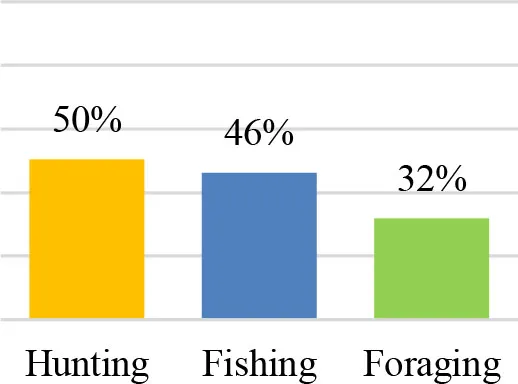 |
| Theme 2: conservation and education | Subthemes: teaching and learning from others, supporting conservation, and wildlife management. | “Contributing to conservation through advocacy for wild animals and public lands.” “I enjoy… teaching my young children about wild edibles.” | 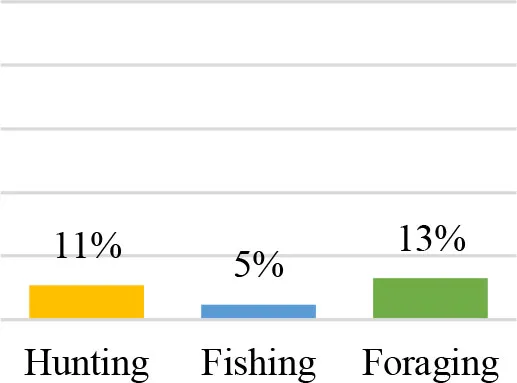 |
| Theme 3: economic | Subthemes: saving money and the inexpensive nature of wild food procurement. | “I value… the money we get to save on groceries.” “Free food.” | 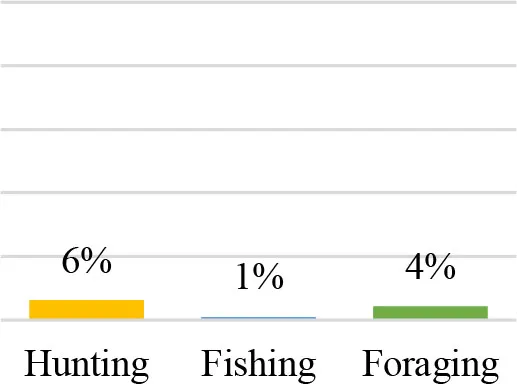 |
| Theme 4: food and/or health | Subthemes: healthy food, the quality and taste of wild foods, and knowing where their food comes from. | “Knowing exactly how the animals I eat lived and died.” “Cold water fish provides a good source of omega-3 fatty acids.” | 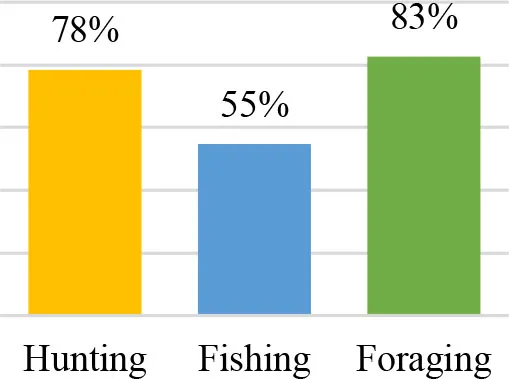 |
| Theme 5: recreation and/or self-fulfillment | Subthemes: physical exercise, time spent outdoors, the connection to nature, and personal satisfaction. | “I love just enjoying the nature and getting outdoors to have a good time.” “Enjoying Montana's waterways, seeing new places, and spending a day outside.” | 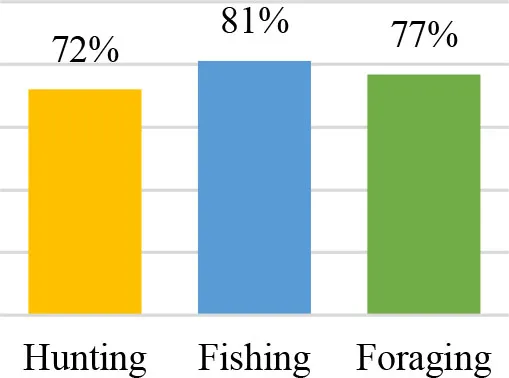 |
Values related to hunting, fishing, and foraging coded into the most prevalent themes: food and/or health, recreation and/or self-fulfillment, companionship, conservation and education, and economic.
Informants reported they and/or their families hunt over 42 types of wildlife with the most prevalent animals being: deer (88%), birds and waterfowl (69%), and elk (65%) (Table 2). The types of wildlife participants reported hunting most often include deer (59%), birds and waterfowl (29%), and elk (29%) (Figure 2). Informants notably varied in how often they go hunting ranging from once to over 100 times per year, with a mean of 16 times per year (n = 91; SD = 15.68). Informants reported to primarily hunt on public (82%) and private (51%) lands while some informants also hunt in other areas (3%) such as tribal land. The majority of informants reported they consume the meat they hunt on a weekly basis (60%) while others reported they consume hunted meat one to three times per month (23%) or less than once per month (17%) (Figure 3). Informants shared a range of practices, rituals, and stories associated with hunting with the most prevalent being related to recipes and preservation techniques (70%). The most frequently reported preservation techniques for hunting included freezing, drying, canning, and smoking. Other practices shared included family traditions, connections, and stories (28%), harvesting practices (23%), and practices of a spiritual nature (19%) (Table 3).
Table 2
| Common name | Scientific name | Family | Food type |
|---|---|---|---|
| Hunting | |||
| Black bear | Ursus americanus | Ursidae | Bear |
| Big Horn sheep | Ovis canadensis | Bovidae | Bighorn sheep |
| Canada geese | Branta canadensis | Anatidae | Birds/waterfowl |
| Coot | Fulica americana | Rallidae | Birds/waterfowl |
| Dusky grouse | Dendragapus obscurus | Phasianidae | Birds/waterfowl |
| Eurasian collared dove | Streptopelia decaocto | Columbidae | Birds/waterfowl |
| Gray/Hungarian partridge | Perdix perdix | Phasianidae | Birds/waterfowl |
| Mergansers | Mergus merganser | Anatidae | Birds/waterfowl |
| Mouring Dove | Zenaida macroura | Columbidae | Birds/waterfowl |
| Pigeons | Columba livia domestica | Columbidae | Birds/waterfowl |
| Quail | Callipepla californica | Odontophoridae | Birds/waterfowl |
| Ring-necked Pheasant / common pheasant | Phasianus colchicus | Phasianidae | Birds/waterfowl |
| Ruffed grouse | Bonasa umbellus | Phasianidae | Birds/waterfowl |
| Sage grouse | Centrocercus urophasianus | Phasianidae | Birds/waterfowl |
| Sandhill cranes | Antigone canadensis | Gruidae | Birds/waterfowl |
| Sharp-tailed grouse | Tympanuchus phasianellus | Phasianidae | Birds/waterfowl |
| Snow Geese | Anser caerulescens | Anatidae | Birds/waterfowl |
| Spruce grouse | Canachites canadensis | Phasianidae | Birds/waterfowl |
| Swans (this is trumpeter) | Cygnus buccinator | Anatidae | Birds/waterfowl |
| Tundra Swan | Cygnus columbianus | Anatidae | Birds/waterfowl |
| Turkey | Meleagris gallopavo | Phasianidae | Birds/waterfowl |
| Wood duck | Aix sponsa | Anatidae | Birds/waterfowl |
| Bison | Bison bison | Bovidae | Bison |
| Mule deer | Odocoileus hemionus | Cervidae | Deer |
| Whitetail deer | Odocoileus virginianus | Cervidae | Deer |
| Elk/Wapati | Cervus canadensis | Cervidae | Elk |
| Mountain goat | Oreamnos americanus | Bovidae | Goat |
| Moose | Alces alces | Cervidae | Moose |
| Bobcat | Lynx rufus | Felidae | Mountain lion or bobcat |
| Mountain lion | Puma concolor | Felidae | Mountain lion or bobcat |
| Badger | Taxidea taxus | Mustelidae | Other |
| Pronghorn/Antelope | Antilocapra americana | Antilocapridae | Pronghorn |
| Cotton-tail | Sylvilagus floridanus | Leporidae | Rabbit, squirrel, other rodent |
| Jack rabbit | Lepus townsendii | Leporidae | Rabbit, squirrel, other rodent |
| Red squirrel | Tamiasciurus hudsonicus | Sciuridae | Rabbit, squirrel, other rodent |
| Richardson ground squirrel | Urocitellus richardsonii | Sciuridae | Rabbit, squirrel, other rodent |
| Coyote | Canis latrans | Canidae | Wolf/fox/coyote |
| Fox | Vulpes vulpes | Canidae | Wolf/fox/coyote |
| Wolf (gray) | Canis lupus | Canidae | Wolf/fox/coyote |
| Porcupine | Erethizon dorsatum | Erethizontidae | Other |
| Racoon | Procyon lotor | Procyonidae | Other |
| Turtle (this is Western painted) | Chrysemys picta | Emydidae | Other |
| Fishing | |||
| Bigmouth / Largemouth bass | Micropterus salmoides | Centrarchidae | Bass |
| Smallmouth bass | Micropterus dolomieu | Centrarchidae | Bass |
| Bluegill | Lepomis macrochirus | Centrarchidae | Bluegill |
| Large mouth / Bigmouth buffalo | ctiobus cyprinellus | Catostomidae | Buffalo |
| Small mouth buffalo | Ictiobus bubalus | Catostomidae | Buffalo |
| Burbot | Lota lota | Lotidae | Burbot |
| Common Carp | Cyprinus carpio | Cyprinidae | Carp |
| Channel catfish | Ictalurus punctatus | Ictaluridae | Catfish |
| Mudcat / Flathead catfish | Pylodictis olivaris | Ictaluridae | Catfish |
| Crappie | Pomoxis nigromaculatus | Centrarchidae | Crappie |
| Freshwater drum | Aplodinotus grunniens | Sciaenidae | Drum |
| Redfish / red drum | Sciaenops ocellatus | Sciaenidae | Drum |
| Gar | Lepisosteus platostomus | Lepisosteidae | Gar |
| Goldeye | Hiodon alosoides | Hiodontidae | Goldeye |
| Mullet | Mugil cephalus | Mugilidae | Mullet |
| Musky | Esox masquinongy | Esocidae | Musky |
| Northern Pikeminnow | Ptychocheilus oregonensis | Leuciscidae | Northern pikeminnow |
| Paddlefish | Polyodon spathula | Paddlefish | Paddlefish |
| Perch | Perca flavescens | Percidae | Perch |
| Yellow perch | Perca flavescens | Percidae | Perch |
| Northern Pike | Esox lucius | Esocidae | Pike |
| Rock fish / Striped bass | Morone saxatilis | Moronidae | Rock fish |
| Steelhead | Oncorhynchus. m. irideus | Salmonidae | Salmon |
| Sauger | Sander canadensis | Percidae | Sauger |
| Shovelnose Sturgeon | Scaphirhynchus platorynchus | Acipenseridae | Sturgeon |
| Brook Trout | Salvelinus fontinalis | Salmonidae | Trout |
| Brown trout | Salmo trutta | Salmonidae | Trout |
| Bull trout | Salvelinus confluentus | Salmonidae | Trout |
| Cutthroat trout | Oncorhynchus clarkii | Salmonidae | Trout |
| Golden trout | Oncorhynchus aguabonita | Salmonidae | Trout |
| Kokanee Salmon | Oncorhynchus nerka | Salmonidae | Trout |
| Lake trout | Salvelinus namaycush | Salmonidae | Trout |
| Rainbow trout | Oncorhynchus mykiss | Salmonidae | Trout |
| Westslope cutthroat trout | Oncorhynchus clarkii lewisi | Salmonidae | Trout |
| Yellowstone cutthroat trout | Oncorhynchus clarkii bouvieri | Salmonidae | Trout |
| Walleye | Sander vitreus | Percidae | Walleye |
| Lake Whitefish | Coregonus clupeaformis | Salmonidae | Whitefish |
| Mountain Whitefish | Prosopium williamsoni | Salmonidae | Whitefish |
| Foraging | |||
| Apples | Malus pumila | Rosaceae | Berries and fruits |
| Bearberries / Kinnikinnick | Arctostaphylos uva-ursi | Ericaceae | Berries and fruits |
| Blackberries | Rubus laciniatus | Rosaceae | Berries and fruits |
| Buffalo berries | Shepherdia argentea | Elaeagnaceae | Berries and fruits |
| Chokecherries | Prunus virginiana | Rosaceae | Berries and fruits |
| Crab apples | Malus sylvestris | Rosaceae | Berries and fruits |
| Currants | Ribes aureum | Grossulariaceae | Berries and fruits |
| Elderberries | Sambucus cerulea | Adoxaceae | Berries and fruits |
| Gooseberry | Solidago canadensis | Grossulariaceae | Berries and fruits |
| Hawthorne berries | Crataegus douglasii | Rosaceae | Berries and fruits |
| Huckleberries | Vaccinium membranaceum | Ericaceae | Berries and fruits |
| Juneberries / service berry / Saskatoon | Amelanchier alnifolia | Rosaceae | Berries and fruits |
| Oregon grape | Berberis repens | Berberidaceae | Berries and fruits |
| Raspberries | Rubus idaeus | Rosaceae | Berries and fruits |
| Red Elderberry | Sambucus racemosa | Caprifoliaceae | Berries and fruits |
| Rhubarb | Rheum rhabarbarum | Polygonaceae | Berries and fruits |
| Rose hips | Rosa rugosa | Rosaceae | Berries and fruits |
| Strawberry | Fragaria vesca | Rosaceae | Berries and fruits |
| Thimbleberries | Rubus parviflorus | Rosaceae | Berries and fruits |
| Thorn apple | Datura stramonium | Solanaceae | Berries and fruits |
| Whortle berries | Vaccinium scoparium | Ericaceae | Berries and fruits |
| Wild Plums | Prunus americana | Rosaceae | Berries and fruits |
| Asparagus | Asparagus officinalis | Asparagaceae | Greens |
| Dandelion and dandelion greens | Taraxacum lyratum | Asteraceae | Greens |
| Goosefoot / Lamb's quarters | Chenopodium berlandieri | Amaranthaceae | Greens |
| Mustards | Sinapis arvensis | Brassicaceae | Greens |
| Watercress | Rorippa nasturtium-aquaticum | Brassicaceae | Greens |
| Yellow dock | Rumex crispus | Polygonaceae | Greens |
| Arnica | Arnica fulgens | Asteraceae | Herbs and medicinal plants |
| Aster | Aster alpinus | Asteraceae | Herbs and medicinal plants |
| Belladonna | Atropa belladonna | Solanaceae | Herbs and medicinal plants |
| Bistort | Polygonum bistortoides | Polygonaceae | Herbs and medicinal plants |
| Burdock | Arctium minus | Asteraceae | Herbs and medicinal plants |
| Calendula | Calendula arvensis | Asteraceae | Herbs and medicinal plants |
| Camas | Camassia quamash | Liliaceae | Herbs and medicinal plants |
| Chicory | Cichorium intybus | Asteraceae | Herbs and medicinal plants |
| Cleaver | Galium aparine | Rubiaceae | Herbs and medicinal plants |
| Devil's club | Oplopanax horridus | Araliaceae | Herbs and medicinal plants |
| Equistium / Horsetail | Equisetum telmateia | Equisetaceae | Herbs and medicinal plants |
| False Solomons Seal | Maianthemum racemosum | Asparagaceae | Herbs and medicinal plants |
| Feverfew | Tanacetum parthenium | Asteraceae | Herbs and medicinal plants |
| Fireweed | Chamerion angustifolium | Onagraceae | Herbs and medicinal plants |
| Gentian | Gentiana affinis | Gentianaceae | Herbs and medicinal plants |
| Gerenium | Geranium bicknellii | Geraniaceae | Herbs and medicinal plants |
| Glacier lily | Erythronium grandiflorum | Liliaceae | Herbs and medicinal plants |
| Goldon Rod | Solidago canadensis | Asteraceae | Herbs and medicinal plants |
| hanbene / hebenon | Hyoscyamus niger | Solanaceae | Herbs and medicinal plants |
| Hounds tongue | Cynoglossum officinale | Boraginaceae | Herbs and medicinal plants |
| knapweed | Centaurea jacea | Asteraceae | Herbs and medicinal plants |
| Lady fern | Athyrium filix-femina | Athyriaceae | Herbs and medicinal plants |
| Lomatium | Lomatium triternatum | Apiaceae | Herbs and medicinal plants |
| Mallow | Malva neglecta | Malvaceae | Herbs and medicinal plants |
| Mint | Mentha arvensis | Lamiaceae | Herbs and medicinal plants |
| Motherwort | Leonurus cardiaca | Lamiaceae | Herbs and medicinal plants |
| Mountain mint / Escoba de la sierra | Monardella odoratissima | Lamiaceae | Herbs and medicinal plants |
| Nettle | Urtica dioica | Urticaceae | Herbs and medicinal plants |
| Osha | Ligusticum porteri | Apiaceae | Herbs and medicinal plants |
| Oxeye daisy | Leucanthemum vulgare | Asteraceae | Herbs and medicinal plants |
| Pearly everlasting | Anaphalis margaritacea | Asteraceae | Herbs and medicinal plants |
| Pedicularis | Pedicularis canadensis | Orobanchaceae | Herbs and medicinal plants |
| Pepermint | Mentha balsamea | Lamiaceae | Herbs and medicinal plants |
| Rabbit brush | Ericameria nauseosa | Asteraceae | Herbs and medicinal plants |
| Rein orchid | Piperia unalascensis | Orchidaceae | Herbs and medicinal plants |
| Sage | Artemisia scopulorum | Asteraceae | Herbs and medicinal plants |
| Salsify | Tragopogon dubius | Asteraceae | Herbs and medicinal plants |
| Solomon Seal | Polygonatum multiflorum | Asparagaceae | Herbs and medicinal plants |
| Sorrel | Rumex paucifolius | Polygonaceae | Herbs and medicinal plants |
| Sweet cicely | Myrrhis odorata | Apiaceae | Herbs and medicinal plants |
| toadflax | Comandra umbellata | Santalaceae | Herbs and medicinal plants |
| Valerian | Valeriana acutiloba | Valerianaceae | Herbs and medicinal plants |
| Vitex | Vitex agnus-castus | Lamiaceae | Herbs and medicinal plants |
| Western Pasque | Anemone occidentalis | Ranunculaceae | Herbs and medicinal plants |
| Yarrow | Achillea millefolium | Asteraceae | Herbs and medicinal plants |
| Chanterelle | Cantharellus cibarius | Cantharellaceae | Mushroom |
| Morels | Morchella esculenta | Morchellaceae | Mushroom |
| Oyster mushroom | Pleurotus ostreatus | Pleurotaceae | Mushroom |
| Porcini | Boletus edulis | Boletaceae | Mushroom |
| Puffballs | Calvatia booniana | Agaricaceae | Mushroom |
| Amaranth | Amaranthus retroflexus | Amaranthaceae | Nuts and seeds |
| Flax | Linum usitatissimum | Linaceae | Nuts and seeds |
| Pine nuts | Pinus edulis | Pinaceae | Nuts and seeds |
| Sunflower | Helianthus annuus | Asteraceae | Nuts and seeds |
| Chives | Allium schoenoprasum | Liliaceae | Wild chives, onions, leeks |
| Leeks | Allium tricoccum | Amaryllidaceae | Wild chives, onions, leeks |
| Wild onion | Allium textile | Liliaceae | Wild chives, onions, leeks |
| Cattail | Typha latifolia | Typhaceae | Other |
| Cocklebur root | Xanthium strumarium | Asteraceae | Other |
| Cottonwood buds | Populus deltoides | Salicaceae | Other |
| Fir cones | Pseudotsuga menziesii | Pinaceae | Other |
| Juniper | Juniperus communis | Cupressaceae | Other |
| Spruce tips | Picea glauca | Pinaceae | Other |
| Willow bark | Salix bebbiana | Salicaceae | Other |
Types of wild foods procured through hunting, fishing, and foraging.
Figure 2
Figure 3
Table 3
| Wild food harvesting practices | |||
|---|---|---|---|
| Research theme | Subthemes | Sample quotations | Frequency of theme |
| Theme 1: harvesting practices | Subthemes: butchering the animal themselves and mindful harvest of a plant community | “I process or butcher all of the game I take.” “We try to dig roots when the plant is in seed, so we fill the hole with seeds. We intentionally spread seeds, and we caretake specific patches of all of our foods and medicines, keeping close eyes on how they are doing.” | 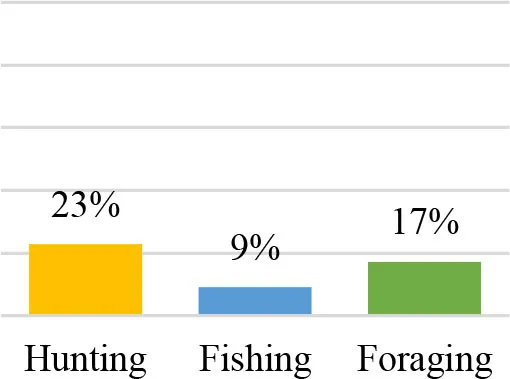 |
| Theme 2: recipes and preservation techniques | Subthemes: specific family recipes and preservation techniques like freezing, drying, canning, pickling, and smoking | “It's simple but it's hard to beat, cooking fish in a foil over open fire.” “Morels fried in butter and used as a topping for pork loin sandwiches on ciabatta.” | 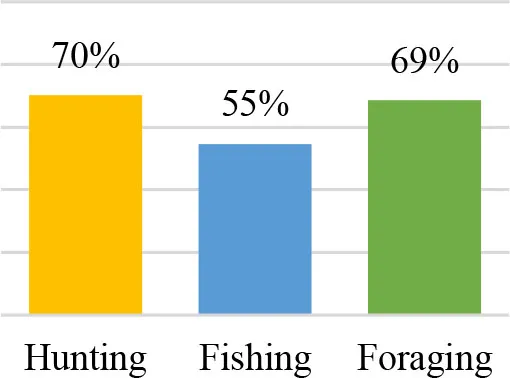 |
| Theme 3: spiritual or rituals | Subthemes: harvest rituals, mindfulness, and saying a prayer when harvesting | “When an animal is shot it is thanked and fresh branches are put in its mouth and on the wound.” “When I harvest medicines, I consider it an activity that I need to pay special attention to and to be mindful.” | 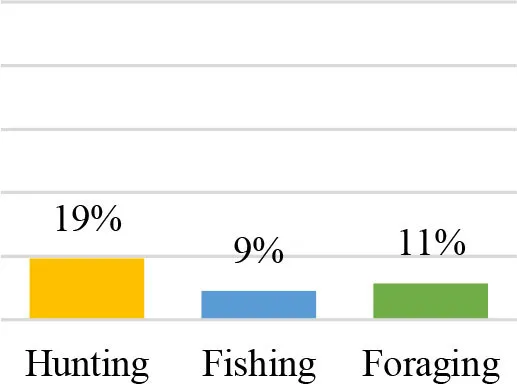 |
| Theme 4: tradition, connection, and stories | Subthemes: time spent with family, visiting traditional or special locations | “My dad and I go out to a local burger place as a celebration of filling a tag.” “My grandfather knows the best fishing spots. We make this a contest of who can catch “the biggest and the most. | 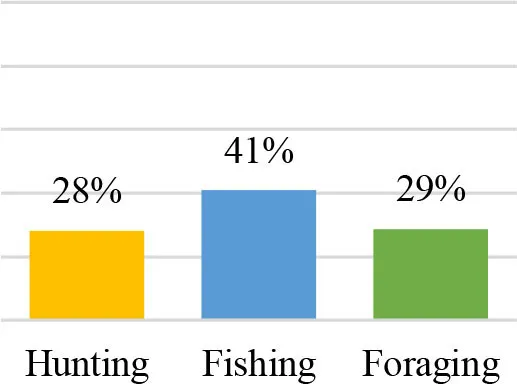 |
Prevalent themes associated with practices and rituals regarding the procurement of wild foods through hunting, fishing, and foraging.
For hunting, the majority of informants had a Wild Food Procurement score of 1 (91%) and an average Wild Food Dietary Diversity score of 3.19 (n = 110; SD = 1.61) that ranged from one to nine types of animals they harvest. Differences in mean WFPSc for hunting were not significant based on generation, gender, or location, and were significant based on food insecurity (p = 0.0055). Specifically, respondents that were food insecure had a higher mean WFPSc for hunting than those that were not food insecure. Differences in mean WFDDSc for hunting were not significant based on generation, gender, or location, and were significant based on food insecurity (p = 0.0002). In particular, respondents that were food insecure had a higher mean score than those that were not food insecure.
Fishing
The majority of informants (83%) reported they fish and have members in their household that fish (77%) including partners (65%), friends (54%), parents (33%), extended family (29%), siblings (28%), and grandparents (11%). Significant differences were found for those that reported they fish based on gender (p < 0.0001). Specifically, those that fish had a higher probability of being male than female (p < 0.0001), with the proportion of those that fish higher for males (91%) than females (67%). Most informants learned to fish from parents (57%), particularly their fathers. Informants shared multiple factors they value about fishing with the most prevalent themes reported being: recreation and/or self-fulfillment (81%), food and/or health (55%), and companionship (46%) (Table 1).
Informants and their families harvest approximately 38 types of fish with trout (77%) and bass (36%) most prevalently reported (Table 2). Further, informants reported the fish they catch the most include various species of trout (57%) (Figure 2). Informants varied in how often they go fishing ranging from once a year to over 100 times per year, with a mean of 19 times per year. Informants reported that they fish primarily on public land (87%) as well as private land (30%) with some informants fishing in other areas (1%) such as tribal land. Consumption of fish was variable, with about a third of informants that reported they consume fish on a weekly basis (38%), while others reported they consume fish less than once per month (35%) or one to three times per month (27%) (Figure 3). Informants shared a range of practices, rituals, and stories associated with fishing, with the majority focused on recipes and preservation techniques (55%). For example, multiple informants shared statements to indicate that they utilize cooking and/or processing techniques such as smoking and canning fish (Table 3). Other rituals and practices reported by informants included responses associated with tradition, connection, and stories (41%), harvesting practices (9%), and rituals being spiritual in nature (9%).
The majority of informants had a WFPSc of 1 for fishing (91%) and an average WFDDSc of 2.75 (n = 104; SD = 2.30) that ranged from one to 18 different species or types of fish. Differences in Wild Food Procurement Score for fishing were not significant based on gender, food insecurity, or location, and were significant based on generation. Specifically, in a means comparison using Student's t-test, the Millennial group had a higher mean WFPSc for fishing than the Baby Boomer+ group. Differences in mean WFDDSc for fishing were not significant based on generation, gender, food insecurity, or location.
Foraging
The majority of participants reported they forage (66%) and have members in their household that forage (59%) including partners (63%), friends (50%), parents (45%), extended family (28%), siblings (20%), and grandparents (11%). Significant differences were found for those that reported they forage based on generation (p = 0.0035) and gender (p = 0.0040). Specifically, those that reported they forage had a higher probability of being female (p = 0.0028), with the proportion of those that forage higher for females (81%) compared to males (59%). Most informants reported they learned to forage from parents (35%) and through a variety of sources (42%) other than their immediate family and friends including books, classes, and online learning. Informants shared multiple factors that they value about foraging (with the most prevalent themes reported being: food and/or health (83%), recreation and or self-fulfillment (77%), and companionship (32%) (Table 1).
Informants and their families forage over 92 wild edible plants (Table 2) with the most prevalent being: berries and fruits (87%), mushrooms (69%), and other botanicals used medicinally (25%). Further, informants reported the foods most foraged are fruits and berries (68%) (Figure 2). The majority of informants reported they primarily forage on public (64%) and private (36%) lands with few reporting they forage in other areas (2%) such as tribal land. Informants varied in how often they consume wild edible foods with just over half reporting their consumption is varies based on season (56%). Around half of the informants reported they consume wild edible foods weekly (52%), while other informants reported they consume wild edible foods about one to three times a month (26%) or less than once a month (22%) (Figure 3).
Informants reported numerous preservation techniques for foraged goods with the most frequent being freezing, drying, canning, and pickling. Informants also reported that they make a range of “home-made” food products using foraged wild edible plants including salads, soups, smoothies, and sides (73%); jams, jellies, and syrups (61%); desserts such as pies or baked goods (43%); and medicinal tonics including teas/tisane, salves, and tinctures (22%). Informants shared a range of practices, rituals, and stories associated with foraging, with the majority focused on recipes and preservation techniques (69%) (Table 3). Other rituals and practices reported by informants included responses associated with tradition, connection, and stories (29%), harvesting practices (17%), and rituals being spiritual in nature (11%).
The majority of informants had a WFPSc of 1 for foraging (68%) and an average WFDDSc of 2.70 (n = 67; SD = 1.47) that ranged from one to seven different types of foraged edible foods. Differences in Wild Food Procurement Score for foraging were not significant based on food insecurity or location and were significant based on generation (p = 0.0132) and gender (0.0078). Specifically, in a means comparison using Student's t-test, the Baby Boomer+ group had a higher mean WFPSc for foraging than both the Millennial (p = 0.0033) and the Generation X group (p = 0.0369), and females had a higher mean WFPSc than males. Differences in mean WFDDSc for foraging were not significant based on generation, gender, food insecurity, and location.
Wild Food Perceptions and Total Wild Food Procurement and Dietary Diversity Scores
The majority of informants agree that eating wild foods contributes to the overall nutritional quality (87%) and diversity (variety) of their diet (82%), as well as lowers the cost of their diet (59%). Furthermore, the majority of informants agreed (66%) that collecting and/or eating wild foods is part of their cultural identity, and they are concerned that younger generations in their community are losing both their desire to collect (73%) and traditional knowledge of collecting (73%) wild foods.
In parallel, the majority of informants had a WFPSc of 1, on a scale of 0–1, for hunting (91%), fishing (91%), and foraging (68%) (Figure 4A). More than half of informants had a WFPSc of 3 (58%), on a scale of 1–3, which indicates they procure wild foods from hunting, fishing, and foraging; while one-third of informants had a WFPSc of 2 (33%), which indicates they procure foods from a combination of two wild food activities. The remaining informants had a WFPSc of 1 (9%), indicating they procure wild foods from a single activity (Figure 4B). Differences in Total WFPSc were not significant based on generation, gender, food insecurity, and location.
Figure 4
The mean Total WFDDSc for informants was 6.34 (n = 129; SD = 4.26) with a range of one to 31 different types of total wild foods consumed from hunting, fishing, and foraging activities. Differences in mean Total WFDDSc were significant based on food insecurity status of participants (p = 0.0181), with a higher mean score among informants that were not food insecure (6.9) compared to those that were food insecure (5.1). Total WFDDSc was not significantly different based on generation, gender, and location.
Environmental Change and Protecting Community Resources
Over half the informants reported they perceived some type of environmental change over the past decade (increase, decrease, or become more variable). Specifically, a notable percentage of informants reported they have observed an increase in drought (56%), temperature (50%), and intensity (42%) and frequency (40%) of wildfire (Figure 5). Over a third of informants further observed greater variability in overall snowfall (44%) and overall weather patterns (43%) as well as a decrease in snowpack (40%) and water availability (33%). Specific changes informants reported include “changes in rainfall and availability of animals”, “higher temperatures with more frost-free days”, “warmer weather with winter not lasting as long”, “hotter summers fueling more wildfire” or “hotter with less precipitation”, and “getting hotter and more rain”.
Figure 5
Around two-thirds of participants noted some type of change (starting earlier, later, become more variable) for all four seasons (Figure 6). Specifically, over one-third of informants reported they have observed both summer (41%) and spring (40%) starting earlier. Approximately a quarter of the informants further reported they observed the winter (29%) and fall (26%) seasons starting later. For example, some changes informants reported include “growing season has increased”, “extended growing season”, “variable temperatures rather than stable cycles”, “hotter spring and summer with winter and fall not as cold”, and “higher winter temperatures and more pests in forests”.
Figure 6
The majority of informants reported they have observed environmental changes in the past decade that have resulted in changes in wild game, fish, and edible plant populations (Figure 7). Some of the changes reported include: (1) changes in the timing of seasonal wildlife behavior (27%); (2) water quality of lakes and rivers (37%); and (3) overall availability or abundance of wild plant foods (34%). A few informants also noted changes in the types of wild animals that other wild game feed on (10%), aquatic organisms that fish feed on (7%), and the elevation wild plant foods are available (7%). Some of the specific observations reported by informants regarding changes in wildlife include “changes in big game winter distribution”, “changes in timing or rut”, “less elk”, and “more deer”. Changes reported for fish include “not as cold in the winter”, “lake water level has decreased”, and “less fish” and “lower abundance of fish”. Changes reported for foraged edibles include “an increase in the amount of wild plant foods”, “earlier harvest”, “drier and less productive plants”, and “longer season”.
Figure 7
The majority of informants reported they agree they are concerned about land-use changes in and around their community (80%), water quality (77%), and future decrease in availability of wild foods (72%). Approximately two-thirds of informants reported they agree that changes in weather patterns were impacting the wellbeing of their community (65%). Informants shared a range of ideas for protecting food, water, land, and cultural resources in their community that focused on the following themes: (1) management, policy, and/or legislation (43%); conservation and responsible resource use (38%); community engagement and education (29%); and mindful planning and development (17%) (Table 4).
Table 4
| Protecting community food, water, land, and cultural resources | ||
|---|---|---|
| Research theme | Subthemes | Sample quotations |
| Theme 1: community engagement and education | Subthemes: education, participate in community activities, communication and relationship building | “We need to talk about these issues more and education kids in school (let's start a sustainable agriculture and environmental science program in K-12!).” “Proactive and positive citizen participation in land use decisions.” “Get more people interested in wildcrafting.” |
| Theme 2: Conservation and responsible resource use | Subthemes: protect open/green space, recycle, reduce waste and/or pollution, renewable energy, conservation practices | “Promote sustainable land use practices, renewable energy, and promotes a lifestyle that reduces carbon emissions.” “Support land conservation and opportunities for people to have access to nature and ways to connect with nature.” “By wasting less and saving more.” |
| Theme 3: management, policy, and/or legislation | Subthemes: federal management, political leadership, public lands, laws/fines | “Improving agricultural practices to reduce dewatering, pesticide & fertilizer reduction, public lands grazing allotment reduction, atmospheric carbon reduction” “Increase in funding to conservation efforts, protect open space (ranches and public land)” “Proper legislation to regulate game and fish populations. Putting funds toward fire prevention and resources needed to fight wildfires. Logging overgrown areas that lead to larger fires.” |
| Theme 4: planning and/or development | Subthemes: long-term management, smart development, environmental sustainability plans | “Regulate sprawl, create more habitable cities, provide public transportation and services to allow people to live in cities and easily visit wild areas without building in them” “Place limits on building in wild lands, especially forested areas, while incentivizing urban infill.” “Have a quality land use master plan for the county and all public lands.” |
Protecting community food, water, land, and cultural resources.
Themes, subthemes, and suggestions reported by informants to help protect their community's food, water, land, and cultural resources.
Discussion
This case study highlights that wild food environments are an important biocultural resource that contributes to cultural identity, dietary quality, dietary diversity of nutrient-dense foods, and food security through lowered cost of diets. Informants, and members of their social networks, frequently engage with wild food environments to hunt, fish, and forage a diversity of species including 42 types of wildlife, 38 types of fish, and 92 types of edible and medicinal plants. The most prevalent types of wild foods procured among informants are deer, birds and waterfowl, elk, trout, bass, and a range of berries, mushrooms, and medicinal plants. Wild foods are frequently consumed by the informants; over half consume wild meat and plants on a weekly basis, while just over one-third consume fish weekly. The procurement of wild foods represents cultural heritage and traditional ecological knowledge with informants learning to hunt, fish, and forage from elder members of their families. The species that informants hunt, fish, and forage dually represent both local biodiversity and food sources that are rich in nutrient profiles (Dinstel et al., 2013; USDA, 2020). However, informants expressed concern that wild food environments are vulnerable to global change and have been impacted by climate change and land-use change. In addition, informants expressed concern that traditional ecological knowledge associated with wild food environments is at risk with the younger generation losing knowledge and motivation associated with wild foods. On the basis of findings, we support that wild food environments are a critical place to understand and conserve. Future research is called for to understand the social implications of wild food procurement and associated cultural heritage and traditional ecological knowledge within the context of their study region.
Coded responses regarding values associated with hunting, fishing, and foraging highlight the multidimensional value system among informants regarding wild foods procurement. The most prevalent value reported for procuring wild foods was for diets followed by recreation, family time, spirituality, and connection to the environment. Wild food procurement is associated with a range of practices and rituals ranging from food preparation and cooking activities to those spiritual in nature. Findings of the multidimensional valuation and practices associated with wild foods are in line with previous research (Groessler, 2008; Smith et al., 2019; Byker Shanks et al., 2020). For example, Groessler 2008 reported food preparation and storage techniques for berries such as huckleberry, serviceberry, and bitterroot, as well as preparation techniques for fish such as salmon as a prevalent wild food procurement practice.
The high valuation of wild foods for diets among participants is demonstrated in the relatively high frequency of consumption reported by informants. More than half of informants reported they consume wild meat and plants they procure on a weekly basis, while just over one-third reported they consume fish weekly. Findings on the frequency of consumption of wild meat and plants are higher than reported in a previous study in a tribal community in Montana, where approximately one-third of participants reported consuming wild meat and foraged plants at least once a week, while the frequency of consumption is the same.
Participants' valuation of wild foods for diets coupled with the frequency of consumption contributes to food security and dietary quality of informants. A majority of informants agreed that the consumption of wild foods contributes to the overall nutritional quality and diversity of their diet while lowering food costs. These findings are of importance to food security as a notable percentage of participants (43%) are food insecure and receive food and nutrition assistance (29%) through the Supplemental Nutrition Assistance Program, food banks, and community kitchens. The promotion of wild foods, and associated food environments and cultural resources, has the potential to contribute to enhancing food security and nutritional outcomes through non-market access to diverse and nutrient-dense foods. Previous research highlights that wild foods contribute to commonly consumed foods and food security as a non-monetary resource that can supplement diets through non-market sources (Ford et al., 2009; Smith et al., 2019; Byker Shanks et al., 2020). Given the role of wild foods for food security, it is essential for citizens to continue to have access to these resources. While access issues did not emerge as a key theme in this study for procuring wild foods, previous studies (including in the study area) have highlighted how access to natural resources can serve as a barrier for wild food consumption (Smith et al., 2019).
Wild foods are further recognized to contribute to dietary quality, nutrition, and health through enhancing dietary diversity of nutrient-dense foods with their rich nutrient and phytochemical profiles (Vinceti et al., 2012). For example, North American ruminants (elk, deer, and antelope) are a source of lean protein with a beneficial fatty acid composition that may help prevent chronic disease (Crawford, 1968; Cordain et al., 2002). Fowl, including pheasant and grouse, are lean sources of protein, with pheasant being relatively high in selenium and choline (USDA, 2020). Fish, including wild-caught trout and bass, offer unadulterated sources of protein high in potassium (USDA, 2020). Wild mushrooms such as morels and puffballs are high in vitamin D, with morels also substantially high in iron (USDA, 2020). Huckleberries and raspberries are high in both vitamin C and antioxidants (Dinstel et al., 2013; USDA, 2020).
While wild foods contribute to food security, dietary quality, and sustainable diets, these natural resources are vulnerable to global change including climate change, land-use change, and loss of biodiversity (Galloway et al., 2003; Tscharntke et al., 2012; Lowry et al., 2019; Willett et al., 2019; Prevéy et al., 2020). A notable percentage of informants have observed shifts in climate over the past decade including an increase in temperature, more variable rainfall, increased drought, more variable snowfall, decreased snowpack, increase in extreme weather, more variable weather patterns, increase in frequency and intensity of wildfires, greater variability of wind, decrease in water availability, and increase in frost free days. In addition, a notable percentage of informants further reported they observed seasonal variation in the past decade including spring and summer starting earlier and fall and winter starting later. Informants also observed an increase in the number of pests and diseases. Informant observations are in line with the Montana Climate Assessment (Whitlock et al., 2017) and have similarities to observations and perceptions reported by households in tribal communities in Montana (Smith et al., 2019) as well as farmers and ranchers in Montana (Grimberg et al., 2018). For example, the Montana Climate Assessment demonstrates that the area has experienced changes in precipitation patterns that are impacting snowpack, water availability, and increasing the severity of wildfires in the region (Whitlock et al., 2017).
Informants linked the observed changes in climate with impacts on wild food populations and associated biodiversity including: (1) overall abundance and distribution of fish and foraged wild edible plants; (2) changes in the types of wild game available; and (3) changes in the timing of seasonal behavior for game and fish, and timing of seasonal harvest of foraged edibles. In some cases, these observations include an increase in specific wildlife such as deer, while in other cases it includes a decrease in specific species such as a lower abundance of certain types of fish. Informants further noted shifts in the habitats of wild foods such as shifts in the water quality of lakes and rivers. Previous research highlights that wild foods are vulnerable to global change including climate change and land-use change (IPCC., 2007; Ford et al., 2009). For example, members of the Crow Nation in Montana observed reductions in freshwater fish populations due to warming waters (Doyle et al., 2013), while informants of the Flathead Reservation in Montana are concerned that changes in climate and land use coupled with overpopulation could decrease the availability of wild foods (Smith et al., 2019).
Informants shared a range of ideas to mitigate the impacts of environmental change on wild foods including enhancing education, research, and communication to community building efforts, policy, and conservation and management efforts. A third of informants shared ideas specifically targeted toward conservation and responsible resource use, perhaps due to feelings related to risk of restrictions on wild lands. Findings reinforce the need for research, education, evidence-based interventions, and policy to enhance wild food environments and associated cultural resources in the context of climate change (Cordalis and Suagee, 2008; Bharucha and Pretty, 2010; Lynn et al., 2013; Smith et al., 2019). For example, research is needed to better understand how climate change is impacting wild food populations, including quality, quantity, harvesting practices, and how this varies geographically.
Previous research provides evidence on the linkages between biodiversity and dietary diversity of nutrient-dense foods (Lachat et al., 2018; Gergel et al., 2020). Biodiversity is particularly critical to conserve given its role in ecosystem functioning coupled with its' current status outside of environmental limits within which humanity can safely operate (Steffen et al., 2015). Dietary diversity of nutrient-dense foods is recognized to support dietary quality (Gómez et al., 2020). To foster linkages between biodiversity and dietary diversity of nutrient-dense foods, we support that wild food environments (Downs et al., 2020) and associated bio-cultural resources are a critical place to understand, conserve, and promote for nutrition. While the role of food environments for advancing nutrition is increasingly recognized, wild food environments remain under-recognized in the nutrition literature and practice (Downs et al., 2020), including in nutrition-sensitive interventions. Central to promoting wild food environments is systematic and comprehensive documentation of the composition of wild foods using metabolomics and other foodomics technology. Along with biochemical composition data, there is a need to document ethnographic and environmental information on the context of wild foods including perceptions of how food composition varies based on environmental factors (Ahmed and Stepp, 2016). Further, there is a need for clinical studies to document the impacts of wild food consumption on human health outcomes, including the gut microbiome.
Given the vulnerability of wild food environments to land-use change including development in the study area, conservation efforts are needed to preserve wild food environments that support biodiversity, ecosystem services, sustainable diets, and planetary health while giving communities access to these resources for sustainable harvests. In addition to natural resources, this study highlights the importance of ecological knowledge and value systems maintaining wild food resources including their safe and sustainable procurement. Numerous research documents the special cultural knowledge regarding the identification, harvesting, preparation, and processing required to utilized and consumer wild foods (Turner et al., 2011). In addition, multiple studies document the detriments to diets and wellbeing associated with a loss to traditional ecological knowledge (LaRochelle and Berkes, 2003; Turner et al., 2011). We thus support advancing the concept of “conservation for nutrition” which we define as, “the preservation and management of biocultural diversity associated with wild food environments including biodiversity, ecosystem services, ecological knowledge, values, and practices with the goal to support both human and planetary health”.
Nutrition interventions in communities with a cultural practice of procuring wild foods should recognize these resources through supporting wild food environments as well as the ecological knowledge and values that foster their sustainable harvest and consumption. Previous studies have highlighted the role of forest conservation as a potential nutrition-sensitive intervention in low- and middle-income countries (Rasolofoson et al., 2020) as well as in rural communities globally (Hickey et al., 2016; Gergel et al., 2020) for supporting both ecosystem and human wellbeing. Forest conservation as a nutrition-sensitive intervention is recognized to provide a range of ecosystem services such as pollination that food crops are dependent on (Rasolofoson et al., 2020) along with providing nutrients for human diets through wild foods (Fungo et al., 2016). Gergel et al. (2020) highlight how forests are key sources of dietary diversity in rural settings. Fungo et al. (2015) found that foods harvested from forests in forest-dwelling communities in Cameroon contribute to 93% of daily vitamin A intake of women. The study presented here supports that ecological conservation efforts for nutrition are also important in high-income countries. In addition, this study supports that a range of wild food environments in addition to forests should be conserved including rivers, lakes, and grasslands.
Nutrition education that acknowledges wild food environments including ecological knowledge of sustainable and safe harvesting practices associated with wild foods could enhance the sustainability of wild food environments as well as their role for food security and dietary quality (Smith et al., 2019). Such initiatives should be place-based and culturally grounded for each context. For example, storytelling is a culturally-relevant way of transmitting ecological knowledge in many Indigenous cultures, “Our past is preserved and explained through the telling of stories and the passing of information from one generation to the next” (Inuit Tapiriit Kanatami) (Kuhnlein, 2013). Efforts should also be made to remove access barriers for wild food procurement in addition to knowledge. For example, previous research found that access to land and water, time, and costs for procuring wild foods were major barriers for the consumption of wild foods (Smith et al., 2019).
Some potential shortcomings and limitations of this study include the following with respect to survey distribution and the demographic background of participants that were reached through distribution efforts. The data is limited to what can be elicited to an online semi-structured survey where we cannot ask clarifying and follow-up questions to participants. Further, as this was an online survey it was not accessible to people who do not use the internet, or have internet access. The survey was distributed to various groups / listservs but is not representative of everyone who may procure wild foods in Montana that may not be part of those groups. Tribal affiliation was not collected given feedback from our Tribal Partners about cultural and sensitivity issues regarding the comparison between tribal communities, and with non-tribal populations.
Conclusion
Improving the nutritional quality of foods available in the food environment has been identified as a strategy to improve diets and health outcomes (Damman et al., 2008; Chodur et al., 2016). While the majority of food environment interventions have focused on the built or market food environment, this study highlights the importance of wild food environments where communities hunt, fish, and forage to support food security and dietary quality. Findings further highlight the vulnerability of wild food environments to environmental change and call for education, community building efforts, policy, and conservation plans to strengthen the sustainability of food systems to support both human and environmental wellbeing. On the basis of findings, we support that wild food environments and associated cultural resources are a critical place to understand and conserve to overcome the global burden of disease and improve nutritional and planetary health outcomes. Specifically, we recommend the following for supporting healthy, safer, and sustainable food procurement from wild food environments. These recommendations call for multi-sector collaboration between natural resource managers, public health, communities, cultural anthropologists, botanists, zoologists, dieticians, food system scientists, and other stakeholders.
(1) Conservation of Nutrition. Communities with a cultural practice of procuring wild foods should recognize these resources and support conservation of wild food environments and associated cultural resources including ecological knowledge and values. We thus support advancing and operationalizing the concept of “conservation for nutrition” which we define as, “the preservation and management of biocultural diversity associated with wild food environments including biodiversity, ecosystem services, ecological knowledge, values, and practices with the goal to support both human and planetary health”. Advancing conservation for nutrition should focus on equitable access to promote inclusivity of people from a range of cultural and socioeconomic backgrounds to access the wild food environment. For example, community provided transportation can help remove barriers to accessing wild foods. Our concept of conservation for nutrition acknowledges nutrition-sensitive landscapes that set nutrition, social, and environmental targets to benefit all three (Kennedy et al., 2017).
(2) Research on Socio-Ecological Determinants on Wild Food Procurement. In order for wild food procurement to continue in communities in a sustainable manner, research is needed to understand the socio-ecological determinants that enable this practice and how it contributes to community resilience. For example, what implication could wild food heritage have in terms of safeguarding the perception of “common goods”? Can wild foods represent a pillar of resilience or resurgence of a common goods-driven ethic?
(3) Place-based Education on Wild Food Procurement. Development and dissemination of a wide range of place-based educational offerings about safe food procurement in wild food environments including: plant identification, sustainable harvesting, harvesting from safe areas, and preparation of wild foods. Such education can be offered by community organizations and developed with the support of key informants who have expertise on wild foods such as community elders. These initiatives should also be place-based and culturally grounded for each context such as through storytelling. Several opportunities exist in the study area for those interested in procuring wild foods such as a certified hunter education course which includes education on conservation in addition to ethical and sustainable harvest of animals; wild plant identification courses and; community sponsored “field days”.
(4) Biochemical Profiling of Wild Foods and Dietary Interventions. Future research is called for to characterize the impact of wild food consumption on dietary quality and human health outcomes. This requires comprehensive profiling of wild food composition using cutting edge metabolomics and other foodomics technology. Such interventions also require profiling of human health biomarkers including impacts on the gut microbiome as well as perceptions of wellbeing.
Funding
This work was funded by NSF RII Track-2 FEC OIA grant number 1632810, the National Institute of General Medical Sciences of the National Institutes of Health under grant number P20GM103474, and the National Institute of General Medical Sciences of the National Institutes of Health under grant number P20GM104417. The content is solely the responsibility of the authors and does not necessarily represent the official views of National Science Foundation or the National Institutes of Health.
Publisher's Note
All claims expressed in this article are solely those of the authors and do not necessarily represent those of their affiliated organizations, or those of the publisher, the editors and the reviewers. Any product that may be evaluated in this article, or claim that may be made by its manufacturer, is not guaranteed or endorsed by the publisher.
Statements
Data availability statement
The raw data supporting the conclusions of this article will be made available by the authors, without undue reservation.
Ethics statement
The studies involving human participants were reviewed and approved by Institutional Review Board (IRB) at Montana State University. The patients/participants provided their written informed consent to participate in this study.
Author contributions
SA designed the survey tool with input from CB and VD. SA, CB, and VD contributed to administering data collection. TW and AS led the qualitative data analysis and TW led the quantitative data analysis with input from all authors. SA and TW wrote the manuscript with input from all authors. All authors contributed to data interpretation.
Acknowledgments
We are grateful to: (1) the survey respondents for sharing their knowledge and experiences; (2) Zachariah Miller, Anna Herforth, Ryan Huish, and Emily Salois for providing feedback on the survey tool; (3) former students of the Montana State University Food and Health Lab for supporting in logistical aspects of implementing the survey instrument, organizing data, and preliminary coding of data including Elizabeth Svisco, Debra Kraner, Erin Smith, and Emelia Hitchcock.
Conflict of interest
The authors declare that the research was conducted in the absence of any commercial or financial relationships that could be construed as a potential conflict of interest.
References
1
AhmedS.HerforthA. (2017). Missing Wild and Cultivated Environments in Food Environment Measures. ANH Academy Community - Blogs. Available online at: https://anh-academy.org/academy-news-events/blog/2017/08/30/missing-wild-and-cultivated-environments-food-environment (accessed May 16, 2021).
2
AhmedS.SteppJ. R. (2016). Beyond yields: Climate change effects on specialty crop quality and agroecological management. Elementa.4. 10.12952/journal.elementa.000092
3
AhmedS.SteppJ. R.OriansC.GriffinT.MatyasC.RobbatA.et al. (2014). Effects of Extreme Climate Events on Tea (Camellia sinensis) Functional Quality Validate Indigenous Farmer Knowledge and Sensory Preferences in Tropical China. PLoS ONE.9, e109126. 10.1371/journal.pone.0109126
4
AhmedS.UnachukwuU.SteppJ. R.PetersC. M.LongC.KennellyE. (2010). Pu-erh tea tasting in Yunnan, China: Correlation of drinkers' perceptions to phytochemistry. J. Ethnopharmacol.132, 176–185. 10.1016/j.jep.2010.08.016
5
BharuchaZ.PrettyJ. (2010). The roles and values of wild foods in agricultural systems. Philos. Trans. R. Soc. Lond., B, Biol. Sci.365, 2913–2926. 10.1098/rstb.2010.0123
6
BLM. (2022a). BLM. (2022a). Native Plant Communities: Rare and Cultural Plant Conservation. U.S. Department of Interior: Bureau of Land Management. Available online at: https://www.blm.gov/programs/natural-resources/native-plant-communities/rare-andcultural-plant-conservation (accessed January 2, 2022a).
7
BLM. (2022b). Native Plant Communities. U.S. Department of Interior: Bureau of Land Management. Available online at: https://www.blm.gov/programs/natural-resources/native-plant-communities/rare-andcultural-plant-conservation (accessed January 2, 2022a).
8
BoutayebA.BoutayebS. (2005). The burden of non communicable diseases in developing countries. Int. J. Equity Health.4, 2. 10.1186/1475-9276-4-2
9
Byker ShanksC.AhmedS.DupuisV.HoughtalingB.Running CraneM. A.TryonM.et al. (2020). Perceptions of food environments and nutrition among residents of the Flathead Indian Reservation. BMC Public Health.20, 1536. 10.1186/s12889-020-09584-7
10
ChodurG. M.ShenY.KodishS.OddoV. M.AntiportaD. A.JockB.et al. (2016). Food environments around American Indian reservations: a mixed methods study. PLoS ONE.11, e0161132. 10.1371/journal.pone.0161132
11
CordainL.WatkinsB. A.FlorantG. L.KelherM.RogersL.LiY. (2002). Fatty acid analysis of wild ruminant tissues: evolutionary implications for reducing diet-related chronic disease. Eur. J. Clin. Nutr.56, 181–191. 10.1038/sj.ejcn.1601307
12
CordalisD.SuageeD. B. (2008). The effects of climate change on American Indian and Alaska native tribes. Nat. Resour. Environ.22, 45–49. Available online at: https://www.jstor.org/stable/40924927
13
CrawfordM. A. (1968). Fatty-acid ratios in free-living and domestic animals. Possible implications for atheroma. Lancet.1, 1329–1333. 10.1016/S0140-6736(68)92034-5
14
DammanS.EideW. B.KuhnleinH. V. (2008). Indigenous peoples' nutrition transition in a right to food perspective. Food Policy.33, 135–155. 10.1016/j.foodpol.2007.08.002
15
Development Initiatives. (2018). 2018 Global Nutrition Report: Shining a light to spur action on nutrition. Bristol, UK: Development Initiatives. Available onlilne at: https://globalnutritionreport.org/reports/global-nutrition-report-2018/executive-summary/ (accessed May 16, 2021).
16
DinstelR. R.CascioJ.KoukelS. (2013). The antioxidant level of Alaska's wild berries: high, higher and highest. Int. J. Circumpolar Health.72. 10.3402/ijch.v72i0.21188
17
DownsS. M.AhmedS.FanzoJ.HerforthA. (2020). Food environment typology: advancing an expanded definition, framework, and methodological approach for improved characterization of wild, cultivated, and built food environments toward sustainable diets. Foods.9, 532. 10.3390/foods9040532
18
DoyleJ. T.RedsteerM. H.EggersM. J. (2013). Exploring effects of climate change on northern plains American Indian health. Clim Change120. 10.1007/s10584-013-0799-z
19
DuryS.BendjebbarP.HainzelinE.GiordanoT.BricasN. (2019). Food systems at risk. New trends and challenges.Rome, Montpellier, Brussels: FAO, CIRAD, and European Commission. 10.19182/agritrop/00080
20
Feeding America. (2019). Hunger & Poverty in the United States | Map the Meal Gap: Montana. Available online at: https://map.feedingamerica.org (accessed July 14, 2021).
21
FoleyJ. A.RamankuttyN.BraumanK. A.CassidyE. S.GerberJ. S.JohnstonM.et al. (2011). Solutions for a cultivated planet. Nature.478, 337–342. 10.1038/nature10452
22
FordJ.PearceT.SmitB.WandelJ.AllurutM.ShappaK.et al. (2009). Reducing vulnerability to climate change in the arctic: the case of Nunavut, Canada. ARCTIC60, 150–166. 10.14430/arctic240
23
FordJ. D. (2009). Vulnerability of Inuit food systems to food insecurity as a consequence of climate change: a case study from Igloolik, Nunavut. Reg Environ. Change.9, 83–100. 10.1007/s10113-008-0060-x
24
FungoR.MuyongaJ.KaayaA.OkiaC.TieguhongJ. C.Baidu-ForsonJ. J. (2015). Nutrients and bioactive compounds content of Baillonella toxisperma, Trichoscypha abut and Pentaclethra macrophylla from Cameroon. Food Sci. Nutri.3, 292–301. 10.1002/fsn3.217
25
FungoR.MuyongaJ.KabahendaM.KaayaA.OkiaC. A.DonnP.et al. (2016). Contribution of forest foods to dietary intake and their association with household food insecurity: a cross-sectional study in women from rural Cameroon. Public Health Nutr19, 3185–3196. 10.1017/S1368980016001324
26
GallowayJ. N.AberJ. D.ErismanJ. W.SeitzingerS. P.HowarthR. W.CowlingE. B.et al. (2003). The nitrogen cascade. BioScience.53, 341–356. 10.1641/0006-3568(2003)0530341:TNC2.0.CO;2
27
GergelS. E.PowellB.BaudronF.WoodS. L. R.RhemtullaJ. M.KennedyG.et al. (2020). Conceptual links between landscape diversity and diet diversity: a roadmap for transdisciplinary research. BioScience70, 563–575. 10.1093/biosci/biaa048
28
GlaserB.StraussA. (1999). The Discovery of Grounded Theory: Strategies for Qualitative Research. New Brunswick: Routledge.
29
GómezG.Nogueira PrevidelliÁ.FisbergR. M.KovalskysI.FisbergM.Herrera-CuencaM.et al. (2020). Dietary diversity and micronutrients adequacy in women of childbearing age: results from ELANS study. Nutrients12, 1994. 10.3390/nu12071994
30
GrimbergB. I.AhmedS.EllisC.MillerZ.MenalledF. (2018). Climate change perceptions and observations of agricultural stakeholders in the northern great plains. Sustainability10, 1687. 10.3390/su10051687
31
GrinnellG. B. (2012). Blackfeet Indian Stories. Helena, MT USA: Riverbend Publishing Available at: https://riverbendpublishing.com/products/blackfeet-indian-stories (accessed May 16, 2021).
32
GroesslerM. E. (2008). Traditional diet of the saalish. Kootenai. and pend d'oreille indians in north west montana and contemporary diet recommendations, a comparison. Available online at: https://scholarworks.montana.edu/xmlui/bitstream/handle/1/1390/GroesslerM0508.pdf;jsessionid=2656689E12CD0B9DF12C903E7AFD4EE2?sequence=1.
33
HawkesC. (2006). Uneven dietary development: linking the policies and processes of globalization with the nutrition transition, obesity and diet-related chronic diseases. Global. Health2, 4. 10.1186/1744-8603-2-4
34
HerforthA.AhmedS. (2015). The food environment, its effects on dietary consumption, and potential for measurement within agriculture-nutrition interventions. Food Secur.7, 505–520. 10.1007/s12571-015-0455-8
35
HickeyG. M.PouliotM.Smith-HallC.WunderS.NielsenM. R. (2016). Quantifying the economic contribution of wild food harvests to rural livelihoods: A global-comparative analysis. Food Policy.62, 122–132. 10.1016/j.foodpol.2016.06.001
36
HLPE. (2017). Nutrition and food systems. A report by the High Level Panel of Experts on Food Security and Nutrition of the Committee on World Food Security. Rome: FAO. Available online at: https://www.fao.org/3/i7846e/i7846e.pdf
37
IHME. (2018). Findings From the Global Burden of Disease Study 2017.Seattle, WA USA: Institute for Health Metrics and Evaluation. Available online at: http://www.healthdata.org/sites/default/files/files/policy_report/2019/GBD_2017_Booklet.pdf (accessed May 16, 2021).
38
IPCC. (2007). Climate Change 2007: Impacts, Adaptation and Vulnerability. Contribution of Working Group II to the Fourth Assessment Report of the Intergovernmental Panel on Climate Change, Parry, M. L., Canziani, O. F., Palutikof, J. P., van der Linden, P. J., Hanson, C. (eds). Cambridge, UK: Cambridge University Press. Available online at: https://www.ipcc.ch/report/ar4/wg2/ (accessed May 16, 2021).
39
IPCC. (2013). Climate Change 2013: The Physical Science Basis. Contribution of Working Group I to the Fifth Assessment Report of the Intergovernmental Panel on Climate Change, eds. Stocker, T. F., Qin, D., Plattner, G.-K., Tignor, M., Allen, S. K., Boschung, J., et al. (eds). Cambridge, United Kingdom and New York, NY, USA: Cambridge University Press Available at: https://www.ipcc.ch/report/ar5/wg1/ [Accessed May 16, 2021].
40
JonkelC. J.GreerK. R. (1963). Fall food habits of spruce grouse in northwest montana. J. Wildl. Manag.27, 593–596. 10.2307/3798471
41
JosephyA. M. J. (2002). 500 Nations: An Illustrated History of North American Indians. First Printing edition. New York: Gramercy.
42
KennedyG.RaneriJ.TermoteC.NowakV.RemansR.GrootJ. C. J.et al. (2017). “Nutrition-sensitive landscapes: Approach and methods to assess food availability and diversification of diets,” in Sustainable Intensification in Smallholder Agriculture. Routledge. 10.4324/9781315618791-17
43
KuhnleinH. V. (2013). Food and Agriculture Organization of the United Nations and McGill University. Indigenous peoples'food systems & well-being: interventions & policies for healthy communities. Rome: Ste. Anne de Bellevue, Quebec. Food and Agriculture Organization of the United Nations, Centre for Indigenous Peoples' Nutrition and Environment.
44
KuhnleinH. V.ReceveurO. (1996). Dietary change and traditional food systems of indigenous peoples. Annu Rev Nutr.16, 417–442. 10.1146/annurev.nu.16.070196.002221
45
LachatC.RaneriJ. E.SmithK. W.KolsterenP.DammeP. V.VerzelenK.et al. (2018). Dietary species richness as a measure of food biodiversity and nutritional quality of diets. PNAS115, 127–132. 10.1073/pnas.1709194115
46
LaRochelleS.BerkesF. (2003). Traditional ecological knowledge and practice for edible wild plants: biodiversity use by the rarámuri, in the Sirerra Tarahumara, Mexico. Int. J. Sustain. Dev. World Ecol.10, 361–375. 10.1080/13504500309470112
47
LowryG. V.AvellanA.GilbertsonL. M. (2019). Opportunities and challenges for nanotechnology in the agri-tech revolution. Nature Nanotechnol.14, 517–522. 10.1038/s41565-019-0461-7
48
LynnK.DaigleJ.HoffmanJ.LakeF.MichelleN.RancoD.et al. (2013). The impacts of climate change on tribal traditional foods. Climatic Change.120, 545–556. 10.1007/s10584-013-0736-1
49
McConnellW. J.ViñaA. (2018). Interactions between food security and land use in the context of global change. Land.7, 53. 10.3390/land7020053
50
MehnM. (1989). A Look Back—And Ahead. Available online at: https://static1.squarespace.com/static/581a91969f7456744441bb8a/t/5e44755272f89347e3772095/1581544787207/Sidebar+5-A+Look+Back.pdf (accessed May 16, 2021).
51
MertzO.MbowC.ReenbergA.GenesioL.LambinE. F.D'haenS.et al. (2011). Adaptation strategies and climate vulnerability in the Sudano-Sahelian region of West Africa. Atmospheric Sci. Lett.12, 104–108. 10.1002/asl.314
52
Montana Interagency Council. (2018). MONTANA ACCESS GUIDE To Federal and State Lands. Available online at: http://dnrc.mt.gov/divisions/trust/docs/mt-access-guide (accessed May 16, 2021).
53
Montana Legislative Services Division Margery Hunter Brown Indian Law Clinic. (2016). Tribal Nations in Montana: A Handbook for Legislators. Helena, MT USA: State Captiol Available online at: https://www.umt.edu/law/library/files/Tribal%20Nations%20Handbook.pdf [Accessed July 12, 2021].
54
Montana National Heritage Program. (2019). Montana Natural Heritage - Species Snapshot. Available online at: http://mtnhp.org/SpeciesSnapshot/ (accessed May 16, 2021).
55
Montana State Legislature. (2020). Census 2020 - Montana State Legislature. Available online at: https://leg.mt.gov/information-legislators/census-2020/ (accessed July 14, 2021).
56
MT FWP. (n.d.). Montana Fish Wildlife Parks Conservation. Available at: https://fwp.mt.gov/conservation (accessed January 2, 2022).
57
MurrayC. J. L.AravkinA. Y.ZhengP.AbbafatiC.AbbasK. M.Abbasi-KangevariM.et al. (2020). Global burden of 87 risk factors in 204 countries and territories, 1990–2019: a systematic analysis for the Global Burden of Disease Study 2019. The Lancet.396, 1223–1249. 10.1016/S0140-6736(20)30752-2
58
PedersonG. T.GraumlichL. J.FagreD. B.KipferT.MuhlfeldC. C. (2010). A century of climate and ecosystem change in Western Montana: what do temperature trends portend?Climatic Change.98, 22. 10.1007/s10584-009-9642-y
59
PloegM. V.BrenemanV.FarriganT.HamrickK.HopkinsD.KaufmanP.et al. (2009). Access to Affordable and Nutritious Food: Measuring and Understanding Food Deserts and Their Consequences. United States Department of Agriculture Economic Research Service, Food and Nutrition Service, Cooperative State Research, Education, and Extension Service Available online at: https://www.ers.usda.gov/webdocs/publications/42711/12716_ap036_1_.pdf
60
PopkinB. M. (2002). The shift in stages of the nutrition transition in the developing world differs from past experiences!Public Health Nutr.5, 205–214. 10.1079/PHN2001295
61
PopkinB. M. (2004). The nutrition transition: an overview of world patterns of change. Nutri. Rev. 62, S140–S143. 10.1111/j.1753-4887.2004.tb00084.x
62
PopkinB. M.HortonS.KimS.MahalA.ShuigaoJ. (2001). Trends in diet, nutritional status, and diet-related noncommunicable diseases in China and India: the economic costs of the nutrition transition. Nutr Rev.59, 379–390. 10.1111/j.1753-4887.2001.tb06967.x
63
PowellA.ShennanS.ThomasM. G. (2009). Late pleistocene demography and the appearance of modern human behavior. Science. 324, 1298–1301. 10.1126/science.1170165
64
PrevéyJ. S.ParkerL. E.HarringtonC. A. (2020). Projected impacts of climate change on the range and phenology of three culturally-important shrub species. PLoS ONE.15, e0232537. 10.1371/journal.pone.0232537
65
RasolofosonR. A.RickettsT. H.JacobA.JohnsonK. B.PappinenA.FisherB. (2020). Forest conservation: a potential nutrition-sensitive intervention in low- and middle-income countries. Front. Sustain. Food Syst.4. 10.3389/fsufs.2020.00020
66
Reyes-GarcíaV.PowellB.Díaz-ReviriegoI.Fernández-LlamazaresÁ.GalloisS.GuezeM. (2019). Dietary transitions among three contemporary hunter-gatherers across the tropics. Food Security.11, 109–122. 10.1007/s12571-018-0882-4
67
SaldanaJ. (2008). Coding Manual for Qualitative Researchers. Los Angeles, Calif.: Sage Publications.
68
ShoresC. R.MikleN.GravesT. A. (2019). Mapping a keystone shrub species, huckleberry (Vaccinium membranaceum), using seasonal colour change in the Rocky Mountains. Int. J. Remote Sens.40, 5695–5715. 10.1080/01431161.2019.1580819
69
SmithE.AhmedS.DupuisV.CraneM. R.EggersM.PierreM.et al. (2019). Contribution of wild foods to diet, food security, and cultural values amidst climate change. J. Agri. Food Syst. Commun. Dev.9, 191–214. 10.5304/jafscd.2019.09B.011
70
SteffenW.RichardsonK.RockströmJ.CornellS. E.FetzerI.BennettE. M.et al. (2015). Planetary boundaries: Guiding human development on a changing planet. Science.347. 10.1126/science.1259855
71
SwinburnB. A.KraakV. I.AllenderS.AtkinsV. J.BakerP. I.BogardJ. R.et al. (2019). The global syndemic of obesity, undernutrition, and climate change: the lancet commission report. The Lancet.393, 791–846. 10.1016/S0140-6736(18)32822-8
72
TscharntkeT.CloughY.WangerT. C.JacksonL.MotzkeI.PerfectoI.et al. (2012). Global food security, biodiversity conservation and the future of agricultural intensification. Biol. Conservat.151, 53–59. 10.1016/j.biocon.2012.01.068
73
TurnerC.AggarwalA.WallsH.HerforthA.DrewnowskiA.CoatesJ.et al. (2018). Concepts and critical perspectives for food environment research: A global framework with implications for action in low- and middle-income countries. Global Food Security.18, 93–101. 10.1016/j.gfs.2018.08.003
74
TurnerN. J.ŁuczajŁ. J.MiglioriniP.PieroniA.DreonA. L.SacchettiL. E.et al. (2011). Edible and tended wild plants, traditional ecological knowledge and agroecology. CRC Crit Rev Plant Sci. 30, 198–225. 10.1080/07352689.2011.554492
75
U.S. Census Bureau. (2017). Defining Rural Population. Official web site of the U.S. Health Resources & Services Administration. Available online at: https://www.hrsa.gov/rural-health/about-us/definition/index.html (accessed July 14, 2021).
76
U.S. Census Bureau. (2020). U.S. Census Bureau QuickFacts: Montana. QuickFacts Montana. Available online at: https://www.census.gov/quickfacts/fact/table/MT/POP010220 (accessed July 11, 2021).
77
USDA. (2012). Six-Item Short Form of the Food Security Survey Module. United States Department of Agriculture: Economic Research Service. Survey Tools. Available online at: https://www.ers.usda.gov/topics/food-nutritionassistance/food-security-in-the-us/survey-tools/#six (accessed May 16, 2021).
78
USDA. (2020). FoodData Central. United States Department of Agriculture: Agricultural Research Service. Available online at: https://fdc.nal.usda.gov/ (accessed June 27, 2021).
79
VincetiB.EyzaguirreP.JohnsT. (2012). “The Nutritional Role of Forest Plant Foods for Rural Communities,” in Human Health and Forests, Pierce Colfer, C. J. London: Routledge. p. 34.
80
WestP. C.GerberJ. S.EngstromP. M.MuellerN. D.BraumanK. A.CarlsonK. M.et al. (2014). Leverage points for improving global food security and the environment. Science.345, 325–328. 10.1126/science.1246067
81
WhitlockC.CrossW.MaxwellB.SilvermanN.WadeA. A. (2017). Executive Summary. Bozeman and Missoula MT USA: Montana State University, University of Montana, and Montana Institute on Ecosystems
82
WillettW.RockströmJ.LokenB.SpringmannM.LangT.VermeulenS.et al. (2019). Food in the anthropocene: the EAT–Lancet Commission on healthy diets from sustainable food systems. The Lancet.393, 447–492. 10.1016/S0140-6736(18)31788-4
83
YoungJ.JeganathanS.HoutzagerL.Di GuilmiA.PurnomoJ. (2009). A valid two-item food security questionnaire for screening HIV-1 infected patients in a clinical setting. Public Health Nutr.12, 2129–2132. 10.1017/S1368980009005795
Summary
Keywords
wild foods, food environments, food security, dietary quality, climate change
Citation
Ahmed S, Warne T, Stewart A, Byker Shanks C and Dupuis V (2022) Role of Wild Food Environments for Cultural Identity, Food Security, and Dietary Quality in a Rural American State. Front. Sustain. Food Syst. 6:774701. doi: 10.3389/fsufs.2022.774701
Received
12 September 2021
Accepted
22 March 2022
Published
14 April 2022
Volume
6 - 2022
Edited by
Rebecca Kanter, University of Chile, Chile
Reviewed by
Andrea Pieroni, University of Gastronomic Sciences, Italy; Yash Pal Sharma, University of Jammu, India
Updates
Copyright
© 2022 Ahmed, Warne, Stewart, Byker Shanks and Dupuis.
This is an open-access article distributed under the terms of the Creative Commons Attribution License (CC BY). The use, distribution or reproduction in other forums is permitted, provided the original author(s) and the copyright owner(s) are credited and that the original publication in this journal is cited, in accordance with accepted academic practice. No use, distribution or reproduction is permitted which does not comply with these terms.
*Correspondence: Selena Ahmed selena.ahmed@montana.edu
This article was submitted to Nutrition and Sustainable Diets, a section of the journal Frontiers in Sustainable Food Systems
Disclaimer
All claims expressed in this article are solely those of the authors and do not necessarily represent those of their affiliated organizations, or those of the publisher, the editors and the reviewers. Any product that may be evaluated in this article or claim that may be made by its manufacturer is not guaranteed or endorsed by the publisher.