Abstract
Underutilized fruit crops hold significant potential for commercial cultivation due to their nutritional benefits, resilience to climatic changes, and increasing consumer demand for exotic and health-beneficial fruits. These crops are appealing for sustainable agriculture because they are resistance to major pest and disease as well as excellent adaptability to marginal areas. However, due to a lack of agronomic understanding, restricted market access, and inadequate research, they continue to be generally ignored in mainstream agriculture. According to recent research, the market for underused fruit crops including dragon fruit, baobab, and west Indian cherry has grown at a pace of 10–15% per year due to growing demand from health-conscious consumer segments. Underutilized fruit crops are rich in essential micronutrients, including vitamin C, dietary fiber, and antioxidants. The underutilized crops exhibit strong resilience to harsh agroecological conditions, such as drought and poor soils, making them ideal candidates for cultivating in areas where conventional crops may fail due to climate change. However, their widespread adoption is hindered by barriers including underdeveloped market systems, insufficient post-harvest infrastructure, and limited consumer awareness. These crops are often relegated to niche markets, with baobab, for instance, currently commanding a growing presence in the global superfood market, valued at USD 60 million in 2017 and projected to reach USD 130 million by 2025. Despite these challenges, the scalability of underutilized fruit crops can be unlocked through targeted interventions such as market development, investments in value-added products, and policy support. With strategic investments in research, extension services, and community-based programs, underutilized fruit crops can move from niche to mainstream markets, contributing to sustainable agricultural development, poverty reduction, and improved food security on a global scale.
1 Introduction
In recent years, the global agricultural has observed a growing interest in underutilized fruit crops, particularly those that thrive in arid and semi-arid regions (Meena et al., 2022). These crops, which have often been overlooked in favor of more widely cultivated varieties, offer unique advantages in terms of drought tolerance, low water requirements, and resilience to harsh environmental conditions (Odeku et al., 2024). As the world grappling with the challenges of climate change, water scarcity, and soil degradation, these underutilized fruits are emerging as promising alternatives for sustainable agriculture. The underutilized fruit crops are well-suited for arid and semi-arid regions where water is limited, and traditional crops struggle to survive (Indira Devi and Jagveer, 2023). In addition to their resilience, many of these fruits offer significant nutritional and medicinal benefits, making them valuable not only for local consumption but also for potential export markets (Jacqueline et al., 2024). In this context, a range of 19 climate-resilient, underutilized fruit crops stands out for their promising contributions to both health and agriculture (Matías et al., 2024). These crops, which have adapted to harsh environmental conditions, include Indian Gooseberry, Indian Jujube, Lasora, Kair, Karonda, Wood Apple, Bael, Custard Apple, Jamun, Jharber, Mahua, Pilu, Khejri, Timroo, Mulberry, Chironji, Tamarind, Manila Tamarind, and Khirni (Meena et al., 2022). These fruits are not only rich in essential vitamins, minerals, and antioxidants, but they also play an important role in improving sustainable farming practices due to their minimal water requirements and ability to thrive in marginal lands (González-Zamorano et al., 2025). Indian Jujube is an excellent source of Vit. C and iron (Tanmay et al., 2016), while, Indian Gooseberry (Amla) is renowned for its immune-boosting properties (Devanshi et al., 2025). Lasora and Bael are recognized for their digestive health benefits (Shubham et al., 2024), and Kair (Caper) is rich in antioxidants and used in traditional medicine for its anti-inflammatory properties (Annaz et al., 2022). Karonda and Jamun are beneficial for managing diabetes and improving heart health (Bibha et al., 2024 and Jagetia, 2018). Other fruits like Tamarind and Wood Apple are rich in fiber and essential minerals like potassium (Lamani et al., 2022), while Mahua and Mulberry offer unique flavors and nutritional profiles, making them valuable additions to diets in both rural and urban settings (Irine and Neha, 2023). Furthermore, the systematic research and promotion of these crops can greatly contribute to the sustainable development of agroforestry systems and provide farmers with valuable alternative income sources. Given their inherent resilience to climatic stresses, these crops can be vital in combating the challenges posed by climate change, ensuring food security in the face of shifting environmental conditions, and improving the nutritional intake of local communities. Underutilized fruit crops in arid zones, such as wood apple (Feronia limonia), ber (Ziziphus spp.), aonla (Emblica officinalis), bael (Aegle marmelos) and jamun (Syzygium spp.) have evolved unique morpho-physiological adaptations that allow them to thrive in harsh, water-scarce, and high-temperature environments typical of these regions (Meena et al., 2022). These adaptations are critical for their survival and productivity in the face of abiotic stressors like extreme heat, low water availability, and poor soil quality. During the seasons characterized by higher moisture availability (Gyanendra et al., 2024), crops like kair (Capparis decidua), lasora, aonla, and pilu show synchronized flowering patterns, followed by rapid fruit growth. This synchronization allows for optimal pollination and fruit development, ensuring a productive harvest. Such phenological behaviors make these species highly adaptable to the fluctuating conditions of the arid zones (Dheeraj and Ranjay, 2010). Their ability to flower and fruit quickly in response to seasonal rains maximizes their survival and yield, contributing to food security in these challenging environments. The resilience of these underutilized fruit crops makes them valuable assets for sustainable agriculture in arid and semi-arid regions. Beyond their drought tolerance, many of these species offer substantial nutritional and medicinal benefits (Meena et al., 2022). The fruits of these crops are not only important for local diets but also have potential economic value for farmers who can tap into markets for these nutrient-dense products. This review aims to explore the potential of underutilized fruit crops as a sustainable solution to enhancing nutritional security and promoting economic growth. By assessing their scalability, market challenges, and benefits, this paper examines their role in addressing global food and nutrition gaps. Key examples, including baobab, jackfruit, and tamarillo, highlight the promise and barriers of these crops for large-scale adoption.
2 Description of underutilized fruit crops
2.1 Ziziphus mauritiana lam.
Z. mauritiana is known as the poor man's apple or the king of arid-zone fruits, commonly referred to as ber, is a hardy member of the Rhamnaceae family (Meghwal et al., 2007). The ber tree is characterized by its rapid growth, short bole, and a broad, spreading canopy that provides shade in harsh environments (Rahul et al., 2023). Its branches are armed with thin, downy, brown spines arranged in pairs, which offer protection from browsing animals and help in conserving water by reducing wind and water exposure to the tree's surface. The ber tree is especially adapted to arid and semi-arid regions due to its deep taproot system, which allows it to access water from deep underground aquifers, even in times of severe drought. This adaptation makes it well-suited for regions with inconsistent rainfall or prolonged dry spells. The Indian jujube is incredibly drought-hardy and can survive in conditions where many other fruit-bearing trees would fail to thrive (Kumar et al., 2023). It grows well even in marginal soils with low fertility, salinity, or poor drainage, where other commercial fruit crops would struggle to establish. Its ability to grow on rocky, sandy, or otherwise infertile land makes it a valuable crop for agroforestry systems in arid and semi-arid zones (Muhammad et al., 2022). In addition to its drought resistance, the ber tree offers valuable ecological and economic benefits. The fruits are highly nutritious, rich in vitamin C, antioxidants, and dietary fiber (Ahmed et al., 2020). They are widely consumed fresh, dried, or processed into jams, juices, and pickles. Beyond its use as a food crop, the ber tree's wood is durable and used for making various household items and tools. The tree's leaves are also sometimes used as fodder for livestock, and its bark has traditional medicinal uses, adding to the plant's value in rural economies (Feyssa et al., 2011). A fruit great source of vitamins C, A, and B, as well as essential nutrients like carotenoids, protein, calcium (Ca), phosphorus (P), potassium (K), rubidium (Rb), bromine (Br), lanthanum (La), and sugars such as fructose, glucose, and galactose (Anjum et al., 2018).
2.2 Emblica officinalis L.
E. officinalis is a highly significant fruit native to the Indian subcontinent (Bhavesh et al., 2016). It belongs to the Euphorbiaceae family and thrives across a wide range of soil types and climates found throughout India, making it a versatile and hardy crop (Suraj et al., 2017). Aonla is often referred to as amritphal, meaning nectar fruit, due to its renowned medicinal and therapeutic qualities. It is considered one of the most nutritionally dense fruits available, with a remarkable content of protein and vitamin C (Uma et al., 2024). Its protein content is three times higher, and its vitamin C content is 160 times higher than that of apples (Ambrish et al., 2010). This makes it an invaluable source of nutrition, particularly in areas where access to fresh fruits and vegetables may be limited. With vitamin C levels ranging from 500 to 1,800 mg per 100 grams of fruit, Aonla holds the distinction of being the fruit with the highest vitamin C content, second only to the Barbedos cherry (Shiv et al., 2020). This high concentration of vitamin C is essential for boosting the immune system, promoting skin health, and improving overall vitality. The fruit of Aonla is rich in antioxidants, including leucoanthocyanins and polyphenols, which are known for their anti-inflammatory, anti-aging, and antioxidant properties (Reena et al., 2024). These compounds contribute to its ability to detoxify the body, support digestive health, and reduce the risk of chronic diseases. Additionally, Aonla is packed with essential minerals like iron, calcium, and phosphorus, which are important for maintaining bone health, improving blood circulation, and supporting overall bodily functions (Nimse and More, 2018).
2.3 Cordia myxa L.
C. myxa commonly known as Lasora, is a versatile and widely distributed tree species found throughout India (Meghwal et al., 2021). Belonging to the Boraginaceae family, it is well adapted to a variety of climates, particularly thriving in moderate temperatures and highland regions (Gupta and Gupta, 2015). It is a resilient tree that can grow in diverse soil types and is capable of withstanding periods of drought, making it valuable in arid and semi-arid landscapes. The fruit is naturally rich in antioxidants such as carotenoids, ascorbic acid (vitamin C), phenolic compounds, minerals, crude fiber, protein, ash, and various vitamins, making it a powerhouse of nutrition (Sarker et al., 2020). These antioxidants play a crucial role in human health by neutralizing harmful free radicals in the body, thus preventing oxidative stress and reducing the risk of chronic diseases (Disha et al., 2022). Specifically, the presence of carotenoids supports eye health and boosts the immune system, while ascorbic acid (vitamin C) strengthens the immune system, promotes collagen formation for skin health, and enhances the body's ability to absorb iron (Singh and Bhatnagar, 2019). Phenolic compounds are known for their anti-inflammatory, antimicrobial, and antioxidant properties, which help to protect cells from damage and support overall wellness (Abdel-Aleem et al., 2019).
2.4 Aegle marmelos L.
A. marmelos L. is commonly known as Beal, one of the oldest native fruits of India, Belonging to the Rutaceae family (Neeraj and Vishal, 2017). Bael is particularly resilient, thriving in arid and semi-arid regions with low nutrient soils and scarce water, making it an ideal crop for drought-prone areas. Its ability to grow in diverse climates from tropical to dry conditions has contributed to its widespread distribution across South Asia (Meena and Anshu, 2025). Trees exhibit several unique characteristics, such as their cauliflorous fruiting habit, where fruits develop directly from the trunk or larger branches, protecting them from pests. The tree's deep taproot system helps it survive in drought conditions by accessing groundwater. Beyond its adaptations, bael holds cultural significance, with its leaves often used in religious offerings due to their resemblance to the trident of Lord Shiva. This connection to spirituality reinforces the tree's revered status in Indian culture. In terms of medicinal applications, bael has a long history of use in traditional medicine, especially in Ayurveda and folk medicine (Banerjee et al., 2024). Its fruit, leaves, bark, and roots are used to treat a variety of ailments, including gastrointestinal issues like diarrhea and dysentery, with the fruit's pulp known for its antimicrobial, anti-inflammatory, and antioxidant properties (Monika et al., 2023; Asmita et al., 2023). Additionally, bael is rich in vitamins and minerals, such as vitamin C, calcium, and phosphorus, which support overall health. Its leaves are also valued for their antipyretic and analgesic properties, making them useful in treating colds, fever, and headaches (Farina et al., 2025). Beyond its health benefits, bael is beneficial in agroforestry systems due to its ability to improve soil structure and reduce erosion. The growing demand for bael-based products, such as nectar, toffee, and powdered supplements, reflects its increasing popularity in health-conscious markets, particularly in the wake of the COVID-19 pandemic. Known for its immune-boosting properties, bael is now being marketed as a functional food with significant therapeutic potential (Sharma et al., 2022). Its adaptability to harsh climates, combined with its wide-ranging health benefits and economic potential, positions it as an invaluable resource for sustainable agriculture, economic development, and health promotion. The continued research and commercialization of bael products could enhance its role in both traditional and modern medicine, making it a key crop for the future
2.5 Capparis decidua Forsk
C. decidua is a hardy shrub belonging to the Capparidaceae family, is native to the arid and semi-arid regions of South Asia, particularly in India, Pakistan, and parts of the Middle East. It is highly valued for its versatility and numerous uses in both rural communities and desert ecosystems (Meghwal and Tewari, 2002). Kair's xerophytic adaptations enable it to survive in water-scarce regions, with notable features such as a deep taproot that accesses groundwater, minimal foliage to reduce water loss, mucilaginous sap that retains moisture, and tough conical spines that deter herbivores and help minimize water evaporation. These adaptations make Kair a crucial plant for soil stabilization, especially in desert areas like the Thar Desert, where it helps prevent sand dune movement and soil erosion. Kair's ecological importance extends beyond soil conservation; it provides a habitat for wildlife and contributes to carbon sequestration by maintaining soil integrity. Economically, Kair offers a wide array of benefits. Its small, edible fruit is used in traditional dishes, such as pickles, chutneys, and the Rajasthani dish Panchkutta, which incorporates dried Kair fruit for its tangy flavor. Medicinally, Kair is used to treat digestive issues, dysentery, and joint problems due to its anti-inflammatory and diuretic properties. The fruit's rich vitamin C content and its high fiber and mineral composition make it a nutritious addition to diets, particularly in regions with limited access to fresh produce. Additionally, the plant is used for its wood, natural dyes, and in handicrafts, making it an invaluable resource for rural communities.
The resilience of Kair also makes it a sustainable agricultural crop for desert farming. Its minimal water and nutrient requirements, along with its low-maintenance needs, make it suitable for arid and semi-arid climates. Furthermore, as the demand for functional foods grows, Kair's medicinal and nutritional properties have spurred the production of value-added products, such as pickles and dried snacks. This increased demand has opened opportunities for farmers and local communities to diversify their income sources through the cultivation and processing of Kair. Its role in agroforestry systems and its potential for sustainable land management underscore Kair's significant contributions to both ecological preservation and community development in desert regions.
2.6 Carissa carandas L.
Karonda also known as Christ's Thorn, is a hardy, evergreen shrub belonging to the Apocynaceae family, and it is indigenous to the arid and semi-arid regions of India, including states like Rajasthan, Gujarat, and Uttar Pradesh (Kumar et al., 2007). This spiny, low-growing plant is widely cultivated for both its economic and aesthetic value in gardens, orchards, and small-scale plantations. One of the key attributes of Karonda is its remarkable drought resilience, making it a suitable crop for areas with limited water resources. Its xerophytic features, such as a deep root system, thick waxy leaves, and a spiny structure, help the plant conserve moisture and minimize water loss, allowing it to thrive in harsh conditions with poor soil quality (Sarkar, 2024). Karonda is also an efficient, low-maintenance crop, producing fruit yields of 5–8 kg per plant without the need for intensive care. It typically flowers twice a year, in January—February and June—July, with its white, fragrant blooms attracting pollinators such as bees and butterflies. The plant's fruit, which takes 60–90 days to ripen, varies in color from white to green, purple, and pinkish-red, depending on the genotype and environmental conditions. These color variations not only make Karonda an attractive addition to landscapes but also contribute to its ornamental value. Culinary and medicinal uses of Karonda are significant, especially in traditional Indian practices. The tart, tangy fruit is widely used in Indian cuisine, particularly for making pickles, chutneys, jams, and curries. Rich in vitamin C, Karonda enhances the nutritional value of dishes and helps preserve food (Meichander et al., 2024). In terms of medicinal benefits, Karonda has long been used in Ayurvedic and folk medicine for its anti-inflammatory, antioxidant, antibacterial, and anti-diabetic properties. It is employed to manage digestive issues, high blood pressure, and diabetes, and its roots and leaves are used to treat ailments such as coughs, fevers, and wounds (Rafique et al., 2023).
Karonda plays a significant role in soil conservation and biodiversity. Its deep root system helps stabilize soil, particularly in areas prone to wind and water erosion. It is commonly used in bio-fencing, acting as a natural barrier along farm boundaries or wastelands to prevent soil erosion and protect crops from livestock and wildlife. Moreover, its fragrant flowers provide a habitat for pollinators, thus supporting local biodiversity. Its offers substantial benefits, particularly for farmers in arid and semi-arid regions. Its drought tolerance and low maintenance make it ideal for subsistence farming, while the increasing demand for Karonda-based products, such as pickles and medicinal extracts, presents opportunities for value-added product development. Additionally, as an ornamental plant, Karonda has appeal in urban landscaping, making it a valuable asset for both agricultural and aesthetic purposes. The plant's versatility in both agricultural and ecological contexts highlights its importance as a sustainable and economically viable crop in dryland farming systems.
2.7 Tamarindus indica L.
Tamarind is a tropical tree native to Africa, is widely cultivated for its fruit, which serves various purposes across culinary, medicinal, and industrial applications (Mohammed, 2019). Known for its resilience, tamarind belongs to the Leguminosae (Fabaceae) family and has become a staple in tropical regions such as India, Southeast Asia, and other parts of the world (Jayalaxmi and Karunakar, 2022). The tree is particularly valued for its adaptability to a broad range of soil types and climates, thriving in both dry and humid tropical areas, and it is especially well-suited for arid and semi-arid environments. It is a long-lived, semi-evergreen tree, with a lifespan that can span several decades or even centuries under optimal conditions. The tree typically grows to a height of 15–25 meters and features a wide canopy with thick, leathery leaves that provide abundant shade. Tamarind flowers during the warm months, producing terminal and lateral drooping bisexual flowers. Following pollination, the tree produces pendulous pods containing the tangy, sweet-sour pulp for which it is renowned. Fruit maturation takes around 10 months after flowering, with the pods ripening and becoming a valuable resource for various uses. The fruit pulp is rich in tartaric acid, reducing sugars, tannins, pectin, cellulose, and essential minerals like potassium, calcium, phosphorus, iron, and zinc (Geethalaxmi et al., 2024). It is also an excellent source of fiber and organic acids that contribute to its distinctive flavor (Mamathashree et al., 2024). In traditional and Ayurvedic medicine, tamarind is widely used as a digestive aid, helping alleviate constipation and improve overall digestion (Fabiana et al., 2013). Its pulp is believed to possess anti-inflammatory, antioxidant, antibacterial, and antiviral properties, which contribute to its reputation as a health-promoting food.
2.8 Feronia limonia L. Swingle
The wood apple, also known by various local names such as kainth, elephant apple, and monkey fruit, is a hardy native tree primarily found in India (Mani et al., 2002). It thrives in states like Southern Maharashtra, Uttar Pradesh, West Bengal, Madhya Pradesh, and Chhattisgarh, often growing in isolation rather than in large plantations (Vidhya and Narain, 2011). This tree is unique for its remarkable adaptability, particularly in regions with saline, impoverished, or neglected soils that are typically unsuitable for other fruit crops. It is the only citrus species capable of withstanding both salinity and drought, making it an ideal plant for harsh environmental conditions. The Wood Apple fruit is a large, globose berry encased in a hard, woody pericarp (outer shell). Inside, the fruit contains a sweet, aromatic, and edible pulp, which is not only consumed for its flavor but also used for its medicinal properties. Beyond its culinary uses, such as in ready-to-serve beverages, pickles, jams, and sweets, the fruit and other parts of the tree have long been valued in traditional medicine. The leaves are known for their diuretic and antimicrobial properties, commonly used to treat stomach disorders. The roots and bark possess insecticidal qualities and are used for treating snakebites. The spines of the tree are thought to be beneficial for liver health and to alleviate excessive menstrual bleeding (menorrhagia). The gum produced by the tree is used to treat diarrhea and manage diabetes, while the fruit pulp has therapeutic uses for conditions such as skin cancer, jaundice, sore throat, diarrhea, and gastropathy (Singhania et al., 2020). In addition to its health benefits, the versatility of the Wood Apple is evident in its wide range of processed products, which include ready-to-serve beverages, pickles, candy, jams, creams, wine, toffee, powder, preserves, and sherbets. These products make the Wood Apple a valuable resource not only in food processing but also in the pharmaceutical industry, offering numerous opportunities for value-added products. The sweet and tangy flavor, combined with the fruit's nutritional and medicinal properties, ensures that the Wood Apple holds significant potential across diverse markets, contributing to both local economies and health industries (Niharika et al., 2024).
2.9 Annona squamosa L.
Custard Apple is a drought-tolerant fruit tree that belongs to the Annonaceae family (Kumari et al., 2022). It thrives in semi-arid regions of India, particularly on the Deccan Plateau, where the climate is relatively dry. The fruit is rich in Vitamin C, dietary fiber, and essential minerals such as potassium, magnesium, and iron, which contribute to heart health and overall wellbeing (Kumar et al., 2021). The soft, custard-like pulp is typically consumed raw but can also be used in smoothies, desserts, and fruit salads. Despite being grown commercially in limited areas, custard apple is an important fruit for local economies, particularly in dry, less fertile regions where other fruit crops might struggle. Its drought tolerance and low water requirements make it an ideal crop for water-scarce areas, supporting sustainable farming practices. The fruit's high nutritional value supports local agriculture by providing a valuable food source. Custard apple extracts from the fruit possess antimalarial, antifeedant, immunosuppressive, cytotoxic, and diterpene properties (Aamir et al., 2013). These therapeutic benefits have made the fruit and its parts, including the leaves, bark, and seeds, valuable in traditional medicine. Furthermore, custard apple is increasingly being used in the cosmetic industry due to its antioxidant, moisturizing, and anti-aging properties. As global awareness of custard apple's health benefits and versatility increases, its demand in both food and non-food markets continues to rise. This has created opportunities for small-scale farmers in regions where custard apple trees thrive, contributing to the development of sustainable farming practices. Moreover, its ability to grow in arid and semi-arid regions with minimal water requirements makes it an ideal crop for areas facing water scarcity. This highlights the economic and ecological significance of the custard apple as a valuable crop in regions where other fruit trees may struggle to survive.
2.10 Syzygium cumini (L.) Skeels
S. cumini, commonly known as Jamun, is an indigenous evergreen fruit tree belonging to the Myrtaceae family, native to South Asia (Ayyanar and Subash, 2012). Jamun trees flourish in well-drained, deep loamy soils, rich in organic matter, and prefer dry weather during the flowering and fruiting seasons, as excessive moisture can affect flower and fruit set. These trees are drought-tolerant, growing well in regions with low to moderate rainfall, and thrive in tropical and subtropical climates with temperatures ranging from 25°C to 40°C. However, excessive humidity and waterlogged soil can damage the roots, particularly in poorly drained areas. It is highly valued for both its nutritional and medicinal properties. The fruit is rich in Vitamin C and antioxidants, and it is known for its role in managing diabetes by regulating blood sugar levels (Rizvi et al., 2022). Various parts of the tree, including the fruit, seeds, and bark, are utilized in traditional medicine to treat digestive issues, infections, and other ailments (Jagetia, 2017). The medicinal benefits are particularly notable for its anti-inflammatory, antimicrobial, and anti-diabetic properties (Abdur et al., 2021). Bioactive compounds like anthocyanins, myricetin, ellagic acid, and isoquercetin contribute to its health benefits by reducing oxidative stress, improving circulation, and managing chronic inflammation (Parveen et al., 2020). The seeds of the fruit contain jambolin and antimellin, glycosides that help prevent the conversion of starch into sugar, making it beneficial for diabetes management (Biswas and Sen, 2018). Jamun's versatility and medicinal properties, combined with its adaptability to diverse environments, make it an important crop in South Asia with potential applications in food, health, and the pharmaceutical industries.
2.11 Ziziphus nummularia (Burm.f.) Wight & Arn.
Z. nummularia (Jharber) is a hardy, perennial shrub that thrives in some of the harshest environments, such as arid and semi-arid regions with sandy-saline soils and rocky terrains. Part of the Rhamnaceae family, Jharber has evolved unique adaptations that enable it to endure extreme conditions, including high temperatures, drought, and salinity (Padaria et al., 2016). Key adaptations that help Jharber survive in such environments include specialized papillae on its leaves to reduce water loss, deeply recessed crypt stomata that limit transpiration, a deep taproot system that allows access to underground water, and a thick cuticle on the leaves and stems that helps retain moisture and protect against harsh sunlight. These fruits serve as a vital food source for both humans and wildlife in arid regions. Jharber is utilized in traditional medicine for its broad range of therapeutic benefits. Its fruit, rich in bioactive compounds such as triterpenoids, alkaloids, and saponins (Kumar et al., 2011), is known for its anti-inflammatory, antioxidant, and antibacterial properties (Ray and Dewanjee, 2015; Mesmar et al., 2022).
It is used to treat digestive issues, improve immunity, alleviate stress, and support skin health. The leaves, bark, and seeds also possess medicinal properties, including the treatment of fevers, infections, and digestive disorders.
2.12 Madhuca longifolia (J. Konig) J. F. Macbr.
M. longifolia, native to South Asia, particularly India, Nepal, and Bangladesh, is an essential species in tropical and subtropical ecosystems (Pooja et al., 2024). This deciduous tree, belonging to the Sapotaceae family (Devanand et al., 2020). The tree's broad root system helps prevent soil erosion, and its canopy promotes moisture retention in the soil, benefiting surrounding flora. The Mahua tree holds great cultural and economic value for local tribal communities, who rely on it for food, fodder, and fuel. The flowers are edible and used to prepare traditional dishes, fermented beverages, and sweets, while the seeds are used for medicinal purposes, particularly in the treatment of skin rashes and burns. Additionally, the bark is employed to treat dysentery and diarrhea, and the leaves are used in poultices to relieve bruises, wounds, and swelling (Al-Bayati, 2009 and Mikaili et al., 2013).
2.13 Salvadora persica L.
S. persica is a member of the Salvadoraceae family, is a drought-tolerant evergreen shrub or small tree found primarily in arid and semi-arid regions of India and Pakistan, particularly in Gujarat, Rajasthan, Haryana, and Punjab. Its resilience to harsh environmental conditions makes it an important species for soil conservation, medicinal use, and various cultural practices (Gautam et al., 2012). The tree's fruit is a small, oblong berry that changes color from green to red or yellow when ripe, containing one or two seeds. The tree's deep root system allows it to thrive in saline and alkaline soil (Dagar et al., 2001). Pilu's xerophytic nature enables it to endure drought conditions, while its ability to tolerate saline environments, Pilu is renowned for its medicinal properties, largely due to the presence of several bioactive compounds. The chemical constituents of the tree, such as salvedoricine, salvadourea, β-sitosterol, and rutin, contribute to its anti-inflammatory, antioxidant, antimicrobial, and anti-cancer effects (Singh and Ahmad, 2020). Salvedoricine and salvadourea are believed to offer anti-inflammatory and antibacterial properties, making them useful for treating conditions involving pain, inflammation, and infections (Hlatshwayo et al., 2025).
2.14 Prosopis cineraria (L.) Druce
P. cineraria, also known as Jand or Shami, is an evergreen tree belonging to the Leguminosae family, revered in the arid regions of India, particularly the Thar Desert (Khatri et al., 2011). It is invaluable in desert environments due to its ability to thrive in saline, alkaline soils and withstand drought. The tree's deep roots not only help stabilize desert soils but also contribute to the creation of a more moderate microclimate under its canopy, supporting the growth of other plants and the survival of small animals. The pods of the Khejri tree are edible, providing an important food source, and are often ground into flour to make bread and other traditional dishes. These pods are also rich in protein and carbohydrates, crucial for survival during times of food scarcity (Rathore and Bhagat, 2021). In traditional medicine, it is utilized for a variety of therapeutic purposes, particularly in Ayurvedic and Unani systems. Its leaves, pods, and bark are used for their anti-inflammatory, antimicrobial, and digestive health properties (Rancey et al., 2020). Bark is employed to treat skin infections and wounds, while its leaves and pods help reduce inflammation in conditions like arthritis. The tree also has mild diuretic properties, useful in promoting kidney health and treating urinary issues (Giustra et al., 2022).
2.15 Morus alba L.
M. alba is a deciduous tree from the Moraceae family, is native to Southwest Asia and has spread widely across temperate to tropical climates (Gulab et al., 2020). The fruits are rich in dietary fiber, sugars, amino acids, carotenoids, and essential vitamins like C and K, as well as minerals such as iron, potassium, and calcium (Chen et al., 2021). The fruit's antioxidants, particularly anthocyanins, help reduce oxidative stress and inflammation, potentially preventing chronic diseases like heart disease and cancer (Bisma et al., 2021). Mulberries contain 1-deoxynojirimycin (DNJ), a compound with anti-diabetic properties that inhibits the enzyme α-glucosidase, thus helping to regulate blood sugar levels. Mulberry leaves, on the other hand, are used to make herbal teas that aid in detoxification, digestion, and immune system support (Zhang et al., 2018). The fruit's high potassium content has been linked to blood pressure regulation, as it helps counteract sodium's negative effects, supporting healthy blood circulation (Matilde et al., 2023). Mulberries also offer cardiovascular benefits by maintaining healthy blood pressure and cholesterol levels, contributing to the prevention of stroke and heart disease. These benefits are enhanced by their fiber content, which aids digestion and promotes regular bowel movements, while also supporting the growth of beneficial gut bacteria (Jiao et al., 2018). Additionally, the antioxidants in mulberries have anti-aging properties, making them popular in skincare for reducing wrinkles and promoting a youthful appearance.
2.16 Pithecellobium dulce (Roxb.) Benth.
P. dulce commonly known as Jungle Jalebi, Madras Thorn, or Monkey Pod, is a versatile medium-sized tree native to South and Southeast Asia. Belonging to the Fabaceae family, it thrives in tropical and subtropical climates and is valued for its medicinal, ecological, and culinary significance. The fruit has a sweet-tart pulp that is highly nutritious, offering dietary fiber, protein, essential amino acids, and antioxidants, which support digestive health, bone strength, and overall wellbeing (Selvakumar et al., 2019). Manila Tamarind is utilized in lac culture, where lac insects are cultivated on the tree to produce resin for various industrial and artisanal uses. The fruit is not only enjoyed for its flavor but also for its medicinal properties. Traditionally, it has been used to treat toothaches, mouth ulcers, diarrhea, and stress. The pulp and bark contain anti-inflammatory, antibacterial, and astringent properties, which aid in pain relief and gastrointestinal issues (Vargas-Madriz et al., 2020). Furthermore, the tree is considered beneficial for skin health, with antioxidants in the fruit helping to reduce oxidative stress and slow down the aging process (Dhalaria et al., 2020). The fruit is also consumed fresh, in chutneys, pickles, and beverages, while the leaves and fruit pulp are brewed into herbal teas for health benefits, including improved digestion and stress relief (Kaushik and Varsha, 2018).
2.17 Diospyros melanoxylon roxb.
D. melanoxylon also known as Tendu, is a deciduous tree species native to India and Sri Lanka. Belonging to the Ebenaceae family, it is widely distributed across several regions of India, including Gujarat, Madhya Pradesh, Rajasthan, Jharkhand, Bihar, Chhattisgarh, and Tamil Nadu (Jaitwar et al., 2024). The tree's fruit is a sweet, purple-black berry rich in antioxidants, phenolic compounds, and vitamins (Gil-Martínez et al., 2023). Its bark has been used traditionally to treat various ailments, including smallpox, diarrhea, and dyspepsia (Rath et al., 2009). Fruit contains high amounts of phenolic compounds and flavonoids, which are powerful antioxidants that protect the body from oxidative stress and contribute to anti-inflammatory and anticancer activities. The fruit is also a good source of β-carotene, a precursor to vitamin A that supports vision, skin health, and immune function. In traditional medicine, both the fruit and bark are used to treat gastrointestinal disorders, including diarrhea and dyspepsia, as well as to improve skin health and promote wound healing (Panche et al., 2016).
2.18 Manilkara hexandra l.
M. hexandra also known as Rayan, is an evergreen fruit tree belonging to the Sapotaceae family. Native to India, it thrives in arid, semi-arid, and tropical climates, making it particularly valuable for regions with challenging environmental conditions. The tree is known for its slow growth, dense canopy, and ability to withstand drought and salinity, which enhances its resilience in tough climates. It has a spreading canopy that provides shade and protection, making it an ideal tree for hot regions. The fruit, rich in tannins and vitamins, is used in treating digestive issues like stomach disorders, flatulence, and diarrhea (Ahmed et al., 2024). The high tannin content gives the fruit its astringent properties, which help in alleviating intestinal issues such as dysentery (Sushil et al., 2023). The bark of the Khirni tree contains bioactive compounds, including tannins, which are used to treat fever, wounds, and conditions like leprosy. In traditional medicine, a decoction of the bark is commonly used to reduce fever and treat stomach disorders. Additionally, the seeds of Khirni are rich in oil, which has anti-inflammatory and antioxidant properties and is used in skin care, helping to treat various skin ailments and promoting wound healing. The detoxifying properties of Khirni fruit help cleanse the body by neutralizing free radicals and toxins, contributing to overall health and wellness (Bhumi and Patel, 2017).
3 Nutritional value of underutilized fruit crops
Underutilized fruits are increasingly recognized for their significant nutritional value, offering a range of health benefits that are often overlooked in mainstream agriculture (Meghwal et al., 2021). These fruits are rich in essential nutrients such as vitamins, minerals, antioxidants, and dietary fiber, contributing to the overall health and wellbeing of individuals (Table 1). For example, baobab (Adansonia digitata) is known for its exceptional vitamin C content, which is up to ten times higher than that of oranges, making it a powerful immune booster and antioxidant. It also contains significant amounts of fiber, calcium, potassium, and magnesium, which support digestive health, bone strength, and cardiovascular function. Similarly, the acerola cherry (Malpighia emarginata) is renowned for its high vitamin C content, which helps in collagen synthesis, enhancing skin health and immune function. Another example is the soursop (Annona muricata), a fruit that is rich in vitamin C and various antioxidants like flavonoids and acetogenins. These bioactive compounds contribute to soursop's potential therapeutic effects, such as its anti-inflammatory, antimicrobial, and anticancer properties. The fruit also offers a good source of dietary fiber, which supports digestive health and aids in regulating blood sugar levels. Additionally, the nutrient profile of underutilized fruits like the sea buckthorn (Hippophae rhamnoides) is exceptional, with higher concentrations of vitamin C than citrus fruits and rich omega-7 fatty acids that promote skin health and inflammation reduction. These fruits are not only nutritious but also resilient to climate changes, making them valuable for sustainable agriculture.
Table 1
| Fruit | Scientific name | Major nutrients (per 100 g edible portion) | Reference |
|---|---|---|---|
| Bael | Aegle marmelos | Vitamin C (8–60 mg), Carbohydrates (31.8 g), Fiber (2.9 g), Calcium (85 mg), Iron (0.7 mg) | Tanmay et al., 2020; Sharma et al., 2022; Vishakha, 2023 |
| Karonda | Carissa carandas | Vitamin C (11 mg), Iron (39 mg), Fiber (5 g), Antioxidants | Rafique et al., 2023; Wisha et al., 2024 |
| Jamun | Syzygium cumini | Vitamin C (18 mg), Iron (1–1.5 mg), Fiber (0.9 g), Anthocyanins | Ghosh et al., 2016; Kumar et al., 2022; Satish et al., 2023 |
| Kokum | Garcinia indica | Hydroxycitric acid (HCA) (2–5 g), Vitamin C (12–20 mg), Fiber (3.4 g) | Khanashyam and Gupta, 2023 |
| Chironji | Buchanania lanzan | Protein (13–18 g), Calcium (279 mg), Iron (8.5 mg), Fiber (3.8 g) | Neeraj and Shalini, 2020 |
| Wood Apple | Limonia acidissima | Vitamin C (12 mg), Fiber (3.5 g), Calcium (96 mg), Iron (2.3 mg) | Kerkar et al., 2020 |
| Mahua | Madhuca indica | Sugars (9–15 g), Vitamin C (10 mg), Calcium (80 mg), Iron (2.1 mg) | Ramadan et al., 2016 |
| Ber (Indian Jujube) | Ziziphus mauritiana | Vitamin C (69 mg), Fiber (0.6 g), Potassium (250 mg), Antioxidants | Kumar et al., 2023; Kavitha et al., 2014 |
Nutritional value of underutilized fruit crops.
4 Comparative nutritional content of major fruits and underutilized fruits
Major fruits like apples, bananas, and oranges are staple fruits known for their consistent availability and moderate nutritional profiles apples provide about 52 kcal/100 g, 0.3 g protein, and 4.6 mg vitamin C; bananas offer 89 kcal/100 g, 1.1 g protein, 8.7 mg vitamin C, and are high in potassium (358 mg/100 g); and oranges contribute 47 kcal/100 g with about 53.2 mg of vitamin C. In contrast, underutilized fruits like acerola, baobab, and jackfruit often contain significantly higher nutrient levels. Acerola can contain up to 1,677 mg of vitamin C per 100 g about 30 times more than oranges. Baobab pulp provides around 280–300 mg of vitamin C per 100 g and is also rich in dietary fiber (over 50%) and calcium (about 200–350 mg/100 g), which is substantially more than the calcium in milk. Jackfruit supplies 95 kcal/100 g, 1.7 g protein, 13.7 mg vitamin C, and is particularly rich in vitamin B6, magnesium, and antioxidant carotenoids such as beta-carotene. Therefore, while major fruits are valuable for daily consumption, many underutilized fruits demonstrate superior micronutrient density, especially in terms of vitamin C, antioxidants, and fiber (Table 2).
Table 2
| Nutrient | Major fruit | Value | Underutilized fruit | Value |
|---|---|---|---|---|
| Energy (kcal) | Banana | 89 | Tamarind | 239 |
| Protein (g) | Apple | 0.3 | Ber | 0.8 |
| Carbohydrates (g) | Mango | 15 | Bael | 31 |
| Vitamin C (mg) | Orange | 53.2 | Ber | 65 |
| Dietary Fiber (g) | Apple | 2.4 | Tamarind | 5.1 |
| Iron (mg) | Grapes | 0.4 | Jamun | 1.4 |
| Calcium (mg) | Orange | 40 | Bael | 85 |
| Potassium (mg) | Banana | 358 | Bael (approx.) | 600 |
| Magnesium (mg) | Mango | 10 | Phalsa | 17 |
| Beta-Carotene (μg) | Mango | 640 | Jackfruit | 175 |
| Natural Sugar (g) | Mango | 13.7 | Bael | 31 |
| Antioxidants | Grapes (Resveratrol) | Moderate | Jamun (Anthocyanins), Phalsa (Polyphenols) | High |
Nutrient comparison: major fruit vs. underutilized fruits.
5 Phytochemical content of underutilized fruit crops
Underutilized fruits are increasingly gaining attention for their rich phytochemical content, which significantly contributes to their nutritional and medicinal properties (Duarte-Casar et al., 2024). These fruits often contain a diverse array of bioactive compounds, including polyphenols, flavonoids, carotenoids, and vitamins, which have been shown to offer various health benefits (Allaqaband et al., 2022). For instance, the baobab (Adansonia digitata), although not widely cultivated, is known for its high concentration of vitamin C, antioxidants, and dietary fiber, which support immune function, digestion, and reduce oxidative stress. Similarly, the wild mango (Mangifera indica), often overlooked in favor of its more commonly cultivated relatives, contains significant amounts of flavonoids and polyphenolic compounds, which possess anti-inflammatory, antimicrobial, and anticancer properties (Shah et al., 2010).
The Amla (Phyllanthus emblica), another underutilized fruit in India, is renowned for its high vitamin C content, which not only strengthens the immune system but also promotes skin health and slows the aging process. Amla is also rich in polyphenols, tannins, and flavonoids, which are powerful antioxidants that protect cells from damage and reduce the risk of chronic diseases such as heart disease and diabetes (Gul et al., 2022). These fruits not only play a crucial role in enhancing dietary diversity but also hold immense potential in modern medicinal applications, particularly in the development of functional foods and nutraceuticals. Their phytochemical composition makes them an excellent choice for combating malnutrition, improving health outcomes, and contributing to sustainable agricultural practices.
6 Medicinal uses of underutilized fruit crops
Medicinally, underutilized fruits play a crucial role in traditional medicine and have shown promising potential in modern scientific studies. Their therapeutic properties are attributed to bioactive compounds, such as alkaloids, flavonoids, terpenoids, and polyphenols, which exhibit various pharmacological activities like anti-inflammatory, antimicrobial, and anticancer effects (Table 3). Many underutilized fruits, such as soursop (Annona muricata), have been used in traditional medicine for treating conditions like fever, respiratory issues, and inflammation (Ana et al., 2016). Soursop is particularly noted for its anticancer properties, as certain compounds found in the fruit have been shown to inhibit the growth of cancer cells (Rady et al., 2018; Mutakin et al., 2022). Bael (Aegle marmelos), for example, is known for its digestive benefits, helping to treat issues like diarrhea and dysentery due to its antibacterial and anti-inflammatory properties. Its leaves, fruit, and bark are used to treat a variety of ailments, including fever and leprosy, showcasing its importance in herbal medicine (Monika et al., 2023). Similarly, fruits like mangosteen, pawpaw, and carambola (star fruit) have been used for their antifungal, antibacterial, and anti-inflammatory effects. Mangosteen is especially known for its high concentration of xanthones, a potent antioxidant compound with anticancer and anti-inflammatory properties (Abate et al., 2022). Carambola is rich in vitamin C and antioxidants, which help improve immune function and prevent oxidative damage in the body, contributing to overall health maintenance (Singh et al., 2014 and Lakmal et al., 2021). These underutilized fruits often have a significant role in treating skin conditions. For instance, jackfruit (Artocarpus heterophyllus) and tamarillo have been traditionally used for their ability to promote wound healing and treat infections due to their antimicrobial properties (Ranasinghe et al., 2019).
Table 3
| Fruit | Medicinal importance | Reference |
|---|---|---|
| Bael (Aegle marmelos) | Digestive health: Bael has anti-diarrheal, antispasmodic, and antimicrobial properties. | Manjeshwar et al., 2011a,b; Sudipta et al., 2020 |
| Jamun (Syzygium cumini) | Blood sugar regulation: Jamun seeds have hypoglycemic effects and are used in managing diabetes. | Sidana et al., 2017; Ahmad et al., 2017; Gaurav et al., 2025 |
| Karonda (Carissa carandas) | Antimicrobial and anti-inflammatory: Karonda has antibacterial and antifungal properties. | Saeed et al., 2024 |
| Cranberry (Vaccinium macrocarpon) | Urinary tract health: Cranberries are known for preventing urinary tract infections (UTIs). | Jessica et al., 2022; Williams et al., 2023 |
| Wood Apple (Limonia acidissima) | Gastrointestinal benefits: Wood apple is often used to treat digestive issues like indigestion, constipation, and diarrhea. | Dwivedi et al., 2020 |
| Chilean Guava (Ugni molinae) | Antioxidant properties: The fruit is rich in antioxidants, which help protect cells from oxidative damage. | Marcelo et al., 2017; Fredes et al., 2020 |
| Jackfruit (Artocarpus heterophyllus) | Anti-inflammatory and antioxidant: Jackfruit has compounds that reduce inflammation and act as antioxidants. | Umesh et al., 2011; Manjeshwar et al., 2011a,b; Tripathi et al., 2023 |
| Tamarillo (Solanum betaceum) | Liver health: Tamarillo is known to support liver detoxification and improve liver function. | Diep et al., 2020 |
| Ber (Ziziphus mauritiana) | Antioxidant and anti-anxiety: Ber has compounds that help combat oxidative stress and anxiety. | Afzal et al., 2017 |
| Custard Apple (Annona reticulata) | Anti-cancer properties: Custard apple has antioxidant properties that may protect against cancer. | Mutakin et al., 2022 |
| Amla (Emblica officinalis) | Immunity booster: Amla is highly rich in Vitamin C, which boosts immunity and has anti-inflammatory properties. | Sandip et al., 2019 |
| Soursop (Annona muricata) | Anti-cancer: Soursop contains acetogenins, which are believed to have anti-cancer properties. | Mohd et al., 2019; Abdul Wahab et al., 2018; Nugraha et al., 2019 |
| Indian Blackberry (Syzygium jambos) | Blood sugar regulation: the fruit helps in managing diabetes due to its ability to lower blood sugar levels. | Rizvi et al., 2022 |
Medicinal importance of underutilized fruit crops.
7 Economic importance of underutilized fruit crops
Underutilized fruit crops hold significant economic potential, particularly for smallholder farmers, rural communities, and the broader agricultural economy (James et al., 2022). These crops offer several advantages that can support sustainable economic development, increase incomes, diversify agricultural production, and create opportunities in agro-processing, export markets, and food security (Simardeep et al., 2025). As the demand for healthy, nutritious, and climate-resilient foods grows globally, underutilized fruits are gaining prominence (Ratnayake et al., 2020) (Figure 1).
Figure 1
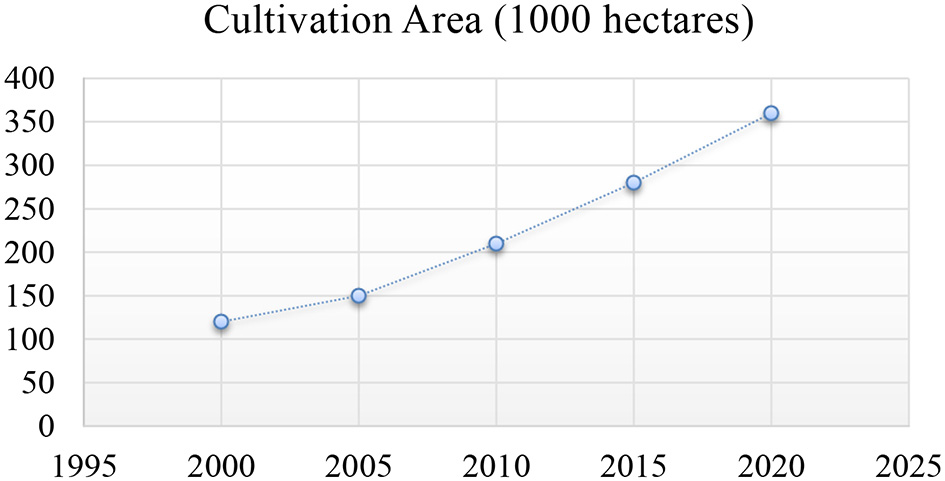
Hypothetical growth of underutilized fruit cultivation.
7.1 Diversification
Underutilized fruit crops provide farmers with a valuable opportunity to diversify their income sources, reducing reliance on staple crops like rice, wheat, and maize. These fruits, which are often hardier and more resilient to adverse weather conditions, enable farmers to spread risks and avoid the economic pitfalls of monocropping. For example, crops like Baobab (Adansonia digitata) and Dragon fruit (Hylocereus spp.) can be grown in marginal lands that are unsuitable for conventional crops, thus providing additional revenue streams for farmers in arid and semi-arid regions. Baobab, in particular, is a drought-resistant tree that produces nutrient-rich fruit, making it highly valuable for regions with limited water resources. Studies have shown that the fruit's powder, which contains high levels of vitamin C and antioxidants, is gaining global popularity, creating new markets and improving the income of farmers involved in its cultivation. Dragon fruit, with its increasing popularity as a “superfruit,” has been adopted in several countries like Vietnam and India, with farmers experiencing up to 25% increases in income from its sale.
7.2 Export potential
Underutilized fruits have significant potential in global markets, particularly in the context of the growing consumer demand for exotic, health-oriented foods (Figure 2). As consumers become more health-conscious and seek functional foods, the international demand for nutritionally dense fruits like Baobab and Sea Buckthorn (Hippophae rhamnoides) is expected to rise. Sea Buckthorn is gaining recognition for its high vitamin C content and its potential use in skincare products, health supplements, and dietary products. As these fruits are increasingly recognized in international markets, they offer valuable export opportunities, thus enhancing the economic prospects of farmers in developing regions.
Figure 2
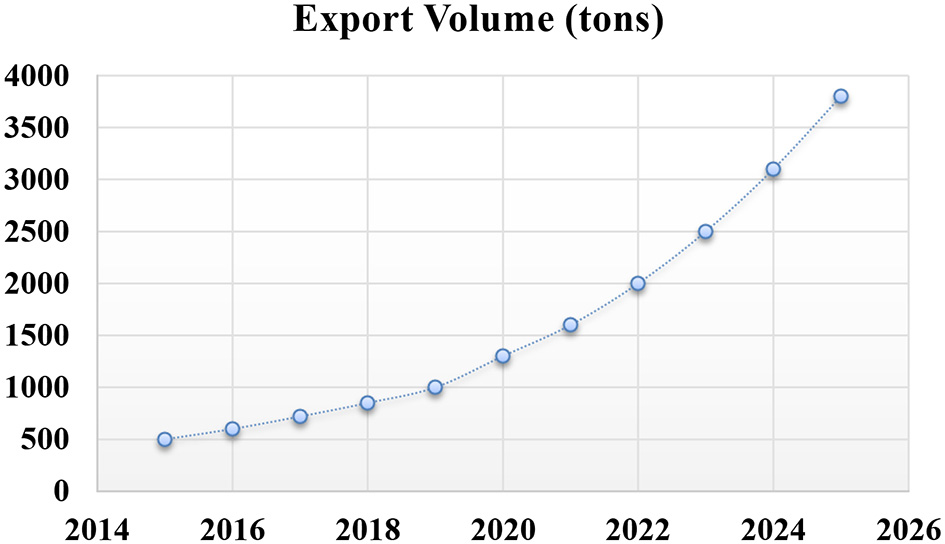
Market trend for underutilized fruit crops.
7.3 Agro-processing and value-added products
The cultivation of underutilized fruit crops also contributes significantly to the agro-processing industry. Farmers can add value to their raw produce by processing it into jams, juices, powders, and other food products. This helps create a more sustainable business model, reducing post-harvest losses and creating employment opportunities in rural areas. For instance, Finger Lime (Citrus australasica), known as “citrus caviar,” is highly valued in the gourmet food industry. Its distinct texture and unique flavor profile make it a premium product that is sold at a high price, up to $150 per kilogram. The fruit is mainly cultivated in Australia but has begun to gain attention in parts of India, especially in Karnataka, where it is processed into gourmet food items and exported to international markets. Similarly, Mahua (Madhuca longifolia) has seen growth in agro-processing for producing beverages, jams, and herbal products, further boosting local economies in tribal regions.
The processing of these fruits also contributes to the creation of employment opportunities in agro-processing, marketing, and distribution networks. This is especially crucial in rural areas, where traditional employment opportunities may be limited, helping to alleviate poverty and stimulate rural economic growth (Table 4).
Table 4
| Fruit | Value addition | Market value | Key products |
|---|---|---|---|
| Bael (Aegle marmelos) | Value-added products such as juices, syrups, powders, and candies have medicinal and nutritional value. | Bael-based products, especially Ayurvedic products, are gaining demand in both domestic and international markets. | Bael juice, Bael pulp, Bael powder (used in Ayurvedic products), Bael syrup, Bael jams, Bael candies. |
| Jamun (Syzygium cumini) | Processed into juices, jams, syrups, dried fruit, and health supplements due to its medicinal properties. | Jamun is increasingly popular in health food markets, especially for its role in controlling blood sugar levels. | Jamun juice, Jamun syrup, Jamun jam, Dried Jamun, Jamun powder (for health supplements). |
| Karonda (Carissa carandas) | Converted into pickles, chutneys, jams, juices, and dried products, creating niche market opportunities. | Primarily consumed in regional markets, with potential growth in the niche market for health-oriented products. | Karonda pickles, Karonda chutney, Karonda jam, Karonda syrup. |
| Amla (Emblica officinalis) | High-value products include juices, powders, health supplements, cosmetics, and dried products. | Amla is a major player in the health supplements market, with increasing export demand for various products. | Amla juice, Amla powder, Amla capsules (supplements), Amla oil, Amla candy, Amla jam. |
| Jackfruit (Artocarpus heterophyllus) | Processed into chips, flour, canned products, vegan meat substitutes, jams, and juices. | Increasing demand in both domestic and international markets, especially in health and plant-based food sectors. | Jackfruit chips, Jackfruit flour, Canned jackfruit, Jackfruit pickles, Jackfruit jam, Jackfruit-based meat substitutes. |
| Wood Apple (Limonia acidissima) | Processed into juice, syrup, pulp, jam, and dried products, popular in Ayurvedic treatments. | Wood apple-based products have potential in both domestic and international wellness markets. | Wood apple juice, Wood apple pulp, Wood apple syrup, Wood apple candy, Wood apple jam. |
| Ber (Ziziphus mauritiana) | Value-added products include jams, juices, dried fruit, and health supplements due to its high vitamin C content. | Local market is strong, with expanding demand in health-focused markets, especially for dried and powdered products. | Ber jam, Ber jelly, Ber juice, Dried Ber, Ber powder (for health supplements). |
| Chilean Guava (Ugni molinae) | Processed into jams, jellies, dried fruit, and health supplements due to its high antioxidant content. | Niche market, with increasing interest in health food products and organic markets. | Chilean guava jams, Chilean guava jelly, Dried Chilean guava, Guava-based health supplements. |
| Tamarillo (Solanum betaceum) | Processed into juices, chutneys, jams, and purees, providing a source of vitamin C and antioxidants. | Gaining traction in health food and fruit beverage markets both locally and internationally. | Tamarillo juice, Tamarillo chutney, Tamarillo jam, Tamarillo puree. |
| Mango Ginger (Curcuma amada) | Processed into powder, pickles, syrups, and supplements, widely used for its medicinal benefits. | Increasing interest in health and wellness products, especially in the spice and herbal markets. | Mango ginger powder, Mango ginger pickle, Mango ginger syrup, Mango ginger-based supplements. |
| Custard Apple (Annona reticulata) | Processed into jams, ice creams, juices, and pulp, popular for its sweet and creamy flavor. | Growing domestic and international market for frozen and processed products. | Custard apple pulp, Custard apple ice cream, Custard apple jam, Custard apple juice. |
| Soursop (Annona muricata) | Popular in health products for its anti-cancer and antioxidant properties; processed into juices and powders. | Strong international demand for soursop-based health products, especially in the wellness market. | Soursop juice, Soursop powder (for supplements), Soursop pulp, Soursop syrup, Soursop-based health drinks. |
| Indian Blackberry (Syzygium jambos) | Processed into jams, juices, dried fruit, and health supplements due to its high antioxidant and vitamin C content. | Increasing interest in functional foods and antioxidant-rich products, especially in the health and wellness sector. | Indian blackberry jam, Indian blackberry juice, Dried Indian blackberry, Blackberry-based supplements. |
| Figs (Ficus carica) | Dried figs, fig jams, fig syrups, and fig-based health products cater to the growing demand for dried fruits. | A strong export market, especially for dried figs and processed fig-based products. | Dried figs, Fig syrup, Fig jam, Fig chutney, Fig-based health products. |
| Rambutan (Nephelium lappaceum) | Processed into juice, pulp, canned fruit, jams, and syrups, with high potential for export markets. | Export potential for canned rambutan and processed products in international markets. | Rambutan juice, Rambutan pulp, Canned rambutan, Rambutan jam, Rambutan syrup. |
| Pineapple Guava (Feijoa sellowiana) | Processed into jams, juices, dried products, and health supplements due to its high vitamin C content. | Niche market with rising demand in health food and organic product sectors. | Feijoa jam, Feijoa juice, Dried feijoa, Feijoa-based health supplements. |
Value addition and market value of various underutilized fruit crops.
7.4 Sustainability and climate resilience
Underutilized fruit crops are often more resilient to climate change than traditional crops. Many of these fruits are drought-tolerant, resistant to pests, and require fewer agricultural inputs such as water, fertilizers, and pesticides. These characteristics make them particularly valuable in regions that are prone to climate change-induced stresses, such as droughts, floods, and temperature fluctuations.
For instance, Baobab and Dragon fruit are both well-suited to arid and semi-arid conditions, where conventional crops might fail. By adopting these crops, farmers can adapt to the changing climate while sustaining their agricultural productivity. In India, regions like Rajasthan and Gujarat, which face frequent water scarcity, are beginning to see the advantages of growing climate-resilient crops like Baobab, contributing to both environmental sustainability and economic stability.
Additionally, these fruits often require minimal use of chemical fertilizers or pesticides, making them an ideal choice for organic farming practices. This contributes to the sustainability of agricultural practices and helps farmers tap into the growing organic food market.
7.5 Food security and nutritional benefits
Underutilized fruit crops have significant potential to improve food security by providing highly nutritious food options that can complement traditional diets. Many of these fruits are rich in vitamins, antioxidants, and other bioactive compounds that can improve overall health, particularly in regions where malnutrition is a concern. For example, Baobab is a rich source of vitamin C, antioxidants, and essential fatty acids, making it an excellent food source for improving immune health. Sea Buckthorn, which is high in vitamin C and essential fatty acids, can help combat nutritional deficiencies in regions where access to fresh fruits and vegetables is limited. The nutritional richness of these fruits helps combat micronutrient deficiencies, particularly among vulnerable populations like children and pregnant women, contributing to better public health outcomes. Moreover, these fruits can enhance dietary diversity by introducing new food sources that are not only nutritious but also culturally significant in many regions. Their promotion can help diversify local diets and provide healthier food options in both rural and urban areas (Table 5).
Table 5
| Fruit | Economic importance | Key contributions |
|---|---|---|
| Bael (Aegle marmelos) | Low-input, drought-resistant crop with high medicinal and nutritional value. | Generates income through fresh fruit, jams, juices, and Ayurvedic products; supports rural economies. |
| Jamun (Syzygium cumini) | Increasing market demand for fresh fruit, juices, and processed products due to medicinal and health benefits. | Promises export potential for juices and herbal products; provides income to farmers and contributes to local markets. |
| Karonda (Carissa carandas) | Growing popularity for its use in pickles, jams, and juices, especially in niche markets. | Expands opportunities for farmers through local and niche markets; export potential for processed products. |
| Amla (Emblica officinalis) | High demand for its health benefits (Vitamin C) in domestic and international markets for supplements and juices. | Promotes export through dried fruit and supplements; used in cosmetics and health products, boosting rural economies. |
| Jackfruit (Artocarpus heterophyllus) | Versatile crop used for food (fresh, dried, chips, and flour) and value-added products. | Expands export potential for processed products; supports income generation in rural areas through sustainable agriculture. |
| Wood Apple (Limonia acidissima) | Popular for its medicinal and nutritional benefits, contributing to local economies through regional markets. | Income from fresh fruit, juices, and traditional medicine; growing demand for its health-promoting properties. |
| Ber (Ziziphus mauritiana) | Increasing export potential for fresh fruit and processed products like jams and juices. | Contributes to local incomes, and has export potential in niche markets. |
| Chilean Guava (Ugni molinae) | Niche market for fresh fruit and processed products due to health benefits (antioxidants). | Provides income through fruit cultivation and processing; export opportunities for functional foods. |
| Tamarillo (Solanum betaceum) | Gaining recognition as a health food, with growing demand for fresh fruit and juices in urban markets. | Potential for export in health-conscious markets, contributing to local farmer incomes and supporting sustainable agriculture. |
| Mango Ginger (Curcuma amada) | Gaining traction in health markets for its anti-inflammatory and medicinal properties. | Promising export potential as a niche product for medicinal and culinary uses. |
| Custard Apple (Annona reticulata) | Increasing demand for processed products (jams, ice creams, juices) in local and international markets. | Supports small farmers through cultivation and sale of processed products; export potential for niche markets. |
| Soursop (Annona muricata) | Rising global interest due to its potential anti-cancer properties and medicinal use. | Export potential as a health food and supplement, creating income opportunities for farmers. |
| Indian Blackberry (Syzygium jambos) | Rising demand for its medicinal and nutritional benefits in local markets. | Provides income through fruit and juice sales, and offers export potential in functional food markets. |
| Figs (Ficus carica) | Popular for its high fiber content and medicinal properties; growing market for dried figs and jams. | Expands export opportunities for dried fruit, contributing to local economic growth. |
| Rambutan (Nephelium lappaceum) | Gaining popularity in urban and export markets due to its taste and health benefits. | Creates income through fresh fruit and processed products; growing export potential. |
| Pineapple Guava (Feijoa sellowiana) | Increased interest in health-conscious markets due to its high antioxidant content. | Income from fresh fruit and value-added products; export opportunities for functional foods and health supplements. |
Economic importance and key contributions of underutilized fruit crops.
8 Underutilized fruit crops for different region
The cultivation of underutilized fruit crops in India holds significant potential, especially given the country's diverse agro-climatic zones (Figure 3). Several regions in India are particularly well-suited for cultivating these crops due to their specific environmental conditions, such as drought resistance, soil quality, and climatic suitability. These areas can benefit from the cultivation of underutilized fruits, helping to diversify agricultural output, enhance food security, and support rural economies (Table 6).
Figure 3
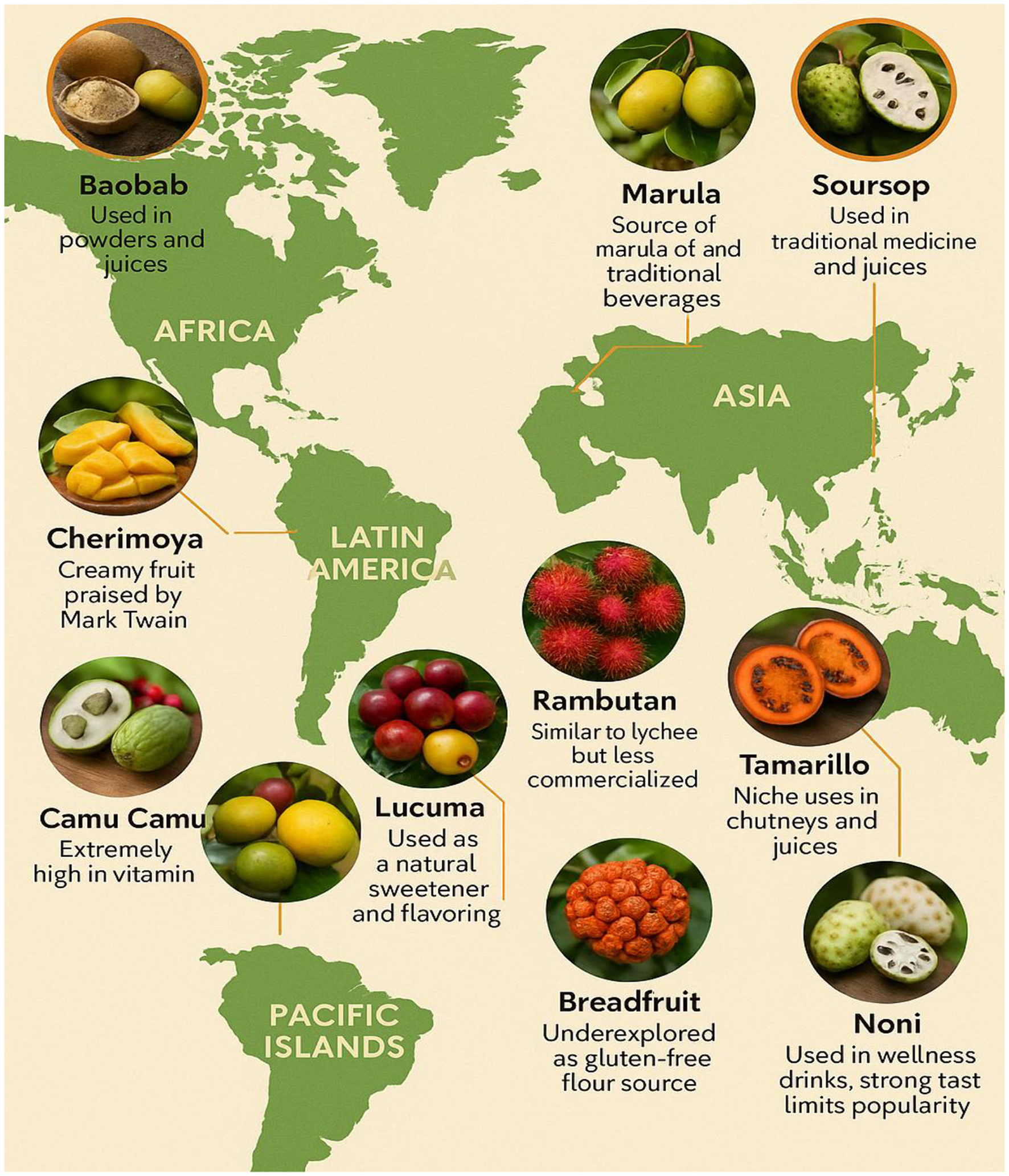
Underutilized fruit crops grown in different region.
Table 6
| Fruit | Suitable areas for cultivation | Spacing requirements | Other notes |
|---|---|---|---|
| Bael (Aegle marmelos) | Arid and semi-arid regions, especially in Uttar Pradesh, Bihar, Rajasthan, Madhya Pradesh. | 6 m × 6 m (in open fields); 4 m × 4 m (in orchards) | Thrives in dry, sandy, or rocky soils with low water retention. Suitable for drought-prone areas. |
| Jamun (Syzygium cumini) | Coastal and semi-arid regions of Maharashtra, Gujarat, Andhra Pradesh, Tamil Nadu, Uttar Pradesh. | 8 m × 8 m (spacing between trees) | Prefers well-drained soils and a tropical climate. Drought-tolerant once established. |
| Karonda (Carissa carandas) | Rajasthan, Gujarat, Maharashtra, Uttar Pradesh, Madhya Pradesh, Odisha. | 1.5 m × 1.5 m (spacing between plants) | Grows well in dry and semi-arid regions; requires less irrigation. Suitable for poor, rocky soils. |
| Amla (Emblica officinalis) | Uttar Pradesh, Rajasthan, Madhya Pradesh, Himachal Pradesh, Haryana, Tamil Nadu, Kerala. | 6 m × 6 m (spacing between trees) | Prefers dry to moderately dry soil; drought-tolerant and thrives in areas with a temperature of 25–30°C. |
| Jackfruit (Artocarpus heterophyllus) | Kerala, Tamil Nadu, Karnataka, Andhra Pradesh, Odisha, West Bengal. | 7 m × 7 m (spacing between trees) | Requires a humid tropical climate and well-drained soils; sensitive to frost. |
| Wood Apple (Limonia acidissima) | Uttar Pradesh, Madhya Pradesh, Bihar, Odisha, Rajasthan, Gujarat. | 8 m × 8 m (spacing between trees) | Grows in dry, arid conditions with minimal water; well-suited to sandy or rocky soils. |
| Ber (Ziziphus mauritiana) | Rajasthan, Gujarat, Haryana, Punjab, Uttar Pradesh, Madhya Pradesh, Maharashtra. | 3 m × 3 m (spacing between trees) | Thrives in semi-arid and dry regions with minimal water. Prefers loamy to sandy soils. |
| Chilean Guava (Ugni molinae) | Coastal regions of Kerala, Tamil Nadu, and parts of the Himalayan foothills. | 1 m × 1 m (spacing between plants) | Prefers mild temperatures, and well-drained, fertile soils. Needs regular irrigation. |
| Tamarillo (Solanum betaceum) | High-altitude areas of Himachal Pradesh, Uttarakhand, and parts of North East India. | 1.5 m × 1.5 m (spacing between plants) | Prefers cooler climates and well-drained soils; sensitive to frost during early growth stages. |
| Mango Ginger (Curcuma amada) | Assam, Kerala, Karnataka, West Bengal, Odisha, Tamil Nadu, and parts of Northeast India. | 30 cm × 30 cm (spacing between plants) | Grows best in humid conditions with well-drained, fertile soils; requires regular watering. |
| Custard Apple (Annona reticulata) | Tamil Nadu, Uttar Pradesh, Madhya Pradesh, Rajasthan, Maharashtra. | 6 m × 6 m (spacing between trees) | Prefers warm, tropical to subtropical climates; grows well in loamy soils. Requires moderate watering. |
| Soursop (Annona muricata) | Tropical and subtropical regions, especially in Kerala, Tamil Nadu, Karnataka, West Bengal. | 6 m × 6 m (spacing between trees) | Requires tropical climate and well-drained, fertile soils; sensitive to frost. |
| Indian Blackberry (Syzygium jambos) | Uttar Pradesh, West Bengal, Maharashtra, Gujarat, Tamil Nadu. | 5 m × 5 m (spacing between trees) | Grows in coastal and semi-arid regions; prefers well-drained, sandy-loam soils. |
| Figs (Ficus carica) | Haryana, Punjab, Rajasthan, Himachal Pradesh, Maharashtra, Karnataka. | 4 m × 4 m (spacing between trees) | Requires well-drained, slightly alkaline soils; suited for warm climates. |
| Rambutan (Nephelium lappaceum) | Kerala, Tamil Nadu, Karnataka, Andaman and Nicobar Islands. | 7 m × 7 m (spacing between trees) | Requires a tropical climate and humid conditions; sensitive to cold temperatures. |
| Pineapple Guava (Feijoa sellowiana) | Coastal regions of Karnataka, Kerala, Tamil Nadu, and Himachal Pradesh. | 2 m × 2 m (spacing between plants) | Prefers well-drained, slightly acidic soils; grows best in temperate or subtropical climates. |
Suitable areas for cultivation of underutilized fruit crops.
8.1 Arid and semi-arid regions (Rajasthan, Gujarat, Haryana, and Madhya Pradesh)
Arid and semi-arid regions of India, characterized by low rainfall, poor soil quality, and high temperatures, are ideal for the cultivation of drought-resistant underutilized fruit crops. Crops like Baobab (Adansonia digitata) and Dragon fruit (Hylocereus spp.) thrive in these conditions. These fruits are resilient to drought, high temperatures, and poor soil quality, making them suitable for cultivation in regions where water is scarce. For instance, Rajasthan and Gujarat, which have arid and semi-arid climates, provide favorable conditions for the cultivation of Baobab, a tree that can withstand dry conditions and has seen an increase in cultivation due to its high antioxidant and vitamin C content. Similarly, Dragon fruit, with its ability to grow in dry regions, has been successfully cultivated in parts of Gujarat and Maharashtra.
8.2 Tropical regions (Kerala, Tamil Nadu, Karnataka, and Andhra Pradesh)
India's tropical regions, known for their high humidity and rainfall, offer ideal conditions for the cultivation of underutilized tropical fruits. States like Kerala, Tamil Nadu, Karnataka, and Andhra Pradesh are home to diverse ecosystems that support a wide variety of underutilized fruit crops. Sea buckthorn (Hippophae rhamnoides), which thrives in subtropical and temperate climates, can be cultivated in the higher altitudes of these regions. Kerala and Karnataka, with their tropical climate, are suitable for growing fruits like West Indian cherry (Malpighia emarginata), which are rich in vitamin C and have various medicinal properties. Additionally, Finger lime (Citrus australasica), also known as “citrus caviar,” thrives in the tropical climate of Karnataka, where it can be grown for the gourmet food industry.
8.3 Hilly and temperate regions (Himachal Pradesh, Uttarakhand, Jammu & Kashmir)
The temperate and hilly regions of India, such as Himachal Pradesh, Uttarakhand, and Jammu & Kashmir, offer favorable conditions for the cultivation of certain underutilized fruit crops that require cooler climates. Sea buckthorn, with its cold-resistant nature, is especially suited for these regions, where it grows well in the altitudes of the Himalayas. Similarly, Amla (Indian gooseberry), which is highly valued for its high vitamin C content, is widely cultivated in these temperate regions of India. The nutrient-dense fruit is well-suited to the colder climates of Himachal Pradesh and Uttarakhand, contributing to the diversification of fruit crops in these areas (Sharma, 2011).
8.4 Coastal regions (Andhra Pradesh, Odisha, and West Bengal)
Coastal regions of India, with their saline soils and high humidity, are also suitable for growing certain underutilized fruit crops that are tolerant to salinity. For example, Khirni (Manilkara hexandra), a fruit that is resistant to salinity, can be cultivated in the coastal areas of Odisha and West Bengal, where the saline soil conditions are suitable for its growth (Mori et al., 2023). Baobab also performs well in coastal areas, as it can tolerate saline conditions and is well-adapted to withstand the high humidity prevalent in these regions. These coastal regions, therefore, provide an opportunity for cultivating fruits that are not only resilient to saline conditions but also offer potential health benefits due to their high antioxidant content.
8.5 Tribal and remote rural areas (Jharkhand, Chhattisgarh, Madhya Pradesh)
Many tribal regions and remote rural areas in India, such as those in Jharkhand, Chhattisgarh, and Madhya Pradesh, have fertile but underutilized land that is perfect for growing indigenous and underutilized fruit crops. These regions, with their biodiversity and unique agro-climatic conditions, can support the cultivation of fruits like Jamun (black plum), Bael (wood apple), and Mahua (Madhuca longifolia). Mahua, for instance, is an indigenous tree that has high nutritional and medicinal value and thrives in the tribal areas of Madhya Pradesh and Chhattisgarh. These underutilized fruits are often already known and used by local communities, and their commercialization can boost local economies through agro-processing, such as the production of jams, juices, and herbal products.
9 Regional cultivation challenges
Underutilized fruits face significant regional cultivation challenges globally. These include limited research support, poor propagation techniques, and lack of farmer incentives. Many regions struggle with weak market infrastructure and post-harvest losses. Additionally, inadequate policy support and low consumer awareness hinder their widespread adoption (Table 7).
Table 7
| Region | Water availability | Soil type & characteristics (with pH) | Common challenges | Underutilized fruit crops |
|---|---|---|---|---|
| Arid (e.g., Rajasthan, Kutch) | Very Low | Sandy soils: poor in nutrients, high drainage, low water-holding capacity, pH 7.5–8.5 | Drought, high evapotranspiration, salinity | Ber, Bael, Karonda, Lasoda |
| Semi-Arid (e.g., Telangana, Maharashtra) | Limited, seasonal | Red & Black soils: Red – low fertility, fast-draining, pH 6.0–7.5; Black – clayey, rich in minerals, slow draining, pH 7.0–8.0 | Soil erosion, drought, salinity in black soils | Tamarind, Custard Apple, Jamun |
| Coastal (e.g., Tamil Nadu, Odisha) | High (monsoon + tides) | Alluvial/Laterite soils: Fertile but prone to salinity and compaction, pH 6.5–8.5 | Waterlogging, salinity, cyclones | Jackfruit, Karonda |
| Flood-prone (e.g., Assam, Bihar) | Excess (monsoon) | Alluvial soils: Deep, fertile, loamy texture, good drainage, pH 6.0–7.5 | Floods, delayed sowing, root rot | Elephant Apple (Kaitha), Jamun |
| Mountainous (e.g., NE States, Himachal) | Moderate, slope runoff | Loamy, acidic soils: rich in organic matter, well-drained, pH 5.0–6.5 | Soil erosion, inaccessible land | Mulberry, Phalsa |
| River Basin (e.g., UP, Punjab) | High | Alluvial soils: deep and fertile, rich in potash, pH 6.5–8.0 | Declining fertility due to over-irrigation, compaction | Bael, Jamun |
| Dry Inland (e.g., Bundelkhand, MP) | Low and erratic | Clayey/rocky soils: cracks in summer, poor structure, pH 6.5–8.0 | Drought, shallow topsoil | Bael, Ber, Custard Apple |
| Deltaic (e.g., Sunderbans, Godavari Delta) | High | Silty/clayey, saline soils: prone to waterlogging and salinity, pH 7.5–9.0 | Salinity, tidal flooding, root suffocation | Tamarind, Elephant Apple |
| Tribal Hills (e.g., Jharkhand, Chhattisgarh) | Moderate | Lateritic soils: low fertility, iron-rich, acidic, porous, pH 5.0–6.5 | Nutrient leaching, poor soil health | Mahua, Chironji, Bael |
| Western Ghats (e.g., Kerala, Karnataka hills) | High | Lateritic soils: acidic, well-drained, leaching-prone, pH 5.5–6.5 | Nutrient loss due to heavy rainfall | Jackfruit, Mulberry |
Challenges in cultivating underutilized fruits across regions.
10 Scalability, consumer acceptance and policy barriers of underutilized fruit crops
Scalability remains a key concern as many of these crops, such as baobab and jackfruit, are currently grown in limited quantities, primarily by smallholder farmers. This fragmented production, combined with insufficient processing infrastructure, makes it difficult to meet the demands of larger markets. To overcome these scalability challenges, investments in supply chain infrastructure, processing facilities, and research into high-yield varieties are crucial. By improving storage systems and logistics, these crops could transition from niche products to widely available commodities. Consumer acceptance is another hurdle, as cultural preferences and limited awareness often restrict the adoption of these crops. Many underutilized fruits, like marula and tamarillo, are unfamiliar and may be perceived as exotic or difficult to incorporate into daily diets. Overcoming these barriers requires targeted consumer education programs, culinary innovations, and product diversification, such as offering these fruits in familiar forms like juices or packaged snacks. Additionally, community engagement in product development can help ensure that these crops are accepted within local culinary traditions. Policy barriers also impede the growth of underutilized fruit crops. Current agricultural policies often focus on staple crops, leaving limited resources for the research and promotion of non-traditional crops. To promote the large-scale adoption of underutilized fruits, governments need to implement policies that incentivize research, provide subsidies for infrastructure development, and facilitate market access. Additionally, policies that support agroecological approaches and sustainable agricultural practices will encourage the cultivation of these crops while ensuring long-term ecological and economic benefits. Addressing these challenges through coordinated efforts between governments, researchers, and the private sector will be critical in realizing the potential of underutilized fruit crops.
11 Challenges
One of the major barriers to the large-scale adoption of underutilized fruit crops is the lack of robust supply chains. These crops are often harvested in small quantities by scattered smallholder farmers, leading to difficulties in storage, transportation, and post-harvest management. Furthermore, inadequate infrastructure for processing and distribution limits their availability in local and international markets. For example, while baobab has become popular in niche markets, the lack of processing facilities limits its potential to be distributed widely as a packaged product. A significant gap exists in research on the agronomic practices and breeding programs for underutilized fruit crops. Much of the research focus has been on staple crops such as rice, maize, and wheat, leaving underutilized crops with little attention from agricultural research systems. Limited understanding of crop varieties, optimal cultivation practices, and disease resistance hinders their large-scale production.
Market systems for these crops are typically weak, with few processors, limited retail availability, and low consumer awareness. This prevents farmers from capitalizing on the potential of these crops for income generation. Cultural preferences and limited consumer awareness often keep these crops relegated to niche markets. Consumers are more likely to favor familiar fruits such as bananas, apples, and oranges, which have established culinary uses. Underutilized fruits may face resistance simply because they are perceived as unfamiliar or difficult to prepare. There is limited knowledge about the nutritional and health benefits of these crops.
12 Opportunity
The cultivation of underutilized fruit crops presents significant opportunities for both farmers and the broader economy, particularly in India, where such crops are often well-suited to local climates and can thrive in marginal lands. These crops typically require fewer inputs compared to conventional crops, making them an ideal choice for organic and sustainable farming practices. As these fruits are resilient to climate change, thriving in poor soil or drought conditions, they present a potential solution for farming in arid and semi-arid regions, which are often faced with water scarcity and land degradation. One of the key advantages of cultivating underutilized fruit crops is the potential for higher market prices for niche products. Many of these fruits, such as Baobab (Adansonia digitata), Dragon fruit (Hylocereus spp.), Khirni (Manilkara hexandra), and West Indian cherry (Malpighia emarginata), have unique nutritional and health-promoting properties, making them highly desirable in health-conscious markets. These fruits often command a premium price in both domestic and international markets. For example, the vitamin C-rich Baobab fruit, known for its antioxidant properties, has seen a surge in global demand, contributing to its market expansion. This price premium allows farmers to diversify their crops and increase their income, reducing dependency on traditional staple crops such as rice and wheat. Moreover, the cultivation of underutilized fruits can drive rural economic growth by creating employment opportunities in agro-processing and marketing. For instance, the processing of fruits into juices, jams, and dried products creates value-added goods, which can be sold locally and internationally. In India, the emergence of processing units for products like Amla (Indian gooseberry) and Jamun (black plum) is already creating jobs and adding value to these underutilized fruits. These activities not only enhance income generation for farmers but also contribute to rural industrialization, thereby boosting the local economy. Another important benefit of cultivating underutilized fruits is their contribution to food security and nutritional diversity. Many of these fruits are rich in vitamins, antioxidants, and essential minerals that are crucial for maintaining a healthy diet. For example, Sea buckthorn (Hippophae rhamnoides) is known for its high vitamin C content, surpassing even oranges and lemons, and is also rich in omega-7 fatty acids, which are beneficial for skin health and reducing inflammation. Similarly, Dragon fruit is packed with vitamin C, fiber, and antioxidants, making it a valuable addition to local diets. In addition to their nutritional benefits, these underutilized fruits are gaining traction in the global market due to the increasing demand for functional foods, herbal products, and superfoods. For instance, Dragon fruit has seen significant growth in Southeast Asia, with cultivation expanding by 25% due to its resilience and increasing demand in health food markets. The rise of wellness trends has boosted the demand for such fruits, positioning them as a lucrative export commodity. By capitalizing on the opportunities presented by underutilized fruit crops, countries like India can promote sustainable agricultural practices and contribute to global food security. As these crops typically require fewer chemical inputs and are resilient to climatic stresses, they support the principles of sustainable farming, reducing the need for synthetic fertilizers and pesticides. This makes them an excellent fit for organic agriculture, which is gaining popularity worldwide. Furthermore, the health benefits of these fruits, along with their ability to thrive in challenging environments, make them an ideal candidate for diversifying the agricultural sector and ensuring a more resilient and sustainable food system.
13 Case studies
Successful case studies and policy frameworks, such as India's National Horticulture Mission (NHM), have demonstrated the potential of underutilized fruit crops to enhance nutritional security and economic growth. The NHM has promoted crops like jackfruit and tamarind, improving productivity and market access for smallholder farmers. In Africa, the baobab value chain has thrived through community-driven models, where local farmers harvest baobab for processing into powder, capitalizing on its high nutritional value. Similarly, in Bangladesh, the promotion of jackfruit has helped integrate the fruit into mainstream markets through value-added products, boosting farmers' incomes and improving nutrition. Marula in Southern Africa, through sustainable harvesting and processing, has generated economic opportunities for local women, while also promoting environmental conservation. These examples underscore the importance of policy support, research investment, and market linkages in scaling underutilized crops for global food systems. The commercialization of baobab fruit in countries like Zimbabwe and Malawi has provided income for rural women's cooperatives and supported biodiversity conservation through sustainable harvesting practices. In the Brazilian Amazon, the rise in global demand for açaí has transformed it from a subsistence food to a major source of income, stimulating local economies and encouraging forest preservation. The jackfruit has been revalorized in Kerala, India, through state-backed promotion and value-added products, significantly increasing farmer incomes and employment. The cultivation and processing of camu camu, a vitamin C-rich fruit from the Amazon, has created alternative livelihoods for indigenous communities while promoting sustainable agroforestry systems.
14 Conclusion
The cultivation and utilization of underutilized fruit crops present a promising avenue for enhancing both nutritional security and economic development, especially in regions facing challenges such as food insecurity, poverty, and environmental stress. Crops like Pithecellobium dulce (Manila tamarind), Diospyros melanoxylon (Timroo), and Manilkara hexandra (Khirni) exemplify the potential of these neglected fruits to address pressing issues related to health, nutrition, and sustainable agriculture. These underutilized crops are rich in essential nutrients, such as vitamins, minerals, proteins, and antioxidants, which are crucial for improving dietary diversity, preventing malnutrition, and supporting overall health. Additionally, these fruits often grow in harsh climates, demonstrating resilience to drought, salinity, and poor soil conditions, which makes them ideal for cultivation in areas with limited agricultural resources. Their adaptability provides opportunities for farming communities in arid and semi-arid regions to diversify their crops and enhance food security. Furthermore, these crops offer a variety of commercial uses, ranging from medicinal applications to timber, fodder, and food products, providing valuable income streams for local populations. The integration of underutilized fruit crops into agricultural systems can foster economic growth by creating new markets, promoting value-added products, and stimulating local economies. As the global population grows and the impacts of climate change intensify, the cultivation of underutilized fruits offers a sustainable approach to achieving nutritional security. By focusing on the promotion, conservation, and commercialization of these crops, there is significant potential to address both food and economic challenges, ensuring a healthier, more resilient future for communities worldwide. Therefore, it is imperative to invest in research, development, and policy support for the cultivation of these underutilized fruits to unlock their full potential for nutrition and economic development, while also preserving the ecological balance.
Statements
Author contributions
KM: Conceptualization, Investigation, Writing – original draft. SS: Conceptualization, Writing – original draft. NN: Writing – review & editing. VA: Writing – review & editing. KL: Writing – review & editing. MT: Writing – review & editing. MG: Writing – review & editing. AA: Writing – review & editing.
Funding
The author(s) declare that no financial support was received for the research and/or publication of this article.
Conflict of interest
The authors declare that the research was conducted in the absence of any commercial or financial relationships that could be construed as a potential conflict of interest.
Generative AI statement
The author(s) declare that no Gen AI was used in the creation of this manuscript.
Correction note
This article has been corrected with minor changes. These changes do not impact the scientific content of the article.
Publisher’s note
All claims expressed in this article are solely those of the authors and do not necessarily represent those of their affiliated organizations, or those of the publisher, the editors and the reviewers. Any product that may be evaluated in this article, or claim that may be made by its manufacturer, is not guaranteed or endorsed by the publisher.
References
1
Aamir J. Kumari A. Khan M. N. Medam S. K. (2013). Evaluation of the combinational antimicrobial effect of Annona squamosa and Phoenix dactylifera seeds methanolic extract on standard microbial strains. Int. Res. J. Biol. Sci., 2, 68–73.
2
Abate M. Pagano C. Masullo M. Citro M. Pisanti S. Piacente S. et al . (2022). Mangostanin, a xanthone derived from Garcinia mangostana fruit, exerts protective and reparative effects on oxidative damage in human keratinocytes. Pharmaceuticals15:84. 10.3390/ph15010084
3
Abdel-Aleem E. R. Attia E. Z. Farag F. F. Mamdouh N. S. Samar Y. D. (2019). Total phenolic and flavonoid contents and antioxidant, anti-inflammatory, analgesic, antipyretic and antidiabetic activities of Cordia myxa L. leaves. Clin. Phytosci. 5:29. 10.1186/s40816-019-0125-z
4
Abdul Wahab S. M. Jantan I. Haque M. A. Arshad L. (2018). Exploring the leaves of Annona muricata L. as a source of potential anti-inflammatory and anticancer agents. Front. Pharmacol. 9:661. 10.3389/fphar.2018.00661
5
Abdur R. Imtiaz A. K. Naveed M. Yahya S. A. Omar B. Muhammad I. et al . (2021). Phytochemical composition, in vitro urease, α-glucosidase and phosphodiesterase inhibitory potency of Syzygium cumini (Jamun) fruits. South Afr. J. Botany143, 418–421. 10.1016/j.sajb.2021.04.006
6
Afzal S. Batool M. Ch B. A. Ahmad A. Uzair M. Afzal K. et al . (2017). Immunomodulatory, cytotoxicity, and antioxidant activities of roots of Ziziphus mauritiana. Phcog Mag. 13, S262–5. 10.4103/pm.pm_398_16
7
Ahmad R. Masood S. B. Iahtisham U. Hafiz A. R. S. (2017). Jamun (Syzygium cumini) seed and fruit extract attenuate hyperglycaemia in diabetic rats. Asian Pac. J. Trop. Biomed.7, 750–754. 10.1016/j.apjtb.2017.07.006
8
Ahmed F. Javed G. Mirza A. (2024). Khirni (Manilkara hexandra (Roxb.))-a review of its uses in unani medicine, phytochemistry and pharmacology. Asian J. Dairy Food Res. 1–7, DR-2191. 10.18805/ajdfr.DR-2191
9
Ahmed K. R. Naymul K. Mohammad R. I. S. Tao B. Yang L. Wei C. et al . (2020). Jujube fruit: A potential nutritious fruit for the development of functional food products. J. Funct. Foods75:104205. 10.1016/j.jff.2020.104205
10
Al-Bayati F. A. (2009). Isolation and identification of antimicrobial compound from Mentha longifolia L. leaves grown wild in Iraq. Ann. Clin. Microbiol Antimicrob. 8:20. 10.1186/1476-0711-8-20
11
Allaqaband S. Dar A. H. Patel U. Kumar N. Nayik G. A. Khan S. A. et al . (2022). Utilization of fruit seed-based bioactive compounds for formulating the nutraceuticals and functional food: a review. Front. Nutr. 23:902554. 10.3389/fnut.2022.902554
12
Ambrish G. Thangavel K. Syed M. A. Udaykumar N. Ananthacharya . (2010). Physical properties of aonla fruit relevant to the design of processing equipment's. Int. J. Eng. Sci. Technol. 2, 7562–7566.
13
Ana V. Coria T. Efigenia M. G. Elhadi M. Yahia E. N. Obledo V. et al . (2016). Annona muricata: a comprehensive review on its traditional medicinal uses, phytochemicals, pharmacological activities, mechanisms of action and toxicity. Arab. J. Chem. 11, 662–691. 10.1016/j.arabjc.2016.01.004
14
Anjum M. A. Rauf M. A. Bashir H. Ahmad A. (2018). The evaluation of biodiversity in some indigenous Indian jujube (Ziziphus mauritiana) germplasm through physico-chemical analysis. Acta. Sci. Pol. Hortorum Cultus. 17, 39–52. 10.24326/asphc.2018.4.4
15
Annaz H. Sane Y. Bitchagno G. T. M. Ben B. W. Drissi B. Mahdi I. et al . (2022). Caper (Capparis spinosa L.): an updated review on its phytochemistry, nutritional value, traditional uses, and therapeutic potential. Front. Pharmacol. 13:878749. 10.3389/fphar.2022.878749
16
Asmita K. Stefano D. Adhikari R. (2023). Bael (Aegle marmelos), an underutilized fruit with enormous potential to be developed as a functional food product: a review. Food Process. Preserv. 11:886363. 10.1155/2023/8863630
17
Ayyanar M. Subash B. P. (2012). Syzygium cumini (L.) Skeels: a review of its phytochemical constituents and traditional uses. Asian Pac. J. Trop. Biomed. 2, 240–246. 10.1016/S2221-1691(12)60050-1
18
Banerjee A. Shubham J. Lokesh A. S. Atul D. Alan E. S. Anamika P. Gopal M. (2024). A review: medicinal properties and health benefits of bael (Aegle marmelos). J. Sci. Res. 30, 773–786. 10.9734/jsrr/2024/v30i62094
19
Bhavesh C. V. Anita K. B. Snehal S. P. (2016). Emblica officinalis (Amla): a review for its phytochemistry, ethnomedicinal uses and medicinal potentials with respect to molecular mechanisms. Pharmacol. Res. 111, 180–200. 10.1016/j.phrs.2016.06.013
20
Bhumi P. Patel V. H. (2017). Quantification of phenolic compounds and antioxidant capacity of an underutilized Indian fruit: Rayan (Manilkara hexandra (Roxb.) Dubard. Food Sci. Hum. Wellness. 6, 10–19. 10.1016/j.fshw.2016.11.002
21
Bibha M. A. Vidisha T. Ashwani K. (2024). Karonda (Carissa carandas L.): a miracle fruit with multifaceted potential. J. Agric. Food Res. 18:101417. 10.1016/j.jafr.2024.101417
22
Bisma J. Rabea P. Sultan Z. Mohammad U. K. Sradhanjali M. Sayeed A. et al . (2021). Nutritional constituents of mulberry and their potential applications in food and pharmaceuticals: a review. Saudi J. Biol. Sci. 28, 3909–3921. 10.1016/j.sjbs.2021.03.056
23
Biswas R. Sen K. K. (2018). Pharmacognostical evaluation, in vitro antioxidant effects of Syzygium cumini linn. Seed extract, and the potential role of this extract as hypoglycemic agent in alloxan—induced diabetic rats. Asian J. Pharm. Clin. Res. 11, 155–160. 10.22159/ajpcr.2018.v11i10.27363
24
Chen C. Mohamad R. U. H. Saikim F. H. Mahyudin A. Mohd N. N. Q. I. (2021). Morus alba L. plant: bioactive compounds and potential as a functional food ingredient. Foods10:689. 10.3390/foods10030689
25
Dagar J. C. Singh G. Singh N. T. (2001). Evaluation of forest and fruit trees used for rehabilitation of semiarid alkali-sodic soils in India. Arid Land Res. Manage.15, 115–133. 10.1080/15324980151062742
26
Devanand P. S. Radha P. Hemaprabha K. Kumar P. Raja N. Sivakumar B. et al . (2020). The Madhuca longifolia: a multifaceted tree with rich in nutritional factors. Int. J. Res. Agron.7, 209–213. 10.33545/2618060X.2024.v7.i8c.1223
27
Devanshi G. Shonima V. Mansi M. Sampada A . (2025). A review on amla (Emblica officinalis): the traditional Indian superfood. Int. Multidiscip. Res. J. 7, 1–7. 10.36948/ijfmr.2025.v07i02.40323
28
Dhalaria R. Verma R. Kumar D. Puri S. Tapwal A. Kumar V. et al . (2020). Bioactive compounds of edible fruits with their anti-aging properties: a comprehensive review to prolong human life. Antioxidants9:1123. 10.3390/antiox9111123
29
Dheeraj S. Ranjay K. S. (2010). Kair (Capparis decidua): A potential ethnobotanical weather predictor and livelihood security shrub of the arid zone of Rajasthan and Gujarat. Indian J. Tradit. Knowl. 10, 146–155.
30
Diep T. Pook C. Yoo M. (2020). Phenolic and anthocyanin compounds and antioxidant activity of tamarillo (Solanum betaceum Cav.). Antioxidants9:169. 10.3390/antiox9020169
31
Disha R. Kiran S. Rachna V. Dinesh K. Harsh K. Azhar K. et al . (2022). Phytochemistry, and pharmacological efficacy of Cordia dichotoma G. Forst. (Lashuda): a therapeutic medicinal plant of Himachal Pradesh. Biomed. Pharmacother. 153:113400. 10.1016/j.biopha.2022.113400
32
Duarte-Casar R. González-Jaramillo N. Bailon-Moscoso N. Rojas-Le-Fort M. (2024). Five underutilized Ecuadorian fruits and their bioactive potential as functional foods and in metabolic syndrome: a review. Molecules29:2904. 10.3390/molecules29122904
33
Dwivedi S. V. Thakur N. Chugh V. (2020). Wood apple: an underutilized miracle fruit of India. J. Pharm. Innov. 9, 198–202.
34
Fabiana R. H. Priscila R. G. S. Leandro D. M. C. Pinheiro-Sant'ana H. M. (2013). Nutritional composition of tamarind (Tamarindus indica L.) from the Cerrado of Minas Gerais, Brazil. Fruits68, 381–395. 10.1051/fruits/2013083
35
Farina M. Ahamad F. K. Vinay K. P. Ashapurna S. Mukul M. B. Sarvesh R. et al . (2025). Significance, pharmacological properties, and industrial applications of bael (Aegle marmelos): a review of current knowledge. J. Agric. Food Res. V19:101631. 10.1016/j.jafr.2025.101631
36
Feyssa D. H. Njoka J. T. Asfaw Z. Nyangito M. M. (2011). Wild edible fruits of importance for human nutrition in semi-arid parts of East Shewa Zone, Ethiopia: Associated indigenous knowledge and implications to food security. Pak. J. Nutr. 10, 40–50. 10.3923/pjn.2011.40.50
37
Fredes C. Parada A. Salinas J. Robert P. (2020). Phytochemicals and traditional use of two southernmost chilean berry fruits: Murta (Ugni molinae Turcz) and Calafate (Berberis buxifolia Lam.). Foods9:54. 10.3390/foods9010054
38
Gaurav A. Jha A. R. Ingole N. Ambad R. (2025). Evaluation of hypoglycemic and hypolipidemic effects of jamun (Syzygium Cumini) and Paneer Flower (Withania Coagulans) and comparison with that of Metformin in Rabbit (Oryctolagus Cuniculus): an experimental Study. J. Pharm. Bioallied Sci. 17, S413–S416. 10.4103/jpbs.jpbs_1567_24
39
Gautam G. K. Vidyasagar G. Dwivedi S. C. (2012). Study on Medicinal Plants from Indian Origin a Text Book of Indian Medicinal Plants. Chisinau, Republic of Moldova: Lambert Academic Publication, 5–7.
40
Geethalaxmi M. Sunil C. K. Venkatachalapathy N. (2024). Tamarind seed polysaccharides, proteins, and mucilage: extraction, modification of properties, and their application in food. Sustain. Food Technol. 2, 1670–1685. 10.1039/d4fb00224e
41
Ghosh P. Pradhan R. C. Mishra S. Patel A. S. Kar A. (2016). Physicochemical and nutritional characterization of Jamun (Syzygium Cuminii). Curr. Res. Nutr. Food Sci. 4, 25–35. 10.12944/CRNFSJ.5.1.04
42
Gil-Martínez L. Mut-Salud N. Ruiz-García J. A. Falcón-Piñeiro A. Maijó-Ferré M. Baños A. et al . (2023). Phytochemicals determination, and antioxidant, antimicrobial, anti-inflammatory and anticancer activities of blackberry fruits. Foods12:505. 10.3390/foods12071505
43
Giustra M. Cerri F. Anadol Y. Salvioni L. Abella T. Prosperi D. et al . (2022). Eco-luxury: making sustainable drugs and cosmetics with Prosopis cineraria natural extracts. Front. Sustain. 3:1047218. 10.3389/frsus.2022.1047218
44
González-Zamorano L. Cámara R. M. Morales P. (2025). Harnessing edible wild fruits: sustainability and health aspects. Nutrients17:412. 10.3390/nu17030412
45
Gul M. Liu Z. W. Iahtisham-Ul-Haq Rabail R. Faheem F. Walayat N. et al . (2022). Functional and nutraceutical significance of amla (Phyllanthus emblica L.): a review. Antioxidants11:816. 10.3390/antiox11050816
46
Gulab K. R. Pawan S. Muttanna R. K. Sukhen R.C . (2020). Mulberry (Morus spp.): an ideal plant for sustainable development. Trees Forests People2:100011. 10.1016/j.tfp.2020.100011
47
Gupta R. Gupta G. D. (2015). A review on plant Cordia obliqua Willd. (Clammy cherry). Phcog. Rev. 9, 127–131. 10.4103/0973-7847.162124
48
Gyanendra K. R. Danish M. K. Sadiya M. Choudhary P. K. Shanti K. Cristina M. A. (2024). Unlocking nature's stress buster: Abscisic acid's crucial role in defending plants against abiotic stress. Plant Stress11:100359. 10.1016/j.stress.2024.100359
49
Hlatshwayo S. Thembane N. Krishna S. B. N. Gqaleni N. Ngcobo M. (2025). Extraction and processing of bioactive phytoconstituents from widely used South African medicinal plants for the preparation of effective traditional herbal medicine products: a narrative review. Plants14:206. 10.3390/plants14020206
50
Indira Devi A. Jagveer S. (2023). The potential for underutilized fruits of northern india to improve food security and their role in climate resilient- a review. Environ. Ecol.41, 1538–1545. 10.60151/envec/CWGL3397
51
Irine S. C. Neha V. N. (2023). Unlocking the power of Mahua: a comprehensive guide. Int. Res. J. Plant Sci. 14:2.
52
Jacqueline A. T. Júlio O. F. M. Raquel L. B. De A. Lúcia P. S. Pimenta M. A. C. C. (2024). Economic, nutritional, and innovative aspects of non-conventional Brazilian fruits in the international novel foods market. Food Res. Int.197:115223. 10.1016/j.foodres.2024.115223
53
Jagetia G. C. (2017). Phytochemical composition and pleotropic pharmacological properties of Jamun, Syzygium Cumini Skeels. J. Explor. Res. Pharmacol. 2, 54–66. 10.14218/JERP.2016.00038
54
Jagetia G. C. (2018). A review on the role of jamun, Syzygium cumini skeels in the treatment of diabetes. Int. J. Complement Alt. Med. 11, 91–95. 10.15406/ijcam.2018.11.00374
55
Jaitwar A. P. Mahapatra B. K. Sinha M. K. Prashad B. (2024). Diospyros melanoxylonRoxb.: a wild nutraceutical plant of India. Wild Nutraceutical Plants 29. 10.5281/zenodo.10558695
56
James S. C. Chigozie E. O. Rashid A. S. Theresia J. J. Kissa B. M. K. (2022). Underutilized fruits: challenges and constraints for domestication. Future Foods Acad. Press7, 133–150. 10.1016/B978-0-323-91001-9.00022-0
57
Jayalaxmi G. Karunakar H. A. (2022). Brief review on pharmacological potential of Tamarindus indica. Int. J. Pharm. Sci. Rev. Res. 74, 146–149. 10.47583/ijpsrr.2022.v74i01.024
58
Jessica V. Barbara A. Pendry E. G. (2022). Cranberry (Vaccinium macrocarpon) as a prophylaxis for urinary tract infections in women: a systematic review with meta-analysis. J. Herb. Med.36:100602. 10.1016/j.hermed.2022.100602
59
Jiao Q. Wang R. Jiang Y. Liu B. (2018). Study on the interaction between active components from traditional Chinese medicine and plasma proteins. Chem. Cent. J. 12:48. 10.1186/s13065-018-0417-2
60
Kaushik V. K. Varsha R. J. (2018). Medicinal uses of Pithecellobium dulce and its health benefits. J. Pharmacogn. Phytochem. 7, 700–704. 10.31638/IJPRS.V7.I1.00011
61
Kavitha C. Puspha D. Aparna K. Blessy S. Ganesh V. B. (2014). Study of nutrient composition and value addition of wild ber (Zizyphus jujuba). Biochem. Cell. Arch. 14, 311–314.
62
Kerkar S. P. Patil S. Dabade A. Sonawane S. K. (2020). Limonia acidissima: versatile and nutritional fruit of India. Int. J. Fru. Sci. 20, S405–S413. 10.1080/15538362.2020.1737302
63
Khanashyam A. C. Gupta M. (2023). Potentials of kokum (Garcinia indica) - an underutilized Indian fruit as a functional food. Indian Food Industry Mag. 5, 25–38.
64
Khatri A. Rathore A. Patil U. (2011). Prosopis cineraria (L.) druce: a boon plant of desert an overview. Int. J. Biomed. Adv. Res. 1, 141–149. 10.7439/ijbar.v1i5.14
65
Kumar D. Pandey V. Nath V. (2007). “Karonda (Carissa conjesta) An underutilized fruit crop,” in Underutilized and Underexploited Horticultural Crops (New Delhi: New India Publishing Agency), 1, 313–325.
66
Kumar M. Changan S. Tomar M. Prajapati U. Saurabh V. Hasan M. et al . (2021). Custard Apple (Annona squamosa L.) Leaves: nutritional composition, phytochemical profile, and health-promoting biological activities. Biomolecules11:614. 10.3390/biom11050614
67
Kumar M. Zhang B. Nishad J. Verma A. Sheri V. Dhumal S. et al . (2022). Jamun (Syzygium cumini (L.) Skeels) seed: a review on nutritional profile, functional food properties, health-promoting applications, and safety aspects. Processes10:2169. 10.3390/pr10112169
68
Kumar S. Garg V. K. Kumar N. Sharma P. K. Chaudhary S. Upadhyay A. et al . (2011). Pharmacognostical studies on the leaves of Ziziphus nummularia (Burm. F.). Eur. J. Exper. Biol. 1, 77–83.
69
Kumar S. N. Das U. Immanuel S. C. (2023). Indian jujube a potential fruit tree to improve the livelihood. Saudi. J. Biol. Sci. 30:103769. 10.1016/j.sjbs.2023.103769
70
Kumari N. Prakash S. Kumar M. Radha Z. B. Sheri V. Rais N. et al . (2022). Seed waste from custard apple (Annona squamosa L.): a comprehensive insight on bioactive compounds, health promoting activity and safety profile. Processes10:2119. 10.3390/pr10102119
71
Lakmal K. Yasawardene P. Jayarajah U. Seneviratne S. L. (2021). Nutritional and medicinal properties of star fruit (Averrhoa carambola): a review. Food Sci. Nutr. 9, 1810–1823. 10.1002/fsn3.2135
72
Lamani S. Anu-Appaiah K. A. Murthy H. N. Dewir Y. H. J. J. (2022). Analysis of free sugars, organic acids, and fatty acids of wood apple (Limonia acidissima L.) fruit pulp. Horticulturae8:67. 10.3390/horticulturae8010067
73
Mamathashree M. N. Fakrudin B. Prakash B. G. (2024). Organic acid profiling in tamarind (Tamarindus indica L.) genotypes by high-performance liquid chromatography. Int. J. Adv. Biochem. Res. 8, 1452–1458. 10.33545/26174693.2024.v8.i8r.2059
74
Mani A. Singh A. K. Jain N. Misra S. (2002). Flowering, fruiting and physiochemical characteristics of Bael (Aegle marmelos Correa) grown in northern districts of West Bengal. Curr. J. Appl. Sci. Technol. 23, 1–8. 10.9734/CJAST/2017/36310
75
Manjeshwar S. B. Arnadi R. Raghavendra S. Jerome H. D. Harshith P. B. (2011a). Erratum to phytochemistry, nutritional and pharmacological properties of Artocarpus heterophyllus Lam (jackfruit): a review. Food Res. Int. 44, 1800–1811. 10.1016/j.foodres.2011.09.001
76
Manjeshwar S. B. Harshith P. B. Nandhini J. Farhan F. (2011b). Phytochemistry and medicinal uses of the bael fruit (Aegle marmelos Correa): a concise review. Food Res. Int.7, 1768–1775. 10.1016/j.foodres.2011.02.008
77
Marcelo P. C. Jorge A. R. Paula V. B. Rodrigo P. A. Andrés B. Ivette S. et al . (2017). Phenolic composition and antioxidant capacity of Ugni molinae Turcz. leaves of different genotypes. Food Chem.215, 219–227. 10.1016/j.foodchem.2016.07.159
78
Matías J. Rodríguez M. J. Carrillo-Vico A. Casals J. Fondevilla S. Haros C. M. et al . (2024). Exploring the potential of nutrient-rich and stress-resilient emergent crops for sustainable and in the mediterranean region in the face of climate change challenges. Plants13:1914. 10.3390/plants13141914
79
Matilde T. Ali A. R. Mariangela R. Simone P. (2023). Exploring the impact of mulberry fruits on metabolic syndrome: A systematic review of current evidence. Pharma. Nutr.26:100363. 10.1016/j.phanu.2023.100363
80
Meena V. S. Gora J. S. Singh A. Ram C. Meena N. K. Pratibha R. Y. et al . (2022). Underutilized fruit crops of Indian arid and semi-arid regions: importance, conservation and utilization strategies. Horticulturae8:171. 10.3390/horticulturae8020171
81
Meena Y. Anshu R. (2025). Aegle marmelos (L.): an underutilized plant with incredible pharmaceutical and nutritional potential. Food Chem. Adv.6:100935. 10.1016/j.focha.2025.100935
82
Meghwal P. R. Akath S. Dalpat S. (2021). Research status of lasora (Cordia myxa L.) in India—a review. Curr. Hort. 9, 15–19. 10.5958/2455-7560.2021.00002.9
83
Meghwal P. R. Khan M. A. Tewari J. C. (2007). Ber: Growing ber (Ziziphus mauritiana Lam) for Sustainable Income and Employment in Arid and Semi-Arid Regions. Jodhpur, India: Director, ICAR-Central Arid Zone Research Institute. 26.
84
Meghwal P. R. Tewari J. C. (2002). Kair (Capparis decidua (forsk.) Edgew. a multipurpose woody species for arid regions. Forests, Trees Livelihoods, 4, 313–319. 10.1080/14728028.2002.9752434
85
Meichander P. Ranjani M. Nandhini S. Kavipriya S. Pavithiraa D. (2024). Karonda (Carissa carandas L.): a potent medicinal and nutritious fruit. Vigyan Varta. 5, 249–253.
86
Mesmar J. Abdallah R. Badran A. Maresca M. Shaito A. Baydoun E. et al . (2022). Ziziphus nummularia: a comprehensive review of its phytochemical constituents and pharmacological properties. Molecules27:4240. 10.3390/molecules27134240
87
Mikaili P. Mojaverrostami S. Moloudizargari M. Aghajanshakeri S. (2013). Pharmacological and therapeutic effects of Mentha Longifolia L. and its main constituent, menthol. Anc. Sci. Life. 33, 131–138. 10.4103/0257-7941.139059
88
Mohammed D. T. (2019). Tamarind (Tamarindus indicus L) fruit of potential value but underutilized in Nigeria international journal of innovative food. Nutri. Sustain. Agric.7, 1–10.
89
Mohd R. M. R. Roslida A. H. Yoke K. C. Norhafizah M. (2019). Cytotoxicity, antitumor-promoting and antioxidant activities of Annona muricata in vitro. J. Herb. Med. 15:100219. 10.1016/j.hermed.2018.04.004
90
Monika S. Thirumal M. Kumar P. R. (2023). Phytochemical and biological review of Aegle marmelos Linn. Future Sci. OA. 9:FSO849. 10.2144/fsoa-2022-0068
91
Mori C. V. Patel A. R. Parmar V. K. Patel G. S. (2023). Dragon fruit (Kamalam): An excellent exotic fruit crop of India. Pharma Innov.12, 115–123. 10.22271/tpi.2023.v12.i1b.18189
92
Muhammad N. Luo Z. Yang M. Liu Z. Liu M. (2022). The nutritional, medicinal, and drought-resistance properties of Ziziphus Mill. Make it an important candidate for alleviating food insecurity in arid regions - a case of Pakistan. Horticulturae8:867. 10.3390/horticulturae8100867
93
Mutakin M. Fauziati R. Fadhilah F. N. Zuhrotun A. Amalia R. Hadisaputri Y. E. et al . (2022). Pharmacological activities of soursop (Annona muricata Lin.). Molecules27:1201. 10.3390/molecules27041201
94
Neeraj V. B. Shalini P. (2020). Chironji (Buchanania lanzan) wonder tree: nutritional and therapeutic values. Int. J. Curr. Microbiol. App. Sci. 9, 3033–3042. 10.20546/ijcmas.2020.902.349
95
Neeraj V. B. Vishal J. (2017). Bael (Aegle marmelos) extraordinary species of India: a review. Int. J. Curr. Microbiol. App. Sci. 6, 1870–1887. 10.20546/ijcmas.2017.603.213
96
Niharika S. R. Manoj K. Neeraj K. Nadeem R. Ashok P. Anitha T. et al . (2024). Beneath the rind: a review on the remarkable health benefits and applications of the wood apple fruit. Heliyon10:e29202. 10.1016/j.heliyon.2024.e29202
97
Nimse S. B. More D. (2018). Evaluation of physical and nutritional properties of Aonla. J. Pharmaco. Phytochem.7, 3733–3735.
98
Nugraha A. S. Damayanti Y. D. Wangchuk P. Keller P. A. (2019). Anti-infective and anti-cancer properties of the annona species: their ethnomedicinal uses, alkaloid diversity, and pharmacological activities. Molecules24:4419. 10.3390/molecules24234419
99
Odeku O. A. Ogunniyi Q. A. Ogbole O. O. Fettke J. (2024). Forgotten gems: exploring the untapped benefits of underutilized legumes in agriculture, nutrition, and environmental sustainability. Plants13:1208. 10.3390/plants13091208
100
Padaria J. C. Yadav R. Tarafdar A. Lone S. A. Kumar K. Sivalingam P. N. et al . (2016). Molecular cloning and characterisation of drought stress responsive abscisic acid stress ripening (Asr1) gene from wild jujube, Ziziphus nummularia wight and Arn. Mol. Biol. Rep. 43, 849–859. 10.1007/s11033-016-4013-z
101
Panche A. N. Diwan A. D. Chandra S. R. (2016). Flavonoids: an overview. J. Nutr. Sci.5:47. 10.1017/jns.2016.41
102
Parveen S. Khan A. A. Khan Q. A. (2020). Antihyperlipidemic effect of seeds of Jamun (Eugenia jambolana) in subjects of intermediate hyperglycemia: a pilot study. Tradit. Integr. Med.5, 191–197.
103
Pooja N. S. Jyoti S. François M. Bipin C. Pujarini S. (2024). How can dry tropical forests respond to climate change? Predictions for key non timber forest product species show different trends in India. Environ. Monit. Assess. 196:727. 10.1007/s10661-024-12876-9
104
Rady I. Bloch M. B. Chamcheu R. N. Banang M. S. Anwar M. R. Mohamed H. et al . (2018). Anticancer properties of Graviola (Annona muricata): a comprehensive mechanistic review. Oxid. Med. Cell Longev. 30:1826170. 10.1155/2018/1826170
105
Rafique N. Mamoona T. Ashraf N. Hussain S. Ahmed F. Ali S. T. et al . (2023). Exploring the nutritional and sensory potential of karonda fruit: physicochemical properties, jam production, and quality evaluation. Food Sci. Nutr. 11, 6931–6944. 10.1002/fsn3.3619
106
Rahul K. Meena V. S. Pant N. C. (2023). Present status and future prospects of Ber (Ziziphus mauritiana Lamk.) - a review. Indian J. Arid Horticult.4, 47–58.
107
Ramadan M. F. Mohdaly A. A. Assiri A. M. Tadros M. Niemeyer B. (2016). Functional characteristics, nutritional value and industrial applications of Madhuca longifolia seeds: an overview. J. Food Sci. Technol. 53, 2149–2157. 10.1007/s13197-015-2095-6
108
Ranasinghe R. A. S. N. Maduwanthi S. D. T. Marapana R. A. U. J. (2019). Nutritional and health benefits of jackfruit (Artocarpus heterophyllus Lam.): a review. Int. J. Food Sci. 6:4327183. 10.1155/2019/4327183
109
Rancey J. Swati J. Bharat M. (2020). Importance of Prosopis cineraria (L.) druce as a medicinal plant: a review. Int. Multidiscip. Res. J. 6, 430–433. 10.36713/epra4698
110
Rath S. Mohapatra N. Dubey D. Panda S. Thatoi H. Dutta S. K. et al . (2009). Antimicrobial activity of Diospyros melanoxylon bark from similipal biosphere reserve, Orissa, India. Afr. J. Biotechnol. 8, 1924–1928.
111
Rathore M. Bhagat S. (2021). Quantitative changes in sugar and protein content during maturation of khejri pods. Ind. J. Pure App. Biosci. 9, 147–151.
112
Ratnayake S. S. Kumar L. Kariyawasam C. S. (2020). Neglected and underutilized fruit species in sri lanka: prioritisation and understanding the potential distribution under climate change. Agronomy10:34. 10.3390/agronomy10010034
113
Ray S. D. Dewanjee S. (2015). Isolation of a new triterpene derivative and in vitro and in vivo anticancer activity of ethanolic extract from root bark of Zizyphus nummularia Aubrev. Nat. Prod. Res. 29, 1529–1536. 10.1080/14786419.2014.983921
114
Reena K. L. Naveen S. Sneh S. Karuna D. (2024). Biochemical characterization and antioxidant potential of Phyllanthus emblica. Int. J. Adv. Biochem. Res. 8, 901–906. 10.33545/26174693.2024.v8.i5k.1216
115
Rizvi M. K. Rabail R. Munir S. Inam-Ur-Raheem M. Qayyum M. M. N. Kieliszek M. et al . (2022). Astounding health benefits of jamun (Syzygium cumini) toward metabolic syndrome. Molecules27:7184. 10.3390/molecules27217184
116
Saeed W. Ismail T. Qamar M. Esatbeyoglu T. (2024). Bioactivity profiling and phytochemical analysis of Carissa carandas extracts: antioxidant, anti-inflammatory, and anti-urinary tract infection properties. Antioxidants13:1037. 10.3390/antiox13091037
117
Sandip K. K. Ruchi T. Khan S. Mohd I. Y. Mudasir B. G. Kuldeep D. et al . (2019). Emblica officinalis (Amla) with a particular focus on its antimicrobial potentials: a review. J. Pure Appl. Microbiol. 13, 1995–2012. 10.22207/JPAM.13.4.11
118
Sarkar T. (2024). Karonda: an underutilized fruit crop, promise as a significant asset for rural economies. Int. J. Agric. Food Sci. 6, 156–158. 10.33545/2664844X.2024.v6.i2b.217
119
Sarker U. Oba S. Daramy M. A. (2020). Nutrients, minerals, antioxidant pigments and phytochemicals, and antioxidant capacity of the leaves of stem amaranth. Sci Rep. 10:3892. 10.1038/s41598-020-60252-7
120
Satish K. Shivani S. Vikas K. Ajay S. Ramandeep K. Rajni S. et al . (2023). Jamun (Syzygium cumini (L.) Skeels): the conventional underutilized multifunctional plant-an exotic gleam into its food and functional significance. Indust. Crops Prod. 191:115873. 10.1016/j.indcrop.2022.115873
121
Selvakumar M. Dinesh K. L. Velusamy A. Ronaldo A. A. (2019). Nutritional and therapeutic benefits of medicinal plant Pithecellobium dulce (Fabaceae): a review. J. Appl. Pharm. Sci. 9, 130–139. 10.7324/JAPS.2019.90718
122
Shah K. A. Patel M. B. Patel R. J. Parmar P. K. (2010). Mangifera indica (mango). Pharmacogn. Rev. 4, 42–48. 10.4103/0973-7847.65325
123
Sharma H. R. (2011). Crop diversification in Himachal Pradesh: Patterns, determinants and challenges. Indian J. Agric. Econ.66, 97–114.
124
Sharma N. Radha K. M. Zhang B. Kumari N. Singh D. Chandran D. et al . (2022). Aegle marmelos (L.) Correa: an underutilized fruit with high nutraceutical values: a review. Int. J. Mol. Sci. 23:10889. 10.3390/ijms231810889
125
Shiv K. T. Suryamani K. Prasanna K. B. (2020). Studies on supplementation of natural ascorbic acid in dried aonla (Emblica officinalis Gaertn) powder. Int. J. Curr. Microbiol. App. Sci. 9, 578–583. 10.20546/ijcmas.2020.909.073
126
Shubham J. Deepak S. K. Suraj l. Yalal M. Suchitra D. Ramprakash C. et al . (2024). Health benefits and therapeutic potential of bael (Aegle marmelos L.): a comprehensive review. J. Adv. Biol. Biotechnol. 27, 776–784. 10.9734/jabb/2024/v27i111661
127
Sidana S. Singh V. B. Meena B. L. Beniwal S. Singh K. Kumar D. et al . (2017). Effect of Syzygium cumini (jamun) seed powder on glycemic control: a double-blind randomized controlled trial. J. Med. Soc. 31, 185–189. 10.4103/jms.jms_62_16
128
Simardeep K. Gurkanwal K. Arti K. Ayantika G. Gurjeet S. Rakesh B. et al . (2025). Resurrecting forgotten crops: food-based products from potential underutilized crops a path to nutritional security and diversity. Future Foods11:100585. 10.1016/j.fufo.2025.100585
129
Singh M. K. Ahmad S. (2020). Phytochemical profile of phyllanthus niruri and evaluation of its potent bioactive compounds. Biosc. Biotech. Res. Comm. 13, 1545–1551. 10.21786/bbrc/13.3/82
130
Singh R. Sharma J. Goyal P. K. (2014). Prophylactic role of Averrhoa carambola (star fruit) extract against chemically induced hepatocellular Carcinoma in Swiss Albino Mice. Adv. Pharmacol. Sci. 14:158936. 10.1155/2014/158936
131
Singh Y. Bhatnagar P. (2019). An overview on inherent potential of underutilized fruits. Int. J. Pure App. Biosci. 7, 86–103. 10.18782/2320-7051.7486
132
Singhania N. Kajla P. Bishnoi S. Barmanray A. R. (2020). Development and storage studies of wood apple (Limonia acidissima) chutney. Int. J. Chem. Stud. 8, 2473–2476. 10.22271/chemi.2020.v8.i1al.8639
133
Sudipta K. H. Tanmay S. Molla S. Hassan I. S. Siddhartha P. Runu C. et al . (2020). Characterization of phytochemicals, minerals and in vitro medicinal activities of bael (Aegle marmelos L.) pulp and differently dried edible leathers. Heliyon6:e05382. 10.1016/j.heliyon.2020.e05382
134
Suraj S. Y. Manish K. S. Pawan K. S. Vipin K. (2017). Traditional knowledge to clinical trials: a review on therapeutic actions of Emblica officinalis. Biomed. Pharmacother.93, 1292–1302. 10.1016/j.biopha.2017.07.065
135
Sushil K. C. Abhinav S. Shiveena B. Sapna K. Anju G. Kajal N. et al . (2023). Review on phytochemistry, biology and nano formulations of Manilkara hexandra: an update. Clin. Complementary Med. Pharmacol.3:100069. 10.1016/j.ccmp.2022.100069
136
Tanmay K. K. Charanjit K. Shweta N. Shweta W. Seema J. S. (2016). Antioxidant activity and phenolic content in genotypes of Indian jujube (Zizyphus mauritiana Lamk.). Arab. J. Chem. 9, S1044–S1052. 10.1016/j.arabjc.2011.11.005
137
Tanmay S. Molla S. Runu C. (2020). In-depth pharmacological and nutritional properties of bael (Aegle marmelos): a critical review. J. Agric. Food Res. 2:100081. 10.1016/j.jafr.2020.100081
138
Tripathi K. Kumar P. Kumar R. Saxena R. Kumar A. Badoni H. et al . (2023). Efficacy of jackfruit components in prevention and control of human disease: a scoping review. J. Educ. Health Promot. 12:361. 10.4103/jehp.jehp_1683_22
139
Uma B. Prashant K. N. Siddhartha S. Ghanshyam D. S. Lobsang W. Shubranil D. et al . (2024). Nutrient profiling of Wild Aonla (Emblica officinalis Gaertn.) populations in Northeast India: assessing the potential of this fruit tree for ecological and human health restoration. J. Food Compos. Anal.125:105814. 10.1016/j.jfca.2023.105814
140
Umesh B. Jagtap S. R. W. Vinayak H. L. Penna S. Vishwas A. B. (2011). Preparation and evaluation of antioxidant capacity of Jackfruit (Artocarpus heterophyllus Lam.) wine and its protective role against radiation induced DNA damage. Ind. Crops Prod.34, 1595–1160. 10.1016/j.indcrop.2011.05.025
141
Vargas-Madriz Á. F. Kuri-García A. Vargas-Madriz H. Chávez-Servín J. L. Ferriz-Martínez R. A. Hernández-Sandoval L. G. et al . (2020). Phenolic profile and antioxidant capacity of Pithecellobium dulce (Roxb) benth: a review. J. Food Sci. Technol. 57, 4316–4336. 10.1007/s13197-020-04453-y
142
Vidhya R. Narain A. (2011). Development of preserved products using under exploited fruit, wood apple (Limonia acidissima). Am. J. Food Technol. 6, 279–288. 10.3923/ajft.2011.279.288
143
Vishakha R. (2023). Nutritional composition and value addition of bael fruit: a review. The Pharma Innovation J. 12, 2271–2273.
144
Williams G. Hahn D. Stephens J. H. Craig J. C. Hodson E. M. (2023). Cranberries for preventing urinary tract infections. Cochrane Database Syst Rev. 4:CD001321. 10.1002/14651858.CD001321.pub6
145
Wisha S. Tariq I. Muhammad Q. Muhammad Z. K. Naveed A. Mohammad S. et al . (2024). Carissa carandas: a multi-faceted approach to health, wellness, and commerce. J. Agric. Food Res.18, 101274. 10.1016/j.jafr.2024.101274
146
Zhang H. Ma Z. F. Luo X. Li X. (2018). Effects of Mulberry fruit (Morus alba L.) consumption on health outcomes: a mini-review. Antioxidants7:69. 10.3390/antiox7050069
Summary
Keywords
underutilized fruits, nutritional contents, phytochemicals, antioxidants, economic growth
Citation
Marappan K, Sadasivam S, Natarajan N, Arumugam VA, Lakshmaiah K, Thangaraj M, Giridhar Gopal M and Asokan A (2025) Underutilized fruit crops as a sustainable approach to enhancing nutritional security and promoting economic growth. Front. Sustain. Food Syst. 9:1618112. doi: 10.3389/fsufs.2025.1618112
Received
25 April 2025
Accepted
02 June 2025
Published
27 June 2025
Corrected
02 July 2025
Volume
9 - 2025
Edited by
Afiya John, The University of the West Indies St. Augustine, Trinidad and Tobago
Reviewed by
Jhon Hardy Purba, Universitas Panji Sakti, Indonesia
Amandeep Kaur, Panjab University, India
Updates
Copyright
© 2025 Marappan, Sadasivam, Natarajan, Arumugam, Lakshmaiah, Thangaraj, Giridhar Gopal and Asokan.
This is an open-access article distributed under the terms of the Creative Commons Attribution License (CC BY). The use, distribution or reproduction in other forums is permitted, provided the original author(s) and the copyright owner(s) are credited and that the original publication in this journal is cited, in accordance with accepted academic practice. No use, distribution or reproduction is permitted which does not comply with these terms.
*Correspondence: Shakila Sadasivam shakilasadasivam@gmail.com
Disclaimer
All claims expressed in this article are solely those of the authors and do not necessarily represent those of their affiliated organizations, or those of the publisher, the editors and the reviewers. Any product that may be evaluated in this article or claim that may be made by its manufacturer is not guaranteed or endorsed by the publisher.