 Simona-Roxana Ulman1
 Cristina Cautisanu1
 Lucian Tanasă2*
 Meda Gâlea1
 Ioan-Sebastian Brumă2
 Simona Beatrice Manolache3
 Silvius Stanciu3*
- 1CERNESIM Environmental Research Center, Department of Exact Sciences and Natural Sciences, Institute of Interdisciplinary Research, Alexandru Ioan Cuza University of Iasi, Iași, Romania
- 2Gheorghe Zane Institute for Economic Research, Romanian Academy Branch of Iasi, Iași, Romania
- 3Faculty of Food Science and Engineering, Dunarea de Jos University of Galati, Galați, Romania
The food events can be one useful tool for gastronomic tourism for supporting the achievement of its main aims. In such a context, the practical organisational necessity of knowledge on the perspectives of visitors and vendors, especially in the case of an event based on participatory governance in which all the voices should be heard, is addressed in this study. It concentrates on a food event that supports locally produced food and is organised in a collaborative approach. The primary objectives of this exploratory descriptive case study are (i) to emphasise the main organisational particularities of the” Iașul în Bucate” food event, with a focus on its co-creation approach, (ii) to analyse the profiles of visitors and producers participating here, and (iii) to comparatively study their main arguments for participation to the event. For this, a mixed approach to data collection was applied, combining the strengths of two survey tools: a quantitative and a qualitative one. Accordingly, 146 questionnaires were completed and validated in the period between July 2022 and September 2023 across the 7 editions of the fair, while, in the case of producers, the data was collected through interviews administered at the level of 34 vendors that were present at the same editions. The study revealed the common arguments for participation, but also the differences among both perspectives of visitors and vendors, which can represent paths for passing from adaptive learning to generating and transforming learning into organising events. The findings respond to the identified gaps from the literature regarding (i) the lack of focus on small-scale events in a European context, (ii) the inadequate integration of the co-creation approach in the organisation, without proper documentation; (iii) the insufficient concentration on the seller, with a higher attention given to the visitors.
1 Introduction
Some specific changes are remembered across the literature concerning food as a matter of interest, an attraction taking the form of an experience or a cultural phenomenon (Zargar and Farmanesh, 2021; Van Zyl et al., 2023), and, thus, as a symbol of identity while the preservation of cultural traditions is being recalled. These are considered to integrate a more selfless approach emphasised through a greater care for common societal goals such as environmental and social issues (Schifani et al., 2012). Besides this, the average consumer appears to be more complex in terms of behavioural patterns, more attentive to the products selected to be bought, with greater expectations regarding the quality and the production process, and looking forward to being consulted and contributing to the design/ concept of products (Kesar et al., 2023; Brumă et al., 2022). This could explain the reasons for opting to buy more frequently locally produced food as it is assumed to offer the chance of more natural and qualitative food consumption, at least from the general consumer’s perceptions, while gaining, at the same time, the feeling of supporting the local development of the belonging geographical area (Bitušíková, 2023; Kwiatkowski et al., 2024).
As a response to these changes and challenges, in recent decades, food producers and consumers have helped to launch innovative initiatives to provide alternatives to supermarkets that predominantly sell mass-produced food. These initiatives frequently promote locally produced, organic food, fair trade, or other characteristics that challenge the agro-industrial food chain. The main aim is to transform the food system to reduce its negative impact on environmental and social well-being, especially on biodiversity, health, and other social inequalities that affect access to qualitative food (Gugu et al., 2020). Moreover, they can prove useful for local development through the participatory governance practised at the community level. This can be a key tool to guide producers in defining strategies to activate revitalization processes, involving transformative social innovation actions that can significantly improve resilience.
These circumstances also strengthen the close link among food, destinations, and tourism, with gastronomy improving tourist experiences through different local food events (Dixit and Prayag, 2022; Kuhn et al., 2024). Such initiatives have the capacity to offer culinary exploration while providing opportunities for local entrepreneurs to promote their authentic products. Accordingly, moving closer to our interest topic, different studies emphasise the importance of supporting local entrepreneurship, including smallholder and/or eco-certified farmers (e.g., Brumă et al., 2024; Tanasă et al., 2022a, 2022b). However, documented examples of such supportive actions (Shyiramunda and van den Bersselaar, 2024) are not widely found, providing the opportunity to highlight a gap in the literature in this way. In this context, the close relationship among the four major actors in society, namely (i) entrepreneurship/business sector/industry, with its main role of generating wealth, (ii) academia/science, mainly responsible for innovation, and (iii) governance, with its tasks related to public coordination and control (Etzkowitz and Leydesdorff, 1995; Ponce-Jaramillo and Güemes-Castorena, 2016; Shyiramunda and van den Bersselaar, 2024), together with (iv) ordinary citizens/the public/the local community need to be documented and thus strengthened through in-depth case studies. Identifying different good practices and the main lessons learned from such initiatives, bringing weight to the research addressed, and anchoring it more in practice, could be one significant benefit. Consequently, new data collected for this topic could constitute a concrete contribution to (rather limited) specialised studies.
Moreover, as it is indicated in the section dedicated to the literature, most studies concentrated on the visitors’ perspectives regarding one event, while fewer studies opt to analyse the sellers participating in such events (Janiszewska and Ossowska, 2021; Ossowska et al., 2023). In addition, most of the research dedicated to observing food events refers to marketing aspects, and not many deal with the intrinsic variable of motivation (Weiler et al., 2004; Yuan et al., 2005). Specifically, a notable gap still exists in the exploration of motives underlying individuals’ attendance at food events (Van Zyl et al., 2023), especially from the vendors’ perspective (Janiszewska and Ossowska, 2021; Kwiatkowski et al., 2024). However, we have not found any paper integrating both perspectives and putting them face-to-face. This might be useful to understand the event more profoundly and to have a complete perspective that could help the organisers of such events to improve their future work in such cases. In addition, few studies about small-scale festivals could be found and do not concentrate especially on a European context (Giaccone and Galvagno, 2021); contrary, the lack of studies set in this geographical area might be observed. Another gap could be related to the co-creation process, as very few papers discuss it in the context of organising events and, particularly, local food.
As a response to all these gaps supporting our research problem regarding the necessity of documenting small local food events collaboratively organised, the current paper concentrates on one type of initiative, namely a food event that supports locally produced food and co-organised by the four major societal actors (business sector represented by small food producers, academia/science, public administration, and local community). In addition to the general approach regarding co-creation, our study concentrates on bringing two face-to-face perspectives, i.e., those of the visitors and the producers participating in the fair, to have a comprehensive image of a food event. This is because (i) there might be high differences between the two perspectives about how a food event was organised, while (ii) the visitors and vendors participating here are the two most important facets of an action of this type, being complementary partners in offering viable solutions for future improvements in similar activities. Consequently, as the topic addressed here is understudied in the literature, the research problem investigated in this study is a complex one and requires deep investigation. It can be considered an exploratory research problem as the aim is to gather insights about co-organised initiatives for supporting local producers and their main challenges in terms of organisation and marketing of local food events. It is also a theoretical research problem as the paper focuses on developing an understanding of the main motives for participation and the primary benefits of such events from the perspectives of visitors and sellers. The applied character of the research can also be emphasised as the study intends to observe the major practical concerns from the implementation of such initiatives and potential recommendations for more successful local events. Finally, considering that the study proposes analysing the perceptions of producers and visitors of one event that is carefully investigated in terms of organisational issues, putting them face to face and comparing them, to understand main differences and similarities among groups, and, thus, proving examples from practice and guidance might justify the research problem addressed as also being a comparative one.
As a response to this, the main objectives of the current paper are (i) to detail the main organisational particularities of the” Iașul în Bucate” food event, with a focus on its co-creation approach, (ii) to analyse the profiles of local consumers and producers, namely the ones participating in this food event, and (iii) to study in detail their perceptions about how its editions were organised. Putting the two face-to-face perspectives together could help obtain a roughly complete picture of such an event. This endeavour permits the identification of similarities and differences between the perceptions and profiles of consumers and vendors, offering the potential of different meaningful correlations among the main figures obtained. In this way, the current approach facilitates building practical wisdom in the case of such collaborative actions. In addition, by having face-to-face perspectives and also integrating other field observations, an attempt was made to document and practically validate the usefulness of the concept of co-creation, with the implicit benefits and challenges brought by its implementation.
According to this, responses to the following research questions were established to be investigated: RQ1: What appear to be the distinctive particularities of this event (especially considering the co-creation approach)?; RQ2: What are the main arguments for attending such a small-scale local food event?; RQ3: Which are the main differences between the visitors and producers in terms of main sources of information about the fair, main means of interaction in the commercial relationship, and their openness to consuming/producing organic products?
These research questions are addressed from the perspectives of both visitors and participant sellers (namely, the food producers). Their responses offer a more comprehensive image of the investigated food event, as a piece of help or practical lessons for organisers and other stakeholders interested in them (for example, public administration is frequently implied in such activities). Van Zyl et al. (2023) explained the necessity for event initiators to have a clear and deep understanding of the underlying motives behind attendance at such events. This knowledge supports event marketing efforts and alignment with visitors’ expectations, increasing participation satisfaction, while strengthening, at the same time, the benefits of gastronomic tourism in the investigated area. For this, a mixed approach regarding the collection of data, combining the strengths of two survey tools: a quantitative one—the questionnaire, and a qualitative one—the structured interview, was applied, completed, and validated in the period between July 2022 and September 2023 across the 7 editions of the” Iașul în Bucate” food event.
The next section briefly discusses the main particularities of food events, focusing especially on the visitors’ and vendors’ perspectives on participation in such events, all closely linked to gastronomic tourism. This is followed by another section presenting a summary of the approach and the methods used. Our results are then analysed and discussed, and this paper concludes with its key findings, main strengths, most important limitations, and future research directions.
2 Literature review
2.1 Gastronomic tourism
Besides being one of the basic living needs, food is more and more seen as an important reason for visiting a place, local gastronomy being increasingly integrated into destinations’ branding and recognised as a positive factor contributing to economic and social development (Nistor and Dezsi, 2022; Kuhn et al., 2024; Barzallo-Neira and Pulido-Fernández, 2025). This is amplified by the new realities facing mass tourism, which influenced the emergence of diverse current niches, including food or gastronomic tourism (Nistor and Dezsi, 2022). Consequently, there is a close connection among food (also one distributed through events), destinations, and tourism (as a whole), and the link is documented in several studies (Dixit and Prayag, 2022; Nistor and Dezsi, 2022; Kuhn et al., 2024). More precisely, gastronomy is recognised as improving tourist experiences through events dedicated to promoting local food (Dixit and Prayag, 2022; Kuhn et al., 2024), offering culinary exploration and representing a mark of place, attracting tourists, and creating loyalty and desire to return among them. Additionally, these tourism benefits provide opportunities for local entrepreneurs to promote their authentic products and develop their economic potential.
Gastronomic tourism is defined as one tourism activity that offers an experience related to food consumption that might be observational, experiential, and/or participatory, offering a perspective of cultural knowledge behind the taste (UNWTO, 2012; Dixit and Prayag, 2022; Kuhn et al., 2024). However, as expressed in various sources, more than half of leisure tourists are, at the same time, food travellers (World Food Travel Association, 2022). This is why, as Barzallo-Neira and Pulido-Fernández (2025) also specified, knowledge about their dynamic behavioural patterns, expectations, and demands is fundamental for tourism management of destinations, especially in circumstances in which these depend on the local particularities. For example, Su et al. (2020) emphasised the multi-dimensionality of food travel motivation, while specifying pull factors such as traditional foods or local destinations (Van Zyl et al., 2023) in search of authenticity, rural values, discovering specific customs, or observing local identity (Bitušíková, 2023).
Gastronomic tourism cannot achieve its primary scope without a collaborative process for forming communities of practice, empowering local communities within the local gastronomic offerings, and supporting emerging new food networks among different societal actors from the destination (Nistor and Dezsi, 2022; Massacesi et al., 2025). Accordingly, engagement and co-creation are also significant contributors to such a scope of promoting local heritage through food, including through food events such as the one investigated in this study. In other words, such types of events can be positioned under the umbrella of the gastronomic tourism sector, representing a useful tool through which its main aim, related to proper responses offered to the so-called food travellers, might be achieved. Consequently, topics such as co-organisation of food events, arguments for participation from the perspectives of both visitors (be they tourists or residents) and vendors (local producers or resellers), good practices and lessons learned from practical case studies are closely related and of interest to gastronomic tourism development.
2.2 Food events—main particularities
In line with the literature, food events are also called food fairs/festivals (Kabiraj et al., 2021; Carvache-Franco et al., 2020; Lee and Kwon, 2021), or culinary/gastronomic events (Topole et al., 2021; Carvache-Franco et al., 2020; Bitušíková, 2023) across studies.
These are” special occasions” (Van Zyl et al., 2023) taking the form of organised meetings between the food producers and consumers that give the possibility of direct communication and sometimes collaboration for mutual learning and even improvement of the offers (Carvache-Franco et al., 2023). These constitute alternative manners to put into light business opportunities for food manufacturers, both from the perspectives of consumers and producers (Kwiatkowski et al., 2024), supporting local identities as” an image-building tool” (Van Zyl et al., 2023) like a” celebration of communities” (Bitušíková, 2023).
Requirements of a successful event were discussed with four main dimensions being especially pointed out: education (events as a way to learn something new), escapism (events as a way to run away from daily habits), entertainment (events as providers of amusement), and aesthetics (events as a careful organisation of the physical environment through attention to surrounding details; Mahlagha et al., 2023). In such a context, food events represent a means for highlighting local strengths, particularly regarding food (Van Zyl et al., 2023). Consequently, they are an opportunity to create loyalty to the products sold here (Mason and Paggiaro, 2012), constitute alternative sources of food supply that enhance the sustainability of traditional agriculture (de Jong and Varley, 2018; Ossowska et al., 2023), help enrich participants’ knowledge, and provide opportunities for presenting culinary products (Carvache-Franco et al., 2020). They also enable the building of closer relationships between producers, besides the ones between producers and consumers, serving as a shared space that brings together people from different backgrounds and positions of power (Lu et al., 2023) and enhancing social capital and, consequently, social sustainability (de Jong and Varley, 2018). At the same time, they highlight different specific local attractions (Fytopoulou et al., 2021), helping destinations to differentiate themselves from other areas and contributing to creating a brand for the place (Carvache-Franco et al., 2020; Bitušíková, 2023; Thelen and Kim, 2024), especially in the context of which they have at their base co-creation processes. However, numerous studies have confirmed the usefulness of the co-creation concept, demonstrating that such collaboration, by initiating collective community action, mobilising community resources, and influencing stakeholders and policymakers (Lu et al., 2023), could lead to economic benefits for the community, preservation of local values, and increased market visibility (Kesar et al., 2023). Accordingly, they might play a role in local development (Giaccone and Galvagno, 2021) while stimulating feelings of local pride (Bitušíková, 2023). In such a context, communication with a fair dialogue among equal partners that tends to replace the top-down approach that could undermine the principles of co-creation is of stringency (Kesar et al., 2023). This is because in such organisational approach, all the voices across society have to be similarly integrated and heard, their input being useful for a mutual learning based on different experiences. Besides this, other recommended measures for an efficient co-creation process have to be remembered in the context of organising food events: (i) facilitating an active and meaningful role in decision-making, planning, and implementation for people who are interested in or affected by the process; (ii) actively involving those who are not yet part of the integrated people; (iii) considering the value of sharing knowledge and experience (Thomson et al., 2020; Johnson, 2022). A step-by-step approach is consequently required, with a focus on: (i) understanding the members of the local community, with their aspirations and needs; (ii) analysing the context of their membership and specific priorities; (iii) understanding what they can offer; (iv) working with local institutions, businesses, and other stakeholders to agree on the short, medium, and long-term opportunities and challenges for the entire community; (v) establishing a clear set of priorities based on the previous findings.
However, Thelen and Kim (2024) mentioned different barriers like the local community’s scepticism or lack of involvement, or, on the other hand, community not being involved by the organisers, not enough social interaction between visitors and producers, numerous visitors with little interest on exposed products that translate into insufficient sales, nearby low levels of participants’ engagement (be they organisers, producers, visitors, public administration, and/or local community).
2.3 Visitors’ perspectives regarding participation in food events
Visitors from a food event represent one key component determining the success of such an action, being positioned in the centre of all the actions made for its implementation. Be they organisers, producers, public officials, or other stakeholders taking part in this process, they all have in mind the necessity to comply with the visitors’ needs, tastes, and desires. This could be the explanation for the fact that the visitors are the most analysed participants at events across studies.
The arguments behind such participation are seen as” the initial push for their decision-making” (Van Zyl et al., 2023). At the same time, these reasons appear to be related to the socio-demographic factors of visitors (Carvache-Franco et al., 2023). The knowledge regarding them is highly relevant for the event planners and organisers who have to offer the correct triggers for bringing people to the event. Considering this, we focused on investigating the most commonly met motivations of participation at a food event across studies to constitute our theoretical background and (lately) comparing them with our results, to see if they overlap and, eventually, to complete the list elaborated based on the literature with others new.
Visitors’ motivations, compared to those of other stakeholders involved in an event, are the most highly discussed in the studies and appear to be diverse, from simple to complex, from practical to more sophisticated, or from more general to more specific. Identifying them and selecting the ones more frequently met allowed us to divide these priority reasons into categories and sub-categories for their better understanding (see Figure 1). First, it was observed that the main arguments for attendance at a food event are the ones directly linked to it (namely, the external factors). More precisely, these directly address the food products sold here or other issues closely related to the event, besides food, such as, for example, the duty to support the local producers and be face-to-face with them. The intrinsic factors are associated with the (more personal) need to explore or have different experiences, belong to a community, and spend the free time regaining personal equilibrium. Figure 1 comprises more details regarding each motivational factor in terms of category and sub-category being part of, and diverse studies referring to them.
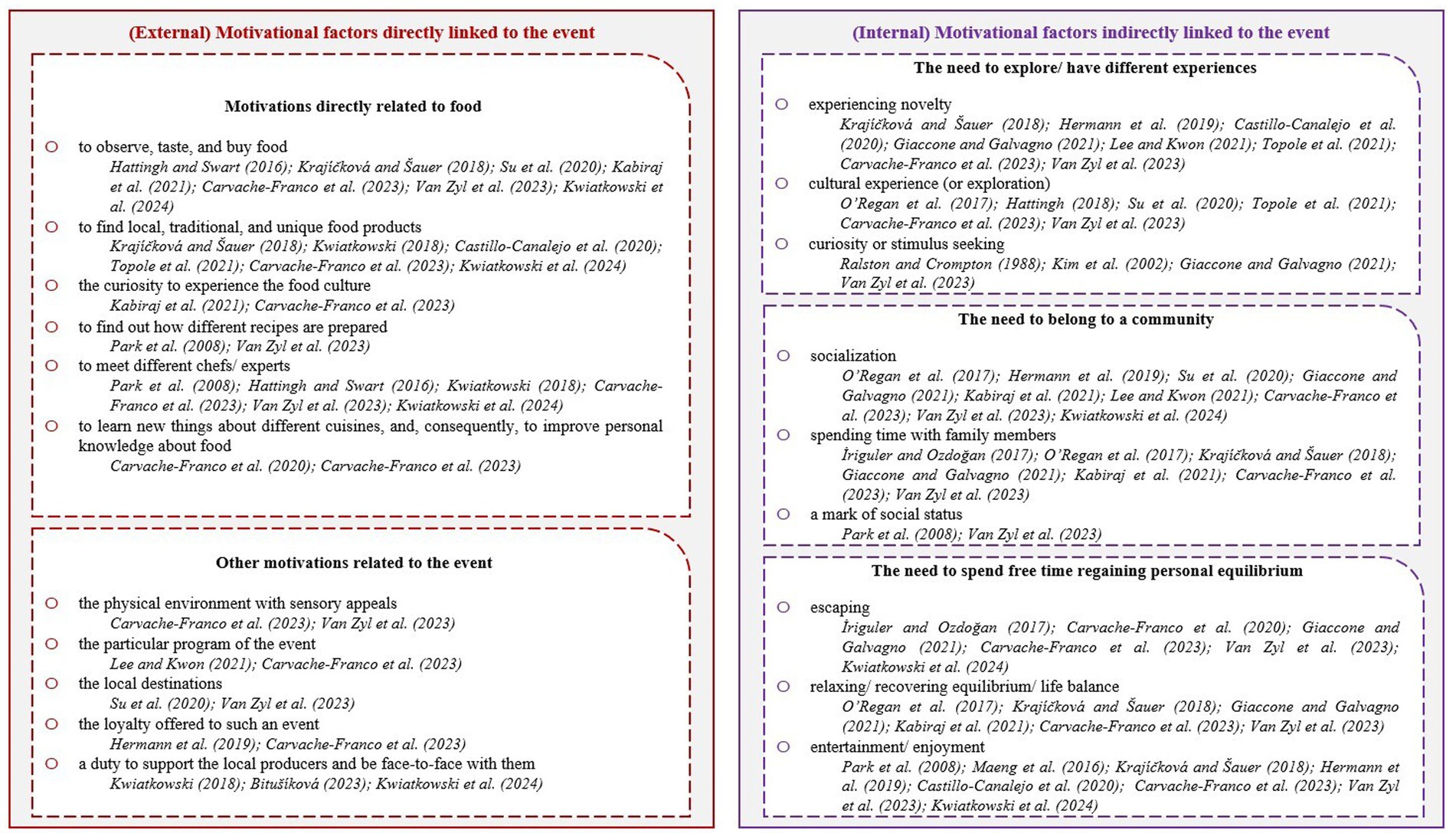
Figure 1. Motivational factors linked to the participation at a food event.
The most general, practical, and simple argument for being present in a food event is (i) to observe, taste, and buy food. More specifically, this interest in tasting and buying food from such an event is explained by (ii) the types of food products presented here, with a great focus on the local, traditional, and unique ones. Moreover, (iii) the curiosity to experience food culture, (iv) to find out how different recipes are prepared, (v) to meet different chefs/ experts, (vi) to learn new things about different cuisines, and, consequently, to improve the personal knowledge about food are among other important reasons for attending a food event from this perspective of the visitors, be they residents of the place or tourists. Besides the first category of arguments for attending a food event, namely the ones specifically pointing out the food products, other motivations found in the literature are related to the event in general, and not particularly linked to food, such as (vii) the physical environment with sensory appeals, (viii) the particular programme of the event with certain attractive issues of interest, (ix) the local destinations, and even (x) the loyalty offered to such an event. The visit might also be considered as (xi) a duty to support the local producers and be face-to-face with them as the event itself is seen as a community pride (Van Zyl and Botha, 2004; Van Zyl et al., 2023) that has to be commonly supported.
Attending a food event might be caused by (xii) the need of seeking new things to be in contact with or, in other words, experiencing novelty (such as new places, new cultures, new habits, new individuals, new experiences, new recipes, etc.). Moving on with the motivations more concentrated on personal (intrinsic) reasons, events are frequently seen as a means for (xiii) socialisation or, more specifically, (xiv) spending time with family members. The presence to them is also sometimes considered (xv) a mark of social status or (xvi) a cultural experience (or exploration). In the same way, such events represent a way to spend free time in need of (xvii) escaping, (xviii) curiosity or stimulus seeking, (xix) relaxing/ recovering equilibrium/ life balance, and/or (xx) entertainment/ enjoyment.
Thelen and Kim (2024) underlined that” food festivalgoers” could be food enthusiasts and non-enthusiasts, namely those who are not especially interested in the food but still participate. The first category considers especially the (external) motivational factors directly linked to the event, while the second one fits better into the (individual) motivational factors indirectly linked to it. The focus should be on the food enthusiasts who are more interested in the event offers and more open to getting in touch with the vendors and being involved in communication and collaboration processes with them. This is the most efficient way to have a successful event, although the non-enthusiasts should not be neglected because they can migrate from one group to another and become loyal to the event.
2.4 Producers’/sellers’ perspectives regarding participation in food events
As already emphasised in the literature and previously underlined in this study, the perspective of producers in the role of vendors at a food event is not a highly addressed topic (Janiszewska and Ossowska, 2021). On the contrary, Kwiatkowski et al. (2024) even mentioned that knowledge in this regard is” almost absent in academic discourse.”
The vendors from a food event are often small local producers whose participation in such events is sometimes the only circumstance they directly meet the consumers of their products (Janiszewska and Ossowska, 2021; Ossowska et al., 2023). Although their perspective is very relevant in the context of an event organisation, the vendors are frequently neglected in studies as the principal concern of analysis, being only an additional component integrated into other research topics. The local producers’ role has generally increased over time, stimulated by the higher requirement for locally produced food and enhanced public support (Kwiatkowski et al., 2024).
Considering the perspective of vendors, their motivations for participation in a food event, from the ones exclusively oriented to business goals (Janiszewska and Ossowska, 2021) to others more linked to social well-being and passion (Kwiatkowski et al., 2024), could be found across the literature. Thus, between arguments like potential return on investment (Breiter and Milman, 2006; Janiszewska and Ossowska, 2021) or profit maximisation (Kwiatkowski et al., 2024) and non-growth (altruistic) orientation or promoting specific ideas or traditions with the willingness to maintain and develop local social values (Kwiatkowski et al., 2024), other intermediate arguments for involving into such an event were revealed in different studies. Among them, (i) industry expectations favouring food events (Janiszewska and Ossowska, 2021), (ii) previous experience of attendance, or recommendations from other participants (Breiter and Milman, 2006; Janiszewska and Ossowska, 2021; Kwiatkowski et al., 2024), (iii) creation of business contacts through direct meetings (Kwiatkowski et al., 2024; Ossowska et al., 2023), (iv) enlarge the customer base, or (v) other marketing reasons like brand building (Kwiatkowski et al., 2024) might be pointed out.
3 Materials and methods
3.1 Description of the food event focusing on the co-creation process
The food event called” Iașul în bucate tradiționale, ecologice, montane și artizanale” (“Iasi in traditional, organic, mountain, and artisan food”—https://iasulinbucate.rdrp.org; Figure 2) was organised in Cities2030—Co-creating resIlient and susTaInable food systEms towardS FOOD2030 project, whose primary purpose was to create safe and efficient urban food systems and ecosystems (UFSE) through a connected, citizen-centred structure built on trust, with partners that encompass the entire UFSE. The participants in organising the event are as follows: Romanian Academy—Iasi Branch, Iasi City Hall, Directorate for Agriculture—Iasi County, Iasi University of Life Sciences (IULS), and Asociația Producătorilor Locali” Produs în Iași” (Association of local producers” Produced in Iasi”). The implementation period taken into analysis was between July 2022 and September 2023, with seven editions and a total number of local producers equal to 82, even if the event has been continuously organised after this period and even after the finalisation of the Cities2030 project. For example, in 2024, the event had five editions.
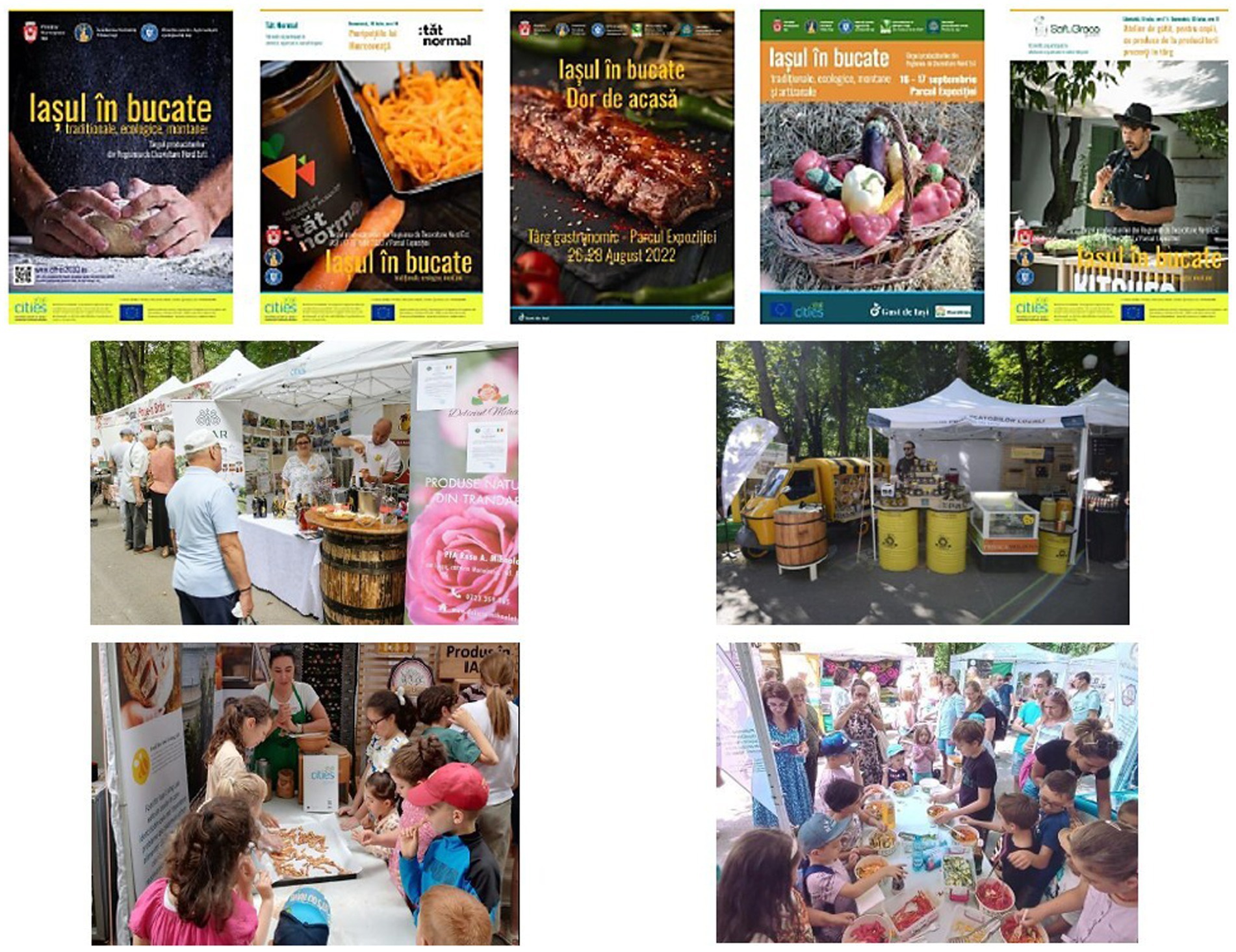
Figure 2. Images from the” Iasul in bucate” food event (photos by Lucian Tanasa).
Given that the event aimed to bring producers and consumers face-to-face to facilitate the transfer of local agri-food products, the research started from the premise that such actions are useful because: (i) the rapid valorisation of products obtained by local producers who have low production capacity while consumers are provided with quality agri-food products, (ii) the improvement of local producers prestige through direct contact with consumers interested in healthy food, (iii) the creation of communication networks between producers and consumers, which can ensure the rapid distribution of goods to the benefit of both parties. For better contributing to such benefits, from the beginning of the initiative, the participants’ selection was based on specific requirements for the vendors to preserve the authenticity of the event: (i) to be small producers of agri-food products; (ii) to bring local tradition and to be authentic at the event, providing specific Romanian products; and (iii) reputation, responsibility, and quality obligations.
The food event was organised through a co-creation process based on collaborative engagement among the four major actors in society, namely (i) local producers, (ii) academia/science (Romanian Academy, Iasi Branch and Iasi University of Life Sciences), (iii) governance representatives (Iasi City Hall and Directorate of Agriculture Iasi), together with (iv) ordinary citizens showing their availability to support the event.
This section is elaborated to respond to our first research question (RQ1), pointing out the distinctive particularities of this small food event, especially from the perspective of co-creation principles integrated into its organisation. Accordingly, each issue described here for documenting this co-creation process might be seen as a specific particularity offering added value, contributing to the potentiality of considering this event as a model of good practice.
The main particularities of a co-creation process were considered across this practical initiative, focusing on what is supposed to be a collaborative organisation of an event based on the meaningful engagement of the stakeholders included in the process. All were empowered to have a voice, and all concretely contributed to create togetherness in a successful event that was initially organised as an attempt and then, after observing its positive impact on the local community, has been periodically reiterated (as it has already been mentioned). Thus, the required communication with a fair dialogue was a common practice as the researchers (but also public administration) renounced to what is called the myth of deficit knowledge, while being aware by values and principles like leaving-no-one-behind, orientation towards stakeholders, freedom of expression, transparency, and benefits of active listening practices and of integrating multiple ways of knowing, different from science. In this way, the top-down approach was replaced by this openness to practice balanced dialogue among equal partners while facilitating an active and meaningful role in decision-making, planning, and implementation for people interested in or affected by the process. For example, the periods established for the event editions are commonly established by considering the needs and requirements of the involved stakeholders. In detail, (i) the willingness and availability to spend money in different periods, prioritising the ones in which, in general, salaries and pensions are delivered; (ii) periods considered more crowded, with no days off when people usually leave the city; (iii) attention offered to other events with caution to avoid overlapping them (this is made with the help of Iasi City Hall Events Office) were considered.
Moving on, for the particularity of co-creation initiatives regarding the concern for widening participation through actively involving those who are not yet part of the integrated stakeholders, the responses come from two perspectives: (i) one of the organisers who contribute for developing other event concepts similar to this one or implying with gained experience in other types of local events and (ii) one of the common citizens who came with personal proposals of involving in the event. For example, the puppet theatre (adapted to the specificity of the initiative for visually representing it) intended to provide a creative association with this food event for better remembering by visitors. In addition, it aimed to address one of the basic motivations to participate in such events (according to the literature), namely the need to spend free time regaining personal equilibrium through escaping, relaxing, and entertainment/ enjoyment (for example, Carvache-Franco et al., 2023; Van Zyl et al., 2023; Kwiatkowski et al., 2024). Accordingly, such initiatives were very appreciated both by the organisers and visitors.
The merit of sharing knowledge and experience was practically valued through implementing one communication platform for the local producers to facilitate dialogue and share know-how/concerns/curiosities/problems/challenges. In this way, the proper space for mutual learning is created. In the same idea, the organisation of such events and participation/ involvement in others locally organised is a frequent practice across this engaged community. This is somehow in close link to the necessity of understanding the local community members (what they expect and can offer) and the orientation to their needs/ progress. The care towards them supposes (but not limits here) providing local products to visitors (be they residents or tourists), the attention devoted to the rigorous selection of the vendors and other organisational issues, the workshops organised during the fair for creating awareness for and educating young people about the benefits and significance of local/ authentic products. In the same rationale of orientation towards community needs and collaborative support, the organisers facilitated the penetration of different local products marketed at the food event into some supermarkets from Iasi. This represents one important business step for each producer as it is generally well-known.
In addition, one dissemination platform was launched from the initiative of Academia members implied in the organisation of this food event and continuously developed in the same collaborative approach. This is called” Gust de Iasi” (“Taste of Iasi”),1 and its primary objectives are assumed as follow: raising the awareness of consumers in the municipality of Iasi on the importance of short supply chains for improving quality of life; promoting the fundamental principles of these supply chains; supporting local and regional producers to improve their ability to access the local food market; and the digital development of short supply chains. This platform constituted the basis for the organisation of this event, the producers participating here also being members of the platform (in their majority). Moreover, this initiative has been considered an example of good practice like in the case of the” Gustă din Bucovina” (“Taste from Bucovina”) initiative,2 or has been multiplied in other municipalities (with the contribution of the organisers from Iasi) like Buzău and Bacău, with” Gust de Buzău” (“Taste of Buzău”) and” Gust de Bacău” (“Taste of Bacău”) initiatives.
All these co-created initiatives, closely linked to the food event analysed in this study, meant working with local institutions, the business sector, and other stakeholders for agreement on the short, medium, and long-term opportunities and challenges for the entire community. These also supposed the establishment of a clear set of priorities based on previous experiences. In this way, the adaptation actions based on lessons learned from past experiences, especially in the case of logistical ones, for a better representation of the participants’ interests, lead to mutual learning, create balance and harmony, contribute to improved long-term efficiency, and attract a wider audience.
3.2 Study design and analysis of data
The present research applied a mixed approach regarding the collection of data, combining the strengths of two survey tools: a quantitative one—the questionnaire, and a qualitative one—the structured interview. While the questionnaire is mainly used to emphasise patterns among large populations, the interview is often considered when in-depth insights on respondents’ attitudes, thoughts, and actions are of interest in the analysis (Harris and Brown, 2010). Given that the central point of this exploratory descriptive case study is represented by the relationship between visitors and producers in the food events and their perspectives regarding the participation and experience in this type of event, the mixed-method approach of collecting the data can give a deeper and better understanding of the ideas of collaboration and co-creation and also, enrich the evidence discovered.
The data regarding the visitors’ experiences were obtained applying a face-to-face questionnaire administered by the field operators placed at the exit of the fair (see Appendix 1). The following two criteria were considered for selecting the potential respondents: (1) age interval and (2) whether the visitors bought some of the products found at the fair. The age interval represented a relevant aspect for the research because it contributed to a more detailed perspective regarding the particularities of visitors’ opinions on food fair. Also, the action of buying one or more products from the fair was important for revealing a more informed view regarding aspects such as the motivation for participating at the event and the interaction with the producers. 146 questionnaires were completed and validated in the period between July 2022 and September 2023 across the 7 editions of the fair. The survey method used was CAPI (Computer-Assisted Personal Interviewing), the interviewers completed the respondents’ answers in a form previously created on the Google Forms platform and made available on digital devices (in this case, a tablet or a smartphone). It has to be mentioned that after being informed regarding the aim of the study and their right to quit the survey, the visitors agreed to be part of our study. Also, informed consent was obtained from all respondents. The authors did not obtain personal information about the participants. This instrument dedicated to visitors was firstly tested on a sample of 10 respondents in order to identify and correct any potential biases made in its elaboration.
The questionnaire was structured in two sections in order to address both the evaluation of participants’ perceptions related to the food event’s organisation and their socio-demographic characteristics. The first section comprised several questions referring to the main motivations for attendance, perceived benefits and advantages of participating to the event, sources of information accessed for the familiarisation with the event, the degree of openness towards local and ecological products, and the interaction with other participants at the event. The second section was devoted to some socio-demographic issues which were useful for providing essential background information regarding the participants and facilitating the development of potential patterns across participant subgroups. Variables included were the following: gender, age, level of education, household income, and frequency of buying local and ecological products. Table 1 presents the description of these questions alongside the scales used in each case.
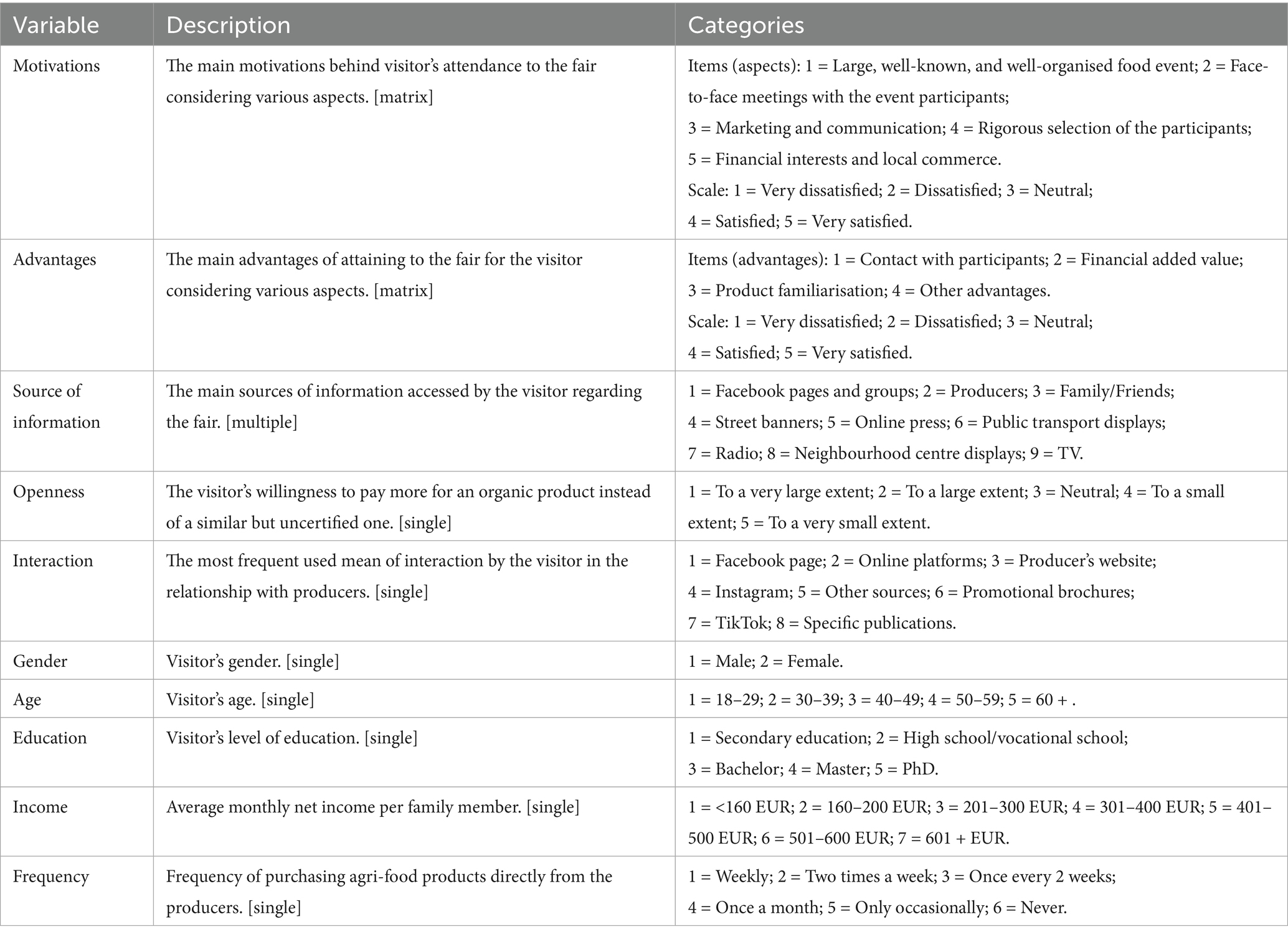
Table 1. Description of the questionnaire.
Based on the responses to the questions regarding the motivations and benefits of attaining to the fair, only the responses from the positive side of the scale (codes 4 = Satisfied and 5 = Very satisfied) were considered in order to indicate the most relevant aspects for the visitors. Moreover, for a more detailed perspective, the selected respondents were classified based on their age in order to observe specific profiles. For the rest of the variables considered in the analysis, the values reflect the responses received in the questionnaire and no supplementary actions were necessary.
In the case of producers, the data was collected through interviews administered at the level of 34 producers that were present at the same 7 editions of the fair organised in the period between July 2022–September 2023 (see Appendix 2). The selection of the suited respondents for the present study was based on three aspects: (1) the high frequency of participating at the fair’s editions, (2) the respondent has to be the owner/manager of the business, and (3) there has to be a diversity regarding the categories of marketed products. Participating at most of the event’s editions is relevant for the quality of the responses provided in the interview due to a more realistic image about the fair and a more objective motivation of returning. Also, the representative of the business that gives the information has to be very familiar with it in order to have a better overview and to be directly interested in contributing to the development of the fair, thus, having more opportunities for selling its products. Finally, a wider range of products brings together various perspectives regarding the organisation of the fair depending on the particularities of the businesses. The structured interview was defined based on an Interview Guide, which was developed as a management tool for the centralization of data from producers. Through this Guide, the Informed Consent, the list of questions, and elements meant to protect the identity of the respondents were established. The questions were defined in a Focus Group meeting and structured into three sections. The first one comprised introductory information referring to socio-demographic characteristics such as type of organisation, role in the organisation, products presented at the fair, sources of financing, number of employees, and level of education. The second section included information regarding the participation at the fair, encompassing motivations for attendance at the event, perceived advantages, sources of information regarding the fair, openness towards ecological products, and the interaction with other participants from the event. The last section addressed issues related to broader economic aspects, including barriers and challenges faced by the producers in their daily activity, prospects of expansion, recent and anticipated changes, and overall satisfactions with their business. This instrument was pre-tested on a producer that responded to all the questions integrated into the interview and gave insights regarding the clarity of the questions and the needed time for completion. After the introductory dialogue with the producers, the Informed Consent regarding the administration of the interview was presented, thus obtaining their consent for the audio recording, the exclusive purpose being scientific research. The collected interviews were transcribed and, after analysing the responses obtained at each question, several variables and codes corresponding to the specific contexts identified were created. Table 2 summarises the defined variables alongside their description and corresponding categories.
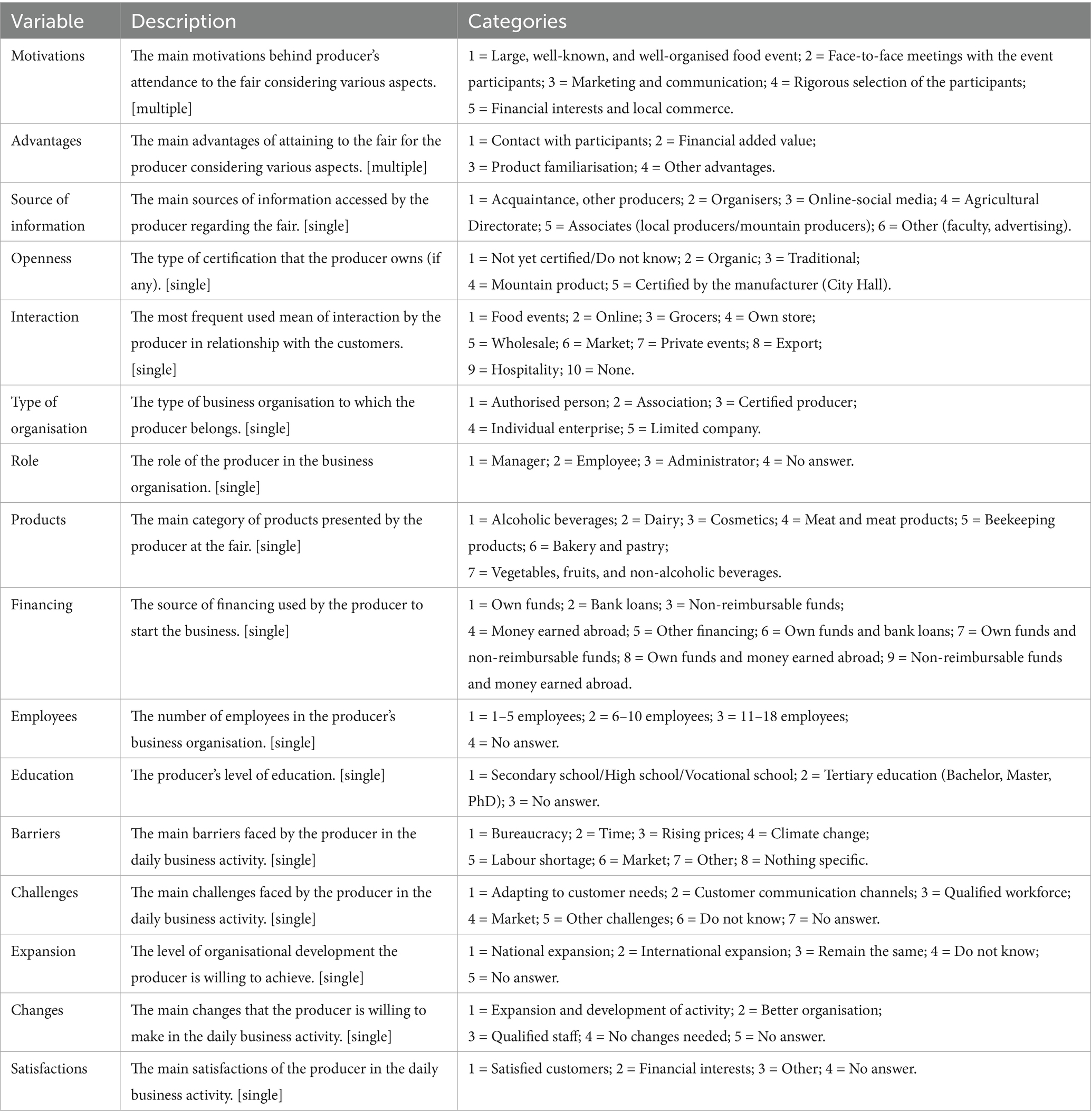
Table 2. Description of the interview.
Among the variables defined based on the responses obtained in the interviews, the ones representing motivations and benefits of attaining to the fair were of greater importance in the context of the present study. As it can be observed from the description of these two variables in the previous tables, the codes allocated to the producers’ and visitors’ responses were the same. The purpose of using similar categories was the one of developing a comparative analysis of the most important specific issues for each type of participant, but also to emphasise the common characteristics that bring them together to the fair. In addition, while in the case of the visitors, a detailed analysis of the motivations and advantages of participating was performed, taking into consideration the age intervals, in the case of the producers, the in-depth analysis was developed considering the categories of products presented at the fair.
The parallel analysis is completed with the study of the following relevant aspects regarding collaboration between the visitors and producers at the fair: the main sources of information accessed by them regarding the fair and its importance on the market; their openness for consuming/producing organic products; and the most frequent used means of interaction between them.
In the next section, the main findings obtained by analysing the data collected at the level of the visitors and producers presented at the fair and questioned in the study are emphasised. The section starts with a description of the respondents’ profiles: the visitors’ profile, comprising different socio-demographic characteristics, and that of the producers, containing two components—a socio-demographic one and an economic one. Next, the section continues with a parallel analysis regarding the motivations and advantages of attaining the fair for each of the two categories of respondents. In addition, the comparative analysis puts face-to-face the main sources of information about the fair used by the visitors and producers, and how the trading relationship between them is facilitated by various contexts. Finally, the analysis concentrates on revealing the openness of the two categories of participants to consuming/producing organic products.
4 Results and discussion
4.1 Visitors’ profile
Figure 3 contains frequencies of the categories defining the following five variables used for developing the visitors’ socio-demographic profile: A—Gender; B—Age; C—Education; D—Average monthly net income per family member; E—Frequency of purchasing agri-food products directly from the producers.
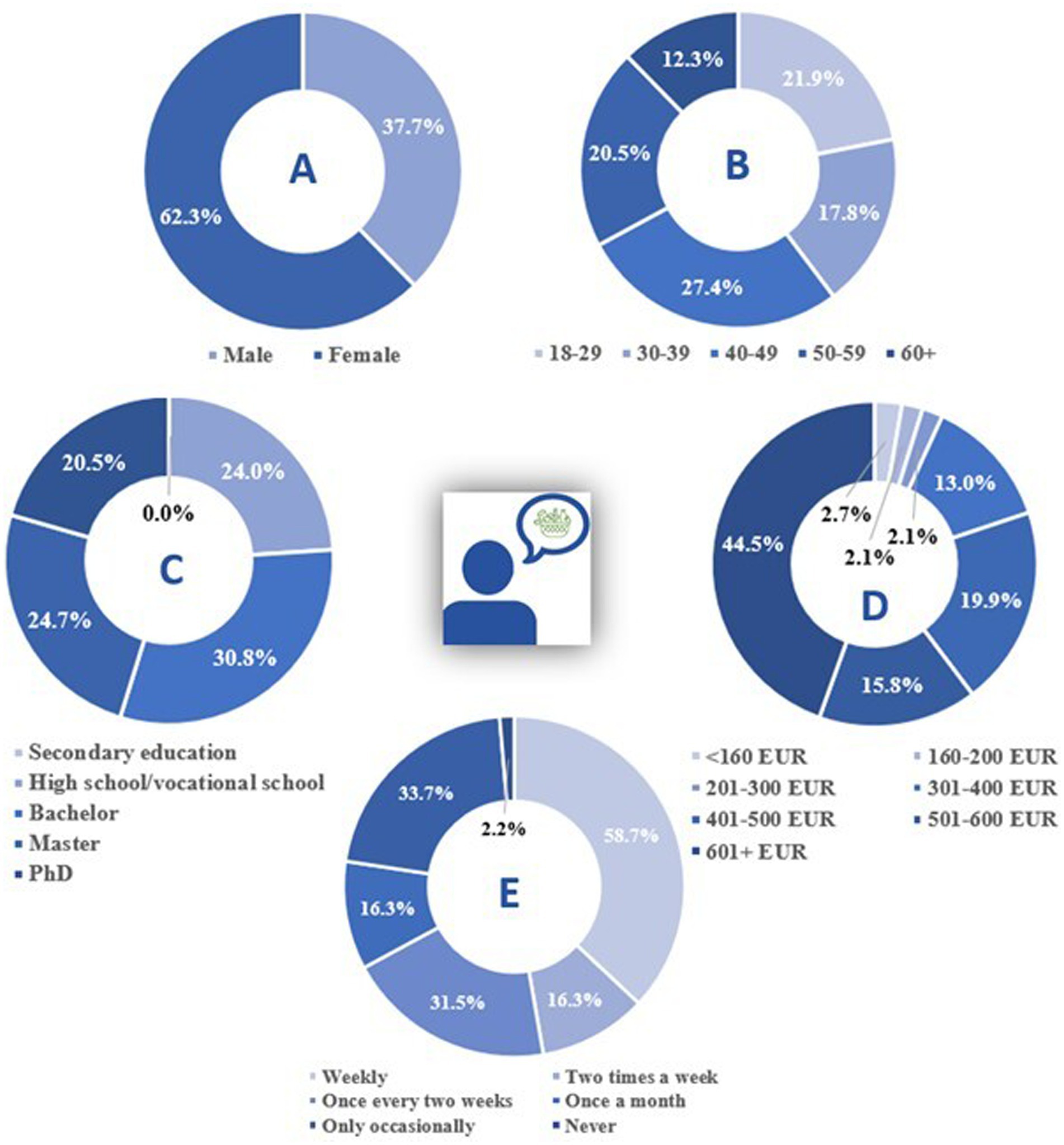
Figure 3. The description of the visitors’ socio-demographic profile. (A) Gender; (B) Age; (C) Education; (D) Average monthly net income per family member; (E) Frequency of purchasing agri-food products directly from the producers.
Among the 146 respondents to the questionnaire, 62.3% were males and 37.7% females. Regarding the distribution of these respondents on age categories, it can be observed that most of the participants were adults with the ages between 40 and 49 years (27.4%) or young people with ages situated in the range of 18–29 years (21.9%), while the age interval which is very little represented is containing the elder people—60 + years (12.3%). The preponderant levels of education registered are included in the tertiary education (Bachelor—30.8%; Master’s—24.7%; and PhD—20.5%). Next, in the case of the average monthly net income per family member, it was observed that most of the respondents declared that they obtained at least 601 + EUR (44.5%), them being followed by the ones with incomes of 401–500 EUR (19.9%) and 501–600 EUR (15.8%).
Finally, concerning the frequency of purchasing agri-food products directly from the producers, 58.7% of the participants indicated that they are weekly buying these types of products, 33.7% only occasionally, 31.5% once every 2 weeks, 16.3% two times a week, 16.3% once a month, and only 2.2% declared that they have never bought such products.
4.2 Producers’ profile—socio-demographic and economic characteristics
The socio-demographic profile of the producers is described by the variables included in the graphical representations illustrated in Figure 4. The particularities considered are the following: A—Type of organisation; B—Role in the organisation; C—Products; D—Financing; E—Employees; and F—Education.
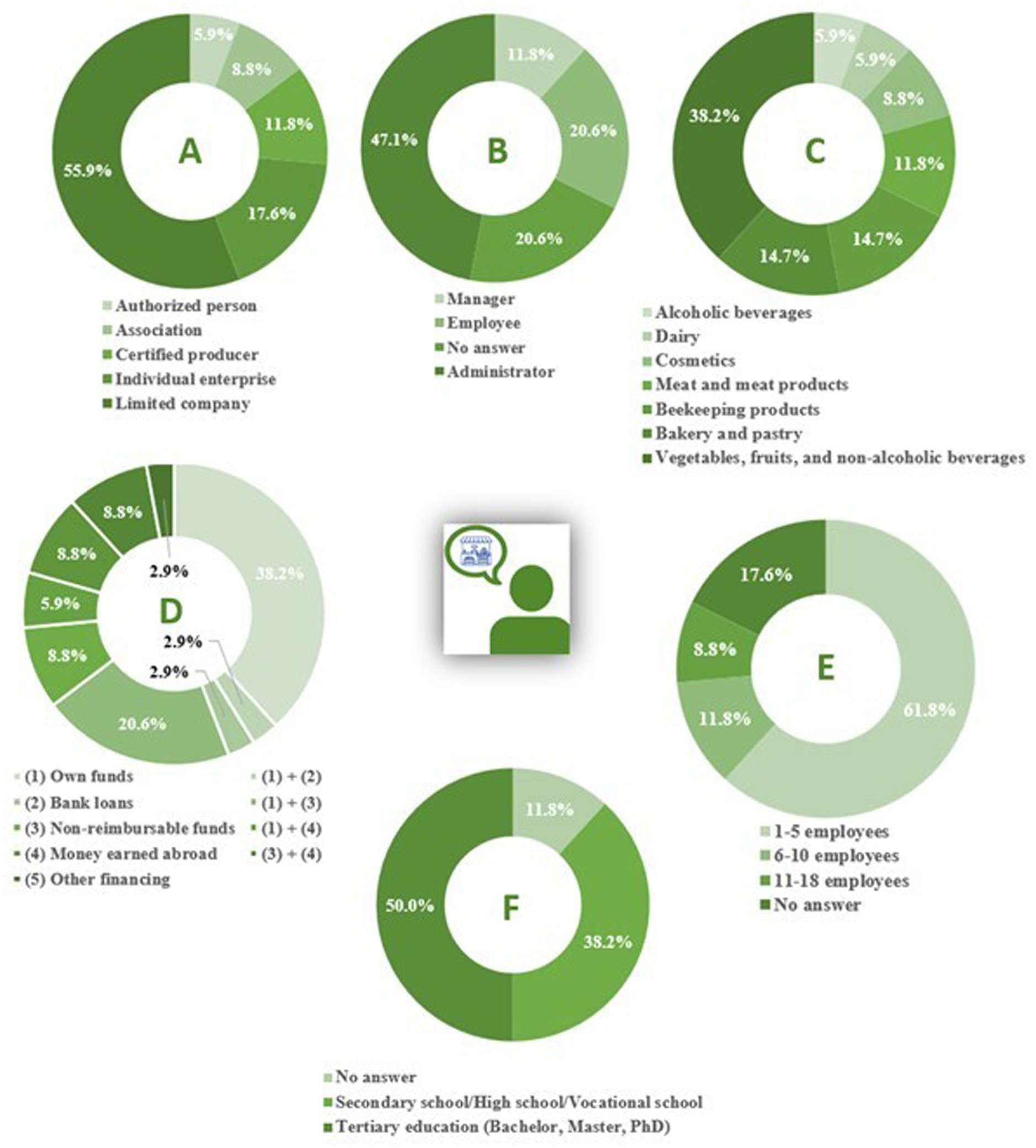
Figure 4. The description of the producers’ socio-demographic profile. (A) Type of organisation; (B) Role in the organisation; (C) Products; (D) Financing; (E) Employees; and (F) Education.
From the total of 34 respondents to the interview, the majority of the producers have one of the two types of organisation—authorised person (55.9%) and association (17.6%). Certified producers (11.8%), or those belonging to other organising entities (8.8%—Individual enterprise and 5.9%—Limited company) are a few. In terms of the role detained in the business activity, 47.1% are administrators, while only 11.8% are managers.
The main categories of products presented at the fair consisted of vegetables, fruits, and non-alcoholic beverages (38.2%), followed by bakery and pastry products (14.7%), beekeeping goods (14.7%), and meat and meat products (11.8%). The fewest producers were present at the fair with cosmetics (8.8%), dairy (5.9%), and alcoholic beverages (5.9%).
For financing their business organisation, 38.2% of the producers declared that they used only their own funds. After them, 20.6% mentioned using a mixed financing—own funds and non-reimbursable funds. Other sources of financing used to a very small extent were money earned abroad (8.8%) and bank loans (2.9%). The rest of the respondents indicated that they used a combination of their own funds and other sources of funding. In their businesses, most producers have a small staff: 61.8% have 1–5 employees, and 11.8% with 6–10 employees. Finally, regarding their level of education, 50.0% of the producers are part of the tertiary education category.
The economic profile of the producers comprises the characteristics presented in Figure 5 and refers to the following variables: A—Barriers; B—Challenges; C—Expansion; D—Changes; and E—Satisfactions.
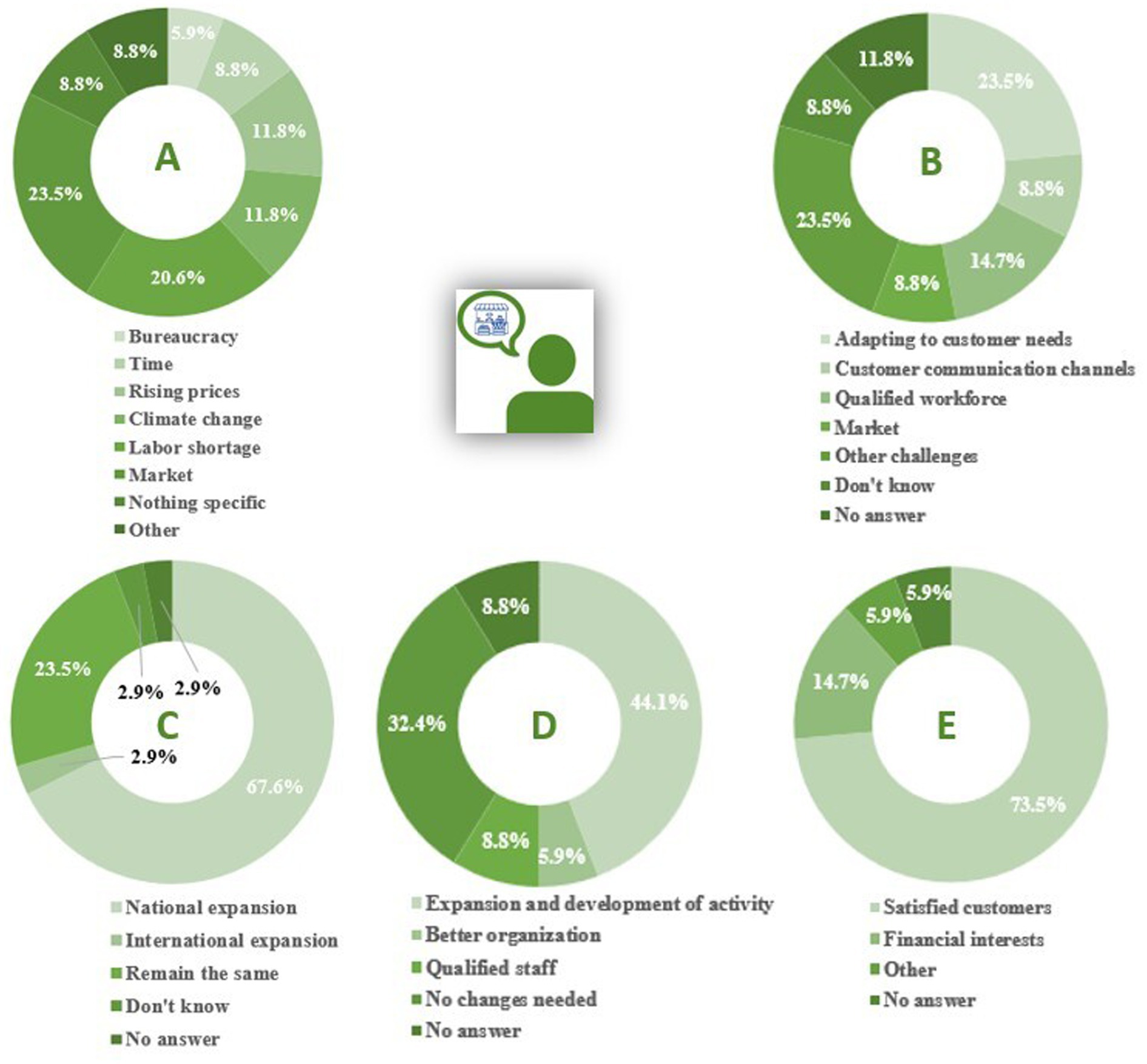
Figure 5. The description of the producers’ economic profile. (A) Barriers; (B) Challenges; (C) Expansion; (D) Changes; and (E) Satisfactions.
The distribution of the main barriers faced by producers in their daily business activity is very diverse. The existing market (23.5%), labour shortage (20.6%), rising prices (11.8%), and climate change (11.8%) were identified as the most pressing problems. Regarding the main challenges, 24.0% of the producers find it difficult to adapt to customer needs, while 14.7% are worried about the lack of a qualified workforce.
Thinking about their future, 67.6% of the producers wish to expand their business to the national level; 23.5% would like to remain the same; and only 2.9% would like an international extension. In addition, regarding the need for change in the business activity, 58.8% of the producers considered it important in the future (44.1% focusing on expansion and development of activity, 8.8% concentrating on qualified staff, and 6.0% focusing on better organisation), while 32.4% stated that no changes are required in their entrepreneurial initiative. Finally, when asked about their satisfaction with daily business activity, 73.5% of the producers first mentioned customer satisfaction, and only 14.7% pointed out financial interests.
4.3 Visitors’ versus producers’ perspectives concerning the food event
An important part of the present study consists of putting face-to-face the views of the visitors’ and producers’ perspectives.
In Figures 6, 7, the focus of the analysis is on the motivations and advantages of participation in the fair for both categories of respondents. Figure 6 reveals the results for the two variables considered for the visitors in general and distributed by age intervals. It should be mentioned that age is the variable that has the potential to best emphasise the variety of responses regarding the main motivations of participation among the respondents. This is the reason for which the descriptive analysis was opted to be done in relation to it.
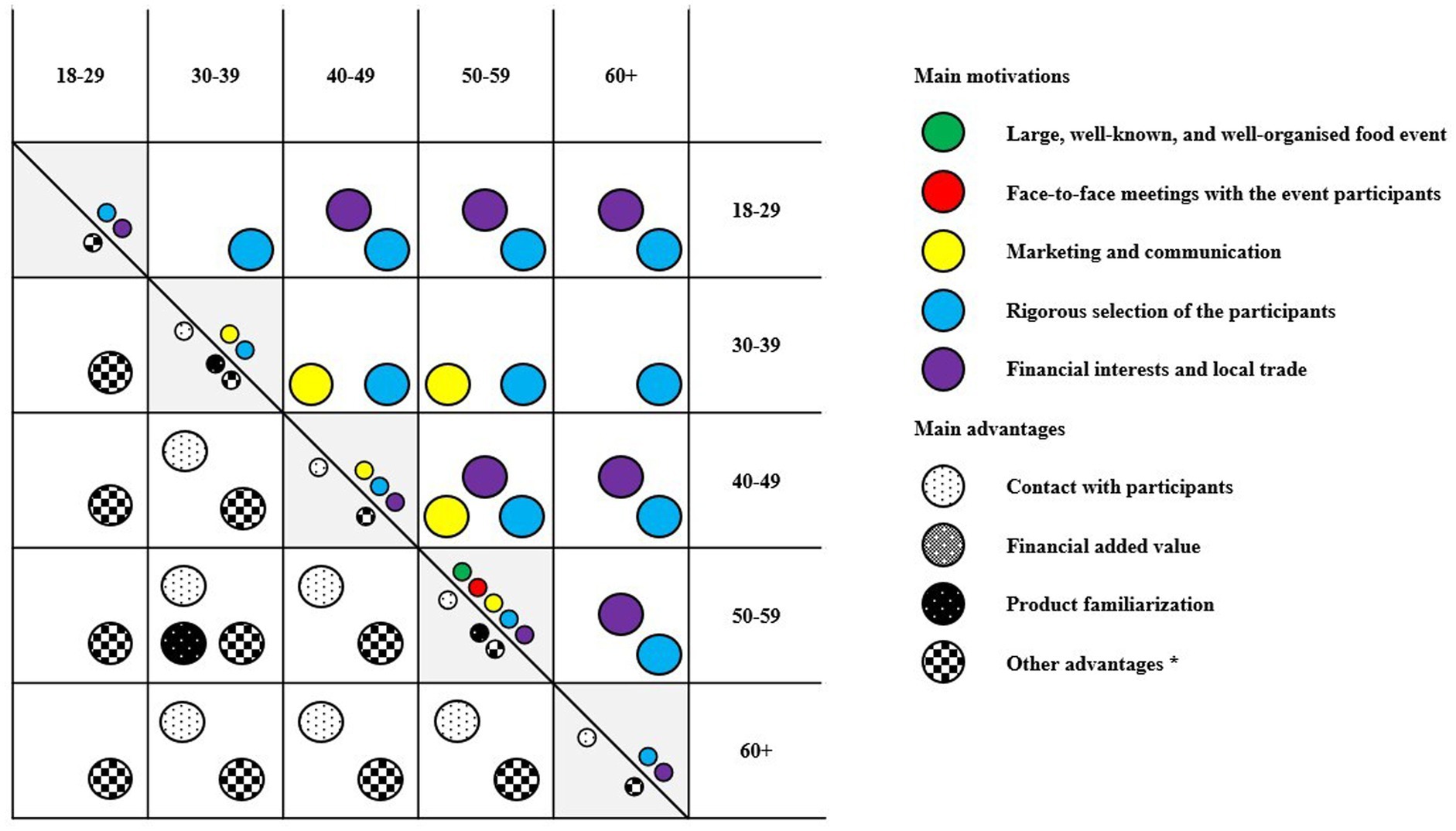
Figure 6. The visitors’ perspective concerning the food event.
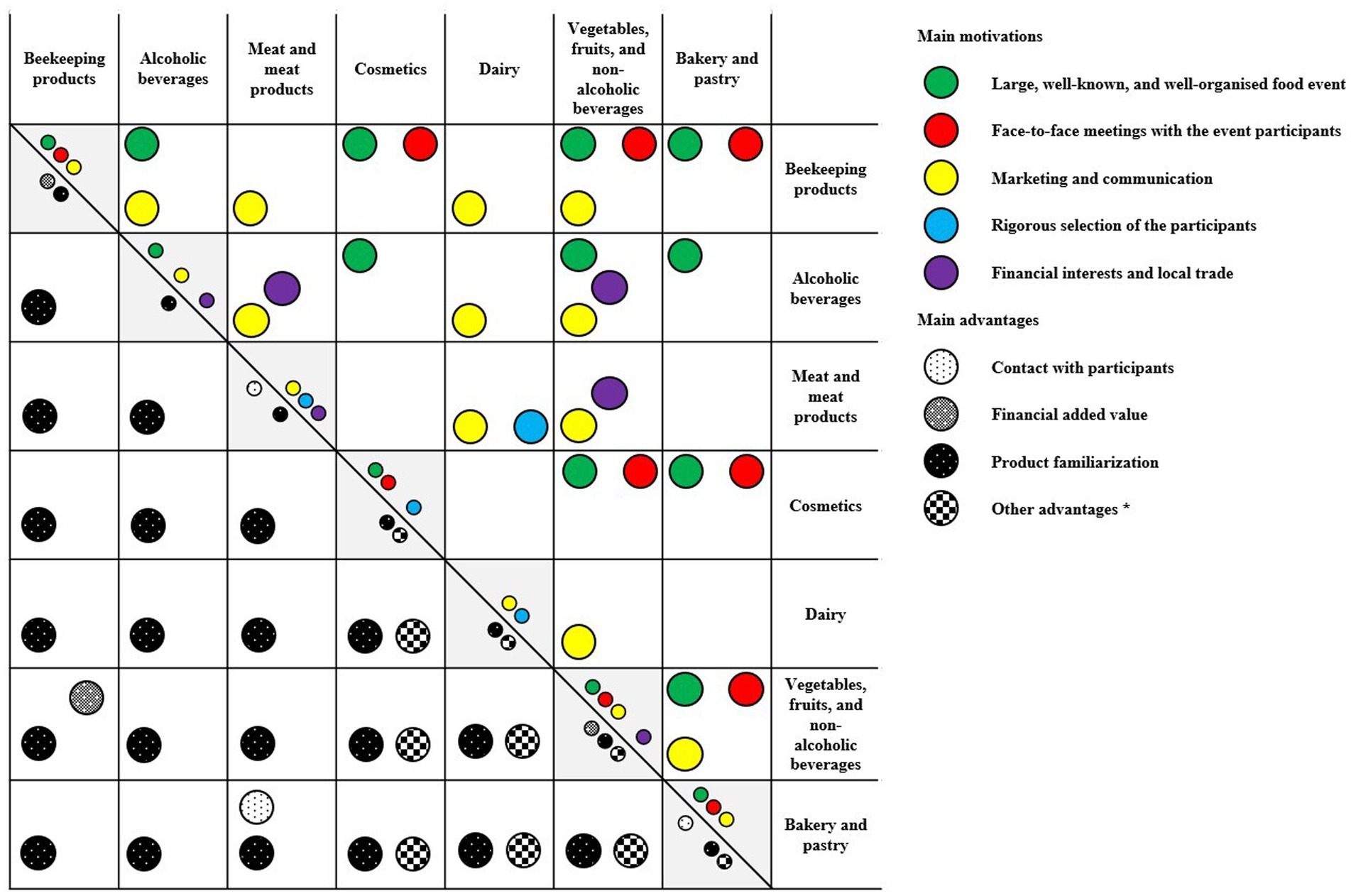
Figure 7. The producers’ perspective concerning the food event.
The main motivations of the visitors were referring to (i) rigorous selection of the participants, (ii) financial interest and local commerce, and (iii) marketing and communication. These most common motivations were identified among the respondents aged between 40 and 49, on one side, and those with 30–39 and 50–59, on the other. The three categories of respondents considered marketing and communication, and rigorous selection of the participants, as the most relevant ones. For respondents aged 50–59 years, besides the already mentioned motivations, the following two perceptions were also of high importance for their appreciation regarding the fair: (iv) the event was perceived as being a large, well-known, and well-organised one, and (v) the fact that it provided the opportunity of face-to-face meetings with the event participants. It can also be observed that the least interested in the financial side seems to be the visitors between 30–39 years. However, an interesting point is the fact that financial issues are among the main motivations, but not among the considered advantages. As a response, a recommendation could be to offer attractive promotional packages so that visitors have the feeling of financial gain. At the same time, the face-to-face meetings do not appear to be highly appreciated among visitors, meaning that this type of argument does not mobilise them to come to the event. Still, direct contact with the participants is among the main selected advantages. This concern should be solved, especially by the producers, whose mission should be to encourage the visitors to valorise more the meetings with them, proposing meaningful experiences, different from the simple act of vending.
These findings are in line with the literature that includes, among the main motivations of attending a food event, arguments directly related to food, such as observing, tasting, and buying food (Hattingh and Swart, 2016; Su et al., 2020; Kabiraj et al., 2021; Carvache-Franco et al., 2023; Van Zyl et al., 2023), but not specifically linked to financial savings or gains, or others related to the need to belong to a community like socialisation (Hermann et al., 2019; Giaccone and Galvagno, 2021; Kwiatkowski et al., 2024), spending time with family (Kabiraj et al., 2021; Carvache-Franco et al., 2023; Van Zyl et al., 2023), or a mark of social status (Park et al., 2008; Van Zyl et al., 2023). Accordingly, all the identified arguments from the perspective of this event are, to some extent, covered by the findings from other previous studies. However, an exception is made by the focus on participants’ rigorous selection, a particularity that appears to be highly appreciated across the investigated visitors.
Concerning the main advantages, contact with participants and other specific advantages were relevant for all the categories of respondents. A specific common advantage was identified only in the case of the respondents with ages between 30–39 and 50–59 years, namely (vi) product familiarisation. Among the young people, none of the significant benefits considered by the other categories of respondents were identified; instead, different advantages were specified, like (vii) support offered to local producers, or (viii) the experience gained by other trusted sources and followed as a recommendation. These last distinctive particularities valorised by the participants at this event might be integrated into the motivational factor category that is indirectly linked to the fair and refers to social status. In addition, participation that is considered a duty to support local producers and being face-to-face with them is also part of the list, with the main motivations for attending such an event (see Figure 1).
Figure 7 presents the results for the motivations and advantages considered across producers in general, and distributed according to the products presented at the fair.
As can be seen, in general, the top three motivations for their participation in the fair are related to (i) marketing and communication, (ii) the perception about the fair, being considered as a large, well-known, and well-organised food event, and (iii) the proper circumstances to meet face-to-face the event participants, be they producers, friends, family members, or others. These arguments are similar to the ones found across the studies dedicated to analysing vendors participating in a food event (Breiter and Milman, 2006; Janiszewska and Ossowska, 2021; Ossowska et al., 2023; Kwiatkowski et al., 2024). Accordingly, these are related to the necessity of brand building, the enlargement of the customer base, and responding to industry expectations favouring food events. Taking into consideration the products presented at the fair, for some of the producers, namely the ones specialised in vegetables, fruits, and non-alcoholic beverages, meat and meat products, or alcoholic products, (iv) the financial interests and local trade are also important in the decision to participate in a fair. (vii) Rigorous selection of the participants was mostly relevant in the case of the producers that sold dairy, cosmetics, and meat and meat products at the food event. Thus, the most common motivations could be found in the case of the producers of vegetables, fruits, and non-alcoholic beverages, on one side, and the ones with beekeeping products, alcoholic beverages, and bakery and pastry products, on the other side.
In terms of the main advantages of participating in the fair, (viii) product familiarisation represented the most considered benefit by the producers. For the ones offering vegetables, fruits, and non-alcoholic beverages, bakery and pastry, dairy, and cosmetics, additional arguments were relevant. In this other advantages category, answers like “we are a community of producers (like a family),” “we support other people who need help,” “the selection of a community of producers of quality products,” “the fair’s location area that brings in customers but also diverse producers,” and “fair price/the fair fee is low” were included. These advantages emphasised by the respondents could be grouped in two categories, namely advantages referring to (ix) belonging to a community that could be considered as the corresponding motivation to the one emphasising the participation in the event, seen as a mark of social status from the perspective of visitors, and (x) other motivations related to the event, like local destination, the physical environment, the particular programme of the event, and other organisational issues. These results come to complete the limited knowledge on the main motivations of producers to be part of a food event, their role in such an action not being sufficiently addressed across the literature (Janiszewska and Ossowska, 2021; Kwiatkowski et al., 2024). However, in our view, the vendors’ perspective is equally significant to the visitors’ one. This happens especially in the circumstances in which they are small producers, bringing to the market high-quality local products and, through such specific goods, offering value to the event, particularising it, and, accordingly, strengthening the event’s brand. This idea is supported by the fact that, according to different studies, the requirement for locally produced food is continuously increasing and the status of local producers has become more valorised across society, especially in local communities (Kwiatkowski et al., 2024; Tanasă et al., 2022a, 2022b).
Contrary to the perceptions of visitors, the producers do not integrate the rigorous selection of the participants among the main motivations. In addition, face-to-face meetings are more valued by them, but contact with participants is not considered an advantage because it seems this puts pressure on the part of the visitors’ expectations. This result complements the findings in this regard in the case of visitors and strengthens the recommendation addressed to the producers to offer new and impactful experiences for a higher support of the main reason behind a food event, namely, these face-to-face contacts among participants. Another interesting difference is related to the fact that the image of the event appears to be more considered in the case of producers compared to visitors, although this motivation is also expected to be met in their case. In the same rationale, the vendors appreciate more the advantage of familiarisation with products compared to the other side, emphasising in this way, the fact that they have expectations concerning the visitors’ perceptions that do not correspond to their views.
This could also be part of the response offered to the first research question (RQ1), while completing, at the same time, the list of arguments for attending a food event, both from the perspectives of visitors and producers, that constitutes the response to the second research question (RQ2).
The comparative analysis continues with the graphical representations included in Figure 8 in which A—the main sources of information about the fair used by the visitors and producers; B—the main means of interaction in the commercial relationship between the two types of participants; and, finally, C—their openness to consuming/producing organic products are considered. This comes in response to the last research question (RQ3), focused on the main differences between visitors and producers in terms of sources of information, means of interaction, and their openness to support organic products.
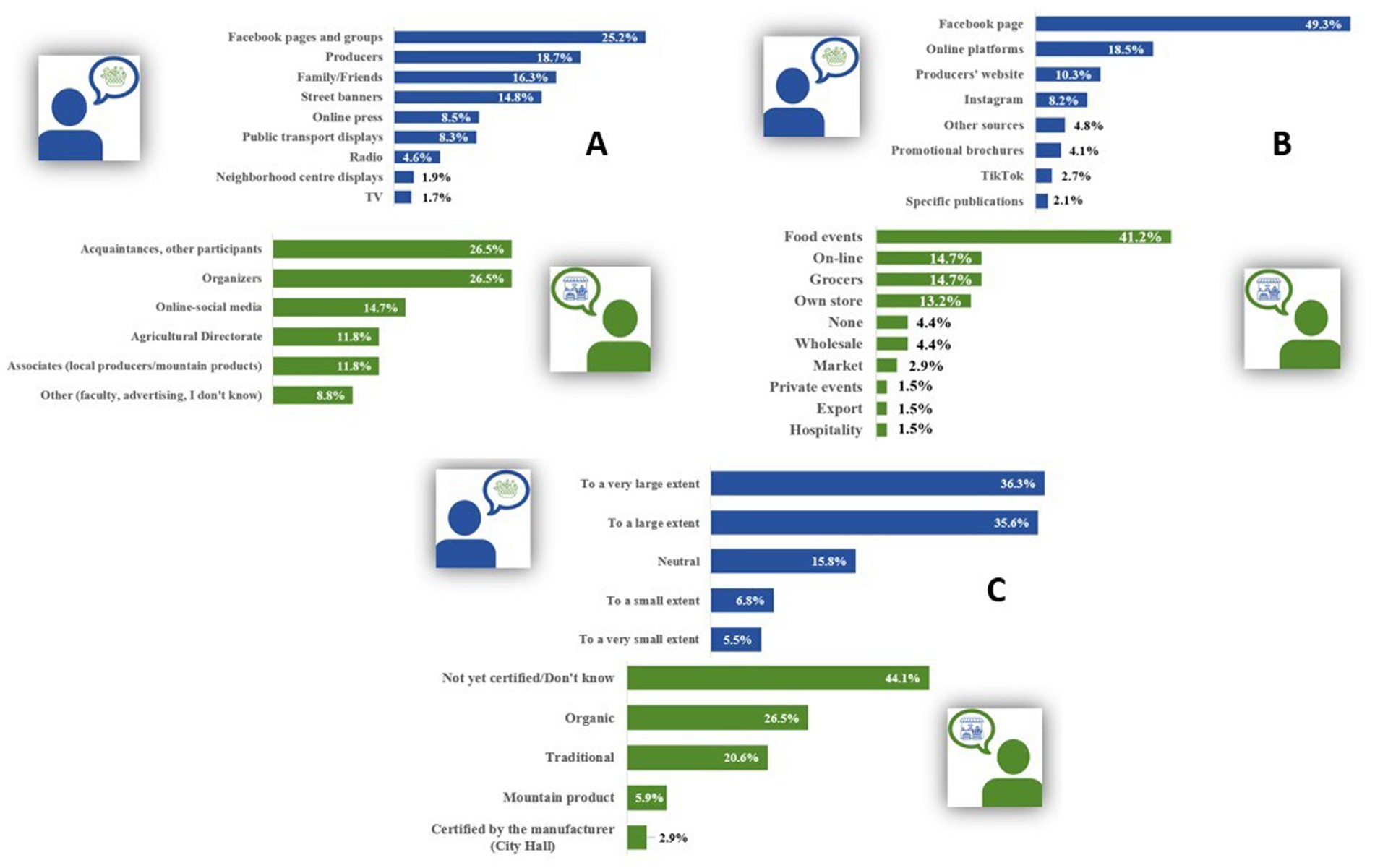
Figure 8. The visitors’ and producers’ perspective concerning sources of information, means of interaction and openness to organic products. (A) the main sources of information about the fair used by the visitors and producers; (B) the main means of interaction in the commercial relationship between the two types of participants; and, finally, (C) their openness to consuming/producing organic products are considered.
The fair was promoted in various environments. Among them, the most accessed by the visitors were Facebook pages and groups (25.2%), directly from the producers (18.7%), family/friends (16.3%), and street banners (14.8%). For producers, the recommendations of acquaintances or other participants (26.5%), organisers (26.5%), and online social media (14.7%) were the most relevant. Accordingly, while the producers appear to trust more the recommendations of different well-known sources, and, thus, the event’s reputation plays a significant role in their case, the visitors can be brought more efficiently to the event by promoting it to different online platforms like Facebook and by highly engaging the producers participating to the event in its organisation and dissemination.
In the interaction between customers and producers, several environments are important. For instance, in the case of customers, the most accessed places for contacting producers and buying their products are the following: Facebook page (49.3%), online platforms (18.5%), and producers’ websites (10.3%). In the case of producers, the top three means of interaction with customers are: food events (41.2%), online platforms (14.7%), and grocers (14.7%)/own store (13.2%). This is somehow a surprising result as it reveals a higher valorisation of such events in the case of the producers compared to the visitors. This is also a warning signal, both for the organisers and producers, to better emphasise and promote the advantages of participating in such a type of event, while trying to offer the visitors more unique experiences, gain their loyalty, and engage more with the local community to increase the event’s brand.
The openness to organic products is still modest in both cases, the customers and producers. When asked about their willingness to pay more for an organic product instead of a similar but uncertified one, only 36.3% of the visitors at the fair mentioned that they would certainly support a higher financial cost. However, at the producers’ level, only 26.5% of them are certified and produce organic food. Accordingly, these findings emphasising the features of a food event co-organised in Romania appear to respond to the identified gaps from the literature regarding (i) the lack of focus on small-scale events in a European context, (ii) the inadequate integration of the co-creation approach into the food events’ organisation and lack of documentation concerning this; (iii) the insufficient concentration on the seller as a significant factor in the entire activity of organising a food event, and (iv) according to our knowledge, the absence of studies analysing food events that integrates into their investigation both perspectives of visitors and sellers for rounding the obtained image of such events.
5 Conclusion
According to the main objectives of the current paper, (i) the description of the main organisational particularities of the” Iașul în Bucate” food event, with a focus on its co-creation approach, (ii) the analysis of the profiles of local consumers and producers, namely the ones participating in this food event, and (ii) the investigation of their perceptions about how its editions were organised were presented across this study. Based on this work, several remarks might be stated. Firstly, we believe that events such as the one investigated in our case study, which seems to follow at least a part of the basic pillars of meaningful engagement, should be encouraged, promoted, and analysed as an example of good practice. This appears to be applied especially when investigating the case of visitors and producers in their role of vendors, with their perceptions regarding participation in the food event.
Secondly, the participants’ satisfaction should be a point of utmost interest for event organisers and other relevant stakeholders, like, for example, the public administration that is frequently involved in such activities, so that any errors can be corrected. At the same time, satisfaction is closely related to the main reasons for participating in food events. There are views according to which today’s consumers have more choices than ever before, but at the same time, they are less satisfied, a finding that represents a paradox specific to the 21st-century economy. This is precisely why this study places the consumer at its centre, or, more clearly, the fair participant in her role as a potential buyer of the products presented by the producers attending its collaboratively organised editions. Still, in this study, this perspective is rounded by that of the producers, with their specific particularities and perceptions about the fair.
Referring to the results of this paper, in terms of the main motivations of attending a food event from the perspective of visitors, arguments directly related to food, such as observing, tasting, and buying food, or others related to the need to belong to a community, like socialisation, spending time with family, or a mark of social status, were reported. As an additional argument not found in the literature, the focus on rigorous selection of the producers participating in the event was found to be one particularity that appears to be highly appreciated across the investigated visitors.
On the other hand, when referring to the producers’ perspective, the top three motivations for their participation in the fair are related to marketing and communication, the perception about the fair, and the opportunity offered by this type of event to meet participants face-to-face. In addition, vendors pointed out other advantages such as the merit of belonging to a community or different organisational specificities, like the local destination, the physical environment, or the proposed programme. These findings come to complete the limited knowledge on the primary motivations of producers to be part of a food event, their role in such an action not being sufficiently addressed across the literature. It was also shown that the event’s reputation plays a significant role, while the higher valorisation of such events in the case of the producers compared to visitors was emphasised as a warning signal, both for the organisers and producers. Accordingly, the recommendation is to strengthen the event brand, increase the visitors’ loyalty, and engage more with the local community.
However, small-scale events such as the fair organised in Iasi, Romania, and considered in this study, should not be seen as the endpoint of a partnership between academia, producers, public administration representatives, and the community at large. Rather, such events are part of a broader local action with ongoing efforts and are linked to a long-term perspective, leading to the development of the partnership and increasing the benefits for all parties.
In this context, our findings appear to be consistent with those of other studies related to the food events, especially regarding the primary motivations to participate in such fairs from the perspective of visitors. In detail, motivations directly related to food, such as to observe, taste and buy food, to find local food products, near other motivations related to the event, like its particular programme and the physical environment pointed out in the literature, were confirmed by our findings regarding the approximately similar arguments for participation selected by the respondents from our survey. In the same way, several motivational intrinsic factors indirectly linked to the event, like socialisation and event as a mark of social status, were also found among the results of our study. However, it adds value to the present knowledge, emphasising other arguments for participation, while also offering a face-to-face analysis of the perceptions of the two most important actors (visitors and producers) attending in such an event. Accordingly, compared to other studies, this paper also contributes to the literature by focusing on the insights of vendors as essential partners for organising a successful fair. As they appear to have approximately the same categories of arguments for participation, the organisational need for concentrating on such benefits is also strengthened. In conclusion, studies like this one detain certain utility, both theoretical and practical, and the results need to be shared with decision-makers who define and implement new food policies and sustainable practices. The common interest point should be the benefit of consumers and local producers, capitalising on the enthusiasm and dedication of local producers, as an extremely significant resource, and the customers’ desire to enjoy a healthy life. More precisely, our study aims to address the practical problem of the organisational need to have knowledge about the perspectives of both types of participants, especially in the case of an event based on participatory governance in which all the voices should be heard. This study also potentially offers a response to the knowledge need regarding the commonality between these two types of participants, but also the differences among them that could represent a valorised source of knowledge for both sides. In this way, on one hand, the producers can find out about the customers’ needs and the manner in which they can fulfil them, and, on the other hand, customers can become more aware regarding the producers’ activity and begin to consider them a healthier alternative to the supermarkets. These new facets might be paths for passing from adaptive learning to generative and transforming learning into this specific context of co-organising events.
Our results should, however, take into consideration certain limitations, among which we mention: (i) the limited sample size both for the visitors and the vendors and the high differences between their number that, although is explainable and logic, it does not offer the place of applying the same tool of collecting data and more complex empirical methods for analysing their responses; (ii) the impossibility to have a perspective of change in time regarding the research problem investigated here. Still, considering the last limitation, as a (future) research objective, the application of the mixed approach proposed in this study is planned to be used for each edition of this food event organised in Iași. In addition, to be able to analyse the results of the current study comparatively, investigation of other similar events might represent an additional path for future research. Thus, considering that the focus of our analysis was one event from Iași county of the North-East Development Region of Romania, future research may also employ a large-scale analysis on different events from this region and/or other regions or even different countries.
Data availability statement
The raw data supporting the conclusions of this article will be made available by the authors, without undue reservation.
Ethics statement
The studies involving humans were approved by Romanian Academy, Iasi Branch, Iasi, Romania. The studies were conducted in accordance with the local legislation and institutional requirements. The participants provided their written informed consent to participate in this study. Written informed consent was obtained from the individual(s), and minor(s)’ legal guardian/next of kin, for the publication of any potentially identifiable images or data included in this article.
Author contributions
S-RU: Methodology, Conceptualization, Investigation, Writing – original draft, Writing – review & editing, Visualization, Formal analysis, Validation. CC: Visualization, Formal analysis, Software, Writing – review & editing, Methodology, Conceptualization, Writing – original draft, Investigation. LT: Data curation, Validation, Project administration, Investigation, Methodology, Writing – review & editing, Funding acquisition, Writing – original draft, Conceptualization. MG: Conceptualization, Writing – review & editing, Writing – original draft, Methodology, Validation, Investigation, Data curation. I-SB: Writing – review & editing, Methodology, Writing – original draft, Investigation, Funding acquisition, Validation, Project administration, Data curation, Conceptualization. SM: Writing – original draft, Project administration, Funding acquisition, Methodology, Investigation, Conceptualization, Writing – review & editing. SS: Writing – review & editing, Writing – original draft, Investigation, Funding acquisition, Conceptualization, Project administration, Methodology.
Funding
The author(s) declare that no financial support was received for the research and/or publication of this article.
Acknowledgments
The research results in this material are partially explored, experimented and developed within the TWIN-IN project financed by the European Commission within the Erasmus+ program, under the grant agreement ID - 101187101. The information presented in this material does not necessarily represent the official position of the European Commission and the programmes that finance these projects. Responsibility for the data and opinions presented lies exclusively with the authors who contributed to the production of this material.
Conflict of interest
The authors declare that the research was conducted in the absence of any commercial or financial relationships that could be construed as a potential conflict of interest.
Generative AI statement
The author(s) declare that no Gen AI was used in the creation of this manuscript.
Any alternative text (alt text) provided alongside figures in this article has been generated by Frontiers with the support of artificial intelligence and reasonable efforts have been made to ensure accuracy, including review by the authors wherever possible. If you identify any issues, please contact us.
Publisher’s note
All claims expressed in this article are solely those of the authors and do not necessarily represent those of their affiliated organizations, or those of the publisher, the editors and the reviewers. Any product that may be evaluated in this article, or claim that may be made by its manufacturer, is not guaranteed or endorsed by the publisher.
Supplementary material
The Supplementary material for this article can be found online at: https://www.frontiersin.org/articles/10.3389/fsufs.2025.1638523/full#supplementary-material
Footnotes
References
Barzallo-Neira, C., and Pulido-Fernández, J. I. (2025). The demand for gastronomic tourism—characterization and tourists’ profiles. Sustainability 17:7206. doi: 10.3390/su17167206
Bitušíková, A. (2023). Food as a unifier? Rural and urban food festivals in Central Slovakia. Slov. Národop. 71, 384–402. doi: 10.31577/SN.2023.4.35
Breiter, D., and Milman, A. (2006). Predicting exhibitor levels of satisfaction in a large convention center. Event Manag. 10, 133–143. doi: 10.3727/152599507780676661
Brumă, I. S., Cautisanu, C., Tanasă, L., Ulman, S. R., Gâlea, M., and Jelea, A. R. (2024). Does the payment method matter in online shopping behaviour? Study on the Romanian market of vegetables during the pandemic crisis. Agric. Econ. 70, 34–47. doi: 10.17221/314/2023-AGRICECON
Brumă, I. S., Ulman, S. R., Tanasă, L., and Cautisanu, C. (2022). Implications of COVID-19 pandemic on sustainable consumption patterns: evidence from Iași County, Romania. Front. Sustain. Food Syst. 6:1050977. doi: 10.3389/fsufs.2022.1050977
Carvache-Franco, M., Carvache-Franco, O., Carvache-Franco, W., Villagómez-Buele, C., and Arteaga-Peñafiel, M. (2020). Motivation and segmentation of gastronomic events: festival of the red crab in Ecuador. Annals Leisure Res. 26, 27–43. doi: 10.1080/11745398.2020.1830421
Carvache-Franco, M., Hassan, T., Carvache-Franco, O., Carvache-Franco, W., and Martin-Moreno, O. (2023). Demand segmentation and sociodemographic aspects of food festivals: a study in Bahrain. PLoS One 18:e0287113. doi: 10.1371/journal.pone.0287113
Castillo-Canalejo, A. M., Sánchez-Cañizares, S. M., Santos-Roldán, L., and Muñoz-Fernández, G. A. (2020). Food markets: a motivation-based segmentation of tourists. Int. J. Environ. Res. Public Health 17:2312. doi: 10.3390/ijerph17072312
de Jong, A., and Varley, P. (2018). Food tourism and events as tools for social sustainability? J. Place Manag. Dev. 11, 277–295. doi: 10.1108/JPMD-06-2017-0048
Dixit, S. K., and Prayag, G. (2022). Gastronomic tourism experiences and experiential marketing. Tour. Recreat. Res. 47, 217–220. doi: 10.1080/02508281.2022.2065089
Etzkowitz, H., and Leydesdorff, L. (1995). The triple helix – university-industry-government relations: a laboratory for knowledge based economic development. EASST Rev. 14, 14–19.
Fytopoulou, E., Tampakis, S., Galatsidas, S., Karasmanaki, E., and Tsantopoulos, G. (2021). The role of events in local development: an analysis of residents’ perspectives and visitor satisfaction. J. Rural. Stud. 82, 54–63. doi: 10.1016/j.jrurstud.2021.01.018
Giaccone, S., and Galvagno, M. (2021). Small-scale cultural festivals in southern Europe: a motivation-based segmentation study. Eur. J. Tourism Res. 29:2902. doi: 10.54055/ejtr.v29i.2413
Gugu, S., Huber, J., and Lorenzini, J. (2020). Alternative food organizations networks in the Canton of Geneva. Available online at: https://archive-ouverte.unige.ch//unige:156794 (accessed March 24, 2025).
Harris, L. R., and Brown, G. T. (2010). Mixing interview and questionnaire methods: practical problems in aligning data. Pract. Assess. Res. Eval. 15, 1–19
Hattingh, C. (2018). Motives for attending live stand-up comedy: an audiences’ perspective. African J. Hospitality, Tourism Leisure 7, 1–19.
Hattingh, C., and Swart, K. (2016). The motives for visitors to attend a food and wine event in Cape Town and their satisfaction levels. African J. Hospitality, Tourism Leisure 5, 1–14.
Hermann, U. P., Boshoff, L., and Ncala, T. T. (2019). Understanding beer festival attendee motivations to a craft beer festival in South Africa. J. New Generation Sci. 17, 18–30.
İriguler, F., and Ozdoğan, O. N. (2017). Food festivals as a gastronomic event and attendees’ motivations: the case of international Urla artichoke festival. Int. J. Contemporary Tourism Res. 5, 77–86. doi: 10.30625/ijctr.834689
Janiszewska, D., and Ossowska, L. (2021). Food festival exhibitors’ business motivation. Sustainability 13:4920. doi: 10.3390/su13094920
Johnson, M. T. (2022). The knowledge exchange framework: understanding parameters and the capacity for transformative engagement. Stud. High. Educ. 47, 194–211. doi: 10.1080/03075079.2020.1735333
Kabiraj, S., Upadhya, A., and Vij, A. (2021). Exploring the factors affecting the behavioral intention of visitors in wine festival: the case of China Dalian international wine and dine festival. Bus. Perspect. Res. 9, 352–369. doi: 10.1177/2278533721989521
Kesar, O., Soldić Frleta, D., and Matušan, I. (2023). Investigating residents and DMO’S co-creation relationship: the case of co-organizing a medieval summer festival. Sustainability 15:912. doi: 10.3390/su15020912
Krajíčková, A., and Šauer, M. (2018). Differences in motivation of food festivals visitors - a view from the Czech Republic. Geogr. Pannon. 22, 189–200. doi: 10.5937/gp22-17050
Kuhn, V. R., dos Anjos, S. J. G., and Krause, R. W. (2024). Innovation and creativity in gastronomic tourism: a bibliometric analysis. Int. J. Gastron. Food Sci. 35:100813. doi: 10.1016/j.ijgfs.2023.100813
Kwiatkowski, G. (2018). The multifarious capacity of food festivals in rural areas. J. Gastron. Tour. 3, 217–227. doi: 10.3727/216929718X15410151918063
Kwiatkowski, G., Hjalager, A. M., Ossowska, L., Janiszewska, D., and Kurdyś-Kujawska, A. (2024). The entrepreneurial orientation of exhibitors and vendors at food festivals. J. Policy Res. Tour., Leis. Events 16, 207–226. doi: 10.1080/19407963.2021.1999967
Lee, W., and Kwon, H. (2021). The influence of personal involvement on festival attendees’ revisit intention: food and wine attendees’ perspective. Sustainability 13:7727. doi: 10.3390/su13147727
Lu, A.J., Sannon, S., Brewer, S., and Jackson, K.N., (2023). “Organizing community-based events in participatory action research: lessons learned from a photovoice exhibition.” In: Extended Abstracts of the 2023 CHI Conference on Human Factors in Computing Systems.
Maeng, H. Y., Jang, H. Y., and Li, J. M. (2016). A critical review of the motivational factors for festival attendance based on meta-analysis. Tour. Manag. Perspect. 17, 16–25. doi: 10.1016/j.tmp.2015.10.003
Mahlagha, D., Kayhan, T., and Levent, A. (2023). Experiential festival attributes, perceived value, cultural exploration, and behavioral intentions to visit a food festival. J. Conv. Event Tour. 24, 57–86. doi: 10.1080/15470148.2022.2131668
Mason, M. C., and Paggiaro, A. (2012). Investigating the role of festivalscape in culinary tourism: the case of food and wine events. Tour. Manag. 33, 1329–1336. doi: 10.1016/j.tourman.2011.12.016
Massacesi, C., Lovelock, B., and Carr, A. (2025). Gastronomic tourism: collaboration between food communities of practice and hospitality providers from the Italian Dolomites. Food, Cult. Soc., 1–21. doi: 10.1080/15528014.2024.2443336
Nistor, E. L., and Dezsi, Ș. (2022). An insight into gastronomic tourism through the literature published between 2012 and 2022. Sustainability 14:16954. doi: 10.3390/su142416954
O’Regan, M., Choe, J., and Yap, M. (2017). Attendee motivations at an international wine festival in China. Event Manag. 21, 448–460. doi: 10.3727/152599517X14998876105774
Ossowska, L., Janiszewska, D., and Kwiatkowski, G. (2023). The entrepreneurship ecosystem of food festivals—a vendors’ approach. Sustainability 15:906. doi: 10.3390/su15020906
Park, K.-S., Reisenger, Y., and Kang, H.-J. (2008). Visitors’ motivation for attending the South Beach wine and food festival, Miami Beach, Florida. J. Travel Tour. Mark. 25, 161–181. doi: 10.1080/10548400802402883
Ponce-Jaramillo, I. E., and Güemes-Castorena, D. (2016). Identification of key factors of academia in the process of linking in the triple helix of innovation model in Mexico: a state-of-the-art matrix. Nova Scientia 8, 246–277.
Ralston, L., and Crompton, J. L. (1988). Motivation, service quality and economic impact of visitors to the 1987 Dickinson the Strand: Emerging from a mail block survey (report 3 for Galveston historical foundation). College Station: Texas A&M University.
Schifani, G., Migliore, G., and Cembalo, L. (2012). Consumers in postmodern society and alternative food networks: the organic food fairs case in Sicily. Mediterranean J. Econ. Agricul. Environ. 11:41.
Shyiramunda, T., and van den Bersselaar, D. (2024). Local community development and higher education institutions: moving from the triple helix to the quadruple helix model. Int. Rev. Educ. 70, 51–85. doi: 10.1007/s11159-023-10037-7
Su, D. N., Johnson, L. W., and O’Mahony, B. (2020). Analysis of push and pull factors in food travel motivation. Curr. Issue Tour. 23, 572–586. doi: 10.1080/13683500.2018.1553152
Tanasă, L., Brumă, I. S., Ulman, S. R., and Hoha, G. V. (2022a). Theoretical approach with regard to the main benefits of short supply chains: focus on small producers and local communities. Scientific Papers Series Manag. Econ. Eng. Agricul. Rural Develop. 22, 743–752.
Tanasă, L., Ulman, S. R., Cautisanu, C., Brumă, I. S., and Juravle, D. (2022b). Vegetables consumers' profile in the context of digitalization: evidence from Romania. Amfiteatru Econ. 24, 128–142. doi: 10.24818/EA/2022/59/128
Thelen, T., and Kim, S. (2024). Towards social and environmental sustainability at food tourism festivals: perspectives from the local community and festival organizers. Tour. Manag. Perspect. 54:101304. doi: 10.1016/j.tmp.2024.101304
Thomson, A., Rabsch, K., Barnard, S.H., and Dainty, A. (2020). Community of Practice co-creation toolkit (version 2). Available online at: https://www.act-on-gender.eu/ (accessed September 10, 2024).
Topole, M., Pipan, P., Gaspčič, P., Gerišič, M., and Kumer, P. (2021). Culinary events in the Slovenian countryside: visitors’ motives, satisfaction, and views on sustainability. Acta Geogr. Slov. 61, 107–125. doi: 10.3986/AGS.7617
UNWTO. (2012). Global report on food tourism. UN World Tourism Organization. Available online at: https://www.e-unwto.org/doi/epdf/10.18111/9789284414819 (accessed March 25, 2025).
Van Zyl, C., and Botha, C. (2004). Motivational factors of local residents to attend the Aardklop National Arts Festival. Event Manag. 8, 213–222. doi: 10.3727/1525995031436818
Van Zyl, L., Hattingh, C., and Swart, K. (2023). Comparison of visitor motives for food & wine events in the Western cape, South Africa. Tourism Hospitality Manag. 29, 609–621. doi: 10.20867/thm.29.4.11
Weiler, B., Truong, M., and Griffiths, M. (2004). Visitor profiles and motivations for visiting an Australian wine festival. Available online at: https://files.core.ac.uk/pdf/907/36963992.pdf (accessed November 29, 2024).
World Food Travel Association. What Is Food Tourism? (2022). Available online at: https://bit.ly/3NY2BYi (accessed March 25, 2025).
Yuan, J., Cai, L. A., Morrison, A. M., and Linton, S. (2005). An analysis of wine festival attendees’ motivations: a synergy of wine, travel and special events. J. Vacat. Mark. 11, 41–58. doi: 10.1177/1356766705050842
Keywords: food event, visitors, local producers, profiles, arguments for participation, comparative analysis
Citation: Ulman S-R, Cautisanu C, Tanasă L, Gâlea M, Brumă I-S, Manolache SB and Stanciu S (2025) Food events from the perspective of visitors and vendors. Case study: the “Iașul în Bucate” fair, Romania. Front. Sustain. Food Syst. 9:1638523. doi: 10.3389/fsufs.2025.1638523
Edited by:
Chrysanthi Charatsari, Aristotle University of Thessaloniki, GreeceReviewed by:
Maria Pato, Instituto Politecnico de Viseu, PortugalLuciano Torres Tricárico, Universidade do Vale do Itajaí, Brazil
Copyright © 2025 Ulman, Cautisanu, Tanasă, Gâlea, Brumă, Manolache and Stanciu. This is an open-access article distributed under the terms of the Creative Commons Attribution License (CC BY). The use, distribution or reproduction in other forums is permitted, provided the original author(s) and the copyright owner(s) are credited and that the original publication in this journal is cited, in accordance with accepted academic practice. No use, distribution or reproduction is permitted which does not comply with these terms.
*Correspondence: Lucian Tanasa, bHVjaWFuLnRhbmFzYUBnbWFpbC5jb20=; Silvius Stanciu, c2lsdml1cy5zdGFuY2l1QHVnYWwucm8=