 Lifeng Xu1
 Dandan Liu2*
- 1Party School of Liaoning Provincial Party Committee, Shenyang, China
- 2School of Economics and Management, Zhejiang Ocean University, Zhoushan, China
In order to explore the effectiveness of Marine ecosystem conservation and restoration, an evaluation method based on the effectiveness and investment benefit of Marine ecosystem conservation and restoration was proposed. This method recommends key technical problems and solutions based on the information represented by Marine ecosystem protection to explore the effectiveness of Marine ecosystem protection and restoration. The results show that the evaluation efficiency of Marine ecosystem protection and restoration and investment benefit is about 30% higher than that of traditional methods. Due to the uncertainty of Marine ecological restoration, the role of adaptive management in Marine ecological restoration has been paid more and more attention, and the systematic process of improved management adapted to new knowledge and information has been explored.
Introduction
Marine economy is one of the material bases supporting the socio-economic development of coastal areas (Rachwalska and Loster, 2020). Sustainable utilization of Marine resources is a prerequisite for the sustainable development of society and economy (Li, 2022a). For a long time, in the process of using Marine resources, people have believed that resources are priceless, and the disorderly and boundless exploitation and utilization of Marine resources have destroyed the Marine ecosystem (Viturka and Pail, 2020). Environmental value assessment is a hot research topic at present, and there are many theories and methods that need to be further explored, especially in Marine ecosystem.
The ocean is a treasure house of resources and the lifeblood of the economic development of coastal countries (Li, 2022b). The ocean is the synthesis of nature, containing rich natural resources. The fluidity and continuity of Marine resources, the three-dimensional nature of Marine resources and the complexity of Marine resources environment determine the suitability of Marine functions. It determines that ocean development is a special economic and social activity, a huge and complex social system engineering, and determines the relevance, comprehensiveness and strategy of ocean development. Ocean exploitation is not only related to the ocean’s own ecological environment, but also closely related to the development of human society.
For a long time, the theory of “resources are priceless” has resulted in the free possession and predatory development and utilization of Marine ecological resources (Kosov and Solovyova, 2020). As a result, Marine resources are destroyed, ecological environment deteriorates, and the sustainable development of Marine economy is blocked (Al-Meziraa et al., 2021). With the emergence of global resource shortage, population explosion, environmental deterioration, survival crisis and other problems, an upsurge of comprehensive exploitation and utilization of the ocean is rising all over the world. At the same time, it also brings people a rational thinking, and the traditional “resource priceless” theory is deeply reflected. More and more people realize that the traditional value of Marine resources is difficult to adapt to the development of Marine economy in the 21st century and it must be re-recognized.
Oceans account for about 71% of the earth’s surface area and provide mankind with rich and diverse resources, products and services. They are an important foundation for the sustainable development of human society and economy. With the rapid population growth and social and economic development in coastal areas, high-intensive and high-intensity human development activities are constantly exerting pressure on the ocean, and the Marine ecosystem is degrading at an unprecedented rate, and the products and services provided by the Marine ecosystem are also declining day by day (Kasyanenko et al., 2021). Marine ecosystem degradation is a common problem faced by coastal countries all over the world. As an important way to contain the degradation of Marine ecosystem, Marine ecological restoration is a hot spot in the field of oceanography and ecology and has attracted more and more attention from scholars around the world.
Typical Marine ecosystems include mangroves, coral reefs, salt marshes and seweed beds. They have high biodiversity and productivity, providing rich natural resources for human beings, spawning and nurturing places for Marine organisms, and protecting ecological coasts from erosion such as waves and hurricanes. However, due to the combined effects of human activities such as large-scale reclamation projects, massive discharge of pollutants into the sea, overfishing, exploitation and intensive transportation of offshore oil, gas and mineral resources, global climate change, natural disasters and other natural factors, typical Marine ecosystems have experienced habitat loss, resource attenuation and eutrophication. And a series of ecosystem degradation problems such as hydrodynamic disturbance and biodiversity decline. Some 80% of coastal wetlands, 35% of mangroves, 20% of coral reefs and nearly 29% of seagrass beds have been lost or degraded, according to the study. Nearly 50 percent of our mangrove forests have disappeared since the 1950s. Coral reefs have declined by 80% since the 1990s; Currently about 14% (James et al., 2021).
With the aggravation of degradation, Marine ecological restoration has attracted great attention from all over the world. Marine ecological restoration refers to the restoration of damaged Marine ecological environment to its original or similar structure and state by using appropriate biological, ecological and engineering technologies on the basis of stopping or reducing human disturbance. At present, the theories and methods of Marine ecological restoration are mainly focused on the diagnosis and mechanism of ecosystem degradation, as well as the technology and methods of ecological restoration, but there is a lack of research on the effectiveness evaluation of ecological restoration. At present, a large number of ecological restoration projects have been carried out in various typical Marine ecosystems in different regions according to the diagnosis results of ecological degradation. It is urgent to carry out relevant studies on effectiveness assessment, so as to judge the effectiveness of ecological restoration, correct misunderstandings in time and meet the needs of adaptive management. The ecological restoration process is shown in Figure 1. In terms of time flow, it should be carried out in a coherent order in the order of investigation-analysis-forecast-evaluation-planning-design-construction-management; in terms of space, it consists of ecosystems generated by means of protection, restoration, and regeneration. composed. The restoration technology of the ecological environment should be the optimal combination of the ecological distribution of this time process and space. The purpose of restoration is to control the impact on the natural environment to the minimum limit.
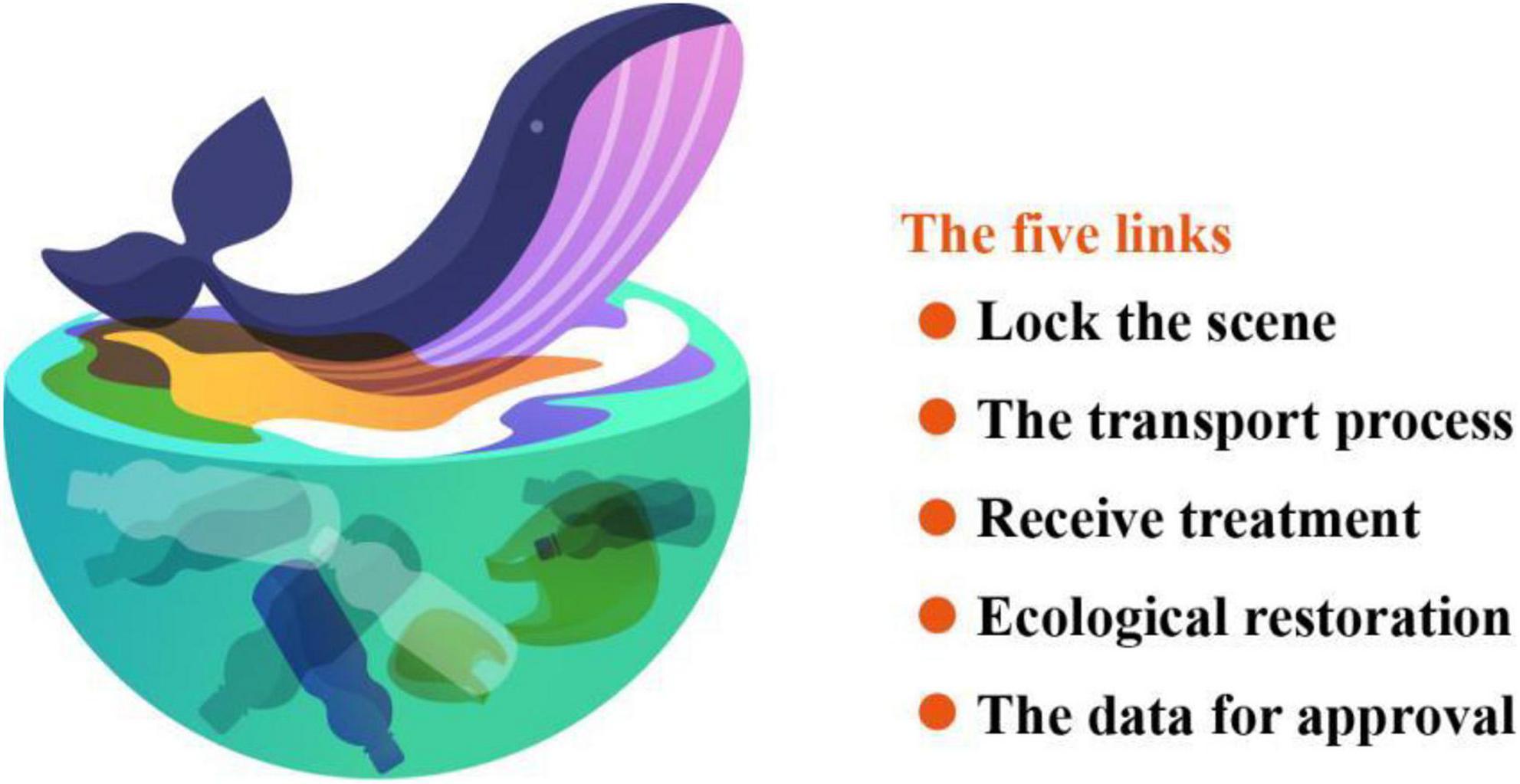
Figure 1. Ecological restoration process.
Literature review
A systematic understanding of the environmental value of Marine ecosystems has important practical and strategic significance for safeguarding Marine rights and interests, formulating Marine policies, and developing Marine economy. Williams et al. (2020) said that with the increasing attention paid to Marine ecological restoration by coastal countries around the world, a series of global scholars have summarized the research progress in the field of Marine ecological restoration. Yilmazer and Tzer (2020) reviewed and evaluated the cost, survival rate of restored organisms, project duration, scale and restoration technology of coral reef, seagrass, mangrove, salt marsh, oyster reef and other types of ecological restoration projects. Levchenko (2020) summarized the research contents, methods and existing problems of ecological restoration of mangrove, coral reef and seagrass bed, and proposed modes and measures of Marine ecosystem restoration. Lioznov et al. (2020) summarized and discussed the ecological restoration of coastal wetlands from key issues such as ecological degradation diagnosis, restoration objectives, restoration measures, restoration monitoring, and restoration effectiveness evaluation. Guttsayt (2020) summarized the principles of site selection or spatial planning for Marine ecosystem restoration at different spatial scales based on literature related to seagrass beds, salt marshes and mangroves. Swystun and Davey (2022) summarized the driving force and purpose of scientists’ research on Marine ecological restoration through literature analysis.
With the rapid development of scientometrics and infometrics, quantification and visualization have developed rapidly. Knowledge graph is a literature analysis method emerging in recent years. It has the advantages of large amount of literature processing, intuitive visualization, diverse analysis angles and high reliability of data analysis results, which makes up for the deficiency of traditional literature review. Among them, VOSviewer is one of the commonly used knowledge graph software, which has been gradually applied in the field of ecological environment protection and restoration in recent years. Habibov and Abasova (2020) used VOSviewer software to analyze the status and trends of phosphorus research in global basins. At present, knowledge mapping is rarely used in the summary of Marine ecological restoration research (Habibov and Abasova, 2020).
In recent years, in order to explore the impact of Marine resources exploitation activities, many researchers have carried out relevant research on the evaluation model of Marine resources exploitation. Clark et al. (2020) constructed a green evaluation model for Marine resource development from the perspective of national economic evaluation and opportunity cost. This model tries to evaluate the advantages and disadvantages of different exploitation and utilization modes of Marine resources by the ratio of pure benefit and total cost, and tries to monetize the impact of resources, environmental profit and loss, ecological benefit and social benefit in the exploitation of Marine resources. It only puts forward an attempt and thinking of the green evaluation model of Marine resources exploitation from the theoretical point of view.
Marine resources have multiple suitability. The same Marine resources have different ways of exploitation and utilization, which will have different environmental impacts and bring different economic, ecological and social benefits. This study intends to build a comprehensive benefit evaluation model of Marine resources exploitation activities, and bring the economic, ecological and social benefits of Marine resources exploitation activities into the evaluation model. According to the calculation results of the model, the comprehensive benefits of different ocean source development modes are discussed and their advantages and disadvantages are evaluated.
Materials and methods
Measurement of Marine resources development
(1) Measure method
Since the measurement index of Marine resource development comprehensive index varies greatly among provinces and regions, in order to eliminate the influence of other non-effective components on the measurement results, unified standardized processing of data is carried out first, and the processing formulas are shown in Formula 1 and Formula 2:
Formula 1 is the standardization formula of positive indicators, and Formula 2 is the standardization formula of negative indicators. Considering the natural properties of Marine resources, the objective weighting method is used to assign the Marine resources. The specific weighting method is shown in Formula 3 and 4:
The entropy of the i th evaluation index is:
Among which,
Then the entropy weight of the evaluation object is shown in Formula 5:
(2) Fuzzy relative membership model based on entropy weight
This article introduces the relative membership degree model of fuzzy mathematics, establishes the relative membership degree evaluation matrix of Marine resources exploitation comprehensive index on the basis of fuzzy set, and carries on the comprehensive evaluation of China’s Marine resources exploitation comprehensive index with entropy weight methodLet the fuzzy concept on the domain U,for any element u on U, u ∈ U. u has an attractive property and the relative membership of A is μA(u). The relative membership of A′ with repulsive property is , as shown in Formula 6 and 7:
The fuzzy variable set of the domain U is V, as shown in Formula 8:
D is the relative difference function. As shown in Formula 9.
Relative difference function model. As shown in Formula 10.
Let the above formula be the attractive domain of V on the real axis, as shown in Formula 11.
The above formula is an upper and lower bound range domain interval containing x0(x0 ∈ X). x is the magnitude value of any point in the Xy interval, so when x falls to the right of pointM, its relative difference function model is shown in Formula 12.
When x falls to the left of point M, its relative difference function model is shown in Formula 13.
When x falls outside the range region [C, d], as shown in Formula 14.
In the formula, β is a non-negative index (usually 1), which can be obtained according to Formula (8) and formula (8), as shown in Formula 15.
Therefore, when DA(u) is determined, the relative membership uA(u) can be solved according to Formula (15). On this basis, the entropy weight method is used to determine the weight w of each index, and the comprehensive evaluation matrix is established. As shown in Formula 16.Today’s application of fuzzy mathematics has spread all over the fields of science, engineering, agriculture, medicine and social sciences, fully showing its strong vitality and penetration.
Effectiveness evaluation indicators
Evaluation indicators are the key to ecological restoration effectiveness evaluation studies (Cui et al., 2021). With the deepening of the research on typical Marine ecosystems, a large number of indicators are introduced into the evaluation system of ecological restoration effectiveness, and more indicators can reflect the effectiveness of ecological restoration more comprehensively. But it will also lead to the duplication of indicators and greatly increase the workload of assessment. Therefore, the main problem facing ecological restoration effectiveness assessment at present is how to select evaluation indicators and how to establish an indicator system (Li et al., 2021, 2022). The main methods of seagrass bed ecological restoration are seed method, plant transplantation method and habitat restoration method, and the corresponding effectiveness evaluation indexes can be roughly divided into seagrass community, biodiversity, water environment and substrate environment. Among them, seagrass community index reflects the recovery of seagrass bed vegetation after ecological restoration, and is the most common index to evaluate the restoration status of seagrass bed ecosystem (He and Kusiak, 2017; Li et al., 2021). The evaluation indexes of common seagrass bed ecological restoration are shown in Table 1. Common evaluation indicators of coral reef ecological restoration are shown in Table 2.
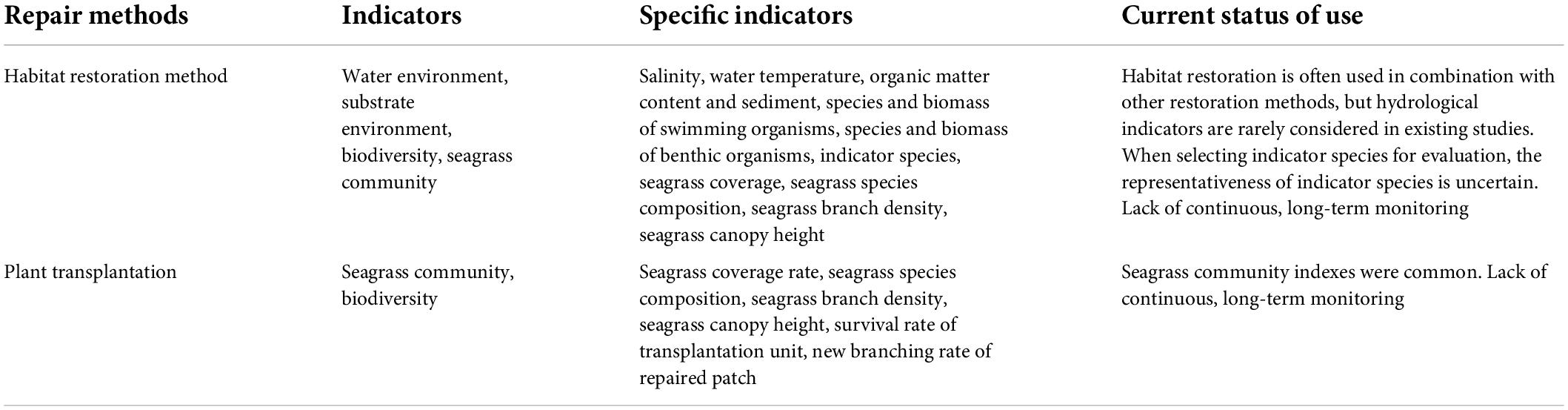
Table 1. Evaluation indexes of common seagrass bed ecological restoration effectiveness.

Table 2. Common evaluation indicators of coral reef ecological restoration effectiveness.
Just like coral reef ecosystem, the indicators of ecological restoration effectiveness of salt marsh ecosystem also begin to consider social and economic aspects. In addition to ecological status and environmental pressure indexes, the results of the restoration project of salt marsh ecosystem are evaluated. The index of social impact of environmental protection awareness level, publicity level, per capita income and scientific research level of surrounding residents and the index of evaluating the effectiveness of project management by project managers are also added. As there are few studies on relevant indicators for ecological restoration effectiveness evaluation of salt marsh, only common indicators are sorted out (Zhou et al., 2021). Because salt marsh wetlands often involve large scale, landscape ecological indicators can be appropriately considered in effectiveness assessment. As shown in Table 3.

Table 3. Evaluation indexes of ecological restoration effectiveness of common salt marsh wetlands.
As for the assessment methods, the current mainstream view is to divide Marine ecosystem services into three categories based on the existence of corresponding open markets: direct market assessment, indirect market assessment and hypothetical market assessment, as shown in Table 4.
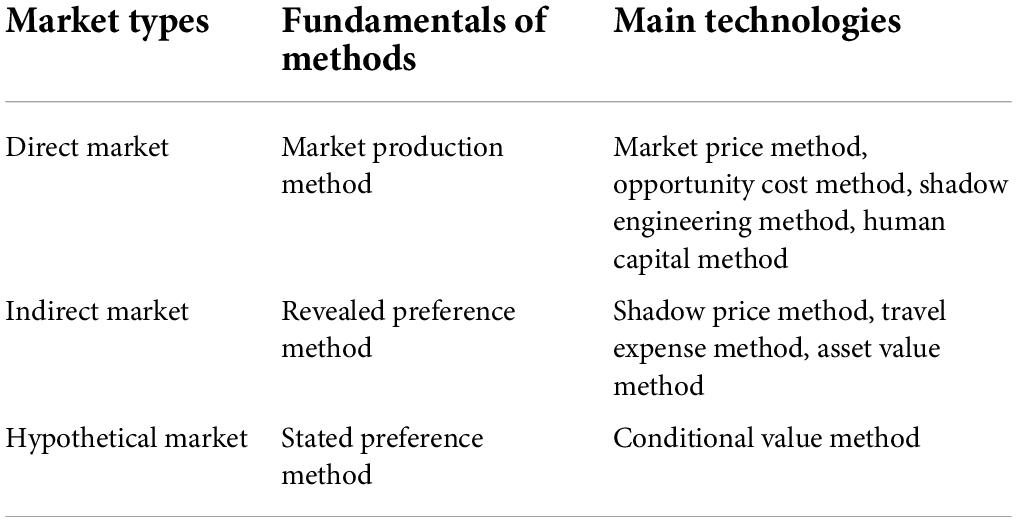
Table 4. Valuation method of ecosystem service value.
Direct market evaluation method (Dhiman et al., 2021). The method takes ecosystem services or environmental quality as a factor of production that leads to changes in productivity and production costs, and measures market prices and input-output. Since the market price and output level of many elements of Marine ecosystem services can be directly or indirectly observed, the total amount of direct service value of the ocean can be directly calculated, which includes market value method, opportunity cost method, shadow engineering method and human capital method.
This method is mainly applicable to the valuation of Marine ecosystem services with actual market price, and the corresponding market price of the service can be used as the economic value measurement standard, so it is the simplest and easiest. The market value method can be used to evaluate the food production function of the Marine ecosystem (i.e., the function of various Marine foods provided to human beings) (Balakrishnan et al., 2021).
Different from market value method and alternative market method, conditional value method is based on utility value theory and consumer surplus theory. Its main operation mode is to investigate or ask people’s willingness to pay for a certain Marine ecosystem service (WTP) or willingness to accept compensation for the loss of a certain Marine ecosystem service (WAC) by constructing a hypothetical market. The value of Marine ecosystem services was evaluated by analyzing the feedback of respondents. This method is relatively simple and free to implement, but it also has disadvantages, for example, the survey scope is limited, and the survey feedback cannot fully reflect the real will of the respondents. Despite its disadvantages, conditional value method is regarded as the only method to evaluate non-use value. In recent years, global ecological economists have widely used this method to evaluate the value of public services (Zhao et al., 2019).
In general, the scope of application, advantages and disadvantages, and influencing factors of various assessment methods adapted to the value of Marine ecosystem services are shown in Table 5.
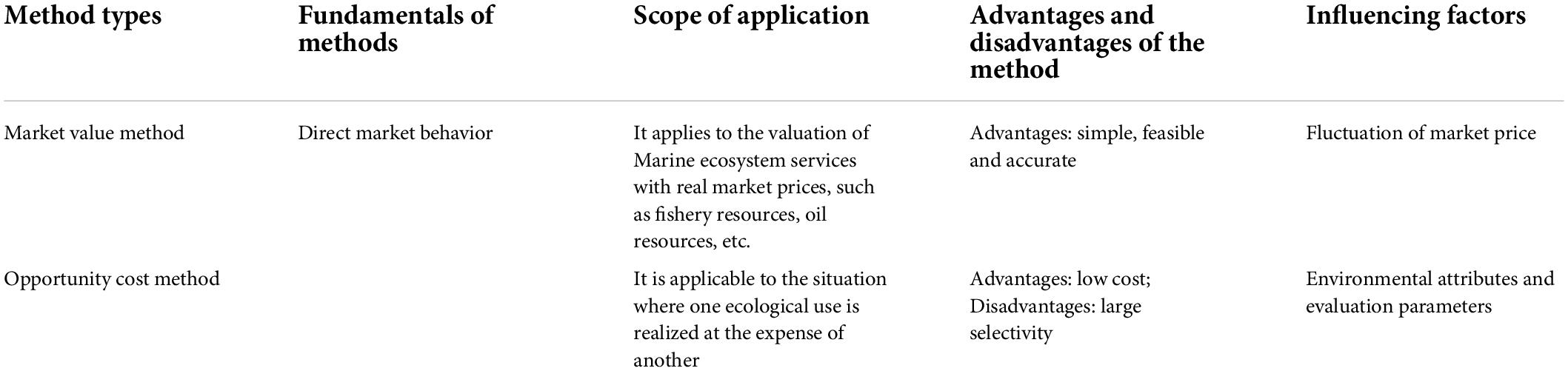
Table 5. Evaluation methods and characteristics of Marine ecosystem services value.
Environmental protection and economic development have always been in contradiction. The construction of Marine ecological protection incentive system can take resources and environment as the core, and build a three-point cycle mechanism of economic ecologicalization - ecological resource utilization - resource economy (as shown in Figure 2), so as to achieve a win-win situation among economic development, ecological protection and resource appreciation.
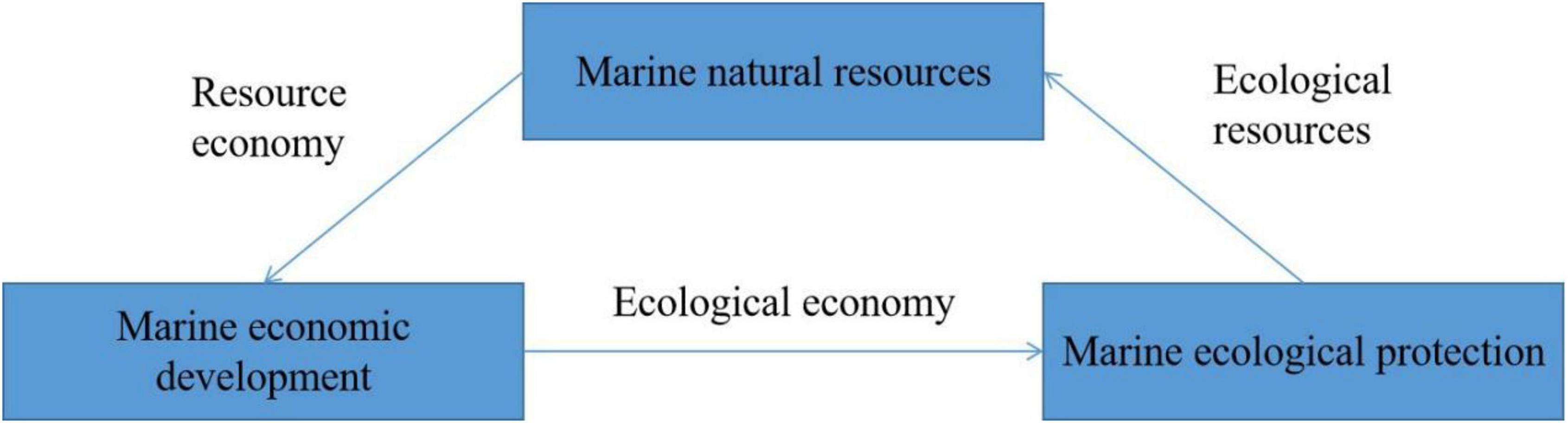
Figure 2. Operation principle of ecological protection incentive system.
The ocean is an important strategic resource of the country, especially the particularity and importance of the Marine ecological value under the current international game situation, which determines that it is inevitable to realize the overall management of the central government in Marine ecological compensation. Among them, the corresponding relationship between the characteristics of Marine ecological value and the central overall management of Marine ecological compensation can be shown in Table 6.
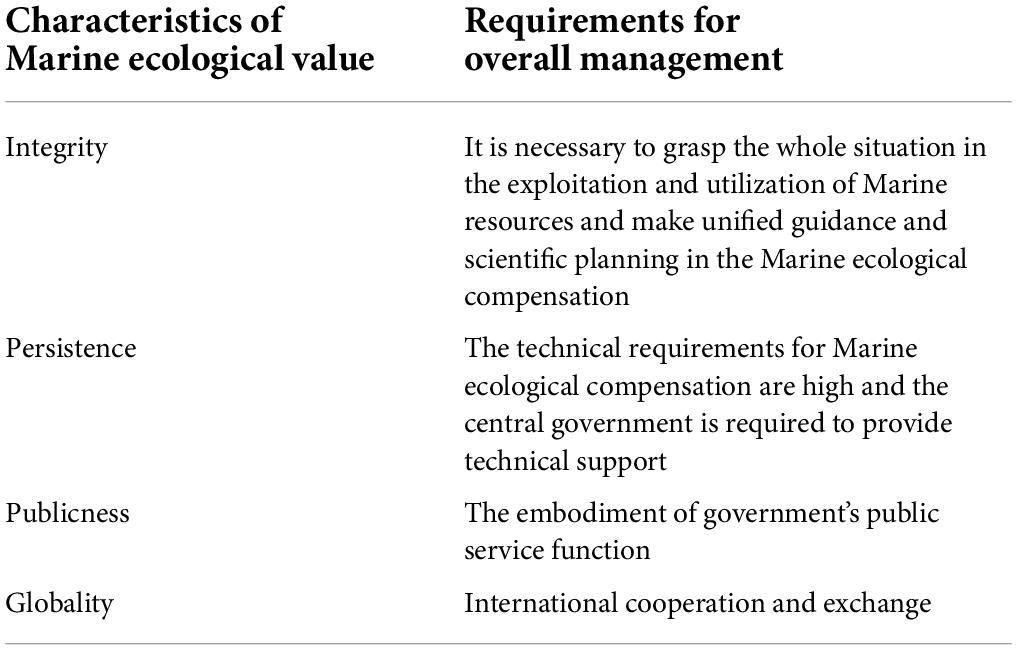
Table 6. The corresponding relationship between the characteristics of Marine ecological value and the requirements of Marine ecological compensation for overall management.
Results and analysis
Coastal development projects gain economic benefits through the development of Marine resources at a certain cost. At the same time, regional governments increase the government’s fiscal revenue through the tax collection and management of these sea-related enterprises, and the tax revenue is mainly used for fiscal expenditure, which is a part of the total social demand. It plays a driving role in the economy, thus making a certain contribution to regional development (Huang et al., 2021; Xie et al., 2021). The factors and indexes of economic benefit evaluation are shown in Table 7.
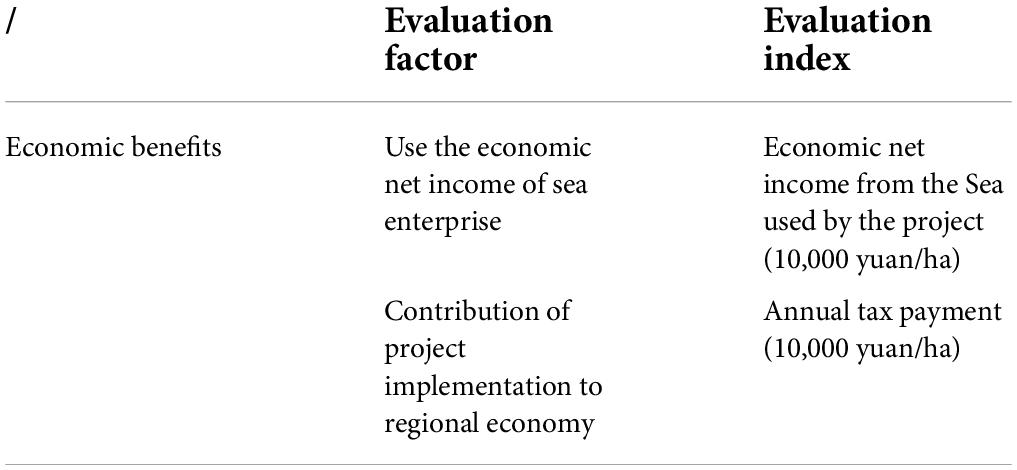
Table 7. Economic benefit evaluation elements and evaluation indexes.
The exploitation of Marine resources will inevitably occupy the tidal flat wetland resources, change the property of sea area completely or partly, and change the ecological environment of sea area. In order to describe the impact of project development on ecological benefits, four indexes were selected from the following aspects: the impact of project implementation on wetland ecological service function, the impact on Marine living resources, the change of hydrologic and sediment dynamic field caused by the project, and the ecological profit and loss caused by the project. Considering the actual situation of Marine development activities, the Marine resources development modes that generate ecological negative income mainly include sea for breeding, sea for traffic engineering, sea for port industry and sea for urban construction. In the process of development and utilization, these projects will produce pollutants and discharge into the sea, bringing different degrees of ecological pollution. Therefore, the virtual governance cost paid by the annual amount of pollution generated by the governance project is considered as an evaluation index. For ecological positive revenue projects such as offshore wind power projects and photovoltaic power projects in the industrial sea, the economic revenue generated by the carbon emission index exchanged by the standard coal saved in annual generating capacity is considered as the evaluation index. For offshore sewage projects, the fees charged for treating the same standard sewage are considered as indicators. The factors and indexes of ecological benefit evaluation are shown in Table 8.
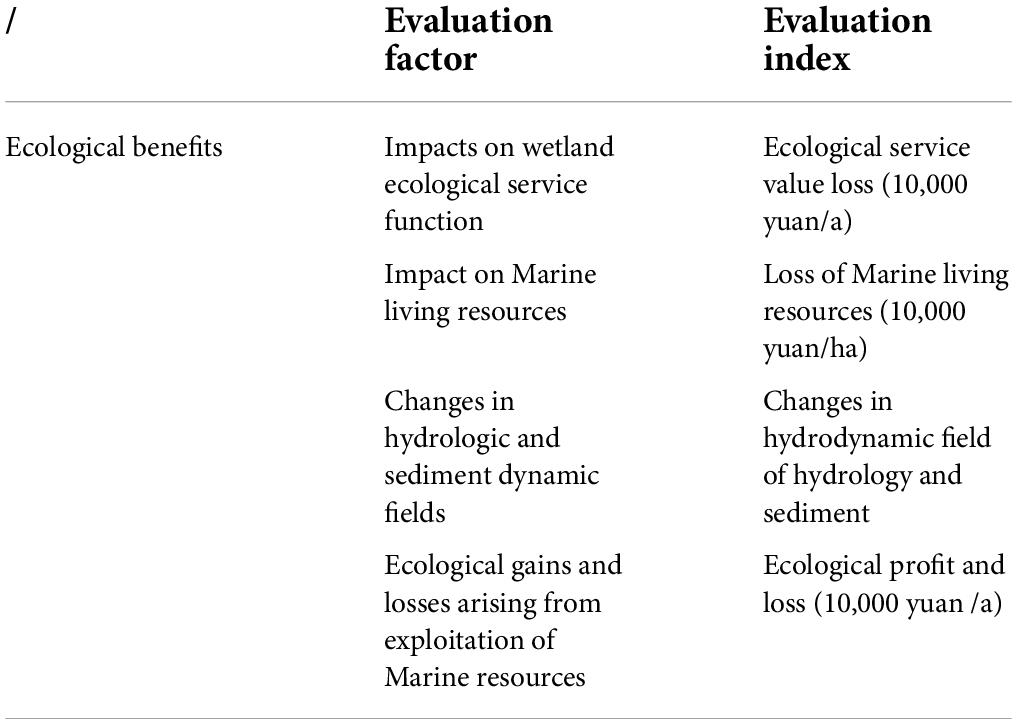
Table 8. Ecological benefit evaluation elements and evaluation indexes.
Social development effect refers to the effect of regional development policy and land development policy in addition to economic development effect. The effect of land development refers to the proper adjustment of the distribution of the country’s population and enterprises through the construction of projects. Regional effect refers to the effect that the development of the project brings to the region :(1) the improvement of people’s living standard increases opportunities for education, medical treatment, culture, tourism, recuperation and entertainment. (2) Stable regional industrial structure—advanced and stable industrial structure. (3) Increased regional capital, such as creating a beautiful environment—residential areas, green areas and ensuring the safety of waste gas treatment sites, providing transportation facilities and increasing land resources. (4) Cultivate people’s awareness of environmental protection, pay more attention to resource protection and ecological environment construction, promote the sustainable development of economy and society—the construction of ecological protection areas and ecological parks. Social benefit evaluation elements and indicators are shown in Table 9.
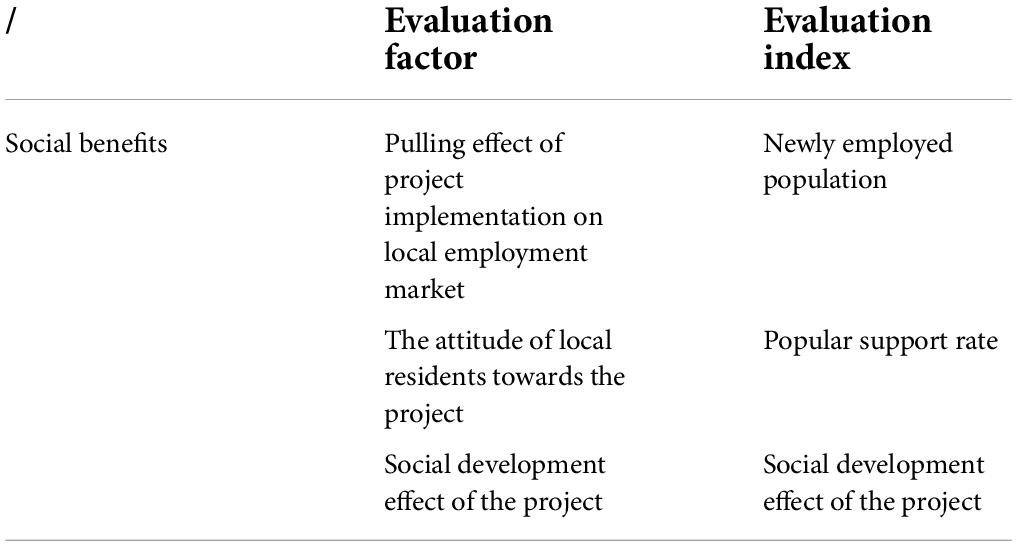
Table 9. Social benefit evaluation factors and evaluation indexes Evaluation factors.
In the past 40 years, the number of literatures published in the field of Marine ecological restoration has obviously increased year by year. Before 2000, the number of published articles was small and the annual growth rate was slow. However, after 2000, the number of published articles grew rapidly and linearly (R = 0.92, P < 0.001) with an annual growth rate of 31.15%, which was generally consistent with the growth trend of the number of ecological restoration projects, and it has certain relation with the development of Marine economy. See Figure 3.
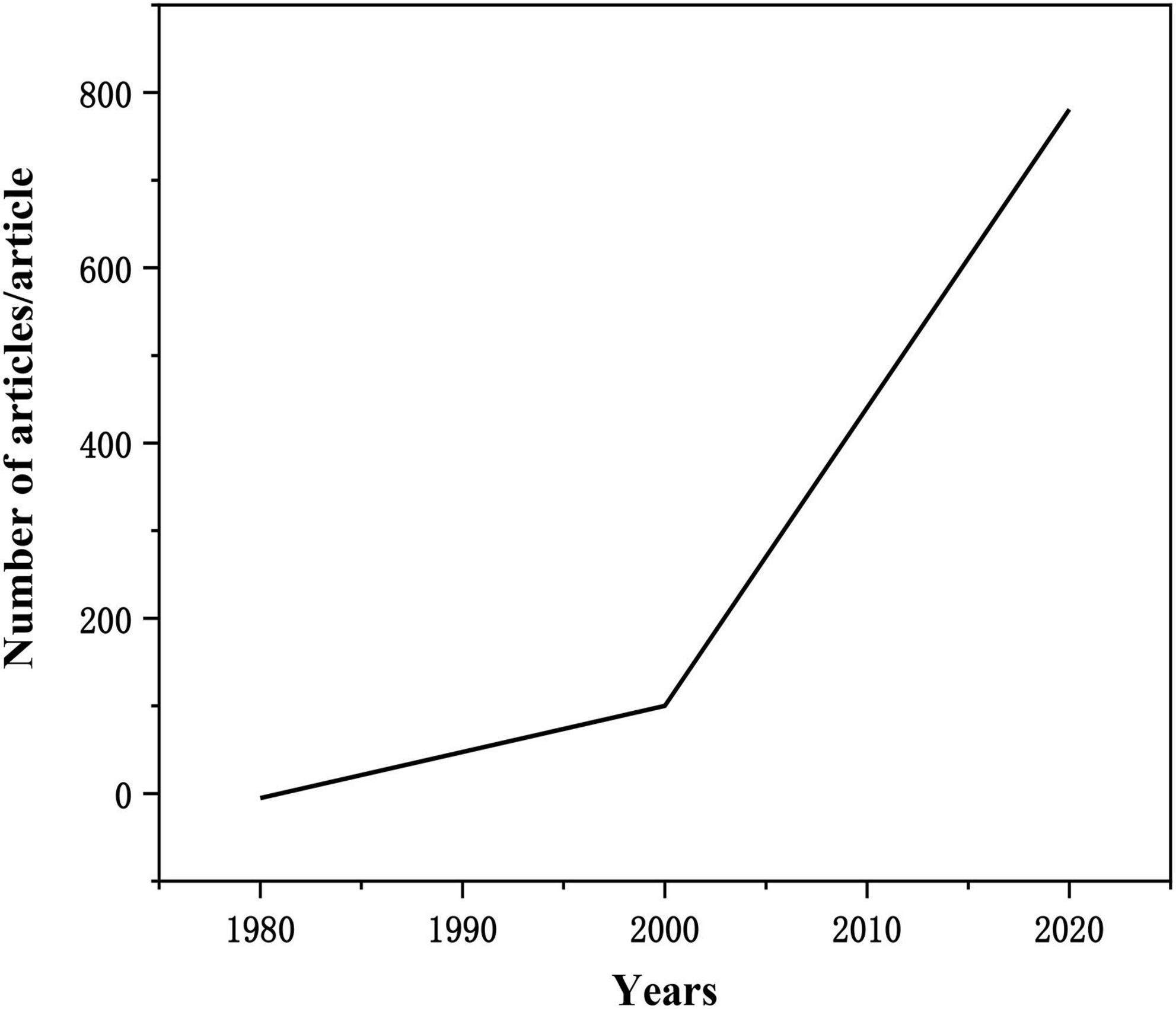
Figure 3. Number of papers published in the field of Marine ecological restoration from 1982 to 2021.
Conclusion
Due to the complexity of Marine ecosystem and the immaturity of Marine ecological restoration theory and technology, Marine ecological restoration has strong uncertainty. The role of adaptive management in Marine ecological restoration has been paid more and more attention, and the systematic process of improved management adapted to new knowledge and information has been explored. Adaptive management emphasizes the need to consider risks and uncertainties and integrate natural and social systems to manage the whole process of Marine ecological restoration. Therefore, it is necessary to strengthen the research on adaptive management framework and participation mechanism, whole-process monitoring and assessment of Marine ecological restoration, process and law of Marine ecosystem restoration, quantitative assessment and prediction model of Marine ecosystem service restoration, etc. The value of the environment to human beings is expounded from basic theories such as the view of environmental resources, the philosophy of value, the theory of environmental value, and the view of sustainable development capital, and the value of the environment is discussed from different angles. It also integrates the basic measurement methods and ideas of environmental value, and provides operational technical means for the monetization of environmental resources.
Data availability statement
The original contributions presented in this study are included in the article/supplementary material, further inquiries can be directed to the corresponding author.
Author contributions
LX: writing and performing surgeries. DL: data analysis and performing surgeries, article review and intellectual concept of the article. Both authors made significant individual contributions to this manuscript.
Conflict of interest
The authors declare that the research was conducted in the absence of any commercial or financial relationships that could be construed as a potential conflict of interest.
Publisher’s note
All claims expressed in this article are solely those of the authors and do not necessarily represent those of their affiliated organizations, or those of the publisher, the editors and the reviewers. Any product that may be evaluated in this article, or claim that may be made by its manufacturer, is not guaranteed or endorsed by the publisher.
References
Al-Meziraa, H. S., Hamza, R. K., and Hamed, N. N. (2021). Evaluation of the inhibition effectiveness of some plant extracts against bacterial and fungal isolates that pathogenic humans. Int. J. Sci. Res. 10, 735–737.
Balakrishnan, N., Rajendran, A., and Ajay, P. (2021). Deep embedded median clustering for routing misbehaviour and attacks detection in ad-hoc networks. Ad. Hoc. Networks 126:102757. doi: 10.1016/j.adhoc.2021.102757
Clark, C., Roni, P., Keeton, J., and Pess, G. (2020). Evaluation of the removal of impassable barriers on anadromous salmon and steelhead in the columbia river basin. Fish. Manag. Ecol. 27, 102–110. doi: 10.1111/fme.12410
Cui, S., Pei, X., Jiang, Y., Wang, G., Fan, X., Yang, Q., et al. (2021). Liquefaction within a bedding fault: Understanding the initiation and movement of the Daguangbao landslide triggered by the 2008 Wenchuan Earthquake (Ms = 8.0). Eng. Geol. 295:106455. doi: 10.1016/j.enggeo.2021.106455
Dhiman, G., Kumar, V., Kaur, A., and Sharma, A. (2021). Don: Deep learning and optimization-based framework for detection of novel coronavirus disease using x-ray images. Interdiscip. Sci. Comput. Life Sci. 13, 260–272. doi: 10.1007/s12539-021-00418-7
Guttsayt, E. (2020). Evaluation of the effectiveness of activities: Results and problems. Auditor 6, 43–50. doi: 10.12737/1998-0701-2020-43-50
Habibov, I. A., and Abasova, S. M. (2020). Evaluation of the inter-repair operation period of electric submersible pump units. EUREKA Phys. Eng. 1, 79–86. doi: 10.21303/2461-4262.2020.001105
He, Y., and Kusiak, A. (2017). Performance assessment of wind turbines: Data-derived quantitative metrics. IEEE Trans. Sustain. Energy 9, 65–73. doi: 10.1109/TSTE.2017.2715061
Huang, R., Zhang, S., Zhang, W., and Yang, X. (2021). Progress of zinc oxide-based nanocomposites in the textile industry. IET Collab. Intell. Manuf. 3, 281–289. doi: 10.1049/cim2.12029
James, O., Akinboboye, B. O., Okunade, K. S., Adekunle, A. A., and Adeyemo, W. L. (2021). Evaluation of the use and effectiveness of telemedicine among the health professionals during the covid 19 lockdown period: A cross sectional study. J. Clin. Sci. 18, 117–122. doi: 10.4103/jcls.jcls_68_20
Kasyanenko, K. V., Kozlov, K. V., Maltsev, O. V., Lapikov, I. I., and Zhdanov, K. V. (2021). Evaluation of the effectiveness of riamilovir in the complex therapy of patients with covid-19. Ter. Arkh. 93, 290–294. doi: 10.26442/00403660.2021.03.200719
Kosov, M. E., and Solovyova, M. G. (2020). Mechanisms for implementation and evaluation of the effectiveness of budget policy in the covid-19 pandemic. Vestn. Univ. 9, 128–137. doi: 10.26425/1816-4277-2020-9-128-137
Levchenko, M. A. (2020). The evaluation of the effectiveness of fipronil and chlorfenapyr againstmusca domestica l. on the objects of veterinary supervision. Bull. KSAU 12, 147–151. doi: 10.36718/1819-4036-2020-12-147-151
Li, H. (2022a). Short-term Wind Power Prediction via Spatial Temporal Analysis and Deep Residual Networks. Front. Energy Res. 10:920407. doi: 10.3389/fenrg.2022.920407
Li, H. (2022b). SCADA Data based Wind Power Interval Prediction using LUBE-based Deep Residual Networks. Front. Energy Res. 10:920837. doi: 10.3389/fenrg.2022.920837
Li, H., Deng, J., Feng, P., Pu, C., Arachchige, D., and Cheng, Q. (2021). Short-Term Nacelle Orientation Forecasting Using Bilinear Transformation and ICEEMDAN Framework. Front. Energy Res. 9:780928. doi: 10.3389/fenrg.2021.780928
Li, H., He, Y., Xu, Q., Deng, J., Li, W., and Wei, Y. (2022). Detection and segmentation of loess landslides via satellite images: A two-phase framework. Landslides 19, 673–686. doi: 10.1007/s10346-021-01789-0
Lioznov, D. A., Karnaukhova, E. J., Zubkova, T. G., and Shakhlanskaya, E. V. (2020). Evaluation of the effectiveness of arvi treatment regimen including etiotropic (enisamium iodide) and symptomatic treatment. Ter. Arkh. 92, 50–55. doi: 10.26442/00403660.2020.03.000572
Rachwalska, A., and Loster, J. (2020). Prosthetic impressions disinfectants and evaluation of their effectiveness – review of the literature. Protet. Stomatol. 70, 394–406. doi: 10.5114/ps/131245
Swystun, A. G., and Davey, C. J. (2022). A prospective evaluation of the clinical safety and effectiveness of a covid-19 urgent eyecare service across five areas in england. Ophthalmic Physiol. Opt. 42, 94–109. doi: 10.1111/opo.12916
Viturka, M., and Pail, V. (2020). Evaluation of the effectiveness of high-speed rail projects in the czech republic in terms integration potential. GeoScape 14, 1–10. doi: 10.2478/geosc-2020-0001
Williams, J., Dphil, P. V., Mbchb, S. D., Nebbia, F. G., Frcem, L., Frcp, T. W., et al. (2020). An economic evaluation of the cost-effectiveness of opt-out hepatitis b and hepatitis c testing in an emergency department setting in the united kingdom-sciencedirect. Value Health 23, 1003–1011. doi: 10.1016/j.jval.2020.03.014
Xie, H., Wang, Y., Gao, Z., Ganthia, B., and Truong, C. (2021). Research on frequency parameter detection of frequency shifted track circuit based on nonlinear algorithm. Nonlinear Eng. 10, 592–599. doi: 10.1515/nleng-2021-0050
Yilmazer, T., and Tzer, H. (2020). Evaluation of the effectiveness of simulation and web based training methods in the development of knowledge and skills of urinary ncontinence management in nursing students. Bezmialem Sci. 8, 163–169. doi: 10.14235/bas.galenos.2019.3270
Zhao, X., Liu, X., Liu, J., Chen, J., Fu, S., and Zhong, F. (2019). The effect of ionization energy and hydrogen weight fraction on the non-thermal plasma volatile organic compounds removal efficiency [J]. J. Phys. D 52:145201. doi: 10.1088/1361-6463/aafe8b
Keywords: Marine ecology, system protection, repair effect, investment benefit, conservation and restoration
Citation: Xu L and Liu D (2022) Evaluation of the effect and investment benefit of Marine ecosystem protection and restoration. Front. Ecol. Evol. 10:991198. doi: 10.3389/fevo.2022.991198
Received: 11 July 2022; Accepted: 18 July 2022;
Published: 04 August 2022.
Edited by:
Yusen He, Grinnell College, United StatesReviewed by:
Wang Yaxuan, Nanjing Agricultural University, ChinaYahui Zhang, Sophia University, Japan
Copyright © 2022 Xu and Liu. This is an open-access article distributed under the terms of the Creative Commons Attribution License (CC BY). The use, distribution or reproduction in other forums is permitted, provided the original author(s) and the copyright owner(s) are credited and that the original publication in this journal is cited, in accordance with accepted academic practice. No use, distribution or reproduction is permitted which does not comply with these terms.
*Correspondence: Dandan Liu, ZGRsaXUyMDEzQDE2My5jb20=