 Haoran Li
 Lu Tan
 Xianfu Li3,4,5
 Qinghua Cai
- 1State Key Laboratory of Freshwater Ecology and Biotechnology, Institute of Hydrobiology, Chinese Academy of Sciences, Wuhan, China
- 2College of Resources & Environment, Jiujiang University, Jiujiang, China
- 3Institute of Eastern-Himalaya Biodiversity Research, Dali University, Dali, China
- 4Collaborative Innovation Center for Biodiversity and Conservation in the Tree Parallel Rivers Region of China, Dali University, Dali, China
- 5The Provincial Innovation Team of Biodiversity Conservation and Utility of the Tree Parallel Rivers Region from Dali University, Dali, China
- 6University of Chinese Academy of Sciences, Beijing, China
Conservation of wetlands on the Qinghai–Tibet Plateau is vital to the ecological security of China and even all of Asia. In this study, we investigated the aquatic protected area system established by the Chinese government in the Qinghai–Tibet Plateau. In general, 9 categories of aquatic protected areas have been established in this area, linked to the International Union for Conservation of Nature classification system of protected areas. The diverse main protection objectives of different protected areas have played a key role in wetland conservation. However, the protection of wetland environments and aquatic organisms has been insufficient in some atypical protected areas and local protected areas. We further constructed a list of important aquatic organisms in the Qinghai–Tibet Plateau and analyzed the protected status of those important species through gap analysis. A total of 156 important aquatic species were identified, with 8 gap species and 18 inadequately protected species. It is encouraging that none of the national key protected species are gap species, but there are 4 gap species that are threatened species on “China’s red list”. In addition, we found that 17 important species are designated as Data Deficient or Not Evaluated on “China’s red list”, including 8 national key protected species. Finally, we propose the prospects for solving the existing problems of aquatic protected area systems: integrating aquatic protected areas, enhancing the status of community-based conservation, and increasing investment in important aquatic organism research.
1 Introduction
In the global context, inland wetlands face threats of water quality deterioration (Rodell et al., 2018), habitat fragmentation (Harlan et al., 2021), loss of biodiversity (Dudgeon, 2019), etc. due to anthropogenic activities. Therefore, efficient wetland protection is essential to counter the increasingly severe crisis. Among protection methods, establishing protected areas is widely used and yields substantial results worldwide (Maxwell et al., 2020). Previous studies have confirmed that expansion of protected areas is significantly associated with increased biodiversity (Venter et al., 2014; Di Minin and Toivonen, 2015).
Protected areas are the specific geographic spaces established to achieve long-term conservation of nature, associated ecosystem services and cultural values, and are managed through legal or other effective means (Dudley, 2008). According to the classification system of the International Union for Conservation of Nature (IUCN), protected areas have 6 categories: strictly protected area (I), national park (II), natural monument or feature (III), habitat/species management area (IV), protected landscape/seascape (V) and protected areas with sustainable use of natural resources (VI) (Dudley, 2008).
The Qinghai–Tibet Plateau (QTP), known as the “Third Pole” and “Roof of the World”, is a vital ecological buffer for China and even all of Asia. Many important rivers originate from here, which are home to a variety of unique aquatic organisms (Figure 1). However, high, cold environments make these ecosystems extremely fragile and lacking in self-regulation and repair abilities (Liu et al., 2021). In recent years, wetlands in the QTP have been severely damaged due to the intensification of anthropogenic impacts brought by economic activities (Xu et al., 2019a). Additionally, global climate change has intensified the warming and humidification of the QTP, which poses a potential environmental crisis (Kuang and Jiao, 2016; Chen et al., 2023).

Figure 1 The elevation and core rivers (①: Brahmaputra River, ②: Irrawaddy River, ③: Nujiang River, ④: Lantsang, ⑤: Yangtze River, ⑥: Ya-lung River, ⑦: Dadu River, ⑧: Yellow River, ⑨: Minjiang River) of the Qinghai–Tibet Plateau. The data of the digital elevation model have systematic errors, because the highest value was higher than Mount Everest; however, this had no influence on this study.
In past decades, numerous protected areas have been established on the QTP, effectively protected the ecosystems in this region (Li et al., 2020; Zeng et al., 2020). Among the different types of protected areas, those established on waters were usually divided into two categories: marine and freshwater (Suski and Cooke, 2007). However, this classification excludes the inland saltwater, which leads to the omission of research and management data (Wanghe et al., 2024). In fact, there has been an increasing amount of literature on the wetland status and protection of the QTP (Zhao et al., 2015; Wang et al., 2020), but there is no discussion of the protected area system established on inland waters in this area. Moreover, a comprehensive and unified list of important aquatic organisms of the QTP is still lacking. The absence of such a list has resulted in limitations in previous studies at the data level (Wanghe et al., 2024).
To address the above concerns, we will (1) construct an accurate system of protected areas established on inland waters; (2) formulating the list of important aquatic organisms on the QTP; (3) analyze the progress and drawbacks of protecting aquatic organism on the QTP; (4) outline possible prospects for future research directions. Results of this study are expected to provide strong support for future researches and protection efforts on the QTP, which can also guide the establishment of similar systems in other regions over the world.
2 Materials and methods
2.1 Building of the aquatic protected area system
Based on our analysis, “aquatic protected area (APA)” is the most appropriate term for protected areas on inland waters. Data on APAs on the QTP from 1956 to 2018 were collected to build this system. China’s protected areas are established by different government departments, most of which can be divided into national and local (provincial, municipal, county) levels (Xu et al., 2017). There are some APAs in which the main protection target is not aquatic organism or wetland ecosystem, but the range covers important wetlands. We believe that these protected areas are just as important as the typical APAs, so we call them “atypical aquatic protected area (AAPA)”. These consist of three categories: national park, nature reserve and world natural heritage.
In China, national parks, nature reserves and nature parks are the core elements in the future national protected area system (General Office of the CPC Central Committee, and General Office of the State Council of the People’s Republic of China, 2019). In addition, there are nine other categories of APAs in China (Table S1). Due to data limits, this paper cannot provide comprehensive statistics for all kinds of APAs. Therefore, we analyzed the number and distribution of national parks, nature reserves and wetland parks (a kind of nature park) on the QTP. All protected areas data were acquired from the China’s National Forestry and Grassland Administration database.
2.2 Formulating the list of important aquatic organisms
We selected fish, mammals, invertebrates and macrophytes as the target aquatic taxa. Species inclusion criteria for the list were put forward through expert consultation. The specific criteria were as follows:
(1) Fish, mammals and macrophytes were endangered from vulnerable (VU) to extinct in the wild (EW) on “China’s red list of biodiversity” (Ministry of Ecology and Environment, PRC., and Chinese Academy of Sciences, 2013, 2015; Zhang and Cao, 2021), and invertebrates were endangered from VU to EW on “China species red list, Vol. III, Invertebrates” (Wang and Xie, 2005). Hereafter, these two lists are collectively known as “China’s red list”.
(2) Species were included in the “national key protected wild animal list” (National Forestry and Grassland Administration, and Ministry of Agriculture and Rural Affairs, PRC, 2021a) and the “national key protected wild plant list” (National Forestry and Grassland Administration, and Ministry of Agriculture and Rural Affairs, PRC, 2021b).
(3) Other species were included if they had important ecological, scientific, or social value.
2.3 Protected status analysis of important species
First, we counted the distribution of each species with counties as the basic distribution unit, and species with a distribution range of no more than five counties are defined as “narrowly distributed species”; then, we mapped the distribution of important aquatic species.
Gap analysis is an efficient tool to indicate the protected status of species (Scott et al., 1993; Li and Pimm, 2020). To achieve this goal, we overlaid the distribution maps of each species with the distribution maps of the wading reserves. Species that are not covered by aquatic protected areas are defined as “gap species”. Local protected areas in China may encounter problems in management and resource allocation (Ma et al., 2019). Moreover, protected areas with sustainable use of natural resources, such as wetland parks, provide lower protection intensity than national parks and nature reserves. For the above reasons, the protection of important species should follow the principle of prioritizing national parks or national nature reserves. Species that are covered by other aquatic protected areas are defined as “inadequately protected species”.
Species distribution data were acquired from the “China’s red list”, the IUCN database (https://www.iucnredlist.org/), the “National Specimen Information Infrastructure of China” (http://nsii.org.cn/2017/home.php), the “National Tibetan Plateau Data Center” (https://data.tpdc.ac.cn/home), and the “Report on advances in Tibetan plateau research (2009–2010, 2012–2013)” (China Association for Science and Technology, 2010, 2014). During the data collection process, we found that some data were outdated, and the survival status of some species still unclear. This limitation undoubtedly affects the scope of this study.
It must be emphasized that all the data used in this study are publicly available data.
3 Results
3.1 Composition of the aquatic protected area system
The APA system contains seven categories of nationally constructed protected areas, as well as internationally important wetlands designated by the Ramsar Convention and world natural heritage designated by the World Heritage Convention (Table 1). Remarkably, these APAs contain all six categories of protected areas of the IUCN classification system.
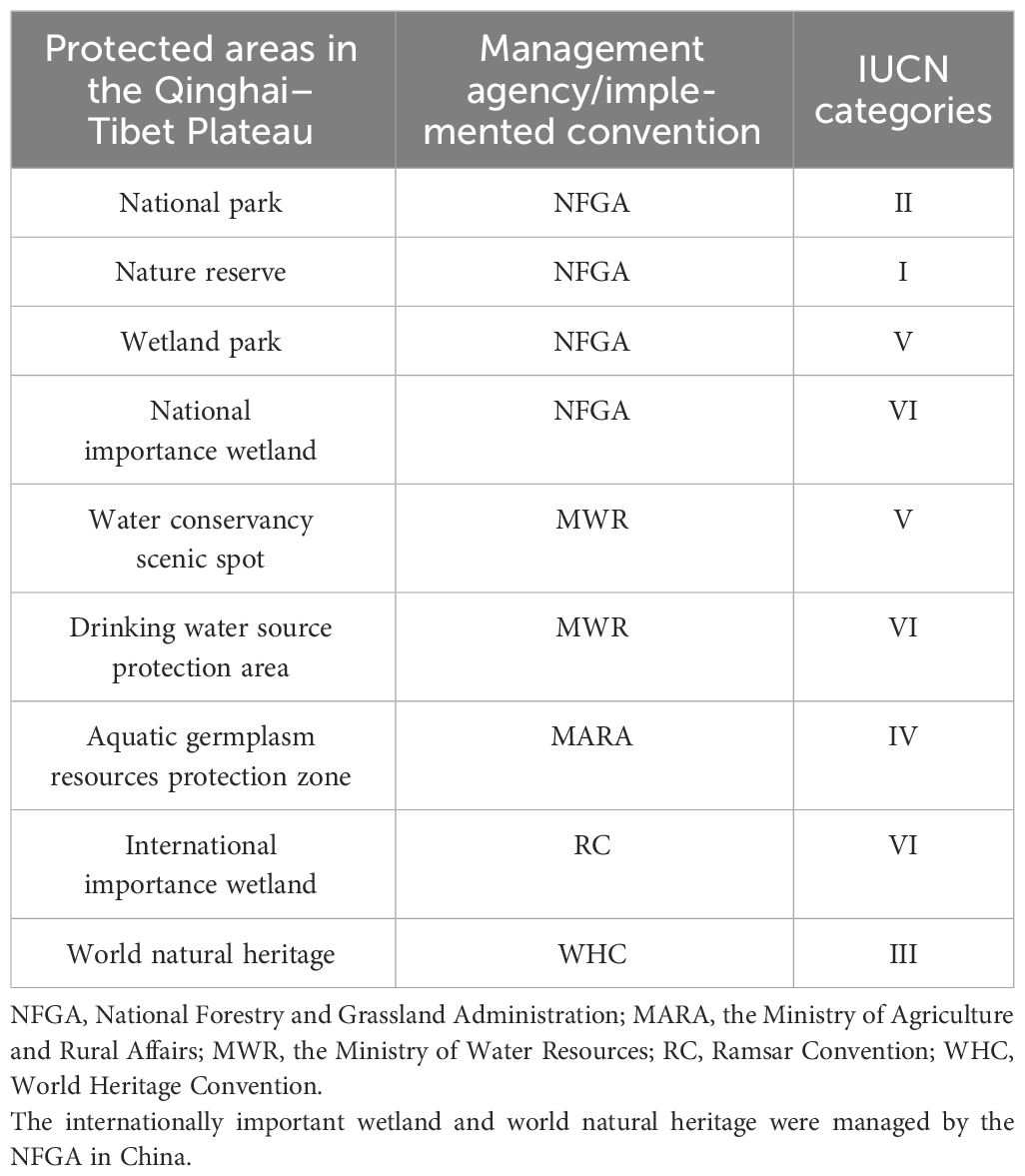
Table 1 Types of aquatic protected areas in the Qinghai–Tibet Plateau.
Among the 10 pilot national parks in China, Three-River-Source National Park, Qilian Mountain National Park, Giant Panda National Park and Patatson National Park are completely or partially located on the QTP. According to incomplete statistics, there are 60 aquatic nature reserves and 19 wetland parks in this area, which contains 21 national nature reserves and 11 national wetland parks (Table 2). Except for the Three-River-Source National Park, the remaining three national parks are AAPAs, and there are 25 atypical aquatic nature reserves in this area (Figure 2B, Table S2). The primary protection targets of these nature reserves consist of forest ecosystems, geological heritage and terrestrial wildlife.
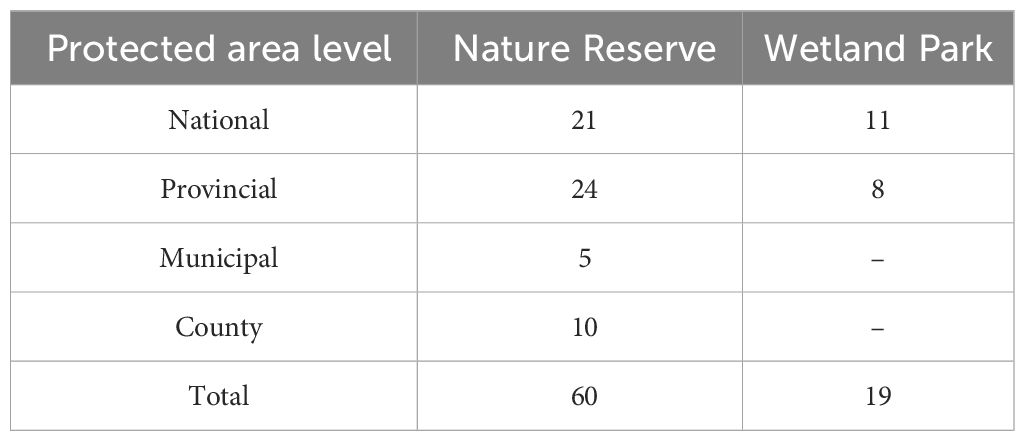
Table 2 Composition of aquatic nature reserves and wetland parks in the Qinghai–Tibet Plateau.
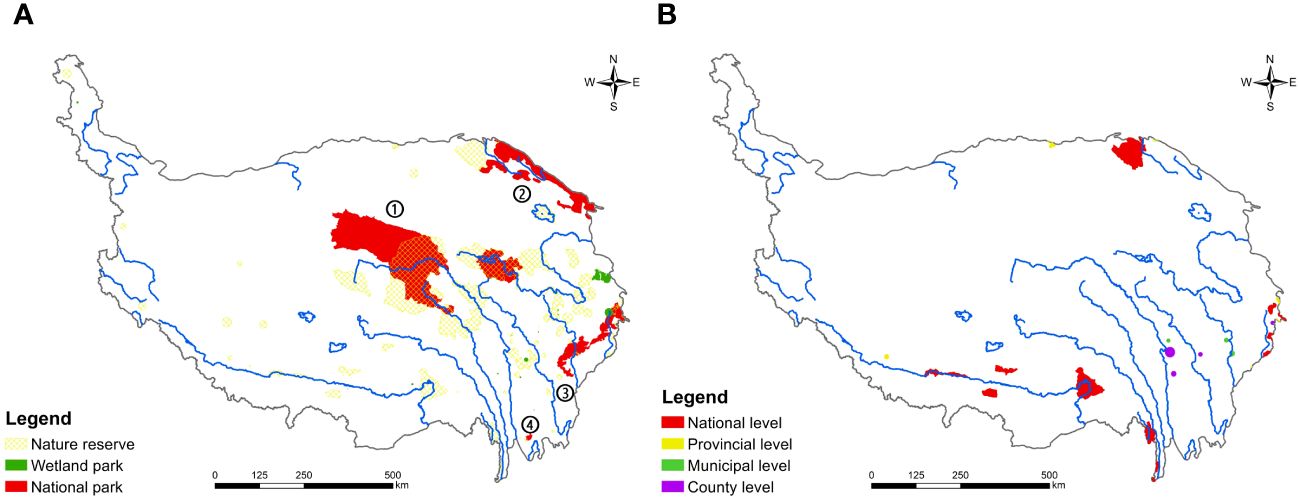
Figure 2 Distribution of aquatic protected areas in the Qinghai–Tibet Plateau. (A) Main types of aquatic protected areas (①: Three-River-Source National Park, ②: Qilian Mountain National Park, ③: Giant Panda National Park, ④: Patatson National Park), (B) Atypical aquatic nature reserves.
Figure 2A shows that eastern and central regions are the main distribution areas of APAs. On the watershed side, APAs have a high cover degree on the Irrawaddy River, Lantsang, Yangtze River, Ya-lung River, Dadu River, Yellow River and Minjiang River, whereas the Brahmaputra River and Nujiang River are covered by few APAs.
3.2 Composition of important aquatic organisms
The list of important aquatic organisms in the QTP included 111 species of fishes, 4 species of mammals, 20 species of invertebrates and 21 species of macrophytes (Table 3). Table S3 shows that there are 120 endemic species in China, including 28 endemic species on the QTP (23 species of fishes, 4 species of invertebrates and one macrophyte).
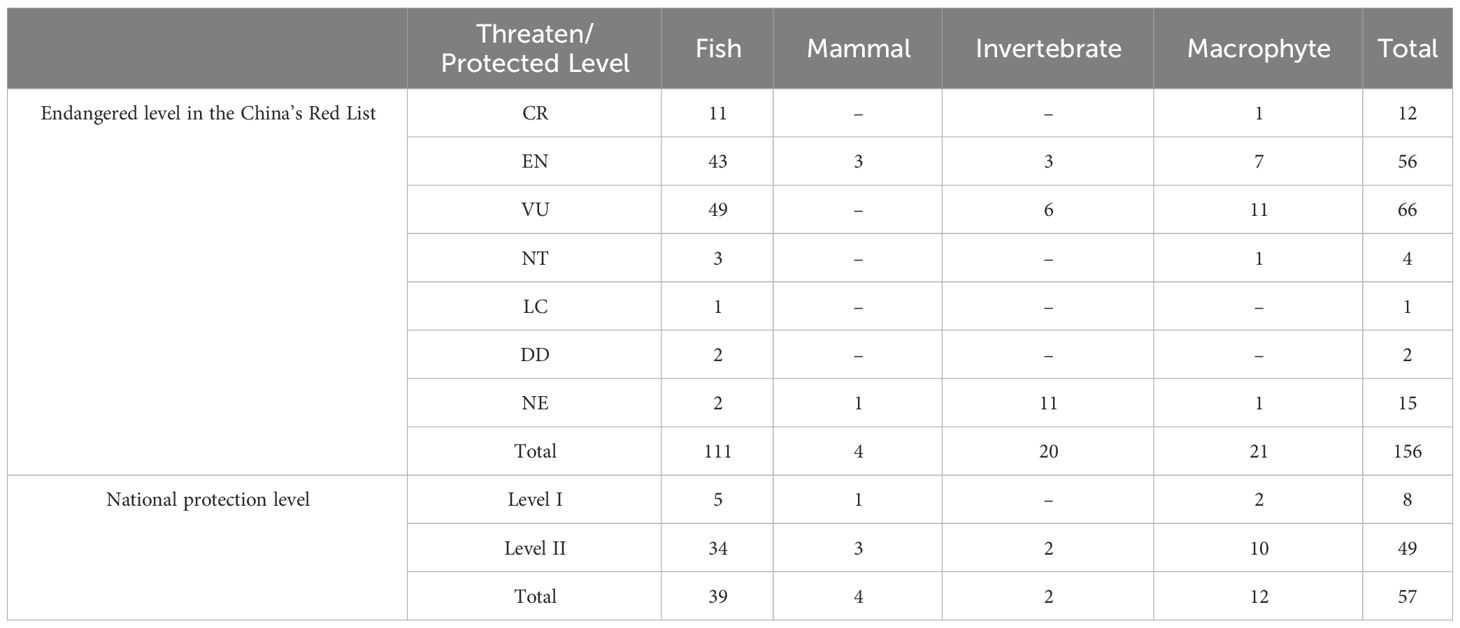
Table 3 Endangered level in China’s red list and national protection level of important aquatic organisms in the Qinghai–Tibet Plateau.
From the statistical results, a total of 134 (85.9%) important species were classified as critically endangered (CR), endangered (EN) or VU in China’s red list, containing 103 species of fishes, 3 species of mammals, 9 species of invertebrates and 19 species of macrophytes (Table 3). Moreover, there were 57 national key protected species on our list, including 39 species of fishes, 4 species of mammals, 2 species of invertebrates and 12 species of macrophytes (Table 3).
It is apparent from Figure 3 that only 44 (32.8%) threatened species (threat level from VU to CR) in our study are national key protected species, and 8 national key protected species in our study are still Data Deficient or Not Evaluated by China’s Red List.
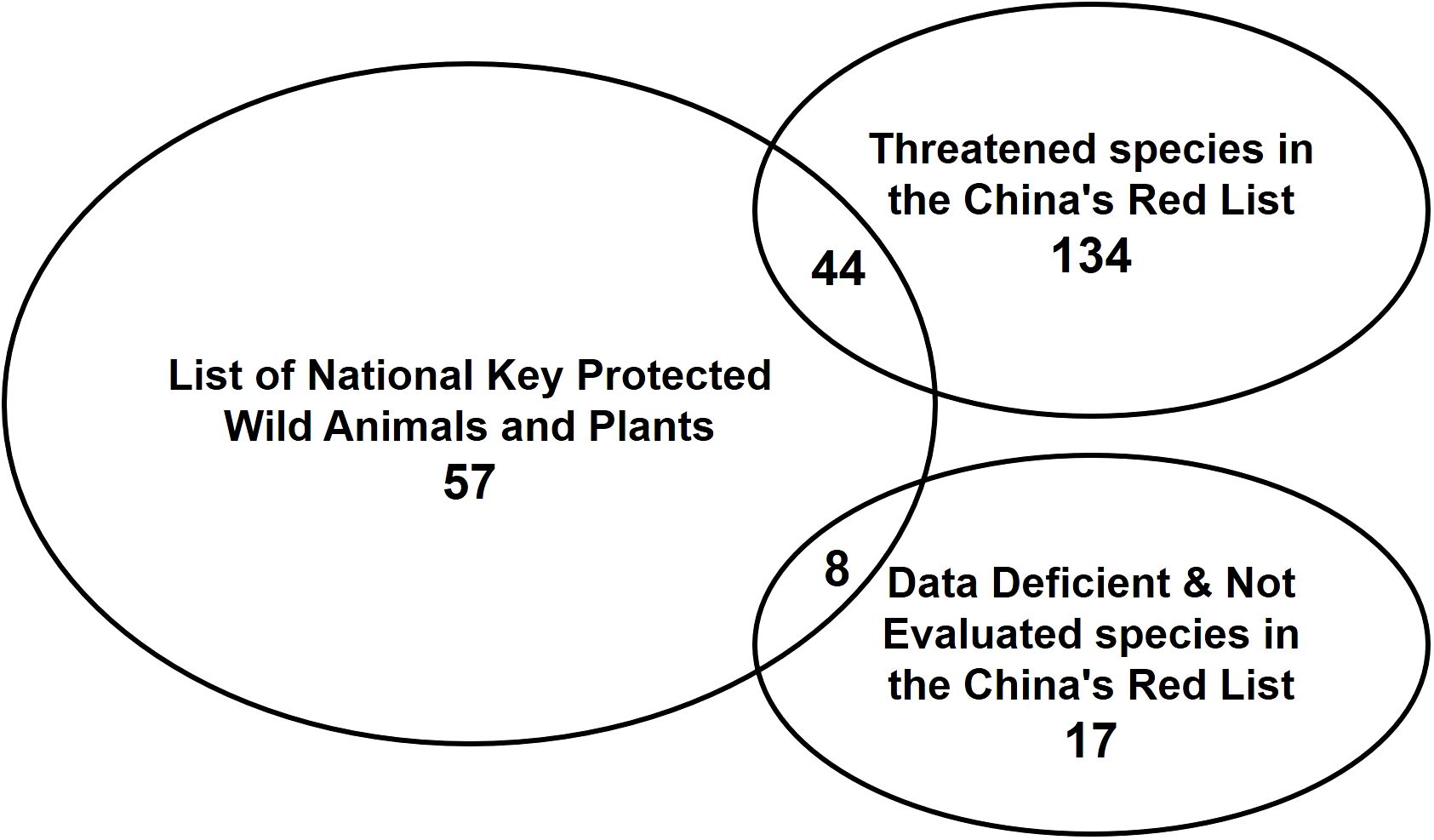
Figure 3 Coupling of China’s red list with the national key protected wildlife list.
3.3 Distribution of important aquatic species
Spatial distribution data reported that there are 33 narrowly distributed species (Table S3). The important species mainly live in the eastern region, where the density is significantly higher than in the western and northern regions (Figure 4A). Specifically, important fishes mainly live in the eastern and northern regions (Figure 4B). The distribution of mammals and macrophytes both showed a clear spatial pattern of decreasing from south to north; therefore, macrophytes are mainly distributed in areas other than the Tibet Autonomous Region (Figure 4C, E). In addition, invertebrates are only distributed in parts of the eastern and southern regions (Figure 4D). We found that only a minority of important species live in the Brahmaputra River but this includes many national key protected species, which is a remarkable result.

Figure 4 Distribution of important aquatic organisms in the Qinghai–Tibet Plateau (A: Total species, B: Fish, C: Mammal, D: Invertebrate, E: Macrophyte).
3.4 Protection status of important aquatic organisms
Our study showed that APAs protect taxa to different extents. There are 8 gap species and 18 inadequately protected species on the QTP through the GAP analysis (Figure 5). For important fishes, there is one gap species and 13 inadequately protected species (Figure 5). For important invertebrates, there were 7 gap species and 2 inadequately protected species; in addition, there were 3 inadequately protected macrophyte species (Figure 5).
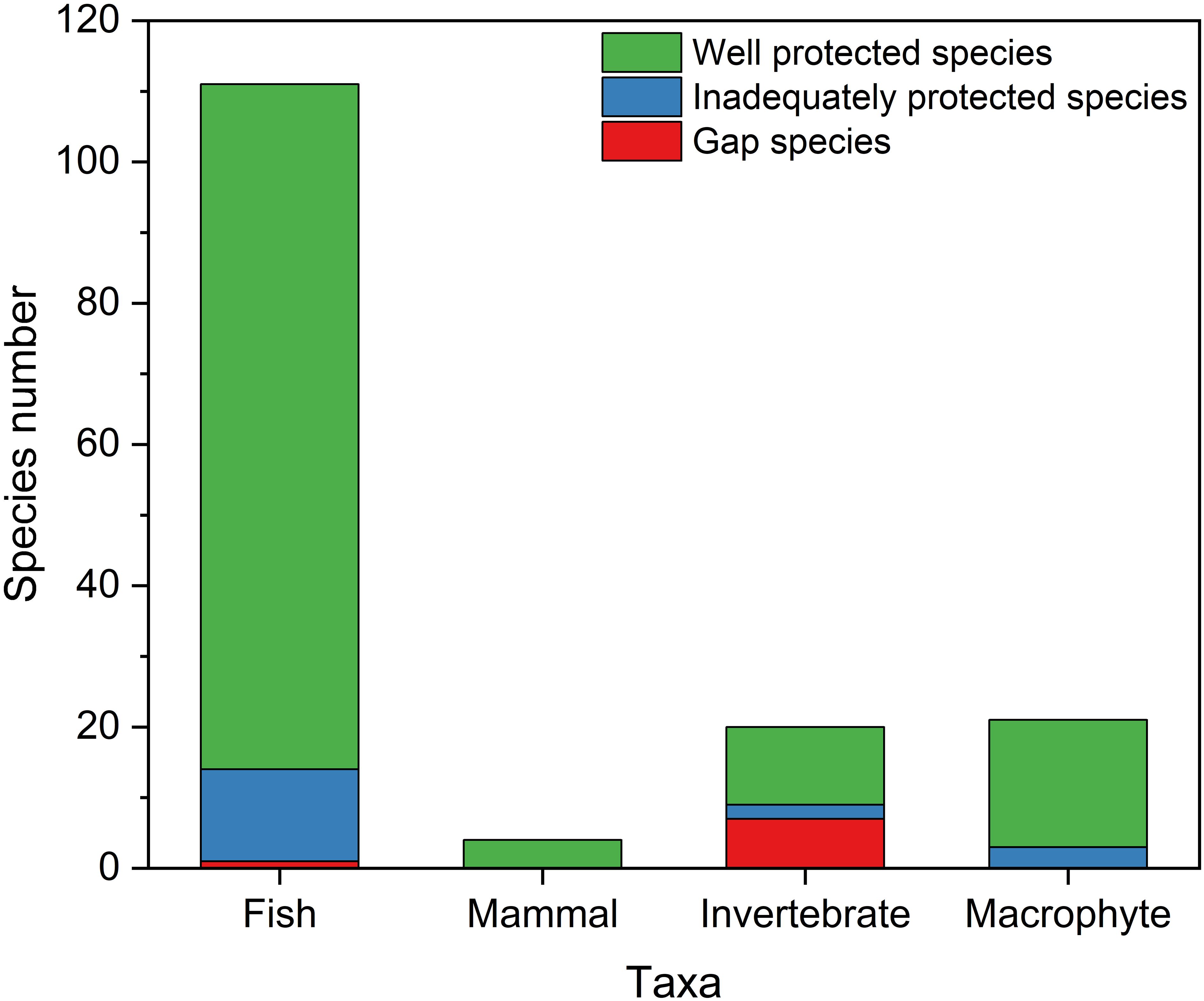
Figure 5 Protected status of important aquatic organisms in the Qinghai–Tibet Plateau.
Encouragingly, none of the national key protected species are gap species, but 4 of the gap species are threatened species on the “China Red List”, in which Polycelis lhunzhubica and P. sinensis are endemic species of the QTP (Table 4, Table S3). Of all the inadequately protected species, there are 5 national key protected species and 15 threatened species on the “China Red List” (Table 4). Among them, Isoetes hypsophila is not only a first-class protected species in China and a threatened species, but also an endemic species of the QTP (Table S3). Percocypris retrodorsalis and Ottelia acuminata var. acuminata are second-class protected species in China. Moreover, there are 6 endemic species of the QTP, excluding I. hypsophila (Table S3).
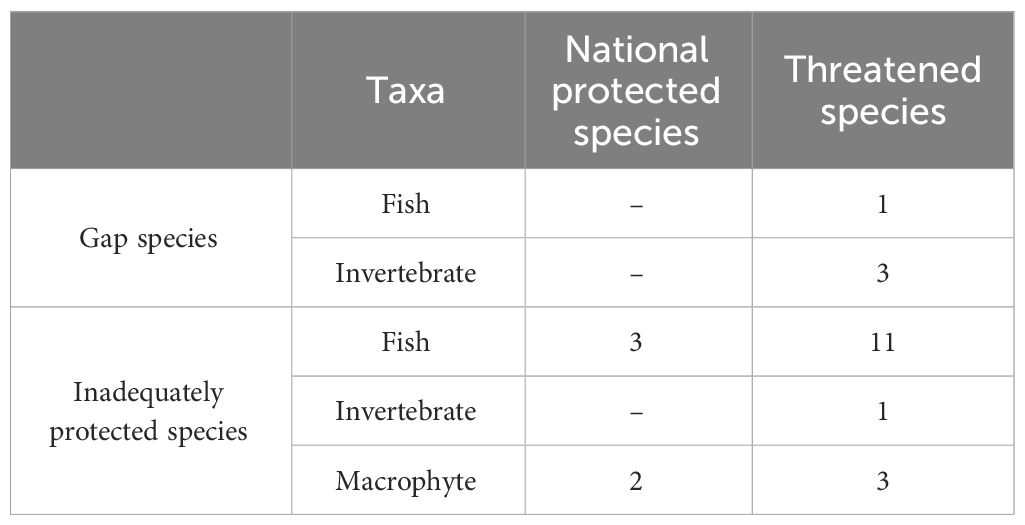
Table 4 Protected status and threatened status for gap species and inadequately protected species in the Qinghai–Tibet Plateau.
4 Discussion
4.1 Achievements of the protection service
The number of protected areas in China growing fast. By 2018, China had established more than 12 000 protected areas (Ouyang et al., 2018), covering more than 50.3% of the natural wetlands (National Forestry and Grassland Administration, 2020). To protect this critical area, an effective protected area system was established on the QTP (Table 1). Existing system fulfilled different protection objectives and effectively protected most of the wetlands (Figure 2). Against a backdrop of national park system construction in China, the central government has integrated the top-level design and management departments for the whole protected area system (Xu et al., 2019b). This measure obviously reduces the negative impact of multi-management in the construction and management. Another remarkable achievement was that aquatic organisms in the QTP have been well protected by APAs according to our analysis (Table 4, Figure 5).
4.2 Challenges in current protection efforts
4.2.1 Protection efforts are uneven across protected areas
Based on the “Regulations of the People’s Republic of China on nature reserves”, nature reserves were divided into core zones, buffer zones and experimental zones (China’s State Council, 1994). Due to the differences of main protection objectives, wetlands within the nature reserve may not be covered by the core zone when planning the atypical aquatic nature reserves. As a result, the protection of wetland ecosystems and aquatic organisms in protected areas is insufficient.
Both typical and atypical APAs occur at the national and local levels in China (Xu et al., 2017). Compared with national protected areas, local protected areas have been more prone to problems such as lack of funds, mismanagement, and illegal development for economic development (Ma et al., 2019). As an economically underdeveloped area in China, these problems may be even more serious on the QTP.
4.2.2 Gaps in the protection service
Although the APA system on the QTP is constantly improving as the coverage rate increases, there are still some conservation gaps. For example, the Brahmaputra River is crucial to the lives of people within its watershed. Therefore, it is essential to protect this watershed (Huang et al., 2009). However, the size and number of protected areas in the watershed do not match the protection needs (Figure 2). In addition, plateau lakes such as Namco Lake and Mapam Yamco Lake and Yamzho Yumco Lake are considered “holy lakes” in the beliefs of local residents (Li et al., 2014). However, the reality is that the coverage rate of APAs in these lakes still low (Figure 2).
As the highest and largest lake group in the world and the source of many important rivers, the lakes and rivers on the QTP are of great ecological value (Liu et al., 2021). Various rare and endemic organisms live in them. There are, however, some threatened species, and key protected species are gap species or inadequately protected species (Table S3, Figure 5). This situation provides a warning that existing APAs do not provide adequate protection for important aquatic species in the area.
Surprisingly, there are 17 important species are data deficient or not evaluated on “China’s red list”, including 8 national key protected species (Table 3, Figure 3). The status of these species still unknown. In fact, they may already be under serious existential threat. Furthermore, some data has not been updated for a long time (Zhang and Cao, 2021).
4.3 Prospects
4.3.1 Integration of aquatic protected areas
The QTP is one of the regions with the richest biodiversity in China, and the southeastern region in this area has the highest species richness (Fu et al., 2021). We found that most of the APAs in the southeastern region are small and distributed in a spotty pattern, providing low protection efficiency for wetland ecosystems (Figure 2). It is efficient and feasible to consolidate the ecological barrier function of the QTP by establishing national park groups (Fu et al., 2021). As mentioned in Fu et al. (2021), the “national park group on the southern flank of the Eastern Himalayan Mountain plate” will be one of the major groups on the QTP.
It is well known that the QTP borders several countries, causing a large amount of wildlife to be transregionally distributed. Conservation cooperation between countries is particularly important to protect transboundary landscapes and mitigate biodiversity loss (Bawa et al., 2010). China has established at least 17 cross-border protected areas to date, which have achieved preliminary success (Tang et al., 2016). To develop the protection effect of the APA system, additional work will be needed to establish more cross-border protected areas in this region (Bawa et al., 2010; Fu et al., 2021).
4.3.2 Enhance the status of community-based conservation
Recent study shows that the growth of the human footprint may compromising the benefits of protected areas on the QTP (Hua et al., 2022). Therefore, balancing protected areas with human activities is the main option for protection work (Gibson and Marks, 2000; Balint, 2006). Herdsmen on the QTP have a high enthusiasm for participating in protection work. This enthusiasm derives from their belief and custom of respecting nature, which has been formed thousands of years. In the practice of the Three-River-Source National Park, the participation of the herdsmen community achieved good results (Zhao et al., 2018; Guo et al., 2023). Based on this, more community protected areas, such as “feng-shui forests”, should be established. This policy may provides a satisfactory solution to the conflict between conservation and development (Shen et al., 2012; Huang et al., 2021). Besides, residents’ beliefs, customs, and values should be fully respected during the conservation (Measham and Lumbasi, 2013).
High levels of water use for agriculture and livestock may pose a potential risk to the APAs and aquatic organisms. To tackle this problem, it is essential to evaluate the ecological and agricultural value of the water resources (Hatamkhani et al., 2022). After that, a balance must be found between water conservation and economic benefits. Water management programs are developed based on equilibrium flows. Due to the complex composition of water resources in this area, big data and model simulations can provide more accurate results (KhazaiPoul et al., 2019; Hatamkhani and Moridi, 2023).
Finally, compensation should be provided to farmers and herders whose economic interests have been jeopardized due to conservation efforts. This policy ensures that the benefits of these efforts are shared equitably (Measham and Lumbasi, 2013).
4.3.3 Increasing the research investment in aquatic organisms
The results of our study must be interpreted with caution because some numbers and distribution data of species were outdated, and the status of some species remains unclear. This statement suggests that there are deficiencies in the research on aquatic organisms for QTP. Previous studies have indicated that effective biodiversity protection and establish effective protected areas rely on various regional research (Batisse, 1997; Hu et al., 2019). To fill the research gap, further research should be undertaken to investigate the populations and habitats of important species. Importantly, the research must be continuous, especially for flagship species, umbrella species, key species, and narrowly distributed species. Meanwhile, a system capable of managing big data, updating and sharing detailed information in real-time is necessary (Li and Pimm, 2020; Bravo et al., 2021).
5 Conclusions
In this study, we reported on the status of the APA system on the QTP and provided information on prospects for future development. First, China has established an effective APA system in this area. However, conservation gaps persist. Specifically, the protection of AAPAs and local protected areas remain insufficient and likely to result in management problems. Further investigation showed that some threatened species are gap species, and some national key protected species and threatened species are inadequately protected species. It should be noted that our study was limited by the lack of specific and current data on some important species. To solve those problems and improve protection efficiency, what is now needed are: (1) integration of protected areas through the establishment of national parks and transnational protected areas; (2) enhancement of the strength of community-based conservation; and (3) increasing investment in the research on important species and the establishment of data management system. The findings in this study provided some new insights for the future wetland protection efforts on the QTP, and can guide the establishment and management of protected areas in other similar regions worldwide.
Data availability statement
The raw data supporting the conclusions of this article will be made available by the authors, without undue reservation.
Author contributions
HL was responsible for the analyses and interpretation of the data and wrote the original draft. LT was responsible for the field investigation, data collection and collation. XL conducted the field investigation. QC was responsible for administration and supervision of the project, writing-review and editing, and contributed to the conception of the research. All authors contributed to the article and approved the submitted version.
Funding
The author(s) declare that financial support was received for the research, authorship, and/or publication of this article. This study was funded by the Second Tibetan Plateau Scientific Expedition and Research Program (2019QZKK0402), the Strategic Pilot Science and Technology Projects (A) Category, Chinese Academy of Science (XDA23080101).
Acknowledgments
The authors would like to express their gratitude to Professor Zhiyun Ouyang, Professor Weihua Xu and Dr. Xinyue Fan from Research Center for Eco-Environmental Sciences, Chinese Academy of Sciences for the data provision and pretreatment of aquatic protected areas.
Conflict of interest
The authors declare that the research was conducted in the absence of any commercial or financial relationships that could be construed as a potential conflict of interest.
Publisher’s note
All claims expressed in this article are solely those of the authors and do not necessarily represent those of their affiliated organizations, or those of the publisher, the editors and the reviewers. Any product that may be evaluated in this article, or claim that may be made by its manufacturer, is not guaranteed or endorsed by the publisher.
Supplementary material
The Supplementary Material for this article can be found online at: https://www.frontiersin.org/articles/10.3389/fevo.2024.1204494/full#supplementary-material
References
Balint P. J. (2006). Improving community-based conservation near protected areas: The Importance of Development Variables. Environ. Manage. 38, 137–148. doi: 10.1007/s00267-005-0100-y
Batisse M. (1997). Biosphere reserves: A challenge for biodiversity conservation & regional development. Environment.: Sci. Policy Sustain. Dev. 39, 6–33. doi: 10.1080/00139159709603644
Bawa K. S., Koh L. P., Lee T. M., Liu J. G., Ramakrishnan P. S., Yu D. W., et al. (2010). China, India, and the environment. Science 327, 1457–1459. doi: 10.1126/science.1185164
Bravo M. E., Fiori S. M., Carbone M. E. (2021). Combining conservation priorities and vulnerability of invasion in nature reserves using geospatial tools can optimize management efforts. Hydrobiologia 848, 563–579. doi: 10.1007/s10750-020-04446-0
Chen Y., Sun L., Xu J., Liang B., Wang J., Xiong N. (2023). Wetland vegetation changes in response to climate change and human activities on the Tibetan Plateau during 2000–2015. Front. Ecol. Evol. 11. doi: 10.3389/fevo.2023.1113802
China Association for Science and Technology (2010). Report on advances in Tibetan plateau research (2009-2010) (Beijing, China: China Science and Technology Press).
China Association for Science and Technology (2014). Report on advances in Tibetan plateau research (2012-2013) (Beijing, China: China Science and Technology Press).
China’s State Council (1994). Regulations of the People’s Republic of China on nature reserves. Gazette. China’s. State. Council. 24, 991–998.
Di Minin E., Toivonen T. (2015). Global protected area expansion: creating more than paper parks. BioScience 65, 637–638. doi: 10.1093/biosci/biv064
Dudgeon D. (2019). Multiple threats imperil freshwater biodiversity in the Anthropocene. Curr. Biololy. 29, R960–R967. doi: 10.1016/j.cub.2019.08.002
Dudley N. (2008). Guidelines for applying protected area management categories (Gland, Switzerland: IUCN).
Fu B. J., Ouyang Z. ,. Y., Shi P., Fan J., Wang X. D., Zheng H., et al. (2021). Current condition and protection strategies of Qinghai–Tibet Plateau ecological security barrier. Bull. Chin. Acad. Sci. 36, 1298–1306. doi: 10.16418/j.issn.1000-3045.20210919001
General Office of the CPC Central Committee, and General Office of the State Council of the People’s Republic of China (2019). Guidelines on establishing a system of protected areas with national parks as the main body (Beijing, China: People’s Publishing House).
Gibson C. A., Marks S. A. (2000). “Transforming rural hunters into conservationists: An assessment of community-based wildlife management programs in Africa,” in Polycentric Games and Institutions: Readings from the Workshop in Political Theory and Policy Analysis. Ed. Michael D. M. (University of Michigan Press, Ann Arbor, United States of America), 336–365.
Guo Y., Liu X., Liu X., Zhang J., Zhang H., Fan J., et al. (2023). Quantitative assessment of the degree of harmony between humanity and nature for national parks in China: A case study of the Three-River-Source National Park. Front. Ecol. Evol. 11. doi: 10.3389/fevo.2023.1121189
Harlan T., Xu R., He J. (2021). Is small hydropower beautiful? Social impacts of river fragmentation in China’s Red River Basin. Ambio 50, 436–447. doi: 10.1007/s13280-020-01367-z
Hatamkhani A., Moridi A. (2023). A simulation optimization approach for wetland conservation and management in an agricultural basin. Sustainability 15, 13926.
Hatamkhani A., Moridi A., Asadzadeh M. (2022). Water allocation using ecological and agricultural value of water. Sustain. Production. Consumption. 33, 49–62. doi: 10.1016/j.spc.2022.06.017
Hu Y. S., Luo Z. H., Chapman C. A., Pimm S. L., Turvey S. T., Lawes M. J., et al. (2019). Regional scientific research benefits threatened-species conservation. Natl. Sci. Rev. 6, 1076–1079. doi: 10.1093/nsr/nwz090
Hua T., Zhao W., Cherubini F., Hu X., Pereira P. (2022). Continuous growth of human footprint risks compromising the benefits of protected areas on the Qinghai-Tibet Plateau. Global Ecol. Conserv. 34, e02053. doi: 10.1016/j.gecco.2022.e02053
Huang G. P., Ping X. G., Xu W. H., Hu Y. B., Chang J., Swaisgood R. R., et al. (2021). Wildlife conservation and management in China: achievements, challenges and perspectives. Natl. Sci. Rev. 8 (7), nwab042. doi: 10.1093/nsr/nwab042
Huang X., Sillanpaa M., Gjessing E. T., Vogt R. D. (2009). Water quality in the Tibetan Plateau: Major ions and trace elements in the headwaters of four major Asian rivers. Sci. Total. Environ. 407, 6242–6254. doi: 10.1016/j.scitotenv.2009.09.001
KhazaiPoul A., Moridi A., Yazdi J. (2019). Multi-objective optimization for interactive reservoir-irrigation planning considering environmental issues by using parallel processes technique. Water Resour. Manage. 33, 5137–5151. doi: 10.1007/s11269-019-02420-7
Kuang X. X., Jiao J. J. (2016). Review on climate change on the Tibetan Plateau during the last half century. J. Geophys. Research-Atmospheres. 121, 3979–4007. doi: 10.1002/2015jd024728
Li L., Li J., Yao X., Luo J., Huang Y., Feng Y. (2014). Changes of the three holy lakes in recent years and quantitative analysis of the influencing factors. Quaternary. Int. 349, 339–345. doi: 10.1016/j.quaint.2014.04.051
Li B. V., Pimm S. L. (2020). How China expanded its protected areas to conserve biodiversity. Curr. Biol. 30, R1334–R1340. doi: 10.1016/j.cub.2020.09.025
Li S., Zhang H., Zhou X., Yu H., Li W. (2020). Enhancing protected areas for biodiversity and ecosystem services in the Qinghai–Tibet Plateau. Ecosyst. Serv. 43, 101090. doi: 10.1016/j.ecoser.2020.101090
Liu C., Zhu L. P., Wang J. B., Ju J. T., Ma Q. F., Qiao B. J., et al. (2021). In-situ water quality investigation of the lakes on the Tibetan Plateau. Sci. Bull. 66, 1727–1730. doi: 10.1016/j.scib.2021.04.024
Ma Z. J., Chen Y., Melville D. S., Fan J., Liu J. G., Dong J. W., et al. (2019). Changes in area and number of nature reserves in China. Conserv. Biol. 33, 1066–1075. doi: 10.1111/cobi.13285
Maxwell S. L., Cazalis V., Dudley N., Hoffmann M., Rodrigues A. S. L., Stolton S., et al. (2020). Area-based conservation in the twenty-first century. Nature 586, 217–227. doi: 10.1038/s41586-020-2773-z
Measham T. G., Lumbasi J. A. (2013). Success factors for community-based natural resource management (CBNRM): lessons from Kenya and Australia. Environ. Manage. 52, 649–659. doi: 10.1007/s00267-013-0114-9
Ministry of Ecology and Environment, PRC., and Chinese Academy of Sciences (2013) Redlist of China’s Biodiversity: Higher plants. Available online at: https://www.mee.gov.cn/gkml/hbb/bgg/201309/t20130912_260061.htm (Accessed March 14, 2024).
Ministry of Ecology and Environment, PRC., and Chinese Academy of Sciences (2015) Redlist of China’s Biodiversity: Vertebrates. Available online at: https://www.mee.gov.cn/gkml/hbb/bgg/201505/t20150525_302233.htm (Accessed March 14, 2024).
National Forestry and Grassland Administration (2020) China’s protected area. Available online at: http://www.forestry.gov.cn/main/65/20200527/110735699913323.html (Accessed March 14, 2024).
National Forestry and Grassland Administration, and Ministry of Agriculture and Rural Affairs, PRC (2021a) List of national key protected wild animals. Available online at: https://www.gov.cn/xinwen/2021-02/09/content_5586227.htm (Accessed March 14, 2024).
National Forestry and Grassland Administration, and Ministry of Agriculture and Rural Affairs, PRC (2021b) List of national key protected wild plants. Available online at: http://www.gov.cn/zhengce/zhengceku/2021-09/09/content_5636409.htm (Accessed March 14, 2024).
Ouyang Z. Y., Xu W. H., Du A., Lei G. C., Zhu C. Q., Chen S. (2018). Research on overall spatial planning for China’s national park system (Beijing, China: China Environmental Publishing Group).
Rodell M., Famiglietti J. S., Wiese D. N., Reager J. T., Beaudoing H. K., Landerer F. W., et al. (2018). Emerging trends in global freshwater availability. Nature 557, 651–659. doi: 10.1038/s41586-018-0123-1
Scott J. M., Davis F., Csuti B., Noss R., Butterfield B., Groves C., et al. (1993). Gap analysis: a geographic approach to protection of biological diversity. Wildlife. Monogr. 123), 1–41.
Shen X., Li S., Chen N., Li S., McShea W. J., Lu Z. (2012). Does science replace traditions? Correlates between traditional Tibetan culture and local bird diversity in Southwest China. Biol. Conserv. 145, 160–170. doi: 10.1016/j.biocon.2011.10.027
Suski C. D., Cooke S. J. (2007). Conservation of aquatic resources through the use of freshwater protected areas: Opportunities and challenges. Biodiversity. Conserv. 16, 2015–2029. doi: 10.1007/s10531-006-9060-7
Tang L. N., Gui L. M., Shao G. F., Wang L. Y., Shi L. Y. (2016). Practice and research progress on ecosystem conservation in transboundary areas. Chin. Geographical. Sci. 26, 109–116. doi: 10.1007/s11769-015-0761-2
Venter O., Fuller R. A., Segan D. B., Carwardine J., Brooks T., Butchart S. H. M., et al. (2014). Targeting global protected area expansion for imperiled biodiversity. PloS Biol. 12, e1001891. doi: 10.1371/journal.pbio.1001891
Wang R., He M., Niu Z. (2020). Responses of alpine wetlands to climate changes on the qinghai-tibetan plateau based on remote sensing. Chin. Geographical. Sci. 30, 189–201. doi: 10.1007/s11769-020-1107-2
Wang S., Xie Y. (2005). China species red list, Vol. III, Invertebrates (Beijing, China: Higher Education Press).
Wanghe K., Ahmad S., Zhou X., Tian F., Liu S., Zhou B., et al. (2024). Spatially explicit estimation of freshwater fish stock biomass with limited data: A case study of an endangered endemic fish on the Tibetan Plateau, China. Sci. Total. Environ. 912, 168717. doi: 10.1016/j.scitotenv.2023.168717
Xu W. H., Fan X. Y., Ma J. G., Pimm T. A. R., Kong L. Q., Zeng Y., et al. (2019a). Hidden loss of wetlands in China. Curr. Biol. 29, 3065–3071.e3062. doi: 10.1016/j.cub.2019.07.053
Xu W. H., Pimm S. L., Du A., Su Y., Fan X. Y., An L., et al. (2019b). Transforming protected area management in China. Trends Ecol. Evol. 34, 762–766. doi: 10.1016/j.tree.2019.05.009
Xu W. H., Xiao Y., Zhang J. J., Yang W., Zhang L., Hull V., et al. (2017). Strengthening protected areas for biodiversity and ecosystem services in China. Proc. Natl. Acad. Sci. U.S.A. 114, 1601–1606. doi: 10.1073/pnas.1620503114
Zeng J., Chen T., Yao X., Chen W. (2020). Do protected areas improve ecosystem services? A case study of hoh xil nature reserve in qinghai-tibetan plateau. Remote Sens. 12, 471. doi: 10.3390/rs12030471
Zhang E., Cao W. X. (2021). China’s red list of biodiversity: Vertebrates (Volume V, Freshwater fishes) (Beijing, China: Science Press).
Zhao Z., Zhang Y., Liu L., Liu F., Zhang H. (2015). Recent changes in wetlands on the Tibetan Plateau: A review. J. Geographical. Sci. 25, 879–896. doi: 10.1007/s11442-015-1208-5
Keywords: Qinghai–Tibet Plateau, aquatic protected area, aquatic organism, conservation gap, prospect
Citation: Li H, Tan L, Li X and Cai Q (2024) Aquatic protected area system in the Qinghai–Tibet Plateau: establishment, challenges and prospects. Front. Ecol. Evol. 12:1204494. doi: 10.3389/fevo.2024.1204494
Received: 12 April 2023; Accepted: 19 March 2024;
Published: 03 April 2024.
Edited by:
Pedro Gonçalves Vaz, University of Lisbon, PortugalReviewed by:
Bill Crins, University of Toronto Scarborough, CanadaAli Moridi, Shahid Beheshti University, Iran
Copyright © 2024 Li, Tan, Li and Cai. This is an open-access article distributed under the terms of the Creative Commons Attribution License (CC BY). The use, distribution or reproduction in other forums is permitted, provided the original author(s) and the copyright owner(s) are credited and that the original publication in this journal is cited, in accordance with accepted academic practice. No use, distribution or reproduction is permitted which does not comply with these terms.
*Correspondence: Qinghua Cai, cWhjYWlAaWhiLmFjLmNu