 Wanyun Xu1
 Lingxia Xu1
 Yuqi Cao1Jiaoyang Zheng1Yaling Wang1Kun Cheng1*
 Chun-Hung Lee2*Huxuan Dai3Sonamtso Mei4
 Cheng Zong1
- 1College of Wildlife and Protected Areas, Northeast Forestry University, Harbin, China
- 2Department of Natural Resources and Environmental Studies, School of Environmental Studies, National Dong Hwa University, Hualien, Taiwan
- 3Department of Health and Environmental Sciences, Xi’an Jiaotong-Liverpool University, Suzhou, China
- 4Forestry Station of Huangyuan County, Xining, Qinghai, China
Public perception of endangered species is crucial for successful management of community-based conservation and sustainability of national parks. By the method of choice experiment, our study evaluated conservation preferences and willingness to donate money for flagship and non-flagship species using a choice experiment with 409 residents living near the Lanstang river source of Sanjiangyuan National Park, China. We found that flagship species such as the Snow leopard (Pristine plateau) and White-lipped deer (Przewalskium albirostris) generated more conservation funds than non-flagship species. However, not all flagship species were accepted. Respondents disliked Tibetan brown bears (Ursus arctos pruinosus) due to direct human-wildlife conflicts such as bodily injury and property damage. Heterogeneity of preference was influenced by household income, religious beliefs, ethnicity, culture, and conservation awareness. Results can be used to establish a local community-participative framework by combining conservation motivations that alleviate human-wildlife conflict.
1 Introduction
Protected areas are the keystone of global biodiversity conservation, a baseline for the typical earth ecosystem, endangered species, and maintenance of natural and cultural heritage (Schulze et al., 2018). The Chinese government developed a new, three-part classification system of protected areas by designating: 1) national parks (the main body); 2) nature reserves (intermediate); and 3) natural parks such as forest parks, wetland park, scenic areas, geo-parks, etc. (Supplementary). China decided to adopt the national park system in 2013, more than 150 years after the establishment of Yellowstone, the world’s first national park (Mi et al., 2023). However, the concepts and goals of national parks in China and the U.S. are similar: 1) protection, defined as – “ a particularly large geographical area of national importance, including intact ecosystems as well as important habitats for wildlife and plant species.”And 2) harmony between people and nature to achieve sustainable management of natural resources, defined as – “a complex natural-ecological and socio-cultural system in which humans are an integral part” (Charles, 2021).
At 15th Conference of the Parties to the Convention on Biological Diversity in 2021, China formally established its first set of five national parks. Among them Sanjiangyuan National Park (SNP) is the biggest and covers nearly 2% of the total land area of China (Figure 1). SNP contains typical, but important aspects of the Qinghai-Tibet Plateau ecosystem which is extremely fragile due to the impacts of climate change and human activity (Di et al., 2017). SNP covers 5 counties, 15 towns and 68 administrative villages. More than 95% of the residents are Tibetans, making it a challenge to ensure the livelihoods of locals while preserving ecosystem integrity (Zhang et al., 2020). The Chinese government has implemented an Ecological Relocation Program for relocating some local people to new villages outside the park boundaries to reduce environmental impacts (Peng et al., 2020). However, such projects are expensive and many people, especially long-dwelling residents do not want to leave. SNP proposed and enacted “one household, one post” program in 2016. If one member of the household is employed as an ecological conservator; the whole family can join. Until now, nearly 20,000 herdsmen have been hired, increasing the average annual income of each household by 21,600 RMB (Zhao et al., 2018). This policy not only raises the living standard of herdsmen, but also increases their awareness of conservation by participating in conservation work (Zhao et al., 2018).
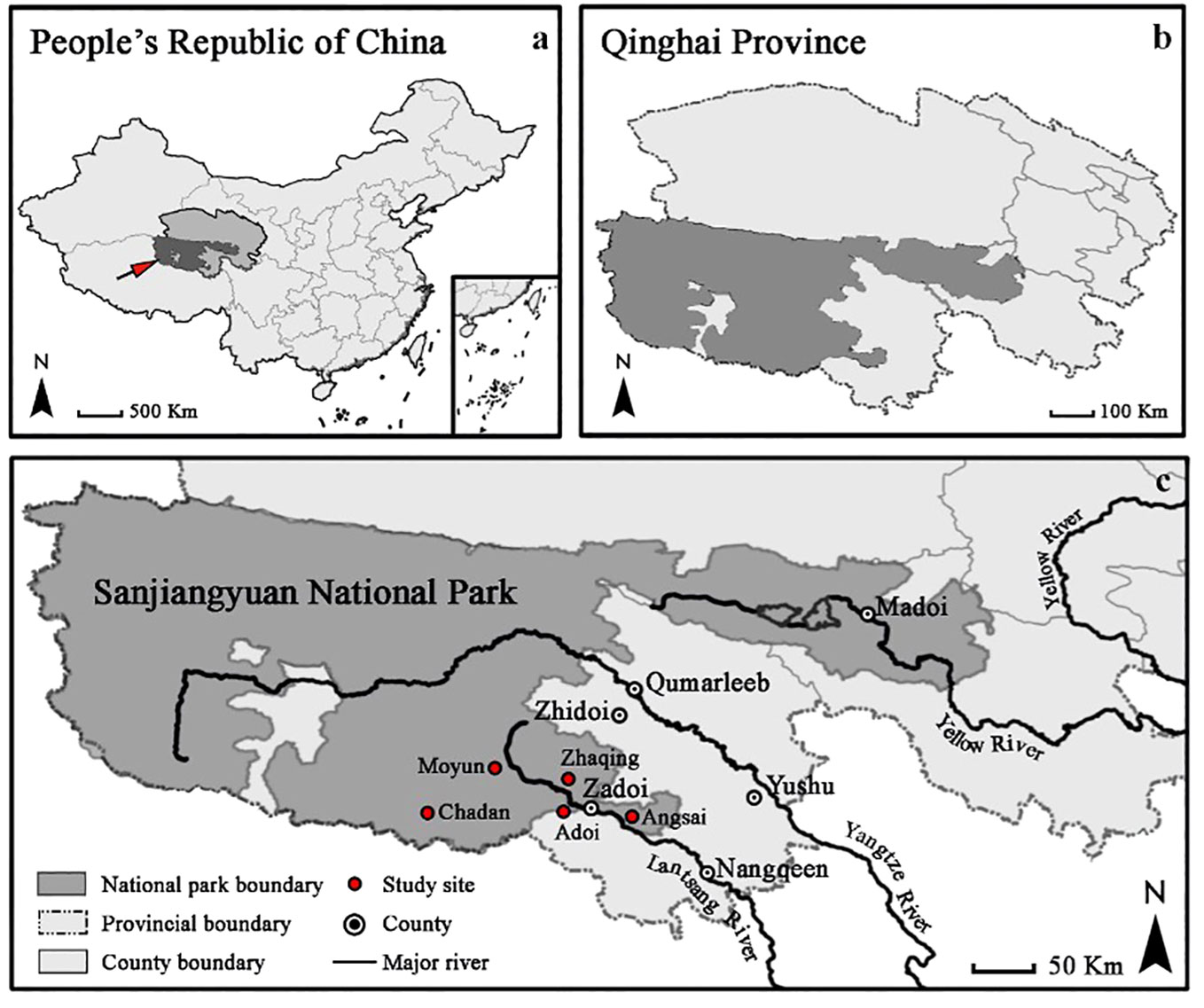
Figure 1 Location of Sanjiangyuan National Park in China (A); in Qinghai Province (B); and the study sites (C).
Community involvement in national park management has a good foundation in China due to its rich history of co-management experiences for nature reserves over the years (Zhang and Yang, 2020). Resource sustainability, human well-being, and conflict resolution of community-based conservation (CBC) are aligned with the goals of national parks in China (Lee, 2018). CBC approaches integrate multi-disciplinary fields such as political ecology, conservation psychology and environmental history to address social-ecological coupled system (Berkes, 2003; Galvin et al., 2018). Success depends on cooperation among many stakeholders, including collective villager groups, park authorities, government administrative units, NGOs (Non-Governmental Organizations), and other institutions (Berkes, 2007; Doak et al., 2014). In China, CBC policy should focus on community empowerment, supporting autonomy, adaptive co-management projects, equal distribution of benefits, the use of traditional ecological knowledge, and development of cultural-linked conservation ethic, but the social psychological factors are not receiving enough attention (He et al., 2020). For example, establishing a belief system and providing incentives for people to participate in conservation work are poorly developed (Trudgill, 2001; DeCaro and Stokes, 2008).
Residents living near SNP are influenced heavily by Tibetan Buddhism which follows the basic principles of kindheartedness, respect, and compassion for all living things. These tenets are shared among those who support nature conservation (Karmapa and Dorje, 2011). The Buddhist faith is an important driver to maintain biodiversity (Shen et al., 2015) since it imparts a sanctity that encourages protection of wild species (James and Cooper, 2007). SNP was once a vast wilderness and a paradise for wildlife, but now the interaction between humans and the environment have led to many conflicts, especially for large carnivores because of their extensive range and dietary needs often overlapping with human activities (Su et al., 2023). The Tibetan brown bear (Ursus arctos pruinosus) and gray wolf (Canis lupus) are the main species who experience conflict because they kill livestock, destroy houses, and injure people (Dai et al., 2020). Most local people at SNP can tolerate carnivores killing free-range livestock, but bodily injury and house damage are harder to accept (Dai et al., 2019). Conflicts worsen this relationship between locals and wild animals, exhibited by retaliatory actions of residents toward carnivores which threatens species survival (Northrup et al., 2012; Miller et al., 2016; Proctor et al., 2018). As a consequence of these conflicts, the attitudes and behaviors of locals are complex, influenced by publicity for protection, religious and cultural backgrounds, intrinsic value and significance of wildlife, and economic losses caused by these conflicts (Dickman et al., 2011; Kansky and Knight, 2014; Gebresenbet et al., 2018; Tang et al., 2023).
Promotion of flagship or umbrella species is a strategy used by conservationists to achieve sustainable development goals (Brambilla et al., 2013). Flagship species often refer to ‘known charismatic species that serve as a symbol or focus point to raise environmental consciousness’ (Home et al., 2009). However, the criteria for designating a species as flagship is controversial, on the whole, charismatic species have three attributes: ecological (ethological perspective on the human/environment perception), aesthetic (referring to species behavior or appearance, thus dealing with human emotions), and corporeal (referring to ‘affection and emotions engendered by different organisms in their practical interactions with humans’) (McGowan et al., 2020; Lundberg and Arponen, 2022). As compared to ecosystem protection, establishing a flagship species is more attractive to the public, which can result in more habitat conservation (Abigail, 2000; Assandri et al., 2017). Flagship species also serve as indicators for conservation outcomes since they increase public awareness and attitudes for endangered species and generate financial support (Bowen-Jones and Entwistle, 2002; Caro et al., 2004). Threatened, charismatic species, usually large vertebrates, have been used as a symbol and rally point for projects, issues, and campaigns (Walpole and Leader-Williams, 2002), thus uniting people to prioritize conservation (Liordos et al., 2017; Thompson and Rog, 2019; Kim et al., 2021). Flagship species, combined with community-based projects, promote attitudinal and behavioral changes of locals, especially if used by the non-governmental organizations (NGOs) as incentives for conservation (Kanagavel et al., 2014; Polgar and Jaafar, 2018).
We used a choice experiment (CE) method to explore the attitudes and perceptions of local Tibetans toward flagship and non-flagship species at SNP in the context of human-wildlife conflict. Our purpose was to assess: 1) community perspectives of endangered species and the emotion and belief basis for participation in conservation; 2) differences in species preference and the heterogeneity of community groups using socioeconomics background; 3) the welfare value of endangered species based on integrated attributes (species importance and degree of conflict); 4) and to propose some viable solutions for community-involved species conservation.
2 Materials and methods
2.1 Study area
Sanjiangyuan National Park (SNP) is located in the hinterlands of the Qinghai-Tibet Plateau. It is a vast area of 190,700 km2, occupying 26.4% of the total area of Qinghai province (Figure 1). Elevation ranges between 3,335 to 6,564 m, ranging from snow mountains to high-altitude wetlands, forest, rivers, lakes, and grasslands. Known as the “water tower of China,” Sanjiangyuan is the source of three great rivers: the Yangtze River, Yellow River, and Lanstang (Mekong) River. SNP is the world’s largest, highest, and most concentrated water resource region, including more than 180 rivers, 16,500 lakes, 66,600 km2 of freshwater marsh, and 1812 km2 of glaciers (Fan and Fang, 2020). Ecological restoration measures enhance water retention and withstand grassland degradation (Li et al., 2018a).
SNP has a large proportion of threatened and endangered species, including 32.26% mammals and 19.90% birds respectively (Zhang et al., 2023). About 47 mammal species are distributed in SNP, and most of them are endemic to the Qinghai-Tibet Plateau. In addition to Snow leopard (Pristine plateau), other carnivores include Gray wolf (Canis lupus), Tibetan brown bear (Ursus arctos), Eurasian lynx (Lynx lynx), Tibetan fox (Vulpes ferrilata), Chinese mountain cat (Felis bieti) and Pallas’ cat (Otocolobus manul). Main ungulates include Tibetan antelope (Pantholops hodgsonii), wild yak (Bos mutus), Tibetan wild donkey (Equus kiang), White-lipped deer (Przewalskium albirostris), Blue sheep (Przewalskium albirostris), Tibetan red deer (Cervus elaphus wallichii), and Alpine musk deer (Moschus chrysogaster).
2.2 Choice experiment design
The choice experiment (CE) is suitable for evaluating awareness and preferences using marginal willingness to pay (MWTP) for improving programs based on the current situation, followed by a series of options or scenarios which contain different attributes and levels on a specific topic (García-Llorente et al., 2012; Lee and Wang, 2017). The theory of CE is based on the consumer theory and random utility theory of economics, among which multinomial Logit model (MNL), random parameter Logit model (RPL) and latent classification model (LCM) are widely used in CE research (Nguyen et al., 2022). Therefore, respondents can select preferred choice sets to make “optimal” decisions rationally, instead of relying on estimations created by statistical models (Sriarkarin and Lee, 2018). Protected area managers find this decision-making approach to be useful for revealing stakeholder opinions and values associated with conservation actions regarding endangered species (Lew and Wallmo, 2017) and to assess policies for community-participative management actions and human-wildlife conflict solutions (Tait et al., 2016).
As applied to this study, we selected five important species at SNP as CE model attributes for evaluating local preferences for endangered species conservation, and divided them to two groups: flagship and non-flagship species. We collected species information at SNP from the literature and through focus group discussions with local managers, NGOs, and biological conservation scholars (Nawaz et al., 2008; Zong et al., 2017; Sriarkarin and Lee, 2018; Lee et al., 2019a). A relatively wide range of physical, ecological and cultural characteristics were used to determine flagship species (McGowan et al., 2020): 1) ecological importance, being representatives for promoting endangered species protection in the ecosystem; 2) attractive or symbolic appearance, having cultural significance for local people (Jepson and Barua, 2015; Senzaki et al., 2017); and 3) generate positive attention for agencies and appeal for collective participative conservation action (Liordos et al., 2017; Lundberg et al., 2020).
Snow leopards, some of the most attractive large felids are distributed in Central Asia mountains. They are representative of snow mountains and plateaus and are important endangered species according to many people and institutions, worldwide (Schutgens et al., 2019; Yang et al., 2021). White-lipped deer are found only in Qinghia-Tibet Plateau and the surrounding areas of alpine forest and grassland in China, known as ‘sacred deer’ by locals. Snow leopards and white-lipped deer have special ecological status in SNP. Tibetan brown bears are an endemic subspecies of the Tibetan Plateau, They are large and fierce omnivores, often considered as the most dangerous animals because they destroy houses and injure people (Worthy and Foggin, 2008; Wu, 2014). It has a unique ecological value, and has an important impact on the relationship between human and wildlife in the SNP area. So, these three species were chosen as flagship species. Blue sheep and gray wolves, which are not flagship species in the SNP area, both in terms of public subjective evaluation and ecological importance, they’re not as charming as snow leopards, white-lipped deer and Tibetan brown bears. All five species represent the Qinghai-Tibet Plateau ecosystem and are familiar to local people. Each are important in the endangered species protection plan and for managing human-wildlife conflict at SNP.
Levels of attributes were determined for each of the five species using information regarding their conservation targets and status. Levels of national key protected wildlife of China were used because local people are familiar with this category but hardly know IUCN protection levels of endangered species in Red List. China’s legal protected wildlife are divided into first-class and second-class species by the department of wildlife administration under State Council. These species have high ecological, scientific, cultural and social value, including endangered, precious and rare species, and species with high intensity of exploitation and utilization (Jiang, 2016). These two categories of protected species in China include 686 terrestrial wildlife, and only part of them belong to IUCN’ threatened species (Huang et al., 2021). SL and WLD are first-class, national key protected species with 3 levels of conservation attributes, and Tibetan Brown Bear (TBB), Blue Sheep (BS) and Gray Wolf (GW) are second-class national key protected species with 2 levels (Table 1). The conservation target of these species at SNP was to recover endangered species populations, and for first-class species Snow Leopard (SL) and White Lipped Deer (WLD) the periodic target was to improve their conservation status.
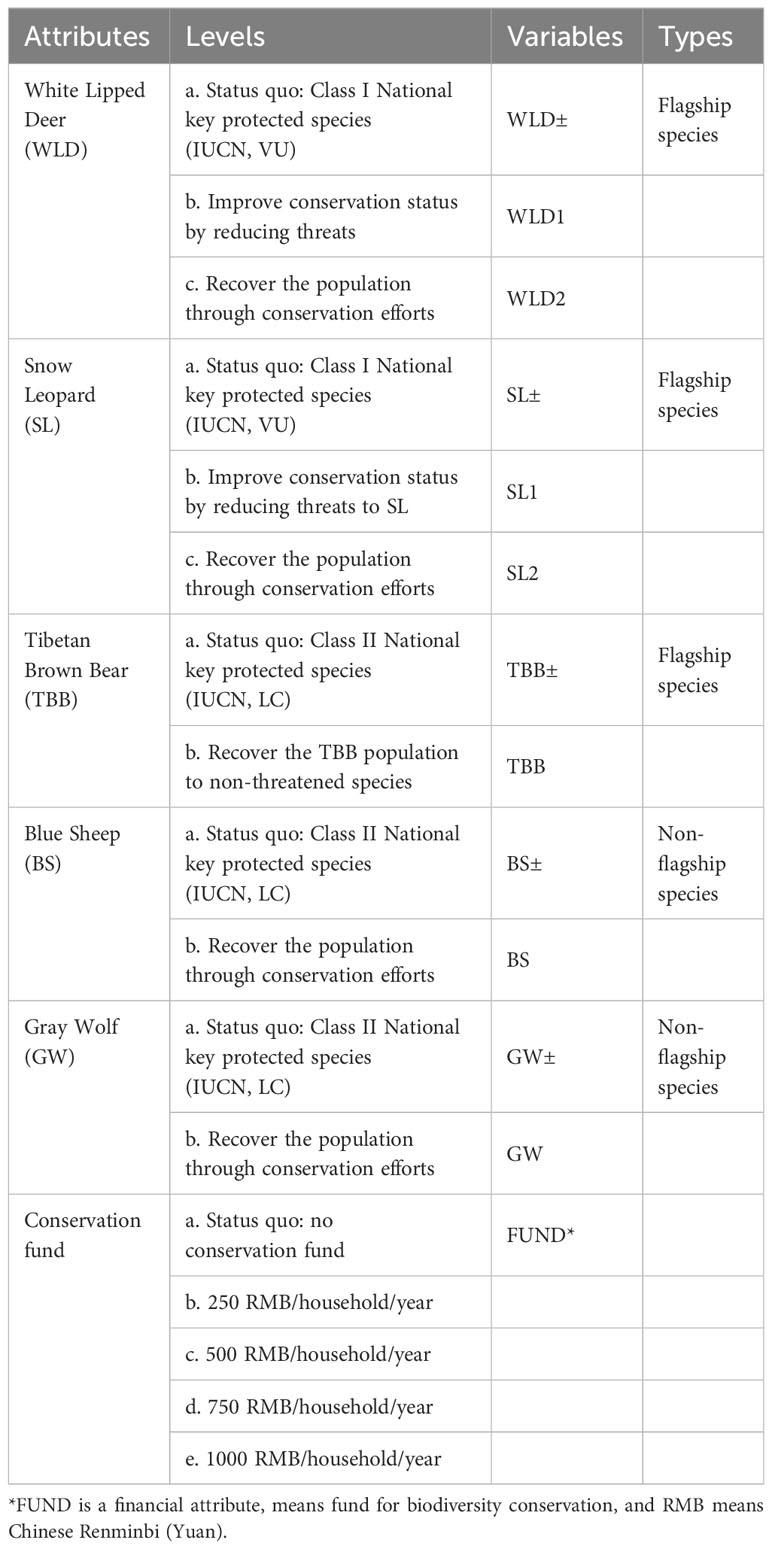
Table 1 Attributes and levels for endangered species conservation in Sanjangyuan National Park.
We designed scenarios for alternative programs by assuming that relevant institutions would set up a conservation trust fund for endangered species. To determine the value of conservation fund options, we delivered 50 pre-survey questionnaires to local respondents, and entered the funding amount they deemed appropriate for sum of species conservation. The numerical values were ranked from lowest to highest and percentiles of 24%, 42%, 58% and 72% were selected as the grades of four groups of conservation trust funds (250RMB, 500RMB, 750RMB, and 1,000RMB) (Table 1). Through SPSS orthogonal experiment, 25 level combinations were generated. After eliminating unreasonable options, 19 combinations and 1 status quo remained, resulting in 66 paired choice sets. Each version of the questionnaire consisted of 3 choice sets, and each choice set included 2 alternative programs for a total of 26 versions of the questionnaire (Table 2). Questionnaires (Supplementary Data) consisted of three parts: 1) cognition and attitude toward the endangered species and its conservation; 2) conservation preference for the endangered species at SNP; 3) social-economic data and information on human-wildlife conflict.
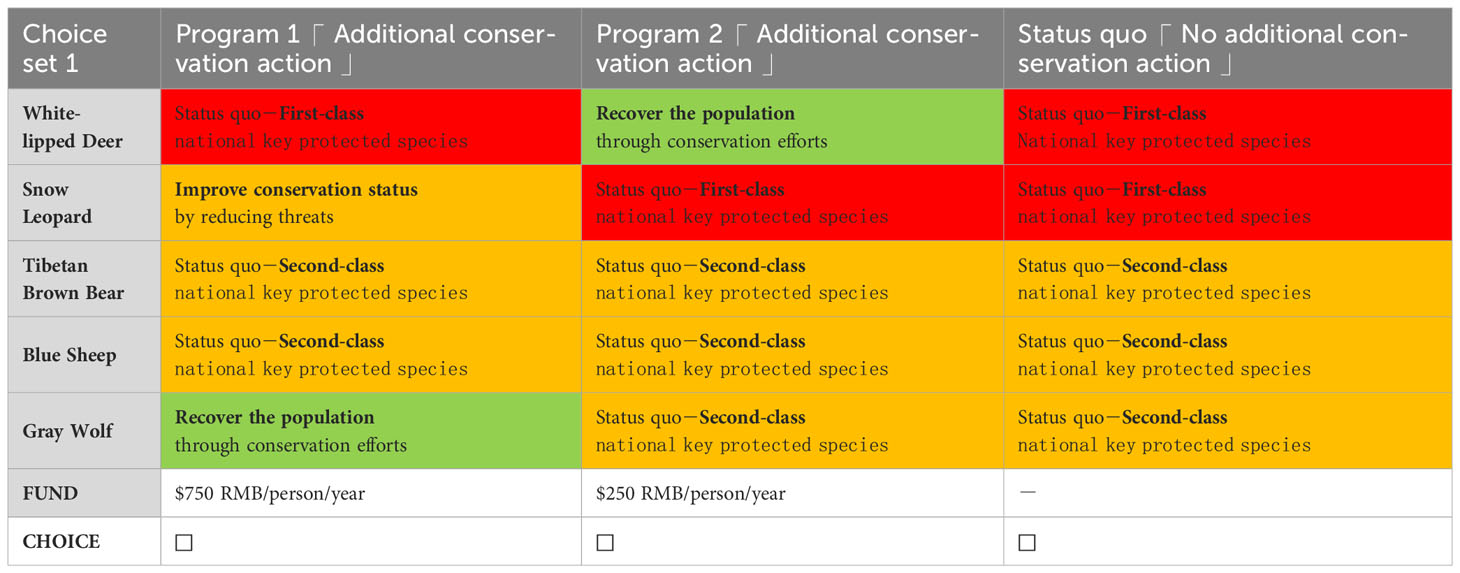
Table 2 Example of a choice set for locals’ preferences toward endangered species conservation (Red, yellow and green represent the different levels for conservation and recovery of these species).
2.3 Survey implementation
We conducted a survey in Lanstang river source of SNP during April to July of 2018. Investigation sites included 5 towns of Zadoi county, in Yushu Tibetan Autonomous Prefecture of Qinghai Province, respectively are Chadan, Moyun, Zhaqing, Adoi and Angsai (Figure 1). We sampled households randomly at 19 villages, asking only one individual per household to complete the questionnaire. Because more than 90% of the residents were Tibetan, and the second part of questionnaire was difficult to understand, we hired Tibetan translators. During face-to-face interviews, the investigators explained the scenarios of endangered species conservation, the meaning of choice set, and the alternative programs of different level combinations, so that respondents could match suitable options with their own opinions. A total of 26 versions of the questionnaire were used. We visited 416 residents and collected 409 valid questionnaires (98.3% response), consisting of 110 in Zhaqing, 89 in Moyun, 85 in Chadan, 73 in Angsai and 52 in Adoi township.
2.4 Statistical analysis
Random parameter logit (RPL) and latent class model (LCM) were used to explore the local preferences and heterogeneity for conservation options with endangered species. The models were built using NLOGIT 5. The RPL model evaluated each attribute in relation to heterogeneous preferences and welfare (Sriarkarin and Lee, 2018; Lin et al., 2020). Coefficients from RPL were used to calculate MWTP from potential scenarios of attributes and levels (Lee et al., 2019b; Lin et al., 2020; Wang et al., 2020). LCM can sub-divide respondents into different classes based on preferences and socio-economic perspectives to determine explicit management policies (Juutinen et al., 2011; Lee et al., 2019b; Lin et al., 2020).
In the RPL model. Local preferences for endangered species conservation can be expressed as Equation (1):
Where Vni the utility function linked with alternative i, βi is the estimated coefficient of alternative i, and WLDi, SLi, TBBi, BSi, Wolfi and Conservation fundi represent attribute vector coefficients. Results of the RPL model were used to calculate the marginal welfare effects. the values of community marginal conservation fund for five endangered species are calculated as the ratio of two parameters associated with the attribute (βattribute) and the estimated coefficient of the monetary attribute (βc), as shown in Equation (2):
Where βattribute is the coefficient of local preference for endangered species conservation, and βc is the coefficient of conservation fund.
3 Results
3.1 Attitudes and cognition to endangered species conservation
The sample consisted mostly of males (71.8%) since they were more willing to be interviewed than females (28.2%). However, gender was non-significant (Pearson Chi-Square test, χ2 = 1.576, df=1, p=0.209, using a 95% confidence interval). Overwhelmingly, respondents were from Tibet (96.1%) and most of them (54.4%) attended a Tibetan language school. Education levels were comparatively low: 50.9% primary school education or lower. Over two-thirds (68.5%) of respondents have lived in community for more than 10 years (for more information on socioeconomics of respondents, see Table 3). Over half (59.9%) of the households had annual incomes of more than 50,000 RMB, mostly from cordyceps (Cordyceps militaris) (87.3%). Others had monthly wages (30.3%), grassland awards and subsidies (25.2%), turf income (12.5%), and subsidies for poor households (9.5%).
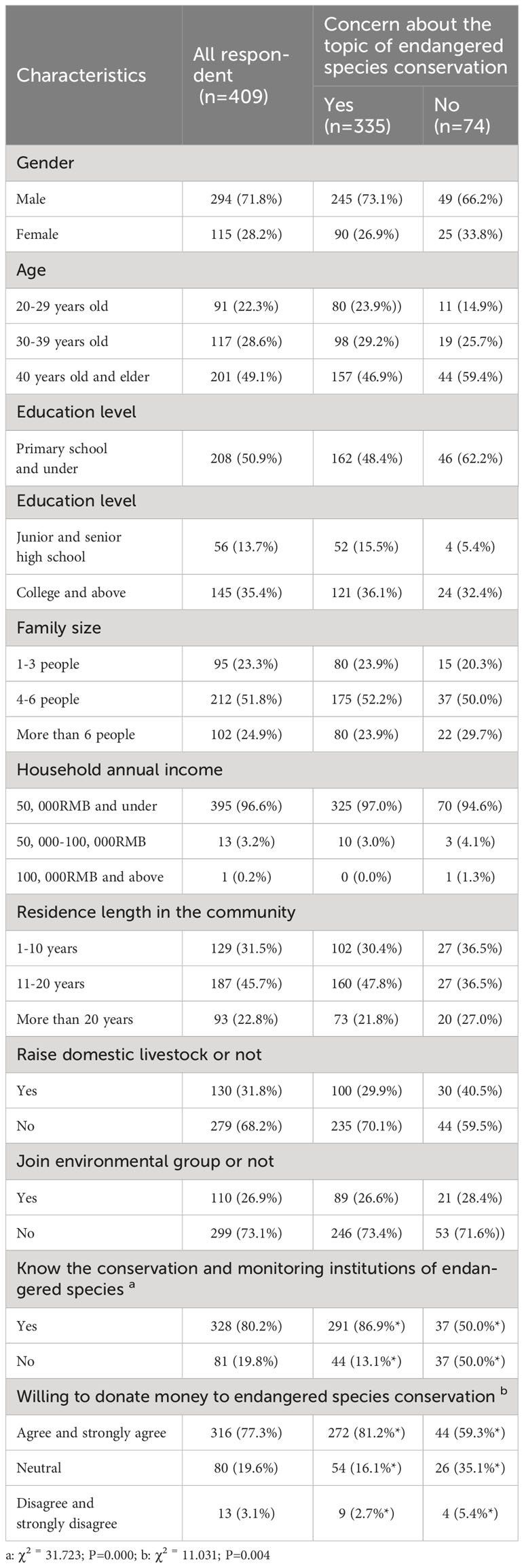
Table 3 Basic social-economics information of locals’ respondents.
Regarding the cognition of conservation status and willing to protect endangered species, Snow leopard scored the highest (92.4% and 99.3% respectively), white lipped deer and blue sheep had lower cognition (77.3% and 75.8%) and higher willingness (99.3% and 99.5%). Fewer respondents knew that Tibetan brown bears and gray wolves were second-class national key protected animals (68.7% and 60.6%, respectively) and willing to protect them (86.6% and 85.8%, respectively). Over three-fourths (81.9%) of the respondents were concerned about endangered wildlife conservation, and they had more positive attitudes toward the protective effect of national park, and participating to protect these species (see the first three group of bars, Figure 2). Factors prompting wildlife protection mainly consist of religious beliefs (93.4%), national regulations and policies (89%), contact with nature (77.3%), family tradition and inheritance (76.3%), and guidance by NGOs (67.7%) (see the fourth to eighth group of bars, Figure 2).

Figure 2 Local’ attitudes to endangered species conservation, participation, and wildlife protection motivators.
The relationship between humans and wild animals was discussed during the face-to-face interviews. Two-thirds of respondents (66.5%) think that wildlife damage results in trouble. Main conflicts included: 53.3% destruction of houses and other property by Tibetan brown bears; 27.3% livestock injured or killed by snow leopards or wolves; 18.1% human injury mostly by bears; and 8.6% ungulates competing with livestock for grass.
3.2 Local preferences for endangered species conservation
The log-likelihood ratio (LLR) indicated that our RPL models had a high fitness for endangered species protection preference estimation since nearly all the attributes and levels were significant including conservation fund after the interaction with FUND (Table 4). Results from the RPL model showed that respondents would like to select additional conservation actions rather than status quo. Local people were more inclined to support population recovery for SL, WLD and BS, than improve conservation status of SL and recover the GW population. Yet TBB population recovery was not supported. Willingness to contribute to the conservation fund goes down as the amount goes up. Moreover, the coefficient of interaction between FUND with D4, D6 and D3 was significant, meaning that residents who are Tibetan, with annual household incomes not higher than 70000RMB, think wild animals can injure livestock, and were more reluctant to support a conservation fund for endangered species.
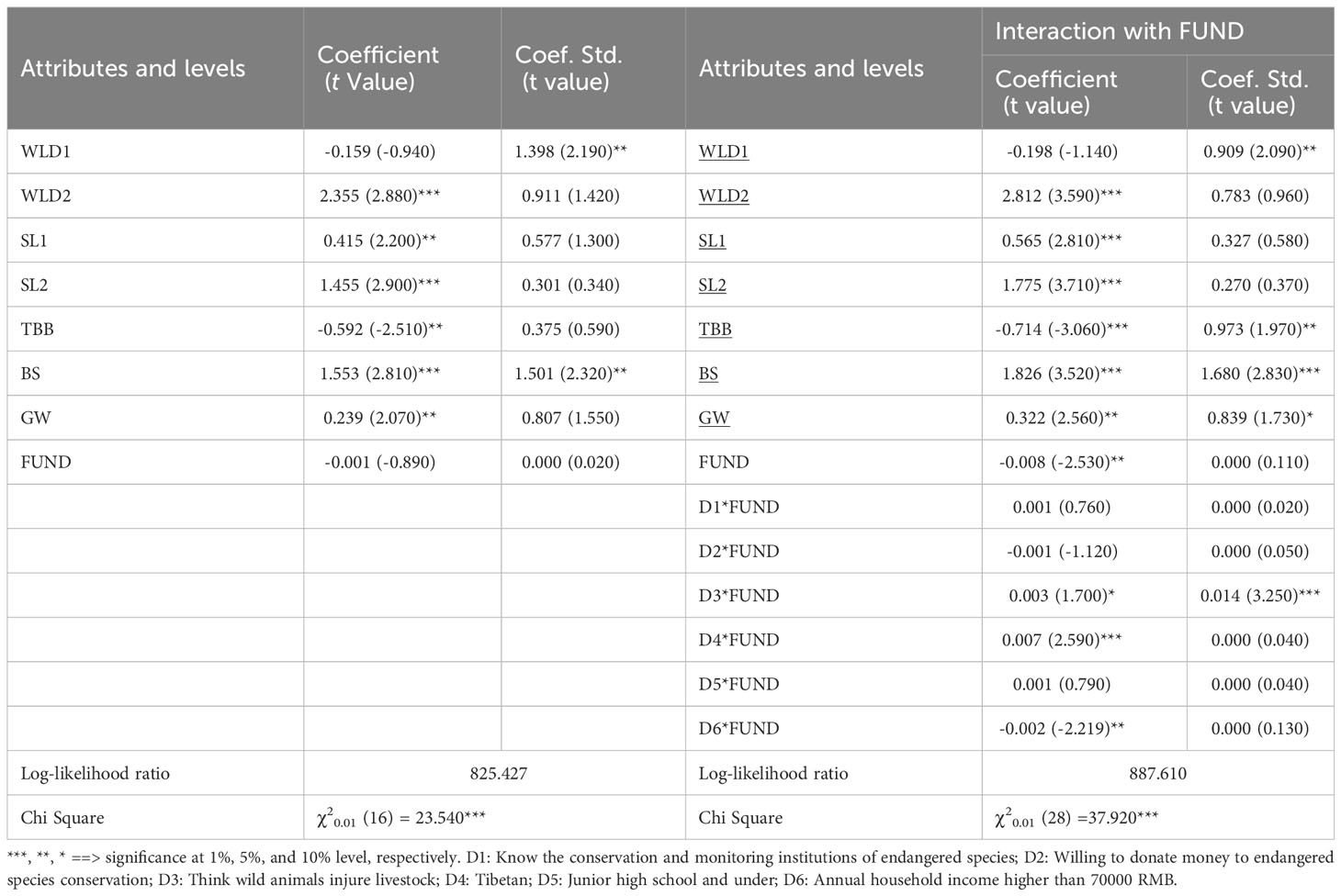
Table 4 Estimation results of Random Parameter Logit Model.
The welfare effect of endangered species conservation was estimated based on marginal conservation fund. For flagship species conservation, the highest value of Mean WTP was recovering WLD population (361.4 RMB/household/year, 95% CI 340.8~381.9), followed by the SL population (308.8 RMB/household/year, 95% CI 289.1~312.5). However, the Mean WTP of recovering TBB population had a negative value (-91.8 RMB/household/year, 95% CI -125.9~57.7). For results of non-flagship species, recovering the BS population got more conservation fund support (234.8 RMB/household/year, 95% CI 138.3~331.3) than that of the GW population (41.5 RMB/household/year, 95% CI 12.5~70.5). In general, locals were willing to pay more for conserving flagship species than non-flagship species, but not including conflict species.
3.3 Preference heterogeneity based on community perspectives
Results from the LCM analysis showed heterogeneity after incorporating social-economic variables into the model and segmenting respondents into three types by their preferences (Table 5). Over half of the locals (56.0%) are multi-species conservation seekers who prefer a variety of animals except for Tibet brown bears (without significant t value). The second type (30.7%) of individuals have strong preference and conflict simultaneously. They prefer fund to WLD, BS and SL population recovery, but dislike TBB and GW, and disapprove the conservation status of two first class national key species. The third type is also the smallest group (13.3%). They are less concerned about endangered species conservation, only willingness to recover WLD population and dislike TBB, and exhibit a lack of preference for other species.
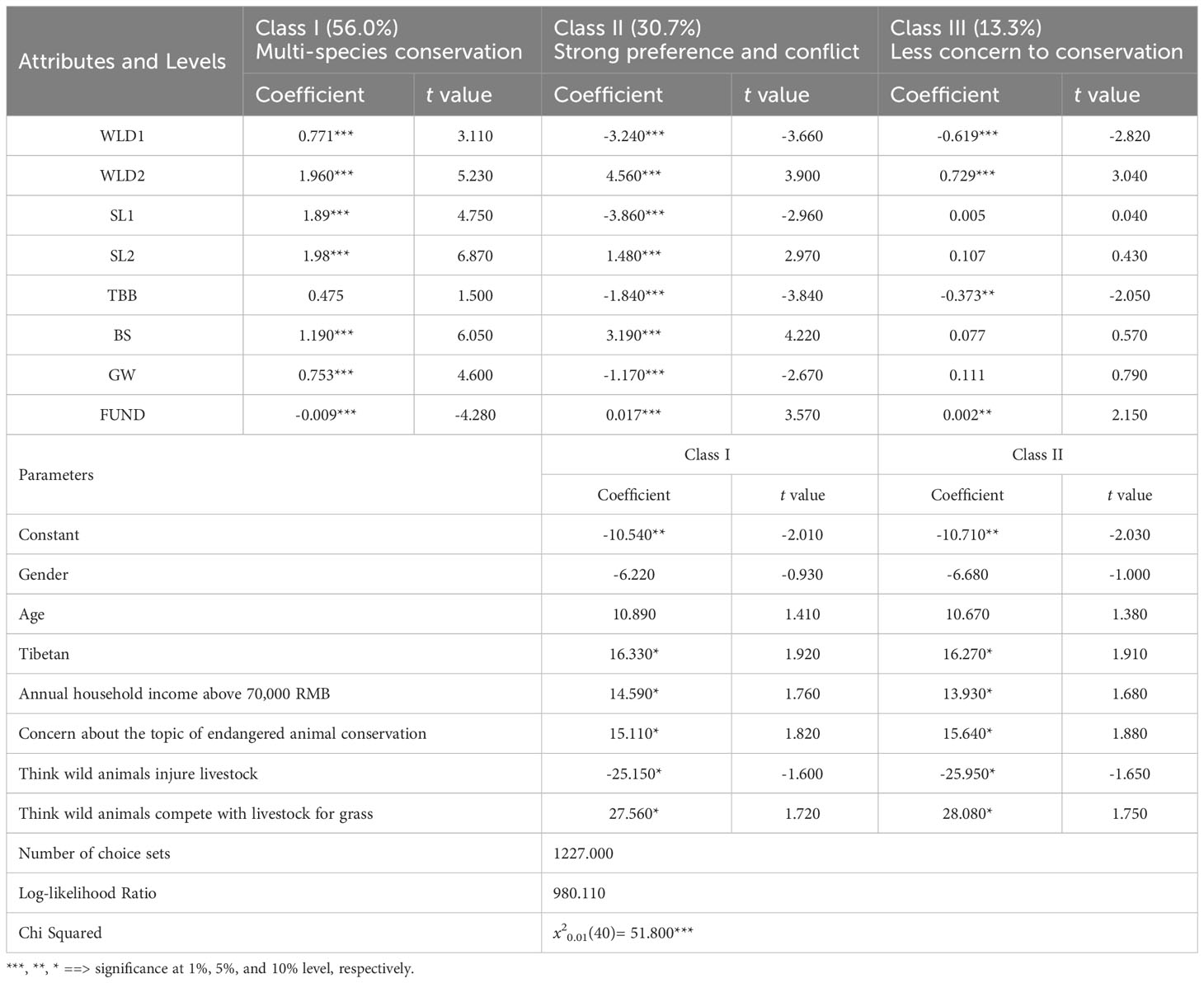
Table 5 Estimation results of Latent Class Model.
Heterogeneity of community perspectives can be useful for distinguishing separate groups based on social-economic characteristics (Table 6). The group of multi-species conservation includes more people with higher household income for contributing to the protection of endangered species due to religious beliefs. In contrast, people in the other two groups have lower household income. The group that has the least amount of conservation concern consists of those who are less focused on endangered species conservation and who know little about the agencies who protect and monitor them. These residents suffered more human-wildlife conflict issues (i.e., they think wild animals injure livestock, destroy houses and other property), because most of them raise domestic livestock. The group consisting of strong preference and conflict shared similar characteristics with the first group, i.e., those who are concerned about species conservation, but they also have more conflicts with Tibetan brown bears (because they destroy houses and hurt people; Table 6).

Table 6 The cross comparison for clusters and attributes of locals’ attitude towards endangered species conservation.
4 Discussion
4.1 Flagship species conservation preference and the impacts of human-wildlife conflicts
Successful biodiversity conservation requires stable and reliable support from local people, rooted in positive attitudes and awareness for endangered species, which influence their behavior and participation for protection (Addison et al., 2016; Colléony et al., 2017). Conservation awareness of community residents is important since it will help them understand the existing problem and what can be done to protect the endangered species (Baharum et al., 2017; Jalil and Mat Sharif, 2018). If positive, public opinion on flagship species can increase fundraising and improve conservation targets and ecosystem services (Senzaki et al., 2017; Gonga et al., 2020). Conservation awareness can be raised through effective policy implementation and appropriate incentives for information dispersal aimed at enhancing attitudes toward flagship species (Barua et al., 2010; Thompson and Rog, 2019). Yet the effectiveness of this approach for promoting regional biodiversity is controversial in many regions worldwide who invest large sums of money for conservation efforts (Sergio et al., 2008; Timmer et al., 2019).
Our results showed that snow leopards, as a symbolic endangered species at SNP, generated the most concern and support for protection. They also received the greatest preference for population recovery and conservation status improvement. Welfare values of snow leopards and white-lipped deer are higher than other non-flagship species. Most respondents were concerned about conserving endangered species and the relevant agencies for managing them. In other words, positive attitudes and perceptions benefit species conservation strategies at SNP and local governments (Li et al., 2013; Qian et al., 2020; Dai et al., 2022). For non-flagship species (such as BS and GW), conservation preference and MWTP value were also high, indicating that less popular species can reflect local support for conservation (Veríssimo et al., 2017). This is noteworthy when compared against unique “charismatic” species. Tibetans have a tradition of protecting all life, meanwhile special conservation and management measures are implemented to snow leopards and white-lipped deer because of their important ecological status in SNP. There are some examples for different conservation preference of public to different kinds of species (Wallmo and Lew, 2012; Garnett et al., 2018; Lundberg et al., 2019). Improving media propaganda, knowledge and attitudes of locals would benefit the conservation of non-flagship species (Curtin and Papworth, 2018; Shreedhar and Mourato, 2019).
But not all flagship species at SNP have local support. Aversion to the Tibetan brown bear illustrates the seriousness of human-wildlife conflict for endangered species conservation. Over half of the respondents (53.3%) reported house damages with little compensation. Human-bear conflict has emerged as a severe problem, complicated by Tibetan Buddhism. Herdsmen at SNP leave dead livestock in the fields which easily attract brown bears who are naturally drawn the to smell of carrion. This food source brings them closer to residential areas, thus increasing the risk of house damage, especially during the winter. Bears also threaten the livelihood and safety of local herders, decreasing community tolerance for Tibetan brown bear conservation (Dai et al., 2020). Therefore, attitude change regarding bears is a hindrance for conservation outcomes at SNP, something that should be evaluated from ecological and social-economic aspects (Molina et al., 2019; Lundberg et al., 2020). Conflict mitigation measures should include house protection and reinforcement, guiding residents to dispose of dead livestock properly, developing compensation programs, and creation of insurance policies. Park rangers should focus on bear education and their ecological importance, but also explain causes of conflict and defense strategies for local communities.
4.2 Conservation preference heterogeneity of different community groups
Demographics and socio-economic factors were entered into LCM as categorical variables (Alegre et al., 2011; Juutinen et al., 2011; Sriarkarin and Lee, 2018). They included: gender, age, household annual income, Tibetan or not, endangered species conservation attitudes (Li et al., 2013), human-wildlife conflicts (Zong et al., 2017; Cai et al., 2020). Our results showed heterogeneity of endangered species conservation preferences in local communities, which were significant among groups with different social-economic background and conservation attitudes.
The highest proportion of respondents is ‘multi-species conservation seekers’ who prefer nearly all species with multiple levels and ecological status. They have higher annual incomes, lower impacts from wildlife, highest awareness, and contribution to endangered species, and the most religion reasons for participating in conservation. On the contrary, the ‘less concern to conservation’ group only focused on conservation of a few species and have no strong attitudes. They have the highest negative impacts from wildlife, lowest concern for endangered species, lower awareness of conservation institutions, less willing to contribute money for conservation, and less support for NGOs. The ‘strong preference and conflict’ group has strong likes and dislikes to endangered species. They are most concerned about the topic of endangered species conservation but have incurred the most house damage by bears. The common characteristics of the latter two groups is comparatively low household incomes, fewer religious beliefs, and much more conflicts with wild animals.
The ‘strong preference and conflict’ group account for certain proportion of locals. They dislike Tibetan brown bear and wolves very much but are willing to protect lower-conflict species like snow leopard, white-lipped deer, and blue sheep. Except for bears, killing livestock by wolves is the main cause of conflict, leading to poaching and retaliatory killings (Fowler et al., 2019; Estifanos et al., 2020; Janeiro-Otero et al., 2020; Kirilyuk and Ke, 2020). Due to the livestock loss caused by wolves, local herdsmen showed negative behavior by killing wolves with poison or traps, which also unintentionally kills snow leopards (Qian et al., 2020). Economic loss caused by animals is the main driver of human-wildlife conflict (Li et al., 2018b; Horgan and Kudavidanage, 2020; Siljander et al., 2020). If annual income is low, it is difficult for people to accept conflict without retaliation (Kleiven et al., 2004). Implementation of preventive measures, damage compensation and insurance policies are important to the “strong preference and conflict” group for changing their attitude toward conservation and coexistence with these species (van Eeden et al., 2021).
4.3 Implication to community-participative conservation action of SNP
Community participation is important for biodiversity conservation at national parks in China. Endangered species protection can be a source of community well-being, productivity, tourism, or connections with nature (Naeem et al., 2016). It provides residents with material welfare for their livelihoods and contributes to resiliency, security, social relations, health, and freedom of choice (Christie et al., 2006; Milkisso, 2020). Economic incentives, livelihood assistance, non-economic and intrinsic motivation are some of the reasons for community-based participation at SNP (Martín-Loípez et al., 2007). Knowledge, attitudes, and behavior of Tibetans are influenced by their spiritual values and religious beliefs of sacred mountains and lakes, combined with their ethnic tradition (Dudley et al., 2009). The idea of a wilderness cult may make a significant contribution to protection of endangered species and biodiversity (Mgumia and Oba, 2003; Bhagwat et al., 2005a, b; Bossart et al., 2006), so factors such as Tibetan culture and religious beliefs can be incorporated into adaptive conservation policies.
Our results suggest implications for a conceptual framework of endangered species conservation under community perspectives (Figure 3). Different conservation preferences for flagship and non-flagship species and the heterogeneity of different groups can be used to improve conservation efforts at SNP. The main community-involvement conservation actions are mitigating human-wildlife conflicts and increasing internal and external motivators to find a suitable balance between them (Tang et al., 2023). The goal of maintaining ecosystem integrity at national parks can be achieved by using flagship species or flagship fleets for promoting community-participative plans while addressing local conservation preferences and heterogeneity (Hemson et al., 2009; Veríssimo et al., 2014a; Lundberg et al., 2020). Other protected area studies also support this viewpoint (Zong et al., 2017; Sriarkarin and Lee, 2018; Lee et al., 2019).
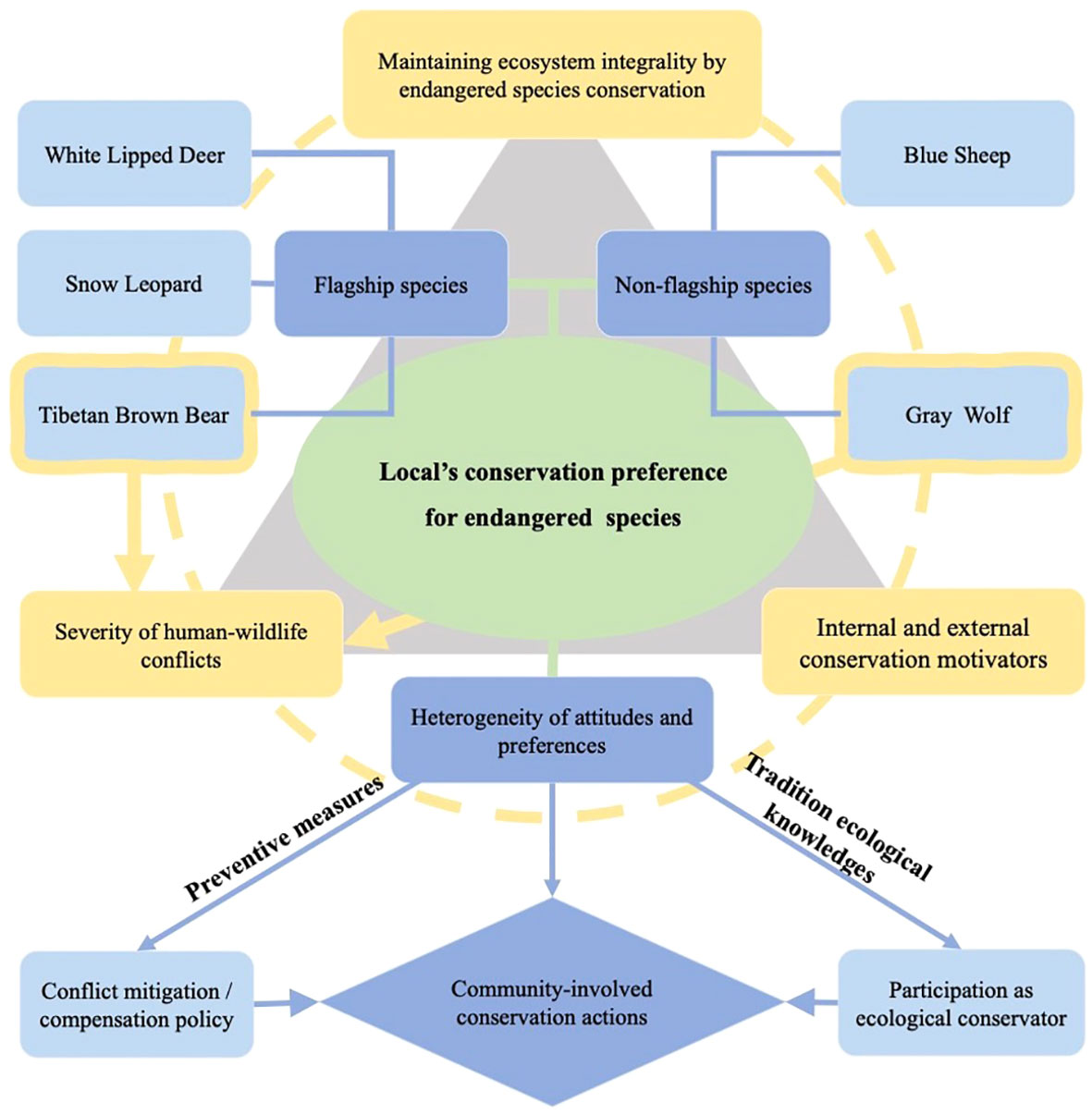
Figure 3 Conceptual framework of community participation consevation in Sanjiangyuan National Park.
We found that heterogeneity of conservation preference is influenced by household income, traditional ethnicity culture, and conservation awareness (Wiepking and Bekkers, 2012). Dividing individuals into groups with similar preferences helps governments, managers, and NGOs to develop strategies for communities (Veríssimo et al., 2014). For example, the ‘multi-species conservation seekers’ with strong preferences for wildlife protection were more willing to participate in endangered species conservation. Ecological conservator plans at SNP requires public support to monitor wild areas by patrols, so community-based conservation underscored the importance of involving this segment of people. Our study showed that community-involved species conservation at SNP should encourage more community participation mechanisms, conservation education and training for residents, promoting conservation emotive motivators, attaching importance to religious tradition and ethnoecological knowledge (Trudgill, 2001; Li et al., 2018c; Adom and Boamah, 2020; Qian et al., 2020).
Data availability statement
The original contributions presented in the study are included in the article/Supplementary Material. Further inquiries can be directed to the corresponding authors.
Author contributions
WX: Writing – original draft. LX: Writing – review & editing. YC: Writing – review & editing. JZ: Writing – review & editing. YW: Writing – review & editing. KC: Writing – review & editing. C-HL: Writing – review & editing. HD: Writing – review & editing. SM: Writing – review & editing. CZ: Writing – review & editing.
Funding
The author(s) declare that no financial support was received for the research, authorship, and/or publication of this article.
Acknowledgments
Project funding was provided in various years by the Key research and development project of China’s Ministry of Science and Technology [grant numbers 2021xjkk1206-5], the National Natural Science Foundation of China [grant number 31772469], and Ministry of Science and Technology Project of Taiwan, China [grant number 109-2628-M-259-001-MY3; 108-2410-H-259-042]. This work would not have been possible without the dedicated work of Pengcuo Zhaxi and Songbao Zhaxi who helped for collecting survey data. We are grateful to Dr. Mark Morgan at the University of Missouri for his revisions and feedback on a previous version of this work.
Conflict of interest
The authors declare that the research was conducted in the absence of any commercial or financial relationships that could be construed as a potential conflict of interest.
Publisher’s note
All claims expressed in this article are solely those of the authors and do not necessarily represent those of their affiliated organizations, or those of the publisher, the editors and the reviewers. Any product that may be evaluated in this article, or claim that may be made by its manufacturer, is not guaranteed or endorsed by the publisher.
Supplementary material
The Supplementary Material for this article can be found online at: https://www.frontiersin.org/articles/10.3389/fevo.2024.1265694/full#supplementary-material
References
Abigail E. (2000). Flagships for the future? Oryx 34, 239–240. doi: 10.1046/j.1365-3008.2000.00140.x
Addison P. F. E., Cook C. N., de Bie K. (2016). Conservation practitioners’ perspectives on decision triggers for evidence-based management. Appl. Ecol. 53, 1351–1357. doi: 10.1111/1365-2664.12734
Adom D., Boamah D. A. (2020). Local attitudes toward the cultural seasonal hunting bans in Ghana’s Bomfobiri Wildlife Sanctuary: Implications for sustainable wildlife management and tourism. Global Ecol. Conserv. 24, e01243. doi: 10.1016/j.gecco.2020.e01243
Alegre J., Mateo S., Pou L. (2011). A latent class approach to tourists’ length of stay. Tourism Manage. 32, 555–563. doi: 10.1016/j.tourman.2010.05.003
Assandri G., Bogliani G., Pedrini P., Brambilla M. (2017). Insectivorous birds as ‘non-traditional’ flagship species in vineyards: Applying a neglected conservation paradigm to agricultural systems. Ecol. Indic. 80, 275–285. doi: 10.1016/j.ecolind.2017.05.012
Baharum A., Rusli N. M., Sen E. K., Zain M., Ahmad I. A., Bahar, et al. (2017) Biodiversity awareness using mobile application: Ikimono Mikke. 2017 International Conference on Information and Communication Technology Convergence (ICTC), 334–339 doi: 10.1109/ICTC.2017.8190998
Barua M., Tamuly J., Ahmed R. A. (2010). Mutiny or clear sailing? Examining the role of the asian elephant as a flagship species. Hum. Dimensions Wildlife 15, 145–160. doi: 10.1080/10871200903536176
Berkes F. (2003). Rethinking community-based conservation. Conserv. Biol. 18, 621–630. doi: 10.1111/j.1523-1739.2004.00077.x
Berkes F. (2007). Community-based conservation in a globalized world. Proc. Natl. Acad. Sci. 104, 15188–15193. doi: 10.1073/pnas.0702098104
Bhagwat S. A., Kushalappa C. G., Williams P. H., Brown N. D. (2005a). Landscape approach to biodiversity conservation of sacred groves in the Western Ghats of India. Conserv. Biol. 19, 1853–1862. doi: 10.1111/j.1523-1739.2005.00248.x
Bhagwat S. A., Kushalappa C. G., Williams P. H., Brown N. D. (2005b). The role of informal protected areas in maintaining biodiversity in the Western Ghats of India. Ecol. Soc. 10, 8. doi: 10.1016/j.ecolecon.2004.10.014
Bossart J. L., Opuni-Frimpong E., Kuudaar S., Nkrumah E. (2006). Richness, abundance, and complementarity of fruit-feeding butterfly species in relict sacred forests and forest reserves of Ghana. Biodiversity Conserv. Soc. 15, 333–359. doi: 10.1007/s10531-005-2574-6
Bowen-Jones E., Entwistle A. (2002). Identifying appropriate flagship species: the importance of culture and local contexts. Oryx 36, 189–195. doi: 10.1017/S0030605302000261
Brambilla M., Gustin M., Celada C. (2013). Species appeal predicts conservation status. Biol. Conserv. 160, 209–213. doi: 10.1016/j.biocon.2013.02.006
Cai Y., Zhao M., Shi Y., Khan I. (2020). Assessing restoration benefit of grassland ecosystem incorporating preference heterogeneity empirical data from Inner Mongolia Autonomous Region. Ecol. Indic. 117, 106705. doi: 10.1016/j.ecolind.2020.106705
Caro T., Engilis A., Fitzherbert E. (2004). Preliminary assessment of the flagship species concept at a small scale. Anim. Conserv. 7, 63–70. doi: 10.1017/S136794300300115X
Charles A. (Ed.) (2021). Communities, conservation and livelihoods (Gland, Switzerland: IUCN and Halifax, Canada: Community Conservation Research Network). doi: 10.2305/IUCN.CH.2021.01.en
Christie M., Hanley N., Warren J., Murphy K., Wright R., Hyde T. (2006). Valuing the diversity of biodiversity. Ecol. Econom. 58, 304–317. doi: 10.1016/j.ecolecon.2005.07.034
Colléony A., Clayton S., Couvet D., Saint Jalme M., Prévot A. C. (2017). Human preferences for species conservation: Animal charisma trumps endangered status. Biol. Conserv. 206, 263–269. doi: 10.1016/j.biocon.2016.11.035
Curtin P., Papworth S. (2018). Increased information and marketing to specific individuals could shift conservation support to less popular species. Mar. Policy 88, 101–107. doi: 10.1016/j.marpol.2017.11.006
Dai Y., Hacker C. E., Zhang Y., Li Y., Li J., Xue Y., et al. (2020). Conflicts of human with the Tibetan brown bear (Ursus arctos pruinosus) in the Sanjiangyuan region, China. Global Ecol. Conserv. 22, e01039. doi: 10.1016/j.gecco.2020.e01039
Dai Y., Li Y., Xue Y., Hacker C. E., Li C., Zahoor B., et al. (2022). Mitigation Strategies for Human-Tibetan Brown Bear (Ursus arctos pruinosus) Conflicts in the Hinterland of the Qinghai-Tibetan Plateau. Animals 12, 1422. doi: 10.3390/ani12111422
Dai Y., Xue Y., Cheng Y., Zhang Y., Zhang L., Zhang Y., et al. (2019). The human-bear conflicts and herder attitudes and knowledge in the Yangtze River Zone of Sanjiangyuan National Park. Acta Ecol. Sin. 39, 8245–8253. doi: 10.5846/stxb201904270867
DeCaro D., Stokes M. (2008). Social-psychological principles of community-based conservation and conservancy motivation: attaining goals within an autonomy-supportive environment. Conserv. Biol. 22, 1443–1451. doi: 10.1111/j.1523-1739.2008.00996.x
Di L., Cao C. X., Dubovyk O., Rong T., Wei C., Zhuang Q. F., et al. (2017). Using fuzzy analytic hierarchy process for spatio-temporal analysis of eco-environmental vulnerability change during 1990-2010 in Sanjiangyuan region, China. Ecol. Indic. 73, 612–625. doi: 10.1016/j.ecolind.2016.08.031
Dickman A. J., Macdonald E. A., Macdonald D. W. A. (2011). review of financial instruments to pay for predator conservation and encourage human–carnivore coexistence. Proc. Natl. Acad. Sci. 108, 13937. doi: 10.1073/pnas.1012972108
Doak D. F., Bakker V. J., Goldstein B. E., Hale B. (2014). What is the future of conservation? Trends Ecol. Evol. 29, 77–81. doi: 10.1016/j.tree.2013.10.013
Dudley N., Higgins-Zogib L., Mansourian S. (2009). The links between protected areas, faiths, and sacred natural sites. Conserv. Biol. 23, 568–577. doi: 10.1111/j.1523-1739.2009.01201.x
Estifanos T. K., Polyakov M., Pandit R., Hailu A., Burton M. (2020). Managing conflicts between local land use and the protection of the Ethiopian wolf: Residents’ preferences for conservation program design features. Ecol. Econom. 169, 106511. doi: 10.1016/j.ecolecon.2019.106511
Fan Y., Fang C. (2020). Evolution process and obstacle factors of ecological security in western China, a case study of Qinghai province. Ecol. Indic. 117, 106659. doi: 10.1016/j.ecolind.2020.106659
Fowler N. L., Belant J. L., Beyer D. E. (2019). Non-linear relationships between human activities and wolf-livestock depredations. Biol. Conserv. 236, 385–392. doi: 10.1016/j.biocon.2019.05.048
Galvin K. A., Beeton T. A., Luizza M. W. (2018). African community-based conservation: a systematic review of social and ecological outcomes. Ecol. Soc. 23, 39. doi: 10.5751/ES-10217-230339
García-Llorente M., Martin-Lopez B., Iniesta-Arandia I., Lopez-Santiago C. A., Aguilera P. A., Montes C. (2012). The role of multi-functionality in social preferences toward semi-arid rural landscapes: An ecosystem service approach. Environ. Sci. Policy 19-20, 136–146. doi: 10.1016/j.envsci.2012.01.006
Garnett S. T., Ainsworth G. B., Zander K. K. (2018). Are we choosing the right flagships? The bird species and traits Australians find most attractive. PloS One 13, e0199253. doi: 10.1371/journal.pone.0199253
Gebresenbet F., Baraki B., Yirga G., Sillero-Zubiri C., Bauer H. A. (2018). culture of tolerance: Coexisting with large carnivores in the Kafa Highlands, Ethiopia. Oryx 52, 751–760. doi: 10.1017/S0030605316001356
Gonga Y., Bib X., Wu J. (2020). Willingness to pay for the conservation of the endangered Red-crowned Crane in China: Roles of conservation attitudes and income. For. Policy Econom. 120, 102296. doi: 10.1016/j.forpol.2020.102296
He S. Y., Yang L. F., Min Q. W. (2020). Community participation in nature conservation: the chinese experience and its implication to national park management. Sustainability 12, 4760. doi: 10.3390/su12114760
Hemson G., Maclennan S., Mills G., Johnson P., Macdonald D. (2009). Community, lions, livestock and money: A spatial and social analysis of attitudes to wildlife and the conservation value of tourism in a human–carnivore conflict in Botswana. Biol. Conserv. 142, 2718–2725. doi: 10.1016/j.biocon.2009.06.024
Home R., Keller C., Nagel P., Bauer N., Hunziker M. (2009). Selection criteria for flagship species by conservation organizations. Environ. Conserv. 36, 139–148. doi: 10.1017/S0376892909990051
Horgan F. G., Kudavidanage E. P. (2020). Farming on the edge: Farmer training to mitigate human-wildlife conflict at an agricultural frontier in south Sri Lanka. Crop Prot. 127, 104981. doi: 10.1016/j.cropro.2019.104981
Huang G., Ping X., Xu W., Hu Y. B., Chang J., Swaisgood R. R., et al. (2021). Wildlife conservation and management in China: achievements, challenges and perspectives. Natl. Sci. Rev. 8, 26–30. doi: 10.1093/nsr/nwab042
Jalil N. J., Mat Sharif Z. (2018). Factors affecting the awareness of biodiversity conservation among students in Malaysia private university. Int. J. Eng. Technol. 7, 791–795. doi: 10.14419/ijet.v7i4.35.23109
James S. P., Cooper D. E. (2007). Buddhism and the environment. Contemp. Buddhism 8, 93–96. doi: 10.1080/14639940701636075
Janeiro-Otero A., Newsome T. M., Van Eeden L. M., Ripple W. J., Dormann C. F. (2020). Grey wolf (Canis lupus) predation on livestock in relation to prey availability. Biol. Conserv. 243, 108433. doi: 10.1016/j.biocon.2020.108433
Jepson P., Barua M. (2015). A theory of flagship species action. Conserv. Soc. 13, 95–104. doi: 10.4103/0972-4923.161228.
Jiang Z. G. (2016). On the similarity and dissimilarity of “Endangered Species” and “Protected Species”. Biodiversity Sci. 24, 1082–1083. doi: 10.17520/biods.2016249
Juutinen A., Mitani Y., Mantymaa E., Shoji Y., Siikamaki P., Svento R. (2011). Combining ecological and recreational aspects in national park management: A choice experiment application. Ecol. Econom. 70, 1231–1239. doi: 10.1016/j.ecolecon.2011.02.006
Kanagavel A., Raghavan R., Verissimo D. (2014). Beyond the “General public”: implications of audience characteristics for promoting species conservation in the western ghats hotspot, India. AMBIO 43, 138–148. doi: 10.1016/10.1007/s13280-013-0434-2
Kansky R., Knight A. T. (2014). Key factors driving attitudes towards large mammals in conflict with humans. Biol. Conserv. 179, 93–105. doi: 10.1016/j.biocon.2014.09.008
Karmapa H. H. G., Dorje O. T. (2011). Walking the path of environmental buddhism through compassion and emptiness. Conserv. Biol. 25, 1094–1097. doi: 10.1111/j.1523-1739.2011.01765.x
Kim J. H., Park S., Kim S. H., Lee E. J. (2021). Identifying high-priority conservation areas for endangered waterbirds using a flagship species in the Korean DMZ. Ecol. Eng. 159, 106080. doi: 10.1016/j.ecoleng.2020.106080
Kirilyuk A., Ke R. (2020). Wolf depredation on livestock in Daursky State Nature Biosphere Reserve, Russia. J. Nat. Conserv. 58, 125916. doi: 10.1016/j.jnc.2020.125916
Kleiven J., Bjerke T., Kaltenborn B. P. (2004). Factors influencing the social acceptability of large carnivore behaviours. Biodiversity Conserv. 13, 1647–1658. doi: 10.1016/10.1023/B:BIOC.0000029328.81255.38
Lee D. E. (2018). Evaluating conservation effectiveness in a Tanzanian community wildlife management area. J. Wildlife Manage. 82, 1767–1774. doi: 10.1002/jwmg.21549
Lee C. H., Wang C. H. (2017). Estimating residents’ Preferences of the land use program surrounding forest park, Taiwan. Sustainability 9, 598. doi: 10.3390/su9040598
Lee C. L., Wang C. H., Lee C. H., Sriarkarin S. (2019). Evaluating the Public’s Preferences toward Sustainable Planning under Climate and Land Use Change in Forest Parks. Sustainability 11, 3149. doi: 10.3390/su11113149
Lew D. K., Wallmo K. (2017). Temporal stability of stated preferences for endangered species protection from choice experiments. Ecol. Econom. 131, 87–97. doi: 10.1016/j.ecolecon.2016.08.009
Li X., Gao J., Zhang J., Sun H. (2018a). Natural and anthropogenic influences on the spatiotemporal change of degraded meadows in southern Qinghai Province, West China: 1976–2015. Appl. Geogr. 97, 176–183. doi: 10.1016/j.apgeog.2018.06.011
Li W. W., Liu P., Guo X. M., Wang L. X., Wang Q. Y., Yu Y., et al. (2018b). Human-elephant conflict in Xishuangbanna Prefecture, China: Distribution, diffusion, and mitigation. Global Ecol. Conserv. 16, e00462. doi: 10.1016/j.gecco.2018.e00462
Li L., Tietze D. T., Fritz A., Lü Z., Bürgi M., Storch I. (2018c). Rewilding cultural landscape potentially puts both avian diversity and endemism at risk: A Tibetan Plateau case study. Biol. Conserv. 224, 75–86. doi: 10.1016/j.biocon.2018.05.008
Li J., Yin H., Wang D. J., Jiagong Z. L., Lu Z. (2013). Human-snow leopard conflicts in the Sanjiangyuan National Park of the Tibetan Plateau. Biol. Conserv. 166, 118–123. doi: 10.1016/j.biocon.2013.06.024
Lin Y. H., Hong C. F., Lee C. H., Chen C. C. (2020). Integrating aspects of ecosystem dimensions into sorghum and wheat production areas in kinmen, Taiwan. Land Use Policy 99, 104965. doi: 10.1016/j.landusepol.2020.104965
Liordos V., Kontsiotis V. J., Anastasiadou M., Karavasias E. (2017). Effects of attitudes and demography on public support for endangered species conservation. Sci. Total Environ. 595, 25–34. doi: 10.1016/j.scitotenv.2017.03.241
Lundberg P., Arponen A. (2022). An overview of reviews of conservation flagships: evaluating fundraising ability and surrogate power. Nat. Conservation-Bulgaria 49, 153–188. doi: 10.3897/natureconservation.49.81219
Lundberg P., Vainio A., MacMillan D. C., Smith R. J., Veríssimo D., Arponen A. (2019). The effect of knowledge, species aesthetic appeal, familiarity and conservation need on willingness to donate. Anim. Conserv. 22, 432–443. doi: 10.1111/acv.12477
Lundberg P., Verissimo D., Vainio A., Arponen A. (2020). Preferences for different flagship types in fundraising for nature conservation. Biol. Conserv. 250, 108738. doi: 10.1016/j.biocon.2020.108738
Martín-Loípez B., Montes C., Benayas J. (2007). The non-economic motives behind the willingness to pay for biodiversity conservation. Biol. Conserv. I39, 67–82. doi: 10.1016/j.biocon.2007.06.005
McGowan J., Beaumont L. J., Smith R. J., Chauvenet A. L. M., Harcourt R., Atkinson S. C., et al. (2020). Conservation prioritization can resolve the flagship species conundrum. Nat. Commun. 11, 994. doi: 10.1038/s41467-020-14554-z
Mgumia F. H., Oba G. (2003). Potential role of sacred groves in biodiversity conservation in Tanzania. Environ. Conserv. 30, 259–265. doi: 10.1017/S0376892903000250
Mi C., Song K., Ma L., Xu J., Sun B., Sun Y., et al. (2023). Optimizing protected areas to boost the conservation of key protected wildlife in China. Innovation 4, 100424. doi: 10.1016/j.xinn.2023.100424
Milkisso K. P. (2020). Undergraduate university students’ knowledge, attitude and behavior towards biodiversity. J. Trop. Forestry Environ. 10, 39–50.doi: 10.1108/JARHE-06-2020-0163
Miller J. R. B., Jhala Y. V., Jena J. (2016). Livestock losses and hotspots of attack from tigers and leopards in Kanha Tiger Reserve, Central India. Regional Environ. Change 16, 17–29. doi: 10.1007/s10113-015-0871-5
Molina J. R., Zamora R., Silva F. R. Y. (2019). The role of flagship species in the economic valuation of wildfire impacts: An application to two Mediterranean protected areas. Sci. Total Environ. 675, 520–530. doi: 10.1016/j.scitotenv.2019.04.242
Naeem S., Chazdon R., Duffy J. E., Prager C., Worm B. (2016). Biodiversity and human well-being: an essential link for sustainable development. Proc. R. Soc. B-Biol. Sci. 283, 1844. doi: 10.1098/rspb.2016.2091
Nawaz M. A., Swenson J. E., Zakaria V. (2008). Pragmatic management increases a flagship species, the Himalayan brown bears, in Pakistan’s Deosai National Park. Biol. Conserv. 141, 2230–2241. doi: 10.1016/j.biocon.2008.06.012
Nguyen V. V., Phan T. T. T., Chun-Hung L. (2022). Integrating multiple aspects of human-elephant conflict management in Dong Nai Biosphere Reserve, Vietnam. Global Ecol. Conserv. 39, e02285. doi: 10.1016/j.gecco.2022.e02285
Northrup J. M., Stenhouse G. B., Boyce M. S. (2012). Agricultural lands as ecological traps for grizzly bears. Anim. Conserv. 15, 369–377. doi: 10.1111/j.1469-1795.2012.00525.x
Peng W., Kong D., Wu C., Møller A. P., Longcore T. (2020). Predicted effects of Chinese national park policy on wildlife habitat T provisioning: Experience from a plateau wetland ecosystem. Ecol. Indic. 115, 106346. doi: 10.1016/j.ecolind.2020.106346
Proctor M. F., Kasworm W. F., Annis K. M., MacHutchon A. G., Teisberg J. E., Radandt T. G., et al. (2018). Conservation of threatened Canada-USA trans-border grizzly bears linked to comprehensive conflict reduction. Human-Wildlife Interact. 12, 348–372. doi: 10.26076/wga2-3s25
Qian J., Zhuang H., Yang W., Chen Y., Chen S., Qu Y., et al. (2020). Selecting flagship species to solve a biodiversity conservation conundrum. Plant Diversity 42, 488–491. doi: 10.1016/j.pld.2021.01.004
Schulze K., Knights K., Coad L., Geldmann J., Leverington F., Eassom A., et al. (2018). An assessment of threats to terrestrial protected areas. Conserv. Lett. 11, e12435. doi: 10.1111/conl.12435
Schutgens M. G., Hanson J. H., Baral N., Ale S. B. (2019). Visitors’ willingness to pay for snow leopard Panthera uncia conservation in the Annapurna Conservation Area, Nepal. Oryx 53, 633–642. doi: 10.1017/S0030605317001636
Senzaki M., Yamaura Y., Shoji Y., Kubo T., Nakamura F. (2017). Citizens promote the conservation of flagship species more than ecosystem services in wetland restoration. Biol. Conserv. 214, 1–5. doi: 10.1016/j.biocon.2017.07.025
Sergio F., Caro T., Brown D., Clucas B., Hunter J., Ketchum J., et al. (2008). Top predators as conservation tools: ecological rationale, assumptions, and efficacy. Annu. Rev. Ecol. Evol. Systemat. 39, 1–19. doi: 10.1146/annurev.ecolsys.39.110707.173545
Shen X. L., Li S., Wang D. J., Lu Z. (2015). Viable contribution of Tibetan sacred mountains in southwestern China to forest conservation. Conserv. Biol. 29, 1518–1526. doi: 10.1111/cobi.12587
Shreedhar G., Mourato S. (2019). Experimental evidence on the impact of biodiversity conservation videos on charitable donations. Ecol. Econom. 158, 180–193. doi: 10.1016/j.ecolecon.2019.01.001
Siljander M., Kuronen T., Johansson T., Munyao M. N., Pellikka P. K. E. (2020). Primates on the farm - spatial patterns of human-wildlife conflict in forest-agricultural landscape mosaic in Taita Hills, Kenya. Appl. Geogr. 117, 102185. doi: 10.1016/j.apgeog.2020.102185
Sriarkarin S., Lee C. H. (2018). Integrating multiple attributes for sustainable development in a national park. Tourism Manage. Perspect. 28, 113–125. doi: 10.1016/j.tmp.2018.08.007
Su K., Yang J., Lin L., Hou Y., Wen Y. (2023). Balancing human–bear coexistence with biodiversity conservation. Hum. Dimensions Wildlife 28, 155–169. doi: 10.1080/10871209.2021.2013996
Tait P., Vallance S., Rutherford P. (2016). Expanding the conversational terrain: Using a choice experiment to assess community preferences for post-disaster redevelopment options. Land Use Policy 55, 275–284. doi: 10.1016/j.landusepol.2016.04.013
Tang P., Kulbhushansingh R. S., Xiao L., Charudutt M., Lu Z., Justine S. A. (2023). Factors shaping the tolerance of local Tibetan herders toward snow leopards. J. Nat. Conserv. 71, 126305. doi: 10.1016/j.jnc.2022.126305
Thompson B. S., Rog S. M. (2019). Beyond ecosystem services: Using charismatic megafauna as flagship species for mangrove forest conservation. Environ. Sci. Policy 102, 9–17. doi: 10.1016/j.envsci.2019.09.009
Timmer J. M., Aldridge C. L., Fernandez-Gimenez M. E. (2019). Managing for multiple species: greater sage-grouse and sagebrush songbirds. J. wildlife Manage. 83, 1043–1056. doi: 10.1002/jwmg.21663
Trudgill S. (2001). Psychobiogeography: meanings of nature and motivations for a democratized conservation ethic. J. Biogeog. 28, 677–698. doi: 10.1046/j.1365-2699.2001.00593.x
van Eeden L. M., Bogezi C., Leng D., Marzluff J. M., Wirsing A. J., Rabotyagov S. (2021). Public willingness to pay for gray wolf conservation that could support a rancher-led wolf-livestock coexistence program. Biol. Conserv. 260, 109226. doi: 10.1016/j.biocon.2021.109226
Veríssimo D., Pongiluppi T., Santos M. C. M., Develey P. F., Fraser I., Smith R. J., et al. (2014). Using a systematic approach to select flagship species for bird conservation. Conserv. Biol. Conserv. Biol. 28, 269–277. doi: 10.1111/cobi.12142
Veríssimo D., Vaughan G., Ridout M., Waterman C., MacMillan D., Smitha R. J. (2017). Increased conservation marketing effort has major fundraising benefits for even the least popular species. Biol. Conserv. 211, 95–101. doi: 10.1016/j.biocon.2017.04.018
Wallmo K., Lew D. K. (2012). Public willingness to pay for recovering and downlisting threatened and endangered marine species. Conserv. Biol. 26, 830–839. doi: 10.1111/j.1523-1739.2012.01899.x
Walpole M. J., Leader-Williams N. (2002). Tourism and flagship species in conservation. Biodiversity Conserv. 11, 543–547. doi: 10.1023/A:1014864708777
Wang Y. C., Lin S. W., Lee C. H. (2020). Conducting an evaluation framework for disaster management under adaptive organization change in a school system. Sustainability 12, 6615. doi: 10.3390/su12166615
Wiepking P., Bekkers R. (2012). Who gives? A literature review of predictors of charitable giving. Part Two: Gender, family composition and income. Volunt. Sector Rev. 3, 217–245. doi: 10.1332/204080512X649379
Worthy F. R., Foggin J. M. (2008). Conflicts between local villagers and Tibetan brown bears threaten conservation of bears in a remote region of the Tibetan Plateau. Human-Wildlife Conf. 2, 200–205. doi: 10.26077/xp99-gp18
Wu L. (2014). Ecological study on human-brown bear conflicts in sanjiangyuan area, tibetan plateau. Peking University, Beijing, China.
Yang C., Zhang P., Wu Y., Dai Q., Luo G., Zhou H., et al. (2021). Livestock limits snow leopard’s space use by suppressing its prey, blue sheep, at Gongga Mountain, China. Global Ecol. Conserv. 29, e01728. doi: 10.1016/j.gecco.2021.e01728
Zhang T., Jiang F., Zhang J., Cai Z., Gao H., Gu H., et al. (2023). A review of wildlife conservation and management strategies of Sanjiangyuan National Park. Acta Theriol. Sin. 43, 193–205. doi: 10.16829/j.slxb.150698
Zhang Y., Yang R. (2020). The analysis of the current situation and reform proposals of community-based co-management in China’s nature reserves. Chin. Landscape Architect. 36, 31–35. doi: 10.19775/j.cla.2020.08.0031
Zhang J., Yin N., Li Y., Yu J., Zhao W., Liu Y., et al. (2020). Socioeconomic impacts of a protected area in China: An assessment from T rural communities of Qianjiangyuan National Park Pilot. Land Use Policy 9, 104849. doi: 10.1016/j.landusepol.2020.104849
Zhao X., Zhu Z., Lu Z., Xiao L., Mei S., Wang H. (2018). An observation to the new initiative of community conservation guard posts in the pilot Three-River-Source National Park. Biodiversity Sci. 26, 210–216. doi: 10.17520/biods.2017311
Keywords: community-based conservation, national parks, conservancy motivations, flagship species, human-wildlife conflicts, choice experiment
Citation: Xu W, Xu L, Cao Y, Zheng J, Wang Y, Cheng K, Lee C-H, Dai H, Mei S and Zong C (2024) Community perspectives of flagship species: can conservation motivators mitigate human-wildlife conflict? Front. Ecol. Evol. 12:1265694. doi: 10.3389/fevo.2024.1265694
Received: 23 July 2023; Accepted: 06 February 2024;
Published: 19 February 2024.
Edited by:
Fernanda Michalski, Universidade Federal do Amapá, BrazilReviewed by:
Amy Collins, University of California, Davis, United StatesMark Botton, Fordham University, United States
Copyright © 2024 Xu, Xu, Cao, Zheng, Wang, Cheng, Lee, Dai, Mei and Zong. This is an open-access article distributed under the terms of the Creative Commons Attribution License (CC BY). The use, distribution or reproduction in other forums is permitted, provided the original author(s) and the copyright owner(s) are credited and that the original publication in this journal is cited, in accordance with accepted academic practice. No use, distribution or reproduction is permitted which does not comply with these terms.
*Correspondence: Kun Cheng, Y2hlbmdrY25AMTYzLmNvbQ==; Chun-Hung Lee, Y2hsZWVAZ21zLm5kaHUuZWR1LnR3