 Horace Crogman1,2*
- 1Physics, College of the Desert, Palms Desert, CA, United States
- 2Research and Development, The Institute of Effective Thinking, Riverside, CA, United States
The role language has in human learning has been discussed in the context of its impact on culture through African American communities. A strong link between thinking and language through the framework of question asking was reported. This essay improves upon Crogman and Trebeau’s (Crogman and Trebeau Crogman, 2016) Generated Question Learning Model by incorporating language and comprehension as major tenets. The proposed argument is centered on language as the determinant of structured thinking, which in essence brings about learning through sensory experience. Further, the case was made for issues that may emerge in learning when the cultural norms of the learner are ignored.
Introduction
Historically, the idea that language could shape thinking was considered erroneous and untestable (Bloom and Keil, 2001). However, with the input of a few decades of research in modern fields such as linguistic, sociology, psychology or anthropology, we have learned that people who speak different languages do indeed think differently and that even flukes of grammar can profoundly affect how we see the world (Levinson and Wilkins, 2006; Weiler, 2015). Thus language shapes our experiences of the world much like Piaget who considered children as entities able to build elaborated models of their environment by evolving from low to high-level conceptual prototypes (Inhelder, 1978). Vygotsky’s views add to the discussion, by pin pointing to when the integration of speech and thought culminates, around 2 years of age, where infants become able to transfer language to their internal thinking, making their cognitive process more rational (Vygotsky, 1978). Thus, we contend with many that thinking and learning are inseparable systems; and thinking is facilitated through language, which is fundamentally the most important concept for human learning (Halliday, 1993; Weiler, 2015). Chomsky (1956, 1975) suggests that thought and speech are largely separated and argues that, in humans, thought is depending on specific cognitive domains. Chomsky believed in the innateness of the language ability. He proposes that our ability to use language, operationalized in some brain specialized regions (akin to module or domain specific perspectives) (Inhelder, 1978; Cowie, 1997; Devitt, 2006), is based on our understanding of its mechanisms, which guides our speech and understanding of others’ speech (Inhelder, 1978). Thus the implication is that language should have measurable effects on learning.
We can infer, from a number of critical thinking models, that they all suspect language to have a role in thinking, however, it is rarely clearly outlined. Indeed, despite a tremendous amount of research conducted on language or critical thinking, the interplay between the two has received less empirical attention (Romano, 2007). For example, Bloom et al. (1956) developed a model to classify the various levels of thinking complexity, but absent from this model is the role of language at each or either of these stages. Yet, language has been found to have particular effect on memory, perception, problem-solving, and judgment which in essence confirms the language-thought relationship (Hardin and Banaji, 1993). Zlatev and Blomberg (2015) may have successfully revived the language-thought relation hypothesis (postulating that thought and thinking take place in a mental language) by arguing: (1) for the disentanglement of language and thought; (2) that language from culture and social interaction can be unraveled; and (3) that all forms of linguistic influences are possible.
Finally, among the major theories explaining development through the lenses of experience and the human biological blueprints, Vygotsky (1978) and Rogoff and Lave (1984) posit yet in addition, that no development could happen without the sociocultural fabric we are born into (rearing, society’s norms, language, traditions, etc.). Such views have been validated by the important cultural gaps observed between different ethnic groups within or across different continents. Thus, in the quest for best practices when it comes to conceptualize learning, the argument of this article also contends that the cultural fabric permeating through language must be taken into account and fundamentally understood, in any thinking/learning model, to be truly representative of the diversity of learners. Interestingly, culture does shape how we learned and it is also where implicit biases are formulated. Piaget (1976) note, “…everything suggests that, on discovering the values accepted in his immediate circle, the child felt bound to accept the circle’s opinions of all other national groups.” It is through the critical thinking processes that we must identify and overcome the impacts of stereotypes and biases. However, do culture-language dynamics take our critical thinking process hostage, especially in light of research that has shown its clear impacts on our judgment, analysis, and decision-making?
It is the goal of this essay to argue that language, a unique human communication system, is central to our experience, and appreciating its role in constructing our mental lives, brings us one step closer to understanding the very nature of human learning. We argue that we must fundamentally consider the fact that all theory of learning must have language as a tenet to be considered truly encompassing of the issue of learning. We will further in this essay explore connections between language and human curiosity, language as used in instruction, and the impact of culture within the dynamics of learning, language, and instruction. We seek to understand in what ways and to what degree language affects cognition, and how lacking or struggling with language development creates more or less impeding deficits for learning and thinking.
The Interplay of Language and Thinking in the Literature
Some scholars argue that specific word items in a given language influence how the mind splits reality into different categories, while others have proposed that the thoughts amalgamate into larger complexes through syntax (Bloom and Keil, 2001). The well-known Sapir-Whorf hypothesis (Whorf, 1956; Kay and Kempton, 1984) states that the structure of language determines and greatly influences the modes of thought and behavior characteristics of the cultures in which it is spoken. This hypothesis also suggests that certain thoughts in one language cannot be understood by speakers of another language.
For example, Russian speakers are better than English speakers at distinguishing colors, while Japanese speakers tend to group objects by material rather than shape unlike any other groups (Weiler, 2015). This shapes how people from different cultures orient themselves in space or influences how they process color. The Aboriginal community defines space relative to the observer, which means that a speaker would not be able to express themselves properly, or even get past a greeting if they are not constantly being oriented in space.
In this sense we ask, does language become a vehicle for the growth of new concepts, which were not in the mind, and perhaps could not have been there without the intercession of linguistic experience? The possibility that language is a central medium for concept formation has captured the interest of many linguists, and educators alike. Concepts are core foundations of thinking. They are grouping strategies to allow human beings navigate and understand their world as concepts are held in memory and help us in every day decision-making. Language then helps use create concepts for our communication.
A great body of evidence is suggesting that language influences conceptual development in humans (Markman and Hutchinson, 1984; Waxman and Kosowski, 1990; Boroditsky, 2001). This is illustrated in situations where individuals lack language, the progress of learning is impeded (Spelke and Hermer, 1996). It does seem that language affects our on-line perception of the world, shaping the categories we form, enabling us to perform logical inferences, and causal reasoning. For example, as Bloom and Keil (2001) argue, language brings about social reasoning, and structures the basic ontology about time, space, and matter. The character described in Schaller (1991), “Man Without words,” did not have language for 27 years, and subsequently could not say anything about what it was like during this “wordless” time. A similar experience is reported in stroke victims’ experiences after losing language to trauma (Sinanović et al., 2011).
In this article, we examine the interplay between language and thinking as discussed in Crogman and Trebeau Crogman (2016) learning model. This model establishes how to reach critical thinking, which involves thinking reflectively and productively, and evaluate evidence. Such thinkers have a tendency to be creative, open to new information, and aware of more than one perspective. Language is very functional in expanding children’s curiosity, reasoning ability, creativity, and independence (Conley, 2007b). Students who engage in critical thinking uses questions as tools to gain quality information that will help in making good judgments and decisions. Thus the question becomes how does language aids this process to make us better critical thinkers, or to say differently, efficient concept jugglers.
The Role of Language in Learning and Critical Thinking Engagement
How well we ask questions is based on how well the language in which we think is developed. If language does refine human thinking then we cannot escape the fact that it must play a pivotal role in learning theory. How does language make us better thinkers? Crogman et al. (2015) started by initially connecting thinking, question asking and learning by showing that: “Description invites students to ask ‘what,’ ‘when,’ ‘who,’ whereas analysis focuses on ‘why’ and ‘how,’ and evaluation encourages students to think beyond the phenomenon by going deeper and asking ‘what if’.” The ability to question at increasingly complex levels refines the learning experience.
Crogman and Trebeau Crogman (2016) illustrate the interplay between students, the environment, and the educational practitioner (Figure 1). The practitioner uses pedagogies to influence the environment and awaken the student’s curiosity, which in turn causes questions to arise in the mind of the learner. Questions naturally lead to inquiry, and inquiry leads to critical thinking, causing the learner to apply old knowledge or create new ones. In this context Crogman and Trebeau Crogman (2016) suggest that learners that may have less access to expressive language, may internalize their questions creating challenges in the feedback loop that should be happening between thinking, questioning, and learning.
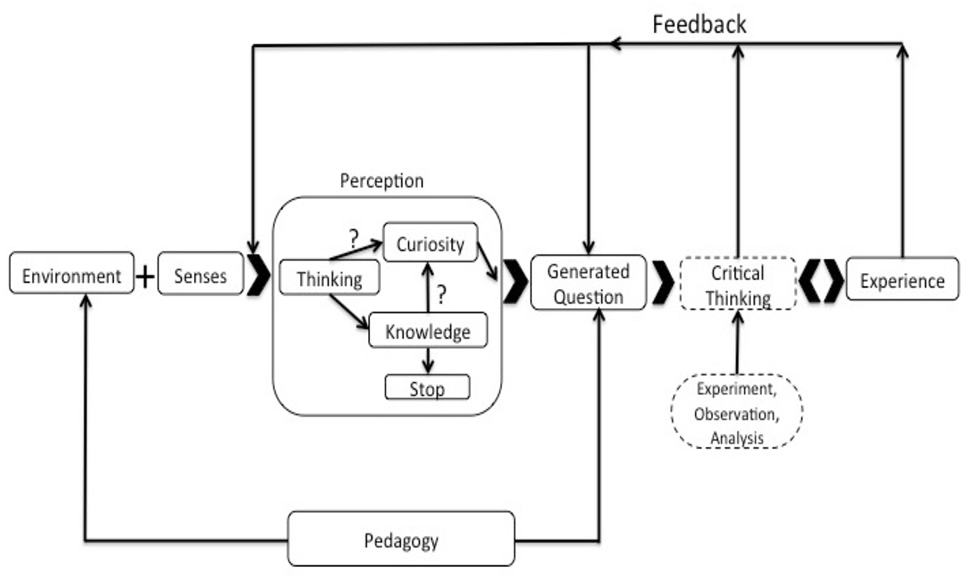
Figure 1. The generated questions learning model (Crogman and Trebeau Crogman, 2016).
Figure 2 makes two important additions to the learning model of Figure 1, these modifications are essential to critical thinking, and often overlooked: the addition of language and comprehension. For the most part, the importance of language on learning is known but the truth is that it is essential in the comprehension of knowledge as well. Language allows thinking (Tversky and Kahneman, 1985; Pelham et al., 2002; Boroditsky, 2003; Pica et al., 2004), and thinking allows question asking (Crogman and Trebeau Crogman, 2016), but the relationship between language and comprehension has largely not been discussed in learning models. How do they influence the learner’s curiosity? In what way do they help in the critical thinking process?
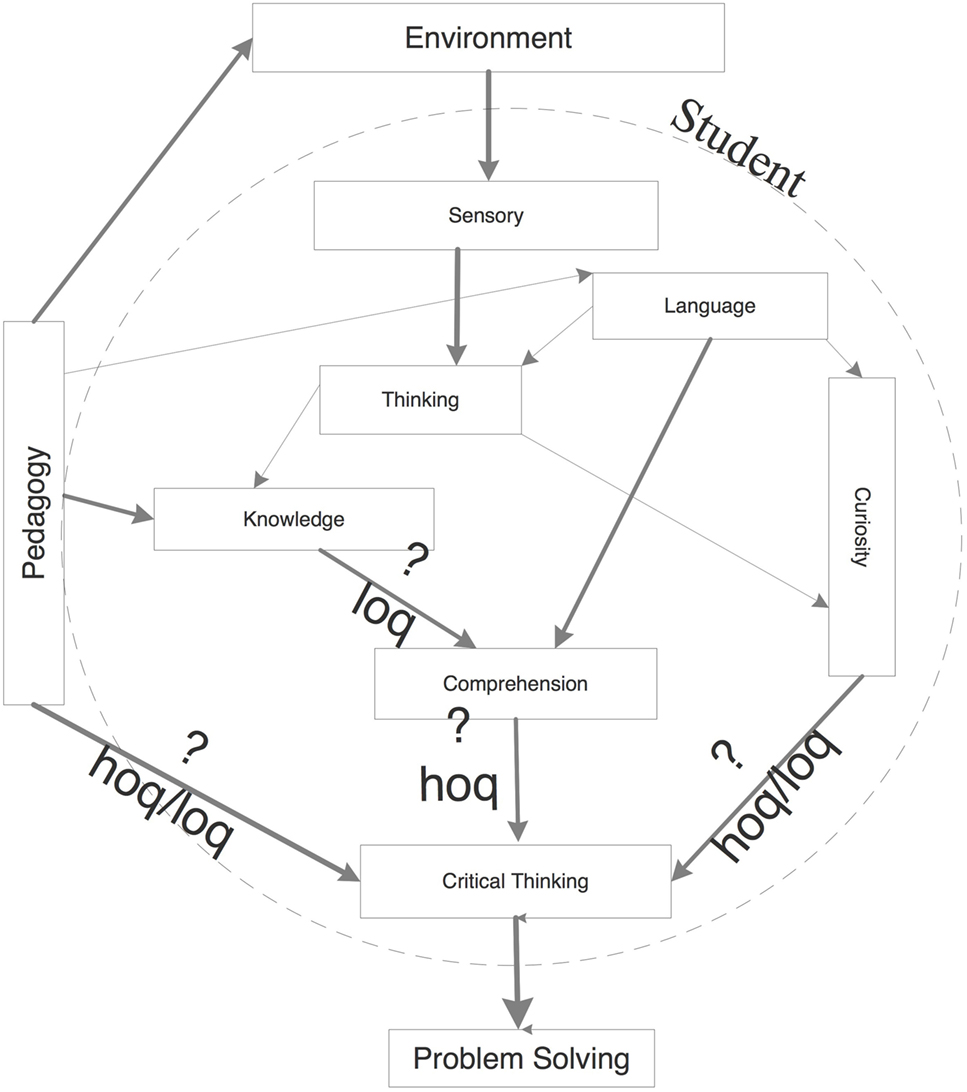
Figure 2. Language-comprehension modification.
To address these two questions we must see language as not a domain of human knowledge (except in the special context of linguistics, where it becomes an object of scientific study), but as the essential condition of knowing, the process by which experience becomes knowledge (Halliday, 1993). Further, as we are seeking to understand and to model how we learn, we should not isolate learning language from all other aspects of learning. Language in essence serves as the “signifier” for higher-level systems of meaning such as scientific theories (Lemke, 1990; Martin, 1991) and is a prototypical resource for making meaning (Halliday, 1993).
When there are difficulties in the process of language development, there may emerge neurobiological problems such as dyslexia or reading and comprehension deficiencies. Comprehension involves building meaning from language (Sparks, 2012). The ability to make meaningful connections across contexts helps textual and discourse comprehension. However, prior to that skill comes the need for having developed basic knowledge about those contexts and other more general facts. That base allows developing memories, which in turn informs on the contexts illustrated. Comprehension also requires a fairly automatized phonological process of binding and separating components of language, into units that can constitute knowledge to be stored (Sparks, 2012). Language, serves as a set of processing cues or instructions that guide construction of memory for discourse (Gernsbacher, 1990; Givón, 1992).
The nature of language is also combinatory (Spelke, 2010), thus the learner’s language ability consists of a basic level (e.g., decoding and fluency) and higher order processes (e.g., the ability to make inferences). This requires the learner to possess a rich vocabulary, oral language skills, and reading skill (Sparks, 2012). The better the learner’s language development, the more successful is their comprehension. This means that success in comprehending larger units of knowledge requires that learners make inferences to connect ideas both within and across local and global discourse contexts. Sparks (2012) explains that, “prior knowledge is crucial for disambiguating concepts, making predictions, and inferring unstated connections among ideas.” Thus, comprehension is directly related to thinking (Aloqaili, 2012) because it pushes the reader to reflect on prior knowledge to apply it or create new ones. Therefore, successful comprehension will result in the learner retrieving, updating, manipulating, and applying knowledge in order to ask questions and solve problems. Young infants, whom language is not yet well developed, rely more heavily on thoughts and action with impulsivity rather than rationalization. Gradual sophistication of our language ability helps us to think: that is, to logically reason about the world, while we also develop inhibitory control: “the ability to ignore distractions and stay focused, and to resist making one response and instead make another” (Diamond, 2006). Increase in inhibitory control aids children in regulating their emotions, and, behavior and helps them become more effective problem solvers. Therefore, good thinking is related to how well the learners comprehend, and allows them to construct meaning. Getting a sense of language is not based solely on syntax or word meaning understanding, but on understanding what is intended when those words are put together. Children with comprehension deficit experience show weakness in processing written and oral language, higher order thinking skills, and visual and auditory memory. Crogman and Trebeau Crogman (2016) argued that such deficit can be corrected through question asking, since it is so basic to understanding and learning. A pedagogy that involves learners in the skill of asking questions will improve their comprehension, which is directly associated with language development. Through that feedback process (Figure 1) question asking directly impacts comprehension and language.
Sparks (2012) points to the fact that prior knowledge, which includes information recently activated in short term memory (e.g., previously mentioned text concepts), as well as the personal experiences, facts, ideas, and understandings stored in long-term memory, is the most critical variable. As such, in Figure 1, a change in the learner’s environment is sensed through their sensory receptors, which brings about a response. Crogman et al. (2015) deconstructed the connection between environment and thinking processes showing how changes in the environment evoke perception and provoke responses, which are the result of thinking. They point out to two possible outcomes: (1) thinking creates a question that is answered by memory content. This is illustrated in Figure 1 by the arrow that goes to knowledge. Thus, from prior knowledge, curiosity is awakened by the question generated (question mark), otherwise, the path ends caused by lack of interest (Stop). It is comprehension of this prior knowledge that determines the direction of learning. Kandeou et al. (2003) highlighted the importance of considering the influence of anterior knowledge in the construction of relations between concepts and ability to comprehend and predict language. These are examples of skills to acquire, at different levels of language development complexity (e.g., from simple decoding to inferring) to be able to communicate effectively both orally and in writing or reading. In Figure 2, comprehension of prior knowledge requires language development of the learner. This analysis is normally on low order questions asking. (2) when thinking does not meet prior knowledge, curiosity is aroused, and pushes the generation of new questions (see also Loewenstein, 1994). Curiosity drives both low and higher order question (hoq)-asking mechanisms. Language clearly impacts cognitive curiosity as shown in Figure 3.
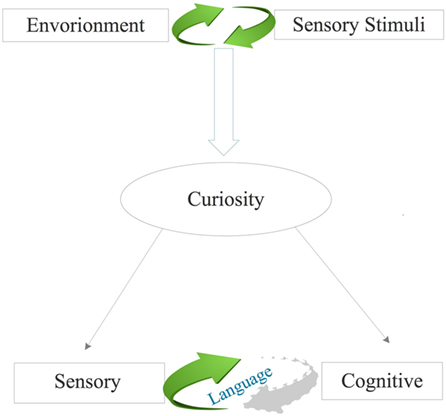
Figure 3. Illustrate the connection between language curiosity.
The learning model illustrated in Figure 1 requires the educational practitioner to use pedagogies to entice the learner’s engagement. That is, drawing the learners’ curiosity in. Curiosity then becomes the first stage to inquiry and/or critical thinking. Both Berlyne (1954, 1966) and Malone (1981) divide curiosity in two stages: perceptual or sensory which is present in all animals and humans, and cognitive which is a human-only domain. We address here the implications of this difference in the interaction of language and learning. In Berlyne’s (Berlyne, 1965) model, perceptual curiosity arises from conceptual conflict, which then morphs into epistemic (related to knowledge) curiosity, through question asking. Malone’s model starts with the sensory curiosity, which is aroused through environment as in Figure 1, to bring about cognitive state processes. Loewenstein (1994) suggests that curiosity is the intersection between cognition and motivation, which manifests cognitive induced deprivation as result of a perception gap in knowledge and understanding. Loewenstein did posit the idea of the “information-gap” perspective, which states that, in order for curiosity to be present, the learner must already have some level of knowledge. Chomsky’s (Chomsky, 1956) model suggests this as well in his exploration of the existence of some form of language in infants. As we explained, since language helps to formulate concepts, an, as Loewenstein (1994) suggests, infants’ curiosity is aroused by cognitive conflict, then such conceptual conflicts are factor that could facilitate student learning. This stems from the incompatibilities between symbolic responses and the conflict engendered by them (Berlyne, 1960). Berlyne thought that it must underlie the notions of truth and falsity, which can only be achieved if there is prior knowledge as Chomsky infers.
We push back a bit here to suggest that curiosity, at its basic stage, is found in all animals and is purely sensory. Meaning that it is not based on any prior knowledge. For example, a newborn may be curious about a colorful stimulus without having prior knowledge or concept about color to begin with. However, cognitive curiosity is based on prior knowledge or concept, and arises from conflict in information or unresolved stimuli interaction. Cheney and Seyfarth (1998) speculate that animals lack language for the following reasons: no rudimentary theory of mind, and no ability to generate new words, and syntax, which are all present in young children. Animals have a number of in-born qualities they use to signal what they feel, but these are not like the formed words we see in the human language. Thus it is reasonable to conclude that animals could only have a notion of concepts if their communicative gestures were primitive forms of language; this being said, we must realize that Berlyne’s perceptual curiosity is developed after sensory interaction with the environment which births the communicative gestures seen in both animal and children. Therefore, Malone’s conception of curiosity must be the first stage before knowledge is acquired. This difference in cognition between humans and animals is experimentally verified. Kalia et al. (2008) point out that, in both animals and humans, there is categorization of non-geometrical modules (concrete concept or object such as a rock; allowing one to compute orientation in relation to a wall), and geometrical ones (abstract concept or object such as color concrete concept or object such as a rock; allowing one to compute orientation in relation to a wall). In animals as well as in newborn to toddlers these modules do not speak to each other. Fernyhough (2008) argues that humans are able to integrate geometric information (the short wall on the right) with the non-geometric information (the blue short wall, not the white). It is believed that this is the result of language development in humans. Therefore, learning is driven by question asking, which leads to further inquiry behaviors. How does question asking play such an important role?
Because language does impact and streamline thought, it must affect a child’s curiosity, leading to good question asking behavior. There is a clear development in the learner’s ability to formulate questions in response to their curiosity development (Crogman and Trebeau Crogman, 2016). To formulate questions language is important. We speculate that there is not a direct correlation between sensory curiosity (i.e., “curiosity base”—Figure 4) and language. Animals exhibit curiosity even though they do not have language. Spelke and Hermer (1996) speculate that one of the main differences between humans and animals is the human formulation of language. They compared children (newborn to toddlers) and rats, on diverse tasks and their findings indicate that children deviate significantly from rats at about age six (Hermer-Vazquez et al., 2001), a point at which they are able to express complex language within their now fully integrated cultural norms. In human adults reorientation exercises are solve easily that is they quickly find an object left of a blue wall (Hermer and Spelke, 1996). Spelke (2010) propose that this ability emerges in synchrony with the development of spatial language such as expression of left or right terms, and is well known in developmental studies.
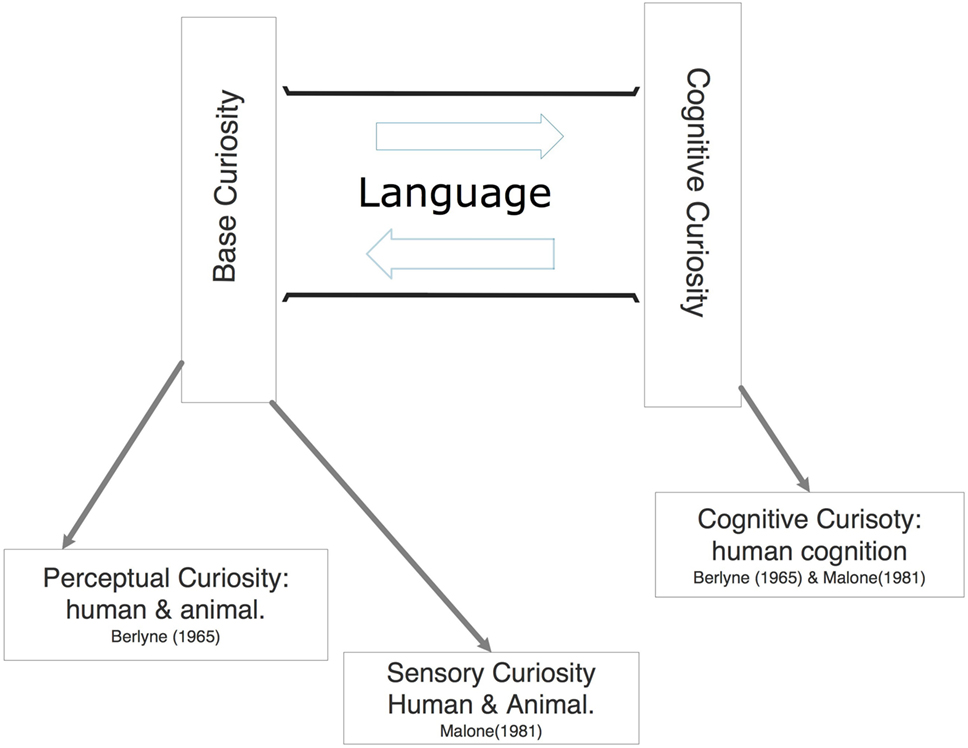
Figure 4. Interplay of language between Base and Cognitive curiosity, and their subcategories.
Another case study described by Schaller (1991), when the subject did not have language, he still exhibited curiosity, even though his ability to think was somewhat impeded. The transition to language in toddlers is what correlates to Berlyne’s (Berlyne, 1954, 1965, 1966) and Malone’s (Malone, 1980) second aspect of curiosity. From toddler to preschool where the learner’s access to language is facilitated, more basic questions can be asked to aid their exploration (Borowske, 2005). Language develops the cognitive process in humans, how exactly this is done is up for debate. The link between cognition and language was proposed by Chomsky (1956), who believed that children are born with specific language acquisition devices and linguistic knowledge. The more accepted view today is centered on learning and not on innate structures (Harris, 2006). Piaget emphasized the commonalities between language and cognition proposing that language emerged out of the same broad cognitive changes that transform the sensorimotor processing of infants into formal and logical mind of adults (see Figure 3). Cognitive research has led to the idea that both language and cognition have complex similarities and differences influenced by genetic (Chomsky, 1956), environmental input (Elman et al., 1996), and cultural learning factors (Harris, 2006). It is through these basic questions that the critical thought process is engaged. Once comprehension has occurred (Figure 2), the learner generates hoq asking.
Figure 4 proposed to divide curiosity into Cognitive and Base Curiosity where Base is further, divided into two parts: sensory and perceptual. We propose that perceptual curiosity results from the effect of the cognitive on the sensory. Thus, because of language, there is a constant interaction between the sensory and the cognition as shown in Figure 3. The back arrow (Figures 3 and 4) is fainter to represent that cognition’s influences base curiosity through language. We can reason that because language is interconnective between the geometric and the non-geometric modules, it gives rise to specific cognitive processes in humans (represented in forward arrows in Figures 3 and 4). Cognition then is a reflective interplay in thought process to thinking in a coherent and sequential manner.
Further, seeing the result when humans seem not to have language or have a deficit in it, this suggests that language influences thinking in very profound ways. Language may not completely determine thoughts but it is clear that it streamlines thoughts and strongly influences thinking. Recent work from Zlatev and Blomberg (2015) supports that idea in their disentanglement of language from thought and culture to show that it is fundamental to human learning. For the most part the human thought process seems very random; for example a young child may experience an electrical shock by sticking an object into a plug or get burned by the stove. The child learns from this terrible experience, which prevents future repeats as this is stored in memory. This response may be completely behavioral to begin with, but here the pathway commences where the child uses language to formulate conceptual understanding in the mind and this development continues such that the child’s curiosity transitions beyond mere behavioral. The child’s experience of learning lends to the blank check theory of learning by Locke (1975) and Piaget (1976) that children learn gradually from their environment, in which every experience builds a set of a priori knowledge for the next (Crogman and Trebeau Crogman, 2016). Communication at this stage is limited, making it more difficult to communicate what has happened with clarity or express how they felt; it is here that language helps the human thought process in order to convey feelings and perceptions of the world around.
How to make sense of the following experiment performed by Hermer-Vasquez et al. (1999)? Adults participated in a reorientation task where they listened to a tape recorded prose passage and repeated it continuously, word for word (verbal shadowing); they were observed to lose the ability to combine geometric and non-geometric information and performed like rats and children tested on the same task. Their thought process was “foiled,” and word sense disconnected by the temporary lost of language. When the experiment was repeated with a second group using a different task by listening to a tape-recorded percussion sequence and repeating the sequence by clapping (rhythm shadowing), the adults were able to combine geometric and non-geometric information. The researchers concluded that natural language helps in the construction of new spatial concepts and their active use. We see this as evidence that language is strongly correlated with thought and determines structured thinking (the ability to organize thought logically).
Furthermore, one finding of cognitive research is that curiosity tends to decrease with age because children become cautious (Hutt and Bhavnani, 1972), however, language development continue over the life of the learner. Since the result of good language development makes the learner a better questioner, then question asking stands as a method to counter the effect of declining curiosity (Crogman and Trebeau Crogman, 2016). Questioning can also be used to deepen and enrich knowledge as well as expand the understanding of content. Question asking helps learners link all prior knowledge, think about the exact content, draw out meaning in order to make coherent explanations, develop inference skills, and construct key points to build mental representations (Martin and Duke, 2011; Crogman et al., 2015). Therefore, language is directly linked to question asking. Further, we use language to think aloud, which is an effective comprehension strategy that requires the learner to extract, construct and think about the content, which facilitates knowledge. It taps into a metacognitive process where learners monitor their reading before, during, and after reading (Baker 2009). The end goal for the learner is to become better at critical thinking to effectively solve problems, this skill is inevitably based on how developed language is.
Thus, we outlined a prior learning model, which has taken into account important aspects of learning, which are the environment and how educators manipulate it, their ability to arouse curiosity, and to drive learning by teaching how to ask questions. In that first model however, language and comprehension have been overlooked. In Figures 2–4, are illustrated the role of language in the skill of learning. We see the importance of developing language skills to operate such critical skills as thinking and asking questions, without which learning is not possible. These skills separate us from all animals, and must be taken into account in any Learning Model, using language. The issue is, how can educators operate such strategies to expand learners’ horizon when there are language barriers in their students (outside of ethnic foreign language barriers)? Indeed what does happen when language is misunderstood, and what is the impact of such a problem in the learning processes of developing learners?
Language and Culture’s Influences on Critical Thinking
Human cultures provide the framework in which languages develop, and influences how they are used and interpreted. In some groups more than others, gestures, glances, changes in tones, along with other devices are widely used to emphasize what is communicated. Language is closely related to culture, but in reality its influence is often overlooked (Hadley, 2000). Nida (1998) suggests that language and culture cannot exist without each other, and languages not only represent elements of culture, but also serve to model culture. If the influence of culture on language is ignored however, serious misunderstandings will emerge in communication. Nida (1998) proposes that words are determined by both syntagmatic and cultural contexts, but language still may change in word meaning faster than it changes culture itself.
Ricci and Huang (2013) argue that cultural influences do affect thinking styles, shape personal thinking preferences, and have their grip on critical thinking strategies since it has been shown to affect individuals’ thought processes, judgment, and decision-making and inhibit the ability to be unbiased. There are no empirical data found in the literature that addresses the issue of the interplay between culture and critical thinking directly. Yet, in the context of learning and thinking contexts, such as education for example, the place of culture and language is important as culture comes with bias in thinking. In that pursuit, a number of researchers (Paul and Adamson, 1990; Ennis, 1998; Ricci and Huang, 2013) argue that the ability to address bias is an important dimension of critical thinking. How can this be true if thinking in itself has fallen prey to cultural conditioning? If language and culture impact an individual’s thinking, does it mean that critical thinking, which is a tool for overcoming biases is inherent with them?
Language is the vehicle through which we often experience cultural biases. This is a preference or an inclination that inhibits impartiality; prejudice (American Heritage Dictionary, 1983), or “a predisposition or a preconceived opinion that prevents a person from impartially evaluating facts that have been presented for determination. A bias held limits the critical thinking processes” (West’s Encyclopedia of American Law, 2005). The issue with most biases is that they can becomes unconsciously activated. To illustrate, a new White teacher, working in the predominantly Blacks and Hispanics South Bronx said one day in class, “…And for homework, I’m going to give you people….” The reaction of the students immediately turned to anger. The incident became a teaching moment when a student asked, “What do you mean by You People? We don’t like to be called You People!” to which the teacher apologized.1 Such is a perfect example of cultural misunderstanding attached to language. As we will detail further, good critical thinking skills helps us to examine our biases. It is here that the language-culture dynamic exerts its influence on thinking, which could be very harmful to the learning process, meaning that critical thinking in itself is subjected to cultural influences, which causes thinking in itself to be shaped into such biases.
Levinson and Majid (2011) by looking at the differences in the thinking processes associated with the type of language spoken found that language and culture influence cognition. Such data are evidence that language is used to form concepts and categories, which are born by culture, and influenced by their specific rules and choices in language usage. For example, Davidson’s (Davidson, 1994) argues that in Japanese culture, critical thinking is inhibited due to a number of cultural demands, which do not encourage diversity of opinions as most of their education processes are based on rote memorization.
In the United States, culture strongly influences the education system through which policy and instruction are formulated. An impressive body of research spanning decades addresses such issues and leads to some uncomfortable conclusions, yet, it is difficult to isolate effects of race and culture from other factors. The things we experience and observe in our culture or about other cultures compel us to create biased (meaning often unilateral or containing only partial information) concepts, categories, and stereotypes. Hamilton and Trolier (1986) define stereotypes as positive and/or negative belief, expectations, and knowledge established about designated or singled out groups. Bigler and Liben (2007) along with a large number of researchers from diverse disciplines, posit that such categorizing is an innate cognitive behavior. They explain that humans gravitate toward this type of cognitive strategies by mere need to conserve mental energy, understand and predict the world, and reinforce the feeling of belonging that “ingrouping” and “outgrouping” affords. Some researchers explain that such biased “grouping” become so ubiquitous that the stereotypes attached to them are integrated into unconscious layers of our cognition. If it is unconscious, then those biases and stereotypes will be applied broadly without the use of more analytical thinking. The goal of the argument further is to examine the impact that negative stereotypes can have on the critical thinking process. Their influence on critical thinking is best reflected in the performance of Blacks and other minority groups. The focus will be the effect of stereotypes on learning and thinking in the African American learners.
Stereotypes, are cognitive constructions which encompass a set of convictions and assumptions that are presumed, in the case of “racial stereotypes” here, to be shared among members of a same racial group, often in a negative context (Jewell, 1993; Peffley et al., 1997). These stereotypes are played out in society at large in their influence on public policies and opinions against particular groups. The culture of the dominant Caucasian group in the US (we will call it here “the ruling class”) has the largest representation in political and legislative decisions where these negative biases often appear in the formation of policy. Jewell (1993) argues that there is an obvious trend in American culture to discriminate against, and deny access to social institutions to Blacks. These stereotypes formulated in the language of the ruling class will continue their effects on such groups for generations. It is well documented that the ruling class tends to think negatively of Blacks: males are deemed violent and brutish, while females are seen as dominant, and lazy (Peffley et al., 1997). Blacks are considered to be inferior to all other groups, for example, they were believed to be mentally inferior physically, culturally unevolved, and apelike in appearance for centuries. Such absurd perspectives were well engrained in our historical highest institutions, infrastructures, and resources like the Encyclopedia Britannica published in 1884, stating authoritatively that “the African race occupied the lowest position of the evolutionary scale, thus affording the best material for the comparative study of the highest anthropoids and the human species” (Plous and Williams, 1995, p. 795). Contrary to common opinions, such views still exist today and are propagated in the educational system of the American classrooms in more or less subtle ways.
Recent research has shown that members of the ruling class are likely to hold these stereotypes especially with respect to issues of crime and welfare (Green, 1999). Welch (2007) points out that the ubiquitous stereotype of Black men as “criminal predators” is so engrained in society’s perception that it permeates the global unconscious to the point of affecting systems such as Justice or Law Enforcement, and influencing their practices and justifications for bias. Another example is the overrepresentation of Blacks as sports figures (Peffley et al., 1997). Edwards (1973) observed that the arguments from social Darwinism that helped solidify the stereotypes in American communities such as natural ability of Blacks and intelligence of Whites are still used as mutually exclusive attributes to account for racial differences in sports performance. An experiment by Stone et al. (1999) showed the impact of stereotypes on athletes’ performances. Black participants performed significantly worse than did control participants when performance on a golf task was framed as diagnostic of “sports intelligence”; on the other hand, White participants performed worse than did controls when the golf task was framed as diagnostic of “natural athletic ability.” What does this tell us about the influence of language on concept formation such as cultural stereotypes? What is the impact on classroom learning or development of critical thinking skills in some groups if the perception of the teacher and students are shaped by these stereotypes? The Clark Doll experiment (Clark, and Clark, 1939) illustrates the pervasiveness of racial bias and how early it seems to be engrained in the mind of children, who then grow up unknowingly categorizing according to these implicit biases. Children aged 6–9 were asked to choose a doll to play with, and also to indicate which one looked like them. It was found that black children often chose to play with the white dolls more than the Black ones. In another experiment (Davis, 2009), children were asked to tell which doll was the mean one and which doll was the nice one. Children overwhelmingly chose the Black doll as the mean one. The devaluing of the Black doll is evidence of racial biases as induced by many factors in society, and will impact individuals at every level of the social fabric. Since it is stereotypical belief that Whites are smarter than Blacks, this will affect how teachers perceive Black students, how Black learners perceive themselves, and how their peers perceive them. Correcting these stereotypes implies reformulation and acceptance of cultural language diversity, to restructure the belief system attached to racist stereotypes that creates a false narrative in our youths.
The problem is twofold: instructors having a grasp of what cultural diversity really is and avoiding the pitfalls of stereotyping, and also understanding that that diversity comes with language hallmarks that may not sound or look like what they are accustomed to. The degree with which one tends to stereotype has been connected to the degree to which one holds the belief that people’s characteristics cannot change or tend to be the same and constant among certain groups (Levy and Dweck, 1999). McKown and Weinstein (2003), for example, show that these beliefs, crystallized into stereotypes can translate into behaviors that may impact children school performance. However, they argue that, with proper guidance and intervention, such tendencies can be reversed, and the deleterious effects of biases transformed. As argued by great thinkers of the beginning of the century such as DuBois (1903), in the case of African Americans, such stereotypes as born by the ruling class, have caused them to choose to close the door to higher education to these groups, thereby also stifling their opportunity to take part into the academic exercise of critical thinking. Countless research has established to date that such stereotypes about race have permeated education in harmful waves, and pushed individuals, who vowed to educate the masses, to close off opportunities of education to underrepresented groups even by their grading attitudes, expectations, and behaviors in class. Researchers analyzed educational, demographic, and survey data of 10,000 high school sophomores and their teachers using the Education Longitudinal Study of 2002, to show that teachers typically underestimating their students’ abilities, actually created a negative impact on their academic expectations of themselves, and this was especially harmful among Black students (Cherng and Halpin, 2016; Cherng, 2017). Further, Fleming (1984), and Smedley et al. (1993) along with a large body of recent research (Locks et al., 2008; Hurtado et al., 2009) demonstrated that racial biases encountered in school severely negatively impacted Black students’ academics, critical thinking, sense of belonging, and emotional development through heightened stress levels. However, they stress that the distress experienced by racism in school has a different impact on these students and creates unique sets of cognitive states unlike other regular sources of strains, pressures, and difficulties. Indeed, such concepts as “stereotype threat” (the belief about racial inferiority), have been coined to show how much of an insidious impact cultural stereotypes have created on the minds of those who are the aware victims of these issues, and how much of an effect these views have had on their ability, or even their beliefs about their ability to think and reason. The resulting impact is a negative effect on the development of students’ critical thinking due to teachers’ biased perception of students, and the students of themselves.
Diversity in the classroom is notoriously misunderstood, and a known source of miscommunication between educators and students. Thus, when it comes to the language differences brought by cultural diversity, a representative from an Asian cultural background may not experience society and educational system pressures through the same negative stereotypes as do Blacks, even through their English speaking may be strongly influenced by their culture. In another experiment, researchers attempted to distinguish if distinction between stimuli such as colors was based on language or some other visual mechanism (Kay and Kempton, 1984). In their first experiment, they asked English speaking and Tarahumara speaking participants to explain which of three colored chips was the odd one in the context of their color distance, knowing that English speakers and Tarahumara speakers do not see color distance the same way. Expectedly both groups did not give the same distinctions between the three chips. To assess whether language was the reason for that difference, in another experiment the researchers eliminated part of the choice and also constrained the choice to how much blueness and greenness difference there was, thereby eliminating the color categorization afforded by language specificity. Surprisingly, English speakers aligned with the Tarahumara. Language was somehow a barrier to the two groups seeing eye to eye on color categorization. This experiment could potentially be expanded to other domains to highlight how language constrains perception, concepts, categorization and other vital skills necessary to communicate. Researchers showed that linguistic differences influence how speakers of two different languages view events. In one experiment German and English speakers were compared on ambiguous and goal-oriented scenes matching. German speakers matched twice as much as English speakers situations showing that they, more than English speakers, were focused more on people’s actions outcomes than on the actions per se.
Thus the specificities of language are fundamental to many aspects of communication, and multilinguality adds another layer of complexity to the problem. Multilingual individuals are more advantaged in the classroom because speaking in other languages aids cognition and thinking processes at different levels (Kubota, 2013). Indeed, multilingual individuals have been found to present clear cognitive advantages and to be more easily flexible in their thinking. A large meta-analysis looking at over 6,000 bilingual individuals showed superior abilities for example in attention, memory, metalinguistic awareness, and understanding of symbolism (Adesope et al., 2010).
Multilingualism by nature also often affords multiculturalism, which can allow individuals to have more accepting attitudes toward others (Kubota, 2013). This begs the question why do Blacks tend not to be seen more positively and perform better in the classroom given their inherent multiculturality? Could it be that multilingualism also constitutes a setback? For example, it may emphasize commonality and natural equality across racial, cultural, and gender differences for everyone, which then may perpetuate certain stereotypes such as Asian students being passive and silent learners, who fail to become autonomous learners (Zhao, 2008). In the case of Blacks, the uniqueness of the African American English language, strongly influenced by the African slave ancestry, and creole cultures for example (Green, 2002), bares the marks of a history that still holds prejudice on its shoulders without the respect due to its legacy. Thus in the classroom, as pointed out by Kubota (2004), ethnic customs and traditions are merely displayed and consumed without learning about their sociopolitical origin. Differences are ignored in this multicultural environment, which obscures the ruling class’ power and privilege. Kubota (2004) argues that failing to appreciate this diversity of culture can only promote the continuation of “racial and linguistic hierarchies.” The impact of school and language should have given Blacks a much better foothold in the American society, but instead the whole culture still seems to be condemned and deemed as negative.
How do we mitigate this negative aspect of culture and language perceptions on individuals’ success in learning? Kubota (2004) argues for “critical multiculturalism.” By this she means that one must understand and appreciate the invention and performance of identity in intercultural communication, through examination of how groups construct their identity in social and historical ways (Kubota, 2004). This types of multiculturalism demands that both students and teachers, “critically examine how curricula, materials, daily instructions and social differences are constructed, legitimated and contested within unequal relations of power” (Zhao, 2008), a critical reflection about the discourses’ power/knowledge and social impact.
The point here is that language and culture are so intertwined that when culture bares the burden of prejudice, so does language, and all learning attached to this context is highly impacted. Thus a better understanding of culture also implies a better understanding of language, and thereby improves learning and teaching directly and indirectly. Further, it requires a certain degree of ones’ own awareness of one’s biases in order to even start applying the critical thinking process to those biases, to remove them from our cognitive procedures when we apply our judgment to understand or know others. Thus, the data examined here show that under the pressure of certain stereotypical stressors, students’ performances is negatively impacted, which is a reflection that their critical thinking processes are also affected.
The Case for Language and Dyslexia: How Black Children can be Impacted
As a Black, man coming from a cultural environment with a unique phonological fabric, I have had to face struggles between my understanding of language and my spelling of that language in an academic environment. Though I did not lack the understanding of the general English language, my own experience influenced my writing, and more often than not, this information eluding my professors (knowingly or unknowingly), caused me to receive grades that were at odd with my general understanding and cognitive abilities. Hence, a diagnosis of dyslexia seemed quite unfitted.
In reflection, cultural norms in many cases may be responsible for misdiagnosis of dyslexia in multicultural children. Too much of a broad brush is used to characterize this disability. Why is it necessary to consider such a question in this essay? From my point of view, a large number of reading disabilities may be a result of the interactions between language and culture. Especially in the context of the American culture’s implicit biases, which are responsible for misdiagnosis and under diagnosis in Black populations (Robinson, 2013). A number of studies highlighted the unique difficulty associated with being Black, male, and dyslexic altogether (Robinson, 2013). Indeed, issues for this population compound into a cluster of roadblocks associated with unfair treatment and lack of access to resources, while at the same time suffering from symptoms inherent to the reading disability itself which often has translated also into misplacement or placement into inappropriate special education support while the need is elsewhere (Catts et al., 2005; de Valenzuela et al., 2006; Vellutino and Fletcher, 2005; West-Olatuji et al., 2006; Gardner and Hsin, 2008).
Lyon et al. (2003) provide a definition of dyslexia, which is widely accepted and seems to capture the essence of this reading disorder:
Specific learning disability that is neurobiological in origin. It is characterized by difficulties with accurate and/or fluent word recognition and by poor spelling and decoding abilities. These difficulties typically result from a deficit in the phonological component of language that is often unexpected in relation to other cognitive abilities and the provision of effective classroom instruction.
Although language is impacted and impacts brain development, we must push back on this definition, which suggests that dyslexia is solely neurobiological in origin. The term “neurobiological” implies a sole biological origin for the disorder, which inherently ignores the impact of how culture shapes language, and the biases that may result in reading disabilities that could be acquired from the environment. Phonological deficits can result from the effects of the environment a child grew up in and may create reading difficulties as result. Moreover, dyslexia literally means—difficulty with words (Catts and Kamhi, 2005). Hudson et al. (2007) explained that, “People with dyslexia often have trouble comprehending what they read because of the great difficulty they experience in accessing the printed words.” The very fact that phonological issues define dyslexia, we can speculate that cultural norms and implicit biases that are a direct influence on language can cause a misinformed or unacquainted professional to mis- or underdiagnose. One of the first indicators that the question Dyslexia could be controversial in the diagnostic domain and how it contributes to achievement, is the relative lack of ethnically diverse dyslexia research in educational literature, and the failure to highlight the specific conditions of certain groups such as Black males with this developmental reading disorder. Biases may also inhibit professionals from developing an understanding of the resources and interventions needed to enhance the learning and academic achievement of these groups (Robinson, 2013). For example, the literature reveals that in general, research articles do not report conclusions by race, and also that there is a strong need for more reading interventions to include for example Black students (Lindo, 2006; Hoyles and Hoyles, 2010; Proctor et al., 2012). In this context, if dyslexia is not accurately diagnosed, Black males with dyslexia will continue to experience academic problems, be seen as defiant, and receive erroneous labels of emotional or behavioral disorder (Gardner and Hsin, 2008).
Language is fundamental to human learning, yet cultural stereotypes attached to language can counterbalance the effectiveness of learning as shown above. For example, teachers who exhibit explicit or implicit racial prejudice make recommendations to place Black males in dead-end situations that can lead to frustration and alienation (Ford, 2010, 2013). Whiting (2009), shows that such views can influence students’ behavior, perhaps causing withdrawal from school, acting out, low self-efficacy, poor attitudes, and eventually low academic success among which low reading abilities are directly related to this cycle. Oftentimes words used in African American and Black cultures are often deemed inappropriate within educational contexts, and sometimes lead instructor to see students as having behavior issues, and poor language skills. There are phonological cultural specifics in the way Blacks pronounce some sounds differently from the White culture’s words use. This causes this group to get bad reading grades. Even gestures from the Black culture in the school or workplace may create or influence negative stereotypes. Since most Blacks in America are English speakers, some pronunciation of words are heavily influenced by the cultural background which can cause the classroom, outside of this culture, to perceive these students as ignorant. For example, “cub” sounds similar to “cup,” “street” is pronounced “skrit,” “thin” as “tin,” “the” as “de” or “da,” “ask” as “aks,” etc. (Green, 2002). Further, in the word “sing” n and g are combined (Green, 2002). The manner in which tenses are used, and grammars constructed produces language patterns that are very different from what is being taught in the American classroom, and as result, schools, like a foreign country, can become hostile and difficult environments to evolve and learn in. Understandably then, these unique pronunciations of letters and phoneme combinations can cause these students to spell some words differently.
Additionally due to marginalization from systemic racism, Black parents may often leave their children to fend for themselves in learning the language of the ruling class, being themselves not equipped to help their children in the same way as their White counterparts. Snow et al. (1998) argue that dyslexia is not caused by poverty, developmental delay, speech or hearing impairments, or learning a second language, but they admit that these conditions may put a child more at risk for developing a reading disability. However, considering the fact that language helps in the development of the brain, and that earlier years are important in child learning due to the brain’s plasticity, a delay in development can bring about a reading disability. Poverty is the medium through which reading disability could flourish. Marginalized communities tend to be poverty stricken, and children suffer from a number of learning disabilities. It may very well not be the cause per se, but could be part of the environmental circumstance, which should not be ignored.
Another major problem encountered is the norm-referenced, standardized testing tools by which achievement abilities are measured across the board, and blind to cultural dynamics. “African Americans currently score lower than European Americans on vocabulary, reading, and mathematics tests, as well as on tests that claim to measure scholastic aptitude and intelligence (Jencks and Phillips, 1998).” These tests alone do not accurately measure a student’s intellectual and academic abilities (Ferguson, 2003; Ford, 2013). Such results have now been found to be the case only because such measures are composed of White-specific culturally laden items. Tests are written from the cultural understanding of the ruling class without context for group cultures, which speak the same language, but have transformed it within their contexts. This could cause meaningful shifts in words. Further there is the perception among educators that in the context of IQ performance, Blacks tend to show worse outcomes than Whites. However, numerous studies have found that it is not the case (Richardson, 2000, 2002; Nijenhuis et al., 2004; Serpell et al., 2006). Williams and Rivers (1972) showed that test instructions in Standard English penalize Black students, and that if the language of the test is put in familiar labels, without training or coaching, their performances on the tests increase significantly. If similar tests were written in Black-relevant language, or even street-smart contexts, a gifted individual in the White culture would underperform being in uncharted waters. As such researchers, for example, have called into question the use of IQ testing with Black populations (Kwate, 2001; Obiakor and Utley, 2004) positing that their specific cultural context is not fitted by the models used to build such assessments, and contributed historically to the mishandling of diagnostic and remediation in these populations. These tests must be constructed with culturally relevant contents and backgrounds to avoid misdiagnosis. For a strong assessment system, teachers should have knowledge of formal and informal measures of reading proficiency, and language dynamics, and be skilled in the use of these measures. Thus again, a way to mitigate the problem of language in learning, teaching, and developing thinking is to grasp a cultural understanding with teachers being trained to incorporate these elements in the classroom, and in their assessment tools. To conclude, the understanding of how culture inhibit one’s ability to think will better help teachers to create tools and pedagogies to develop pathways to overcome language incomprehension-born stereotypes and biases, and avoid the mis- and underdiagnoses of Black individuals.
Teachers must Learn the Language
Generalized spread of biases have been found amongst educators when it comes to Black students. The dynamics at play in Black students’ performance have been extensively researched. But what is the influence of language differences between educators and Black students? How much of variation in their academic performance can be explained by the lack of understanding of language specificities? Can language barrier contribute to the students underperforming? If language is essential to human learning, then practitioners need to do their best to learn the language of their students. This means relating classroom concepts to the experience of their students (Crogman et al., 2015). This could be one of the reasons why Black students tend to perform on average worse than other groups. As mentioned above black students underperformed when a stereotype was attached to the task they had to accomplish (Stone et al., 1999), the question is, how much does the lack of relatedness and understanding of language and cultural identity affect the perception of stereotype, and thereby the quality of academic performance?
American instructional structures have been based from their origin on principles, concepts, and languages formed and understood by the ruling class, the White culture. A recent study (Gilliam et al., 2016) found that racial bias in relationships between teachers and students goes as far back as preschool. The study showed that Black children are most negatively impacted. In this context, children are generally taught to think in a language outside of their real-life experience, and how could it be any other way when teachers are the one person teaching them, and the unique channel to their academic education? The safest way would be one to one teaching or segregated classrooms with the context of the teacher and the student being similar. This model has historically been rejected. Crogman et al. (2015) showed that the difference for the success in the Finnish school system is due to its singular structure. The American school system is much more culturally multi-facetted, with a deep-rooted history of racial prejudice, where racial biases are prebuilt into the language of instruction.
The understanding of the language that is part of our experience affects what happens in the classroom and the ways in which learners begin to understand the relationship between their own language and that of their learning. What happens when students and teachers struggle to bridge the cultural gaps that exist between them, and their relationships suffer as a result? What can be done to change it? Hernández et al. (2016) reported that verbal competence indirectly predicted higher academic adjustment via lower teacher–student conflict. Spilt and Hughes (2015) showed that Black ethnicity, and not IQ and SES, uniquely predicted atypical conflict trajectories while controlling for sociobehavioral predictors. Black children were at risk of increasingly conflicted relationships with elementary school teachers, which has been found to increase the risk of academic underachievement in middle school (Spilt and Hughes, 2015).
An important question in the case of Black children is, are these biases eliminated when the teachers themselves are in this group? The short answer is—not really. The downside however is that because classroom preparation, books, exercise, teacher training are closely related to the language experience of the dominant group, Black teachers are not any more effective than their Caucasian counter parts (Garcia and Guerra, 2004). As such, it would seem wise to recruit teachers from areas, which have the same experience and language than the children there to carry out instruction. Nonetheless, since this might somewhat be an impossible task, then all teachers teaching in such neighborhoods should get to know these communities in their both languages and experiences. If the language pedagogies focus on the interpretation and creation of meaning, language is learned as a system of personal engagement with a new world, where learners engage with diversity at a personal level. This will help them examine their own cultural biases and beliefs. The same argument is cited for effective policing (Pickett, 2007).
Ideally a child’s language development should be evaluated in terms of his/her progress toward the norms for his/her own particular speech community (Cadzen, 1966). The Black–White achievement gap is examined through the following factors: teacher quality, academic rigor, high academic expectations, family involvement, and exposure to literacy-enriched environments. These significantly influence students’ achievement (Van Kleeck 2004; Wasik and Hendrickson, 2004; Barton and Coley, 2009; Edwards and Turner, 2009). Research has overlooked the role of language proficiency and culture in teachers and students. It is true that family involvement is crucial, but it is not clear how the other factors get around the existing implicit biases without cultivating a pedagogy that is sensitive to the background of the learners. It is well documented that the Black–White achievement gap has continued to widen since the 1980s. Ferguson (2003) reminded us that teachers’ perceptions, expectations, and behaviors interact with students’ beliefs, behaviors, and work habits in ways that help to perpetuate the Black–White test score gap for example.
The achievement gap will be normalized when classrooms are more streamlined to cultural norms. The environment in which students interact is paramount. The environment in which the students learn must be perceived as safe and relatable. Educators must understand how culture and language are constructed for the various groups in the class—i.e., the teacher must create a place that is based on, and promotes cultural understanding (Crogman et al., 2015). Such an environment will allow students to ask questions and develop critical thinking skills free of constraints unique to language barriers. Crogman and Trebeau Crogman (2016) have demonstrated the vital influence of question-asking on student learning. Figure 1 explores this concept, showing the emergence of question asking from curiosity to inquiry. Question-asking strategies, carefully developed in instruction, is one way to remedy positively to language deficits in student learning.
Conclusion
This essay is responding in some context to the language-thought hypothesis, which suggests that there is no evidence that language influences thoughts. The thinking process is refined by the questions we ask and this is clearly demonstrated in the literature (Crogman and Trebeau Crogman, 2016). There is large body of evidence that shows that language helps us to formulate better questions, which is essential for the critical thinking process. Further, humans achieve much more than other animals because of language, so much so that when language is lost, human mental faculties are impaired. Additionally, it is a fair conclusion that language is probably the most important domain in the development of critical thinking skills. Thus researchers must consider ways in which language should be reconsidered as an important tenet of learning models, and the role it plays to influence all other domains in their learning theories.
We cannot escape the fact that our failure to grapple with the impact of language in its cultural norms, have caused a tremendous burden for learning and instruction in the classroom. Ford (2013) recommended a greater reliance on performance-based assessments and non-verbal intelligence tests. Non-verbal measures reduce the reliance on language and social-cultural influences. A question that we must think on is: is the emphasis on reading the only requirement to be functional in society? This question will be best answered when we stop classification of dyslexia as a problem. As we learn to appreciate culture in a more positive way, and the role it plays in the formulation of language, we will be able to create curricula that are beneficial to all groups. In this essay we modified the learning model of Crogman and Trebeau Crogman (2016) by adding the need to consider the role of language and comprehension, and how they impact the other domains. Further language is proposed as fundamental to the question process. Understanding the role of language in the student’s reference frame will help educators guide them, and students develop their critical thinking skills via better question asking processes, while overcoming associated learning deficits. The role of the instructor is pivotal for success. As Cherng (2017) sees it, the solution to this dilemma is in instructors’ better training and awareness to put an end to the implicit biases in education.
Author Contributions
All work was done by HC.
Conflict of Interest Statement
The author declares that the research was conducted in the absence of any commercial or financial relationships that could be construed as a potential conflict of interest.
Footnote
- ^Community Coalition On Race (n.d.). Stories from Our Community about Language, Stereotypes, and Communication. Available at: http://www.twotowns.org/language,stereotypes,&communication.html
References
Adesope, O. O., Lavin, T., Thompson, T., and Ungerleider, C. (2010). A systematic review and meta-analysis of the cognitive correlates of bilingualism. Rev. Educ. Res. 80, 207–245. doi: 10.3102/0034654310368803
Aloqaili, A. S. (2012). The relationship between reading comprehension and critical thinking: a theoretical study. J. King Saud Univ. Lang. Transl. 24, 35–41. doi:10.1016/j.jksult.2011.01.001
Baker, L. (2009). Metacognitive processes and reading comprehension In: Israel SE, Duffy GG, Beall LC, eds. Handbook of Research on Reading Comprehension, New York, NY: Routledge, 373–378.
Barton, P. E., and Coley, R. J. (2009). Parsing the Achievement Gap II. Policy Information Report. Educational Testing Service. Princeton, NJ. Available at: https://www.ets.org/Media/Research/pdf/PICPARSINGII.pdf
Berlyne, D. E. (1966). Curiosity and exploration. Science 153, 25–33.1. doi:10.1126/science.153.3731.25
Bigler, R. S., and Liben, L. S. (2007). Developmental intergroup theory: explaining and reducing children’s social stereotyping and prejudice. Curr. Dir. Psychol. Sci. 16, 162–166. doi:10.1111/j.1467-8721.2007.00496.x
Bloom, B., Englehart, M., Furst, E., Hill, W., and Krathwohl, D. (1956). Taxonomy of Educational Objectives: The Classification of Educational Goals. Handbook I: Cognitive Domain. New York, NY: Longmans Green.
Bloom, P., and Keil, F. C. (2001). Thinking through language. Mind Lang. 16, 351–367. doi:10.1111/1468-0017.00175
Boroditsky, L. (2001). Does language shape thought? Mandarin and English speakers’ conceptions of time. Cogn. Psychol. 43, 1–22. doi:10.1006/cogp.2001.0748
Boroditsky, L. (2003). “Linguistic relativity,” in Encyclopedia of Cognitive Science, ed. L. Nadel (London: MacMillan), 917–921.
Borowske, K. (2005). “Curiosity and motivation-to-learn,” in Comunicación Presentada a la ACRL 12th National Conference (Minneapolis, MN).
Cadzen, C. B. (1966). Subcultural differences in child language: an inter-disciplinary review. Merrill Palmer Q. 1955, 185–214.
Catts, H. W., Hogan, T. P., and Adlof, S. M. (2005). “Developmental changes in reading and reading disabilities,” in The Connections between Language and Reading Disabilities, eds H. W. Catts and A. G. Kamhi (Mahwah, NJ: Lawrence Erlbaum Associates), 23–36.
Cheney, D. L., and Seyfarth, R. M. (1998). “Why animals don’t have language,” in Tanner Lectures on Human Values, Vol. 19, 173–210.
Cherng, H. Y. S. (2017). If they think I can: teacher bias and youth of color expectations and achievement. Soc. Sci. Res. 66, 170–186. doi:10.1016/j.ssresearch.2017.04.001
Cherng, H. Y. S., and Halpin, P. F. (2016). The importance of minority teachers: student perceptions of minority versus white teachers. Educ Res 45, 407–420. doi:10.3102/0013189X16671718
Chomsky, N. (1956). “Three models for the description of languages,” in I. R. E. Transactions on Information Theory IT, 1956.
Clark, K. B., and Clark, M. K. (1939). The development of consciousness of self and the psychology. J. Soc. Psychol. 10, 591–599. doi:10.1080/00224545.1939.9713394
Conley, D. T. (2007b). Redefining College Readiness (Volume 3). Eugene, OR: Educational Policy Improvement Center.
Cowie, F. (1997). The logical problem of language acquisition. Synthese 111, 17–51. doi:10.1023/A:1004975305820
Crogman, H., and Trebeau Crogman, M. (2016). Generated questions learning model (GQLM): beyond learning styles. Cogent Educ. 3, 1202460. doi:10.1080/2331186X.2016.1202460
Crogman, T. H., Trebeau Crogman, A. M., Warner, L., Mustafa, A., and Peters, R. (2015). Developing a new teaching paradigm for the 21st century learners in the context of Socratic methodologies. Br. J. Educ. Soc. Behav. Sci. 9, 62–95. doi:10.9734/BJESBS/2015/17825
Davidson, B. W. (1994). Obstacles and opportunities for critical thinking in Japan. Paper Presented at the 14th Annual Meeting of the International Conference on Critical Thinking and Educational Reform, Sonoma, CA. ERIC database. (ED377216).
Davis, K. (2009). “A girl like me,” in in Struck by lightning: The Transdiasporan Phenomenon of Skin Bleaching JENdA: A Journal of Culture and African Women Studies, 14. Available at: https://www.africaknowledgeproject.org/index.php/jenda/issue/view/41
de Valenzuela, J. S., Copeland, S. R., Qi, C. H., and Park, M. (2006). Examining educational equity: revisiting the disproportionate representation of minority students in special education. Except. Child. 72, 425–441. doi:10.1177/001440290607200403
Diamond, A. (2006). “The early development of executive functions,” in Lifespan Cognition: Mechanisms of Change, Chap. 6, eds E. Bialystok and F. I. M. Craik (New York: Oxford University Press), 70–95.
Edwards, P. A., and Turner, J. D. (2009). “Family literacy and reading comprehension,” in Handbook of Research on Reading Comprehension, eds S. E. Israel, and G. G. Duffy (New York, NY: Routledge), 622–642.
Elman, J. L., Bates, E. A., Johnson, M. H., Karmiloff-Smith, A., Parisi, D., and Plunkett, K. (1996). Rethinking Innateness. Cambridge, MA: MIT Press.
Ennis, R. H. (1998). Is critical thinking culturally biased? Teach. Philos. 21, 15–33. doi:10.5840/teachphil19982113
Ferguson, R. F. (2003). Teachers’ perceptions and expectations and the black-white test score gap. Urban Educ. 38, 460–507. doi:10.1177/0042085903038004006
Fernyhough, C. (2008). A Thousand Days of Wonder: A Scientist’s Chronicle of His Daughter’s Developing Mind. New York, NY: Penguin.
Fleming, J. (1984). Blacks in College. A Comparative Study of Students’ Success in Black and in White Institutions. San Francisco, CA: Jossey-Bass, 94194.
Ford, D. Y. (2010). Reversing Underachievement among Gifted Black Students, 2nd Edn. Waco, TX: Prufrock Press.
Ford, D. Y. (2013). Recruiting and Retaining Culturally Different Students in Gifted Education. Waco, TX: Prufrock Press.
Garcia, S. B., and Guerra, P. L. (2004). Deconstructing deficit thinking: working with educators to create more equitable learning environments. Educ. Urban Soc. 36, 150–168. doi:10.1177/0013124503261322
Gardner, R. III, and Hsin, Y. (2008). “Reading and children with emotional/behavioral disorders,” in Balanced Reading Instruction, 25–40.
Gilliam, W. S., Maupin, A. N., Reyes, C. R., Accavitti, M., and Shic, F. (2016). Do Early Educators’ Implicit Biases Regarding Sex and Race Relate to Behavior Expectations and Recommendations of Preschool Expulsions and Suspensions? New Haven: Yale Child Study Center, 991–1013.
Givón, T. (1992). The grammar of referential coherence as mental processing instructions. Linguistics 30, 5–55.
Green, L. (1999). “Stereotypes: negative racial stereotypes and their effect on attitudes toward African-Americans,” in Perspectives on Multiculturalism and Cultural Identity, Vol. 9(1). Available at: http://www.ferris.edu/jimcrow/links/VCU.htm
Green, L. J. (2002). African American English: A Linguistic Introduction. Cambridge: Cambridge University Press.
Halliday, M. A. (1993). Towards a language-based theory of learning. Linguist. Educ. 5, 93–116. doi:10.1016/0898-5898(93)90026-7
Hamilton, D. L., and Trolier, T. K. (1986). Stereotypes and Stereotyping: An Overview of the Cognitive Approach. San Diego, CA: Academic Press.
Hardin, C., and Banaji, M. R. (1993). The influence of language on thought. Soc. Cogn. 11, 277–308. doi:10.1521/soco.1993.11.3.277
Harris, C. L. (2006). “Language and cognition,” in Encyclopedia of Cognitive Science. John Wiley & Sons.
Hermer, L., and Spelke, E. S. (1996). Modularity and development: the case of spatial reorientation. Cognition 61, 195–232. doi:10.1016/S0010-0277(96)00714-7
Hermer-Vasquez, L., Spelke, E. S., and Katsnelson, A. S. (1999). Sources of flexibility in human cognition: dual-task studies of space and language. Cogn. Psychol. 39, 3–36. doi:10.1006/cogp.1998.0713
Hermer-Vazquez, L., Moffet, A., and Munkholm, P. (2001). Language, space, and the development of cognitive flexibility in humans: the case of two spatial memory tasks. Cognition 79, 263–299. doi:10.1016/S0010-0277(00)00120-7
Hernández, M. M., Eisenberg, N., Valiente, C., VanSchyndel, S. K., Spinrad, T. L., Silva, K. M., et al. (2016). Emotional expression in school context, social relationships, and academic adjustment in kindergarten. Emotion 16, 553. doi:10.1037/emo0000147
Hoyles, A., and Hoyles, M. (2010). Race and dyslexia. Race Ethn. Educ. 13, 209–231. doi:10.1080/13613321003726835
Hudson, R. F., High, L., and Al Otaiba, S. (2007). Dyslexia and the brain: what does current research tell us? Read. Teach. 60, 506–515. doi:10.1598/RT.60.6.1
Hurtado, S., Cabrera, N. L., Lin, M. H., Arellano, L., and Espinosa, L. L. (2009). Diversifying science: underrepresented student experiences in structured research programs. Res High Educ 50, 189–214. doi:10.1007/s11162-008-9114-7
Inhelder, B. (1978). Language and thought: some remarks on Chomsky and Piaget. J. Psycholinguist. Res. 7, 263–268. doi:10.1007/BF01068109
Jencks, C., and Phillips, M. (eds) (1998). The Black-White Test Score Gap. Washington D.C.: Brookings Institution Press.
Jewell, S. K. (1993). From Mammy to Miss America and Beyond: Cultural Images and the Shaping of US Policy. New York: Routledge.
Kalia, A. A., Legge, G. E., and Giudice, N. A. (2008). Learning building layouts with non-geometric visual information: the effects of visual impairment and age. Perception 37, 1677–1699.1. doi:10.1068/p5915
Kandeou, P., Rapp, D. N., and Van Den Broek, P. (2003). The Influence of Readers’ Prior Knowledge on Text Comprehension and Learning from Text. Progress in Education, Vol. 13. New York: Nova Science Publishers, Inc, 189–209.
Kay, P., and Kempton, W. (1984). What is the Sapir-Whorf-hypothesis? Am. Anthropol. 86, 65–79. doi:10.1525/aa.1984.86.1.02a00050
Kubota, R. (2004). “Critical multiculturalism and second language education,” in Critical Pedagogies and Language Learning, eds B. Norton and K. Toohey (Cambridge: Cambridge University Press), 30–52.
Kubota, R. (2013). “Multiculturalism and second language learning,” in Encyclopedia of Applied Linguistics. Available at: https://www.scribd.com/document/339141896/The-Encyclopedia-of-Applied-Linguistics
Kwate, N. (2001). Intelligence or misorientation? Eurocentrism in the WISC-III. J. Black Psychol. 27, 221–238. doi:10.1177/0095798401027002005
Levinson, S. C., and Wilkins, D. P. (eds) (2006). Grammars of Space: Explorations in Cognitive Diversity, Vol. 6. New York: Cambridge University Press.
Levy, S. R., and Dweck, C. S. (1999). The impact of children’s static versus dynamic conceptions of people on stereotype formation. Child Dev. 70, 1163–1180. doi:10.1111/1467-8624.00085
Lindo, E. J. (2006). The African American presence in reading intervention research. Remed. Spec. Educ. 27, 148–153. doi:10.1177/07419325060270030301
Locks, A. M., Hurtado, S., Bowman, N. A., and Oseguera, L. (2008). Extending notions of campus climate and diversity to students’ transition to college. Rev. High. Educ. Vol. 31, 257–285.
Loewenstein, G. (1994). The psychology of curiosity: a review and reinterpretation. Psychol. Bull. 116, 75–98. doi:10.1037/0033-2909.116.1.75
Lyon, G. R., Shaywitz, S. E., and Shaywitz, B. A. (2003). A definition of dyslexia. Ann. Dyslexia 53, 1–14. doi:10.1007/s11881-003-0001-9
Majid, A., and Levinson, S.C. (2011). The senses in language and culture. Senses Soc. 6, 5–18. doi:10.2752/174589311X12893982233551
Malone, T. W. (1980). “What makes things fun to learn? Heuristics for designing instructional computer games,” in Proceedings of the 3rd ACM SIGSMALL Symposium and the First SIGPC Symposium on Small Systems (New York, NY: ACM), 162–169.
Malone, T. W. (1981). Toward a theory of intrinsically motivating instruction. Cogn. Sci. 5, 333–369.1. doi:10.1207/s15516709cog0504_2
Markman, E., and Hutchinson, J. (1984). Children’s sensitivity to constraints on word meaning: taxonomic versus thematic relations. Cogn. Psychol. 16, 1–27. doi:10.1016/0010-0285(84)90002-1
Martin, J. R. (1991). “Nominalization in science and humanities: distilling knowledge and scaffolding text,” in Functional and Systemic Linguistics; Approaches and Uses, ed. E. Ventola (Berlin: de Gruyter), 307–337. (Trends in linguistics studies and monographs 55).
Martin, N. M., and Duke, N. K. (2011). “Intervention to enhance informational text comprehension,” in Handbook of Reading Disability Research, eds A. McGill-Franzen and R. L. Allington (New York, NY: Routledge), 345–361.
McKown, C., and Weinstein, R. S. (2003). The development and consequences of stereotype consciousness in middle childhood. Child Dev. 74, 498–515. doi:10.1111/1467-8624.7402012
Nijenhuis, J. T., Resing, W., Tolboom, E., and Bleichrodt, N. (2004). Short-term memory as an additional predictor of school achievement for immigrant children? Intelligence 32, 203–213. doi:10.1016/j.intell.2003.07.001
Obiakor, F. E., and Utley, C. A. (2004). Educating culturally diverse learners with exceptionalities: a critical analysis of the brown case. Peabody J. Educ. 79, 141–156. doi:10.1207/s15327930pje7902_10
Paul, R. W., and Adamson, K. R. (1990). Using critical thinking to identify bias in the news media: the art of critical analysis. Soc. Stud. Rev. 29, 11–28.
Peffley, M., Hurwitz, J., and Sniderman, P. M. (1997). Racial stereotypes and whites’ political views of blacks in the context of welfare and crime. Am. J. Pol. Sci, 41(1):30–60. doi:10.2307/2111708
Pelham, B. W., Mirenberg, M. C., and Jones, J. T. (2002). Why Susie sells seashells by the seashore: implicit egotism and major life decisions. J. Pers. Soc. Psychol. 82, 469. doi:10.1037/0022-3514.82.4.469
Piaget, J. (1976). Piaget Sampler: An Introduction of Jean Piaget through His Own Words. New York: Wiley.
Pica, P., Lemer, C., Izard, V., and Dehaene, S. (2004). Exact and approximate arithmetic in an Amazonian indigene group. Science 306, 499–503. doi:10.1126/science.1102085
Pickett, X. (2007). Policing black communities. Pub. Justice 30. Available at: https://www.cpjustice.org/uploads/Policing_Black_Communities.pdf
Plous, S., and Williams, T. (1995). Racial stereotypes from the days of American slavery: a continuing legacy. J. Appl. Soc. Psychol. 25, 795–817. doi:10.1111/j.1559-1816.1995.tb01776.x
Proctor, S. L., Graves, S. L., and Esch, R. C. (2012). Assessing African American students for specific learning disabilities: the promises and perils of response of intervention. J. Negro Educ. 81, 268–282. doi:10.7709/jnegroeducation.81.3.0268
Ricci, F. A., and Huang, H. F. (2013). Cultural conditioning: influences on critical thinking. J. Worldwide Forum Educ. Cult. 5, 47.
Robinson, S. A. (2013). Educating black males with dyslexia. Interdiscip. J. Teach. Learn. 3, 159–174.
Rogoff, B. E., and Lave, J. E. (1984). Everyday Cognition: Its Development in Social Context. Cambridge, MA: Harvard University Press.
Romano, A. R. (2007). Elements of a Context-Specific Model of Critical Thinking in Management: A Delphi Study. ProQuest.
Serpell, Z. N., Boykin, A. W., Madhere, S., and Nasim, A. (2006). The significance of contextual factors in African American students’ transfer of learning. J. Black Psychol. 32, 418–441. doi:10.1177/0095798406292466
Sinanović, O., Mrkonjić, Z., Zukić, S., Vidović, M., and Imamović, K. (2011). Post-stroke language disorders. Acta Clin. Croat. 50, 79–93.
Smedley, B. D., Myers, H. F., and Harrell, S. P. (1993). Minority-status stresses and the college adjustment of ethnic minority freshmen. J. Higher Educ. 64, 434–452. doi:10.1080/00221546.1993.11778438
Snow, C. E., Burns, M. S., and Griffin, P. (1998). Preventing Reading Difficulties in Young Children. Washington, DC: National Academy Press.
Sparks, J. R. (2012). “Language/discourse comprehension and understanding,” in Encyclopedia of the Sciences of Learning. US: Springer, 1713–1717.
Spelke, E. (2010). “Innateness, choice, and language,” in Chomsky Notebook, eds J. Bricmont, and J. Franck(New York, NY: Columbia University Press), 203–210.
Spelke, E. S., and Hermer, L. (1996). in Early Cognitive Development: Objects and Space, Perceptual and Cognitive Development, eds R. Gelman and T. Kit-Fong (San Diego: Academic Press), 71–114
Spilt, J. L., and Hughes, J. N. (2015). African American children at risk of increasingly conflicted teacher–student relationships in elementary school. School Psych. Rev. 44, 306–314. doi:10.17105/spr-14-0033.1
Stone, J., Lynch, C. I., Sjomeling, M., and Darley, J. M. (1999). Stereotype threat effects on black and white athletic performance. J. Pers. Soc. Psychol. 77, 1213. doi:10.1037/0022-3514.77.6.1213
Tversky, A., and Kahneman, D. (1985). “The framing of decisions and the psychology of choice,” in Environmental Impact Assessment, Technology Assessment, and Risk Analysis: Contributions from the Psychological and Decision Sciences, eds V. T. Covello, J. L. Mumpower, P. J. M. Stallen, and V. R. R. Uppuluri (Berlin, Heidelberg: Springer), 107–129.
van Kleeck, A. (2004). “Fostering preliteracy development via storybook sharing interactions: The cultural context of mainstream family practices,” in Handbook of Language and Literacy, eds C. Stone, E. Silliman, B. Ehren, and K. Apel (New York: Guilford), 175–208.
Vellutino, F. R., and Fletcher, J. M. (2005). “Developmental dyslexia,” in The Science of Reading: A Handbook, eds M. J. Snowling and C. Hulme (Malden, MA: Blackwell, Publishing), 362–378.
Vygotsky, L. S. (1978). Mind in Society: The Development of Higher Psychological Processes. Cambridge, MA: Harvard University Press.
Wasik, B. H., and Hendrickson, J. S. (2004). “Family literacy practices,” in Handbook of Language and Literacy: Development and Disorders, eds C. A. Stone, E. R. Silliman, B. J. Ehren, and K. Apel (New York, NY: Guilford Press), 154–174.
Waxman, S., and Kosowski, T. (1990). Nouns mark category relations: Toddlers’ and Preschoolers’ word-learning biases. Child Dev. 61, 1461–1473. doi:10.2307/1130756
Weiler, N. (2015). Speaking a second language may change how you see the world. Sci. Mag. Available at: http://www.sciencemag.org/news/2015/03/speaking-second-language-may-change-how-you-see-world
Welch, K. (2007). Black criminal stereotypes and racial profiling. J. Contemp. Crim. Justice 23, 276–288. doi:10.1177/1043986207306870
West-Olatuji, C. A., Baker, J. C., and Brooks, M. (2006). African American adolescents males: giving voice to their educational experiences. Multicultural Perspect. 8, 3–9. doi:10.1207/s15327892mcp0804_2
Whiting, G. (2009). Gifted black males: understanding and decreasing barriers to achievement and identity. Roeper Rev. 31, 224–233. doi:10.1080/02783190903177598
Williams, R. L., and Rivers, L. W. (1972). The use of standard and nonstandard English in testing black children. In annual meeting of the American Psycho-logical Association, Hawaii, September.
Zhao, N. (2008). A critical reading of multiculturalism in English language teaching and learning. Online Submission 5, 55–60.
Keywords: language, critical thinking, curiosity, learning, comprehension, culture diversity, dyslexia
Citation: Crogman H (2017) Grasping the Interplay between the Verbal Cultural Diversity and Critical Thinking, and Their Consequences for African American Education. Front. Educ. 2:64. doi: 10.3389/feduc.2017.00064
Received: 02 April 2017; Accepted: 16 November 2017;
Published: 11 December 2017
Edited by:
Michael S. Dempsey, Boston University, United StatesReviewed by:
Alyse Jordan, Nova Southeastern University, United StatesGloria Victoria Jackson, Loma Linda University, United States
Copyright: © 2017 Crogman. This is an open-access article distributed under the terms of the Creative Commons Attribution License (CC BY). The use, distribution or reproduction in other forums is permitted, provided the original author(s) or licensor are credited and that the original publication in this journal is cited, in accordance with accepted academic practice. No use, distribution or reproduction is permitted which does not comply with these terms.
*Correspondence: Horace Crogman, aGNyb2dtYW5AZ21haWwuY29t