 Katariina Nuutila1*
 Anna Tapola1
 Heta Tuominen1,2
 Sirkku Kupiainen1,3
 Attila Pásztor4
 Markku Niemivirta1,5*
- 1Department of Education, University of Helsinki, Helsinki, Finland
- 2Department of Teacher Education & Turku Institute for Advanced Studies, University of Turku, Turku, Finland
- 3Centre for Educational Assessment, University of Helsinki, Helsinki, Finland
- 4MTA-SZTE Research Group on the Development of Competencies, University of Szeged, Szeged, Hungary
- 5School of Applied Educational Science and Teacher Education, University of Eastern Finland, Joensuu, Finland
In this study, we examined how situational interest, self-efficacy, and performance predict each other during task engagement, and how they, in turn, contribute to continued interest. Finnish fourth-graders (N = 263) did a computerized inductive reasoning task consisting of two sections. Before and after each section, the students reported their situational interest and self-efficacy, and at the end of the task, students stated whether they would like to do similar tasks again (i.e., continued interest). Students’ domain-specific interest and self-concept in mathematics, and gender differences were controlled. A cross-lagged reciprocal effects model with repeated measures, control variables, and outcomes within the structural equation modeling framework was estimated. The results showed situational interest to have a stronger effect on self-efficacy than vice versa, and that they both partly contributed to task performance. Continued interest was influenced only by situational interest at the end of the task. The patterning of predictions across the different stages of the task suggests these effects to be somewhat sensitive to task characteristics.
Introduction
Students’ interest and self-efficacy, the “want” and “can” of motivation, influence both task processing and subsequent performance during task engagement (Bandura, 1982; Ainley, 2010). While interest (a momentary state of heightened attention and enjoyment during task engagement; Ainley and Hidi, 2002) and self-efficacy (confidence in being able to orchestrate and execute actions required for achieving intended results such as mastering a task; Bandura, 1986) are suggested to be “intricately associated” (Hidi et al., 2002), and their on-task changes reciprocally related (Niemivirta and Tapola, 2007), research on their mutual effects during tasks is relatively scarce. Most evidence is either correlational (e.g., Bandura and Schunk, 1981; Zimmerman and Kitsantas, 1997, 1999) or comes from studies focusing on unidirectional effects of interest on self-efficacy or vice versa (Hidi et al., 2007; Fastrich et al., 2018). Further, while the mutual effects between interest and self-efficacy are theorized to be partly mediated by performance (Bandura, 1982; Ainley, 2010), research on such dynamics is rather limited, and most studies have treated performance only as an outcome of interest and self-efficacy (Hidi et al., 2007).
Regarding the task outcomes of interest and self-efficacy, these may, in addition to performance, influence subsequent desire or decision to re-engage with the task content (Bandura, 1982; Hidi and Renninger, 2006). However, such effects have been studied mainly in relation to interest and less so on self-efficacy (for an exception, see Durik et al., 2015; Kosovich et al., 2017). To complement previous research, we thus examined (i) the reciprocal relations between elementary school students’ situational interest, self-efficacy, and performance during a task, and (ii) how they contribute to students’ willingness to re-engage with similar tasks.
When working on tasks, students’ situational interest is considered to be an important motivational resource, as it is linked to increased persistence, positive affect, and enhanced performance and learning (Ainley, 2010). While the level of students’ situational interest may fluctuate during a task (Moos and Azevedo, 2008; Palmer, 2009), there also seems to be relatively high stability in interindividual differences (i.e., rank-order between students) within tasks (Rotgans and Schmidt, 2011, 2018; Tapola et al., 2013), meaning that situational interest at the beginning of a task is a strong predictor of subsequent interest. Thus, it seems that the nature of the initial connection with the task is of special importance, as it sets the direction for a student’s subsequent engagement with it, and may determine whether the student decides to engage or disengage with the task in the first place (Ainley, 2012).
Interest has been described as an energizing factor associated with the selection and persistence with information processing (Hidi, 1990). As a (mainly) positive feeling, interest has also been suggested to have the capacity to broaden a person’s thought-action repertoires by creating the urge to explore and absorb new information and experiences, thus leading to enhanced performance (Fredrickson, 2001). In line with these theorizations, evidence shows situational interest to influence performance (Schiefele and Rheinberg, 1997; Jeon et al., 2011; Vainikainen et al., 2015; Barba et al., 2016), although not always (Zhu et al., 2009; Tapola et al., 2013), and often these effects seem to be mediated by persistence (Ainley et al., 2002, 2005; Fulmer and Frijters, 2011), positive affect (Flowerday and Shell, 2015), and efficient allocation of attention as well as faster processing (McDaniel et al., 2000; Hidi et al., 2004).
Situational interest has an important role in guiding choices both during and after a task, and it may positively influence the decision to re-engage with task content (Hidi and Renninger, 2006; Ainley, 2012). It has been associated with continuing an activity (e.g., reading; Ainley et al., 2002, 2005) and study-related choices (e.g., taking more psychology courses; Harackiewicz et al., 2000), and as theories on interest development (Hidi and Renninger, 2006) suggest, it may, through re-engagement, eventually lead to the development of an individual interest (i.e., enduring interest in a domain and desire to re-engage with it; Renninger, 2009). However, there is fairly limited direct evidence on this (however, see Lipstein and Renninger, 2007; Rotgans and Schmidt, 2017; Bernacki and Walkington, 2018; Nuutila et al., 2018).
Self-efficacy predisposes students to work harder, persist longer, expend more effort (Honicke and Broadbent, 2016), overcome barriers when pursuing academic goals (Pintrich, 2003; Klassen and Usher, 2010), and enhances cognitive processing (Phan, 2014; Themanson and Rosen, 2015), ultimately leading to better task performance (Richardson et al., 2012). Similarly to situational interest, while self-efficacy is likely to fluctuate during tasks (Niemivirta and Tapola, 2007; Bernacki et al., 2015), it also shows relatively high rank-order stability (Ackerman et al., 1995; David et al., 2007), suggesting that initial self-efficacy contributes to subsequent confidence in a task. However, most studies have investigated the stability in self-efficacy over longer time periods (e.g., a course or a semester; Phan, 2012; Lee, 2015).
Of the different sources of self-efficacy, sense of mastery gained through successful performance (Bandura, 1986) seems to be of particular importance (Lent et al., 1991; Britner and Pajares, 2006; Usher and Pajares, 2009). Efficacious students are likely to expend effort and persistence in such a way that leads to successful task performance, which may then provide the students with the sort of mastery experiences that further enhance their self-efficacy (Bandura, 1978). The heightened self-efficacy, in turn, may contribute to subsequent performance. Evidence has shown self-efficacy to predict performance during specific tasks (Niemivirta and Tapola, 2007) and courses (Fryer et al., 2016) as well as in subject domains (i.e., end-of-semester grades; Lane and Lane, 2001). However, there is surprisingly little research on task-specific reciprocal relations between self-efficacy and performance, and in the few studies available, such effects are not always found (Bernacki et al., 2015). In contrast, studies at the domain level (Arens et al., 2017) provide more consistent evidence for reciprocity, although it seems to mostly apply to adults, and even then, the effect of performance on self-efficacy seems to be stronger than vice versa (Valentine et al., 2004; Talsma et al., 2018).
The decisions about the goals and aspirations people set for themselves are informed and steered by what people judge themselves capable of managing (Bandura, 1982). Most research on the influence of such beliefs on choices has focused on the effects at the more general, domain-specific level (e.g., self-concept in mathematics; Guo et al., 2015), and these studies demonstrate that people are more likely to choose courses, and aspire and pursue careers in domains in which they believe to be good at (Bandura et al., 2001; Simpkins et al., 2006; Kosovich et al., 2017; Mau and Li, 2018). While there is less research on how self-efficacy in a specific task may influence subsequent decisions and aspirations, the few existing studies have demonstrated task-specific self-efficacy to have a positive effect on the desire to further engage with the task content (e.g., wanting to learn more about a mental math technique in the future; Durik et al., 2015). Thus, self-efficacy judgments in a specific situation may influence the aspirations or interests students subsequently adopt or abandon, but the evidence is limited.
Confidence in performing well may be a prerequisite for interest to arise in the first place (Silvia, 2003), and it can reinforce interest through positive affect (Tanaka and Murayama, 2014) and feelings of satisfaction obtained through performance and sense of mastery (Bandura and Schunk, 1981). Further, self-efficacy, through persistence and effort, engages an individual in the task in a way that could have a positive impact on interest (Hidi and Ainley, 2008). Engagements like this would be likely to support a person’s interest even in tasks that initially might have seemed boring (Bandura and Schunk, 1981). Interest, in turn, may boost confidence through elevated focus (Hidi et al., 2004), persistence (Ainley et al., 2002, 2005; Hidi et al., 2002; Tulis and Ainley, 2011), effort (Patall et al., 2016), and positive emotions (Flowerday and Shell, 2015). Successively, this may enhance performance and thereby perceived competence (Bandura, 1978). Although these motivational processes are thought to go hand in hand (“I can do it and therefore I like to do it”), the coupling of interest and self-efficacy is partly dependent on the task (Ainley et al., 2009). It is possible that students with high confidence could lose their interest if the task was perceived as too easy (Silvia, 2003; Rotgans and Schmidt, 2014). Alternatively, if their ability turns out to be insufficient and expectations fail to meet the reality in the course of the task (i.e., mismatch effect), a decrease in interest, along with self-efficacy, may follow (Ainley et al., 2009).
Empirical findings have already indicated interest and self-efficacy (or more general judgments of ability) to be linked to each other both in specific tasks (e.g., situational interest and self-efficacy in a writing task; Hidi et al., 2002) and in relation to a domain (e.g., subjective task value and competence beliefs in mathematics; Wigfield et al., 1997). In this regard, mostly in the context of mathematics, studies suggest performance or achievement to be a stronger predictor of interest and self-concept than vice versa, and the reciprocal effects between interest and self-concept to be rather small. If any, there seems to be more evidence of interest predicting self-concept than the other way around (Spinath and Steinmayr, 2008; Pinxten et al., 2014; Viljaranta et al., 2014; Ganley and Lubienski, 2016), although the findings are mixed. Studies looking at these relations across different levels of specificity or within a task are scarce. Recently, in the context of a university course, Fryer and Ainley (2019) found evidence of reciprocity between students’ domain-specific interest and course-specific self-efficacy in English across the academic year, but no mutual predictions between self-concept and self-efficacy. After controlling for prior competency, further language proficiency was only predicted by initial interest and self-efficacy, although these effects were small.
Among the first to explicitly study reciprocity between interest and self-efficacy were Hidi et al. (2002), who in their writing intervention study found genre-specific interest and efficacy to be correlated throughout different phases of a writing task, and both to increase during a writing intervention, which may suggest them to develop in concert. A later study by Hidi et al. (2007) corroborated these findings, and, additionally, found interest to predict post-task self-efficacy, which then was associated with writing performance. Further, in their study with three different tasks (i.e., writing, investigative, mathematical), Ainley et al. (2009) found the effects of situational interest (together with self-efficacy) on post-task self-efficacy to vary as a function of the task. Other studies suggest initial confidence in a task to support subsequent interest and enjoyment, and these motivational factors together to support performance (Vollmeyer and Rheinberg, 1999, 2000, 2006; Fastrich et al., 2018). A study by Niemivirta and Tapola (2007) further showed interest and self-efficacy to be associated not only in the beginning, but also during a task. That is, the change in situational interest was correlated with change in self-efficacy. More importantly, change in interest along with the initial level of self-efficacy independently predicted task performance.
To summarize, research suggests task-specific interest and self-efficacy to be linked with each other across different points of task engagement (Hidi et al., 2002), their changes to be associated (Niemivirta and Tapola, 2007), and interest to predict change in self-efficacy (Hidi et al., 2007; Ainley et al., 2009) and vice versa (Fastrich et al., 2018). However, their mutual predictions over the course of a task have been less studied, as are their effects on task performance and continued interest. Filling these gaps is the objective of the present study.
The Present Study
In this study, we examined (Q1) whether situational interest, self-efficacy, and performance predict each other during task engagement, and (Q2) whether they further predict continued interest at the end of the task (i.e., interest in doing similar tasks in the future; Harackiewicz et al., 2000). The focus was on elementary school students as during this developmental period, students’ motivational beliefs and tendencies gradually become more stable (Spinath and Steinmayr, 2008). It is also likely that accumulating task experiences contribute to the formation of more stable motivation in different school domains (Nuutila et al., 2018), and thus exploring task-specific motivational dynamics may have relevance for understanding better the development of subject-specific motivation.
To address these relations, we had the students work on a computerized inductive reasoning task consisting of two sections (figural and numerical tasks), with interest and self-efficacy ratings probed before and after each section. This allowed us to examine in more detail how the relations between interest, self-efficacy, and performance evolved during the task across four measurement points. As theory (Bandura, 1982; Hidi and Ainley, 2008) and limited empirical evidence (Hidi et al., 2002, 2007; Niemivirta and Tapola, 2007; Ainley et al., 2009; Fastrich et al., 2018) suggests that these may influence each others’ development, partly via performance, we expected to find reciprocal predictions, but as they also seem to some extent depend on task characteristics (Ainley et al., 2009), we did not pose any specific hypotheses regarding their relative strength (Q1).
As some studies indicate that situational interest and self-efficacy may both influence the desire to re-engage with task content or activity (Bandura, 1982; Harackiewicz et al., 2000; Ainley et al., 2002, 2005; Hidi and Renninger, 2006; Durik et al., 2015; Kosovich et al., 2017), we expected them to predict students’ interest in doing similar tasks in the future, above and beyond the effects of task performance (Q2).
Students’ on-task motivation may be influenced by their more stable motivational tendencies and beliefs they bring into the task situation (Krapp, 2000; Ainley, 2010). Thus, we sought to control for such individual differences by taking into account students’ ratings of their mathematics-related interest and self-concept along with gender1. These constructs were seen as having potential relevance in students’ on-task motivation and performance as more generalized interest in a specific domain may be a source for situational interest (Ainley, 2012), and more generalized sense of competence in a domain, in turn, may influence self-efficacy (Bong and Skaalvik, 2003).
Materials and Methods
Participants and Procedure
The data were collected as a part of a larger evaluation project at the Helsinki metropolitan region. The participants were 263 fourth-graders from 11 schools, and 32 classes (Mage = 10.44 years, SD = 0.50; girls = 56.3%)2. As we wanted to avoid the students to link their performance and self-evaluations in the task to their school activities, but to rather focus on the task itself, we incorporated our on-task motivation measures into a novel computerized inductive reasoning task (Pásztor et al., 2017) consisting of two different task sections (i.e., figural and numerical tasks, respectively) that had no direct connection to any of the school subjects. The numerical task section followed immediately after the figural task section, and all students completed the tasks in the same order. The students rated their situational interest and self-efficacy twice in relation to each section, first in the beginning, after seeing an example item (see, Supplementary Figure S1) but before working on the task section, and again after finishing the section. Once students had completed the whole task, they were shown their total score in it, after which they were asked to rate their continued interest. On another occasion, before participating in the task, the students filled in a questionnaire probing their domain-specific interest and self-concept in mathematics. The data were collected using personal tablet computers during normal classes by the respective teacher. The students were asked to log into the system and complete the task according to the on-screen instructions. It was also stated that some of the tasks might be rather challenging, and thus take some time, but that the whole session would last about 35 min. As an incentive, the students were told to see their total score after completing the task. Students were also informed that no one would see the responses of an individual student, and that the score in the task would not affect their school grades. Participation was voluntary, but the students were encouraged to do their best as “it helped to evaluate the use of digital tools.”
Measures
Inductive Reasoning Task
Inductive reasoning refers to the ability to identify rules, and make generalizations and inferences (Klauer and Phye, 2008), and is usually assessed using matrices, series, analogies, or classification tasks with different content. In this study, we used a computerized inductive reasoning task (see the example items in Supplementary Figure S1) consisting of both figural series and analogies (15 items in each subtest; hereafter “Figural section”) and numerical series and analogies (8 items in each subtest; hereafter “Numerical section”). Each item was coded dichotomously as correct or incorrect. The task was completed online using the eDia platform (Csapó and Molnár, 2019).
Situational Interest and Self-Efficacy
Students rated their situational interest and self-efficacy four times, before and after the Figural and Numerical sections, respectively. Pre- and post-task situational interest was measured with one item (“This task seems/was interesting,” respectively), as was pre- and post-task self-efficacy (“I think I will do/did well in this task,” respectively). Single items were used in order to interfere with the actual task as little as possible (see Footnote 2), and all items were responded to on a 5-point Likert-scale ranging from 1 (Not true at all) to 5 (Very true).
Continued Interest
Continued interest was measured after task completion with the item “Did you like the task? Would you like to do similar tasks again?” The response options were “No” (1), “Whatever” (2), and “Yes” (3).
Control Variables
In order to control for the differences in students’ domain-specific motivation, we used students’ ratings of their math interest and self-concept3. Both were measured with single items (“I am interested in mathematics” for interest, and “I am good at mathematics” for self-concept) on a 7-point Likert-scale ranging from 1 (Not true at all) to 7 (Very true). Gender was also included as a covariate.
Analyses
A cross-lagged panel model of reciprocal effects within the structural equation modeling (SEM) framework was used to test the measurement model and predictions as specified according to our hypothetical model (see Figure 1). To account for the possible clustering across classes, an estimation appropriate for this purpose was utilized [i.e., through the TYPE = COMPLEX specification as implemented in the Mplus statistical software; Muthén and Muthén, 1998–2020]. In this approach, the standard errors using a sandwich estimator and Chi-square test of model fit are calculated in a manner that takes into account the non-independence of observations due to clustering of the sample. Note, that due to our measure of continued interest only including three response options, we also ran the analyses specifying this measure as a categorical variable, and found the estimates to be virtually identical with the ones obtained from the final model. However, since with maximum likelihood estimation and categorical outcomes, models with continuous latent variables and missing data for dependent variables require numerical integration in the computations, no regular model fit indices are produced. Due to this limitation, we chose to report results from the said final model.
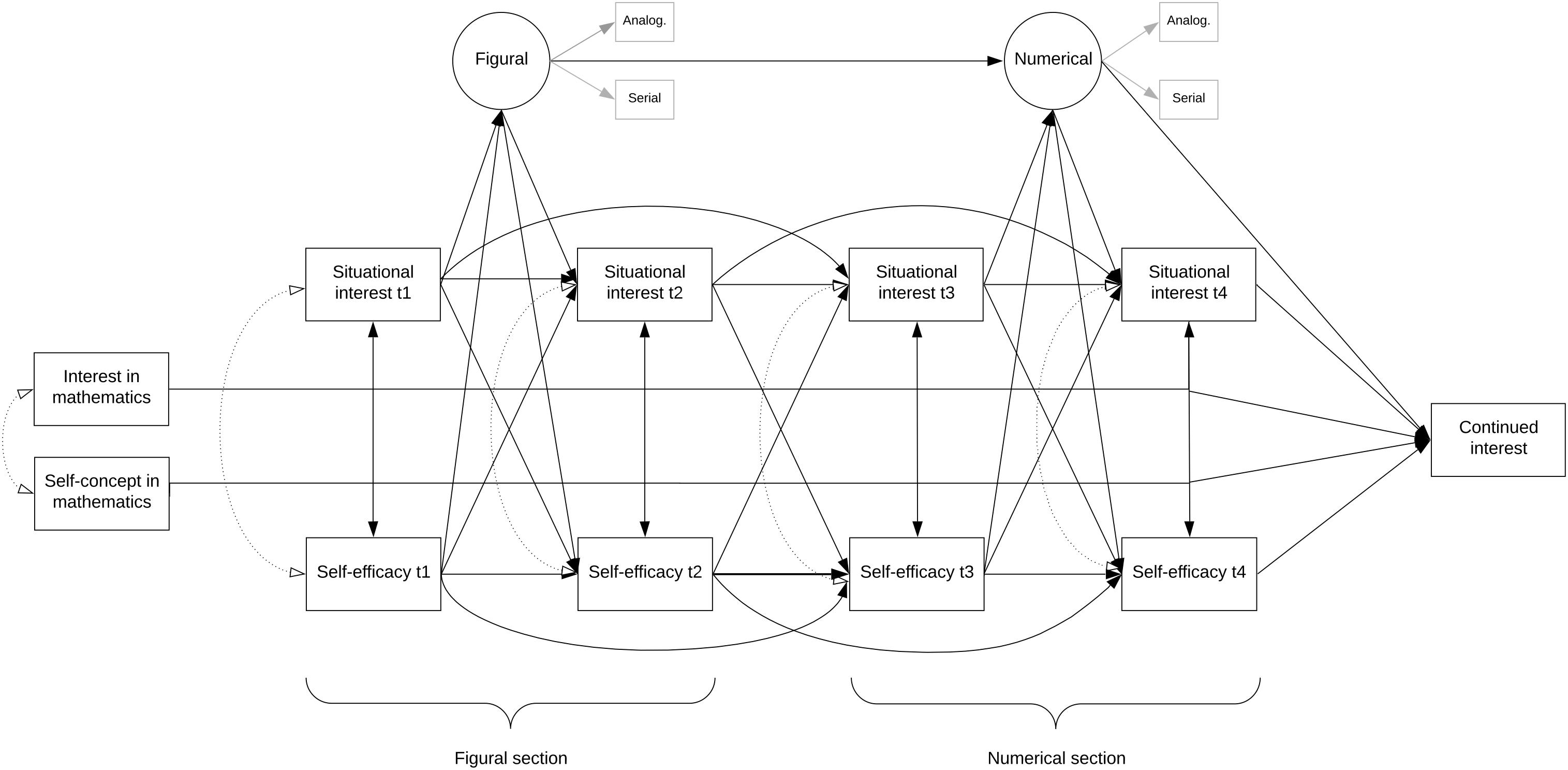
Figure 1. Hypothetical SEM-model of cross-lagged reciprocal effects. Note, that gender effects specified on all variables are omitted here for the purpose of clarity.
As to the predictive relationships (Q1), we estimated rank-order stability (i.e., autoregressions) between both consecutive ratings of situational interest and self-efficacy, and the respective pre- and post-measures, and reciprocal predictions between interest and self-efficacy across the four measurement points. In each section, pre-task situational interest and self-efficacy were set to predict performance, and performance, in turn, was set to predict post-task situational interest and self-efficacy. Regarding our second objective (Q2), continued interest was regressed on post-task situational interest and self-efficacy, and performance at the end of the task. With respect to the motivational control variables, the observed measures of math interest and self-concept were set to predict situational interest and self-efficacy in each measurement point. To account for gender differences, gender was set to predict all on-task measures and performance in both sections. Variables within each measurement point were allowed to correlate.
To evaluate model fit, we used the Comparative Fit Index (CFI; cutoff value close to ≥0.95; Bentler, 1990), Tucker-Lewis index (TLI; cutoff value close to ≥0.95; Tucker and Lewis, 1973), Root Mean Square Error of Approximation (RMSEA; cutoff value close to <0.06; Steiger, 1990), and Standardized Root Mean Square Residual (SRMR; cutoff value close to <0.08; Hu and Bentler, 1999) along with the chi-square statistics. All solutions were generated using maximum likelihood parameter estimates with standard errors and a chi-square test statistic that are robust to non-normality and non-independence of observations (MLR), and missing data were handled with full information maximum likelihood method as implemented in the Mplus Statistical Software.
Results
Descriptive statistics and correlations are reported in Table 1.
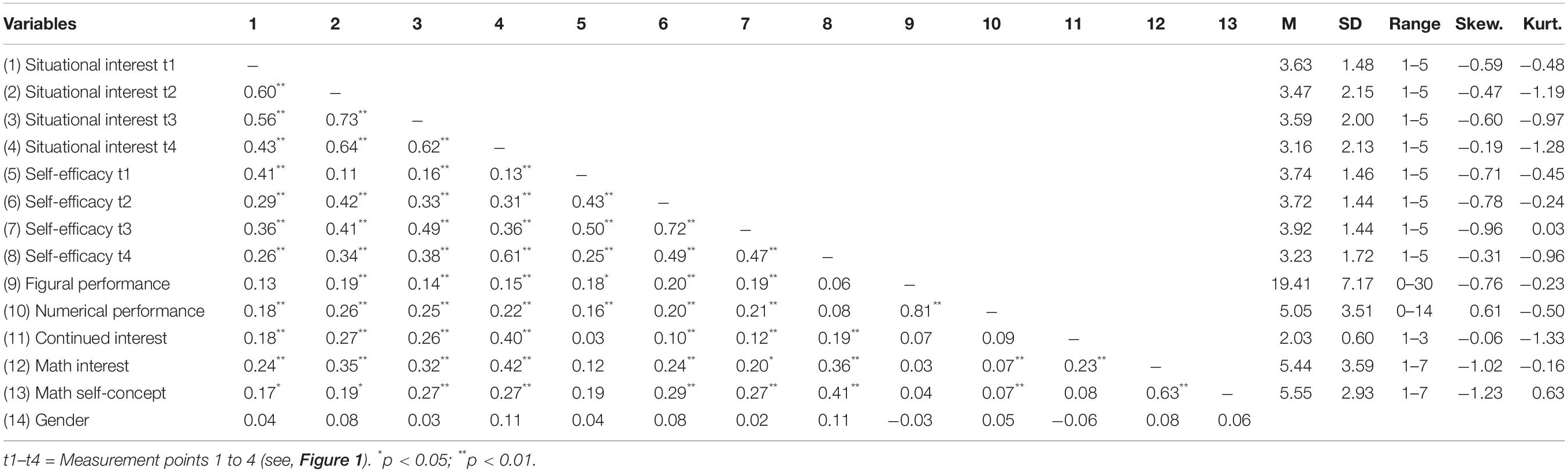
Table 1. Descriptive statistics and correlations derived from the empirical model.
The estimated model had a satisfactory fit to the data, χ2 (52) = 96.638, p = 0.00; CFI = 0.97, TLI = 0.93, RMSEA = 0.06, SRMR = 0.04. All effects are reported in Table 2, and the main results are illustrated in Figure 2.
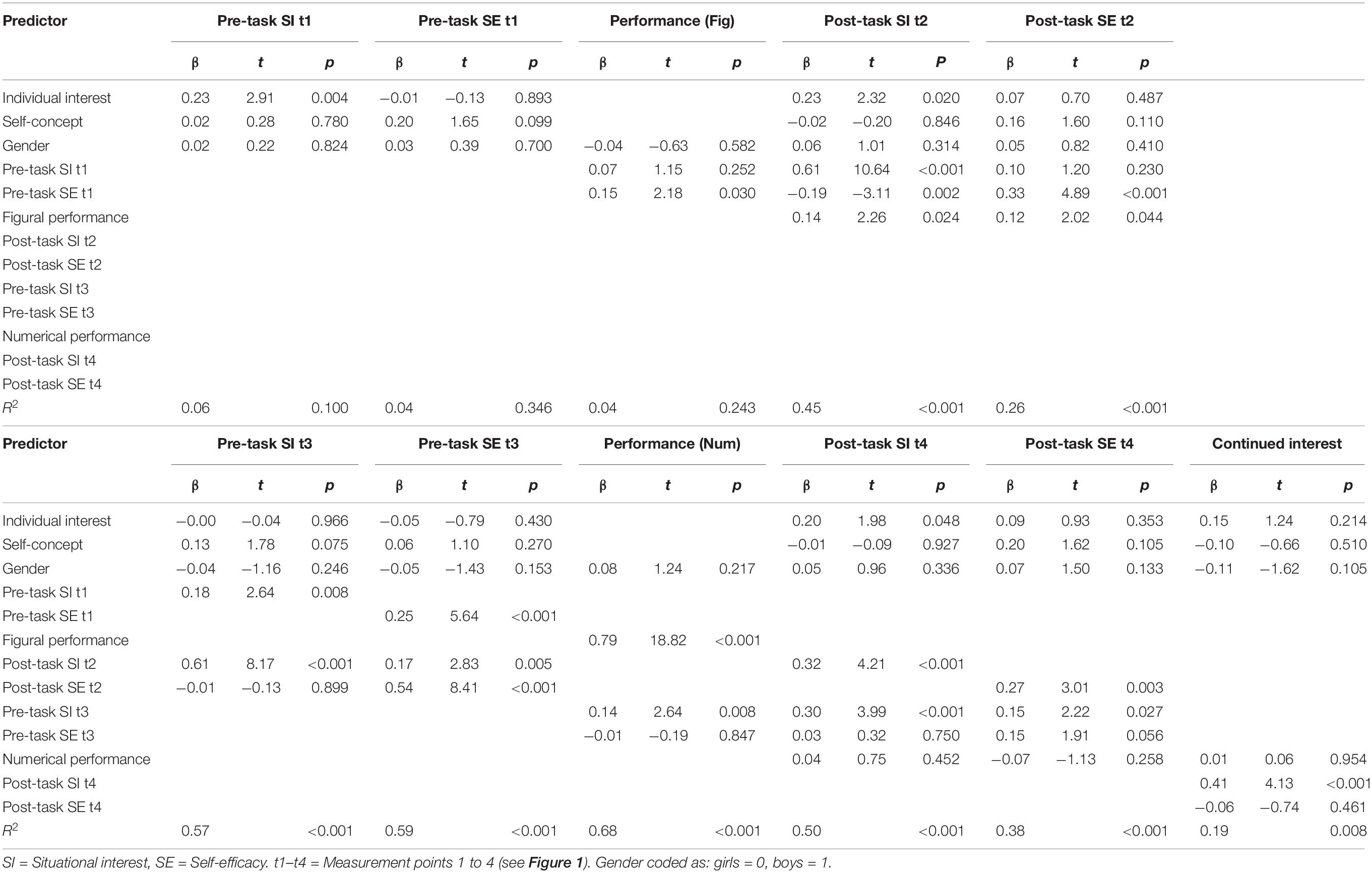
Table 2. Standardized predictive effects from the empirical model.
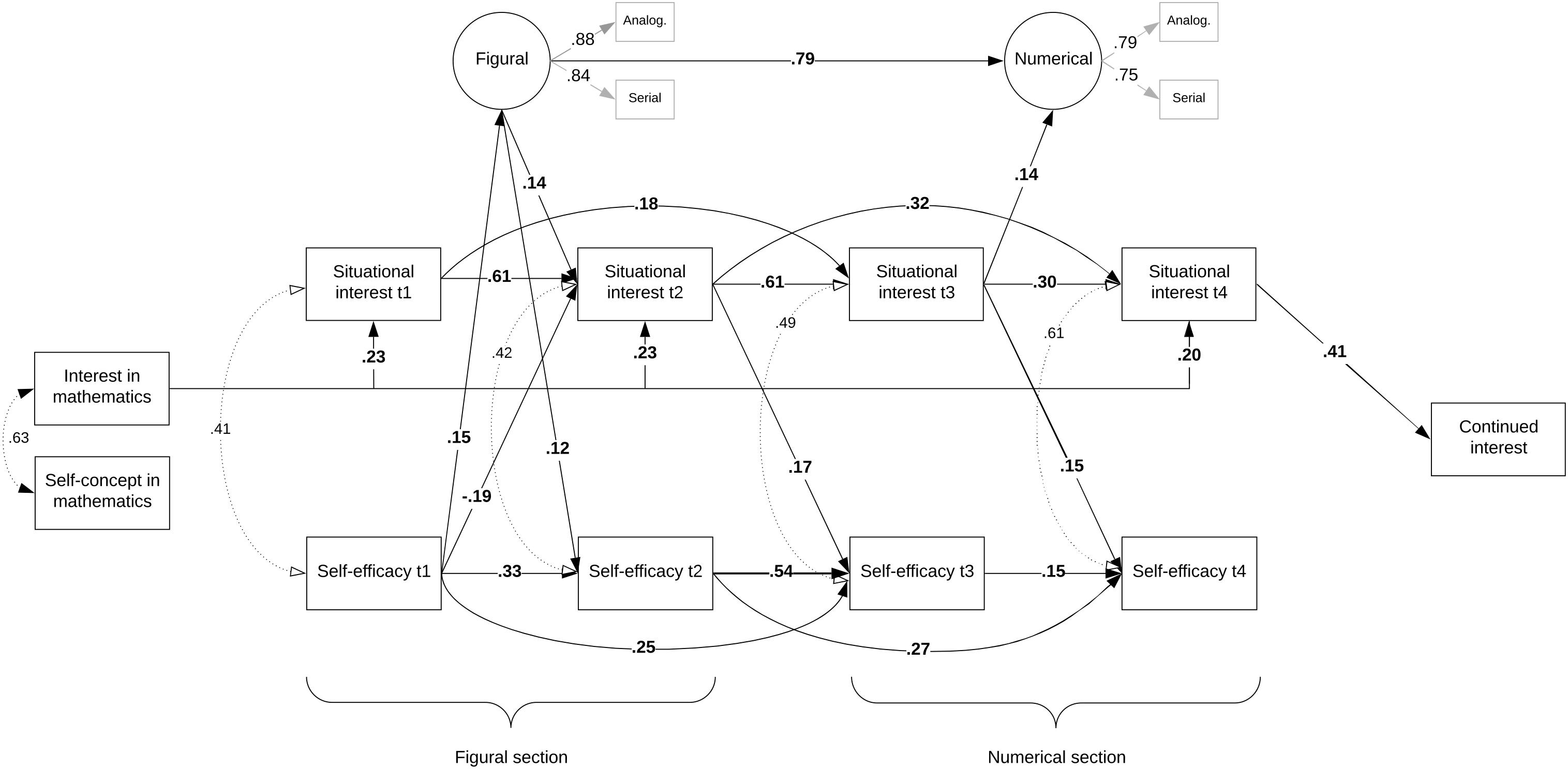
Figure 2. Empirical SEM-model of cross-lagged reciprocal effects (only correlations and significant standardized direct effects at p < 0.05 are displayed). Note, that no gender effects were detected, due to which it is omitted from the model for the purpose of clarity.
Relatively high rank-order stability in students’ situational interest across the task was observed, with standardized estimates between successive measures of situational interest being moderate to high (βT1T2 = 0.61, p < 0.001; βT2T3 = 0.61, p < 0.001; βT3T4 = 0.30, p < 0.001). Also the predictions between pre-task measures (βT1T3 = 0.18, p = 0.008) and post-task measures (βT2T4 = 0.32, p < 0.001) were significant. While in the Figural section, the effects between successive ratings of self-efficacy were significant and relatively high (βT1T2 = 0.33, p < 0.001, βT2T3 = 0.54, p < 0.001), the pre-task self-efficacy in the Numerical section only had a small effect on corresponding post-task self-efficacy (βT3T4 = 0.15, p = 0.056). Significant effects were also observed between pre-task measures (βT1T3 = 0.25, p < 0.001), and post-task measures (βT2T4 = 0.27, p = 0.003). Finally, as expected, performance in the Figural section strongly predicted performance in the Numerical section (β = 0.79, p < 0.001).
All within-measurement-point correlations between situational interest and self-efficacy were significant and relatively high, and became stronger as the task proceeded (rT1 = 0.41, rT2 = 0.42, rT3 = 0.49, and rT4 = 0.61). Significant reciprocal effects between these were observed as well. In the Figural section, pre-task self-efficacy predicted performance positively (β = 0.15, p = 0.030), and post-task situational interest negatively (β = −0.19, p = 0.002). Performance, in turn, predicted post-task self-efficacy (β = 0.12, p = 0.044), and post-task situational interest (β = 0.14, p = 0.024), which then predicted pre-task self-efficacy in the Numerical section (β = 0.17, p = 0.005). In the Numerical section, pre-task situational interest predicted both post-task self-efficacy (β = 0.15, p = 0.027) and performance (β = 0.14, p = 0.008).
With respect to the predictions on continued interest, only the effect of post-task situational interest in the Numerical section (β = 0.41, p < 0.001) turned out to be significant.
As to the effects of the control variables, the results showed math interest to predict pre-task (β = 0.23, p = 0.004) and post-task situational interest (β = 0.23, p = 0.020) in the Figural section, and post-task situational interest (β = 0.20, p = 0.048) in the Numerical section. The effects of math self-concept and gender were not significant.
Discussion
The aim of this study was to examine how situational interest, self-efficacy, and performance interact over the course of a task, and whether they contribute to continued interest. The findings demonstrated some reciprocal effects between situational interest and self-efficacy during the task, and situational interest to predict both performance and continued interest.
In line with previous studies (Rotgans and Schmidt, 2011, 2018; Tapola et al., 2013), the rank-order stability of situational interest was significant between all measurement points, although it decreased from relatively high to moderate between the last two measurements. Also self-efficacy showed significant, yet somewhat lower stability than interest, and reduced to a marginal effect between the last two measurement points. As these reduced stabilities in both interest and self-efficacy were between pre- and post-task measures in the Numerical section, it would seem that changes in students’ experiences during this section contributed to their appraisals. One possible reason for this, especially regarding self-efficacy, could be the so-called mismatch effect (Ainley et al., 2009), which refers to a potential discrepancy between students’ initial expectations regarding the task and their actual task experiences. Such an effect might have occured due to students forming expectations of the given section based on the previous section, which did not realize due to the task being somewhat different (e.g., more “mathematical” despite requiring similar reasoning). Moreover, the task examples at the beginning of each section being somewhat easier than the actual tasks might have reinforced the possibility of a mismatch between initial appraisals and expectations, and subsequent experiences. Regardless of this, however, some commonality between students’ anticipations in the beginning and reflections at the end of each task section was observed, as pre-task interest and self-efficacy in the Figural section predicted respective pre-task measures in the Numerical section, and post-task measures in the Figural section predicted respective post-task measures in the Numerical section.
As to the effects of situational interest on self-efficacy and performance, our results demonstrated situational interest to partly facilitate self-efficacy and performance during the task: positive (or less negative) change in situational interest during task predicted more positive (or less negative) change in self-efficacy as well as better performance during the second section of the task. These findings corroborate prior studies showing situational interest to have positive effects on self-efficacy and performance (Hidi, 1990; Ainley et al., 2009; Jeon et al., 2011; Vainikainen et al., 2015; Barba et al., 2016), and further suggest, also in line with theory and previous findings (Hidi and Renninger, 2006; Niemivirta and Tapola, 2007), that it may be the change or maintenance rather than the initial level of situational interest that contributes to self-efficacy and performance. Thus, while subsequent situational interest is likely to be promoted by initial interest, its evolvement over the course of the task appears to matter more in terms of further confidence and performance.
Regarding the effects of self-efficacy on situational interest and performance, the results showed initial self-efficacy to predict less positive change (or decrease) in situational interest and better performance in the Figural section, which then predicted post-task self-efficacy. These results partly support the theorized reciprocity between self-efficacy and performance, but go against the postulation that these mutual influences should become even stronger as the task proceeds (Bandura, 1986). As already mentioned, one reason why the reciprocity faded in the Numerical section could be that the first section influenced students’ expectations in such a way that distorted the accuracy of their self-ratings of competence. Also, mean performance scores suggested the second section to be more difficult, which may have in some way influenced the dynamics between self-efficacy and performance. The negative effect of self-efficacy on interest, which also goes against the assumptions (Bandura, 1982), in turn, might again reflect a potential discrepancy between students’ motivational expectancies prior to the task and experiences during it (although we cannot entirely rule out the possibility of a suppression effect; Horst, 1941). Such dynamics, where a mismatch between expectations and the task has led to lower confidence later in the task and altered the relationship between self-efficacy and situational interest, have also been observed by Ainley et al. (2009). They found that when task instructions, misleadingly but unintentionally, gave an impression of an easy and fun task when it was in fact difficult, students with high initial self-efficacy, who expected the task to be relatively easy, were less likely to have high self-efficacy at the end of the task, compared with those who evaluated the task to be difficult in the first place. Further, interest and self-efficacy were less strongly correlated when compared with tasks in which a mismatch effect was not observed. Perhaps, in our case, then, initially more confident students fared better, but found the task less engaging than what they had anticipated. Or, conversely, students with lower performance expectations (and less anticipated interest) found the task more engaging than they originally assumed. As our data do not provide direct evidence for this, future studies should make efforts to more explicitly capture the potential presence and sources of such mismatch.
While the possible mismatch effect in our study may have been partly induced by the relatively easy task examples, students’ unfamiliarity with this type of inductive reasoning tasks might have been another contributing factor. If students have little prior experience of similar tasks, they also have limited basis for forming accurate expectations regarding the demands of the task and their possibilities to succeed in it (Bandura, 1997). As inductive reasoning as such is not part of Finnish fourth-graders’ curriculum, they are likely to be inexperienced in such tasks. Lack of experience when forming expectations of the task is related to the concept of calibration (i.e., the match between the students’ expected and actual performance; Alexander, 2013), which is known to have important implications for students’ task processing and performance (Desoete et al., 2018). Students’ under- or over-estimation of their competence (i.e., low calibration) has been suggested to possibly interfere with their task engagement, for example, through ineffective self-regulation (Bandura, 1982; Salomon, 1984). Although not directly inferrable from our results, it is possible that also low calibration partly explained the lack of correspondence between students’ performance and self-efficacy judgments. Thus, along with the degree of mismatch, the accuracy of calibration and its influence on interest would be another interesting theme for future research.
As our second objective, we examined the predictions of continued interest. The fact that only situational interest at the end of the task predicted continued interest corroborates previous findings (Harackiewicz et al., 2000; Ainley et al., 2002, 2005), and implies that supporting situational interest might help to maintain further interest toward similar subject contents or activities. Although continued interest in this context says little about students’ interest development, the findings are nevertheless in agreement with the notion that situational interest might contribute to the development of individual interest through decisions to re-engage with content or activity, as suggested by the four-phase model of interest development (Hidi and Renninger, 2006).
As to the control variables, while math interest predicted situational interest in the beginning as well as during the task, self-concept had no significant effect on self-efficacy. The results regarding interest echo previous studies (Tsai et al., 2008; Tapola et al., 2013; Rotgans and Schmidt, 2018), and suggest that existing domain-specific interest may not only support the initial situational interest but also the maintenance of it, even in the absence of direct task-domain match. One deviation from the pattern is the non-significant prediction on time three situational interest. It is not clear why this is the case, but perhaps when the task type changed, students’ experience of interest was more situationally driven, while later again, their more general domain interest came into effect. The lack of predictions of self-concept on self-efficacy goes against our assumptions, even though it does concur with the limited findings available looking at time-lagged relations within a follow-up context (Fryer and Ainley, 2019). This points out to the importance of implementing longitudinal designs investigating the relationships between domain-specific and task-specific constructs, as based on cross-sectional correlative studies (e.g., Ferla et al., 2009), one would expect significant predictions. Obviously, our results need to be considered with caution as well, due to the use of single-item measures and limited correspondence in domain-specificity. Especially the latter might be a contributing factor here. Future studies should thus look into the relative contribution of domain-specific and situation-specific factors further, with more comprehensive and psychometrically stronger instrumentation, in order to understand better under which circumstances self-concept may or may not influence self-efficacy and vice versa.
Another limitation, in addition to the less optimal measurement of domain-specific motivation, is the absence of measures of actual competencies. As students’ domain-specific interest and particularly competence perceptions are associated with the corresponding grades or other indicators of competencies (Schiefele and Rheinberg, 1997; Talsma et al., 2018), it would be important to also explore the role such individual differences play in situational motivation and task performance. In this study, we were unable to do this due to the fact that fourth-graders in Finland are neither graded nor subjected to standardized testing (Finnish National Agency for Education, 2017).
As to the antecedents of on-task motivation, future studies could also explore the role other academically relevant motivational tendencies might have in moderating the relationships between interest, self-efficacy, and performance. For example, achievement goal orientations (i.e., a student’s tendency to pursue certain types of goals and outcomes in an achievement context; Pintrich, 2000) might be of interest here. Students striving to increase their competence tend to display interest in school subjects and academic tasks, perceive challenge positively, and maintain their interest, for example, in situations where the task turns out to be more difficult than expected, whereas students striving either to demonstrate competence or conceal incompetence are more inclined to lose their interest when facing obstacles or lacking confidence (Niemivirta, 2002; Sideridis and Kaplan, 2011; Tulis and Ainley, 2011; Tapola et al., 2014). These tendencies might thus importantly contribute to students’ task engagement, irrespective of their level of competence. Also, as some evidence suggests that both the influence of motivational tendencies on performance (Schunk and DiBenedetto, 2016) as well as the causal predominance between competence perceptions and achievement (Talsma et al., 2018) might vary as a function of age, the developmental dynamics in these relations could be studied in more detail.
There were also certain limitations with respect to the on-task measures. First, as with the covariates, we used single-item measures for situational interest and self-efficacy, which may entail certain challenges, but which also have been used successfully in previous studies (Silvia, 2003; Ainley and Patrick, 2006; Durik and Harackiewicz, 2007; Tapola et al., 2013, 2014; Gogol et al., 2014). The probe for continued interest included in fact two questions, as noted in the Methods section, which perhaps was not the most optimal choice. It could be argued that “liking a task” and “liking to do similar tasks” should have been considered as independent items. However, although “liking” as such is not equivalent to interest, but rather thought to reflect the affective component of triggered interest (Renninger and Hidi, 2016), terms such as “liking” and “enjoying” have constantly been used in measuring interest, especially among younger students (Hidi et al., 2002). In this sense, then, we would expect the first part of the item to prime the students to reflect on how much they enjoyed working on the task, and then respond to the latter part of the item according to this appraisal, which, in our view, would thus represent an appropriate proxy for continued interest. On a practical note, we also wanted this question to be as informal and “gentle” as possible, after a rather challenging task, in order to avoid non-response. Naturally, future studies could and should use more precise measures of continued interest.
In this study, we did not focus on mean-level changes as such. However, as the descriptive statistics show these to have decreased over the course of the task, especially in the second section, such changes might also partly explain the weakening links between self-efficacy and performance. Future research could thus benefit from study designs that permitted the explicit modeling of mean-level changes in both task motivation and performance (e.g., through latent growth curve modeling), and thus directly inspect the relationships and predictions of such changes. Perhaps a measure of students’ perceived task difficulty would also shed some additional light into these dynamics.
Finally, certain aspects of the target task could also be moderated in future research. In the present study, feedback was not provided during the task, which may have influenced students’ on-task appraisals in different ways, particularly in terms of the calibration of and match between expectancies and experiences, as noted before. Thus, it might be relevant to examine how interest and self-efficacy evolve and how they contribute to each other when feedback is provided, or if the task was less about performance and more about exploration and application (Wüstenberg et al., 2012). Also, as the task-specific predictions varied slightly between the two sections, and since the latter was apparently more difficult than the former, randomizing their order might have provided more information on such dynamics. Future studies should take this into account.
Conclusion
Although mutual relations between situational interest and self-efficacy have been theorized (e.g., Hidi et al., 2002), surprisingly little empirical research have directly examined those over time and in situ. The present study thus sought to add to prior research by examining such relationships, and found situational interest to be a stronger predictor of self-efficacy than vice versa, and, in terms of performance, self-efficacy to be more influential in the beginning of the task, and situational interest or its’ maintenance to be more important in subsequent task engagement. Situational interest also appears to be more connected to its domain-specific counterpart than self-efficacy. Thus, based on the patterning of effects across the different stages of the task, it would seem that the task itself or students’ perceptions of it (e.g., the match between expected and actualized performance depending on whether feedback is provided or not) may have an impact on how interest, self-efficacy, and performance link to each other as the task unfolds. The findings of this study highlight the complexity of motivational dynamics during task engagement, and imply that future studies would benefit from taking more explicitly into account task characteristics as well as their interaction with both student characteristics and on-task motivation.
Data Availability Statement
The datasets generated for this study are available on request to the corresponding author.
Ethics Statement
Ethical review and approval was not required for the study on human participants in accordance with the local legislation and institutional requirements. Written informed consent to participate in this study was provided by the participants’ legal guardian/next of kin.
Author Contributions
KN analyzed the data and wrote the manuscript. AT and HT contributed to the writing of the manuscript. SK organized the data collection and prepared the data. AP provided the performance measures and contributed to the “Materials and Methods” section. MN outlined the research design, provided support for the data analysis, and contributed to the writing of the manuscript.
Funding
This research was supported by the Finnish Cultural Foundation (Grants #190760 and #200795 to KN and Grant #181078 to AT), and by the Academy of Finland (Grant #287170 to HT and Grant #279742 to MN).
Conflict of Interest
The authors declare that the research was conducted in the absence of any commercial or financial relationships that could be construed as a potential conflict of interest.
Acknowledgments
We would like to thank the members of the Motivation, Learning, and Well-Being research group for support, the Centre for Educational Assessment for data collection, and all students and teachers for participation.
Supplementary Material
The Supplementary Material for this article can be found online at: https://www.frontiersin.org/articles/10.3389/feduc.2020.00036/full#supplementary-material
Footnotes
- ^ It is of importance to note certain limitations regarding these indicators. The present study was included as an add-on in a larger evaluation project, which had its focus on investigating students’ use of tablet computers in their study activities and how this was associated with various cognitive factors and learning outcomes. Since the present study was restricted to the given task, we had a limited influence on the implementation of the other sections of the project. Nevertheless, we were able to access background variables that might be of relevance in the present context, and of those variables, students’ reports of their math interest and self-concept were considered pertinent, despite their limitations (see Measures and Footnote 3 for more detailed information). For this reason, we also refrained from making any strong assumptions concerning their possible effects.
- ^ The number of students completing the task was 538, but due to the study context (see Footnote 1), we needed to ensure that the online measures included in the task did not interfere with students’ task performance, and thus the sample was randomly divided into two with only approximately half of the students completing all on-task motivational measures. Auxiliary analyses showed that responding to all online probes did not moderate students’ scores.
- ^ As mentioned in Footnote 1, these control variables had some limitations. First, the ratings of math interest and self-concept were single-item measures, and while we are aware of the potential problems, they have been utilized successfully in previous studies (Silvia, 2003; Ainley and Patrick, 2006; Durik and Harackiewicz, 2007; Tapola et al., 2013, 2014; Gogol et al., 2014). Second, the measures referred to mathematics, although our task was about inductive reasoning. However, given that inductive reasoning plays an important role in mathematical problem solving (Christou and Papageorgiou, 2007), we considered this to be the most relevant proxy for taking into account possible individual differences influencing on-task motivation.
References
Ackerman, P. L., Kanfer, R., and Goff, M. (1995). Cognitive and noncognitive determinants and consequences of complex skill acquisition. J. Exp. Psychol. Appl. 1, 270–304. doi: 10.1037/1076-898X.1.4.270
Ainley, M. (2010). “Interest in the dynamics of task behavior: processes that link person and task in effective learning,” in The Decade Ahead: Theoretical Perspectives on Motivation and Achievement, eds T. C. Urdan and S. A. Karabenick (London: Emerald Group Publishing Limited), 235–264. doi: 10.1108/s0749-7423(2010)000016a010
Ainley, M. (2012). “Students’ interest and engagement in classroom activities,” in Handbook of Research on Student Engagement, eds L. S. Christenson, L. A. Reschly, and C. Wylie (New York, NY: Springer), 283–302. doi: 10.1007/978-1-4614-2018-7_13
Ainley, M., Buckley, S., and Chan, J. (2009). “Interest and efficacy beliefs in self-regulated learning,” in Contemporary Motivation Research: From Global to Local Perspectives, eds M. Wosnitza, A. S. Karabenick, A. Efklides, and P. Nenniger (Ashland, OH: Hogrefe & Huber Publishing), 207–228.
Ainley, M., Corrigan, M., and Richardson, N. (2005). Students, tasks and emotions: identifying the contribution of emotions to students’ reading of popular culture and popular science texts. Learn. Instr. 15, 433–447. doi: 10.1016/j.learninstruc.2005.07.011
Ainley, M., and Hidi, S. (2002). “Dynamic measures for studying interest and learning,” in Advances in Motivation and Achievement: New Directions in Measures and Methods, eds R. P. Pintrich and L. M. Maehr (Amsterdam: JAI), 43–76.
Ainley, M., Hillman, K., and Hidi, S. (2002). Gender and interest processes in response to literary texts: situational and individual interest. Learn. Instr. 12, 411–428. doi: 10.1016/S0959-4752(01)00008-1
Ainley, M., and Patrick, L. (2006). Measuring self-regulated learning processes through tracking patterns of student interaction with achievement activities. Educ. Psychol. Rev. 18, 267–286. doi: 10.1007/s10648-006-9018-z
Alexander, P. (2013). Calibration: what is it and why it matters? An introduction to the special issue on calibrating calibration. Learn. Instr. 24, 1–3. doi: 10.1016/j.learninstruc.2012.10.003
Arens, A. K., Marsh, H. W., Pekrun, R., Lichtenfeld, S., Murayama, K., and vom Hofe, R. (2017). Math self-concept, grades, and achievement test scores: long-term reciprocal effects across five waves and three achievement tracks. J. Educ. Psychol. 109, 621–634. doi: 10.1037/edu0000163
Bandura, A. (1978). The self system in reciprocal determinism. Am. Psychol. 33, 344–358. doi: 10.1037/0003-066X.33.4.344
Bandura, A. (1982). Self-efficacy mechanism in human agency. Am. Psychol. 37, 122–147. doi: 10.1037/0003-066X.37.2.122
Bandura, A. (1986). Social Foundations of Thought and Action: A Social Cognitive Theory. Englewood Cliffs, NJ: Prentice-Hall.
Bandura, A., Barbaranelli, C., Caprara, G. V., and Pastorelli, C. (2001). Self-efficacy beliefs as shapers of children’s aspirations and career trajectories. Child. Dev. 72, 187–206. doi: 10.1111/1467-8624.00273
Bandura, A., and Schunk, D. H. (1981). Cultivating competence, self-efficacy, and intrinsic interest through proximal self-motivation. J. Pers. Soc. Psychol. 41, 586–598. doi: 10.1037/0022-3514.41.3.586
Barba, P. G., Kennedy, G. E., and Ainley, M. D. (2016). The role of students’ motivation and participation in predicting performance in a MOOC. J. Comput. Assist. Learn. 32, 218–231. doi: 10.1111/jcal.12130
Bentler, P. M. (1990). Comparative fit indexes in structural models. Psychol. Bull. 107, 238–246. doi: 10.1037/0033-2909.107.2.238
Bernacki, M. L., Nokes-Malach, T. J., and Aleven, V. (2015). Examining self-efficacy during learning: variability and relations to behavior, performance, and learning. Metacogn. Learn. 10, 99–117. doi: 10.1007/s11409-014-9127-x
Bernacki, M. L., and Walkington, C. (2018). The role of situational interest in personalized learning. J. Educ. Psychol. 110, 864–881. doi: 10.1037/edu000025
Bong, M., and Skaalvik, E. M. (2003). Academic self-concept and self-efficacy: how different are they really? Educ. Psychol. Rev. 15, 1–40. doi: 10.1023/A:1021302408382
Britner, S. L., and Pajares, F. (2006). Sources of science self-efficacy beliefs of middle school students. J. Res. Sci. Teach. 43, 485–499. doi: 10.1002/tea.20131
Christou, C., and Papageorgiou, E. (2007). A framework of mathematics inductive reasoning. Learn. Instr. 17, 55–66. doi: 10.1016/j.learninstruc.2006.11.009
Csapó, B., and Molnár, G. (2019). Online diagnostic assessment in support of personalized teaching and learning: the eDia system. Front. Psychol. 10:1522. doi: 10.3389/fpsyg.2019.01522
David, P., Song, M., Hayes, A., and Fredin, E. S. (2007). A cyclic model of information seeking in hyperlinked environments: the role of goals, self-efficacy, and intrinsic motivation. Int. J. Hum. Comput. Stud. 65, 170–182. doi: 10.1016/j.ijhcs.2006.09.004
Desoete, A., Baten, E., Vercaemst, V., De Busschere, A., Baudonck, M., and Vanhaeke, J. (2018). Metacognition and motivation as predictors for mathematics performance of Belgian elementary school children. ZDM 51, 667–677. doi: 10.1007/s11858-018-01020-w
Durik, A., Shechter, O., Noh, M., Rozek, C., and Harackiewicz, J. (2015). What if I can’t?: success expectancies moderate the effects of utility value information on situational interest and performance. Motiv. Emot. 39, 104–118. doi: 10.1007/s11031-014-9419-0
Durik, A. M., and Harackiewicz, J. M. (2007). Different strokes for different folks: how individual interest moderates the effects of situational factors on task interest. J. Educ. Psychol. 99, 597–610. doi: 10.1037/0022-0663.99.3.597
Fastrich, G. M., Kerr, T., Castel, A. D., and Murayama, K. (2018). The role of interest in memory for trivia questions: an investigation with a large-scale database. Motiv. Sci. 4, 227–250. doi: 10.1037/mot0000087
Ferla, J., Valcke, M., and Cai, Y. (2009). Academic self-efficacy and academic self-concept: reconsidering structural relationships. Learn. Individ. Differ. 19, 499–505. doi: 10.1016/j.lindif.2009.05.004
Finnish National Agency for Education (2017). Finnish Education in a Nutshell. Helsinki: Finnish National Agency for Education.
Flowerday, T., and Shell, D. F. (2015). Disentangling the effects of interest and choice on learning, engagement, and attitude. Learn. Individ. Differ. 40, 134–140. doi: 10.1016/j.lindif.2015.05.003
Fredrickson, B. L. (2001). The role of positive emotions in positive psychology. Am. Psychol. 56, 218–226. doi: 10.1037/0003-066X.56.3.218
Fryer, L. K., and Ainley, M. (2019). Supporting interest in a study domain: a longitudinal test of the interplay between interest, utility-value, and competence beliefs. Learn. Instr. 60, 252–262. doi: 10.1016/j.learninstruc.2017.11.002
Fryer, L. K., Ainley, M., and Thompson, A. (2016). Modelling the links between students’ interest in a domain, the tasks they experience and their interest in a course: isn’t interest what university is all about? Learn. Individ. Differ. 50, 157–165. doi: 10.1016/j.lindif.2016.08.011
Fulmer, S. M., and Frijters, J. C. (2011). Motivation during an excessively challenging reading task: the buffering role of relative topic interest. J. Exp. Educ. 79, 185–208. doi: 10.1080/00220973.2010.481503
Ganley, C. M., and Lubienski, S. T. (2016). Mathematics confidence, interest, and performance: examining gender patterns and reciprocal relations. Learn. Individ. Differ. 47, 182–193. doi: 10.1016/j.lindif.2016.01.002
Gogol, K., Brunner, M., Goetz, T., Martin, R., Ugen, S., Keller, U., et al. (2014). My questionnaire is too long!” The assessments of motivational-affective constructs with three-item and single-item measures. Contemp. Educ. Psychol. 39, 188–205. doi: 10.1016/j.cedpsych.2014.04.002
Guo, J., Marsh, H. W., Parker, P. D., Morin, A. J. S., and Yeung, A. S. (2015). Expectancy-value in mathematics, gender and socioeconomic background as predictors of achievement and aspirations: a multi-cohort study. Learn. Individ. Differ. 37, 161–168. doi: 10.1016/j.lindif.2015.01.008
Harackiewicz, J. M., Baron, K. E., Tauer, J. M., Carter, S. M., and Elliot, A. J. (2000). Short-term and long-term consequences of achievement goals: predicting interest and performance. J. Educ. Psychol. 92, 316–330. doi: 10.1037/0022-0663.92.2.316
Hidi, S. (1990). Interest and its contribution as a mental resource for learning. Rev. Educ. Res. 60, 549–571. doi: 10.3102/00346543060004549
Hidi, S., and Ainley, M. (2008). “Interest and self-regulation: relationships between two variables that influence learning,” in Motivation and self-regulated learning: Theory, research, and applications, eds H. D. Schunk and J. B. Zimmerman (Mahwah, NJ: Erlbaum), 77–109.
Hidi, S., Ainley, M., Berndorff, D., and Del Favero, L. (2007). “The role of interest and self-efficacy in science-related expository writing,” in Writing and Motivation, eds S. Hidi and P. Boscolo (Oxford: Elsevier), 203–217. doi: 10.1108/s1572-6304(2006)0000019013
Hidi, S., Berndorff, D., and Ainley, M. (2002). Children’s argument writing, interest and self-efficacy: an intervention study. Learn. Instr. 12, 429–446. doi: 10.1016/S0959-4752(01)00009-3
Hidi, S., and Renninger, K. A. (2006). The four-phase model of interest development. Educ. Psychol. 41, 111–127. doi: 10.1207/s15326985ep4102_4
Hidi, S., Renninger, K. A., and Krapp, A. (2004). “Interest, a motivational variable that combines affective and cognitive functioning,” in The Educational Psychology Series. Motivation, Emotion, and Cognition: Integrative Perspectives on Intellectual Functioning and Development, eds D. Y. Dai and R. J. Sternberg (Mahwah, NJ: Erlbaum), 89–115.
Honicke, T., and Broadbent, J. (2016). The influence of academic self-efficacy on academic performance: a systematic review. Educ. Res. Rev. 17, 63–84. doi: 10.1016/j.edurev.2015.11.002
Horst, P. (1941). The role of predictor variables which are independent of the criterion. Soc. Sci. Res. Council 48, 431–436.
Hu, L.-T., and Bentler, P. M. (1999). Cutoff criteria for fit indexes in covariance structure analysis: conventional criteria versus new alternatives. Struct. Equ. Model. Multidiscip. J. 6, 1–55. doi: 10.1080/10705519909540118
Jeon, K.-N., Moon, S. M., and French, B. (2011). Differential effects of divergent thinking, domain knowledge, and interest on creative performance in art and math: corrigendum. Creat. Res. J. 23, 183–183. doi: 10.1080/10400419.2011.585296
Klassen, R. M., and Usher, E. L. (2010). “Self-efficacy in educational settings: recent research and emerging directions,” in The Decade Ahead: Theoretical Perspectives on Motivation and Achievement, eds T. C. Urdan and S. A. Karabenick (London: Emerald), 1–33. doi: 10.1108/s0749-7423(2010)000016a004
Klauer, K. J., and Phye, G. D. (2008). Inductive reasoning: a training approach. Rev. Educ. Res. 78, 85–123. doi: 10.3102/0034654307313402
Kosovich, J. J., Flake, J. K., and Hulleman, C. S. (2017). Short-term motivation trajectories: a parallel process model of expectancy-value. Contemp. Educ. Psychol. 49, 130–139. doi: 10.1016/j.cedpsych.2017.01.004
Krapp, A. (2000). “Interest and human development during adolescence: an educational-psychological approach,” in Motivational Psychology of Human Development: Developing Motivation and Motivating Development, ed. J. Heckhausen (New York, NY: Elsevier), 109–128. doi: 10.1016/s0166-4115(00)80008-4
Lane, J., and Lane, A. (2001). Self-efficacy and academic performance. Soc. Behav. Personal. Int. J. 29, 687–693.
Lee, C.-Y. (2015). Changes in self-efficacy and task value in online learning. Dis. Educ. 36, 59–79. doi: 10.1080/01587919.2015.1019967
Lent, R. W., Lopez, F. G., and Bieschke, K. J. (1991). Mathematics self-efficacy: sources and relation to science-based career choice. J. Couns. Psychol. 38, 424–430. doi: 10.1037/0022-0167.38.4.424
Lipstein, R. L., and Renninger, K. A. (2007). “’Putting things into words’: the development of 12-15-year-old students’ interest for writing,” in Writing and Motivation: Research and School Practice, eds P. Boscolo and S. Hidi (New York, NY: Elsevier), 113–140. doi: 10.1108/s1572-6304(2006)0000019009
Mau, W. J., and Li, J. (2018). Factors influencing STEM career aspirations of underrepresented high school students. Career Dev. Q. 66, 246–258. doi: 10.1002/cdq.12146
McDaniel, M. A., Waddill, P. J., Finstad, K., and Bourg, T. (2000). The effects of text-based interest on attention and recall. J. Educ. Psychol. 92, 492–502. doi: 10.1037/0022-0663.92.3.492
Moos, D. C., and Azevedo, R. (2008). Exploring the fluctuation of motivation and use of self-regulatory processes during learning with hypermedia. Instr. Sci. 36, 203–231. doi: 10.1007/s11251-007-9028-3
Muth, L. K., and Muth, B. O. (1998–2020). Mplus User’s Guide, 8th Edn. Los Angeles, CA: Muthén and Muthén.
Niemivirta, M. (2002). Motivation and performance in context: the influence of goal orientations and instructional setting on situational appraisals and task performance. Psychologia 45, 250–270. doi: 10.2117/psysoc.2002.250
Niemivirta, M., and Tapola, A. (2007). Self-Efficacy, interest, and task performance. Z. Für Pädagog. Psychol. 21, 241–250. doi: 10.1024/1010-0652.21.3.241
Nuutila, K., Tuominen, H., Tapola, A., Vainikainen, M.-P., and Niemivirta, M. (2018). Consistency, longitudinal stability, and predictions of elementary school students’ task interest, success expectancy, and performance in mathematics. Learn. Instr. 56, 73–83. doi: 10.1016/j.learninstruc.2018.04.003
Palmer, D. (2009). Student interest generated during an inquiry skills lesson. J. Res. Sci. Teach. 46, 147–165. doi: 10.1002/tea.20263
Pásztor, A., Molnár, G. Y., Németh, M., and Csapó, B. (2017). Online assessment of inductive reasoning and its predictive power on inquiry skills in science. Paper presented at the 17th biennial conference of the European Association for Research on Learning and Instruction (EARLI) (Tampere: EARLI).
Patall, E. A., Vasquez, A. C., Steingut, R. R., Trimble, S. S., and Pituch, K. A. (2016). Daily interest, engagement, and autonomy support in the high school science classroom. Contemp. Educ. Psychol. 46, 180–194. doi: 10.1016/j.cedpsych.2016.06.002
Phan, H. P. (2012). The development of English and mathematics self-efficacy: a latent growth curve analysis. J. Educ. Res. 105, 196–209. doi: 10.1080/00220671.2011.552132
Phan, H. P. (2014). Expectancy-value and cognitive process outcomes in mathematics learning: a structural equation analysis. High. Educ. Res. Dev. 33, 325–340. doi: 10.1080/07294360.2013.832161
Pintrich, P. R. (2000). An achievement goal theory perspective on issues in motivation terminology, theory, and research. Contemp. Educ. Psychol. 25, 92–104. doi: 10.1006/ceps.1999.1017
Pintrich, P. R. (2003). A motivational science perspective on the role of student motivation in learning and teaching contexts. J. Educ. Psychol. 95, 667–686. doi: 10.1037/0022-0663.95.4.667
Pinxten, M., Marsh, H. W., De Fraine, B., Van Den Noortgate, W., and Van Damme, J. (2014). Enjoying mathematics or feeling competent in mathematics? Reciprocal effects on mathematics achievement and perceived math effort expenditure. Br. J. Educ. Psychol. 84, 152–174. doi: 10.1111/bjep.12028
Renninger, K. A. (2009). Interest and identity development in instruction: an inductive model. Educ. Psychol. 44, 105–118. doi: 10.1080/00461520902832392
Renninger, K. A., and Hidi, S. (2016). The Power of Interest for Motivation and Engagement. London: Routledge.
Richardson, M., Abraham, C., and Bond, R. (2012). Psychological correlates of university students’ academic performance: a systematic review and meta-analysis. Psychol. Bull. 138, 353–387. doi: 10.1037/a0026838
Rotgans, J. I., and Schmidt, H. G. (2011). Situational interest and academic achievement in the active-learning classroom. Learn. Instr. 21, 58–67. doi: 10.1016/j.learninstruc.2009.11.001
Rotgans, J. I., and Schmidt, H. G. (2014). Situational interest and learning: thirst for knowledge. Learn. Instr. 32, 37–50. doi: 10.1016/j.learninstruc.2014.01.002
Rotgans, J. I., and Schmidt, H. G. (2017). Interest development: arousing situational interest affects the growth trajectory of individual interest. Contemp. Educ. Psychol. 49, 175–184. doi: 10.1016/j.cedpsych.2017.02.003
Rotgans, J. I., and Schmidt, H. G. (2018). How individual interest influences situational interest and how both are related to knowledge acquisition: a microanalytical investigation. J. Educ. Res. 111, 530–540. doi: 10.1080/00220671.2017.1310710
Salomon, G. (1984). Television is “easy” and print is “tough”: the differential investment of mental effort in learning as a function of perceptions and attributions. J. Educ. Psychol. 76, 647–658. doi: 10.1037/0022-0663.76.4.647
Schiefele, U., and Rheinberg, F. (1997). “Motivation and knowledge acquisition: searching for mediating processes,” in Advances in Motivation and Achievement, eds M. L. Maehr and P. R. Pintrich (Greenwich, CT: JAI Press), 251–302.
Schunk, D. H., and DiBenedetto, M. K. (2016). “Self-efficacy theory in education,” in Handbook of Motivation at School, eds K. R. Wentzel and D. B. Miele (New York, NY: Routledge), 34–54.
Sideridis, G. D., and Kaplan, A. (2011). Achievement goals and persistence across tasks: the roles of failure and success. J. Exp. Educ. 79, 429–451. doi: 10.1080/00220973.2010.539634
Silvia, P. J. (2003). Self-efficacy and interest: experimental studies of optimal incompetence. J. Vocat. Behav. 62, 237–249. doi: 10.1016/S0001-8791(02)00013-1
Simpkins, S. D., Davis-Kean, P. E., and Eccles, J. S. (2006). Math and science motivation: a longitudinal examination of the links between choices and beliefs. Dev. Psychol. 42, 70–83. doi: 10.1037/0012-1649.42.1.70
Spinath, B., and Steinmayr, R. (2008). Longitudinal analysis of intrinsic motivation and competence beliefs: is there a relation over time? Child Dev. 79, 1555–1569. doi: 10.1111/j.1467-8624.2008.01205.x
Steiger, J. H. (1990). Structural model evaluation and modification: an interval estimation approach. Multivar. Behav. Res. 25, 173–180. doi: 10.1207/s15327906mbr2502_4
Talsma, K., Schuz, B., Schwarzer, R., and Norris, K. (2018). I believe, therefore I achieve (and vice versa): a meta-analytic cross-lagged panel analysis of self-efficacy and academic performance. Learn. Individ. Diff. 61, 136–150. doi: 10.1016/j.lindif.2017.11.015
Tanaka, A., and Murayama, K. (2014). Within-person analyses of situational interest and boredom: interactions between task-specific perceptions and achievement goals. J. Educ. Psychol. 106, 1122–1134. doi: 10.1037/a0036659
Tapola, A., Jaakkola, T., and Niemivirta, M. (2014). The influence of achievement goal orientations and task concreteness on situational interest. J. Exp. Educ. 82, 455–479. doi: 10.1080/00220973.2013.813370
Tapola, A., Veermans, M., and Niemivirta, M. (2013). Predictors and outcomes of situational interest during a science learning task. Instr. Sci. 41, 1047–1064. doi: 10.1007/s11251-013-9273-6
Themanson, J. R., and Rosen, P. J. (2015). Examining the relationships between self-efficacy, task-relevant attentional control, and task performance: evidence from event-related brain potentials. Br. J. Psychol. 106, 253–271. doi: 10.1111/bjop.12091
Tsai, Y. M., Kunter, M., Lüdtke, O., Trautwein, U., and Ryan, M. R. (2008). What makes lessons interesting? The roles of situational and individual factors in three school subjects. J. Educ. Psychol. 100, 460–472. doi: 10.1037/0022-0663.100.2.460
Tucker, L. R., and Lewis, C. (1973). A reliability coefficient for maximum likelihood factor analysis. Psychometrika 38, 1–10. doi: 10.1007/BF02291170
Tulis, M., and Ainley, M. (2011). Interest, enjoyment and pride after failure experiences? Predictors of students’ state-emotions after success and failure during learning in mathematics. Educ. Psychol. 31, 779–807. doi: 10.1080/01443410.2011.608524
Usher, E. L., and Pajares, F. (2009). Sources of self-efficacy in mathematics: a validation study. Contemp. Educ. Psychol. 34, 89–101. doi: 10.1016/j.cedpsych.2008.09.002
Vainikainen, M.-P., Salmi, H., and Thuneberg, H. (2015). Situational interest and learning in a science center mathematics exhibition. J. Res. STEM Educ. 1, 15–29.
Valentine, J. C., DuBois, D. L., and Cooper, H. (2004). The relation between self-beliefs and academic achievement: a meta-analytic review. Educ. Psychol. 39, 111–133. doi: 10.1207/s15326985ep3902_3
Viljaranta, J., Tolvanen, A., Aunola, K., and Nurmi, J.-E. (2014). The developmental dynamics between interest, self-concept of ability, and academic performance. Scand. J. Educ. Res. 58, 734–756. doi: 10.1080/00313831.2014.904419
Vollmeyer, R., and Rheinberg, F. (1999). Motivation and metacognition when learning a complex system. Eur. J. Psychol. Educ. 14, 541–554. doi: 10.1007/BF03172978
Vollmeyer, R., and Rheinberg, F. (2000). Does motivation affect performance via persistence? Learn. Instr. 10, 293–309. doi: 10.1016/S0959-4752(99)00031-6
Vollmeyer, R., and Rheinberg, F. (2006). Motivational effects on self-regulated learning with different tasks. Educ. Psychol. Rev. 18, 239–253. doi: 10.1007/s10648-006-9017-0
Wigfield, A., Eccles, J. S., Yoon, K. S., Harold, R. D., Arbreton, A. J. A., Freedman-Doan, C., et al. (1997). Change in children’s competence beliefs and subjective task values across the elementary school years: a 3-year study. J. Educ. Psychol. 89, 451–469. doi: 10.1037/0022-0663.89.3.451
Wüstenberg, S., Greiff, S., and Funke, J. (2012). Complex problem solving — More than reasoning? Intelligence 40, 1–14. doi: 10.1016/j.intell.2011.11.003
Zhu, X., Chen, A., Ennis, C., Sun, H., Hopple, C., Bonello, M., et al. (2009). Situational interest, cognitive engagement, and achievement in physical education. Contemp. Educ. Psychol. 34, 221–229. doi: 10.1016/j.cedpsych.2009.05.002
Zimmerman, B. J., and Kitsantas, A. (1997). Developmental phases in self-regulation: shifting from process goals to outcome goals. J. Educ. Psychol. 89, 29–36. doi: 10.1037//0022-0663.89.1.29
Keywords: self-efficacy, interest, motivational dynamics, domain-specific motivation, task motivation, elementary school
Citation: Nuutila K, Tapola A, Tuominen H, Kupiainen S, Pásztor A and Niemivirta M (2020) Reciprocal Predictions Between Interest, Self-Efficacy, and Performance During a Task. Front. Educ. 5:36. doi: 10.3389/feduc.2020.00036
Received: 12 July 2019; Accepted: 24 March 2020;
Published: 16 April 2020.
Edited by:
Douglas F. Kauffman, Medical University of the Americas – Nevis, United StatesReviewed by:
Gaston Saux, National Scientific and Technical Research Council (CONICET), ArgentinaJeesoo Lee, University of Tübingen, Germany
Copyright © 2020 Nuutila, Tapola, Tuominen, Kupiainen, Pásztor and Niemivirta. This is an open-access article distributed under the terms of the Creative Commons Attribution License (CC BY). The use, distribution or reproduction in other forums is permitted, provided the original author(s) and the copyright owner(s) are credited and that the original publication in this journal is cited, in accordance with accepted academic practice. No use, distribution or reproduction is permitted which does not comply with these terms.
*Correspondence: Katariina Nuutila, a2F0YXJpaW5hLm51dXRpbGFAaGVsc2lua2kuZmk=; Markku Niemivirta, bWFya2t1Lm5pZW1pdmlydGFAdWVmLmZp