 Vernandi Dyzel
 Rony Oosterom-Calo
 Mijkje Worm
 Paula S. Sterkenburg
- 1Faculty of Behavioural and Movement Sciences, VU University Amsterdam, Amsterdam, Netherlands
- 2Bartiméus, Zeist, Netherlands
Background: People with deafblindness experience stigmatization, exclusion, and isolation. Due to complex communication challenges, feelings of isolation and exclusion can increase. However, assistive technology can change these negative outcomes. The aim of this systematic review is to synthesize and analyze the research published in journal articles focused on the use of assistive technology to improve communication and social interaction for people with deafblindness.
Methods: A qualitative review study, examining journal articles focusing on the use of assistive technology to support social interaction of people with deafblindness as found in the following databases: IEEE Xplore, ProQuest, Cochrane, Embase, CINANHL, PsychINFO, Web of Science, PubMed, and ProQuest, was conducted. An in-depth analysis of the selected articles was performed.
Results: Nine articles were included in this systematic review. The Technology Readiness Levels indicated that the communication assistive technologies reported in the included journal articles span across readiness levels, but mostly remained in the prototype phase. The identified themes are: (1) the objective of the assistive technology, with as sub-themes two-way communication, and access to information; (2) design and development, with as sub-themes new communication assistive technology design, and development, usability and co-creators; (3) acquisition and implementation; and (4) the impact of the assistive technology, with as sub-themes social integration and expansion, autonomy and confidence, and well-being.
Conclusions: This systematic review provides a roadmap for the way forward in the use of assistive technology in communication and social interaction for people with deafblindness. Co-creation should start during the design and development stages and continue into testing, evaluating and implementation. A greater understanding of the unique communication needs and challenges may contribute to the development of more advanced technologies which can be used in daily situations and contribute to support two-way communication and social inclusion of people with deafblindness. Furthermore, a challenge remains to focus on the development of assistive technology supporting declarative communication, which includes giving comments, declarations, predictions, and reflections during a conversation. More research conducted over the long-term is needed to bring the communication assistive technologies into more advanced stages of readiness.
Introduction
Over the years, technological advancements have been made and there is an increased interest in using technology as an assistive aid (Den Brok and Sterkenburg, 2015; Korn et al., 2018). Assistive technology is defined as any technology that will enable an individual to perform an activity that they usually would not be able to do independently as a result of their disability (Netherton and Deal, 2006) and supports with acquiring new skills, improving mobility, learning and/or communication skills (Den Brok and Sterkenburg, 2015). Especially for people with deafblindness there is a significant need for communication support in order to improve their quality of life (Hersh, 2013; The World Federation of the Deafblind, 2018). Assistive technologies show at least some evidence of being effective in enabling people with deafblindness to communicate more effectively and participate in social interactions more independently (Ogrinc et al., 2018). Furthermore, this technology can assist and support people with deafblindness and can contribute to increased inclusion in society. It is therefore important to gain insight in how assistive technology, at this point in time, contributes to the communication and social interaction, and thus to the well-being, of people with deafblindness.
Deafblindness, also known as dual-sensory impairment, is a term used to describe a unique disability in which a combination of hearing and visual impairment is present (Perfect et al., 2019). The term refers to a spectrum of combinations of vision and hearing impairment, ranging from mild hearing and vision loss to total deafness and blindness (Jaiswal et al., 2018). Deafblindness can be categorized into two distinct groups: pre-lingual or congenital deafblindness and post-lingual or acquired deafblindness (Dammeyer, 2014; Perfect et al., 2019). Both categories can have various medical and genetic causes (Damen and Worm, 2013; Jaiswal et al., 2018; Korn et al., 2018). Although it is difficult to accurately predict the prevalence of people with deafblindness worldwide (Perfect et al., 2019), it has been estimated that of the global population, 0.2% is diagnosed with severe deafblindness and 2% of the global population has a milder form of deafblindness (The World Federation of the Deafblind, 2018). Deafblindness is prevalent across various age groups, but over time an increase in prevalence in older populations is reported (Jaiswal et al., 2018; Perfect et al., 2019). This implies that about 2.2% of the world population need to cope with a combination of hearing and visual impairment and are in need of adequate assistive technology.
The combination of hearing- and vision impairment creates complex challenges (Dammeyer, 2014). The complex challenges can be exemplified through the equation of “1+1=3,” illustrating that the loss of both hearing and vision is more disabling than the sum of the impairments (Gunther, 2004; Dammeyer, 2014; Nordic Centre for Welfare Social Issues, 2018). Commonly people with deafblindness experience difficulties and restrictions with regards to mobility, access to information, communication, and inclusion (Jaiswal et al., 2018; Korn et al., 2018). More specifically, these challenges may include: expressive communication difficulties for people with congenital deafblindness; coping with continuous change in communication needs due to the progressive loss of hearing and/or vision; coming to terms with the vision and hearing impairment; making themselves understood; and for others understanding the message the person with deafblindness wants to convey (Jaiswal et al., 2018).
Not understanding the other person and not being understood leads to communication breakdowns, missed opportunities for social interaction and limited engagement in social interactions (Prain et al., 2012). As a consequence, especially for people with congenital deafblindness or with deafblindness and developmental delays, imperative communication, which includes directive (commands), prompts, questions and requests, is often more present than declarative communication which includes comments, declarations, predictions and reflections (Damen et al., 2017). Challenges in communication thus play a significant role in limiting opportunities for the development of meaningful interpersonal relationships (Emerson and Bishop, 2012). Furthermore, their social inclusion is affected due to the limited prospects for employment (Korn et al., 2018). In sum, communication difficulties experienced by people with deafblindness decrease the possibilities to experience social interaction and inclusion.
In general, the experience of interacting and communicating with others is a basic human need and essential for emotional and social well-being. Among deafblind people the decreased social participation (Dammeyer, 2014) lead to social isolation and low levels of quality of life (Jaiswal et al., 2018; The World Federation of the Deafblind, 2018). Furthermore, people with deafblindness have profound challenges related to living independently and a lot of dependence is placed on informal caregivers, which can include family members (Ogrinc et al., 2018). Caring for and supporting a person with a disability influences various domains of the entire family's life (Hsiao, 2018) such as the relationship between parents, the parent-child relationship and relationships amongst siblings or other family members (Hall et al., 2012). In addition, the resources and interventions required by the person with deafblindness and their family have a significant financial impact and most countries are unable to fully support these people and their families (The World Federation of the Deafblind, 2018). Therefore, people with deafblindness and their families need any additional support available including the support assistive technology can provide. Indeed, assistive technology, which has been proven to be effective in various other populations (Hoffman et al., 2017; Woensdregt et al., 2020), has been developed to assist with mobility, social interaction and more specifically communication among people with deafblindness (Jaiswal et al., 2018; Ozioko et al., 2018).
It is therefore clear that to improve their psychological well-being and quality of life, people with deafblindness have a strong need for support including methods, tools, and interventions that increase their ability to communicate with other people. Existing interventions either focus on communication and language development, or communicative support (Dammeyer, 2014). These methods can include tactile and non-tactile aids. Non-tactile methods such as signing and voice command are most common, but not effective for all people with deafblindness. Examples of tactile aids include braille, print on palm, Tadoma (placement of the person with deafblindness thumb on the speakers lips or jawline), the use of pictograms, and tangible objects, as well as finger spelling (Damen and Worm, 2013; Jaiswal et al., 2018). Also vision and hearing aids are crucial for people with acquired deafblindness (Dammeyer, 2014). Nevertheless, not all types of vision and hearing impairments can be improved with vision and hearing aids. In addition, majority of the current assistive technology focuses on single-sensory impairments, which is at times ineffective for a person with deafblindness (Perfect et al., 2019). Furthermore, the combination of deafblindness, heterogeneity of literacy skill acquisition and levels of motivation can influence the efficacy of assistive technology (Perfect et al., 2019).
A systematic review may provide new perspectives and insights into possible future research directions. Insight in the use of assistive technologies to promote communication and interaction of people with deafblindness may provide a roadmap for future research in this field. In general, for this population, the developed assistive technologies have not gone beyond the prototype phase (Ozioko and Hersh, 2015), hence, to move forward in the care and support of people with deafblindness, it is important to examine the assistive technologies that go beyond the prototype phase. It is therefore important to focus on articles concerning the use of assistive technology, which were developed with, for and in the field of deafblindness as these developments are shown to be sustainable. As such, this review will focus on describing and evaluating the current state of research. The focus of this article is to move beyond technical descriptions of the devices, to gain insight into the design, development and implementation of assistive technologies for people with deafblindness meant for enhancing communication and social inclusion.
Method
Design
In this systematic review the structured approach reported by Kable et al. (2012) is used to examine the current research related to the use of assistive technology to support the communication of people with deafblindness and their social interaction. In this systematic review the Preferred Reporting Items for Systemic Reviews and Meta-Analyses (PRISMA) checklist was used.
Inclusion and Exclusion Criteria
In order to identify relevant articles, three review-rounds were performed: title-, abstract–and full text eligibility review. This approach was chosen to ensure that all articles related to this search were identified. Articles focusing on deafblindness and assistive technology with an aim to improve interpersonal communication and social interaction were selected. Only journal articles were included, as we wanted to examine sustainable and justifiable assistive technology with in-depth analysis concerning the use with and for people with deafblindness. Conference papers were excluded as generally studies presented at conferences are in the prototype phase and lack proof for validity as they are often not tested in daily care environments. Furthermore, the review performed by Sorgini et al. (2018) covered studies on assistive technology presented at conferences. With this current systematic review, focusing on journal articles, we aim to gain a greater understanding of the gap of knowledge between prototype and implementation in daily practice. Articles between 2005 and 2020 were included (see Table 1). A 15-year period was selected as the use of technology prior to 15 years ago is expected to be technologically less advanced than more recent assistive technology. There were no limitations related to the language of the published journal article.
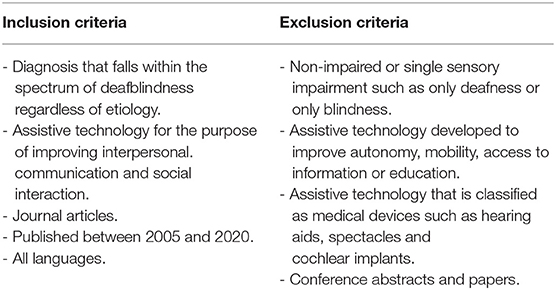
Table 1. Inclusion and exclusion criteria.
Search Strategy
As a result of the complexity of the population, as well as the variety of assistive technologies, technical, medical, and social science research fields were combined. Consequently, relevant databases were selected from the relevant research fields. These databases, searched on 29 April 2020, were: IEEE Xplore, ProQuest, Cochrane, Embase, CINANHL (via EBSCO host), PsychINFO (via EMBSCO host), Web of Science and PubMed. ProQuest, Cochrane, Embase, Web of Science, and PubMed. A search on 6 May 2020 included the databases: CINANHL, PsychINFO, and IEEE Xplore.
Research within the field of deafblindness is limited. Therefore, the title and abstract search focused on all articles related to the diagnosis of deafblindness, without any limitations. The search strategy included various synonyms and related disorders of deafblindness and focused on the titles and abstracts of articles. Keywords for the search strategy were compiled with the assistance of a librarian. Specific medical subject headings (MeSH) terminology was used to focus the search and find more relevant citations (* was used where appropriate). The key search words included the following: “deaf-blindness” OR “deaf-blind” OR “deafblindness” OR “deafblind” OR “deaf and blind” OR “vis* and hear* loss” OR “vis* and hear* impair*” OR “charge syndrome” OR “usher syndrome” OR “dual sensory loss” OR “multi-sensory impair*.” The keyword search strategy was tested and adjusted to each database. Limitations placed on each database search engine included: Abstracts and Titles; date: 2005–2020; type of article only journal articles.
The first and second authors conducted the search simultaneously, yet independently, using the various identified databases. A total of 3,410 journal articles on deafblindness were found within the selected databases. The citations of all articles were downloaded, and 578 articles duplicates were found. Next, five article titles were excluded, as they were conference papers, books or policies. After excluding the duplicates and irrelevant papers a total of 2,827 articles were screened.
During round 1, authors 1 and 2 randomly selected 1,850 (65%) articles and reviewed the titles independently. Each title either received a score of 1 (irrelevant) or 2 (relevant) based on the inclusion and exclusion criteria. Using SPSS, the measure of agreement was 75.5 % (Kappa = 0.757), which was deemed acceptable. There were 20 mismatched codes. These mismatches were attributed to the ambiguity of the titles and abstracts and were discussed and reviewed. Three articles were deemed as relevant and 17 articles were irrelevant. The remaining titles were divided between authors 1 and 2, and reviewed independently, using the same coding system. From this point onward articles with ambiguous titles, which could not be scored as relevant or irrelevant, were included in round 2. By doing so the chance of negative selection bias was reduced. A total of 106 titles were identified for an abstract review.
Round 2 consisted of the abstract review. Of the 106 articles selected in the previous round, 26 (25%) articles were randomly selected and coded independently by authors 1 and 2. The measure of agreement was 78% (Kappa = 0.780) and four mismatched codes were identified. The mismatched articles were reviewed and all four were excluded for review, as the articles either focused on a single-sensory impairment or assistive technology that was not related to communication and social interaction. Then, the remaining abstracts were divided amongst authors 1 and 2 and reviewed independently. Again, to reduce the chance of negative selection bias, articles were included for the third round if there was any uncertainty for exclusion. A total of 33 articles were identified for the next step, the full paper review.
During round 3, all 33 articles were independently reviewed and coded by authors 1 and 2, and the measure of agreement was 100% (Kappa = 1.00). After this final review, seven articles were identified. The articles were discussed with authors 3 and 4, and two additional articles were selected. Author 3, who has extensive experience and knowledge within this field hand-selected one article. The second article was published after the review was completed but was deemed relevant, as it is a follow-up journal article of one of the included articles. See Figure 1 for an overview of the review process.
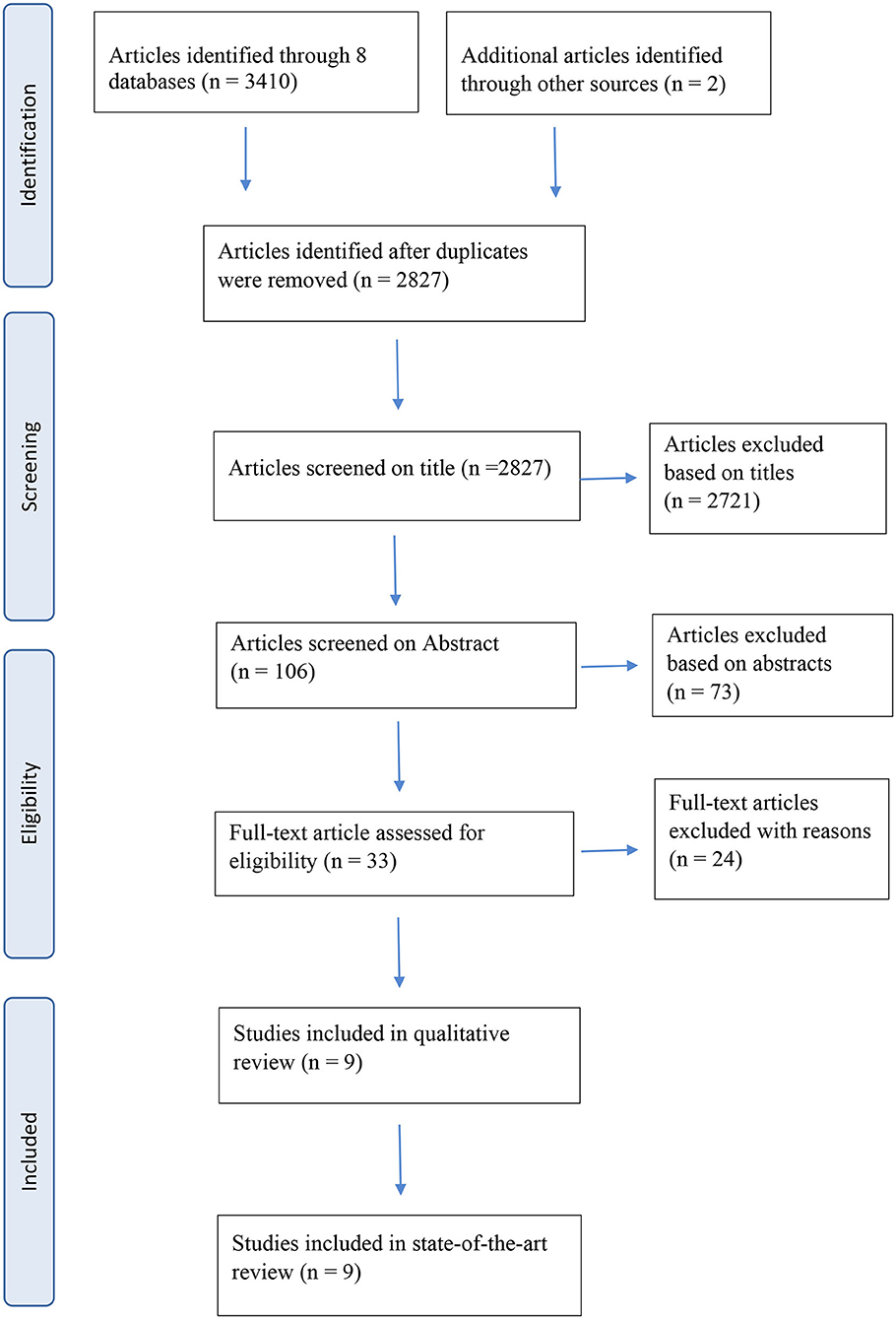
Figure 1. Flow Diagram depicting identification and screening process.
A total of nine articles were included in this systematic review (see Table 2) with studies conducted in Italy, Scotland, USA, India, Canada, and Spain. Once the journal articles were identified and the quality appraisal was completed, all the authors analyzed the articles independently with the aim to inductively categorize possible themes. The researchers discussed the potential themes until consensus was reached.
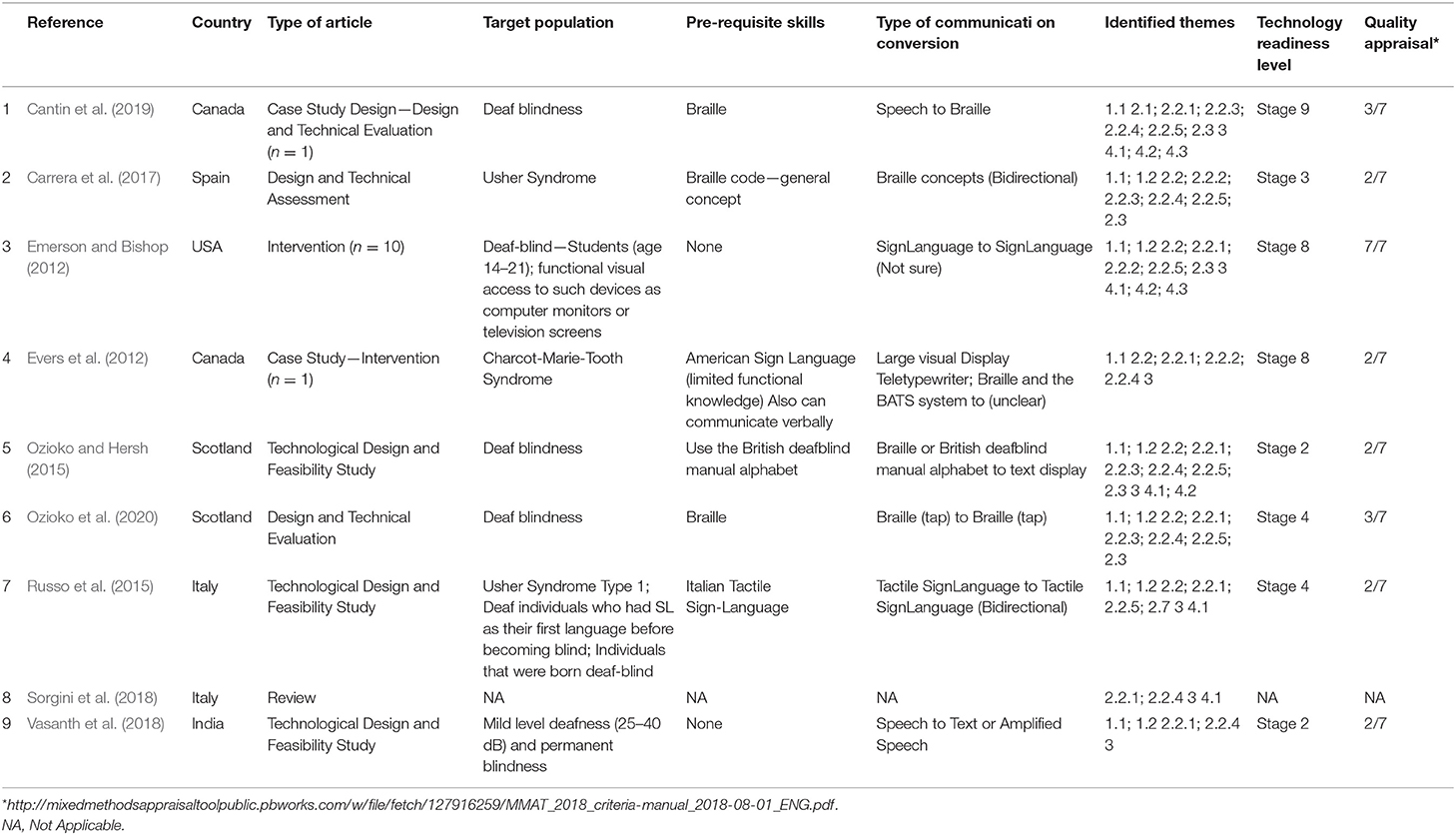
Table 2. Overview of selected articles.
Quality Appraisal
To get a general impression of the methodological quality of each of the articles identified, the Mixed Methods Appraisal Tool (MMAT) was used. The MMAT was selected, as it is suitable for both qualitative and quantitative research. This appraisal tool consists of two screening questions and five questions related to the specific research methodology. Each article receives a score out of seven. Authors 1 and 2 conducted independent quality appraisals and any inconsistencies were discussed with authors 3 and 4.
Technology Readiness Levels
In order to systematically identify the readiness of the described technologies, similarly as reported in other studies (e.g., Korving et al., 2020), the Technology Readiness Levels (TRLs) were used. TRL's are defined by the United States of America Department of Defense (2020) and focuses on the technical maturity of the assistive technology as well as demonstrated capabilities (see Figure 2). This categorization does not confirm whether previous levels were successfully completed, but rather focuses on the current depicted level mentioned in each article.
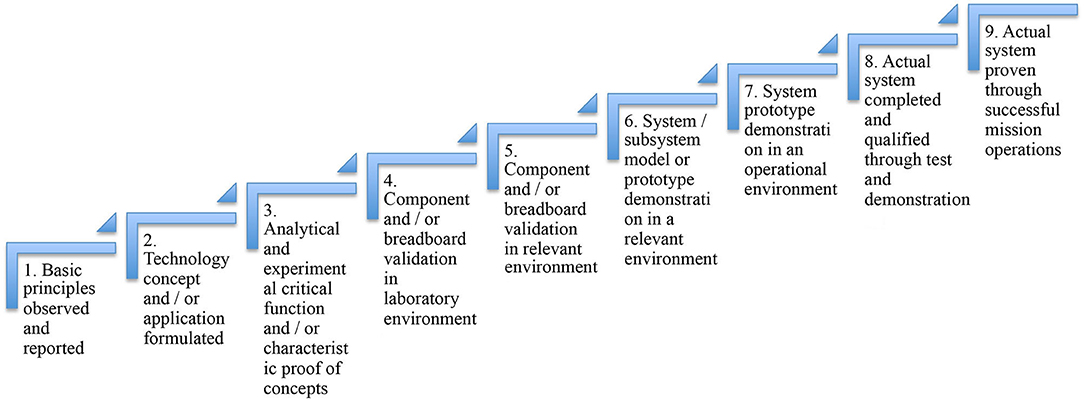
Figure 2. Technology Readiness Level descriptions used by the (United States of America Department of Defense, 2020).
Results
Quality Assessment
The quality appraisal yielded mixed results (see Table 2). The study conducted by Emerson and Bishop (2012) on the use of videophone technology received a high score of 7. Two other articles (Cantin et al., 2019; Ozioko et al., 2020) received a score of 3, due to limitations to data extraction, interpretation and coherence between the various methodological stages. The above-mentioned articles were categorized as qualitative research. Five articles (Evers et al., 2012; Ozioko and Hersh, 2015; Russo et al., 2015; Carrera et al., 2017; Vasanth et al., 2018) received a score of 2 as the focus of these studies was on the design and technical evaluation of the communication assistive technology, but not on examining their potential effects among deafblind users. The article by Sorgini et al. (2018) is a review on haptic sensory substitution technologies and therefore did not receive a quality appraisal.
Technology Readiness Levels
All studies, except the review (Sorgini et al., 2018), received a TRL score (see Table 2). In five (Ozioko and Hersh, 2015; Russo et al., 2015; Carrera et al., 2017; Vasanth et al., 2018; Ozioko et al., 2020) studies, the assistive technologies were placed at level 1,2,3, and 4–indicating that either concept formulation, proof of concept and validation was still taking place in lab situations, but not yet in a daily interaction situation between a person with deafblindness and their communication partner. Ozioko et al. (2020) report a follow-up to Ozioko and Hersh (2015) showing the developmental process from stage 2 “concept” up to stage 4 “validation in a lab.” Studies conducted by Cantin et al. (2019), Emerson and Bishop (2012), and Evers et al. (2012) are categorized in level 8 and 9, which indicated that the assistive technology was completed and implemented in field settings. In these studies, existing communication assistive technologies were adapted for use in daily communication with people with deafblindness.
Main Findings
Four overarching themes were identified and sub-divided into sub-themes. The overarching themes included: (1) the objective of the communication assistive technology; (2) design and development; (3) acquisition and implementation; and (4) the impact of the communication assistive technology. The themes and sub-themes are represented in Figure 3.
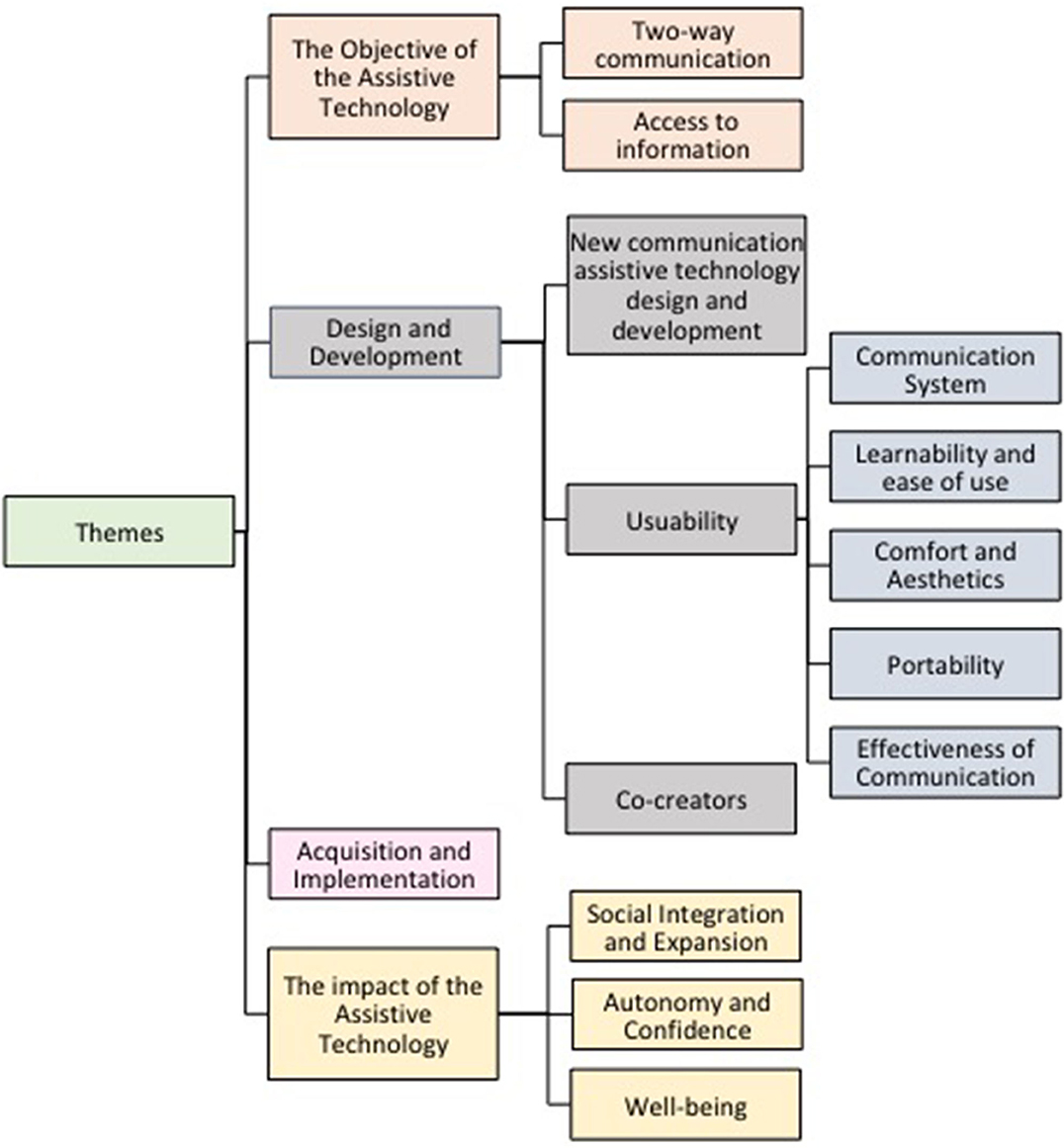
Figure 3. Overview of the identified themes.
The Objective of the Assistive Communication Technology
Two-Way Communication
The communication assistive technologies all aim to improve two-way communication. Russo et al. (2015) and Carrera et al. (2017) highlighted the requirement of physical proximity for communication with people with deafblindness, which in turn limits opportunities for two-way communication. The aim of the reviewed assistive communicative technologies was to create a means for remote communication. Ozioko and Hersh (2015) found in their surveys, completed by experts and people with deafblindness, that remote communication can include short-ranges, such a face-to-face communication in a lecture room, as well as longer-ranges, such as from different rooms and locations. Both categorizations were identified as important. Cantin's et al. (2019) communication assistive technology system was specifically designed to improve interpersonal communication on short range. The other studies allowed for longer and remote communication except for Vasanth's et al. (2018) communication aid, as it was unclear if it was designed for long or short ranges.
The depth and complexity of the two-way interaction can vary significantly. Some assistive communication technologies attempt to provide a means for imperative communication, whereas other technologies attempt to create more natural and meaningful interactions through declarative communication. PARLOMA, a remote-communication system, (Russo et al., 2015) and the videophone technology used in Emerson and Bishop's (2012) study attempt to create an opportunity for a telephonic conversation. Russo et al. (2015) emphasize the importance of capturing both verbal and non-verbal communication during an interaction. On the other hand, TactileCom (Carrera et al., 2017), Vasanth's et al. (2018) communication aid and Cantin's et al. (2019) chat application mentioned that their devices focus on conveying simple messages, and thus on imperative communication.
The communication assistive technologies were developed with a specific communication partner in mind. These partners included peer-to-peer communication (Emerson and Bishop, 2012; Russo et al., 2015; Ozioko et al., 2020) and unimpaired persons (Emerson and Bishop, 2012; Ozioko and Hersh, 2015; Carrera et al., 2017; Vasanth et al., 2018; Cantin et al., 2019). Some assistive communication technologies were able to provide communication with several types of communication partners (Emerson and Bishop, 2012; Evers et al., 2012).
Access to Information
Even though the improvement of two-way communication between a deafblind and another (either deafblind or not deafblind) person remains the primary aim of most of the assistive communication technologies, additional aims were also mentioned. Three articles (Emerson and Bishop, 2012; Ozioko and Hersh, 2015; Russo et al., 2015) explicitly highlighted enabling more accessibility to information. Ozioko and Hersh (2015) also suggested incorporating a real-time clock. Vasanth et al. (2018) on the other hand stated that their communication aid improves the efficacy and ease of working from home, in the office or in public spaces. Accessibility to telephonic communication was the main aim of the study conducted by Evers et al. (2012). Ozioko et al. (2020) highlighted the possibility of motivating non-braille readers to learn braille. Lastly, Carrera et al. (2017) mentioned that other communication applications are also possible.
Design and Development
New Communication Assistive Technology Design and Development
The majority of the articles included in the review focused on the design and development of a prototype for communication assistive technology for people with deafblindness. The communication assistive technologies described in the papers included a range of devices. Some of the devices mentioned in the articles are specifically built as assistive devices for deaf, blind, and/or deafblind people. Other papers described systems in which common devices and computers (such as microphones or displays) communicate with each other (for example using Bluetooth) and in this way can be used as communication systems for people with deafblindness. The devices mentioned in the articles include: tactile gloves (Ozioko and Hersh, 2015; Carrera et al., 2017; Ozioko et al., 2020); videophone technology (Emerson and Bishop, 2012); a robotic hand (Russo et al., 2015); a teletypewriter (Evers et al., 2012) and a braille display notetaker (Cantin et al., 2019). In Table 3 descriptions of the communication assistive technologies specified in the papers are summarized.
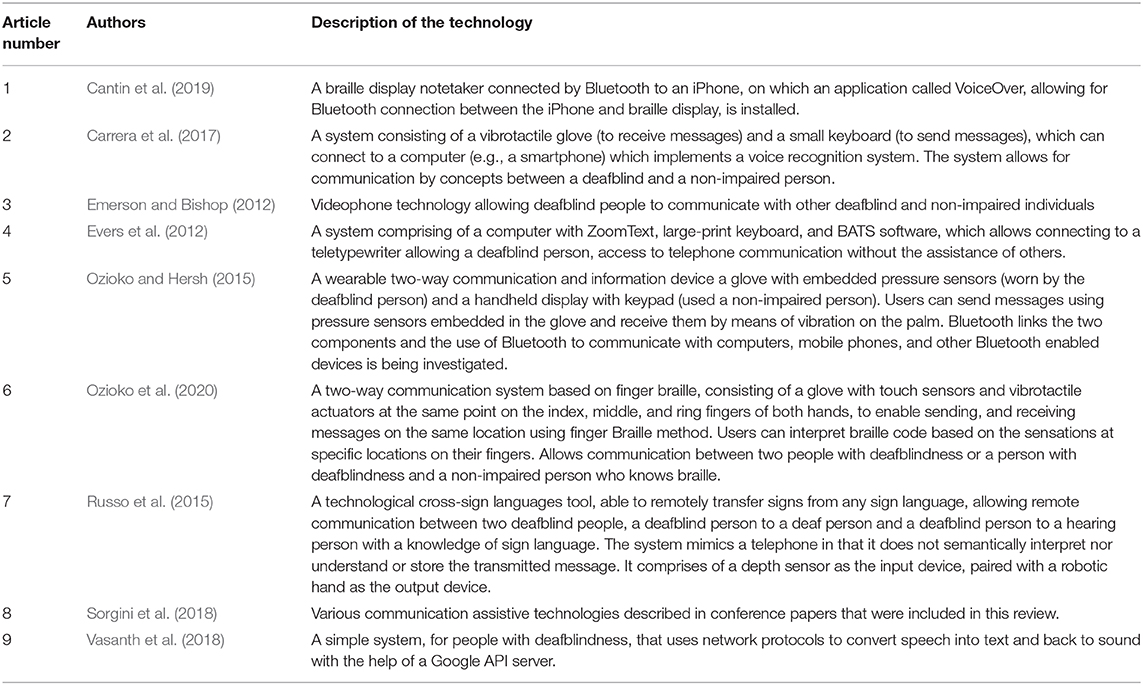
Table 3. Description of the communication assistive technology.
Several articles described how output devices (such as monitors, headphones, speakers) and computers (such as laptops and phones) could be connected to the communication assistive technology. Connecting additional mainstream devices such as phones and computers can facilitate communication between a person with deafblindness and groups of people and/or with people who cannot usually communicate with deafblind people. For example, the system described by Russo et al. (2015) connects different output devices thereby allowing the person with deafblindness to communicate to multiple users. The system described by Ozioko et al. (2020) includes Bluetooth links in order to connect to other devices such as computer or mobile phones. The authors mention that in this way the person with deafblindness could for example send and receive phone messages.
Usability
Communication systems
The communication systems used in the different papers varied, and included braille, tactile sign language (of different countries/languages) and communication by concepts (see Table 2). Four included articles (Evers et al., 2012; Ozioko and Hersh, 2015; Cantin et al., 2019; Ozioko et al., 2020) described systems that were based on braille, which is less suitable for people who become blind with age (Carrera et al., 2017). Sign language (Damen and Worm, 2013; Russo et al., 2015), speech-to-text (Vasanth et al., 2018) and communication by concepts (Russo et al., 2015) were the communication systems used by the assistive technologies specified in the four other included articles. The latter refers to a system of communication that is faster, since it does not require spelling out the word, is easy to learn and allows new concepts to be added.
Sorgini et al. (2018) state that “In both deaf/hard of hearing and deaf-blind communities the availability of a sign language as the only way of communication, this can lead to a linguistic isolation from the non-impaired […] most of non-disabled people do not understand sign language and interpreters are expensive and not always available” (page 4). This issue is observed in Russo et al. (2015), where the non-deafblind communication partner needs to master sign language. Also in Ozioko et al. (2020) the non-impaired communicator needs to have knowledge of braille. However, a few of the articles described communication assistive technologies that use both the languages of the person with deafblindness and the person without deafblindness. For example, the system described by Vasanth et al. (2018) includes text output for non-deafblind people. Evers et al. (2012) describe an individually tailored method of enabling a deafblind person to use the telephone to communicate with people without impairments, based on his specific rehabilitation goal and flexible in magnifying capability.
Learnability and ease of use
Three of the included studies (Emerson and Bishop, 2012; Evers et al., 2012; Carrera et al., 2017) referred to training the participants before use of the assistive technology. Carrera et al. (2017) mentioned that before the study began, deafblindness experts evaluated the application used on a number of factors including learnability and ease of use. Carrera et al. (2017) also measured the change in correct stimulation patterns recognized before and after the training, demonstrating that the training was effective. However, none of the articles measured learnability of the assistive technology, although Carrera et al. (2017) did mention that participants were able to effectively use the interface, which means it was easy to learn with the training provided.
Comfort and aesthetics
Four of the included articles specified feedback on comfort and/or aesthetics (Ozioko and Hersh, 2015; Carrera et al., 2017; Cantin et al., 2019; Ozioko et al., 2020) and this feedback was in two cases not a central focus and not stated as a study objective (Carrera et al., 2017; Cantin et al., 2019). In two of the papers (Carrera et al., 2017,?) the user feedback in relation to these topics was followed-up and used in a next version of the technology.
Aspects related to comfort, which were mentioned in the articles, included freedom of movement (Cantin et al., 2019), wearability (Ozioko and Hersh, 2015; Ozioko et al., 2020), physical comfort of the hand (Carrera et al., 2017), sensation on the skin for people with skin conditions as well as people with higher tactile sensitivity (Ozioko et al., 2020), material comfort and evaluations of the vibrations' sensation on the skin (Ozioko et al., 2020). Moreover, Ozioko et al. (2020) mention the sensor actuators they used in their device were designed to provide convenience to the user. Aesthetics were mentioned by participants in Carrera et al. (2017), in which participants stated that they do not want to look different than other people and would prefer the device to be covered by clothing.
Some people with deafblindness may still be able to perceive colors. For these people, Ozioko et al. (2020) suggest that red may be less suitable if they have comorbid autism. In addition, the use of colors was mentioned in relation to visibility of the interface, as it may be useful to include contrasting colors on the interface.
Portability
Portability is described as an important feature of communication assistive technology (Sorgini et al., 2018). Vasanth et al. (2018) refer to portability as ease of transporting the technology from one place to another. Wireless gloves were part of the systems described in three included articles (Ozioko and Hersh, 2015; Carrera et al., 2017; Ozioko et al., 2020). Two other articles (Vasanth et al., 2018; Cantin et al., 2019) also described a portable system. For example an assistive technology which was used outside the deafblind person's home, at a restaurant outing (Cantin et al., 2019). Evers et al. (2012) did not discuss portability in their paper, but the system that was described could potentially be portable.
Effectiveness of communication
In three of the reviewed articles (Russo et al., 2015; Carrera et al., 2017; Ozioko et al., 2020) the transfer of communication between input and output sources were measured. In three (Emerson and Bishop, 2012; Ozioko and Hersh, 2015; Cantin et al., 2019) other studies the focus on effectiveness of communication went beyond the technical aspect, to measure perceived effectiveness of the technology in promoting and enabling communication among users. Specifically, Emerson and Bishop (2012) reported that a pilot study had established videophone technology as an effective method for engagement of deafblind students in communication activities, upon which they built within their work. Cantin et al. (2019) found that turn management in the communication between people with deafblindness and unimpaired communication partners was perceived as problematic for the deafblind persons. In addition, the deafblind participants expressed negative perceptions regarding the speed of the communication and the occurrence of errors and their consequences. These aspects could be related to the participants' perceptions of the assistive technology's effectiveness. Ozioko and Hersh (2015) asked participants to indicate the features that, according to them, would lead to effective communication and used this information in the design of the proposed system.
Co-creators
Although none of the included articles described co-creation processes in the design of the technologies, six of the studies (Emerson and Bishop, 2012; Ozioko and Hersh, 2015; Russo et al., 2015; Carrera et al., 2017; Cantin et al., 2019; Ozioko et al., 2020) mentioned that user needs, including either professionals and/or deafblind users, were taken into account. One of the studies (Ozioko and Hersh, 2015) also included a short description of the process of the user needs exploration and a follow-up study (Ozioko et al., 2020) included a short description of the results they obtained from users. Specifically, Ozioko and Hersh (2015) included feedback from professionals of organizations that care for deafblind people, in the form of interviews, in order to collect preliminary information about technologies used by deafblind people and collect requirements of non-impaired communication partners. In this study deafblind people also received a questionnaire to collect demographic information, assistive device use, mobile or smart phone use, computer use, British deafblind manual alphabet use, and design requirements for communication assistive technology. The results were used as a next stage in the definition of design specifications. Ozioko et al. (2020) included deafblind users as well as non-impaired individuals in the design process to obtain feedback on the interface. Participants mentioned the following areas: tactile sensitivity, health, wearability and usability, and look and feel.
Acquisition and Implementation
Sorgini et al. (2018) highlighted that assistive technology research should focus on the development of cost-effective and optimal devices. The design and development of communication assistive technology is influenced by the needs of the users with deafblindness. However, the accessibility and the initial implementation thereof are also taken into consideration during the design phase as well as the implementation phase. PARLOMA (Russo et al., 2015) as well as Vasanth's et al. (2018) communication aid specifically emphasizes low-cost design.
Evers et al. (2012) and Emerson and Bishop (2012) mention the issue of funding in relation to deafblind people's rehabilitation and in relation to technology development, respectively. Furthermore, in Emerson and Bishop's (2012) study, persons who are deaf and hard-of-hearing could receive videophone devices, but this did not include monitors, which can reduce the purchasing costs of the assistive technology.
The initial implementation of the assistive communication technologies was often not mentioned. Two articles (Emerson and Bishop, 2012; Cantin et al., 2019) mentioned that training was given to participants prior to the intervention. This training was extensive and included follow-up sessions. Ozioko and Hersh (2015) reported that some assistance with regards to installation on their phone should be considered. On the other hand, Emerson and Bishop (2012) explicitly mention that users receive additional training.
The Impact of the Assistive Communication Technology
Social Integration and Expansion
Limited information was reported about the impact of assistive technology on the life of people with deafblindness. While some studies expected that an increase in opportunities of communication would lead to an increase in social inclusion and active participation in society (Ozioko and Hersh, 2015; Russo et al., 2015), other studies confirmed that there was not only active engagement in daily videophone communication, but also an expanded circle of friends, contacts with local businesses (Emerson and Bishop, 2012) and increased well-being (Cantin et al., 2019).
People with deafblindness reported stigmatization and the feeling of being excluded from the use of technology (Emerson and Bishop, 2012) as well as the fear of being excluded (Sorgini et al., 2018). This stigmatization was generally related to society's perception of their level of ability to use communication assistive technology. However, the use of communication assistive technology is expected to influence perceptions of people with deafblindness about themselves as well as the perception of society concerning people with deafblindness (Russo et al., 2015). Results in two articles (Emerson and Bishop, 2012; Cantin et al., 2019) showed changes in perceptions of people with deafblindness about how they are perceived by their society and realizations about themselves. Cantin et al. (2019) reported that a shop attendant was excited to communicate effectively with a person with deafblindness. People with deafblindness who participated in interventions reported increased insight into the importance of social integration, the ability to use the technology and the usefulness of communication assistive technology in their lives (Emerson and Bishop, 2012; Cantin et al., 2019).
Autonomy and Confidence
The themes autonomy and confidence were mentioned in three of the articles (Emerson and Bishop, 2012; Ozioko and Hersh, 2015; Cantin et al., 2019). Ozioko and Hersh (2015) predicted that the use of technology would increase ability and independence in social activities, education, and employment of people with deafblindness. Both studies indicated that the use of assistive technology contributed to higher levels of autonomy, confidence, and perceived ability (Emerson and Bishop, 2012; Cantin et al., 2019). Cantin et al. (2019) reported positive results related to competence, a sense of confidence and autonomy. Furthermore, Emerson and Bishop (2012) observed significant changes from low levels of competence and confidence to a greater sense of independence, autonomy, and confidence. In addition to the above-mentioned changes, individuals in both studies (Emerson and Bishop, 2012; Cantin et al., 2019) reported an increased willingness to try new things.
Well-Being
This new sense of autonomy was also linked to a greater sense of well-being. In the case study reported by Cantin et al. (2019) the woman experienced frustration and fear during the intervention, but also pride and an improved quality of life. Similarly, Emerson and Bishop (2012) reported that parents mentioned that their child with deafblindness was happy while using the videophone technology. Furthermore, they also reported high levels of enthusiasm and motivation related to the use of the videophone technology and that the expectations and experiences of using communication assistive technology highlighted similar themes of social inclusion, autonomy, and increased well-being.
Discussion
The aim of this systematic review was to describe and evaluate the current state of research related to the use of assistive technology aimed to improve communication and social interaction of people with deafblindness. The analysis has moved beyond technical descriptions of the technology in order to gain insight into the design, development, and implementation of communication assistive technology. The four overarching themes found in the nine included journal articles focusing on communication assistive technologies and social interaction and published within the last 15 years, were: the objective of the assistive technology; design and development; acquisition and implementation; and impact of assistive technology.
Although, this field appears to be more dynamic, given that various communication assistive technologies that have been presented at conferences (Sorgini et al., 2018) only nine publications met the inclusion criteria. Even though conference proceedings are peer reviewed these publications mainly report the development of prototypes. The limited availability of journal articles highlights the need for more sustainable research with in-depth analysis concerning the use of communication assistive technology and the experience thereof. No quantitative studies, including randomized controlled trials, measuring the effects of the technologies on communication among people with deafblindness were identified in the current review. The limited availability of journal articles and lack of randomized controlled trails may be related to the low prevalence of the deafblindness among the general population, as well as the practical difficulties in identifying, recruiting, and conducting research within this population.
Of the included journal articles however, also four out of the nine articles have not gone past the prototype phase of development, which seems to be in line with the results in the review by Sorgini et al. (2018). Only one follow-up article was found in the 15-year period. This is concerning, as the developed technologies do not appear to be disseminated among a community that can greatly benefit from the uses of communication assistive technology.
Another reason for the stagnation of article publishing in this area may be related to the resources required for development of communication assistive technologies for people with deafblindness. The difficulty of funding and the need of specialized funding focusing on deafblindness have been highlighted in reviewed publications (Evers et al., 2012), as well as in the first global report on deafblindness (The World Federation of the Deafblind, 2018). Development of technology can be expensive and time-consuming, especially for such a diverse and small group within the global population. There seems to be an emphasis on cost-effective technologies, which, in combination with the size of target group, may not make the manufacturing profitable. Extra funding is needed to develop sustainable and implementable assistive technology so that persons with deafblindness can live inclusive and integrated lives.
Another factor that should be taken into account is that most projects attempted to design new technologies. Even though previous research was consulted to a certain degree, it is noteworthy that the new research did not often build on previously developed technologies. Collaboration between different research projects may decrease the time and financial investment required. This was evident in Cantin's et al. (2019), Evers et al. (2012), and Emerson and Bishop's (2012) research. The two articles that reached higher levels of technical readiness were adaptations of existing technology and this may be another solution for future projects. Adapting existing technology can save time and be financially more beneficial, especially for manufacturers.
The aim of the communication assistive technologies was to establish remote communication, which will increase opportunities for interaction and decrease social isolation. As seen in the results, two-way communication can differ according to the individual communication needs. During the review, research related to the type of communication needs of people with deafblindness was reported. People with deafblindness may have a means to convey simple messages or requests, but there are limited ways in which declarative communication can take place (Damen et al., 2017). Russo et al. (2015) mentioned the importance of verbal and non-verbal communication but provided little clarification about these needs and how they were identified. Communication assistive technology should attempt to assist with the specific two-way communication needs presented by people with deafblindness. During the design phase of a study, the communication needs as well as the intended communication partner should be explored by including people with deafblindness as co-creators. By adequately matching the needs of the people with deafblindness with the assistive technologies, the path is cleared for more interactions and fulfilling connections.
Six out of the nine articles included in this review did briefly mention the involvement of co-creators. These co-creators consisted of experts within the field of deafblindness, as well as people with deafblindness. The involvement of co-creators in the design of technological innovations is important, especially for target groups whose abilities and needs are very different than those of the designers of the technology. By involving the intended users, insight into their abilities, needs and experiences is gathered and used in the design and development process. This makes it more likely that the resulting technologies will be implemented effectively. The included studies indicated that use of the assistive technology did increase opportunities for two-way communication and changed the participant's well-being and autonomy, social integration, and opportunities for education and employment. However, for communication assistive technology to be effective people with deafblindness should be involved, the nuanced needs of the intended deafblind user should be understood.
It is unclear whether the assistive technologies described in the current review can effectively be used and integrated into everyday life. Within this review, no usability studies of communication assistive technologies for people with deafblindness were identified, and it is unclear if the technologies that were described had been systematically tested to ensure adequate usability. The lack of systematic research on usability-related factors, such as usefulness, efficiency, effectiveness, learnability, and satisfaction, may be related to the technology readiness stage in which the research currently finds itself. It is advised that usability is systematically evaluated and steps are made toward higher levels in the technology readiness indicator.
Portability is mentioned as an important feature, as it allows for opportunities for communication and increased possibilities for participation in society. In seven of the nine publications the need for portable assistive technology was highlighted. The ease of use, provided by the portability of the technology, could promote more consistent and long-term use of technology. Even though Ozioko et al. (2020) did perform a thematic analysis on the experience of wearing their technology, the results, as was done in the other articles, were presented briefly. More research is required regarding comfort and integration in daily life. For instance, wearing gloves may be uncomfortable and impractical when performing activities that require the use of one's hands, such as eating or drinking. Furthermore, some technologies actually cause fear of stigmatization, fear of failing and frustration related to using communication assistive technology (Emerson and Bishop, 2012; Sorgini et al., 2018). Thus, although devices were portable, they were not always practical and don't always support inclusion. Therefore, future research should include the combination of the important features, including portability, practicality, and general acceptability in daily life.
Throughout the above-mentioned points, as well as among the themes identified within the review, the “voice” of the deaf-blind user appears to be lost. Various themes were identified within such a small number of articles, which may point to a need for more specialized and focused research. This was especially prevalent in the user-feedback sections, but also in the limited information published related to the experience of using communication assistive technology in their daily lives. On the one hand there are reports of fear of stigmatization, fear of failing and frustration related to using communication assistive technology (Emerson and Bishop, 2012; Sorgini et al., 2018), and on the other hand reports of increased autonomy and well-being (Cantin et al., 2019). Nevertheless, the phenomenology of using these technologies were not really explored and published. More research should be done on the actual experience of people with deafblindness using communication assistive technology. This will empower people with deafblindness to voice their needs and actively participate in building a world in which they can participate.
Conclusion
Limited research about communication assistive technology for people with deafblindness is available in peer-reviewed journals. The described technology is across the stages of technology readiness, but it appears that many technologies do not move to more advanced levels of technology readiness. This may be related to funding, lack of research collaboration and as a result of research challenges. More in-depth and sustainable research should be conducted within this field of research, which could move the technology to a more mature readiness level, which could assist in understanding the value of communication assistive technology in increasing social interaction and inclusion, as well as well-being. This will ensure that communication assistive technology could be effectively integrated into their daily lives. Features that should be considered include communication systems, learnability and ease of use, comfort and aesthetics, portability, practicality, and general acceptability in daily life. In order to design, develop and implement effective, and sustainable communication assistive technology, people with deafblindness should be included as co-creators during all stages of the research. The inclusion throughout the various phases will ensure that their needs are not only heard and understood, but also implemented in such a way that it will improve their quality of life, thus their autonomy and confidence, social inclusion and well-being.
Limitations
Even though it was attempted to find all relevant articles related to this review, there is no guarantee that all relevant articles were found. This may be related to the diversity of terminology as well as the fields of research in which the articles were identified. Additionally, this review only focused on journal articles. Conference papers were excluded although they may have described relevant communication assistive technology. Furthermore, non-academic sources were not included in the review. Various articles were also excluded that identified assistive technology that had other primary functions then communication. It is, however, possible that some of these assistive technologies can be adapted for communication purposes. Therefore, a next literature review could include conference papers and possible other non-academic sources that describe assistive technologies for social interaction and communication.
Author Contributions
PS, VD, and RO-C outlined the review. VD and RO-C conducted the search in the databases, screened the articles, the proposed selection of articles, and drafted the manuscript. PS coordinated the study and revised the manuscript. All authors checked and refined the selection of the studies. All were present to discuss the themes during digital meetings due to the COVID-19 pandemic. All authors contributed on all the sections of the paper and approved the final paper.
Funding
VD and RO-C were funded by ZonMW Academische werkplaatsen in de langdurige zorg (ref number: 60-6410098101). MW contributed as employee of Bartiméus. PS was funded by Bartiméus Fund (ref number: P00238). The open access publication fee was payed by ZonMW Academische werkplaatsen in de langdurige zorg (ref number: 60-6410098101).
Conflict of Interest
The authors declare that the research was conducted in the absence of any commercial or financial relationships that could be construed as a potential conflict of interest.
References
Cantin, S., De Abreu Cybis, W., Trudeau, S., Wittch, W., and Wanet-Defalque, M. C. (2019). Assessment of a communication assistive technology for individuals with deafblindness: a case study. J. Deafblind Stud. Commun. 5, 73–95. doi: 10.21827/jdbsc.5.32575
Carrera, A., Alonso, A., De la Rosa, R., and Abril, E. J. (2017). Sensing performance of a vibrotactile glove for deaf-blind people. Appl. Sci. 7:317. doi: 10.3390/app7040317
Damen, S., Janssen, M. J., Ruijssenaars, W. A., and Schuengel, C. (2017). Scaffolding the communication of people with congenital deafblindness: an analysis of sequential interaction patterns. Am. Ann. Deaf. 162, 24–33. doi: 10.1353/aad.2017.0012
Damen, S., and Worm, M. (2013). Congenital Deafblindness: Supporting Children and Adults Who Have Visual and Hearing Disabilities Since Birth or Shortly Afterwards. Zeist: Bartiméus.
Dammeyer, J. (2014). Deafblindness: a review of the literature. Scand. J. Public Health. 42, 554–562. doi: 10.1177/1403494814544399
Den Brok, W. L. J. E., and Sterkenburg, P. S. (2015). Self-controlled technologies to support skill attainment in persons with an autism spectrum disorder and/or an intellectual disability: a systematic literature review. Disabil. Rehabil. Assist. Technol. 10, 1–10. doi: 10.3109/17483107.2014.921248
Emerson, J., and Bishop, J. (2012). Videophone technology and students with deaf-blindness: a method for increasing access and communication. J. Vis. Impair. Blind. 106, 622–633. doi: 10.1177/0145482X1210601006
Evers, P., Barber, P., and Wittich, W. (2012). Telephone accessibility for individuals with dual sensory impairments: a case study. J. Vis. Impair. Blind. 106, 43–46. doi: 10.1177/0145482X1210600106
Gunther, F. (2004). Diagnostiek en Behandeling van Mensen Met een Visuele en Verstandelijke Beperking. Doorn: Bartiméus.
Hall, H. R., Neely-Barnes, S. L., Graff, J. C., Krcek, T. E., Roberts, R. J., and Hankins, J. S. (2012). Parental stress in families of children with a genetic disorder/disability and the resiliency model of family stress, adjustment, and adaptation. Compr. Pediatr. Nurs. 35, 24–44. doi: 10.3109/01460862.2012.646479
Hersh, M. A. (2013). Deafblind people, stigma and the use of communication and mobility assistive devices. Technol. Disabil. 25, 245–261. doi: 10.3233/TAD-130394
Hoffman, N., Sterkenburg, P. S., and Van Rensburg, E. (2017). The effect of technology assisted therapy for intellectually and visually impaired adults suffering from separation anxiety: conquering the fear. Assist. Tech. 31, 98–105. doi: 10.1080/10400435.2017.1371813
Hsiao, Y.-J. (2018). Parental stress in families of children with disabilities. Interv. School Clin. 53, 201–205. doi: 10.1177/1053451217712956
Jaiswal, A., Aldersey, H., Wittich, W., Mirza, M., and Finlayson, M. (2018). Participation experiences of people with deafblindness or dual sensory loss: a scoping review of global deafblind literature. PLoS ONE. 13:9. doi: 10.1371/journal.pone.0203772
Kable, A. K., Pich, J., and Maslin-Prothero, S. E. (2012). A structured approach to documenting a search strategy for publication: a 12 step guideline for authors. Nurse Educ. Today 32, 878–886. doi: 10.1016/j.nedt.2012.02.022
Korn, O., Holt, R., Kontopoulos, E., Kappers, A. M. L., Persson, N. K., and Olson, N. (2018). “Empowering persons with deafblindness: designing an intelligent assistive wearable in the SUITCEYES project,” in Proceedings of the 11th PErvasive Technologies Related to Assistive Environments Conference (PETRA '18) (New York, NY: Association for Computing Machinery), 545–551. doi: 10.1145/3197768.3201541. Available online at: https://dl.acm.org/doi/10.1145/3197768.3201541
Korving, H., Sterkenburg, P. S., Barakova, E. I., and Feijs, L. M. G. (2020). Physiological measures of acute and chronic pain within different subject groups: a systematic review. Pain Res. Manag. 2020, 1–10. doi: 10.1155/2020/9249465
Netherton, D. L., and Deal, W. F. (2006). Assistive technology in the classroom. Technol. Teach. 66, 10–15.
Nordic Centre for Welfare Social Issues (2018). The Nordic Definition of Deafblindness. Retrieved from: http://www.nordicwelfare.org/wp-content/uploads/2018/03/nordic-definition-of-deafblindness.pdf (accessed April 27, 2020).
Ogrinc, M., Farkhatdinov, I., Walker, R., and Burdet, E. (2018). Horseback riding therapy for a deafblind individual enabled by a haptic interface. Assist. Technol. 30, 143–150. doi: 10.1080/10400435.2017.1288178
Ozioko, O., and Hersh, M. (2015). Development of a portable two-way communication and information device for deafblind people. Stud. Health Technol. Inform. 217, 518–525.
Ozioko, O., Karipoth, P., Hersh, M., and Dahiya, R. (2020). Wearable assistive tactile communication interface based on integrated touch sensors and actuators. IEEE Trans. Neural Syst. Rehabil. Eng. 28, 1344–1352. doi: 10.1109/TNSRE.2020.2986222
Ozioko, O., Navaraj, W. T., Yogeswaran, N., Hersh, M., and Dahiya, R. (2018). “Tactile communication system for the interaction between deafblind and robots,” in IEEE International Symposium on Robot and Human Interactive Communication (RO-MAN) (Nanjing: IEEE), 416–421. doi: 10.1109/ROMAN.2018.8525725. Available online at: http://eprints.gla.ac.uk/201386/
Perfect, E., Jaiswal, A., and Davies, T. C. (2019). Systematic review: investigating the effectiveness of assistive technology to enable internet access for individuals with deafblindness. Assist. Technol. 31, 276–285. doi: 10.1080/10400435.2018.1445136
Prain, M., Mcvilly, K. R., and Ramcharan, P. (2012). Interacting with adults with congenital deafblindness: the experiences of disability support workers. J. Intellect. Dev. Disabil. 37, 27–34. doi: 10.3109/13668250.2012.647808
Russo, L. O., Farulla, G. A., Pianu, D., Salgarella, A. R., Controzzi, M., Cipriani, C., et al. (2015). PARLOMA - a novel human-robot interaction system for deaf-blind remote communication. Int. J. Adv. Robot. Syst. 12:5. doi: 10.5772/60416
Sorgini, F., Caliò, R, Carrozza, M. C., and Oddo, C. M. (2018). Haptic-assistive technologies for audition and vision sensory disabilities. Disabil. Rehabil. Assist. Technol. 13, 394–421. doi: 10.1080/17483107.2017.1385100
The World Federation of the Deafblind (2018). At Risk of Exclusion From CRPD and SDGs Implementation: Inequality and Persons with Deafblindness. Sense International. Available online at: https://www.wfdb.eu/2019/03/19/world-federation-of-the-deafblind-wfdb-workshop-at-risk-of-exclusion-from-crpd-and-sdg-implementation/ (accessed June 1, 2020).
United States of America Department of Defense (2020). Technology Readiness Levels in the Department of Defense (DoD). Defense Acquisition Guidebook. Available online at: https://www.gao.gov/assets/710/703694.pdf (accessed June 5, 2020).
Vasanth, K., Macharla, M., and Varatharajan, R. A. (2018). Self assistive device for deaf & blind people using IOT. J. Med. Syst. 43:88. doi: 10.1007/s10916-019-1201-0
Keywords: assistive technology (AT), deafblindness, communication, social inclusion, systematic review (PRISMA)
Citation: Dyzel V, Oosterom-Calo R, Worm M and Sterkenburg PS (2020) Assistive Technology to Promote Communication and Social Interaction for People With Deafblindness: A Systematic Review. Front. Educ. 5:578389. doi: 10.3389/feduc.2020.578389
Received: 30 June 2020; Accepted: 14 August 2020;
Published: 17 September 2020.
Edited by:
Timothy Scotford Hartshorne, Central Michigan University, United StatesReviewed by:
Juan De Dios Benítez Sillero, University of Cordoba, SpainFabián Román, Universidad de la Costa, Colombia
Copyright © 2020 Dyzel, Oosterom-Calo, Worm and Sterkenburg. This is an open-access article distributed under the terms of the Creative Commons Attribution License (CC BY). The use, distribution or reproduction in other forums is permitted, provided the original author(s) and the copyright owner(s) are credited and that the original publication in this journal is cited, in accordance with accepted academic practice. No use, distribution or reproduction is permitted which does not comply with these terms.
*Correspondence: Paula Sterkenburg, cC5zLnN0ZXJrZW5idXJnQHZ1Lm5s
†These authors have contributed equally to this work