 Huanhuan Shan
 Zahari Ishak
 Jingyi Li
- 1Department of Educational Psychology and Counselling, Faculty of Education, University of Malaysia, Kuala Lumpur, Malaysia
- 2Department of Psychology, Faculty of Educational Science, Henan University, Kai Feng, China
This study was based on the framework of attachment, reinforcement sensitivity, and positive psychology theories. The main objective is to investigate rejection sensitivity and psychological capital as the mediators between attachment styles on social networking sites addiction. The sample comprised 607 college students, and the data was collected using an online survey owing to the rapid development and penetration of social networking sites in China. Results demonstrated a mediating effect between rejection sensitivity, psychological capital, and attachment styles on social networking sites addiction. Moreover, fearful style is predicted significantly and positively on social networking sites addiction. Preoccupied style and dismissive-avoidant style are not significant effect on social networking sites addiction after adding the mediating variables of rejection sensitivity and psychological capital. Furthermore, attachment styles also influence the social networking sites addiction due to their dual effect on rejection sensitivity and psychological capital. Overall, the findings suggest that weakening rejection sensitivity, and enhancing psychological capital can be considered in future studies as contributors to social networking sites addiction for prevention or intervention studies.
Introduction
With the growth in popularity of social networks and Wi-Fi, Social Networking Sites (SNS) are now the most popular and ubiquitous communication tools, especially among young people. The emergence of social networks has profoundly changed the way of human communication (Firth et al., 2019). However, excessive social networking sites’ behaviour or problematic SNS usage is considered a behavioral addiction. Furthermore, according to Griffiths (2005), criteria for addictive behavior include salience, mood modification, tolerance, withdrawal, conflict, and relapse. Most of the traits that meet this standard are considered addictive behaviors.
Currently, there is no unified definition of SNS addiction. Some existing studies define SNS addiction as online social networking sites addiction (Andreassen, 2015) or problematic social networking sites usage (Hou et al., 2017), or pathological Internet use (Carli et al., 2013; Maroma et al., 2019). SNS addiction is one of the primary forms of Internet addiction (Griffiths et al., 2014). Limited evidence in the literature suggests that SNS addiction does not depend on a specific substance, unlike general addiction (Young, 2009; Van Rooij and Prause, 2014). SNS addiction refers to an excessive focus on the utility of social networking sites, which results in a loss of control in the investment of time and energy, even ignoring the development and maintenance of interpersonal relationships in real life (Kuss and Griffiths, 2011). Besides the uncontrolled visiting of SNS, online social networking reduces the level of an individual’s mental health (Schou Andreassen et al., 2016), unhealthy food intake, shopping addiction (Tang and Koh, 2017), and other social functioning states (Alzougool, 2018).
Empirical research has revealed that the main factors of SNS addiction are generally summarized as personality factors, social-cultural factors, and behavioral reinforcing factors, such as neuroticism and impulsive personality of individuals (Abbasi and Drouin, 2019; Evren et al., 2019). In addition, individuals with self-esteem, lower general self-efficacy, loneliness, social anxiety, emotional stability, and narcissism are more likely to be predictors of SNS addiction (Hawi and Samaha, 2017; Atroszko et al., 2018; Hawi and Samaha, 2019). Additionally, the desire to fulfill an individual’s psychological needs and privacy concerns are also important factors affecting their SNS addiction (Chen and Kim, 2013).
Growing scientific evidence shows that excessive SNS use is closely associated with an unhealthy psychological problem, like more depression symptoms (Lin et al., 2011; Giota and Kleftaras, 2013; Shensa et al., 2017), anxiety (Dhir et al., 2018), and poor sleep (Woods and Scott, 2016). Furthermore, students who overuse social networking sites have maladaptive cognitions (Pontes et al., 2018; Turel and Serenko, 2020), decreased executive control like low self-control (Brevers and Turel, 2019), the worse performance of academic achievement (Tartari et al., 2019), and mental health problem (Rasmussen et al., 2020), among others. Therefore, it is crucial to understand the internal formation mechanism of how to use SNS rationally. Several previous studies have focused on the factors of addiction regardless of the individual’s traits. The individual’s personality characteristics or tendencies are often affected by her or his cognitive and attention biases and thus produce different behavioral responses. Given these previous findings, the current study hypothesizes the influence of attachment styles on SNS addiction.
Based on the attachment theory, the early relationship pattern between the children and the caregiver promotes the formation of the children’s personality characteristics and internal work pattern of social interaction. More importantly, it is relatively stable and lasts into adulthood (Bretherton, 1992). Attachment styles positively correlated with the physical and mental health of individuals. Moreover, maternal insecure attachment influenced children’s risk of poor behavioral outcomes via direct and indirect intermediary pathways (Cooke et al., 2019). Researchers mainly divided attachment styles into two major dimensions: attachment anxiety and attachment avoidance, which further constitute four attachment types: secure style (low anxiety, low avoidance), dismissive-avoidant style (low anxiety, high avoidance), preoccupied style (high anxiety, low avoidance), and fearful-avoidant style (high anxiety, high avoidance) (Bartholomew and Horowitz, 1991; Li and Kato, 2006). The latter three of these categories are all insecure attachment styles. These different forms of insecure attachments are linked to various coping strategies.
The connection between attachment styles and SNS addiction is still controversial. Individuals with different attachment styles use different attachment strategies in threat situations (Bowlby, 1982). Attachment anxiety individuals employed excessive activation attachment strategy (i.e., hyper-activating strategy), and attachment avoidance individuals utilized deactivating strategy (Lopez and Brennan, 2000). Some studies have shown that the attachment anxiety dimension is positively correlated with SNS addiction, while the attachment avoidance dimension showed no significant moderating effect (Chen et al., 2019). The former implies that individuals need to seek external support and comfort, and the latter refers to individuals who characterized by an inactive attachment system, including inhibition of an individual’s psychological needs, interpersonal needs, keeping a social distance from others, among others factors (Chen, 2019; Lin et al., 2019). However, it is not sufficient to explain the correlation between attachment styles and SNS addiction only from attachment anxiety or avoidance dimensions. A consideration of different attachment styles offers a potential opportunity to research the behavioral mechanism of individual SNS addiction with the possibility of uncovering new knowledge in this context. This rationale inspired the current study.
Some existing studies suggest that individuals with insecure attachment styles are easily prone to high rejection sensitivity and experience more negative emotions, whereas individuals with attachment avoidance have a personality trait of rejection sensitivity (Marshall, 2019; Sato et al., 2019). Rejection sensitivity is a personality disposition that is overly sensitive to social rejection. It is mainly manifested as anxious or angry expect, readily perceive, and overreact (Gao et al., 2021). Previous studies have also shown that rejection sensitivity is closely related to attachment styles. Individuals with anxious attachment styles (preoccupied and fearful) significantly positively correlation with rejection sensitivity (Khoshkam et al., 2012). Individuals with high rejection sensitivity tend to think that others would reject them, and they would react with anger or negative emotions (Mor and Inbar, 2009). Other studies also showed that individuals with higher rejection sensitivity exhibit higher social anxiety and depression (Hundt et al., 2007), related to peoples’ negative expectations of an interpersonal relationship (Harnett et al., 2013; Thomas and Bowker, 2015). Therefore, a higher individual’s rejection sensitivity will result in a corresponding higher individual’s social anxiety.
Furthermore, due to the availability of a wide variety of social networking platforms, individuals with interpersonal problems are exposed to more psychological and social capital in real life through SNS. Psychological capital is an essential psychological element of the individual's initiative and transcends beyond human and social capital (Luthans et al., 2006). It includes four constructs: self-efficacy, hope, optimism, and resilience. Its overall effect is greater than that of each contributing construct. A change in one of the constructs leads to a change in other constructs (Luthans et al., 2004; Luthans et al., 2015). According to Hobfoll’s Conservation of Resources Theory (Hobfoll, 2001), psychological capital as a valuable personal resource for coping with stress and burnout has been proposed (Abbas and Raja, 2015; Meseguer de Pedro et al., 2021). Krasikova et al. (2015) suggest that individuals with higher levels of psychological capital are less likely to receive diagnoses for mental health problems and substance abuse. Generally speaking, the more positive psychological capital an individual attains, the more optimistic the individual becomes, and the higher the level of mental health.
Studies have confirmed the correlation effect psychological capital plays as a mediator of risk perception. The higher the level of psychological capital, the higher the negative correlation with negative belief and risk perception (Peng et al., 2019; Ye et al., 2020). The current study investigates the notion of the influence of positive psychological theory.
Meanwhile, there exists a connection between psychological capital and rejection sensitivity. Studies have found that rejection sensitivity affects the individual’s mental health through perception and reaction to rejection cues, a response such as anxiety, depression, among others (Downey et al., 2004). Other studies have further shown that positive sensitivity increases an individual’s positive psychological capital, and it also plays a crucial role in improving mental health. The level of psychological capital reflects an individual’s perception of the potential danger of rejection sensitivity. A high psychological capital level reduces the individual’s perception of the potential of rejection sensitivity. Conversely, the lower the level of psychological capital, the more the individual’s perceived rejection sensitivity (Peterson et al., 2008; Youssef-Morgan and Petersen, 2019). According to the Reinforcement Theory (Corr, 2004), the impact of SNS on the individual can be positive and negative depending on the attachment styles. The higher the rejection sensitivity, the higher the level of insecure attachment. Therefore, this study also hypothesized that attachment styles influence psychological capital through rejection sensitivity, which influences SNS addiction. Hence, the following hypotheses are put forward:
H1: There is a significant relationship between attachment styles and SNS addiction.
H2: Rejection sensitivity and psychological capital play a multi-chain mediating role between attachment styles and SNS addiction.
H3: Rejection sensitivity and psychological capital play a multi-chain mediating role between secure style, dismissive-avoidant style, fearful-avoidant style, preoccupied style and SNS addiction.
In summary, under the attachment theory, reinforcement sensitivity theory, cognitive-behavioral system theory and positive psychology theory framework, and using psychological capital and rejection sensitivity as mediating variables, this research investigated the effects of attachment styles on SNS addiction. The hypothesis model is presented in Figure 1.

FIGURE 1. The hypothesized model.
Materials and Methods
Participants
We recruited 789 students, and all were college students from Henan province in Central China. First, we randomly selected two comprehensive universities located in Zhengzhou, the capital city of Henan province. A private university and the other is a public university. They all have a representative of its diverse culture and rich specialities. Next, we randomly selected students from different majors and classes from freshman to seniors to participate. We obtained the data for this research via an online questionnaire according to the Sojump software. We send the questionnaire link to the student and let them decide whether to answer the question or not. Before participation, they could quit participation anytime they wanted without attracting any negative consequences. Participants were recruited voluntarily and received no rewards for their participation. The beginning part of the online questionnaire clearly states the purpose of the study and what to pay attention to when answering the questions, and each questionnaire has corresponding instructions. If there are missing questions or not completed, they cannot be submitted. Moreover, we also explained the guidelines concerning confidentiality, authenticity, and questionnaire completion method to participants at the beginning part of the online questionnaire. The survey was conducted between March 2020 and April 2020. In preprocessing the data, questionnaires from participants whose response time was lower than 240s and longer than the 1800s were considered invalid, and therefore, removed from the overall sample data. We set this criterion to ensure that participants provide valid responses that meet the objective of our research. In this regard, we eliminated 182 invalid responses. After eliminating invalid responses, a total of 607 (385 Females; 222 Males, Age range = 18–23 years, M±SD = 19.24 ± 1.01) valid responses data were retained and included for further analysis.
Measures
Social Networking Sites Addiction Scale
The Chinese social networking sites addiction scale (Wang, 2016; Supplementary Appendix A) consists of 18 items, categorized into three dimensions: compulsive (e.g., As long as I can connect to the Internet, I will check my social network messages), emotional change (e.g., I feel depressed when I can’t use social networks), and social adaptability (e.g., I would be happy to get more attention and comments on social networks). Each item adopted a 5-point Likert-type scale (1 = disagree to 5 = completely agree), with higher scores indicating a higher level of SNS addiction. In this study, the Cronbach’s α value for the SNS addiction scale was 0.939. The obsessive-compulsive dimension Cronbach’s α value was 0.824, the emotional change dimension Cronbach’s α value was 0.864, and the social adaptability Cronbach’s α value was 0.866.
Experiences in Close Relationship Scale
The Chinese Experiences in Close Relationship (ECR) scale version (Li and Kato, 2006; Supplementary Appendix B), consists of 36 measurement items (18 anxiety-based and 18 avoidance-based) for evaluating attachment styles. Each item adopted a 7-point Likert scale ranging from 1 (disagree) to 7 (completely agree). The odd-numbered items were scored for the attachment avoidance dimension (e.g., I prefer not to show a partner how I feel deep down), and the even-numbered items were scored for the attachment anxiety dimension (e.g., I worry about being abandoned). Based on the two dimensions, we divided the scores into four categories: secure style, dismissive-avoidant style, preoccupied style, and fearful-avoidant style. The scale of this study has a high Cronbach’s α value of 0.867. As for the avoidance-based dimension and anxiety-based dimension, we obtained a Cronbach’s α values of 0.785 and 0.909, respectively.
Positive Psychological Capital Scale
The four elements of the Positive Psychological Capital scale (Zhang et al., 2010; Supplementary Appendix C) are self-efficacy (e.g., Many people appreciate my talents), resilience (e.g., When encountering setbacks, I can recover quickly), hope (e.g., I study and work actively to realize my dream), and optimism (e.g., I think the future is full of hope), with a total of 26 items. The evaluation of each dimension was carried out according to the Likert seven-point scale ranging from 1 (disagree) to 7 (completely agree). The higher the score on this scale, the better the positive psychological capital status. The scale of this study has a high Cronbach’s α value of 0.926. The Cronbach’s α values for self-efficacy, resilience, hope, and optimism were 0.764, 0.711, 0.870, and 0.856, respectively.
Rejection Sensitivity Scale
The Rejection Sensitivity scale (Downey and Feldman, 1996; Zhao et al., 2012; Supplementary Appendix D) is mainly composed of 18 scenarios that college students need in their daily lives. The response of the subjects to each scenario consists of two dimensions: the degree of anxiety about rejection (e.g., You ask your friend to do you a big favor. How concerned or anxious would you be over whether or not your friend would do this favor?) and the expected degree of acceptance (e.g., You ask your friend to do you a big favor. I would expect that he/she would willingly do this favor for me.). The former used a 6-point Likert-type scale (1= not worried at all to 6= very worried), with higher scores indicating a higher level of anxiety and worry about rejection. Each of the latter dimension used a 6-point Likert-type scale (1= completely impossible to 6= very likely). A higher score on this scale indicates the possibility of high acceptance by others. Thus, the rejection sensitivity score is a product of the reverse score of rejection anxiety degree and acceptance expectation degree. The rejection sensitivity questionnaire recorded a Cronbach α value of 0.902, 0.910 for the anxiety dimension of rejection, and 0.928 for the expectation dimension of acceptance, respectively.
Statistical Analysis
Firstly, a common variance bias analysis was conducted with a factor analysis for testing common variances biases. All data were collected and processed electronically using SPSS Statistics 23.0 (IBM Corp., Armonk, NY, United States). Secondly, descriptive and correlation statistics were performed to analyze the scores obtained for the four scales. Thirdly, multiple mediation regression analysis was conducted using the PROCESS (Hayes et al., 2017) procedure. Finally, we used the Bootstrap method (with 5,000 samples) and selected model 6, which produced a 95% bias-corrected confidence interval (excluding zero), indicating a significant effect at p ≤ 0.05 on the hypothesized research model.
Results
Common Variance Bias
Process control and Harman factor analysis were used for possible common method deviations. Throughout the questionnaire application, we emphasized anonymity, confidentiality, and the fact that we used the questionnaire results for academic research purposes. Harman factor analysis found that the characteristic values of 16 factors were greater than 1, and the amount of variation explained by the first factor was 16.745%, far less than the 40% critical criterion. Therefore, the common variance bias in this study presented no significant issues.
Descriptive and Correlation Statistics
Table 1 presents a summary of the Pearson correlation analysis results of the four primary constructs model. The descriptive statistics found that attachment styles were negatively correlated with rejection sensitivity and positively correlated with psychological capital, which, in turn, negatively correlated with SNS addiction. However, the connection between psychological capital and SNS addiction indicated a significant but negative correlation. Moreover, the significant correlation between variables provides a basis for the test of multiple mediating effects.
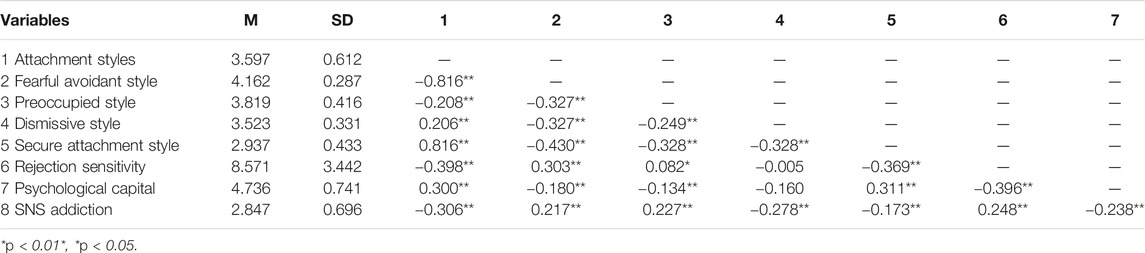
TABLE 1. Descriptive statistics and results of correlational analysis of variables (N = 607).
Mediating Analysis
In Table 2, we present the results of the mediation analysis. While controlling for age and gender as demographic variables, we tested psychological capital and rejection sensitivity as multi-chain mediators using college students. The results were obtained using the Hayes et al. (2017) test method of 1) multi-step mediation variables and 2) the intermediate variable of Bootstrap (with model 6 selected; sample size = 5,000; and 95% confidence interval).
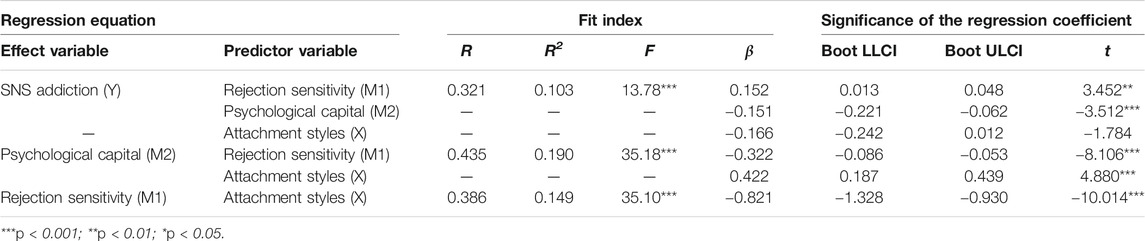
TABLE 2. Analysis of multiple mediating effects of rejection sensitivity and psychological capital with demographic variables as covariates.
Attachment styles significantly and negatively predicted rejection sensitivity (β = −0.821, p <0.001), and they positively correlated with psychological capital (β = 0.422, p <0.001). The effect of attachment styles on SNS addiction remained unchanged even after adding mediator variables of rejection sensitivity and psychological capital. Rejection sensitivity has a significant correlation with SNS addiction (β = 0.152, p <0.001) and negatively predicted psychological capital (β = −0.322, p <0.001). Psychological capital negatively predicted SNS addiction (β = −0.151, p <0.001).
As shown in Table 3, college students’ attachment styles have a significant effect on the overall prediction of SNS addiction, in which the overall prediction effect size was -0.275 (SE = 0.060, p <0.001), and the 95% confidence interval was [−0.393, −0.156]. The direct prediction effect size was not significant. The significant total indirect mediating effect size was- 0.159, and the 95% confidence interval was [−0.229, −0.094]. The mediating effect accounts for 57.996% of the total prediction effect. The above results indicate that psychological capital and rejection sensitivity play multiple mediator roles via their contribution to the influence of attachment styles on SNS addiction. Unstandardized coefficients of the model are shown in Figure 2. All the paths were significant, except the trail from attachment styles to SNS addiction.

TABLE 3. Multiple mediating effects and 95% confidence intervals (N = 607).
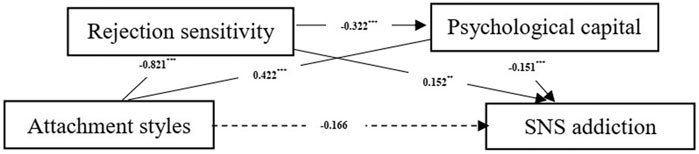
FIGURE 2. The unstandardized coefficients of the model.
Table 4 and 5 present the mediation analysis results of four dimensions of attachment style with demographic variables as covariates. While controlling for age and gender as demographic variables, we tested psychological capital and rejection sensitivity as multi-chain mediators between each dimension of attachment style and SNS addiction. According to the data analysis, the multiple mediations of the fearful-avoidant style on SNS addiction is significant, and the mediated effect size is 0.027 (SE =0.011, p <0.001), 95% confidence interval is [0.006, 0.050], accounting for 8.11% of the total prediction effect. The total mediating effect was significant, effect size was 0.328 (SE =0.059, p <0.001), and the 95% confidence interval was [0.210, 0.445]. The direct effect size was 0.224 (SE =0.061, p <0.001), and the 95% confidence interval was [0.104, 0.344]. The direct effect accounted for 68.37% of the total predicted effect. Figure 3 shows the unstandardized coefficients of the model.
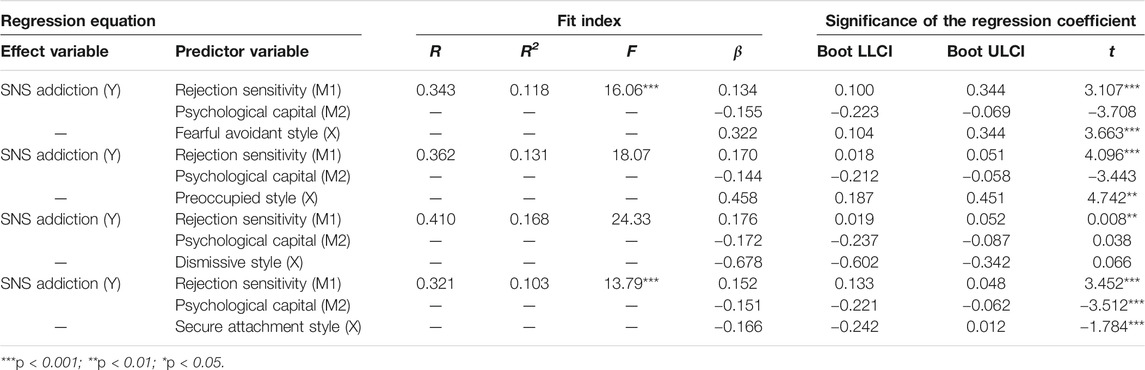
TABLE 4. Analysis of multiple mediating effects of four dimension of attachment style with demographic variables as covariates.
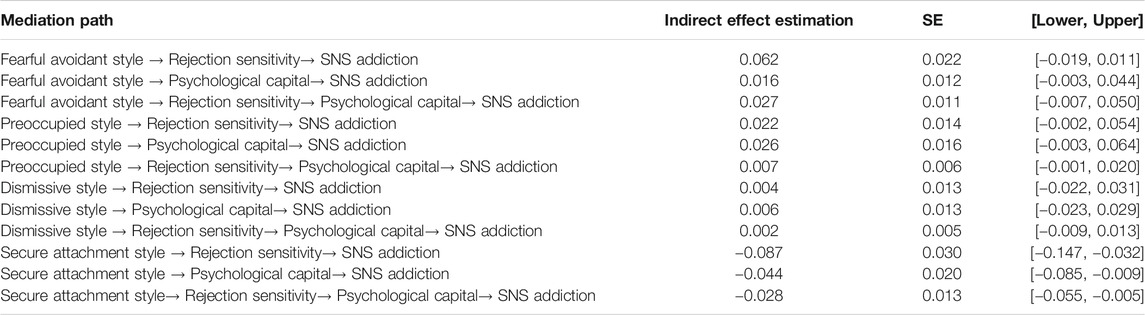
TABLE 5. Multiple mediating effects of four dimensions of attachment style and 95% confidence intervals (N = 607).
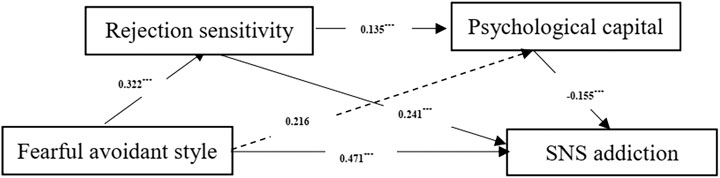
FIGURE 3. The unstandardized coefficients of the model.
The multiple mediation effect of the preoccupied style on SNS addiction is not significant after adding the mediating variables of rejection sensitivity and psychological capital, and the mediated effect size is 0.0073 (SE = 0.006, p > 0.05) and the 95% confidence interval is [-0.001 0.207]. The total mediation effect size is 0.374 (SE = 0.069, p < 0.001), and the 95% confidence interval is [0.239 0.510]. The direct effect is significant, and the direct effect size is 0.319 (SE = 0.067, p < 001), the 95% confidence interval is [0.187, 0.451]. The multiple mediation effect of the dismissive style on SNS addiction is not significant after adding the mediating variables of rejection sensitivity and psychological capital, and the mediated effect size is 0.0015 (SE = 0.005, p > 0.05), and the 95% confidence interval is [−0.008, 0.013]. The total mediation effect is significant, the total effect size is -0.461 (SE = 0.069, p < 0.001), the 95% confidence interval is [−0.597, −0.324]; the direct effect is significant, the direct effect size is −0.4721 (SE = 0.066, p <0.001), the 95% confidence interval is [−0.602, −0.342].
Secure attachment style affects SNS addiction through multiple mediating effects of rejection sensitivity and psychological capital. The total mediating effect was significant, and the effect size was −0.275 (SE =0.060, p <0.001), and the 95% confidence interval was [−0.393, −0.156]. The direct effect size was −0.115 (SE =0.647, p <0.001), and the 95% confidence interval was [−0.242, 0.012]. We can see from Table 5 that the mediated effect is significant, and the mediated effect size is −0.028 (SE =0 .013, p <0 .001), 95% confidence interval [−0.055, −0.06], accounting for 10.13% of the total prediction effect. Figure 4 shows the unstandardized coefficients of the model.
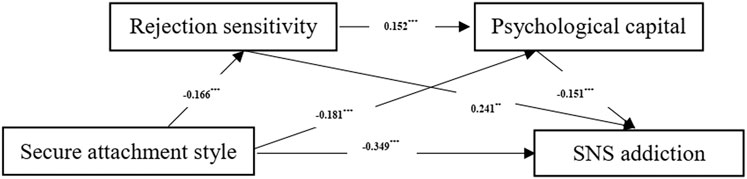
FIGURE 4. The unstandardized coefficients of the model.
Discussion
As previously mentioned, attachment styles have a crucial role to play in predicting SNS addiction among students. The effect of attachment styles on SNS addiction has yet again been confirmed based on our study. Our results are also following the findings of a previous report (Monacis et al., 2017). However, fewer studies have been conducted on the role of attachment styles as they affect SNS addiction. Based on the framework of reinforcement sensitivity theory and positive psychology theory, the outcome of the current study indicates that rejection sensitivity and psychological capital have multiply mediations on attachment styles and SNS addiction, and our research data provided support for all the mediations.
Fearful attachment styles significantly and positively influence SNS addiction through the rejection sensitivity and psychological capital mediator variable. Individuals with fearful style are more prone to show high anxiety and high avoidance, and a low level of psychological capital. When the individual with fearful style perceives a rejection, they become hostile or aggressive. To avoid the anxiety of face-to-face social interaction situations, the social compensation hypothesis postulates that individuals with this trait tend to adopt avoidance strategies and conduct interpersonal interaction and information communication through the SNS. Fearful attachment individuals experience more negative events, resulting in a relatively low level of psychological capital, so they are more inclined to choose SNS to escape or seek better comfort. In addition, they usually fulfill their real social needs on SNS, so they tend to be more immersed in online activities.
However, the other two types of insecure attachments, the preoccupied style and dismissive-avoidant style have no significant effect on SNS addiction. But they all have a significant direct impact on SNS addiction. This outcome means that part of the reasons could be overshadowed by the effects of rejection sensitivity and psychological capital. Rejection sensitivity and psychological capital’s mediating product is in the opposite direction (competitive mediator). Furthermore, the preoccupied style characterized by high anxiety and low avoidance and dismissive-avoidant style characterized by high avoidance and low anxiety use median to classify subjects may also be one reason for this result.
Secure attachment styles significantly and negatively influence SNS addiction through the rejection sensitivity and psychological capital mediator variable. Individuals with a secure style are more prone to show low anxiety and low avoidance. Furthermore, individuals with secure attachment usually have higher psychological capital, which will reduce their sensitivity to rejection by the outside world. According to the theory of positive psychology, psychological capital affects the individual’s attitude and behavior and affects many aspects of his life, including educational attainment, employment, relationships, and mental health. Gender differences revealed a connection between psychological capital with good mental health in male students who demonstrate hyperactivity compared to female students (Younas et al., 2020). Riolli et al. (2012) believe that individuals with high positive psychological capital adopt mature and positive coping methods for resolving challenges. Not only does it have a positive impact by raising the level of individual psychological capital, but it also has a positive impact on organizations and groups. This study verified that psychological capital plays a mediating role in the influence of attachment styles on SNS addiction.
Attachment styles influence SNS addiction through a chain of pathways that affects rejection sensitivity and psychological capital. In other words, when individuals are of insecure attachment styles, they have higher rejection sensitivity and have lower psychological capital to deal with the challenge of the external environment. According to the social compensation hypothesis, individuals with high rejection sensitivity perceive that their offline interpersonal networking is inadequate, and they are likely to compensate by using online social networking sites more extensively (Valkenburg and Peter, 2007). Meanwhile, based on ego depletion theory (Muraven and Baumeister, 2000), psychological capital consisting of positive psychological resources may be limited. If individuals lack psychological capital, they can’t effectively cope with stressful events. They are still prone to suffer from negative emotions and behaviors, such as well-being (Poots and Cassidy, 2020), anxiety (Rahimnia et al., 2013), self-directed behavior (Choi, 2020), social media membership (Simsek and Sali, 2014).
To summarize the discussion, the current study combined and applied the theories of reinforcement sensitivity and positive psychology and found the multiply mediating effect of rejection sensitivity and psychological capital on SNS addiction to different attachment styles. That outcome provides a research basis for the future prevention and intervention of SNS addiction and its influence on the accompanying after-effects.
Conclusion
This study explored the psychological mechanism of different attachment styles influencing college students’ SNS addiction and verified the dual mediating roles of rejection sensitivity and psychological capital. It also references for future theoretical research on SNS and the individuals’ rationale for using SNS. The current study found that attachment styles have a significant negative predictive effect on SNS addiction, and rejection sensitivity and psychological capital play multiple mediating roles between attachment styles and SNS addiction.
It provides a substantial reference for further investigating the mediating role of other types of rejection sensitivities of attachment style effect on addictive behavior. Also, the results of this study can provide theoretical support that explains an individual’s SNS addiction, thus helping the individual to use SNS rationally. Methods such as Web-based training (Luthans et al., 2008), cognitive behavioral therapy (Group counseling, individual counseling) can be used to improve the psychological capital level of students with insecure attachment and reduce their risk of sensitivity, while at the same time also further alleviating their SNS addiction.
This study mainly focused on two aspects and therefore presented some limitations. On the one hand, the variables of this study were investigated by questionnaire among college students. An actual situation simulation method can contribute to the evaluation of SNS, with a deeper understanding of its internal mechanisms of formation, development, withdrawal, and relapse. On the other hand, the result of one cross-sectional design used in the study is not yet reliable. There is not longitudinal research conducted to investigate the dynamic effects of variable changes. Besides, due to this reason, it can be studied by experimental research, Event-Related Potential (ERP), and other methods in the future. Furthermore, the findings related to causality could be obtained, as well. It will contribute to forming a theoretical basis and support for the clinical diagnosis, intervention, and treatment of SNS addiction.
Data Availability Statement
The raw data supporting the conclusions of this article will be made available by the authors, without undue reservation.
Author Contributions
HS and ZI conceived the study. HS analyzed the data, tables, figures, and JL provided critical edits. HS drafted the initial manuscript. All authors discussed the results and contributed to the final manuscript.
Conflict of Interest
The authors declare that the research was conducted in the absence of any commercial or financial relationships that could be construed as a potential conflict of interest.
The reviewer (MNBAR) declared a shared affiliation with several of the authors, (HS, ZI), to the handling editor at time of review.
Acknowledgments
We want to thank Guoshi Song and Paulinus Ofem for their comments on a previous version of this manuscript.
Supplementary Material
The Supplementary Material for this article can be found online at: https://www.frontiersin.org/articles/10.3389/feduc.2021.586485/full#supplementary-material
References
Abbas, M., and Raja, U. (2015). Impact of Psychological Capital on Innovative Performance and Job Stress. Can. J. Adm. Sci. 32 (2), 128–138. doi:10.1002/cjas.1314
Abbasi, I., and Drouin, M. (2019). Neuroticism and Facebook Addiction: How Social Media Can Affect Mood? Am. J. Fam. Ther. 47 (4), 199–215. doi:10.1080/01926187.2019.1624223
Alzougool, B. (2018). The Impact of Motives for Facebook Use on Facebook Addiction Among Ordinary Users in Jordan. Int. J. Soc. Psychiatry 64 (6), 528–535. doi:10.1177/0020764018784616
Andreassen, C. S. (2015). Online Social Network Site Addiction: A Comprehensive Review. Curr. Addict. Rep. 2 (2), 175–184. doi:10.1007/s40429-015-0056-9
Atroszko, P. A., Balcerowska, J. M., Bereznowski, P., Biernatowska, A., Pallesen, S., and Schou Andreassen, C. (2018). Facebook Addiction Among Polish Undergraduate Students: Validity of Measurement and Relationship with Personality and Well-Being. Comput. Hum. Behav. 85, 329–338. doi:10.1016/j.chb.2018.04.001
Balaban Sali, J., and Simsek, E. (2014). The Role of Internet Addiction and Social Media Membership on University Students' Psychological Capital. Contemp. Educ. Technol. 5 (3), 239–256. doi:10.30935/cedtech/6127
Bartholomew, K., and Horowitz, L. M. (1991). Attachment Styles Among Young Adults: a Test of a Four-Category Model. J. Pers Soc. Psychol. 61 (2), 226–244. doi:10.1037/0022-3514.61.2.226
Bowlby, J. (1982). Attachment and Loss: Retrospect and prospect. Am. J. Orthopsychiatry 52 (4), 664–678. doi:10.1111/j.1939-0025.1982.tb01456.x
Bretherton, I. (1992). The Origins of Attachment Theory: John Bowlby and Mary Ainsworth. Dev. Psychol. 28 (5), 759–775. doi:10.1037/0012-1649.28.5.759
Brevers, D., and Turel, O. (2019). Strategies for Self-Controlling Social media Use: Classification and Role in Preventing Social media Addiction Symptoms. J. Behav. Addict. 8 (3), 554–563. doi:10.1556/2006.8.2019.49
Carli, V., Durkee, T., Wasserman, D., Hadlaczky, G., Despalins, R., Kramarz, E., et al. (2013). The Association between Pathological Internet Use and Comorbid Psychopathology: a Systematic Review. Psychopathology 46 (1), 1–13. doi:10.1159/000337971
Chen, A. (2019). From Attachment to Addiction: the Mediating Role of Need Satisfaction on Social Networking Sites. Comput. Hum. Behav. 98, 80–92. doi:10.1016/j.chb.2019.03.034
Chen, H.-T., and Kim, Y. (2013). Problematic Use of Social Network Sites: The Interactive Relationship between Gratifications Sought and Privacy Concerns. Cyberpsychol., Behav. Soc. Networking 16 (11), 806–812. doi:10.1089/cyber.2011.0608
Chen, Y., Li, R., Zhang, P., and Liu, X. (2019). The Moderating Role of State Attachment Anxiety and Avoidance between Social Anxiety and Social Networking Sites Addiction. Psychol. Rep. 123, 633–647. doi:10.1177/0033294118823178
Choi, J. (2020). The Mediating Effect of Positive Psychological Capital between Autonomous Work Environment and Self-Directed Behavior: Evidence from South Korea. Hum. Resource Dev. Int. 23 (1), 46–65. doi:10.1080/13678868.2019.1632094
Cooke, J. E., Racine, N., Plamondon, A., Tough, S., and Madigan, S. (2019). Maternal Adverse Childhood Experiences, Attachment Style, and Mental Health: Pathways of Transmission to Child Behavior Problems. Child. Abuse Neglect 93, 27–37. doi:10.1016/j.chiabu.2019.04.011
Corr, P. J. (2004). Reinforcement Sensitivity Theory and Personality. Neurosci. Biobehav. Rev. 28 (3), 317–332. doi:10.1016/j.neubiorev.2004.01.005
Dhir, A., Yossatorn, Y., Kaur, P., and Chen, S. (2018). Online Social media Fatigue and Psychological Wellbeing-A Study of Compulsive Use, Fear of Missing Out, Fatigue, Anxiety and Depression. Int. J. Inf. Manage. 40, 141–152. doi:10.1016/j.ijinfomgt.2018.01.012
Downey, G., and Feldman, S. I. (1996). Implications of Rejection Sensitivity for Intimate Relationships. J. Pers Soc. Psychol. 70 (6), 1327–1343. doi:10.1037/0022-3514.70.6.1327
Downey, G., Mougios, V., Ayduk, O., London, B. E., and Shoda, Y. (2004). Rejection Sensitivity and the Defensive Motivational System: Insights from the Startle Response to Rejection Cues. Psychol. Sci. 15 (10), 668–673. doi:10.1111/j.0956-7976.2004.00738.x
Evren, B., Evren, C., Dalbudak, E., Topcu, M., and Kutlu, N. (2019). Neuroticism and Introversion Mediates the Relationship between Probable ADHD and Symptoms of Internet Gaming Disorder: Results of an Online Survey. Psychiatry Clin. Psychopharmacol. 29 (1), 90–96. doi:10.1080/24750573.2018.1490095
Firth, J., Torous, J., Stubbs, B., Firth, J. A., Steiner, G. Z., Smith, L., et al. (2019). The “Online Brain”: How the Internet May Be Changing Our Cognition. World Psychiatry 18 (2), 119–129. doi:10.1002/wps.20617
Gao, S., Assink, M., Liu, T., Chan, K. L., and Ip, P. (2021). Associations between Rejection Sensitivity, Aggression, and Victimization: A Meta-Analytic Review. Trauma, Violence, Abuse 22 (1), 125–135. doi:10.1177/1524838019833005
Giota, K. G., and Kleftaras, G. (2013). The Role of Personality and Depression in Problematic Use of Social Networking Sites in Greece. Cyberpsychology 7 (3). doi:10.5817/CP2013-3-6
Griffiths, M. (2005). A ‘components' Model of Addiction within a Biopsychosocial Framework. J. Substance use 10 (4), 191–197. doi:10.1080/14659890500114359
Griffiths, M. D., Kuss, D. J., and Demetrovics, Z. (2014). “Social Networking Addiction: An Overview of Preliminary Findings,” in Behavioral Addictions (Academic Press), 119–141. doi:10.1016/B978-0-12-407724-9.00006-9
Harnett, P. H., Loxton, N. J., and Jackson, C. J. (2013). Revised Reinforcement Sensitivity Theory: Implications for Psychopathology and Psychological Health. Personal. Individ. Differ. 54 (3), 432–437. doi:10.1016/j.paid.2012.10.019
Hawi, N., and Samaha, M. (2019). Identifying Commonalities and Differences in Personality Characteristics of Internet and Social media Addiction Profiles: Traits, Self-Esteem, and Self-Construal. Behav. Inf. Technol. 38 (2), 110–119. doi:10.1080/0144929X.2018.1515984
Hawi, N. S., and Samaha, M. (2017). The Relations Among Social media Addiction, Self-Esteem, and Life Satisfaction in university Students. Soc. Sci. Comput. Rev. 35 (5), 576–586. doi:10.1177/0894439316660340
Hayes, A. F., Montoya, A. K., and Rockwood, N. J. (2017). The Analysis of Mechanisms and Their Contingencies: PROCESS versus Structural Equation Modeling. Australas. Marketing J. 25 (1), 76–81. doi:10.1016/j.ausmj.2017.02.001
Hobfoll, S. E. (2001). The Influence of Culture, Community, and the Nested‐Self in the Stress Process: Advancing Conservation of Resources Theory. Appl. Psychol. 50 (3), 337–421. doi:10.1111/1464-0597.00062
Hou, X.-L., Wang, H.-Z., Guo, C., Gaskin, J., Rost, D. H., and Wang, J.-L. (2017). Psychological Resilience Can Help Combat the Effect of Stress on Problematic Social Networking Site Usage. Personal. Individ. Differ. 109, 61–66. doi:10.1016/j.paid.2016.12.048
Hundt, N. E., Nelson-Gray, R. O., Kimbrel, N. A., Mitchell, J. T., and Kwapil, T. R. (2007). The Interaction of Reinforcement Sensitivity and Life Events in the Prediction of Anhedonic Depression and Mixed Anxiety-Depression Symptoms. Personal. Individ. Differ. 43 (5), 1001–1012. doi:10.1016/j.paid.2007.02.021
Khoshkam, S., Bahrami, F., Ahmadi, S. A., Fatehizade, M., and Etemadi, O. (2012). Attachment Style and Rejection Sensitivity: The Mediating Effect of Self-Esteem and Worry Among Iranian College Students. Eur. J. Psychol. 8, 363–374. doi:10.5964/ejop.v8i3.463
Krasikova, D. V., Lester, P. B., and Harms, P. D. (2015). Effects of Psychological Capital on Mental Health and Substance Abuse. J. Leadersh. Organizational Stud. 22 (3), 280–291. doi:10.1177/1548051815585853
Kuss, D. J., and Griffiths, M. D. (2011). Online Social Networking and Addiction-Aa Review of the Psychological Literature. Int. J. Environ. Res. Public Health 8 (9), 3528–3552. doi:10.3390/ijerph8093528
Li, T., and Kato, K. (2006). Measuring Adult Attachment: Chinese Adaptation of the ECR Scale. Acta Psychol. Sin. 38 (03), 399–406.
Lin, M.-P., Ko, H.-C., and Wu, J. Y.-W. (2011). Prevalence and Psychosocial Risk Factors Associated with Internet Addiction in a Nationally Representative Sample of College Students in Taiwan. Cyberpsychol., Behav. Soc. Networking 14 (12), 741–746. doi:10.1089/cyber.2010.0574
Lin, W.-S., Chen, H.-R., Lee, T. S.-H., and Feng, J. Y. (2019). Role of Social Anxiety on High Engagement and Addictive Behavior in the Context of Social Networking Sites. Dta 53 (2), 156–170. doi:10.1108/DTA-09-2018-0076
Lopez, F. G., and Brennan, K. A. (2000). Dynamic Processes Underlying Adult Attachment Organization: Toward an Attachment Theoretical Perspective on the Healthy and Effective Self. J. Couns. Psychol. 47 (3), 283–300. doi:10.1037/0022-0167.47.3.283
Luthans, F., Avey, J. B., and Patera, J. L. (2008). Experimental Analysis of a Web-Based Training Intervention to Develop Positive Psychological Capital. Amle 7 (2), 209–221. doi:10.5465/amle.2008.32712618
Luthans, F., Luthans, K. W., and Luthans, B. C. (2004). Positive Psychological Capital: Beyond Human and Social Capital. Business Horizons. 47, 45–50. doi:10.1016/j.bushor.2003.11.007
Luthans, F., Vogelgesang, G. R., and Lester, P. B. (2006). Developing the Psychological Capital of Resiliency. Hum. Resource Dev. Rev. 5 (1), 25–44. doi:10.1177/1534484305285335
Luthans, F., Youssef, C. M., and Avolio, B. J. (2015). Psychological Capital and beyond. USA: Oxford University Press.
Maroma, F. O., Karega, M., and Oteyo, J. S. (2019). Relationship between Depression and Pathological Internet Use Among university Students. Cjes 14 (2), 201–207. doi:10.18844/cjes.v14i2.3123
Marshall, J. E. (2019). The Relationship between Childhood Sexual Abuse, Attachment Style, Rejection, and Risk Recognition. Theses and DissertationsJ. 1144. doi:10.30707/ETD2019.Marshall
Meseguer de Pedro, M., Fernández-Valera, M. M., García-Izquierdo, M., and Soler Sánchez, M. I. (2021). Burnout, Psychological Capital and Health during COVID-19 Social Isolation: A Longitudinal Analysis. Int. J. Environ. Res. Public Health 18 (3), 1064. doi:10.3390/ijerph18031064
Monacis, L., De Palo, V., Griffiths, M. D., and Sinatra, M. (2017). Social Networking Addiction, Attachment Style, and Validation of the Italian Version of the Bergen Social Media Addiction Scale. J. Behav. Addict. 6 (2), 178–186. doi:10.1556/2006.6.2017.023
Mor, N., and Inbar, M. (2009). Rejection Sensitivity and Schema-Congruent Information Processing Biases. J. Res. Personal. 43 (3), 392–398. doi:10.1016/j.jrp.2009.01.001
Muraven, M., and Baumeister, R. F. (2000). Self-regulation and Depletion of Limited Resources: Does Self-Control Resemble a Muscle? Psychol. Bull. 126 (2), 247–259. doi:10.1037/0033-2909.126.2.247
Peng, J., He, Y., Deng, J., Zheng, L., Chang, Y., and Liu, X. (2019). Emotional Labor Strategies and Job Burnout in Preschool Teachers: Psychological Capital as a Mediator and Moderator. Work 63, 335–345. Preprint. doi:10.3233/WOR-192939
Peterson, S. J., Balthazard, P. A., Waldman, D. A., and Thatcher, R. W. (2008). Neuroscientific Implications of Psychological Capital:. Organizational Dyn. 37 (4), 342–353. doi:10.1016/j.orgdyn.2008.07.007
Pontes, H. M., Taylor, M., and Stavropoulos, V. (2018). Beyond "Facebook Addiction": The Role of Cognitive-Related Factors and Psychiatric Distress in Social Networking Site Addiction. Cyberpsychol., Behav. Soc. Networking 21 (4), 240–247. doi:10.1089/cyber.2017.0609
Poots, A., and Cassidy, T. (2020). Academic Expectation, Self-Compassion, Psychological Capital, Social Support and Student Wellbeing. Int. J. Educ. Res. 99, 101506. doi:10.1016/j.ijer.2019.101506
Rahimnia, F., Karimi Mazidi, A., and Mohammadzadeh, Z. (2013). Emotional Mediators of Psychological Capital on Well-Being: The Role of Stress, Anxiety, and Depression. Manage. Sci. Lett. 3 (3), 913–926. doi:10.5267/j.msl.2013.01.029
Rasmussen, E. E., Punyanunt-Carter, N., LaFreniere, J. R., Norman, M. S., and Kimball, T. G. (2020). The Serially Mediated Relationship between Emerging Adults' Social media Use and Mental Well-Being. Comput. Hum. Behav. 102, 206–213. doi:10.1016/j.chb.2019.08.019
Riolli, L., Savicki, V., and Richards, J. (2012). Psychological Capital as a Buffer to Student Stress. Psych 03 (12), 1202–1207. doi:10.4236/psych.2012.312A178
Sato, M., Fonagy, P., and Luyten, P. (2020). Rejection Sensitivity and Borderline Personality Disorder Features: The Mediating Roles of Attachment Anxiety, Need to Belong, and Self-Criticism. J. Personal. Disord. 34, 273–288. doi:10.1521/pedi_2019_33_397
Schou Andreassen, C., Billieux, J., Griffiths, M. D., Kuss, D. J., Demetrovics, Z., Mazzoni, E., et al. (2016). The Relationship between Addictive Use of Social media and Video Games and Symptoms of Psychiatric Disorders: A Large-Scale Cross-Sectional Study. Psychol. Addict. Behav. 30 (2), 252–262. doi:10.1037/adb0000160
Shensa, A., Escobar-Viera, C. G., Sidani, J. E., Bowman, N. D., Marshal, M. P., and Primack, B. A. (2017). Problematic Social media Use and Depressive Symptoms Among U.S. Young Adults: A Nationally-Representative Study. Soc. Sci. Med. 182, 150–157. doi:10.1016/j.socscimed.2017.03.061
Tang, C. S., and Koh, Y. Y. (2017). Online Social Networking Addiction Among College Students in Singapore: Comorbidity with Behavioral Addiction and Affective Disorder. Asian J. Psychiatr. 25, 175–178. doi:10.1016/j.ajp.2016.10.027
Tartari, E., Tartari, A., and Beshiri, D. (2019). The Involvement of Students in Social Network Sites Affects Their Learning. Int. J. Emerg. Technol. Learn. 14 (13), 33–46. doi:10.1016/j.chb.2019.08.01910.3991/ijet.v14i13.10453
Thomas, K. K., and Bowker, J. C. (2015). Rejection Sensitivity and Adjustment during Adolescence: Do Friendship Self-Silencing and Parent Support Matter? J. Child. Fam. Stud. 24, 608–616. doi:10.1007/s10826-013-9871-6
Turel, O., and Serenko, A. (2020). Cognitive Biases and Excessive Use of Social media: The Facebook Implicit Associations Test (FIAT). Addict. Behav. 105, 106328. doi:10.1016/j.addbeh.2020.106328
Valkenburg, P. M., and Peter, J. (2007). Who Visits Online Dating Sites? Exploring Some Characteristics of Online Daters. CyberPsychology Behav. 10 (6), 849–852. doi:10.1089/cpb.2007.9941
Van Rooij, A. J., and Prause, N. (2014). A Critical Review of “Internet Addiction” Criteria with Suggestions for the Future. J. Behav. Addict. 3 (4), 203–213. doi:10.1556/jba.3.2014.4.1
Wang, X. (2016). College Students’ Social Network Addiction Tendency: Questionnaire Construction and Correlation Research. Master's thesis. Chongqing, China: Southwest UniversityAvailable at: https://kns.cnki.net/KCMS/detail/detail.aspx? dbname=CMFD201602&filename=1016766300.nh
Woods, H. C., and Scott, H. (2016). #Sleepyteens: Social media Use in Adolescence Is Associated with Poor Sleep Quality, Anxiety, Depression and Low Self-Esteem. J. Adolesc. 51, 41–49. doi:10.1016/j.adolescence.2016.05.008
Ye, X., Ren, S., Li, X., and Wang, Z. (2020). The Mediating Role of Psychological Capital between Perceived Management Commitment and Safety Behavior. J. Saf. Res.. doi:10.1016/j.jsr.2019.12.004
Younas, S., Tahir, F., Sabih, F., Hussain, R., Hassan, A., Sohail, M., et al. (2020). Psychological Capital and Mental Health: Empirical Exploration in Perspective of Gender. Int.J. Sci. Res. 76 (1/1), 150–175. doi:10.21506/j.ponte.2020.1.11
Young, K. (2009). Internet Addiction: Diagnosis and Treatment Consideration. J. Contemp. Psychotherapy 39, 241–246. doi:10.1007/s10879-009-9120-x
Youssef-Morgan, C. M., and Petersen, K. (2019). “The Benefits of Developing Psychological Capital in the Workplace,” in Creating Psychologically Healthy Workplaces Editors Burke, R. J., Richardsen, A. M. Northampton, USA: Edward Elgar Publishing. doi:10.4337/9781788113427.00013
Zhang, K., Zhang, S., and Dong, Y. (2010). Positive Psychological Capital: Measurement and Relationship with Mental Health. Stud. Psychol. Behav. 8 (1), 58–64.
Keywords: secure attachment, insecure attachment, social networking sites addiction, positive psychological capital, rejection sensitivity
Citation: Shan H, Ishak Z and Li J (2021) Rejection Sensitivity and Psychological Capital as the Mediators Between Attachment Styles on Social Networking Sites Addiction. Front. Educ. 6:586485. doi: 10.3389/feduc.2021.586485
Received: 23 July 2020; Accepted: 22 June 2021;
Published: 12 July 2021.
Edited by:
Belén Martínez-Ferrer, Universidad Pablo de Olavide, SpainReviewed by:
Mohd Nazri Bin Abdul Rahman, University of Malaya, MalaysiaRaúl Navarro, University of Castilla-La Mancha, Spain
Copyright © 2021 Shan, Ishak and Li. This is an open-access article distributed under the terms of the Creative Commons Attribution License (CC BY). The use, distribution or reproduction in other forums is permitted, provided the original author(s) and the copyright owner(s) are credited and that the original publication in this journal is cited, in accordance with accepted academic practice. No use, distribution or reproduction is permitted which does not comply with these terms.
*Correspondence: Zahari Ishak, aXJhaGF6QHVtLmVkdS5teQ==; Huanhuan Shan, c2hhbmh1YW4xODEzMTRAMTI2LmNvbQ==