 Said Khalfa M. Brika
 Abdelmageed Algamdi
 Khalil Chergui
 Adam A. Musa
 Rabia Zouaghi
- 1Department of Administrative Sciences, University of Bisha, Bisha, Saudi Arabia
- 2Department of Management Sciences, University of Oum El Bouaghi, Oum El Bouaghi, Algeria
- 3Department of Computer and Information Systems, University of Bisha, Bisha, Saudi Arabia
- 4Department of Comparative Literature, Binghamton University, Binghamton, NY, United States
- 5Department of Education, Nazareth College of Rochester, Rochester, NY, United States
For more than three decades, higher education has attracted growing interest from scholars, students, and academic institutions worldwide. This paper aims to analyze the literature review of quality of higher education, using the bibliometric analysis adapted from VOSviewer software to examine the data of 500 studies published in the Web of Science from 2000 to 2018 related to this topic. The results were presented and discussed with the following approaches: keywords, authors, references (research papers), research work, countries, and research institutions. The study found that bibliometric analysis is fundamental in detailing the theoretical literature and developing an integrated theoretical framework on quality of higher education. This review provides reference points for entry into this interdisciplinary field.
Introduction
Perhaps the diversity of knowledge fields in administrative sciences has contributed to the diversity and multiplicity of research work. Preparing any study in these sciences is linked to different and complex frameworks.
Previous studies have been very repetitive; their abundance makes it very difficult for researchers to define concepts and chart the right course of the research, and could result in losing the right direction due to a lack of knowledge of prestigious studies or influential researchers. Who can rely on, control, and deal with this large number of research? Some databases organize them (like Science Web, ISI, Scopus, and Google Scholar). Management sciences and researchers have led to distinguished studies’ preparation, which creates the need to explore how to deal with this spread.
Computer programs help manage a large amount of data and organize, store, publish, distribute, and deal with many studies. Software such as Citespace and VOSviewer and programs help gather the most influential researchers in the world. Therefore, the field should focus on references, keywords, research cases, and organizations.
The study examines bibliometric analysis and its importance compared to previous studies’ methods (meta-analysis and systematic review), especially concerning quality of higher education. Therefore, this paper analyses higher education’s scientific production as indexed in Web of Science (WOS) and Scopus (2000–2018). The motivation of the study is directly related to the purpose. By doing so, we will detect its scope and identify research trends for this area; this could help in increasing the number of readers familiar with the topic and enable the scientific community to become more knowledgeable about the development of higher. The justification and significance of this study’s analysis is based on seven research questions that guided the study. The primary motivation is to understand the higher education trends in the scientific literature and detect the source titles, organizations, authors, and countries with the highest scientific output on higher education. According to Mulet-Forteza et al. (2021), the research questions of this study are as follows:
RQ. What is bibliometric analysis’s contribution to the review and development of the theoretical literature on quality of higher education?
The sub-questions are:
RQ 1. What is the importance of bibliometric analysis in defining the theoretical frameworks for the quality of higher education?
RQ2. What structure is formed by the publications and citations in the quality of higher education?
RQ3. Which keywords do authors on the quality of higher education use the most frequently?
RQ4. Who are the most cited authors in the field of quality of higher education?
RQ5. Which research documents are cited the most frequently by authors in the field of quality of higher education?
RQ6. What are the most important research institutions concerning the production of research papers in quality of higher education?
RQ7. What are the most important countries concerning the production of research papers in quality of higher education?
The study aims to determine the bibliometric analysis results and the results of the process, which will benefit the researchers in administrative sciences in drawing the correct direction. This study, then, includes identifying keywords, the most influential researchers in the field, the research work, reference sources, countries, and reference research institutions. Therefore, the study compares bibliometric analysis with traditional literature reviews in administrative sciences and the methods of bibliometric analysis and methodology for studying bibliometric studies in administrative sciences, as well as offering a bibliographic analysis of the issue of quality of higher education.
Literature Review
Bibliographic studies have developed a new style of reviewing the theoretical literature in various fields of knowledge, including management science, theories associated with these studies, or bibliometric analysis. Quality and education are an essential part of society. Getting an excellent education is a fundamental pillar in looking at the future of nations, as it reveals the educational development they are going through (de Matos Pedro et al., 2020). Therefore, ensuring quality of higher education is also crucial for social development (Salas-Zapata et al., 2018). The concept refers to service quality, particularly from a higher education sector research perspective (Rieckmann, 2012).
The Initial studies from the educational sector indicate that the idea of quality in higher education has become unclear and agrees that quality is the result of comparing service expectations with the perception of actual service received (Seymour, 1992; Green, 1994; Quinn et al., 2009). The study by Cameron et al. concluded that it focuses on integrating effective participatory methods into the teaching process, motivating members to obtain knowledge, the educational community, social future, knowledge, skills, attitudes, and core values.
Carvalho and de Oliveira Mota (2010) studied the educational model dynamics’ position the student, as the recipient of education, has, turning them into service recipients. Then, in their study, DiDomenico and Bonnici (1996) analyze the quality of service they require to thrive in a competitive environment and discussof the quality of educational services that provide a degree of quality assurance. Investing in education will help us in the long run, as it will provide for future generations.
Bibliometric analysis, according to Lotka (1926), is the “Method for measuring researchers’ productivity.” Bradford (1934) defines it as “Laws for Dissecting Scientific Knowledge.” Zipf (1949) states it to be “A template for the distribution of words and the frequency in the text.” Pritchard (1969) describes it as “A collection of studies intended to qualify research communications operations.” Fonseca (1973) defines it as a quantitative and statistical method for measuring scientific production rates and disseminating scientific knowledge. For Abdi et al. (2018), a number of definitions of bibliometric analysis were cited, the first of which was referred to by Hung as a set of methods used to examine or measure texts and information. Also, Hussain, Fatima, and Kumar believe it to be a system that uses a quantitative approach based on various aspects of written articles and publishers.
According to Merigó and Yang (2017), bibliometric analysis is defined as “a quantitative study of bibliographic material (data) and provides a general picture of a research field that research papers, authors, and fields can include categories.”
Tsay believes that bibliometric analysis techniques rely on references used in research work to develop statistical models for the flow of scientific relationships between them (Tsay and Shu, 2011). For example, citations can be used to map relationships between files, journals, or others. On this basis, it can be noted that the analysis of bibliometric analysis or reference citations is a quantitative analysis of written research works (scientific production), such as articles, books, and research papers. The search network of relationships’ linking and privacy of work (titles, authors, research institutions, countries, keywords) is also included, where this network is based on items or indicators such as reference citations, bibliographical links, and co-authors. This allows readers to find out more about the most influential research, researchers, research institutions in the field.
The studies of Zupic and Čater (2015) mentioned the importance of this type of analysis compared to the classical method of reviewing theoretical literature. They mentioned the importance of this type of analysis compared to the classical method of reviewing. Theoretical literature was among studies in bibliometric analysis methods in administrative sciences. “The volume of research work has increased dramatically in recent years, making it difficult for researchers to track the literature relevant to their field of work, which has led them to use quantitative bibliometric analysis methods that can deal with this wealth of data. Also, to filter research work through estimating their impact and discovering the foundation.”
Traditional methods of reviewing and evaluating the theoretical literature are primarily meta-analysis and systematic literature review. A meta-analysis seeks to gather empirical evidence from quantitative studies (Aguinis et al., 2011). Through this, the researcher selects lessons based on the exact relationship he wishes to explore (Raghuram et al., 2010) and combines multiple findings in these relationships to discover one comprehensive finding. That is a compelling method, but it is limited in the studies’ nature and breadth that can be analyzed. A systematic review can address the diversity of tasks and methodological approaches. This method can provide an in-depth analysis of the literature and understand the conceptual context (Raghuram et al., 2010). However, this process is time-consuming, and the number of works analyzed is limited and subject to research bias, so there is a real possibility of excluding essential studies.
Compared to traditional methods, scientific mapping using bibliometric methods provides a different perspective in this field; any study can analyze the link between the current studies and the studies’ analyses. Therefore, bibliometric research offers an opportunity to engage in various tasks to avoid bias and studies’ choices (Mulet-Forteza et al., 2019).
Further, bibliometric analysis methods cannot be considered an alternative to traditional theoretical literature reviews in administrative sciences. However, they are complementary because they help the researcher choose the most important research studies in the field, the most influential researchers in the area, the basic ones in the field, and even research institutions and countries in the field.
There are three basic laws of bibliometric analysis: the law of Lotka on the scientific productivity of researchers, the law of Bradford on the dispersion of scientific production, and the law of Zipf on the appearance of words in the text. More details on Bizotto et al. (2015) the basic laws of bibliometric analysis can be found in Table 1.
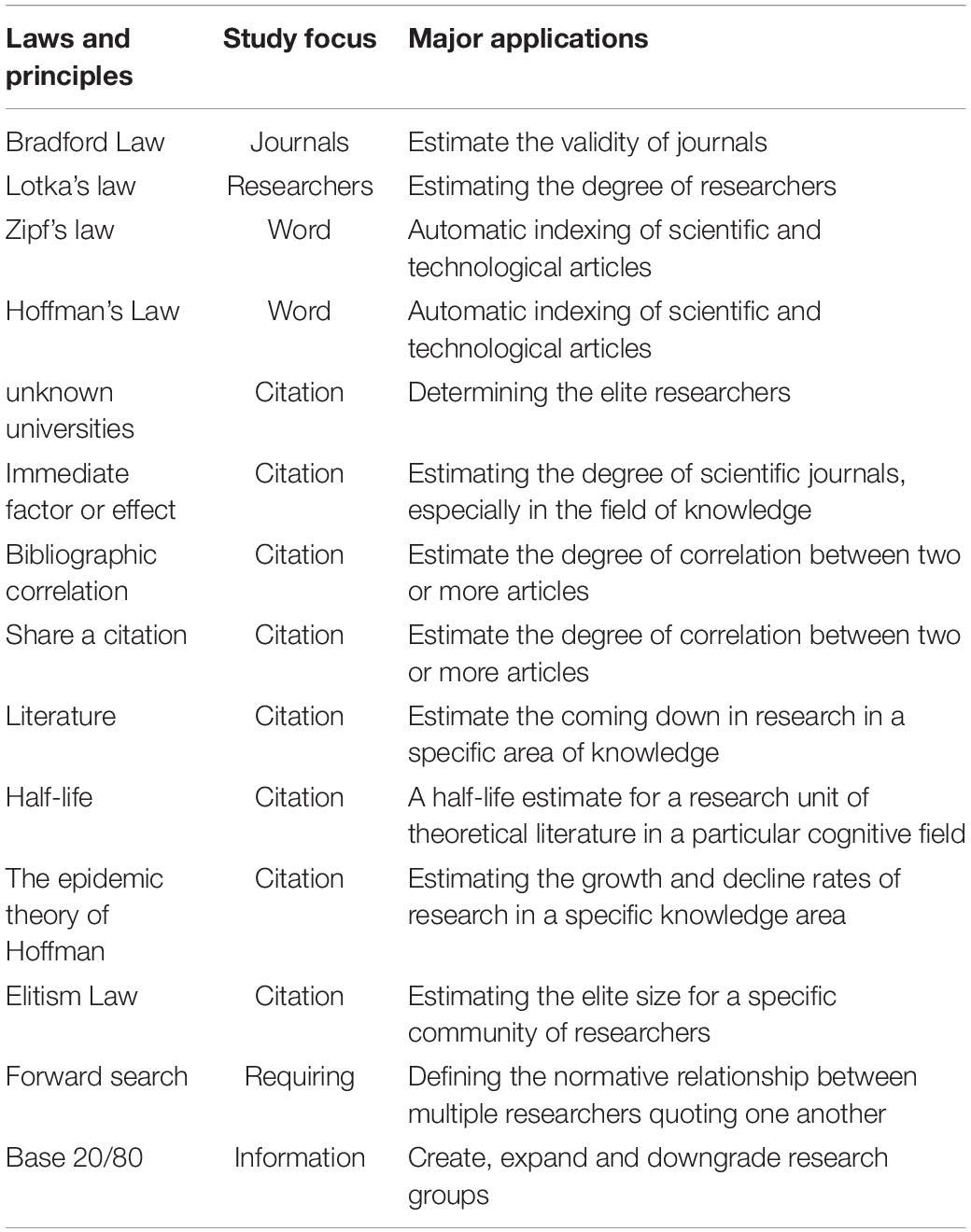
Table 1. Fundamental laws of bibliometric analysis.
It is evident from the Table 1 that bibliometric analysis has axes regarded as empirical predictors (Waltman and Noyons, 2018). Moreover, Corrall et al. (2013) imply a quantitative calculated scientific finding, scientific factors, and scientific collaboration as objectives of the bibliometric analysis. These are based on indicators such as quotations, bibliographical conjugations, reference quotes, researchers participating in the authorship, and more.
This review studied 500 studies published in the WOS from 2000 to 2018 related to quality of higher education. The bibliometric review was adapted using VOSviewer software packages and discusses the following approaches: keywords, authors, references (research papers), research work, countries, and research institutions.
Here, a distinction must be made between the indicators corresponding to the analysis method and the unit of analysis, where the indicators are authorship researchers, quotation, bibliographic conjugation, reference quotation, and level of appearance (Gingras, 2016). The analysis units are authors, terms or keywords, research papers, journals or resources, research institutions, and countries. For reference, the indicators provide quantitative measurements for research units, and it is understood that there are different bibliometric analysis methods.
Materials and Methods
This science mapping study of the literature used bibliometric methods to review research on higher education. Research reviews grounded in bibliometric practices do not examine the substantive findings of studies. Instead, their value extends from the capability to document and synthesize broad trends that describe a knowledge base’s landscape, composition, and intellectual structure. Thus, science mapping offers insights into knowledge accumulation patterns that would be difficult to “see” using traditional research reviews (Zupic and Čater, 2015).
Zupic and Atherater (Zupic and Čater, 2015) provided a summary of the methods of bibliometric analysis, as shown in Table 2.
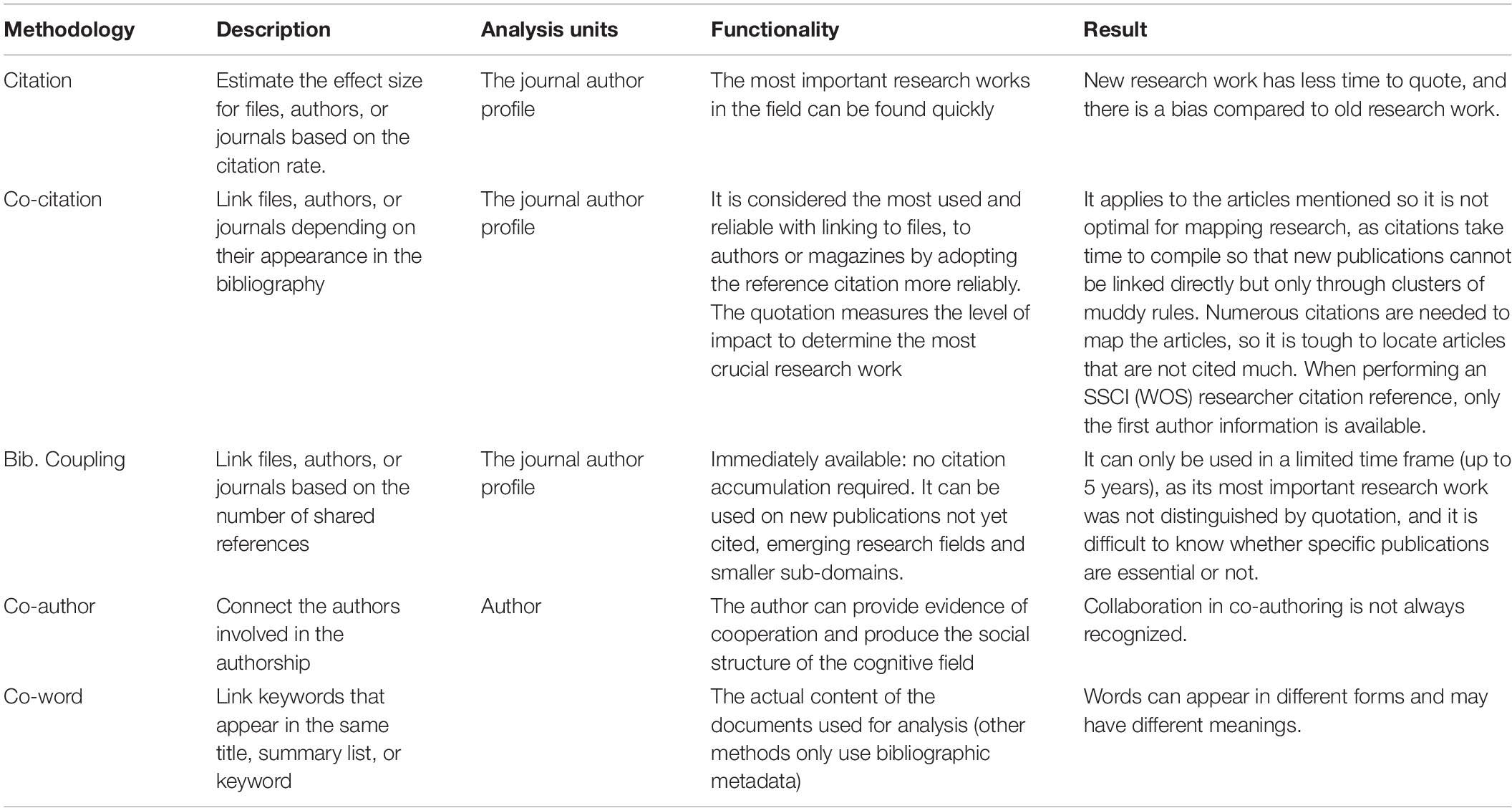
Table 2. Bibliometric analysis approaches.
As mentioned above, the approach pointed to several indicators used to link research units as a map or an information network in the bibliometric analysis. As shown, the data quality and the package or software used in the study is affected.
Bibliographic analysis requires reliable data sources since the WOS developed by Clarivate Analytics and Scopus developed by Elsevier is the most widely used (requires subscription) (Aria and Cuccurullo, 2017). Google Scholar is characterized as free database with quality problems of data. Google Scholar also uses Google Scholar (free of charge, but with data quality problems). Databases may also operate in a specific cognitive field such as INSPIRE (High Energy Physics), MathSciNet (Mathematics), PsycINFO (Psychology), and PubMed (Biomedical Research). For a bibliometric analysis that focuses on a specific region, they can use data sources particular to that region, such as the Russian citation base or the Chinese citation base (Waltman and Noyons, 2018).
In this study, we chose the WOS databases; all resources published from 2000 to 2018 related to quality of higher education were selected. This data was analyzed with VOSviewer software using the following approaches: keywords, authors, references (research papers), research work, countries, and research institutions.
The software used in the bibliometric analysis has evolved and diversified with the diversity of approaches to this type of research; basic software is widely used internationally in this field, as shown in Table 3 (Van Eck and Waltman, 2014).
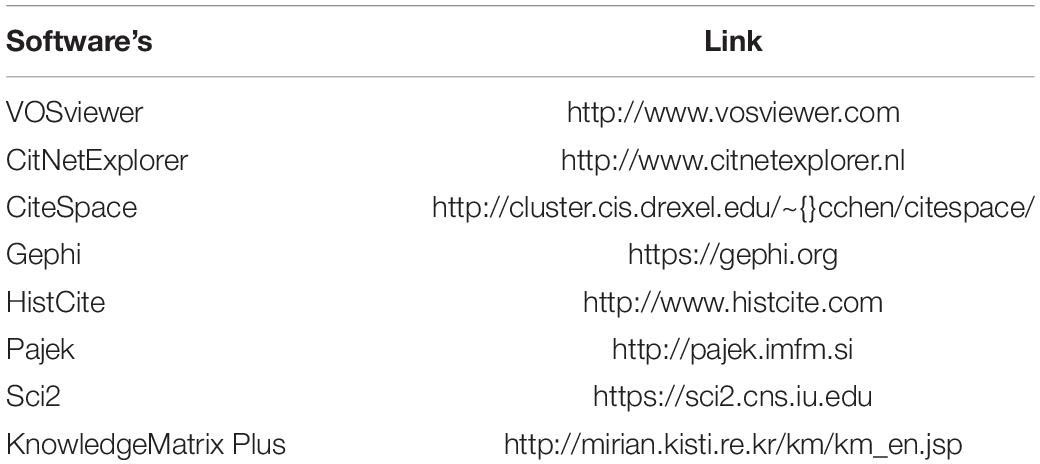
Table 3. Software used in bibliometric analysis.
According to Zupic and Čater (2015), the practical steps for conducting bibliometric analysis are study design, collection of bibliometric data, analysis, results presentation, and interpretation. The VOSviewer used in the study is widely use in the international publication of scientific articles in the bibliometric research.
Methodology and Data for the Bibliometric Study
The data used in the bibliometric analysis are the basis for the achievement of accurate results based on sound methodology and selected approaches. As mentioned earlier, the approach pointed to some indicators used to link research units as a map or an information network in the bibliometric analysis. Each of these methods has its advantages and disadvantages. It is also affected by the quality of the data and the package or software used in the analysis. The study selected 500 studies published from 2000 to 2018 related to quality of higher education (Article, Article; Proceedings Paper, Book Review, Correction, Editorial Material, Letter, Meeting Abstract, News Item, Review) (Q3; R2).
Then, a co-citation analysis was performed to obtain an initial picture of the documents that contributed to this literature’s development. Based on the methods and approaches of bibliometric analysis, emphasis may be placed on analytical methods that relate to indicators such as quotation, reference quotes, bibliographic association, co-authoring, and terminology sharing, and may focus on analysis units such as keywords (Co-occurrence of all keywords), authors (Co-citation authors), sources (Co-citation sources), organizations (Citation organizations), and countries (Citation countries) (Q3; R2). According to the objectives of the study, the focus was on analysis units to determine what is essential in the quality of higher education for these units: the definition of keywords; the most influential authors; and the most important sources, countries, and reference research institutions. To define the density and networks of units the data is filtered as follows: 65 keywords selected based on Co-occurrence of all key-words, 75 authors according to Co-citation, 80 sources according to Co-citation, 37 organizations selected based on citation, and 43 countries selected based on citation (Q5; R2).
The experimental stages and preparation of the bibliometric study (study design, data collection, analysis, presentation, interpretation) was done using the VOSviewer [see guides (Van and Waltman, 2018) and (VOSViewer Manual, 2020)]. A leader in the field and the preparation of international articles with several pieces of software can be used, allowing the researcher to summarize the bibliometric study results in summarized maps and networks. They also, shown in the following section, related to the bibliometric analysis results of quality of higher education.
Discuss the Results
Based on the WOS data for quality of higher education and using VOSviewer, the bibliometric analysis units were presented and discussed a set of results.
The Most Frequently Occurring Keywords
The Figure 1 shows the network and intensity of words or keywords according to their level of visibility in the database or the WOS quality education sources.
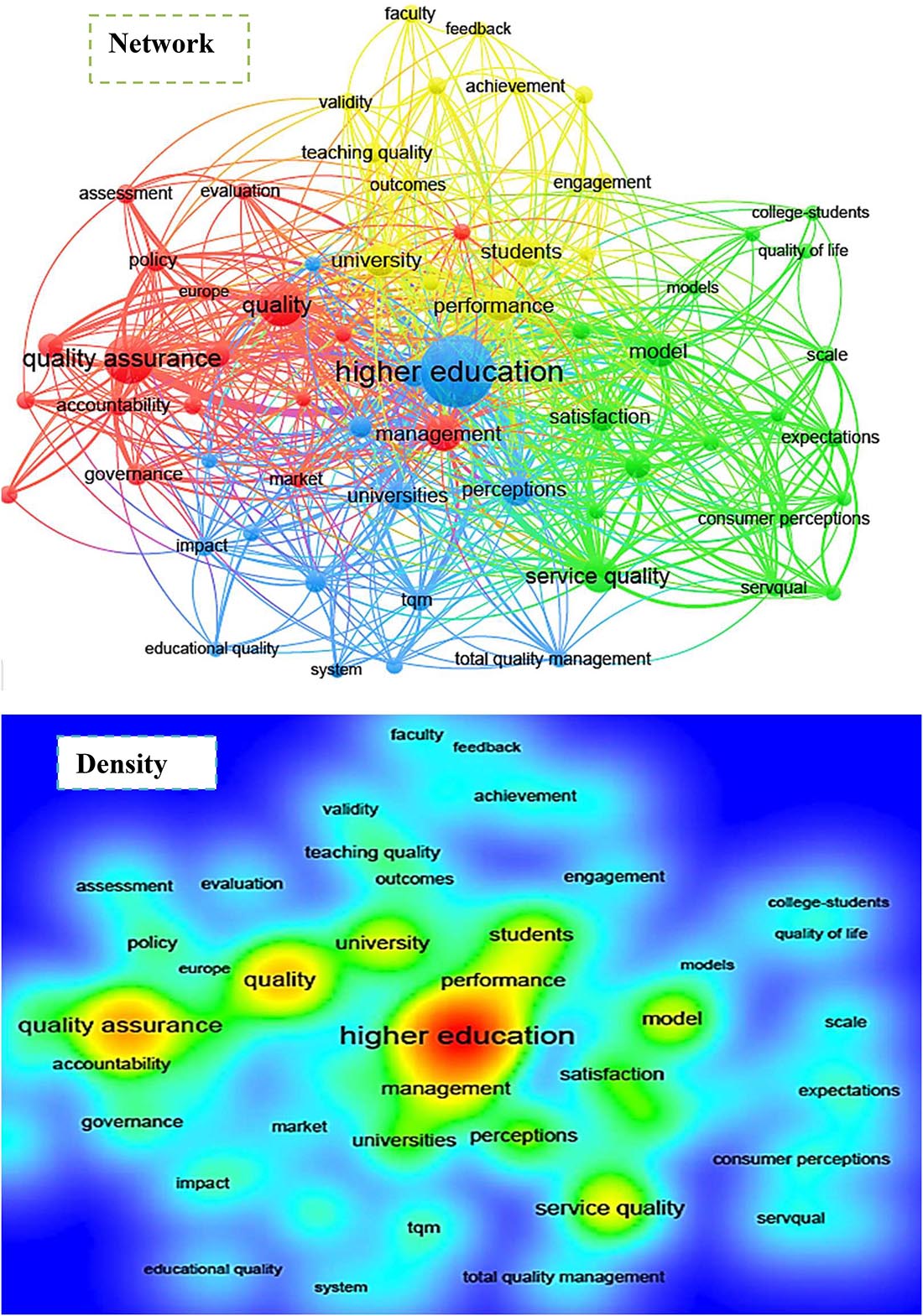
Figure 1. Network and density of the appearance of keywords in the quality of higher education.
Previous concepts and essential words that can be considered keywords appear in Figure 1 (see Appendix 1); the researcher must focus on the subject of quality of higher education, the first of which is higher education, which appears 140 times in the data. The second is quality assurance (61 times) and the third is quality (51 times); those three words must be researched in-depth because they form the basis of the subject of quality education, and they deepened to a lesser degree in terms of quality of service, management, performance, students, and university (universities). In-depth research is conducted to a lesser extent on contentment, model (models) Expectations, accountability, quality of the educational process, and atmospheric management comprehensive results, results, and policy.
It is also clear that there are research clusters that the researcher directs when he focuses on a specific part of the quality of higher education, and this did not appear clearly in the network (Raghuram et al., 2019). For example, in density, when we speak in a research paper on quality assurance as part of research on the quality of higher education, we initially talk about the research cluster. The second demonstrates the VOSviewer, which includes seven terms, quality assurance, institutional quality, quality of higher education, quality improvement, quality management, quality indicators, and quality culture to these clusters, which are parts of the research areas the researcher should determine in the case of his focus.
The lines linking the keywords express the sharing of their appearance in the same research work. For example, the term “higher education in blue” is a part of the words universities, expectations, quality management, overall quality management, and quality of higher education; the thickness of the line connecting these words to a basket is linked to each other through research. They also constitute another criterion for choosing the fields of research in which the researcher moves.
The Most Cited Authors in the Quality of Higher Education
It is remarkable to understand the knowledge of the most influential researchers in the field through the analysis of previous studies, and this is what VOSviewer provides, where the researcher can know this through joint citation, as shown in Figure 2.
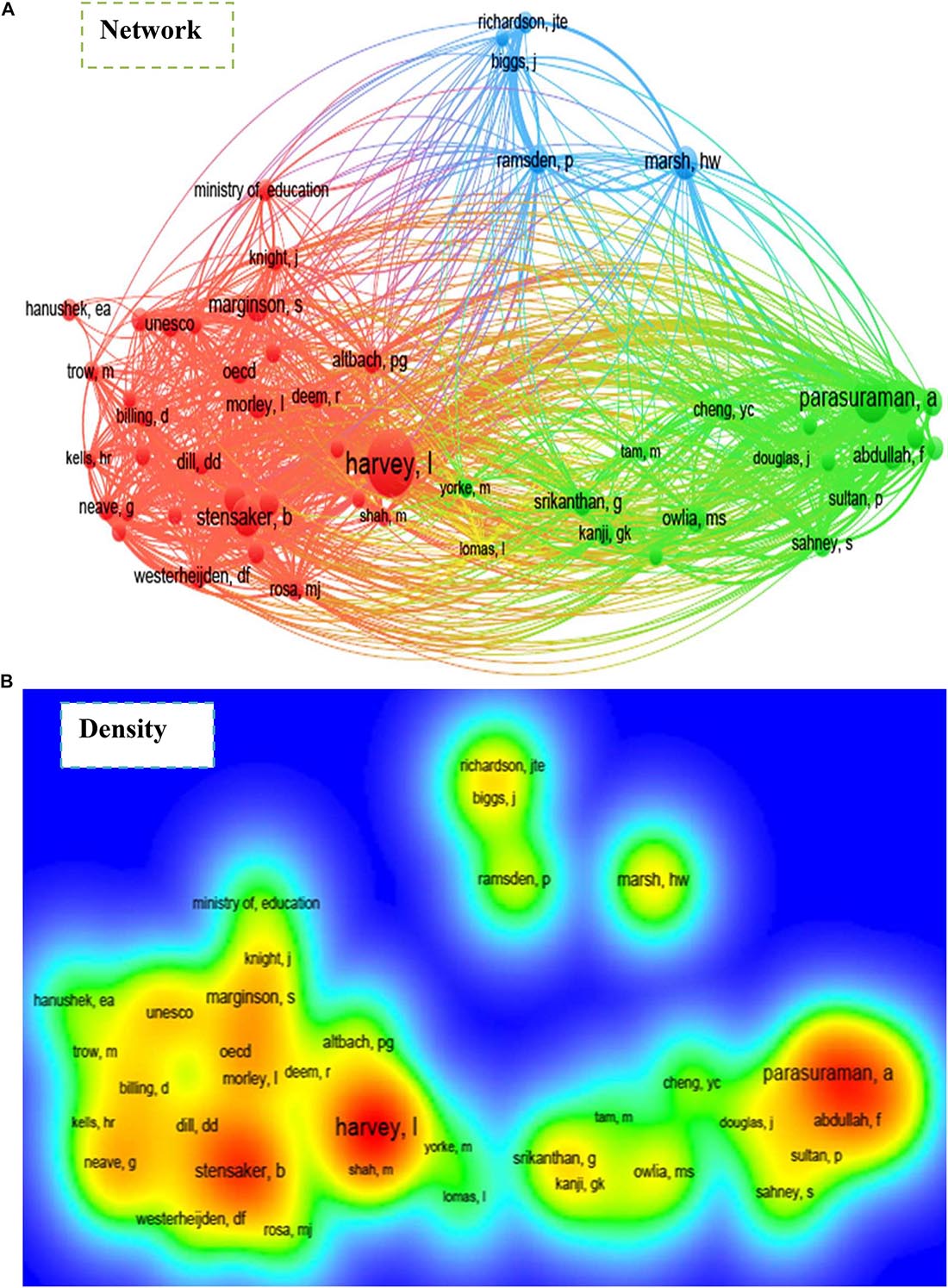
Figure 2. (A) The network of the most cited authors in the quality of higher education. (B) The density of the most cited authors in the quality of higher education.
The author’s co-citation analysis has been used to reveal the knowledge base’s intellectual structure in quality of higher education. This was accomplished in VOSviewer, which created an author’s co-citation map depicting similarities between scholars strongly cited in this literature.
Figure 2 (see Appendix 2) presented the most influential authors in the field of quality of higher education are, who are Lee Harvey, A Parsu Parasuraman, and Bjørn Stensaker. The researcher should rely on their theories and ideas in this field. Harvey, who is a Professor of Higher Education at Copenhagen Business School in Denmark, specializes in research and further research on defining the quality of higher education in five aspects: quality in the sense of excellence, quality in the mind of error, quality in the sense of relevance to objectives, quality as cash value, and quality in the sense of transformation (Harvey and Askling, 2003 and (Gingras, 2016). Parasuraman is Professor of Higher Education and Research Fellow at the University of Interest at the University of Miami in the United States of America and his colleagues Valarie A. Zeithaml and Leonard L Berry are famous for the SERVQUAL quality service model; these dimensions are represented by responsiveness, reliability, response, warranty, and sympathy (Parasuraman et al., 2002). Stensaker is a professor at the University of Oslo, Norway, best known for his quality assurance and higher education management work.
Other researchers located in the orange or yellow ocean (see density), who include Abdullah, Marginson, and Owlia, should also be relied on, particularly in quality of higher education, as they are prominent in this field.
Hence, in the author co-citation map, the “clusters” of co-authors are treated. A common color map indicates these combinations in the citation map. The author’s importance in the literature is indicated by the size of the node and the density of “links” to other authors. Links between authors represent citations shared between these particular authors. A cross-citation map between groups and schools that included the QHE knowledge base was revealed.
The Most Cited References in the Quality of Higher Education
The presentation and analysis of the researchers’ results provided knowledge on the most influential researchers in the field of quality of higher education. However, these have many and varied contributions. Which of them and which of their research contributions and works were the most influential and most reliable in the field? This is known as the analysis of research works, as shown in Figure 3 (see Appendix 3).
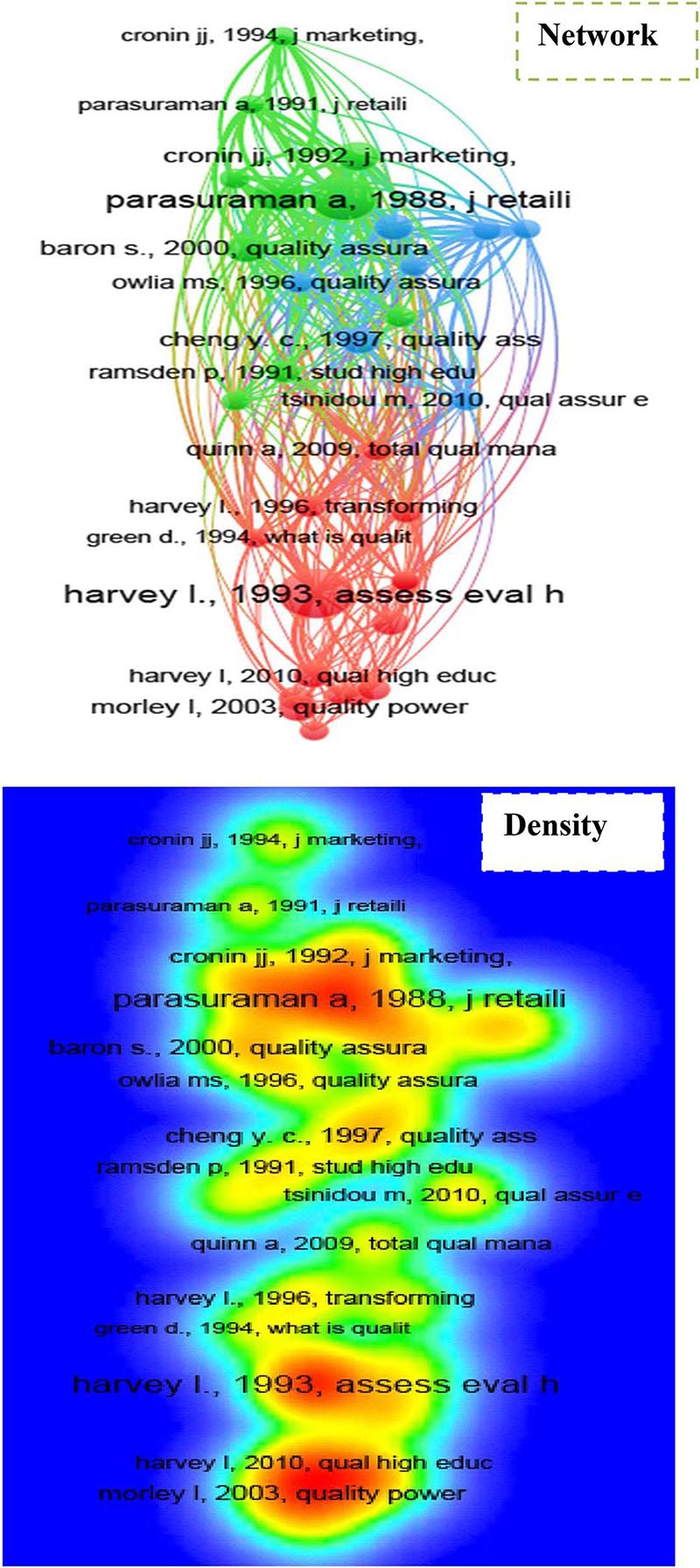
Figure 3. Network and density of the most referenced research papers in the field of quality of higher education.
Reference is made to the research work most frequently cited and referred to in quality of higher education, which has made researchers more influential in this field, such as Harvey, Parasuraman, Stensaker, and others. Harvey’s work defines quality in higher education through: higher education appreciation and evaluation (Harvey and Green, 1993), changing higher education (Harvey and Knight, 1996), fifteen years of higher education quality (Harvey and Williams, 2010). Parasuraman works on the SERVQUAL model which is a multidimensional measure of assessing the quality of services through customer perception (Parasuraman et al., 1994), SERVQUAL Scale Refining and Reassessing (Parasuraman et al., 1991) and others.
These works, which represent the original studies in quality of higher education, must be relied upon by the researcher as a previous reference study. Then, the necessary research work is based throughout the stages of his research.
The Most Cited Sources in the Quality of Higher Education
The Figure 4 shows that the researcher’s resources should include quality of higher education, and in-depth readings of their content help in building his research vision. He uses necessary references, mainly referred to or based on researchers and specialists in this field.
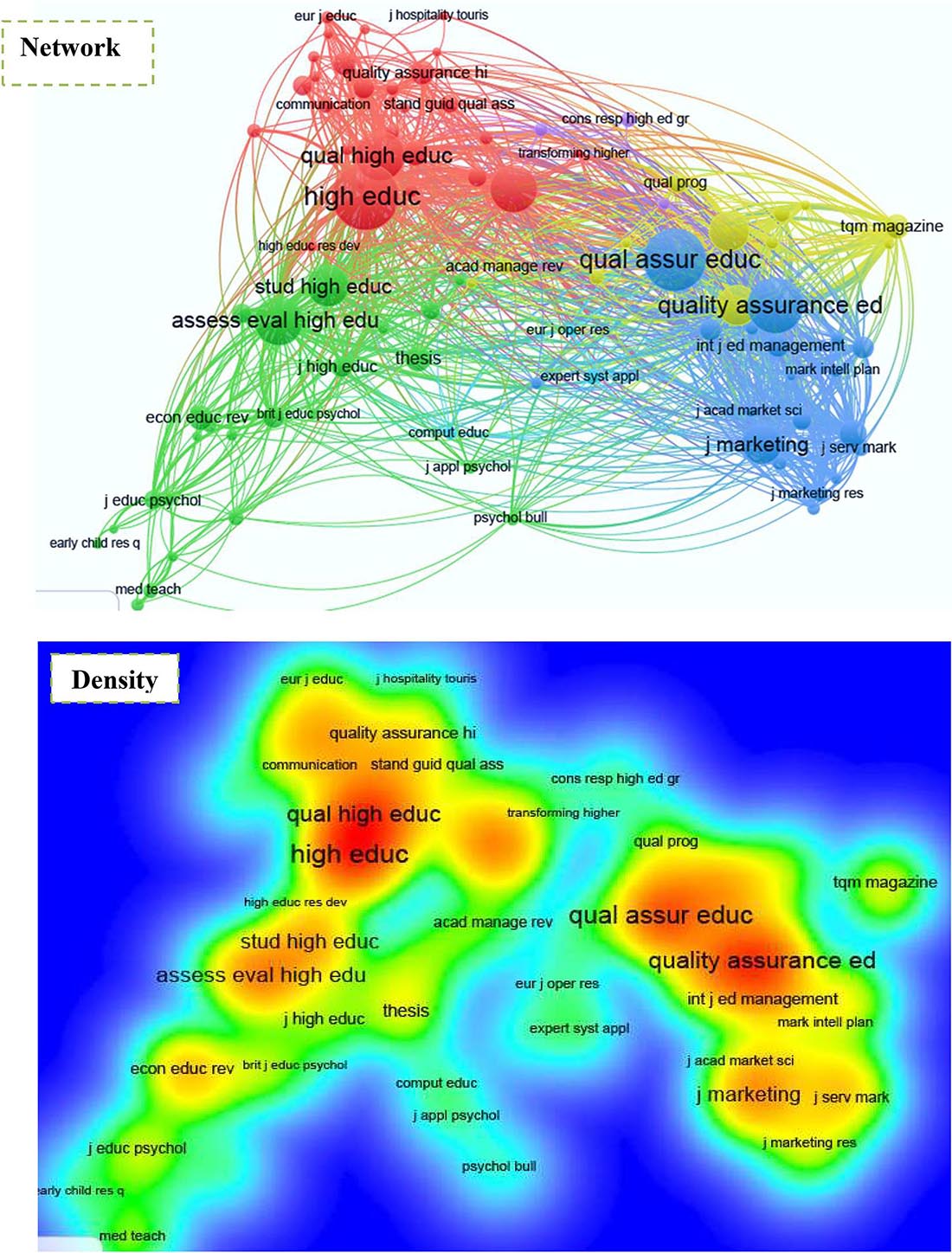
Figure 4. The network and density of the most relevant sources in the field of quality of higher education.
Figure 4 (see Appendix 4) shows that the primary references or resources of quality of higher education Springer with 281 citations, discussing quality assurance in education, Emerald with 253 citations, discussing quality in higher education (quality in higher education) Routledge with 181 citations, discussing measurement and evaluation in higher education, by 173 citations, followed by other journals such as higher education studies, overall quality management, marketing journal, overall quality management, and business excellence.
These sources or references, which are located in the orange desert areas in density, and with large circles in the network, must be carefully considered by the researcher in the field of quality of higher education, in particular in terms of depth of reading or in terms of frequent reference to and dependence on research. On the other hand, it should be noted that the most influential researchers in the field, the research work of these researchers, and the most relevant works in quality of higher education are undisputedly identified in these essential references, or preferably sources, which call for the researcher to obtain them.
The Most Cited Countries in the Quality of Higher Education
The Figure 5 shows the presentation and analysis of the results of most cited countries, research work, and citations in the field of quality of higher education, which the researcher should refer to in this search for knowledge.
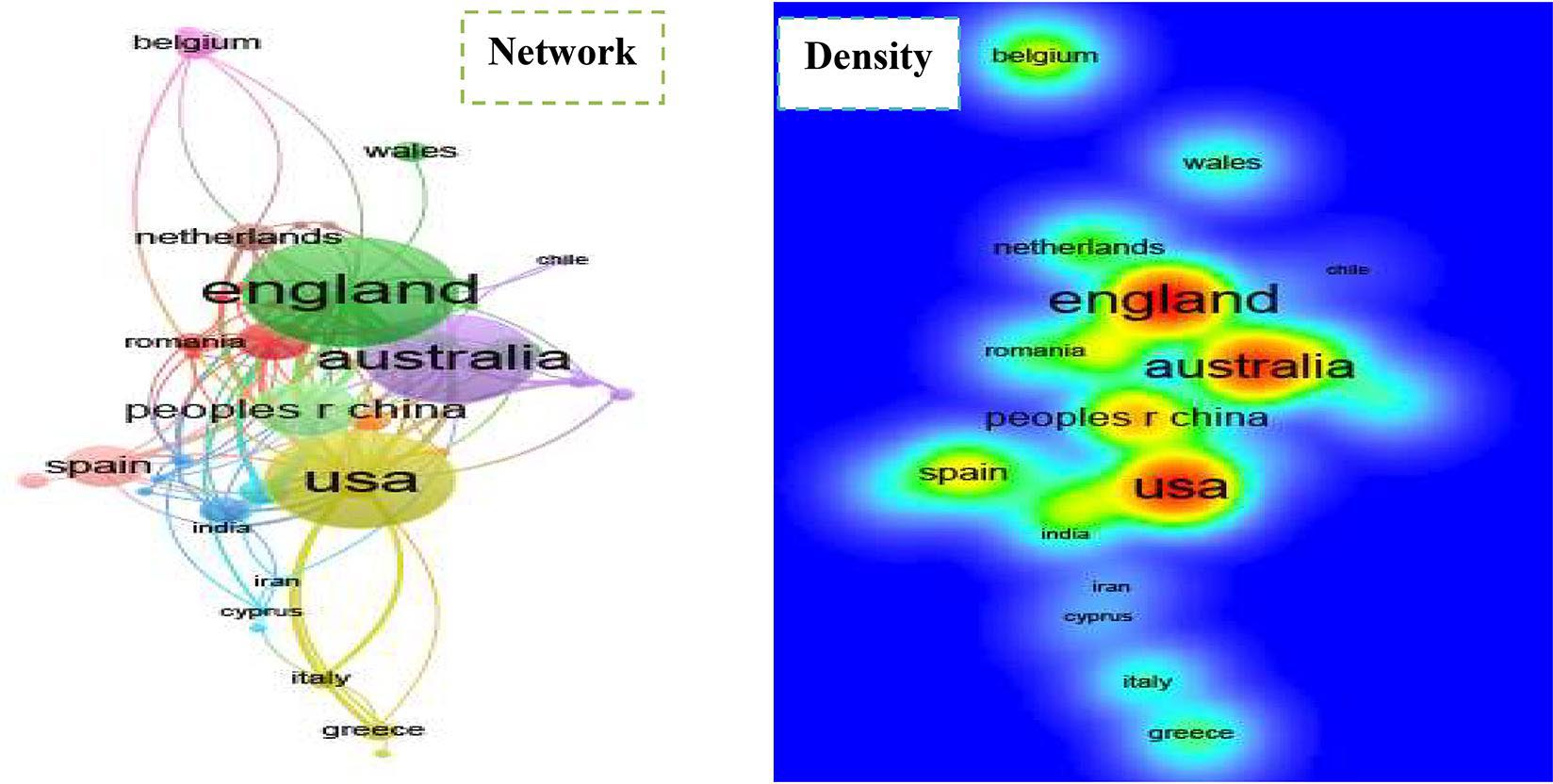
Figure 5. The network and density of the countries with the highest reference in the field of quality in higher education.
Figure 5 (see Appendix 5) shows that the most influencing countries on quality of higher education are England, known internationally as the Quality Assurance Agency for Higher Education (QAA), the United States, known internationally by quality award models, such as the Malcolm Baldrige National Quality Award (MBNQA), Australia, known internationally as the Tertiary Education Quality and Standards Agency (TEQSA), which is well-known for its ranking in the Shanghai International University Rankings, and Spain, which is hypothetically known as the University Rankings (Webometrics Ranking of World Universities.) These countries appear in large circles in the grid of orange and yellow spaces in density, as shown in Figure 5.
Those are countries that the researcher should refer to in the field of quality of higher education. He knows or can work on the research and consider them successful examples and experiences to build his research model on. Perhaps he could suggest a model for his country based on these countries. Let us talk about the classification of these countries in terms of the quality of higher education. We find them ranked, which confirms the accuracy of these results and the VOSviewer software’s effectiveness.
The Most Cited Institutions in the Quality of Higher Education
The most referenced research institutions on the quality of higher education at the international level shown is in the following form:
Let us talk about universities that are considered research institutions that produce knowledge (research work). According to Figure 6 (see Appendix 6), we find that the leaders in quality of higher education are Western Australia University, the University of London, the University of Arizona, United States, Rochester Institute of Technology, United States, University of East Anglia, England, and DePaul University, United States.
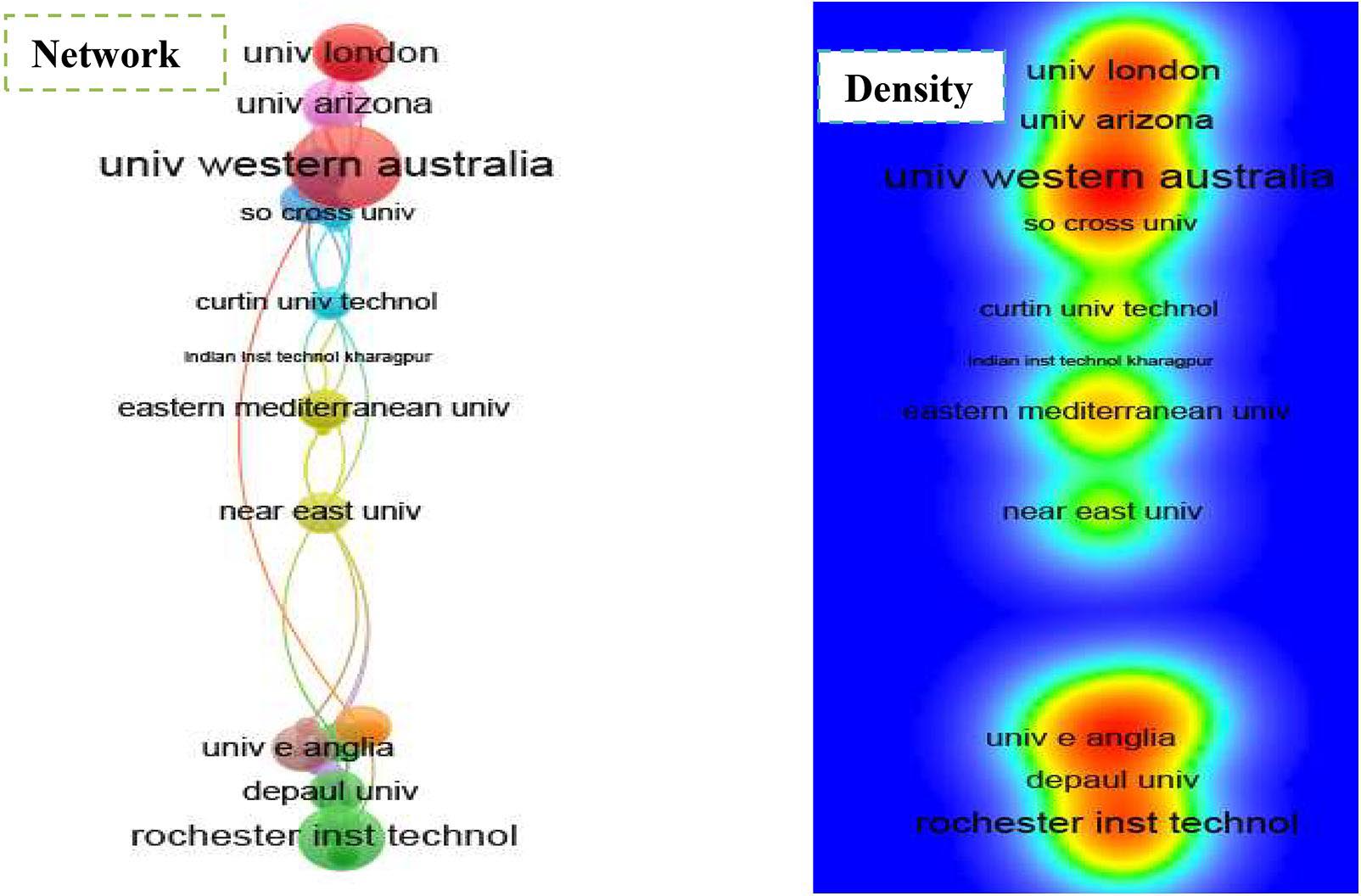
Figure 6. The network and density of the most renowned research institutions in the field of quality of higher education.
These are the first in terms of citation and citation intensity and the most relevant research work in quality of higher education. These results are consistent with the presentation and analysis of country results in Figure 6. Therefore, research institutions impact the quality of quality of higher education research authors to broaden their conceptual development paths and research paths. Collecting the bibliometric analysis results of all of the elements mentioned above (words, researchers, research works, sources, countries, and research institutions) concludes by providing a general summary.
Conclusion
This study discusses bibliometric analysis and analysis concepts compared to classical studying theoretical literature in management sciences–rules, foundations, methods, methods, data, and software. The bibliometric study’s process and stages discuss quality of higher education related to the emergence of words, the most influential researchers in this field, critical research work, reference sources, reference countries, and references. Research institutions rely on the VOSviewer network, density software outputs, research results, and suggestions.
A bibliometric analysis using the VOSviewer software on quality of higher education is an example of study knowledge and research work (Hallinger and Kovačević, 2019). The analysis also discusses the most influential researchers in the field, as well as reference sources. Others also made available a database of all research work on this topic during (2000–2018), accordingly, from the research bias that was avoided.
The bibliometric analysis stated that it is necessary to refer to some important research works, references, the most influential researchers, and essential terms on quality of higher education, countries, and reference research institutions on this subject; these results intersect with the findings of the study by Baporikar (2021). This contributes to the definition of theoretical frameworks for the quality of higher education. Bibliographic analysis contributes to quality of higher education theoretical frameworks by identifying terms, most influential researchers, studies, sources, countries, and reference research institutions, and this is extremely important for future research directions.
This paper has investigated the theoretical analysis of the various concepts related to bibliometric analysis and the presentation and discussion on quality of higher education. We achieved results in the bibliometric analysis compared to traditional methods, which allowed for a wide range of studies (databases) to avoid bias and search selection problems. The researcher choice complements the bibliometric analysis methods but cannot substitute the traditional methods of reviewing the theoretical literature. The bibliographic analysis is also valuable for defining key terms, the most influential researchers in the field, research work and reference sources, and countries and reference research institutions (analytical units).
This study indicates a set of indicators [keywords, authors, references (research papers), research work, countries, and research institutions] that confirm this united existence. We have obtained an accurate bibliometric analysis of the appearance of terms. The basic terms of quality of higher education are higher education, quality assurance, quality, and exploration.
The bibliometric analysis of the researchers shows that the most influential researchers in the field of quality of higher education are Lee Harvey, A Parsu Parasuraman, and Bjørn Stensaker, and they should be relied upon by the researcher to theorize this field and to surround their theories with exceptional research depth. The research work in quality of higher education has returned to the most influential researchers in this field. Reference sources in quality of higher education should be based on the bibliometric analysis of references in the following international journals: Journal of Higher Education, Quality Assurance of Education, Quality in Higher Education Measurement, and Evaluation in Higher Education. These are the references that the researcher must have in this field.
In conclusion, the countries most researched in quality of higher education are England, the United States of America, Australia, China, and Spain. The Benchmark higher education research institutions are represented internationally at the following universities: University of Western Australia, University of London, University of Arizona America, Rochester Institute of Technology America, East Anglia University, and DePaul America.
This study will help researchers and educational policymakers in higher learning to understand the status of quality requirements and identify trends in higher education. This study also reinforces the growing recognition that education plays a significant role in society and will allow for quality of higher education trends, especially digital education and its requirements, to be achieved.
This is also evident by the growth path of the quality of higher education literature, its interdisciplinary composition, the breadth of areas displaying quality of higher education content, and the quality of journals and scholars who have participated in this topic.
This study’s results can determine the quality assessment of higher education institutions and take measures and policies that support the future quality of higher education trends. More specifically, the results can be used directly by higher education institutions to assess quality as strategic dimensions and to influence policymakers’ visions.
Data Availability Statement
The original contributions presented in the study are included in the article/supplementary material, further inquiries can be directed to the corresponding author/s.
Author Contributions
KC and SB conceived of the presented idea. AA and RZ contributed to the design and implementation of the research and performed the revision. SB, AM, and KC verified the analytical methods and supervised the findings of this work. All authors discussed the results and contributed to the final manuscript.
Funding
The authors extend their appreciation to the Deputyship for Research and Innovation, Ministry of Education in Saudi Arabia for funding this research work through the project number (UB-56-1442).
Conflict of Interest
The authors declare that the research was conducted in the absence of any commercial or financial relationships that could be construed as a potential conflict of interest.
Acknowledgments
The authors would like to thank the reviewers and the editor for their insightful comments and suggestions.
References
Abdi, A., Idris, N., Alguliyev, R. M., and Aliguliyev, R. M. (2018). Bibliometric analysis of IP&M Journal. J. Sci. Res. 7, 54–62. doi: 10.5530/jscires.7.1.8
Aguinis, H., Dalton, D. R., Bosco, F. A., Pierce, C. A., and Dalton, C. M. (2011). Meta-analytic choices and judgment calls: implications for theory building and testing, obtained effect sizes, and scholarly impact. J. Manag. 37, 5–38. doi: 10.1177/0149206310377113
Aria, M., and Cuccurullo, C. (2017). bibliometrix: an R-tool for comprehensive science mapping analysis. J. Inf. 11, 959–975. doi: 10.1016/j.joi.2017.08.007
Baporikar, N. (2021). “Stakeholder approach for quality higher education,” in Research Anthology on Preparing School Administrators to Lead Quality Education Programs. Pennsylvania: IGI Global., 1664–1690. doi: 10.4018/978-1-7998-3438-0.ch075
Bizotto, B. L. S., Camargo, M. E., da Motta, M. E. V., de Oliveira, J. R., and Coelho, A. S. (2015). A bibliometric study of the scientific literature on the hierarchical regression in administration. Bus. Manag. Rev. 4, 209–216.
Carvalho, S. W., and de Oliveira Mota, M. (2010). The role of trust in creating value and student loyalty in relational exchanges between higher education institutions and their students. J. Market. Higher Educ. 20, 145–165. doi: 10.1080/08841241003788201
Corrall, S., Kennan, M. A., and Afzal, W. (2013). Bibliometrics and research data management services: emerging trends in library support for research. Lib. Trends 61, 636–674. doi: 10.1353/lib.2013.0005
de Matos Pedro, E., Leitão, J., and Alves, H. (2020). Bridging intellectual capital, sustainable development and quality of life in higher education institutions. Sust. MDPI Open Access J. 12, 1–27.
DiDomenico, E., and Bonnici, J. (1996). Assessing service quality within the educational environment. Education 116, 353–360.
Gingras, Y. (2016). Bibliometrics and Research Evaluation: Uses and Abuses. Cambridge, MA: MIT Press, doi: 10.7551/mitpress/10719.001.0001
Green, D. (1994). What Is Quality in Higher Education?. Bristol, PA: Taylor & Francis. 1900 Frost Road, Bristol, PA 19007-1598.
Hallinger, P., and Kovačević, J. (2019). A bibliometric review of research on educational administration: science mapping the literature, 1960 to 2018. Rev. Educ. Res. 89, 335–369. doi: 10.3102/0034654319830380
Harvey, L., and Askling, B. (2003). “Quality in higher education,” in The Dialogue Between Higher Education Research and Practice, ed. R. Begg (Berlin: Springer), 69–83. doi: 10.1080/13538320308164
Harvey, L., and Green, D. (1993). Defining quality. Assess. Eval. Higher Educ. 18, 9–34. doi: 10.1080/0260293930180102
Harvey, L., and Williams, J. (2010). Fifteen Years of Quality in Higher Education (Part Two). Milton Park: Taylor & Francis, doi: 10.1080/13538322.2010.485722
Harvey, L., and Knight, P. T. (1996). Transforming Higher Education. Maidenhead: Open University Press.
Lotka, A. J. (1926). The frequency distribution of scientific productivity. J. Wash. Acad. Sci. 16, 317–323.
Merigó, J. M., and Yang, J. B. (2017). A bibliometric analysis of operations research and management science. Omega 73, 37–48. doi: 10.1016/j.omega.2016.12.004
Mulet-Forteza, C., Genovart-Balaguer, J., Merigó, J. M., and Mauleon-Mendez, E. (2019). Bibliometric structure of IJCHM in its 30 years. Int. J. Contemp. Hosp. Manag. 12, 4574–4604. doi: 10.1108/ijchm-10-2018-0828
Mulet-Forteza, C., Lunn, E., Merigó, J. M., and Horrach, P. (2021). Research progress in tourism, leisure and hospitality in Europe (1969–2018). Int. J. Contemp. Hosp. Manag. 33, 48–74. doi: 10.1108/ijchm-06-2020-0521
Parasuraman, A., Berry, L. L., and Zeithaml, V. A. (1991). Refinement and reassessment of the SERVQUAL scale. J. Retail. 67, 420–450.
Parasuraman, A., Zeithaml, V., and Berry, L. (2002). SERVQUAL: a multiple-item scale for measuring consumer perceptions of service quality. Retailing 64:140.
Parasuraman, A., Zeithaml, V. A., and Berry, L. L. (1994). Reassessment of expectations as a comparison standard in measuring service quality: implications for further research. J. Market. 58, 111–124. doi: 10.1177/002224299405800109
Quinn, A., Lemay, G., Larsen, P., and Johnson, D. M. (2009). Service quality in higher education. Total Qual. Manag. 20, 139–152.
Raghuram, S., Hill, N. S., Gibbs, J. L., and Maruping, L. M. (2019). Virtual work: bridging research clusters. Acad. Manag. Ann. 13, 308–341. doi: 10.5465/annals.2017.0020
Raghuram, S., Tuertscher, P., and Garud, R. (2010). Research note—mapping the field of virtual work: a co-citation analysis. Inf. Syst. Res. 21, 983–999. doi: 10.1287/isre.1080.0227
Rieckmann, M. (2012). Future-oriented higher education: which key competencies should be fostered through university teaching and learning? Futures 44, 127–135. doi: 10.1016/j.futures.2011.09.005
Salas-Zapata, W. A., Ríos-Osorio, L. A., and Cardona-Arias, J. A. (2018). Knowledge, attitudes and practices of sustainability: systematic review 1990-2016. J. Teach. Educ. Sust. 20, 46–63. doi: 10.2478/jtes-2018-0003
Seymour, D. T. (1992). On Q: Causing Quality in Higher Education. New York, NY: Macmillan Publishing Company. 100 Front St., Riverside, NJ 08075- 7500.
Tsay, M., and Shu, Z. (2011). Journal bibliometric analysis: a case study on the journal of documentation. J. Doc. 67, 806–822. doi: 10.1108/00220411111164682
Van Eck, N. J., and Waltman, L. (2014). “Visualising bibliometric networks,” in Measuring Scholarly Impact, eds Y. Ding, R. Rousseau, and D. Wolfram (Berlin: Springer), 285–320. doi: 10.1007/978-3-319-10377-8_13
Waltman, L., and Noyons, L. (2018). Bibliometrics for research management and research evaluation. Leiden Centre Sci. Technol. Stud.
Zipf, G. K. (1949). Human Behaviour and the Principle of Least Effort. Cambridge, MA: Addison Wesley.
Appendix
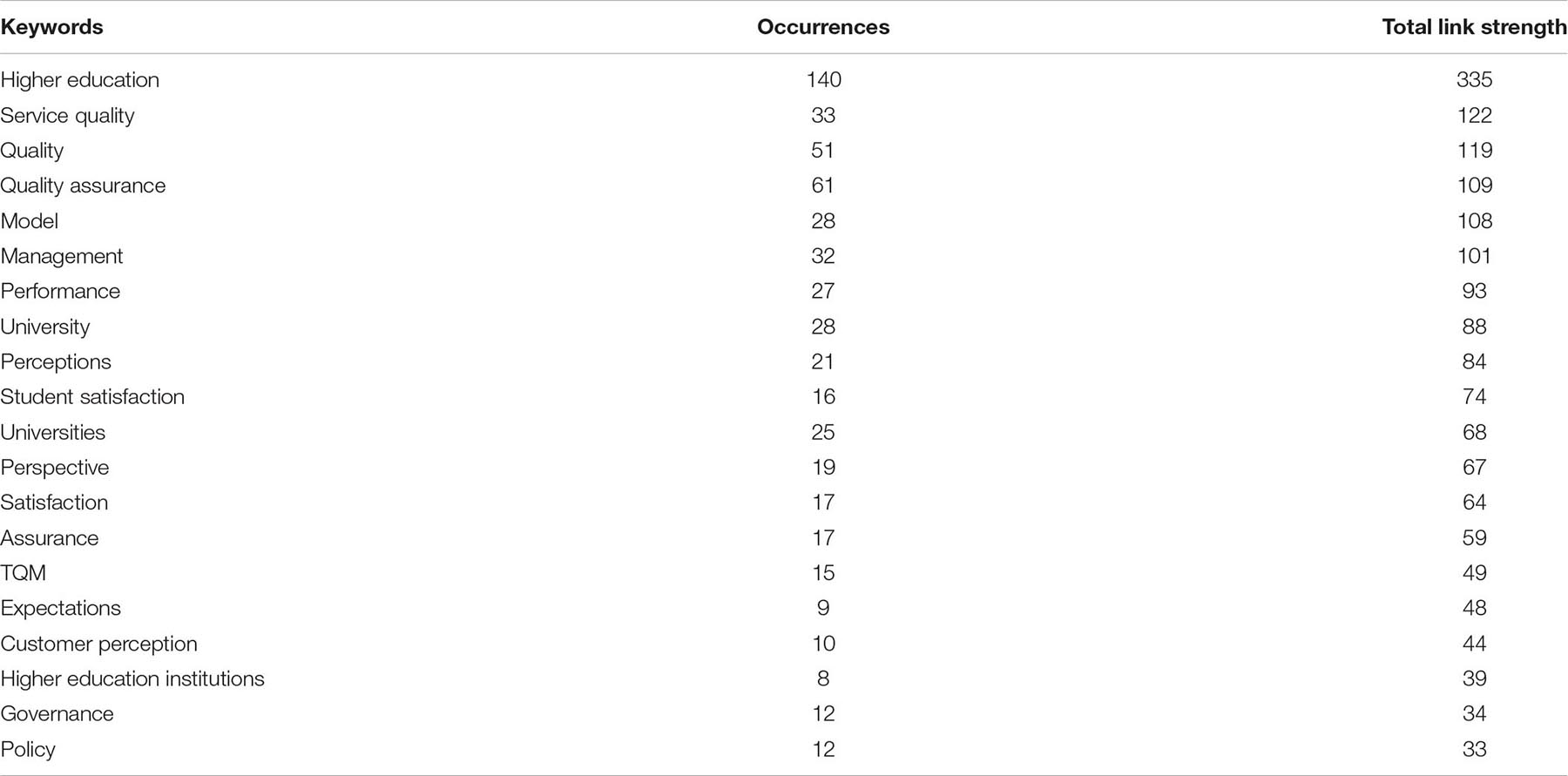
Appendix Table 1. The most frequently occurring keywords.
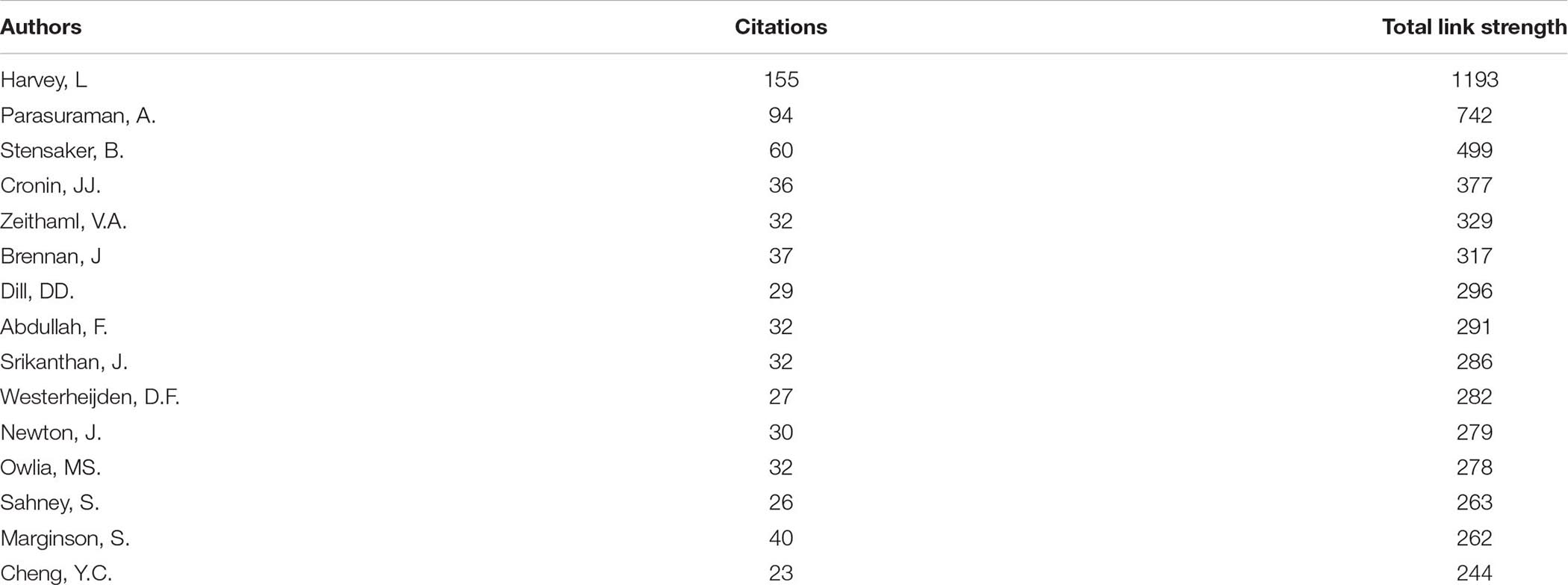
Appendix Table 2. The most cited authors in the quality of higher education.
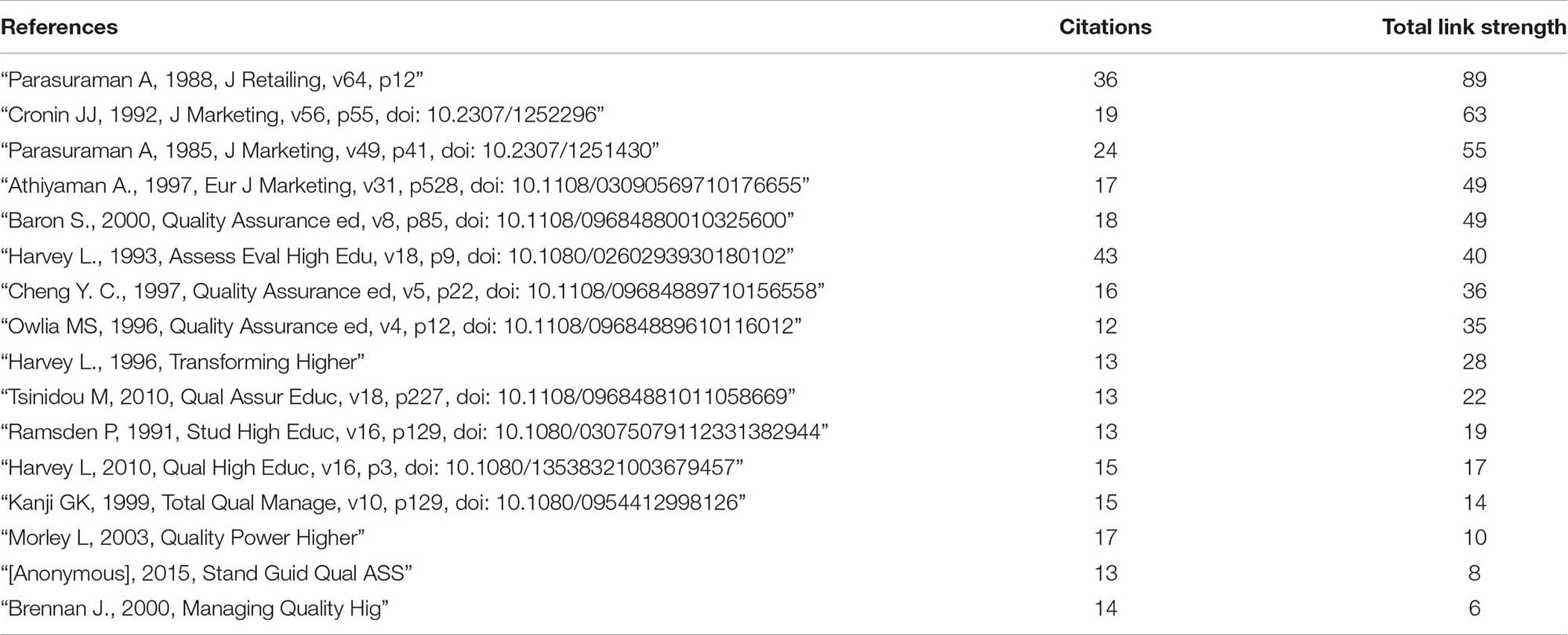
Appendix Table 3. The most cited references in the quality of higher education.
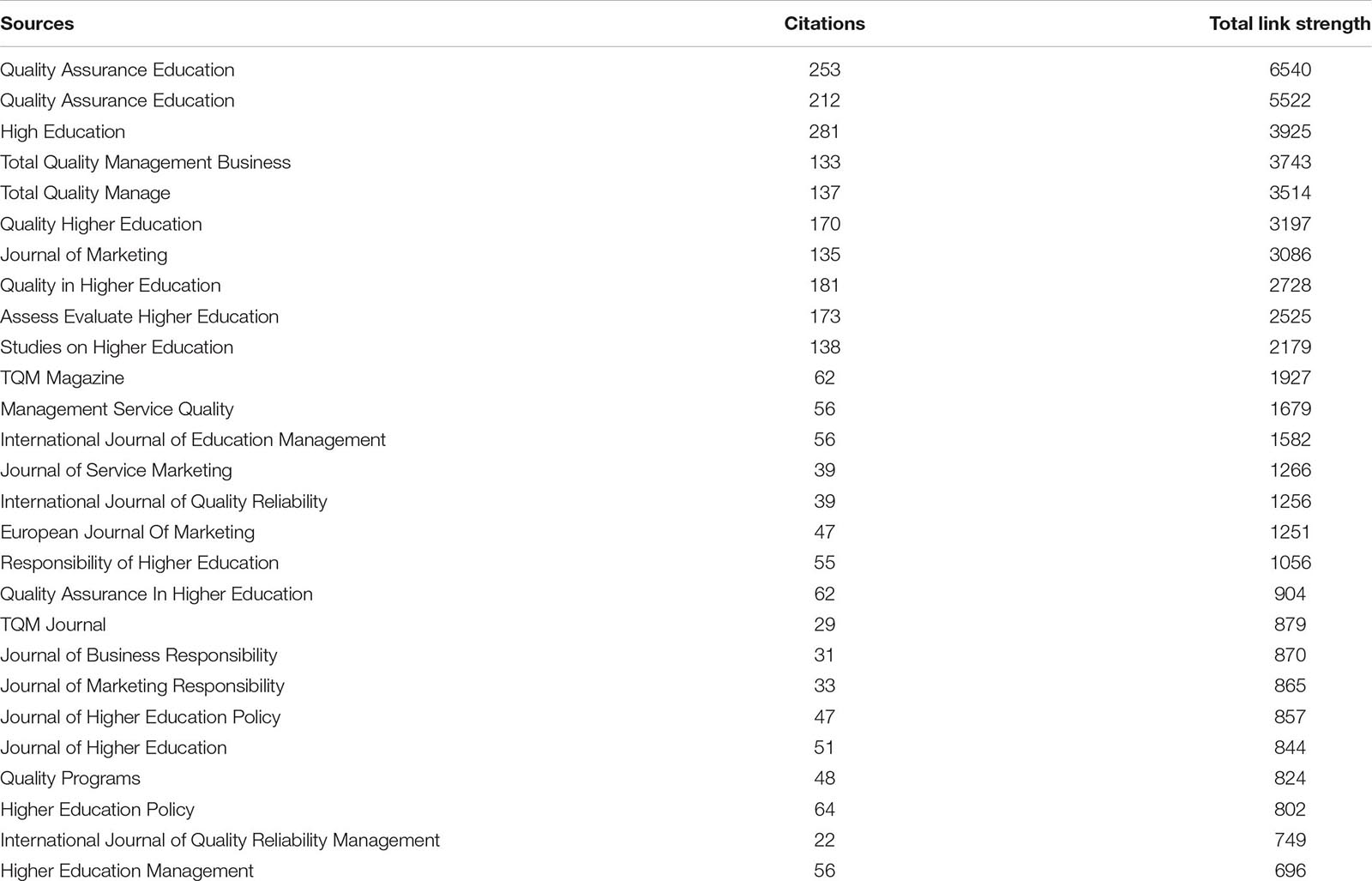
Appendix Table 4. The most cited sources in the quality of higher education.
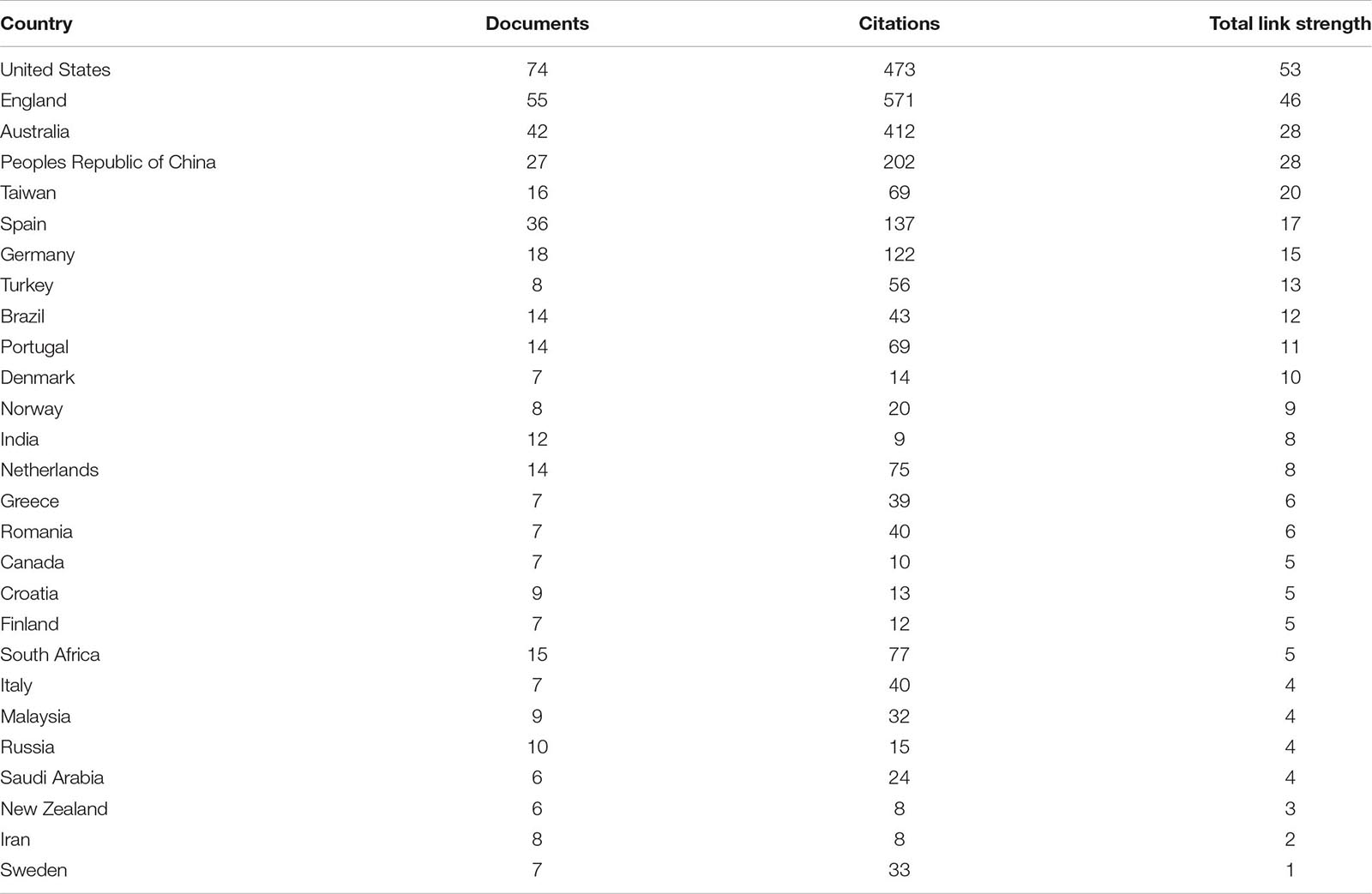
Appendix Table 5. The most cited countries in the quality of higher education.
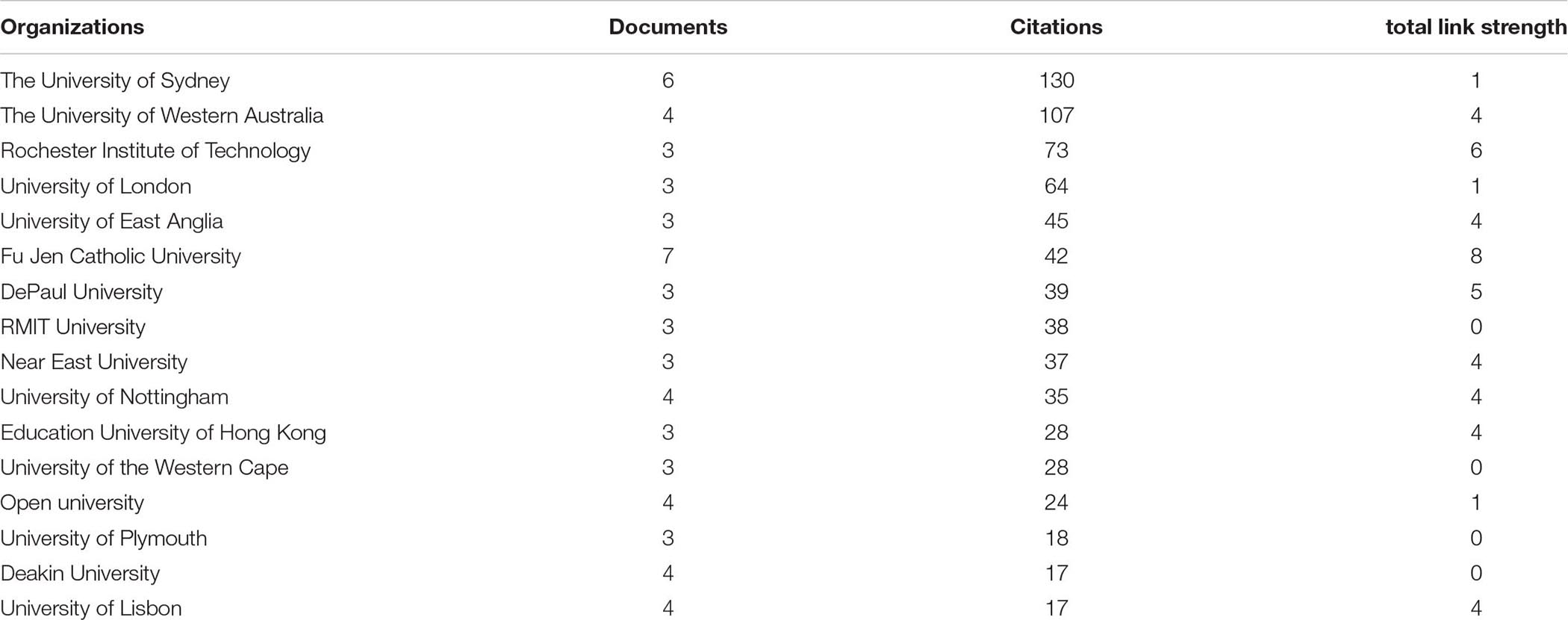
Appendix Table 6. The most cited research institutions in the quality of higher education.
Keywords: bibliometric analysis, quality of higher education, VOSviewer, network, density
Citation: Brika SKM, Algamdi A, Chergui K, Musa AA and Zouaghi R (2021) Quality of Higher Education: A Bibliometric Review Study. Front. Educ. 6:666087. doi: 10.3389/feduc.2021.666087
Received: 09 February 2021; Accepted: 06 April 2021;
Published: 19 May 2021.
Edited by:
Antonio Baena Extremera, University of Granada, SpainReviewed by:
Peter Kokol, University of Maribor, SloveniaCarlos Mulet Forteza, University of the Balearic Islands, Spain
Copyright © 2021 Brika, Algamdi, Chergui, Musa and Zouaghi. This is an open-access article distributed under the terms of the Creative Commons Attribution License (CC BY). The use, distribution or reproduction in other forums is permitted, provided the original author(s) and the copyright owner(s) are credited and that the original publication in this journal is cited, in accordance with accepted academic practice. No use, distribution or reproduction is permitted which does not comply with these terms.
*Correspondence: Said Khalfa M. Brika, c2JyaWthQHViLmVkdS5zYQ==